

How to Spot and Identify Asbestos: Signs, Colours, and Common Locations
Asbestos was once widely used in construction for its strength, fire resistance, and affordability. But today, it is recognised as a serious health hazard, linked to life-threatening conditions such as mesothelioma and asbestosis. Because asbestos fibres are invisible to the naked eye, identifying materials that may contain them isn�t always straightforward; knowing how to spot asbestos is essential for protecting yourself and others.If your property was built before the year 2000, there�s a chance it may contain asbestos. From textured coatings and insulation boards to old vinyl floor tiles, asbestos was widely used in everyday building materials. But what does asbestos look like, and how can you tell if it�s present in your home?�This article explains the typical signs, colours, and locations of asbestos so you can make informed decisions and seek professional help when needed. Whether you�re a homeowner renovating an older property or a worker in construction and maintenance, understanding these warning signs can help you take the proper precautions before disturbing any material that may contain asbestos.What Is Asbestos and Why Is It Dangerous?Asbestos is a naturally occurring mineral that was once highly valued for its exceptional durability, heat resistance, and insulating properties. In the UK, it was widely used in construction and manufacturing from the 1950s through the 1980s. Commonly added to insulation, ceiling boards, flooring, and roofing products, asbestos seemed like a miracle material at the time. However, by the late 20th century, its severe health risks became undeniable. The use of asbestos was finally banned in the UK in 1999, but many older homes and buildings still contain asbestos-containing materials (ACMs).Why Asbestos Exposure Is Harmful to HealthThe real danger of asbestos lies in its microscopic fibres. When asbestos-containing materials are damaged, cut, or disturbed, they release these fibres into the air. Once inhaled, the fibres can lodge deep within the lungs and remain there for years. Over time, this can lead to severe, often fatal conditions such as:Asbestosis: Scarring of the lungs, resulting in breathing difficulties.Mesothelioma:� A rare but aggressive cancer affecting the lining of the lungs or abdomen.Lung cancer: Often linked to asbestos exposure, especially in smokers.Unlike some hazards, asbestos-related illnesses may take decades to develop, which is why prevention and early awareness are crucial.Why Identification Is Essential for SafetyBecause asbestos fibres are invisible to the naked eye, you cannot tell by looking alone whether a material contains asbestos. Yet identifying potential asbestos in homes and workplaces is the first step to staying safe. Knowing the risks allows you to:Avoid disturbing asbestos-containing materials.Take proper precautions before starting renovation or demolition work.Call in licensed professionals to test and manage suspected asbestos.Understanding what asbestos is and why it�s dangerous lays the foundation for learning how to spot it in everyday materials, which we�ll explore in the next section.What Does Asbestos Look Like? Key Signs to Recognise ItAsbestos itself is made up of fine fibres that are invisible to the naked eye, so you cannot always tell if a material contains asbestos just by looking. Instead, asbestos was mixed into many everyday building products. Asbestos-containing materials (ACMs) can look like ordinary plasterboard, tiles, or insulation. Common examples include:Textured ceiling coatings (such as Artex)Flat insulation boardsOld floor tiles and adhesivesSprayed coatings on ceilings, beams, or wallsBecause asbestos is often combined with cement, resin, or other substances, it can resemble ordinary plasterboard, tiles, or insulation. Age, paint, and damage can also make it harder to distinguish asbestos-containing products from safer alternatives. This means that even trained professionals cannot confirm the presence of asbestos simply by looking at it.The only reliable way to identify asbestos is through laboratory testing carried out by a licensed asbestos surveyor. If you suspect a material might contain asbestos, you should never cut, sand, or drill into it, as this is what releases dangerous fibres into the air. Instead, a professional can safely collect samples for analysis and confirm whether asbestos is present. Knowing what asbestos materials typically look like can help you stay alert; however, testing is the only definitive way to confirm their presence.Importance of Professional Testing for ConfirmationIf you suspect a material contains asbestos, never attempt to cut, sand, or drill it to check. Disturbing asbestos is what makes it dangerous. Instead:Contact a licensed asbestos surveyor who can safely take samples.Laboratory analysis under a microscope is necessary to confirm the presence of asbestos.Do not rely solely on visual checks, as they can be misleading and unsafe.Knowing what asbestos might look like can help you stay alert; however, testing by a professional is the only definitive way to confirm its presence.The Colours of Asbestos: White, Brown and BlueAlthough these colours were once used to distinguish asbestos types, in practice, asbestos fibres are not always visible, and products may not show a clear �colour.� The safest way to confirm the presence of asbestos is always through professional testing.White Asbestos (Chrysotile): The Most Common FormWhite asbestos, also called chrysotile, was the most widely used type in the UK. It was added to roofing sheets, floor tiles, insulation, and textured coatings because of its flexibility and heat resistance. White asbestos fibres are long and curly, which makes them easier to weave into building materials. While considered less hazardous than other types, chrysotile is still extremely dangerous when its fibres become airborne and inhaled.Brown Asbestos (Amosite): Common in Insulation BoardsBrown asbestos, also known as amosite, was most commonly used in asbestos insulation boards (AIBs), ceiling tiles, thermal insulation, and cement sheets. Its fibres are straighter and more brittle compared to chrysotile. Amosite was particularly strong and heat-resistant, which made it a popular choice for fireproofing. However, it poses a serious risk to health and has been linked to lung cancer and mesothelioma.Blue Asbestos (Crocidolite): The Most Hazardous TypeBlue asbestos, known as crocidolite, is widely regarded as the most dangerous form. Its thin, needle-like fibres are sharp and can easily penetrate lung tissue once inhaled. Crocidolite was used in sprayed coatings, pipe lagging, and certain cement products, although it was less common than white and brown asbestos. Due to its extreme health risks, it has been strongly associated with aggressive forms of mesothelioma.Stay Safe with Hurak�s Most Popular Health & Safety CoursesHurak offers a wide range of accredited training designed to keep you safe, ensure compliance, and help you build a successful career in health and safety.Asbestos Awareness & SafetyAsbestos Awareness TrainingWorking at Height�Working at Height TrainingSafety Harness TrainingManual Handling Training CourseWorkplace SafetyIOSH Managing SafelyIOSH Working SafelyLevel 2 Health and Safety in the WorkplaceBrowse All Health and Safety Courses at Hurak.Common Locations Where Asbestos May Be FoundAsbestos was used in a wide range of building products, so it can still be present in many older properties. The table below highlights some of the most common locations and materials where asbestos may be found.Location / MaterialExamples of Asbestos UseRisk LevelInsulation and Pipe LaggingPipe insulation, boiler lagging, and sprayed insulation on ducts and beamsHigh � fibres release easily if disturbedFloor Tiles and Roofing SheetsVinyl floor tiles, tile adhesives, corrugated cement roofing sheets (garages, sheds, factories)Medium � fibres released if broken or drilledPlasterboard and CoatingsAsbestos plasterboard, partition walls, textured coatings such as Artex, and ceiling tilesMedium � disturbance during sanding/drilling is dangerousBoilers and Heating SystemsAsbestos blankets around boilers, insulation boards in heating systemsHigh � older boilers often had friable asbestosCeilings and Garage PanelsSuspended ceiling tiles in offices/schools, cement garage panels and outbuilding wallsMedium � common in prefabricated buildingsHow to Spot Asbestos in Homes and BuildingsSpotting asbestos isn�t always straightforward, as asbestos fibres are microscopic and cannot be seen with the naked eye. Instead, look for clues in the age of the property and the types of materials present. Homes and buildings constructed before the year 2000 are the most likely to contain asbestos, particularly if they haven�t been refurbished since.In residential properties, asbestos was often used in textured ceiling coatings, such as Artex, old vinyl floor tiles, and the black adhesive beneath them. It was also used in insulation boards around fireplaces or in loft spaces, as well as in corrugated cement sheets on garage roofs. In commercial buildings such as schools, factories, and offices, asbestos was commonly found in suspended ceiling tiles, pipe insulation in plant rooms, sprayed coatings on structural beams, and cement panels used for fireproofing.A helpful indicator is the age of the property. Buildings erected before 1985 have a high likelihood of containing asbestos, while those built between 1985 and 1999 may still contain asbestos in certain materials. Properties built after 2000 should be asbestos-free, as the use of asbestos was entirely banned in the UK by then.Note: It�s essential to remember that even with these signs, asbestos cannot be confirmed by sight alone. Only a licensed asbestos surveyor can take samples and arrange laboratory testing to verify its presence.How to Identify Asbestos Safely (Without Disturbing It)Identifying asbestos safely means recognising the materials that may contain it without physically touching, cutting, or disturbing them. Asbestos is only dangerous when its fibres are released into the air, so visual awareness and caution are key. If you believe a material could contain asbestos, it�s vital to keep it intact and avoid drilling, sanding, or breaking it.Safe Steps to Identify Potential AsbestosConsider the property's age: Buildings constructed before 2000 are more likely to contain asbestos, particularly if they haven�t undergone renovation.Check common materials: Items such as old vinyl floor tiles, textured coatings, cement sheets, insulation boards, and pipe lagging are frequent sources of asbestos.Avoid disturbance:� Do not scrape, cut, or damage any suspected material, as this is when fibres are released.Rely on professionals: A licensed asbestos surveyor can safely collect samples and confirm the presence of asbestos through laboratory testing.Tip: You cannot identify asbestos with certainty by sight alone. While awareness of typical signs and locations is proper, the only safe and reliable method is to have a professional asbestos survey carried out.When to Call a Professional for Asbestos TestingAsbestos can�t be confirmed by sight alone, as asbestos fibres are microscopic and many asbestos-containing materials (ACMs) look like standard building products. While recognising the signs of asbestos is useful, the only safe and reliable way to confirm it is through professional testing.Why You Need a Licensed Asbestos SurveyorA licensed asbestos surveyor has the expertise and equipment to take samples safely without releasing harmful fibres into the air. These samples are sent to UKAS-accredited laboratories, where tests determine not only whether asbestos is present but also the type, which can be white, brown, or blue. Surveyors also provide detailed reports and guidance on the next steps, whether that means leaving the material undisturbed or planning safe removal.If you suspect asbestos in your home, office, or workplace, the rule is simple: don�t try to test it yourself. Always call a professional to ensure the material is handled safely and in line with UK regulations.Strengthen Your Health & Safety Knowledge with CITB TrainingIdentifying asbestos is only part of maintaining a safe site. To manage wider health and safety risks and meet legal requirements, construction professionals need accredited training. Hurak�s CITB Site Safety Plus courses are designed to give you the skills to recognise hazards, carry out risk assessments, and maintain safe working environments.Popular CITB-accredited courses include:CITB Health and Safety Awareness (HSA): Ideal for newcomers learning to identify hazards such as asbestos.CITB SMSTS: Site Management Safety Training Scheme: Essential for managers overseeing asbestos and other on-site risks.CITB SMSTS Refresher Course: Update your knowledge and stay compliant with current safety standards.CITB SSSTS: Site Supervisor Safety Training Scheme: Train supervisors to identify and control hazards on site.CITB SSSTS Refresher Course: Refresh your certification and strengthen your approach to workplace safety.Protect your team, stay compliant, and advance your career with Hurak�s accredited CITB training.What To Do If You Suspect AsbestosFinding a material you think may contain asbestos can be worrying, but the most important thing is not to panic and not to disturb it. Asbestos is only dangerous when its fibres are released into the air; therefore, the safest approach is to leave the material as it is until a professional assessment can be carried out.Immediate Steps to TakeStop work immediately: Whether you�re renovating, drilling, or repairing, put tools down and avoid touching the material.Keep the area clear: Restrict access to prevent others from being exposed to potential fibres.Avoid sweeping or vacuuming: This can spread fibres further.Seek professional advice: Contact a licensed asbestos surveyor to arrange for testing.If asbestos is confirmed, you�ll be advised whether it can be safely left in place (managed and undisturbed) or if removal is required. Employers also have a legal duty under UK health and safety law to protect staff from asbestos exposure in the workplace, which means arranging surveys and risk assessments where asbestos is suspected.Training in asbestos awareness and safe working practices can also help you recognise potential risks early and take appropriate precautions.Frequently Asked QuestionsWhat does asbestos look like?Asbestos is made of tiny fibres and is often mixed with other materials. It can appear fibrous, rough, or even smooth, depending on where it�s used, like in tiles, cement, or insulation. You can�t confirm it by sight alone.What does white asbestos look like?White asbestos (chrysotile) has curly white or grey fibres and was often used in roof sheets, pipe insulation, and vinyl tiles. It's common in older homes and the least dangerous, but still harmful if disturbed.What does brown asbestos look like?Brown asbestos (amosite) has straight, brown fibres and was widely used in ceiling tiles, insulating boards, and cement panels. It�s more hazardous than white asbestos due to its sharp, needle-like fibres.What colour is crocidolite asbestos?Crocidolite, or blue asbestos, has thin, blue fibres and was often used in pipe lagging and spray-on insulation. It�s the most dangerous form of asbestos due to its delicate fibres and high friability.What does asbestos insulation look like?It often appears fluffy, crumbly, or dusty, especially around pipes, boilers, or lofts. Older sprayed coatings or lagging materials may also contain it and become a hazard when they deteriorate.What does asbestos tile look like?Asbestos tiles are usually 9x9 or 12x12 inches, dull in colour, and often dark grey or brown. They become dangerous when cracked, brittle, or during removal.How to spot asbestos in walls or ceilings?Look for textured coatings, fireproof panels, or old ceiling tiles in buildings built before 2000. Visual checks aren�t reliable, though � lab testing is the only way to confirm.What should I do if I suspect asbestos?Stop work immediately, inform a supervisor, and seal off the area. Only licensed professionals should inspect or remove suspected materials.Is asbestos still a problem in the UK?Yes. It�s still present in many pre-2000 buildings despite being banned. Anyone working in construction or renovation must be aware of the associated risks.Who needs asbestos awareness training?Anyone working in construction, maintenance, or demolition. Hurak�s Asbestos Awareness Course covers identification, safety, and your legal responsibilities. Conclusion: Spotting and Identifying AsbestosAsbestos remains one of the most significant health hazards in older homes and workplaces across the UK. While you can look for warning signs such as the age of the property, specific materials, and common locations, it�s essential to remember that asbestos cannot be confirmed by sight alone.The safest way to identify asbestos is by hiring a licensed asbestos surveyor, who can test samples in accredited laboratories and advise whether the materials can be managed or removed. For homeowners, this means protecting your family; for employers, it�s a legal responsibility to safeguard your staff with courses such as Level 2 Health and Safety in the WorkplaceBy staying alert to the signs, colours, and locations of asbestos, and by relying on professionals for testing, you can reduce risks and make informed decisions about managing it safely.
Recognising Emergency Symptoms That Need an Ambulance
Emergencies can happen anytime, and knowing when to call an ambulance could save a life. This guide helps you recognise the key symptoms that require urgent medical attention and describes the process of calling 999. Whether you�re unsure about a situation or want to be prepared, this advice will give you the confidence to act quickly and appropriately.What Is the Emergency Number in the UK and How to CallIn the UK, the emergency number to call for an ambulance is 999. When you call this number, your call is connected to a trained operator who will ask you important questions to understand the situation. It�s important to stay calm, speak clearly, and provide accurate information about the location and the patient�s condition to ensure help arrives quickly.When to Call an Ambulance: Key Symptoms and SituationsKnowing when to call an ambulance is essential for getting urgent medical help when it really matters. If you or someone else experiences any of the following symptoms or situations, call 999 immediately:Severe chest pain or suspected heart attackDifficulty breathing or shortness of breathUncontrolled or heavy bleedingSudden loss of consciousness or unresponsivenessSigns of a stroke (face drooping, arm weakness, speech difficulties)Severe allergic reactions (anaphylaxis)Major injuries from accidents or trauma .main{ border:3px solid #0f7c90; border-radius:20px; position: relative; font-family:roboto; font-weight: 400; color: #000; } .main-two{ position: absolute; top:-25px; left:45px; background-color:white; } .img-div{ border-radius : 100%; padding:2px 7px; background-color:#0f7c90; margin-right:5px; width: 50px; height: 50px; } .img{ width:30px; object-fit:contain; height:auto; border-radius : 100%; } @media only screen and (max-width: 600px) { .heading{ font-size:20px; } .img{ width:20px; object-fit:contain; height:auto; border-radius : 100%; } .img-div{ width: 40px; height: 40px; } .main-two{ left:25px; } } Put Your First Aid Knowledge into Practice by enrolling in a course today! Our First Aid courses equip you to handle critical situations, including spinal injury management, and enhance workplace safety. Build confidence and expertise with Emergency First Aid at Work (EFAW) and Level 3 First Aid at Work meeting UK legal requirements. How to Call an Ambulance: Step-by-Step GuidanceWhen calling an ambulance, following a clear step-by-step process helps ensure you provide the right information quickly and get the best possible help. Use this guide to stay calm and confident during your emergency call.StepsWhat to doTips1Dial 999Stay calm and wait for the operator to answer2Say you need an ambulanceBe clear and direct3Provide your exact locationInclude street names, landmarks, or nearby buildings4Describe the emergency and symptomsBe honest and specific about what�s happening5Answer any questions from the operatorListen carefully and respond clearly6Follow the instructions given by the operatorThey may guide you on first aid or safety7Stay on the line until you are told you can hang upDon�t end the call prematurelyFirst Aid Actions to Take While Waiting for an AmbulanceWhen you�ve called an ambulance, your actions before help arrives can make a big difference. Here are some key first aid steps to take while waiting:Keep the person calm and comfortable, either seated or lying down.If unconscious but breathing, place them in the recovery position to open the airway.If not breathing, start CPR immediately to maintain blood circulation until help arrives.Apply gentle pressure on any wounds with a clean cloth or bandage to stop bleeding.Avoid moving someone with serious injuries unless it�s absolutely necessary.Monitor their breathing and responsiveness closely until the ambulance arrives.Do not give food or drink unless advised by a medical professional or the 999 operator. Knowing When an Ambulance Is Not NeededNot every medical situation requires calling an ambulance. Understanding when to seek alternative care can help ensure emergency services are available for those who need them most. You don�t need to call an ambulance if the condition is stable, non-life-threatening, or can be treated by a pharmacist, GP, or urgent care centre.Examples of situations where calling an ambulance isn�t necessary include:Minor cuts and bruises that can be treated at homeMild fevers or common coldsMinor sprains or strains without severe pain or swellingTaking someone to the hospital who can travel safely by car or taxiOngoing health conditions that are not worsening rapidlyIf you�re ever unsure, it�s better to call 111 for advice or speak to a healthcare professional before deciding.How to Be Prepared for Medical EmergenciesBeing prepared for emergencies can make all the difference when seconds count. Here are some essential steps to help you stay ready and confident in any situation:� ConclusionKnowing when and how to call an ambulance is crucial in emergencies. Acting quickly and providing accurate information can save lives. Remember to stay calm, follow the steps outlined, and take basic first aid actions while waiting for help. Being prepared with the right knowledge and skills gives you the confidence to respond effectively in any emergency situation. To build your skills further, consider enrolling in our First Aid Course at Work, designed to equip you with practical techniques for workplace emergencies and beyond.Frequently Asked QuestionsWhen should I call an ambulance?Call an ambulance if someone is seriously ill or injured and their condition is life-threatening. Common reasons include chest pain, difficulty breathing, severe bleeding, unconsciousness, or a suspected stroke. If you're unsure, it's safer to call 999.What is the emergency number in the UK?The main emergency number in the UK is 999. You can call for ambulance, police, or fire services. Another option is 112, which also connects you to emergency services and works throughout Europe.How do I call an ambulance in the UK?Dial 999 and ask for the ambulance service. Stay calm, clearly describe the situation, provide the exact location, and answer any questions the call handler asks. They may give you instructions to follow until help arrives.What are the most common reasons for calling an ambulance in the UK?Some of the most common reasons include chest pain (possible heart attack), breathing difficulties, strokes, serious accidents, allergic reactions, and unconsciousness. These are all considered medical emergencies.What should I do if I�m not sure whether to call an ambulance?If you�re unsure, call NHS 111 for advice. They can assess the situation and tell you whether an ambulance is needed, or guide you to another appropriate service.Explore Popular First Aid Courses at HurakLooking to boost your first aid skills?Explore our range of first aid courses and find the one that�s right for you.Popular First Aid Courses:Emergency First Aid at Work (1 Day): Learn CPR, choking, bleeding control, and emergency response for low-risk workplaces.First Aid at Work (3 Days): Full training for workplace injuries and illnesses; meets HSE standards for high-risk settings.Paediatric First Aid (2 Days): Covers child-related emergencies like choking, seizures, and allergic reactions.Basic First Aid Course: General awareness course covering minor injuries, burns, shock, and fainting.Advanced First Aid Training: Includes trauma care, oxygen use, and advanced secondary assessments.First Aid for Mental Health: Learn to identify and support mental health issues like stress, anxiety, and depression.

What is the Difference Between Use By and Best Before Dates
Food labels provide information about the food we buy, from nutritional content to important dates. When you check food labels, you might encounter two important terms: "use by" and "best before." These dates guide you on when to eat your food, but they mean different things. Understanding the difference between use-by and best-before dates is useful for making informed food consumption and storage decisions.Meaning of Use By Date on Food PackagingThe use-by date indicates when a product may no longer be safe to consume. This is because, after the use-by-date, microbial contamination of food or spoilage may occur. Therefore, follow these dates to prevent foodborne illnesses.Meaning of Best Before Date on Food PackagingBest-before dates show when the food is expected to keep its peak quality. While food after this date is generally safe, its fresh taste and texture may change.Use By and Best Before Dated Food TypesUse By Dates: For perishable items like meat, dairy, and ready-to-eat meals.Best Before Dates: Non-perishable items like dry pasta, canned goods, and snacks often have best-before dates.What is the Difference Between Use By and Best Before Dates on Food Packages?Best-before and use-by dates give information about two different aspects of food.�If thoroughly cooked, food can be eaten after the best-before date, but it is unsafe to eat food beyond its use-by date. Proper storage, according to the manufacturer�s instructions, maintains food's freshness.Food Safety Importance of Use By and Best Before DatesPrevents Food Poisoning�Understanding these labels helps us avoid getting sick. If we eat something past its use-by date, we could risk getting food poisoning from bacteria like Listeria. This bacteria can grow quickly in certain foods and can be dangerous, especially for people with weaker immune systems.Food PreservationBest-before and use-by labelling on food packaging helps preserve food for the right amount of time and protects us from eating contaminated food. It also tells us whether food must be stored in the refrigerator or a freezer. For example, fresh meat, poultry, and fish can go off quickly and are usually labelled with use-by or freeze-by dates. Correctly freezing and refrigerating these food types is important for their preservation.Reduces Food WastageWhile use-by dates are important for food safety, they also help us reduce food waste. By paying attention to use-by dates, food can be consumed and bought in time without adding extra bulk, which can lead to food waste. Facilitates the FIFO Food Stock Rotation SystemRemember to organise your fridge so that older items are used first, as the First-In, First-Out (FIFO) rule suggests. If you can't eat food before its "use by" date, freeze it. Sniff Test for Dated Food TypesIf you're checking foods with a "best before" date about quality rather than safety, you can use your senses to help decide if it's still good to eat. For example, you can look for mould on bread or taste biscuits or crisps to check if they're stale.However, if the food has a "use-by" date, the sniff test isn't reliable for checking if it's safe to eat. Even if the food looks and smells okay after the use-by date, eating might still be unsafe. That's because harmful bacteria that can make you sick aren't always visible or noticeable by smell.It's up to the manufacturers to decide whether to put a use-by date or a best-before date on their products. They consider how the food is made and how risky it might be. They make sure to use the right label to keep us safe.Examples of Dated Food TypesEggsThe eggs you buy from the shop will have a date on them, either "best if used by" or "expiration" (EXP). Always get eggs on the box before the best-before date. When you get home, put the eggs in the fridge in their original box and keep them at the back of one of the middle shelves, not in the fridge door. Do not freeze raw eggs.For the best quality, try to use the eggs within 3 to 5 weeks of buying them. You can eat eggs up to 24-48 hours after their best-before date, but make sure you cook them well. Cook them until both the white and yolk are hard.�After the best-before date, eggs might not taste as good, and more salmonella bacteria could make you ill. If you're eating eggs after this date, it's important to cook them properly to kill any harmful bacteria.Milk�Milk cartons have best-before dates. If you put them in the fridge immediately when you bring them home from the shop and don't leave them out during meals, they can still be okay to drink after that date, only for a few hours.��Pasteurised milk lasts 7 to 14 days. Milk processed under ultra-high temperatures can be stored at room temperature for up to 90 days. Once opened, UHT milk deteriorates at the same rate as regular milk and should be kept in the fridge.BreadBread usually has a 'Best by' or 'Use by' date stamped on the plastic bag or tag if it's sliced. Freshly baked bread from the bakery tends to go stale faster because it often doesn't have preservatives added. When the bread starts to go off, you'll notice green or white mould spots forming. If you see these, throwing away the whole loaf, not just the affected slices, is best.Reliability of Best Before DatesManufacturers set best-before dates to encourage consumption while the food is at its peak quality. However, proper storage and handling can extend the freshness beyond this date, but caution should be exercised.Sell By and Display Until DatesSell-by and display-until dates are important for retailers in managing inventory. Consumers should primarily focus on use-by and best-before dates for food safety and quality.FAQs�Can I eat food after the Best Before date?While consuming food after the best-before date is generally safe, its quality may decline over time. Discard food if it has an unusual texture, smell and taste.�Is it safe to consume food after the Use By date?Do not consume food after the use-by date, as it may cause food poisoning due to potential bacterial growth or spoilage. Follow use-by dates strictly for food safety.How can I maximise the shelf life of food?Proper storage is key to maximising the shelf life of food. Follow storage instructions provided on the label, keep perishable items refrigerated in proper packaging to prevent contamination.How long can you eat eggs after the expiration date?�You can eat eggs up to 24-48 hours after their best-before date, but cook them well. Cook them until both the white and yolk are hard. ConclusionUnderstanding the distinction between use-by and best-before dates on food labels is important for informed decision-making regarding food consumption and storage. While use-by dates indicate safety and the risk of microbial contamination, best-before dates signify peak quality. These labels help prevent foodborne illnesses, reduce food waste, and guide consumers in proper storage practices.
How to Use a Fire Extinguisher: The PASS Method Explained
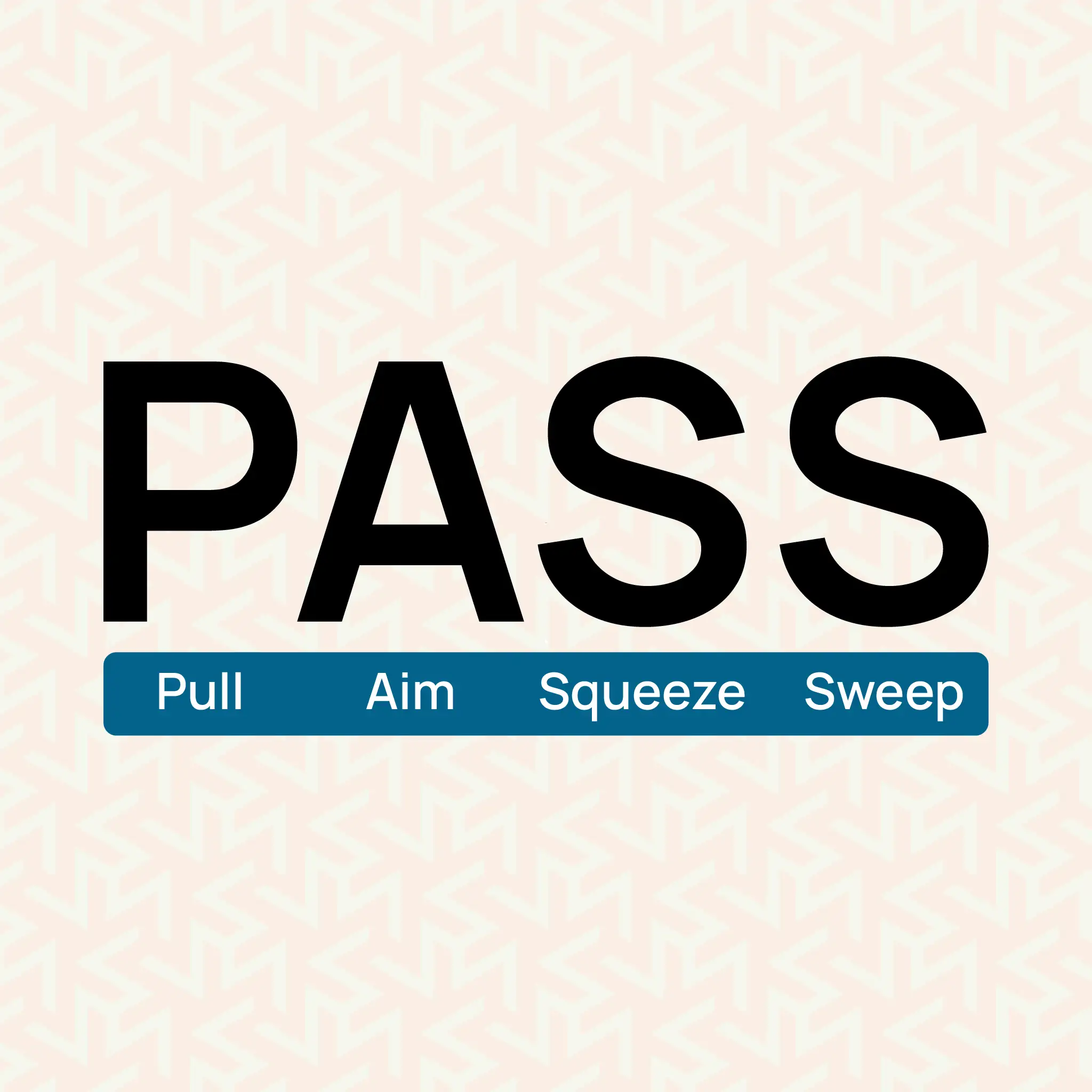
In the modern workplace, fire safety isn�t just about alarms, sprinklers, and signs. It�s about ensuring that every person on the premises knows how to respond safely, confidently, and responsibly in the face of a fire emergency. Whether you�re a health and safety officer, a site worker, a manager, or someone seeking to build a career in workplace safety, understanding the PASS technique is one of the most fundamental skills you can learn.PASS is more than an acronym. It is a process, a mindset, and a legal expectation, one that has the power to prevent small fires from escalating into large-scale emergencies. This article will walk you through what PASS means, why it�s important, and how mastering it can contribute to your safety credentials and professional value.Demystifying PASS: The Fire Safety Technique That Saves LivesThe word PASS is used to simplify the steps involved in correctly using a fire extinguisher. It stands for: Pull, Aim, Squeeze, Sweep. While this may sound straightforward, each of these actions plays a vital role in ensuring the extinguisher is used effectively and safely.PullThe process begins by pulling the safety pin, a small but essential step that allows the handle to be engaged. This pin prevents the extinguisher from being discharged accidentally, acting as a safeguard when the device is not in use. In an emergency, people often forget this step, leading to confusion when the extinguisher won�t activate. The action of pulling the pin should be firm, and often a slight twist is required to release it. This first step mentally prepares the user to take control of the situation.AimOnce the pin is removed, the next crucial step is to aim the nozzle or hose. Importantly, this should not be directed at the flames themselves; rather, the target must be the base of the fire. Fires are fuelled from their origin point, and aiming at the base cuts off the fuel source. This distinction is commonly misunderstood, and often the reason why fire extinguishing efforts fail. Learning how to aim correctly, especially under pressure, can be the defining factor in suppressing a fire successfully.SqueezeThe user must then squeeze the handle to discharge the extinguishing agent. This should be done steadily and with control. Jerky or inconsistent pressure may result in interrupted flow or misdirection of the substance, reducing its effectiveness. This part of the process also requires the user to remain composed, as the force of the release may be stronger than expected, especially with larger extinguishers.SweepThe final action is to sweep the nozzle side to side across the base of the fire. This ensures comprehensive coverage, allowing the agent to suffocate the flames more effectively. The sweeping motion should be continuous, even after the visible flames appear to have died down, to prevent re-ignition. Users are advised to maintain focus and continue this motion until they are certain the fire is fully extinguished.If you�re interested in seeing how PASS is applied in real-life scenarios, Hurak�s blog on How to Use Fire Extinguishers offers step-by-step illustrations and practical context.The Real-World Relevance of PASS in Professional EnvironmentsUnderstanding PASS is not merely about fire safety; it�s about situational awareness, confidence, and legal compliance in the workplace. In high-risk industries such as construction, manufacturing, and hospitality, the ability to act decisively during a fire emergency is a core component of responsible work behaviour. Employers expect more than just technical skills; they value employees who can keep themselves and others safe.Many organisations appoint designated fire marshals or safety officers, but general awareness of fire safety practices is expected across all levels of the organisation. This is especially true for roles in leadership, operations, facilities management, and retail. When employees are trained in the PASS technique, the entire team benefits from faster response times, more controlled evacuations, and lower risk of injury or damage.Fire Extinguishers: Matching the Tool with the FireWhile PASS describes how to use an extinguisher, it does not explain which extinguisher to use. Selecting the wrong type can exacerbate the situation or pose a risk to the user. Understanding fire classes and extinguisher types is a necessary extension of PASS training.Water extinguishers are effective against fires involving paper, wood, or textiles, but they should never be used on electrical fires due to the risk of electrocution. Foam extinguishers are suitable for flammable liquids like petrol or paint, while CO? extinguishers are preferred in offices or electrical environments because they leave no residue and reduce equipment damage.However, they displace oxygen and should not be used in tight, enclosed spaces without ventilation. Dry powder extinguishers are multipurpose but create visibility issues and inhalation risks indoors. Wet chemical extinguishers are designed for kitchen fires involving fats and oils, which is especially relevant in catering and hospitality roles.Training courses such as Hurak�s Fire Marshal Training explore all these extinguisher types and include scenario-based guidance to help users select and operate the correct device with confidence.?NEBOSH Fire Safety CertificateDesigned for professionals seeking a comprehensive understanding of fire risk management, the NEBOSH Fire Safety Certificate combines real-world scenarios with in-depth legal and safety knowledge. It�s a trusted qualification across industries and a solid step for those aiming to lead in fire safety.Understanding When to Act and When to EvacuateThe PASS technique is only applicable when it is safe to do so. In cases where the fire is large, spreading rapidly, or the room is filled with smoke, attempting to use an extinguisher can be dangerous. If your exit is blocked, the fire is beyond control, or you are untrained, you should evacuate immediately and alert emergency services.Fire safety training should always include the ability to assess the situation, not just to act, but also to know when not to. The key to workplace fire safety is a balance between knowledge and judgment. Hurak�s blog on Fire Safety at Your Workplace provides practical examples of when and how to intervene.Legal Obligations and Training ExpectationsFire safety isn't just a best practice; it�s a legal requirement. The Regulatory Reform (Fire Safety) Order 2005 requires employers to provide suitable fire safety measures, including staff training. The Health and Safety at Work etc. 1974 Act reinforces this by placing the responsibility for employee welfare firmly on the employer.These laws apply to all non-domestic premises, including offices, warehouses, schools, hotels, and retail units. Employers must conduct fire risk assessments, implement evacuation procedures, and ensure that staff understand their roles in the event of a fire emergency.To see how these legal frameworks apply to your role, refer to the UK Government�s official fire safety guidance.For career-minded individuals, courses such as IOSH Managing Safely and CITB Health and Safety Awareness Course (HSA) provide formal recognition of fire safety competency and enhance employability across multiple sectors.? Fire Safety Manager Advanced DiplomaStep up into a leadership role in fire safety. This advanced diploma dives into fire legislation, strategic planning, and high-level risk assessment, ideal for workplace managers.Conclusion: Turning PASS Into PreparednessThe PASS technique represents more than just four actions; it is a critical component of workplace safety, professional development, and legal compliance. By learning how to Pull, Aim, Squeeze, and Sweep, individuals equip themselves with the skills and confidence needed to respond responsibly in emergency situations.Whether you're just entering the workforce or stepping into a health and safety role, understanding PASS is a powerful starting point. With accessible training pathways like those offered by Hurak, every professional can develop the knowledge to protect lives, fulfil legal obligations, and enhance their career potential.Mastering the PASS method equips you with a powerful tool in a fire emergency, but it�s only one piece of the fire safety puzzle. Ongoing training ensures you're ready to act with confidence and clarity when it matters most. Frequently Asked QuestionsWhat does PASS stand for in fire extinguisher use?PASS stands for Pull, Aim, Squeeze, and Sweep. It�s a simple method for operating a fire extinguisher effectively in an emergency.Can anyone use a fire extinguisher at work?Yes, but only if it�s safe to do so and the person has received basic fire safety training. Evacuation is the priority if a fire is spreading or blocking escape routes.Which type of extinguisher should I use for electrical fires?Use a CO? or dry powder extinguisher for electrical fires. Avoid water-based extinguishers as they can cause electrocution.Do fire extinguishers expire?Yes, they do. Most have a lifespan of 5 to 15 years. Regular servicing and inspection are crucial to ensuring the readiness of fire extinguishers.Is fire extinguisher training a legal requirement?Under UK fire safety regulations, employers must ensure staff are trained in using fire extinguishers and emergency procedures relevant to their workplace.Want to Learn More? Take a Fire Safety Course with HurakIf you want to turn this knowledge into practical, confidence-boosting skills, you�re in the right place.At Hurak, we offer a variety of industry-recognised fire safety courses:Fire Safety Manager Advanced Diploma � Advance your career in fire safety with this in-depth diploma designed for future fire safety leaders.Fire Marshal Course � Become a certified Fire Marshal and take charge of workplace fire safety and emergency response.NEBOSH Certificate in Fire Safety � Gain global recognition in fire safety with the NEBOSH Certificate, ideal for those managing fire risks at work.Whether you�re an employee, student, or business owner, gaining formal training improves confidence, compliance, and peace of mind.