


Heat Rash Symptoms, Causes and Treatment
The IOSH Code of Conduct serves as the backbone of ethical practice in the health and safety profession. It defines the standards every IOSH member must follow to maintain integrity, competence, respect, and service in their work. These principles ensure that safety professionals act responsibly, make fair decisions, and build public trust through their commitment to high standards.� Whether you�re a seasoned IOSH member or just beginning your safety career, understanding these principles helps you make sound professional decisions and uphold the highest standards. This article examines the key principles, rules, and ethical practices outlined in the IOSH Code of Conduct, helping UK safety professionals apply them effectively and strengthen their professional reputation within the field of occupational safety and health. What Is the IOSH Code of Conduct? The IOSH Code of Conduct is a set of professional and ethical standards developed by the Institution of Occupational Safety and Health (IOSH) � the UK�s leading body for health and safety professionals. It defines how safety professionals should act, make decisions, and maintain integrity in their roles. The Code guides members to work responsibly, stay competent, protect people�s health and safety, and uphold the reputation of the profession. The Code applies to all IOSH members, regardless of their grade or experience, and ensures that every professional acts responsibly towards employers, colleagues, and the public. It serves as a benchmark for ethical behaviour, guiding members in situations where legal, professional, or moral questions may arise. By adhering to the IOSH Code of Conduct, professionals strengthen public trust and demonstrate their ongoing commitment to excellence, accountability, and the highest standards of safety practice. Why the IOSH Code of Conduct Matters for Safety Professionals The IOSH Code of Conduct serves as the ethical foundation for all safety professionals. It defines how members should behave, make decisions, and uphold professional standards in their workplace. Here�s why it truly matters: Builds trust and integrity: The Code helps safety professionals act with honesty and fairness, earning respect from employers and colleagues. Encourages ethical decisions:� It guides members to make responsible choices that prioritise safety and wellbeing above all else. Ensures accountability:� Professionals are held responsible for their actions, promoting transparency in every aspect of their work. Maintains consistency:� It sets a uniform standard of conduct, ensuring safety practices remain reliable across all industries. Protects public interest:� By following the Code, professionals commit to safeguarding people�s health, safety, and environment. Enhances professional reputation:� Upholding the Code reflects a strong moral compass and reinforces credibility within the safety community. Ultimately, the IOSH Code of Conduct reinforces the responsibility safety professionals have toward people and workplaces. It ensures that every action they take reflects integrity, accountability, and a genuine dedication to safety. The Four Core Principles of the IOSH Code of Conduct The IOSH Code of Conduct is founded on four essential principles that capture the true essence of being an ethical health and safety professional. These principles serve as a guide for members to uphold integrity, professionalism, and accountability in every aspect of their work. Each principle reflects the standards that IOSH members are expected to follow in their daily practice. 1. Integrity Act with honesty and fairness in all professional dealings. IOSH members should never mislead others, misuse authority, or compromise their ethical standards. Key Points: Maintains transparency and honesty in every form of communication. Declare any conflicts of interest. Uphold the reputation of IOSH and the profession through integrity and trustworthiness. 2. Competence Competence refers to maintaining the knowledge and expertise necessary to perform safety duties effectively. Members must engage in lifelong learning to keep their skills up to date. Key Points: Participate in continuous professional development (CPD) to enhance your knowledge and expertise. Work only within your area of competence. Share insights and best practices responsibly with colleagues and clients. 3. Respect IOSH members must treat everyone with dignity, equality, and understanding. They should encourage inclusive and fair workplaces. Key Points: Promote diversity and inclusion by treating everyone fairly and without discrimination. Safeguard confidentiality in all professional interactions. Communicate professionally and courteously. 4. Service Service reflects an IOSH member�s duty to protect life and promote wellbeing. Members must deliver high-quality, responsible advice in the public interest. Key Points: Prioritise public safety above personal or corporate gain. Take full responsibility for your professional decisions and advice. Strive for excellence in all health and safety practices. Together, these four principles form the foundation of the IOSH Code of Conduct, guiding safety professionals to act ethically, competently, and responsibly. Gain a deeper understanding of the IOSH Code of Conduct Explore how the IOSH Code of Conduct shapes best practices in health and safety management. Whether you're new to the industry or a seasoned professional, understanding the principles of ethical safety practice is essential. IOSH Working Safely � Perfect for beginners and frontline staff to learn core safety responsibilities. IOSH Managing Safely � Designed for managers and supervisors to apply safety principles effectively. Strengthen your health and safety practices and make ethical decisions that promote a safer workplace. Start your journey today. Key Rules and Responsibilities Under the Code The IOSH Code of Conduct sets clear rules that guide members on how to maintain professionalism, integrity, and accountability in their daily roles. These responsibilities ensure that every IOSH member contributes to a culture of safety, transparency, and ethical practice within the workplace. Upholding Professional Standards IOSH members must always act in ways that protect and promote the reputation of both the Institution and the profession. This means demonstrating ethical behaviour, providing accurate advice, and maintaining the highest level of professionalism. Members must: Provide accurate, evidence-based safety advice. Represent IOSH with honesty and fairness. Avoid actions that could harm their professional reputation. Reporting Misconduct and Breaches Every IOSH member has a duty to report unethical or unsafe conduct. This ensures accountability and prevents harm to individuals or organisations. Members must: Report serious breaches of the Code or unsafe practices to IOSH. Cooperate in investigations or disciplinary processes. Support transparency and accountability within the profession. Maintaining Confidentiality and Integrity Members must respect the confidentiality of information obtained through their professional role. Information should only be disclosed when legally required or in the public interest. Members must: Safeguard confidential business or personal information. Avoid misusing data for personal gain. Protect client and employer trust at all times. Consequences of Violating the Code Failure to comply with the IOSH Code can result in disciplinary action, including suspension or termination of membership. This ensures accountability and maintains the profession's credibility. Possible actions include: Investigation by IOSH�s Professional Standards Committee. Formal warnings, suspension, or expulsion. Public disclosure of disciplinary outcomes. How to Apply the IOSH Code of Conduct and Ethical Practices in the Workplace Applying the IOSH Code of Conduct goes beyond understanding its principles � it�s about putting them into action every day. Ethical practice ensures that health and safety professionals make fair, responsible, and transparent decisions that protect people and build trust at work. Lead by example:� Demonstrate honesty, fairness, and respect in all safety interactions to set a positive tone for others. Promote a safety-first culture:� Encourage open discussions about risks, near misses, and improvements without fear of blame. Stay professionally competent:� Regularly update your skills through IOSH training, workshops, and CPD activities to ensure informed decision-making. Communicate transparently: Provide clear, factual safety information and avoid exaggerating or concealing details that could affect outcomes. Handle sensitive information responsibly:� Maintain confidentiality and use data only for legitimate safety purposes. Challenge unethical behaviour:� Speak up or report actions that breach professional or safety standards. Make balanced decisions:� Consider legal, ethical, and practical aspects before implementing any health and safety measures. Support and respect colleagues:� Foster teamwork, diversity, and inclusion while maintaining a respectful workplace environment. When safety professionals consistently follow the IOSH Code of Conduct, they set the foundation for a safer, more respectful, and ethically responsible workplace. Their actions inspire others to value integrity and professionalism. Conclusion In conclusion, the IOSH Code of Conduct serves as the foundation of professional ethics in health and safety practice. By understanding its four core principles�Integrity, Competence, Respect, and Service and following the key rules and responsibilities, IOSH members can make responsible decisions, protect the public, and uphold workplace safety standards across the UK. Applying these principles through ethical practice not only ensures compliance but also strengthens professional credibility, fosters trust, and promotes a culture of accountability in every organisation. Whether you�re an experienced practitioner or new to IOSH, embracing the Code helps you navigate complex situations with confidence and integrity, ultimately contributing to safer and more ethical workplaces. FAQs What is the IOSH Code of Conduct? The IOSH Code of Conduct is a set of ethical guidelines for safety professionals, outlining the standards of integrity, accountability, and professionalism expected in health and safety practice. Why is the IOSH Code of Conduct important for safety professionals? It ensures that safety practitioners act responsibly, maintain professional integrity, protect the well-being of others, and uphold public trust in workplace safety. Who must follow the IOSH Code of Conduct? All IOSH members and safety professionals are required to follow the Code of Conduct, regardless of their role, industry, or level of experience. How does the IOSH Code of Conduct improve workplace safety? By guiding ethical decision-making and professional behaviour, the Code fosters a culture of trust, responsibility, and continuous safety improvement in organisations. Can violating the IOSH Code of Conduct affect a professional�s career? Yes. Breaching the Code can damage credibility, lead to disciplinary action from IOSH, and negatively impact professional reputation and career growth.
Understanding First Aid Certificate Validity in the UK: Duration, Renewal Key Facts
Asbestos was once a go-to material for insulation, flooring, roofing, and fireproofing. But beneath its usefulness lies a serious health hazard. Although it has been banned from use in construction since 1999, many older homes and buildings still contain asbestos-based materials. If disturbed, these fibres can become airborne and pose life-threatening risks to anyone exposed. If you�re wondering how to test for asbestos safely in your property, this guide explains everything you need to know, from identifying potential asbestos materials to choosing between a self-sampling kit and professional testing. What is Asbestos and Why is it Dangerous Asbestos is a naturally occurring mineral made up of fine, durable fibres resistant to heat, fire, and chemicals. Because of these properties, it was widely used in construction and manufacturing throughout much of the 20th century. There are three main types of asbestos you might come across: Chrysotile (white asbestos): Found in ceilings, walls, roofs, and floors. Amosite (brown asbestos): Common in insulating boards, ceiling tiles, and thermal insulation. Crocidolite (blue asbestos): Typically used in pipe insulation and spray-on coatings. Asbestos-containing materials (ACMs) can still be found in many older buildings, especially those built before 2000. Common locations include Artex or textured coatings, floor tiles and adhesives, roofing sheets, pipe lagging, cement panels, and insulation boards. These materials were once popular because of their strength and resistance to heat, but they can pose a serious risk if disturbed during maintenance or renovation work. When these materials are damaged or disturbed, they release microscopic fibres that can be inhaled. Over time, this can lead to serious illnesses such as asbestosis, mesothelioma, and lung cancer, which often take decades to develop. Testing suspected materials is the only reliable way to know if asbestos is present and to protect your health and those around you. How to Tell If Something Is Asbestos Unfortunately, asbestos can�t be identified by sight alone. However, some clues might suggest its presence. Signs a Material Might Contain Asbestos The building was constructed or refurbished before 2000. You see grey-white fibrous material in insulation, boards, or sealants. Old vinyl floor tiles or adhesives have a dull or rigid texture. Textured ceiling coatings (Artex) appear rough and patterned. Corrugated roof panels look aged or brittle. Still, these are only indicators. Some asbestos-free materials look identical to those that contain asbestos. That�s why testing is essential. According to the Health and Safety Executive (HSE), asbestos identification must always be confirmed through laboratory analysis, rather than visual inspection. How to Check for Asbestos Before Testing Before jumping straight into sampling, you can conduct a non-intrusive check to determine whether testing is necessary. Here�s a simple checklist: Identify suspect materials: Focus on insulation, ceiling panels, roofing, and old pipework. Check the age of the building: If it was built or renovated before 2000, asbestos could be present. Avoid disturbing surfaces: Do not drill, scrape, sand, or break any materials you suspect may contain asbestos. Observe the condition: Damaged, crumbling, or flaking materials are at higher risk. Record locations: Note down any suspect areas for reference by a professional. If you�re unsure, it�s better to arrange a professional inspection or use a certified testing kit following strict safety guidelines. If you or your team work in environments where asbestos may be present, it�s essential to complete certified training like the Asbestos Awareness Course, which covers everything from identification and legal duties to emergency procedures. TIP: Never attempt to remove or break a sample on your own unless you fully understand the safety procedures. Even small amounts of asbestos dust can be hazardous if inhaled. How to Test for Asbestos Safely Once you�ve identified potential asbestos materials, there are two safe routes for testing: hiring a professional surveyor or using a home testing kit. Option 1: Hire a UKAS-Accredited Professional The most reliable and safest option is to hire an accredited asbestos surveyor or testing company. These professionals follow strict HSE and UKAS (United Kingdom Accreditation Service) standards. Here�s how the process works: Initial assessment: The surveyor inspects your property to locate potential asbestos-containing materials (ACMs). Sample collection: Using specialist tools and protective equipment, they safely remove small samples. Laboratory analysis: The samples are sent to a UKAS-accredited lab for testing under a microscope. Report and results: You�ll receive a detailed report outlining the type of asbestos (if present), location, condition, and recommended next steps. Professional testing not only ensures accuracy but also eliminates your risk of exposure. If asbestos is confirmed, the surveyor can guide you on whether to remove, encapsulate, or manage the material in place. You can find accredited asbestos surveyors and labs via the HSE directory or the UKAS website Option 2: Using a Home Asbestos Testing Kit For small, solid (non-crumbly) materials, a home asbestos testing kit can be a cost-effective option. These kits usually include protective gloves, sample bags, instructions, and a prepaid envelope for lab testing. When collecting a sample: Always wear a disposable mask, gloves, and coveralls. Lightly dampen the area to prevent dust release. Cut a small piece (no larger than a 50p coin), seal it securely, and send it to the lab. Avoid using kits for friable materials such as pipe lagging, insulation, or sprayed coatings, as these require professional handling. After Testing: Understanding Your Results Lab results will confirm whether asbestos fibres were detected and specify the type found (e.g., chrysotile or amosite). If the result is negative, you can proceed safely with your renovation or repair. If positive, you�ll need to decide how to manage it: Encapsulation: Sealing the surface to prevent fibres from escaping. Removal: Carried out by licensed asbestos contractors. Management: Monitoring and maintaining the material in a safe condition. Always ensure any removal or repair follows HSE-approved procedures and is performed by licensed professionals. Asbestos Exposure Test: Checking for Health Risks Testing a material for asbestos is not the same as testing for asbestos exposure. An asbestos exposure test focuses on whether you�ve been exposed to harmful fibres, especially if you suspect past contact during renovation or demolition. Types of Exposure Testing Air monitoring: Measures the concentration of asbestos fibres in the air. Medical assessment: Doctors may recommend a chest X-ray, CT scan, or lung function test. Blood or sputum tests: Used in some cases to monitor lung inflammation or exposure markers. When to Get Tested After the accidental disturbance of suspect materials. If you worked in construction or maintenance before asbestos bans. When renovating older properties without prior inspection. If you think you�ve been exposed, contact your GP for a medical review. Early detection and regular health monitoring are crucial. Boost Your Health & Safety Expertise with CITB Training Spotting asbestos is just one step toward creating a safer workplace. To effectively manage broader health and safety challenges and meet legal obligations, construction professionals need proper accredited training. Hurak�s CITB Site Safety Plus courses equip you with the essential skills to identify hazards, conduct risk assessments, and maintain safe and compliant worksites. Popular CITB-Accredited Courses: CITB Health and Safety Awareness (HSA): Ideal for beginners learning to identify common hazards, such as asbestos. CITB SMSTS � Site Management Safety Training Scheme: A must-have for site managers responsible for controlling asbestos and other health and safety risks. CITB SMSTS Refresher Course: Stay up to date with the latest safety legislation and industry best practices. CITB SSSTS � Site Supervisor Safety Training Scheme: Train supervisors to identify, manage, and minimise on-site hazards. CITB SSSTS Refresher Course: Renew your certification and keep your safety management skills sharp. Empower your team, stay compliant, and take the next step in your career with Hurak�s accredited CITB training programmes. Regulations and Legal Responsibilities Asbestos management is regulated under the Control of Asbestos Regulations 2012. These laws place responsibilities on employers, landlords, and property owners to prevent exposure. Identifying and recording asbestos-containing materials. Assessing the risk of fibre release. Keeping an up-to-date asbestos management plan. Ensuring only trained and licensed contractors handle asbestos. For workplaces, compliance with guidance is mandatory. Even in domestic settings, homeowners should follow the same safety principles to protect themselves and others. Cost of Asbestos Testing The cost of asbestos testing varies depending on the method used, the number of samples, and the size of the property. � � � � � � � � � Type of Test � � � � � � � Typical Cost (Approx.) Home Testing Kit � � � � � � � �30 � �60 per sample Professional Asbestos Survey � � � � � � � �200 � �400+ Full Management or Refurbishment Survey � � � � � � � �500+ for larger buildings Factors that affect cost: Number of samples required Travel distance and access difficulty Turnaround time (same-day results often cost more) While self-sampling kits are cheaper, professional testing offers peace of mind with certified results and legal documentation, which is essential if future proofing is required. Common Mistakes to Avoid When Testing for Asbestos Even minor missteps can lead to serious health risks. Avoid these common mistakes: Breaking or scraping materials to see what�s inside. Skipping PPE or using low-grade masks. Sending samples to uncertified labs. Disposing of waste incorrectly (asbestos waste must go to licensed facilities). Ignoring hidden materials, such as those behind tiles or under flooring. If there�s any uncertainty, it�s safest to stop work and involve a qualified asbestos expert. Conclusion Testing for asbestos isn�t just about compliance; it�s about protecting your health and preventing long-term harm. Whether you choose a self-sampling kit or a professional survey, make sure samples are handled safely and tested by accredited experts. By staying informed and proactive, you can keep your property and everyone in it safe from one of the world�s most silent hazards. FAQs How do you test for asbestos? You can test for asbestos by either hiring an accredited surveyor or using a certified testing kit. Professionals take samples and send them to a UKAS-accredited lab for confirmation. Can I test for asbestos myself? Yes, but only for small, non-friable materials like cement sheets or floor tiles. Always wear PPE and follow kit instructions carefully. Is asbestos testing safe to do at home? It can be safe if the material is intact and you avoid disturbing it. For damaged materials or insulation, hire a licensed professional specialising in asbestos removal. How long does asbestos testing take? Lab results usually take 24 to 72 hours, depending on the provider and delivery method. Where can I send samples for asbestos testing? Samples should always be sent to UKAS-accredited laboratories. Avoid cheap or uncertified online services, as they may not follow proper analysis standards.

Why an NVQ Is the Qualification Every Skilled Painter Needs
If you're a working painter in the UK and want to secure more site work, earn better pay, and gain formal recognition for the skills you already have, an NVQ in Painting and Decorating is the most credible and practical route to take. Whether you�re looking to get your CSCS Blue or Gold Card or simply want to level up your trade career, completing an NVQ helps you stand out as a trusted, competent professional.What Is the Painting and Decorating NVQ?A Painting and Decorating NVQ (National Vocational Qualification) is a work-based qualification that assesses your decorating skills on-site. Unlike classroom courses, there�s no need to take time off work; everything is based on what you already do day to day.There are two key NVQs available:NVQ Level 2 Painting and Decorating � Ideal for painters already working on-site who want to get their CSCS Blue Skilled Worker Card.NVQ Level 3 Painting and Decorating � Designed for experienced painters who manage others or want to progress to supervisory roles. It qualifies you for the CSCS Gold Skilled Worker Card.These qualifications are recognised across the construction industry in the UK and can make a massive difference to your job security and long-term career growth.Why Skilled Painters Choose the NVQ RouteMany decorators working in the trade have never had the chance to earn a formal qualification. An NVQ fills this gap by offering a flexible, no-classroom solution that fits around your work. It enables you to prove your skills on the job, build a portfolio based on real tasks, and earn a nationally recognised certificate. Most importantly, it qualifies you for a CSCS card, which is often essential for accessing job sites and securing higher-paying contracts. If you're aiming to grow your career, take on larger projects, or simply be recognised for your expertise, the NVQ is a smart moveHow the NVQ Benefits Self-Employed DecoratorsIf you run your own business, an NVQ can unlock new opportunities. It enables you to win contracts that require formal qualifications, raise your rates due to increased credibility, and market yourself as a certified professional. This is especially useful when competing for larger jobs or working with clients who prioritise qualifications.Want to Step Up as a Supervisor?The NVQ Level 3 in Painting and Decorating is designed for decorators who manage others or handle larger responsibilities on site. It's a fast route to the CSCS Gold Card and better pay.Entirely work-based, no exams or college.Complete in as little as 4 weeks.From �899.99 with interest-free payments.Explore the Level 3 NVQ CourseShort-Term Benefits of the NVQIn the short term, the NVQ can lead to greater job stability, better pay, and access to more construction sites through your CSCS card. You'll also see increased job opportunities and more respect within the trade, especially from employers and clients who value certified skills.Long-Term Benefits of the NVQLonger term, the NVQ sets the stage for supervisory roles, further qualifications, and wider professional recognition. For self-employed decorators, it�s also a marketing advantage helping you win higher-value jobs, charge more, and build trust with clients by showing your skills meet national standards.Why Employers Value the NVQTo employers, an NVQ shows certified competence. Holding this qualification means you meet national standards, understand essential safety protocols, and take your trade seriously. Employers see this as a sign that you�re ready for more responsibility, whether that�s managing jobs or mentoring others. In a competitive field, having an NVQ can give you a clear edge, making it easier to win contracts, command higher rates, and find more stable work.Overcoming Industry Challenges with the NVQThe decorating trade presents challenges, including tight deadlines, high expectations, and managing safety on-site. The NVQ equips you with the tools to handle all of these. You�ll improve your time management, sharpen your planning skills, and become more confident in health and safety compliance. These skills make you a more reliable, efficient, and trusted professional, qualities that clients and employers consistently seek.Not Sure Which Level Is Right for You?Quick Guide:Level 2 NVQ in Painting and Decorating � For painters already working on-site who want the CSCS Blue Card.Level 3 NVQ in Painting and Decorating � For experienced painters who lead teams or plan jobs and want the CSCS Gold Card.Both qualifications are work-based, fully online, and supported by expert assessorsQuick Facts Before You StartWhat Does the NVQ Involve?You�ll be assessed on real tasks, such as surface preparation, painting, wallpapering, and health and safety, via photo or video uploads. No exams or classroom time.Common ChallengesStruggling with time or evidence collection? Stay organised, plan ahead, and keep in touch with your assessor.Support with HurakGet one-to-one support, no exams, and admin help. Everything�s online and designed to fit around your job.Which Level Do You Need?Level 2 � For decorators wanting the CSCS Blue Card.Level 3 � For those managing jobs or teams and aiming for the CSCS Gold Card.After You QualifyGet your diploma and apply for your CSCS card, which is valid for 5 years and accepted on most UK construction sites.ConclusionAn NVQ in Painting and Decorating is more than just a certificate; it's a practical, work-based route to boosting your career as a painter and decorator. It�s flexible, exam-free, and fully supported by assessors, making it ideal for both employed and self-employed painters. With benefits like increased credibility, better pay, more job opportunities, and a clear path to supervision or site management roles, the NVQ sets you up for both immediate progress and long-term success in the industry.Get Started TodayIf you're a skilled painter ready to formalise your experience, now�s the time to act. An NVQ in Painting and Decorating is your key to:Increased site accessBetter payMore job securityLong-term career growthComplete your NVQ online, at your own pace, with full support starting from just �699.99.Explore the NVQ Level 2 Painting and Decorating Explore the NVQ Level 3 in Painting and Decorating Browse all NVQ courses at HurakFAQsDo I need to attend classes to complete the NVQ?No. Both Level 2 and Level 3 NVQs are work-based and can be completed entirely online through evidence from your daily decorating tasks.How long does it take to complete the NVQ?Most learners complete Level 2 in 3�4 weeks and Level 3 in around 4�5 weeks. You can take up to 12 months if needed.What kind of support will I receive?You'll be assigned a dedicated assessor who provides one-to-one support, regular check-ins, and guidance throughout the course.Can I pay in instalments?Yes, Hurak offers interest-free payment plans for both Level 2 and Level 3 NVQs.Is the NVQ recognised across the UK?Yes. The NVQ is OFQUAL and CITB approved and is recognised by employers and construction sites nationwide.What documents or evidence do I need to submit?You�ll need to upload photos or videos of your work, written answers, site documentation, and a witness testimony from a colleague or supervisor.Can self-employed decorators apply?Absolutely. The NVQ is ideal for self-employed decorators who want to access larger contracts or work on sites that require CSCS cards.
Getting a CSCS Card as a Bricklayer: Everything You Need to Know
If you're a bricklayer working in the UK, you'll likely need a CSCS card to work on most construction sites. As a bricklayer, you have a few different CSCS card options based on your experience and qualifications. These include the Red (temporary), Blue Skilled Worker, and Gold Skilled Worker cards.In this guide, we�ll walk you through each option. We�ll explain what each card means, who it�s for, and how to get it.What is a CSCS Card?The CSCS (Construction Skills Certification Scheme) card is a credential that demonstrates you have the necessary training and qualifications to work safely on a construction site. It's not a legal requirement, but most employers will ask for it. It proves you're trained and know how to do your job safely.Can Bricklayers Get a CSCS Card?Most bricklayers typically pursue one of three main CSCS cards. The Red CSCS card is a temporary option often used by those in training or working toward their qualifications. The Blue Skilled Worker card is suitable for bricklayers who have completed an NVQ Level 2 in bricklaying, proving they have the necessary skills and experience. For those with advanced expertise and qualifications, the Gold Skilled Worker card offers recognition of a higher skill level, typically linked to an NVQ Level 3.In the following sections, we�ll explore each of these CSCS cards in more detail to help you decide which one is right for you.CSCS Red Cards for BricklayersCSCS Red Cards are issued to individuals currently in training, regardless of their specific trade. For bricklayers, the most commonly held red cards include the Apprentice CSCS Card, Trainee CSCS Card, Experienced Worker CSCS Card, and Experienced Technical CSCS Card.Red CSCS cards are temporary by design, with expiry dates based on the expected duration of your training rather than a fixed five-year term like most other CSCS cards. For instance, the Experienced Worker Card is valid for one year�enough time to complete an NVQ Level 2. Since these cards are tied to your training progress, they are non-renewable. Once you finish your qualification, the red card is no longer needed, and you�ll be eligible to apply for a higher-grade CSCS card.Below, you�ll find a breakdown of the most popular red CSCS cards.Apprentice CSCS CardThe Apprentice CSCS Card is intended for individuals enrolled in a CSCS-recognised bricklaying apprenticeship. It is issued free of charge and remains valid for four years and six months. However, compared to other routes for obtaining a CSCS card, the apprenticeship pathway is generally less common among bricklayers.To apply for this card, you will be required to submit evidence that you are registered for an apprenticeship and that you have passed a CITB Health, Safety and Environment testTrainee CSCS CardIf you're new to bricklaying but registered for an NVQ/SVQ in Bricklaying, or another approved qualification in the field, the Trainee CSCS Card can help you get started. This card lets you work on-site and gives you a five-year window to complete your training.To apply for a Trainee CSCS Card, you must have passed the CITB Health, Safety and Environment test at the Operative level within the past two years and provide evidence of registration for your qualification.Experienced Worker CSCS CardThe Experienced Worker CSCS Card is intended for bricklayers who have at least one year of site experience in the past three years and are currently registered for an NVQ Level 2 in Bricklaying. This card is valid for one year.�Holders are expected to complete their qualification within this time and then apply for the CSCS Blue Skilled Worker card for bricklayers. Applicants must also have passed the CITB Health, Safety and Environment Test for Operatives within the last two years.Among the various types of CSCS Red Cards, the Experienced Worker card is the most popular option for bricklayers. That�s because many bricklayers begin working on-site without a CSCS card or formal qualification. By simply registering for a Level 2 NVQ, they become eligible to apply for this card, allowing them to stay on-site while working toward their qualification. The card offers a practical route to gaining site access while working toward a recognised qualification, making it the go-to choice for those looking to formalise their skills.Experienced Technical CSCS CardAimed at more advanced bricklayers, the Experienced Technical CSCS Card is similar to the Experienced Worker Card but specifically for those registered on an NVQ Level 3 in Bricklaying. To be eligible, applicants must have at least one year of recent site experience within the last three years. This card is valid for three years and is intended as a stepping stone toward the Gold CSCS Skilled Worker Card.You must also have passed the CITB Health, Safety and Environment Test for Operatives within the past two years.�Download our CITB Operatives and Specialists Test Prep Book[wpforms id="14869" title="false"]�Ready to pass your CITB Operatives HS&E Test? Let Hurak help you book your test with ease. Reserve your spot now!CSCS Blue Skilled Worker Card for BricklayersThe Blue CSCS Skilled Worker Card for Bricklayers, often referred to as the Blue Bricklayer CSCS Card, is the most widely held card among bricklayers. It�s available to those who have completed the NVQ Level 2 in Bricklaying and passed the CITB Health, Safety and Environment Test for Operatives within the last two years.This card is intended for bricklayers already working on-site who hold the NVQ, as well as those currently working toward it and ready to apply once qualified.The card is valid for five years and can be renewed upon expiration.Recognised across UK construction sites, the Blue Card confirms that you're a competent, skilled worker�able to carry out bricklaying tasks safely and to a professional standard, without any site restrictions.CSCS Gold Skilled Worker Card for BricklayersThe Gold CSCS Skilled Worker Card for Bricklayers is intended for experienced bricklayers who have advanced beyond Level 2 and taken on greater responsibility on-site. It�s issued to individuals who have completed the NVQ Level 3 in Bricklaying and passed the CITB Health, Safety and Environment Test for Operatives within the last two years.This card is designed for senior bricklayers who not only perform complex tasks but also supervise others or lead teams on-site. It�s suitable for those who already hold their Level 3 NVQ, as well as those close to completion and preparing to apply.The card is valid for five years and can be renewed.Recognised throughout the industry, the Gold Card demonstrates that you are a highly skilled and experienced professional, trusted to deliver high-quality work and oversee bricklaying operations with a strong commitment to health and safety.Which NVQ Do I Need for a CSCS Bricklaying Card?Here�s a quick guide to help you understand which NVQ matches which CSCS card, and who each one is best suited for:�CSCS Card TypeRequired QualificationWho It�s For�Red Apprentice CardRecognised bricklaying apprenticeshipIndividuals enrolled on a recognised bricklaying apprenticeship�Red Trainee CardNVQ/SVQ in Bricklaying or a related courseLearners with no site experience, enrolled on a relevant bricklaying qualification�Red Experienced Worker CardNVQ Level 2 in BricklayingBricklayers with on-site experience who are currently working towards their NVQ Level 2�Red Experienced Technical CardNVQ Level 3 in BricklayingExperienced bricklayers working towards their NVQ Level 3 qualification�Blue Skilled Worker CardNVQ Level 2 in BricklayingQualified bricklayers with NVQ Level 2 and on-site experience�Gold Skilled Worker CardNVQ Level 3 in BricklayingSenior bricklayers, team leads, or supervisors who hold NVQ Level 3How to Apply for a Bricklayer CSCS CardLet�s break down the steps to apply for a CSCS card in a simple, clear way. These are the steps you�ll need to take, in the correct order, to get started.Choose the right card � Start by selecting the CSCS card that matches your experience and qualification level: Red (temporary), Blue Skilled Worker, or Gold Skilled Worker card.Pass the CITB test � Book and pass the CITB Health, Safety and Environment Test for Operatives, which is mandatory for all card types.Prepare your documents � Depending on the card type, you�ll need to show either your NVQ certificate or proof that you�re currently enrolled in a recognised NVQ or apprenticeship.Apply online � Once everything is ready, you can complete your application through the official CSCS website.If you�ve already passed the CITB Health, Safety and Environment Test and hold the correct NVQ qualification, applying for a CSCS card is a quick and straightforward process. The CSCS card typically costs around �36, while the CITB test costs approximately �23.50.Read more on: How to Renew Your CSCS CardNeed Help Getting Your Bricklaying CSCS Card?If you�re unsure about the process or need to book your NVQ Level 2 or 3 in Bricklaying, contact Hurak at 0333 344 1293.We offer a wide range of trade-specific NVQs and provide full support with CSCS card applications.Are You an Employer Looking to Upskill Your Team?Hurak makes it simple to get your bricklaying staff CSCS-ready with fully accredited, industry-recognised courses. Our flexible model ensures minimal disruption to your operations while delivering maximum results.�From start to finish, your team will receive full support to help them gain the qualifications they need to work safely and confidently on-site.Enrol your team today:NVQ Level 2 in Bricklaying - For Blue CSCS CardsNVQ Level 3 in Bricklaying - For Gold CSCS CardsConclusionWhether you're just starting out in bricklaying or already have years of on-site experience, there�s a CSCS card tailored to your stage in the trade. From Red trainee and experienced worker cards to the long-term Blue and Gold Skilled Worker cards, each one plays a vital role in helping you prove your qualifications, stay compliant, and access more job opportunities on UK construction sitesFAQCan I work as a bricklayer without a Construction Skills Certification Scheme (CSCS) card?Most employers and sites in the UK require a valid CSCS card to ensure you have the necessary skills and health & safety knowledge. Without one, it�s unlikely you�ll be permitted to work on most commercial projects.What is the cost of obtaining a CSCS card for bricklayers?Typical costs include the CSCS card application fee (�36), the CITB Health, Safety & Environment (HS&E) Test fee (�23.50), and NVQ training courses, which vary depending on the provider and level of training.At Hurak, the NVQ courses for bricklayers are priced as follows:NVQ Level 2 in Bricklaying: �699.99 This comprehensive package includes full assessor support, access to the digital learner system, ongoing feedback, and final certification.NVQ Level 3 in Bricklaying: �899.99 Designed for experienced bricklayers seeking to advance their skills, this course offers similar benefits to the Level 2 course, tailored to a higher level of expertise.Both courses also offer flexible, interest-free instalment plans to help manage the cost over time.How do I pass the CITB Health, Safety & Environment test required for the CSCS card for Bricklayers?The test consists of 50 multiple-choice questions on site safety and environmental awareness. You�ll need to study the official CITB HS&E guide and aim to answer at least 45 questions correctly to pass. To revise for the CITB Health, Safety, and Environment Test, try out a 50-question mock exam.How long does it take to receive my CSCS card after applying?Once your application is submitted and approved, you can typically expect to receive your CSCS card within 3 to 10 working days.Can I use overseas qualifications to apply for a CSCS Card for a Bricklayer?Yes, but your overseas qualifications must be recognised by UK ENIC (formerly NARIC) before you can apply. This process verifies the equivalency of your qualifications to UK standards.Are there fast-track options for experienced bricklayers to get NVQ qualifications?Yes, some providers offer fast-track NVQ assessments using your work experience and portfolio, allowing you to achieve qualifications more quickly.Do I Need a CSCS Card if I�m Self-Employed as a Bricklayer?Even if you work for yourself, having a CSCS card is a smart move. Many clients and contractors look for workers with a CSCS card because it shows you care about safety and doing a good job. Holding a CSCS card can help you get more work, especially on bigger projects or with clients who want to follow safety rules.What Are the Benefits of Having a CSCS Card for My Career as a Bricklayer?Getting a CSCS card can help your career in several ways:More Job Opportunities: Many employers want or need workers with a CSCS card.Better Reputation: A CSCS card shows you follow industry safety and quality standards.Potential for Higher Pay: Employers may pay more to certified workers because they bring added value.Explore Other Popular NVQsLooking to expand your skills or qualify for other CSCS cards? Here are some of the most in-demand NVQs across the construction industry:Level 2 NVQs (Skilled Worker � Blue CSCS Card)NVQ Level 2 in PlasteringNVQ Level 2 in Roofing OccupationsNVQ Level 2 in CarpentryNVQ Level 2 in Wall and Floor TilingNVQ Level 2 in Painting and DecoratingNVQ Level 2 in Passive Fire ProtectionNVQ Level 2 in BricklayingNVQ Level 2 in StonemasonryLevel 3 NVQs (Advanced Worker � Gold CSCS Card)NVQ Level 3 in PlasteringNVQ Level 3 in Roofing Occupations� � � � � � � � � � � �NVQ Level 3 in Wall and Floor TilingNVQ Level 3 in Painting and DecoratingNVQ Level 3 in BricklayingNVQ Level 3 in Stonemasonry � Banker MasonryNVQ Level 3 in Stonemasonry � Memorial MasonryEach NVQ can be completed through on-site assessment, allowing you to earn your qualification while continuing to work. Explore these options to broaden your career opportunities and stay competitive in the construction industry.

Hyperventilation: Causes, Symptoms, and Effective Relief Techniques
Read the full article for more details.
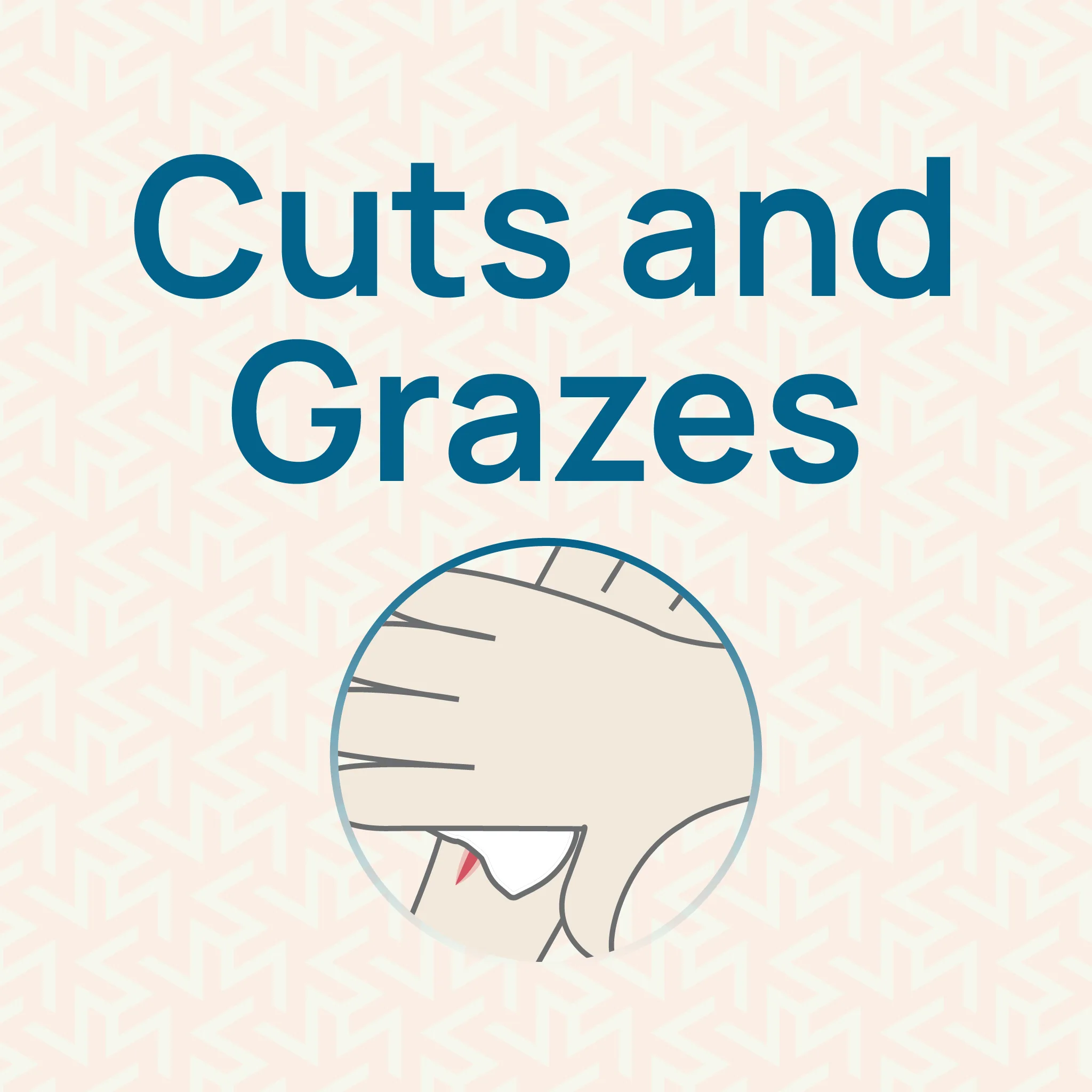
Cuts and Grazes First Aid: How to Clean, Treat and Heal Minor Wounds Effectively
Minor injuries like cuts and grazes are common in everyday life, whether it�s a slip, a scraped knee, or a kitchen accident. Knowing how to treat these wounds correctly is essential to prevent infection and promote faster healing.In this guide, you�ll discover straightforward first aid steps to safely clean, treat, and care for minor wounds, whether you�re helping yourself, a child, or someone else.What Are Cuts and Grazes?Cuts and grazes are two of the most common minor injuries. A cut is a break in the skin typically caused by something sharp like glass, a knife, or metal. It can range from shallow surface nicks to deeper wounds. A graze, on the other hand, happens when the outer layer of skin is scraped off, often due to friction, such as falling on a rough surface. Both types of injuries expose the skin to bacteria and dirt, thereby increasing the risk of infection if not properly cleaned and treated.�Understanding these differences helps you choose the correct first aid response and prevent the spread of infection.Injury Types:Laceration: Torn skin, often irregular.Incision: Clean, straight-edged wound.Graze (abrasion): Surface-level scrape.Puncture: Small entry point with depth.How to Clean a Cut or GrazeProper cleaning is the first and most crucial step in treating any cut or graze. It helps remove dirt, debris, and bacteria, reducing the risk of infection and supporting faster healing.Wash your HandsBefore touching the wound, wash your hands thoroughly with soap and water to prevent introducing bacteria. Don�t forget to check that your kit includes clean gauze and plasters.Stop the BleedingIf the wound is bleeding, gently apply pressure with a clean cloth or sterile pad for a few minutes until it stops.Rinse with Clean WaterGently run cool or lukewarm tap water over the wound to flush out dirt and debris.Clean Around the WoundUse a clean cloth or sterile gauze with mild soap to clean the skin around the cut or graze, not directly in it.Dry the Area GentlyPat the area dry with a clean towel or sterile gauze; avoid rubbing.Apply an AntisepticUse a mild antiseptic cream or spray if advised, especially if the wound is at risk of infection.Cover the WoundApply a sterile dressing to protect it from dirt and bacteria.Tip: Avoid using alcohol, hydrogen peroxide, or iodine directly in the wound, as they can irritate the skin and slow healing. Avoid touching the wound directly once it's cleaned. Change the dressing daily or if it becomes wet or dirty.Steps to Stop Bleeding and Apply First AidStopping the bleeding quickly and safely is crucial to minimise the risk of infection and facilitate proper healing. Bleeding is your body�s natural response to a cut, but it doesn�t need to last long. While most minor cuts and grazes stop bleeding on their own, some may need basic first aid intervention. Here�s what to do if they don�t:STEPACTIONPURPOSE1Apply pressureControls bleeding immediately2Elevate the limbReduces blood flow to the area3Wait 5�10 minsAllows clotting to begin4Clean the woundRemoves bacteria and debris5Apply dressingKeeps it protected and cleanIf the wound continues to bleed after applying pressure for 10 minutes or looks deep, it�s best to seek medical advice.Boost Your First Aid Confidence � Get Certified with HurakWant to be fully prepared to manage bleeding, dress wounds, and respond to everyday injuries with confidence?�Popular Courses You Might Find Useful:Emergency First Aid at Work (EFAW): Perfect for workplace responders and frontline staffPaediatric First Aid Course: Ideal for parents, childminders, and early years educatorsFirst Aid at Work (FAW): A comprehensive 3-day course for designated first aiders at workExplore Hurak�s range of First Aid Courses designed for individuals, teams, and workplaces. Whether you're a parent, carer, employee, or health and safety rep, there�s a course tailored for youHow to Treat and Heal Minor Wounds QuicklyTreating cuts and grazes properly not only speeds up recovery but also reduces the risk of infection or scarring. With a few simple steps, you can help your skin heal faster and more comfortably. Stick to these simple steps:Clean the Wound Thoroughly: Use clean water and mild soap to remove dirt and bacteria. This is the foundation of fast healing.Apply a Healing Ointment or Antiseptic: A thin layer of antiseptic cream or petroleum jelly helps keep the wound moist and protected, facilitating the formation of new skin cells more easily.Cover It Up: Use a dressing to keep the area clean and protected from friction or further injury.Change Dressings Daily: Replace the dressing at least once a day, or whenever it becomes wet or dirty, to prevent irritation or infection.Let It Breathe: Once the wound starts forming a scab and is no longer weeping, give it short periods of air exposure to support the natural healing process.Avoid Picking Scabs: As tempting as it is, picking at a scab delays healing and increases the risk of scarring.Eat a Nutrient-Rich Diet: Healing is also an internal process; foods rich in vitamin C, zinc, and protein support skin repair and regeneration.Signs of Infection You Shouldn�t IgnoreMost cuts and grazes heal without issue, but infection can delay healing and cause discomfort. Even minor cuts and scrapes can become infected if not properly cared for and treated. Spotting the early signs of infection is crucial for preventing complications and knowing when to seek medical attention.Common Signs a Wound May Be Infected:Redness spreading around the wound.Swelling that persists or worsens.Increased pain or tenderness around the area.Pus or yellowish discharge.Warmth in the skin surrounding the wound.A foul smell is coming from the wound.Fever or feeling unwell (in more serious cases).When to seek medical advice if:The wound doesn�t start healing after a few days.Signs of infection (redness, swelling, pus, and pain) are worsening.A dirty object, bite, or rusted metal caused the injury.You haven�t had a tetanus booster in the last 10 years.Tip: Don�t wait it out. When in doubt, it�s always best to get a medical opinion, especially if the wound is large, deep, or slow to heal.Healing Timeline: How Long Do Cuts and Grazes Take to Heal?The time it takes for a cut or graze to heal depends on its depth, location, and how well it's cared for. Most minor wounds heal quickly with basic first aid, but knowing what to expect can help you monitor progress and avoid complications.StageWhat HappensDay 1-2The cut may bleed at first, then a scab begins to form.Day 3-4The area might feel sore and look red. Scab thickens.Day 5-7The scab starts to dry and fall off. New skin forms.Week 2+Skin finishes healing. A faint scar might remain.Factors That Affect Healing Time:Wound depth: Superficial grazes heal quicker than deeper cuts.Location: Joints and hands may take longer due to movement.Infection: Even a minor infection can delay healing.Aftercare: Clean, moist wounds heal faster than dry or exposed ones.When to Seek Medical Help for Cuts and GrazesMost minor cuts and grazes can be safely treated at home, but some injuries require professional care, especially if there is a risk of infection or complications. See a doctor if :The wound is deep, large, or bleeding heavily.Bleeding doesn�t stop after applying pressure for 10 minutes.Dirt or debris is stuck in the wound and can�t be cleaned out.A rusty object, an animal bite, or a dirty surface caused the injury.You haven�t had a tetanus shot in the last 10 years.The area around the wound becomes redder, swollen, or painful.There is pus, a bad smell, or you develop a fever, signs of infection.The wound isn�t healing after 7 to 10 days.FAQCan I use antiseptic on every cut?Use mild antiseptics carefully and sparingly. Strong antiseptics can irritate healthy skin and may slow down the healing process.When should I get a tetanus booster?If the cut is deep, caused by rusty or dirty objects, and your last tetanus booster was more than 10 years ago, it�s time to get a booster.How often should I change the dressing?Change the dressing daily or sooner if it becomes wet, dirty, or loose to help prevent infection.Are grazes more likely to get infected than cuts?Yes, grazes can be more prone to infection because the skin is scraped away, allowing dirt and bacteria to enter. Clean grazes thoroughly and keep an eye on them.How can I help a wound heal faster?Keep the wound clean and covered. Use a non-medicated ointment to keep it hydrated. Avoid picking at scabs. Also, eat a diet rich in protein and vitamin C to support healing.ConclusionTaking proper care of cuts and grazes is essential to prevent infection and promote rapid healing. By knowing how to clean wounds, apply first aid, and recognise when to seek medical help, you can confidently manage these common injuries at home. Cuts and grazes are everyday injuries that most people will encounter. With the proper first aid knowledge, you can treat these wounds quickly and effectively, thereby reducing pain and promoting a faster recovery.�Always keep a basic first aid kit handy, follow clean and safe wound care steps, and don�t hesitate to get medical advice if needed. By taking these simple precautions, you can prevent complications and support your body�s natural healing process, allowing you to return to your daily routine with confidence.Take the Next Step: Get Certified in First Aid with HurakCuts and grazes are easy to handle, but are you ready for more serious emergencies? Gain the skills to respond confidently in any emergency; at home, at work, or in public.�Join our First Aid at Work (FAW), A comprehensive 3-day training designed for workplace first aiders and safety-conscious professionals.Be prepared. Be the one who knows what to do. Train with Hurak today.
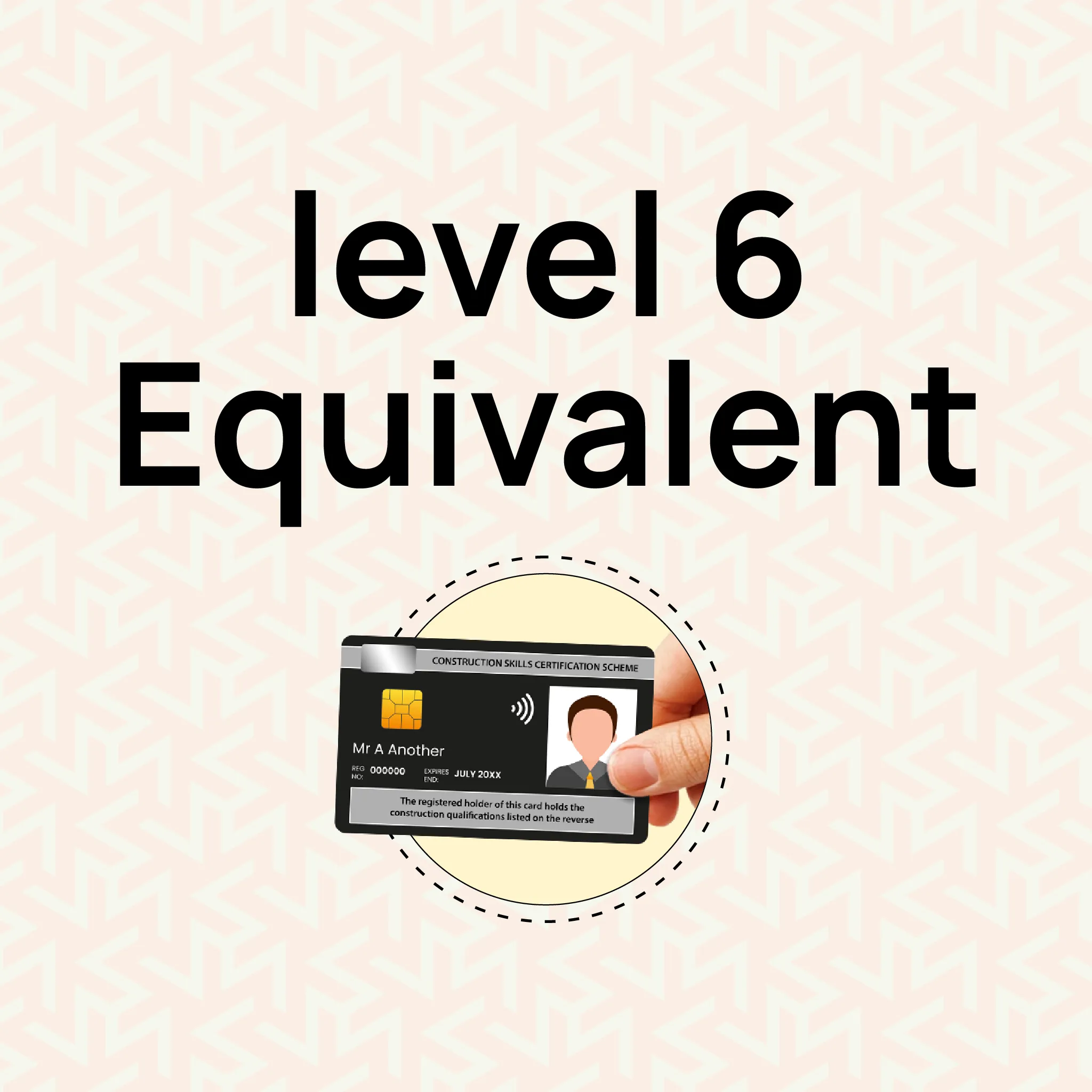
What Is NVQ Level 6 Equivalent To? NVQ vs Degree Explained Simply
When looking through career development opportunities, you might have come across the NVQ Level 6 qualification and questioned what it's equivalent to. The short answer is: it�s equivalent to a bachelor's degree.However, while they sit at the same level on the UK�s qualifications framework, an NVQ Level 6 and a university degree are not the same. One is vocational, and the other is academic. Knowing the distinction can help you make the right choice to achieve your goals.Let�s break down what NVQ Level 6 really means, how it compares to a degree or diploma, and why it might be the ideal choice if you're already working in industries like construction or site management.What Does NVQ Mean?NVQ stands for National Vocational Qualification. It�s a type of qualification that recognises your ability to do a job competently, based on real, practical experience. Unlike traditional academic qualifications, NVQs are not assessed through exams and essays, but through observation, portfolio evidence, and on-the-job performance.This makes NVQs ideal for adults already in work who want to gain formal recognition of their skills. An NVQ can be done in the course of your employment, and this is ideal in case you have to upskill yourself without leaving the job.What Level Is NVQ 6 Equivalent To?In terms of qualification levels, NVQ Level 6 sits at Level 6 on the Regulated Qualifications Framework (RQF). This is equivalent to a bachelor's degree.However, an NVQ Level 6 diploma is vocational; it is concerned with how well you can complete your tasks in a particular job role, rather than with academic theory. So while it carries the same level of weight, it�s delivered and assessed in a very different way.For example, someone working in construction site management may complete an NVQ Level 6 to demonstrate that they meet the national standard for the role, without needing to go back to university.NVQ Level 6 vs Degree: What's the Difference?Although both qualifications are at the same level, the experience required to earn them is very different.A bachelor�s degree is an academic qualification typically earned over three years at university. It consists of lectures, exams, essays, and learning theory. In order to enrol, you typically require previous academic qualifications, e.g. A-Levels.In contrast, an NVQ Level 6 diploma in construction management (or a similar field) is assessed entirely through practical, work-based learning. There are no formal entry requirements, and no exams are required. You demonstrate your knowledge and skills through a portfolio, site assessments, and discussions with your assessor, all while continuing in your current job.This makes NVQ Level 6 an ideal choice for experienced professionals who prefer learning through hands-on experience and want a qualification that directly reflects their expertise.Is An NVQ Level 6 Higher Than a Diploma?Yes, it is.Many individuals ask how NVQ Level 6 compares with other qualifications, such as the Diploma of Higher Education (DipHE) or the Higher National Diploma (HND). Both DipHE and HND are Level 5 qualifications, which are generally equivalent to the first two years of a degree.An NVQ Level 6 is one step above these, making it equivalent to the final level of a full degree. Here�s how these qualifications compare:HND / DipHE � Level 5 (equivalent to Year 2 of a degree)NVQ Level 6 � Level 6 (equivalent to a full bachelor�s degree)So, if you're wondering, "What is a diploma?", you should know that diplomas are highly valued qualifications, but they are not as high as NVQ 6 or an undergraduate degree.Who Is An NVQ Level 6 Best Suited For?An NVQ Level 6 is designed for professionals who already have experience in their field, particularly in industries like construction, civil engineering, and health and safety.It�s beneficial for those aiming to:Gain formal recognition for their on-site experienceProgress into senior management rolesQualify for the Black CSCS CardAvoid traditional academic study or university routes.This qualification suits individuals who learn best through on-the-job training and want to demonstrate their proficiency in meeting national occupational standards without attending a classroom setting.If you�re leading teams, managing site operations, or already working in construction supervision, your next step may be an NVQ Level 6 in Construction Site Management.ConclusionTo sum it up, NVQ Level 6 is equivalent to a bachelor�s degree, but it is designed to suit individuals who are already working and gaining practical experience. It is a respected qualification throughout the UK, and it is particularly helpful in the construction, health and safety and project management sectors.If you want to move up in your career, qualify for the Black CSCS Card, or simply formalise the work you already do, an NVQ Level 6 diploma could be the perfect fit.And with Hurak, you can get qualified without leaving your job.FAQIs NVQ Level 6 the same as a degree?Not exactly. NVQ Level 6 is equivalent in level to a bachelor�s degree (Level 6 on the RQF), but it's a vocational qualification. This means it's focused on practical, work-based skills rather than academic theory.NVQ Level 6 in Construction Site Management qualifies you to work in senior positions, like Site Manager, Contracts Manager or Project Supervisor. It also qualifies you for the Black CSCS Card, which is normally required for management jobs on UK construction sites.How long does it take to complete NVQ Level 6?The NVQ Level 6 diploma typically takes 6 to 18 months to complete, depending on the learner's experience, availability, and the speed at which they can build their portfolio. As it is work-based, it can fit around your existing job.Can I do NVQ Level 6 online or remotely?Yes. Many training providers, including Hurak, offer remote or flexible NVQ Level 6 options. You will be able to work with an assessor online and complete your portfolio, depending on your current job position; no need to attend a classroom or take exams.What is the difference between a diploma and an NVQ?A diploma can refer to many types of academic or vocational courses. An NVQ (National Vocational Qualification) is based explicitly on practical, workplace-based assessment. Although some NVQs are called diplomas (e.g., the NVQ Level 6 Diploma), they are not assessed by exams or lectures but by practical work.Do I need qualifications to start NVQ Level 6?No formal academic qualifications are required. However, you typically have extensive experience in your role, such as a site supervisor or manager, to meet the NVQ Level 6 assessment criteria.
How to Become a Site Manager: Qualifications, Roles and Salary Guide
Thinking of a career as a site manager, but do not know how to get started? The core of any construction project is the site manager, whose role is to lead teams, ensuring safety, managing budgets, and keeping projects on track. This role combines leadership, technical expertise, and problem-solving skills, offering high earning potential.In this guide, we�ll explain how to become a site manager, highlighting the qualifications you need, key responsibilities, salary expectations, and the career steps to help you succeed in this role.What Does a Site Manager Do?A site manager, also known as a construction manager, is a person who is in charge of managing all the daily activities of a construction site. Their main goal is to make sure that projects are completed safely, on time, within budget, and to the required quality standards.Key Responsibilities of a Site ManagerPlanning and scheduling daily site activities.Supervising construction teams, subcontractors, and suppliers.Ensuring compliance with health and safety regulations.Monitoring progress and resolving on-site issues.Managing budgets, resources, and project timelines.Communicating with clients, architects, and engineers to keep the project on track.Site managers serve as the link between the construction team and senior management to make sure that there is effective coordination and smooth delivery of every phase of the project.How to Become a Site Manager: Step-by-Step GuideThere�s no single path to becoming a site manager, but most careers in this role combine formal qualifications, practical training, and on-site experience. Here�s a simple step-by-step guide:Step 1: Build a Strong Educational FoundationMost site managers begin with GCSEs (or equivalent) in maths, English and science, which help build the basic knowledge and skills needed to start a career in construction and progress into management roles. Technical subjects, such as design and technology, are also helpful.Step 2: Choose Your Entry RouteThere are various ways through which you can begin your career:Apprenticeships: Combine work and study while gaining practical skills.Trainee Roles: Start as a trainee construction manager or assistant site manager.Further Education: Take an HNC, HND or a construction-related course like construction management or civil engineering.Step 3: Gain Professional QualificationsTo progress, consider qualifications like:NVQ Level 4 or NVQ Level 6 in Site Management.Chartered Institute of Building (CIOB) courses for professional recognition.Step 4: Complete Health and Safety TrainingThe majority of employers demand that managers possess a CSCS Black Card and complete training such as the SMSTS (Site Management Safety Training Scheme).Step 5: Gain On-Site ExperiencePractical experience is key. Progress from roles such as site supervisor or assistant site manager to develop leadership and project management skills.Tip: Combining an NVQ Level 6 or 7 qualification with a CSCS Black Card can fast-track your promotion into senior site management roles.What Qualifications Do You Need to Be a Site Manager?There are several routes to becoming a site manager, depending on your education, experience, and career goals. Some professionals may begin as an apprentice or site supervisor and gradually progress; others take formal qualifications to fast-track their way into management roles.NVQ QualificationsOne of the most recognised methods of qualifying as a site manager is by means of NVQs (National Vocational Qualifications)NVQ Level 4 in Construction Site Supervision: Suited for people starting out in junior management positions.NVQ Level 6 in Construction Site Management: The standard qualification for site managers.NVQ Level 7 in Construction Senior Management: For senior or director-level roles.NVQs are conducted through practical on-site experience and are therefore suitable for individuals already working in the construction industry.CSCS Black Card and SMSTS CertificationMost employers require site managers to have:A CSCS Black Card (Manager level) is usually linked to NVQ Level 6 or equivalent qualifications.SMSTS (Site Management Safety Training Scheme) certification to demonstrate a strong understanding of health and safety.Alternative QualificationsHNC or HND (Higher National Certificate/Diploma) in construction-related disciplines.Undergraduate degrees in construction management, civil engineering, or building surveying.Construction apprenticeships are put together to provide practical training along with academic learning.Recommended NVQ and Certification Courses for Site ManagersHurak offers accredited construction courses that can help you qualify for site management roles and achieve the CSCS Black Card.Key NVQ Pathways:NVQ Level 4 Diploma in Construction Site Supervision: Best for junior management roles.NVQ Level 6 Diploma in Construction Site Management: Standard qualification for site managers.NVQ Level 7 Diploma in Construction Senior Management: For senior leadership roles.NVQ Level 6 Diploma in Construction Contracting Operations Management: For roles in contracting and operations.Health & Safety Certifications:�SMSTS (Site Management Safety Training Scheme):� Industry-required safety certification.SSSTS (Site Supervisor Safety Training Scheme): Great for supervisors stepping into management roles.CITB Health and Safety Awareness Course: Foundation-level health & safety knowledge.First Aid at Work: A must-have certification for safety on-site.CSCS Cards & OnboardingHow to Get a CSCS Black Card: Step-by-step guide to obtain the manager-level competency certification.CSCS Green Card Course (Labourers): Entry-level card for those starting in construction.Want more options? Browse all NVQ and site management courses on Hurak.What Skills Does a Site Manager Need?The role of a site manager is challenging and involves a combination of technical knowledge, leadership, and organisational skills. In order to succeed in this role, you should have a team-leading capacity, effective communication and the ability to cope with challenges while ensuring the project stays on track.Leadership and Communication:A site manager should motivate and oversee construction teams, subcontractors and suppliers. Effective communication skills will be needed to coordinate with clients, architects, and engineers.Planning and Organisation:From scheduling daily tasks to managing budgets and resources, organisational skills help keep projects on track within deadlines and costs.Technical and Safety Knowledge:A thorough understanding of construction processes, building regulations, and health and safety standards is essential to ensure smooth site operations.Problem-Solving and Attention to Detail:Issues on site can arise unexpectedly, so the ability to find rapid solutions without compromising quality is vital.Technology Skills:Awareness of project management tools, software such as MS Project or AutoCAD, and digital reporting is becoming increasingly important in modern construction management.How Much Does a Site Manager Earn?The salary of a site manager differs, depending on experience, location, and the size of the project or company. In the UK, salaries for site managers are competitive and often increase as you gain experience and take on larger responsibilities. Bonuses, overtime pay, and allowances are also part of the benefits enjoyed by many site managers, particularly when they work on high-value or long-term projects.Average Site Manager Salary in the UKThe average salary for a Site Manager in the UK ranges from �45,000 to �52,000. Senior Site Managers who oversee significant developments or commercial projects can earn over �70,000, particularly if they hold chartered status (MCIOB) or an NVQ Level 6 qualification.Experience LevelAverage Annual SalaryEntry-Level / Trainee(0-2years)�28,000 � �38,000Mid-Level (3�6 years)�40,000 � �52,000Senior Site Manager (7+years)�55,000 � �65,000+Career Progression and Job OpportunitiesA career in site management offers endless opportunities for growth and specialisation. Although most site managers start as apprentices or site supervisors and gradually move up, the right qualifications and experience can put you into high positions at a very rapid pace.As you gain experience, you can progress to positions like Senior Site Manager, Project Manager, or even Construction Director. Other professionals prefer to specialise in niche areas such as infrastructure projects, health and safety management, or sustainable construction practices.With ongoing infrastructure development and housing projects across the UK, the demand for skilled site managers continues to rise, making this a career with excellent job security and long-term potential.Ready to Advance Your Career in Site Management?Take your construction career to the next level with industry-recognised qualifications that open doors to senior site management roles:NVQ Level 6 Diploma in Construction Site Management � The go-to qualification for site managers aiming to progress.NVQ Level 7 Diploma in Construction Senior Management � For experienced professionals moving toward Project Manager or Construction Director roles.SMSTS (Site Management Safety Training Scheme) � Essential for compliance and career growth.Explore All Advanced Construction Courses on Hurak.Frequently Asked Questions (FAQs)What qualifications do I need to become a site manager?The qualifications for becoming a site manager are usually an NVQ Level 6 Diploma in Construction Site Management or any other qualification similar to it, which can be either an HNC, HND or a degree in construction-related courses. A CSCS Black Card and SMSTS (Site Management Safety Training Scheme) qualification is also needed by many employers.Can I become a site manager without a degree?Yes, you can become a site manager without a degree. Most professionals begin their careers as apprentices, site supervisors, or tradespeople, and progress through NVQ qualifications (Level 4-7) and experience in the field.How long does it take to become a site manager?The time required varies based on your starting point. If you�re already working in construction, earning an NVQ Level 6 Diploma can take 6 to 12 months. Those who begin as apprentices or trainees may need several years, depending on the selected pathway.How much does a site manager earn in the UK?Site managers in the UK earn between �40,000 to �55,000 per year on average, with senior managers earning �55,000 to �65,000+. Entry-level or trainee site managers can expect salaries of �28,000 � �35,000.Is SMSTS mandatory for site managers?Although this is not a legal requirement, SMSTS certification is often mandatory for site managers to comply with health and safety regulations and employer requirements.What is the difference between a site manager and a project manager?A site manager is concerned with day-to-day site operations, team management and safety, whereas a project manager is concerned with the general planning, budgeting and delivery of the project. Site managers often report to project managers.How do I get a CSCS Black Card for site management?In order to achieve a CSCS Black Card, one must have a recognised qualification like NVQ Level 6 in Construction Site Management and pass the CITB Health, Safety and Environment test.What are the career progression opportunities for a site manager?Site managers with experience and higher qualifications (e.g., NVQ Level 7) may rise to Senior Site Manager, Project Manager, Contracts Manager, or Construction Director.Are there online courses available for aspiring site managers?Yes, many NVQ Level 6 and Level 7 diplomas can be completed online or through blended learning with on-site assessments. Hurak offers flexible, accredited NVQ pathways for construction professionals.Conclusion: Is a Career as a Site Manager Right for You?Being a site manager is a great career option when you love leadership, solving problems, and working on projects that create the built environment. This role is a combination of technical skills, team management, and strategic planning, and it provides great job security and attractive salaries. With the right qualifications, hands-on experience, and certifications such as an NVQ Level 6 or a CSCS Black Card, you can fast-track your path to site management and progress into senior positions, including Project Manager or Construction Director.When you are willing to make the next step, it is high time to invest in training, improve your skills and create a solid career base. The construction industry is always looking for motivated professionals who can lead projects to success.
What Is SMSTS Qualification? A Complete Guide to Course, Test and Certification
Looking to lead a construction site safely and legally? The SMSTS qualification might be your next essential step. If you're aiming for a site management role in construction, the Site Management Safety Training Scheme (SMSTS) qualification is widely recognised as a must-have. It provides managers and supervisors with the practical knowledge and legal skills necessary to manage site safety, risk management and legal requirements of health and safety rules.This guide provides a clear outline of the SMSTS course structure, what to expect during the examination, helpful revision tips, and details on mock tests and refresher requirements. Whether you're preparing for your first assessment or planning a renewal, this article will help you navigate the process confidently and make the most of your certification.What Is the SMSTS Qualification?The Site Management Safety Training Scheme (SMSTS) is a CITB-accredited health and safety qualification designed for individuals responsible for managing construction sites.��It�s specifically designed for site managers, supervisors, and those taking steps toward leadership roles, and it helps them understand how to keep worksites safe, compliant, and efficient.The SMSTS course�focuses on practical skills for managing on-site risks, the implementation of the UK health and safety legislation, and ensuring a safe working environment.�Delivered through certified CITB training providers, the SMSTS qualification is recognised across the construction sector and is often a mandatory requirement for site managers.This qualification is essential not just for compliance but also to make the working environment safer, reducing accidents, and ensuring that site managers are legally and practically prepared for their responsibilities.Who Should Take the SMSTS Course?The SMSTS qualification is commonly required for professionals responsible for managing construction sites and ensuring adherence to health and safety standards. It shows that you are aware of the legal and practical responsibilities involved in site operations. It�s ideal for:Site Managers: responsible for day-to-day site operations and legal complianceProject Managers: managing various sites or larger construction projectsSite Supervisors: especially those progressing toward managerial rolesConstruction Directors: involved in high-level planning and safety strategyBusiness Owners: running small construction firms who manage their own sites�Many employers now require SMSTS certification as a condition of employment for senior site roles. Whether you're already in a supervisory position or planning to take on more responsibility, this course will ensure you are aware of your legal obligations and how to manage site hazards and maintain a healthy working environment.If you're aiming to take on more responsibility or lead a construction team, the SMSTS course can position you as a competent and safety-aware professional.SMSTS Course Breakdown: Modules, Format and ContentThe SMSTS course is a CITB-accredited training programme designed to help current and aspiring site managers understand their legal, practical, and safety responsibilities on construction sites. It is a comprehensive five-day training programme designed to provide in-depth knowledge of health and safety best practices in the construction industry.�It encompasses everything from fundamental laws to certain threats site managers need to tackle on a daily basis.Key Modules Include:Health and Safety at Work Act (HSWA): legal responsibilities and complianceRisk Assessments and� Method Statements (RAMS): planning safe systems of workSite Set-Up and Security: managing site access, welfare facilities, and safety signageWorking at Height and Equipment Safety: scaffolding, ladders, fall protectionManual Handling and Plant Safety: handling, maintenance, and safety protocolsFire Prevention and Control: risk identification and evacuation planningOccupational Health Hazards: noise, dust, vibration, and hazardous substancesEnvironmental Awareness: waste management, pollution control, sustainabilityDelivery Format:Duration: Typically 5 days (full-time or spread out over weeks)Format: Face-to-face or virtual classroom sessions through CITB-approved providersLearning Style: Interactive presentations, real-world case studies, group discussionsThe course is assessed through active participation and a final multiple-choice exam. Learners are expected to participate in group tasks and contribute to conversations throughout the course to strengthen their understanding.By the end of the course, candidates will have the confidence and capability to manage site safety proactively and in line with current legislation, �which is vital in any construction management career.�Download our SMSTS Test Prep Book[wpforms id="32373" title="false"]SMSTS Training Costs Explained: Average Fees and InclusionsSMSTS course fees typically range from �450 to �600 for the full 5-day course, depending on the provider and course format. The classroom-based sessions are more expensive than virtual sessions, but both offer the same CITB certification. The factors that have a significant effect on the price include:Delivery method: Online courses can be slightly cheaper than classroom-based options.Location: Training centres in major cities may charge more due to higher overheads.When comparing prices, always check what�s included:Registration and certification fees of CITBStudy materials or revision guidesAccess to mock tests or exam prep resourcesNOTE: Some providers may offer early-bird discounts or group booking rates. If you're an employee, ask if your employer covers the cost, as it's often included in workplace training budgets.Step Into Site Management With ConfidenceEnrol now in a flexible format, online or in-person, and earn an industry-recognised certificate backed by CITB. Take the next step in your construction career with Hurak�s CITB-approved SMSTS Course.�Looking to progress further? You can also:Earn the Level 6 NVQ in Construction Site Management to qualify for the Black CSCS Card.Book a SMSTS Refresher Course if your current certificate is near expiry.Test your knowledge with free CSCS Mock Tests.SMSTS Assessment and Certification ExplainedThe SMSTS course ends with a multiple-choice exam, which is normally done at the end of the training period. The assessment will test your knowledge about the major issues, such as health and safety legislation, risk assessment, and effective site management practices. In order to pass successfully, candidates must score at least 80% on the test, while also demonstrating full attendance and active participation in all course elements, including group work and case studies.�Upon passing, learners receive the�CITB Site Safety Plus certificate, an industry-recognised qualification valid for five years. This certificate serves as proof of your ability to manage safety on-site in line with current legal and regulatory standards. To maintain validity, certificate holders must complete the one-day SMSTS Refresher course before it expires.�The course doesn't just test theory; it ensures you're practically ready to manage safety on active construction sites. Notably, most providers allow a free resit if you fail, provided you�ve been actively engaged throughout the course.How to Prepare for the SMSTS Exam: Strategy, Practical Tips and Study TechniquesPassing the Site Management Safety Training Scheme exam requires more than just memorising facts; it�s about understanding how to apply health and safety principles in real-life site management. A balanced preparation plan includes structured revision, practical application, and active participation during the course. Here�s how to prepare effectively.Review Course Material RegularlyTake time to review your notes after every training session. Pay special attention to key topics such as:Health and safety legislation.Risk assessments.Legal responsibilities of site managers under UK law.Use Mock Tests and Timed PracticeMock exams are one of the best tools to prepare for the real test. Many training providers, including ours, offer CSCS mock tests that closely resemble the real SMSTS exam. Practice under timed conditions to simulate the actual exam environment.Focus on Real-Life ApplicationIt is necessary to know how the information of the course can be used in the field. Go and re-read each of the modules and relate what you have learnt to real life. The course provides case studies and practical exercises that assist you in doing exactly that. Actively engaging with these exercises helps bridge the gap between theory and practice.Participate Actively During the CourseDon�t treat the course as a passive experience. Ask questions, join group discussions, and take part in practical activities. This does not only boosts your learning but also helps you in remembering the important information when you are taking the exam.Identify and Revisit Weak AreasWhen you are revising, highlight topics that you find challenging. Revisit those sections using your course materials or additional resources provided by your training centre. Making weak areas stronger will make the preparation process more balanced and lower the stress levels on the exam day.Ready to Ace the SMSTS Exam?�At Hurak, we support your success every step of the way. Access our SMSTS Course for expert-led training, real-life case studies, and timed CSCS mock tests.Whether you're struggling with legislation or risk assessments, we�ve got the resources to help you succeed.�Enrol in the SMSTS Course TodayRenewing Your SMSTS: Validity, Refresher and RetestingThe SMSTS certificate is valid for five years from the date of issue. To maintain your qualification and continue working in a managerial or supervisory role, you�ll need to complete the SMSTS Refresher course before your certificate expires. This 1-day refresher is designed to update your knowledge of legislation, safety standards, and best practices on-site.�To be eligible for the refresher, you must have a valid and up-to-date certificate. In case your certificate has already expired, you will be asked to go through the full 5 day SMSTS course again to obtain your qualification. To avoid extra time and costs, keep an eye on your expiration date and plan your renewal in advance.Completing the refresher demonstrates your continued commitment to safety and ensures you're up to date with your legal responsibilities and site safety expectations.Key Benefits of Earning the SMSTS QualificationThe SMSTS qualification offers clear, career-boosting advantages for anyone aiming to step into or grow within a site management role. It offers detailed training on health and safety laws, risk assessment, and your legal responsibility on-site, which is directly used to reduce accidents, impose safer working practices, and all regulatory standards on the construction projectsFor professionals, it�s more than just a training course; it�s often seen as a mandatory benchmark for site managers and supervisors. Many employers now require SMSTS certification as part of their hiring criteria, particularly for roles that involve responsibility for site safety or project leadership.Additionally, holding the SMSTS shows a strong commitment to professional development. It indicates to the clients, contractors and employers that you are serious about the issue of safety and leadership, and this increases your credibility and your future career.In essence, the SMSTS course doesn�t just make you compliant; it also equips you with skills to be a confident leader, work safely and be a competitive player in the construction industry.Frequently Asked Questions (FAQs)What does SMSTS stand for?SMSTS stands for Site Management Safety Training Scheme, a health and safety qualification offered by CITB for construction site managers and supervisors.Who should take the SMSTS course?The SMSTS course is ideal for site managers, supervisors, and anyone responsible for planning, organising, monitoring, or managing construction site safety.How long does the SMSTS course take?It typically runs over 5 days, either consecutively or spread out through day-release or weekend formats.What is the pass mark for the SMSTS exam?To pass, candidates must score at least 80% on the final multiple-choice test and fully participate throughout the course.How long is the SMSTS certificate valid?The SMSTS certificate is valid for 5 years. To maintain certification, you must complete a 1-day SMSTS Refresher course before it expires.Is the SMSTS qualification mandatory?Although it is not legally required, it is widely regarded as essential by most construction employers and is often specified in project contracts.How much does the SMSTS course cost?Course fees generally range between �450 and �600, depending on the provider, location, and delivery format (in-person or online).Can I get a Black CSCS Card with SMSTS?No, SMSTS alone does not qualify you for a Black CSCS Card. To obtain one, you�ll need to complete a Level 6 NVQ Diploma in Construction Site Management and pass the CITB MAP test.Conclusion: Is SMSTS Right for Your Career Path?The SMSTS qualification isn�t just another certificate; it�s a vital step for anyone responsible for leading safely and effectively on a construction site. Whether you're aiming to advance your career, take on more responsibility, or meet industry and client expectations, the course equips you with the essential legal knowledge and practical skills to manage site operations confidently.This guide has covered everything from course content and costs to exam preparation and renewal. If you're serious about progressing in your construction career, earning the SMSTS qualification is a smart, future-focused investment.Ready to Take the Next Step in Your Construction Career?Whether you're enrolling for the first time or due for a refresher, Hurak offers CITB-approved SMSTS training to suit your schedule and career goals.Join the 5-Day SMSTS Course: Learn how to manage site safety, legal duties, and real-world risks.Book the 1-Day SMSTS Refresher: Renew your certification and stay compliant with industry standards.Take a Free SMSTS Mock Test: Practice under exam-style conditions and boost your confidence.Start building a safer site today with the proper qualifications from Hurak.