
How to Repoint Brickwork: Tools, Techniques & Tips
Repointing brickwork might seem like a simple task, but when done incorrectly, it can lead to long-term damage to your home or property. Mortar joints play a vital role in the structural integrity and weather resistance of brick walls. When mortar deteriorates, repointing restores protection. But to get lasting results, it�s essential to use the right tools, materials, and methods and avoid common mistakes. Here is everything you need to know, from spotting when repointing is required to executing the job correctly.For those new to brickwork or looking to improve their technique, be sure to check out our Common Bricklaying Mistakes guide to avoid errors that could affect your project�s success.What Is Repointing Brickwork?Repointing is the process of renewing the external part of mortar joints between bricks. Over time, weather exposure and general wear can cause mortar to crack or crumble, compromising the wall�s strength. Repointing involves removing the weakened mortar and replacing it with a fresh mix, thereby sealing the joints and preserving the brickwork.Why is repointing important? Because while bricks can last a century or more, mortar often starts to fail after just 20-30 years. Ignoring damaged mortar can lead to water ingress, frost damage, and even structural instability.Signs Your Brickwork Needs AttentionIf you�re unsure whether your brickwork needs repointing, there are several signs to watch for. Look out for cracks or gaps in the mortar lines, loose or wobbly bricks, and visible crumbling or flaking mortar. Damp patches or water staining on internal walls can also indicate issues, as can plants or moss growing out of the joints. In some cases, these symptoms may signal deeper structural problems that require underpinning to stabilize the foundation before repointing. Regular inspections, particularly after winter, are crucial for identifying these issues early and preventing further damage.When�s the Right Time to Start?Repointing is best done in mild, dry weather. The ideal temperature range is between 8�C and 25�C. Spring and early autumn are typically the best seasons for repointing in the UK.Avoid repointing in poor weather conditions. Rainy weather can introduce excess moisture, weakening the mortar bond and interfering with proper curing. Similarly, frosty conditions pose a risk as freezing temperatures can cause the mortar to expand and crack. On the other end of the spectrum, working in hot, direct sunlight can cause the mortar to dry too quickly, reducing its adhesion and potentially resulting in weak joints.Is It Okay to Repoint in the Rain?It�s strongly advised not to repoint in the rain. Excess moisture prevents mortar from setting properly, reduces its strength, and increases the risk of staining. If rain is forecast, delay your project or use waterproof sheeting to protect the area until dry conditions return.Interested in mastering bricklaying skills professionally?�Explore the Bricklaying NVQ Level 2 course to build a strong foundation.Essential Repointing Tools & MaterialsTo carry out repointing effectively, you will need several basic tools, including a pointing trowel, a plugging chisel or cold chisel, a jointing tool, a mortar board or hawk, and a stiff brush. Additionally, some optional but useful tools include a mortar raking tool, either manual or power-assisted, a mortar gun for larger areas, and a bucket trowel.�In terms of materials, a suitable mortar mix (either lime-based or cement-based), clean water, and a brick cleaner (if needed) are essential. When choosing the right mortar, it�s important to consider the type of building: older or listed buildings typically require breathable and flexible lime mortar, while newer constructions generally use cement mortar, which must be matched carefully in strength and appearance to the existing mortar to ensure proper adhesion and durability.Choosing the right tools and materials is the foundation of any successful repointing job. The quality and compatibility of your mortar, the condition of your tools, and even the type of building you�re working on can all make a significant difference to the final result. To help you get started quickly and confidently, here�s a handy reference table outlining everything you�ll need.A Quick Reference Table of Tools & MaterialsCategoryItemBasic ToolsPointing trowelPlugging chisel or cold chiselJointing toolMortar board or hawkStiff brushOptional ToolsMortar raking tool (manual or power-assisted)Mortar gun for large areasBucket trowelMaterialsSuitable mortar mix (lime or cement-based)Clean waterBrick cleaner (if needed)Mortar SelectionLime mortar (for older or listed buildings)Cement mortar (for newer buildings, match strength)How to Restore Brick Joints: Step-by-StepPrepare the AreaBefore starting, ensure you wear protective gear, including gloves, goggles, and a dust mask. Lay down dust sheets to protect surrounding surfaces from debris. Use a stiff brush to clean the wall surface, removing any loose dirt or dust to ensure a clean working area.If you're looking to formalise your skills or advance your career, Everything You Need To Know About A Bricklayer CSCS Card is a great next step.Remove Old MortarUsing a plugging chisel or a mortar raking tool, carefully rake out the old mortar to a depth of about 15�20mm. Avoid using angle grinders unless absolutely necessary, as they can damage the edges of the bricks. Make sure all loose material is completely removed to provide a solid base for the new mortar.Clean the JointsBrush out all remaining dust and debris with a stiff brush. To improve adhesion, lightly spray water into the joints to dampen them, but be careful not to soak the area, as excess moisture can weaken the mortar bond.Mix the MortarPrepare the mortar by mixing sand with cement or lime, depending on the type of building you are working on. The mix should be firm and workable, not runny. Allow the mortar to rest briefly after mixing to improve its consistency and workability.Apply the New MortarUsing a pointing trowel, press the mortar firmly into the joints, starting with the horizontal (bed) joints before moving to the vertical (perp) joints. Compact the mortar well to remove any air pockets and ensure strong adhesion to the bricks.Shape the JointsOnce applied, use a jointing tool to finish the mortar, matching the existing style of the wall, such as flush, weather-struck, or recessed joints. Neaten the joints while the mortar is still slightly workable for a clean, professional look.Curing and Clean-UpAllow the mortar to cure slowly by protecting it from direct sunlight and rain. Mist the surface with water if needed to keep it damp during the initial curing phase. After the mortar has set, brush off any loose residue and clean the brick faces gently with a dry brush to complete the job.Avoid common pitfalls and errors by reviewing our article on Common Bricklaying Mistakes (And How to Fix Them)ConclusionRepointing brickwork is one of the most effective ways to preserve the structure and appearance of your property. By understanding when repointing is necessary, selecting the appropriate materials, and following best practices step-by-step, you can avoid common mistakes that lead to costly repairs. Whether you're tackling a minor repair or maintaining a larger wall, proper preparation, technique, and timing are key to achieving long-lasting results. With the right tools and know-how, you can protect your brickwork for decades to come. .main{ border:3px solid #0f7c90; border-radius:20px; position: relative; font-family:roboto; font-weight: 400; color: #000; } .main-two{ position: absolute; top:-25px; left:45px; background-color:white; } .img-div{ border-radius : 100%; padding:2px 7px; background-color:#0f7c90; margin-right:5px; width: 50px; height: 50px; } .img{ width:30px; object-fit:contain; height:auto; border-radius : 100%; } @media only screen and (max-width: 600px) { .heading{ font-size:20px; } .img{ width:20px; object-fit:contain; height:auto; border-radius : 100%; } .img-div{ width: 40px; height: 40px; } .main-two{ left:25px; } } Ready to take your skills further? The Bricklaying NVQ Level 3 course offers advanced training to help you become a qualified bricklayer. FAQsHow long does repointing last?When done properly, repointing can last anywhere from 30 to 50 years depending on weather conditions and the quality of materials used.How deep should I remove old mortar?You should remove mortar to a depth of around 15�20mm to ensure a strong bond with the new mix.Do I need planning permission to repoint?Generally no, unless your property is listed or in a conservation area. Check with your local authority if in doubt.Can I repoint in winter?It�s not recommended due to frost risks and poor curing conditions. If necessary, ensure the work area is adequately protected.Is lime mortar better than cement mortar?Lime mortar is better for older buildings as it�s more flexible and breathable. Cement mortar is harder and better suited to modern construction.Explore Other Popular NVQs to Boost Your Bricklaying CareerIf you�re interested in advancing your skills beyond repointing and bricklaying basics, pursuing NVQ qualifications is a great way to build your expertise and qualify for various CSCS cards.Level 2 NVQs (Skilled Worker � Blue CSCS Card)Level 3 NVQs (Advanced Worker � Gold CSCS Card)NVQ Level 2 in BricklayingNVQ Level 2 in PlasteringNVQ Level 2 in Roofing OccupationsNVQ Level 2 in Carpentry and JoineryNVQ Level 2 in Wall and Floor TilingNVQ Level 2 in Painting and DecoratingNVQ Level 2 in Passive Fire ProtectionNVQ Level 2 in StonemasonryNVQ Level 3 in BricklayingNVQ Level 3 in PlasteringNVQ Level 3 in Roofing OccupationsNVQ Level 3 in Wall and Floor TilingNVQ Level 3 in Painting and DecoratingNVQ Level 3 in Stonemasonry � Banker MasonryNVQ Level 3 in Stonemasonry � Memorial MasonryThese NVQs are typically completed through on-site assessments, allowing you to gain your qualification while continuing to work. Whether you want to enhance your bricklaying skills or explore related trades, pursuing these NVQs can open new doors and help you stay competitive in the construction industry.


Further Education vs Higher Education | Key Differences
Choosing the right path in education can be confusing, especially when terms like further and higher education are often used interchangeably. Whether you're returning to study, exploring career progression, or supporting someone else's learning journey, understanding the difference is essential. This quick guide breaks down what sets further education and higher education apart, from qualifications and course levels to career outcomes, so you can make an informed decision that suits your goals.We�ll clearly explain what each pathway involves, what qualifications you can earn,�internships for high school students, and how they align with your personal or professional goals, helping you make the right decision with confidence.�Top NVQ Courses Offered by HurakLooking to boost your career with a nationally recognised qualification? Hurak provides a range of NVQ courses tailored to various industries. Here are some of their top offerings:Level 2 NVQ in Plant Operations: Perfect for operatives aiming for the CPCS Blue Card.Level 2 NVQ in Controlling Lifting Operations (Slinger Signaller): Ideal for those working in crane and lifting operations.Level 3 NVQ Diploma in Adult Health and Social Care: Advance your role in care with this popular qualification.Level 3 Award in Education and Training (AET): Start your journey to becoming a certified trainer or teacher.Browse All NVQ Courses at Hurak.What Is Further Education (FE)?Further education (FE) refers to any type of learning that takes place after secondary school but isn�t part of a university degree or higher education. It offers a diverse range of qualifications, from academic courses to practical and vocational training, providing individuals with the skills needed for the workforce or further studies.FE is typically delivered in colleges, training centres, or adult education providers. Common qualifications include:A-LevelsBTECsNVQs (National Vocational Qualifications)ApprenticeshipsFunctional Skills�The good thing about FE lies in its flexibility; courses are available part-time, in the evenings, or even online, making it an ideal option for those with work or family commitments. Whether you're looking to build practical skills, pursue a specific career path, or prepare for higher education, further education offers a variety of routes to meet your personal and professional goals.What Is Higher Education (HE)?Each year, thousands of UK adults enrol in higher education to gain specialist qualifications, switch careers, or advance in their current roles. Higher education refers to studies undertaken after completing further education, typically at university level. It includes qualifications such as:Bachelor�s DegreesFoundation DegreesHigher National Certificates (HNCs) and Diplomas (HNDs)Master�s DegreesDoctorates (PhDs)These programmes are more academically focused and often involve in-depth study, research, or theoretical learning.Most full-time HE courses take three to four years to complete, though part-time and distance learning options, such as online MBA, are available .Unlike further education, HE often leads to advanced qualifications required for roles in law, engineering, teaching, or healthcare.Key differences between further and higher educationFurther education (FE) and higher education (HE) serve as distinct milestones in your learning journey, each providing unique opportunities for career progression and academic development.�Level of StudyFE: Post-secondary study, often providing a foundation for future higher learning or specific job preparation.HE: Advanced academic study, typically pursued after completing FE, offering qualifications like Bachelor�s and Master�s degrees.Qualification TypesFE: Focuses on practical skills and vocational qualifications such as BTECs, NVQs, and apprenticeships.HE: Offers academic qualifications like degrees, which delve deeper into specialised knowledge and research.Duration & FlexibilityFE: Shorter, flexible study options, often one to two years, with part-time or online opportunities.HE: Longer courses, generally lasting three to four years, are usually full-time with more structure.Career PathwaysFE: Ideal for entry-level positions, apprenticeships, or preparation for higher study.HE: Leads to professional and specialist careers requiring advanced qualifications, such as law, engineering, and medicine.Below is a table for your quick reference of the key differences:CATEGORY�FURTHER EDUCATIONHIGHER EDUCATION�Qualification LevelsLevel 1 to Level 3Level 4 and aboveTypical Providers�College, Training CentresUniversities, HE institutionsEntry RequirementsOften minimal, depending on the courseUsually A-levels or equivalentCostOften free or low-costTuition fees apply (loans available)Study FocusPractical, job-ready skillsAcademic, subject-specific knowledgeTime CommitmentVaries, often short or part-time2�4+ years (mostly full-time)Which Path Is Right for You?Deciding between further education (FE) and higher education (HE) comes down to your goals, qualifications, and learning preferences. Each route offers valuable opportunities; it�s about finding what fits your current stage and career plan.Choose Further Education if you:Need to gain foundational or Level 2�3 qualifications.Need to develop job-ready skills quickly.Prefer practical, hands-on learning environments.Explore career options or return to study with flexibility in mind.Choose Higher Education if you:Aim to earn a university-level qualification (Bachelor�s, Master�s, etc.).Plan to enter a profession that requires a degree (e.g. law, teaching, healthcare).Enjoy academic study and want to explore a subject in depth.Prefer a longer-term learning commitment with research opportunitiesWhichever route you choose, both FE and HE can lead to rewarding careers. It�s about picking the one that aligns with your personal circumstances and long-term goals. For those who have already completed higher education and wish to take their expertise to the next level, postgraduate programs such as MBAs can be a powerful way to advance professionally. These programs, like the Evening MBA Degree, offer a flexible, innovation-driven curriculum designed for experienced professionals seeking leadership growth in dynamic industries.�Not Sure Which Path to Take?Hurak offers courses to support both Further and Higher Education goals:Choose Further Education if you want job-ready skills fast:Level 3 AET (Teaching) �Health & Safety in Construction�Food Hygiene & SafetyChoose Higher Education Prep if you're aiming for advanced roles:Level 4 CET (Teaching)Level 5 Diploma in Teaching (QTLS Route)Browse all our Courses at Hurak.FAQsWhat is the main difference between further education and higher education?Further education (FE): Courses below degree level (e.g. A-levels, BTECs)Higher education (HE): Degree-level and above (e.g. BA, BSc, Master�s)Do I need further education before I can do higher education?Often yes, as most university courses require Level 3 qualificationsAlternative pathways, like Access to HE or relevant work experience, may applyCan I go to university without A-levels?�Yes, through:Access to HE DiplomaBTEC Level 3NVQ Level 3Foundation degreesWork experience in some casesIs further education free in the UK?Yes, for most 16�19-year-oldsAdults may qualify for:Free Level 3 coursesAdvanced Learner LoansSupport based on income or employment statusHow long does further education take?Short courses: A few weeks or monthsFull-time courses: 1�2 yearsPart-time/evening options: Flexible durationWhat support is available for adult learners?Financial support (grants, bursaries, or personal loans)Flexible schedules (evenings, online, part-time)Free advice via the National Careers Service or local collegesIs higher education worth it?Yes, for careers that require degrees (e.g., teacher, nurse, lawyer). Vocational jobs may offer strong earnings with FE alone.Can I do both further and higher education?Yes, many learners progress from FE to HE. Example: BTEC Level 3 ? University degree.Final ThoughtsBoth further education and higher education play important roles in helping you reach your personal and professional goals. Whether you�re aiming to enter the workforce quickly, build practical skills, or pursue a degree for a specialised career, the right path depends on your current situation and long-term ambitions.Understanding the difference between further and higher education helps you make informed decisions about your future. FE provides flexible, skills-based learning, while HE offers academic depth and professional qualifications. Consider your career goals, study preferences, and current qualifications before deciding.You can also speak to an education provider or careers adviser to get tailored guidance and make the most confident choice for your future.Explore Hurak�s career guides to find the right path for your goals.Hurak offers accredited courses that open doors in teaching, assessing, and supporting roles in education.Start building your future today: Award in Education and Training (AET) �| Teaching Assistant Courses�We also offer pathways into quality assurance and assessment: Assessment Training | IQA Training

Clean As You Go Simplified: Essential Tools and Implementation Tips
�Clean as you go� may appear to be a simple concept, but it can be challenging to implement in practice, especially in high-pressure workplaces with multiple staff members. Without proper structure and clearly defined responsibilities, this straightforward idea can quickly lead to confusion, missed tasks, and serious concerns regarding food safety and food hygiene. To be effective, the policy must be well-organised and embedded into the daily workflow to maintain a clean and safe environment.A clean as you go (CLAYGO) policy is a cleaning strategy that promotes continuous cleaning throughout the working day. It encourages staff to view cleaning as a routine responsibility, rather than a one-off task, thereby helping to maintain hygiene at all times.In this article, we�ll explain what clean as you go means, how CLAYGO policies work, the tools required, how to implement them effectively in the workplace, and more.What do you mean by Clean as you go?Clean as you go (CLAYGO) is a standard policy widely used in professional environments like hospitality and catering. It is a cleaning method that involves cleaning work areas immediately after completing a task, rather than leaving it for the end of the shift.For example, it could mean a chef wiping down their workstation after preparing a dish or staff disposing of food waste and spills right away. This proactive approach ensures that cleanliness is maintained throughout the day.Why Is It Important?Implementing a CLAYGO policy helps maintain consistent hygiene and reduces the risk of cross-contamination.It ensures compliance with food safety standards.It promotes a shared sense of responsibility - cleaning isn't limited to just one role. From junior staff to senior managers, everyone contributes to maintaining a clean, safe, and professional work environment.Types of CleaningNow that we understand what �Clean as You Go� means and why it matters, let�s take a closer look at the two main types of cleaning.In a professional setting, a Clean as You Go policy is typically divided into two key segments:Immediate CleaningThis type of cleaning is about acting fast. Spills, broken glass, or dropped food must be addressed immediately to prevent accidents or contamination. Staff should know precisely what to do and have cleaning materials readily available, such as gloves, paper towels, disinfectant spray, and warning signs. Quick action keeps the environment safe and prevents minor issues from escalating into major problems.Routine CleaningRoutine cleaning focuses on maintaining clean and hygienic work areas throughout the day. Tasks include wiping surfaces, clearing food waste, emptying bins, and cleaning tools or equipment after use. These jobs should be part of everyone�s daily schedule, not left until the end of a shift.By clearly separating urgent clean-ups from regular tasks, it�s easier to keep the workplace running smoothly, safely, and to a high standard of hygiene.Real Example: Cleaning Between Tasks to Prevent ContaminationA chef finishes prepping meat for lunch service and immediately disinfects the chopping board and work surface before starting on fresh vegetables to avoid contamination.How to Implement and Manage �Clean As You Go� in the WorkplaceTo make the 'clean as you go' policy effective, it must be incorporated into your daily routine. In a busy workplace, setting clear standards is essential.Everyone should know exactly what they are responsible for. This avoids confusion, reduces delays in action, and ensures tasks are not just left for �someone else� to handle. Assigning specific cleaning responsibilities to staff based on areas, tasks, or time slots helps maintain order and supports a hygienic environment.However, immediate cleaning tasks, such as spillages or breakages, must not require management's approval. Staff members must be trained to act on them promptly to prevent any hygiene and safety issues.A clear and clean-as-you-go approach not only promotes hygiene but also improves operational flow in high-paced environments, such as commercial kitchens.Make sure your workplace has a proper waste management plan to support daily cleaning efforts. If rubbish, packaging, or debris is left to pile up, even the best cleaning routines can fail. By working with trusted Lakeland dumpster services, you can ensure waste is removed regularly. This helps keep work areas clean, safe, and organized, allowing staff to focus on their tasks without interruptions.Real Example: Quick Action After a SpillA kitchen porter accidentally spills oil on the floor during a busy lunch service. Instead of waiting, they immediately place a wet floor sign, use absorbent granules to soak up the spill, and clean the area before anyone slips.Steps for smooth implementation:Once you�re clear on when and what to clean, the next step is to implement it and make this practice part of your team�s daily habits. Below are a few steps for implementing CLAYGO smoothly in your organisation.Outline cleaning duties clearly, specifying who is responsible for what and when.Train all staff, including both new and existing employees, so they understand the policy.Place cleaning equipment where it�s needed most, especially near food prep zones and walkways.Define disposal procedures, including waste management, and when bins must be emptied.Use signage or checklists, as visual reminders of key cleaning responsibilities.After putting your 'Clean as You Go' (CLAYGO) plan into action, it�s equally important to ensure that your staff are well-trained and consistently supported. Ongoing training and regular monitoring are crucial for maintaining the policy and ensuring it becomes an integral part of your workplace culture.Staff Training, Monitoring, and Refresher:How to Train StaffDeliver training as part of onboarding for all new employees.Use practical demonstrations�walk through what immediate vs routine cleaning looks like in real kitchen settings.Provide visual aids, such as cleaning checklists and the CLAYGO poster.How to Track ComplianceUse a daily cleaning checklist that staff must tick off and sign at the end of their shift.Supervisors should conduct spot checks to ensure that cleaning is done correctly and not just ticked off.Encourage peer accountability by having team members remind each other of their CLAYGO duties.�How to Refresh TrainingSchedule regular refresher sessions (monthly or quarterly).Review hygiene-related incidents during team meetings and utilise them as learning opportunities.Update posters and checklists if procedures change to keep materials relevant and engaging. Essential Tools to Support the Clean as You Go PolicyIn a busy kitchen, cleanliness and speed go hand in hand, and the staff needs to have access to the right tools at all times. These tools help ensure that food areas remain safe, hygienic, and clutter-free throughout the day.Here are the essential items every kitchen must have in a cleaning tool kit:Blue roll or absorbent paper towels � Ideal for wiping spills, drying hands, and keeping surfaces dry.Food-safe disinfectant spray � For sanitising worktops, utensils, and preparation areas.Rubbish sacks or waste bins � Easily accessible for immediate disposal of food waste and packaging.Absorbent granules or spill powder � Useful for soaking up oil, sauces, or any liquid spills quickly and safely.Sponges or disposable cloths � For regular cleaning of surfaces and kitchen tools.Dustpan and brush � To sweep up crumbs, food particles, or broken items efficiently.�Wet Floor� or hazard warning signs � To mark freshly cleaned areas and prevent slips or accidents.Having a well-stocked cleaning kit within reach supports hygiene and promotes a smooth and safe kitchen operation.To make it even easier for your team to stay on track, we�ve created a visual reminder you can display in your workspace.Clean As You Go Poster � Essential Tools and Tips for a Safer KitchenUse this poster to understand the CLAYGO (Clean As You Go) policy at a glance. It highlights the key cleaning tools your kitchen should have and outlines clear steps for effective implementation, even in the busiest work environments.Download our 'Clean as You Go' poster to help your team follow hygiene standards visually and consistently.FAQ'sWhat does "Clean As You Go" mean?Clean as you go means cleaning work areas, tools, and surfaces immediately after use rather than waiting until the end of a shift. It�s a proactive hygiene approach that helps reduce the risks of cross-contamination and supports a safer, more efficient workspace, especially in kitchens and food-handling environments.What is a Clean As You Go policy?A clean-as-you-go policy is a structured cleaning system that encourages staff to clean continuously throughout the day. It outlines responsibilities, schedules, and standards for maintaining hygiene throughout the workplace. This policy is particularly essential in industries such as food service, hospitality, and healthcare.What tools are needed for a Clean As You Go system?Essential clean-as-you-go tools include paper towels or blue roll, food-safe disinfectants, sponges, dustpans and brushes, rubbish sacks, spill granules, and 'Wet Floor' signs. Having these items readily available helps staff act quickly and maintain hygiene throughout the workday.Can I download a Clean As You Go poster?Yes, a clean as you go poster is available to help staff visualise and understand the policy. It outlines key tools and responsibilities, making it easier to train teams and maintain a high level of hygiene. Scroll up to download the CLAYGO poster directly from this article.What is the difference between "clean as you go" and "clear and clean as you go"?Clear and clean as you go refers to removing clutter (clearing) and cleaning surfaces simultaneously. This two-step process is especially effective in kitchens where hygiene and efficiency are crucial. It's a common practice recommended by food safety authorities in the UK.

Do You Need a CSCS Card to Earn More as a Bricklayer in the UK?
With construction projects booming and demand for skilled trades rising steadily, bricklaying remains one of the UK�s most in-demand and well-paid trades. In fact, searches for �bricklayers near me� have surged over the past year, showing no signs of slowing down. Entry-level bricklayers can expect to earn up to �32,000 per year (pre-tax), while experienced tradespeople running their own business may bring in upwards of �60,000 annually, especially when backed by recognised qualifications like a CSCS card.How Much Do Bricklayers Earn in the UK?According to the National Careers Service, bricklayers in the UK can expect to earn between �19,000 and over �50,000 annually, depending on their level of experience and qualifications.Those just starting out in the trade, with less than one year of experience, typically earn between �19,000 and �24,000 per year.Bricklayers with mid-level experience, usually holding an NVQ Level 2 qualification and having worked for two to four years, can expect to earn between �25,000 and �32,000 annually.More experienced bricklayers, especially those who hold CSCS Blue or Gold cards, generally command higher wages ranging from �34,000 to over �50,000 per year.Having a CSCS card often opens doors to better-paying commercial roles, longer contracts, and reduces the likelihood of being turned away at site entrances.Here�s a simple breakdown of expected salary ranges by experience:Experience LevelTypical Annual Salary (�)NotesStarters (less than 1 year of experience)�19,000 - �24,000Entry-level bricklayersMid-level (NVQ Level 2 + 2 - 4 years)�25,000 - �32,000Qualified bricklayers with some experienceExperienced (CSCS Blue/Gold Card)�34,000 - �50,000+Senior and highly qualified workersWhat Is a CSCS Card and Why Does It Matter for Pay?A CSCS card (Construction Skills Certification Scheme) proves you have the proper training and qualifications to work safely on a construction site.While not legally required, most UK construction employers and those with large sites typically demand it.If you're a bricklayer, the three main CSCS card types relevant to you are:Red CSCS Cards (Temporary)Red CSCS cards are issued to those currently training or working towards their NVQ qualification. If you're an apprentice bricklayer, you'll need the Apprentice CSCS Card.Those studying a recognised bricklaying qualification can apply for the Trainee CSCS Card.If you have more than one year of site experience but haven�t completed your NVQ Level 2, you may be eligible for the Experienced Worker CSCS Card.Similarly, experienced workers aiming for an NVQ Level 3 can apply for the Experienced Technical CSCS Card.Explore each card in detail here: Bricklayer CSCS CardBlue Skilled Worker CSCS CardThe most common card for bricklayers, available to those who hold NVQ Level 2 in Bricklaying and have passed the CITB Health, Safety and Environment Test.Blue cardholders often earn more, enjoy more consistent work, and have fewer site restrictions.Want to earn your Blue Card? Book your NVQ Level 2 in Bricklaying nowGold Skilled Worker CSCS CardThis card is for advanced bricklayers who hold NVQ Level 3 in Bricklaying and are often in supervisory roles. The Gold Card is a mark of seniority on-site and can increase access to higher-paying leadership positions.Ready to move up? Get qualified for the Gold Card todayDoes a CSCS Card Increase Your Earning Potential?A CSCS card can significantly boost your income potential as a bricklayer. Those who hold a CSCS card often qualify for higher-paying roles, especially on commercial and public sector projects where proof of qualification and health and safety training is essential. Employers tend to favour CSCS-certified workers because it assures them of a certain standard of professionalism and skill.Having a CSCS card also reduces the chances of being turned away at site gates and opens up long-term, better-paid contracts. Whether you're new to the trade or already experienced, holding a CSCS card enhances your employability and makes you more valuable in the eyes of employers.Other Factors That Affect Bricklayer SalariesWhile holding a CSCS card is essential, your overall earnings as a bricklayer also depend on a variety of other factors. Location plays a significant role; those working in London and the South East often command higher rates.Experience and the quality of your work also matter greatly, as do any additional skills you bring to the table, such as repointing, plastering, or site leadership.Bricklayers who own their tools and have their own transport are also more flexible and often more desirable to employers.Read more on� How to Become a Bricklayer in the UK or�See related NVQ�s on Hurak:NVQ Level 2 in Plastering � Builds complementary skills valuable for varied site work and completable alongside bricklaying.NVQ Level 2 in Wall and Floor Tiling � Adds versatility that makes you more attractive to a wider range of employers.NVQ Level 2 in Painting and Decorating � A finish skill that enables you to offer fuller job packages, especially in residential projects.NVQ Level 2 in Passive Fire Protection � A specialised qualification increasingly in demand on larger sites.NVQ Level 2 in Roofing Occupations � Broadens your trade skill set, often paired with external brickwork.NVQ Level 2 in Carpentry � Adds structural woodworking competence, making you more flexible on multi-trade projects.NVQ Level 2 in Stonemasonry � Ideal for bricklayers who want to work on heritage, restoration, or specialist stone jobs.Can You Work (and Get Paid) Without a CSCS Card?It is possible to work as a bricklayer without a CSCS card, but your opportunities will be limited. You can take on work with small contractors or private domestic clients and carry out labour-only tasks.However, most commercial and public-sector construction sites require a CSCS card to gain access and undertake work.As these larger sites often offer more secure, higher-paying jobs, not having a CSCS card can restrict your earning potential significantly.Read our article on Gaining Site Work as a BricklayerCareer Tips to Increase Your Pay as a BricklayerImproving your earnings isn't just about qualifications; it's also about maintaining quality and expanding your skill set. Poor workmanship, like messy pointing or uneven lines, can harm your reputation and limit future opportunities.Repointing is a valuable skill that many homeowners and contractors seek out, especially for restoration projects. Gaining experience in this area can help you stand out from other bricklayers.Finally, pursuing NVQ qualifications while working allows you to upskill without stepping away from your job. The more qualified and versatile you are, the more doors you'll open in your career.Read our articles on Common Bricklaying Mistakes and Common Mistakes When Repointing Brickwork or Book your NVQ Level 2 in BricklayingConclusionIf you're serious about earning more as a bricklayer, focus on two things: sharpening your skills and proving them. Getting the right NVQ and a CSCS card not only increases your earning potential but also opens the door to bigger projects, better clients, and longer-term work.Don�t let missed qualifications limit your income. Start your journey with the right training and get ahead on site. Get qualified. Apply for your CSCS card. Start building your future.Boost Your Skills While You WorkAlready on-site? You don�t need to step away from your job to get qualified. With our NVQ Level 2 Bricklaying course, you can gain certification through on-site assessment at your pace, on your schedule.Find out how the process worksFAQDo I need a CSCS card to become a bricklayer?No, it�s not legally required to start working as a bricklayer, but most employers especially on larger or commercial sites, will expect you to have one. A CSCS card proves your competence, training, and awareness of health and safety standards.Can I get a bricklaying job without qualifications?Yes, you can start as a labourer or trainee under the supervision of experienced bricklayers. However, gaining a recognised qualification like an NVQ Level 2 significantly improves your earning potential and career prospects.How do I get a CSCS card as a bricklayer?You�ll need to complete an NVQ in bricklaying (Level 2 for the Blue Card or Level 3 for the Gold Card) and pass the CITB Health, Safety and Environment test. Then you can apply for the appropriate CSCS card.What�s the difference between Blue and Gold CSCS cards?The Blue Skilled Worker card is for those with NVQ Level 2, while the Gold Skilled Worker card is for those who have completed NVQ Level 3 and often take on more senior or supervisory roles on-site.How long does it take to get a CSCS card?If you already have your NVQ and have passed the CITB test, you can usually receive your card within 10�20 working days after applying.Does the CSCS card expire?Yes. Most CSCS cards are valid for five years. You�ll need to renew your card before it expires by retaking the CITB test and, in some cases, showing continued competence in your role.Need Help Getting Qualified? Hurak makes it easy to book your NVQ, prepare for the CITB test, and apply for your CSCS card all in one place.Call us on 0333 344 1293 or visit Hurak.com to get started.
Where to Find Bricklaying Jobs on Construction Sites
Bricklaying is a skilled trade with steady demand across the UK�s construction industry. It�s not just about your skill with bricks and mortar; knowing where to find jobs and how to prepare is key. Here�s a simple guide to help you find bricklaying site work, build your experience, and grow your career.Get the Right Qualifications FirstMost construction sites require workers to have a valid CSCS (Construction Skills Certification Scheme) card. For bricklayers, this usually means the Blue Skilled Worker Card. To get this, you need an NVQ Level 2 Diploma in Bricklaying and a pass in the CITB Health, Safety, and Environment Test.The NVQ Level 2 is the industry standard that verifies your bricklaying skills and assures employers that you can carry out tasks safely, efficiently, and to a professional standard on site.You can earn this qualification through a full apprenticeship, a fast-track assessment if you already have experience, or an intensive course with on-site assessments. It�s essential to aim for this qualification early because it not only opens doors to jobs but can also increase your pay.If you want to know more about obtaining a CSCS card, check out our detailed article on Bricklayer CSCS Card. You can also explore the NVQ Level 2 Bricklaying course offered by Hurak to get qualified and site-ready quickly.�Start your training today with Hurak�s NVQ Level 2 Bricklaying course.Build Practical Experience EarlyQualifications matter, but hands-on experience is just as necessary. Try to get real site work during or after your training, even if it�s unpaid or short-term. Many employers value practical skills and learning on the job as much as formal certification.If you�re new, you might need to start with labouring or site assistant roles. This helps you understand how a construction site operates and allows you to build trust with supervisors. Don�t hesitate to accept these early roles; they�re stepping stones to more skilled bricklaying work.You can learn about the complete pathway into the trade in our article, How to Become a Bricklayer in the UK. Alongside bricklaying skills, consider additional courses like health and safety or manual handling through Hurak to strengthen your site readiness.Be Proactive. Don�t Wait for Job AdsWaiting for bricklaying job adverts can slow your progress. Many bricklayers find work by directly contacting local builders, small contractors, or site supervisors, even if no jobs are officially advertised. Drop off your CV, send an email with free link tracking, or visit sites to introduce yourself. Being proactive shows initiative and can lead to trial work or referrals.Build relationships with local building firms and subcontractors working on larger projects. The construction industry often relies on word of mouth, so these connections are valuable.Use Job Boards and Online PlatformsJob boards list many construction roles every day. Popular sites like Indeed, TotalJobs, CV-Library, and Reed regularly post bricklaying site work. Use search terms like �bricklaying site work,� �CSCS bricklayer,� or �construction bricklayer needed� to find relevant listings. Set up alerts so you don�t miss short-term contracts, especially during busy building seasons.Specialist platforms like Checkatrade, MyBuilder, and MyJobQuote are also great places to build your trade profile and connect with local clients. Create a professional profile, upload photos of your work, and collect reviews to boost your reputation. Even small home projects can help you get noticed and gain confidence.Register with Recruitment AgenciesRecruitment agencies specialising in construction can speed up your job search. They often know about site vacancies before they�re advertised and can place you in labouring or groundworking roles if you�re just starting. Look for agencies like Hays Construction, Daniel Owen Ltd, Building Careers UK, or Randstad Trades & Labour. Increasingly, many employers and agencies are also adopting Diversity Recruiting Software to reach a wider pool of candidates and ensure fair opportunities for skilled workers from all backgrounds.Typically, agencies will ask for your CSCS details, right to work proof, PPE, and references if you have them. Being registered means you get access to a range of site work opportunities across the UK.Network with Other TradespeopleNetworking is a powerful tool in the construction industry. Join local trade Facebook groups, WhatsApp job boards, or attend trade events and site safety courses. Talk to other tradespeople and share job leads. Your next opportunity might come from someone you meet while buying tools or at a training session.Accept Entry-Level Work While You LearnIf you�re new to bricklaying, don�t shy away from starting with labouring or site clean-up roles. These jobs may pay less but help you get a foot in the door, prove your reliability, and learn how sites operate. Supervisors often promote workers who show a good attitude and punctuality into bricklaying roles over time.Keep Up with Training and Site StandardsStay competitive by renewing your CSCS card and attending refresher courses on site safety and manual handling. If you�re working but not yet fully qualified, ask about on-site NVQ assessments. These allow experienced workers to gain certification while on the job, often without the need for classroom time.Upskilling can make a real difference. Explore our range of courses that can help you improve your knowledge and stand out on-site.ConclusionBricklaying is a practical and rewarding trade, but getting your first few jobs takes more than just technical skill. Start by getting the right qualifications, especially your CSCS card and NVQ Level 2 Diploma. Then, be proactive and seek out experience by connecting with builders directly, exploring job boards, agencies, and networking groups. With the right mindset and support from training providers like Hurak, you�ll be well on your way to a solid career in bricklaying.Want More Than Just Labouring Work?Get NVQ-certified with Level 2 in Bricklaying.Earn qualifications on the job and increase your chances of securing consistent, higher-paying site contracts.�FAQ'sCan I work without a CSCS card?Almost all legal construction sites require a CSCS card. Without it, your job options will be minimal.What basic tools do I need?A typical bricklaying toolkit includes trowels, levels, a bolster chisel, a tape measure, and personal protective equipment (PPE).Is bricklaying a seasonal job?Work is usually busier in summer, but indoor projects and renovations continue year-round.How much can I earn?According to the UK government's National Careers Service, bricklayers typically earn between �25,000 at the entry level and �45,000 with experience annually. Based on a standard full-time working year (around 230 working days), that equates to approximately �110��200 per day, depending on your level of experience, location, and the complexity of work involved.
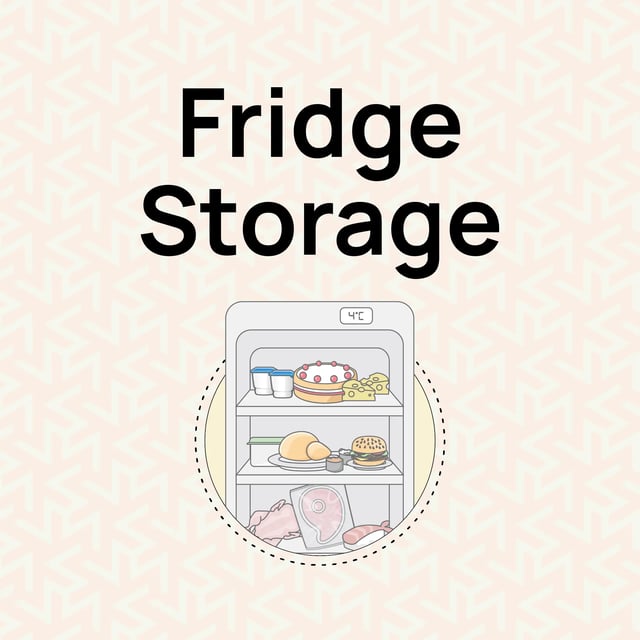
The Ultimate Guide to Food Safety Fridge Storage: Temperatures, Hygiene Best Practices
If you are involved in the food industry, proper food storage isn't optional � it's essential.Whether you are a chef, restaurant manager, food manufacturer, or small food business owner, safe food handling is part of your daily responsibility. Storing food properly keeps it fresh and protects both your customers' health and your business reputation.While you may use a fridge daily, do you know if you are using it correctly? Are you following the food storage guidelines and maintaining the correct fridge temperature for food safety? Understanding these basics can prevent your food from spoiling and ensure the safety of your customers.In this article, let�s learn the basics of safe fridge storage, fridge and freezer temperatures, proper food organisation, and hygiene practices.Why Proper Food Storage MattersIncorrect fridge storage can cause harmful bacteria to grow rapidly, putting people at risk of serious illness. This isn�t just about rotten food; it�s about unseen microbial threats that can multiply quickly if food is not stored at the right temperature or location.Storing food at the correct temperature:Keeps it safe to eatSlows the growth of harmful bacteriaHelps you meet legal food safety standardsSafe Fridge Temperatures: Legal Limits and Best PracticesTemperature is one of the most crucial factors in maintaining food safety. The legal maximum temperature for storing chilled food is 8�C, but to be on the safe side, it�s strongly recommended to keep your fridge at or below 5�C.Type of StorageTemperature RequiredWhy It MattersChilled Food (Legal Limit)8?�C or below (legal in England, Wales, NI)Slows down bacterial growth. Must be followed by law.Best Practice for FridgesBelow 5?�CSafer than the legal limit. Gives a buffer to keep food cold enough.Danger Zone8?�C to 63?�CBacteria grow fastest here. Avoid this range when storing or holding food.Freezing-18?�C or belowStops bacterial growth completely.?? What is the 'Danger Zone'?What is it? The danger zone is the temperature range between 8?�C and 63?�C where bacteria multiply rapidly.Why avoid it? Keeping food in this range for too long increases the risk of food becoming unsafe to eat.Safe practice:Keep chilled food below 8?�CKeep hot food above 63?�CClick to learn more about the food temperature danger zoneFrozen Food Safety: Key Temperature GuidelinesJust like chilled food, frozen food also needs careful temperature control. The ideal freezer temperature is -18�C or lower to keep food safe for longer periods.Here�s a quick reference chart for frozen storage:AspectDetailsLegal Freezer Temperature-18?�C or lowerBest Practice Temperature-18?�C (consistently maintained)PurposeSlows down bacterial growth and preserves food for longerStorage TipAvoid frequent door openings; ensure air can circulate around food itemsNote: Use a freezer thermometer to ensure the temperature stays consistent at -18�C or lower.When it comes to food safety, it�s not just about storing food at the right temperature; keeping your fridge clean is just as important.Safe storage helps stop harmful bacteria from growing, but good fridge hygiene helps prevent dirt, mould, and everyday germs from spreading to your food.Both food safety and food hygiene play crucial roles in ensuring the quality of food. Food safety focuses on how food is stored (e.g., keeping the fridge at a temperature below 5�C), while food hygiene focuses on where and in what condition it is stored.For example, meat kept at the right temperature can still become unsafe if stored in a dirty fridge.Take Your Food Safety Knowledge FurtherPut your food safety skills into practice by enrolling in our Level 2 Food Hygiene and Safety for Catering course.Learn more about food safety hazards, temperature control, cross-contamination, and proper food storage so you can keep food safe and avoid common mistakes.Ideal for individuals working in catering, hospitality, or the food service industry.Explore Now!How to Store Different Foods in the Fridge: A Simple GuideStoring different types of food correctly in the fridge is key to keeping them safe, fresh, and hygienic. It helps prevent cross-contamination, improves airflow, and ensures food stays at the right temperature.Take a quick look at the chart below to learn how to organise the food in your fridge.Additional Tip: Avoid storing high-risk items like milk or eggs in the fridge door, as it's the warmest area due to frequent opening.For a detailed breakdown on where and how to place foods in your fridge to avoid cross-contamination, check out our full guide on Fridge OrganisationFridge Hygiene and Safety Checks Using HACCPFood businesses across the U.K. use the food safety management system called �HACCP (Hazard Analysis and Critical Control Points) to manage both food safety and hygiene.It is a step-by-step method used to spot potential risks and prevent them before they become a real problem. Whether you run a caf�, restaurant, or food truck, HACCP helps you keep food safe from start to finish.Here�s how the 7 Principles of HACCP apply directly to fridge and freezer food safety:Conduct a hazard analysis � Identify risks such as temperature fluctuations, improper storage, or poor cleanliness.Determine critical control points (CCPs) � Fridge and freezer storage are essential CCPs in any food operation.Establish critical limits � Keep chilled food at or below 5�C, and frozen food at -18�C or lower.Set up monitoring procedures � Check and record fridge and freezer temperatures at least twice a day, ideally at the start and end of each shift. Use clearly labelled thermometers and ensure staff know what to do if readings are out of range.Additional Tip: Don�t rely solely on the fridge�s built-in display; place a separate fridge thermometer inside to cross-check accuracy.Establish corrective actions � Take clear steps if temperatures exceed safe limits (e.g. move food, call maintenance, record the issue).Additional Tip: If there�s a power cut, note the time and duration.�If the fridge exceeds safe limits for more than 4 hours, the affected food may need to be discarded.Verify procedures � Review temperature records and fridge performance regularly to ensure everything�s working as intended.Keep documentation � Maintain easy-to-read logs of temperature checks and basic cleaning records to stay compliant during inspections.In SummaryFridge food safety is more than setting the right temperature. It�s about following clean practices, storing each item correctly, and applying a system like HACCP to stay in control.? Learn MoreWant to ensure your business stays safe, clean, and up to standard? ? Explore our Food Safety Courses and get certified today.FAQ's�What is the recommended food safety fridge temperature in the U.K.?The food safety fridge temperature in the U.K. should be 5�C or lower. Although the legal limit is 8�C, keeping it below 5�C offers better protection.What is the correct cooling food temperature?The cooling food temperature should drop from 63�C to 8�C within 90 minutes to meet food safety standards.What are the food storage guidelines in the U.K.?According to food storage guidelines in the U.K., chilled foods should be kept below 8�C, and frozen foods at -18�C or lower. Raw and cooked foods must be stored separately to avoid cross-contamination.What is considered a safe fridge temperature in the U.K.?A safe fridge temperature in the U.K. is at or below 5�C. This helps slow down the growth of harmful bacteria and keeps food fresh.What is the ideal food hygiene temperature?The food hygiene temperature for cold storage is 5�C or below, and for hot holding, it�s above 63�C. These limits help prevent bacterial growth.

Bricklayer Qualifications Salary Guide | Become a Bricklayer
Bricklaying is a hands-on profession that shapes our homes and workplaces; it's more than just stacking bricks. If you've ever considered becoming a bricklayer, there are a few things you should know first: what credentials are required, how to get trained, what skills will help you succeed, what kind of salary to expect, and where this career might lead you. We've made it easy for you to get started in the bricklaying industry by providing clear guidance and easy steps.Qualifications & Training for BricklayersBecoming a qualified bricklayer usually involves a mix of practical experience and formal training. The most common routes include:Apprenticeships - The Most Common PathApprenticeships combine on-the-job training with classroom learning, allowing you to earn while you learn. You�ll typically spend 2�3 years gaining hands-on experience alongside a qualified bricklayer while completing nationally recognised qualifications.Diplomas, NVQs and the CSCS Card - Building Your CredentialsMany bricklayers pursue NVQ Level 2 or 3 diplomas in bricklaying or related construction trades. These qualifications show your capability to do the job at a professional level.You must also have a valid CSCS (Construction Skills Certificate Scheme) card in order to work on most construction sites in the UK. This card indicates that you've met the required health and safety standards and usually requires an NVQ or equivalent qualification.Together, your NVQ or diploma and a CSCS card form the essential foundation for a successful career in bricklaying. To learn how to obtain your card step-by-step, see our detailed guide on the Bricklayer CSCS Card.Explore More Construction Courses with HurakLooking to build your career in construction?Hurak offers a wide range of industry-recognised training courses, from bricklaying and health & safety to site supervision and management. Whether you're starting out or levelling up, we�ve got the right course for you.Browse all Construction Courses at HurakEntry Routes into BricklayingA career in bricklaying can be started in a number of ways, depending on your experience and educational background.Starting as a School LeaverMany young people go straight from school into bricklaying by signing up for apprenticeships or college classes that teach construction skills.Becoming a Bricklayer with No ExperienceIf you don't have any experience, you can start with entry-level jobs or short training courses. Some employers offer on-the-job training for beginners who show enthusiasm and a willingness to learn.College Courses and Short-Term TrainingColleges provide diplomas and certificates in bricklaying and construction, which are suitable for those who want to experience classroom learning before joining the labour force.If you're just starting out, this guide on gaining site work as a bricklayer shares practical tips to help you land your first job on site.Essential Skills Needed to Be a Successful BricklayerTo be a good bricklayer, you need to be in good physical condition and be able to work with your hands. You are required to be able to lift heavy objects, be on your feet most of the day, and use tools carefully, so good coordination and stamina are very helpful.Being able to read plans and work accurately helps you understand technical drawings and build things correctly. A good eye for detail helps you lay bricks evenly and securely, in accordance with the project requirements.Since bricklayers typically don't work alone, communication and teamwork are equally important. Being able to follow directions and coordinate effectively is important because you will be working with other construction professionals.Safety is a big deal on busy construction sites. Knowing how to follow safety guidelines and use safety gear properly not only protects you but also the people around you.Both new and experienced bricklayers can improve by avoiding common mistakes that affect quality and safetyBricklayer Salaries: What You Can Expect to EarnStarting Salaries for BeginnersAccording to the National Careers Service, bricklayers starting out typically earn between �20,000 and �30,000 per year. This depends on your employer, location, and whether you begin through an apprenticeship or direct employment.The Apprenticeships.gov.uk site confirms that most bricklaying apprentices begin with wages around the apprentice minimum wage, but this usually increases quickly as experience builds and training milestones are reached.Earnings with Experience and SpecialisationExperienced bricklayers usually earn �30,000 to �40,000 annually, as reported by the National Careers Service. This is based on industry averages for qualified professionals who have progressed beyond entry-level roles.Additionally, the gov.uk guidance on Skilled Worker visa sponsorship lists bricklaying roles with minimum salary thresholds ranging from �25,600 to �30,960, reflecting the expected earnings of skilled tradespeople. .main{ border:3px solid #0f7c90; border-radius:20px; position: relative; font-family:roboto; font-weight: 400; color: #000; } .main-two{ position: absolute; top:-25px; left:45px; background-color:white; } .img-div{ border-radius : 100%; padding:2px 7px; background-color:#0f7c90; margin-right:5px; width: 50px; height: 50px; } .img{ width:30px; object-fit:contain; height:auto; border-radius : 100%; } @media only screen and (max-width: 600px) { .heading{ font-size:20px; } .img{ width:20px; object-fit:contain; height:auto; border-radius : 100%; } .img-div{ width: 40px; height: 40px; } .main-two{ left:25px; } } Want to Boost Your Earnings and Take on Specialist Roles? Completing the NVQ Level 3 Diploma in Bricklaying can significantly improve your earning potential. This advanced qualification is ideal for experienced bricklayers seeking supervisory roles or aiming to qualify for the CSCS Gold Card. With an NVQ 3, you're more likely to land higher-paying jobs and build a stronger career trajectory. Self-Employment and Higher Income PotentialWhile direct government data on self-employed bricklayers is limited, the National Careers Service notes that bricklayers who are self-employed or run their own business may earn significantly more, depending on contracts and workload. Top-tier professionals in busy regions or those with niche skills may exceed �40,000 or more annually.What Is the Bricklayer Work Environment Like?Bricklayers typically work outside on construction sites, where they may be subjected to a variety of weather conditions, and their work can be physically taxing. In addition to mixing and applying mortar, their main duties involve laying bricks, blocks, and stones. For maximum accuracy, they also measure and cut materials.Collaboration with other construction professionals is essential to meet project deadlines effectively. Bricklayers wear protective gear like boots, gloves, and helmets to lower their risk of injury.Career Progression in BricklayingFrom Trainee to Skilled BricklayerWith experience and qualifications, you can progress from an apprentice to a fully skilled bricklayer, handling more complex tasks.Moving Into Supervisory or Management RolesExperienced bricklayers can advance to become site supervisors, foremen, or project managers, overseeing teams and ensuring adherence to quality standards.Becoming a Specialist or Self-Employed ContractorSome bricklayers specialise in areas like restoration or stone masonry. Others start their own contracting businesses for greater independence and income.ConclusionA career as a bricklayer is a rewarding one, with defined training paths, a gradual increase in remuneration and promotion possibilities. Whether you are an apprentice or have no experience, developing your skills and qualifications is important.Bricklaying combines physical work with craftsmanship, and those who stick with it can enjoy a fulfilling career in construction.NVQ Level 2 Diploma in BricklayingPerfect for beginners or entry-level workersThis qualification demonstrates your ability to carry out bricklaying tasks safely and to a professional standard on site. It�s ideal if you're looking to apply for the CSCS Blue Skilled Worker Card.Learn more about the NVQ Level 2 in BricklayingFAQ'sHow long does it take to become a qualified bricklayer?Typically, apprenticeships last 2�3 years, but some individuals gain skills more quickly, depending on their commitment and available opportunities.What qualifications do I need to start?Entry-level apprenticeships often require GCSEs or equivalent, but some employers accept learners with no formal qualifications.Can I become a bricklayer with no experience?Yes, there are a lot of people who start with zero experience, often through apprenticeships, training courses, or on-the-job learning.What is the average salary for bricklayers?Average salaries range from �18,000 for beginners to �35,000+ for experienced workers; self-employed bricklayers can earn more.Is bricklaying a physically demanding job?Yes, it requires strength, stamina, good hand-eye coordination, and a focus on safety.Explore Other Popular NVQs to Boost Your Bricklaying CareerIf you�re interested in advancing your skills beyond repointing and bricklaying basics, pursuing NVQ qualifications is a great way to build your expertise and qualify for various CSCS cards.Level 2 NVQs (Skilled Worker � Blue CSCS Card)Level 3 NVQs (Advanced Worker � Gold CSCS Card)NVQ Level 2 in BricklayingNVQ Level 2 in PlasteringNVQ Level 2 in Roofing OccupationsNVQ Level 2 in Carpentry and JoineryNVQ Level 2 in Wall and Floor TilingNVQ Level 2 in Painting and DecoratingNVQ Level 2 in Passive Fire ProtectionNVQ Level 2 in StonemasonryNVQ Level 3 in BricklayingNVQ Level 3 in PlasteringNVQ Level 3 in Roofing OccupationsNVQ Level 3 in Wall and Floor TilingNVQ Level 3 in Painting and DecoratingNVQ Level 3 in Stonemasonry � Banker MasonryNVQ Level 3 in Stonemasonry � Memorial Masonry
Common Bricklaying Mistakes (And How to Fix Them)
Even the most experienced bricklayers make mistakes, especially when working under pressure. Whether it�s something as simple as misjudging mortar consistency or skipping key prep steps, small errors can quickly turn into big problems if left unchecked.Here�s what you need to know about the most frequent issues in brickwork and how to get it right, from uneven brickwork to repointing issues, we�ll walk you through what to watch out for, how to correct poor habits, and why improving your technique matters for both quality and safety. Think of this as a quick check-in on what to avoid and how to maintain your bricklaying skills.Why Avoiding Mistakes MattersIn bricklaying, precision isn�t just about appearances, it affects the strength, safety, and durability of the entire structure. Poor workmanship can compromise structural integrity, reduce weather resistance, and lead to long-term issues that require costly repairs. Even small errors, when repeated, can set you back professionally and result in rework. Whether you�re just starting out or have years of site experience, many bricklaying mistakes stem from the same causes: rushing, skipping important checks, or not fully understanding the process. The good news is that most of these can be avoided with the right knowledge and habits.In the sections that follow, we�ll break down these common mistakes and show you how to fix, or better yet, avoid them altogether.Incorrect mortar mixingOne of the most frequent issues is incorrect mortar mixing. Too much water, not enough cement, or inconsistent batches can all weaken the mix and cause premature cracking. Using clean materials and sticking to proper ratios is key. Mix in small batches so the mortar remains workable, and always pay attention to consistency, it�s the foundation of everything that follows.Drainage and Clean-UpWhile focusing on structure, many bricklayers overlook the importance of drainage or fail to remove excess mortar. Water trapped without proper drainage can slowly damage the wall from within, while dried mortar on bricks makes the finish look rushed and unprofessional. Always plan for water runoff and wipe away spills before they set.Misaligned or uneven bricksAnother issue is misaligned or uneven brick courses. Even if you�re working quickly, it�s important to use a spirit level and string line frequently to keep things straight. A single slanted course can throw off an entire wall, leading to a finished product that looks unprofessional and may need reworking.Skipping wall ties or reinforcementSkipping wall ties or reinforcement is a structural mistake that can seriously weaken a wall, especially in cavity construction. It�s essential to check the building plans for tie spacing, embed them correctly, and ensure they�re aligned properly. Overlooking this step compromises the wall�s stability and longevity.Leaving out expansion jointsSometimes, it�s what you don�t include that causes problems like leaving out expansion joints. These small gaps are critical for absorbing movement caused by temperature changes or settling. Without them, walls can crack over time, especially on long or exposed surfaces.Poor weather planningPoor weather planning is another common pitfall. Cold, wet, or windy conditions can interfere with mortar setting and brick adhesion. Working in unsuitable weather or failing to protect fresh work can lead to frost damage or weakened bonds. Always check site conditions and be prepared to adapt; sometimes, waiting a day can save days of repair.Improper joint toolingWhen it comes to finishing, improper joint tooling, especially during repointing work, can lead to both aesthetic and functional issues. Tooling too early, leaving gaps, or applying uneven pressure can weaken the joint or lead to moisture ingress. The trick is to let the mortar cure slightly before striking, ensuring full, clean, and uniform joints.Poor Repointing TechniquesMistakes like raking out too deeply, using the wrong mortar mix, or striking too early can lead to weak joints and moisture ingress. If repointing is done poorly, the whole wall can deteriorate faster than it should. �Read our full guide on Brickwork Repointing Mistakes and How to Get It RightIgnoring drawings or building regulationsIgnoring drawings or building regulations is another common error that often leads to problems down the line. Misplacing damp-proof courses, getting cavity widths wrong, or misaligning openings can all result in failed inspections or the need for costly corrections. Double-checking plans before and during your build helps avoid these headaches.Inconsistent perp jointsInconsistent perp joints, the vertical gaps between bricks, may seem like a small detail, but they can make good brickwork look messy. Using gauges or spacers and taking the time to align each brick properly leads to a more professional finish.Overworking laid bricksThere�s also the habit of overworking laid bricks. Tapping or adjusting bricks after placement might seem harmless, but it can break the mortar bond and reduce strength. It�s better to take your time placing the brick correctly the first time, instead of correcting it later.Rushing the jobFinally, rushing the job is a mistake that leads to many of the issues listed above. From uneven courses to incomplete joints, trying to move too fast usually costs more time in the long run.Bricklaying rewards a steady rhythm, one that comes from experience, not speed alone. If you want to work on UK construction sites, getting a CSCS card is essential for most bricklaying jobs. Here�s how to get your Bricklayer CSCS Card.Turn Experience Into Certification and Lay the Foundation for Your Bricklaying CareerAlready working on-site? Get officially recognised with the NVQ Level 2 in Bricklaying practical, respected, and built for professionals like you.Get Certified with NVQ Level 2Ready to Lead and Take On Bigger Projects?The NVQ Level 3 Diploma in Bricklaying is built for skilled tradespeople looking to move into supervisory roles, tackle complex builds, and grow their career in construction.�Take the Lead with NVQ Level 3ConclusionBricklaying is as much about avoiding errors as it is about getting the basics right. From mixing mortar correctly to maintaining level brick courses, every decision on site impacts the strength, safety, and appearance of the final build. Mistakes like skipping expansion joints, repointing poorly, or misreading drawings can seem small in the moment but lead to significant consequences later.The best bricklayers are those who keep learning, stay precise under pressure, and understand the �why� behind every task, not just the �how.�Need Help Getting Your Bricklaying CSCS Card?If you�re unsure about the process or need to book your NVQ Level 2 or 3 in Bricklaying, contact Hurak at 0333 344 1293.We offer a wide range of trade-specific NVQs and provide full support with CSCS card applicationsFrequently Asked Questions on BricklayingWhy is mortar mix consistency so important?If your mortar is too wet or too dry, it won't bond properly with the bricks. This can lead to weak joints, cracks, or crumbling over time. Always follow the recommended mix ratio and use clean, consistent materials.What happens if you don�t use expansion joints in a wall?Without expansion joints, brickwork can crack as it expands and contracts with temperature changes. They�re especially important in long or exposed walls.How can weather impact bricklaying?Wet, cold, or windy conditions can cause mortar to dry too slowly or too quickly, weakening the bond. It�s important to plan ahead and use protective covers or additives when needed.How do I keep brickwork level and neat?Use a string line, spirit level, and brick gauge consistently. It takes practice, but attention to detail is what separates neat, professional brickwork from amateur jobs.Advance Your Career with These Popular Construction NVQsLevel 2 NVQs (Blue CSCS Card � Skilled Worker)These are ideal if you�re early in your career or want to get formally recognised for your current skills:NVQ Level 2 in Bricklaying�NVQ Level 2 in StonemasonryNVQ Level 2 in PlasteringNVQ Level 2 in CarpentryNVQ Level 2 in Wall and Floor TilingNVQ Level 2 in Roofing OccupationsNVQ Level 2 in Painting and DecoratingNVQ Level 2 in Passive Fire ProtectionLevel 3 NVQs (Gold CSCS Card � Advanced Worker/Supervisor)Perfect if you�re experienced and ready to lead on-site or take on complex projects:NVQ Level 3 in Bricklaying�NVQ Level 3 in Stonemasonry � Banker MasonryNVQ Level 3 in Stonemasonry � Memorial MasonryNVQ Level 3 in PlasteringNVQ Level 3 in Roofing OccupationsNVQ Level 3 in Wall and Floor TilingNVQ Level 3 in Painting and DecoratingEach of these NVQs can be completed through an on-site assessment, so you don�t have to stop working to qualify. Take the next step in your trade and stay competitive in the construction industry.
Flammable vs Combustible: What�s the Difference? (A Simple Workplace Safety Guide)
When it comes to any work environment, safety must be a top priority, especially in industries that deal with hazardous materials, such as flammable and Combustible substances. Knowing the difference between these two types of substances helps prevent workplace accidents and protect people and property. Following basic safety guidelines is essential to keep your team safe and your workplace compliant.This article will help you clearly understand the key differences between flammable and combustible substances, in simple terms, with easy examples, so you can maintain a safer workplace.What is a Flammable Substance?Flammable substances are materials or liquids that easily catch fire, even at normal room temperatures. They have low flash points, which means they can give off vapours that ignite quickly when exposed to a spark, flame, or heat.Think of petrol or acetone - they can instantly catch fire if not handled or stored correctly. .main{ border:3px solid #0f7c90; border-radius:20px; position: relative; font-family:roboto; font-weight: 400; color: #000; } .main-two{ position: absolute; top:-25px; left:45px; background-color:white; } .img-div{ border-radius : 100%; padding:2px 7px; background-color:#0f7c90; margin-right:5px; width: 50px; height: 50px; } .img{ width:30px; object-fit:contain; height:auto; border-radius : 100%; } @media only screen and (max-width: 600px) { .heading{ font-size:20px; } .img{ width:20px; object-fit:contain; height:auto; border-radius : 100%; } .img-div{ width: 40px; height: 40px; } .main-two{ left:25px; } } Did You Know? Even heat from everyday activities can pose a risk. That�s why understanding how heat affects substances, like knowing the temperature danger zone for food, is crucial to overall workplace safety. Common Flammable Items:Flammable fabrics include: cotton, polyester, nylonFlammable liquids include: petrol, acetone (nail polish remover), ethanol (hand sanitisers)What is a Combustible Substance?Combustible substances can also catch fire, but not as easily as flammable ones. They need to be heated to a higher temperature before they begin to burn. Once they catch fire, they can keep burning steadily and fuel a large fire.Think of materials like wood or paper. They won�t burst into flames immediately, but if there�s enough heat, they will burn and spread fire.Common Combustible Substance:Combustible solids include: wood, paper, plasticCombustible liquids include: Diesel, Vegetable oil, Paint thinnerEven though these materials may appear safe when stored, they can become hazardous if left in large quantities or exposed to heat or fire.To better understand why, let�s first look at an important concept: Flash Point.What is a Flash Point?This is the lowest temperature at which a substance gives off enough vapour to catch fire when exposed to a flame or spark.In simple words, the lower the flash point, the easier it is to catch fire.That�s why knowing the flash point of a material helps in understanding how easily it can ignite and how careful you need to be with it.Flash Points of Flammable and Combustible SubstancesType of substanceFlash Point�Flammable substanceBelow 37.8�CCombustible substanceAbove 37.8�C and below 93.3�CSo, what does flash point mean in the workplace?If a material has a flash point below 37.8�C, it can release flammable vapours even at normal room temperature (usually below 30�C). These vapours can easily ignite, making the material flammable.On the other hand, materials with a flash point between 37.8�C and 93.3�C won�t usually produce vapours in a typical work setting. That means they are less likely to catch fire under normal conditions, so we call them combustible.Think of it this way: one liquid starts releasing flammable vapours at room temperature (around 22�C), while another only does that when it gets much hotter, like 70�C. The first one can catch fire more easily, even on a warm day, so it�s called flammable. The second needs more heat to burn, so it�s combustible.Knowing the flash point of materials in your workplace helps you plan proper storage, reduce fire hazards, and create a safer environment for everyone.Flash Points of Common Flammable and Combustible SubstancesFlammable substancesFlash PointCombustible substancesFlash PointPetrol (Gasoline)*-43�CDiesel Fuel*52�C to 82�CEthanol16.6�CPhenol79�CAcetone-20�CKerosene*38�C to 72�CMethanol12�CFormaldehyde64�CPropylene Oxide-37�CHydrazine52�CEthyl Chloride-50�CPaint Thinner*40�CBenzene-11�CNaphthalene78.9�CNote: this may vary depending on the specific compositionWhat is the Difference Between Flammable and Combustible Substances?Let�s now clearly compare flammable and combustible substances to help you take proper safety measures. This will help you identify them more easily in the workplace and help you take appropriate safety measures.Refer to the visual comparison chart below for a quick breakdown of flammable vs combustible substances.In Simple Terms:Flammable = Lights up fast (e.g., petrol, acetone)Combustible = Burns with more heat (e.g., diesel, kerosene)Why Knowing the Difference Matters at WorkFlammable and combustible materials can seriously impact workplace safety, especially if stored near heat, sparks, or open flames. Some of these materials release vapours that can catch fire or cause explosions if improperly handled.To avoid these risks, you first should check the Safety Data Sheets (SDSs) of any hazardous material used or stored in your workplace.What Is an SDS & Why Is It Important?An SDS (Safety Data Sheet) is a document that tells you everything you need to know about a chemical or substance, including how to handle it safely.Each SDS includes key details like:The substance�s name and the manufacturer's contact informationIts physical and chemical properties (like flash point)Potential health hazards and fire risksStorage and disposal instructionsFirst-aid and fire-fighting stepsTip: Always read the SDS to check whether a substance is flammable or combustible, and follow its recommended safety measures.How to Reduce Fire Risks at WorkHere are some simple, practical tips to stay safe:? For Flammable Materials:Store in approved, airtight containers to stop vapours from escaping.Keep them away from ignition sources � even a small spark can start a fire.Use clear labels so everyone knows what they�re handling.Ensure proper ventilation to avoid vapour build-up.Dispose of waste safely, as leftover vapours can still be a hazard.?? For Combustible Materials:Store in a cool, well-ventilated area � heat can raise the risk of ignition.Use non-sparking tools like brass or plastic when handling them.Avoid heaters, direct sunlight, or machinery that gives off heat.Follow local safety guidelines for handling and storage.Understanding the difference between flammable and combustible substances is essential for workplace safety. Always look for the hazard symbol, especially the flame icon, to identify flammable substances.Review Safety Data Sheets (SDS) for information such as flash points and handling instructions. These small steps can go a long way in preventing accidents.Make it a habit to check these every time you handle, store, or dispose of a chemical.If you work in the food industry, this knowledge becomes even more critical. From cooking oils to cleaning agents, flammable substances are more common than you might think. Mishandling them can lead to serious safety and hygiene risks. Key Takeaways: Flammable and Combustible SubstancesThis table highlights the key points covered in the article, offering a quick reference to the main differences between flammable and combustible substances, their flash points, examples, and safety considerations.Work in Food Safety?Learn how to manage hazardous materials like oils, chemicals, and more. Book a Certified Food Safety Course Today ?FAQsAre flammable and combustible substances the same?No. Flammable substances ignite at lower temperatures, while combustible ones need more heat to catch fire.What is a flash point?�It�s the lowest temperature at which a substance gives off vapour that can ignite.Why is the flash point important?It helps determine how easily a material can catch fire.Where can I find flash point information?Check the Safety Data Sheet (SDS) for any hazardous material.Is diesel flammable or combustible?�Diesel is combustible. It needs more heat to ignite than petrol.What�s the difference between flash point and fire point?The flash point is when the vapour ignites briefly. The fire point is the temperature at which it burns continuously.Are flammable substances more dangerous than combustible ones?Yes, because they can catch fire even at room temperature.Can combustible materials become flammable?Under high heat or pressure, they can behave like flammable ones.What makes a substance hazardous in terms of fire?Low flash point and high vapour production near heat sources.How can I reduce fire risk from flammable substances?Store safely, keep away from heat, and follow handling guidelines.