

COSHH Employee Responsibilities: A Comprehensive Guide to Understanding Your Duties at Work
Ensuring workplace safety is a shared responsibility, and under the Control of Substances Hazardous to Health (COSHH) regulations, employees play a vital role. While employers are required to provide a safe working environment, employees must also take proactive steps to protect themselves and their colleagues from harmful substances. From understanding the risks of exposure to using the proper protective equipment, COSHH employee responsibilities are essential in preventing health issues.This guide will walk you through the key COSHH employee responsibilities you need to know to ensure your safety at work. Whether you're handling chemicals, dust, fumes, or any other hazardous substance, understanding your duties under COSHH can help reduce risks and foster a safe working environment for everyone.By fulfilling your COSHH responsibilities, you'll not only comply with legal requirements but also contribute to a workplace culture focused on health and safety.What Are COSHH Regulations and Why Do They Matter for Employees?COSHH (Control of Substances Hazardous to Health) is a set of regulations designed to prevent employees from being exposed to hazardous substances that could harm their health. These substances can range from chemicals, fumes, dust, biological agents, and even gases used in various industries. The regulations ensure that employers take the necessary steps to protect their workers, including providing appropriate training, implementing safety measures, and conducting health surveillance.For employees, understanding COSHH is crucial, as it defines their rights and responsibilities when working with hazardous substances. By being aware of these regulations, you can take steps to protect yourself from potential health risks and contribute to a safer workplace. COSHH helps employees recognise hazards, use protective equipment, and report unsafe conditions to prevent exposure and injury.Key COSHH Employee Responsibilities: A Detailed OverviewAs an employee, you play a crucial role in ensuring both your own safety and the safety of your colleagues under COSHH (Control of Substances Hazardous to Health) regulations. By following these key responsibilities, you help create a safe and compliant workplace:Use PPE Correctly: Personal Protective Equipment (PPE) is essential for protecting you from hazardous substances. Always wear the correct PPE, whether it's custom work uniforms, gloves, masks, goggles, or protective clothing, when handling chemicals or other harmful materials. Proper use ensures maximum protection.Adhere to Safe Work Practices: Follow all safety procedures set by your employer, including safe handling, storage, and disposal of chemicals, as well as cleaning procedures after use for example, wiping down designated work surfaces such asstainless steel tableswith the correct cleaning agents. These practices are designed to minimise exposure and prevent accidents, so it's vital to follow them consistently.Report Hazards Immediately: If you identify any unsafe conditions, such as spills, improper storage, or faulty equipment, please report them to your supervisor or the designated safety officer. Prompt reporting helps address potential risks before they lead to accidents or health issues.Engage in COSHH Training: Participate in all relevant COSHH training sessions, including regular refresher courses. Staying informed about safe practices, risk management, and updated guidelines ensures you are prepared to handle hazardous substances safely.Stay Informed About Risk Assessments: Familiarise yourself with the COSHH risk assessments provided by your employer. These assessments highlight the hazards in your specific work environment and outline necessary precautions. Staying aware of these measures is essential to ensuring your safety and compliance with regulations.By fulfilling these responsibilities, you not only protect your health but also contribute to a culture of safety that benefits everyone in the workplace.Understanding Hazardous Substances: What Falls Under COSHH Regulations?COSHH covers a wide variety of substances that may pose a risk to health in the workplace. These include:Chemicals: Acids, solvents, and cleaning agents are used in various industries.Dust: Materials like wood, asbestos, or silica dust, which can cause respiratory diseases if inhaled.Fumes: Emissions from welding, chemicals, or exhaust systems that can be harmful when inhaled.Biological Agents: Bacteria, viruses, and mould, especially in healthcare and agricultural industries.Gases and Vapours: Substances like carbon monoxide, which can be dangerous when exposure exceeds safe limits.Employees need to understand which substances in their workplace are covered by COSHH to know what precautions to take and when to use protective equipment. COSHH ensures that exposure to these substances is controlled and mitigated.Enhance Your Health and Safety Knowledge with Hurak's Accredited CoursesStay compliant with COSHH regulations and boost your workplace safety with Hurak's accredited Health and Safety courses. Equip yourself with the skills and knowledge to handle hazardous substances safely and ensure a safer work environment.Featured Health and Safety CoursesLevel 2 Health and Safety in the WorkplaceLevel 3 Health & Safety (RQF)Manual Handling TrainingIOSH Working Safely CourseIOSH Managing SafelyAsbestos Awareness (Category A)NEBOSH Certificate in Fire SafetyBrowse All Health and Safety Courses at Hurak.How to Ensure Proper Use of PPE Under COSHH RegulationsProper use of Personal Protective Equipment (PPE) is crucial for protecting employees from hazardous substances in the workplace. Under COSHH regulations, employees are responsible for wearing the correct PPE and using it effectively. Here's how you can ensure its proper use:Select the Right PPE: Always use the PPE specified for the specific task or substance you're handling. Different substances require different protective measures.Check PPE Condition: Before use, inspect your PPE for any damage or wear, such as tears in gloves or cracks in safety goggles. Damaged PPE should be replaced immediately.Wear PPE Correctly: Follow employer guidelines on how to wear PPE. Ensure that it fits appropriately and covers all exposed areas to prevent contact with hazardous substances.Remove PPE Safely: After use, follow the correct procedures to remove PPE to avoid contamination. Dispose of or clean PPE according to workplace guidelines.Maintain PPE Regularly: Reusable PPE should be cleaned and maintained regularly to ensure it continues to provide adequate protection.By following these steps, employees can maximise the effectiveness of PPE, reduce exposure to hazardous substances, and ensure compliance with COSHH safety standards.Why Reporting Unsafe Conditions Is Crucial for Workplace SafetyUnsafe working conditions pose serious risks to employee health and safety. Reporting these conditions promptly is a crucial step in preventing accidents, injuries, and long-term health issues. Under COSHH (Control of Substances Hazardous to Health), employees are required to report any unsafe situations or hazards they encounter, from poor handling of hazardous substances to the lack of appropriate safety measures.By identifying and reporting unsafe conditions, employees help to mitigate potential risks before they cause harm. Whether it's something as obvious as a chemical spill or something less visible, such as faulty ventilation, each reported hazard can be addressed proactively, leading to immediate corrective action.Reporting unsafe conditions also helps employers meet their legal obligations. Failure to address hazards in the workplace can result in serious legal consequences for employers, including fines or health-related lawsuits. When employees report hazards, they are not only protecting themselves but also contributing to the overall safety culture of the organisation.The Role of COSHH Training: Your Duty to Participate and Stay InformedCOSHH training is essential for ensuring that employees are aware of the risks associated with hazardous substances and know how to mitigate them. Your duty to participate in training includes:Attending initial training sessions: Understand the fundamentals of COSHH regulations, hazardous substances, and proper safety measures.Participating in refresher courses: COSHH guidelines evolve, and regular training ensures that you stay informed about new substances and practices.Practising what you learn: Implement the skills and knowledge gained from training to ensure safe practices are followed in the workplace.Proper training enables you to carry out your duties safely and effectively, protecting yourself and your colleagues.Immediate Steps to Take if You Are Exposed to a Hazardous SubstanceIf you are exposed to a hazardous substance at work, immediate action is crucial to minimise health risks. Follow these steps:Remove yourself from exposure to the harmful substance as quickly as possible.Follow emergency protocols, such as seeking fresh air or using eye wash stations, depending on the nature of the exposure.Report the exposure to your supervisor and document the incident.Seek medical attention if necessary, even if symptoms are not immediately apparent.Prompt action helps limit the potential health impact and ensures the situation is managed correctly.The Legal Implications of Failing to Follow COSHH Employee ResponsibilitiesFailing to fulfil your responsibilities under COSHH regulations can result in severe consequences. Not only can prolonged exposure to hazardous substances result in health issues like respiratory diseases, skin disorders, or even cancer, but it can also expose you and your employer to legal risks.Employers are legally required to ensure that COSHH guidelines are followed. Failing to comply can result in fines or criminal charges for the company, especially in cases of gross negligence. As an employee, disregarding safety protocols can lead to disciplinary actions, including termination, depending on the severity of the situation.By adhering to COSHH regulations, you protect both your health and your legal standing, thereby contributing to a safer and compliant workplace for everyone.Best Practices for COSHH Compliance: How Employees Can Safeguard Workplace SafetyTo ensure COSHH compliance and promote safety in the workplace, employees should follow these best practices:Adhere to safety procedures: Always follow the safety protocols established by your employer, whether it involves handling, storing, or disposing of hazardous substances.Regularly review risk assessments: Stay updated on the risks associated with the substances you work with.Use PPE correctly: Always wear the appropriate PPE, and ensure that its in good condition.Stay proactive: Look out for potential hazards and report them promptly.By following these best practices, employees can reduce exposure risks, enhance workplace safety, and ensure compliance with the COSHH regulations.FAQsWhat are COSHH regulations, and why are they essential for employees?COSHH regulations protect employees from exposure to harmful substances in the workplace. They require employers to manage these risks, and employees must adhere to safety practices to prevent health issues.What are the key responsibilities of employees under COSHH?Employees must use PPE correctly, follow safe work practices, report hazards, participate in training, and stay informed about COSHH risk assessments.What types of hazardous substances are covered by COSHH?COSHH covers chemicals, dust, fumes, gases, and biological agents, such as bacteria or mould, that can harm employees' health.What should I do if I am exposed to a hazardous substance at work?If exposed, immediately remove yourself from the source, follow emergency procedures, report the incident, and seek medical attention if necessary.How often do I need to participate in COSHH training?You must attend initial COSHH training and refresher courses as required to stay informed on safety practices and risk management.What happens if I fail to follow COSHH guidelines?Failure to follow COSHH guidelines can lead to health issues, legal consequences for your employer, and disciplinary action for employees.How can I maintain my PPE properly?Inspect and clean your PPE regularly, replace damaged items, and follow your employers instructions for safe use and disposal.ConclusionIn conclusion, COSHH regulations are vital for ensuring employee safety in the workplace. By understanding your responsibilities, using PPE correctly, reporting hazards, and participating in training, you play an active role in creating a safe and compliant environment. Adhering to these responsibilities not only protects your health but also contributes to a culture of safety in your workplace, ensuring that everyone remains safe from the risks posed by hazardous substances.


The Power of Personalisation in Learning and Development
Personalisation in learning and development (L&D) goes beyond simply delivering training it's about designing experiences that recognise every employee as an individual. Each person brings different strengths, goals, and ways of learning, which means traditional, uniform training models often fail to achieve lasting results. By tailoring learning programs to suit each individual's pace, skill level, and professional aspirations, personalisation transforms learning into a more meaningful and motivating experience.The idea of personalising learning isn't new; it begins in childhood, where stories and activities are shaped around a child's interests to keep them engaged. Books featuring relatable characters or familiar experiences capture imagination and make learning memorable. In much the same way, adults learn best when training reflects their goals and challenges, creating a sense of relevance and connection.In modern workplaces, where employees expect opportunities for growth that feel relevant and purposeful, personalised learning plays a critical role. It allows organisations to move away from generic content and towards strategies that adapt dynamically to the learner. Whether that means offering role-specific modules, interactive learning paths, or AI-driven feedback, the goal remains the same: to make learning resonate on a personal level and help employees feel genuinely supported in their development journey.Why Personalisation Matters in L&DJust as personalisation plays an important role in how we learn as children, it remains equally powerful in our professional lives. From an early age, we absorb information best when it feels relevant, engaging, and designed just for us. Personalised learning experiences, such as reading WonderWraps personalised childrens books that place children at the centre of the story, spark imagination and make learning exciting rather than instructional. These stories dont just entertain they nurture curiosity, build confidence, and help children see themselves as active learners capable of exploring the world around them. The same principle carries forward into adulthood, where personalised learning fosters engagement, ownership, and lasting growth.When employees experience learning that reflects their own goals, pace, and strengths, they become far more invested in the process. Personalised L&D programs create a sense of relevance and connection, turning workplace training into something meaningful rather than routine. Employees who see their personal and professional growth reflected in their learning journey are more likely to stay motivated, perform better, and retain what they learn. For instance, the Mental Health First Aid Course is designed to be flexible and adaptable to the needs of different organisations and individuals, ensuring that every learner gains real value from the experience.The Different Types of Personalisation in L&DPersonalisation in L&D can be applied in several ways, each designed to make the learning journey more engaging, relevant, and effective for every individual. By adapting content, structure, and delivery to suit different learners, organisations can ensure that training not only meets objectives but also feels meaningful to the people taking part.Content CustomisationContent personalisation focuses on tailoring learning materials to the learner's role, prior experience, and interests. This might include using examples that mirror real workplace situations, offering elective modules that enable employees to explore specific topics, or incorporating multimedia resources that cater to different learning preferences. The goal is to make the content directly relevant and useful so that learners can easily connect it to their daily responsibilities. When training reflects real challenges and opportunities, it feels more personal and impactful.When training reflects real challenges and opportunities, it feels more personal and impactful. In digital learning environments, this also extends to maintaining authenticity, where tools like an AI detector for students can help ensure that personalised learning outcomes genuinely reflect individual understanding.Pacing and ProgressionEvery learner absorbs information at a different pace. Some employees prefer to work through material quickly, while others may need more time to practise and apply new concepts. Personalised pacing allows learners to progress at a speed that suits them, helping to reduce stress and improve comprehension. Techniques such as self-paced e-learning, adaptive assessments, and flexible deadlines ensure that no one feels rushed or left behind. This flexibility helps learners stay motivated and promotes better long-term retention.Learning PathwaysPersonalised learning pathways give employees a sense of ownership over their development. Instead of following a single, standard curriculum, learners can choose a route that matches their career goals and current skill level. For example, a new employee might begin with foundation-level courses, while an experienced professional might focus on leadership, mentoring, or specialist skills. Offering multiple pathways ensures that training remains relevant at every stage of an employee's journey. Over time, this approach builds confidence, encourages continuous growth, and keeps the learning experience aligned with each person's evolving role.Benefits of Personalised Learning for Employees and OrganisationsPersonalised learning has a significant impact on both individual and organisational performance. By focusing on each learner's specific needs and goals, it creates an environment where people feel more engaged, supported, and capable of applying what they learn in real situations. Some of the key benefits include:Higher engagement and motivation through relevant and meaningful content.Better knowledge retention as learners progress at a pace that suits them.Increased confidence by recognising individual strengths and learning styles.Improved job satisfaction through tailored development opportunities.Enhanced performance and productivity linked to practical, role-specific training.Greater accountability as employees take ownership of their learning journey.Higher retention rates due to stronger commitment and career growth.Personalised L&D programs help organisations build a motivated, skilled, and future-ready workforce that thrives through continuous, meaningful learning.Challenges and ConsiderationsWhile the benefits of personalised learning are undeniable, implementing it effectively requires time, effort, and careful planning. Creating meaningful, individualised learning experiences depends on a combination of the right tools, resources, and strategic decisions. Below are some key challenges and considerations to keep in mind:Time and Resources: Developing and maintaining personalised learning programs can be time-consuming. Creating adaptive materials, monitoring learner progress, and updating content regularly require ongoing commitment from training teams.Data Collection and Privacy: Personalised learning depends on gathering detailed learner data, including skills, behaviours, and preferences. Organisations must ensure this information is collected ethically, securely stored, and used responsibly to maintain trust and comply with data protection laws.Technology Integration: Many organisations need to adopt or upgrade systems such as Learning Management Systems (LMS) or AI-driven platforms to support personalisation. This often requires financial investment and staff training to ensure the technology is used effectively.Scalability and Consistency: As personalised learning expands across teams, maintaining consistent quality and outcomes can become challenging. Organisations must balance individual learning paths with common performance standards and objectives.Change Management and Adoption: Employees and managers may initially resist new learning approaches. Communicating the value of personalisation and providing proper support is essential to encourage participation and engagement.Despite these challenges, the long-term rewards make the effort worthwhile. When implemented thoughtfully, personalized learning enhances engagement, boosts performance, and fosters a culture of continuous improvement that benefits both employees and organisations.Tools and Technologies Enabling Personalisation in L&DTechnology is the driving force behind personalised learning, helping organisations design and deliver training that adapts to each learner's needs. The tools below play a key role in supporting and scaling personalisation in learning and development.Tool/TechnologyPurposeLearning Management Systems (LMS)Manages, tracks, and delivers personalised training content.AI-Powered Learning PlatformsAdjusts learning materials based on user behaviour and progress.Learning Experience Platforms (LXP)Provides personalised content recommendations for self-directed learning.Data Analytics ToolsCollects and analyses learner data to improve training relevance.Gamified Learning ToolsMakes learning engaging through rewards, challenges, and interactivity.Mobile Learning AppsAllows learners to access personalised training anytime, anywhere. How to Implement Personalisation in L&DSuccessfully implementing personalisation in learning and development requires a clear understanding of employees' needs, the right technology, and a commitment to continuous improvement. The goal is to create a learning environment that adapts to individuals while supporting organisational objectives.Some key examples of how personalisation can be implemented in L&D include:Conducting learner assessments and surveys to identify individual training needs.Using performance data to map skill gaps and tailor content accordingly.Segmenting learners based on job roles, experience, and preferred learning methods.Designing flexible learning paths that align with both employee and business goals.Integrating adaptive learning platforms that adjust content in real time.Allowing self-paced and on-demand learning options for greater flexibility.Gathering continuous feedback to refine and enhance the learning experience.ConclusionPersonalisation has become a cornerstone of modern learning and development, helping organisations move beyond one-size-fits-all training to create experiences that truly connect with individuals. Just as personalised storybooks engage children by placing them at the centre of their own adventures, personalised learning allows employees to see themselves reflected in their development journey.When learning feels relevant and personal, it inspires greater engagement, ownership, and motivation. By recognising each learner's unique strengths, preferences, and goals, organisations can build a workforce that grows with purpose much like how a well-crafted story helps its reader grow with every chapter.

How to Prevent Slips, Trips and Falls in the Workplace: A Complete Safety Guide
Slips, trips and falls are some of the most common accidents at work, yet they're often dismissed as minor incidents. A wet floor, an uneven mat, or a loose cable may seem harmless, but when they lead to a fall, the consequences can range from minor bruises to broken bones or even more severe injuries. For both individuals and businesses, the cost of these incidents goes beyond physical injury. They affect confidence, productivity, legal compliance, and in some cases, a person's ability to continue working.In this article, we'll explore what makes slips, trips and falls so common, how they affect everyone from beginners to senior professionals, and what simple but effective measures can prevent them.What Are Slips, Trips and Falls?Slips occur when there is insufficient grip between a person's footwear and the walking surface, often due to moisture, grease, or smooth flooring. Trips occur when an unexpected object or uneven surface interrupts your movement, causing you to lose your balance and fall. Falls are the result of either falling from the same level (such as falling over) or from a height (like missing a step or stumbling off a ladder).Although they might sound like everyday mishaps, they are the leading cause of non-fatal injuries in UK workplaces, as reported by the Health and Safety Executive (HSE).Why These Incidents MatterIt's easy to overlook slips and trips as embarrassing but forgettable accidents. However, these incidents carry serious consequences. For workers, they can lead to sprains, fractures, and long periods off work. In more severe cases, they cause long-term mobility issues or chronic pain. For employers, the cost includes time lost, compensation claims, and sometimes legal action if proper precautions weren't in place.For people just entering the workforce, this can be especially troubling. An injury at the start of your career can delay training, reduce your confidence, and even cause you to miss employment opportunities. For more seasoned professionals, injuries like these can disrupt important projects or make it difficult to meet deadlines and team responsibilities.Common Causes of Slips and TripsMost slip and trip hazards are avoidable with basic attention to detail and good workplace habits. The most common causes include:Wet or recently cleaned floors without warning signsPoorly lit areas, such as stairwells or back roomsCables or wires trailing across walkwaysLoose floor coverings like mats or tilesCluttered walkways with items left on the floorInadequate footwear for the surface or environmentThese are not isolated to construction sites or warehouses; they occur just as easily in offices, shops, schools, and hospitals.Legal ResponsibilitiesWhat Employers Must DoUnder the Health and Safety at Work Act 1974, employers are legally required to protect the health, safety and welfare of their employees. This includes identifying and addressing slip and trip hazards.The Management of Health and Safety at Work Regulations 1999 add to this by requiring employers to carry out regular risk assessments and take action on any dangers they identify.More specifically, the Workplace (Health, Safety and Welfare) Regulations 1992 set out standards for floor condition, lighting, and safe access throughout the workplace. If an employer fails to meet these standards and an injury results, the employer may face legal consequences and fines.Employers are also expected to keep records of accidents and report serious incidents under RIDDOR, the Reporting of Injuries, Diseases and Dangerous Occurrences Regulations.Thinking of Supervising Teams?The CITB SSSTS Course provides you with the knowledge and tools to lead safely, making it perfect for new or aspiring site supervisors.What Employees Can DoWhile employers must provide a safe environment, employees also have a responsibility to work safely. This includes:Reporting hazards like spills or loose wiresCleaning up small messes or warning others if help is neededWearing appropriate shoes with non-slip solesStaying alert in unfamiliar areas or where the floors are unevenFollowing any safety signage or training providedThese may seem like small steps, but they build a culture of safety and responsibility. Whether you're in your first role or managing a team, setting an example in these areas shows that you take your role and your workplace seriously.If you want to build your knowledge of general workplace hazards and how to deal with them, the Level 2 Health and Safety in the Workplace course is a great way to gain essential skills that apply to almost every industryHow Slips, Trips and Falls Affect Your CareerWorkplace safety isn't just about avoiding injuries. It's also about showing that you're proactive, dependable, and aware of your surroundings, traits employers look for. For managers, being able to lead a team safely is a core part of the job, especially in environments with increased physical risk like construction or logistics.Courses like the CITB SSSTS (Site Supervisor Safety Training Scheme) are specifically designed for team leaders and supervisors to learn how to manage on-site risks, including those related to slips and trips.On the other hand, if you're working in retail, hospitality or offices, knowing how to spot a hazard and deal with it properly could make the difference between someone getting injured and your team working safely without interruption.Prevention: Simple Actions with Long-Term ImpactThe most effective safety improvements are often the simplest. Here are some key actions every workplace should take:Use warning signs when cleaning floors or when areas are wetKeep walkways clear from storage boxes, wires or equipmentMake sure the flooring is in good condition and promptly fix damageProvide good lighting in all work areas, especially near stepsEncourage staff to report hazards without fear of blameUse anti-slip mats or coatings in areas prone to spillsManagers should reinforce this with regular walk-throughs and by encouraging team members to take ownership of their surroundings. For employees, it's about staying vigilant and not ignoring small issues that can develop into serious problems.What If an Accident Happens?If someone slips or trips at work, it's essential to act immediately and responsibly. The steps below protect both the injured person and the business:Get help and assess the injury; do not assume someone is fine.Report the incident to a manager or supervisor immediately.Document it; most workplaces have an accident log for this reason.Review the cause and take steps to prevent it from happening again.Follow up with any required RIDDOR reporting if the injury is serious.Accidents are sometimes unavoidable, but how they're handled reflects the values of the business and its people. To understand what happens when procedures aren't followed, you can read about the consequences of poor health and safety procedures.Final ThoughtsSlips, trips and falls may seem simple, but their effects are far-reaching. From physical injury to workplace disruption and legal complications, these accidents can change lives and careers. The good news is that they are among the most preventable workplace hazards. A clean floor, good lighting, the right footwear, and a moment's attention can all stop an injury before it happens.Whether you're entering a new role, managing a team, or just want to feel more secure in your workplace, taking time to understand and apply safety basics will always be worth it. Safety is not just a legal requirement; it's a sign of professionalism, self-respect, and care for those around you.Fire Marshal (Fire Warden) CourseBe your team's go-to for emergencies.Gain the confidence to act during fires, evacuations, and everyday workplace risks. Great for office reps, team leaders, and safety champions.Get Certified as a Fire MarshalFrequently Asked QuestionsWhat is the primary legislation that covers slips, trips and falls in the UK?The main legislation that governs slips, trips and falls in the UK is the Health and Safety at Work Act 1974, which places a general duty on employers to protect their workers from harm. This is supported by the Workplace (Health, Safety and Welfare) Regulations 1992, which require floors to be suitable, in good condition, and free from obstacles. Employers must also carry out a slips, trips and falls risk assessment under the Management of Health and Safety at Work Regulations 1999, identifying hazards and putting control measures in place.What does dealing with slips, trips, and falls include?Dealing with slips, trips and falls involves much more than reacting to an accident. It includes identifying slip and trip hazards, maintaining clean and dry floors, using warning signs when needed, providing proper lighting, and ensuring employees wear the correct footwear. On a broader scale, it also means creating a workplace culture that prioritises safety and encourages staff to report issues without delay.What are some common causes of slips and trips?Common causes of slips and trips include wet or oily floors, loose mats, cluttered walkways, damaged flooring, poor lighting, and unsuitable footwear. In some cases, human behaviour, like rushing or not paying attention, can also play a role. A well-maintained and organised environment, supported by regular risk assessments, significantly reduces these risks.What is considered a slip hazard?A slip hazard is any condition that reduces traction between a person's footwear and the walking surface. Examples include spilt liquids, floor polish residue, rainwater at entrances, or even fine dust on smooth tiles. Employers are required to address slip hazards promptly and ensure they do not pose a risk to workers or visitors.What is a trip hazard in the workplace?A trip hazard is anything that disrupts a person's movement, causing them to lose balance. This can include trailing cables, uneven flooring, worn carpets, open drawers, or tools left in walkways. In high-traffic areas like corridors, warehouses, or shop floors, these hazards should be identified and removed as part of routine inspections.How can employers help prepare employees to deal with accidents in the workplace?Employers can prepare employees by offering proper health and safety training, conducting regular toolbox talks, encouraging hazard reporting, and ensuring first aid procedures are in place. They should also ensure that workers are familiar with how to respond to accidents, including reporting them, recording details, and following up if necessary. Training courses like the CITB SSSTS help supervisors understand how to implement and communicate safety measures on-site.What is a slips, trips and falls toolbox talk?A slips, trips and falls toolbox talk is a short, focused safety session delivered on-site to remind workers about everyday hazards and how to avoid them. These talks are typically informal and last 5 to 10 minutes. They help keep safety top of mind and reinforce best practices, such as cleaning spills, using handrails, and being aware of obstacles. Toolbox talks are especially common in construction and manufacturing settings, where hazards frequently change.How can I prevent trip and fall accidents at work?To prevent a trip and fall at work, you should:Keep your workspace tidy and free of clutterReport or fix uneven surfacesAvoid leaving bags or boxes in walkwaysUse cable covers or reroute trailing wiresPay attention to changes in flooring level (e.g. steps, slopes)Employers should ensure these actions are supported by clear signage and regular floor inspections. You can also refer to this guide on risk control for a deeper look at how to manage such hazards.Explore Related CoursesWhether you're starting or stepping into a leadership role, Hurak offers practical health and safety training to suit your needs:Level 2 Health and Safety in the Workplace: A solid introduction for anyone working in office, retail, or site environments. Learn how to identify hazards, follow safety procedures, and stay compliant.Manual Handling Awareness: Ideal for roles that involve lifting, moving, or handling materials. Helps reduce injury risks that are often linked to slips and falls.Fire Marshal (Fire Warden) Course: Learn how to respond to workplace fire risks, organise evacuations, and reduce hazards, an ideal companion to general safety training.CITB Health and Safety Awareness (HSA): Essential for construction workers or those applying for a CSCS Green Card. Covers key safety concepts including slips, trips, and falls on site.CITB SSSTS (Site Supervisor Safety Training Scheme): For team leaders and supervisors managing on-site safety and worker welfare.CITB SSSTS Refresher: Update your SSSTS certification and stay aligned with current safety practices and laws.CITB SMSTS (Site Management Safety Training Scheme): Designed for site managers responsible for broader safety strategies, compliance, and enforcement.CITB SMSTS Refresher: Maintain your managerial safety qualifications with updated legislation and leadership best practices

Working in Confined Spaces: Key Risks, Safety Measures, and Legal Regulations
Whether in construction, agriculture, or utilities, many workers face the hidden dangers of confined spaces daily. A confined space isn't just defined by its size; it's the potential hazards inside, such as poisonous gases, lack of oxygen, or restricted exits, that make it so dangerous. These risks have led to the introduction of strict legislation under the Confined Spaces Regulations 1997, designed to protect workers and prevent accidents.This article provides a clear overview of the risks associated with working in confined spaces, the practical safety measures that can save lives, and the legal responsibilities that both employers and workers must understand.What is a Confined Space?When people hear the term confined space, they often envision tight, cramped crawl spaces or small chambers. In reality, the definition is much broader. A confined space is any area that is substantially enclosed, where serious injury could occur from hazardous substances, poor ventilation, or restricted entry and exit. Importantly, even large structures such as tunnels, silos, or storage tanks may be classed as confined spaces if they expose workers to these dangers.Under the Confined Spaces Regulations 1997, a confined space is identified not just by its size but by the risks it presents. This means that a place which appears routine can still be hazardous if it contains toxic gases, lacks oxygen, or limits the ability to escape during an emergency. Examples range from the obvious to the unexpected; sewers, drainage systems, boilers, pipelines, and silos all qualify, each bringing unique hazards that demand careful planning and strict safety controls.Why is Working in Confined Spaces So Dangerous?Confined spaces are some of the most hazardous environments in the workplace. Even routine tasks can turn deadly if risks are not identified and controlled. Their danger lies in the mix of restricted movement, poor ventilation, and hidden hazards that can escalate within moments.Main Hazards and RisksToxic or flammable gases: Exposure to harmful vapours or risk of explosions.Low oxygen levels: Can quickly lead to unconsciousness or suffocation.Engulfment: Loose materials, such as grain, sand, or liquids, can trap workers.Restricted entry and exit: Escapes and rescues are difficult in emergencies.Physical risks: Include Heat stress, poor lighting, and cramped working conditions.These hazards often strike without warning, which is why confined space incidents are so severe and frequently result in fatal outcomes. Real-life cases, such as workers overcome by fumes in tanks or suffocated in silos, highlight the speed at which conditions can become deadly and why regulations are so strict.Key Safety Measures for High-Risk WorkBecause confined spaces pose life-threatening hazards, safety measures are crucial before any work commences. The goal is not only to protect workers but also to ensure compliance with UK law. A thorough approach combines risk assessments, protective equipment, training, and emergency planning.Risk Assessments and Safe Systems of WorkBefore entry, a detailed risk assessment must be conducted to identify potential hazards and determine whether the task can be avoided altogether. If work must proceed, a safe system of work should be established, including permits-to-work, monitoring, and clear procedures for every stage of the task.Personal Protective Equipment (PPE) and VentilationWhere risks cannot be eliminated, PPE becomes vital. Depending on the environment, this may include breathing apparatus, gas detectors, harnesses, and protective clothing. Ventilation systems should also be used to provide fresh air, dilute toxic fumes, or prevent heat stress.Training, Supervision, and Emergency PlanningWorkers entering confined spaces must be trained to recognise hazards, use equipment correctly, and respond in emergencies. Adequate supervision ensures procedures are followed, while a well-rehearsed emergency plan guarantees that rescue operations can begin immediately if something goes wrong.Taken together, these measures significantly reduce the risks associated with confined space work and form the basis for legal compliance under the Confined Spaces Regulations 1997.The Confined Spaces Regulations 1997 ExplainedThe Confined Spaces Regulations 1997 were introduced to reduce accidents and fatalities in high-risk environments. They place clear duties on both employers and workers, ensuring that confined space tasks are only undertaken when vital and always under strict safety controls.Key Employer Duties Under the 1997 RegulationsThe regulations define what constitutes a confined space and outline specific employer responsibilities. If work cannot be avoided, employers must:Conduct a thorough risk assessment.Establish and maintain a safe system of work.Provide training, supervision, and protective equipment.Implement effective emergency and rescue procedures.These duties form the legal backbone of safe confined space work.Updates and Guidance from 2021While the 1997 regulations remain the foundation, updated guidance issued in 2021 strengthened best practices. It highlighted the use of modern safety technology, such as portable gas monitors, and reinforced the need for competent supervision and robust emergency planning.Responsibilities of Employers and EmployeesEmployers must plan, supervise, and control confined space work while ensuring that proper emergency arrangements are in place.Employees must follow training, use equipment correctly, and promptly report any hazards.By combining the requirements of the 1997 regulations with the 2021 guidance, organisations can maintain compliance and significantly reduce the risks of confined space work.How to Identify Work That Falls Under the RegulationsRecognising whether an area qualifies as a confined space is not always straightforward. A space doesnt have to be small or fully sealed to be considered one; the real issue is whether foreseeable risks could cause serious harm to anyone inside.CriteriaExamplesEnclosed or largely enclosedStorage tanks, tunnels, silosRestricted entry or exitManholes, trenches, pipelinesDangerous conditions present or likely to developToxic gases in drainage systems, oxygen deficiency in silos, risk of flooding in ductsThe Confined Spaces Regulations 1997 also highlight two fundamental requirements before work begins:Avoid entry unless absolutely necessary.If entry cannot be avoided, follow a safe system of work that includes risk assessments, protective measures, and emergency arrangements.By applying these principles, employers and workers can make informed decisions about whether a space legally qualifies as confined and what safety measures must be enforced.Best Practices for Staying Safe On-SiteConfined space work always carries risks, but following best practices can significantly reduce these risks. The most effective approach begins with avoiding entry into confined spaces whenever possible. Alternatives such as remote tools or external access should be explored first.When confined space work cannot be avoided, it must be carried out under strict controls. Permits-to-work play a central role, setting out the steps for safe entry, monitoring conditions, and assigning responsibilities.Beyond formal systems, cultivating a culture of readiness is crucial. Emergency plans must be more than a document; they should be well-practised and supported by staff who know precisely how to respond. In workplaces where safety culture is prioritised, confined space accidents are far less likely to occur.Conclusion: Ensuring Safe and Compliant WorkConfined space incidents often occur when risks are underestimated or procedures are ignored. That is why the Confined Spaces Regulations 1997 place such emphasis on prevention, safe systems of work, and emergency arrangements. Guidance published in 2021 further highlights the importance of modern monitoring tools and competent supervision.However, proper safety goes beyond legal compliance. The most effective organisations create a culture where every worker understands the risks, every supervisor enforces procedures, and every emergency plan is ready to be implemented. When safety becomes an integral part of workplace culture, confined space accidents are not only reduced; they are prevented.Boost Your Workplace Safety with Huraks Health & Safety CoursesHurak offers a range of accredited Health & Safety qualifications to help you comply with regulations, prevent risks, and create safer workplaces.Health and Safety in the WorkplaceLevel 2 Health and Safety in the WorkplaceLevel 3 Health and Safety in the WorkplaceIOSH Working Safely CourseIOSH Managing Safely Course and CertificateIOSH Working Safely CourseFire Safety TrainingFire Marshal (Fire Warden) CourseFire Safety Manager Advanced DiplomaNEBOSH Certificate in Fire SafetyWant more options? Browse All Health & Safety Courses at Hurak.
How to Spot and Identify Asbestos: Signs, Colours, and Common Locations
Asbestos was once widely used in construction for its strength, fire resistance, and affordability. But today, it is recognised as a serious health hazard, linked to life-threatening conditions such as mesothelioma and asbestosis. Because asbestos fibres are invisible to the naked eye, identifying materials that may contain them isnt always straightforward; knowing how to spot asbestos is essential for protecting yourself and others.If your property was built before the year 2000, theres a chance it may contain asbestos. From textured coatings and insulation boards to old vinyl floor tiles, asbestos was widely used in everyday building materials. But what does asbestos look like, and how can you tell if its present in your home?This article explains the typical signs, colours, and locations of asbestos so you can make informed decisions and seek professional help when needed. Whether youre a homeowner renovating an older property or a worker in construction and maintenance, understanding these warning signs can help you take the proper precautions before disturbing any material that may contain asbestos.What Is Asbestos and Why Is It Dangerous?Asbestos is a naturally occurring mineral that was once highly valued for its exceptional durability, heat resistance, and insulating properties. In the UK, it was widely used in construction and manufacturing from the 1950s through the 1980s. Commonly added to insulation, ceiling boards, flooring, and roofing products, asbestos seemed like a miracle material at the time. However, by the late 20th century, its severe health risks became undeniable. The use of asbestos was finally banned in the UK in 1999, but many older homes and buildings still contain asbestos-containing materials (ACMs).Why Asbestos Exposure Is Harmful to HealthThe real danger of asbestos lies in its microscopic fibres. When asbestos-containing materials are damaged, cut, or disturbed, they release these fibres into the air. Once inhaled, the fibres can lodge deep within the lungs and remain there for years. Over time, this can lead to severe, often fatal conditions such as:Asbestosis: Scarring of the lungs, resulting in breathing difficulties.Mesothelioma: A rare but aggressive cancer affecting the lining of the lungs or abdomen.Lung cancer: Often linked to asbestos exposure, especially in smokers.Unlike some hazards, asbestos-related illnesses may take decades to develop, which is why prevention and early awareness are crucial.Why Identification Is Essential for SafetyBecause asbestos fibres are invisible to the naked eye, you cannot tell by looking alone whether a material contains asbestos. Yet identifying potential asbestos in homes and workplaces is the first step to staying safe. Knowing the risks allows you to:Avoid disturbing asbestos-containing materials.Take proper precautions before starting renovation or demolition work.Call in licensed professionals to test and manage suspected asbestos.Understanding what asbestos is and why its dangerous lays the foundation for learning how to spot it in everyday materials, which well explore in the next section.What Does Asbestos Look Like? Key Signs to Recognise ItAsbestos itself is made up of fine fibres that are invisible to the naked eye, so you cannot always tell if a material contains asbestos just by looking. Instead, asbestos was mixed into many everyday building products. Asbestos-containing materials (ACMs) can look like ordinary plasterboard, tiles, or insulation. Common examples include:Textured ceiling coatings (such as Artex)Flat insulation boardsOld floor tiles and adhesivesSprayed coatings on ceilings, beams, or wallsBecause asbestos is often combined with cement, resin, or other substances, it can resemble ordinary plasterboard, tiles, or insulation. Age, paint, and damage can also make it harder to distinguish asbestos-containing products from safer alternatives. This means that even trained professionals cannot confirm the presence of asbestos simply by looking at it.The only reliable way to identify asbestos is through laboratory testing carried out by a licensed asbestos surveyor. If you suspect a material might contain asbestos, you should never cut, sand, or drill into it, as this is what releases dangerous fibres into the air. Instead, a professional can safely collect samples for analysis and confirm whether asbestos is present. Knowing what asbestos materials typically look like can help you stay alert; however, testing is the only definitive way to confirm their presence.Importance of Professional Testing for ConfirmationIf you suspect a material contains asbestos, never attempt to cut, sand, or drill it to check. Disturbing asbestos is what makes it dangerous. Instead:Contact a licensed asbestos surveyor who can safely take samples.Laboratory analysis under a microscope is necessary to confirm the presence of asbestos.Do not rely solely on visual checks, as they can be misleading and unsafe.Knowing what asbestos might look like can help you stay alert; however, testing by a professional is the only definitive way to confirm its presence.The Colours of Asbestos: White, Brown and BlueAlthough these colours were once used to distinguish asbestos types, in practice, asbestos fibres are not always visible, and products may not show a clear colour. The safest way to confirm the presence of asbestos is always through professional testing.White Asbestos (Chrysotile): The Most Common FormWhite asbestos, also called chrysotile, was the most widely used type in the UK. It was added to roofing sheets, floor tiles, insulation, and textured coatings because of its flexibility and heat resistance. White asbestos fibres are long and curly, which makes them easier to weave into building materials. While considered less hazardous than other types, chrysotile is still extremely dangerous when its fibres become airborne and inhaled.Brown Asbestos (Amosite): Common in Insulation BoardsBrown asbestos, also known as amosite, was most commonly used in asbestos insulation boards (AIBs), ceiling tiles, thermal insulation, and cement sheets. Its fibres are straighter and more brittle compared to chrysotile. Amosite was particularly strong and heat-resistant, which made it a popular choice for fireproofing. However, it poses a serious risk to health and has been linked to lung cancer and mesothelioma.Blue Asbestos (Crocidolite): The Most Hazardous TypeBlue asbestos, known as crocidolite, is widely regarded as the most dangerous form. Its thin, needle-like fibres are sharp and can easily penetrate lung tissue once inhaled. Crocidolite was used in sprayed coatings, pipe lagging, and certain cement products, although it was less common than white and brown asbestos. Due to its extreme health risks, it has been strongly associated with aggressive forms of mesothelioma.Stay Safe with Huraks Most Popular Health & Safety CoursesHurak offers a wide range of accredited training designed to keep you safe, ensure compliance, and help you build a successful career in health and safety.Asbestos Awareness & SafetyAsbestos Awareness TrainingWorking at HeightWorking at Height TrainingSafety Harness TrainingManual Handling Training CourseWorkplace SafetyIOSH Managing SafelyIOSH Working SafelyLevel 2 Health and Safety in the WorkplaceBrowse All Health and Safety Courses at Hurak.Common Locations Where Asbestos May Be FoundAsbestos was used in a wide range of building products, so it can still be present in many older properties. The table below highlights some of the most common locations and materials where asbestos may be found.Location / MaterialExamples of Asbestos UseRisk LevelInsulation and Pipe LaggingPipe insulation, boiler lagging, and sprayed insulation on ducts and beamsHigh fibres release easily if disturbedFloor Tiles and Roofing SheetsVinyl floor tiles, tile adhesives, corrugated cement roofing sheets (garages, sheds, factories)Medium fibres released if broken or drilledPlasterboard and CoatingsAsbestos plasterboard, partition walls, textured coatings such as Artex, and ceiling tilesMedium disturbance during sanding/drilling is dangerousBoilers and Heating SystemsAsbestos blankets around boilers, insulation boards in heating systemsHigh older boilers often had friable asbestosCeilings and Garage PanelsSuspended ceiling tiles in offices/schools, cement garage panels and outbuilding wallsMedium common in prefabricated buildingsHow to Spot Asbestos in Homes and BuildingsSpotting asbestos isnt always straightforward, as asbestos fibres are microscopic and cannot be seen with the naked eye. Instead, look for clues in the age of the property and the types of materials present. Homes and buildings constructed before the year 2000 are the most likely to contain asbestos, particularly if they havent been refurbished since.In residential properties, asbestos was often used in textured ceiling coatings, such as Artex, old vinyl floor tiles, and the black adhesive beneath them. It was also used in insulation boards around fireplaces or in loft spaces, as well as in corrugated cement sheets on garage roofs. In commercial buildings such as schools, factories, and offices, asbestos was commonly found in suspended ceiling tiles, pipe insulation in plant rooms, sprayed coatings on structural beams, and cement panels used for fireproofing.A helpful indicator is the age of the property. Buildings erected before 1985 have a high likelihood of containing asbestos, while those built between 1985 and 1999 may still contain asbestos in certain materials. Properties built after 2000 should be asbestos-free, as the use of asbestos was entirely banned in the UK by then.Note: Its essential to remember that even with these signs, asbestos cannot be confirmed by sight alone. Only a licensed asbestos surveyor can take samples and arrange laboratory testing to verify its presence.How to Identify Asbestos Safely (Without Disturbing It)Identifying asbestos safely means recognising the materials that may contain it without physically touching, cutting, or disturbing them. Asbestos is only dangerous when its fibres are released into the air, so visual awareness and caution are key. If you believe a material could contain asbestos, its vital to keep it intact and avoid drilling, sanding, or breaking it.Safe Steps to Identify Potential AsbestosConsider the property's age: Buildings constructed before 2000 are more likely to contain asbestos, particularly if they havent undergone renovation.Check common materials: Items such as old vinyl floor tiles, textured coatings, cement sheets, insulation boards, and pipe lagging are frequent sources of asbestos.Avoid disturbance: Do not scrape, cut, or damage any suspected material, as this is when fibres are released.Rely on professionals: A licensed asbestos surveyor can safely collect samples and confirm the presence of asbestos through laboratory testing.Tip: You cannot identify asbestos with certainty by sight alone. While awareness of typical signs and locations is proper, the only safe and reliable method is to have a professional asbestos survey carried out.When to Call a Professional for Asbestos TestingAsbestos cant be confirmed by sight alone, as asbestos fibres are microscopic and many asbestos-containing materials (ACMs) look like standard building products. While recognising the signs of asbestos is useful, the only safe and reliable way to confirm it is through professional testing.Why You Need a Licensed Asbestos SurveyorA licensed asbestos surveyor has the expertise and equipment to take samples safely without releasing harmful fibres into the air. These samples are sent to UKAS-accredited laboratories, where tests determine not only whether asbestos is present but also the type, which can be white, brown, or blue. Surveyors also provide detailed reports and guidance on the next steps, whether that means leaving the material undisturbed or planning safe removal.If you suspect asbestos in your home, office, or workplace, the rule is simple: dont try to test it yourself. Always call a professional to ensure the material is handled safely and in line with UK regulations.Strengthen Your Health & Safety Knowledge with CITB TrainingIdentifying asbestos is only part of maintaining a safe site. To manage wider health and safety risks and meet legal requirements, construction professionals need accredited training. Huraks CITB Site Safety Plus courses are designed to give you the skills to recognise hazards, carry out risk assessments, and maintain safe working environments.Popular CITB-accredited courses include:CITB Health and Safety Awareness (HSA): Ideal for newcomers learning to identify hazards such as asbestos.CITB SMSTS: Site Management Safety Training Scheme: Essential for managers overseeing asbestos and other on-site risks.CITB SMSTS Refresher Course: Update your knowledge and stay compliant with current safety standards.CITB SSSTS: Site Supervisor Safety Training Scheme: Train supervisors to identify and control hazards on site.CITB SSSTS Refresher Course: Refresh your certification and strengthen your approach to workplace safety.Protect your team, stay compliant, and advance your career with Huraks accredited CITB training.What To Do If You Suspect AsbestosFinding a material you think may contain asbestos can be worrying, but the most important thing is not to panic and not to disturb it. Asbestos is only dangerous when its fibres are released into the air; therefore, the safest approach is to leave the material as it is until a professional assessment can be carried out.Immediate Steps to TakeStop work immediately: Whether youre renovating, drilling, or repairing, put tools down and avoid touching the material.Keep the area clear: Restrict access to prevent others from being exposed to potential fibres.Avoid sweeping or vacuuming: This can spread fibres further.Seek professional advice: Contact a licensed asbestos surveyor to arrange for testing.If asbestos is confirmed, youll be advised whether it can be safely left in place (managed and undisturbed) or if removal is required. Employers also have a legal duty under UK health and safety law to protect staff from asbestos exposure in the workplace, which means arranging surveys and risk assessments where asbestos is suspected.Training in asbestos awareness and safe working practices can also help you recognise potential risks early and take appropriate precautions.Frequently Asked QuestionsWhat does asbestos look like?Asbestos is made of tiny fibres and is often mixed with other materials. It can appear fibrous, rough, or even smooth, depending on where its used, like in tiles, cement, or insulation. You cant confirm it by sight alone.What does white asbestos look like?White asbestos (chrysotile) has curly white or grey fibres and was often used in roof sheets, pipe insulation, and vinyl tiles. It's common in older homes and the least dangerous, but still harmful if disturbed.What does brown asbestos look like?Brown asbestos (amosite) has straight, brown fibres and was widely used in ceiling tiles, insulating boards, and cement panels. Its more hazardous than white asbestos due to its sharp, needle-like fibres.What colour is crocidolite asbestos?Crocidolite, or blue asbestos, has thin, blue fibres and was often used in pipe lagging and spray-on insulation. Its the most dangerous form of asbestos due to its delicate fibres and high friability.What does asbestos insulation look like?It often appears fluffy, crumbly, or dusty, especially around pipes, boilers, or lofts. Older sprayed coatings or lagging materials may also contain it and become a hazard when they deteriorate.What does asbestos tile look like?Asbestos tiles are usually 9x9 or 12x12 inches, dull in colour, and often dark grey or brown. They become dangerous when cracked, brittle, or during removal.How to spot asbestos in walls or ceilings?Look for textured coatings, fireproof panels, or old ceiling tiles in buildings built before 2000. Visual checks arent reliable, though lab testing is the only way to confirm.What should I do if I suspect asbestos?Stop work immediately, inform a supervisor, and seal off the area. Only licensed professionals should inspect or remove suspected materials.Is asbestos still a problem in the UK?Yes. Its still present in many pre-2000 buildings despite being banned. Anyone working in construction or renovation must be aware of the associated risks.Who needs asbestos awareness training?Anyone working in construction, maintenance, or demolition. Huraks Asbestos Awareness Course covers identification, safety, and your legal responsibilities.Conclusion: Spotting and Identifying AsbestosAsbestos remains one of the most significant health hazards in older homes and workplaces across the UK. While you can look for warning signs such as the age of the property, specific materials, and common locations, its essential to remember that asbestos cannot be confirmed by sight alone.The safest way to identify asbestos is by hiring a licensed asbestos surveyor, who can test samples in accredited laboratories and advise whether the materials can be managed or removed. For homeowners, this means protecting your family; for employers, its a legal responsibility to safeguard your staff with courses such as Level 2 Health and Safety in the WorkplaceBy staying alert to the signs, colours, and locations of asbestos, and by relying on professionals for testing, you can reduce risks and make informed decisions about managing it safely.

Worst Areas in Birmingham
Located in the West Midlands region of England, Birmingham is considered the second-largest city in the UK.It is celebrated for its rich heritage, booming economy, and diverse community, which give it a unique character.But apart from being a go-to destination for many across England, Birmingham also has another side to it.The city, despite all its vibrance, is often seen as dangerous and continues to rank among the most crime-affected areas in the UK.Birmingham, in 2023, has the worst crime rate, with approximately 136 crimes reported per 1,000 people.However, the latest report, covering the 12 months to September 2024, shows a slight decrease in the numbers from 136 to 128.63 crimes per 1,000 people, indicating slow but positive progress.In this article, we will examine the most challenging areas in Birmingham, compare its crime rates to those of other cities in the UK, and offer advice on staying safe while living in or visiting this vibrant city.Birmingham Crime Rates: Types of CrimeIn recent years, the city has seen notable fluctuations in its crime patterns.In April 2023, Birmingham recorded the highest rate of theft from a person in the entire West Midlands, with 208 crimes and a rate of 0.20 per 1,000 people.Similarly, March 2022 was another difficult month, with 213 theft from the person incidents at the same rate.When we look at overall figures, the most reported crime in Birmingham during 2023 was violence and sexual offences, which totalled 63,464 offences, amounting to a crime rate of 61 per 1,000 people. Encouragingly, this was a 10% decrease from 2022, when there were 70,435 offences and a higher crime rate of 67.Notably, the least number of registered crimes was bicycle theft, with 938 offences in 2023, marking a 12% drop from 2022s 1,072 incidents.The data above not only reflects the most common offences occurring in the area but also shows that crime levels have fallen in certain parts of the city.This suggests that by taking necessary actions, such as effective policing, employing trained manned security personnel, and using thoughtful crime prevention strategies, we can make a real difference over a period of time.Based on official data from CrimeRate.co.uk, lets have a look at the crime table below to understand the trends in different types of crime.Birmingham Crime DataType Of CrimeCrime Count (2023)Crime Rate (per 1,000 people)Violence & Sexual Offences63,46461Vehicle Crime12,93312Robbery4,1884.02Theft from the Person2,4912.4Public Order Offences8,1737.8Drugs3,9423.8Criminal Damage & Arson5,7825.6Other Theft (eg. shoplifting)7,8327.5Burglary6,1956.0Bicycle Theft9380.9Source: CrimeRate.co.uk (JanuaryDecember 2023)Notes:The data above covers the calendar year 2023 (January to December).Crime counts reflect the total number of reported offences during this period in Birmingham.Crime rates show the number of crimes per 1,000 people.The data above covers the calendar year 2023 (JanuaryDecember) and reflects the breakdown of crimes by type in Birmingham. More recent figures for the rolling 12 months ending September 2024 are available only for the overall crime rate, which is cited separately below when comparing Birmingham to other UK citiesIs Birmingham Safe?When comparing Birmingham against other major cities in the UK, it becomes evident that while the city faces significant challenges, it is not alone.Many urban centres in the UK experience similar crime pressures, although Birmingham ranks higher than most in terms of overall crime rates.Birmingham in Comparison with Major Cities in the UK (Oct 2023 Sep 2024)CityCrime Rate (per 1,000 people)Rate DifferenceLondon28.9378% saferTower Hamlets98.6023% saferSheffield102.9420% saferCamden108.0716% saferNottingham110.8614% saferLiverpool124.423.3% saferBirmingham128.63-Bristol140.841.7% more dangerousWestminister132.943.4% more dangerousLeeds150.5610% more dangerousNotes:Figures above reflect the rolling 12-month period ending September 2024.These figures represent the overall crime rate (comprising all types of offences) per 1,000 people, by city.Detailed breakdowns by crime type (e.g., violence, theft) are only available for calendar year 2023 and are shown earlier in this article.So, is Birmingham safe?Birmingham currently records around 128.63 crimes for every 1,000 people.Although the crime rate in Birmingham is lower than that of cities like Leeds and Bristol, it remains higher than in London, Liverpool, and Sheffield.This puts Birmingham among the UKs major cities with some of the highest crime rates, although its essential to note that its not the most dangerous.Like any large city, Birmingham is a mix of both some neighbourhoods feel safe and welcoming, while others carry higher risks. The key is knowing where those differences lie and taking reasonable precautions based on your location.There are certain areas in Birmingham that one should avoid or be aware of.Lets have a look at the worst areas in Birmingham to avoid.Top 10 Worst Areas in BirminghamIts essential to understand that the following areas often face higher crime rates and social challenges.Knowing the worst parts of Birmingham and the areas of Birmingham to avoid can help residents and visitors make safer choices.Below is a list of the top 10 worst places to live in Birmingham, UK, based on reported crime rates and local insights.Birmingham City CentreBirmingham City Centre is the hub of the city; it's home to shopping centres, nightlife, and cultural landmarks. Despite its popularity, it has the highest crime rate in Birmingham, at 349.9 crimes per 1,000 people. The most common offences here include violence, theft, and shoplifting, particularly around the busiest streets and venues.Bordesley GreenBordesley Green is located to the east of the city centre and is a close-knit community. However, it faces a high crime rate of 290.1 crimes per 1,000 people, with violence, public order offences, and vehicle crime ranking the highest.Aston & NewtownAston & Newtown are known for their multicultural atmosphere and local landmarks. Unfortunately, the crime rate here stands at 241.4 crimes per 1,000 people, with violent offences, vehicle crime, and public disorder topping the list.EdgbastonFamous for its cricket ground and green spaces, Edgbaston also has areas near the centre that struggle with crime. The crime rate here is 218.1 crimes per 1,000 people, with violence, vehicle theft, and antisocial behaviour being common in certain parts.Stockland Green & Gravelly HillThis area combines residential streets with industrial sites and busy road networks. It has a crime rate of 214.2 crimes per 1,000 people, with violence, vehicle crime, and criminal damage being the most reported offences.Acocks Green & TyseleyLocated at the southeast of Birmingham, Acocks Green & Tyseley have been continuously reporting a higher rate of crime. With a rate of 199.1 crimes per 1,000 people, they experience frequent violence, public order offences, and theft.Lozells & East HandsworthKnown for its dense housing and diverse community, Lozells & East Handsworth has long faced social and crime challenges. The area has a crime rate of 196.8 crimes per 1,000 people, primarily driven by violence, public order offences, and vehicle theft.Tyburn & Castle ValeThese neighbouring areas have seen regeneration in recent years, but still report high crime. Their rate is 189.4 crimes per 1,000 people, with violence, theft, and property damage being among the most common offences.Hodge HillA suburban area with large housing estates, Hodge Hill records a crime rate of 186.8 crimes per 1,000 people, with shoplifting, violence, and vehicle crime being the most recorded.LongbridgeKnown for its industrial heritage, Longbridge's crime rate stands at 179.7 crimes per 1,000 people, the area deals with violence, criminal damage, and theft regularly.These areas of Birmingham have continuously ranked high in crime rates. In order to improve the situation and reduce the rate of crime here, emphasis must be placed on proper security and the appointment of qualified SIA-licensed personnel.This is especially crucial, as some of these locations exhibit similar trends to those seen in the top 10 most dangerous towns in the UK, where concentrated efforts in policing and security have already shown improvements.Start Your Career in Security and Help Make Cities SaferAs crime continues to challenge cities like Birmingham, trained security professionals are more vital than ever.Whether you want to work on the front line or behind the scenes, here are some trusted training options:SIA Door Supervisor TrainingSIA Security Guard Training CourseClose Protection TrainingSIA CCTV Operator TrainingStart your training today and help keep communities safeHow to Stay Safe in BirminghamMaintaining certain safety precautions can help you stay safe and enjoy the vibrant beauty and lifestyle that the city has to offer.Staying aware of your surroundings and avoiding known hotspots after dark can go a long way in keeping you out of trouble.Tips to Stay Safe:Stick to well-lit, busy areas, especially at night.Keep your valuables out of sight and secure at all times.Use licensed taxis or trusted public transport after evenings out.Stay alert in crowded places where pickpocketing is common.Avoid walking alone through unfamiliar areas, particularly those with high crime rates.Businesses must install proper CCTV cameras as a precaution to deter crime and gather evidence if needed.By following these simple steps, you will be able to reduce the risk and enjoy everything Birmingham has to offer.If youre a business owner in Birmingham, hiring qualified security personnel is one of the most effective ways to protect your property and customers.However, its crucial to verify who you hire properly. With fake SIA licences becoming increasingly common, it's always beneficial to check that your team members hold a valid SIA licence, have successfully passed their SIA criminal check, and are fully authorised to work.Best Places to Live in BirminghamNot all areas of Birmingham have high crime rates the city also boasts some excellent, safe, and welcoming neighbourhoods.Here are five of the best places to live in Birmingham that offer a blend of culture, green spaces, and a strong sense of community spirit.Top Areas to Consider:Erdington This residential neighbourhood is renowned for its affordable housing, excellent schools, and a strong sense of community that continues to thrive, making it a solid choice for families and first-time buyers alike.Digbeth With its creative energy, regenerated industrial buildings, and a lively mix of trendy bars and cultural spaces, Digbeth has become a favourite among young professionals looking for something a little different.Moseley and Kings Heath These two neighbouring suburbs are loved for their leafy streets, independent shops, and welcoming, artsy vibe that makes them feel both charming and full of character.Edgbaston Just a stones throw from the city centre yet noticeably quieter, Edgbaston offers elegant homes, excellent schools, and its famous cricket ground, giving it a refined yet accessible feel.Harborne and Solihull Harborne boasts a quaint, village-like atmosphere within the city, while nearby Solihull offers a more suburban lifestyle, complete with excellent amenities, good schools, and lower crime rates, making it ideal for those seeking peace without straying too far from Birmingham.Although some parts of Birmingham do have higher crime rates, not every area is risky.Like anywhere else, the city has its good and bad spots. As long as you stay cautious in the higher-risk neighbourhoods, you can enjoy what the city has to offer without worry.ConclusionA city comes with both highs and lows, and Birmingham is no exception. With the right measures, crime can be significantly reduced, as reflected in recent data.Although Birmingham recorded a crime rate of 136 crimes per 1,000 people in 2023, the rate declined to 128.63 per 1,000 in the 12 months ending in September 2024, indicating a positive trend.With proper policies and regulations in place, this number can continue to fall, helping create a safer and more secure environment for everyone.FAQsWhat are the worst areas in Birmingham?The worst areas in Birmingham, based on crime rates, include Birmingham City Centre, Bordesley Green, Aston & Newtown, Edgbaston (central parts), and Stockland Green. These neighbourhoods report higher rates of violence, theft, and antisocial behaviour compared to other parts of the city.What is the crime rate in Birmingham?Birmingham recorded a crime rate of 136 crimes per 1,000 people in 2023, which fell to 128.63 crimes per 1,000 people in the 12 months ending September 2024. This places Birmingham among the UKs major cities with higher-than-average crime rates.Is Birmingham safe to live in?Birmingham has both safe and high-risk areas. While some neighbourhoods experience higher crime rates, others are known for being quiet and family-friendly. If you avoid the worst parts of Birmingham and take sensible precautions, the city can still be a safe and enjoyable place to live.What are the top 10 worst places to live in Birmingham, UK?The top 10 worst places to live in Birmingham, based on crime data, include:Birmingham City CentreBordesley GreenAston & NewtownEdgbastonStockland Green & Gravelly HillAcocks Green & TyseleyLozells & East HandsworthTyburn & Castle ValeHodge HillLongbridgeAre there areas of Birmingham to avoid at night?Yes, its best to avoid poorly-lit or deserted areas, particularly in neighbourhoods like the city centre, Bordesley Green, and Aston at night. Staying in well-populated, secure areas is advised after dark.What are the best places to live in Birmingham?Some of the best places to live in Birmingham, with lower crime rates and a good quality of life, include Erdington, Digbeth, Moseley & Kings Heath, Edgbaston (outer parts), Harborne, and Solihull.How does Birminghams crime rate compare to other UK cities?Birminghams crime rate of 128.63 per 1,000 people is higher than cities like London, Liverpool, and Sheffield but lower than Bristol, Leeds, and Westminster.How can I stay safe in Birmingham?To stay safe in Birmingham, stick to well-lit, busy areas, keep valuables secure, avoid high-risk areas after dark, and stay aware of your surroundings. Businesses should also invest in CCTV and hire properly licensed security staff.

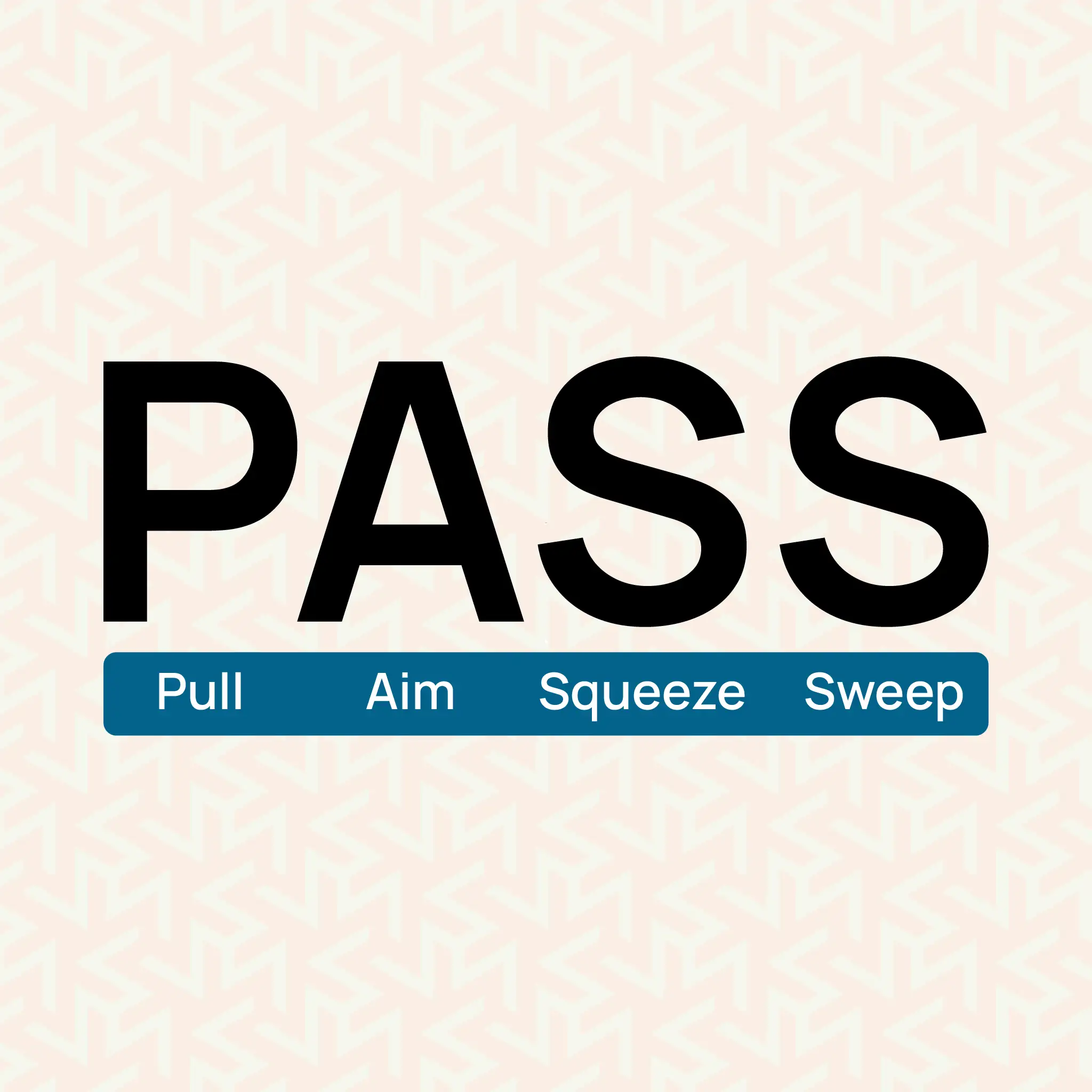
How to Use a Fire Extinguisher: The PASS Method Explained
In the modern workplace, fire safety isnt just about alarms, sprinklers, and signs. Its about ensuring that every person on the premises knows how to respond safely, confidently, and responsibly in the face of a fire emergency. Whether youre a health and safety officer, a site worker, a manager, or someone seeking to build a career in workplace safety, understanding the PASS technique is one of the most fundamental skills you can learn.PASS is more than an acronym. It is a process, a mindset, and a legal expectation, one that has the power to prevent small fires from escalating into large-scale emergencies. This article will walk you through what PASS means, why its important, and how mastering it can contribute to your safety credentials and professional value.Demystifying PASS: The Fire Safety Technique That Saves LivesThe word PASS is used to simplify the steps involved in correctly using a fire extinguisher. It stands for: Pull, Aim, Squeeze, Sweep. While this may sound straightforward, each of these actions plays a vital role in ensuring the extinguisher is used effectively and safely.PullThe process begins by pulling the safety pin, a small but essential step that allows the handle to be engaged. This pin prevents the extinguisher from being discharged accidentally, acting as a safeguard when the device is not in use. In an emergency, people often forget this step, leading to confusion when the extinguisher wont activate. The action of pulling the pin should be firm, and often a slight twist is required to release it. This first step mentally prepares the user to take control of the situation.AimOnce the pin is removed, the next crucial step is to aim the nozzle or hose. Importantly, this should not be directed at the flames themselves; rather, the target must be the base of the fire. Fires are fuelled from their origin point, and aiming at the base cuts off the fuel source. This distinction is commonly misunderstood, and often the reason why fire extinguishing efforts fail. Learning how to aim correctly, especially under pressure, can be the defining factor in suppressing a fire successfully.SqueezeThe user must then squeeze the handle to discharge the extinguishing agent. This should be done steadily and with control. Jerky or inconsistent pressure may result in interrupted flow or misdirection of the substance, reducing its effectiveness. This part of the process also requires the user to remain composed, as the force of the release may be stronger than expected, especially with larger extinguishers.SweepThe final action is to sweep the nozzle side to side across the base of the fire. This ensures comprehensive coverage, allowing the agent to suffocate the flames more effectively. The sweeping motion should be continuous, even after the visible flames appear to have died down, to prevent re-ignition. Users are advised to maintain focus and continue this motion until they are certain the fire is fully extinguished.If youre interested in seeing how PASS is applied in real-life scenarios, Huraks blog on How to Use Fire Extinguishers offers step-by-step illustrations and practical context.The Real-World Relevance of PASS in Professional EnvironmentsUnderstanding PASS is not merely about fire safety; its about situational awareness, confidence, and legal compliance in the workplace. In high-risk industries such as construction, manufacturing, and hospitality, the ability to act decisively during a fire emergency is a core component of responsible work behaviour. Employers expect more than just technical skills; they value employees who can keep themselves and others safe.Many organisations appoint designated fire marshals or safety officers, but general awareness of fire safety practices is expected across all levels of the organisation. This is especially true for roles in leadership, operations, facilities management, and retail. When employees are trained in the PASS technique, the entire team benefits from faster response times, more controlled evacuations, and lower risk of injury or damage.Fire Extinguishers: Matching the Tool with the FireWhile PASS describes how to use an extinguisher, it does not explain which extinguisher to use. Selecting the wrong type can exacerbate the situation or pose a risk to the user. Understanding fire classes and extinguisher types is a necessary extension of PASS training.Water extinguishers are effective against fires involving paper, wood, or textiles, but they should never be used on electrical fires due to the risk of electrocution. Foam extinguishers are suitable for flammable liquids like petrol or paint, while CO? extinguishers are preferred in offices or electrical environments because they leave no residue and reduce equipment damage.However, they displace oxygen and should not be used in tight, enclosed spaces without ventilation. Dry powder extinguishers are multipurpose but create visibility issues and inhalation risks indoors. Wet chemical extinguishers are designed for kitchen fires involving fats and oils, which is especially relevant in catering and hospitality roles.Training courses such as Huraks Fire Marshal Training explore all these extinguisher types and include scenario-based guidance to help users select and operate the correct device with confidence.NEBOSH Fire Safety CertificateDesigned for professionals seeking a comprehensive understanding of fire risk management, the NEBOSH Fire Safety Certificate combines real-world scenarios with in-depth legal and safety knowledge. Its a trusted qualification across industries and a solid step for those aiming to lead in fire safety.Understanding When to Act and When to EvacuateThe PASS technique is only applicable when it is safe to do so. In cases where the fire is large, spreading rapidly, or the room is filled with smoke, attempting to use an extinguisher can be dangerous. If your exit is blocked, the fire is beyond control, or you are untrained, you should evacuate immediately and alert emergency services.Fire safety training should always include the ability to assess the situation, not just to act, but also to know when not to. The key to workplace fire safety is a balance between knowledge and judgment. Huraks blog on Fire Safety at Your Workplace provides practical examples of when and how to intervene.Legal Obligations and Training ExpectationsFire safety isn't just a best practice; its a legal requirement. The Regulatory Reform (Fire Safety) Order 2005 requires employers to provide suitable fire safety measures, including staff training. The Health and Safety at Work etc. 1974 Act reinforces this by placing the responsibility for employee welfare firmly on the employer.These laws apply to all non-domestic premises, including offices, warehouses, schools, hotels, and retail units. Employers must conduct fire risk assessments, implement evacuation procedures, and ensure that staff understand their roles in the event of a fire emergency.To see how these legal frameworks apply to your role, refer to the UK Governments official fire safety guidance.For career-minded individuals, courses such as IOSH Managing Safely and CITB Health and Safety Awareness Course (HSA) provide formal recognition of fire safety competency and enhance employability across multiple sectors.? Fire Safety Manager Advanced DiplomaStep up into a leadership role in fire safety. This advanced diploma dives into fire legislation, strategic planning, and high-level risk assessment, ideal for workplace managers.Conclusion: Turning PASS Into PreparednessThe PASS technique represents more than just four actions; it is a critical component of workplace safety, professional development, and legal compliance. By learning how to Pull, Aim, Squeeze, and Sweep, individuals equip themselves with the skills and confidence needed to respond responsibly in emergency situations.Whether you're just entering the workforce or stepping into a health and safety role, understanding PASS is a powerful starting point. With accessible training pathways like those offered by Hurak, every professional can develop the knowledge to protect lives, fulfil legal obligations, and enhance their career potential.Mastering the PASS method equips you with a powerful tool in a fire emergency, but its only one piece of the fire safety puzzle. Ongoing training ensures you're ready to act with confidence and clarity when it matters most.Frequently Asked QuestionsWhat does PASS stand for in fire extinguisher use?PASS stands for Pull, Aim, Squeeze, and Sweep. Its a simple method for operating a fire extinguisher effectively in an emergency.Can anyone use a fire extinguisher at work?Yes, but only if its safe to do so and the person has received basic fire safety training. Evacuation is the priority if a fire is spreading or blocking escape routes.Which type of extinguisher should I use for electrical fires?Use a CO? or dry powder extinguisher for electrical fires. Avoid water-based extinguishers as they can cause electrocution.Do fire extinguishers expire?Yes, they do. Most have a lifespan of 5 to 15 years. Regular servicing and inspection are crucial to ensuring the readiness of fire extinguishers.Is fire extinguisher training a legal requirement?Under UK fire safety regulations, employers must ensure staff are trained in using fire extinguishers and emergency procedures relevant to their workplace.Want to Learn More? Take a Fire Safety Course with HurakIf you want to turn this knowledge into practical, confidence-boosting skills, youre in the right place.At Hurak, we offer a variety of industry-recognised fire safety courses:Fire Safety Manager Advanced Diploma Advance your career in fire safety with this in-depth diploma designed for future fire safety leaders.Fire Marshal Course Become a certified Fire Marshal and take charge of workplace fire safety and emergency response.NEBOSH Certificate in Fire Safety Gain global recognition in fire safety with the NEBOSH Certificate, ideal for those managing fire risks at work.Whether youre an employee, student, or business owner, gaining formal training improves confidence, compliance, and peace of mind.
How to Write a Security Report: Complete SIA Reporting Guide
Picture this: you're on duty at a Leeds shopping centre when a store notifies you of suspected shoplifting. You arrive to find a teenager detained by the staff for attempting to steal a pair of wireless earbuds.You manage the situation swiftly, detain the individual appropriately, and hold the crowd back. Since the store decides to pursue the matter legally, you alert the police, and they arrive shortly and collect statements.Once the situation is handled, your job isnt done. As the responding door supervisor, your next task is just as critical, which is Writing a Security Report.Its your official written account of the situation, and it may be used as part of the police investigation or your companys internal review.But what exactly is a Security Report, and why does it matter so much?What Is a Security Report?A Security Report is a standard incident reporting document widely used across the UK security industry.Its designed for SIA-licensed professionals to formally log events that happen on duty.This report isnt just a formality. It serves as a legal and professional record.Your security report may be reviewed by:The policeYour site manager or company head officeInsurance providersCourt representatives (in rare but serious cases)Your report should clearly show:What happenedWhen and where it happenedWho was involvedWhat actions you tookWhat was the resultThe format is standard across many companies, but the quality of your report depends on how clearly and objectively you write it.If you're working or planning to work in security, there are a few other things you need to be clear on.For example, do you know what separates a door supervisor from a security guard? Or what youre actually allowed to do in a conflict?Find out more, read our article:Difference Between Door Supervisor and Security GuardWhat Security Guards Can and Cannot DoWhen and Who Should Write a Security ReportNow that you know what a Security Report is, the next step is understanding who should write it and when.If you're a door supervisor, security guard, or CCTV operator, reporting incidents is a part of your professional duty.Any time you respond to a situation, whether minor or serious, youre responsible for documenting it accurately.It creates a formal record that may be referred to days, weeks, or even months later.You should write a report if:Youve responded to theft, damage, injury, or violenceThe police have been involvedThere was a safety risk, even if no one was harmedCCTV footage captured a serious eventA manager or officer asks you to provide a statementIt is crucial for you to write your report straight after the incident to ensure accuracy.Delays can often lead to lost detail, which can impact future investigations.Choose the Right Training for Your RoleGet Qualified with SIA-Approved CoursesProfessional security work goes beyond presence its about judgement, action, and reporting.Every incident you respond to matters. So does how you report it.Explore Huraks SIA-approved training tailored just for your role, and ensure youre prepared for anything.Security Guard Training CourseDoor Supervisor Training CourseCCTV Operator Training CourseGet licensed, stay compliant, and handle every situation with confidence.How to write a Security ReportNow that you understand when to write a report, lets talk about how to do it properly.Poorly written reports can lead to confusion or even legal complications. Thats why its essential to follow a clear structure and keep your report factual and easy to understand.Heres how to get it right:Keep it neutral and factualSay what the person did, not what you think they were trying to do. Example: individual raised their voice rather than individual was being rude.Avoid internal jargon and unclear abbreviationsSomeone reading the report may not work in your environment. Replace terms like DS with door supervisor, and PPO with site supervisor, and use simple, easy-to-understand language.Use 24-hour time formatThis helps avoid confusion in handovers or late-night incidents. For example, use 22:30 instead of 10:30 PM.Add full names and rolesThis makes it easier for others to identify who was involved. Write Jack Morgan, Cleaning Staff, not just Jack.Describe only what you witnessedDont guess someones intentions. If you didnt see it happen, dont include it.Do not delay submitting your reportDelays can lead to missing or inaccurate details. Aim to write your report shortly after the incident.In the modern world, reporting tools allow you to type your report directly into a secure system to avoid any confusion or formatting issues. Its cleaner, easier to review, and reduces errors.To understand how technology is transforming the security industry, read our articleRole of Technology in Modern Security.Format of a Security ReportTo ensure your report is professional and easy to process, it's important to follow a standard format used across the UK security industry.Heres what a typical structure looks like:Following this structure ensures your report is both professional and compliant, helping avoid confusion, legal issues, or gaps in communication.Door Supervisor Incident Report ExampleTo demonstrate how a professional security report should be structured, lets take the previously discussed shoplifting incident at the Leeds shopping centre as a reference and draft a clear, factual, and compliant report.Security Report:Incident Number: 0067-LSC-2025Date: 22/06/2025Time of Incident: 15:40Location: Leeds Shopping Centre TechStore (Ground Floor)Reporting Officer:Name: Noah SmithPosition: Door SupervisorSIA Licence No: 123456789Other Persons Involved:Jamie Thornton (Suspected individual, male, approx. 16 years old)Laura Grant (TechStore staff member reported the incident)PC R. Morgan (West Yorkshire Police Badge No. 78932)Store CCTV Operator (footage reviewed but not saved at the time)Description of Incident:At approximately 15:40, I was called via radio by Laura Grant (TechStore staff) regarding a suspected shoplifting incident. Upon arriving at the scene, I observed a male teenager, later identified as Jamie Thornton, being held at the customer service area. Store staff stated he had attempted to leave the premises with a pair of wireless earbuds concealed in his hoodie pocket.I calmly intervened, asked the individual to remain on-site while I contacted the police, and positioned myself between the scene and a small gathering of onlookers to maintain order. The teenager did not attempt to flee and complied with instructions.Actions Taken:Maintained calm and professional demeanourContacted West Yorkshire Police via controlIsolated the area to manage bystandersAwaited police arrival and provided full account upon requestEnsured CCTV was noted for future evidenceAssisted police in identifying the individual and staff involvedOutcome:Police arrived at 15:57. Jamie Thornton was formally cautioned and removed from the premises by PC R. Morgan. No injuries were reported. Incident deemed resolved by 16:10.Additional Notes:CCTV footage available via TechStores internal security for 22/06/25 between 15:3016:00.Report Submitted By:Noah SmithTime of Report Submission: 16:25Signature: N. SmithThis report offers a useful reference for anyone looking to improve their incident reporting skills and demonstrates whats expected from SIA-licensed professionals.By following this example, you can ensure your reports are professional, compliant, and ready to support investigations, internal reviews, or legal processes.Mastering Crowd Management and Emergency ResponseIncident reports become even more vital during large-scale events, where crowd control adds an extra layer of responsibility for security professionals.Learn how to respond effectively at football matches, concerts, or community events.Read our article to know more about crowd safety.Event Stewards & Stewarding at Spectator Events | Crowd Safety During EmergenciesIf you're serious about building your skills in this area, explore our certified crowd safety training courses: ? Understanding Stewarding at Spectator Events | Level 2 Spectator Safety CourseConclusionThe format outlined above is widely accepted across the UK security industrybut in more complex situations, its worth going a step further and adding details such as the type of incident, its severity, or any follow-up actions taken. These details show that you're not just responding to incidents, but learning from them.For SIA-licensed professionals, incident reporting is more than a task; its proof that you acted with clarity, control, and professionalism when it mattered most.A well-documented report shows that you took the right steps, followed procedure, and acted in the best interest of public safety.If you're ready to sharpen your skills or step into more senior roles, explore Huraks certified SIA security training courses.FAQsWhat is a Security Report?A Security Report 60 is a standard incident reporting format used in the UK security industry, particularly by SIA licence holders, such as door supervisors.When should a security guard write a report?You should write a report immediately after an incident involving theft, injury, police involvement, or safety concerns.What should be included in a Door Supervisor incident report?It should include the following: time, date, location, people involved, actions taken, outcome, and evidence.Can I handwrite a security report?Yes, but typed reports are preferred for clarity, accuracy, and professional record-keeping.How do you write an incident report example?Use clear language, avoid assumptions, and stick to factual descriptions. Include all relevant details and follow a standard format.
How to Become a Security Guard in the UK (2025 Guide)
Planning to become a security guard in 2025? You're entering the field at an ideal time.With increased demand for qualified professionals across the UK, now is a great time to explore a career in the security industry.From construction sites and retail stores to transport hubs and public event venues, employers are actively hiring trained security guards to maintain safety, protect assets, and manage crowd control.Whether you're just starting out, switching careers, or looking to enter a more stable profession, security work offers a range of opportunities including flexible hours, career progression, and the chance to work in diverse environments.But what exactly does a security guard do? What qualifications do you need? How much does training cost, and where can you find reliable providers?This article will walk you through everything you need to know from required skills and qualifications to training, licensing, earning potential, and job options. It's your complete guide to starting a successful career as a security guard in the UK.Interested in exploring a career in security?Check out our article on a comprehensive guide to top SIA security jobsWho Is a Security Guard and their Core ResponsibilitiesA security guard is a licensed professional trained to protect individuals, assets, and premises by preventing and responding to security threats.They play a vital role in ensuring safety and enforcing rules in public and private settings.They work across a range of sectors and settings, from corporate buildings and warehouses to construction sites and retail environments.The core responsibilities of a security guard include:Monitoring CCTV systems and alarm panelsConducting patrols to check for breaches or hazardsControlling access to facilities through ID checks or passesIntervening in incidents like theft, disputes, or trespassingWriting accurate incident reports and maintaining recordsSecurity guards are often the first line of defence in a crisis, and their presence alone can discourage unlawful behaviour.In the UK, security guards are required to hold an SIA licence and follow strict guidelines on what they can and cannot do.Types of Security GuardsSecurity guards can work in a variety of settings, depending on the environment and the security risks involved.The role varies depending on where you're stationed and what needs to be protected.Listed below are a few key types of security guards:CCTV Operators for off-site monitoring.Retail Guards work in shops to prevent theft.Construction Site Guards securing tools and equipment.Public Event Security for crowd control and incident response.Static Guards keep an eye on one fixed location.Patrol Guards covering larger or multiple premises.Regardless of the setting, responsibilities always revolve around safety and maintaining a peaceful environment.How to Become a Security Guard in the UKIf you're wondering how to become a security guard, the first step is to meet the legal and training requirements set by the UK government.To work as a professional security guard in retail, construction sites, office buildings, or public events, you must hold a valid SIA Security Guard Licence.This licence is issued by the Security Industry Authority (SIA), the official body that regulates the UK's private security industry. To qualify, you'll need to complete a government-approved training course delivered by an authorised provider like Hurak.Once you complete the course and pass the required checks, you can legally start working in the industry.This is an entry-level position, meaning you don't need any prior security experience. However, you do need to meet a few basic eligibility requirements, including certain qualifications, skills, and training.Let's understand all the skills and legal requirements needed to become a security guard in the UK.Essential Skills to Be a Security GuardWhile anyone can apply for a security guard licence, some personal qualities and soft skills can make a big difference in how effective and employable you are.There are basic skills that employers look for in a security guard, such as:Good communication Speak clearly and listen actively.Observation skills Stay alert and notice unusual behaviour.Problem-solving Make quick decisions under pressure.Physical fitness Handle patrols or physically demanding tasks.Professionalism Be punctual, respectful, and well-presented.Not sure if you meet the skills needed to become a security guard?Read our detailed article on: Essential Skills in a Security Guard.What Qualifications Do You Need to Be a Security Guard in the UK?To work as a security guard in the UK, you must complete the 4-day SIA Security Guard Training Course from an approved training provider, such as Hurak.This course is legally required and prepares you for real-world security work across various sectors.Additionally, you must hold a valid Emergency First Aid at Work certificate before applying for your SIA licence.This ensures you're equipped to deal with common incidents on-site.Struggling with funding for the SIA training? Check out our article: Free SIA Training in the UK.Eligibility and Legal Requirements to Become a Security GuardBefore applying for your SIA Security Guard Licence, you must meet a few basic eligibility criteria set by the government.These ensure you're legally allowed to work and trusted to take on public safety responsibilities.Here's what you need:Be at least 18 years oldHave the right to work in the UKHold a valid Emergency First Aid at Work certificateSuccessfully complete the SIA Security Guard Training CourseProvide a full 5-year address historyPass a criminal records check (DBS)If you have a past conviction and are unsure if you can apply, check out our article: Can I Get an SIA Licence With a Criminal Record?Apply for Your SIA Security Guard LicenceYou've now understood the key skills, qualifications, and legal requirements needed to become a security guard. So, what's next?To officially start working, you'll need to obtain your SIA Security Guard Licence this licence proves you're trained, vetted, and legally allowed to work in the security industry across the UK.Once all the above steps are completed, the SIA will carry out the necessary background checks. If everything is in order, you'll receive your Security Guard Licence valid for three years.Want to check the status or expiry of your current SIA licence?Read our article: A Comprehensive Guide to the SIA Licence CheckerSIA Security Guard Training: Course Content, Assessment & FeesWe've taken you through all the eligibility, skills, and legal requirements to become a security guard. But it's equally important to understand what the actual training course involves, including its content and how you'll be assessed.Hurak is an approved training provider offering a government-recognised 4-day SIA Security Guard Training Course across the UK.Here's a brief summary of what the course covers:Course Assessment CriteriaOnce you complete the course, you'll be assessed in two ways:Multiple-Choice Exams (2 papers):Each paper contains 40 questions, with 1 hour to complete each. You must score 70% or above on both to pass.Practical Assessment:Your ability to handle real-life scenarios (like reporting or communication) will also be evaluated.Fees for SIA Security Guard LicenceNow that you know what the course involves and how to pass the assessments, it's essential to understand the costs involved in getting licensed.To apply for your SIA Security Guard Licence, you'll need to pay a standard licence application fee of 204.This is paid directly to the Security Industry Authority (SIA) and is valid for a period of three years.However, this isn't the only cost. You'll also need to budget for:SIA Security Guard Training Course fees (varies by provider and location)DBS criminal record check, which is a legal requirement for all applicantsWant a complete breakdown of all costs, including the SIA badge and renewal charges? Read: SIA Badge CostBecome a Certified Security Guard in Just 4 DaysHurak's SIA Security Guard Training helps you meet legal requirements and prepares you for real jobs.Book Your Course with Hurak TodaySecurity Guard Jobs, Career Growth & EarningsBy now, you've seen everything it takes to become a licensed security guard in the UK, from the skills and training to the legal steps and course details.So, what happens once you've got your SIA Security Guard Licence?Once youve completed all the steps and received your licence, you'll be eligible to apply for a variety of security roles across different industries.The licence is valid for three years, giving you plenty of time to build your experience and explore job opportunities.Here are some of the roles you can apply for with a valid licence:Manned GuardingPatrol OfficerKey-HolderSite Security GuardRetail Security OfficerBuilding ReceptionistStore DetectiveWant a deeper look at the job options available?Read: A Comprehensive Guide to Top SIA Security JobsGrowth in Security CareersYour career as a security guard doesn't have to stop at entry-level. With time, commitment, and the right mindset, you can progress into higher-level roles or explore specialist paths.Here's how your journey could evolve:With experience, move into supervisory roles or become a Chief Security OfficerTake further training through a Security First Line Manager apprenticeshipBecome an Area Security Manager or a Close Protection OperativeStart your own security consultancy or recruitment agencyThe career opportunity is not just limited to the ones stated above; with dedication and focus, you can look at progression in this role and explore similar opportunities across the private security sector.Earnings After Becoming a Security GuardA full-time security guard in the UK earns, on average, around 2,500 per month. However, salaries vary depending on:Your level of experienceAdditional qualificationsLocation of the jobEmployer type (retail, corporate, events, etc.)With continued growth and added responsibilities, many guards progress into roles that pay significantly more, especially when moving into management or specialist sectors.Becoming a security guard opens the door to a stable, respected, and growing career path.Whether you're just entering the industry or thinking long term, there's plenty of potential to grow, both in earnings and roles.Renewing Your SIA Security Guard LicenceAs mentioned earlier, your SIA Security Guard Licence remains valid for 3 years from the date of issue.However, it does not renew automatically. To continue working legally, you must renew your licence before it expires.Do You Need Top-Up Training?To renew your licence, you may be required to complete the one-day SIA Top-Up Refresher Training for Security Guards.This course became a requirement following an update to SIA training standards on 1st October 2021.Note: If your original SIA Security Guard qualification was completed before 1st October 2021, you must complete the top-up course before renewing your licence.The updated top-up course includes essential modules such as:Conducting effective searchesSafeguarding vulnerable people on-siteDuties of a guard during terror-related incidentsHow Will You Be Assessed?To successfully complete the top-up training:You must score at least 20 out of 28 on a multiple-choice exam (minimum pass rate: 71%)You'll also be evaluated by your tutor on practical searching techniquesConclusion:Working as a security guard may seem simple, given the basic entry requirements. But in reality, the role involves a great deal of responsibility, often under challenging conditions.Whether it s managing unpredictable situations or standing for long hours, the job demands both physical and mental resilience.That said, security work is also a profession where consistent effort and additional training can lead to meaningful career progression. From frontline guarding to supervisory or specialist roles, there's always potential to grow.Advance Your Security Career with HurakWhether you're starting or planning your next step, Hurak offers a complete range of security training courses from SIA Security Guarding to Door Supervision, CCTV Operations to Close Protection and more.Explore All Courses and build a future-ready career in security.FAQsWhat qualifications do you need to be a security guard UK?You must be at least 18, hold Emergency First Aid at Work, complete the SIA Security Guard Training Course, and pass a DBS check.How to be a security guard in the UK with no experience?Simply enrol on the 4-day SIA Security Guard training, get first aid qualified, apply for your licence, and start applying for roles.How to get into security work?Begin by earning your SIA licence: choose an approved provider like Hurak, complete training, pass exams, and apply using your licence to start work.Is First Aid training mandatory to become a security guard?Yes, the Emergency First Aid at Work certificate is a legal requirement to apply for your SIA licence.How much does it cost to get a security guard licence?The SIA licence costs 204, plus training fees and DBS check; you may also need to pay for the first aid course.How long does it take to get an SIA security guard licence?Training takes 4 days; once you apply, the SIA typically processes licence applications within 36 weeks.Can I renew my security guard licence without training?If your original qualification was earned after 1 October 2021, you can renew without top-up training; if earned earlier, you'll need the one-day SIA Top-Up Refresher.What are typical earnings for a security guard in the UK?A licensed guard typically earns around 2,500/month, with potential to increase through experience, shifts, and supervisory roles.