

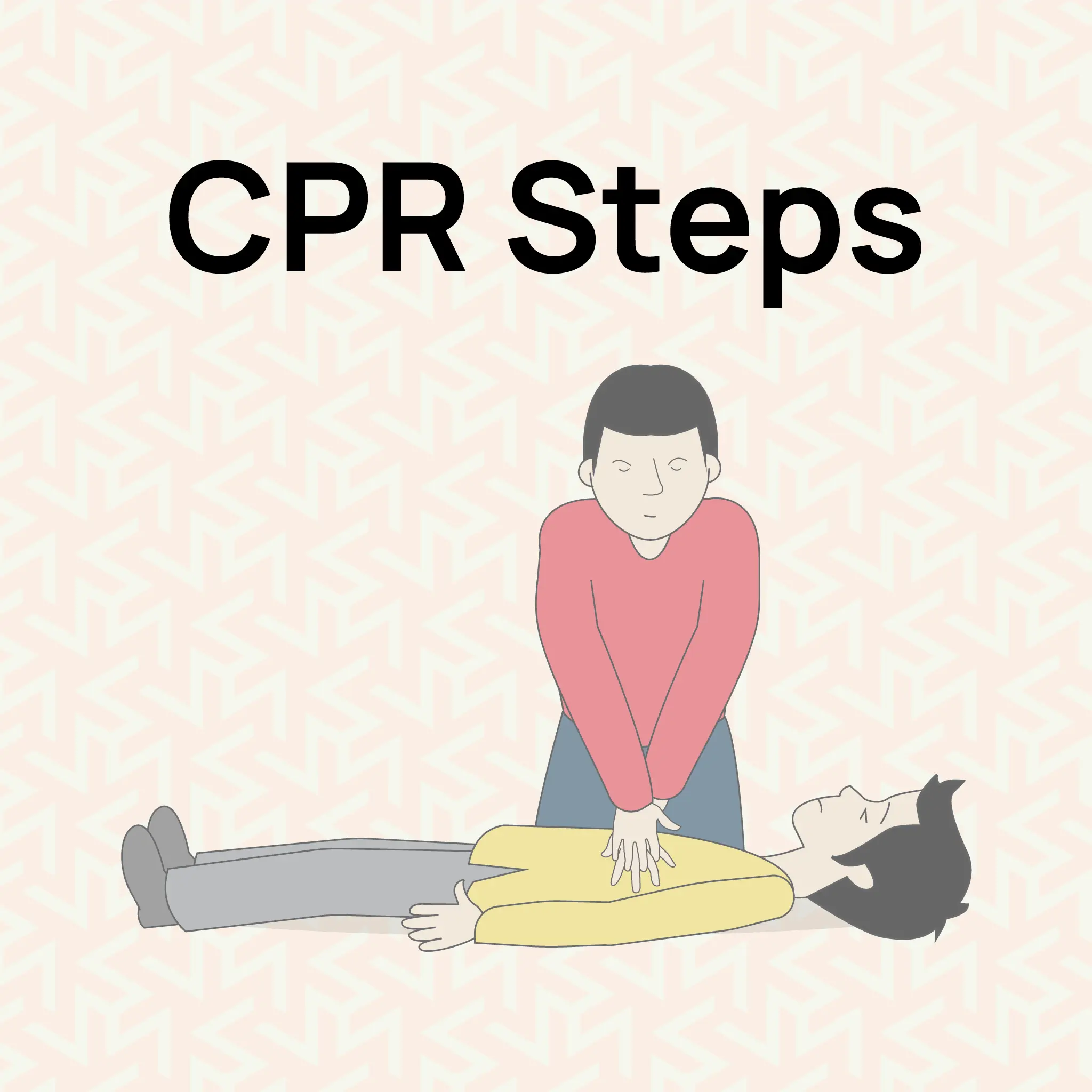
CPR STEPS: Essential Procedures
Cardiopulmonary resuscitation (CPR) is an essential life saving technique that can drastically improve the chances of survival in emergencies such as a cardiac arrest.Knowing CPR steps can empower you to act quickly and effectively in a critical situation.Let�s break down the 7 steps of CPR.What Are the 7 Steps of CPR?Step 1: Assess the SituationMake sure that the environment is safe for your own self as well as the victim. Start by attempting to wake the person up by shaking them gently and at the same time checking if everything is okay.Step 2: Call for HelpIn the case the person does not respond, scream for help or call the local emergency line. If there are other people around, order someone to call, while you start Cardio Pulmonary Resuscitation.Step 3: Open the AirwayPush the head backward by placing one hand on the forehead while holding the other hand�s palm under the victim�s chin. This helps in opening up the airway.Step 4: Check for BreathingObserve for rise and fall of the chest, listen for sounds of breathing or feel for breath on the cheeks. If the person is not breathing normally, go to the next step.Step 5: Begin Chest CompressionsPlace your hands on the center of the chest then join your hands with your fingers intertwined by placing one hand above the other and ensure that your arms are straight. Push down hard and fast. You�re probably wondering how many chest compressions are allowed while performing CPR? The guideline that is used most often is 30 chest compressions then 2 breaths.Step 6: Rescue BreathsGive 30 chest compression and then deliver 2 ventilations. Take the patient�s nose between your thumb and index finger and close it; use your mouth to seal the patient�s lips and blow gently into the patient�s mouth so that you see the chest rise at the end of one second. Do this for the second breath as well.Step 7: Continue CPRContinue the step of 30 compressions and 2 breaths until the help arrives or there is a pulse.Furthermore, being familiar with the recovery position along with knowledge of CPR can do wonders when it comes to containing a situation.How is CPR Performed?CPR is generally given in cycles of chest compressions and rescue breaths although rescue breaths can be omitted at times. In adults, the compression to breath ratio is 30:2. For infants and children it is the same if you are on your own, but if you have help you can convert the ratio to a 15:2.How Many Compressions Per Minute?The proper rhythm of chest compressions is between 100 to 120 pressure in one minute. Additionally when helping someone in an emergency always start with a primary survey which basically entails a quick assessment of the scene and the person in need of help. .main{ border:3px solid #0f7c90; border-radius:20px; position: relative; font-family:roboto; font-weight: 400; color: #000; } .main-two{ position: absolute; top:-25px; left:45px; background-color:white; } .img-div{ border-radius : 100%; padding:2px 7px; background-color:#0f7c90; margin-right:5px; width: 50px; height: 50px; } .img{ width:30px; object-fit:contain; height:auto; border-radius : 100%; } @media only screen and (max-width: 600px) { .heading{ font-size:20px; } .img{ width:20px; object-fit:contain; height:auto; border-radius : 100%; } .img-div{ width: 40px; height: 40px; } .main-two{ left:25px; } } Learn CPR and Save Lives! Knowing CPR can make a critical difference in emergencies. Our Comprehensive course breaks down the steps you need to know to respond effectively Enroll Now for Emergency First Aid at Work training and save lives. ConclusionBeing well informed on the steps of CPR can make a significant difference in dire situations. The CPR procedure you follow can prevent the medical condition from deteriorating further until medical help arrives. With a thorough comprehension on how to perform CPR correctly and how many compressions should be given, you prepare yourself to save lives. Always consider taking a certified CPR course for hands-on training and practice, ensuring you�re ready when it matters most.
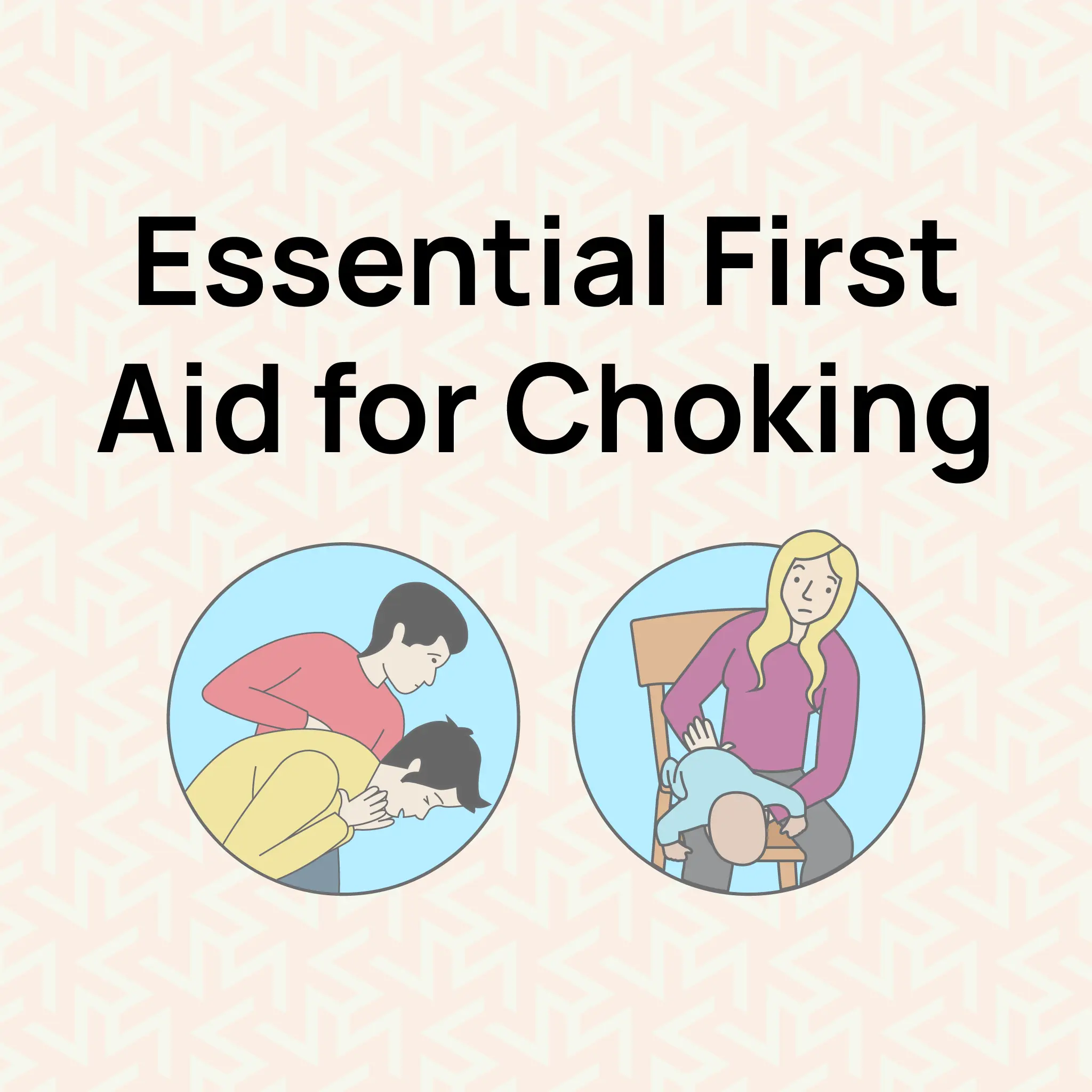
Choking First Aid
Understanding Choking Food Choking: The Adult NemesisHave you ever experienced the panic of someone choking? I have, and let me tell you, it is not something you would want to confront without adequate preparation. I am referring to both Food choking in adults and babies choking � either way you need to be prepared with adequate knowledge that covers how to perform first aid when such a scenario arises � Acting fast and efficiently when someone is choking can save a life. Let us dive deeper into understanding choking. The treatment and 1st aid for choking.Infant Choking: A Parent's NightmareWhat to Look For: How to Recognize ChokingWe will discuss choking treatment later, but let�s cover the signs first.The hands-on-the-throat universal sign of chokingSeems unable to talk, cough or breathe correctlyEyes are panic-strickenDeep wheezing, or abnormal retraction- gasp soundsParts of the body turning violet or ashen blue throughout the bodyLoss of consciousness (this is the most extreme case)Choking Management: First Aid Guide with DiagramsFor Adults and Children Over 1 YearEncouraging coughing � for some people that is enough.If coughing fails, it�s two-hand back slap time. Deliver five upward fist-strikes between the shoulder blades.Still stuck? Abdominal thrusts, also known as the Heimlich method, is the next step.While standing behind them.While putting your arms around their waist.You make a fist just above their belly button.While seizing your fist with your other hand.In a rapid velocity, deliver quick paroxysms stroke in an upward direction.4.Repeat the previous steps by alternating back blows with abdominal thrusts until the object becomes dislodged.Infant Choking: How to Help an Infant ChokingWhat should you do if an infant is choking? This is a question that comes up quite a lot, take note of the following and remain composed throughout the taskWhat to Do if an Infant ChokesPlace the baby on their stomach along your forearm.Do five back blows that are both soft and hard.If that doesn't work turn them around and give them 5 booty bumps.Keep alternating between back blows and booty bumps until you can remove the obstructionBearing in mind that there is no such thing as abdominal thrust for babies.When to call for help and How to Do It999 can be dialed without hesitation in the event that:You were choking yourself and were all by yourself in the roomThe person passes out.If you can�t seem to help the person due to severe airway obstruction .Choking Treatment: Beyond the EmergencyKnowing the 1st aid for choking is important but now let�s discuss prevention methods:Cut food into small pieces especially for kids and elderlyChew food well and for your throat to be at rest. Let your mouth do the workInfants and Toddlers should not be allowed to play with small objectsInfants and young children should be supervised while eating at all times� .main{ border:3px solid #0f7c90; border-radius:20px; position: relative; font-family:roboto; font-weight: 400; color: #000; } .main-two{ position: absolute; top:-25px; left:45px; background-color:white; } .img-div{ border-radius : 100%; padding:2px 7px; background-color:#0f7c90; margin-right:5px; width: 50px; height: 50px; } .img{ width:30px; object-fit:contain; height:auto; border-radius : 100%; } @media only screen and (max-width: 600px) { .heading{ font-size:20px; } .img{ width:20px; object-fit:contain; height:auto; border-radius : 100%; } .img-div{ width: 40px; height: 40px; } .main-two{ left:25px; } } Be Ready to Help in Choking Emergencies! Choking can happen in an instant. Are you prepared? Discover essential first aid steps to take if someone is choking. Get certified now by enrolling in our Emergency First Aid course and learn how to potentially save a life. FAQSWhat are the 5 steps if someone is choking?Cough it outSlap it outSqueeze it outCheck their mouthCall the emergency helpline (999)What is the first aid practice for choking?If a person is choking and having difficulty talking or crying or laughing forcefully your immediate response should be to give them five blows and five swift abdominal thrusts.What not to do when someone is choking?It is crucial that you remember never to pat an infant on the back if they are able to cough, in such situation slapping them on the back may dislodge the object and might be inhaled deeper in the airwaysWrapping It Up: Be Prepared, Save LivesFew points to remember � this is your ultimate preparedness guide in terms of choking first aid, whether it be adult food choking or infant choking and the appropriate response. Exceptional as that may sound, I assure you that this information will remain with you.Please keep in mind the following because in the event that there is no time to call for help and the person is in danger of choking it is you who will be the first patient�s helper. As a first responder you should be familiar with the importance and benefits of first aid. Relax and do something about it. Listen to your body as it will tell you that you can go back to doing what you do best!In this regard, I would like to ask a brave question � have any of you been in practice and had to use these skills? Or using a bit of food choking yourself how close dilation did you get? Please do share your experience in the comments. We can teach each other and raise awareness on this important life-saving technique.Take care of yourself and may all of your meals go down with ease.
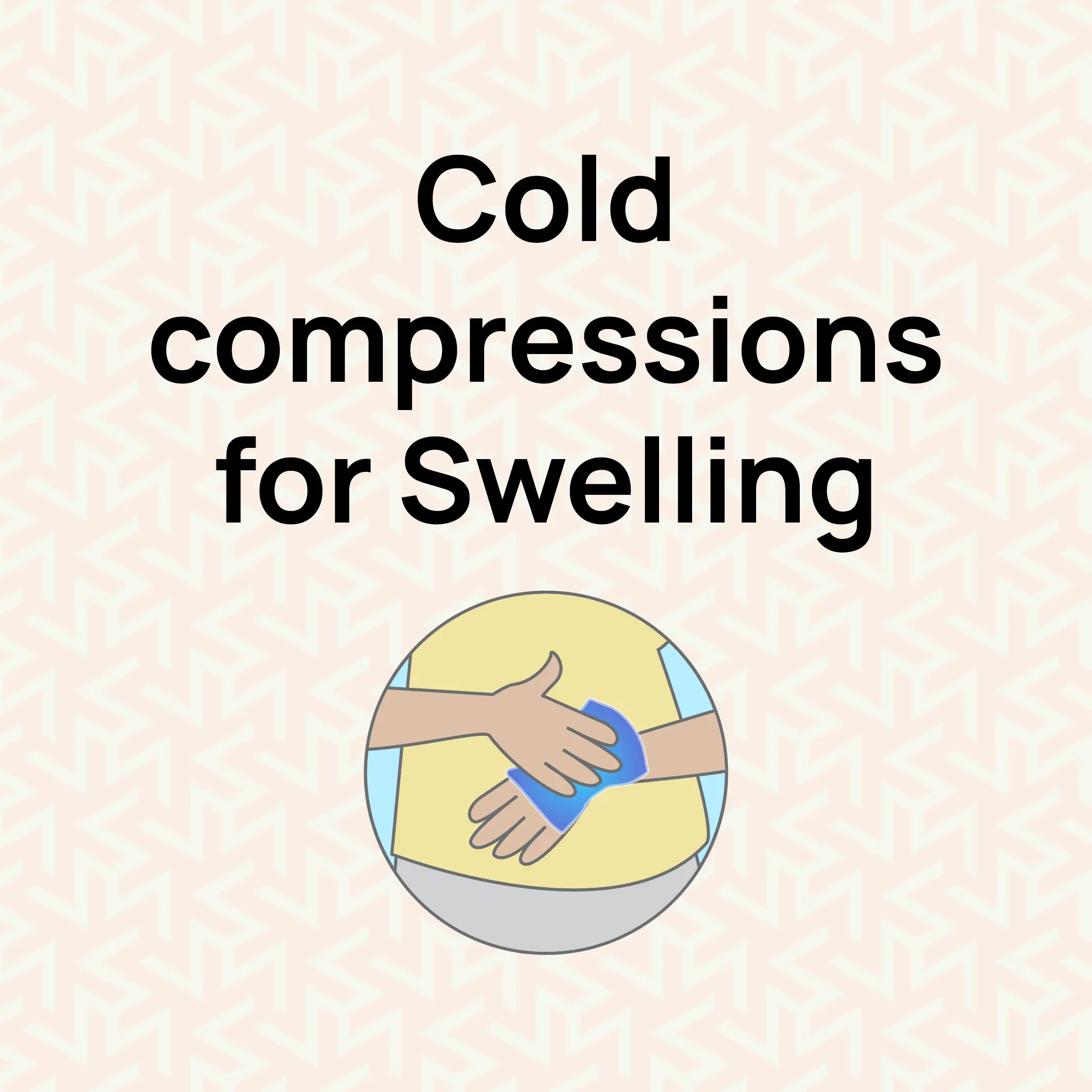
Cold compresses for Swelling: Your Go-To Guide
Inflammation is a condition that may occur due to several reasons, including injuries, an allergic reaction, or an underlying medical condition. Whether you have sprained an ankle, been stung by a bee, or are suffering from swelling post-surgery, it is imperative that you know how to manage it. A cold compress is exceptionally effective and one of the most widespread remedies for managing swellings. Let's take a deeper look at what a cold compress is, how it works, and the appropriate way to use it.What is a Cold Compress?A cold compress is a therapy in which cold is applied to an injured or inflamed body part. It can take the form of ice packs, frozen foods like frozen vegetables, or a piece of cloth dipped in water and then frozen. The primary purpose behind these cold compressions is to compress blood circulation in the injured area, thereby minimizing swelling and alleviating pain.How Does a Cold Compress Work?There is simple science behind cold therapy; it immobilises the area and causes constriction of blood vessels, a process known as vasoconstriction. This helps reduce edema. Furthermore, if you are suffering from inflammation, the cold compression can significantly reduce it while alleviating pain. Below you will find a list of situations where using a cold compress will be helpfulAcute Injuries: If you have a sprain or fracture, having immediate access to a cold compress can be highly beneficial.Post-Surgeries: Using a cold compress reduces inflammation, which inadvertently helps speed up the healing process.Allergic Reactions: Itchy or swollen insect bites can be extremely irritating; using a cold compress can bring some relief.Chronic Conditions: Other health issues such as rheumatism and arthritis can also be soothed with cold compression treatment now and then.How to Use a Cold Compress EffectivelyPrepare Your Cold CompressIce Pack: The simplest ways are to wrap an ice cube in a cloth or use a commercial gel pack.Frozen Vegetables: A sack of peas or corn is good and can be shaped to the body.Cold Water Soak: Take a clean cloth, dip it in cold water, squeeze out the excess, and place it where you want to cool down.ApplicationDuration: If a cold compress is used, it should be applied in short intervals of 15-20 minutes. Do not overexpose yourself, as this can lead to frostbite or skin damage.Frequency: Repeat every 1-2 hours during the first 48 hours after an injury or swelling has occurred. The length of time for which an ice pack should be applied is crucial.Barrier: To avoid direct contact, never lay your skin directly on the cold source; always use a cloth or towel.Monitor Your ResponsePay special attention to your body�s reaction. If the cold compression causes pain or itchiness on the affected area, you should stop using it.Additional TipsCombine with Rest: R.I.C.E (Rest, Ice, Compress and Elevation) is a therapy that focuses on cold therapy after rest and stable elevation of the affected body part.Stay Hydrated: Sufficient water intake can help speed up the healing process.Consult a Professional: If pain persists along with other symptoms like redness or heat, it is advisable to seek professional help from a medical practitioner.� .main{ border:3px solid #0f7c90; border-radius:20px; position: relative; font-family:roboto; font-weight: 400; color: #000; } .main-two{ position: absolute; top:-25px; left:45px; background-color:white; } .img-div{ border-radius : 100%; padding:2px 7px; background-color:#0f7c90; margin-right:5px; width: 50px; height: 50px; } .img{ width:30px; object-fit:contain; height:auto; border-radius : 100%; } @media only screen and (max-width: 600px) { .heading{ font-size:20px; } .img{ width:20px; object-fit:contain; height:auto; border-radius : 100%; } .img-div{ width: 40px; height: 40px; } .main-two{ left:25px; } } If you found this guide on cold compresses helpful, why not learn more about effective recovery techniques? Our Emergency First Aid at work course offers expert strategies, step-by-step instructions, and additional remedies to help you heal faster and feel better. ConclusionAn ice pack is one of the most effective tools for managing inflammation and pain. Learning how to use it can facilitate a faster recovery from your discomfort. This easy-to-implement method can make a significant difference if you require first aid, have an allergic reaction, or are recovering from surgery that leads to post-operative swelling. As with all types of therapies, never disregard your body�s cues and seek professional help if you experience chronic or worsening pain.
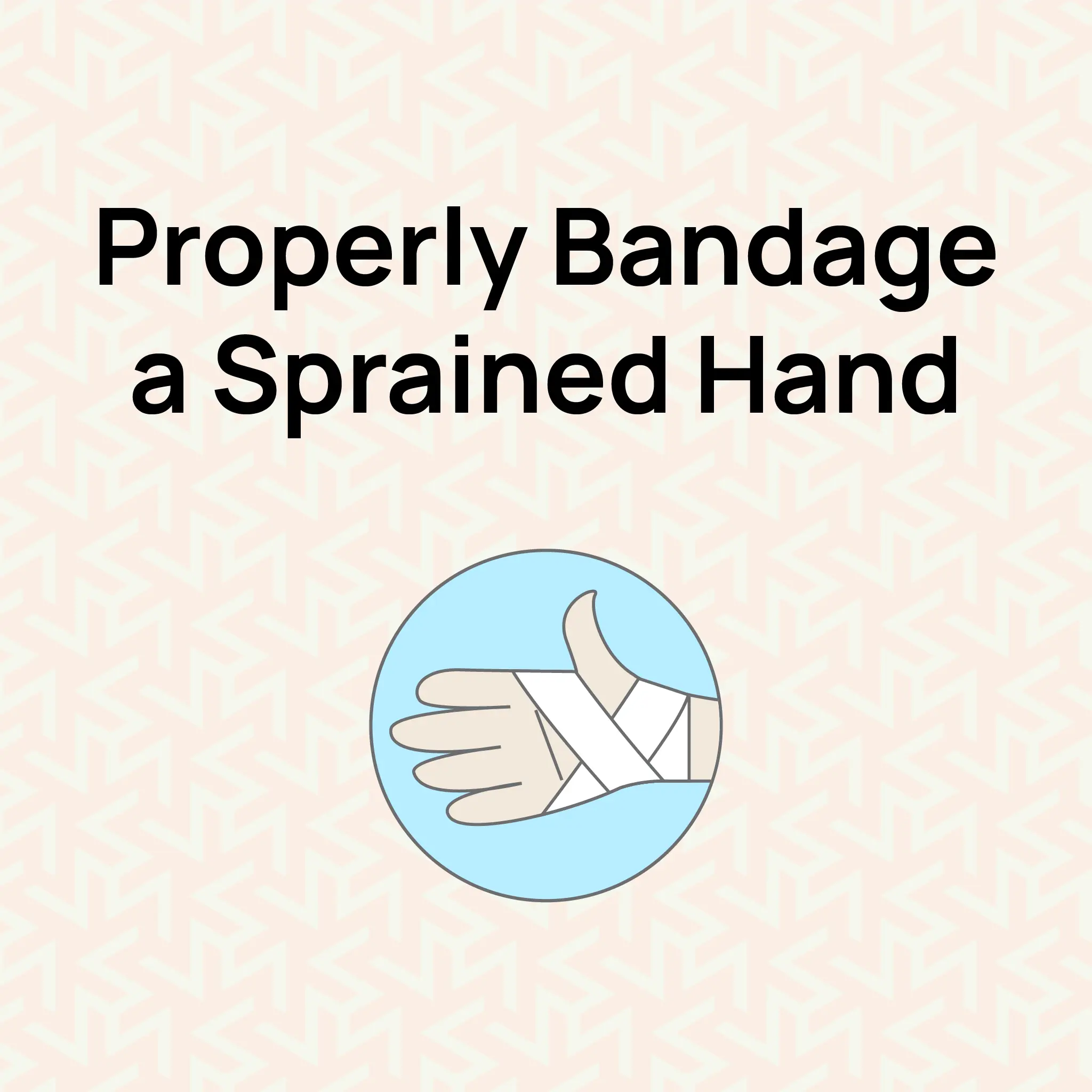
Hand Bandage
Injuries are not something you can predict, and therefore, it is imperative that you know how to protect yourself after an injury has occurred. A sprained hand is a common phenomenon. Therefore, it is essential to know about the implications of using certain stretcher bands in order to help heal and support a sprained or injured hand.A sprain occurs when the ligaments, the tough bands of tissue connecting bones at a joint-are stretched or torn. Common symptoms of a sprained hand include pain, swelling, bruising, and difficulty moving the affected area. Immediate care is essential to manage these symptoms and promote healing.How to Bandage a Sprained WristForcing a sprained wrist into a cast will only contribute to the swelling, while stabilizing it provides solid confinement that aids in healing. Here�s a step-by-step guide on the principles of first aid for treating a sprained wrist:Gather Your Supplies: Essential items include a sterile bandage, several gauze pads, adhesive tape, and a pair of scissors. An elastic bandage for support is particularly effective.Position Your Hand: To reduce swelling, keep your hand above the level of your heart. After washing, dry it on a pillow or any soft surface.Apply Ice: Before bandaging, apply ice to the injured area for about 15-20 minutes, using a cloth to cover the ice pack. This step aligns with the aims of first aid by minimizing swelling and discomfort.Prepare the Bandage: If there�s any exposed skin, place a gauze pad directly over the affected area first. Wrap the bandage around the painful wrist, overlapping slightly as you go. It should be snug but not tight enough to stop blood circulation. Continue wrapping up to the wrist and a bit on the hand for added support.Secure the Bandage: Finally, use adhesive tape to fasten the end of the bandage securely. Ensure it�s tightly fixed to prevent movement, but not so tight that it hinders blood flow.Check for Comfort: Encourage the injured individual to wiggle their fingers. If they experience numbness or significant pain, the bandage may be too tight, which is crucial to assess in any first aid scenario.By following these steps, you can effectively apply the three Ps of first aid and promote healing while ensuring comfort.How to Wrap a Wrist EffectivelyWhen wrapping a wrist, keep in mind the following tips:Use the Figure-Eight Technique: To some extent, this technique offers support but does, at the same time, offer a modicum of freedom. The bandage should loop around the wrist first, then over the back of the hand.Continue the process of wrapping the bandage in an 8 figure motionLayer for support: If your wrist requires more support, it is recommended that you layer the bandage. Try not to put too much pressure on the wrist.Check the bandage regularly. When the swelling is minimized, a new dressing or adjustment of the bandage may be required.How to Apply a Roller Bandage to the HandFirst you wrap the hand from a little above the wrist and make it pass around the wrist twiceMake sure the palm of your hand is facing down. Start with the little finger and then across. Make sure you do not cover the first knucklesMake sure that each layer covers at least half of the previous one as you work across the palm and thumb, creating the Figure 8 pattern. Continue the process until the bandage is ultimately used up. Make sure you do not cover the thumb unless the wound is expanding over till the thumbOnce the bandage is completely used up use either a tape or a clip to secure it, so that it doesn�t open up. .main{ border:3px solid #0f7c90; border-radius:20px; position: relative; font-family:roboto; font-weight: 400; color: #000; } .main-two{ position: absolute; top:-25px; left:45px; background-color:white; } .img-div{ border-radius : 100%; padding:2px 7px; background-color:#0f7c90; margin-right:5px; width: 50px; height: 50px; } .img{ width:30px; object-fit:contain; height:auto; border-radius : 100%; } @media only screen and (max-width: 600px) { .heading{ font-size:20px; } .img{ width:20px; object-fit:contain; height:auto; border-radius : 100%; } .img-div{ width: 40px; height: 40px; } .main-two{ left:25px; } } How to use a Hand Bandage ? knowing how to bandage a sprained hand properly can significantly improve the injury. It is a useful skill which helps in preventing injury and aiding recovery. If you want to gain the skills and confidence to handle any hand injury- whether at home, at work, or on the go- our Emergency First Aid at Work Course is the perfect place to start. This expert-led course will teach you step-by-step techniques for applying hand bandages and providing essential first aid in various situations. ConclusionLearning how to wrap a sprained hand is one crucial factor that can be extremely helpful when treating an injured hand. Following this step-by-step guide would enable you to be better positioned to offer proper care to an injured hand or wrist. Seek help from a professional healthcare provider if the injury appears severe or is worsening; if you receive or give proper care swiftly, your injury will recover quickly, and you�ll be able to get back to your daily activities soon.

Understanding Epilepsy
What is Epilepsy?Epilepsy is a disease that is widespread and numerous people across the whole world suffer from it. It is a brain disorder that causes recurring seizures. Anyone, irrespective of their age, sex or race can develop epilepsy.What is a Seizure?A seizure is when damaged brain cells send an excessive surge of electrical activity in the brain. It is important to note that Epilepsy is often referred to a �Seizure Disorder�This disorder can manifest at any age although it is common for children or elderly people in their sixties to have seizures. To be diagnosed with epilepsy, usually a person has to have more than one seizure that is unprovoked or the probability of getting a seizure is high.Types of SeizuresSeizures are generally classified into two main categories:Focal (Partial) Seizures:Simple focal seizures: Influence the smallest section of the brain without inducing a loss of consciousness.Complex focal seizures: May result in changes to the level of consciousness.Generalized Seizures:Absence seizures: Short lapses that are often confused with daydreaming.Tonic-clonic seizures: Include a loss of consciousness, muscle stiffening, and jerking movements.Atonic seizures: Lead to a loss of skeletal muscle tone, making people prone to falling.Myoclonic seizures: Characterised by sudden, brief, involuntary movements, also known as muscle spasms.What Causes Seizures?Seizures can have various causes, including:Genetic factorsBrain injuries or traumaDevelopmental disordersInfections affecting the brainStrokeBrain tumorsAlzheimer's diseaseAbnormal levels of substances like sodium or blood sugarDrug or alcohol abuseWhat Causes Seizures in Adults with No History?Epilepsy is an illness where fits can begin in adults as well as children though the adults have no past records of seizures. Possible causes include:Undiagnosed brain tumorsStrokeHead injuriesOther conditions such as; meningitis or encephalitisAutoimmune disordersSevere alcohol withdrawalUse of or contact with medicinal. Interaction with drugs or other medication.Therefore, often it is scary for the first time, especially when it happens to an adult, it is better to be examined by a doctor.What to Do If Someone Has a SeizureIf you witness someone having a seizure:Do not panic and time the seizure.Remove any nearby objects that could cause injury.Place something soft under their head.Gently guide the person to the ground if they are not already there.Avoid holding the person down or putting anything in their mouth.Stay with the person until the seizure ends and they regain awareness.If a child is having a seizure, position them on their side to help with breathing and prevent choking.Call an ambulance if the seizure lasts longer than half an hour or if it is their first seizure.Learn more about the responsibilities of a First aider.What Diseases Cause Seizures?Several diseases and conditions can lead to seizures, including:EpilepsyBrain infections (like meningitis and encephalitis)Brain tumorsStrokeAlzheimer's diseaseMultiple sclerosisLupusCerebral palsyPhenylketonuria (PKU)What is Absence Epilepsy?Petit mal epilepsy also known as absence epilepsy is a type of epilepsy which results in small epilepsy that subsides quickly and leads to a temporary loss of consciousness. These seizures are short in duration and a person can suffer from them multiple times in the day.These sort of seizures last for a few seconds. Most of the cases start in childhood, or adolescence and the early manifestations are sometimes regarded as mere daydreaming or attention deficit disorders.`Can Epilepsy Be Cured?Epilepsy can only be treated to a certain extent; however, if diagnosed early and well taken care of, most people suffering from the disease can live normal lives. Treatment options include:Anti-Epileptic Drugs (AEDs): It is usually the first-line treatment of choice for most of the epilepsy patients out there.Surgery: It is fairly likely that there may be ways to have the part of the brain taken out via surgical procedure.Brain Implant Options: Vagus nerve stimulation (VNS) uses electrical signals that are sent to help regulate the occurrence of seizures.Ketogenic Diet: May help in controlling seizures in some people especially children.Responsive Neurostimulation: This is a chip which is placed in the head. It can identify instances of seizure and even act efficiently to put a halt to it.Working with a healthcare team may result in developing a treatment plan that will be suitable for each patient.Living with Epilepsy It is also worth emphasising that most people experiencing epilepsy can work or study, go out with friends or travel, proving that epilepsy does not necessarily negatively affect a person�s quality of life. Here are some tips for handling epilepsy: It is imperative to have information on what causes certain types of seizures to occur. Exercise according to the fitness regimen which your doctor has prescribed for you. Diminish stress by practising different methods of relaxation. If the doctor has given you a prescription make sure you take those medicines timely Inform people that are around regarding some of the things that they should do in case of a seizure. Getting in touch with other people who may be going through tougher situations may also help. .main{ border:3px solid #0f7c90; border-radius:20px; position: relative; font-family:roboto; font-weight: 400; color: #000; } .main-two{ position: absolute; top:-25px; left:45px; background-color:white; } .img-div{ border-radius : 100%; padding:2px 7px; background-color:#0f7c90; margin-right:5px; width: 50px; height: 50px; } .img{ width:30px; object-fit:contain; height:auto; border-radius : 100%; } @media only screen and (max-width: 600px) { .heading{ font-size:20px; } .img{ width:20px; object-fit:contain; height:auto; border-radius : 100%; } .img-div{ width: 40px; height: 40px; } .main-two{ left:25px; } } Understanding epilepsy is crucial for supporting those affected and fostering a more inclusive community. Dive into our article to learn about its causes, symptoms, and how you can help. Join our First Aid at Work Training Course, get certified now! Together, we can make a difference! ConclusionIf treated well, many patients with epilepsy are capable of leading productive lives. For any signs of seizures or epilepsy, it is advisable to consult your doctor or any other qualified healthcare provider.
FIRST AID KIT CONTENTS
A first aid kit is a very useful item; its primary aim is to tend to injuries and unexpected situations before professional help can be called. This kit contains a variety of items that can immobilise an injury, relieve pain, and help in resisting the growth of bacterial infections. Irrespective of the status of being at home, in the workplace, or while travelling, having a properly stocked first aid kit can exponentially assist in controlling a situation like an injury, at least to a certain extent.In the UK, it is imperative that a leaflet with general guidance be included in the first aid kit. This is the HSE�s leaflet and it serves as basic guidance and advice on first aid at work. This leaflet contains emergency first aid information for people who may not necessarily be from the medical field. It provides a visual step-by-step guide on preventing sudden hazardous situations. This guide is intended to assist a first aider in an emergency; it also includes checking airways and breathing as well as performing CPR: chest compressions.Why You Need a First Aid KitOwning to the fact that injuries and accidents may occur at any time, a first aid box is very useful when it comes to your personal safety. It provides basic equipment and materials for treatments of various injuries that may occur unexpectedly. Having a first aid kit can be handy when one has no access to a proper health facility or a medical centre. What this entails is that if an individual has a properly stocked kit, chances of a complication arising from the emergency are minimised.First Aid Kit EssentialsA good example of such essential items include a first aid kit and drugs that you may need to manage an emergency situation before an expert intervention is available. It comprises items like bandages, antiseptic solutions, medical instruments that are normally used in dressing minor injuries, and alleviating pain. We have no control over sudden accidents, and this is the reason why having a first aid kit increases preparedness in handling the emergencies as well as provide a sense of security irrespective of where one is; at home, workplace or travelling.First Aid Kit ChecklistBasic Supplies For First Aid Kit�Adhesive BandagesAdhesive TapesSterile Gauze PadsTypeClear Plasters,Blue Catering Plasters, Gel Blister PlastersHypoallergenic tapeFabric Plasters, Waterproof Plasters, Sterile padsPurposeIdeal for covering small cuts, blisters and abrasionsSecure gauze pads and bandages in PlaceUsed to cover and protect larger wounds. They help absorb blood and other fluids and prevent infections�Medical Tools For First Aid Kit�TweezersScissors�ThermometerTypePlastic disposable tweezers, Splinter tweezersPreferably blunt tip to avoid accidental injuryDigital Thermometers�PurposeUseful for removing splinters or debris from woundTo cut tape, Gauze or clothing if neededMeasure body temperature to identify feverEmergency Supplies For First Aid Kit�CPR Face ShieldBurn CreamEye wash/ PadsTypeStandardBurn cream or GelEye wash or eye padsPurposeProvides a barrier for performing CPR while minimising the risk of disease transmission.Relieves pain and promotes healing for minor burnsRinse out debris or chemicals from the eyes and protect injured eyesPersonal Items For First Aid Kit�Pain relievers�Anti-allergyTypeParacetamol, Ibuprofen�Antihistamines�PurposeAlleviates Pain and manages feverTreats symptoms of allergies and can be vital if someone has severe allergies�Maintenance Of Your First Aid KitIt is imperative that you consistently check the expiration dates of the items that have been stored in your first aid kit and have them immediately replaced in case the items have expired, next make sure you restock the kit. Furthermore you need to check the kit time and time again to make sure nothing is missing and that it contains all necessary items.Where You Should Place Your First Aid KitYour first aid kit should be placed somewhere within the home where it cannot be accessed by children. In offices, it should be placed in the kitchen considering that�s where accidents happen quite frequently or in the bathroom. Another suitable location could be a hall closet. This would provide the staff with quick and easy access to the kit. In a nutshell, it should be stored in a place that is easily accessible during an emergency.The British Standard Compliant Workplace First Aid KitThe British Healthcare Trade Association has developed kits that are more appropriate for workplace accidents. These kits have now become the British Standard Kits for all. The list below showcases the required content for first aid kits for workplaces in the UK. The contents in these first aid kits comply with the British Standard BS8599.Contents:Instructions x 1Contents List x 1Medium Dressing 12 x 12cm x 4Large Dressing 18 x 18cm x 3Triangular Bandage x 3Eye Pad & Bandage x 3Waterproof Plasters x 60Cleansing Wipes (Sterile) x 30Microporous Tape 2.5cm x 5m x 2Nitrile Disposable Gloves (Pair) x 9Finger Dressing 3.5 x 3.5cm x 3Revive Aid (Resuscitation Device) x 1Thermal Blanket x 2Burn Dressing 10 x 10cm x 2Tuff Cut Scissors x 1Conforming Bandage 7.5 x 4.5cm x 2FAQ�sWhy are towels important in a first aid kit?A clean towel can be used to clean up a wound, scrape or cut, use sterile saline solution and clean the affected area so that it stops bleeding and prevents infection.Do you need tweezers in a first aid kit?There are different types of tweezers designed for a variety of tasks however when assembling your first aid kit include a Flat-Tipped tweezer, these tweezers are versatile and easy to use. The Flat-Tipped tweezer is an essential tool in every first aid kit. .main{ border:3px solid #0f7c90; border-radius:20px; position: relative; font-family:roboto; font-weight: 400; color: #000; } .main-two{ position: absolute; top:-25px; left:45px; background-color:white; } .img-div{ border-radius : 100%; padding:2px 7px; background-color:#0f7c90; margin-right:5px; width: 50px; height: 50px; } .img{ width:30px; object-fit:contain; height:auto; border-radius : 100%; } @media only screen and (max-width: 600px) { .heading{ font-size:20px; } .img{ width:20px; object-fit:contain; height:auto; border-radius : 100%; } .img-div{ width: 40px; height: 40px; } .main-two{ left:25px; } } Don�t wait until an emergency strikes! Equip yourself with the knowledge and tools you need by creating your own first aid kit today. Let�s make safety a priority! Join our Emergency First Aid at Work course and get certified now. ConclusionHaving an all-rounded first aid kit is one of the best investments in terms of safety and precaution. Thus, with supplies of these items included and your kit properly replenished from time to time, you�ll be in good stead to manage minor accidents and emergencies adequately. But as we already know, sometimes a first aid kit is enough to address certain issues, but always consult a doctor if needed. Stay safe and be prepared.
What are the 3 Methods of Food Pest Control
Pests can be a nuisance and a health risk. They can contaminate food, damage property and spread diseases and harmful bacteria that cause food poisoning. No matter how good your business is, pests like insects or rodents can eventually become problematic.Pests are often found near waste, food, and other areas where they can spread diseases. They can carry and spread harmful bacteria such as Salmonella, E. Coli, Campylobacter, and Listeria.Food hygiene laws require businesses to protect against pests and have proper procedures to control them.The pest control industry has grown in the past five years. Food businesses must follow hygiene laws, so more food businesses in the UK mean more pest control needs.What is a Pest?A pest is any living thing that negatively affects humans. This can include unwanted plants (weeds), fungi, worms, microbes (like bacteria or viruses), and insects. What are the Different Types of Pests?Food businesses often deal with four main types of pests:Rodents: rats and miceInsects: cockroaches, beetles, fliesBirds: pigeons, seagulls, and similar birdsMicrobes: Bacteria, fungi and virusesWhat is the Meaning of Pest ControlPest control involves protecting our health and property. It is important for food safety and hygiene. Rodents eat about 20% of the world�s food supply. They also carry fleas, ticks, and mites and spread diseases to people and animals.Cockroaches are dirty insects that can trigger allergies in 7�8% of people. Good pest control helps maintain food hygiene and health standards. Without it, food safety and health regulations would be hard to follow.What are the 3 Methods of Pest ControlPhysical Pest ControlThis approach involves using non-chemical methods to manage pests through physical means or barriers. It is often used to prevent physical contaminants of food from entering an area or to capture and remove them.Control TechniquesPest-proofing is the process of closing cracks, gaps, and building entry points to prevent pests from entering. It may also include installing screens on doors and windows.Traps use various methods to capture and kill pests. There are several common traps, such as glue traps, snap traps, and live traps. These are particularly useful for small animals like rodents and insects.Temperature Control refers to the use of extreme temperatures to kill pests. As an example, bedbugs can be killed using heat treatments, which increase the temperature to unbearable levels. Conversely, freezing can kill pests in food items or other stored products.AdvantagesNon-toxic and not harmful even around human beings and pets.Provides immediate results in some cases, like when using traps.DisadvantagesRequires regular maintenance and monitoring.May not be effective for large infestations or pests that are difficult to physically capture.Chemical Pest ControlThis method uses chemical substances to kill or repel pests that may cause danger to food. It is often used when other methods are not effective or practical.Control TechniquesControl TechniquesPesticides: These are chemicals that are used to kill insects. They are available in different forms, such as sprays, powders, and granules. They are able to attack specific pests like ants, cockroaches, or fleas.Rodenticides: Strong chemicals used to control rodent populations. These are usually in the form of bait or pellets and are placed in areas where rodents are active.Poison Baits: They are used to attract pests. The pests consume the bait and then return to their nests, where the poison has the capacity to affect other members of the population.Advantages:Highly effective for large or difficult infestations.Gives fast results and is capable of attacking certain pests.DisadvantagesImproper use of chemicals may harm humans, pets, and beneficial insects.This may lead to pesticide resistance in pests over time.Environmental impact if not handled carefully.Biological Pest ControlThis method uses natural predators, parasites, or pathogens to control pest populations.Control TechniquesThis is a technique of using natural predators, parasites or pathogens to regulate the population of the pests.�Control TechniquesIntroducing Natural Predators: Release of predators such as ladybugs, which feed on aphids, or birds that eat insects. This helps in the reduction of pest populations naturally.Using Parasites: The introduction of parasites that specifically attack pests. For example, parasitic wasps can lay eggs in or on pests like caterpillars, which are then consumed by the developing larvae.Planting Repellent Species: Growing plants that naturally repel pests. As an example, marigolds can deter nematodes in the soil, and certain herbs can repel insects.AdvantagesEnvironment-friendly and sustainable.Reduces the need for chemical pesticides.Can provide long-term pest management solutions.DisadvantagesTakes a long time to give results as compared to chemical methods.Requires careful management to avoid disrupting the local ecosystem.Effectiveness can be influenced by environmental conditions and pest species.Each method has its strengths and is chosen based on factors such as the type of pest and environmental considerations. A combination of these methods is often used for the most effective pest control strategy.What are the Ways of Controlling Pest Control in the KitchenMicrobial or biological contamination is the most common type of food contamination. Kitchens must be use appropriate methods to prevent infestation of food by pathogens. Some of the ways of controlling bacterial pest control in the kitchen are: .second-cta-block .main-heading { font-weight: bold; font-size: 22px; } .second-cta-block .book-now { background: #DF3D52; color: #FFFFFF !important; border-radius: 8px; } .second-cta-block .second-heading { font-size: 17px; } .second-cta-block .card { border: 0 !important; } .second-cta-block .card-body { border: 1px solid #909090; box-shadow: rgba(0, 0, 0, 0.16) 0px 1px 4px; border-top-right-radius: 100px; border-bottom-right-radius: 100px; background: #fdf9ee; } .second-cta-block .image-wrapper { height: 330px; position: absolute; right: -60px; top: calc(50% - 210px); /* Center the image vertically */ } .second-cta-block .image-wrapper img { height: 100%; } .second-cta-block .trustpilot-widget { width: 256px; } .cta-heading-section { width: 75%; } @media screen and (max-width:991px) { .second-cta-block { padding-top: 100px; } .second-cta-block .card-body { border: 1px solid #909090; box-shadow: rgba(0, 0, 0, 0.16) 0px 1px 4px; border-radius: 19px; border-radius: 14px; background: #fdf9ee; } .cta-heading-section { width: 100%; padding-top: 50px; } .second-cta-block .image-wrapper { height: 270px; right: 0; position: absolute; left: calc(50% - 90px); top: calc(50% - 315px); } } Get Online Food Safety Courses Food Hygiene And Safety Check the Course Rated Excellent on major review sites Food Temperature RegulationsThe Food Hygiene (England) Regulations 2006 require food businesses to manage food temperatures to prevent harmful bacteria growth. Keeping food at the right temperature helps lower the risk of food poisoning. Bacteria grow best in temperatures between 8�C and 63�C.ng, avoid storing food within this �Danger Zone� temperature range.Chilled FoodChilled foods must be kept at or below 8�C. This is the temperature of the food itself, not just the air in the fridge. Aim for 5�C or lower to be safe, especially if you open the fridge door often.Hot FoodAfter cooking or reheating, keep hot food at or above 63�C.The Two-Hour RuleYou can keep hot food below 63�C for up to two hours while on display. Use a system to track the time and dispose of any food that has been out for more than two hours unless you are sure it is still safe. If the food is safe, quickly chill it to 8�C or below or reheat it to 63�C or more.DefrostingDefrost food in a way that prevents harmful bacteria or toxins from growing. Keep defrosting food at a safe temperature. If liquid from the defrosting food (like raw meat) could be a health risk, drain it properly. Handle the food carefully after defrosting to reduce the risk of bacteria and toxins.Use By Dates and Shelf LifeThe �Use By� date is the last day the manufacturer guarantees the product is safe. Do not use or store products past this date.Perishable, high-risk food types made and stored on-site should have a �Use By� date. Generally, food should be used within two days of production.Freezing and �Use By� DatesDo not freeze food labelled with a manufacturer�s �Use By� date. Freezing can affect safety. If you must freeze them:Freeze on the day you buy or receive them, not on the last day of the shelf life.Label the package with the freeze date and the defrost date.Use the food on the day you defrost it.FIFO Food Stock RotationFIFO is a storage method that enables the correct placement of food. The food with the earliest best-before or expiry date is placed at the front or on top in a visible position. The item with a later expiration date is placed on the back.Proper food storage helps prevent cross-contamination and keeps food quality high.Cross ContaminationCross-contamination occurs when germs transfer from one surface to another, such as from raw meat or dirty hands to ready-to-eat foods.To reduce cross-contamination:Organise your fridgeWash hands frequentlyUse color-coded chopping boardsFollow the HACCP systemWhat to Do if You Find a Pest ProblemTo handle pests effectively, find them early by regularly checking your premises. Follow these steps if you discover a pest issue:Close the Business: Stop operating until pests like mice, rats, or cockroaches are removed from all food areas.Hire a Professional: Contact a qualified pest control expert to inspect and treat the infestation. Set up a contract if you do not already have a pest control service.Clean Thoroughly: Disinfect all equipment and surfaces that might be contaminated. Dispose of any contaminated food and wear gloves to avoid disease.Remove Pests: Clean up droppings, dead cockroaches, and egg cases.Prevent Future Infestations: Fix any issues that might let pests into your business.Dispose of Contaminated Food: Throw away any food that might have been affected by pests.If an Environmental Health Officer finds pests, your business could be closed immediately. This can lead to lost income, bad publicity, and costs over �1000.

What are TACCP and VACCP in Food Safety
An effective food safety management system includes the principles of HACCP, TACCP, and VACCP. Generally, food safety is maintained through HACCP (Hazard Analysis Critical Control Points), which manages potential hazards arising from processing errors or human mistakes.However, there has been a rise in threats involving deliberate tampering or contamination of food for malicious or financial reasons, which are not specifically addressed by HACCP.As an ethical and legal strategy to fulfil high food safety and hygiene standards, TACCP and VACCP complement HACCP in maintaining food safety across the entire supply chain. Both strategies focus on preventing food adulteration.What Does TACCP Stand For?TACCP stands for "Threat Assessment and Critical Control Point." It is a food safety management approach used to identify and assess potential food safety threats not covered by traditional HACCP (Hazard Analysis Critical Control Point) systems.What is TACCP? While HACCP focuses on managing known hazards, TACCP addresses more specific and often less predictable threats, such as deliberate contamination or sabotage. By including TACCP, food businesses can better safeguard their products from unintentional and intentional risks.What are the TACCP PrinciplesThe principles of TACCP (Threat Assessment and Critical Control Point) are:Identify Threats: Find out what intentional harm could happen to food, like sabotage or fraud.Find Weak Spots: Examine the production process and supply chain to see where these threats could enter.Evaluate Risks: Consider how likely these threats will be used and how easily they can exploit the weak spots.Set Control Points: Choose key areas where you can implement measures to prevent or stop the threats.Implement Controls: Put security measures in place to address the threats, such as better storage or surveillance, and train staff to spot problems.Monitor and Check: Regularly check if the controls are working and update them as needed based on new information or changes in risks.Prepare for Incidents: Prepare a plan for responding to an intentional contamination incident, including who to contact and what actions to take.What is an Example of TACCP?To explain how TACCP works in food safety, we can use the example of a small-town bakery.The bakery's team starts the TACCP process by checking for possible threats, such as contamination of ingredients like flour. They then identify vulnerable points in the production process and assess how likely these vulnerabilities will be exploited. The bakery implements security measures to reduce these risks, such as secure ingredient storage and surveillance. The staff is trained to detect and respond to suspicious activities. By proactively addressing potential threats, the bakery successfully prevents deliberate contamination.What does VACCP Stand For?VACCP stands for "Vulnerability Assessment and Critical Control Points." It is a food safety approach focused on identifying and managing vulnerabilities in the food supply chain that could lead to food fraud and financial loss.What is VACCP?VACCP is a type of risk assessment that helps find and manage weaknesses in the food supply chain that could lead to food fraud for financial gain. VACCP aims to prevent intentional fraud, where food is deliberately tampered with during production for economic reasons.In a VACCP assessment, a food business examines its processes and supply chain to identify potential food fraud. This helps the business understand and address specific types of fraud.Food fraud involves tricking customers or consumers for financial benefit. VACCP focuses on preventing two key types:Adulteration: Adding something not listed on the label to reduce costs or fake a higher quality.Substitution: Replacing a food or ingredient with a similar but lower-quality substance. .second-cta-block .main-heading { font-weight: bold; font-size: 22px; } .second-cta-block .book-now { background: #DF3D52; color: #FFFFFF !important; border-radius: 8px; } .second-cta-block .second-heading { font-size: 17px; } .second-cta-block .card { border: 0 !important; } .second-cta-block .card-body { border: 1px solid #909090; box-shadow: rgba(0, 0, 0, 0.16) 0px 1px 4px; border-top-right-radius: 100px; border-bottom-right-radius: 100px; background: #fdf9ee; } .second-cta-block .image-wrapper { height: 330px; position: absolute; right: -60px; top: calc(50% - 210px); /* Center the image vertically */ } .second-cta-block .image-wrapper img { height: 100%; } .second-cta-block .trustpilot-widget { width: 256px; } .cta-heading-section { width: 75%; } @media screen and (max-width:991px) { .second-cta-block { padding-top: 100px; } .second-cta-block .card-body { border: 1px solid #909090; box-shadow: rgba(0, 0, 0, 0.16) 0px 1px 4px; border-radius: 19px; border-radius: 14px; background: #fdf9ee; } .cta-heading-section { width: 100%; padding-top: 50px; } .second-cta-block .image-wrapper { height: 270px; right: 0; position: absolute; left: calc(50% - 90px); top: calc(50% - 315px); } } Get Online Food Safety Courses Food Hygiene And Safety Check the Course Rated Excellent on major review sites What are the VACCP Principles?The principles of VACCP (Vulnerability Assessment and Critical Control Points) are:Identify Vulnerabilities: Recognise production and supply chain areas where food fraud could occur.Assess Risks: Evaluate how likely these vulnerabilities could be targeted and the potential impact of such fraud.Determine Critical Control Points: Identify key stages where controls can be applied to prevent or detect food fraud.Implement Controls: Put in place measures to address the identified vulnerabilities and risks.Monitor and Review: Regularly check the effectiveness of the controls and review the vulnerability assessment.Respond to Incidents: Have a clear plan for addressing food fraud incidents, including investigation procedures and corrective actions to prevent recurrence.What is an Example of VACCP?We can use a juice manufacturing company as an example to explain how VACCP works in the food industry.In a juice manufacturing company, VACCP is used to combat food fraud by focusing on supply chain vulnerabilities and production processes. The company identifies risks such as the potential substitution of high-quality fruit concentrates with cheaper alternatives and the threat of counterfeit packaging. They implement controls like quality checks on ingredients and tamper-evident packaging. Regular monitoring and audits are conducted to ensure these measures are effective. If fraud is detected, the company follows a response plan to trace the source, notify affected parties, and prevent future incidents. This approach helps maintain the integrity and authenticity of their products.What is the Difference between TACCP & VACCPTACCP and VACCP aim to prevent intentional food contamination, unlike HACCP, which deals with unintentional contamination. VACCP targets system vulnerabilities, focusing on where weaknesses could be exploited for fraud.In contrast, TACCP identifies specific threats, concentrating on what could happen. Essentially, TACCP is concerned with the nature of the threats, while VACCP addresses the timing and opportunity for fraud.TACCP and VACCP focus on identifying and preventing potential adulteration in the food supply chain but address different threats. TACCP aims to prevent malicious threats such as sabotage or extortion. In contrast, VACCP focuses on preventing food fraud driven by economic motives, like substituting ingredients or falsifying product information for financial gain.What are the Benefits of TACCP and VACCP?Using TACCP and VACCP in a food business offers several advantages:Shows your commitment to food safetyLowers the risk of intentional attacks or fraudEnsures reasonable precautions are taken to protect the supply chainAssures stakeholders and customers that risks are managed properlyMinimises the impact of any attack on your businessProtects and improves your brand and reputationConclusionTACCP and VACCP are strong defences against food fraud and contamination. When used correctly, they help reduce the chances of attacks and lessen the damage if they occur. Together with HACCP, they confirm food safety and protection from intentional and unintentional contamination.

Career Guide: Hospitality and Catering
In the United Kingdom, there's a growing demand for skilled professionals who can deliver high-quality hospitality service and safe, hygienic cuisine.Hospitality and Catering ApprenticeshipsOn-the-job hospitality and catering training offers opportunities to gain practical skills and industry insights. It also helps build professional connections and networking with industry professionals.In the UK, main apprenticeships include:Chef de PartieThe apprentice would learn skills in:Cooking techniquesMenu planningFood preparationSafety and hygiene guidelinesAdvanced ButcherThe apprentice would learn skills in:Meat cuttingMeat preparationMeat storage and sellingHospitality SupervisorThe apprentice would learn skills in:Administrative tasksManaging staffSolving customer complaintsOverseeing smooth operationsDesk managementEvent coordinationEvent AssistantThe apprentice would learn skills in:Event organisation executionEvent logisticsVendor coordinationBudget managementClient communicationThe Growing Employment Rate in the UK Hospitality and Catering IndustryHospitality and catering is the third largest employer in the UK. The sector employs 3.5 million people and is one of the nation�s biggest employers.Moreover, the hospitality sector contributed 17% of overall UK employment growth between 2009 and 2019, placing it fifth in total number of jobs created.Essential Skills for Hospitality and Catering EmployeesA few of the essential skills needed to thrive and succeed in the competitive sector of hospitality and catering are as follows:Effective CommunicationImpeccable Customer Service Strong LeadershipCulinary ExpertiseFood safety and hygiene practicesTraining and Education Courses in Hospitality and CateringRunning a successful hospitality or catering business requires more than just culinary skills�it also requires a solid understanding of hygiene and safety principles. These regulated practices confirm compliance with various food and safety laws.Plenty of courses and qualifications are available to help you improve your skills and prepare for a career in the industry. Formal education can give you the knowledge and credentials you need to succeed. .second-cta-block .main-heading { font-weight: bold; font-size: 22px; } .second-cta-block .book-now { background: #DF3D52; color: #FFFFFF !important; border-radius: 8px; } .second-cta-block .second-heading { font-size: 17px; } .second-cta-block .card { border: 0 !important; } .second-cta-block .card-body { border: 1px solid #909090; box-shadow: rgba(0, 0, 0, 0.16) 0px 1px 4px; border-top-right-radius: 100px; border-bottom-right-radius: 100px; background: #fdf9ee; } .second-cta-block .image-wrapper { height: 330px; position: absolute; right: -60px; top: calc(50% - 210px); /* Center the image vertically */ } .second-cta-block .image-wrapper img { height: 100%; } .second-cta-block .trustpilot-widget { width: 256px; } .cta-heading-section { width: 75%; } @media screen and (max-width:991px) { .second-cta-block { padding-top: 100px; } .second-cta-block .card-body { border: 1px solid #909090; box-shadow: rgba(0, 0, 0, 0.16) 0px 1px 4px; border-radius: 19px; border-radius: 14px; background: #fdf9ee; } .cta-heading-section { width: 100%; padding-top: 50px; } .second-cta-block .image-wrapper { height: 270px; right: 0; position: absolute; left: calc(50% - 90px); top: calc(50% - 315px); } } Get Online Food Safety Courses Food Hygiene And Safety Check the Course Rated Excellent on major review sites Five Sectors of the Hospitality and Catering IndustryAccommodation:�This sector includes the supply of comfortable lodging facilities to clients. Services include:HotelsMotelsResortsRoom serviceHousekeepingFood and Beverage:Food and beverage focuses on providing customers with a quality dining experience through catering and refreshment services.Travel and Tourism:This sector is important in facilitating travel for leisure, business, and other purposes by offering transportation and sightseeing attractions.Event management:Event management is concerned with planning, coordinating, and executing events. It involves selecting locations, managing crowd numbers, and controlling budgets.Leisure and Recreation:This category of hospitality and catering includes pursuing activities that lead to mental and physical well-being. The activities include relaxation exercises, social experiences, and adventurous pursuits for pleasure.ConclusionThe hospitality and catering industry in the UK is experiencing a surge in demand for skilled professionals. Apprenticeships in this field offer invaluable hands-on training. Hospitality and catering is the third largest employer in the UK, employing 3.5 million people. Training and education courses are available to improve these skills and prepare individuals for success in the industry.