On This Page

July 17, 20265 min read
Galeophobia, also known as the phobia of sharks, affects more people than you might think. Whether real-life encounters or dramatic shark movies trigger it, this fear can cause serious anxiety. Here, we explore the symptoms of galeophobia, how common it is, what causes it, and effective ways to overcome this fear.
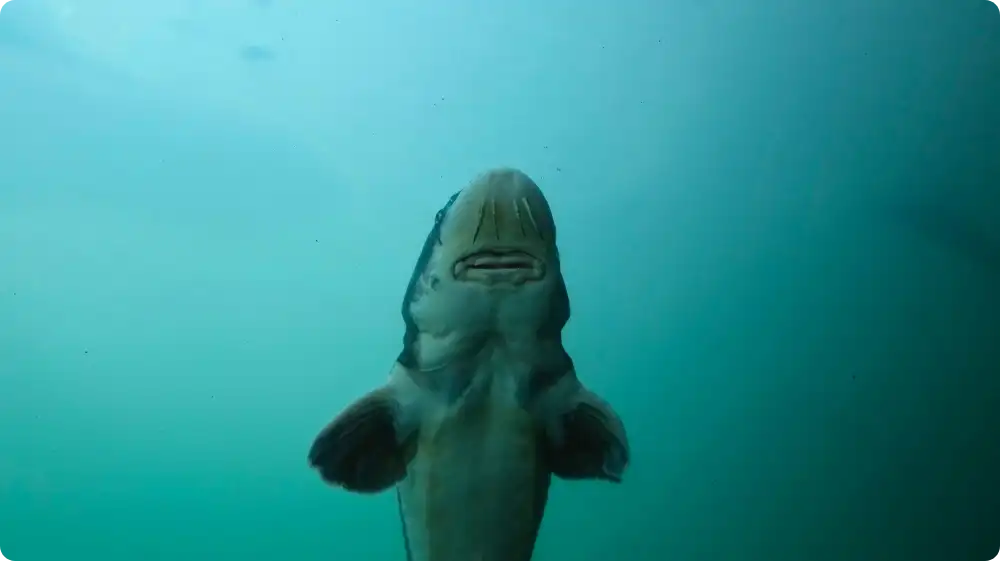
Galeophobia, or fear of sharks, is a recognised specific phobia where individuals experience extreme fear, anxiety, or panic when exposed to sharks, whether real, on-screen, or imagined. This condition may stem from trauma or media influence and often leads people to avoid oceans, beaches, and even aquariums. Understanding galeophobia symptoms is the first step toward managing this phobia.
Galeophobia is classified as a type of anxiety disorder known as a specific phobia. It involves an excessive and disproportionate fear of sharks, often triggered by visuals, thoughts, or discussions about sharks. While it may sound unusual to some, this fear can have a serious impact on quality of life. In some cases, it's linked to a traumatic experience, but it can also develop through cultural and environmental factors.
Around 30-50% of people report a fear of sharks, but only a small percentage meet the criteria for galeophobia, a specific phobia. Despite this fear, the odds of a fatal shark attack are less than 1 in 3.7 million globally.
Galeophobia, the intense fear of sharks, can trigger both physical and emotional distress, even when no real threat is present. From panic attacks to avoiding oceans entirely, the symptoms can seriously impact daily life and mental well-being.
Rapid heartbeat or palpitations
Shortness of breath or difficulty breathing
Sweating or chills
Nausea or stomach discomfort
Trembling or shaking
Dizziness or light-headedness
Intense anxiety or panic at the sight, thought, or mention of sharks
Persistent, irrational fear that is difficult to control
Avoidance of beaches, oceans, or even media showing sharks
Feelings of dread or impending doom
Obsessive thinking about shark attacks or ocean safety
Refusing to swim or enter the ocean
Avoiding aquariums or water-based holidays
Skipping films, documentaries, or news stories featuring sharks

Galeophobia can be triggered by a variety of experiences and stimuli, even when no sharks are present. Common triggers include:
Personal or second-hand traumatic experiences related to the ocean
Swimming in deep or open water
Visiting aquariums or marine exhibits
Hearing stories of shark encounters
Watching shark-related films (e.g., Jaws, The Meg)
News reports or documentaries about shark attacks
Images or videos of sharks on TV or social media
These triggers can provoke intense fear, anxiety, or even full-blown panic in those with galeophobia.
Struggling with fears like galeophobia? Start your journey to better Mental Health First Aid Courses. Enrol in Hurak's Mental Health First Aid Course.
Galeophobia, like many specific phobias, can develop from a mix of psychological, environmental, and even cultural influences. Common causes include:
Past trauma: A personal or witnessed traumatic experience involving the ocean or marine animals can lead to long-term fear.
Media influence: Movies, documentaries, and news stories often exaggerate shark aggression, creating lasting fear.
Learned behaviour: Seeing a parent or peer display fear of sharks can cause someone to adopt the same response.
General anxiety: People with anxiety disorders may be more likely to develop specific phobias, including galeophobia.
Evolutionary fear: Some researchers believe humans may be predisposed to fear large predators like sharks as a survival mechanism.
Galeophobia is typically diagnosed by a mental health professional, such as a psychologist or psychiatrist. The process involves:
Clinical interview: The practitioner will ask about the individual's fears, their intensity, duration, and how they affect daily life.
DSM-5 criteria: To be diagnosed as a specific phobia, the fear must be persistent, excessive, last for at least six months, and cause significant distress or impairment.
Rule out other conditions: The clinician will ensure symptoms aren't better explained by another anxiety disorder, PTSD, or obsessive-compulsive disorder
Galeophobia, like other specific phobias, is treatable. Effective treatment options include:
Cognitive Behavioural Therapy (CBT): Helps individuals challenge irrational thoughts and gradually reduce fear responses.
Exposure Therapy: A form of CBT where individuals are slowly and safely exposed to shark-related stimuli to desensitise their fear.
Relaxation techniques: Breathing exercises, mindfulness, and meditation can help manage anxiety symptoms.
Medication: In severe cases, doctors may prescribe anti-anxiety medications or beta-blockers to control physical symptoms.
Virtual Reality Therapy: A modern tool that safely simulates shark-related environments to help reduce fear through controlled exposure.
If you're struggling with an intense fear of sharks, know that galeophobia is nothing to be ashamed of. Like many phobias, it can seriously affect your quality of life, but it's also treatable. Therapy, education, and coping strategies can make a huge difference. Taking the first step to understand your fear is already a move toward overcoming it.
Galeophobia is the irrational and intense fear of sharks, often causing anxiety or panic even when no real threat is present.
Yes, galeophobia is classified as a specific phobia, a type of anxiety disorder under the DSM-5 diagnostic criteria.
Yes, shark-related films and dramatic news stories can trigger or worsen a phobia of sharks, especially in individuals prone to anxiety
Treatments include Cognitive Behavioural Therapy (CBT), exposure therapy, relaxation techniques, and in some cases, medication for managing anxiety.
While it may not completely go away for everyone, galeophobia can be effectively managed and significantly reduced with the right therapeutic approach.
Courses
Upskill with job-ready training.
Mock Tests
Measure your learning progress.
Create an online video course, reach students across the globe and earn money