

How to Reheat Food Safely More Than Once
Ideally, do not reheat food more than once. However, under appropriate conditions, food reheated two or three times is safe to eat. When it comes to reheating leftover food more than once, whether they are home-cooked meals or dine-in takeaways, appropriate heating and storage temperatures play an important role in determining food safety.The Safety of Reheating FoodFood reheated more than once is safe if correct temperatures and proper handling conditions are followed. Although fresh food is ideal, you can safely reheat it at an appropriate temperature, using proper storage methods and suitable cooking tools.How Many Times Can You Reheat Food?It is best to eat fresh food, right after it comes out of the oven or off the stove. Food should be reheated only once, as suggested by the Food Standards Agency (FSA).If you are unsure about the odour, texture or palatability of leftover food, it is best to dispose of it. Reheating should not be done quite frequently.Each time food is reheated, its safety and quality becomes questionable. However, by following certain guidelines reheated meals can be enjoyed without concerns about food safety.Do not Reheat These Foods More Than OnceIt is safe to reheat most foods more than once under suitable temperature and storage conditions. However, there are certain foods that should not be reheated more than once. This is because frequent reheating, even if done properly, negatively affects their taste, quality, texture and overall safety. Examples of foods that should not be reheated more than once include:PrawnsFishMilkCheeseCustardCooked RiceGnocchiSoupsThe Safe Method to Reheat Food LeftoversThe safe method to reheat food leftovers requires knowledge about the correct reheating temperature, refrigeration conditions and suitable reheating equipment.Safe Reheating Temperature and Duration for Food LeftoversIt is preferable to reheat food at 165�F (74�C) for a duration of at least 2 minutes.�Achieving proper internal temperature of food to kill any bacterial growth that may have occurred during storage is the most important aspect of reheating food safely.�Food safety guidelines in England require reheated food to reach an internal temperature of at least 70 �C (158�F). In Scotland, a minimum reheating temperature of at least 82 �C (180�F) is allowed.Safe Fridge and Freezer Storage for Food LeftoversStored food must be kept refrigerated at below 5�C and frozen between 0�C and -18�C. Leftover cooked food can be stored safely for up to 3 to 4 days, with some exceptions. Any unconsumed portions of food must be stored within 2 hours.Proper refrigeration and freezer storage of food can help preserve food to maintain its safety and hygiene.Safe Reheating Equipment for Food LeftoversFood should be reheated to the ideal internal temperature of 165�F (74�C) on air fryers, stovetops, microwave ovens and conventional ovens. It is important to note that slow heating devices are not recommended for reheating leftovers.Reheating Food in an Air fryerAir fryers are a recent invention in the world of cooking that serve dual purposes of cooking and reheating. While reheating food in an air fryer, set the temperature to 350�F (175�C) and reheat food for a few minutes. Check that its internal temperature reaches 165�F (74�C). Allow frequent stirring for proper heating. Air fryers provide convenience for preserving flavour and moisture content of your reheated food.Reheating Food in a Slow CookerSlow heating devices, such as a slow cooker, are not recommended for reheating leftovers. It carries the risk of food remaining over-exposed to temperatures in the danger zone, between 40 �F and 140 �F. The danger zone temperature� increases the growth rate of food bacteria.Reheating Food in Conventional Ovens, Microwave Ovens and StovetopsConventional ovens reheat food evenly but may take longer than other heating devices. Reheating in microwave ovens requires periodic stirring for even heating. Accurate temperature control can be achieved with stovetops but may demand our undivided attention.Defrosting and Reheating Frozen FoodCompletely defrost frozen food before reheating, by placing it from the freezer to the fridge, kept at a temperature range of 0�C- 4�C. It is not recommended to defrost food at room temperature or in a microwave. This is to avoid exposure to undesirable temperatures that promote bacterial growth in food.Reheating Frozen Food TwiceOnce frozen food has been thawed, it is recommended to reheat it only once to prevent the risks of spoilage and microbial contamination. However, frozen food can be reheated more than once provided that it is thoroughly heated to an internal temperature of 165�F (74�C) to completely destroy harmful bacteria.For more information, visit our blog article, �Cooking Raw Frozen Food Without Defrosting.�Probe Thermometer to Check Food TemperatureThe reading on the thermometer will indicate whether the food has undergone any contamination or spoilage due to bacterial growth. Check temperature using an appropriate metal stem probe thermometer to detect microbial spoilage in food.Safe Reheating of Food for ChildrenThe NHS suggests that reheating cooked food for a child should only be done once. Microwaved food should be stirred properly to avoid any air pockets before feeding the baby. While reheating, food must be hot and cooled before serving.Refrigerating Food LeftoversReheated food must be allowed to cool properly before storage. For rapid cooling, food can be placed in an ice bath and chilled before placing it in the fridge.Common Risks of Reheating FoodCommon risks concerned with reheating food include inappropriate temperatures leading to uneven heating and if the food has been stored at room temperature for a prolonged period of time. These risks lead to food poisoning, anti-palatability and consumer dissatisfaction.Inappropriate Temperatures and �Hot Spots�If food is reheated at an incorrect temperature, certain parts of food reach higher temperatures than others. This creates �hotspots� that act as breeding grounds for food pathogens. Pockets of hot and cold portions of food can also lead to an unsatisfactory taste and lack of appetite for the meal.Prolonged Storage at Room temperatureThe chances of bacterial contamination increase if food is stored at room temperature for a prolonged period of time. At room temperature, food is susceptible to �Danger Zone� temperatures between 40�F (4�C) and 140�F (60�C). At these temperatures, bacteria thrive and multiply, leading to food spoilage.Food poisoning and Consumer Health ImpactsA negative consequence of consuming unsafe reheated food is food poisoning, due to entry of pathogens such as Campylobacter and Salmonella into the human body. Common symptoms of food poisoning include nausea, vomiting, diarrhoea, and in severe cases, hospitalisation or even death.Impact on Commercial Food ProductsFood reheating and storage protocols are important to uphold the reputation and popularity of a food business. If customers face health concerns due to low food quality, the demand for the food product can decline. This can result in financial losses for the food company. For consumer loyalty and trust, safe food reheating and storage guidelines should be followed.Common Mistakes in Reheating FoodSeveral common mistakes can compromise the safety and quality of reheated food. These include use of plastic or metal containers, reheating food at incorrect temperatures, and uneven heating.Use of Plastic or Metal ContainersPlastic containers, when exposed to high temperatures, can pass on undesirable chemicals to food. Sparking can occur on uneven heating with metal containers. It is preferable to use ceramic or microwave safe-glass containers to heat food evenly, to avoid chemical leaching.Reheating Food at Inappropriate TemperaturesThe appropriate temperature to reheat food is at least 165�F (74�C) to destroy bacterial growth. If reheated at an inappropriate temperature, any bacteria present in food will not be completely destroyed. This increases the risk of food poisoning. It is recommended to use a food thermometer to make sure that food has achieved desirable reheating temperatures.Lack of Stirring for Even HeatingWhen one does not stir food properly while reheating, some portion of food may become burnt while the rest would be left under-heated. This reduces palatability and promotes microbial growth in food. Constant stirring while reheating helps distribute heat evenly throughout the food, confirming food hygiene. .second-cta-block .main-heading { font-weight: bold; font-size: 22px; } .second-cta-block .book-now { background: #DF3D52; color: #FFFFFF !important; border-radius: 8px; } .second-cta-block .second-heading { font-size: 17px; } .second-cta-block .card { border: 0 !important; } .second-cta-block .card-body { border: 1px solid #909090; box-shadow: rgba(0, 0, 0, 0.16) 0px 1px 4px; border-top-right-radius: 100px; border-bottom-right-radius: 100px; background: #fdf9ee; } .second-cta-block .image-wrapper { height: 330px; position: absolute; right: -60px; top: calc(50% - 210px); /* Center the image vertically */ } .second-cta-block .image-wrapper img { height: 100%; } .second-cta-block .trustpilot-widget { width: 256px; } .cta-heading-section { width: 75%; } @media screen and (max-width:991px) { .second-cta-block { padding-top: 100px; } .second-cta-block .card-body { border: 1px solid #909090; box-shadow: rgba(0, 0, 0, 0.16) 0px 1px 4px; border-radius: 19px; border-radius: 14px; background: #fdf9ee; } .cta-heading-section { width: 100%; padding-top: 50px; } .second-cta-block .image-wrapper { height: 270px; right: 0; position: absolute; left: calc(50% - 90px); top: calc(50% - 315px); } } Get Online Food Safety Courses Food Hygiene And Safety Check the Course Rated Excellent on major review sites When to Discard Reheated Food?Sometimes bacterial activity can cause contamination in food that undergoes proper reheating. Unusual flavours, odours and texture are signs of discarding the reheated food and it�s best not to eat it.�OdourThe most prominent sign of spoilage is foul and unusual odour which could imply chemical changes in food due to bacterial contamination.FlavourUncharacteristic or sour flavour of food that is different from its original taste is another sign of food spoilage due to bacterial activity.TextureIf reheated food has become slimy or semi solid in nature, indicating unusual consistency of food, the reheated food must be discarded immediately.It is best to practise vigilance when examining reheated food before eating it. Carefully identify the signs of food spoilage in terms of foul odour, uncharacteristic flavour and inconsistent texture. Even if reheated under desirable conditions, reheated food can still become inedible due to microbial pollution.Can You Reheat This Food More Than Once?Cooked RiceIt is not recommended to reheat rice more than once. Rice must not be stored in the fridge for more than a day. While reheating cooked rice, add a small quantity of water and heat it in a microwave, checking its consistency with a fork. This will prevent rice from becoming dry or lumpy.ChickenUse of a low-temperature oven when reheating chicken maintains its stable water content. To retain the original flavour of the meat, cover it with an aluminium foil to retain moisture.Stir-fryIn a frying pan, reheat the stir-fry chicken using a small amount of oil for 2-5 minutes, with continuous stirring.For more information, visit our blog article �Can You Reheat Pork?�ConclusionReheating food leftovers more than once can be safe if proper precautions are taken. While it's best to eat food fresh, reheating can be done safely at the correct reheating and storage temperatures. Using suitable reheating equipment and even heating of food are other measures that allow people to enjoy leftover meals without worrying about food safety.
Can you reheat food
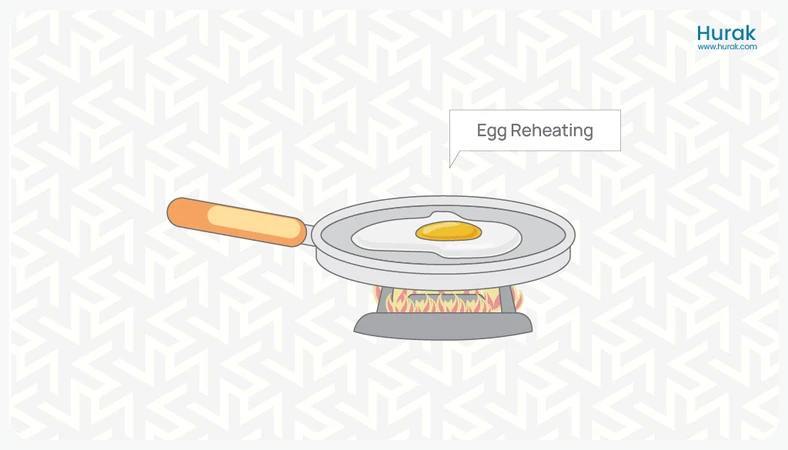
Reheating food once is recommended by the Food Standards Agency (FSA). However, with special attention to food safety guidelines, reheated meals can be enjoyed without affecting quality.General Safety of Reheating FoodFood safety guidelines require food leftovers to be evenly heated to an average internal temperature of �165�F (74�C) for a duration of at least 2 minutes in microwaves and stove tops. Reheating food in baking ovens requires higher temperatures and more time. For even heating, frequent stirring is preferred. Proper storage and defrosting of leftover food is done at the correct refrigeration temperature range between 0�C and 4�C.For more information, visit our blog article �The Safety of Reheating Food More Than Once.� .second-cta-block .main-heading { font-weight: bold; font-size: 22px; } .second-cta-block .book-now { background: #DF3D52; color: #FFFFFF !important; border-radius: 8px; } .second-cta-block .second-heading { font-size: 17px; } .second-cta-block .card { border: 0 !important; } .second-cta-block .card-body { border: 1px solid #909090; box-shadow: rgba(0, 0, 0, 0.16) 0px 1px 4px; border-top-right-radius: 100px; border-bottom-right-radius: 100px; background: #fdf9ee; } .second-cta-block .image-wrapper { height: 330px; position: absolute; right: -60px; top: calc(50% - 210px); /* Center the image vertically */ } .second-cta-block .image-wrapper img { height: 100%; } .second-cta-block .trustpilot-widget { width: 256px; } .cta-heading-section { width: 75%; } @media screen and (max-width:991px) { .second-cta-block { padding-top: 100px; } .second-cta-block .card-body { border: 1px solid #909090; box-shadow: rgba(0, 0, 0, 0.16) 0px 1px 4px; border-radius: 19px; border-radius: 14px; background: #fdf9ee; } .cta-heading-section { width: 100%; padding-top: 50px; } .second-cta-block .image-wrapper { height: 270px; right: 0; position: absolute; left: calc(50% - 90px); top: calc(50% - 315px); } } Get Online Food Safety Courses Food Hygiene And Safety Check the Course Rated Excellent on major review sites Can You Reheat Meat?Reheating meat can be done safely, if the correct temperature and storage conditions are thoroughly followed.ChickenReheating cooked chicken is safe but it is important to avoid moisture loss and changes in texture. Reheat chicken to an internal temperature of 74�C (165�F) for a minimum of 2 minutes. Reheating chicken in a microwave multiple times should be avoided as it can drastically lower its quality and taste.If leftover chicken is stored in the fridge for more than four days, it is safer to discard it. However, cooked poultry can be safely stored in the freezer for up to 6 months.Pork and Pork ProductsReheating pork dishes is safe, but maintaining their taste and texture can be a difficult task. This is particularly difficult for roast pork or pork chops, which may become dry and tough. Proper storage is required for reheating pork food.�To keep pork safe for later consumption, do not leave it out at room temperature for more than two hours.SausagesYou can reheat sausages using the microwave or stovetop. Before reheating, cut the sausages lengthwise into two halves and add a small amount of water. This will prevent them from drying out. Refrigerate or freeze leftover sausages within two hours and consume it within three days.BaconBacon can be reheated in an oven by baking it on a wire rack or foil-lined baking sheet until it is heated internally.GammonLeftover gammon can be reheated in either sliced form or as a whole joint. Warm the gammon and place it on a baking sheet at a suitable temperature.ChorizoChop the chorizo into smaller pieces for even reheating. Spread the slices on a microwave-safe plate, preferably in a single layer. Reheat in short intervals of 30 seconds to a minute, to avoid overcooking.BeefReheating beef dishes is safe. Using a microwave or stove top are preferred methods as oven reheating can lead to dryness and toughness. For best results, consider reheating beef in sauces like gravy, casseroles, or pies to retain moisture. Beef dishes already in sauce can be reheated as is or with a small amount of water in the microwave or stovetop.SteakReheating steak can be carried out by the use of a damp paper towel on top of the steak. Then heat it on medium, rotating the meat in between, for at least 2 minutes.�LambLike other meats, reheating should bring the cooked lamb to an internal temperature of 165�F (74�C), measured with a thermometer. Proper storage and defrosting procedures are essential before reheating. Portions should be cooled, sliced, wrapped in foil, and frozen for later use. For leftover frozen lamb, thaw or defrost it in a refrigerator.DuckIt is safe to reheat leftover duck. Place the duck in a microwave-safe dish and add broth or water, to prevent dryness. A plastic wrap or a paper towel can be used to cover the dish. Reheat the duck for 2-3 minutes on medium heat, until the temperature reaches at least 165�F (75�C) before serving.Meat BallsThe correct method to reheat meatballs depends on whether they are served with sauce or not. When serving with sauce or gravy, reheat them gently on the stovetop by combining them with the sauce in a pan over low heat. If not served with sauce, reheat them in the oven making sure they are warmed evenly without drying out.HaggisHaggis can be frozen and reheated for later use. When reheating, defrosting in the refrigerator from the frozen state is important. Haggis can be reheated either by steaming or microwaving.KebabReheating kebab is safe the day after but not recommended beyond that due to meat freshness concerns. Use a microwave or heat on a stove to retain juices. Cool leftovers completely before refrigerating in airtight containers.Can You Reheat Seafood?When reheating seafood dishes, it is important to address timing and method for suitable taste and safety. Cooked fish can typically be reheated within four days, with the addition of onions or garlic, to improve flavour.PrawnsIt is best to reheat prawns once to avoid texture issues. Make sure prawns reach an internal temperature of 165�F (74�C) for safe consumption, whether reheating from frozen or thawed.FishMinimum internal cooking and reheating temperature for fish is 70�C (158�F), for a time span of 15 seconds. Preheat the oven and place seafood in a buttered dish and cover with foil. Bake for around 15 minutes. For salmon, preheat to 275�F (135�C).It is advisable to only reheat fish once to avoid bacteria growth. Reheating to boiling confirms safety but may affect taste. Proper reheating maintains both safety and flavour.TunaCanned tuna and casseroles can be reheated by using a standard reheating method. For tuna steaks, reheating is possible if they are refrigerated properly. If the tuna steak has been lightly pan-seared and remains rare in the middle, a quick sear should be enough, preserving its quality.Can You Reheat Eggs and Dairy Foods?Leftover cooked eggs and egg-based dishes can be safely enjoyed if they are stored correctly and reheated to a sufficient temperature.Several reheating techniques are suitable for different types of cooked eggs and egg dishes. Internal temperature should reach at least 165�F (74�C) before serving. Reheating cooked egg dishes does not affect their nutritional value but may undergo minor changes in texture or taste.EggsWhile reheating eggs is generally safe, not all types of cooked eggs reheat well. Scrambled eggs and omelettes can be reheated. Hard-boiled eggs, whether shelled or not, can be safely reheated by placing them in boiling water for a few minutes. It is safe to reheat fried eggs but they may become tough and rubbery.MilkWhen using the microwave, reheat milk on medium to high power, stirring every 15 seconds until steam rises. On the stovetop, reheat directly in a saucepan with regular stirring.Reheating milk is possible but not advisable, as it may form a gritty texture and lose its flavour. If reheating is necessary, store the milk in the refrigerator in an airtight container. Make sure not to keep reheated milk for more than two days and discard any leftovers after this period.CheeseMany dishes containing cheese can be reheated either in the oven or microwave, but only once. Refrigerate them within two hours of cooking and consume them within 2 to 4 days to maintain freshness and safety.CustardIt is important to note that the custard can be stored in the refrigerator for a maximum of 48 hours. When reheating, use a very low heat and stir continuously until the custard is thoroughly heated. Do not bring it to a boil. Reheat only once and serve immediately.PaneerIt is safe to reheat paneer in a microwaved covered dish. Avoid overheating that can lead to a tough texture. Upon reaching the desired temperature, remove the dish from the microwave. This will maintain better taste and texture.Can You Reheat Grains and Legumes?Reheating grains and legumes is possible, if done the right way. The cooked grains and legumes can be stored in the refrigerator for a maximum of four days or in the freezer for up to six months. Thoroughly reheat them before consumption and discard any remains having unpleasant odours or appearances.PastaReheat pasta with bolognese sauce in the oven. Add extra sauce or oil if needed, and bake under appropriate conditions. For pasta without sauce, boil water and immerse the sauce-free pasta for 30-40 seconds. You can also use a metal strainer submerged in boiling water for a brief reheating period. Drain and serve.NoodlesA recommended method for reheating noodles without sauce involves placing them in a metal strainer. Then submerge them in boiling water until warmed, for approximately 30 seconds. This technique maintains texture due to the brief exposure to intense heat.QuinoaThe best approach for reheating cooked quinoa is in the microwave. Place thawed or frozen quinoa in a microwave on high heat until it reaches the appropriate temperature.OrzoLike any pasta, leftover orzo might become slightly dry. Add water before reheating. For extra flavour, add lemon juice and seasoning with salt and pepper.Bulgar WheatBulgur, once cooked, can be stored in the refrigerator for up to four days. When reheating refrigerated bulgur, place it in a saucepan with a small amount of water. Cook over medium heat until it is heated thoroughly.LentilsTo reheat lentils, place the dish in a microwave and add a small amount of water or stock. Cover the dish and microwave it, stirring periodically until heated to 165�F (74�C).Kidney BeansReheat kidney beans once to preserve taste and texture. Make sure there is enough moisture during reheating. Kidney beans should be stored correctly in the fridge or freezer.Baked BeansReheating baked beans is feasible if they have been properly stored in a sealed container and refrigerated within 2 hours. Consumed leftover baked beans within three days. Baked beans must never be reheated in the original metal container. Achieve an appropriate reheating temperature to at least 165�F (74�C).ChickpeasTo reheat, soak the chickpeas in freshwater and bring it to a boil. This is achieved on a stove top for 5-6 minutes, or in a microwave for 1-2 minutes.Cooked RiceTo reheat leftover rice using a microwave, add 2 tablespoons (30 ml) of water per cup of rice. Microwave for 3�4 minutes until hot at a temperature of 165�F (74�C). For stir-frying, use oil in a pan over medium heat, breaking up clumps and checking temperature with a thermometer. Avoid reheating rice more than once.Can You Reheat Vegetables?While reheating vegetables is possible, it is important to be cautious and avoid overheating them. Studies indicate that exposing vegetables like spinach, carrots, turnips, or celery to intense heat can convert their high nitrate content into harmful toxins. This can lead to health issues such as cancer and infertility. However, there are safe methods to reheat vegetables.QuicheFor reheating of quiche, preheat the oven to 350�F (180�C) allow the chilled quiche to reach room temperature. Then, set it on a wire rack in the oven and warm for 10-15 minutes. To prevent the crust from burning, loosely cover the quiche with foil during reheating.Baked PotatoesReheating baked potatoes can be done by slicing them into quarters. This is followed by covered microwaving for 2 minutes. For oven reheating, baking at 350�F (177�C) for at least 20 minutes is recommended.Garlic BreadReheating garlic bread is safe. Using an oven to reheat your garlic bread is recommended. Wrap the bread in foil and place it in the oven at 350�F (177�C) for 10-15 minutes.Corn on the CobTo reheat corn on the cob, there are several convenient options. In the microwave method, place the corn in a dish with water. Cover it with a damp towel, and microwave in intervals until heated to an appropriate temperature. Boiling the corn for a few minutes is another quick method. If you prefer the grill, brush the corn with oil or butter. Rotate it every 30 seconds until warm.Can You Reheat This Food?SpaghettiFor reheating spaghetti without affecting texture, the stovetop method is a suitable option. In a pan, place the leftover spaghetti with a small amount of olive oil or water to generate steam. Warm over low to medium heat, stirring at regular intervals until the dish is thoroughly heated. This reheating method saves up moisture and keeps your spaghetti fresh.GnocchiYou can reheat gnocchi using a stovetop. Boil water with salt and add gnocchi to the boiling water. Let it warm for 30 to 60 seconds, then remove. Oven reheating requires preheating to 320�F (160�C). Place gnocchi in a dish with water, and heat for 10-12 minutes. Gnocchi should only be reheated once for safety and quality.LasagnaReheating a whole lasagna is feasible and convenient. For microwave reheating, individual servings can be placed on a microwave-safe dish. Sprinkle water on the dish and cover with a paper towel. Heating in 90-second intervals is advised to avoid overheating.BurgersReheating burgers is quite simple and easy. Cook the burgers until the centre of the patty reaches 165�F (74�C). If you are adding cheese, do it during the last 1 to 2 minutes of cooking.SoupIt is best to thaw frozen soup in the refrigerator before reheating. Once thawed, you can reheat it either on the stove or in the microwave. To preserve quality, avoid reheating soup more than once, heating only the required time.When reheating clear soups or broths, bring them to a boil for three minutes. However, for soups containing thickeners like cream or flour, boiling can change the flavour and texture. Instead, bring them to a boil, then reduce the heat while stirring continuously for 3 minutes.Frozen CurryReheating frozen curry is straightforward. You can either defrost it beforehand or reheat it directly from frozen. If reheating from frozen, microwave it until it is hot enough. Stir for even heating.Dumplings (Fried or Steamed)Dumplings can be reheated but not in a microwave as it can affect the texture unfavourably. Steamed dumplings are best reheated by steaming them once more. Fried dumplings can be reheated by briefly steaming, then adding a small amount of oil for a crisp finish.Gravy For a quick reheating method for gravy, transfer the gravy to a shallow microwave-safe dish. Stir between intervals, until it is in steaming liquid form.PorridgePorridge can be reheated in a microwave, until it becomes piping hot. Stir thoroughly before eating with the addition of a small amount of liquid. Porridge can be kept safely refrigerated for up to 5 days and frozen for up to 3 months.ConclusionWhether you are reheating meat, seafood, dairy, grains, or vegetables, there are a number of suitable reheating methods to suit your taste and convenience. Some foods such as cooked rice and gnocchi should not be reheated more than once. Regardless of the type of food, it is recommended to confirm proper storage of leftovers. Use appropriate reheating temperatures to maintain food safety and quality.

Teaching Assistant Qualifications: What You Need to Know
Being a teaching assistant is a challenging yet rewarding role. It doesn�t necessarily require any specific qualifications but increases one's chances of getting a job. Obtaining teaching assistant qualifications will help one learn more, develop one's skill set, and get better opportunities.This blog gives you an overview of various teaching assistant qualifications.Which Qualifications Do I Need to Become a Teaching Assistant?There is no standard requirement in the UK to become a TA, as each institute decides these requirements on its own. Some institutions can accept your job application without relevant qualifications. However, the teaching assistant role is very competitive, and candidates with nationally recognised teaching assistant qualifications are more likely to get the job.Who are Teaching Assistant Qualifications Aimed at?Teaching assistant qualifications are designed for individuals looking to begin their careers as teaching assistants or already serving in this role. These qualifications help them refresh their knowledge and develop their careers further.Most Popular Teaching Assistant QualificationsIf you want to begin a career as a teaching assistant, you will only require fundamental literacy skills, usually GCSE or equivalent (National 4 or 5 qualifications in Scotland) in maths or English. You must also have experience working with kids.Even though having a degree isn't mandatory to be a teaching assistant, it can significantly impact your resume. It shows that a candidate is competent and has gained the skills to get this role.The following qualifications help learners to understand the knowledge and skills required to work in this role. However, obtaining these qualifications is optional.Level 2 and Level 3 QualificationsThe Level 2 and Level 3 teaching assistant qualifications are suitable for individuals wishing to begin their career as a teaching assistant or new to this field. However, it requires you to either be already working in this role or have a practical placement in a school environment.Level 2 and Level 3 ApprenticeshipHere�s another pathway to getting training to be a teaching assistant: opt for a Levels 2 or 3 intermediate or advanced apprenticeship. During this training, you will work in an institute and will receive a salary.The Level 2 Award in Support Work in SchoolsThe Level 2 Award in Support Work in Schools is an entry-level teaching assistant qualification that you can enrol in with no prior experience. It covers the fundamental topics related to supporting children in a school.Level 3 Award in Supporting Teaching and Learning in SchoolsThe Level 3 Award in Supporting Teaching and Learning in Schools can also be completed without a school placement. It is a more advanced qualification than the Level 2 award. This higher-level teaching assistant qualification will give you more recognition by employers. However, it takes longer to complete.Level 4 Certificate in Higher Level Teaching AssistantThe Level 4 Certificate in Higher Level Teaching Assistant is one of the advanced level teaching assistant qualifications. To enrol on this qualification, you must demonstrate your experience in a teaching assistant role. If you wish to get appointed to more advanced roles, this qualification helps you to develop certain skills and knowledge to make you eligible for those roles.Skills Required to be a Teaching AssistantYou must have:a positive approach to working with childrenstrong regard for children's well-beingrespect for diversitycommunication and interpersonal skillsreading, writing and numeracy skillsexcellent teamwork skills for working with otherscreative abilitypatiencea flexible approach to workorganisational skillsa professional attitude to workSpeaking the local language fluently may be advantageous when working with students who are learning English as a second language (EAL). First aid, Makaton, and British Sign Language proficiency are a few other useful skills.Work ExperiencePrior experience will be helpful when trying to get a job as a teaching assistant. Work experience could include positions in:childcare and educational environmentsnurseriessports-related activitiessummer programmesworking as a youth tutorEven though few formal programmes are available for job experience, many schools accept inquiries for volunteer work. Make direct contact with them and tell them about your professional goals and the causes you would like to support, such as after-school clubs, IT, or literacy.If you're unsure, check with employers. Degrees in education, youth work, and childhood studies that include practical placements should be considered experience. Participating in your university's student ambassador role might provide additional beneficial experiences.Career Prospects After Completing Teaching Assistant QualificationsYou can advance through the grades as a teaching assistant, starting at entry level and ending at HLTA. Gaining experience, obtaining the necessary certifications, and receiving training will help you advance.You'll assume more responsibilities as you go. You will be responsible for lesson preparation, creating support materials, and giving unsupervised instruction at the HLTA level. It's possible that you'll also have to help out other TAs.You can also coordinate activities in specialised curricular learning or assistance areas, such as SEN, literacy, or IT.

All You Need to Know About a Teaching Assistant
What is a Teaching Assistant?As the name suggests, a teaching assistant provides assistance to teachers. A teaching assistant works closely with a teacher in planning lessons, setting up classrooms for lessons, and assisting students with their learning. Being a teaching assistant is a challenging but rewarding role. This role is ideal for individuals with a passion for helping children.The Roles and Responsibilities of Teaching AssistantsTeaching assistants play diversified roles, and their responsibilities depend on the schools they are working at. The roles and responsibilities of a teaching assistant may include:Preparing the classroom before lessonsHelping teachers manage the classAssisting teachers in planning activities for learningCarrying out administrative tasksTaking care of learning equipment before or after lessonsHelping students in listening and readingProviding help to students requiring additional supportMonitoring group activitiesHelping with co curricular activitiesSome teaching assistants work directly with students, while others work in small groups to support students. Teaching assistants. Many schools prefer skills-based hiring teaching assistants with specific areas of expertise, such as music, creative arts, special educational needs (SEN), etc.When a teacher is absent due to illness or undergoing training, classes are typically supervised by knowledgeable and highly skilled teaching assistants. Higher level teaching assistants (HLTAs) can also occasionally lead a lesson in the presence of a qualified teacher,Day-to-Day TasksA teaching assistant helps in:preparing lesson materialssetting up classrooms for learningensuring students have understood lessonsoverviewing the overall progress of the studentslooking after childrenleading classes in the presence of a teacherQualities & Skills Required to Be a Teaching AssistantIn today�s classrooms, technology plays a central role, with many schools relying on Macs and other devices for learning and administration. A teaching assistant should therefore be comfortable handling basic digital tasks, including installing or uninstalling programs, to keep devices running smoothly and ready for student use. If you want to become a teacher assistant, you must have:Ability to develop good relationships with children.Good communication skillsActive listening skillsPatience and skills to stay calm in every situationFlexibility to adapt to working on different activitiesPolite behaviourSkills to provide the best conditions for learningAbility to use a computer, laptop, or tablet.The above mentioned skills are not technical skills to become a teaching assistant. However, anybody wishing to become a teaching assistant must possess these qualities and skills to carry out day-to-day tasks effectively.How to Become a Teaching AssistantBecoming a teaching assistant does not require any specific qualifications. However, acquiring the right teaching qualifications will add value to your resume and position you as a stronger applicant. They will also provide the fundamental knowledge and skills to help you in the work.Following are the ways to become a teaching assistant:a college coursean apprenticeshipvolunteeringapplying directly�Qualifications�Entry requirementsA College Course-� Level 2 or 3 Certificate in Supporting Teaching and Learning in Schools- Level 3 Diploma in Childcare and Education- T Level in Education and Early Years- 2 or more GCSEs at grades 9 to 3 (A* to D), or equivalent, for a level 2 course- 4 or 5 GCSEs at grades 9 to 4 (A* to C), or equivalent, for a level 3 course- 4 or 5 GCSEs at grades 9 to 4 (A* to C), or equivalent, including English and maths for a T levelAn Apprenticeship- Teaching Assistant Level 3 Advanced Apprenticeship- 5 GCSEs at Grades 9 to 4 (A* to C), or equivalent, including English and mathsVolunteering- One possible way to gain experience is volunteering at a nearby school or community organisation. Sometimes, volunteering results in paid employment or the opportunity to achieve a certification.- No entry requirementsApplying Directly- Schools, local authorities, and academy trusts all accept direct applications for jobs.�- You will have an advantage if you have training in youth work, playwork, childcare, or nurseries.- The entry requirements for each school vary but generally speaking you'll need GCSEs in math and English from grades 9 to 4 (A* to C).�- You�ll also need to demonstrate your ability to collaborate effectively with parents, teachers and kids.�What Qualifications Do You Need for a Teaching Assistant in the UK?GCSEs (or equivalent)Typically, schools will require candidates to have a minimum of Grade C/4 or above in English and Mathematics, although some may also require qualifications in other subjects.Level 2 or Level 3 Teaching Assistant QualificationMany schools prefer candidates to have completed a relevant qualification such as a Level 2 or Level 3 Certificate or Diploma in Supporting Teaching and Learning in Schools. These qualifications provide training and knowledge in areas such as child development, safeguarding, and supporting learning activities.ExperienceWhile not always essential, having relevant experience working with children or in an educational setting can strengthen your application. This could include volunteering, placements, or previous employment in schools or childcare settings.Career Path and ProgressionOnce you begin working as a teaching assistant, it's crucial to keep improving your skills. For that, you must take advanced qualifications, which enhance your knowledge and skills at work and help your career grow.Advanced QualificationsLevel 3 Diploma in Specialist Support for Teaching and Learning in Schools (RQF)Level 3 Certificate in Supporting Teaching and Learning in Schools (RQF)Level 3 Award in Supporting Teaching and Learning in Schools (RQF)Continued LearningYou must continue learning if you want to progress in your career. Completing new courses will help you learn the latest teaching practices and methodologies. When choosing a new course for enhanced learning, you should consider courses in specialised areas, such as special needs education.Workshops and SeminarsYou must also participate in seminars and workshops related to education and teaching. These seminars are often led by highly recognised and experienced professional who share their experiences. You get an opportunity to learn about the latest trends and research in the field. Apart from learning, you also interact with them and develop good public relations.What is the Difference Between a Teacher and a Teaching Assistant?Teachers and teaching assistants play important roles in the education system but have distinct responsibilities and qualifications. Here are the key differences between the two roles:�TeacherTeaching AssistantResponsibilitiesPlanning and delivering lessonsAssessing student progressCreating a positive learning environmentManaging the overall classroom dynamics.�Instructing students in specific subjects or areas of study.Supporting teachers in the classroom�Providing additional assistance to studentsHelping with administrative tasks and preparing materialsOffering one-on-one or small-group support.�Assist with behaviour management and classroom organisation.QualificationsTypically a bachelor's degree in education or a related subject.Teacher training programs such as a Postgraduate Certificate in Education (PGCE).Qualified Teacher Status (QTS).Holding degrees is not a requirement.Qualifications such as a Level 2 or Level 3 Certificate or Diploma in Supporting Teaching and Learning in Schools.Scope of WorkTeachers have primary responsibility for:planning and delivering lessons,assessing student progress,managing the classroomensuring that curriculum objectives are met,�and making decisions related to teaching methods.Teaching assistants have primary responsibility for:working under the guidance and direction of teachers,providing support in various aspects of classroom activities and student learning,�providing additional explanations,helping students with assignments,and reinforcing learning concepts introduced by the teacher.How Much Does a Teaching Assistant EarnThe salaries of teaching assistants in the UK depend on the levels, duties, roles, and where you work. Salaries for different levels are as follows:The Level 1 Teaching Assistant earns around �18,300 per year.The Level 2 Teaching Assistant earns around �18,880 to �19,000 per year.The Level 3 Teaching Assistant earns around �19,260 to �25,000.These salaries are for full-time, permanent Teaching Assistants. If TAs are working part-time, term-time only, or casual contracts, their salaries can be a lot less.A teaching assistant's salary in the UK varies widely, as there's no national pay scale. Most schools adhere to local government pay scale for support staff, but this differs based on school type. Local authority guidelines don't bind Independent institutions.Educational recruitment agencies might offer higher rates, especially for graduates, but job security isn't guaranteed.Teaching Assistant CoursesHere are some very popular qualifications for becoming a teaching assistant:Level 2 Certificate in Supporting Teaching and Learning in Schools (RQF)Level 2 Award in Support Work in Schools (RQF)Level 3 Diploma in Specialist Support for Teaching and Learning in Schools (RQF)Level 3 Certificate in Supporting Teaching and Learning in Schools (RQF)Level 3 Award in Supporting Teaching and Learning in Schools (RQF)Level 4 Certificate in Higher Level Teaching Assistant (HLTA) (RQF)FAQsCan I be a teaching assistant with no experience?Yes, you can be a teaching assistant without any experience. Many faculties and institutions hire candidates who are open to learning and show dedication. Some institutions also offer on-the-job training to fresh candidates so they can learn while working. You can also work as a volunteer to get some experience.How long does it take to become a teaching assistant?Typically, you can become a teaching assistant by achieving relevant qualifications, which can take several months to a year. After that, it depends on the availability of jobs in your area. Getting experience through part-time work or volunteering can improve your chances of finding employment more quickly.What is another name for a teaching assistant?There are several other names for a teaching assistant such as teacher's aide (TA), education assistant (EA), or team teacher (TT).What is a SEN teaching assistant?A SEN (Special Educational Needs) teaching assistant is a professional who provides support to students with special educational needs or disabilities in the classroom. Their role involves assisting these students with their learning, providing additional support and guidance as needed, and helping them to access the curriculum.

What Can I Do with an AET Qualification?
The Level 3 AET qualification is the first step to begin a teaching career. It�s an introductory course that will help you develop industry basics. After completing this qualification, you can move on to more advanced qualifications. In this blog, I�ll discuss what you can do with an AET qualification and how it will help you in your career in education.What Can I Do with an AET Qualification?An AET qualification is helpful in the following ways.Start Working as a Teacher or TrainerOnce you complete the Level 3 AET qualification, you may start teaching right away because it is a nationally recognised teaching certification. With an AET certificate, you may work as a teacher in many different industries without having to pursue further education.Boost Your Employer's Training Programme to the MaximumIt's likely that your organisation offers some kind of training, even if it's limited to staff updates and inductions only. As people responsible for teaching in these areas are typically busy managers with tough tasks, teaching tends to be a bit neglected.Teach in Adult Education SettingsThe Level 3 AET makes you eligible to work in an adult education section. You can teach in adult education institutions, colleges, corporate training institutions, vocational training centres, and more.Facilitate Workshops and Training ProgrammesWith the AET qualification, you deliver training programmes, workshops, or seminars. These activities require preparing training materials, delivering presentations during workshops, and other similar activities.Become a Freelance Trainer or ConsultantThe AET makes you eligible to become an independent trainer or consultant. This position offers more flexibility than a regular job. Many companies prefer trainers on a contractual basis to train their employees. You can gain more experience by working with clients from different industries.Train Employees in Corporate SettingsThese days many organisations understand the value of regular training of their employees. With the AET qualification, you can begin working as a corporate trainer. Once you complete the AET, you become equipped with the skills required for delivering training sessions. This will help in offering effective training to corporate employees.Progress to Further Education and Training QualificationsOnce you complete your AET qualification, you can progress to higher-level qualifications like CET and DET. These qualifications will make you eligible for more advanced teaching roles.What Job Can I Get with a Level 3 AET (Award in Education and Training)?After completing the Level 3 AET (Award in Education and Training), you become eligible for many jobs in the education sector. Some of the most common roles include:Adult Education Teacher/InstructorTraining CoordinatorCorporate TrainerCommunity Education OfficerFreelance Trainer/ConsultantAssessor/Tutor for Vocational QualificationsEducation AdministratorOther Courses to Take After Completing an AET QualificationAs the Level 3 Award in Education and Training is the first qualification in the education and training sector, you can proceed with further high-level qualifications.The Level 4 CET / CTLLS QualificationThe Level 4 Certificate in Education and Training (CET) is appropriate for those with some teaching or training experience and who wish to expand their knowledge and skill set. It�s an advanced qualification that provides in-depth knowledge related to education and training. You will learn teaching methodologies, curriculum design, assessment strategies, and educational theories.The Level 5 DET / DTLLS QualificationThe Level 5 Diploma in Education and Training (DET) or formerly called DTLLS is a higher-level qualification suitable for experienced educators who are looking to enhance their teaching practice further. It�s for educators with significant teaching or training experience. You will learn advanced teaching theories, pedagogical approaches, curriculum development, and assessment strategies.What Sectors Can I Work in with a Level 3 Award in Education and Training?With an AET qualification, you can teach in various sectors, includingSecondary EducationSpecial Needs EducationPrimary and Nursery EducationHm ForcesCare HomesLaboratory TechniciansSecurity IndustryHealth IndustryBeauty IndustryLibrarians
Benefits of Level 3 AET Qualification
Getting the Level 3 Award in Education and Training (AET) can help educators grow and improve their professional capacities in several ways. Those who obtain this certification will thoroughly understand teaching methodologies, efficient instructional strategies, and assessment techniques. In this blog, I�ll discuss the top 7 benefits of getting the Level 3 Award in Education and Training qualification.Benefits of the Level 3 AET QualificationHere are the top seven benefits of the Level 3 AET qualification.Enhanced Teaching SkillsObtaining the Level 3 AET certification aids educators in developing their teaching skills. With this certificate, teachers can impact their students' learning results and deliver effective instruction.Teachers with a Level 3 AET qualification will thoroughly understand instructional strategies, teaching methodologies, and assessment techniques. This certification can enhance educators' lesson design, delivery, and evaluation skills, enabling them to provide their students with exciting and productive learning opportunities.They also learn about various learning capacities, styles, and requirements to better adapt their teaching strategies to various students' demands.Career Advancement OpportunitiesA Level 3 AET certification provides access to training and educational options for job progression. Teachers can apply for jobs as adult education tutors, lecturers in higher education, teaching assistants, and vocational trainers. In addition to providing chances for professional growth and advancement in teaching, this qualification enhances teachers' credibility.The Level 3 AET qualification can help obtain higher-level teaching positions or specialised certifications in specific subject areas. As they gain experience and expertise, teachers might move into leadership positions such as department heads, curriculum coordinators, or educational consultants.Increased Confidence and ProfessionalismTeachers who complete the Level 3 AET certificate are equipped with the professionalism and self-assurance needed to succeed in their teaching professions. With this certification, educators gain a better grasp of teaching theories, strategies, and best practices, which boosts their confidence in their abilities to organise and present lessons that engage students.Furthermore, professionalism in relationships with stakeholders, colleagues, and students in the educational context is emphasised by the Level 3 AET qualification. The emphasis on professionalism includes reflective practice, ethical behaviour, and communication skills, all supporting teachers' self-assurance in their professional skills and overall efficacy in the classroom.Flexibility and AdaptabilityThe Level 3 AET prepares educators to meet students' diverse needs in today�s learning environment. With this qualification, they learn practical teaching techniques, methodologies, and styles that help them accommodate various learning environments.The qualification also equips learners with teaching skills in different environments, including traditional classrooms, online settings, or vocational training programs.In this qualification, educators learn to be more flexible in teaching methods to meet the evolving educational trends and curriculum. With flexibility and adaptability, educators can deliver content more effectively during their lessons in the classroom.Recognition and AccreditationEducators are recognized and accredited with Level 3 AET. This demonstrates that the educator has completed the training programme and is capable of meeting educational institution standards.This qualification proves the educators� skills and expertise to potential employers. It shows they are proficient in their field, which increases their professional credibility and leads to better career opportunities.Improved Classroom ManagementAfter completing this qualification, educators become eligible to manage classrooms effectively. They learn skills and strategies that help them maintain discipline in the class and make learning more effective for their students.Moreover, they learn to manage student behaviour and adverse situations calmly. This helps them minimise disruptions during class and make the most of their teaching sessions. Educators who have achieved Level 3 AET successfully develop a healthy learning environment for students who feel motivated to learn.Increased Versatility as an EducatorThe Level 3 AET qualification trains educators in various teaching methodologies and approaches. With this qualification, educators become more prepared to meet the diverse needs of students. Educators become eligible to deal with students from different backgrounds, capabilities and learning preferences. As a result, these educators show more versatility while teaching, which makes students comfortable in the learning environment.Wrapping Up:In this blog, I�ve shared the 7 benefits educators can get by achieving the Level 3 AET qualification. Undoubtedly, AET is a rewarding qualification that is the stepping stone in the teaching career. Getting this qualification is suitable for you if you want to begin your career in education.
The "Danger Zone" Temperature for Food
The quality of food depends on its proper storage and handling at the right temperature. If food is kept in the "Danger Zone" for too long, microbial growth can lead to sickness.What is the Temperature "Danger Zone" for Food?The temperature danger zone is the range of temperature between 40 �F and 140 �F (8 �C and 60 �C) that can increase the spread of food bacteria, making it unfit for human consumption.�Food exposed for more than 20 minutes to the "Danger Zone" temperature range can cause food poisoning and other food borne illnesses.Best Way to Keep Food out of the Temperature "Danger Zone"Keeping food safe at appropriate temperatures is the best way to keep food out of the danger zone temperature range.�Food Safety TemperaturesReheating: 74�C or 165�F (Microwaves and Stove tops)The safe reheating temperature for home-cooked meals and leftover takeaways is 74 �C or 165�F, for at least 2 minutes in microwaves and stove tops. For oven baking, reheating at higher temperatures for approximately 15 minutes is recommended. This confirms that bacteria does not multiply in the danger zone temperature range between 40 �F and 140 �F (8 �C and 60 �C). At the safe reheating temperature, bacteria is destroyed and food becomes safe to eat.�Safe Reheating EquipmentFood can be properly reheated at the ideal temperature on stovetops, microwave and ovens. It is important to note that slow heating devices are not recommended for reheating leftovers. This is because food can remain over exposed to temperatures in the "Danger Zone," between 40 �F and 140 �F that can increase the growth of food bacteria and lead to food poisoning.Defrosting: 0 �C - 4�CIt is preferable to completely defrost frozen food before reheating. Place food from the freezer to the fridge, kept at a temperature range of 0�C - 4�C. Food must never be defrosted at room temperature or in a microwave. This correct defrosting method prevents microbial activity and food poisoning.For more information, visit our blog article: �The Safety of� Reheating Food Leftovers�Cold Fridge Storage: Below 5 �CFood requires storage below 5 �C at which spoilage of food due to bacterial growth is minimised. Therefore, food must be refrigerated and kept frozen at appropriate temperatures.Use a Probe Thermometer to Check Food TemperatureTo check whether food is stored or handled at suitable temperatures, use a metal stem probe thermometer. The probe must be placed in the middle of the dish or in the thickest part of the meat, without touching the base. The reading on the thermometer will indicate whether the food has undergone any contamination or spoilage due to bacterial growth in the danger zone temperature range.Practise the FIFO Storage SystemThe �First-In First-Out� food stock rotation is another important method of food storage. The FIFO system continuously rotates and replaces food items in the warehouse or selling outlets. Food that goes in first comes out first. This prevents unnecessary exposure to inappropriate storage conditions including the temperature �Danger Zone.�Food Safety Importance for the "Danger Zone"� TemperatureDanger Zone temperature is of great importance in the food industry business who have a legal responsibility to serve food. Food should be stored and handled under safe and hygienic conditions, outside of this temperature range.Microbiological contamination of food at the danger zone temperature range may occur invisibly without showing signs of food contamination. Recording the temperature at which food has been kept is important for detecting pathogenic activity.�The "Danger Zone"� Temperature is a food related hazard that should be proactively indicated and controlled, as suggested by the HACCP�of contamination control.� .second-cta-block .main-heading { font-weight: bold; font-size: 22px; } .second-cta-block .book-now { background: #DF3D52; color: #FFFFFF !important; border-radius: 8px; } .second-cta-block .second-heading { font-size: 17px; } .second-cta-block .card { border: 0 !important; } .second-cta-block .card-body { border: 1px solid #909090; box-shadow: rgba(0, 0, 0, 0.16) 0px 1px 4px; border-top-right-radius: 100px; border-bottom-right-radius: 100px; background: #fdf9ee; } .second-cta-block .image-wrapper { height: 330px; position: absolute; right: -60px; top: calc(50% - 210px); /* Center the image vertically */ } .second-cta-block .image-wrapper img { height: 100%; } .second-cta-block .trustpilot-widget { width: 256px; } .cta-heading-section { width: 75%; } @media screen and (max-width:991px) { .second-cta-block { padding-top: 100px; } .second-cta-block .card-body { border: 1px solid #909090; box-shadow: rgba(0, 0, 0, 0.16) 0px 1px 4px; border-radius: 19px; border-radius: 14px; background: #fdf9ee; } .cta-heading-section { width: 100%; padding-top: 50px; } .second-cta-block .image-wrapper { height: 270px; right: 0; position: absolute; left: calc(50% - 90px); top: calc(50% - 315px); } } Get Online Food Safety Courses Food Hygiene And Safety Check the Course Rated Excellent on major review sites Risks of Eating Food Stored at the "Danger Zone" TemperatureBacterial multiplication is fastest between 40 �F and 140 �F "Danger Zone" temperature range. Food kept in the temperature "Danger Zone" can serve as a breeding ground for microbes and pathogenic diseases.Common food bacteria active at the "Danger Zone" Temperature include:SalmonellaListeriaE. coliPeople eating food stored or handled at the danger zone temperature can experience symptoms of food poisoning such as:severe stomach painbloody diarrhoeavomitingmild feverConclusionFood bacteria grow twice as fast in the danger zone temperature range, between 40 �F and 140 �F or 8 �C and 60 �C. This makes it unfit for human consumption. Exposure of food to the "Danger Zone'' temperature range for more than 20 minutes can cause food poisoning and other foodborne illnesses. Certain ways to inhibit temperature-related complications in food include reheating and defrosting at appropriate temperatures. Monitoring the temperatures of cooked and reheated food is another way to keep food safe from the "Danger Zone'' temperature.
Education Training Qualifications: AET, CET DET
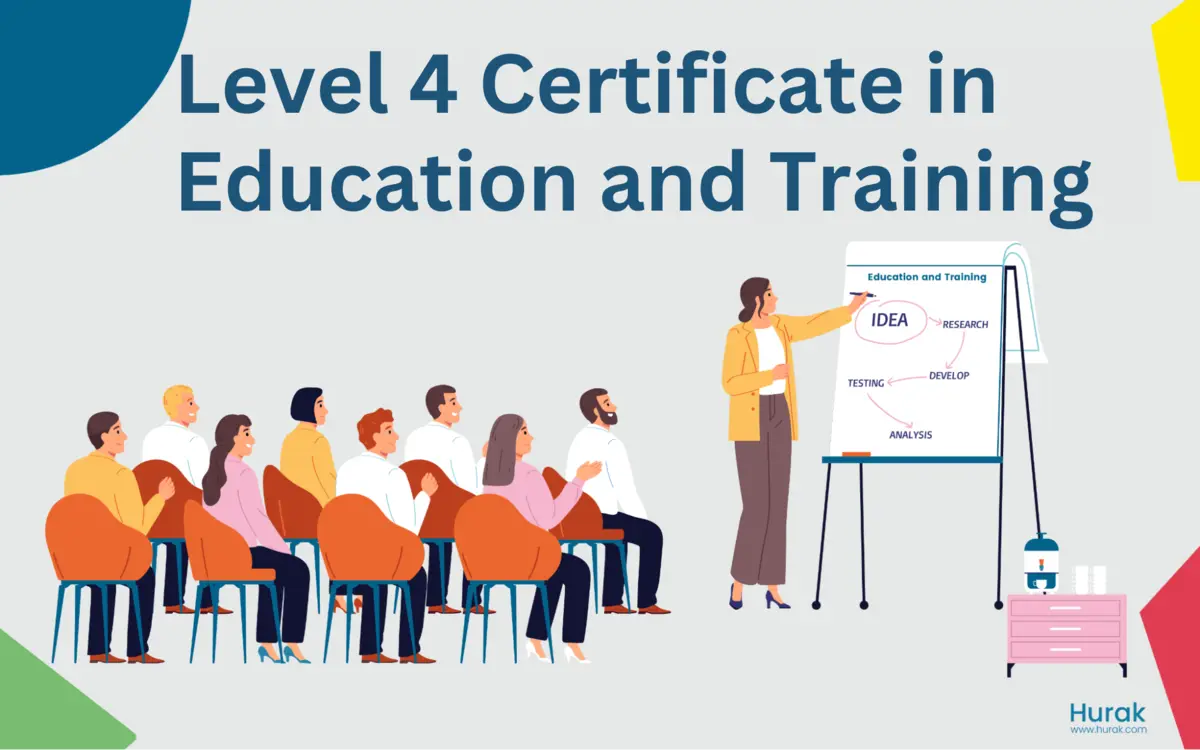
What Are Education and Training Qualifications?Education and Training Qualifications refer to certifications designed to provide individuals with the necessary skills and knowledge to become effective educators and trainers. These qualifications are commonly sought after by those aspiring to work in the teaching, training, and education sectors. These qualifications are commonly recognised in the UK, particularly in further education and training. They provide individuals with the necessary skills and knowledge to excel in teaching and training roles and can lead to various career opportunities in education.The 3 Education and Training qualifications are:Level 3 Award in Education and Training (AET)Level 4 Certificate in Education and Training (CET)Level 5 Diploma in Education and Training (DET)Overview of AET, CET, and DET QualificationsThe Level 3 AET or PTLLS QualificationThe Level 3 Award in Education and Training (AET) / Preparing to Teach in the Lifelong Learning Sector (PTLLS) Qualification suits individuals new to teaching or training roles. It introduces teaching and learning and covers topics such as planning and delivering inclusive teaching sessions, assessing learners, and understanding roles and responsibilities in education and training. Level 3 AET / PTLLS is typically the entry-level qualification for teaching and training positions in the UK.The Level 4 CET or CTLLS QualificationThe Level 4 Certificate in Education and Training (CET) / Certificate in Teaching in the Lifelong Learning Sector (CTLLS) Qualification is suitable for individuals with some teaching or training experience and wanting to develop their skills and knowledge further. It covers topics such as understanding the principles of assessment, using resources for education and training, and understanding the relationships between teachers and other professionals in education and training settings.The Level 5 DET or DTLLS QualificationThe Level 5 Diploma in Education and Training (DET) / Diploma in Teaching in the Lifelong Learning Sector (DTLLS) Qualification is suitable for individuals with significant teaching or training experience and wanting to enhance their expertise further. It covers advanced topics such as researching, planning, and delivering complex teaching sessions, assessing and supporting learners in education and training, and evaluating their practice in education and training.CTLLS, PTLLS, DTLLS, AET, CET, or DET � Which Ones Are Still Active?Currently, the active qualifications areAET (Level 3 Award in Education and Training)CET (Level 4 Certificate in Education and Training)DET (Level 5 Diploma in Education and Training)These qualifications (AET, CET, DET) remain active because they are designed to meet the evolving needs of the UK education and training sectors. They provide individuals with essential skills and knowledge to excel in teaching and training roles. Additionally, they align with current educational policies and frameworks, ensuring that educators and trainers are equipped to meet the demands of contemporary learning environments.Why CTLLS, PTLLS, and DTLLS Are Not Active Anymore?CTLLS, PTLLS, and DTLLS are no longer active because they have been replaced by updated qualifications that better align with current educational standards and frameworks. The newer qualifications, AET (replacing PTLLS), CET (replacing CTLLS), and DET (replacing DTLLS), reflect changes in educational practices, policies, and the evolving needs of the education and training sectors. By phasing out the older qualifications and introducing updated ones, regulatory bodies ensure that educators and trainers receive training that is relevant, up-to-date, and aligned with industry standards.PTLLS (Preparing to Teach in the Lifelong Learning Sector): PTLLS was replaced by the Level 3 Award in Education and Training (AET). AET serves as the new entry-level qualification for teaching and training roles. PTLLS is no longer available.CTLLS (Certificate in Teaching in the Lifelong Learning Sector): CTLLS has been replaced by the Level 4 Certificate in Education and Training (CET). CET is the updated qualification for individuals with some teaching or training experience who want to develop their skills further. CTLLS is no longer available.DTLLS (Diploma in Teaching in the Lifelong Learning Sector): DTLLS has been replaced by the Level 5 Diploma in Education and Training (DET). DET is the advanced qualification for individuals with significant teaching or training experience who want to enhance their expertise. DTLLS is no longer available.Understanding AET (Award in Education and Training)The Award in Education and Training (AET) is a foundational qualification for individuals aiming to enter or enhance their teaching skills. It provides a comprehensive understanding of teaching roles, responsibilities, and boundaries, along with effective lesson planning, delivery, and assessment techniques.For a more detailed guide on the Level 3 AET (formerly known as PTLLS) qualification and its significance, read our blog "The Level 3 AET / PTLLS Qualification Guide: All You Need to Know"Understanding CET (Certificate in Education and Training)The Certificate in Education and Training (CET) is an advanced qualification designed to deepen their knowledge and expertise in education and training. CET builds upon the foundational concepts covered in the AET and offers a more comprehensive understanding of teaching methodologies, curriculum design, assessment strategies, and educational theories.For further insights into the CET qualification and its benefits, read my blog, "The Level 4 CET / CTLLS Qualification Guide: All You Need to Know"Understanding DET (Diploma in Education and Training)The Diploma in Education and Training (DET) is a higher-level qualification aimed at experienced educators seeking to enhance their teaching practice further and advance their careers in education and training. DET provides a comprehensive understanding of advanced teaching theories, pedagogical approaches, curriculum development, and assessment strategies.For more information on DET qualification and its significance, read my blog, "The Level 5 DET / DTLLS Qualification Guide: All You Need to Know"Comparing AET, CET, and DET�ScopeDepthCareer ProspectsOpportunitiesAETAET is an entry-level qualification that provides an introduction to teaching and training.It covers fundamental topics such as planning and delivering inclusive teaching sessions, assessing learners, and understanding roles and responsibilities in education and training.AET can open doors to entry-level teaching or training positions in various sectors, such as further education, adult education, workplace training, and community education.Opportunities may include roles like teaching assistant, trainer in vocational settings, or community education instructor.CETCET is suitable for individuals with some teaching or training experience who want to develop their skills and knowledge further.It covers more advanced topics than AET, such as understanding the principles of assessment, using resources for education and training, and understanding relationships between teachers and other professionals.CET can lead to more advanced teaching or training positions and opportunities for career progression.Individuals with CET may pursue roles such as qualified teachers in further education colleges, training provider coordinators, or instructional designers.DETDET is designed for individuals with significant teaching or training experience who seek to enhance their expertise.It offers the most comprehensive coverage among the three qualifications, including researching, planning, and delivering complex teaching sessions, assessing and supporting learners, and evaluating one's own practice in education and training.DET offers the highest level of qualification and can lead to advanced leadership and management roles in education and training.Career opportunities may include roles like head of department in further education, curriculum developer, educational consultant, or senior trainer in corporate settings.Choosing the Right Education & Training Qualification: AET, CET, or DET? Choosing the right education and training qualification among AET, CET, or DET depends on several factors, including your career goals, experience level, and desired level of responsibility. Here's a guide to help you decide:AET (Level 3 Award in Education and Training)Ideal for: Individuals new to teaching or training roles and need a foundational understanding of educational principles.Consider if: You're looking to start a career in teaching or training and need an entry-level qualification to qualify for basic teaching positions.Advantages: Provides essential knowledge and skills for entry-level teaching or training roles. It's a good starting point for those with little to no experience in education.Limitations: Scope is limited compared to higher-level qualifications, which may restrict career advancement without further study.CET (Level 4 Certificate in Education and Training)Ideal for: Individuals with some teaching or training experience who want to develop their skills further and potentially take on more responsibility in educational settings.Consider if: You have some experience in teaching or training and want to deepen your understanding of educational principles and practices.Advantages: Offers a more in-depth exploration of teaching and training topics compared to AET. Can qualify you for more advanced teaching or training positions.Limitations: May not be sufficient for certain leadership or management roles in education, which may require higher qualifications like DET.DET (Level 5 Diploma in Education and Training)Ideal for: Individuals with significant teaching or training experience who aspire to leadership and management roles in education or training.Consider if: You have substantial experience in teaching or training and seek advanced knowledge and skills for leadership positions.Advantages: Provides extensive training in educational leadership, management, and advanced teaching techniques. Qualifies you for senior roles in education and training.Limitations: Requires significant teaching or training experience as a prerequisite and involves a higher level of study, which may be challenging for some individuals.Consider your long-term career goals, your current level of experience, and the responsibility you aspire to in the education and training sector. Additionally, research specific job requirements and industry standards to ensure your chosen qualification aligns with your career aspirations. If unsure, seeking guidance from educational institutions or career counsellors is advisable to make an informed decision.

Everything You Need to Know About the CSCS Test: Your Guide to CSCS Health and Safety Certification
The CITB test, commonly referred to as the CSCS Health and Safety Test, is mandatory for aspiring construction workers. The test evaluates the candidate�s understanding of health and safety practices to ensure they are capable of working in the construction industry.CITB is the industry training board that is responsible for handling CITB tests. This board deals with the construction sector in England, Scotland, and Wales.Different Types of CITB TestsThere are three types of CITB Health, Safety and Environment tests you can choose from:CITB Health, Safety and Environment Test for Operatives: This test is designed for workers who perform general construction tasks on-site, such as labourers, bricklayers, carpenters, and painters. It is applicable to a wide range of trades in the UK, thus is the most popular of these CITB safety tests.CITB Health, Safety and Environment Test for Specialists: This type of CITB test is for individuals holding supervisory roles and overseeing the work of others.CITB Health, Safety and Environment Test for Managers and Professionals (MAP): This test is specifically targeted at individuals in managerial and professional positions within the construction industry, including project managers, site managers, and surveyors.CITB Test Format and DurationThe CITB Health and Safety test is a multiple-choice test. The duration of the test varies depending on the specific test you are taking. Generally, the test duration is 45 minutes. The pass mark for this test is 90%.How to Book Your CITB TestStep-by-Step Guide to Booking the CITB TestBooking the CITB test is a straightforward process. Follow these steps to book your test and secure your test date:Visit the official CITB website.Create an account or log in to your existing account.Provide the necessary personal details.Select the type of CITB test you wish to book (e.g. CITB Operative Test, CITB Supervisor Test, CITB Managers and Professionals Test).Choose your preferred test centre location.Select a convenient date and time for your test from the available options.Review your booking details and confirm your reservation.Pay the applicable test fee using the provided payment methods.Upon successful payment, you will receive a confirmation email with the details of your test booking.�Still unsure on how to book the CITB test? At Hurak, we can book your test on your behalf.Choosing the Preferred Test CenterDuring the booking process, you have the flexibility to select a test centre that is most convenient for you. Consider factors such as location, accessibility, and availability of test dates.Paying the Applicable FeesEach type of CITB test has an associated fee that must be paid during the booking process. The fee varies depending on the test you are taking, but generally, booking your test directly with CITB costs �23.50. Before booking your test, ensure you have the necessary payment information and methods when booking. Keep in mind that test fees are non-refundable, so it's crucial to be confident in your preparedness before finalising the booking.How to Prepare for the CITB Test1. Explore CSCS Health and Safety Revision MaterialBefore taking the CITB test, it's essential to familiarise yourself with the CSCS revision material.2. Get Hurak�s Online Resources for CITB Test PreparationThere are many online resources including CSCS mock tests and videos that are available to help you prepare for the CITB test. Our mock tests closely resemble the actual test format. Utilise these online resources to supplement your revision and gain confidence in your understanding of health and safety principles.3. Enrol on CITB Training CoursesFor a more structured approach to CITB test preparation, consider enrolling on CITB training courses. By opting for these courses, you can develop knowledge required to work safely on a site. .second-cta-block .main-heading { font-weight: bold; font-size: 22px; } .second-cta-block .book-now { background: #DF3D52; color: #FFFFFF !important; border-radius: 8px; } .second-cta-block .second-heading { font-size: 17px; } .second-cta-block .card { border: 0 !important; } .second-cta-block .card-body { border: 1px solid #909090; box-shadow: rgba(0, 0, 0, 0.16) 0px 1px 4px; border-top-right-radius: 100px; border-bottom-right-radius: 100px; background: #ECECEC; } .second-cta-block .image-wrapper { height: 134px; position: absolute; right: -100px; top: calc(50% - 67px); /* Center the image vertically */ } .second-cta-block .image-wrapper img { height: 100%; } .second-cta-block .trustpilot-widget { width: 256px; } .cta-heading-section { width: 75%; } @media screen and (max-width:991px) { .second-cta-block { padding-top: 100px; } .second-cta-block .card-body { border: 1px solid #909090; box-shadow: rgba(0, 0, 0, 0.16) 0px 1px 4px; border-radius: 19px; border-radius: 14px; background: #ECECEC; } .cta-heading-section { width: 100%; padding-top: 50px; } .second-cta-block .image-wrapper { height: 134px; right: 0; position: absolute; left: calc(50% - 108px); top: calc(50% - 203px); } } RQF LEVEL 1 COURSE for CSCS GREEN CARD Check the Course Rated Excellent on major review sites 4. Develop Effective Time Management StrategiesEffective time management is crucial when preparing for anytest. Allocate dedicated study time in your schedule, ensuring you have sufficient opportunity to review the material thoroughly.Is The CSCS Test and CITB Test The Same?The CSCS test and CITB test are often used interchangeably to refer to the same examination. However, CSCS (Construction Skills Certification Scheme) and CITB (Construction Industry Training Board) are different entities within the construction industry in the UK.CSCS is a certification scheme that provides proof of an individual's skills, qualifications, and health and safety competence as a construction operative. It issues different types of CSCS cards, which serve as evidence of an individual's eligibility to work on construction sites. On the other hand, CITB is an industry training board that focuses on the training and development of the construction workforce. div.wpforms-container-full .wpforms-form label.wpforms-error{ display: none; } /* The Modal (background) */ .ebook-modal { display: none; /* Hidden by default */ position: fixed; /* Stay in place */ z-index: 1; /* Sit on top */ padding-top: 100px; /* Location of the box */ left: 0; top: 0; width: 100%; /* Full width */ height: 100%; /* Full height */ overflow: auto; /* Enable scroll if needed */ background-color: rgb(0,0,0); /* Fallback color */ background-color: rgba(0,0,0,0.4); /* Black w/ opacity */ } div.wpforms-container-full .wpforms-form input[type=submit], div.wpforms-container-full .wpforms-form button[type=submit], div.wpforms-container-full .wpforms-form .wpforms-page-button { border: 1px solid #ddd; font-size: 1em; font-family: inherit; padding: 9px 31px; background: #0f7c90; color: white; /* display: flex; */ /* width: 100%; */ position: absolute; bottom: -418px; right: -150px; /* margin: auto; */ justify-content: center; align-items: center; } /* Modal Content */ .ebook-modal-content { display: flex; flex-direction: column; justify-content: space-between; align-items: baseline; background-color: #fefefe; margin: auto; padding: 31px; border: 1px solid #888; width: 30%; position: relative; } /* The Close Button */ .ebookModal-close { color: #aaaaaa; float: right; font-size: 20px; font-weight: bold; cursor: pointer; position: absolute; right: 21px; top: 10px; } .ebookModal-close:hover, .ebookModal-close:focus { color: #000; text-decoration: none; cursor: pointer; } div.wpforms-container-full { margin: 0px auto 20px;!important } .ebookModal-header{ color:#0f7c90;font-size:30px;margin:0 30px } @media (max-width:576.888px){ .ebook-modal-content { width: 90%; } } @media (max-width:768.888px){ .ebook-modal-content { width: 70%; } .ebookModal-header{ font-size:20px!important; margin:0 } } @media (min-width:768.888px){ .ebook-modal-content { width: 50%; } } @media (max-width:1024.888px){ div.wpforms-container-full .wpforms-form input[type=submit], div.wpforms-container-full .wpforms-form button[type=submit], div.wpforms-container-full .wpforms-form .wpforms-page-button { width: 100%; position: static; } .ebookModal-header{ margin:0; font-size: 25px; } } @media (max-width:1280.888px){ .ebookModal-header{ margin:0; font-size: 30px; } } @media (min-width:992px){ .wpforms-submit-spinner{ max-width: 100%!important; position: absolute!important; top:250px!important; left:150px!important; transform: translate(-50%,-50%)!important; } @media (min-width:1280.888px){ div.wpforms-container-full .wpforms-form input[type=submit], div.wpforms-container-full .wpforms-form button[type=submit], div.wpforms-container-full .wpforms-form .wpforms-page-button { border: 1px solid #ddd; font-size: 1em; font-family: inherit; padding: 9px 31px; background: #0f7c90; color: white; /* display: flex; */ /* width: 100%; */ position: absolute; bottom: -380px; right: -150px; /* margin: auto; */ justify-content: center; align-items: center; } } Download our CITB Operatives and Specialists Test Prep Book for free! × [wpforms id="14869" title="false"] #myImg{ cursor: pointer; } CSCS Training CoursesUpon finishing the Green CSCS Card Course or the Level 1 Health and Safety in a Construction Environment, you can apply for the CSCS Green Card.This card will qualify you for employment on construction sites in various entry-level roles, such as bricklayer, carpenter, or plumber.CSCS courses are important for anyone in the construction industry, whether you are a labourer, tradesperson, or manager. The card demonstrates that you possess the required training and qualifications for your specific role on-siteFrequently Asked Questions (FAQs)How many questions are in the CSCS supervisor test?All CSCS tests including CSCS supervisor test consist of 50 multiple-choice questions. To pass the tests it's typically required to answer at least 45 out of the 50 questions correctly, achieving a pass mark of 90%.Can I book the CITB test online?Yes, the CITB test can be booked online through the official CITB website or you can have us book the test for you. The online booking process is convenient and allows you to choose your preferred test centre, date, and time according to your availability.Are there any exemptions from taking the CITB test?Exemptions from the CITB test may be granted in certain cases. For example, individuals who hold certain recognised qualifications, such as a construction-related degree, may be exempt from taking the test. Exemptions are subject to specific criteria, and it's advisable to contact CITB at 0344 994 4777, lines are open from 8am to 6pm Monday to Friday, excluding Bank Holidays. Refer to their website for the most up-to-date information on eligibility and exemption requirements.What happens if I fail the CITB test?If you fail the CITB test, you can retake the test. However, it's essential to thoroughly review the relevant study material and identify areas that require further improvement before attempting the test again. Take advantage of additional revision resources, practice tests, and training courses to enhance your knowledge and increase your chances of success in subsequent attempts, each will cost you �23.50. You can sit the CITB test again 24 hours after receiving your results.Can I retake the CITB test if I don't pass on my first attempt?If you do not pass the CITB test on your first attempt, you�re eligible to retake the test. However, there may be a waiting period before you can rebook the test, depending on the test centre's availability.How to apply for a CSCS card after passing the test?After passing your CSCS test, you can apply for a CSCS card by visiting the official CSCS website and completing the online application, or by calling the CSCS contact centre. Ensure you have your test results and necessary qualifications ready. Pay the required fee; more details are available on our CSCS card cost page. For a comprehensive guide, check out our article on how to get a CSCS card.ConclusionFrom understanding the test format and content, to exploring study resources and preparation strategies, you are now equipped with the knowledge and tools to excel in your exam. Remember, the CITB test serves as a crucial step in demonstrating your competence in health and safety within the construction industry.