

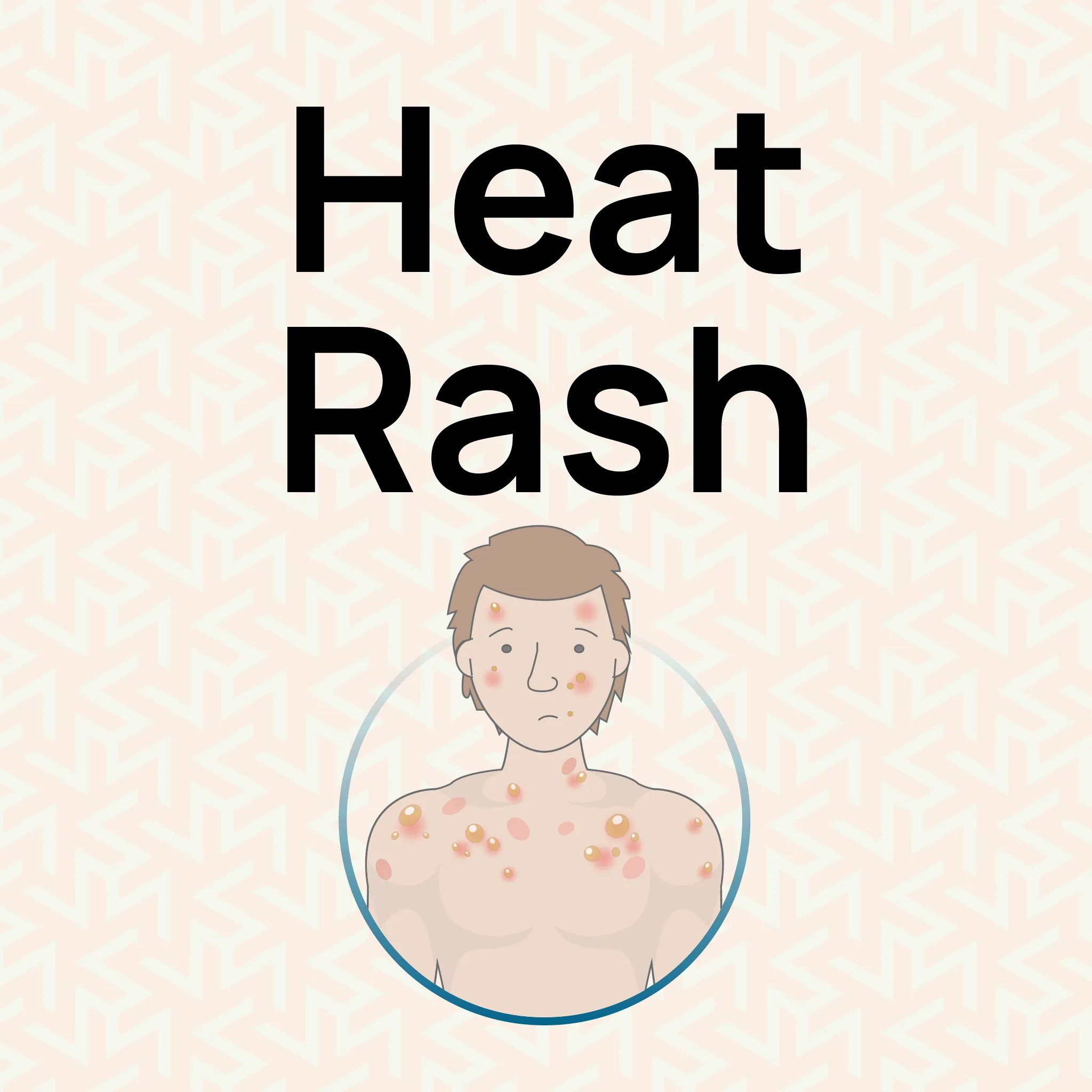
Heat Rash Symptoms, Causes and Treatment
The IOSH Code of Conduct serves as the backbone of ethical practice in the health and safety profession. It defines the standards every IOSH member must follow to maintain integrity, competence, respect, and service in their work. These principles ensure that safety professionals act responsibly, make fair decisions, and build public trust through their commitment to high standards.� Whether you�re a seasoned IOSH member or just beginning your safety career, understanding these principles helps you make sound professional decisions and uphold the highest standards. This article examines the key principles, rules, and ethical practices outlined in the IOSH Code of Conduct, helping UK safety professionals apply them effectively and strengthen their professional reputation within the field of occupational safety and health. What Is the IOSH Code of Conduct? The IOSH Code of Conduct is a set of professional and ethical standards developed by the Institution of Occupational Safety and Health (IOSH) � the UK�s leading body for health and safety professionals. It defines how safety professionals should act, make decisions, and maintain integrity in their roles. The Code guides members to work responsibly, stay competent, protect people�s health and safety, and uphold the reputation of the profession. The Code applies to all IOSH members, regardless of their grade or experience, and ensures that every professional acts responsibly towards employers, colleagues, and the public. It serves as a benchmark for ethical behaviour, guiding members in situations where legal, professional, or moral questions may arise. By adhering to the IOSH Code of Conduct, professionals strengthen public trust and demonstrate their ongoing commitment to excellence, accountability, and the highest standards of safety practice. Why the IOSH Code of Conduct Matters for Safety Professionals The IOSH Code of Conduct serves as the ethical foundation for all safety professionals. It defines how members should behave, make decisions, and uphold professional standards in their workplace. Here�s why it truly matters: Builds trust and integrity: The Code helps safety professionals act with honesty and fairness, earning respect from employers and colleagues. Encourages ethical decisions:� It guides members to make responsible choices that prioritise safety and wellbeing above all else. Ensures accountability:� Professionals are held responsible for their actions, promoting transparency in every aspect of their work. Maintains consistency:� It sets a uniform standard of conduct, ensuring safety practices remain reliable across all industries. Protects public interest:� By following the Code, professionals commit to safeguarding people�s health, safety, and environment. Enhances professional reputation:� Upholding the Code reflects a strong moral compass and reinforces credibility within the safety community. Ultimately, the IOSH Code of Conduct reinforces the responsibility safety professionals have toward people and workplaces. It ensures that every action they take reflects integrity, accountability, and a genuine dedication to safety. The Four Core Principles of the IOSH Code of Conduct The IOSH Code of Conduct is founded on four essential principles that capture the true essence of being an ethical health and safety professional. These principles serve as a guide for members to uphold integrity, professionalism, and accountability in every aspect of their work. Each principle reflects the standards that IOSH members are expected to follow in their daily practice. 1. Integrity Act with honesty and fairness in all professional dealings. IOSH members should never mislead others, misuse authority, or compromise their ethical standards. Key Points: Maintains transparency and honesty in every form of communication. Declare any conflicts of interest. Uphold the reputation of IOSH and the profession through integrity and trustworthiness. 2. Competence Competence refers to maintaining the knowledge and expertise necessary to perform safety duties effectively. Members must engage in lifelong learning to keep their skills up to date. Key Points: Participate in continuous professional development (CPD) to enhance your knowledge and expertise. Work only within your area of competence. Share insights and best practices responsibly with colleagues and clients. 3. Respect IOSH members must treat everyone with dignity, equality, and understanding. They should encourage inclusive and fair workplaces. Key Points: Promote diversity and inclusion by treating everyone fairly and without discrimination. Safeguard confidentiality in all professional interactions. Communicate professionally and courteously. 4. Service Service reflects an IOSH member�s duty to protect life and promote wellbeing. Members must deliver high-quality, responsible advice in the public interest. Key Points: Prioritise public safety above personal or corporate gain. Take full responsibility for your professional decisions and advice. Strive for excellence in all health and safety practices. Together, these four principles form the foundation of the IOSH Code of Conduct, guiding safety professionals to act ethically, competently, and responsibly. Gain a deeper understanding of the IOSH Code of Conduct Explore how the IOSH Code of Conduct shapes best practices in health and safety management. Whether you're new to the industry or a seasoned professional, understanding the principles of ethical safety practice is essential. IOSH Working Safely � Perfect for beginners and frontline staff to learn core safety responsibilities. IOSH Managing Safely � Designed for managers and supervisors to apply safety principles effectively. Strengthen your health and safety practices and make ethical decisions that promote a safer workplace. Start your journey today. Key Rules and Responsibilities Under the Code The IOSH Code of Conduct sets clear rules that guide members on how to maintain professionalism, integrity, and accountability in their daily roles. These responsibilities ensure that every IOSH member contributes to a culture of safety, transparency, and ethical practice within the workplace. Upholding Professional Standards IOSH members must always act in ways that protect and promote the reputation of both the Institution and the profession. This means demonstrating ethical behaviour, providing accurate advice, and maintaining the highest level of professionalism. Members must: Provide accurate, evidence-based safety advice. Represent IOSH with honesty and fairness. Avoid actions that could harm their professional reputation. Reporting Misconduct and Breaches Every IOSH member has a duty to report unethical or unsafe conduct. This ensures accountability and prevents harm to individuals or organisations. Members must: Report serious breaches of the Code or unsafe practices to IOSH. Cooperate in investigations or disciplinary processes. Support transparency and accountability within the profession. Maintaining Confidentiality and Integrity Members must respect the confidentiality of information obtained through their professional role. Information should only be disclosed when legally required or in the public interest. Members must: Safeguard confidential business or personal information. Avoid misusing data for personal gain. Protect client and employer trust at all times. Consequences of Violating the Code Failure to comply with the IOSH Code can result in disciplinary action, including suspension or termination of membership. This ensures accountability and maintains the profession's credibility. Possible actions include: Investigation by IOSH�s Professional Standards Committee. Formal warnings, suspension, or expulsion. Public disclosure of disciplinary outcomes. How to Apply the IOSH Code of Conduct and Ethical Practices in the Workplace Applying the IOSH Code of Conduct goes beyond understanding its principles � it�s about putting them into action every day. Ethical practice ensures that health and safety professionals make fair, responsible, and transparent decisions that protect people and build trust at work. Lead by example:� Demonstrate honesty, fairness, and respect in all safety interactions to set a positive tone for others. Promote a safety-first culture:� Encourage open discussions about risks, near misses, and improvements without fear of blame. Stay professionally competent:� Regularly update your skills through IOSH training, workshops, and CPD activities to ensure informed decision-making. Communicate transparently: Provide clear, factual safety information and avoid exaggerating or concealing details that could affect outcomes. Handle sensitive information responsibly:� Maintain confidentiality and use data only for legitimate safety purposes. Challenge unethical behaviour:� Speak up or report actions that breach professional or safety standards. Make balanced decisions:� Consider legal, ethical, and practical aspects before implementing any health and safety measures. Support and respect colleagues:� Foster teamwork, diversity, and inclusion while maintaining a respectful workplace environment. When safety professionals consistently follow the IOSH Code of Conduct, they set the foundation for a safer, more respectful, and ethically responsible workplace. Their actions inspire others to value integrity and professionalism. Conclusion In conclusion, the IOSH Code of Conduct serves as the foundation of professional ethics in health and safety practice. By understanding its four core principles�Integrity, Competence, Respect, and Service and following the key rules and responsibilities, IOSH members can make responsible decisions, protect the public, and uphold workplace safety standards across the UK. Applying these principles through ethical practice not only ensures compliance but also strengthens professional credibility, fosters trust, and promotes a culture of accountability in every organisation. Whether you�re an experienced practitioner or new to IOSH, embracing the Code helps you navigate complex situations with confidence and integrity, ultimately contributing to safer and more ethical workplaces. FAQs What is the IOSH Code of Conduct? The IOSH Code of Conduct is a set of ethical guidelines for safety professionals, outlining the standards of integrity, accountability, and professionalism expected in health and safety practice. Why is the IOSH Code of Conduct important for safety professionals? It ensures that safety practitioners act responsibly, maintain professional integrity, protect the well-being of others, and uphold public trust in workplace safety. Who must follow the IOSH Code of Conduct? All IOSH members and safety professionals are required to follow the Code of Conduct, regardless of their role, industry, or level of experience. How does the IOSH Code of Conduct improve workplace safety? By guiding ethical decision-making and professional behaviour, the Code fosters a culture of trust, responsibility, and continuous safety improvement in organisations. Can violating the IOSH Code of Conduct affect a professional�s career? Yes. Breaching the Code can damage credibility, lead to disciplinary action from IOSH, and negatively impact professional reputation and career growth.
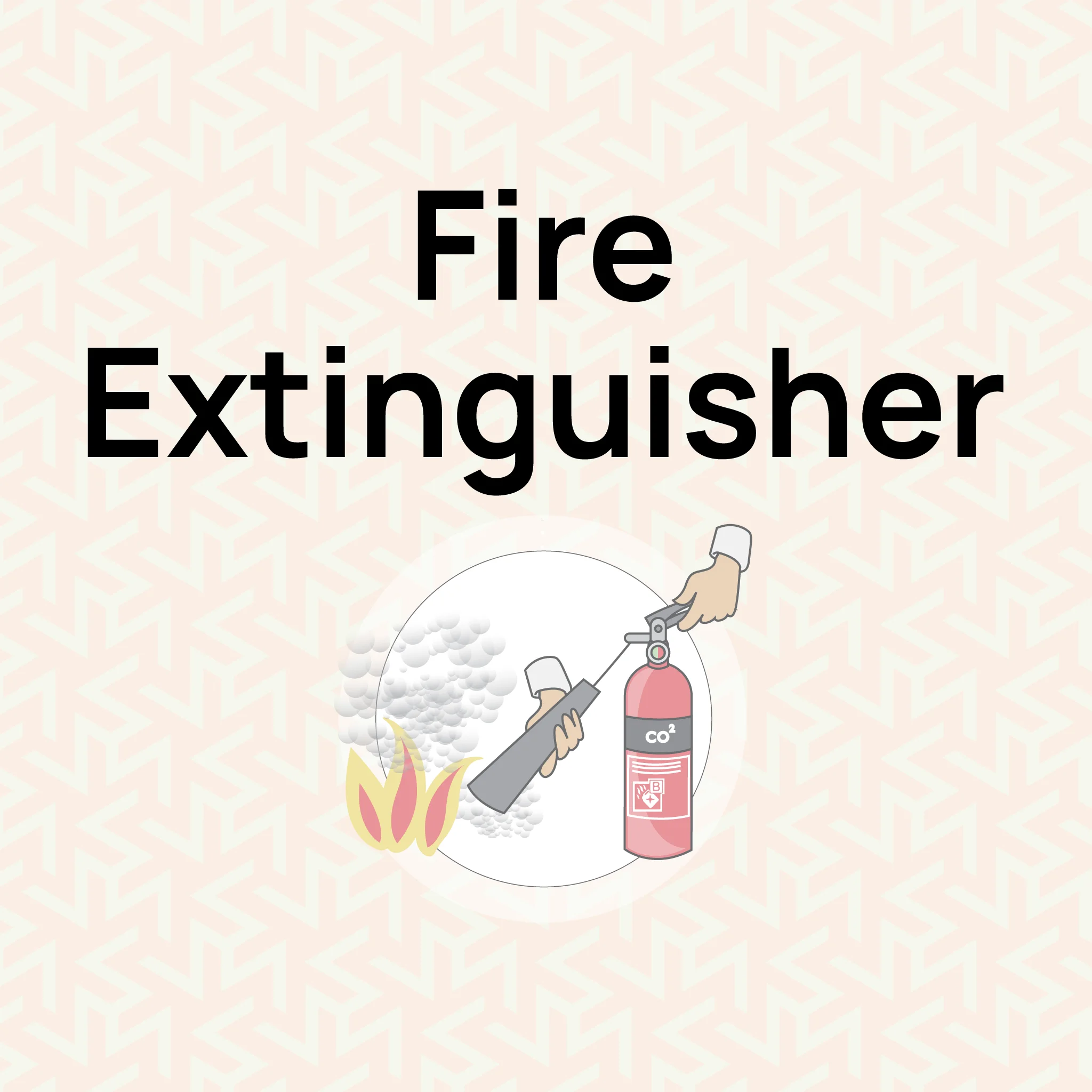
Who Is Responsible for Using a Fire Extinguisher? A Practical Workplace Safety Guide
Have you ever wondered why some days feel heavier than others, or why certain thoughts suddenly become hard to control? It�s something many people experience, often without realising it could be linked to their mental health. Mental illness doesn�t always appear the way we expect; sometimes it shows up as constant worrying, unexplained sadness, trouble focusing, or simply feeling �off� for longer than usual. The truth is, mental illness can affect anyone, regardless of their age, background, or lifestyle. It influences how we think, feel, and handle everyday situations, making simple tasks feel overwhelming.� Mental illness develops through a blend of biological, psychological, and social factors. Some people may be born with a higher risk due to genetics, while others may experience mental health problems after trauma, stress, or difficult life changes. Chemical imbalances in the brain, childhood experiences, and physical health conditions can also influence how someone feels and behaves.� Understanding these root causes is essential, not just for recognising early symptoms, but for breaking stigma and helping people access the right support sooner. In this article, we will cover what mental illness is, the common symptoms to look out for, possible causes, how they affect mental health and how you can seek help or support someone who may be struggling. What Is Mental Illness? Mental illness refers to a wide range of conditions that affect how a person thinks, feels, behaves, and manages daily life. These conditions can include depression, anxiety disorders, bipolar disorder, schizophrenia, and many others. Mental illness is not just feeling sad, stressed, or overwhelmed for a short time; it involves ongoing patterns of thoughts or behaviours that make everyday functioning difficult. These conditions can range from mild and temporary to severe and long-lasting.� Understanding mental illness is important because it encourages early recognition and helps people seek support before symptoms worsen. With the right treatment, guidance, and coping strategies, most individuals can manage their condition effectively and lead fulfilling, meaningful lives. Types of Mental Illness Mental illnesses come in many forms, and each type affects people in different ways. While every condition has its own set of symptoms, they all impact how a person thinks, feels, or behaves. Below are some of the most common types of mental illnesses: Anxiety Disorders These involve persistent fear, worry, or tension that feels difficult to control. Common examples include generalised anxiety disorder (GAD), panic disorder, social anxiety disorder, and phobias. People may experience racing thoughts, restlessness, or physical symptoms like a fast heartbeat or sweating. Mood Disorders Mood disorders affect a person�s emotional state over a long period. This includes depression, where individuals feel deep sadness or loss of interest, and bipolar disorder, which involves extreme mood shifts between high energy (mania) and low mood. These conditions can influence sleep, energy levels, motivation, and overall outlook. Personality Disorders Personality disorders are long-term mental health conditions that affect the way a person thinks, feels, and behaves. These patterns are deeply rooted and can make it difficult to manage emotions, build healthy relationships, or cope with everyday situations. Examples include borderline personality disorder, paranoid personality disorder, and antisocial personality disorder. Psychotic Disorders Psychotic disorders are mental health conditions that affect a person�s perception of reality. People may experience hallucinations (seeing or hearing things that aren�t there) or delusions (strong beliefs that aren�t true), along with disorganised thoughts and behaviour. These symptoms can make it difficult to think clearly, communicate, or carry out daily tasks. Schizophrenia is one of the most well-known psychotic disorders. Neurodevelopmental Disorders Neurodevelopmental disorders are conditions that affect how the brain grows and develops, usually appearing in early childhood. They can impact learning, behaviour, communication, and social skills. Common examples include autism spectrum disorder (ASD) and attention-deficit hyperactivity disorder (ADHD). These conditions vary widely; some children may struggle with focus, while others may have difficulty with social interaction or speech. Eating Disorders Eating disorders are serious mental health conditions that affect a person�s relationship with food, body image, and weight. They can lead to dangerous eating habits, such as severely restricting food, overeating, or purging. Common types include anorexia nervosa, bulimia nervosa, and binge-eating disorder. These conditions can harm both physical and emotional health, often causing intense stress or guilt around eating.� Substance Use Disorders Substance use disorders are mental health conditions where a person becomes dependent on alcohol, drugs, or other substances, leading to harmful patterns of use. These disorders affect self-control, making it difficult to stop even when the substance causes problems in health, relationships, or daily life. These disorders can range from mild to severe and often develop gradually.� Trauma-and Stress-Related Disorders Trauma and stress-related disorders are mental health conditions that develop after experiencing or witnessing deeply distressing or overwhelming events. These disorders can cause symptoms like flashbacks, nightmares, severe anxiety, or emotional numbness. Common types include post-traumatic stress disorder (PTSD) and acute stress disorder. Understanding the different types of mental illnesses helps us recognise signs early and support those who may be struggling. Each condition affects people differently, but with proper care, awareness, and compassion, recovery becomes much more achievable. Causes of Mental Illness Mental illness can develop because of many reasons, and often it�s the result of several factors combined. These causes vary from person to person, which is why two people may react differently to similar situations.� Some of the major causes are explained below: Genetic and Biological Factors Family history of mental illness: A person whose close relatives have a mental health condition may be more likely to develop one. Genetics can influence how the brain responds to stress, emotions, and environmental factors. Brain chemistry and neurotransmitters: Imbalances in brain chemicals such as serotonin, dopamine, or norepinephrine can affect mood, thinking, and behaviour. These disruptions can contribute to conditions like depression, anxiety, and bipolar disorder. Hormonal changes: Significant hormonal shifts during puberty, pregnancy, postpartum periods, or menopause can influence mental health. These changes may trigger mood disorders in some individuals. Adverse Childhood Experiences (ACEs) Childhood trauma: Experiences like physical or emotional harm, violence, or unsafe environments can leave long-term effects on mental and emotional development. Neglect, abuse, bullying: Growing up without proper emotional support or being exposed to bullying and abuse increases vulnerability to mental health problems later in life. Unstable family environment: Constant conflict, parental separation, substance misuse in the home, or inconsistent caregiving can disrupt a child�s sense of safety and stability. Social and Environmental Factors Loneliness and social isolation: Limited social support or prolonged periods of isolation can increase the risk of depression and anxiety. Poverty, housing instability: Living in unsafe or unstable conditions creates constant stress, which can negatively impact mental health over time. Work-related stress: High-pressure work environments, long hours, or job insecurity can contribute to burnout and emotional exhaustion. Physical Health Conditions Chronic illness: Long-term medical conditions such as diabetes, heart disease, or chronic pain can affect emotional resilience and trigger mental health symptoms. Neurological conditions: Diseases that affect the brain or nervous system, like epilepsy or multiple sclerosis, can be linked to mental health disorders. Substance misuse: Alcohol or drug misuse can change brain chemistry and increase the likelihood of developing mental illnesses, while also worsening existing symptoms. Lifestyle Factors Poor sleep: Lack of quality sleep disrupts emotional regulation and increases the risk of anxiety, depression, and irritability. Lack of physical activity: Regular movement supports brain health, so a sedentary lifestyle can negatively affect mood and energy levels. Unhealthy coping habits: Behaviours like overeating, smoking, or excessive screen time may temporarily relieve stress but often worsen mental health in the long run. Understanding the many causes of mental illness helps us recognise that these conditions are rarely the result of one single factor. With the right awareness and support, people can address these causes more confidently and work toward better mental and emotional well-being. Common Mental Health Symptoms Mental health symptoms can vary widely depending on the type and severity of the condition, but they often affect thoughts, emotions, and behaviour. Identifying these symptoms early is crucial for effective mental health care and support. Category Common Symptoms Emotional Symptoms Persistent sadness, irritability, mood swings, excessive fear or worry Cognitive Symptoms Difficulty concentrating, racing thoughts, memory problems, indecisiveness Physical Symptoms Fatigue, headaches, sleep disturbances, unexplained aches or pains Behavioural Symptoms Withdrawal from others, changes in eating or sleeping habits, reduced productivity Psychological Symptoms Hopelessness, feeling overwhelmed, loss of interest in activities, intrusive thoughts Being aware of mental health symptoms allows individuals and their loved ones to act before problems escalate. Timely support, therapy, and coping strategies can lead to better emotional and physical health. Help Break the Stigma Around Mental Illness Mental illness affects people in ways we often can�t see. With the right training, you can offer comfort, guidance, and informed help. Our Mental Health First Aid (MHFA) courses equip you with practical, life-saving skills. Start your training and make a real difference. Treatments for Mental Health Problems Mental health treatment encompasses a range of approaches designed to help individuals manage symptoms, improve daily functioning, and enhance their overall well-being. The right treatment depends on the type and severity of the condition, as well as the individual�s personal needs and circumstances. 1. Psychotherapy (Talk Therapy) Also called counselling or talk therapy, psychotherapy involves discussing thoughts, feelings, and behaviours with a trained professional. Common types include: Cognitive Behavioural Therapy (CBT): Helps identify and change negative thought patterns. Interpersonal Therapy (IPT): Focuses on improving relationships and social functioning. Dialectical Behaviour Therapy (DBT): Often used for emotional regulation and self-harm behaviours. 2. Medication Certain mental health conditions may benefit from medications that help balance brain chemistry or reduce symptoms. Common examples include: Antidepressants for depression or anxiety# Mood stabilisers for bipolar disorder Antipsychotics for schizophrenia or severe psychotic disorders 3. Lifestyle Changes and Self-Care Supporting mental health through daily habits is essential. This includes: Regular physical activity and exercise Adequate sleep and healthy nutrition Mindfulness practices, meditation, or relaxation techniques 4. Support Groups and Community Resources Connecting with others who share similar experiences can provide emotional support, reduce stigma, and promote recovery.� Talking to trusted friends or family Joining peer support or community groups Accessing helplines and online mental health resources 5. Early Intervention and Continuous Care Recognising early signs of poor mental health and seeking help promptly can prevent conditions from worsening. Regular check-ins with mental health professionals and adherence to treatment plans ensure long-term well-being. Effective mental health treatment is often a combination of therapy, medication, lifestyle changes, and support. Early intervention and consistent care significantly improve outcomes, allowing individuals to lead fulfilling and productive lives. Conclusion Mental health is an essential aspect of overall well-being, yet it is often overlooked or misunderstood. It affects how we think, feel, and behave, influencing our relationships, work, and daily functioning. Understanding mental illness from its causes and symptoms to the types and treatment options is crucial for recognising when help is needed and reducing the stigma surrounding these conditions. While everyone may experience stress or emotional struggles from time to time, persistent changes in thoughts, emotions, behaviour, or daily functioning can be signs of poor mental health.� Ultimately, mental health is a lifelong journey that requires awareness, compassion, and proactive care. By staying informed, attentive, and supportive both for ourselves and for those around us, we can contribute to a world where mental well-being is prioritised, stigma is reduced, and everyone has the opportunity to live a fulfilling, balanced life. FAQs What is mental illness? Mental illness refers to a wide range of conditions that affect a person�s thoughts, emotions, and behaviour. These conditions can impact daily functioning, relationships, and overall well-being. What causes mental illness? Mental illness can develop due to a combination of genetic factors, brain chemistry, trauma, stress, lifestyle habits, and environmental influences. Often, several factors work together rather than one single cause. What are the common symptoms of mental health problems? Symptoms can appear emotionally, physically, cognitively, and behaviourally. People may experience persistent sadness, anxiety, irritability, sleep issues, difficulty concentrating, or withdrawal from daily activities. Symptoms vary depending on the type of mental illness. How can you identify poor mental health in someone? Signs of poor mental health include difficulty managing daily tasks, noticeable changes in mood, withdrawal from social life, loss of motivation, and persistent negative thinking. These changes often appear gradually and may signal the need for support. How can I support someone with mental illness? Listen without judgment, encourage them to seek help, learn about their condition, and offer consistent emotional support. Simple understanding often makes a big difference. When should someone seek professional help? If symptoms last for more than two weeks, interfere with daily life, or cause distress, it�s important to reach out to a GP, therapist, or mental health professional. Can someone recover from mental illness? Many people manage or fully recover from mental illness with the right treatment and support. Recovery is often a gradual process that focuses on improving well-being and quality of life. Is mental illness common? Yes. Millions of people experience mental health problems every year. Conditions like anxiety, depression, and phobias are among the most common.
Minimum working temperature UK: A complete guide for workers, what the law says
When there is a workplace or an employee who does, there are products and chemicals that can affect the environment and the way we live and work. These products include, but are not limited to, cleaning products, paint formulations, adhesives and printer toner, as well as any other chemical substances that could be harmful to your health. The Control of Substances Hazardous to Health (COSHH) Regulations 2002 in the UK provide a guideline on the steps that employers need to take to ensure that their employees are protected from the associated risk of working with hazardous substances; however, to maintain the appropriate level of COSHH compliance, there are eight steps that every employer in the UK can take to avoid liability. What is COSHH and Why Does It Matter COSHH stand for (Control of Substances Hazardous to Health). COSHH is a series of UK regulations that require employers to ensure the safety of their employees from substances that could harm their health, e.g., chemicals that can cause burns or long-term respiratory problems. Employers must identify all hazardous substances used/created in the workplace. Assess the risk of how these substances could cause harm to the employee's health. Implement measures to reduce or remove the risk. Monitor exposure levels and provide/sustain safe working conditions. If an employer does not comply with the COSHH regulations, they could face enforcement action, fines, and/or cause an employee to suffer from ill health. However, complying with COSHH can still be very simple. By following the recognised COSHH steps, you will ensure your employees' safety and adhere to the law. Looking to Strengthen Your COSHH Knowledge Want to ensure your workplace meets every COSHH requirement confidently? Explore our Health and Safety Courses, including COSHH Awareness Training, Risk Assessment Courses, and more, to help you stay compliant and protect your team effectively. Level 3 Health & Safety Training for Managers Health & Safety in the Workplace Courses Manual Handling Training� IOSH Working Safely Course NEBOSH Fire Safety Certificate How Many Steps Are There to COSHH Compliance? While some organisations summarise six or even five steps, the Health and Safety Executive (HSE) guidance and industry best practice outline eight essential steps. These steps take you from identification to ongoing review, completing a full cycle for safely managing hazardous substances. 8 Steps to Working with COSHH Here are the eight steps to working with COSHH that every employer, safety officer, and manager should understand. Step 1: Identify Hazardous Substances in Workplaces Identifying the chemical, dust, fume, vapour, mist or gas that can potentially cause harm to workers in their workplace should be the first step in determining URL in cocomp. Chemicals such as Cleaning Agents, Paints, Solvents, Acids Dust, fume, vapour, mist or gas Generated Through the Work Processes Biological Agent:s Bacteria and Mould Create a workplace inventory for all hazardous substances, including by-products (Welding Fume/Wood Dust), as a source of work-related exposure to chemical and biological agents. The inventory must be created Step 2: Conduct a COSHH Risk Assessment to Determine the Level of Risk of Exposure After Identifying All Hazardous Substances, the Next Step is to Conduct a COSHH Risk Assessment Risk Assessment Documentation Should Include: Hazardous property of each hazardous substance (Toxic, Corrosive, Irritant or Other) Where or How Workers are likely to be Exposed to Hazardous Substances: Inhalation, Skin Contact, or Ingestion Who May be Exposed to Hazardous Substances: Workers, Cleaners, Visitors or Contractors Duration and Frequency of Potential Worker Exposure to Hazardous Substances Existing Controls Including Current Level of Effectiveness Further Controls Necessary to Maintain Worker Health and Safety Risk Assessments Should Follow a Similar Logic as the Following: Identify, Assess, Control, Document and Review the Risk for Its Continuation. Risk Assessments Must be Documented and Remain Available to All Employees Who Require This Information Step 3: Choosing Controls. COSHH Control Hierarchy When you have identified a risk, you need to decide how to control it. This can be done using the COSHH Control Hierarchy. This Hierarchy provides you with a structured way to reduce risk using the most effective means first. Eliminate: The hazardous material from your workplace (this could mean using a less dangerous cleaning product for your floors) Substitute: The hazardous material for something less hazardous (a less dangerous alternative cleaner, for example) Engineering Control: (local exhaust ventilation or enclosed systems) Administrative Controls: limit the amount of time an employee is exposed to a hazard and/or allow for job rotation so that employees do not have long-term exposure to any one risk. Administrative controls also include providing training to employees about the process of controlling a hazard. Personal� Protective Equipment(PPE): This should be the last form of protection against a hazard. Before you rely on PPE alone, you should check the other controls in the hierarchy. For example, you might change to a non-solvent-based cleaning product before you put your employees at risk by using respirators. Step 4: Implement the controls Control measures must be implemented correctly in order for them to be effective, for example:- Ventilation and/or extraction systems should be installed Labelling and storing materials should be done correctly Providing and maintaining PPE for all employees should be done Safe handling procedures should be in place Hazardous areas should be clearly marked. All employees must be trained on how to use the controls correctly and safely. If you do not train your employees properly, even the best control systems can fail. Step 5: Ensure Proper Use and Maintenance Many employers think that installing controls represents complete legal compliance. However, they need to continue to inspect and supervise their controls on an ongoing basis to maintain compliance with the law. When you are doing ongoing monitoring of the effectiveness of your control systems, you should do so by performing Checklists on a regular basis: Inspect Extraction Systems Replace Filters and Personal Protection Equipment (PPE) Inspect for Leaks, Spills, or Deteriorated Containers Ensure Employees are Following Safe Working Procedures �Keep Records of all Inspections and Maintenance, as they can protect you during Audits or Inspections Step 6: Monitor Exposure and Conduct Health Surveillance Employers are required by law to monitor their employees' exposure to hazardous substances where the Risk Assessment indicates a risk exceeding Workplace Exposure Limits (WELs). Where there is exposure to the substances listed below, it may also be a requirement to do Health Surveillance of your Employees: Isocyanates (which can cause Asthma) Lead, Asbestos, or Silica Dust Certain Oils or Solvents You must keep Health Records confidential and up to date; the Monitoring of Employee Exposure Levels not only allows you to comply with the law, it will also allow for early identification of Occupational Illnesses. Step 7: Prepare for Accidents and Emergencies Employers are required to have a plan and adequate resources to respond to Emergency Situations, even if they have implemented adequate controls. To comply with COSHH, you should: Provide Spill Kits and Clear Clean-Up Procedures Train Staff in First Aid, Emergency Procedures, and Response Procedures Post Hazard Signs and Emergency Contact Information, as well as keeping all Safety Data Sheets (SDS's) readily available in the event of an Employee being Exposed to Hazardous Substances. Step 8: Review and Update Regularly The final step is to review your COSHH assessment and control measures regularly, at least annually or whenever there�s a change in: Substances used Work processes or equipment Employee health reports A review ensures your COSHH compliance remains current and effective. Document every review and improvement made, as this demonstrates due diligence and helps protect your workplace. Common Mistakes to Avoid In many cases, businesses are not fully compliant with COSHH due to simple omissions. The number one reason for non-compliance is the lack of regular review of COSHH assessments; therefore, many organisations may not have updated controls, resulting in increased exposure to risk. In addition, many organisations have an over-reliance on PPE (Personal Protective Equipment) rather than eliminating or substituting hazardous substances, and therefore often overlook higher levels of the COSHH hierarchy of control. Also, many organisations do not provide adequate employee training or supervision, resulting in employees not knowing how to handle substances safely, how to respond correctly to spills/exposure incidents, or how to be aware of their responsibilities to themselves and others. Businesses also often overlook the substances generated by their activities (for example, fumes, vapours, or dust) and focus only on the raw materials they use. Finally, organisations fail to ensure that appropriate health surveillance is conducted for employees exposed to hazardous substances, leading to undetected illness and potential legal consequences. Beyond Compliance: Why COSHH Matters for Every UK Business COSHH compliance has been legally mandated; however, compliance also makes good business sense. Providing a safe work environment greatly reduces the chance of an accident and consequently lowers absenteeism as employees take fewer days off due to injury. Supporting an employee's need for confidence in their protection from harm creates loyalty and desire to produce greater amounts of quality work for the company. Additionally, effective COSHH management reduces the number of workers' compensation claims and ultimately lowers business-related insurance premiums, thus saving the employer money over time. Building a strong safety culture does not just improve the employees' perception of safety; it establishes the company as a reputable business, demonstrating to clients, regulatory agencies, and the employees that the company takes health and safety issues seriously. Providing COSHH-compliant working conditions is not just an option for all businesses in the UK; it should be viewed as the foundation for all responsible health and safety management for every business in the UK. COSHH Compliance in Practice: Industry Examples You must assess the risks associated with dust from cement, paint and solvents being generated through exposure during construction work. Educators and cleaners should be mindful of all cleaning products and disinfectants by ensuring that they are labelled correctly and stored in an appropriate manner. Manufacturers should ensure that all welding fume and oil emissions have adequate ventilation and should implement a system of health surveillance to monitor employees' exposure to them. You should consider the way in which each sector operates and how best to approach COSHH in your industry. The COSHH framework will always follow the eight steps. Final Thoughts There are eight clear steps from identifying hazardous substances to regularly reviewing your controls. Following these steps not only helps your business meet legal requirements but also creates a safer, healthier environment for everyone. COSHH isn�t just paperwork; it�s about protecting people. And with the right approach, compliance becomes part of your safety culture, not a burden. Frequently Asked Questions� How many steps are there to COSHH compliance? There are eight key steps to COSHH compliance in the UK. These steps guide employers from identifying hazardous substances to continuously reviewing safety measures. Following all eight ensures legal compliance and helps protect employees from chemical, biological, or dust-related risks. COSHH compliance isn�t just about completing paperwork; it�s about building a safer workplace and demonstrating due diligence in managing hazardous substances. What are the eight steps to working with COSHH? The eight steps to working with COSHH include: Identifying hazardous substances Assessing the risks Applying the hierarchy of control Implementing control measures Ensuring proper use and maintenance Monitoring exposure Preparing for emergencies Reviewing and updating regularl How many steps are required by COSHH when thinking about risks? When thinking about risks, COSHH requires employers to follow five essential steps to effectively identify and control exposure to hazardous substances. These steps are: Identify hazards Assess the risk Implement control measures Record finding Review regularly What is the COSHH hierarchy of control? The COSHH hierarchy of control helps employers reduce or eliminate risks from hazardous substances in order of effectiveness: Elimination: Remove the hazardous substance entirely. Substitution: Replace it with a safer alternative. Engineering controls: Use ventilation or enclosed systems. Administrative controls: Rotate tasks, limit exposure time, or provide training. Personal Protective Equipment (PPE): The last line of defence. Employers should always start from the top of the hierarchy, only relying on PPE when other methods aren�t possible. What should a COSHH risk assessment include? A COSHH risk assessment should include: Identification of hazardous substances Who might be exposed and how The level and duration of exposure Current and proposed control measures Health surveillance and emergency procedures� This ensures all potential risks are captured and appropriately managed across UK workplaces. How many steps are there to a hazardous substances risk assessment? A hazardous substances risk assessment typically follows five main steps: identify hazards, assess exposure, decide on control measures, implement them, and review regularly. This framework aligns with COSHH requirements and helps employers maintain up-to-date safety controls.
Understanding First Aid Certificate Validity in the UK: Duration, Renewal Key Facts
Asbestos was once a go-to material for insulation, flooring, roofing, and fireproofing. But beneath its usefulness lies a serious health hazard. Although it has been banned from use in construction since 1999, many older homes and buildings still contain asbestos-based materials. If disturbed, these fibres can become airborne and pose life-threatening risks to anyone exposed. If you�re wondering how to test for asbestos safely in your property, this guide explains everything you need to know, from identifying potential asbestos materials to choosing between a self-sampling kit and professional testing. What is Asbestos and Why is it Dangerous Asbestos is a naturally occurring mineral made up of fine, durable fibres resistant to heat, fire, and chemicals. Because of these properties, it was widely used in construction and manufacturing throughout much of the 20th century. There are three main types of asbestos you might come across: Chrysotile (white asbestos): Found in ceilings, walls, roofs, and floors. Amosite (brown asbestos): Common in insulating boards, ceiling tiles, and thermal insulation. Crocidolite (blue asbestos): Typically used in pipe insulation and spray-on coatings. Asbestos-containing materials (ACMs) can still be found in many older buildings, especially those built before 2000. Common locations include Artex or textured coatings, floor tiles and adhesives, roofing sheets, pipe lagging, cement panels, and insulation boards. These materials were once popular because of their strength and resistance to heat, but they can pose a serious risk if disturbed during maintenance or renovation work. When these materials are damaged or disturbed, they release microscopic fibres that can be inhaled. Over time, this can lead to serious illnesses such as asbestosis, mesothelioma, and lung cancer, which often take decades to develop. Testing suspected materials is the only reliable way to know if asbestos is present and to protect your health and those around you. How to Tell If Something Is Asbestos Unfortunately, asbestos can�t be identified by sight alone. However, some clues might suggest its presence. Signs a Material Might Contain Asbestos The building was constructed or refurbished before 2000. You see grey-white fibrous material in insulation, boards, or sealants. Old vinyl floor tiles or adhesives have a dull or rigid texture. Textured ceiling coatings (Artex) appear rough and patterned. Corrugated roof panels look aged or brittle. Still, these are only indicators. Some asbestos-free materials look identical to those that contain asbestos. That�s why testing is essential. According to the Health and Safety Executive (HSE), asbestos identification must always be confirmed through laboratory analysis, rather than visual inspection. How to Check for Asbestos Before Testing Before jumping straight into sampling, you can conduct a non-intrusive check to determine whether testing is necessary. Here�s a simple checklist: Identify suspect materials: Focus on insulation, ceiling panels, roofing, and old pipework. Check the age of the building: If it was built or renovated before 2000, asbestos could be present. Avoid disturbing surfaces: Do not drill, scrape, sand, or break any materials you suspect may contain asbestos. Observe the condition: Damaged, crumbling, or flaking materials are at higher risk. Record locations: Note down any suspect areas for reference by a professional. If you�re unsure, it�s better to arrange a professional inspection or use a certified testing kit following strict safety guidelines. If you or your team work in environments where asbestos may be present, it�s essential to complete certified training like the Asbestos Awareness Course, which covers everything from identification and legal duties to emergency procedures. TIP: Never attempt to remove or break a sample on your own unless you fully understand the safety procedures. Even small amounts of asbestos dust can be hazardous if inhaled. How to Test for Asbestos Safely Once you�ve identified potential asbestos materials, there are two safe routes for testing: hiring a professional surveyor or using a home testing kit. Option 1: Hire a UKAS-Accredited Professional The most reliable and safest option is to hire an accredited asbestos surveyor or testing company. These professionals follow strict HSE and UKAS (United Kingdom Accreditation Service) standards. Here�s how the process works: Initial assessment: The surveyor inspects your property to locate potential asbestos-containing materials (ACMs). Sample collection: Using specialist tools and protective equipment, they safely remove small samples. Laboratory analysis: The samples are sent to a UKAS-accredited lab for testing under a microscope. Report and results: You�ll receive a detailed report outlining the type of asbestos (if present), location, condition, and recommended next steps. Professional testing not only ensures accuracy but also eliminates your risk of exposure. If asbestos is confirmed, the surveyor can guide you on whether to remove, encapsulate, or manage the material in place. You can find accredited asbestos surveyors and labs via the HSE directory or the UKAS website Option 2: Using a Home Asbestos Testing Kit For small, solid (non-crumbly) materials, a home asbestos testing kit can be a cost-effective option. These kits usually include protective gloves, sample bags, instructions, and a prepaid envelope for lab testing. When collecting a sample: Always wear a disposable mask, gloves, and coveralls. Lightly dampen the area to prevent dust release. Cut a small piece (no larger than a 50p coin), seal it securely, and send it to the lab. Avoid using kits for friable materials such as pipe lagging, insulation, or sprayed coatings, as these require professional handling. After Testing: Understanding Your Results Lab results will confirm whether asbestos fibres were detected and specify the type found (e.g., chrysotile or amosite). If the result is negative, you can proceed safely with your renovation or repair. If positive, you�ll need to decide how to manage it: Encapsulation: Sealing the surface to prevent fibres from escaping. Removal: Carried out by licensed asbestos contractors. Management: Monitoring and maintaining the material in a safe condition. Always ensure any removal or repair follows HSE-approved procedures and is performed by licensed professionals. Asbestos Exposure Test: Checking for Health Risks Testing a material for asbestos is not the same as testing for asbestos exposure. An asbestos exposure test focuses on whether you�ve been exposed to harmful fibres, especially if you suspect past contact during renovation or demolition. Types of Exposure Testing Air monitoring: Measures the concentration of asbestos fibres in the air. Medical assessment: Doctors may recommend a chest X-ray, CT scan, or lung function test. Blood or sputum tests: Used in some cases to monitor lung inflammation or exposure markers. When to Get Tested After the accidental disturbance of suspect materials. If you worked in construction or maintenance before asbestos bans. When renovating older properties without prior inspection. If you think you�ve been exposed, contact your GP for a medical review. Early detection and regular health monitoring are crucial. Boost Your Health & Safety Expertise with CITB Training Spotting asbestos is just one step toward creating a safer workplace. To effectively manage broader health and safety challenges and meet legal obligations, construction professionals need proper accredited training. Hurak�s CITB Site Safety Plus courses equip you with the essential skills to identify hazards, conduct risk assessments, and maintain safe and compliant worksites. Popular CITB-Accredited Courses: CITB Health and Safety Awareness (HSA): Ideal for beginners learning to identify common hazards, such as asbestos. CITB SMSTS � Site Management Safety Training Scheme: A must-have for site managers responsible for controlling asbestos and other health and safety risks. CITB SMSTS Refresher Course: Stay up to date with the latest safety legislation and industry best practices. CITB SSSTS � Site Supervisor Safety Training Scheme: Train supervisors to identify, manage, and minimise on-site hazards. CITB SSSTS Refresher Course: Renew your certification and keep your safety management skills sharp. Empower your team, stay compliant, and take the next step in your career with Hurak�s accredited CITB training programmes. Regulations and Legal Responsibilities Asbestos management is regulated under the Control of Asbestos Regulations 2012. These laws place responsibilities on employers, landlords, and property owners to prevent exposure. Identifying and recording asbestos-containing materials. Assessing the risk of fibre release. Keeping an up-to-date asbestos management plan. Ensuring only trained and licensed contractors handle asbestos. For workplaces, compliance with guidance is mandatory. Even in domestic settings, homeowners should follow the same safety principles to protect themselves and others. Cost of Asbestos Testing The cost of asbestos testing varies depending on the method used, the number of samples, and the size of the property. � � � � � � � � � Type of Test � � � � � � � Typical Cost (Approx.) Home Testing Kit � � � � � � � �30 � �60 per sample Professional Asbestos Survey � � � � � � � �200 � �400+ Full Management or Refurbishment Survey � � � � � � � �500+ for larger buildings Factors that affect cost: Number of samples required Travel distance and access difficulty Turnaround time (same-day results often cost more) While self-sampling kits are cheaper, professional testing offers peace of mind with certified results and legal documentation, which is essential if future proofing is required. Common Mistakes to Avoid When Testing for Asbestos Even minor missteps can lead to serious health risks. Avoid these common mistakes: Breaking or scraping materials to see what�s inside. Skipping PPE or using low-grade masks. Sending samples to uncertified labs. Disposing of waste incorrectly (asbestos waste must go to licensed facilities). Ignoring hidden materials, such as those behind tiles or under flooring. If there�s any uncertainty, it�s safest to stop work and involve a qualified asbestos expert. Conclusion Testing for asbestos isn�t just about compliance; it�s about protecting your health and preventing long-term harm. Whether you choose a self-sampling kit or a professional survey, make sure samples are handled safely and tested by accredited experts. By staying informed and proactive, you can keep your property and everyone in it safe from one of the world�s most silent hazards. FAQs How do you test for asbestos? You can test for asbestos by either hiring an accredited surveyor or using a certified testing kit. Professionals take samples and send them to a UKAS-accredited lab for confirmation. Can I test for asbestos myself? Yes, but only for small, non-friable materials like cement sheets or floor tiles. Always wear PPE and follow kit instructions carefully. Is asbestos testing safe to do at home? It can be safe if the material is intact and you avoid disturbing it. For damaged materials or insulation, hire a licensed professional specialising in asbestos removal. How long does asbestos testing take? Lab results usually take 24 to 72 hours, depending on the provider and delivery method. Where can I send samples for asbestos testing? Samples should always be sent to UKAS-accredited laboratories. Avoid cheap or uncertified online services, as they may not follow proper analysis standards.
Occupational Health and Safety (OHS): Meaning, Importance, and Essential Training
You are thinking about taking your career in the health and safety industry to the next level, but are not sure whether to go with IOSH or NEBOSH. Both of these organisations provide qualifications that can be taken in the United Kingdom and around the world. However, they provide different types of qualifications based on the career paths available to you. This article will provide you with information on the qualifications offered by IOSH and NEBOSH,the� differences between these two qualifications and will help you to determine which route is best for you. You will be provided with guidance whether you are a line manager, safety supervisor, or an individual wishing to enter the health and safety field as a new professional. By the end of this article, you will be able to identify your next step in this profession. What Does IOSH Stand For? IOSH is short for "Institute of Occupational Safety and Health" and is a UK-based chartered professional association serving people in the field of Occupational Safety and Health. IOSH provides training opportunities, membership, and other resources for the workforce involved in health and safety management. What does an IOSH qualification mean? IOSH offers many different types of Health & Safety Training Courses designed to help managers increase their awareness of Health & Safety and improve their skills in managing Workplace Health & Safety. For example, the IOSH Managing Safely Course is promoted as the "number one Health & Safety Course for Line Managers." It's for anyone in a supervisory role who wants to learn how to manage Health and Safety in the workplace. These courses are practical, often short (e.g., a few days), and focus on risk management, understanding responsibilities, and embedding a safety culture in the workplace. What Does NEBOSH Stand For? The National Examination Board in Occupational Safety and Health (NEBOSH) is a UK-based exam board that provides vocational certifications in health and safety management, environmental management, and occupational health and wellness. Employers in the UK and all over the world hold NEBOSH's certifications as highly regarded; for example, many construction roles require candidates to obtain qualifications at the NEBOSH National General Certificate level. Many industries consider these certificates the highest standard for competence in health and safety. Roles in construction often require NEBOSH-level competence because of the range of hazards and risks on construction sites. If you wish to obtain a professional certificate that reflects your capability to assess and analyse health and safety risks as well as have a sound technical understanding of the systems and processes used to manage these risks, you should consider completing a course towards achieving a NEBOSH certification. What Level is IOSH Managing Safely? Although the IOSH (Institute of Occupational Safety & Health) Managing Safely course is not included on the UK Regulated Qualifications Framework (RQF) as a formal academic level, its propensity to be classified as a level 2-3 equivalent is often highlighted.� The IOSH Managing Safely course is offered over approximately 3-4 days, with an accompanying assessment, and targets managers and supervisors who are involved in Health & Safety across their respective teams.� IOSH Managing Safely aims to provide individuals in everyday management roles with practical knowledge and experience of Safety Management in their work environment.� IOSH Certificate: Everything You Need to Know Let�s delve deeper into the IOSH certificate. What audience does it target?� The IOSH Certificate, including Managing Safely, is designed for supervisors and/or managers across all industries. The course isn�t designed for technology experts in Occupational Safety. Instead, it focuses on providing an individual with a foundation of the main skills required to manage Safety within his/her parameters of responsibility.� Curriculum Content� Topics covered may include: Identification of Hazards and Assessment of Risk� Controlling Risk Management and Safe Systems of Work Legal Responsibilities Investigation of Incidents and Measurement of Performance Creating a Positive Safety Culture For example, the IOSH Managing Safely course covers all these in its syllabus.� Duration & Assessment The course can be completed in a few days (often 3-4 days); assessment may include a multiple-choice test and a workplace risk assessment project.� Career & Recognition In the UK, an IOSH certificate can help supervisors and managers demonstrate their commitment to health & safety, build confidence, and meet employer expectations. It is widely accepted and practically applicable. For more advanced roles or specialist careers, though, you may need something more technical (which leads us to NEBOSH). NEBOSH Qualifications Explained Now, let�s look more closely at NEBOSH and what its qualifications involve: The most popular entry-level course is the NEBOSH National General Certificate (Level 3). There are specialist certificates (e.g., construction and international versions) and higher-level options, such as the NEBOSH Diploma (Level 6). The National General Certificate is designed for managers, supervisors, or individuals embarking on a health & safety career. It covers UK law, risk management, hazard control, and effective management of health & safety systems. Duration & Depth Typically, the course requires 80-125 hours of study (depending on the delivery mode) and includes assessments (exams and practicals) for completion. Recognition & Career Progression Holders of the NEBOSH National General Certificate are often eligible for membership of IOSH (Associate or Technical) and are seen by many employers as qualified health & safety professionals.� As one provider notes, over 200,000 people hold the NEBOSH National General Certificate, and it remains �the gold standard� in health and safety qualifications.� If you want to step into a recognised health & safety role (advisor, consultant, specialist), NEBOSH is a strong choice. Key Differences Between IOSH and NEBOSH To help you decide clearly, here�s a side-by-side comparison of IOSH vs NEBOSH: Criteria � � � � � � � IOSH � � � � � � � NEBOSH Full Form Institution of Occupational Safety and Health National Examination Board in Occupational Safety and Health Type of body Chartered professional body offering training & membership Exam board offering vocational qualifications Course Levels Introductory to intermediate (e.g., Working Safely, Managing Safely) Intermediate to advanced (General Certificate, Diploma) Duration Short (1-4 days typical) Longer (e.g., 80-125 study hours, multiple units) Focus practical safety management for supervisors/managers Technical and theoretical knowledge for safety professionals Target Audience Supervisors, line managers, and staff with safety responsibilities Health & safety advisors, specialists, career entrants Recognition Widely recognised for management safety competence Globally recognised professional qualification for H&S roles Typical Outcome Better management of safety within your team/department Qualifies you for specialist H&S roles and membership of professional bodies IOSH is ideal for those who manage teams and need to ensure safety compliance and culture; NEBOSH is perfect if you want to specialise, take on a health & safety professional role, or progress up the H&S career ladder. IOSH or NEBOSH: Which Qualification Should You Choose? Choosing between IOSH and NEBOSH depends on your role, aspirations and time commitment. Here�s a quick decision guide: Choose IOSH if: You�re a manager or supervisor who needs to understand and manage safety within your team. You have a short timeframe and need a practical qualification. Your role isn�t purely a safety specialist role, but you do have safety responsibilities. Choose NEBOSH if: You want to pursue a full health & safety career (advisor, specialist, consultant). You�re willing to invest more time and effort in your studies and assessments. You want a recognised professional qualification that employers often require for H&S roles. . Career Impact and Benefits in the UK Health and safety training (particularly NEBOSH certification) is now an important qualification within the job market. A significant proportion of advertisements for Health and Safety roles, over 80%, mention NEBOSH certifications as a requirement or a desirable asset by potential employers. An IOSH qualification (Managing Safely) can demonstrate that you are serious about health and safety, that you have the ability to help maintain a safe working environment and have developed professionally through education and training, which will further enhance your professional credibility. An organisation that has trained all or most of its employees via IOSH or NEBOSH will benefit from better compliance with UK health and safety legislation, reduced risk, fewer accidents, and potentially even winning more contracts by demonstrating a level of competence in health and safety. Either route places you in a position where you are investing in your personal career and in the safety performance of your organisation. Health and safety roles within construction will usually require a minimum of a NEBOSH qualification due to the range of hazards present on site. Boost Your Safety Career Today! Which qualification suits you best? Whether you�re starting with IOSH Managing Safely or aiming for the NEBOSH National General Certificate, both can open doors to rewarding opportunities in the health and safety field. Discover accredited, employer-recognised courses and take the next step toward professional growth Conclusion IOSH and NEBOSH provide pathways for Health & Safety, but they are designed for different role types and ambitions. The IOSH pathway is an excellent way for managers who want to develop Safety competence within their teams by utilising a practical and efficient route. NEBOSH provides Health & Safety professionals with the depth of knowledge, competence and recognition to pursue a career in this field. By choosing the right qualification now and planning for your next steps, you are already setting yourself up for a successful and fulfilling career in your industry. FAQs What does NEBOSH stand for? The National Examination Board in Occupational Safety and Health. What does IOSH stand for? The Institution of Occupational Safety and Health. What level is IOSH Managing Safely? While not formally placed on the Framework, it�s broadly equivalent to Level 2-3 and designed for managers & supervisors. What is an IOSH certificate? A short training qualification (e.g., Managing Safely) that equips you with practical health & safety management knowledge for your role. What is the difference between IOSH and NEBOSH? IOSH focuses on practical safety management for supervisory roles; NEBOSH offers technical and professional qualifications for specialist safety roles. Which is better: IOSH or NEBOSH? Neither is �better� in absolute terms; the right one depends on your career goal, role, and time commitment. Explore Other Related Courses Here are other related courses at Hurak under the IOSH and NEBOSH categories, designed for different levels of health and safety training courses. IOSH Working Safely: A short, entry-level course suitable for anyone working in a role where health and safety are relevant. Covers key topics like hazards, risk control and safety culture in the workplace IOSH Managing Safely: Targeted at managers and supervisors, this course gives you the knowledge and skills to manage health and safety in your team, including risk assessment and compliance. NEBOSH National General Certificate: A foundational professional qualification for those entering health and safety roles; covers core H&S theory and practical application in UK organisations. NEBOSH International General Certificate: Offers the same foundational H&S skills as the national version but is designed for international contexts and organisations outside the UK.� NEBOSH Certificate in Fire Safety: Focuses on fire safety management and the legal/regulatory framework, enabling individuals to understand fire risk assessment and control within workplaces. NEBOSH Health and Safety Management for Construction: A specialist qualification tailored to construction industry professionals, covering risks, controls and legislative duties specific to construction sites. NEBOSH International Technical Certificate in Oil & Gas Operational Safety: A niche technical course designed for health and safety professionals in oil, gas and offshore industries, focusing on operational safety and risk management. NEBOSH Level 6 International Diploma for Occupational Health & Safety Management Professionals: Similar in level to the national diploma but designed for international practitioners working across different jurisdictions and global safety standards

What is a Dynamic Risk Assessment? Process, Examples When to Use
IOSH�the Institution of Occupational Safety and Health is a leading authority in workplace safety training. It�s one of the most recognised bodies for health and safety training, helping professionals at all levels create safer workplaces. IOSH courses are designed to help people understand, manage, and promote safety in the workplace. From beginner to advanced learning, IOSH courses are designed to improve safety awareness across all roles. Whether you�re taking your first step into health and safety or already managing a team, IOSH training can give you the knowledge, confidence, and credibility to handle real-world health and safety challenges effectively. But with multiple options available, you may find yourself asking the same question that many professionals do: which IOSH course is best for me? In this guide, we�ll walk you through the different IOSH courses, their benefits and help you choose the right path for your goals. By the end, you�ll know exactly which IOSH course matches your experience level and how Hurak can help you get certified with flexible, accredited training options. What Are IOSH Courses? IOSH courses are accredited health and safety training programmes developed by the Institution of Occupational Safety and Health (IOSH), a leading UK-based organisation. It sets the benchmark for excellence in workplace safety through its globally recognised qualifications. IOSH courses provide practical guidance on managing risks, preventing accidents, and ensuring compliance with UK health and safety regulations. They cover essential topics like hazard awareness, risk control, and leadership in safety, helping individuals make a real difference in their workplace. What makes IOSH courses truly valuable is that they�re designed for everyone from entry-level employees to experienced managers, ensuring that every person plays their part in keeping the workplace safe. Why IOSH Qualifications Matter in the Workplace IOSH qualifications are widely recognised across the UK as a benchmark for good health and safety practice. They help organisations meet legal requirements, reduce workplace risks, and create a culture of accountability. An IOSH qualification helps bridge the gap between compliance and confidence by empowering individuals with the right knowledge and practical skills to handle everyday risks. Whether you�re aiming for a promotion or a role in safety management, IOSH training gives you the confidence and knowledge to make informed decisions that keep your workplace safe. By earning an IOSH certificate through Hurak, you�re not just qualifying; you�re gaining the trust of employers, clients, and colleagues who value professionalism and safety excellence. Types of IOSH Courses The Institution of Occupational Safety and Health (IOSH) offers a range of courses to suit different levels of responsibility within the workplace. Some focus on basic workplace safety, while others dive deeper into management and leadership responsibilities. Each type aims to build awareness, strengthen leadership, and improve overall safety performance. The two most popular qualifications are IOSH Working Safely and IOSH Managing Safely. Both are recognised nationally and globally, but they cater to different professional levels and learning needs. IOSH Working Safely� For Employees and Beginners IOSH Working Safely introduces the fundamentals of workplace safety. This course helps participants recognise hazards, understand control measures, and take responsibility for their own and others� safety. It�s perfect for beginners looking to strengthen their career foundation and demonstrate responsibility at work. Key highlights: Duration: Usually completed in 1 day or within a few hours online (self-paced) Ideal for: Employees, apprentices, and individuals beginning their journey in health and safety What You�ll learn: Identify hazards and understand the difference between hazards and risks. Carry out structured risk assessments. Apply suitable precautions or seek guidance when needed. Support the organisation�s health and safety policies and systems. Communicate and work effectively on health and safety matters. Report accidents and incidents clearly and on time. This short and practical course is easy to follow, making it ideal for employees who want to gain a clear understanding of workplace safety without getting lost in complex theory. Benefits of IOSH Working Safely Boosts personal safety awareness across all job roles and industries Encourages a positive approach to health and safety at work Supports employer compliance with essential training requirements Enhances employability and workplace confidence Provides a globally recognised IOSH certificate This course is the ideal choice for anyone ready to master fundamental safety knowledge and actively demonstrate accountability in their professional role. IOSH Managing Safely� For Supervisors and Managers The IOSH Managing Safely course is designed for supervisors and managers who oversee workplace safety. This course goes deeper into the principles of risk management and helps you understand how to protect both people and business operations. Key highlights: Duration: Typically 3�4 days (available in classroom or online format) Ideal for: Supervisors, team leaders, managers, and small business owners What you�ll learn: Learn key management practices based on IOSH guidelines. Understand essential health and safety laws. Get familiar with the Plan, Do, Check, Act (PDCA) management framework. Develop the skills to identify and assess workplace risks. Explore practical safety measures for organisations. This course offers a hands-on, practical approach to managing safety. It helps strengthen your decision-making skills, boost confidence in handling real-world challenges, and promote a strong culture of safety within your workplace. Benefits of IOSH Managing Safely Develops strong leadership and risk management skills �Ensures compliance with UK health and safety regulations Improves team safety performance and accountability Enhances your CV and career advancement opportunities Demonstrates a clear commitment to workplace safety A must-have qualification for anyone responsible for managing people or processes in the UK workplace. Key Differences Between IOSH Working Safely and Managing Safely When comparing IOSH Working Safely and IOSH Managing Safely, the main difference is how far you want to go in your safety journey. Let�s understand the key differences below to find the best fit for you. Category IOSH Working Safely IOSH Managing Safely Level Basic Intermediate Core Topics Hazard identification, risk awareness, and safe practices Risk assessment, incident investigation, and legal duties Assessment Method Multiple-choice test and hazard-spotting exercise Written assessment and a practical risk assessment project Learning Outcome Help employees understand their role in maintaining a safe workplace Enables managers to lead by example and implement strong safety systems Level of Responsibility Focus on individual safety practices Focuses on managing and ensuring the safety of others Certification Benefit Ideal for employees wanting to boost their safety awareness Ideal for leaders seeking formal recognition of their safety management skills Both IOSH Working Safely and Managing Safely share the same goal of improving workplace safety, but differ in depth and purpose. Together, they help strengthen safety standards across all levels of an organisation. Which IOSH Course Is Right for You? Choosing the right IOSH course depends on your job role, responsibilities, and career goals. Both Working Safely and Managing Safely are excellent qualifications � the key is identifying which one aligns with where you are in your career goals and where you want to go next. 1. For Employees or Individuals New to Safety Training If you�re an employee or beginner looking to understand the basics of workplace health and safety, IOSH Working Safely is the ideal choice. It�s quick to complete and easy to follow. It helps you identify potential dangers, minimise workplace risks, and maintain safety while performing your duties. Why it�s right for you: Learn how to identify and avoid workplace hazards Develop safe working habits Meet basic UK workplace safety requirements Gain a recognised certificate that enhances employability 2. For Supervisors, Team Leaders, or Managers If your role involves guiding others or managing workplace operations, IOSH Managing Safely is the best fit. This course equips you with practical management tools to plan, monitor, and review safety performance effectively. Why it�s right for you: Lead safety initiatives in your team or department Conduct and review risk assessments Understand your legal responsibilities under UK law Investigate and prevent workplace incidents Every IOSH course takes you a step closer to becoming a true safety leader. Choose the one that fits your role today and opens the door to greater career opportunities tomorrow. IOSH Managing Safely can also be a great stepping stone towards higher-level qualifications like NEBOSH General Certificate or specialist safety diplomas. On the other hand, Working Safely can serve as a foundation, giving you the confidence to progress into more advanced training later on. How to Get Started with an IOSH Course Now that you�re clear on the right IOSH course for you, let�s look at how you can easily enrol and begin your learning journey. Step 1: Choose the right course Take IOSH Working Safely if you�re an employee or new to health and safety. Take IOSH Managing Safely if you�re a manager, supervisor, or team leader. Step 2: Pick your learning method Online course: Learn at your own pace, from anywhere. Classroom course: Learn face-to-face with an instructor. ������������Both options lead to the same IOSH qualification. Step 3: Start your learning Access your course materials and actively participate in sessions, videos, and quizzes. Understand real-life safety examples you can apply at work. Step 4: Complete your assessment Apply what you�ve learned through the required test or project. This step ensures you understand the key principles and can use them at work. Step 5: Get your IOSH certificate Receive an official IOSH certificate once you pass the course. This certificate proves your commitment to workplace safety and boosts your professional profile. Step 6: Use your new skills at work Apply your knowledge to make your workplace safer. Help create a safer, more efficient workplace and demonstrate leadership in health and safety. By following these steps, you�re ready to start your IOSH journey with confidence. Learn, get certified, and apply your new skills to protect yourself, your team, and your organisation. Conclusion Choosing the right IOSH course is an important step for anyone looking to enhance their knowledge of workplace safety, improve career prospects, and make a positive impact in their organisation. Whether you are an employee seeking to build a strong foundation in health and safety or a manager aiming to lead teams and manage risks effectively, IOSH qualifications provide the tools, knowledge, and recognition you need to succeed. Each qualification is globally recognised, practical, and career-enhancing. No matter which course you choose, completing an IOSH qualification demonstrates your commitment to safety, enhances your professional reputation, and equips you with practical skills that can be applied immediately at work. Investing in IOSH training today is an investment in your professional growth and the safety of everyone around you. Get IOSH Certified and Elevate Your Career! Strengthen your workplace safety knowledge with an IOSH qualification. Whether you're an employee or a manager, there�s a course tailored to your role. Explore IOSH Training Courses at Hurak. With flexible online and classroom training, you�ll earn a UK-recognised certificate that boosts your career and supports a safer work environment. FAQs What is IOSH and why is it important? The Institution of Occupational Safety and Health (IOSH) is the world�s leading health and safety organisation. IOSH courses are globally recognised and provide practical skills to help reduce workplace risks, comply with UK regulations, and create safer working environments. Completing an IOSH qualification demonstrates professional commitment and enhances your career opportunities. Are IOSH courses suitable for all industries? Yes. IOSH courses are industry-neutral and can be applied in offices, factories, construction sites, healthcare, and more. They focus on practical safety principles relevant everywhere. What will I learn in IOSH courses? You�ll learn to identify hazards, manage risks, follow legal requirements, investigate incidents, and promote a safe working environment. Managing Safely also covers team leadership and risk management. Can IOSH courses be completed at my own pace? Yes. Online IOSH courses allow learners to study at their own pace. Classroom courses follow a fixed schedule but still provide interactive, hands-on learning to suit different learning styles. Can IOSH courses be used as a stepping stone to NEBOSH? Yes. Completing Managing Safely provides a solid foundation in health and safety, making it easier to progress to advanced qualifications like NEBOSH General Certificate or specialist safety courses. How do I know which IOSH course suits my job role? If your role involves general safety awareness, choose Working Safely. If you manage people, processes, or workplace risks, Managing Safely is the best fit. Is IOSH Managing Safely harder than Working Safely? Yes, it is more detailed and includes assessments and a practical risk assessment task. However, it�s designed to be accessible and doesn�t require previous safety qualifications.