On This Page

July 21, 20267 min read
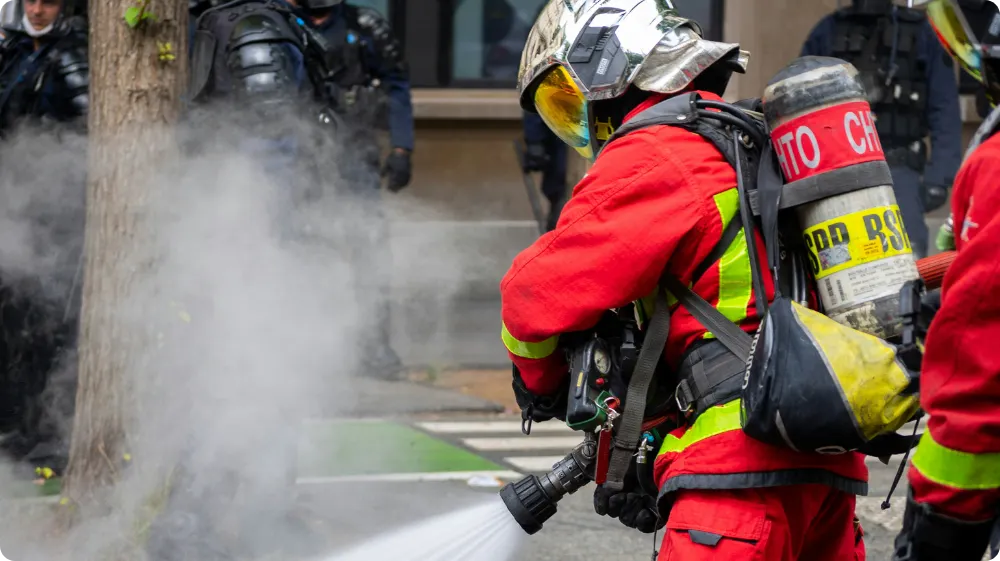
The start of a fire emergency does not usually give warning signals. A fire may begin as a minor situation and escalate into a serious problem over time if someone makes the wrong decision about responding in those first moments. People instinctively act at first. This is where issues start.
The prevailing mindset in organisations is that anyone in the area should pick up a fire extinguisher and put out the fire. However, in reality, this can create more peril than security. Fire extinguishers are not designed for untrained individuals. Furthermore, if an unskilled person uses the wrong type of extinguisher or misuses it, the result can be to worsen the fire, cause injury to a person, and block escape routes when time is of the essence.
The simple fact is that not everyone should fight a fire. Only individuals who have received proper training regarding using a fire extinguisher, understanding fire risk, and the overall level of danger to themselves and other employees should consider using a fire extinguisher in the event of a fire. Even for those individuals, though, they should consider doing so only under circumstances that clearly demonstrate it is safe. For all other individuals, they should activate a fire alarm and exit the building as quickly as possible, as this is the responsible action in the event of a fire.
This article discusses: Who is responsible for using a fire extinguisher, when and how it is appropriate to use one, what the law requires, and how training is a crucial component in keeping individuals safe during fire emergencies.
In the UK, fire safety regulations clearly outline responsibilities for fire prevention, preparedness, equipment maintenance, and staff training. The principal legislation is the:
This law states that the employer, business owner, landlord, or building management is the responsible person and must:
Carry out and regularly review a fire risk assessment
Provide appropriate fire-fighting equipment, including extinguishers.
Ensure equipment is maintained and accessible.
Provide suitable fire safety training to staff.
Establish emergency procedures, including evacuation processes.
In addition, the Fire Safety Act 2021 and Fire Safety (England) Regulations 2022 strengthen responsibilities for multi-occupancy residential buildings, especially regarding evacuation planning and equipment checks.
Employers are legally required to provide appropriate fire extinguishers and training; however, not all employees are legally required to fight a fire. Instead, only trained and authorised individuals should do so, and only when safe. While laws and standards may differ internationally, the principle remains consistent everywhere:
Fire-extinguisher use is a trained emergency skill, not a general duty for all staff.
Fire extinguishers are located throughout a business for emergencies, but not all employees should use them to put out fires. Using a fire extinguisher requires training and experience so that a person knows how and when to use it correctly and how to evaluate risks under pressure to safely help themselves, their coworkers, and any individuals nearby.
Fire extinguishers in the workplace should be used only by trained and authorised personnel (fire wardens, fire marshals) and by employees who have had formal Fire Safety Training.
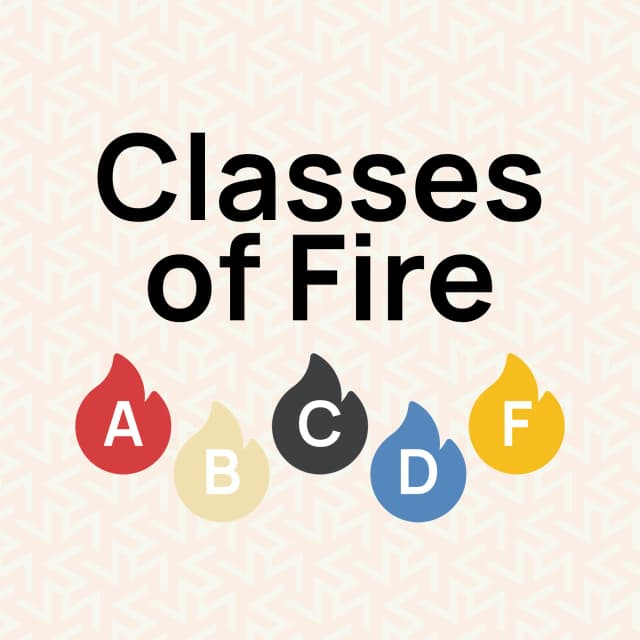
These individuals know the different fire classifications, know which fire extinguishers are to be used with each fire classification, and are trained to determine when it is safe to attempt to extinguish a fire and when it is necessary to evacuate first.
For individuals to be considered competent to use a fire extinguisher, they need to:
Know the classifications of fires and what fire extinguishers are appropriate for each fire classification.
Determine if the fire is small, confined, and safe for a person to approach.
Use the P.A.S.S. technique to operate a fire extinguisher.
Continuously monitor smoke, heat, and hazards in the immediate area;
Always have a clear and immediate exit route available.
The central premise on which workplace fire safety is based is simple:
Only specifically trained people should attempt to extinguish a fire.
Untrained staff should not feel obliged or compelled to extinguish a fire. Their main focus should include the following:
1. As soon as they become aware of a potential fire, they should activate the alarm
2. Use the closest exit to safely leave the area.
3. As soon as it's safe to do so, call for help from emergency services.
Trained staff may be able to limit the extent of damage to the business at the very beginning of a fire; however, in some instances, the actions of untrained personnel may create greater risks, such as improperly using fire extinguishers, being overcome by smoke, or panicking after they have already evacuated. Fire safety experts always advise that life comes before property in fire prevention and fire-fighting situations.
By clearly identifying who can remain and fight a fire, and who must immediately evacuate the building, organisations can reduce confusion about which employees should be removed from a workplace fire incident; this ultimately protects employees from preventable trauma and increases employees' confidence in their ability to respond to a fire incident
Enhance Workplace Fire Safety Through Professional Training
Others should prioritise sounding the alarm, evacuating safely, and calling emergency services rather than trying to fight the fire themselves.
Empowering trained individuals to act during the earliest stage of a fire can prevent serious damage, but attempting to fight a fire without the right training can be far more dangerous than leaving immediately.
Fire Marshal / Fire Warden Online Course: Be the first responder in workplace fire emergencies
Fire Safety Manager Advanced Diploma: Lead and manage workplace fire safety systems
NEBOSH Fire Safety Certificate: Globally recognised fire risk management qualification
NVQ Level 2 Passive Fire Protection: Specialist qualification to reduce fire spread and structural risk
Using a fire extinguisher is a serious decision, not a reflex. Even trained individuals should only attempt to fight a fire under particular and safe conditions. Extinguishers are designed for small, early-stage fires that can be controlled quickly, not for large or rapidly developing emergencies.
A trained person may attempt to use an extinguisher when:
The fire is small, contained, and not spreading
There is no rapid spread of smoke, heat or toxic fumes
The correct extinguisher is being used
A clear escape route is available directly behind at all times.
Emergency services should always be called before any attempt is made to extinguish the fire.
If at any point conditions change or the fire cannot be controlled immediately, evacuation takes priority.
Key Principle:
If you do not feel safe even for a moment, do not attempt to fight the fire. Evacuate immediately and close the door behind you to slow the spread.
To make safe decisions during a fire, trained individuals must understand both fire types and the operation of extinguishers. Using the wrong extinguisher or applying it incorrectly can worsen the situation or cause serious injury.
For example, water should never be used on electrical fires due to the risk of electrocution, and cooking oil fires require specialist wet chemical extinguishers. This is why extinguisher use is limited to trained personnel who understand fire classifications and equipment limitations.
When trained individuals do attempt to extinguish a small, early-stage fire, they follow the internationally recognised P.A.S.S. technique:
Pull the pin
Aim at the base of the fire
Squeeze the handle
Sweep side to side
Even when trained, users must always keep a clear escape route behind them and stop immediately if the fire is not controlled within seconds, following the principle of one fire, one extinguisher.
There are times when attempting to use an extinguisher is extremely dangerous and could put lives at risk. No fire is worth risking personal safety. You should never attempt to tackle a fire if it has grown beyond a small initial stage, is producing heavy smoke, or is spreading faster than you can safely react.
Avoid using a fire extinguisher when:
The fire is large, rapidly spreading, or flames are reaching the ceiling
Smoke levels make it difficult to breathe or see clearly
Heat forces you to crouch, crawl, or retreat
You cannot identify the fire type or the correct extinguisher to use
There is no safe escape route behind you
Hazardous materials or uncontrolled gas cylinders are involved
In these situations, evacuate immediately and leave the firefighting to emergency response professionals. Protecting life is always the priority; property can be replaced, people cannot.
According to a basic fire response safety principle, there should be one fire and one fire extinguisher per trained individual. A fire extinguisher can be used only once by a trained individual, so a trained person will never have to use two or more extinguishers against the same fire. Once the fire has been extinguished, or if conditions worsen after attempting to fight it, the trained individual should immediately stop fighting the fire and evacuate the structure, leaving fire suppression to professionals. The primary goal of this safety principle is to save lives. Allowing additional attempts to extinguish a fire with multiple fire extinguishers will delay the escape of persons involved and increase the risk of serious injury or smoke inhalation.
The failure of the first fire extinguisher to fully suppress the fire indicates that the fire has grown too large or is increasing in intensity or danger, making an effective attempt to extinguish it without emergency responders' assistance unlikely.
Tip: If the first fire extinguisher does not achieve control of the fire, evacuate immediately and do not re-enter the structure, nor attempt to use another fire extinguisher on the same fire. Evacuating the structure and contacting emergency services is the highest priority. The above guideline supports the notion that effective fire response is about making wise choices rather than being a hero. Saving lives takes precedence over saving property.
Understanding how to use a fire extinguisher correctly goes beyond simply knowing how it operates; it includes knowing when and how to use it effectively, rather than evacuating and leaving the situation to the fire department. Providing fire safety training to employees enables them to make informed decisions rather than act on instinct in an emergency, potentially putting their lives in danger.
Employees who receive fire extinguisher training will understand the different types of extinguishers, their limitations, and the consequences of using an extinguisher for an unintended purpose. Therefore, providing this training will significantly reduce panic and confusion during emergencies. In addition, providing training on fire extinguishers plays an important role in helping organisations meet their legal obligations to comply with statutory fire safety legislation; in the UK, legislation requires that employers provide information and training on the safe use of fire extinguishers and that employers have suitable arrangements in place for safely evacuating employees during a fire.
With the right training, employees can respond quickly during the early stages of a fire, support safe evacuation, and assist emergency services where appropriate. This not only improves workplace safety but also strengthens overall compliance and risk management.
Environment | Responsibility Examples |
Offices | Fire wardens and trained staff per floor |
Warehouses / Construction | Supervisors, equipment-trained operative |
Schools / Healthcare | Designated safety officers or trained staff only |
Hotels & Restaurants | Trained hospitality or kitchen personnel |
Residential Buildings | Building managers or fire-safety wardens |
Different workplaces require different strategies, but the principle remains: Never attempt to extinguish unless trained and conditions are safe.
Workplace Familiarise yourself with the nearest exit and your designated assembly area in case of a fire.
Do not obstruct any fire exit, fire alarm, or fire extinguisher.
Notify the appropriate person if you see any fire safety items broken or missing.
Follow the fire drill procedures as directed.
During an evacuation, do not use elevators or lifts.
IMPORTANT: You have the option to fight the fire; however, you must evacuate the building.
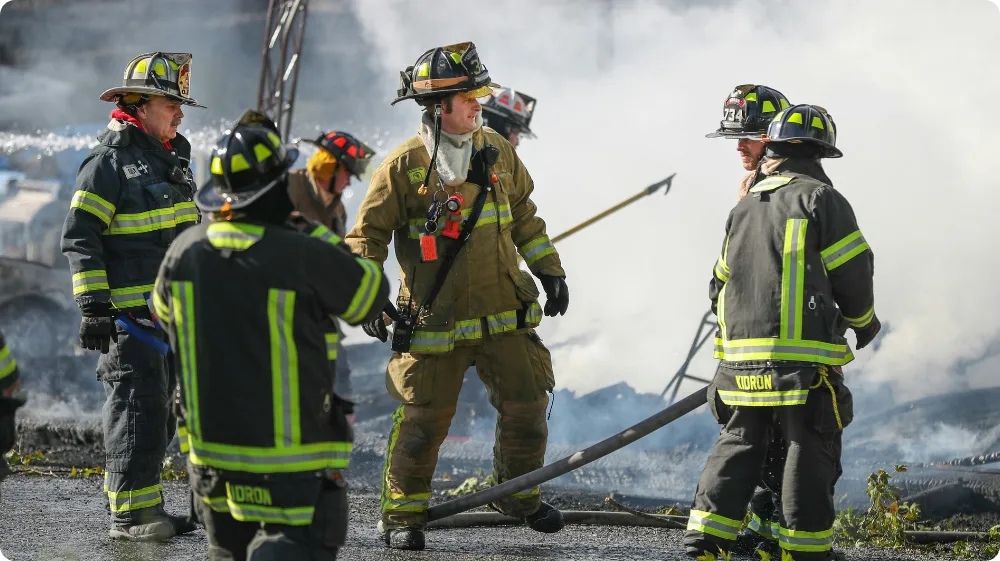
Workplace fire safety is not about bravery or improvisation; it is about training, preparation, and controlled decision-making. The responsibility for using a fire extinguisher lies only with trained and authorised individuals, and only when safe conditions allow. For everyone else, evacuation is the correct response.
Investing in high-quality training ensures legal compliance, protects employees, and builds confidence in emergency situations.
No, only trained and authorised individuals should attempt to use one.
Raise the alarm, call emergency services, check the escape route, assess the fire size, and ensure the correct equipment is used.
The FSO 2005 requires employers to provide fire-safety training appropriate to risk, including extinguisher use where relevant.
It can spread the fire, cause electrocution, or trigger an explosion. Never guess; evacuate instead.
No, their primary duty is safe evacuation. Using an extinguisher is optional and must only occur if it is secure.
Courses
Upskill with job-ready training.
Mock Tests
Measure your learning progress.
Create an online video course, reach students across the globe and earn money