


Do CCTV Cameras Record Sound? Understanding Audio in CCTV Systems
CCTV cameras have become an essential part of our lives. They are commonly used to monitor activities and keep surveillance.While most of us are familiar with how cameras capture video, it�s not always clear whether they also record sound.Some CCTV systems are designed to capture both audio and video, but this is not a standard feature in all installations. Whether a camera can record sound depends on the model, the equipment used, and how it's set up and installed.CCTV cameras with audio capabilities also raise serious concerns about privacy and compliance with UK laws.�In this article, we�ll explain does CCTV have audio, can CCTV record sound, where they are commonly used, and what legal considerations you need to keep in mind before installing a CCTV audio system.This is especially important for you if you manage a workplace with CCTV cameras that can record audio, or use them for your home security.It�ll explain the legal restrictions in the UK regarding CCTV audio and help you stay compliant and avoid potential issues.Does CCTV Have Audio?CCTV cameras are primarily designed to capture video footage, but many question whether CCTV cameras have audio capabilities.Some CCTV cameras do have an audio recorder, but the system is not installed in every model.Can CCTV record sound? Well, it depends on the type of camera, whether it has a built-in mic or one added externally and how the system is set up.Most basic or older cameras only record video. But newer ones, especially those used in retail or office environments, may have audio functionality.In simple terms, do CCTV cameras have audio? Yes, they can, but only if the hardware supports it and the feature is enabled.Similarly, does CCTV record sound? It depends entirely on whether microphones are present and if they have been configured correctly.Some advanced systems even have two-way audio so you can talk to the operator and the person being monitored.Also worth noting is that in some workplaces, employers choose not to turn on sound even when the camera can, due to privacy concerns and UK regulations.Understanding these legal and ethical requirements is just as important as knowing what your equipment can do.For security professionals and business owners, it�s important to know what your system can do and that it�s being used legally. Unauthorised recording or lack of proper signage can lead to legal action.This also ties in closely with the standards of behaviour expected of security operatives, which focus on respecting privacy and acting within the law at all times.Do CCTV Cameras Record Sound? How It WorksWhile CCTV systems are often thought of as just video recorders, some models are fully capable of recording both video and sound.�Modern systems can either include audio recording as an integrated feature or allow you to add it with external microphones.�Understanding how these setups work can help you make informed decisions while planning to install your system.Types of Audio-Enabled CCTVCCTV audio capability generally comes in two forms:Integrated audio: Many modern IP security cameras come equipped with built-in microphones that automatically record sound along with video, eliminating the need for additional equipment or cabling.�External microphones: Older systems or those requiring higher audio quality or coverage of a specific area may use a separate microphone.�These microphones are connected to the recording system, either directly into the camera or via the DVR/NVR. This allows for a more flexible placement of the camera, ideal for sound pickup.Both options have their uses. Built-in microphones are easier to set up and maintain, while external microphones give you more control over placement and audio quality.How Analogue and Digital Systems Handle SoundWhatever you choose, whether it's a built-in microphone or an external one, how the system processes the sound greatly depends on whether it�s an analogue or a digital system:In analogue CCTV systems, the camera sends a video signal to a recorder called a DVR (digital video recorder). If you also want to record sound, you usually need to use a separate cable from the microphone to the DVR. Each microphone occupies one slot, called an audio input, on the recorder, and most DVRs have a limited number of these slots. So, if you need sound from several cameras, you may quickly run out of available inputs.IP cameras (Internet Protocol) can send both video and sound through the same cable to the recorder, making them easier to use compared to analogue CCTV systems.This makes the setup more organised and is one of the reasons why many businesses now prefer to use IP systems instead of the older analogue ones.It is essential to understand the technological differences between analogue and digital systems if you are planning to upgrade your CCTV and wish to have a CCTV system with an audio component.Does the Camera Placement Matter?Before installing your camera, you must analyse where to place it to ensure clear audio and video quality.�Microphones, whether they're internal or external, pick up both the intended sounds and the background noise, making the audio less transparent and more complicated to use.For optimal results, install your CCTV in a quiet area with minimal background noise.�Avoid installing near noisy machinery or vents.Place the microphone closer to where conversations or key activities happen.Use directional microphones if you need to focus on a particular area.By planning the placement carefully, you can improve the audio clarity and quality.It is legally permitted in the UK to install a CCTV camera with an audio recording system. However, there are specific legal requirements and restrictions you need to be aware of before setting one up.�If you are a CCTV operator who is SIA trained and hold a valid SIA licence, understanding the law and the potential legal consequences becomes even more critical.�To find out what UK law says about using CCTV cameras with audio recording, let�s take a closer look below. Is It Legal for CCTV to Record Audio in the UK?Installing a CCTV system with audio recording is legal in the UK; however, there are strict laws and guidelines governing its use.Audio recording is treated differently from video surveillance because it�s more intrusive and can capture private conversations, compromising privacy.Understanding these rules is essential, whether you�re installing CCTV at work, at home, or in a public place, to avoid breaking the law and facing penalties.Legal Requirements for CCTV Audio Recording in the UKThere are three main laws and regulations you need to follow when using CCTV with audio in the UK:GDPR and Data RetentionThe General Data Protection Regulation (GDPR) gives people more control over how their data, including audio recordings, is collected, stored, and used.�If your CCTV system records sound, you must be able to justify why it is necessary, and you cannot collect more data than is reasonably required. GDPR also requires you to retain data only as long as it is essential for its purpose.�While UK law does not specify a fixed time limit, it is a common practice and recommended by the Information Commissioner�s Office (ICO) to delete CCTV recordings, including audio, within 30 days unless they are required for an investigation.�Keeping recordings longer than that without a valid reason is considered a breach of GDPR guidelines.ISO Guidance on Audio RecordingAlongside UK laws, international standards such as ISO/IEC 27001 and ISO/IEC 27701 also provide guidance on managing and recording audio securely and responsibly.�These standards emphasise minimising the amount of personal data collected, protecting it with appropriate security measures, and ensuring transparency about how it is being used.�Following ISO guidance can help organisations demonstrate good practice and compliance.Legal Considerations by LocationWorkplacesEmployers may use CCTV with audio in workplaces if it is necessary, for example, for training, safety, or security purposes.�However, staff must be clearly informed that sound is being recorded. This can be done verbally during induction or by using clear, visible signs in the monitored areas.�Recording sound without informing the people involved is not only unacceptable legally but also potentially breaches both individual privacy and employment laws.You are legally required to stop recording audio if anyone objects unless you have a strong, lawful reason to continue (such as during a formal investigation). You are also obligated to provide individuals with their audio recordings upon request.Regularly monitoring staff without their knowledge or consent is likely to damage trust and lead to complaints or legal action.Home SecurityAt home, you have more flexibility, but you still need to be mindful of privacy. You should avoid recording sound outside your property boundary, as your neighbours can object to this.�Even at home, it�s best to position microphones to only cover areas necessary for security purposes.Suppose you have visitors � whether friends, family, contractors, or delivery personnel � you are responsible for making them aware that an audio recording is taking place. You can do this verbally when they arrive or by displaying a clear notice at the entrance.Public PlacesIn public spaces, such as shopping centres or car parks, audio recording is rare and usually discouraged because it is much more intrusive than video alone.�If it is used, there must be an apparent, lawful reason, and signs must clearly warn people that the sound is being recorded.Penalties for Breaking the LawFailing to follow these laws can lead to serious consequences, including fines, legal action, or complaints to the Information Commissioner�s Office (ICO).�In some cases, evidence recorded unlawfully may also be inadmissible in court. This is particularly important for security professionals, as breaches could impact your ability to hold or renew an SIA licence, which is required to work in the private and retail security industry.Where is CCTV with Audio Commonly Used?Although CCTV audio recording is sensitive, there are some environments where it is more commonly used, usually where there is a clear, lawful purpose:Interview rooms or meeting rooms where consent is given in advanceCash handling areas or till points to help resolve disputes or investigate fraudCall centres or reception desks where customer interactions need to be recordedSpecific high-security sites where communication is part of the monitoringEven in these settings, CCTV audio should only be used when necessary, and people should be informed about it in advance.Using CCTV with audio may have its benefits, but it also comes with added responsibilities.�You need to ensure that you inform people, either through verbal communication or clear signage, about the audio recording and respect their objections if they are not comfortable, and ask them to stop recording if they request it.�By following the GDPR and considering ISO guidance, and being transparent about your practices, you can use audio-enabled CCTV lawfully and responsibly, whether at work, at home, or in public. SummaryCCTV camera is a very common device we use in our daily lives. We use it for home security, workplace safety and monitoring public spaces.But many are not aware of its technological advancement and still wonder:Do CCTV cameras have audio? The answer is yes, some do.But it varies from model to model. Not all systems have audio, and even when they do, it�s important to use this feature responsibly, as there are legal restrictions in place.In this article, we�ve explored how to use microphones to record sound in CCTV, the differences between analogue and digital setups, and the legal requirements for recording CCTV audio in the UK.Informing people and respecting their privacy while recording a CCTV audio is legally advised and helps you maintain the trust of the people involved.For those planning to join or already working in the security field, understanding these responsibilities is crucial, along with acquiring the right skills and knowledge from a recognised body for career enhancement.Hurak�s security courses help you apply this knowledge confidently and lawfully in real-world situations.Visit our site and enrol today!FAQsDo CCTV cameras have audio?Yes, some CCTV cameras have audio capabilities, but not all models include this feature. Whether a camera records sound depends on its design, whether it has a built-in microphone or an external one, and how it is set up.Does CCTV have audio as standard?No, CCTV does not have audio as standard. Many older or budget systems record only video, while newer or more advanced systems may include audio features if enabled.Does CCTV record sound in the UK?CCTV can record sound in the UK, but strict laws govern its use. You must inform people through clear signs or verbal notices, avoid recording in private areas, and delete recordings when they are no longer needed.Can CCTV record sound in workplaces?Yes, CCTV can record sound in workplaces if it is justified � for example, for safety, training, or preventing disputes � but staff must be informed and their privacy respected.How can I tell if a CCTV camera has audio?Check for a small pinhole or grille on the camera where the microphone sits, review the camera�s specifications, or ask the installer. You may also notice audio options on the playback screen if sound is being recorded.Is it legal to use CCTV with audio at home?Yes, you can use CCTV with audio at home, but you should avoid recording beyond your property or capturing conversations with your neighbours. Visitors should also be informed that audio is being recorded.

SIA Contact Number | How to Reach the Security Industry Authority (2025)
Why You Might Need the SIA Contact NumberIf you're applying for, renewing, or having issues with your SIA licence, knowing the correct SIA contact number can save you time and hassle.�Whether you're a new applicant or a licensed security professional, the Security Industry Authority (SIA) is the UK�s leading body for regulating private security work, and it receives thousands of enquiries each week.�From lost badges to application delays, having access to the correct security license contact number helps you get answers faster and avoid unnecessary setbacks.In this guide, we�ve compiled all the essential contact methods for the SIA, from helpline numbers and opening hours to online forms and postal details.�Whether you're based in London or elsewhere in the UK, this article will help you reach the right team quickly.What Is the Security Industry Authority (SIA)?The Security Industry Authority (SIA) is the official government body in the UK� responsible for regulating the private security sector.�Established under the Private Security Industry Act 2001, the SIA plays a crucial role in keeping the public safe and ensuring that only qualified individuals who have successfully passed their SIA training and criminal checks can legally work as security professionals in roles such as:Door supervisorsCCTV operatorsSecurity guardsClose protection officersThe SIA also ensures that employers in the security industry follow correct legal procedures when hiring staff.What Does the SIA Do?The SIA has specific essential roles to play, such as:Licensing IndividualsAnyone working in specific frontline security roles must hold a valid SIA licence. Before a licence is granted, the SIA conducts thorough checks on a person's criminal history, identity, training qualifications, and right-to-work status.These are all part of a structured SIA licence application process designed to protect the public.Enforcement and ComplianceAlongside licensing, the SIA investigates individuals or businesses suspected of unlicensed work, fraud, or improper use of a badge.�For example, using or distributing a fake SIA licence is considered a criminal offence and can result in suspension, prosecution, or imprisonment.Types of SIA LicencesThere are two main types of licences issued by the SIA:Frontline Licence � For individuals directly engaged in security work, such as guarding, door supervision, or CCTV monitoring. This licence must be visibly worn while on duty.Non-Frontline Licence � For individuals who manage, supervise or employ others in security roles, but don�t carry out frontline work themselves.The difference between frontline and non-frontline licences lies in the level of public interaction and responsibility involved.Each licence is valid for three years and has to be renewed before expiry to avoid legal complications.Why Is the SIA Important?By regulating who can work in security and enforcing rules on training and conduct, the SIA helps protect the public, prevent crime, and maintain professional standards across the industry.Without proper regulation, anyone could falsely claim to be a trained security officer, putting lives and property at risk.The SIA acts as a safeguard for both the public and professionals in the industry. Whether you're just starting your career or managing a team of professionals, understanding the role of the Security Industry Authority is crucial.By staying compliant and well-informed, you not only meet legal requirements but also contribute to the rising standards in the security sector.Get SIA-Approved Training to Start or Boost Your Security CareerIf you're planning to work in the private security industry, completing recognised SIA training is your first step.�At Hurak, we offer a range of SIA-approved courses designed to help you qualify, upskill, and stay compliant with industry standards.SIA Door Supervisor TrainingSIA Security Guard Training CourseSIA CCTV Operator TrainingClose Protection TrainingPhysical Intervention Refresher (Crossover) TrainingHandcuff TrainingWhether you're aiming to become a door supervisor, CCTV operative, or close protection officer, our courses are built to meet the latest SIA regulations.Enrol today and take the first step towards your security career.SIA Contact Number and HelplineIf you're applying for or renewing your licence, filing a complaint, or facing delays in your SIA application, calling the correct SIA contact number can help you resolve issues quickly.�The Security Industry Authority (SIA) receives a high volume of enquiries every day, from licence holders, employers, and applicants across the UK, particularly in high-demand areas such as London.Whether you�re chasing up an application, need to report a lost or stolen badge, or want to raise a concern, the SIA helpline is your main point of contact.Reasons You Might Need the Security License Contact NumberTo check the status of a new or renewal applicationTo update your details (name, address, and employer)To report a lost or stolen SIA licence badgeFor advice on criminal record issues affecting your licenceTo raise a concern or report suspected unlicensed activityIf you�re unsure whether you need a licence for a specific job roleFor most of these queries, it�s often faster to contact the SIA directly by phone rather than waiting for a response via the online portal.Official SIA Contact NumberSIA Helpline (UK-wide): 0300 123 9298This is also the main SIA contact number for London and the surrounding areasStandard call charges applyWhen calling, you'll be guided through an automated menu which will direct your enquiry to the correct department.What to Have Ready Before CallingTo help speed things up when you call the SIA helpline, keep the following ready:Your SIA licence number or application reference numberYour National Insurance numberA valid form of ID (if discussing personal details)Any written correspondence or documents you�ve received from the SIAReaching the right team at the Security Industry Authority is much easier when you use the correct security license contact number and have your details ready.�Whether you're calling from London or elsewhere in the UK, this single SIA helpline is your best route for real-time support and guidance.SIA Opening Hours and When to CallTo avoid long wait times and missed responses, it is essential to be aware of the official SIA opening hours.�The SIA operates only during weekdays (i.e., Monday to Friday) and is closed on weekends and bank holidays.If you try to reach out to the security license contact number during weekends or official holidays, your call will go unanswered.�SIA Helpline Opening Hours (UK Time)Monday to Friday: 9:00 AM � 5:00 PMSaturday & Sunday: ClosedBank Holidays & Public Holidays: ClosedBest Time to CallThe SIA helpline can get busy, especially at the start of the week.�Here�s how to avoid long queues:Avoid calling on Monday mornings (peak time)Midweek mornings (Tuesday�Thursday) are usually quieterHave your documents ready to reduce the call durationBy calling during off-peak hours, you can receive faster support from the SIA.�Contacting the SIA Online or by PostIf you're unable to reach the SIA by phone or prefer to address your query online, there are several digital methods to get in touch with the Security Industry Authority.�While the main security license contact number is helpful for urgent issues, many tasks, such as checking your application or updating your details, can be done online in minutes.This is especially helpful for individuals seeking an alternative to the SIA contact number in London or throughout the UK.Online Services and Enquiry FormYou can contact the SIA using their official online contact form, available 24/7:? Submit a Query via SIA Contact FormUse this form to:Ask about licence applications, renewals or suspensionsReport issues such as a change of address or employerRaise non-urgent complaintsAll messages are reviewed during office hours (Monday to Friday, 9 AM � 5 PM), and responses are typically sent via email.Use the SIA Services WebsiteIf you hold an existing SIA licence or are applying for one, the easiest way to manage your details is through the SIA�s online self-service portal:? SIA Services Portal � Log InHere you can:Apply for a new SIA licenceRenew or track your current licenceUpdate your contact or employment detailsView your application progressThe site is very user-friendly and is available 24/7 for all licence holders.�You can also visit the official GOV.UK page for more information: ? SIA.gov.UK Organisation PageContacting the SIA by PostIf you prefer to write to the SIA or need to submit physical documents, you can send your post to:Postal Address:�Security Industry Authority (SIA)PO Box 74957LondonE14 1UGPlease allow extra time for postal responses, especially during busy periodsContacting the SIA by EmailThe SIA also offers a public email address for general enquiries:? [email protected] emailing the SIA, make sure to include:Your full nameYour licence number (if you have one)A detailed explanation of your enquiryAny supporting documents or screenshotsThis ensures your query is handled efficiently by the right team.SIA on Social MediaThe SIA is active on social media platforms, where they share updates, reminders, and industry news.These channels are not for case-specific enquiries, but they can help you stay informed.Twitter: @SIAukLinkedIn: Security Industry Authority (SIA)You don�t always have to rely on the SIA contact number for non-urgent tasks or updates.Using the official website, portal, or email can often result in a faster and more precise response.Stay Compliant with SIA-Approved Top-Up CoursesIf you're renewing your licence, it�s now mandatory to complete SIA Top-Up Training to stay compliant with updated safety and counter-terrorism regulations.�At Hurak, we offer fully accredited SIA refresher courses that help you meet renewal requirements with ease.SIA Door Supervisor Top-Up TrainingSIA Security Guard Top-Up TrainingClose Protection Top-Up TrainingWhether you�re a door supervisor, security guard, or close protection officer, these courses will help you renew your badge legally and confidently.SIA Complaints Phone Number and ProcessIf you�ve had a negative experience involving a security operative, suspect someone working without a valid licence, or have faced delays or issues with your own SIA application, you can raise a formal complaint with the Security Industry Authority.The process is straightforward and designed to ensure complaints are handled fairly and professionally.What Is the SIA Complaints Phone Number?The official SIA complaints phone number is the same as the general helpline:? 0300 123 9298When you call, simply select the option related to complaints or enforcement. If you're unsure which option to choose, hold to speak to an operator who can guide you to the right team.This number can be used for complaints related to:Unprofessional behaviour by a licensed security workerSuspected misuse of a licenceDelays or errors in your application or renewalProblems with how your query or case has been handledAlternative: Submit a Complaint OnlineYou can also raise your concern using the official online form:? SIA Contact & Complaint Form.This method is ideal for:Written explanations with supporting evidenceUploading documents, screenshots, or correspondenceSituations where you need a clear record of the complaintAll complaints submitted online are reviewed by SIA staff during standard working hours.What Information Should You Provide?To help the SIA investigate your complaint effectively, make sure to include:Your full name and contact detailsYour SIA licence number (if applicable)A detailed description of the issueNames, dates, locations or licence numbers of others involvedAny relevant documents or evidenceUsing the correct SIA complaints phone number or submitting your concern online helps the Security Industry Authority respond more efficiently.�Whether you�re reporting misconduct or following up on a delayed application, raising a formal complaint ensures your voice is heard.ConclusionReporting a problem, seeking advice, or requesting updates?�The SIA helpline and digital services portals are designed to support the UK's security workforce and are backed by the standards set by the Security Industry Authority.Getting in touch with an SIA representative is a straightforward process � you simply need to have the correct SIA contact number and online portal information.�From the security license contact number to the 24/7 online portal, there are easy and reliable ways to handle licence-related issues, raise concerns, or get support without unnecessary delays.The security license contact number (0300 123 9298) remains a central support line for both new applicants and working professionals.�However, alternative channels, such as online forms, email, and posts, are ideal for those who are unable to call during the SIA's opening hours.There�s no separate SIA contact number for London � all services remain fully accessible across the UK.�For formal matters, the dedicated SIA complaints phone number and helpline options ensure that your issue is directed to the right team.Whichever route you choose�phone, email, or portal�the SIA has clear systems in place to help you stay licensed, compliant, and supported. FAQsWhat is the official SIA contact number?The official SIA contact number for all general enquiries is 0300 123 9298. This number connects you to the Security Industry Authority helpline, where you can get support with licence applications, renewals, lost badges, and other security-related matters.Is there a different SIA contact number for London?No, there is no separate SIA contact number for London. The same national helpline (0300 123 9298) is used across the UK, including London and surrounding areas.When is the SIA helpline open?The SIA helpline operates Monday to Friday, 9:00 AM � 5:00 PM (UK time). It is closed on weekends and bank holidays. Try calling midweek mornings to avoid peak wait times.What is the best time to call the security license contact number?Avoid calling on Monday mornings, as that�s when the security license contact number tends to receive the highest call volume. Midweek mornings (Tuesday to Thursday) usually offer faster response times.Can I contact the Security Industry Authority online?Yes, you can use the SIA online contact form available on their official website to submit queries, update details, or raise complaints. The online portal is available 24/7, although responses are handled during office hours.What documents should I have when calling the SIA helpline?When contacting the SIA helpline, have the following ready:Your SIA licence or application numberNational Insurance numberValid ID (for personal queries)Any previous emails or letters from the SIAWhat is the SIA complaints phone number?The SIA complaints phone number is the same as the central helpline: 0300 123 9298. Select the relevant menu option for complaints, or speak to an operator for assistance.Who regulates the security licence process in the UK?The Security Industry Authority (SIA) is the government body responsible for regulating private security work in the UK. They manage licensing, conduct compliance checks, and enforce industry standards.

Types of Asbestos: What They Are, Why They Matter, and How to Stay Safe
Although asbestos has been banned in the UK since 1999, it remains present in countless buildings constructed before that date. For professionals working in construction, renovation, or property management, this is not just historical trivia; it is a real and present danger. Inhalation of asbestos fibres continues to be a significant health concern, with the Health and Safety Executive (HSE) estimating around 5,000 asbestos-related deaths each year in the UK. These deaths often arise from diseases that take decades to develop, making awareness and prevention more crucial than ever.The purpose of this article is to help you understand what asbestos is, why its different forms matter, how to identify potential exposure risks, and most importantly, how to stay safe and compliant with UK regulations.What Is Asbestos and Why Was It So Widely Used?Asbestos is not a man-made material; it�s a group of six naturally occurring minerals found in the earth. What makes asbestos unique is its combination of valuable properties: it�s resistant to heat, fire, electricity, and chemical damage. Due to this, it was widely used throughout the 20th century in products such as cement, insulation, roofing, brake pads, and floor tiles.However, the same fibrous structure that makes asbestos durable is also what makes it dangerous. When asbestos-containing materials are disturbed by cutting, drilling, sanding, or even deterioration, they release tiny fibres into the air. These fibres are invisible to the naked eye and can easily be inhaled. Once inside the body, they become lodged in the lungs or other tissues, where they can remain for decades. Over time, this can cause severe diseases such as asbestosis, lung cancer, and mesothelioma.The Six Types of Asbestos and Their CharacteristicsAsbestos minerals are divided into two main categories based on their physical structure: serpentine and amphibole. The serpentine group has only one type, chrysotile, while the amphibole group includes five: amosite, crocidolite, tremolite, actinolite, and anthophyllite. Each type has a distinct fibre shape, colour, mineral composition, and level of risk. Understanding these differences is key to recognising and managing asbestos in real-world situations.Chrysotile (White Asbestos)Chrysotile, also known as white asbestos, is by far the most common type found in UK buildings, making up over 90% of all asbestos used before the ban. It features long, curly fibres and was considered easier to handle due to its flexibility. This made it popular in insulation, roofing materials, ceilings, walls, and vehicle brake linings. Its colour, usually white or grey, comes from its magnesium-based composition. Although some previously considered it �less dangerous,� modern science recognises that chrysotile fibres are still highly carcinogenic. Prolonged exposure can lead to deadly diseases, just like any other form of asbestos.Amosite (Brown Asbestos)Amosite, often called brown asbestos, was the second most common type used in the UK. It belongs to the amphibole family and has rigid, needle-like fibres that are more brittle and more dangerous when airborne. Its colour, brown or dark grey, is due to its high iron content. Amosite was commonly used in fireproof insulation boards, ceiling tiles, and pipe lagging. The sharpness of its fibres makes it more likely to become deeply embedded in lung tissue, significantly increasing the risk of mesothelioma and lung cancer.Crocidolite (Blue Asbestos)Crocidolite, or blue asbestos, is widely regarded as the most dangerous type. It's fine; sharp fibres can be inhaled more easily than those of any other asbestos type. Crocidolite was used in high-temperature insulation products such as pipe lagging, sprayed-on coatings, and some cement-based materials. Its vibrant blue colour is a visual indicator of its unique mineral makeup, which includes sodium and iron. Even brief exposure to crocidolite fibres can lead to mesothelioma, making it a significant cause of asbestos-related cancer deaths.TremoliteTremolite was not used commercially on its own but has been found as a contaminant in talc, vermiculite, paints, and sealants. It can range in colour from white to green depending on its mineral content. Like other amphiboles, tremolite has sharp, needle-like fibres that can be easily inhaled when disturbed. Although less commonly encountered, tremolite exposure has caused serious health effects, particularly in regions where contaminated talc was widely used.ActinoliteActinolite is another amphibole asbestos type, typically green to grey in colour. It has a fibrous, splinter-like structure and was also not used deliberately in most commercial products. However, it can be found as a contaminant in construction materials such as insulation, plaster, and drywall. Inhalation of actinolite fibres poses serious risks, including lung cancer and pleural diseases, even though its usage was limited.AnthophylliteAnthophyllite is the rarest of the six types and appears in shades of brown, green, or grey. It was used in limited applications, including some insulation and cement products, and also found as a contaminant in talc. Though less commonly encountered, anthophyllite fibres pose the same dangers as other types and can lead to chronic lung conditions when inhaled.Each type of asbestos derives its colour from its unique mineral composition. For example, amosite's iron-rich content gives it a brown hue, while crocidolite�s sodium and iron produce a blue colour. These visual differences are useful for categorisation, but they are not reliable for on-site identification. Only professional lab testing can confirm asbestos presence.Where Asbestos May Still Be Found in BuildingsAsbestos-containing materials (ACMs) are still found in many homes, schools, hospitals, and workplaces built before the year 2000. It�s not always obvious, and that�s what makes it dangerous. In many cases, asbestos may be hidden in old ceiling tiles, roof sheets, pipe lagging, floor tiles, sprayed coatings, and even in adhesives behind walls or under flooring.Because asbestos fibres are not visible and materials may look perfectly intact, people often don�t realise they�re at risk. During renovation or demolition, these materials can become crumbly, meaning they easily crumble and release fibres. That�s why anyone working with or around older buildings must know what to look for and when to stop and call in professionals.If you're taking on responsibilities related to site safety, training like the SMSTS or SSSTS courses will help you manage these risks more confidently.The Hidden Health Risks of Asbestos ExposureOne of the most tragic things about asbestos-related illnesses is how long they take to develop. A person exposed to asbestos fibres in their 20s might not show symptoms until their 50s or 60s. This long latency period makes early detection difficult and prevention critical.The most well-known disease caused by asbestos exposure is mesothelioma, a rare and aggressive cancer that affects the lining of the lungs and abdomen. There is no cure, and survival rates remain low. Another condition is asbestosis, a chronic lung disease that results in scarring and progressive shortness of breath. Lung cancer is also a significant risk, particularly among people who smoke and have been exposed to asbestos. Finally, pleural thickening, a condition where the lining of the lungs becomes stiff, can reduce lung function and lead to chronic discomfort.No level of asbestos exposure is considered safe. The risk may vary depending on fibre type, duration of exposure, and individual health conditions, but the only truly safe approach is prevention. Your Legal Duties Under UK Asbestos RegulationsIn the UK, the Control of Asbestos Regulations 2012 places a legal responsibility on those managing non-domestic buildings to protect workers and the public from asbestos exposure. This includes identifying ACMs, assessing their condition, keeping up-to-date records, and informing anyone who might come into contact with them.Employers must also provide training to any worker who could disturb asbestos during their work. This includes tradespeople, maintenance staff, and even office workers in buildings with known asbestos materials. Failure to comply with the law can lead to legal penalties and, more importantly, significant health consequences.To support workplace compliance, many individuals choose to take a CITB Health and Safety Awareness Course or the more comprehensive Level 2 Health and Safety in the Workplace courseHow to Identify and Manage Asbestos SafelyBecause asbestos fibres are invisible and dangerous, you should never attempt to inspect, remove, or repair asbestos yourself. The first step is to hire a licensed asbestos surveyor. These professionals conduct detailed surveys, either a management survey for ongoing building use or a refurbishment and demolition survey for construction work.After a survey confirms the presence of asbestos, proper management involves creating an asbestos register, marking affected areas, and using licensed contractors for removal or containment. In some cases, you may also need to carry out air testing to ensure no fibres remain suspended after any disturbance.Education is just as critical as containment. If you or your team work in environments where asbestos may be present, it�s essential to complete certified training like Hurak�s Asbestos Awareness Course, which covers everything from identification and legal duties to emergency proceduresConclusionAsbestos might be banned, but the danger hasn�t disappeared. For many professionals working in today�s construction and maintenance sectors, the risk is still very much alive. That�s why asbestos awareness is not just about ticking a compliance box; it�s about protecting yourself and those around you.Understanding the six types of asbestos, recognising where they may be found, and knowing the associated health risks are all essential components of creating safer working environments. Complying with UK safety regulations is also crucial. With proper training and precautions, these risks are manageable; however, ignoring them can be deadly.Compliant. Certified. Confident.UK regulations require asbestos awareness training for anyone likely to disturb asbestos-containing materials (ACMs).With Hurak, you�ll get practical knowledge, legal compliance, and CPD-recognised certification, all in one short course.Stay protected and professional, start your training now.FAQsWhat is white asbestos called?White asbestos is called chrysotile. It was the most widely used type in UK construction and is still the most commonly found in older buildings. Despite earlier claims of being "safer," chrysotile is a known health hazard and is fully banned.What is the name of blue asbestos?Blue asbestos is known as crocidolite. It has the finest fibres of all types and poses the highest risk. Even short exposure can lead to diseases like mesothelioma, making it the most dangerous form.What is brown asbestos?Brown asbestos refers to amosite, commonly used in insulation boards and ceiling tiles. Its rigid, needle-like fibres are highly hazardous and strongly linked to lung disease.How many types of asbestos are commonly found?There are six types of asbestos, but the three most common in UK buildings are:Chrysotile (white)Amosite (brown)Crocidolite (blue)These were used in everything from pipe lagging to cement and insulation.Do asbestos colours mean anything?Yes, the colours reflect the fibre type, white, brown, and blue, but they�re not reliable for on-site identification. Always consult a licensed surveyor or complete Asbestos Awareness Training to be sure.Asbestos and Your Career: What You Should KnowWhether you�re managing a site or just getting started on the tools, asbestos awareness plays a critical role in ensuring workplace safety. Many careers today still involve contact with buildings that may contain asbestos. Here�s how asbestos knowledge applies across key roles:Site Manager: Oversees all health and safety responsibilities on-site, including ensuring asbestos surveys are completed and regulations are followed during refurbishment or demolition.Site Supervisor: Coordinates daily site activities, ensuring workers don�t unknowingly disturb asbestos-containing materials and that proper procedures are followed when risks are identified.Labourer or Tradesperson: Frequently works hands-on with older materials. Without training, these roles are at high risk of accidental asbestos exposure during drilling, cutting, or removal tasks.Asbestos Surveyor: Specialises in identifying and assessing asbestos-containing materials. Plays a vital role in informing site safety decisions and ensuring compliance with UK asbestos laws.Health & Safety Officer: Monitors and enforces health and safety standards, including training requirements, safe work practices, and asbestos documentation under the Control of Asbestos Regulations 2012.If your job might bring you into contact with pre-2000 buildings, completing an Asbestos Awareness Course is not just recommended, it�s a legal requirement.
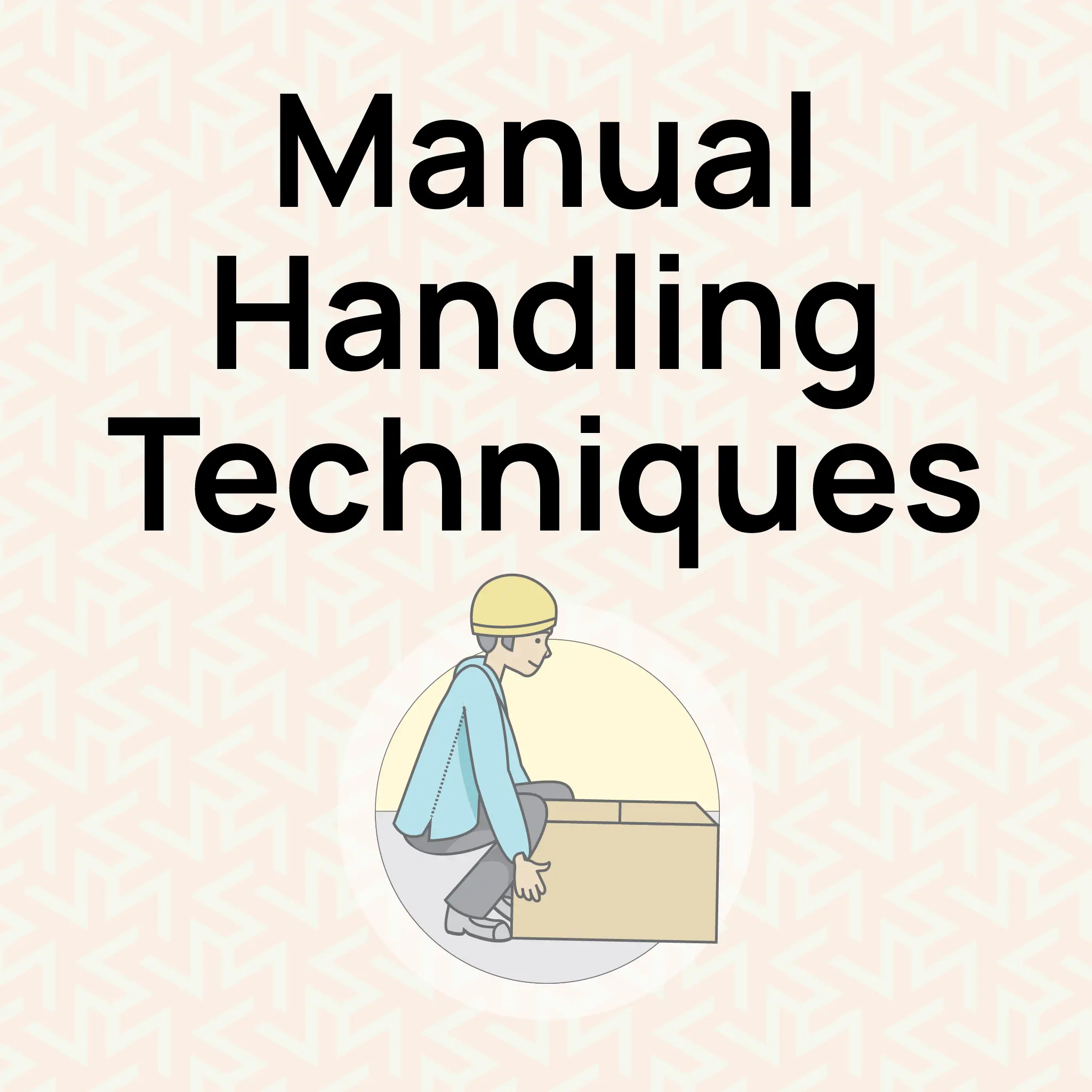
Manual Handling Techniques: A Complete Guide to Safe Lifting and Movement
The most common physical activity that is performed in the UK workplaces is manual handling. Whether it�s lifting boxes in a warehouse, repositioning patients in a care home, or moving tools on a construction site, it�s part of everyday working life for many. However, in spite of its widespread use, poor manual handling is a primary cause of workplace injuries, which frequently have prolonged effects.This guide explains how to apply manual handling techniques properly, how they affect your role and future employability, and how learning them is a smart move not only for beginners but also for experienced professionals.Understanding Manual HandlingManual handling is any task that involves the use of physical force to lift, drop, carry, push, pull, or move an object or load. A �load� may be anything: people, boxes, materials, or tools. These tasks are especially widespread in industries such as construction, healthcare, retail, and logistics.When carried out incorrectly, manual handling can lead to musculoskeletal disorders (MSDs) such as back pain, joint injuries, or long-term mobility problems. The Health and Safety Executive (HSE) reports that manual handling injuries account for more than a third of all work-related injuries in the UK, with most being preventable with the right knowledge and techniqueWhy Manual Handling Skills MatterCorrect manual handling techniques are important for anyone working in a physically active role. For employees, it prevents injury and maintains productivity. For employers, this often results in fewer absences, lower compensation claims, and smoother day-to-day operations.In sectors like construction, improper lifting and carrying can lead to more severe incidents, which often connect with broader health and safety risks on construction sites. Understanding how manual handling fits into the broader picture of workplace safety helps you take responsibility for your own health and that of the people around you.Moreover, having good practice on a regular basis in the handling of manuals will increase your employability. Workers who have basic knowledge about safety expectations and seem responsible in physical work activities tend to be appreciated more by employers.Core Manual Handling TechniquesPlan the TaskBefore you lift anything, stop and assess the situation. Ask yourself:Is the load too heavy or awkward to lift alone?Is the path clear of obstacles or trip hazards?Are there aids, such as trolleys or lifting equipment, that you could use?This is the time to prevent the risks even before they happen. There are cases where lifting is not required at all.Position Your Feet for StabilitySafe lifting is based on your position. Keep your feet roughly shoulder-width apart, with one foot slightly forward to maintain balance. Standing with your feet too close together when moving a load reduces your ability to adjust if the load shifts unexpectedly.Use Your Legs, Not Your BackThe most widespread error in handling involves bending at the waist in order to pick up an object. Instead, bend your knees while keeping your back straight and your head up. As you lift, use the strength of your leg muscles to raise the load. This approach significantly reduces strain on your spine.Hold the Load Close to Your BodyThe further away a load is from your body, the more strain it places on your arms, shoulders, and back. Always hold the load as close as possible, preferably at waist level, and ensure a secure grip before proceeding.Avoid Twisting Your BodyWhen you have picked up the load, you must always turn on your feet, not your body. Twisting while lifting is a significant cause of injury. If you need to change direction, stop, pivot your feet, and then continue.Know When to Ask for HelpUnderstanding your limits is part of safe practice. In case a load is heavy, bulky or uneven, then seek help or use a handling aid to make sure that you are safe. You should also be aware of how to avoid manual handling risks, such as working in confined spaces or lifting while fatigued.Safe Lifting in Action: A Step-by-Step ExampleAssume you are at a warehouse and a package has to be picked up from the floor and placed on a trolley. The way you would do it based on the above principles is as follows:Examine the track leading to the trolley, and clear it if necessary.Stand with feet shoulder-width apart, one foot slightly forward.Sit down, using your knees and hips, not your back.Get a firm grip on the package using both hands.Lift smoothly using your legs, keeping the box close to your body.Move slowly, do not turn or make any sudden movements when carrying the load.Lower the box onto the trolley using the same motion in reverse.This might seem methodical, but once practised, these steps become second nature and significantly reduce the risk of injury.The Bigger Picture: Creating Safer Work EnvironmentsWhile individual technique is important, safe manual handling is part of a larger system of health and safety controls. This includes:Clear signage and risk assessmentsProper lighting and ventilationErgonomic equipment and lifting aidsTraining and supervision tailored to job rolesPoor manual handling is often a symptom of broader issues. As highlighted in the consequences of poor health and safety procedures in the workplace, organisations that neglect basic safety often face greater financial, legal, and human costs.Those in charge of teams or projects are particularly responsible for ensuring these systems are in place. If you�re in or preparing for a leadership role, training like the SSSTS course equip you with the knowledge to enforce safe practices and supervise others effectively.? For SSSTS (Site Supervisor Safety Training Scheme):Stepping into a supervisory role? The SSSTS course equips you with essential knowledge to manage safety on-site, identify manual handling risks, and lead by example. Ideal for individuals seeking to advance in construction supervision.Training That Makes a DifferenceReading about techniques is helpful, but practical training is where it really clicks. Hurak Manual Handling Course provides a practical introduction to safe practices of handling in different working environments. You will be taught how to assess loads, using techniques and adhere to the health and safety laws.For those managing sites or larger teams, our SMSTS course builds on this knowledge by teaching how to plan and implement safe working systems, including manual handling processes, across entire projects.?? For SMSTS (Site Management Safety Training Scheme):Managing teams and safety at a larger scale? SMSTS is designed for site managers and senior staff who need a deeper understanding of health and safety responsibilities, including overseeing manual handling practices across complex operations.ConclusionManual handling injuries can be prevented, but only when the proper techniques and awareness are in place. For workers, it�s about taking care of your body and being able to perform your job without unnecessary risk. For employers and supervisors, it�s about leadership, responsibility, and fostering a safe environment for all.Whether you�re just starting out or working toward a supervisory role, your understanding of manual handling could make a real difference, not only to your safety but to your long-term employability and career satisfaction.If you�re considering taking on more health and safety responsibilities, understanding the key roles of a safety officer can be your next step. And remember, safety doesn't end with lifting.Check out these guides on fire safety at your workplace and practical fire safety tips to complete your knowledge Frequently Asked QuestionsWhat should always be done prior to lifting a load?Before lifting any load, always conduct a quick risk assessment to ensure safety. This involves checking the size, weight, and stability of the object, as well as the surrounding space. Is the path clear? Is the load too heavy to lift alone? These steps help prevent unexpected strain or injury. When lifting a load, plan ahead; even a few seconds of preparation can significantly reduce the risk of injury.Where should you hold and carry your load?Always keep the load close to your body, ideally at waist height. Holding the object close minimises the leverage force on your back and shoulders, helping you maintain control. Avoid stretching your arms out; this can cause imbalance and place unnecessary strain on your spine. If you're wondering where you should hold and carry your load, remember: the closer and more centred, the safer.In general, how should you position your feet when performing a lift?Place your feet shoulder-width apart to create a strong, stable base. One foot should be slightly in front of the other to help with balance, especially when lifting from the ground. The phrase "feet must be close together when moving a load" is misleading; too narrow a stance actually reduces stability. A broader base gives you greater control during the lift.What should you not do when lifting a load?You should not twist your body, bend your back, or jerk the load upwards. These are common mistakes that lead to injuries. Another thing to avoid is lifting something that feels too heavy; always ask for help or use equipment. Also, avoid rushing. What should you not do when lifting a load often comes down to poor posture, poor judgment, or both.What is the correct technique for lifting?The correct technique involves the following steps: assess the load, position your feet correctly, bend your knees (not your back), grasp the object securely, lift using your leg muscles, and keep the load close to your body. Avoid twisting while lifting, and instead, pivot your feet to turn. These manual handling principles apply to most lifting tasks, regardless of the setting.State one tip for safe handling and lifting.One essential tip is to keep the load close to your body throughout the lift. This simple action reduces pressure on your spine and improves balance. It's a fundamental part of safe manual handling and is often the difference between a smooth lift and a painful strain.What is the safe limit of force to push a load?There isn�t a fixed legal limit, but guidance from the HSE suggests that the maximum recommended force for pushing a load on a flat surface is about 20kg of force for men and 15kg for women under ideal conditions. However, the actual safe limit depends on surface friction, posture, and the height of the load. You should never push or pull a load that feels difficult to control.When handling an uneven load, what should you do?You should test the load first and check its centre of gravity. If one side is heavier, try to adjust your grip to keep the load balanced and close to your body. If necessary, reposition the contents or seek assistance. When handling an uneven load, you should avoid sudden movements, as they can lead to instability and injury.Moving and handling include which of the following actions?Manual handling encompasses a range of activities, including lifting, carrying, pushing, pulling, lowering, and holding loads using physical effort. It�s not just about lifting; any movement involving force on an object is considered manual handling. Recognising this helps identify more risks, especially when handling repetitive or awkward movements.Explore Related CoursesStrengthen your knowledge of workplace safety and grow your career with training tailored to your role:Manual Handling Training � Understand lifting techniques, reduce injury risk, and stay compliant.SSSTS (Site Supervisor Safety Training Scheme) � For those stepping into a site supervision role.SMSTS (Site Management Safety Training Scheme) � Designed for site managers to lead safely and legally.Health and Safety Awareness (HSA) � A solid starting point for beginners entering the construction or industrial sector.Fire Marshal (Fire Warden) Course � Learn fire prevention responsibilities and emergency actions.IOSH Working Safely � A short, engaging course ideal for staff across all industries.IOSH Managing Safely � For team leaders and managers responsible for health and safety.
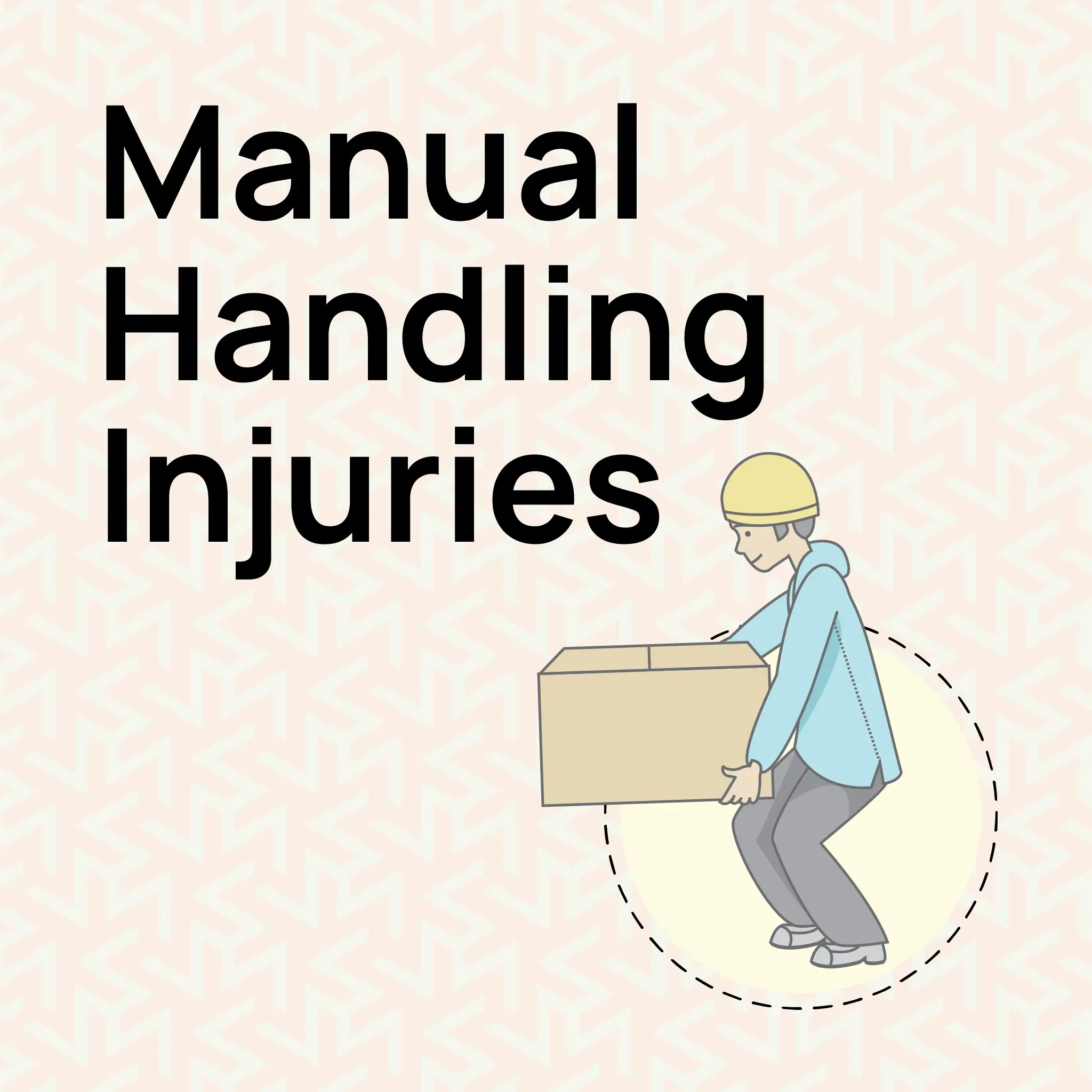
Manual Handling Injuries: The Most Common Types and How to Prevent Them
Manual handling is a common part of work across countless industries. From warehouse staff and healthcare workers to cleaners, retail employees, and construction workers, many people regularly lift, carry, push, or pull items as part of their daily duties. While these tasks may appear straightforward, incorrect handling techniques can lead to painful, sometimes life-changing injuries. Worse still, they�re often overlooked until they force someone to take time off work or even reconsider their career path.This article breaks down everything you need to know about manual handling injuries, what they are, why they happen, and how you can avoid them. Whether you�re new to the workforce, looking to build your skills, or simply want to stay safe on the job, this guide will help you make more informed, confident decisions.Understanding Manual Handling InjuriesManual handling refers to any activity involving the lifting, carrying, lowering, pushing, pulling, or moving of loads by hand or bodily force. It�s one of the most common tasks in the workplace and a leading cause of injury.The injuries associated with manual handling typically affect the musculoskeletal system, which includes muscles, joints, ligaments, and the spine. According to the Health and Safety Executive (HSE), manual handling injuries account for a significant number of all workplace incidents, particularly in physically intensive jobs.What makes them particularly concerning is their long-term impact. A strained back or a repetitive shoulder injury might seem manageable at first, but if ignored or repeated, these injuries can become chronic and prevent people from doing their jobs safely or at allThe Most Common Types of Manual Handling InjuriesWhile there are many ways a person can injure themselves during manual handling tasks, three types of injuries are especially common. Understanding these can help individuals recognise risks early and act before problems worsenBack InjuriesBack injuries, especially in the lower back, are the most frequently reported. These typically result from bending at the waist, twisting while lifting, or carrying loads that are too heavy or unbalanced. The spine is under immense pressure during improper lifting, and over time, this can lead to serious damage, such as herniated discs, long-term back pain, and restricted mobility.A logistics worker, for example, might lift dozens of boxes daily. If they don�t use proper form, the strain accumulates, and the injury often strikes suddenly after what seems like a routine movementStrains and SprainsStrains (to muscles) and sprains (to ligaments) occur in areas such as the shoulders, arms, wrists, and legs. These often develop over time through repetitive lifting or awkward postures, particularly when tasks involve reaching, twisting, or carrying loads in uncomfortable positions.Jobs in sectors such as healthcare, where moving people or equipment is part of the role, are particularly prone to these types of injuries. Our article on how to avoid manual handling risks provides a more detailed examination of these issues.Crush Injuries and FracturesAlthough less frequent, crush injuries and broken bones tend to be more severe and are often the result of sudden accidents, such as items falling, fingers getting caught, or heavy equipment tipping over. These are more likely to occur in busy environments, such as construction sites or warehouses, where large objects are frequently moved and stored.Why These Injuries Keep OccurringManual handling injuries are so prevalent because poor habits are easy to fall into, especially when staff are busy, under time pressure, or inadequately trained. Many workers lift loads instinctively, without pausing to assess the situation or plan the safest method of lifting.Common causes include:Poor technique (e.g. bending with the back rather than the knees)Overexertion, lifting too much alone instead of asking for helpRepetitive movements without restSlippery or cluttered workspacesLack of understanding about how injuries build up over timeIn some cases, there may also be a cultural problem where people �push through� discomfort or view injuries as part of the job. However, with proper awareness and training, these risks can be significantly reduced.?? Just getting started with workplace safety?Our IOSH Working Safely course provides a clear and practical introduction to health and safety principles. It�s perfect for employees in any role who want to work more safely and responsibly.How to Prevent Manual Handling Injuries Preventing manual handling injuries begins with education. Workers need to be trained not just on the right techniques but also on how to assess risk and use equipment effectively. Here are the most effective steps individuals and employers can take.Use Correct Lifting TechniquesBend at the knees, not the waist. Keep the load close to the body. Avoid twisting. Lift smoothly and avoid sudden movements. While these steps may seem simple, applying them consistently, especially in fast-paced environments, requires attention and habit formationAssess the Load and EnvironmentBefore handling anything, pause and think:Is the item too heavy or awkward to handle?Can it be broken into smaller loads?Is the path clear, and are there hazards nearby?This simple risk assessment only takes a few seconds but can prevent serious injury.Use Equipment and Ask for HelpManual handling doesn�t mean you have to do everything by hand. Use trolleys, hoists, or other tools whenever available. Don�t hesitate to ask for help with large or heavy items. Many serious injuries happen when someone tries to prove they can do it alone.Refresh Training RegularlyManual handling isn�t just about common sense. It involves understanding anatomy, physics, and workplace regulations. Whether you�re new to the job or have years of experience, ongoing training can help correct bad habits and keep you up to date with best practices The Wider Impact on Career and Safety CultureFor many professionals, physical ability is directly tied to job performance. A single injury can not only interrupt work but also limit future opportunities, especially in industries that rely on strength and stamina. In serious cases, individuals have had to retrain for entirely new careers due to long-term damage from poor manual handling.That�s why knowledge and prevention aren�t just safety concerns, they�re career strategies. By working safely and demonstrating awareness of risks, individuals also position themselves as responsible, promotable team members. Supervisors and managers, in particular, are expected to lead by example and protect their teams.For those in or aspiring to these leadership roles, courses such as SSSTS or SMSTS provide a deeper understanding of managing safety on-site, including how to mitigate the risk of manual handling injuries across an entire team.? Ready to take on more responsibility at work?The SSSTS course is ideal for team leaders and supervisors. It teaches you how to manage health and safety on-site, prevent injuries such as manual handling accidents, and comply with your legal obligations.A Safer Future Starts With AwarenessManual handling injuries are more than an inconvenience; they�re a barrier to long-term success. Whether it�s a strained back or a broken wrist, these injuries can sideline your career, limit opportunities, or cost your employer time and money.However, the good news is that they�re avoidable. With the right habits, regular training, and a safety-first mindset, you can protect yourself and contribute to creating a safer workplace for others. And if you're aiming for roles with more responsibility, knowledge of health and safety isn't just helpful, it's essential.To explore additional topics, such as fire prevention, hazard control, or the role of safety officers, browse our expanding health and safety blog?? Leading a site team? Safety starts with you.The SMSTS course is designed for site managers who want to lead by example. Gain in-depth knowledge of managing risks, protecting your workforce, and staying compliant with health and safety laws.Frequently Asked QuestionsWhat are the most common accidents and injuries that can occur when moving and handling people?When moving and handling people, such as in healthcare or care home settings, the most common injuries include back strains, shoulder injuries, and muscle pulls. These incidents occur when workers attempt to lift or reposition patients without proper assistance or technique. Unlike handling objects, moving people often involves awkward angles and unpredictable shifts in weight. These conditions make it easier to strain muscles or cause joint injuries. To avoid such risks, training in proper people-handling techniques and the use of hoists or slide sheets is essential.What are the 3 most common types of manual handling injuries?The three most common manual handling injuries are:Lower back injuries are often caused by bending or twisting while lifting.Muscle strains and sprains, typically occurring in the shoulders, arms, or wrists, are often caused by repetitive motion or overexertion.Crush injuries or fractures may happen when heavy items fall or shift unexpectedly.These injuries occur across a wide range of jobs and often result from poor lifting techniques, overexertion, or rushing through physical tasks.What is the most common type of manual handling incident?The most common type of manual handling incident involves injuries to the lower back, often resulting from lifting heavy or awkward objects incorrectly. These incidents typically stem from bending with the back rather than the knees, twisting during a lift, or carrying loads that are too far from the body. Over time, these practices can lead to chronic conditions that limit mobility and work capacity.Give two examples of injuries which may be caused by poor manual handling.Two common injuries caused by poor manual handling are:A herniated disc in the lower back can occur from lifting with bad posture or carrying excessive weight.Rotator cuff strain in the shoulder often results from reaching overhead or lifting while twisting.These injuries may start with mild discomfort but can escalate into long-term health problems without proper care or adjustments to working habits.Which of the following is the most common form of injury resulting from manual handling?Among the different types of manual handling injuries, musculoskeletal disorders affecting the lower back are the most common. They�re frequently seen in industries such as warehousing, construction, and care services. Repeated strain, awkward postures, and incorrect lifting techniques contribute heavily to this type of injury, making it crucial for both employers and employees to prioritise manual handling safety training.Explore Related CoursesWhether you're looking to improve your safety, lead a team, or move into a supervisory role, these courses support your journey:Manual Handling Awareness: Understand safe lifting techniques, reduce injury risks, and work more efficiently in physically demanding roles.CITB SSSTS (Site Supervisor Safety Training Scheme): For team leaders responsible for safety on-site, including proper manual handling practices.CITB SMSTS (Site Management Safety Training Scheme): Designed for site managers looking to manage risks, meet legal duties, and build safer teams.SSSTS Refresher: Keep your supervisor certification valid while refreshing your knowledge of site safety and manual handling.SMSTS Refresher: Update Your Understanding of Workplace Risks and Continue Leading by Example.Health and Safety Awareness Course: A foundational course covering key responsibilities, ideal for new starters across all industries.

Top 10 Worst Places to Live in West Midlands (Crime Data)
Is the West Midlands becoming more dangerous?The West Midlands may be home to some of the UK�s most vibrant towns and cities, but for many locals, concerns around rising crime are hard to ignore.According to CrimeRate.co.uk, the West Midlands recorded 96 crimes per 1,000 people in the past year, placing it among the top 20 most dangerous regions in England and Wales.�In densely populated urban zones, that number spikes dramatically. Wolverhampton alone reports a rate of 129 crimes per 1,000 people, while Telford sees 118 crimes per 1,000 people.Crime types vary across the region, but violent offences, drug-related incidents, and antisocial behaviour dominate.�A deep dive into 2024 data reveals that certain towns consistently exhibit higher crime clusters, which negatively impact residents� quality of life.Below is a snapshot of key locations based on the official crime rate per 1,000 residents:Town/CityCrime Rate/1,000Most Reported CrimeWolverhampton129Violence and sexual offencesTelford118Antisocial behaviourBirmingham114Theft and robberyCoventry98Vehicle crime & burglaryAs crime continues to affect public spaces, transport hubs, housing estates and commercial areas, the need for manned security has seen a rapid increase.In this guide, we will talk about the top 10 worst places to live in the West Midlands, highlight the most dangerous towns, and offer insights into areas to avoid if you're living or working locally.Top 10 Worst Places to Live in the West MidlandsRising crime levels are shaping how people live, work, and feel across the region.With crime rates rising across the region, many residents are asking: Which are the most dangerous towns in the West Midlands?�Based on recent data from CrimeRate.co.uk and local reports, we�ve ranked the top 10 worst places to live, providing crime figures and a breakdown of what makes each location a concern.BirminghamCrime Rate: 136 crimes per 1,000 peopleMost Common Crimes: Violence and sexual offences, burglary, vehicle crime, public orderAs the UK�s second-largest city, Birmingham faces a complex crime landscape. High population density, economic disparity, and gang-related issues contribute to its safety challenges.�Inner-city areas like Newtown, Lozells, and Small Heath experience persistent violence and theft, while suburbs such as Northfield and Erdington also struggle with burglary and antisocial behaviour.�Despite ongoing regeneration efforts, Birmingham remains at the top of the list due to the sheer volume and severity of offences.WolverhamptonCrime Rate: 129 crimes per 1,000 peopleMost Common Crimes: Violence and sexual offences, drug offences, antisocial behaviourWolverhampton has become a hotspot for violence and drug activity, with locals reporting frequent incidents across several neighbourhoods.�Youth violence, gang tensions, and public disorder remain major issues in many districts.? Areas to Avoid in WolverhamptonSome parts of the city see significantly higher crime levels, such as:Whitmore Reans � Known for antisocial behaviour and theft.All Saints � Repeated violent incidents.Heath Town � Gang activity and knife crime.Blakenhall � Property crime and drug-related offences.Despite ongoing investments in CCTV and community safety initiatives, these neighbourhoods require vigilance.TelfordCrime Rate: 118 crimes per 1,000 peopleMost Common Crimes: Antisocial behaviour, violence and sexual offences, criminal damageTelford, located in Shropshire, is a growing urban town that faces safety issues often underestimated by outsiders.�Public disorder, particularly among young people, is a recurring theme.�Violence, criminal damage, and theft are concentrated in specific areas.? No-Go Areas in TelfordTelford�s crime is highly localised to:Brookside � Notorious for vandalism and drug dealing.Woodside � Reported gang presence.Sutton Hill � Frequent reports of youth crime and assaults.Leegomery � Known for public order offences.These areas contribute heavily to Telford�s rising crime figures, especially during late evenings and weekends.OldburyEstimated Crime Rate: 143 crimes per 1,000 peopleMost Common Crimes: Violent crime, burglary, criminal damageOldbury is a small but densely populated town in Sandwell. It�s regularly flagged for high volumes of assaults and antisocial behaviour.�Reports suggest that youth violence and knife crime have become increasingly common in the last two years, especially near shopping precincts and housing estates.BedworthEstimated Crime Rate: 143 crimes per 1,000 peopleMost Common Crimes: Theft, public order, vehicle crimeLocated in Warwickshire, Bedworth faces many of the same issues as its neighbouring town of Nuneaton.�Drug misuse, property crime, and repeated police callouts for violence are common.�Despite its small size, it consistently ranks high on the region�s crime charts.TiptonCrime Rate: 131 crimes per 1,000 peopleMost Common Crimes: Violence, public disorder, drugsTipton is another hotspot for violence and substance abuse in the Sandwell area.�Community reports often mention issues with organised street fights and nighttime disturbances.Schools and youth centres in the area have called for more targeted interventions.WednesburyEstimated Crime Rate: 136 crimes per 1,000 people (Express & Star)Most Common Crimes: Criminal damage, burglary, robberyWednesbury, while quieter during the day, experiences a sharp increase in criminal activity after dark.�Car thefts, home invasions, and even armed robbery cases have been reported in the town centre and surrounding estates.SmethwickEstimated Crime Rate: 138.6 crimes per 1,000 people (Express & Star)Most Common Crimes: Gang-related violence, arson, assaultSmethwick has made headlines multiple times in recent years for gang-linked shootings and knife crime.�Community policing remains stretched, with areas like Cape Hill requiring targeted surveillance and patrols.West BromwichEstimated Crime Rate: ~111 crimes per 1,000 peopleMost Common Crimes: Drug offences, theft, weapons possessionAs part of the Sandwell borough, West Bromwich is a bustling retail and transit hub�but it's also known for street crime and drug-related violence.�Transport interchanges and shopping zones are frequent targets for theft and antisocial incidents.CoventryCrime Rate: ~100 crimes per 1,000 peopleMost Common Crimes: Vehicle theft, burglary, violenceCoventry's urban centre and districts like Foleshill and Hill fields are known for repeat offences.�Although it performs slightly better statistically than others on this list, Coventry remains one of the most dangerous towns in the West Midlands in terms of volume and severity of crimes.Note: Rates are per 1,000 residents over a 12-month period (latest available: 2023�2024).While some areas in the West Midlands continue to flourish economically and culturally, these towns struggle under the weight of persistent crime.�From gang violence in Smethwick to antisocial behaviour in Telford, the reality is that certain parts of the region are becoming increasingly dangerous, not just for residents but for visitors and businesses too.While this list highlights the worst places to live in the West Midlands, it also opens the door for awareness and action. Whether it�s policing, urban planning, or security training.Knowing which places are most dangerous allows residents and businesses to take informed safety steps, including investing in professional security training to better handle and respond to local risks.Worried about safety in your area?�Explore SIA training to become part of the solution.The rise in crime across parts of the West Midlands underlines the importance of trained security professionals.If you're considering hiring licensed guards or becoming one yourself, understanding the SIA licence process, costs, and job opportunities is the first step.Explore our helpful guides:What is SIA?Guide to Getting an SIA LicenceSIA Badge Cost BreakdownSIA Licence Types ExplainedGuide to SIA Licence RenewalFree SIA Training OptionsSIA Security Jobs: What to ExpectWhy Proper Security Is Crucial in High-Crime AreasIn towns where crime rates are high, residents often feel the impact in the form of vandalism, theft, or even personal harm. Security guards are usually the first line of defence in crime-prone areas. Their presence alone can prevent incidents from occurring.�As crime becomes more complex, from gang activity to organised retail theft, the demand for properly trained professionals with up-to-date skills and licensing has never been higher.In high-risk towns across the West Midlands, having qualified, visible, and responsive security personnel helps reduce incidents and restore community confidence.�Here's how:Acts as a Visible DeterrentThe presence of uniformed security guards in public or private spaces immediately discourages criminal behaviour. Offenders are less likely to target a site when they know they�re being watched or challenged.�This is particularly effective in areas with high foot traffic, such as shopping centres, housing estates, and transit stations.Enables Rapid Response to IncidentsTrained security professionals can respond quickly to emergencies, be it a fight breaking out, shoplifting, or vandalism.�Their ability to de-escalate situations before police arrive reduces the likelihood of serious harm and improves outcomes for victims and bystanders.Supports CCTV and Surveillance OperationsSecurity teams are often responsible for monitoring camera feeds in real time. With proper training, they can identify suspicious behaviour early, track movements, and coordinate with emergency services.�This makes surveillance systems much more effective in preventing and solving crimes.Builds Trust Within the CommunityVisible and approachable guards help create a safer environment where residents feel protected.�In neighbourhoods plagued by antisocial behaviour, regular patrols help rebuild public trust, encouraging people to report concerns or cooperate with authorities more freely.Helps Prevent Repeat OffencesSecurity staff maintain records of incidents and identify patterns, such as repeat offenders or vulnerable entry points.�This intelligence can be used to enhance security protocols and inform local policing strategies, thereby reducing the risk of similar crimes recurring.From deterring crime to supporting emergency response, trained security professionals play a critical role in protecting high-risk areas. For towns struggling with safety, proper security isn�t just about guards on the ground�it�s about creating safer spaces, rebuilding trust, and contributing to long-term crime reduction.ConclusionThere�s still a long way to go, but recent numbers hint at slow improvements.�With improved policing and trained professionals on the ground, some towns are beginning to feel safer and have seen a 3% reduction in overall crime over the past year.Incidents related to public order and violent offences have declined, suggesting that proactive measures, such as improved policing and professional security, may already be making a difference. But this progress must continue.�Addressing high-crime areas requires more than statistics�it necessitates community involvement, responsible urban planning, and, most importantly, trained security professionals who can actively deter, de-escalate, and respond to risks on the ground.FAQsWhat are the top 10 worst places to live in the West Midlands?The top 10 worst places based on crime data include Birmingham, Wolverhampton, Telford, Oldbury, Bedworth, Tipton, Wednesbury, Smethwick, West Bromwich, and Coventry. These areas report high rates of violent offences, drug-related crime, and antisocial behaviour.Which are the most dangerous towns in the West Midlands?According to recent crime statistics, Wolverhampton, Birmingham, Telford, and Smethwick rank among the most dangerous towns in the West Midlands, with crime rates well above the national average.What is the most dangerous place to live in the West Midlands?Birmingham is considered the most dangerous place to live in the West Midlands due to its high crime volume, including violence, theft, and drug offences, particularly in inner-city areas like Lozells and Newtown.What are the areas to avoid in Wolverhampton?High-crime areas in Wolverhampton include:Whitmore Reans (antisocial behaviour and theft)All Saints (violent crime)Heath Town (gang activity)Blakenhall (property and drug offences)What are the no-go areas in Telford?Some areas in Telford with persistent safety concerns include:Brookside (vandalism and drugs)Woodside (gang presence)Sutton Hill (youth crime and assaults)Leegomery (public disorder)Are crime rates in the West Midlands improving?Yes, overall crime in the West Midlands has declined by around 3% over the past year. However, violent crime and antisocial behaviour remain high in certain towns, showing the need for continued intervention and security.

UK Gun Crime Explained: Stats, Deaths Public Impact
Crime is changing: not just in scale, but in the way it spreads. With each passing year, the world sees more stories of crime, whether it�s theft, drug abuse, knife attacks or gun violence.�The UK is a part of it too; while we�re not dealing with the same volume of firearm incidents as other countries, there�s a clear shift happening. Guns are no longer just rare finds; they are appearing more often in gang activity, street-level threats, and cases linked to youth and county lines networks. However, they are often not fired, but used to intimidate, threaten, and control.�According to the National Crime Agency (NCA), firearms remain a �significant threat� in the UK despite law enforcement efforts to keep numbers low. While gun deaths in the UK are still rare, the presence of weapons in everyday crimes is growing and has become a concern for the local communities.Gun Crime Statistics UK � What Do the Numbers Say?Despite the UK having some of the world�s strictest firearm laws, gun violence continues to appear in police reports year after year. Whether used in street-level disputes, gang intimidation or armed robberies, the use of firearms, legal or not, remains a pressing issue for law enforcement.In 2022�23, the UK recorded over 24,000 firearm-related offences. By 2023�24, this figure had fallen slightly, suggesting improved control in certain areas.Firearm Offences Over the YearsYearRecorded Firearm OffencesChange from the Previous Year2021-2222,170-2022-2324,094? 8.7% increase2023-2422,893? 5% decreaseSource: Office for National Statistics (ONS)These shifts are pretty interesting to observe. Let�s understand them below:Gun crime in the UK rose sharply in 2022�23, likely linked to post-lockdown gang movements and county lines activity.The drop in 2023�24 could be attributed to increased intelligence operations by the NCA and local police; however, the threat remains.Many of these crimes involve weapons that are not fired but still used to terrorise.While overall UK gun crime is currently down by 5%, the methods of gun use are shifting. There has been a noticeable rise in firearms being used to threaten rather than discharge.�These threats are often just as traumatic for victims and can still cause physical or psychological harm.In high-risk environments such as concerts, football stadiums, or busy transport hubs, crowd safety becomes an integral part of prevention, making it essential to have trained professionals on site. That�s why places like these often rely on SIA-licensed security guards who are trained to respond to escalating threats with control and authority.Gun Use in Crimes � Fired or Just Threatened?Not every gun is fired. In fact, the overwhelming majority involve firearms being used just to intimidate or threaten.�But this doesn�t make them any less dangerous. The presence of a gun, real or fake, can at any time escalate and lead to a life-threatening situation.This is where the real danger of gun violence lies in the UK today. Criminals often use guns not to kill but to frighten the victims, enforce control over rivals, or rob with fear as leverage. Unfortunately, this aggressive display of dominance can often lead to fatal injuries, panic-driven crowd reactions, and long-term mental trauma for victims.How Guns Were Used in Crimes (2023�24)Method of UsePercentage of CasesUsed as a Threat: Gun was brandished or pointed~68%Fired: Gun was actually discharged~29%Used as a Blunt Weapon: Gun was used to strike the victim physically~3.5%Source: Office for National Statistics (ONS)In Summary:Nearly 7 out of 10 gun crimes in the UK involve threats rather than discharges.The act of threatening someone with a firearm is a deliberate intimidation tactic commonly used by gangs, especially during disputes over drugs or territory.Even non-firing incidents can result in gun deaths indirectly, through retaliation, panic or police response.While it�s encouraging to see a reduction in the number of actual shootings, the growing normalisation of using guns to scare people is alarming. It suggests a shift in criminal behaviour�from concealment to visible shows of force.Whether it�s shoplifting or a nightclub bouncer dealing with a heated confrontation, the risk of it escalating is real.�In such environments, it�s crucial that security guards, tasked with retail safety and public protection, are well trained to handle such situations and understand what they can and cannot do legally.What Types of Guns Are Being Used?It's worrying to see the kinds of firearms being used in crimes, even after having strict gun laws in the UK. Gangs and criminals are using these weapons, often illegally, either by importing or modifying them. Types of Firearms Used (2023�24)Weapon TypeNumber of OffencesChange from Last Year (2023-24)Shotguns52? 42%Handguns226? 8%Other firearms1126? 9%Air weapons348? 23%Total firearms1752? 8.2%Source: Office for National Statistics (ONS)In Summary:Shotguns are declining in use due to stringent regulations and increased monitoring.Handguns have been increasingly common in gang-related shootings and territorial displays.Other firearms, including converted weapons, are often smuggled into urban hotspots.Air Weapons are easy to obtain and frequently used to threaten or shut down areas.The rise in handguns, other firearms, and air weapons is pointing towards a troubling trend. An increase in urban gang violence and easily accessible weapons is driving the spike in the highest gun crime in the UK.�This raises a key question: Where are all these guns coming from?How SIA-Licensed Guards Help Tackle Difficult SituationsIn such an alarming situation, it is crucial for public places to have well-trained SIA-licensed security guards who can calmly and professionally handle difficult situations while upholding the behavioural standards expected in the security industry.Hurak offers a number of SIA-approved security courses:Physical Intervention Refresher and Crossover Training: Ideal for those seeking to maintain their skills up to date.SIA Door Supervisor Training: Teaches conflict management and public safety.SIA CCTV Operator Training: Enhances surveillance and response to threats.SIA Security Guard Training Course: A broad foundation in security industry standards.Close Protection: Focused on personal security for high-risk environments.With well-trained, legally licensed staff, public spaces, such as pubs, events, and transportation hubs, can create safer environments and help minimise the risk of gun-related incidents.Where Are Illegal Guns Coming From in the UK?Despite strict firearm laws, gun-related crimes are escalating, and here�s what�s most important to understand: most of these weapons aren�t even legally registered.�That raises a serious question: where exactly are these guns coming from?From gang disputes to intimidation in drug-related violence, the weapons used in gun crime cases are rarely linked to law-abiding firearm owners. Instead, they often come through illegal channels�smuggled, converted, or reactivated weapons that bypass regulatory checks entirely.How Are Illegal Guns Entering the UK?The National Crime Agency (NCA) has identified several key sources for these firearms:Smuggling from Europe: Many firearms are trafficked through Eastern Europe, hidden in vehicles, parcels, or concealed luggage via ferry ports and the postal system.Converted Blank-Firing Guns: Easily purchased online or at markets, these guns are modified illegally to function like live weapons.3D-Printed Firearms: Criminals are starting to use tech to produce working parts that can be assembled into deadly weapons, becoming a growing concern.Reactivated Historical Guns: Antique or deactivated guns, once considered harmless, are being reworked and sold through criminal channels.Dark Web Purchases: Firearms can also be bought using cryptocurrency and delivered through complex, untraceable shipping routes.These weapons are increasingly being used in both urban gang violence and rural criminal activity. As a result, the highest gun crime in the UK isn't just limited to major cities: it�s spreading into previously considered low-risk areas as well.This paints a worrying picture. Criminals are finding ways to evade laws, and in doing so, are putting communities at increasing risk. Whether it�s through intimidation or actual shootings, these illegally sourced firearms pose a danger that�s difficult to predict or contain.What the Law Says About Guns in the UKGun laws in the UK are among the strictest in the world. While ownership of certain types of firearms is permitted under strict licensing conditions, the possession, purchase, or use of most guns, especially �handguns�, is tightly controlled.Despite this, gun crime still persists, mainly due to illegally sourced or converted firearms. But it is essential to note that when caught, offenders face serious legal consequences under UK law.Key UK Gun Laws at a GlanceFirearms Act 1968 � It is the core legislation covering the possession and use of firearms and ammunition in the UK.Mandatory Licensing � Anyone wishing to own or use a firearm must hold a valid firearms certificate (FAC) or shotgun certificate (SGC).Ban on Handguns � Private handgun ownership is largely illegal in the UK since the Firearms (Amendment) Act of 1997.Possession without a Licence � Being caught with a firearm without a certificate can result in up to 5 years imprisonment.Use with Intent to Injure or Threaten � It carries a maximum sentence of life imprisonment.�Real Case ExampleLet�s understand what happens if someone is caught having an illegal firearm through a real-life case.In February 2025, five men were jailed for converting 42 blank-firing pistols into lethal weapons.�These firearms, often bought legally and then modified, were linked to potential gang use.�The individuals: Connor Millington, Jordan Behan, John Riddiough, Colin Berry, and Sammy Hill, were part of an organised crime network operating across the West Midlands and North West.The gang used 3D printers and modified tools to transform blank-firing pistols into live firearms, which were then sold to criminal groups.�They were caught and sentenced to a combined 68 years in prison, with individual sentences ranging from 8 to 18 years.�The case was led by the National Crime Agency (NCA) and the North West Regional Organised Crime Unit.Complete Case Source � ROCU Police NewsThis case sets an explicit example that gun crime in the UK is handled with extreme seriousness by the law, even if the weapon has not been used to shoot.�Whether it's possession, supply, or conversion, the legal consequences are severe. Advice for Legal Gun HoldersWhile most gun crimes in the UK involve illegally sourced weapons, licensed firearm holders must still follow strict rules to avoid legal trouble.Key Tips for Legal Gun Owners:Always store guns in a locked cabinet, separate from ammunition.Never lend your firearm to anyone, even temporarily.Report lost, stolen, or damaged firearms immediately to the police.Renew your Firearm/Shotgun Certificate on time; expired licences are treated as illegal possession.Avoid transporting weapons without notifying local authorities.Even a single careless mistake can lead to serious legal consequences. That is why it is crucial to exercise extreme caution when holding a legal firearm.Conclusion: A Nation Wakes Up to Gun CrimeOne case that captured the nation�s attention and heartbreak was the tragic death of 9-year-old Olivia Pratt-Korbel in Liverpool.In August 2022, Olivia was at home with her mother when a man being chased by a gunman forced his way into their house to hide. The gunman fired blindly through the door, hitting Olivia�s mother in the wrist and fatally shooting Olivia in the chest. She died shortly after in the hospital.Both men involved in this case had criminal records, but the victim of this fatal incident was an innocent child who had merely just begun her life. She wasn�t outside or in a dangerous area; she was in the safety of her own home. And yet, she became another tragic victim of gun violence in the UK.The man responsible, Thomas Cashman, was sentenced to life imprisonment in 2023, with a minimum term of 42 years. The judge described the killing as �truly shocking� and warned of the growing threat illegal firearms pose in the UK.This single case paints a terrifying picture: no one is truly safe from gun crime when it spills out of gang rivalries and onto everyday streets.UK Gun Crime at a Glance � Infographic RecapAs a recap of the statistics we've discussed earlier, here�s a combined visual summary that shows the shift in weapon use, gun-related threats, and offence trends.Even though there has been a slight drop in total gun offences from 2022�23 to 2023�24, we shouldn�t get comfortable. Air weapons and handguns have increased in use, especially in gang and youth-related crimes.In over 17,000 incidents, guns were not fired, but were used to threaten, intimidate, or gain control, which is extremely dangerous to the public�s sense of safety. Weapons, like converted blank-firing pistols or 3D-printed parts, are increasingly being used, especially by gangs operating across cities and rural counties.Though statistics may fluctuate, what�s evident is that the nature of gun crime in the UK is changing. It's no longer just happening in dark alleys � it�s creeping into homes, schools, and everyday places.That�s why we must do more to protect public spaces, especially where large crowds gather, such as shopping centres, events, stations, and nightlife venues.�One key step is to ensure that such locations are monitored by SIA-licensed professionals who are trained not only in security but also in calmly managing violent and high-pressure situations.Hurak offers SIA-approved training for security professionals, enabling them to de-escalate threats, protect lives, and serve as the first line of defence against rising crime in the UK.Explore our certified Security Training Courses and strengthen your frontline defence team.FAQs�What is the current gun crime rate in the UK?According to the Office for National Statistics (ONS), there were 22,893 recorded firearm offences in the UK during 2023�24. This marks a 5% decrease from the previous year, showing some improvement in control measures, but concerns still remain due to changes in how firearms are being used, mostly for intimidation.Which area has the highest gun crime in the UK?West Midlands currently records the highest rate of gun crime per 100,000 people. However, in terms of total volume, London (Metropolitan Police area) still reports the most firearm-related offences overall. Other cities such as Manchester, Birmingham, and Liverpool are also experiencing notable increases.How are illegal guns entering the UK?Illegal firearms often enter the UK through:Smuggling from Eastern Europe.Modifying blank-firing or deactivated guns.Use of 3D-printed components.Dark web purchases and postal shipments.These sources are challenging to track and pose a significant concern for UK law enforcement.What are the penalties for illegal firearm possession in the UK?Being caught with an illegal firearm can lead to:Up to 5 years in prison for possession without a licence.Life imprisonment for using a gun with the intent to injure or threaten.Recent cases, like the 2025 West Midlands conversion gang, show courts are issuing lengthy sentences (8�18 years) even for weapon conversion and supply.How common are gun deaths in the UK?Gun deaths in the UK are relatively rare compared to other firearm offences. While there were over 22,000 firearm-related offences in 2023�24, only a small portion involved actual shootings. In fact, around 68% of cases involved firearms being used to threaten rather than being fired. Despite low fatality rates, the threat of gun violence remains serious, especially in gang-related crimes.

Understanding LOLER: Key Facts About Lifting Operations and Equipment
In high-risk workplaces, such as construction sites, warehouses, and factories, lifting operations are a daily necessity. However, lifting tasks, whether using cranes, hoists, forklifts, or lifting accessories, carry significant dangers if they aren�t handled correctly. Even a minor oversight can lead to serious injuries or costly damage. To reduce these risks and improve workplace safety across the UK, the government introduced a specific set of rules known as LOLER.LOLER stands for the Lifting Operations and Lifting Equipment Regulations 1998. These regulations are a legal requirement under the Health and Safety at Work etc. Act 1974, and they apply to any business where lifting operations take place. Understanding LOLER is essential not only for employers but also for site managers, supervisors, health and safety officers, and those looking to enter these roles.In this guide, we�ll explore what LOLER means, what it covers, and how it influences workplace safety practices. Whether you're an experienced professional or a beginner just starting in the field, this article will help you grasp the fundamentals of LOLER and why it matters.What Is LOLER and Why Was It Introduced?LOLER was introduced to ensure that lifting operations are carried out safely, using suitable equipment and by individuals who are trained to do so. Before LOLER came into effect, there was no unified legal standard for managing lifting equipment and operations in the workplace. Accidents caused by unstable loads, unsuitable equipment, and poorly planned lifts were common and often resulted in serious injuries.The regulations focus on three main objectives: ensuring that lifting equipment is safe, operations are adequately planned and supervised, and regular inspections are carried out. By meeting these requirements, organisations can significantly reduce the chances of accidents, protect their workers, and avoid legal penalties.LOLER applies across a wide range of industries, including construction, logistics, healthcare, and manufacturing. It�s particularly relevant in sectors where loads are moved frequently, either manually or mechanically, often under challenging site conditionsWho Is Responsible Under LOLER?LOLER places legal duties on several roles within a workplace. The employer is ultimately responsible for ensuring that lifting operations meet all safety requirements. However, responsibility doesn�t stop there.Supervisors and site managers must ensure that lifting activities are appropriately planned, assessed for risk, and carried out under the supervision of a competent person. The law states that a competent person must plan every lifting operation. This individual must have sufficient training, knowledge, and experience to carry out their duties safely.Operators of lifting equipment must also follow the procedures laid out and report any faults or unsafe conditions. Even equipment owners and hire companies have obligations under LOLER to ensure the equipment they supply is safe and compliant before use.This shared responsibility model encourages a culture of accountability and promotes safer practices across teams.?New to workplace safety or exploring a career shift?Build a strong foundation in UK health & safety law before you dive into specialisations like LOLER.Start with the Level 2 Health and Safety in the Workplace CourseWhat Equipment Is Covered by LOLER?LOLER applies to any equipment used to lift or lower a load, and also to the accessories used to attach, support, or anchor the load. Examples include:Cranes (mobile, tower, and overhead)Forklift trucks and telehandlersPassenger and goods liftsChain blocks and hoistsMobile Elevating Work Platforms (MEWPs)Lifting accessories such as slings, shackles, hooks, eyebolts, and spreader beamsEven lightweight or temporary equipment is covered if it is used to lift loads. It's important to note that LOLER doesn�t just apply to heavy construction machinery. Any piece of lifting gear, no matter the size, falls under these regulations if it's used to raise or lower a load from one level to another.However, LOLER does not cover equipment that moves loads without lifting them, such as trolleys, conveyor belts, pallet trucks (unless used to lift), or escalators. These are generally regulated under PUWER (Provision and Use of Work Equipment Regulations), which focuses on the safe use of all work equipment, not just lifting machinery.Understanding the distinction between LOLER and PUWER helps businesses ensure full compliance and avoid unnecessary confusion during risk assessments and inspections.To make things more straightforward, here�s a quick visual guide showing which equipment falls under LOLER and what doesn�t.Core Principles of LOLER ComplianceLOLER is built on a few key principles. When applied correctly, they create a safer environment for everyone involved in lifting operations.Proper Planning and SupervisionEvery lifting operation must be planned and supervised by a competent person. This involves evaluating the load, selecting suitable equipment, identifying potential risks, and coordinating the task with team members. On busy sites, especially construction projects with tight schedules, this level of oversight can prevent serious accidents.Supervision ensures that even well-planned operations are carried out correctly. If something unexpected happens during the lift, a supervisor must be prepared to intervene and make safe decisions in real time. Equipment Suitability and Safe Working Load (SWL)LOLER requires that all lifting equipment be suitable for its intended task. This means it must be strong and stable enough to safely carry the load. All equipment should be clearly marked with its Safe Working Load (SWL), the maximum load it can handle under safe conditions.Using the wrong equipment or exceeding its load limit can result in equipment failure, tipping, or dropped loads. This doesn�t just damage property, it puts lives at risk. That�s why choosing the right equipment is as important as using it correctly.This principle also applies to lifting accessories. Chains, slings, hooks, and shackles all have their load ratings and must be selected and used based on the job�s requirements.Inspection and Maintenance RequirementsRegular inspection is another pillar of LOLER compliance. All lifting equipment must be thoroughly examined at legally defined intervals by a competent person. These intervals are:Every 6 months, for equipment lifting, people or lifting accessories are required.Every 12 months for all other lifting equipmentAfter any damage, malfunction, or relocationEach examination must be followed by a written report. This document should detail the findings, highlight any issues, and confirm whether the equipment is safe to use. Reports must be kept for at least two years and should be readily accessible.Routine maintenance should also be performed in accordance with the manufacturer's recommendations. Preventive action is far more effective and far less costly than waiting for something to go wrong.For organisations, having a documented inspection and maintenance process helps to demonstrate due diligence and prevent the consequences of poor health and safety procedures, including legal penalties and damaged reputationThe Human Side of LOLER: Training and CultureLOLER compliance isn�t just about equipment; it�s also about people. A well-maintained hoist is still dangerous in the hands of an untrained operator. Similarly, even simple manual handling tasks can lead to injury if not performed with care.Creating a culture of safety means ensuring that all staff, not just managers, understand the risks associated with lifting and how to mitigate them. Basic training in manual handling, awareness of equipment capabilities, and reporting unsafe practices are all essential habits to develop.This shared awareness across all roles contributes to a safer, more efficient, and more legally compliant work environment.?For individuals working with or around lifting equipment, Manual Handling Awareness Training provides valuable insight into how to reduce strain, prevent injury, and work more safely in tandem with mechanical systems.Why LOLER Matters for Professionals and Career SeekersFor those already in the workforce, understanding LOLER can help you take on more responsibility and move into leadership roles. Site supervisors, safety officers, and project managers are all expected to understand and apply lifting regulations on the job.For career seekers, LOLER knowledge adds a layer of credibility and preparedness that employers appreciate. It shows that you understand how safe operations work and that you�re serious about working safely and effectively.Whether you're managing operations or just entering the industry, LOLER provides a valuable framework for considering safety, accountability, and competence.LOLER in Action � A Quick Compliance ChecklistBefore we conclude, here�s a visual summary of the key responsibilities and safety checks required under LOLER. This can serve as a practical guide for site supervisors, safety officers, or anyone working around lifting operations.Final ThoughtsLOLER isn�t just a list of rules; it�s a reflection of the mindset every workplace needs: that safety is a shared priority. From equipment selection to supervision, from maintenance schedules to manual handling practices, LOLER is designed to ensure that lifting operations are carried out without risk to people or property.For employers, it builds legal compliance and peace of mind. For professionals, it provides a pathway to enhanced leadership. And for beginners, it opens the door to a deeper understanding of workplace safety, one lift at a time.Frequently Asked QuestionsWhat does LOLER stand for?LOLER stands for the Lifting Operations and Lifting Equipment Regulations 1998. It is a UK regulation designed to ensure lifting operations in the workplace are carried out safely and responsibly. Introduced under the Health and Safety at Work Act 1974, LOLER helps reduce the risks associated with lifting tasks and places legal responsibilities on those who manage or use lifting equipment.What is the meaning of LOLER?The meaning of LOLER lies in its focus on preventing workplace accidents. It requires lifting tasks to be planned, equipment to be suitable and safe, and operations to be supervised by competent individuals. It also mandates routine equipment inspections and detailed record-keeping, all aimed at creating safer working environments.What equipment is LOLER relevant to?LOLER applies to any equipment used for lifting or lowering loads. This includes cranes, forklift trucks, passenger and goods lifts, hoists, MEWPs (mobile elevating work platforms), and lifting accessories like chains, hooks, slings, and eyebolts. If the equipment lifts a load from one level to another, LOLER likely applies.What equipment is not covered by LOLER?LOLER does not apply to equipment that doesn�t lift loads vertically. Items like trolleys, pallet trucks (when not used to lift), conveyor belts, and escalators are excluded. These are typically covered under PUWER regulations, which address the general safety of workplace equipment.What is LOLER legislation?LOLER legislation outlines the legal standards employers must meet when using lifting equipment. It ensures that all lifting operations are safe, well-planned, and supervised. Failure to comply with LOLER can result in enforcement action from the Health and Safety Executive (HSE), including fines or prosecution in severe cases.What are LOLER regs?The term �LOLER regs� refers to the specific regulations within the legislation. These include requirements such as using suitable equipment, clearly marking safe working loads, conducting risk assessments, and arranging regular thorough examinations of lifting gear. These regulations apply across various sectors, especially construction and logistics.How often should lifting equipment be inspected under LOLER?Inspections must be carried out at regular intervals by a competent person. Equipment lifting people or lifting accessories must be examined every 6 months, while other lifting equipment must be checked at least once every 12 months. Additional inspections are needed if the equipment is damaged, repaired, or moved.Who is responsible for LOLER compliance?Responsibility under LOLER is shared. Employers must ensure that lifting tasks meet legal standards, supervisors must plan and oversee them safely, and operators must use equipment properly and report any issues promptly. Equipment owners or hire providers also play a role in ensuring machinery is compliant before it�s used.Explore Related CoursesLooking to boost your knowledge or take on more responsibility in lifting operations and workplace safety? These popular courses are a smart next step.CITB SSSTS Course: Step into a site supervisory role with confidence. Ideal for those planning or overseeing lifting tasks under LOLER.CITB SMSTS Course: Aimed at managers handling health & safety on site. Covers legal duties and best practices in depth.Manual Handling Awareness Training: Learn how to lift, move, and carry loads safely, an essential skill alongside LOLER compliance.

Worst Places To Live In Scotland
�Scotland is on the bucket list of almost every traveller � a vibrant, beautiful country with mesmerising landscapes, rich art and culture, and breathtaking views around every corner. From its historic cities to its wild highlands, Scotland has much to offer.But, like any other country in the world, Scotland is no stranger to crime.�According to the Recorded Crime in Scotland, Scotland recorded 298,308 crimes in the year ending December 2024.�While this number was 1% lower than the 302,076 crimes recorded in 2023, it was, however, 1% higher than the 296,263 crimes recorded in the year ending December 2020.Although a beautiful country, Scotland is also dealing with crime-related issues, and some places record a higher number of crimes compared to the rest of the country.�In this article, we will explore the most dangerous places in Scotland that one should avoid or at least be aware of, look at the crime rates in these areas, and share some practical safety tips to help you stay safe wherever you are.Scotland�s Crime Peak in 2004/05: Black Year in Scottish crime historyScotland�s highest-ever recorded crime figures came in the year 2004/05, a period often referred to as the country�s �black year� of crime.�That year, police recorded a staggering 511,834 crimes, including 1,007 homicides, marking the peak of crime in modern Scottish history.Since then, there has been significant progress in reducing these numbers. By the end of December 2023, the number of recorded crimes had fallen to 302,076, and then dropped slightly to 298,308 by the end of December 2024.�In general, crime has decreased significantly in Scotland compared to the grim figures of 2004/05.However, while this downward trend is encouraging, there is still much to be done.�From December 2023 to December 2024, there was only a 1% decrease in crime, which, although a positive sign, still leaves much room for improvement.�Reducing crime further is essential for building a genuinely safe and carefree society.In areas with large crowd gatherings, it�s advisable to have a well-trained, SIA-approved security guard on site.�Licensed guards who adhere to the standards of behaviour expected from a security officer can make a real difference, not just by deterring crime, but by responding to a situation effectively before it escalates.Stand Out Where Safety Matters MostIn places where safety is at risk, skilled and trained individuals are valued more than ever. Whether you�re starting a career or just want to be prepared, proper qualifications help you stand out � and step up.Join Hurak�s Security Training Program and be ready for any situation.�SIA Security Guard Training Course��Physical Intervention Refresher/Crossover Training�Be someone people can rely on � get trained and make a difference.Crime Rate in Scotland: Latest Official StatisticsWhen we talk about the highest crime rate in Scotland, it�s important to understand the different types of crimes and offences that contribute to the figures.�Scotland�s recorded crime includes categories such as non-sexual crimes of violence, sexual crimes, crimes of dishonesty, fire-raising and vandalism, and other crimes.�There are also offences like antisocial behaviour, road traffic offences, and other minor public order violations.Below is a breakdown of the main types of crimes and offences, along with the recorded figures for the year ending December 2024 for reference:CategoryNumber of Recorded Incidents (2024)Non-Sexual Crimes of Violence70637Sexual Crimes14539Crimes of Dishonesty111265Danage & Recklessness39249Crime Against Society62618Anti-Social Offence48322Road Traffic Offences13821Miscellaneous Offences115029These figures, drawn from the official Scottish Government crime report, paint a clear picture of the scale and nature of crime in Scotland today.Although we can see a visible drop in the crime rates from 2004/05, there are some crimes that have been continuously recording a higher crime rate and need to be looked at.We need to pay attention to crimes like dishonesty, non-sexual crimes of violence, and antisocial offences, whose crime rates remain high in comparison to others.Worst Places to Live in Scotland: Top 10 Dangerous AreasWhile Scotland is a beautiful and welcoming country overall, some towns and cities stand out for having the highest crime rates in Scotland.�Certain areas of Scotland may seem less safe than others and are often seen as the worst places to live in Scotland, especially for those seeking peace of mind and security.�In this section, we�ll look at the top 10 worst places to live in Scotland, based on the official crime rates per 10,000 people for the year ending December 2024.�Whether you�re moving, visiting, or just curious, it�s helpful to know which areas have a reputation as the roughest places in Scotland, or even the worst towns in Scotland, so that you can plan accordingly.Glasgow�Glasgow, Scotland's biggest city, tops the list as Scotland's most dangerous place. Its crime rate stands at 1,215 crimes per 10,000 people. The city's densely populated urban areas and social issues contribute to these high numbers. Glasgow has ongoing projects to improve and a bustling arts scene. Yet, some areas still face lasting problems. This makes it one of the main spots to steer clear of in Scotland after dark.DundeeNext comes Dundee, which, despite a significant number of growth and development projects in recent years, continues to struggle with crime. With a rate of 1,152 crimes per 10,000 people, Dundee consistently ranks among the worst towns in Scotland for safety, despite its ongoing investment in its waterfront and arts.West DunbartonshireWest Dunbartonshire also appears high on the list, with 1,100 crimes per 10,000 people. Known for its scenic surroundings and proximity to Loch Lomond, this area unfortunately faces socio-economic challenges that contribute to its high crime rates.Dumfries & GallowayDumfries & Galloway has a similar story. This otherwise picturesque and rural area reports 1,093 crimes per 10,000 people, making it another place to avoid in Scotland if safety is your top priority.Aberdeen CityAberdeen City, often celebrated for its oil industry and granite buildings, records a crime rate of 945 per 10,000 people. Though safer than Glasgow or Dundee, it still ranks high compared to other Scottish areas.North LanarkshireNorth Lanarkshire stands out with 898 crimes per 10,000 people. While the area is home to thriving communities and green spaces, certain parts of it experience social deprivation, which is reflected in its crime statistics.EdinburghEdinburgh, Scotland�s capital and one of its most visited cities, might come as a surprise here. Known for its history and festivals, it still sees 877 crimes per 10,000 people, keeping it on the list of the worst places to live in Scotland in terms of crime.FifeFife, with 835 crimes per 10,000 people, is a region known for its coastal villages, golf courses, and historic sites. Yet, behind the scenic views, it faces ongoing problems with crime, enough to earn it a place on the list of the worst towns in Scotland, particularly for dishonesty and antisocial offences.North AyrshireNorth Ayrshire, with 833 crimes per 10,000 people, is another area that combines beautiful coastal views with ongoing crime concerns.East AyrshireFinally, East Ayrshire rounds off the list at 816 crimes per 10,000 people. Despite being less urban than others on the list, it still struggles with higher crime rates than much of the country.These figures highlight that even in a country as stunning as Scotland, some areas � whether bustling cities or smaller towns � continue to face significant safety challenges.�Knowing where the worst towns in Scotland are helps locals and visitors to make informed choices and take precautions.How to Stay Safe: Practical TipsWith cities bustling with crime, it becomes essential to know how you can keep yourself, your home, and your business safe.�If you live or work in one of Scotland's roughest areas, implementing some safety measures can go a long way toward protecting yourself from potential trouble.Here are some proven measures you can take:Install CCTV camerasHaving a visible CCTV system can help against crimes like theft and vandalism.� CCTV�s are affordable and easy to monitor remotely, offering peace of mind whether you�re at home or away.Hire a Door Supervisor or a Security GuardFor businesses, especially pubs, clubs, or events in busy areas, employing an SIA-licensed Door Supervisor or a security guard ensures that only suitable individuals enter the premises.Use manned security for vulnerable sites.Construction sites, warehouses, and even car parks can benefit from trained manned security guards who can patrol, monitor and respond instantly to any suspicious activity.Improve lighting and visibilityWell-lit streets, entryways, and back gardens reduce opportunities for crime and make it easier to spot anything unusual. Motion?activated lights are a simple but effective solution.Get to know your communityBeing part of a neighbourhood watch or simply introducing yourself to neighbours helps build trust and encourages people to look out for each other.Secure doors, windows, and valuablesSounds obvious, but it�s often overlooked. Use robust locks, don�t leave valuables in plain sight, and consider installing alarm systems for added protection.By taking these precautions, you can feel more confident about your personal safety and protect your property, even in areas with higher crime rates.�Staying alert and investing in the right security � whether through technology like CCTV or professionals like Door Supervisors and manned guards � can make all the difference.Level Up Your KnowledgeWhether you�re taking your first step into the security industry or building on the skills you already have, the proper training makes all the difference.Join Hurak�s Security Training and Top Up Courses listed below:SIA CCTV Operator Training � learn to monitor, prevent, and respond using cutting-edge surveillance.SIA Door Supervisor Training � qualify to manage access and safety at venues across the UK.SIA Top-Up Refresher Training for Door Supervisors � update your licence and sharpen your skills.SIA Top-Up Refresher Training for Security Guards � stay compliant and practical in your role.Whatever stage you�re at, update your knowledge and skills and advance in your career.ConclusionScotland has made significant progress since its peak crime years, and the downward trend is encouraging.� The steady decline in crime rates shows that progress is possible and already underway.Change doesn�t happen overnight; there are active efforts and policies in place to support it.�The declining crime rates reflect the power of strong policing, active communities, and professional security working hand in hand.�But Scotland still has a long way to go, and we all have a role to play � whether it�s making wise choices at home, supporting safety initiatives, or hiring trained professionals when needed. Together, we can continue building a safer and more welcoming Scotland for everyone. FAQsWhat are the worst places to live in Scotland?�The worst places to live in Scotland are areas with consistently high crime rates and social challenges. Cities like Glasgow, Dundee, and parts of West Dunbartonshire often rank among the worst due to crime and safety concerns.Which are the top 10 worst places to live in Scotland?The top 10 worst places to live in Scotland, based on recorded crime rates, include Glasgow, Dundee, Edinburgh, West Dunbartonshire, Aberdeen, Fife, North Ayrshire, North Lanarkshire, East Ayrshire, and Dumfries & Galloway.What is the most dangerous place in Scotland?According to official crime statistics, Glasgow has the highest crime rate per 10,000 people, making it the most dangerous place in Scotland.Are there specific places to avoid in Scotland?Visitors and residents should exercise caution in areas with higher crime rates, such as parts of Dundee, North Lanarkshire, and West Dunbartonshire. These are often seen as places to avoid, especially at night or in poorly lit areas.Which towns have the highest crime rate in Scotland?Some of the towns with the highest crime rate in Scotland include Glasgow, Dundee, and West Dunbartonshire. These areas regularly report higher-than-average incidents compared to the national average.What are the roughest places in Scotland to live?The roughest places in Scotland are typically urban areas with concentrated poverty, higher crime, and social challenges � for example, certain neighbourhoods in Glasgow and Dundee.Which are considered the worst towns in Scotland?Worst towns in Scotland are often identified by crime rate and local deprivation. Towns like Dundee, parts of Fife, and West Dunbartonshire are frequently cited in reports on Scotland�s least safe or desirable places to live.