
7 Top BSc Tourism Management Programs for Career-Focused Learning in 2025
The modern tourism industry demands professionals who understand both strategic business management and operational excellence. A Bachelor of Science in Tourism Management provides the comprehensive foundation needed to excel in this dynamic global sector, whether you're planning to lead luxury resort operations, develop sustainable tourism initiatives, or launch innovative travel experiences.Just as professional training providers like Hurak focus on career-ready education across various industries, top tourism management programs emphasize practical skills alongside academic rigor. The best BSc Tourism Management degrees prepare graduates for immediate impact in roles spanning destination management, hospitality operations, travel technology, and tourism entrepreneurship.What to Look for in the Best BSc Tourism Management ProgramsThe most effective Bachelor of Science in Tourism Management programs combine theoretical knowledge with real-world application. Quality programs feature industry partnerships, internship opportunities, and exposure to authentic tourism operations where students engage with actual guests and stakeholders. The best tourism management degrees also integrate business fundamentals, ensuring graduates understand revenue management, sustainable practices, and global tourism trends alongside operational excellence.Top 8 Best BSc Tourism Management Programs for Career Success1. Csar Ritz Colleges BSc in Hotel and Tourism Management Best Comprehensive TrainingCsar Ritz Colleges Switzerland offers a four-year BSc degree in Hotel and Tourism Management that integrates principles of American entrepreneurship with Swiss hospitality practices, featuring a top-5 global QS ranking in Hospitality & Leisure Management for 2025. The hotel business management program combines academic excellence with practical experience through two mandatory internships and partnerships with luxury establishments worldwide. With federal accreditation by the Swiss Accreditation Council as a University of Applied Sciences Institute, students receive internationally recognized qualifications. The curriculum emphasizes sustainable tourism, destination management, and strategic business planning, preparing graduates for leadership roles in the global tourism sector.2. EHL Hospitality Business School Top-Rated Elite Tourism EducationEHL Hospitality Business School was ranked number one by the QS World University Ranking for Hospitality and Leisure Management for the seventh consecutive year in 2025. Their bachelor's program combines advanced tourism knowledge with real-world experience through 25 hands-on workshops and two six-month internships. EHL operates student-run establishments including the Michelin-starred Berceau des Sens restaurant, providing authentic learning environments. The program covers international tourism development, destination marketing, and sustainable travel practices essential for modern tourism professionals.3. Les Roches Global Hospitality Education Best Real-Life Tourism ImmersionLes Roches undergraduates experience comprehensive tourism operations through rotational assignments and international placement opportunities. This program offers authentic work experience across tourism spectrum, from destination management to guest services coordination. Students gain practical experience in every aspect of tourism operations, from travel planning to customer experience design. The curriculum emphasizes global tourism trends, cultural awareness, and operational management skills essential for tourism leadership roles.4. HIM Business School Best Complementary Business FoundationHIM offers tourism-focused BBA programs with practical modules that complement business skills essential for tourism entrepreneurship. This program provides strong business grounding for tourism leaders, focusing on strategic planning, financial management, and operational efficiency critical for travel and tourism ventures. Students learn to approach tourism operations from an executive perspective, understanding market analysis, destination development, and tourism policy implications.5. Swiss Professional Hospitality Programs Top-Rated Practical Tourism EducationThese intensive programs deliver practical tourism management training with contemporary approaches that prepare graduates for exceptional guest experiences. The curriculum emphasizes real-world application of tourism management skills within broader industry contexts, ensuring students understand how tourism excellence contributes to regional economic development and sustainable travel practices. Programs focus on destination competitiveness, visitor experience management, and tourism technology integration.6. International Tourism Partnerships Best Global ExposureThrough strategic alliances with tourism boards and travel companies worldwide, students access international tourism training opportunities that expose them to diverse destinations and market conditions. These partnerships provide authentic learning environments where students can apply destination management skills while building professional networks across the global tourism industry. Students gain exposure to emerging tourism markets, sustainable tourism practices, and cross-cultural tourism management approaches.7. Open-Source Tourism Studies Resources Top-Rated Independent Learning MaterialsComprehensive tourism research and case studies supplement formal training with self-guided learning opportunities. These resources include tourism economics materials, destination marketing case studies, and sustainable tourism frameworks that enhance students' theoretical understanding of tourism management principles. Materials cover tourism policy analysis, visitor behavior research, and innovative destination development strategies essential for modern tourism professionals.Developing strong analytical and communication skills remains essential in tourism management roles. The competencies required for effective professional development mirror many skills needed in tourism management, including stakeholder engagement, problem-solving, and adaptability to changing market conditions.Launch Your Tourism Management CareerBachelor of Science in Tourism Management programs provide the foundation for exceptional careers in destination management, travel operations, and tourism development. Many graduates later apply their Tourism Management expertise by working with established tour operators and industry leaders, gaining hands-on experience in real-world tourism operations. These programs combine academic rigor with practical experience, ensuring graduates possess both theoretical knowledge and operational expertise needed to excel in the dynamic tourism industry.Students develop skills that extend beyond traditional tourism roles learning crisis management, sustainable practices, digital marketing, and international business development. These competencies prove invaluable whether graduates pursue roles in national tourism organizations, international travel companies, or launch innovative tourism ventures addressing emerging market needs.Start Your Journey in Tourism ExcellenceReady to explore comprehensive tourism management education that prepares you for leadership roles in the global travel industry? Top BSc Tourism Management programs offer unmatched learning opportunities combining Swiss academic excellence with practical industry exposure. With internationally recognized accreditation, industry partnerships, and curricula designed by tourism leaders, you'll graduate with the knowledge and professional network needed for immediate career impact.Consider exploring professional training opportunities that complement formal education, as continuous learning remains essential for success in the evolving tourism sector. Contact admissions teams at leading tourism management schools to learn more about their Bachelor of Science programs and take the first step toward your future in tourism leadership.

Top 5 Civil Engineering Graduate Programs with Real-World Training
The search for civil engineering graduate programs with real-world training leads many students to programs like UND Online's civil engineering master's. Ranked among the best civil engineering grad programs online, these five institutions stand out for blending online flexibility with immersive, industry-aligned experiences that prepare graduates for immediate impact in their careers.Modern engineering challenges require more than theoretical knowledge; they demand practical skills, project management experience, and hands-on problem-solving abilities. The programs featured here recognize this reality and have developed curricula that bridge the gap between academic learning and professional practice through design projects, virtual labs, and industry partnerships.What Defines Real-World Training in Online Civil Engineering ProgramsThe most effective civil engineering graduate programs with real-world training incorporate several key elements that distinguish them from traditional theoretical programs. These include comprehensive design capstone projects that mirror actual engineering challenges, virtual laboratory simulations that provide hands-on experience with industry-standard software, and partnerships with engineering firms and top software development companies that offer practical applications of classroom concepts.Quality programs also emphasize project management skills, team collaboration, and communication abilities that practicing engineers use daily. Students should look for programs that require the use of professional engineering tools like AutoCAD, advanced modeling software, and project management platforms that they'll encounter in their careers.Top 5 Civil Engineering Graduate Programs for Hands-On Learning1. University of North Dakota (UND) M.S./M.Eng. Civil Engineering (Online) Best Comprehensive Design CapstoneUND's online MS in civil engineering program offers fully online delivery paired with a rigorous design project requirement, immersing students in practical engineering solutions that mirror real-world challenges. The program features specializations in soils-structures, environmental, water resources, and general civil engineering, all with applied training components and industry tools integration. UND consistently ranks among the top online civil engineering programs and has earned recognition as the #1 Best Online College in North Dakota. Students complete a written design project that demonstrates practical skills applicable in professional settings, while the flexible asynchronous format allows working professionals to balance career and education demands. The program requires 30 credit hours and can typically be completed in under two years.2. Purdue University Online M.S. Civil Engineering Best Virtual Labs and Applied ResearchPurdue's online civil engineering master's program ranks #2 nationally according to U.S. News & World Report for five consecutive years (2021-2025), offering three interdisciplinary tracks: Infrastructure Resiliency and Sustainability, Sustainable Water, and Smart Mobility. The program provides innovative virtual labs and hands-on learning modules that allow students to practice engineering concepts in simulated real-world environments. Students benefit from the same faculty, courses, and degree as on-campus students, with no differentiation on official transcripts. The flexible program allows professionals to complete coursework while maintaining full-time employment, with courses typically offered in one-credit modules that can be combined to meet specific career goals.3. Arizona State University (ASU) Online M.S. Civil, Environmental, and Sustainable Engineering Best Industry IntegrationASU's graduate program emphasizes sustainability as an integrated approach to engineering, connecting students with local, national, and international research efforts in transportation, water resources, and sustainable infrastructure development. The program combines theoretical knowledge with computational and experimental research programs designed to prepare graduates for both professional practice and advanced research roles. Students can pursue thesis or non-thesis options, with the non-thesis track requiring 30 credit hours of coursework focused on practical applications. ASU's extensive industry partnerships provide opportunities for applied research projects and internships that give students direct exposure to professional engineering practice.4. Texas A&M University Online M.S./M.Eng. Civil Engineering Best Field-Forward Learning IntegrationTexas A&M's civil engineering graduate programs offer both Master of Science and Master of Engineering degrees, with the latter specifically designed to prepare students for successful careers in industry and business. The program features nine specialized areas including coastal engineering, construction management, environmental systems, and transportation engineering. Texas A&M ranks #1 in Texas according to U.S. News & World Report's 2025 "Best Online Master's in Engineering Programs," with more than 350 graduate students and 70+ professors creating the largest civil engineering graduate program in the country. The M.Eng. program includes industry-focused coursework and internship opportunities that provide direct professional experience.5. Open-Source Civil Engineering Learning Consortium Best Collaborative ResourcesThis innovative platform represents the future of accessible engineering education, offering free virtual lab modules and civil engineering simulations curated from leading academic institutions and industry partners. The consortium provides collaborative learning opportunities through shared resources, online laboratories, and practical design challenges that students can access regardless of their enrollment status. While not a traditional degree-granting institution, this resource complements formal education programs and offers continuing education opportunities for practicing engineers. The platform includes modules on structural analysis, environmental systems design, and transportation modeling that provide hands-on experience with industry-standard tools and methodologies.Strategic Career Benefits of Real-World Training ProgramsGraduates from these civil engineering graduate programs with real-world training report significant advantages in their professional development and career advancement. The practical skills gained through design projects, virtual labs, and industry partnerships prepare students for immediate contribution to engineering teams upon graduation. According to the U.S. Bureau of Labor Statistics, civil engineers can expect a median salary of $96,000 annually, with approximately 23,000 new positions projected to open in the coming years.The combination of advanced technical knowledge and practical application skills makes graduates particularly attractive to employers seeking engineers who can tackle complex infrastructure challenges. Many graduates report faster promotions, increased responsibilities, and enhanced credibility with clients and colleagues compared to those with purely theoretical educational backgrounds.Students considering engineering career advancement strategies should recognise that hands-on experience during graduate education significantly impacts long-term professional success.Making Your Decision: Next Steps for Real-World Engineering EducationChoosing the right civil engineering graduate program requires careful evaluation of your career goals, learning style, and professional circumstances. The programs highlighted here offer proven approaches to combining rigorous academics with practical training that prepares graduates for leadership roles in modern engineering practice.Consider factors such as program format flexibility, faculty expertise in your areas of interest, industry partnerships, and opportunities for applied research when making your decision. Each of these programs provides unique advantages, from UND's comprehensive design focus to Purdue's virtual lab innovations and Texas A& M's industry connections.Take the next step in your engineering career by researching these programs thoroughly and connecting with admissions representatives to discuss how their real-world training approaches align with your professional aspirations. For additional guidance on professional development planning, explore resources that can help you maximise the return on your educational investment.
10 Caribbean Medical Schools Known for Top-Tier Clinical Training
The Caribbean medical schools clinical training landscape offers a powerful alternative for students seeking hands-on, U.S.-modeled clinical exposure. This list showcases the best Caribbean medical schools for clinical rotations, led by the American University of Antigua (AUA) and other top-rated offshore programs known for their accreditation, residency placements, and trusted clinical training pathways.For prospective medical students, selecting the right institution means finding schools that combine rigorous academics with exceptional clinical opportunities. These Caribbean institutions have established themselves as leaders in preparing graduates for successful medical careers through comprehensive training programs that rival their U.S. counterparts.What to Look for in the Best Caribbean Medical Schools for Clinical TrainingWhen evaluating Caribbean medical schools clinical training programs, several key factors distinguish the top institutions. Accreditation by recognized bodies like CAAM-HP (Caribbean Accreditation Authority for Education in Medicine and other Health Professions) ensures educational standards meet international requirements. Additionally, state approvals from jurisdictions like New York, California, and Florida provide graduates with enhanced opportunities for clinical rotations and eventual licensure.Strong USMLE pass rates, extensive hospital affiliate networks, and proven residency match success indicate quality clinical preparation. The most trusted programs also offer flexible clinical placement options across the United States, Canada, and the United Kingdom, allowing students to gain diverse healthcare experience in multiple healthcare systems.Top 6 Caribbean Medical Schools for Clinical TrainingAmerican University of Antigua (AUA): Best Comprehensive Clinical Training NetworkAUA delivers a U.S.-modeled MD program with extensive clinical rotations across the U.S., Canada, UK, and beyond, bolstered by CAAM-HP accreditation and U.S. state approvals. The school stands out for its structured approach to clinical education, featuring simulated ward facilities Osler and Crumpler Suites that provide early hands-on experience before students enter actual hospital rotations. AUA is approved by the New York State Education Department (NYSED) to allow students to complete more than 12 weeks of clinical clerkships in New York State, making it one of only eight Caribbean medical schools with this distinction. Recent performance data shows AUA's 2022 USMLE Step 2 pass rate reached 96.12%, significantly outperforming their Step 1 rate of 75.46%, demonstrating strong clinical preparation.American University of the Caribbean (AUC): Best Residency Outcomes and USMLE SuccessAUC achieved a 95% first-time residency attainment rate for 2024-2025 graduates, making it one of the highest-performing Caribbean schools for residency placement. The school's five-year cumulative first-time pass rate for the USMLE Step 1 exam is 81% from 2020-2024. AUC features small class sizes and offers clinical rotations at 17 affiliate hospitals across Michigan, Louisiana, New York, Florida, California, Illinois, Maryland, and Connecticut in the United States, plus 7 affiliates in the United Kingdom. The institution's rolling admissions policy with three annual start dates (January, May, and September) provides flexibility for students beginning their medical education journey.St. George's University (SGU): Best Network Coverage and Largest ProviderSGU has been the largest provider of physicians into first-year U.S. residencies for the last 11 years, with clinical training available at 85+ hospitals and health systems in the United States, Canada, and the United Kingdom. The school maintains a 94% residency placement rate over 5 years and offers both 4-year and 5-year MD tracks. SGU's global reach extends beyond clinical rotations, with students from the 2025 entering class representing 39 countries, including strong representation from Latin America, the Caribbean, Africa, and the Middle East. This international diversity enriches the clinical learning environment and prepares students for global healthcare challenges. Students can access comprehensive medical education resources to support their academic journey.Ross University School of Medicine (RUSM): Best Single-Location Clinical Training OptionRoss Med offers unique single-location clinical tracks, allowing students to remain in one location throughout their core clinical education curriculum, reducing stress and moving expenses. The school maintains 28 clinical hospital affiliates across 9 states plus the District of Columbia, with a 96% first-time residency attainment rate for 2025 graduates. Ross has established strong USMLE performance with a 96.21% Step 1 pass rate and 89.23% Step 2 pass rate in 2019. Since opening in 1978, the university reports graduating over 15,000 students who are practicing in the U.S. and Canada, with a large proportion becoming primary care physicians.Saba University School of Medicine: Best Value for Primary Care FocusSaba University emphasizes strong clinical training specifically designed for students pursuing primary care residencies in underserved U.S. areas. The school has built its reputation on providing focused, cost-effective clinical preparation that serves the growing need for primary care physicians in rural and urban underserved communities. Their clinical curriculum prioritizes practical skills development and community health exposure, making it an excellent choice for students committed to addressing healthcare disparities.Innovative Caribbean Medical Consortium: Best Collaborative Learning ResourcesThis emerging network represents a new model in Caribbean medical education, focusing on shared clinical training modules and collaborative clerkship resources across multiple Caribbean institutions. While not a traditional single school, this consortium offers unique opportunities for students to experience diverse clinical environments and teaching methodologies. The collaborative approach provides access to a broader range of clinical sites and educational resources than any single institution could offer independently.Making Your Choice: Key Considerations for Clinical Training ExcellenceSelecting the right Caribbean medical school for clinical training requires careful evaluation of your career goals and learning preferences. Consider factors such as geographic preferences for clinical rotations, specialty interests, financial considerations, and support systems offered by each institution. The schools highlighted here represent the top tier of Caribbean medical education, each offering distinct advantages in clinical preparation.Research shows that graduates from these institutions successfully compete for residencies across all medical specialities, from primary care to highly competitive fields. Success ultimately depends on individual commitment, academic performance, and taking advantage of the comprehensive clinical training opportunities these schools provide.For students serious about pursuing medical careers, these Caribbean institutions offer proven pathways to achieving their goals. Take the next step by exploring medical school application strategies and connecting directly with admissions representatives to discuss your specific needs and career aspirations.
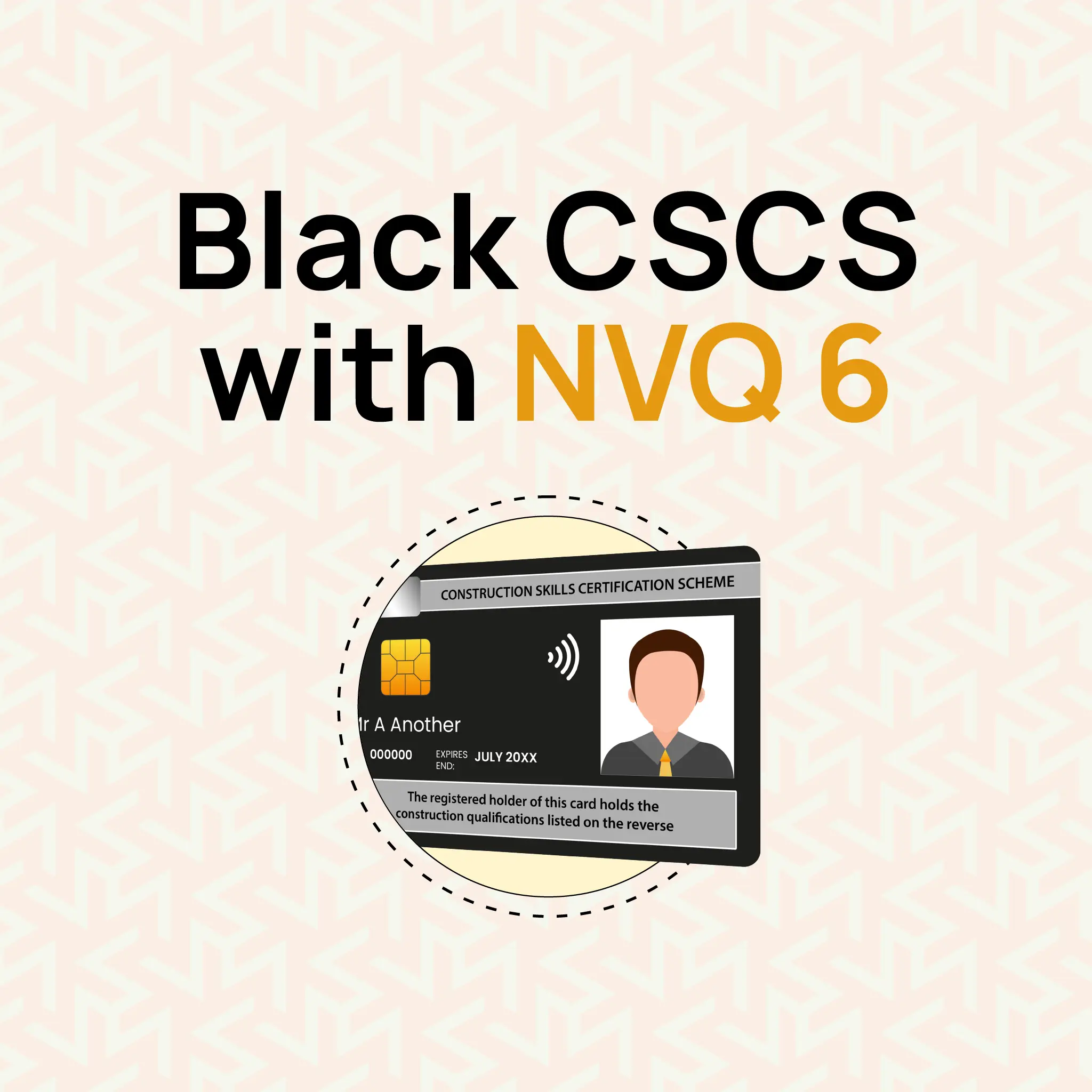
Want a Black CSCS Card? Here�s How Construction Managers Can Qualify
If you're a construction professional aiming for a leadership role, the Black CSCS Card is the qualification you need. It�s designed for site managers, project leaders, and senior construction staff who want to prove their competence in managing safety, teams, and site operations. To qualify, you�ll need to complete an NVQ Level 6 in Construction Site Management, pass the CITB Health, Safety and Environment Test, and apply through the official CSCS certification process. This guide walks you through each step clearly so you can get your Black CSCS Card and unlock new career opportunities with confidence.What Is a Black CSCS Card?The Black CSCS Card, also known as the Manager�s CSCS Card, is part of the Construction Skills Certification Scheme (CSCS). It�s designed for experienced professionals in managerial roles such as site managers, project managers, and senior supervisors. Holding this card proves that you�ve got the right qualifications and knowledge to manage construction sites safely and efficiently. It�s often a requirement for working on large-scale projects and can make a real difference to your career prospects in construction.Why Do You Need a Black CSCS Card?In today�s construction industry, more and more employers expect their site managers and supervisors to hold a CSCS certification. A Black CSCS Card indicates that you meet national standards and lends credibility to your work in front of clients, contractors, and employers. It also opens the door to better job opportunities, higher pay, and the chance to take on more responsibility on-site.Step-by-Step: How to Get a Black CSCS CardTo get your Black CSCS Card, there are three main steps you�ll need to follow:Step 1: Complete an NVQ Level 6 in Construction Site ManagementThe first step is to complete an NVQ Level 6 diploma in Construction Site Management. This qualification is tailored for individuals already working in the construction industry, particularly those with supervisory or management experience. The course is assessed through a mix of on-site observations, written work, and a portfolio that reflects your real-world responsibilities. At Hurak, we offer a flexible course delivery model that allows you to study around your job and complete the qualification at your own pace without needing to attend classroom sessions.Step 2: Pass the CITB Health, Safety and Environment Test (for Managers)Next, you�ll need to pass the CITB Health, Safety and Environment (HS&E) Test for Managers and Professionals. This is a multiple-choice exam that covers essential health and safety knowledge for working in management roles. It takes around 45 minutes and costs �23.50. This test must be passed within the two years before you apply for your CSCS card.Step 3: Apply for Your Black CSCS CardOnce you�ve successfully completed the NVQ and passed your CITB test, you can apply for your Black CSCS Card through the official CSCS website. You�ll need to provide a scanned copy of your NVQ certificate, proof that you passed the CITB test, a passport-style photo, and payment of the �36 application fee. Most cards are delivered within 7 to 10 working days.How Long Does It Take to Get a Black CSCS Card?The full process depends on your experience and availability, but many learners complete their NVQ Level 6 in as little as 12 to 16 weeks. The CITB test can be booked quickly, and once your documents are ready, the CSCS card usually arrives in about a week.Can You Get Help with Costs?Yes, in many cases you can. If you�re employed by a company registered with CITB, your employer may be able to claim grant funding to cover part or all of the course fee. At Hurak, we also offer flexible payment plans, allowing you to spread the cost over several months. If you�re self-employed, the course cost may be tax-deductible as a business expense.What if You Already Have Experience but No NVQ?If you�re already doing the work of a site manager but don�t hold formal qualifications, don�t worry, you can still get your NVQ Level 6. The course is designed to recognise and assess your existing skills. You�ll be supported by a qualified assessor who will help you build a portfolio of evidence based on what you already do on-site. There�s no need to attend college or take time off work.What Happens After You Get Your Black CSCS Card?Once you�ve received your Black CSCS Card, you�ll be recognised as a qualified site manager. This can lead to better job offers, higher salaries, and more trust from clients and contractors. It also makes you eligible for roles with greater responsibility, and can even count towards membership with professional bodies like the CIOB (Chartered Institute of Building).ConclusionThe Black CSCS Card is more than just a plastic card; it�s your proof that you�re qualified to manage construction projects in the UK. By completing the NVQ Level 6, passing the CITB test, and applying through CSCS, you�ll position yourself for better job opportunities, more responsibility, and stronger career progression. FAQsIs SMSTS enough to get a Black CSCS Card?No. While SMSTS is useful training, it�s not accepted by CSCS as a qualification for the Black Card. You must complete an NVQ Level 6 or higher.How long is the Black CSCS Card valid?The card is valid for 5 years. You�ll need to retake the CITB test and reapply to renew it.Can I do the NVQ while working full time?Yes. The NVQ is designed for professionals who are already working in the industry. All assessments are based on your current role and responsibilities.

Can I Get a Black CSCS Card with SMSTS? Requirements Alternatives Explained
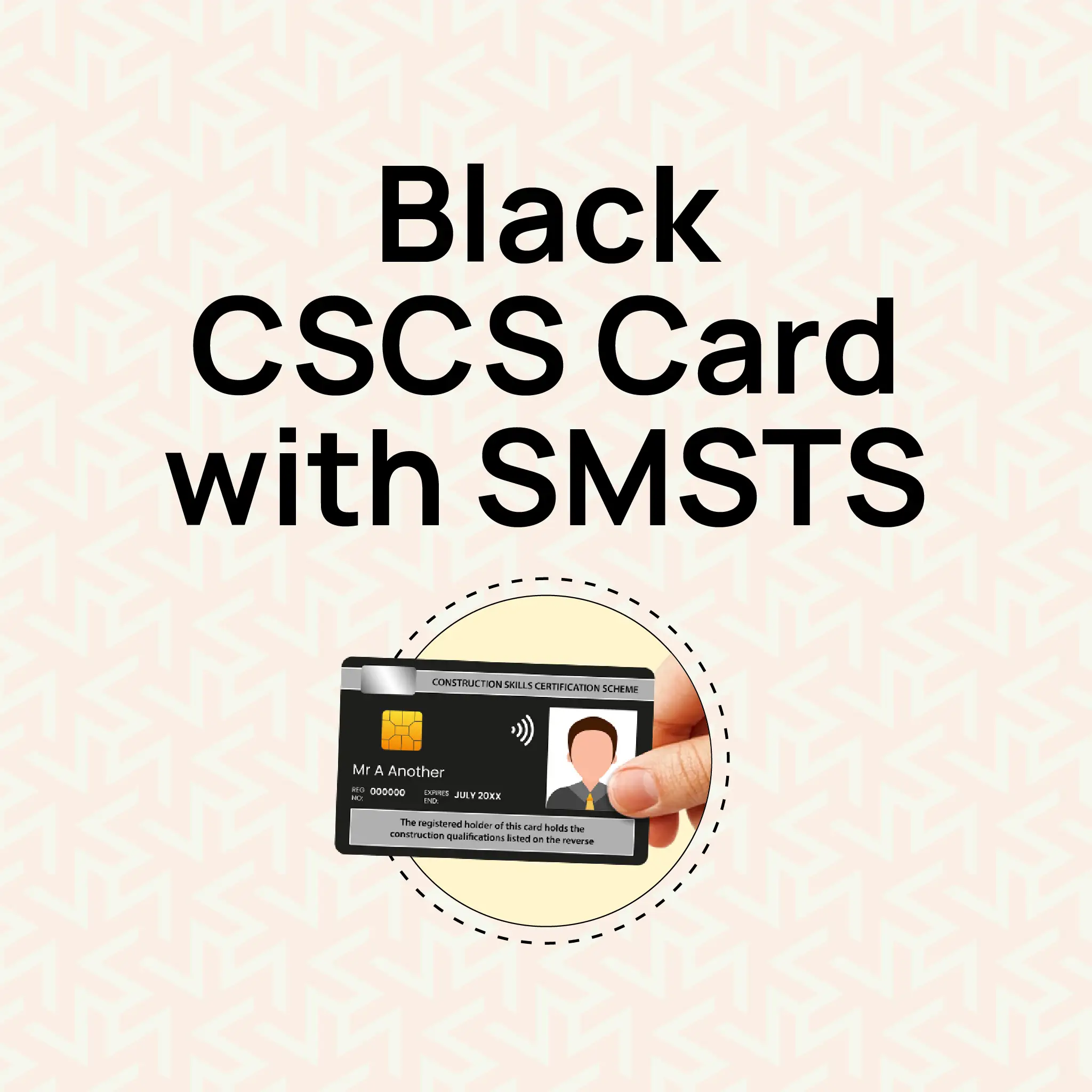
If you�ve completed the SMSTS course and now want a Black CSCS Card to get a managerial position on-site, the answer is simple: SMSTS will not give you everything you need. Although it is a good qualification, the Black CSCS Card, also referred to as the Manager Card, requires more than just health and safety training.This article breaks down what SMSTS does (and doesn�t) cover, the actual qualifications needed, and what alternatives you should consider if you're planning to apply for a Black CSCS Card.What Is a Black CSCS Card and Who Needs One?The Black CSCS Card, also known as the CSCS Manager Card, is not just another card in the Construction Skills Certification Scheme (CSCS);it is designed for individuals working in senior management roles within the construction industry. It represents the fact that the cardholder is competent and qualified enough to handle teams and manage massive projects, and ensure compliance with health and safety standards.�This card is mandatory for individuals working in high responsibility positions like Site Managers, Project Managers, Senior Construction Supervisors and Contract or Operations Managers. Holding the Black CSCS card not only enhances credibility but also fulfils the expectations of the majority of employers and principal contractors in assigning a person to a supervisory or managerial position.Get Your Black CSCS Card with HurakTo get your Black CSCS Card, you�ll need to complete the Level 6 NVQ Diploma in Construction Site Management and pass the CITB Managers and Professionals (MAP) Test. Hurak makes the whole process simple and supports you from start to finish.�Start the NVQ Level 6 Course | Take a Free CSCS Mock Test | Watch the CITB MAP Mock Exam Video | Learn How to Apply for the CSCS Card.Why SMSTS Isn�t Sufficient for a Black CSCS Card.��There�s a common misconception that completing the SMSTS course automatically qualifies you for a Black CSCS Card, but that�s not the case. Many construction professionals take the Site Management Safety Training Scheme (SMSTS) course to boost their site management skills and safety knowledge. It equips you with the knowledge needed to manage site safety, but it doesn�t assess on-the-job competence, which is what CSCS requires for a managerial card. While it's a respected qualification, SMSTS alone is not enough to obtain a Black CSCS Card.To be eligible for the Black Card, you must demonstrate occupational competence, which is typically done through completing an NVQ/SVQ Level 6 in Construction Site Management or an equivalent qualification. SMSTS is a supplementary training course, and while SMSTS is valuable and often preferred by employers, it�s not a substitute for the formal vocational qualifications required by CSCS.Tip: SMSTS is training. The Black Card is proof of competenceHow to Qualify for a Black CSCS Card: Key Criteria ExplainedTo apply for the Black CSCS Card, you'll need to provide specific qualifications and proof of managerial competence. Before applying, it is necessary to know the exact eligibility criteria. This card is typically intended for senior roles, such as site managers and project leaders.The primary qualifications include:NVQ Level 6 in Construction Site Management: This qualification assesses your practical, on-the-job competence and is the most recognised route to obtaining the Black CSCS Card. Equivalent qualifications may also be accepted, depending on the CSCS scheme rules.CITB Managers and Professionals (MAP) Test: You must pass the Health, Safety and Environment Test for Managers and Professionals, which is valid for 2 years at the time of application.Proof of Experience and Role: To qualify as an applicant, applicants usually have to be in, or have experience in, a managerial position in the construction industry.Explore some of our most in-demand NVQ courses and qualify for Other CSCS Cards.Hurak offers a range of accredited NVQ qualifications in Construction to help you progress confidently in your career.CSCS Blue CardLevel 2 NVQ Diploma in PlasteringLevel 2 NVQ Diploma in Roofing OccupationsLevel 2 NVQ Painting and DecoratingLevel 2 NVQ Certificate in Wall and Floor TilingCSCS Gold CardLevel 4 NVQ Diploma in Construction Site SupervisionLevel 3 NVQ Certificate in Wall and Floor TilingLevel 3 NVQ Diploma in Roofing OccupationsLevel 3 NVQ Diploma in PlasteringCSCS Black CardLevel 6 NVQ Diploma in Construction Site ManagementLevel 6 NVQ Diploma in Construction Contracting Operations ManagementWant more options?Browse All NVQ Courses at Hurak.Stuck with Only SMSTS? Here�s How to Move ForwardThe Site Management Safety Training Scheme (SMSTS) is one of the most reputable across the construction industry. While it doesn't meet the qualification criteria for the Black CSCS Card on its own, it still plays an essential role in developing your competence as a site or project manager.When you have finished SMSTS and are now wondering what to do next, you are not the only one. Most professionals get to this stage believing that a qualification could be sufficient in order to get a Black CSCS Card, only to discover that they are wrong.Why SMSTS Still Matters:Demonstrates Health & Safety Leadership: Employers appreciate the candidates who know the risk management and safety procedures in the workplace.Recognised by Employers: Many employers prefer or even require SMSTS as part of their internal training frameworks for site managers, even if it's not a CSCS qualification requirement.Lays the foundation for NVQ success: SMSTS content often overlaps with parts of the NVQ Level 6 in Construction Site Management, which is the main qualification required to obtain the Black Card.Moving Towards the Black Card:Once you have finished SMSTS but have not yet achieved an NVQ Level 6 or equivalent, then the following are your action steps:Enrol in a Level 6 NVQ: Combine your SMSTS with an NVQ Level 6 in Construction Site Management. This is the most direct and recognised route to becoming eligible for the Black CSCS Card.Gather Site Evidence: Maintain records of your on-site experience and responsibilities. Use your SMSTS knowledge that will benefit your NVQ learning and practical assessments.Consult an Approved Training Provider: Work with an accredited NVQ provider who can guide you through the NVQ assessment. They�ll help you align your work experience with NVQ evidence needs.Note: While courses like SMSTS are beneficial and often taken alongside the NVQ, they do not meet the formal qualification criteria required for the Black Card on their own.Black CSCS Card Application: What You Need to DoApplying for a Black CSCS Card involves meeting specific eligibility criteria and following a straightforward application process. Here�s what you need to do to secure your card:Check Your EligibilityMake sure you hold the required qualifications, such as an NVQ Level 6 in Construction or an approved equivalent. This card is designed for senior site managers and supervisors.Pass the CITB Managers and Professionals (MAP) TestYou must have passed the CITB Health, Safety, and Environment test for managers and professionals (MAP) within the last two years to demonstrate your current knowledgePrepare Your DocumentationGather all required documents, including:Proof of your NVQ or equivalent qualification.Confirmation of passing the CITB MAP test.Valid photographic ID, such as a passport or driving license.Submit Your ApplicationApply online via the official CSCS website or through an authorised training provider. Complete the application carefully and pay the current fee of �36.Receive Your CardOnce your application is approved, your Black CSCS Card will be sent to you by post. The card is valid for five years; after this period, renewal of the card involves retesting and updating your qualifications.Boost Your Site Safety Credentials with CITB CoursesLooking to enhance your knowledge of site safety and meet industry standards? Hurak�s CITB Site Safety Plus courses are designed to support construction professionals at every level, from operatives to senior managers.Popular CITB-accredited courses include:CITB Health and Safety Awareness (HSA)CITB SMSTS: Site Management Safety Training SchemeCITB SMSTS Refresher CourseCITB SSSTS: Site Supervisor Safety Training SchemeCITB SSSTS Refresher CourseFAQs1. Can I get a CSCS card with just an SMSTS qualification?No. SMSTS is a health and safety training course and not a recognised qualification by CSCS for card eligibility. You need an NVQ Level 6 (or SVQ Level 6 in Scotland) to qualify for a Black CSCS Card.2. What�s the difference between SMSTS and a Black CSCS Card?SMSTS��is a training certificate indicating that you have attended a safety course. A Black CSCS Card is evidence of competence, and it requires a management-level vocational qualification.3. Is the Black CSCS Card the highest level?Yes, it�s the highest CSCS card for site-based roles and is specifically designed for senior management positions, such as site or project managers.4. Do I still need SMSTS if I have a Black CSCS Card?However, not obligatory, it is much more advisable to have SMSTS in addition to your Black Card. Many employers prefer candidates with both safety training and formal qualifications5. How long does it take to get a Black CSCS Card?Once you�ve passed the required NVQ and CITB MAP test, the application process usually takes a few weeks. The timeline depends on how quickly you submit documents and pass assessments.6. Can I use an NVQ Level 4 or 5 to get a Black CSCS Card?No. The minimum accepted qualification is an NVQ/SVQ Level 6 in Construction Site Management or a closely related field.7. Can I apply for a Black CSCS Card while I�m completing my NVQ Level 6?No. You must have fully completed and received certification for your NVQ Level 6 before applying. Provisional cards may be available in some cases during training.8. Do I need to renew the Black CSCS Card after five years?Yes. Renewal requires you to retake the CITB Health, Safety & Environment (MAP) Test and provide proof that your qualifications remain valid and current.Final Thoughts: Can SMSTS Lead to a Black CSCS Card?The SMSTS course is a well-respected qualification that enhances your site management knowledge and health and safety awareness, but it does not meet the eligibility criteria for a Black CSCS Card on its own. To qualify, you�ll need a Level 6 NVQ in Construction Site Management alongside a valid CITB MAP Test pass.That said, completing SMSTS can still play a crucial role in your professional development. It demonstrates your commitment to site safety and leadership and can complement your progress as you work towards a formal management qualification.If you're aiming for a senior role in construction, understanding the whole route to the Black Card is essential. Use this guide to identify where you are in your journey and take informed steps towards achieving professional recognition and advancement.


NVQ Funding Payment Plans for Painting and Decorating
Upskilling in construction doesn�t have to come with a financial strain. If you're looking to gain an NVQ in Painting and Decorating, especially at Levels 2 or 3, there are multiple ways to reduce the cost, from CITB grants to flexible monthly payment plans. We�ve gathered all the funding support and payment plan options that make getting your CSCS card more affordable.What Is NVQ Funding?NVQ funding refers to financial support provided to learners and employers to help cover the cost of completing a National Vocational Qualification (NVQ). In the construction industry, this funding enables workers to acquire the necessary qualifications for CSCS cards and advance their careers.Why NVQ Funding Matters More Than EverWith the Industry Accreditation (IA) CSCS cards officially expired as of 31 December 2024, it is now mandatory for construction workers to hold a valid NVQ qualification to apply for or renew their CSCS card. This shift affects thousands of workers who were previously relying on experience-based accreditation.NVQ funding plays a crucial role in making this transition smoother and more accessible, helping workers avoid large out-of-pocket costs while staying compliant with industry standards. Grants like the CITB Short Qualification Grant significantly reduce financial barriers, allowing workers to gain recognised qualifications needed to continue working legally on-site.CITB Short Qualification Grant (Mainstream Funding Option)What It OffersThe CITB Short Qualification Grant helps construction workers and employers reduce the cost of qualifying by offering direct financial support toward recognised qualifications. For Painting and Decorating NVQs, this grant provides �600 toward the cost of a Level 2 NVQ in Painting and Decorating.This financial support can significantly reduce your upfront costs, making it more affordable to get your CSCS Blue Skilled Worker Card and continue working on-site legally.�As of June 2025, Painting and Decorating qualifications are only eligible for the �600 grant, according to the official CITB list of short qualifications.Who's Eligible?To qualify for the CITB Short Qualification Grant, you must be employed by a CITB-registered employer that is up to date with its Levy Returns. Additionally, you must work in a construction-related role. This includes directly employed staff who are on payroll in practical or supervisory roles, subcontractors and self-employed workers operating under a CITB-registered business, as well as business owners or partners who are actively involved on-site or in managing decorating teams.If you�re unsure about your eligibility, speak to your employer or NVQ training provider.Fast-Track Your NVQ Level 2 in Painting and DecoratingOnly �699.99 | Finish in just 3 weeks | 100% online | Guaranteed passPerfect for decorators already working on-site who want formal recognition and a CSCS Blue Skilled Worker Card.Book NowHow to ApplyConfirm eligibility with your employer or NVQ provider.Enrol in a CITB grant-approved NVQ Level 2 in Painting and Decorating.Complete your NVQ, and your employer must submit the grant application within 52 weeks of completion.Your employer will need to provide:NVQ certificate or awarding body confirmationCompleted CITB grant application formEmployer�s bank detailsProcessing Time: Approximately 3�5 weeks. Payment is made via BACS directly to the employer, who can either pass the amount to you or retain it if they cover your training costs upfront.Flexible Payment Plans for NVQ LearnersIf you're not eligible for funding or want to spread the cost, interest-free payment plans are an easy way to get started.Pay in 3 with KlarnaAll of Hurak's NVQ courses can be split into three interest-free monthly payments through Klarna. There's no credit check, and you can start learning right away.Zero-Risk GuaranteeHurak offers a full refund if you don�t pass your NVQ, plus ongoing assessor support to guide you every step of the way.NVQ Painting and Decorating Courses You Can Start TodayNVQ Level 2 in Painting and Decorating�699.99Finish in just 3 weeks100% online & no examsGet your CSCS Blue Skilled Worker CardPerfect for painters already working on-site who want formal recognition.Get qualified without exams explore our fully online NVQ Level 2 courseNVQ Level 3 in Painting and Decorating�899.99Finish in 4-5 weeksStep up to the CSCS Gold Skilled Worker CardIdeal for team leads, supervisors, and experienced decoratorsExplore the NVQ Level 3 Painting and Decorating course to access senior positions in the tradeBoth courses include:OFQUAL & CITB approvalGuaranteed passOnline access, assessor support, and easy uploadsFunding + Payment Plan Strategy (Step-by-Step)Check your eligibility for CITB grants or free coursesChoose your course (Level 2 or Level 3)Apply for funding or spread the cost with KlarnaStart learning immediately with online, self-paced accessGet your CSCS card and boost your career prospectsConclusionUpskilling doesn�t have to wait. Whether you're funding your NVQ through CITB, or using an interest-free instalment plan, Hurak makes it simple, affordable, and fast.Browse all NVQ courses offered by HurakFAQCan I combine government funding with payment plans?Yes. If your grant covers part of the cost, you can use Klarna to cover the rest.Do I need to study full-time?No, our NVQs are flexible and built around your work schedule.Can self-employed painters apply?Yes, if you're working under a CITB-registered contractor or via local Jobcentre schemes.Are these courses recognised across the UK?Yes. All qualifications are nationally accredited and valid for life.What are the earning prospects?Level 2 / Blue CSCS Card: �28,000��38,000/year � According to the UK Government�s Office for National Statistics (ONS) labour market data, qualified tradespeople in roles like painting and decorating earn an average salary within this range, depending on region and experience.Level 3 / Gold CSCS Card: �38,000��50,000+/year � Senior decorators, team leads, and site supervisors typically earn within this range. These figures are consistent with estimates from industry job boards and government-backed careers services such as the National Careers Service, which outlines potential earnings based on qualifications and responsibilities.

Is the NVQ Level 2 Painting and Decorating Course Right for You?
If you're already working as a painter or decorator and want formal recognition for your skills, the NVQ Level 2 in Painting and Decorating could be the next step. It is important to note that this is not a beginner�s course. It�s specifically for individuals with real, hands-on experience in the trade.What Is the NVQ Level 2 in Painting and Decorating?The NVQ Level 2 in Painting and Decorating is a practical, work-based qualification designed to assess your ability to perform core decorating tasks to national industry standards. Unlike academic courses that focus on theory, this NVQ evaluates your real-world skills, not your classroom knowledge.You�ll be assessed while you work, not in a classroom. An assessor may ask you to provide photos of yourself carrying out key decorating tasks, such as preparing surfaces or applying paint, as part of your assessment. You'll also complete a knowledge-based workbook, submit relevant site documents, and may take part in a professional discussion if additional evidence is needed. Finally, an expert witness testimony completed by your line manager or supervisor will confirm your competence. This practical method ensures that your skills are recognised through real examples of what you do on the job.What Does the Course Cover?The NVQ Level 2 in Painting and Decorating is designed to assess the practical skills you use every day on the job. It covers a wide range of tasks, including surface preparation, applying paint finishes, using a variety of tools and techniques, and hanging wallpapers or decorative coverings. The course also places a strong emphasis on safe working practices, making sure you understand and follow proper health and safety procedures.Rather than teaching you how to decorate, this qualification recognises your ability to do the job well and to a professional standard. If you�ve already gained hands-on experience in painting and decorating and can work confidently on your own, the NVQ is a great way to get formal certification for those existing skills.Key skills you'll be assessed on are:Preparing surfaces (walls, ceilings, etc.)Applying paint, primers, and finishes.Hanging wallpaper and other coverings.Using brushes, rollers, and sprayers.Following site health and safety procedures.Cleaning and storing tools correctly.These are all skills you�re likely already using on the job; the NVQ certifies you can do them to a professional standard.Full Support to Help You QualifyWorried about passing? You�ll receive one-to-one guidance from your assessor throughout the process, from building your portfolio to final submission. Once you complete the NVQ, you�ll also be eligible to apply for the CSCS Blue Skilled Worker Card, proving your competence to industry standards.Ready to get started? Book your NVQ Level 2 Painting and Decorating Course with Hurak todayWhat Qualifications Do You Need to Be a Painter and Decorator?One of the most common questions is whether prior academic qualifications are required to begin. The answer is no. For NVQ Level 2, experience is more important than formal education. If you�re working in the trade even without any certificates, and can perform tasks independently, you�re likely eligible.Do You Need Experience Before Starting NVQ Level 2?Yes, experience is essential before enrolling in the NVQ Level 2 Painting and Decorating qualification. This course won't teach you the basics. Instead, it assesses the skills you�ve already developed through hands-on work.Since NVQs are based on demonstrating competence in real work settings, you�ll need to already be confident in your ability to carry out decorating tasks to a professional standard. Without this practical experience, meeting the assessment criteria can be difficult.Is the NVQ Level 2 Right for You?If you�re wondering whether this qualification is the right fit, think about your current experience and goals. The NVQ Level 2 is best suited for individuals who are already active in the trade and want to turn that experience into a recognised qualification.This qualification is ideal if you:Have on-site experience in ''painting and decorating''.Want to get a CSCS card.Need to prove your skills to employers or clients.Are self-employed and want to build credibility.Are working in the UK ''construction industry''.It�s not suitable for total beginners. If you�re starting out, a training course or pre-apprenticeship might be a better fit. Is Painting and Decorating a Good Trade?Many people ask: Is painting and decorating a good trade?For those who enjoy hands-on work and seeing a visible end result, it�s a great option. There�s steady demand in both residential and commercial spaces. The trade offers creative freedom, job variety, and strong potential for self-employment.It also provides a clear route for growth from entry-level roles to specialist positions, or even running your own business.Is It Worth Getting an NVQ in Decorating?Yes, getting an NVQ is absolutely worth it and can be a brilliant career move if you already have hands-on experience in the trade.The key benefits of the NVQ are:Helps you qualify for a CSCS card.Boosts your job opportunities.Increases trust with clients and employers.Provides a formal qualification based on your existing skills.Creates a path toward Level 3 or supervisory roles.What Comes After NVQ Level 2?Once you�ve completed your NVQ Level 2, you can progress to the NVQ Level 3 Diploma in Painting and Decorating. This is ideal for decorators looking to take on more advanced work, lead teams, or specialise in areas like spraying or heritage restoration. ConclusionThe NVQ Level 2 in Painting and Decorating is ideal for experienced professionals who want formal recognition for their skills. It�s not a beginner�s course, but a practical, flexible route to proving your competence. From qualifying for a CSCS card to better job opportunities, this qualification can help you grow in the trade. It validates the skills you already have, opens up new opportunities, and helps you meet industry standards.Get Started with HurakHurak offers both NVQ Level 2 and Level 3 qualifications for painters and decorators. Our flexible, work-based assessments are designed to fit around your job, with no classroom learning required.You can also explore your options for NVQ funding and payment plans to make the process more affordable.If you�re unsure whether you have enough experience to start, how the process works or whether NVQ Level 2 or 3 is right for your experience level, feel free to reach out to Hurak at 0333 344 1293. Our team can help you assess your readiness before you submit your application. We offer a full range of trade-specific NVQs and can also support you with your CSCS card application from start to finishFAQWhat is the NVQ Level 2 in Painting and Decorating?It�s a work-based qualification that proves you can carry out painting and decorating tasks to industry standards. It assesses your skills through real work, not classroom learning.Is this course suitable for beginners?No, the NVQ Level 2 is designed for experienced painters and decorators. If you're new to the trade, a training course or apprenticeship may be a more suitable option.Do I need any qualifications to start this NVQ?No prior academic qualifications are required. You simply need hands-on experience in performing the job to a professional standard.How is the NVQ Level 2 assessed?Assessment includes submitting photos of your work, completing a knowledge-based workbook, providing site documents, and potentially taking part in a professional discussion.What can I do after completing NVQ Level 2?You can progress to NVQ Level 3 or apply for your CSCS Blue Skilled Worker Card to boost your career prospects. We offer a full range of trade-specific NVQs and can also support your CSCS card application from start to finish.
Construction Management Courses: NVQ vs SMSTS for Site Managers
If you want to become a construction site manager but you're already working full-time, you might be wondering which course is best: the NVQ Level 6 in Construction Site Management or the SMSTS course. Both are well-known qualifications in the construction industry, but they offer very different benefits.This guide will help you understand the differences between these two site management courses, enabling you to choose the one that best suits your job, goals, and schedule.What Is the NVQ Level 6 in Construction Site Management?The NVQ Level 6 Diploma in Construction Site Management is a practical, work-based qualification that focuses on the skills required for effective construction site management. It�s made for experienced workers who want to move into management roles or formalise the responsibilities they already hold.There�s no classroom time or written exams. Instead, you collect evidence of the work you already do, like managing teams, handling site logistics, or following safety procedures. You complete a portfolio over several months while still working on-site.Once you finish the NVQ Level 6, you can apply for a Black CSCS Card, which is essential for many senior roles in the construction industryWhat Is the SMSTS Course?The Site Management Safety Training Scheme (SMSTS) is a five-day health and safety course for construction managers, supervisors, and team leaders.It covers topics like legal responsibilities, site safety procedures, risk assessments, and the Health and Safety at Work Act. The SMSTS is often required by employers to make sure site leaders understand how to keep people safe.However, it doesn�t assess your ability to manage a site. It�s more of a safety compliance course than a full site manager qualification.NVQ vs SMSTS: What�s the Difference?Here�s a simple comparison to help you choose between these two popular construction management courses:FeatureNVQ Level 6SMSTSCourse TypeVocational QualificationSafety Training CourseDuration6�12 months (flexible)5 daysLearning StyleOn-the-job, no classroomClassroom or onlineAssessmentPortfolio of real site workWritten examOutcomeBlack CSCS CardSMSTS Certificate (5 years)Career FocusLong-term progressionImmediate safety complianceWhich One Should You Choose?If you're already working in a supervisory role and want to become a fully qualified construction site manager, go with the NVQ Level 6. It�s a solid, long-term qualification that proves your experience and opens doors to higher positions.If you�ve just started managing a team or need a quick safety certificate for your current role, the SMSTS course is a good short-term solution.Some professionals choose to do both. For example, they may start with SMSTS and then work toward the NVQ as they gain more experience.Why NVQ Level 6 Is Ideal for Full-Time WorkersThe NVQ Level 6 is designed to fit around your working life. There are no lectures or exams. You�ll work with an assessor who helps you collect evidence from your day-to-day responsibilities, everything from managing subcontractors to ensuring health and safety on site.At Hurak, we offer this qualification with full support, flexible timelines, and guidance every step of the way. We also help you check if you�re eligible for CITB funding, which could reduce your course cost. ConclusionWhen deciding between the NVQ Level 6 and SMSTS, it ultimately comes down to your current role and your career goals. The NVQ Level 6 is a comprehensive and flexible qualification that helps you advance your career and obtain your Black CSCS Card. It�s ideal if you're already supervising and want formal recognition.SMSTS, on the other hand, is a shorter course focused on safety. It's a good option if you need quick certification or are new to managing teams on-site.Both have their place in construction management training. But if you're looking for long-term career benefits and the ability to study while you work, the NVQ Level 6 is a more practical choice.FAQsWhat is the best course to become a site manager?The NVQ Level 6 in Construction Site Management is the ideal course for those seeking a recognised qualification and the Black CSCS Card. It�s ideal for experienced professionals aiming for long-term career growth.Do I need both SMSTS and NVQ Level 6?No, but many site managers choose to do both. The SMSTS is helpful for safety training and compliance. The NVQ Level 6 provides a comprehensive qualification and supports advancement to senior roles.Can I complete the NVQ Level 6 while working full-time?Yes. The NVQ is designed to fit around your job. You�ll complete a portfolio using real work tasks with the support of a qualified assessor, no need to take time off work.Does the NVQ Level 6 include health and safety training?It includes elements of safety, but it�s not a health and safety course like SMSTS. However, completing both NVQ and SMSTS provides a well-rounded skill set.How long does it take to finish the NVQ Level 6?Most people complete it within 6 to 12 months, depending on their experience and the speed at which they can gather the required evidence.
NVQ Level 6 in Construction Site Management: A Complete Guide
An NVQ Level 6 Construction Site Management qualification is a nationally recognised, degree-equivalent qualification that demonstrates you have the skills and experience to manage complex construction sites. If you're already overseeing teams, managing site safety, or leading operations day to day, this NVQ turns your practical experience into formal credentials with no exams required.Whether you're researching your next steps or ready to start training, this guide explains everything you need to know about the NVQ Level 6 construction site management qualification, including entry requirements, delivery method, assessment style, career benefits, and how it compares to other site manager training routes.What Is an NVQ Level 6 in Construction Site Management? NVQ Level 6 in Construction Site Management is a nationally recognised, work-based qualification that proves your competence as a senior manager on construction sites. It is equivalent to a bachelor's degree and is approved by both OFQUAL and CITB. Whether you're aiming for a promotion, formalising years of experience, or needing to apply for the CSCS Black Manager Card, this qualification is built to support your next move. You complete the course while you work, using real on-site evidence to build your portfolio. There are no exams, no classroom days, and no unnecessary delays.What You�ll Learn and Be Assessed On This qualification is designed to reflect your current responsibilities on site, meaning you�ll build your portfolio from real-world evidence as you work. Here�s what�s typically included:Key Skills and Knowledge Areas Health and safety management � Learn how to create, implement, and monitor site safety systems to protect workers and meet legal standards. Leadership and team coordination � Improve how you assign tasks, lead site teams, and keep everyone working efficiently. Site supervision and quality assurance � Ensure construction work meets design specifications, timelines, and industry standards. Risk and environmental management � Identify, assess, and control potential hazards while considering sustainability and environmental impact. Budgeting and commercial planning � Understand cost control, resource allocation, and how to manage project finances effectively. Legal and Regulatory Compliance � Understand your responsibilities for meeting building regulations, safety laws, and contractual requirements. Communication with contractors and clients � Learn to manage stakeholder expectations and maintain clear site communication. Mandatory Units You�ll Complete You�ll complete several core units that reflect the expectations of a senior site manager: Allocating work and checking performance � Plan tasks, assign them effectively, and monitor quality. Selecting work methods � Choose the safest and most appropriate methods for tasks based on project needs. Managing personal development � Reflect on your leadership skills and create a plan for ongoing improvement. Maintaining welfare systems on site � Ensure that welfare facilities meet legal requirements and support your team�s wellbeing. Specialist Pathways to Choose FromTailor your NVQ to your role by selecting one of the following pathways:Building and Civil Engineering � Ideal for those working on general infrastructure projects.Highways Maintenance and Repair � For managers involved in roads and public infrastructure upkeep.Residential Development � Focused on managing housebuilding and multi-unit residential sites.Conservation (Heritage Building) � For specialists working with listed or historic buildings.Demolition � Concentrates on the safe and structured dismantling of buildings.Tunnelling � Designed for managers overseeing underground infrastructure work.Retrofit � Suitable for those focused on upgrading existing buildings for energy efficiency or compliance.How the Course Is Delivered and AssessedDelivery: 100% online via our easy-to-use learning platform. Study anytime, anywhere.Assessment: Completely work-based. No exams, no classrooms. Just real evidence from your job.Support: Your dedicated assessor will guide you at every step, offering one-to-one feedback.What You�ll Submit as Evidence To complete the NVQ, you�ll build a portfolio using materials from your current role, such as: Site documents � Risk assessments, RAMS, site plans, and progress reports. Photos or videos � Showcasing your day-to-day management on-site. Witness statements � From your line manager or a senior colleague verifying your responsibilities. Written or recorded answers � Covering key knowledge areas like health and safety, leadership, and project control. Your assessor may also schedule a video call or site visit to validate your portfolio and offer feedback.How Long Does It Take to Complete?Most learners complete their NVQ in 6�8 weeks, though you have up to 12 months if needed. Fast-track completion is possible with regular submissions and support.Typical timeline:Enrolment & induction: 1�2 daysPortfolio building: 4�6 weeksFinal review & certification: 1�2 weeksEntry Requirements To enrol in the NVQ Level 6 in Construction Site Management, you�ll need to meet a few basic criteria. This ensures that the qualification reflects your current work and supports your professional development. You must: Be over 18 years old and currently based in the UK Be working in a construction-based managerial role Have access to site documentation and responsibility for on-site operations This course is best suited for those already holding leadership responsibilities. Typical job titles include: Site Manager Project Manager Site Agent Senior Supervisor Contracts Manager What Qualification Will I Receive?Once you�ve completed the course, you�ll receive an NVQ Level 6 Diploma in Construction Site Management, a nationally recognised, degree-equivalent qualification.This means:Your qualification is equivalent to a bachelor's degree, reflecting your leadership and technical capability.It is recognised across the UK and by major employers in the construction industry.The diploma is valid for life, giving you long-term value without the need for renewal.Additionally, completing this NVQ makes you eligible to apply for the CSCS Black Card, which demonstrates your competency for senior site management roles. .main{ border:3px solid #0f7c90; border-radius:20px; position: relative; font-family:roboto; font-weight: 400; color: #000; } .main-two{ position: absolute; top:-25px; left:45px; background-color:white; } .img-div{ border-radius : 100%; padding:2px 7px; background-color:#0f7c90; margin-right:5px; width: 50px; height: 50px; } .img{ width:30px; object-fit:contain; height:auto; border-radius : 100%; } @media only screen and (max-width: 600px) { .heading{ font-size:20px; } .img{ width:20px; object-fit:contain; height:auto; border-radius : 100%; } .img-div{ width: 40px; height: 40px; } .main-two{ left:25px; } } Did You Know? Completing this NVQ is one of the few direct ways to get your CSCS Black Card, the gold standard for site managers. How to Apply for the CSCS Black CardComplete your NVQ Level 6 Diploma in Construction Site ManagementPass the CITB Health, Safety & Environment Test�Apply via the CSCS website with your certificate and test resultYou can also apply for a Red Temporary Manager Card once you enrol, giving you site access while you complete your course.Career Outcomes and Job Roles Completing the NVQ Level 6 Diploma in Construction Site Management opens the door to senior positions across the construction industry. This qualification is widely recognised by employers and demonstrates your ability to lead complex projects, manage teams, and ensure safety and quality on site. You�ll be eligible for roles such as: Site Manager � Oversees daily operations on a construction site, ensuring timelines, budgets, and safety standards are met. Construction Manager � Manages multiple projects or large-scale developments, coordinating teams, subcontractors, and logistics. Project Manager � Responsible for planning, executing, and closing projects while keeping scope, cost, and quality under control. Site Agent � Acts as the main technical advisor on site, managing daily activities and liaising with engineers and clients. Contracts Manager � Handles multiple contracts, negotiating terms, supervising progress, and ensuring projects stay within budget. Senior Site Supervisor � Supports the site manager with on-the-ground coordination, often leading teams and enforcing safety measures. Earning PotentialGaining an NVQ Level 6 Site Management can significantly boost your salary prospects, particularly in senior roles across the construction sector. According to salary benchmarks from the UK Government�s National Careers Service and job market data from sites like Prospects and Glassdoor, here�s what professionals in these roles typically earn:Job RoleSalary Range (Annual, UK)Site Manager�35,000��65,000Construction Manager�40,000��75,000Project Manager�45,000��80,000Contracts Manager�50,000��85,000Actual salaries will vary depending on factors such as location, project size, employer type, and prior experience. This qualification gives you a competitive edge when applying for high-responsibility roles or seeking a promotionHow to EnrolCheck eligibility with our teamEnrol online and choose a payment planReceive induction and an assessor assignmentStart building your portfolio and work at your own pace Cost and Payment Options We�ve made it as easy as possible to invest in your future: �1,499.99 all-in � No hidden fees, no extra charges. Flexible Payment Plans � Pay over 3 months with Klarna, interest-free. Corporate & Team Discounts � Need to train multiple team members? Get custom pricing and in-house training options. Whether you�re paying personally or booking on behalf of your team, we�re here to make the process smooth and affordable.What Comes After NVQ Level 6?Looking to go even further?After completing the NVQ Level 6 in Construction Site Management, you can progress to the NVQ Level 7 Construction Management, a qualification designed for those in strategic leadership roles like Project Director or Operations Manager.This higher-level NVQ focuses on advanced decision-making, large-scale project control, and organisational leadership ideal for professionals managing multiple teams, contracts, or sites.ConclusionConstruction doesn�t stand still, and neither should your career.The NVQ Level 6 in Construction Site Management isn�t just a qualification; it�s a practical pathway to proving your leadership, improving job security, and opening doors to higher-paying, senior roles.If you're already doing the work, now�s the time to get the recognition. This work-based NVQ respects your experience, builds on it, and helps you meet today�s industry demands without stepping away from the site.Whether you're planning your next move or preparing for promotion, this qualification equips you with long-term value, credibility, and access to the CSCS Black Card all at your own pace.Recognised. Respected. Ready when you are. Book NowFAQsWhat is NVQ Level 6 equivalent to?A bachelor�s degree. It�s a Level 6 qualification on the Regulated Qualifications Framework (RQF).Do I need to take exams?No. The course is 100% evidence-based and does not require exams.Can I do this course online?Yes. The course is fully online and self-paced, with support from an assessor throughout.Is this accepted by CSCS?Yes. It meets the requirements for the CSCS Black Card.How fast can I complete it?Many learners complete their training in 6 to 8 weeks. You have up to 12 months if needed.What job can I get with this qualification?Site Manager, Construction Manager, Project Manager, Contracts Manager, and more.How do I apply for the CSCS Black Card?Complete your NVQ, pass the CITB HS&E test, and apply through the CSCS website.