

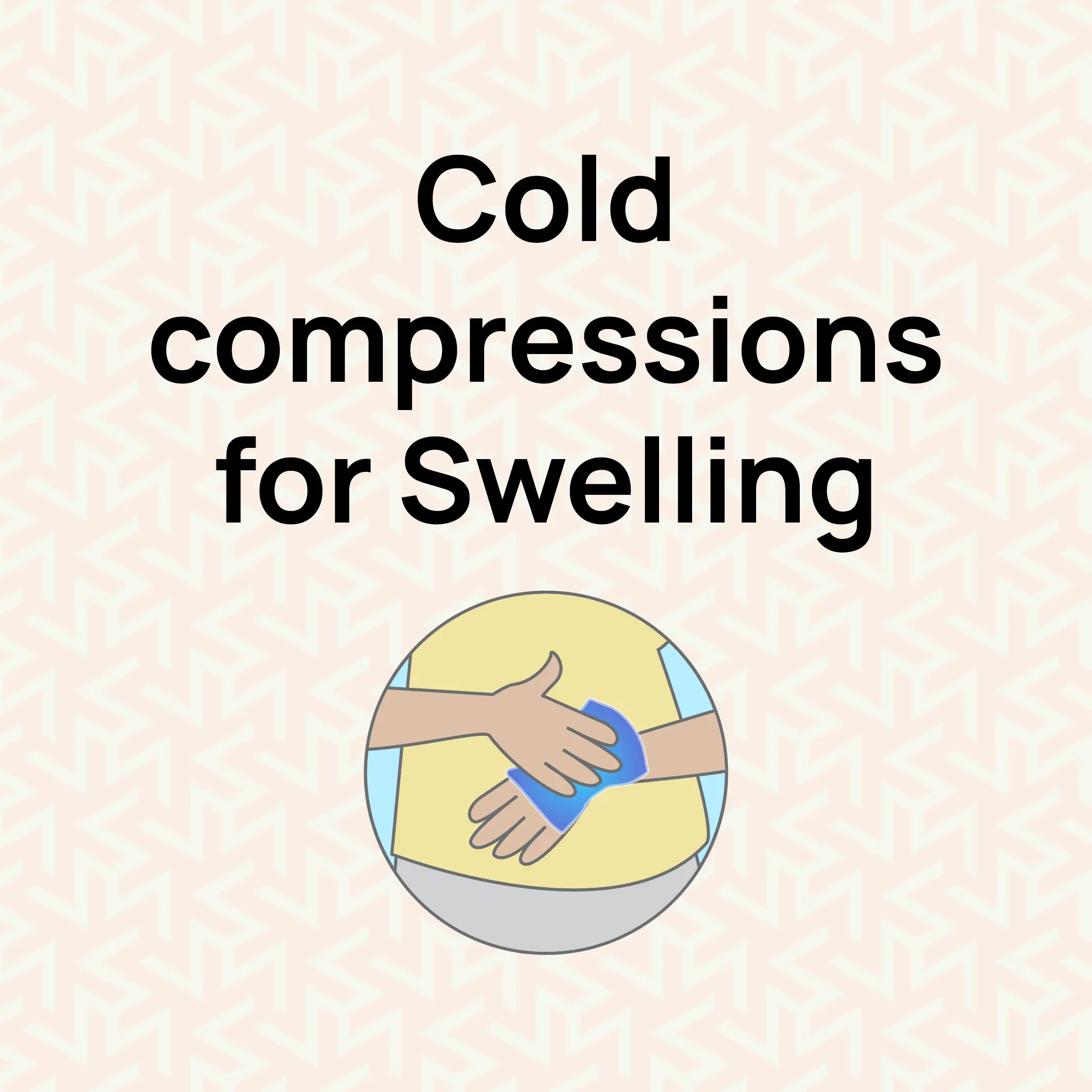
Cold compresses for Swelling: Your Go-To Guide
Inflammation is a condition that may occur due to several reasons, including injuries, an allergic reaction, or an underlying medical condition. Whether you have sprained an ankle, been stung by a bee, or are suffering from swelling post-surgery, it is imperative that you know how to manage it. A cold compress is exceptionally effective and one of the most widespread remedies for managing swellings. Let's take a deeper look at what a cold compress is, how it works, and the appropriate way to use it.What is a Cold Compress?A cold compress is a therapy in which cold is applied to an injured or inflamed body part. It can take the form of ice packs, frozen foods like frozen vegetables, or a piece of cloth dipped in water and then frozen. The primary purpose behind these cold compressions is to compress blood circulation in the injured area, thereby minimizing swelling and alleviating pain.How Does a Cold Compress Work?There is simple science behind cold therapy; it immobilises the area and causes constriction of blood vessels, a process known as vasoconstriction. This helps reduce edema. Furthermore, if you are suffering from inflammation, the cold compression can significantly reduce it while alleviating pain. Below you will find a list of situations where using a cold compress will be helpfulAcute Injuries: If you have a sprain or fracture, having immediate access to a cold compress can be highly beneficial.Post-Surgeries: Using a cold compress reduces inflammation, which inadvertently helps speed up the healing process.Allergic Reactions: Itchy or swollen insect bites can be extremely irritating; using a cold compress can bring some relief.Chronic Conditions: Other health issues such as rheumatism and arthritis can also be soothed with cold compression treatment now and then.How to Use a Cold Compress EffectivelyPrepare Your Cold CompressIce Pack: The simplest ways are to wrap an ice cube in a cloth or use a commercial gel pack.Frozen Vegetables: A sack of peas or corn is good and can be shaped to the body.Cold Water Soak: Take a clean cloth, dip it in cold water, squeeze out the excess, and place it where you want to cool down.ApplicationDuration: If a cold compress is used, it should be applied in short intervals of 15-20 minutes. Do not overexpose yourself, as this can lead to frostbite or skin damage.Frequency: Repeat every 1-2 hours during the first 48 hours after an injury or swelling has occurred. The length of time for which an ice pack should be applied is crucial.Barrier: To avoid direct contact, never lay your skin directly on the cold source; always use a cloth or towel.Monitor Your ResponsePay special attention to your body�s reaction. If the cold compression causes pain or itchiness on the affected area, you should stop using it.Additional TipsCombine with Rest: R.I.C.E (Rest, Ice, Compress and Elevation) is a therapy that focuses on cold therapy after rest and stable elevation of the affected body part.Stay Hydrated: Sufficient water intake can help speed up the healing process.Consult a Professional: If pain persists along with other symptoms like redness or heat, it is advisable to seek professional help from a medical practitioner.� .main{ border:3px solid #0f7c90; border-radius:20px; position: relative; font-family:roboto; font-weight: 400; color: #000; } .main-two{ position: absolute; top:-25px; left:45px; background-color:white; } .img-div{ border-radius : 100%; padding:2px 7px; background-color:#0f7c90; margin-right:5px; width: 50px; height: 50px; } .img{ width:30px; object-fit:contain; height:auto; border-radius : 100%; } @media only screen and (max-width: 600px) { .heading{ font-size:20px; } .img{ width:20px; object-fit:contain; height:auto; border-radius : 100%; } .img-div{ width: 40px; height: 40px; } .main-two{ left:25px; } } If you found this guide on cold compresses helpful, why not learn more about effective recovery techniques? Our Emergency First Aid at work course offers expert strategies, step-by-step instructions, and additional remedies to help you heal faster and feel better. ConclusionAn ice pack is one of the most effective tools for managing inflammation and pain. Learning how to use it can facilitate a faster recovery from your discomfort. This easy-to-implement method can make a significant difference if you require first aid, have an allergic reaction, or are recovering from surgery that leads to post-operative swelling. As with all types of therapies, never disregard your body�s cues and seek professional help if you experience chronic or worsening pain.
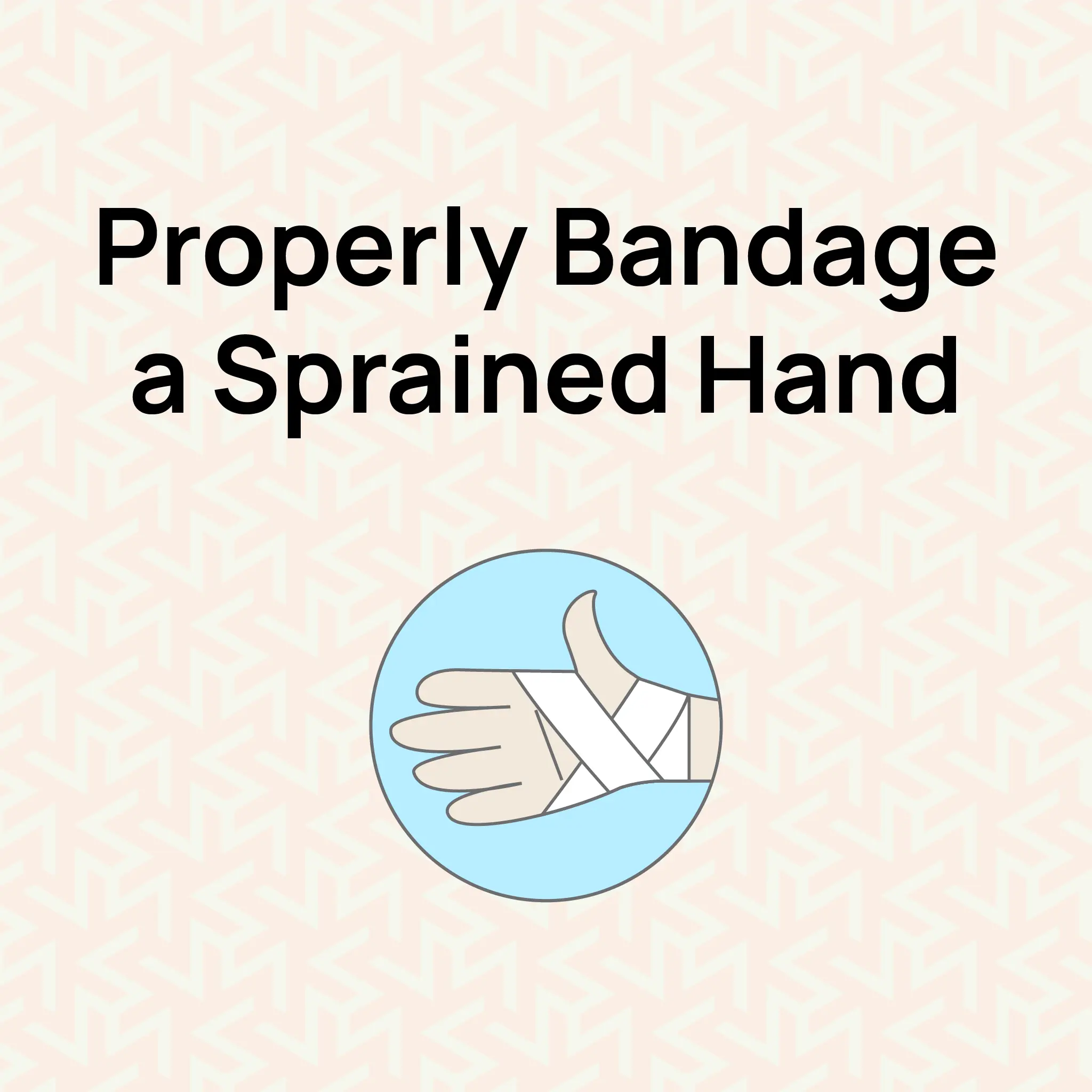
Hand Bandage
Injuries are not something you can predict, and therefore, it is imperative that you know how to protect yourself after an injury has occurred. A sprained hand is a common phenomenon. Therefore, it is essential to know about the implications of using certain stretcher bands in order to help heal and support a sprained or injured hand.A sprain occurs when the ligaments, the tough bands of tissue connecting bones at a joint-are stretched or torn. Common symptoms of a sprained hand include pain, swelling, bruising, and difficulty moving the affected area. Immediate care is essential to manage these symptoms and promote healing.How to Bandage a Sprained WristForcing a sprained wrist into a cast will only contribute to the swelling, while stabilizing it provides solid confinement that aids in healing. Here�s a step-by-step guide on the principles of first aid for treating a sprained wrist:Gather Your Supplies: Essential items include a sterile bandage, several gauze pads, adhesive tape, and a pair of scissors. An elastic bandage for support is particularly effective.Position Your Hand: To reduce swelling, keep your hand above the level of your heart. After washing, dry it on a pillow or any soft surface.Apply Ice: Before bandaging, apply ice to the injured area for about 15-20 minutes, using a cloth to cover the ice pack. This step aligns with the aims of first aid by minimizing swelling and discomfort.Prepare the Bandage: If there�s any exposed skin, place a gauze pad directly over the affected area first. Wrap the bandage around the painful wrist, overlapping slightly as you go. It should be snug but not tight enough to stop blood circulation. Continue wrapping up to the wrist and a bit on the hand for added support.Secure the Bandage: Finally, use adhesive tape to fasten the end of the bandage securely. Ensure it�s tightly fixed to prevent movement, but not so tight that it hinders blood flow.Check for Comfort: Encourage the injured individual to wiggle their fingers. If they experience numbness or significant pain, the bandage may be too tight, which is crucial to assess in any first aid scenario.By following these steps, you can effectively apply the three Ps of first aid and promote healing while ensuring comfort.How to Wrap a Wrist EffectivelyWhen wrapping a wrist, keep in mind the following tips:Use the Figure-Eight Technique: To some extent, this technique offers support but does, at the same time, offer a modicum of freedom. The bandage should loop around the wrist first, then over the back of the hand.Continue the process of wrapping the bandage in an 8 figure motionLayer for support: If your wrist requires more support, it is recommended that you layer the bandage. Try not to put too much pressure on the wrist.Check the bandage regularly. When the swelling is minimized, a new dressing or adjustment of the bandage may be required.How to Apply a Roller Bandage to the HandFirst you wrap the hand from a little above the wrist and make it pass around the wrist twiceMake sure the palm of your hand is facing down. Start with the little finger and then across. Make sure you do not cover the first knucklesMake sure that each layer covers at least half of the previous one as you work across the palm and thumb, creating the Figure 8 pattern. Continue the process until the bandage is ultimately used up. Make sure you do not cover the thumb unless the wound is expanding over till the thumbOnce the bandage is completely used up use either a tape or a clip to secure it, so that it doesn�t open up. .main{ border:3px solid #0f7c90; border-radius:20px; position: relative; font-family:roboto; font-weight: 400; color: #000; } .main-two{ position: absolute; top:-25px; left:45px; background-color:white; } .img-div{ border-radius : 100%; padding:2px 7px; background-color:#0f7c90; margin-right:5px; width: 50px; height: 50px; } .img{ width:30px; object-fit:contain; height:auto; border-radius : 100%; } @media only screen and (max-width: 600px) { .heading{ font-size:20px; } .img{ width:20px; object-fit:contain; height:auto; border-radius : 100%; } .img-div{ width: 40px; height: 40px; } .main-two{ left:25px; } } How to use a Hand Bandage ? knowing how to bandage a sprained hand properly can significantly improve the injury. It is a useful skill which helps in preventing injury and aiding recovery. If you want to gain the skills and confidence to handle any hand injury- whether at home, at work, or on the go- our Emergency First Aid at Work Course is the perfect place to start. This expert-led course will teach you step-by-step techniques for applying hand bandages and providing essential first aid in various situations. ConclusionLearning how to wrap a sprained hand is one crucial factor that can be extremely helpful when treating an injured hand. Following this step-by-step guide would enable you to be better positioned to offer proper care to an injured hand or wrist. Seek help from a professional healthcare provider if the injury appears severe or is worsening; if you receive or give proper care swiftly, your injury will recover quickly, and you�ll be able to get back to your daily activities soon.
Understanding Epilepsy
What is Epilepsy?Epilepsy is a disease that is widespread and numerous people across the whole world suffer from it. It is a brain disorder that causes recurring seizures. Anyone, irrespective of their age, sex or race can develop epilepsy.What is a Seizure?A seizure is when damaged brain cells send an excessive surge of electrical activity in the brain. It is important to note that Epilepsy is often referred to a �Seizure Disorder�This disorder can manifest at any age although it is common for children or elderly people in their sixties to have seizures. To be diagnosed with epilepsy, usually a person has to have more than one seizure that is unprovoked or the probability of getting a seizure is high.Types of SeizuresSeizures are generally classified into two main categories:Focal (Partial) Seizures:Simple focal seizures: Influence the smallest section of the brain without inducing a loss of consciousness.Complex focal seizures: May result in changes to the level of consciousness.Generalized Seizures:Absence seizures: Short lapses that are often confused with daydreaming.Tonic-clonic seizures: Include a loss of consciousness, muscle stiffening, and jerking movements.Atonic seizures: Lead to a loss of skeletal muscle tone, making people prone to falling.Myoclonic seizures: Characterised by sudden, brief, involuntary movements, also known as muscle spasms.What Causes Seizures?Seizures can have various causes, including:Genetic factorsBrain injuries or traumaDevelopmental disordersInfections affecting the brainStrokeBrain tumorsAlzheimer's diseaseAbnormal levels of substances like sodium or blood sugarDrug or alcohol abuseWhat Causes Seizures in Adults with No History?Epilepsy is an illness where fits can begin in adults as well as children though the adults have no past records of seizures. Possible causes include:Undiagnosed brain tumorsStrokeHead injuriesOther conditions such as; meningitis or encephalitisAutoimmune disordersSevere alcohol withdrawalUse of or contact with medicinal. Interaction with drugs or other medication.Therefore, often it is scary for the first time, especially when it happens to an adult, it is better to be examined by a doctor.What to Do If Someone Has a SeizureIf you witness someone having a seizure:Do not panic and time the seizure.Remove any nearby objects that could cause injury.Place something soft under their head.Gently guide the person to the ground if they are not already there.Avoid holding the person down or putting anything in their mouth.Stay with the person until the seizure ends and they regain awareness.If a child is having a seizure, position them on their side to help with breathing and prevent choking.Call an ambulance if the seizure lasts longer than half an hour or if it is their first seizure.Learn more about the responsibilities of a First aider.What Diseases Cause Seizures?Several diseases and conditions can lead to seizures, including:EpilepsyBrain infections (like meningitis and encephalitis)Brain tumorsStrokeAlzheimer's diseaseMultiple sclerosisLupusCerebral palsyPhenylketonuria (PKU)What is Absence Epilepsy?Petit mal epilepsy also known as absence epilepsy is a type of epilepsy which results in small epilepsy that subsides quickly and leads to a temporary loss of consciousness. These seizures are short in duration and a person can suffer from them multiple times in the day.These sort of seizures last for a few seconds. Most of the cases start in childhood, or adolescence and the early manifestations are sometimes regarded as mere daydreaming or attention deficit disorders.`Can Epilepsy Be Cured?Epilepsy can only be treated to a certain extent; however, if diagnosed early and well taken care of, most people suffering from the disease can live normal lives. Treatment options include:Anti-Epileptic Drugs (AEDs): It is usually the first-line treatment of choice for most of the epilepsy patients out there.Surgery: It is fairly likely that there may be ways to have the part of the brain taken out via surgical procedure.Brain Implant Options: Vagus nerve stimulation (VNS) uses electrical signals that are sent to help regulate the occurrence of seizures.Ketogenic Diet: May help in controlling seizures in some people especially children.Responsive Neurostimulation: This is a chip which is placed in the head. It can identify instances of seizure and even act efficiently to put a halt to it.Working with a healthcare team may result in developing a treatment plan that will be suitable for each patient.Living with Epilepsy It is also worth emphasising that most people experiencing epilepsy can work or study, go out with friends or travel, proving that epilepsy does not necessarily negatively affect a person�s quality of life. Here are some tips for handling epilepsy: It is imperative to have information on what causes certain types of seizures to occur. Exercise according to the fitness regimen which your doctor has prescribed for you. Diminish stress by practising different methods of relaxation. If the doctor has given you a prescription make sure you take those medicines timely Inform people that are around regarding some of the things that they should do in case of a seizure. Getting in touch with other people who may be going through tougher situations may also help. .main{ border:3px solid #0f7c90; border-radius:20px; position: relative; font-family:roboto; font-weight: 400; color: #000; } .main-two{ position: absolute; top:-25px; left:45px; background-color:white; } .img-div{ border-radius : 100%; padding:2px 7px; background-color:#0f7c90; margin-right:5px; width: 50px; height: 50px; } .img{ width:30px; object-fit:contain; height:auto; border-radius : 100%; } @media only screen and (max-width: 600px) { .heading{ font-size:20px; } .img{ width:20px; object-fit:contain; height:auto; border-radius : 100%; } .img-div{ width: 40px; height: 40px; } .main-two{ left:25px; } } Understanding epilepsy is crucial for supporting those affected and fostering a more inclusive community. Dive into our article to learn about its causes, symptoms, and how you can help. Join our First Aid at Work Training Course, get certified now! Together, we can make a difference! ConclusionIf treated well, many patients with epilepsy are capable of leading productive lives. For any signs of seizures or epilepsy, it is advisable to consult your doctor or any other qualified healthcare provider.
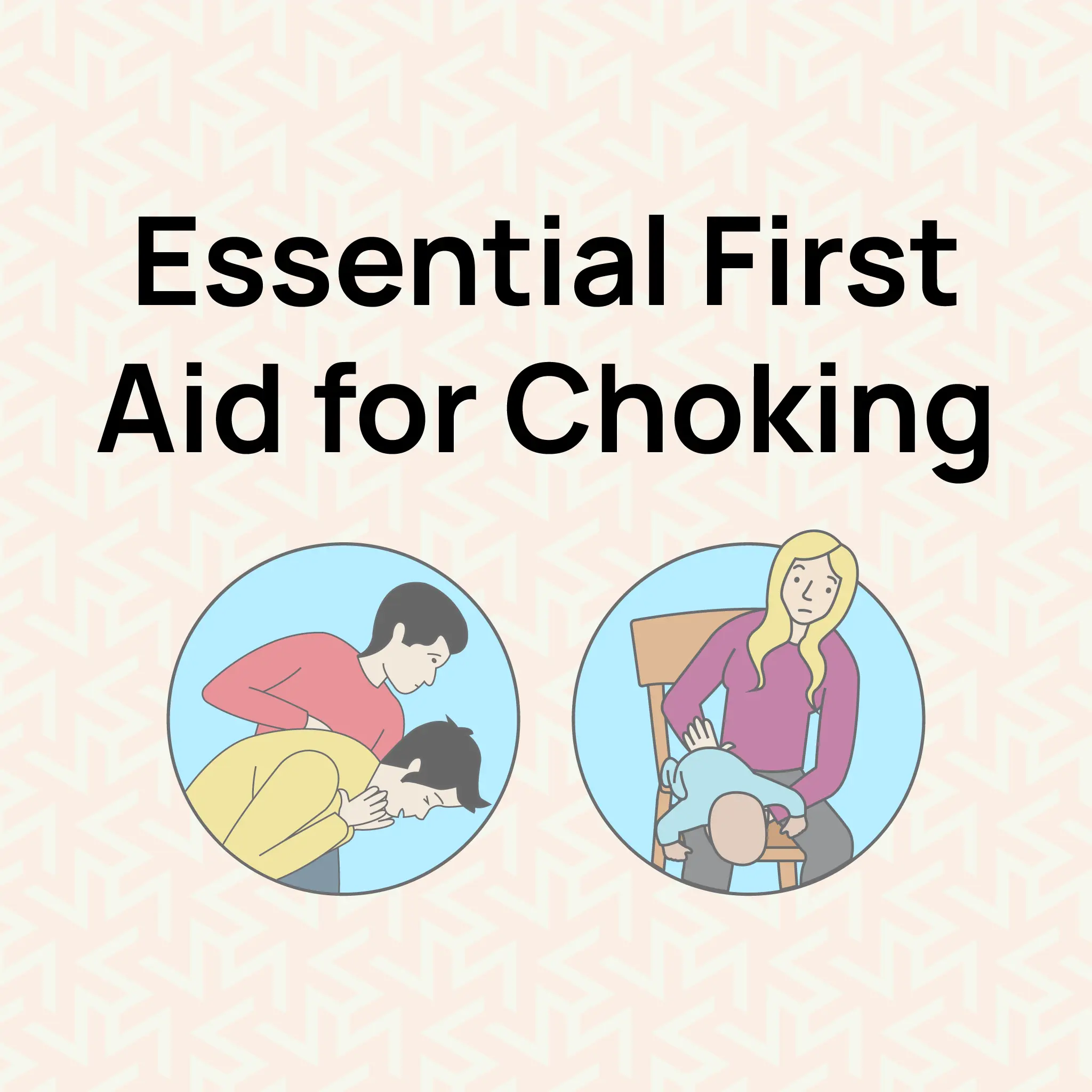
Choking First Aid
Understanding Choking Food Choking: The Adult NemesisHave you ever experienced the panic of someone choking? I have, and let me tell you, it is not something you would want to confront without adequate preparation. I am referring to both Food choking in adults and babies choking � either way you need to be prepared with adequate knowledge that covers how to perform first aid when such a scenario arises � Acting fast and efficiently when someone is choking can save a life. Let us dive deeper into understanding choking. The treatment and 1st aid for choking.Infant Choking: A Parent's NightmareWhat to Look For: How to Recognize ChokingWe will discuss choking treatment later, but let�s cover the signs first.The hands-on-the-throat universal sign of chokingSeems unable to talk, cough or breathe correctlyEyes are panic-strickenDeep wheezing, or abnormal retraction- gasp soundsParts of the body turning violet or ashen blue throughout the bodyLoss of consciousness (this is the most extreme case)Choking Management: First Aid Guide with DiagramsFor Adults and Children Over 1 YearEncouraging coughing � for some people that is enough.If coughing fails, it�s two-hand back slap time. Deliver five upward fist-strikes between the shoulder blades.Still stuck? Abdominal thrusts, also known as the Heimlich method, is the next step.While standing behind them.While putting your arms around their waist.You make a fist just above their belly button.While seizing your fist with your other hand.In a rapid velocity, deliver quick paroxysms stroke in an upward direction.4.Repeat the previous steps by alternating back blows with abdominal thrusts until the object becomes dislodged.Infant Choking: How to Help an Infant ChokingWhat should you do if an infant is choking? This is a question that comes up quite a lot, take note of the following and remain composed throughout the taskWhat to Do if an Infant ChokesPlace the baby on their stomach along your forearm.Do five back blows that are both soft and hard.If that doesn't work turn them around and give them 5 booty bumps.Keep alternating between back blows and booty bumps until you can remove the obstructionBearing in mind that there is no such thing as abdominal thrust for babies.When to call for help and How to Do It999 can be dialed without hesitation in the event that:You were choking yourself and were all by yourself in the roomThe person passes out.If you can�t seem to help the person due to severe airway obstruction .Choking Treatment: Beyond the EmergencyKnowing the 1st aid for choking is important but now let�s discuss prevention methods:Cut food into small pieces especially for kids and elderlyChew food well and for your throat to be at rest. Let your mouth do the workInfants and Toddlers should not be allowed to play with small objectsInfants and young children should be supervised while eating at all times� .main{ border:3px solid #0f7c90; border-radius:20px; position: relative; font-family:roboto; font-weight: 400; color: #000; } .main-two{ position: absolute; top:-25px; left:45px; background-color:white; } .img-div{ border-radius : 100%; padding:2px 7px; background-color:#0f7c90; margin-right:5px; width: 50px; height: 50px; } .img{ width:30px; object-fit:contain; height:auto; border-radius : 100%; } @media only screen and (max-width: 600px) { .heading{ font-size:20px; } .img{ width:20px; object-fit:contain; height:auto; border-radius : 100%; } .img-div{ width: 40px; height: 40px; } .main-two{ left:25px; } } Be Ready to Help in Choking Emergencies! Choking can happen in an instant. Are you prepared? Discover essential first aid steps to take if someone is choking. Get certified now by enrolling in our Emergency First Aid course and learn how to potentially save a life. FAQSWhat are the 5 steps if someone is choking?Cough it outSlap it outSqueeze it outCheck their mouthCall the emergency helpline (999)What is the first aid practice for choking?If a person is choking and having difficulty talking or crying or laughing forcefully your immediate response should be to give them five blows and five swift abdominal thrusts.What not to do when someone is choking?It is crucial that you remember never to pat an infant on the back if they are able to cough, in such situation slapping them on the back may dislodge the object and might be inhaled deeper in the airwaysWrapping It Up: Be Prepared, Save LivesFew points to remember � this is your ultimate preparedness guide in terms of choking first aid, whether it be adult food choking or infant choking and the appropriate response. Exceptional as that may sound, I assure you that this information will remain with you.Please keep in mind the following because in the event that there is no time to call for help and the person is in danger of choking it is you who will be the first patient�s helper. As a first responder you should be familiar with the importance and benefits of first aid. Relax and do something about it. Listen to your body as it will tell you that you can go back to doing what you do best!In this regard, I would like to ask a brave question � have any of you been in practice and had to use these skills? Or using a bit of food choking yourself how close dilation did you get? Please do share your experience in the comments. We can teach each other and raise awareness on this important life-saving technique.Take care of yourself and may all of your meals go down with ease.
FIRST AID KIT CONTENTS
A first aid kit is a very useful item; its primary aim is to tend to injuries and unexpected situations before professional help can be called. This kit contains a variety of items that can immobilise an injury, relieve pain, and help in resisting the growth of bacterial infections. Irrespective of the status of being at home, in the workplace, or while travelling, having a properly stocked first aid kit can exponentially assist in controlling a situation like an injury, at least to a certain extent.In the UK, it is imperative that a leaflet with general guidance be included in the first aid kit. This is the HSE�s leaflet and it serves as basic guidance and advice on first aid at work. This leaflet contains emergency first aid information for people who may not necessarily be from the medical field. It provides a visual step-by-step guide on preventing sudden hazardous situations. This guide is intended to assist a first aider in an emergency; it also includes checking airways and breathing as well as performing CPR: chest compressions.Why You Need a First Aid KitOwning to the fact that injuries and accidents may occur at any time, a first aid box is very useful when it comes to your personal safety. It provides basic equipment and materials for treatments of various injuries that may occur unexpectedly. Having a first aid kit can be handy when one has no access to a proper health facility or a medical centre. What this entails is that if an individual has a properly stocked kit, chances of a complication arising from the emergency are minimised.First Aid Kit EssentialsA good example of such essential items include a first aid kit and drugs that you may need to manage an emergency situation before an expert intervention is available. It comprises items like bandages, antiseptic solutions, medical instruments that are normally used in dressing minor injuries, and alleviating pain. We have no control over sudden accidents, and this is the reason why having a first aid kit increases preparedness in handling the emergencies as well as provide a sense of security irrespective of where one is; at home, workplace or travelling.First Aid Kit ChecklistBasic Supplies For First Aid Kit�Adhesive BandagesAdhesive TapesSterile Gauze PadsTypeClear Plasters,Blue Catering Plasters, Gel Blister PlastersHypoallergenic tapeFabric Plasters, Waterproof Plasters, Sterile padsPurposeIdeal for covering small cuts, blisters and abrasionsSecure gauze pads and bandages in PlaceUsed to cover and protect larger wounds. They help absorb blood and other fluids and prevent infections�Medical Tools For First Aid Kit�TweezersScissors�ThermometerTypePlastic disposable tweezers, Splinter tweezersPreferably blunt tip to avoid accidental injuryDigital Thermometers�PurposeUseful for removing splinters or debris from woundTo cut tape, Gauze or clothing if neededMeasure body temperature to identify feverEmergency Supplies For First Aid Kit�CPR Face ShieldBurn CreamEye wash/ PadsTypeStandardBurn cream or GelEye wash or eye padsPurposeProvides a barrier for performing CPR while minimising the risk of disease transmission.Relieves pain and promotes healing for minor burnsRinse out debris or chemicals from the eyes and protect injured eyesPersonal Items For First Aid Kit�Pain relievers�Anti-allergyTypeParacetamol, Ibuprofen�Antihistamines�PurposeAlleviates Pain and manages feverTreats symptoms of allergies and can be vital if someone has severe allergies�Maintenance Of Your First Aid KitIt is imperative that you consistently check the expiration dates of the items that have been stored in your first aid kit and have them immediately replaced in case the items have expired, next make sure you restock the kit. Furthermore you need to check the kit time and time again to make sure nothing is missing and that it contains all necessary items.Where You Should Place Your First Aid KitYour first aid kit should be placed somewhere within the home where it cannot be accessed by children. In offices, it should be placed in the kitchen considering that�s where accidents happen quite frequently or in the bathroom. Another suitable location could be a hall closet. This would provide the staff with quick and easy access to the kit. In a nutshell, it should be stored in a place that is easily accessible during an emergency.The British Standard Compliant Workplace First Aid KitThe British Healthcare Trade Association has developed kits that are more appropriate for workplace accidents. These kits have now become the British Standard Kits for all. The list below showcases the required content for first aid kits for workplaces in the UK. The contents in these first aid kits comply with the British Standard BS8599.Contents:Instructions x 1Contents List x 1Medium Dressing 12 x 12cm x 4Large Dressing 18 x 18cm x 3Triangular Bandage x 3Eye Pad & Bandage x 3Waterproof Plasters x 60Cleansing Wipes (Sterile) x 30Microporous Tape 2.5cm x 5m x 2Nitrile Disposable Gloves (Pair) x 9Finger Dressing 3.5 x 3.5cm x 3Revive Aid (Resuscitation Device) x 1Thermal Blanket x 2Burn Dressing 10 x 10cm x 2Tuff Cut Scissors x 1Conforming Bandage 7.5 x 4.5cm x 2FAQ�sWhy are towels important in a first aid kit?A clean towel can be used to clean up a wound, scrape or cut, use sterile saline solution and clean the affected area so that it stops bleeding and prevents infection.Do you need tweezers in a first aid kit?There are different types of tweezers designed for a variety of tasks however when assembling your first aid kit include a Flat-Tipped tweezer, these tweezers are versatile and easy to use. The Flat-Tipped tweezer is an essential tool in every first aid kit. .main{ border:3px solid #0f7c90; border-radius:20px; position: relative; font-family:roboto; font-weight: 400; color: #000; } .main-two{ position: absolute; top:-25px; left:45px; background-color:white; } .img-div{ border-radius : 100%; padding:2px 7px; background-color:#0f7c90; margin-right:5px; width: 50px; height: 50px; } .img{ width:30px; object-fit:contain; height:auto; border-radius : 100%; } @media only screen and (max-width: 600px) { .heading{ font-size:20px; } .img{ width:20px; object-fit:contain; height:auto; border-radius : 100%; } .img-div{ width: 40px; height: 40px; } .main-two{ left:25px; } } Don�t wait until an emergency strikes! Equip yourself with the knowledge and tools you need by creating your own first aid kit today. Let�s make safety a priority! Join our Emergency First Aid at Work course and get certified now. ConclusionHaving an all-rounded first aid kit is one of the best investments in terms of safety and precaution. Thus, with supplies of these items included and your kit properly replenished from time to time, you�ll be in good stead to manage minor accidents and emergencies adequately. But as we already know, sometimes a first aid kit is enough to address certain issues, but always consult a doctor if needed. Stay safe and be prepared.
What is the Difference Between IQA and EQA
Quality assurance is important for addressing quality-related issues within organisations. Problems like biased assessments can harm an organisation's reputation, making early detection important to avoid costly corrections of systemic errors. To become a quality assurer, one must complete the appropriate qualifications, which come in two types: internal and external. It is important for learners to carefully review course guidelines to select the right qualification.Internal Quality Assurance (IQA)Internal Quality Assurance (IQA) is fundamental to maintaining high standards in products or services. IQAs ensure that assessments are fair and of high quality. They oversee assessors' activities and verify that evaluations are conducted impartially.External Quality Assurance (EQA)External Quality Assurers (EQAs) operate independently from the organisations or assessment centres they oversee. They provide guidance, support, and assistance to the centre�s Internal Quality Assurers (IQAs). EQAs also work with assessors and other personnel involved in the qualification process to ensure that all candidates are treated fairly. They ensure that qualifications are delivered in adherence to regulatory standards, such as those established by OFQUAL. This includes measures to prevent cheating or unethical conduct, including plagiarism or impersonation during assessments.Which EQA Qualification Do I Need?The primary qualification in this field is the Level 4 Award in External Quality Assurance of Assessment Processes and Practice.It covers the theoretical understanding of the EQA role and the practical aspects of conducting visits, checks, and monitoring. It is suitable for individuals who oversee assessment quality externally.The Level 4 Award in Understanding the External Quality Assurance of Assessment Processes and Practice is for EQA beginners who want to understand the principles and methods of external quality assurance without needing practical application.This qualification aims to train individuals for roles in the workplace where they are responsible for upholding assessment quality standards. .banner-blue { border-radius: 10px; overflow: hidden; border: 2px solid #ccc; box-shadow: 0 4px 8px rgba(0, 0, 0, 0.2); background-color: #fdf9ee; } .book-now { color: white; background-color: #DF3D52; border: none; padding: 15px 60px; border-radius: 5px; cursor: pointer; font-size: 20px; text-decoration: none; } .book-now:hover { /*text-decoration: none;*/ color: white; background-color: #c33f50; } Get Certified with our TQUK Assessor Courses Regulated by OFQUAL Assessor Courses Book Now Trustpilot What is the Difference Between Internal and External Quality Assurance QualificationsWhile IQA and EQA focus on maintaining quality standards, they differ in objectives and operational levels.Internal Quality Assurance�External Quality Assurance�Administrative authority�Legislative authority�Focuses on improvement within an organisationFocuses on accountability & compliance of an organisationTypically follow local regulations�Typically follow global regulationsInstitutional level of operationThe national level of operation�The end report is private�The end report is public�
Appropriate Methods of Assessments
Assessors' core responsibility is to evaluate learners. To do so effectively, they must use assessment methods they will most likely learn and apply during the assessor course.What are Assessment Methods in Education and Training?Assessment methods check learners' skills and knowledge needed to pass a qualification.A qualification or assessment strategy specifies which methods to use. Learners must answer questions or write assignments if the qualification needs evidence of knowledge. A learner can be evaluated using the following assessment approaches:QuestionsAssignmentsDiscussionsWitness testimonySimulationRoleplayReflective accounts, where learners talk or write about what they did in a real situation .banner-blue { border-radius: 10px; overflow: hidden; border: 2px solid #ccc; box-shadow: 0 4px 8px rgba(0, 0, 0, 0.2); background-color: #fdf9ee; } .book-now { color: white; background-color: #DF3D52; border: none; padding: 15px 60px; border-radius: 5px; cursor: pointer; font-size: 20px; text-decoration: none; } .book-now:hover { /*text-decoration: none;*/ color: white; background-color: #c33f50; } Get Certified with our TQUK Assessor Courses Regulated by OFQUAL Assessor Courses Book Now Trustpilot What are the Types of Assessment MethodsObservationObservation is a natural way to gather evidence of a learner�s skills. If assessing a group, each learner�s observation should be recorded individually, noting how each one acted, spoke, or performed.ObservationObserving learner�s performing skills either in the workplace or a learning environment. This includes job roles or skills during apprenticeships.�Strengths of Observations- Allows direct view of learner�s skills in action- Enables assessment of how learners perform tasks and correct mistakes- Multiple criteria can be assessed simultaneously- Motivates by addressing many criteria in a single observationLimitations of Observations- Timing issues, especially if observation needs to be done in person and the learner works unconventional hours (e.g., night shifts).- In settings where recording is not feasible (e.g., nurseries), reliance on notes and�memory may be challenging.QuestioningQ&A can be an oral or in-writing assessment method, and it can also include quizzes or exams. Questioning helps you see what the candidate understands and where they need to improve. It is a useful approach to identify areas for growth and plan the next steps.QuestioningA popular method for assessing a learner�s understanding and stimulating their thinking. It involves asking questions to assess knowledge and encourage deeper thought.Strengths- Can include various types: multiple-choice, short answers, or essays- Questions can be personalised or drawn from a question bank- Challenges learners and promotes their potential- Can target critical thinking and skill recognition- Oral questions may be better for learners with dyslexia or visual impairmentsLimitations- Closed questions (yes/no) limit the ability to demonstrate knowledge- Writing questions can be time-consuming- Written responses may be copied or plagiarized- Essay-style questions may be challenging for some learners, so various question types are neededProjectsProjects and assignments help you see what a candidate knows by gathering all their work in one place. This can include reports, essays, or research tasks. Mistakes or missing information in their work show where their knowledge needs improvement. You can help them learn more and cover gaps before the final assessment.ProjectsProjects are useful for collecting a lot of information at once. They can include reports, essays, or research tasks.Strengths of Projects- Reveals gaps in the learner�s knowledge for targeted extra training- Provides real-world experience in a professional or vocational setting- Structured with a clear beginning, middle, and end, allowing for formative feedback and reflectionLimitations of Projects- Keeping the learner engaged can be challenging, especially if projects last several weeks or months- Maintaining motivation throughout the entire project duration is necessaryRecognition of Prior Learning (RPL)RPL, or Recognition of Prior Learning, looks at any previous qualifications, awards, or certificates the candidate has earned. As an assessor, you compare this prior work with the current criteria to see if the candidate has met them. This method is favoured by candidates because it might reduce their workload if they have already covered the material.RPL (Recognition of Prior Learning)RPL involves considering any previous qualifications the learner has that show they already know or understand parts of their current qualification.Strengths of RPL- Helps learners avoid repeating work they have already completed- Saves time by allowing learners to progress faster- Previous work history is valued and not wastedLimitations of RPL- Requires assessing if previous learning aligns with current qualification criteria- Learners may need to demonstrate their knowledge with a brief assignment- Sometimes, it may be easier to observe the learner cover the criteria againWitness TestimonyWitness Testimony relies on having a trustworthy candidate. For this method, you need a qualified professional who works with the candidate to write a report on when they saw the candidate perform a task or skill and confirm their competence.The candidate must also write a report about the same task or skill. As the assessor, you compare both reports. If they match well, the testimony is likely valid and can be used to meet certain assessment criteria.Witness TestimonyTo get a valid witness testimony, you need a qualified professional who works with the candidate, like a line manager, to write a report on when they saw the candidate perform a task or skill to confirm their competence.Strengths of Witness Testimony- The witness can confirm the candidate�s competence or achievements if they know the assessment criteria- Useful for practical skills; videos can support this but have their limitationsLimitations of Witness Testimony- The assessor must validate the suitability of the witness and verify the authenticity of their statements- There is a risk of fraud if learners sign statements themselves or if managers falsely act as witnesses to sign off on tasks they have not observedWork ProductIf your candidate is working in a job related to their qualification, like an apprenticeship, they are likely doing tasks every day that could count as evidence for their criteria. Since they are already doing the work that meets the criteria, it might not make sense to ask them to repeat it in an assignment. This method is often popular with candidates because it lets them achieve two goals at once.For example, a business administration student might take screenshots of emails to show their work. Depending on what the criteria require, if a screenshot can prove they have the needed skills, it is a good option.Work ProductWork products involve assessing a candidate�s performance through their job-related tasks, often seen in Apprenticeships where candidates produce work relevant to their qualification.Strengths of� � � Work ProductThe finished product can provide high-quality evidence of the learner�s understanding and competence in a unit. It also serves as a tangible example of the learner�s skills.Weaknesses ofWork ProductThe end product can be challenging to assess. A portfolio is often needed to show both the understanding and the process, which can be time-consuming and unclear in terms of criteria benchmarks.VASCR Principles of Assessment MethodsThe VASCR principles�Valid, Authentic, Sufficient, Current, and Reliable�help ensure assessment fairness and accuracy. They make sure that:The assessments are genuinely created by learners.They stay relevant.They cover all the required learning outcomes.They show consistent results over time.What Qualifications Do You Need to Become a Qualified Assessor?To become a qualified assessor, you need a relevant qualification, like the Level 3 CAVA Certificate. This certification allows you to conduct assessments in educational settings and train to assess skills in various job environments.Once you complete this certification, you can assess learners working towards National Vocational Qualifications (NVQs) and apprenticeships.
What is CAVA Qualification?
What does CAVA stand for?CAVA stands for Certificate in Assessing Vocational Achievement. It is a level 3 qualification that is widely recognised across the country for assessors.What is a CAVA qualification?CAVA is a detailed and practical qualification for assessors. It focuses on teaching the skills and knowledge needed to assess learners confidently in their workplace and educational settings, such as classrooms. This makes CAVA highly applicable to real-world assessment scenarios.CAVA teaches you how to evaluate and oversee a learner's vocational skills. After completing the course and gaining occupational competence, you will be qualified to conduct assessments for learners working towards NVQs or apprenticeships.CAVA is a Common Alternative to the A1 Assessor CoursePreviously known as the A1 assessor course and the D32/D33 assessor courses, the CAVA is the current and updated qualification required for full assessor certification. Despite occasional confusion, it is distinct from the TAQA course. TAQA refers to a suite of qualifications and is not a standalone qualification.This qualification is preferred because it covers all units (1,2,3) for assessing students across different environments. It is the preferred course for learning about the different assessment methods and principles.�What is the Importance of CAVA Qualification?The CAVA qualification is classified as a Level 3 certificate. Among the three official assessor qualifications at Level 3, each serves a distinct purpose: one focuses on workplace assessment, and another on assessment in educational settings. CAVA uniquely qualifies assessors to evaluate learners in both workplace and educational environments.What are the Requirements for the Level 3 Assessor QualificationTo obtain your CAVA qualification, you will need to complete three units. This can be done part-time while you continue working. Typically, the course takes around 150 hours to complete, making it feasible for most individuals to finish in approximately 12 weeks.There are no formal prerequisites for entry, but you should have math and English skills at a Level 2 standard.Proficiency in the field you wish to assess is necessary. For most assessor qualifications, except for the UPPA, you must have at least two learners available for assessment.As part of your qualification process, you will need to assess learners.Entry RequirementsLike most Level 3 awards, the entry requirements for enrolling in the CAVA course are basic.A minimum of Level 2 (or equivalent) in literacy and numeracyBe over the age of 18 .banner-blue { border-radius: 10px; overflow: hidden; border: 2px solid #ccc; box-shadow: 0 4px 8px rgba(0, 0, 0, 0.2); background-color: #fdf9ee; } .book-now { color: white; background-color: #DF3D52; border: none; padding: 15px 60px; border-radius: 5px; cursor: pointer; font-size: 20px; text-decoration: none; } .book-now:hover { /*text-decoration: none;*/ color: white; background-color: #c33f50; } Get Certified with our TQUK Assessor Courses Regulated by OFQUAL Assessor Courses Book Now Trustpilot What are the three CAVA UnitsUnit 1 � Principles and Practices of AssessmentUnit 1 focuses on establishing a solid theoretical foundation. It teaches principles and practices related to assessment, emphasising the responsibilities and role of assessors.Unit 2 � Assessing Occupational Competence in Work EnvironmentsUnit 2 assesses learners within their respective work environments. Participants are given access to two learners for assessment purposes, which is included in the course fee.Unit 3 � Assessing Vocational Skills, Knowledge, and UnderstandingThe course's final unit evaluates learners' vocational skills, knowledge, and understanding in a learning environment.FAQsWhat does the CAVA course involve?The CAVA course includes three units:Unit 1: This unit covers the theoretical aspects of assessment, including the role and responsibilities of assessors.Unit 2: This unit focuses on assessing learners in their work environments.Unit 3: This involves assessing learners in a learning environment.How long does it take to complete the CAVA course?Completing the CAVA course typically takes 4-6 months, with a few hours of studying per week. You have up to 2 years to finish the course.Do I need access to learners for assessment?Yes, for the CAVA course, you need learners to assess. It is an Ofqual requirement to conduct real-life assessments with two learners to qualify as an assessor.Do I need to be in an assessor role already?No, prior experience as an assessor is not necessary to enrol in the CAVA course. There are no specific entry requirements. However, occupational competence in your chosen assessment area benefits future employment prospects.Do I need to be in a Further Education role?No, enrollment in the CAVA course does not require you to be in a Further Education role.What is TAQA?TAQA refers to a suite of qualifications and is not a standalone qualification.What was the A1 assessor course?The A1 assessor course was the former title of the assessor qualification until 2010, when it was renamed the CAVA qualification, the Level 3 Certificate in Assessing Vocational Achievement.What was the D32/33 assessor course?The D32/33 assessor course was the original title of the assessor qualification in the nineties. It became known as the A1 assessor course and eventually evolved into the current CAVA assessor course.Is an expert witness required for the CAVA course?Yes, you do require an expert witness for this course. He is a qualified assessor within your organisation who verifies that your assessments were conducted correctly before your course tutor grades them.
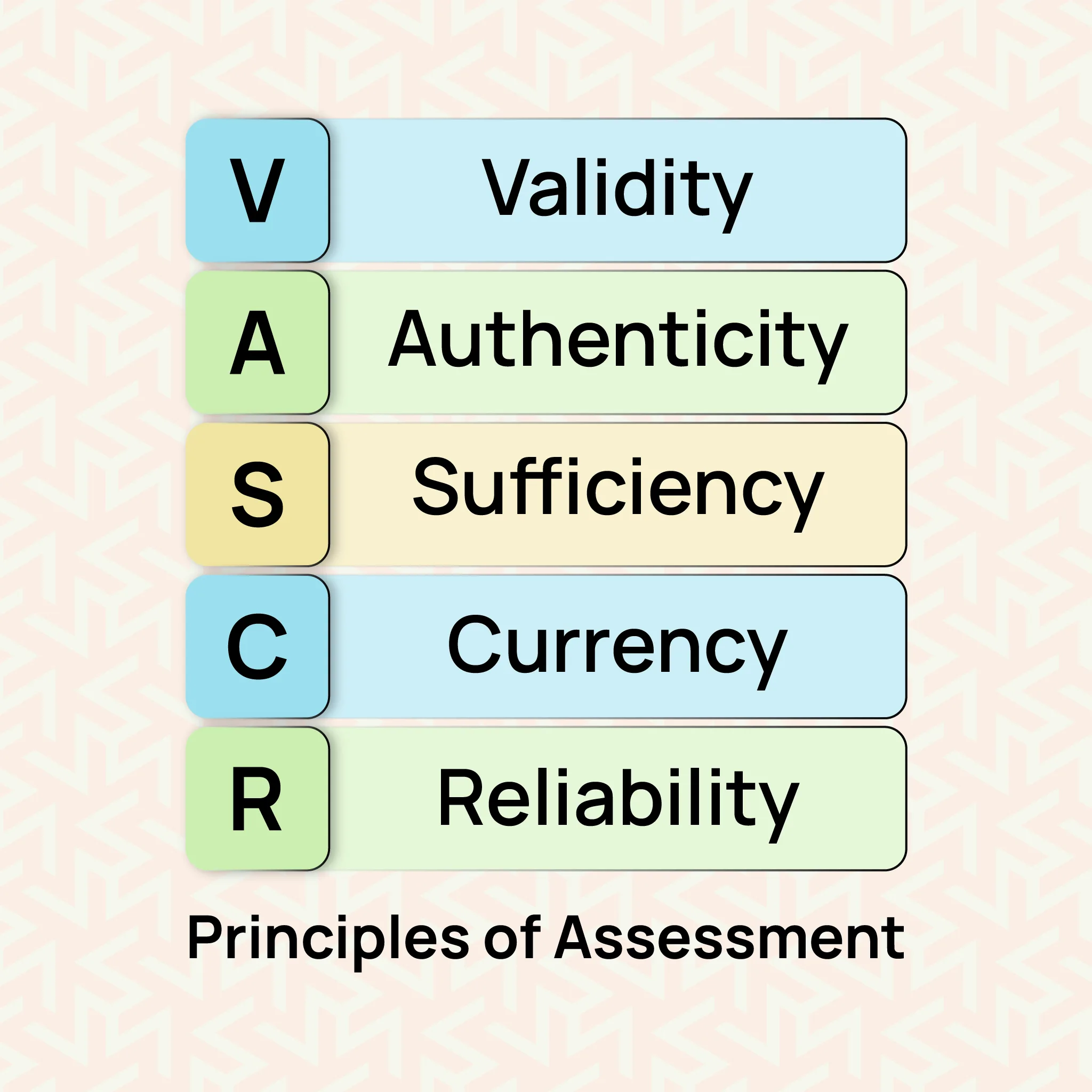
VASCR Principles of Assessment
Studying the concepts and principles of assessment is important. It helps us understand how assessments work and why they are important. This knowledge confirms that assessments are fair, reliable, and valid.Knowledge about the concepts and principles improves the quality of assessments and the accuracy of the outcome. It is also useful for evaluating learning effectively.Importance of Assessment PrinciplesAssessment principles are important for accurate and ethical learning and development practices. They guide how qualified assessors consistently evaluate learners' knowledge, skills, and abilities without bias.Ethical Considerations in AssessmentEthical principles in assessment include conducting assessments responsibly and ethically. This includes respecting learners' rights and well-being and avoiding bias or discrimination based on gender, race, disability, or socioeconomic status.Assessors must promote fairness by designing assessments for diverse learner backgrounds and experiences.Key Ethical PracticesConfidentiality: Keeping assessment information private and secure.Respect for Diversity: Creating inclusive and respectful assessments of different backgrounds.Clear Communication: Providing clear instructions and expectations to learners.Objectivity: Maintaining impartiality and fairness throughout the assessment process.Validity and Reliability: Using assessment methods that accurately measure what they intend to measure.By following ethical guidelines, practitioners create supportive learning environments and uphold integrity in assessments. Transparency is also important. Assessors should openly communicate with learners about assessment purposes, evaluation criteria, potential outcomes, benefits, and available support.Understanding Concepts and Principles of AssessmentThe concepts and principles of assessment are the fundamental ideas and values guiding the assessment process. Key concepts include measuring a learner's knowledge and learning standards using various assessment types. .main{ border:3px solid #0f7c90; border-radius:20px; position: relative; font-family:roboto; font-weight: 400; color: #000; } .main-two{ position: absolute; top:-25px; left:45px; background-color:white; } .img-div{ border-radius : 100%; padding:2px 7px; background-color:#0f7c90; margin-right:5px; width: 50px; height: 50px; } .img{ width:30px; object-fit:contain; height:auto; border-radius : 100%; } @media only screen and (max-width: 600px) { .heading{ font-size:20px; } .img{ width:20px; object-fit:contain; height:auto; border-radius : 100%; } .img-div{ width: 40px; height: 40px; } .main-two{ left:25px; } } The VASCR principles�Validity, Authenticity, Sufficiency, Currency, and Reliability�ensure fair, accurate, and consistent assessments. The Level 3 Certificate in Assessing Vocational Achievement (CAVA) and the Level 3 Award in Understanding the Principles and Practices of Assessment (UPPA Unit 1) allow you to apply these principles effectively in assessment practices. Benefits of Studying Assessment Concepts and PrinciplesStudying assessment concepts and principles helps design assessments that accurately measure learner progress and achievements. It promotes effective feedback to motivate and guide learners, improving their learning journey. .banner-blue { border-radius: 10px; overflow: hidden; border: 2px solid #ccc; box-shadow: 0 4px 8px rgba(0, 0, 0, 0.2); background-color: #fdf9ee; } .book-now { color: white; background-color: #DF3D52; border: none; padding: 15px 60px; border-radius: 5px; cursor: pointer; font-size: 20px; text-decoration: none; } .book-now:hover { /*text-decoration: none;*/ color: white; background-color: #c33f50; } Get Certified with our TQUK Assessor Courses Regulated by OFQUAL Assessor Courses Book Now Trustpilot The VASCR Principles of AssessmentIn assessment, following the VACSR principles�Valid, Authentic, Sufficient, Current, and Reliable�confirms complete fairness and accuracy.These principles make sure that assessments are genuinely produced by learners, remain relevant, cover all learning outcomes, and show consistency over time.Validity Principle in AssessmentThe Validity Principle is about assessments accurately measuring what they intend to assess�knowledge, skills, or abilities. Key aspects of the Validity Principle include:Content ValidityThe assessment's content aligns with the course or program's learning outcomes and objectives.Construct ValidityExamines whether the assessment measures the underlying theoretical construct or concept it purports to measure. This involves demonstrating that the assessment items reflect the intended construct or skill.Criterion-Related ValidityDetermines how well the assessment correlates with an external criterion, such as another established assessment or real-world performance. It includes concurrent validity (how well the assessment compares with a similar assessment simultaneously) and predictive validity (how well the assessment predicts future performance).Face ValidityRefers to whether the assessment appears to measure what it is intended to measure on the surface.Valid assessments provide reliable results reflecting a learner's capabilities, contributing to meaningful and fair evaluations.Authenticity Principle in AssessmentThe authenticity principle confirms that submitted evidence truly belongs to the learners.In the modern digital age and busy schedules, plagiarising or purchasing coursework from online sources is a temptation. However, submitting work that is not one's own undermines the purpose of learning and achieving qualifications.It constitutes plagiarism, cheating, and fraud, which legal authorities and regulatory bodies condemn.Key aspects of the Authenticity Principle include:OriginalityLearners must submit work that is their creation and not copied or plagiarised from others, and should consider performing a plagiarism check to ensure authenticity.GenuinenessThe evidence presented should accurately represent the learner's skills, knowledge, and abilities without falsification or fabrication.RelevanceThe evidence should be directly related to the assessment task and the learning outcomes being assessed.Proper referencing is essential to acknowledge all sources used, and learners must submit only genuine evidence without fabrication.How to Verify the Authenticity of the Learner's WorkProvide a copy of the learner's secure email address to send evidence to the assessor.Use an individual learner's login on their e-portfolio system.Obtain a learner's declaration confirming that all portfolio contents are their own.Record either a video or audio of the learner confirming the authenticity of their work or participating in an assessment like a reflective discussion.Sufficiency Principle in AssessmentThe Sufficiency Principle requires evidence to directly address learning outcomes and assessment criteria. Assessments accurately gauge learner competence. For instance, if asked to discuss CPD and reflective practice, focusing only on CPD would not meet the requirements.In practice, this principle guides the development of assessments based on content breadth and depth. Key aspects of the Sufficiency Principle include:CoverageThe evidence should comprehensively cover all aspects of the assessment criteria and learning outcomes specified for the task.DepthThe evidence should thoroughly understand and apply the assessed knowledge, skills, or abilities.QualityThe evidence should be sufficient for accurate assessment and evaluation.Assessments should include all levels and assessment methods (e.g., written responses and practical demonstrations). Multiple assessment types offer a comprehensive view of learner capabilities. Using the Sufficiency Principle guarantees fair, valid, and reliable assessments. It allows practitioners to gather evidence, aiding accurate evaluations and tailored learning interventions.Current Principle in AssessmentEvidence should be recent and dated close to the assessment date. It must be current andrelevant, reflecting present expectations and standards. Key aspects of the Current Principle include:TimelinessThe evidence should be recent and dated close to the assessment date to reflect current knowledge and practices accurately.RelevanceThe evidence should be pertinent and applicable to evaluating assessment criteria and learning outcomes.ValidityUsing current evidence enhances the validity of assessments by ensuring that they accurately measure current competence and understanding.Outdated qualifications or evidence may not meet current practice guidelines or legislative changes. All evidence should align with expected timelines and represent real-world scenarios.Reliability Principle in AssessmentThe Reliability Principle in assessment refers to the consistency and dependability of assessment results. It confirms that assessments produce consistent outcomes when administered under similar conditions and with similar groups of learners. This consistency allows for reliable judgments about learners' knowledge, skills, or abilities.Key aspects of the Reliability Principle include:ConsistencyAssessments should yield consistent results over time and across different assessors or evaluators.RepeatabilityThe assessment process should be repeatable, meaning that if it were conducted again under the same conditions, it would produce similar results.PrecisionThe assessment method should measure what it intends to measure accurately and reliably.Practitioners improve reliability using standardised procedures, clear assessment criteria, and well-defined scoring rubrics. They also avoid potential sources of error, such as bias or variability in scoring, for fair and consistent evaluation of learners.Structured Approach to AssessmentWhen beginning any assessment process, consider the VASCR principles: Valid, Authentic, Sufficient, Current, and Reliable. These principles confirm that the evidence collected meets standards and accurately reflects the learner's capabilities. You can confidently proceed with the Assessment Cycle if the evidence satisfies these criteria. This cycle involves initial assessment, planning assessments aligned with learning outcomes, engaging learners in relevant activities, etc.Initial AssessmentInitial assessments aim to understand students' motivations for joining the course, their prior subject experience, and any learning difficulties or disabilities. This helps determine their starting level. An Initial Skills Assessment aids in accurately grading students.Methods and Questions: Choose an initial assessment method to uncover relevant information to guide students towards their learning goals.Planning the AssessmentOnce initial information is gathered, plan how to assess session/course activities aligned with learning outcomes. Communicate assessment criteria to students, making sure they understand expectations.Assessment Criteria: Prepare a detailed list of criteria to clarify what students must demonstrate.Assessment Methods: Decide on assessment methods such as observation, questioning, or practical demonstrations.The Learning Activity or OpportunityStudents engage in learning activities where evidence is collected to evaluate progress. This evidence sufficiently demonstrates the application of taught concepts or skills.Evidence Gathering: Determine the most effective methods to gather evidence that validates learning in your subject area.Making a JudgementEvaluate student progress based on shared criteria. Assessments should be fair, transparent, and unbiased. They should involve students in setting learning goals.Judgement Criteria: Use the VASCR (Valid, Authentic, Sufficient, Current, Reliable) principles for comprehensive and accurate assessments.Feedback & Action PlanProvide constructive feedback highlighting strengths and areas for development. To avoid overwhelming students, limit feedback to three strengths and three areas for improvement.Feedback Delivery: Decide on the method of feedback delivery�whether through conversation, written format, or a structured session. You can also provide quick access to feedback forms through QR codes to make it easier for learners to respond, including options like The QR Code Generator (TQRCG).Action Plan: Develop an actionable plan outlining steps for improvement so students know how to progress effectively.This assessment cycle repeats with subsequent assessments or new modules/tasks for continuous improvement and tailored support for each student's learning journey.ConclusionThe VASCR principles produce fair, meaningful, and beneficial assessments for learner development. Following these principles of validity, authenticity, sufficiency, current, and reliability improves the credibility of assessment processes and supports learners in achieving their educational goals.