


Understand Manned Guarding and Its Key Responsibilities
With rising concerns around theft, vandalism, and anti-social behaviour across the UK, the need for visible, trained security professionals has never been more urgent.The UK has seen a steady increase in security-related incidents, from shoplifting in retail parks to unauthorised access on construction sites. In such times, businesses and public venues need more than just alarms and CCTV. They need trained individuals on the ground.Manned security guards provide that critical layer of protection. Their job is simple yet vital: deter crime, protect people, and respond fast.Unlike police officers, who are tasked with law enforcement after an incident occurs, manned security guards are focused on prevention. Their presence alone can prevent issues from escalating.A manned guard isn�t just a uniformed figure at the gate. They must be SIA-approved, trained in communication, emergency response, and conflict management.Interested in working as a security guard or hiring one?�Start by understanding the basics of SIA and SIA Licencing:What is SIAFree SIA TrainingGetting an SIA LicenceHow much does the SIA badge cost?What is Manned Guarding?Manned guarding, also referred to as manned security, is the act of placing trained security personnel at a site to protect people, property, or both.�It involves the physical presence of a trained security guard at a location to deter threats, monitor activity, and take immediate action if needed.These guards are the first line of defence�watching over entry points, monitoring suspicious behaviour, responding to alarms, and offering a sense of security to everyone on the premises.Read more: What Security Guards Can and Can�t DoManned V/s Unmanned SecurityThere are different types of security, and it helps to understand how they work together. While manned security relies on a human guard being present, unmanned security involves systems like CCTV, alarms, or remote monitoring. These tools can help spot issues or raise alerts � but they don�t take action themselves. That�s where a trained guard makes all the difference: they think, act, and make real-time decisions.Within manned guarding, roles can vary depending on the environment. In some settings, a guard may remain in a fixed position � such as at a reception desk or building entrance. In others, they may carry out regular patrols, moving through the premises to identify any suspicious activity or safety concerns. Both approaches are part of a wider strategy to keep people safe and operations secure.The value of manned security lies in its flexibility and human judgement. It offers a stronger deterrent, better customer interaction, and a more effective response during emergencies. For many UK businesses, it's a key part of day-to-day safety.Why Do Businesses Choose Manned Guarding?Here are just a few reasons why companies invest in trained manned security:It discourages theft, vandalism, and trespassingCustomers and staff feel more at easeThere�s always someone ready to handle incidentsIt supports emergency planning and evacuation if neededCurious? Read: Can Security Guards Detain or Touch You?In short, manned guarding combines presence, judgement, and training in one role.�As we move forward, let�s take a closer look at what a manned security guard actually does, and how they deliver safety on the ground.Responsibilities of a Manned Security GuardBeing a manned guard is more than being present, it�s about action, confidence, and knowing how to keep control in uncertain situations.Their job isn�t just to look out for trouble but to stay one step ahead � it is multi-layered, demanding a balance of awareness, communication, and quick decision-making.Let�s understand the key responsibilities of manned security:Desk & Reception ControlFrom manning reception desks to handling telephone inquiries, visitor logs, and mail, guards often serve as the first point of contact for clients and employees.Access ManagementThey verify identification, issue visitor badges, inspect deliveries, and ensure access protocols are followed rigorously.PatrollingGuards regularly walk or drive through designated areas to inspect perimeters, buildings, and entry points for anomalies or security breaches.CCTV and Alarm MonitoringWhether on-site or in a control room, they watch surveillance systems for suspicious activity and investigate triggered alarms.Fire & Disorder PreventionTrained in early detection, guards check fire doors, alarm panels, and safety compliance. They also act promptly to reduce crowd-related risks at busy events.First Aid & Incident ResponseOn-site first aid is common�guards control the scene, support medical personnel, and assist with evacuations or crime scene management.Conflict De-escalationEquipped to manage conflict calmly, they handle aggressive situations, intervene appropriately, and avoid unnecessary escalation.Reporting & Record-KeepingAll incidents, safety checks, and irregularities are logged accurately�useful for legal, compliance, or investigative purposes.Liaising with Emergency ServicesIn fire, medical, or criminal emergencies, guards coordinate with police, fire, or ambulance services, offering site access and critical information.Health & Safety ChecksGuards conduct routine safety inspections � ensuring walkways are clear, equipment is functioning, and hazards are controlledTo carry out these responsibilities effectively, guards need to have certain essential skills such as strong communication, confidence, and the ability to stay calm under pressure.�Their responsibilities ensure a proactive approach to potential threats, emergencies, and compliance issues�all while maintaining professional and friendly oversight.That�s why it is crucial for manned security personnel to be trained professionals holding a valid SIA licence.To ensure high competency and a secure environment, employers must carefully examine the guard�s licence before hiring. To identify whether a licence is valid or not, check our guide on How to spot a fake SIA licence card.Get the Right Training to Do the Job RightHurak offers trusted SIA-accredited courses for guards at every level:Security Guard Training CourseDoor Supervisor TrainingCCTV MonitoringClose Protection CourseTake the first step towards becoming a licensed, job-ready security professional�enrol today.Where Manned Security Services Are Most NeededWhile security is essential across the board, some environments carry higher risks than others. These are places where large crowds gather, valuable assets are kept, or public safety is a major concern. In such cases, unmanned systems like alarms or CCTV may support the process�but it�s the physical presence of a manned guard that makes the biggest difference.Let�s look at where manned guarding is commonly deployed in the UK, along with real-world scenarios that highlight its importance:Security PlacementScenario ExampleRetail StoresGuard stationed at the entrance to prevent shoplifting, monitor CCTV, and assist during disputesConstruction SitesOvernight patrols to prevent unauthorised access, theft of tools, or vandalismPublic Events & FestivalsCrowd control at entry points, managing disorder, and providing first aid if neededCorporate OfficesReception security checking IDs, signing in visitors, managing building accessHospitals & Medical CentresMonitoring patient access, calming aggressive behaviour in A&E, assisting staffSchools & UniversitiesSecuring gates during entry/exit times, patrolling campus, handling trespassersResidential ComplexesVerifying residents and guests, preventing break-ins or noise-related disturbancesWarehouses & LogisticsChecking incoming/outgoing goods, deterring theft, logging incidents during night shiftTransport HubsSupporting crowd movement, checking travel passes, responding to suspicious activityNightclubs & BarsDoor supervision, checking IDs, handling intoxicated or aggressive individualsAs these examples show, manned security services are not limited to one sector. Whether it's retail loss prevention, crowd safety, or protecting high-risk zones, their presence plays a crucial role in maintaining order and safety.If you�re planning security for an event, business premises, or public space, it�s important to understand the specific demands of that environment.�You can explore our guides on:�Retail Security | Spectator Event Safety Planning | Crowd Safety During Emergencies�And if you're already in the field and want to stay certified and confident on the job, don�t forget to check our Refresher Courses:SIA Refresher Course for Door SupervisorsPhysical Intervention Refresher/Crossover TrainingSIA Top-Up Refresher Training for Security GuardsManned Security vs Digital Security: Is One Enough?In today�s world, many organisations assume digital tools like CCTV, alarms, or AI-powered sensors alone can fully secure their premises. While technology offers impressive coverage and data, it lacks human intuition, presence, and judgment.Manned guarding brings immediate action, adaptability, and personal interaction that machines simply cannot replicate.Key differences include:Response & Decision?MakingCameras detect, but guards respond. If an incident occurs, a trained guard can assess and act instantly � something that remote systems can�t doVisible DeterrentSeeing a uniformed guard on-site often makes potential offenders think twice � an effect that cameras alone rarely achieve .Coverage Gaps & False AlertsDigital tools may miss unmonitored zones or trigger false alarms. A human guard can fill those gaps, verify alerts, and avoid unnecessary responsesInstead of choosing one over the other, a better approach is to combine technology with human oversight.�Integrating live feeds, AI-driven alerts, and real-time communication gives organisations both continuous monitoring and actionable response.A well-trained manned guard supported by digital systems offers a flexible, efficient, and robust security solution.Conclusion In an era where safety and security are more critical than ever, manned guarding stands out as a key pillar of protection. Visible deterrence, quick human response, and personal interaction make them indispensable, even in a tech-heavy environment. Modern challenges demand an integrated approach: pairing guards with digital systems ensures full coverage and clarity in decision-making. Whether you're securing a retail store, public event, or commercial site, manned guarding - with the right training and licensed professionals is irreplaceable. And this, when properly combined with CCTV, alarm systems, and remote monitoring, helps you achieve the strongest possible protection. FAQsWhat is manned security?Manned security refers to on-site physical security services provided by trained and licensed security guards. Unlike remote surveillance systems, manned guards are physically present to deter crime, handle emergencies, and manage access control.What does manned guarding mean?Manned guarding means the physical presence of trained, licensed personnel at a location to protect people and assets. This includes duties such as patrolling, access control, CCTV monitoring, and responding to emergencies.Is manned security better than CCTV?Not necessarily better, but different. CCTV is great for monitoring and recording, while manned security services provide real-time intervention, human judgment, and visible deterrence. The best approach is a combination of both.Where are manned guarding services most commonly used?Manned guarding services are common in retail stores, construction sites, public events, hospitals, residential complexes, and corporate offices�anywhere that benefits from a visible, proactive security presence.Do I need a licence to work in manned security?Yes. To work in any manned security or manned guarding role in the UK, you must hold a valid SIA licence. You can train for this through Hurak�s SIA-approved security courses.
What Are Traffic Monitoring Cameras? Types, Uses Motorway Insights
With nearly 4,000 traffic cameras operating across England�s motorways and trunk roads for over 30 years, CCTV has become an essential part of road security and traffic monitoring, helping to ensure the safety and efficiency of roads across the UK.If you�ve noticed cameras fixed high above a motorway lane or positioned discreetly by a busy junction, you�ve already come across a traffic monitoring camera.�The traffic monitoring cameras go way beyond catching a speeding driver; they help manage traffic congestion, monitor road incidents, and support law enforcement regularly.If you work in security or public safety, it is crucial to understand how traffic monitoring cameras and CCTV systems work together.In this guide, we�ll explain the different types of traffic cameras, how they operate alongside CCTV surveillance, and the skills or knowledge that can help you interact confidently with these systems in your role.What Are Traffic Monitoring Cameras?Traffic monitoring cameras are specialised CCTV systems that are designed to observe and record road activities.�They are used to send live images to control centres, helping the operators monitor road conditions, spot incidents, manage traffic, and keep traffic flowing.�They are mainly installed on motorways, trunk roads, and junctions, playing a critical role in ensuring road safety. These cameras differ from standard road cameras, such as those used solely to enforce speed or traffic light violations.�They are often integrated with broader surveillance and traffic management systems to provide operators with a complete, real-time picture of the road network.How Traffic Monitoring Cameras Work?Traffic monitoring cameras integrate advanced CCTV technology with sensors and control systems to ensure road safety.�They share real?time traffic footage with operators, helping with a quicker response to incidents and better traffic management.�Let�s understand how they work through a simple example.How Traffic Monitoring Cameras Work: Real-Life ExampleSuppose that you are travelling along a crowded motorway.�As you gain speed, a traffic sensor camera catches your car, takes a speed reading, and, if you are speeding, takes a photo and then forwards it to the traffic security operator. The image is then available as evidence for use in court.Along the way, you observe the traffic slowing down. The traffic flow camera above you tracks this accumulation of cars along lanes, assisting operators in identifying congestion and determining how to react.As congestion worsens, the traffic control camera transmits live images to the control centre, where operators regulate signals and display warnings to alleviate the jam and maintain safe traffic flow.The above example shows how traffic monitoring cameras function as part of a broader CCTV surveillance network, detecting violations, monitoring conditions, and controlling signals in real-time.�By providing accurate, real-time information to operators, these cameras help keep the traffic flowing, reduce accidents, and ensure that roads across the UK remain safe and efficient for all users.CCTV Surveillance: Types of Traffic Cameras in the UKNot all traffic cameras serve the same purpose.�There are different types of road cameras installed across the UK to monitor the roads, enforce safety rules, and manage traffic effectively.Here are the main types of traffic cameras you�ll encounter on the roads in the UK:Speed cameras�These cameras are installed on motorways, trunk roads, and urban streets to detect and record vehicles exceeding the speed limit. They utilise radar, sensors, and CCTV to capture images for enforcement purposes.Red light camerasThese are positioned at traffic lights to catch drivers who run red signals, enhancing junction safety.Motorway camerasThese are used to monitor live traffic conditions, spot incidents, and support Highways England operators in real-time. These cameras are often integrated into wider CCTV and control systems.Temporary speed camerasThese are placed at roadworks or temporary sites to enforce speed regulations and protect workers.Advanced CCTV cameras come with audio to record sound and help with surveillance in case of any critical situation.�For traffic security operators, it is essential to understand the various types of traffic cameras used across the UK, their importance in maintaining security, and their role in enhancing safety. Motorway Cameras: A Closer LookMotorway cameras are a critical part of the UK�s CCTV surveillance network, with over 3,000 cameras installed across England�s motorways and major roads.�These are managed by the National Highways and help in monitoring real-time traffic conditions, detecting incidents, and reducing traffic congestion -- forming a key part of the UK�s CCTV surveillance infrastructure.�Motorway cameras enable operators to dispatch help quickly and adjust their traffic management strategies when needed.�Many of these cameras use the Automatic Number Plate Recognition (ANPR) technology, which automatically reads vehicle number plates to help identify vehicles involved in incidents or violations.Benefits of Traffic Monitoring CamerasTraffic monitoring cameras actively assist operators in managing roads, enhancing safety, and responding to problems more efficiently.�With CCTV surveillance and innovative controls, these systems support both public safety and efficient road use.Below are some of the main benefits of using traffic monitoring cameras:Enhance driver safety � Traffic monitoring cameras can deter dangerous driving behaviour, such as speeding cars or running red lights. These help operators spot and manage hazards before incidents occur.Quick incident detection and response � Traffic cameras provide a clear picture of any breakdowns or accidents, helping operators to identify issues early and coordinate emergency services quickly.Reduce congestion � By observing traffic flow and adjusting signals in real-time, traffic control cameras help keep vehicles moving during busy periods.Support law enforcement � Cameras provide clear evidence of offences, including vehicle details, to help authorities enforce regulations effectively.Boost public confidence � Knowing that a reliable CCTV surveillance network is watching over the roads reassures drivers and encourages safer behaviour.By integrating real-time monitoring with intelligent CCTV surveillance, traffic monitoring cameras not only help manage traffic but also improve road safety and support law enforcement.�ConclusionTraffic monitoring cameras play a vital role in the UK�s traffic management system. Operators heavily rely on the comprehensive network of traffic monitoring cameras to effectively oversee and regulate road conditions.�From motorway cameras and road cameras to traffic sensors and traffic flow cameras, these CCTV surveillance technologies provide vital data that helps operators maintain smooth traffic movement and respond swiftly to any disruptions.�For those involved in traffic or security roles, understanding these camera types and their applications becomes fundamental.If CCTV surveillance interests you and you wish to build a career in security, join Hurak�s Security Training Course today. Our comprehensive courses are SIA certified, preparing you for real-world challenges and helping you build a career in security.FAQsWhat is a traffic monitoring camera?Traffic monitoring cameras are CCTV surveillance devices installed on roads and motorways to monitor traffic flow, detect incidents, and help manage congestion in real-time. They include various types, such as traffic sensor cameras, motorway cameras, and traffic control cameras.How do motorway cameras differ from other traffic cameras?�Motorway cameras are specifically designed to monitor high-speed traffic on motorways and major roads. They often use advanced technologies, such as Automatic Number Plate Recognition (ANPR), alongside CCTV to ensure road safety and assist with traffic management, differing from temporary speed cameras or traffic flow cameras used in urban areas.What is the role of traffic sensor cameras?Traffic sensor cameras detect vehicle speed and count the number of vehicles passing specific points. They are commonly used to enforce speed limits, especially when paired with temporary speed cameras during roadworks or in high-risk zones.How do traffic control cameras on traffic lights work?These cameras provide real-time footage to traffic control centres, allowing operators to adjust signal timings and display warnings. This helps optimise traffic flow and reduces congestion around intersections.Can traffic monitoring cameras be used for law enforcement?Yes, many traffic monitoring cameras, including temporary speed cameras and road cameras, capture evidence that law enforcement agencies use to enforce traffic laws and issue penalties.

When Was CCTV Invented? A Complete History of CCTV and its use in modern security
From monitoring wartime rocket launches in the 1940s to safeguarding bustling high streets and stadiums today, CCTV has come a long way.But what does CCTV stand for? When was CCTV invented, and how did it become an integral part of modern security?These are common questions among the general public and people entering the security field.Whether you�re researching its history or preparing to become a qualified CCTV operator, understanding the basics helps you appreciate the development and comprehend how modern technology has shaped security today.CCTV has played a crucial role in security since the 1940s and has undergone significant changes over the years.Professionals preparing for a security career through SIA training and planning to become an SIA-licensed CCTV operator should be familiar with the history of CCTV.This article helps you answer basic questions, such as: when was CCTV invented, what does CCTV stand for, and who invented CCTV?�It takes you through the history of CCTV, its role in UK security, and where it�s headed next.What Does CCTV Stand For and When Was It Invented?CCTV stands for Closed-Circuit Television. It is a system comprised of cameras and monitors. It is designed to send video signals in a closed loop.Unlike broadcast television, where signals are sent to anyone with a receiver, CCTV is private and secure, a feature that has made it indispensable for crime prevention, public safety, and surveillance.CCTV cameras are now standard in offices, shops, homes, and public spaces, providing the foundation for both professional security work and everyday monitoring.But when was CCTV invented, and how did it evolve into the powerful tool it is today?�Let�s briefly examine its origins before exploring the history of CCTV.When Was CCTV Invented?The history of CCTV dates back to the 1920s, when rudimentary mechanical television systems were experimented with for monitoring industrial processes.�The first recognisable CCTV system, however, was developed in 1942 by German engineer Walter Bruch, during World War II, to observe V-2 rocket launches.�Shortly after, in the 1940s and 50s, CCTV technology began to spread, with early use in the United States for industrial monitoring.CCTV was first introduced in the UK in the late 1950s, primarily for crowd surveillance during significant events.�Below is a timeline showing the evolution of CCTV over the decades.CCTV Timeline: Key MilestonesYearMilestone1920Experimental mechanical television systems used in industrial settings.1942Walter Bruch designed the first proper CCTV to monitor V-2 rocket launches.1949American company Vericon markets CCTV systems commercially in the U.S.1960sCCTV first appeared in the UK for crowd monitoring during public events.1960s-70sCCTV becomes more widely used in banks, shops, and public spaces.1980sThe introduction of video cassette recorders (VCRs) made recording feasible.1990sDigital video recorders (DVRs) replaced analogue systems, improving storage and playback capabilities.2000s�presentCCTV is integrated with the internet, AI, facial recognition, and cloud storage.These milestones highlight how CCTV transitioned from a niche technology to a mainstream security tool.In the UK, the Security Industry Authority (SIA) � UK�s regulatory body for private security,� emphasises the crucial role that CCTV plays in protecting the public, retail environments, and critical infrastructure.Today, CCTV has become a vital tool for retail security, enabling licensed operators to monitor retail spaces, public areas, and private properties.History of CCTV: When Were Security Cameras Invented & When Was It First Used?The history of CCTV begins during one of the most turbulent periods in modern history: World War II.�As the need for controlled observation grew, engineers and scientists developed the first security cameras. This marked the point when CCTV started to be used as a real tool to keep an eye on things, and not just as a test.In 1942, German engineer Walter Bruch designed and implemented a closed-circuit camera system to monitor V-2 rocket launches safely and discreetly. This was the first documented use of CCTV for an operational purpose, ensuring that sensitive military activities could be observed without risk to personnel.After the war, this technology crossed the Atlantic and began to find new uses.�By 1949, CCTV technology was commercially available in the United States.American banks first used security cameras to watch customers and detect potential robberies.Soon after that, industrial facilities, including factories, laboratories, and power plants, began to utilise CCTV to enhance safety, laying the groundwork for its broader adoption in public and commercial spaces.These early establishments in the history of CCTV set the stage for its global adoption. What began as a wartime innovation evolved into a trusted tool for safety, control, and security.�The first use of CCTV during the war and its post-war expansion into American industry marked the moment when security cameras were truly invented as a field, bridging military, industrial, and eventually public life.CCTV in the UK: Growth & AdoptionWhen CCTV advanced from military and industrial applications into public life, the UK quickly recognised its potential.�It was introduced in the UK in the 1950s, initially to monitor crowds at big events, but soon became part of urban security.Over the decades, its role expanded from event surveillance to traffic control, crime prevention, and eventually, everyday monitoring in public and private spaces.Let�s look at the growth of CCTV in the UK security sector:1953 CCTV was first used in the UK to monitor the crowd at Queen Elizabeth II�s coronation. An early use of CCTV for crowd management.1961 London Transport installed cameras in one of its train stations to improve passenger safety and deter crime, a first at the time.1964� Liverpool police conducted an experiment by deploying four hidden cameras on the streets � one of the first uses of CCTV for urban crime prevention.1970s and 1980s as technology became more affordable and reliable, local councils began to roll out CCTV in car parks, housing estates, and shopping centres.1990s CCTV grew the most in the UK, it became part of urban infrastructure due to government funding to reduce crime in town centres.These milestones show how the UK adopted CCTV to address the growing security needs.CCTV Timeline: UK Milestone SummaryYearEvent / Milestone1953First used at Queen Elizabeth II�s coronation to monitor crowds.1961London Transport installs CCTV in a train station for passenger safety.1964Liverpool police experiment with hidden cameras to monitor streets.1970s-80sExpansion into car parks, housing estates, and retail centres.1990sWidespread adoption across the UK, funded by government crime prevention initiatives.2000s�presentDigital, networked, and AI?enabled CCTV becomes standard.Today, CCTV has become an integral part of the UK�s approach to public and private security, providing constant vigilance in train stations, shops, streets, and homes.�For those considering a career in this field, understanding how CCTV has become such a trusted part of British security provides context to its importance � and to the responsibilities that come with it.�As many people weigh up the cost of obtaining an SIA badge and explore security job opportunities, it�s clear that CCTV remains one of the most valuable tools for safeguarding communities. �Laws in the UK for CCTV MonitoringSince CCTV was first used in the UK in the 1950s, its presence has grown enormously, and so has the need to regulate it. Operators must follow strict legal standards to protect privacy while ensuring public safety.�Below are the key laws that govern the use of CCTV in the UK today.Key Laws:Data Protection Act 2018 (UK GDPR): CCTV operators must handle recordings responsibly, ensuring personal data is protected and used only for legitimate purposes.Protection of Freedoms Act 2012: It set out a code of practice for surveillance cameras in public spaces, to maintain a balance between security and privacy rights.The Human Rights Act 1998: Ensures that surveillance respects individuals� right to privacy under Article 8.Information Commissioner�s Office (ICO) Guidelines: States that an operator must notify the public while using CCTV and should store the footage for a limited time only.Anyone planning to become a CCTV operator must be aware of these laws.According to SIA, professionals seeking to maintain their CCTV operator licence must stay up-to-date with the New SIA Refresher Training, which helps reinforce best practices and compliance.Innovations & the Future of CCTVFrom its humble beginnings in the 1940s, CCTV has evolved and adapted to the rapidly growing technology in the present world.�Over recent decades, it has shifted from simple live monitoring to advanced, intelligent systems powered by digital and AI?driven innovations.�Understanding how far it has come and where it�s heading helps both the public and aspiring operators appreciate the critical role it plays in modern security.Key Innovations Over Time�Analogue to Digital: Early CCTV systems used analogue signals, which limited the quality and scalability. The switch to digital cameras brought clear image quality, remote access and more reliable storage.Recording Advances: In the 1970s and 1980s, VCRs enabled operators to record footage for review. Later, VCRs were replaced by DVRs in the 1990s, enabling longer storage and improved video quality. Today, cloud storage provides secure and scalable solutions with instant access from anywhere in the world.AI & Smart Analytics: Modern systems increasingly use AI for real?time analytics, including motion detection, facial recognition, and behavioural analysis, making surveillance more efficient.Integration with Other Technologies: CCTV now connects seamlessly with alarms, access control systems, and mobile devices, making it a central part of smart security ecosystems.CCTV In the Modern UKCCTV today isn�t just about technology � it�s also about scale and coverage.�The UK is one of the most closely monitored nations in the world, with millions of cameras watching over streets, shops, stations, and homes.�Below are estimates of the number of cameras operating in the UK�s largest cities today.CityEstimated Number of CamerasLondon650,000Birmingham83,000Manchester77,000Beyond city?specific figures, broader national data paints an even clearer picture of CCTV�s scale and density across the UK:MetricData PointCameras per person1:13Total cameras in the UK4�6 millionCameras in London alone650,000These numbers show just how big an impact CCTV has on everyday life in the UK.�Whether you�re walking down a busy high street, commuting on public transport or shopping in a retail centre, CCTV is almost always there, that�s how important it is for public safety. �Conclusion:Security cameras have become a strong sign of protection and safety in our everyday lives. They help keep an eye on downtown areas and look after neighbourhood streets. These cameras enable security teams to respond more quickly, prevent problems before they occur, and protect what matters most.�As technology advances, there's a growing need for people who understand it, such as licensed professionals who can operate, train, and lead in this essential field.�Whether you�re stepping into security for the first time or looking to specialise, building expertise in CCTV and broader security practices puts you at the heart of keeping communities safe.Ready to take the next step? Hurak offers a wide range of security courses to help you acquire the skills, confidence, and qualifications necessary to succeed in your chosen field.? Start your journey with Hurak Security CoursesFAQsWhen was CCTV invented?CCTV was invented in 1942 by German engineer Walter Bruch during World War II to monitor the launches of the� V-2 rockets.Who invented CCTV?Walter Bruch, a German engineer, is credited with inventing the first operational CCTV system in 1942.When was CCTV first used?CCTV was first used in 1942 for military purposes in Germany and later introduced for industrial and public monitoring in the late 1940s and 1950s.What does CCTV stand for?CCTV stands for Closed-Circuit Television. It refers to a private video system where signals are not publicly distributed but are monitored for security and surveillance purposes.What is the history of CCTV in the UK?CCTV was first used in the UK in the 1950s, first to monitor crowds at Queen Elizabeth II�s coronation in 1953. Over the decades it became a key tool for crime prevention, traffic management and public safety.When were security cameras invented?The concept of security cameras emerged alongside CCTV in the 1940s, with the first dedicated systems developed for surveillance during World War II and commercialised by 1949.What is CCTV full form?The full form of CCTV is Closed-Circuit Television.
SIA Contact Number | How to Reach the Security Industry Authority (2025)
Why You Might Need the SIA Contact NumberIf you're applying for, renewing, or having issues with your SIA licence, knowing the correct SIA contact number can save you time and hassle.�Whether you're a new applicant or a licensed security professional, the Security Industry Authority (SIA) is the UK�s leading body for regulating private security work, and it receives thousands of enquiries each week.�From lost badges to application delays, having access to the correct security license contact number helps you get answers faster and avoid unnecessary setbacks.In this guide, we�ve compiled all the essential contact methods for the SIA, from helpline numbers and opening hours to online forms and postal details.�Whether you're based in London or elsewhere in the UK, this article will help you reach the right team quickly.What Is the Security Industry Authority (SIA)?The Security Industry Authority (SIA) is the official government body in the UK� responsible for regulating the private security sector.�Established under the Private Security Industry Act 2001, the SIA plays a crucial role in keeping the public safe and ensuring that only qualified individuals who have successfully passed their SIA training and criminal checks can legally work as security professionals in roles such as:Door supervisorsCCTV operatorsSecurity guardsClose protection officersThe SIA also ensures that employers in the security industry follow correct legal procedures when hiring staff.What Does the SIA Do?The SIA has specific essential roles to play, such as:Licensing IndividualsAnyone working in specific frontline security roles must hold a valid SIA licence. Before a licence is granted, the SIA conducts thorough checks on a person's criminal history, identity, training qualifications, and right-to-work status.These are all part of a structured SIA licence application process designed to protect the public.Enforcement and ComplianceAlongside licensing, the SIA investigates individuals or businesses suspected of unlicensed work, fraud, or improper use of a badge.�For example, using or distributing a fake SIA licence is considered a criminal offence and can result in suspension, prosecution, or imprisonment.Types of SIA LicencesThere are two main types of licences issued by the SIA:Frontline Licence � For individuals directly engaged in security work, such as guarding, door supervision, or CCTV monitoring. This licence must be visibly worn while on duty.Non-Frontline Licence � For individuals who manage, supervise or employ others in security roles, but don�t carry out frontline work themselves.The difference between frontline and non-frontline licences lies in the level of public interaction and responsibility involved.Each licence is valid for three years and has to be renewed before expiry to avoid legal complications.Why Is the SIA Important?By regulating who can work in security and enforcing rules on training and conduct, the SIA helps protect the public, prevent crime, and maintain professional standards across the industry.Without proper regulation, anyone could falsely claim to be a trained security officer, putting lives and property at risk.The SIA acts as a safeguard for both the public and professionals in the industry. Whether you're just starting your career or managing a team of professionals, understanding the role of the Security Industry Authority is crucial.By staying compliant and well-informed, you not only meet legal requirements but also contribute to the rising standards in the security sector.Get SIA-Approved Training to Start or Boost Your Security CareerIf you're planning to work in the private security industry, completing recognised SIA training is your first step.�At Hurak, we offer a range of SIA-approved courses designed to help you qualify, upskill, and stay compliant with industry standards.SIA Door Supervisor TrainingSIA Security Guard Training CourseSIA CCTV Operator TrainingClose Protection TrainingPhysical Intervention Refresher (Crossover) TrainingHandcuff TrainingWhether you're aiming to become a door supervisor, CCTV operative, or close protection officer, our courses are built to meet the latest SIA regulations.Enrol today and take the first step towards your security career.SIA Contact Number and HelplineIf you're applying for or renewing your licence, filing a complaint, or facing delays in your SIA application, calling the correct SIA contact number can help you resolve issues quickly.�The Security Industry Authority (SIA) receives a high volume of enquiries every day, from licence holders, employers, and applicants across the UK, particularly in high-demand areas such as London.Whether you�re chasing up an application, need to report a lost or stolen badge, or want to raise a concern, the SIA helpline is your main point of contact.Reasons You Might Need the Security License Contact NumberTo check the status of a new or renewal applicationTo update your details (name, address, and employer)To report a lost or stolen SIA licence badgeFor advice on criminal record issues affecting your licenceTo raise a concern or report suspected unlicensed activityIf you�re unsure whether you need a licence for a specific job roleFor most of these queries, it�s often faster to contact the SIA directly by phone rather than waiting for a response via the online portal.Official SIA Contact NumberSIA Helpline (UK-wide): 0300 123 9298This is also the main SIA contact number for London and the surrounding areasStandard call charges applyWhen calling, you'll be guided through an automated menu which will direct your enquiry to the correct department.What to Have Ready Before CallingTo help speed things up when you call the SIA helpline, keep the following ready:Your SIA licence number or application reference numberYour National Insurance numberA valid form of ID (if discussing personal details)Any written correspondence or documents you�ve received from the SIAReaching the right team at the Security Industry Authority is much easier when you use the correct security license contact number and have your details ready.�Whether you're calling from London or elsewhere in the UK, this single SIA helpline is your best route for real-time support and guidance.SIA Opening Hours and When to CallTo avoid long wait times and missed responses, it is essential to be aware of the official SIA opening hours.�The SIA operates only during weekdays (i.e., Monday to Friday) and is closed on weekends and bank holidays.If you try to reach out to the security license contact number during weekends or official holidays, your call will go unanswered.�SIA Helpline Opening Hours (UK Time)Monday to Friday: 9:00 AM � 5:00 PMSaturday & Sunday: ClosedBank Holidays & Public Holidays: ClosedBest Time to CallThe SIA helpline can get busy, especially at the start of the week.�Here�s how to avoid long queues:Avoid calling on Monday mornings (peak time)Midweek mornings (Tuesday�Thursday) are usually quieterHave your documents ready to reduce the call durationBy calling during off-peak hours, you can receive faster support from the SIA.�Contacting the SIA Online or by PostIf you're unable to reach the SIA by phone or prefer to address your query online, there are several digital methods to get in touch with the Security Industry Authority.�While the main security license contact number is helpful for urgent issues, many tasks, such as checking your application or updating your details, can be done online in minutes.This is especially helpful for individuals seeking an alternative to the SIA contact number in London or throughout the UK.Online Services and Enquiry FormYou can contact the SIA using their official online contact form, available 24/7:? Submit a Query via SIA Contact FormUse this form to:Ask about licence applications, renewals or suspensionsReport issues such as a change of address or employerRaise non-urgent complaintsAll messages are reviewed during office hours (Monday to Friday, 9 AM � 5 PM), and responses are typically sent via email.Use the SIA Services WebsiteIf you hold an existing SIA licence or are applying for one, the easiest way to manage your details is through the SIA�s online self-service portal:? SIA Services Portal � Log InHere you can:Apply for a new SIA licenceRenew or track your current licenceUpdate your contact or employment detailsView your application progressThe site is very user-friendly and is available 24/7 for all licence holders.�You can also visit the official GOV.UK page for more information: ? SIA.gov.UK Organisation PageContacting the SIA by PostIf you prefer to write to the SIA or need to submit physical documents, you can send your post to:Postal Address:�Security Industry Authority (SIA)PO Box 74957LondonE14 1UGPlease allow extra time for postal responses, especially during busy periodsContacting the SIA by EmailThe SIA also offers a public email address for general enquiries:? [email protected] emailing the SIA, make sure to include:Your full nameYour licence number (if you have one)A detailed explanation of your enquiryAny supporting documents or screenshotsThis ensures your query is handled efficiently by the right team.SIA on Social MediaThe SIA is active on social media platforms, where they share updates, reminders, and industry news.These channels are not for case-specific enquiries, but they can help you stay informed.Twitter: @SIAukLinkedIn: Security Industry Authority (SIA)You don�t always have to rely on the SIA contact number for non-urgent tasks or updates.Using the official website, portal, or email can often result in a faster and more precise response.Stay Compliant with SIA-Approved Top-Up CoursesIf you're renewing your licence, it�s now mandatory to complete SIA Top-Up Training to stay compliant with updated safety and counter-terrorism regulations.�At Hurak, we offer fully accredited SIA refresher courses that help you meet renewal requirements with ease.SIA Door Supervisor Top-Up TrainingSIA Security Guard Top-Up TrainingClose Protection Top-Up TrainingWhether you�re a door supervisor, security guard, or close protection officer, these courses will help you renew your badge legally and confidently.SIA Complaints Phone Number and ProcessIf you�ve had a negative experience involving a security operative, suspect someone working without a valid licence, or have faced delays or issues with your own SIA application, you can raise a formal complaint with the Security Industry Authority.The process is straightforward and designed to ensure complaints are handled fairly and professionally.What Is the SIA Complaints Phone Number?The official SIA complaints phone number is the same as the general helpline:? 0300 123 9298When you call, simply select the option related to complaints or enforcement. If you're unsure which option to choose, hold to speak to an operator who can guide you to the right team.This number can be used for complaints related to:Unprofessional behaviour by a licensed security workerSuspected misuse of a licenceDelays or errors in your application or renewalProblems with how your query or case has been handledAlternative: Submit a Complaint OnlineYou can also raise your concern using the official online form:? SIA Contact & Complaint Form.This method is ideal for:Written explanations with supporting evidenceUploading documents, screenshots, or correspondenceSituations where you need a clear record of the complaintAll complaints submitted online are reviewed by SIA staff during standard working hours.What Information Should You Provide?To help the SIA investigate your complaint effectively, make sure to include:Your full name and contact detailsYour SIA licence number (if applicable)A detailed description of the issueNames, dates, locations or licence numbers of others involvedAny relevant documents or evidenceUsing the correct SIA complaints phone number or submitting your concern online helps the Security Industry Authority respond more efficiently.�Whether you�re reporting misconduct or following up on a delayed application, raising a formal complaint ensures your voice is heard.ConclusionReporting a problem, seeking advice, or requesting updates?�The SIA helpline and digital services portals are designed to support the UK's security workforce and are backed by the standards set by the Security Industry Authority.Getting in touch with an SIA representative is a straightforward process � you simply need to have the correct SIA contact number and online portal information.�From the security license contact number to the 24/7 online portal, there are easy and reliable ways to handle licence-related issues, raise concerns, or get support without unnecessary delays.The security license contact number (0300 123 9298) remains a central support line for both new applicants and working professionals.�However, alternative channels, such as online forms, email, and posts, are ideal for those who are unable to call during the SIA's opening hours.There�s no separate SIA contact number for London � all services remain fully accessible across the UK.�For formal matters, the dedicated SIA complaints phone number and helpline options ensure that your issue is directed to the right team.Whichever route you choose�phone, email, or portal�the SIA has clear systems in place to help you stay licensed, compliant, and supported. FAQsWhat is the official SIA contact number?The official SIA contact number for all general enquiries is 0300 123 9298. This number connects you to the Security Industry Authority helpline, where you can get support with licence applications, renewals, lost badges, and other security-related matters.Is there a different SIA contact number for London?No, there is no separate SIA contact number for London. The same national helpline (0300 123 9298) is used across the UK, including London and surrounding areas.When is the SIA helpline open?The SIA helpline operates Monday to Friday, 9:00 AM � 5:00 PM (UK time). It is closed on weekends and bank holidays. Try calling midweek mornings to avoid peak wait times.What is the best time to call the security license contact number?Avoid calling on Monday mornings, as that�s when the security license contact number tends to receive the highest call volume. Midweek mornings (Tuesday to Thursday) usually offer faster response times.Can I contact the Security Industry Authority online?Yes, you can use the SIA online contact form available on their official website to submit queries, update details, or raise complaints. The online portal is available 24/7, although responses are handled during office hours.What documents should I have when calling the SIA helpline?When contacting the SIA helpline, have the following ready:Your SIA licence or application numberNational Insurance numberValid ID (for personal queries)Any previous emails or letters from the SIAWhat is the SIA complaints phone number?The SIA complaints phone number is the same as the central helpline: 0300 123 9298. Select the relevant menu option for complaints, or speak to an operator for assistance.Who regulates the security licence process in the UK?The Security Industry Authority (SIA) is the government body responsible for regulating private security work in the UK. They manage licensing, conduct compliance checks, and enforce industry standards.

Do CCTV Cameras Record Sound? Understanding Audio in CCTV Systems
CCTV cameras have become an essential part of our lives. They are commonly used to monitor activities and keep surveillance.While most of us are familiar with how cameras capture video, it�s not always clear whether they also record sound.Some CCTV systems are designed to capture both audio and video, but this is not a standard feature in all installations. Whether a camera can record sound depends on the model, the equipment used, and how it's set up and installed.CCTV cameras with audio capabilities also raise serious concerns about privacy and compliance with UK laws.�In this article, we�ll explain does CCTV have audio, can CCTV record sound, where they are commonly used, and what legal considerations you need to keep in mind before installing a CCTV audio system.This is especially important for you if you manage a workplace with CCTV cameras that can record audio, or use them for your home security.It�ll explain the legal restrictions in the UK regarding CCTV audio and help you stay compliant and avoid potential issues.Does CCTV Have Audio?CCTV cameras are primarily designed to capture video footage, but many question whether CCTV cameras have audio capabilities.Some CCTV cameras do have an audio recorder, but the system is not installed in every model.Can CCTV record sound? Well, it depends on the type of camera, whether it has a built-in mic or one added externally and how the system is set up.Most basic or older cameras only record video. But newer ones, especially those used in retail or office environments, may have audio functionality.In simple terms, do CCTV cameras have audio? Yes, they can, but only if the hardware supports it and the feature is enabled.Similarly, does CCTV record sound? It depends entirely on whether microphones are present and if they have been configured correctly.Some advanced systems even have two-way audio so you can talk to the operator and the person being monitored.Also worth noting is that in some workplaces, employers choose not to turn on sound even when the camera can, due to privacy concerns and UK regulations.Understanding these legal and ethical requirements is just as important as knowing what your equipment can do.For security professionals and business owners, it�s important to know what your system can do and that it�s being used legally. Unauthorised recording or lack of proper signage can lead to legal action.This also ties in closely with the standards of behaviour expected of security operatives, which focus on respecting privacy and acting within the law at all times.Do CCTV Cameras Record Sound? How It WorksWhile CCTV systems are often thought of as just video recorders, some models are fully capable of recording both video and sound.�Modern systems can either include audio recording as an integrated feature or allow you to add it with external microphones.�Understanding how these setups work can help you make informed decisions while planning to install your system.Types of Audio-Enabled CCTVCCTV audio capability generally comes in two forms:Integrated audio: Many modern IP security cameras come equipped with built-in microphones that automatically record sound along with video, eliminating the need for additional equipment or cabling.�External microphones: Older systems or those requiring higher audio quality or coverage of a specific area may use a separate microphone.�These microphones are connected to the recording system, either directly into the camera or via the DVR/NVR. This allows for a more flexible placement of the camera, ideal for sound pickup.Both options have their uses. Built-in microphones are easier to set up and maintain, while external microphones give you more control over placement and audio quality.How Analogue and Digital Systems Handle SoundWhatever you choose, whether it's a built-in microphone or an external one, how the system processes the sound greatly depends on whether it�s an analogue or a digital system:In analogue CCTV systems, the camera sends a video signal to a recorder called a DVR (digital video recorder). If you also want to record sound, you usually need to use a separate cable from the microphone to the DVR. Each microphone occupies one slot, called an audio input, on the recorder, and most DVRs have a limited number of these slots. So, if you need sound from several cameras, you may quickly run out of available inputs.IP cameras (Internet Protocol) can send both video and sound through the same cable to the recorder, making them easier to use compared to analogue CCTV systems.This makes the setup more organised and is one of the reasons why many businesses now prefer to use IP systems instead of the older analogue ones.It is essential to understand the technological differences between analogue and digital systems if you are planning to upgrade your CCTV and wish to have a CCTV system with an audio component.Does the Camera Placement Matter?Before installing your camera, you must analyse where to place it to ensure clear audio and video quality.�Microphones, whether they're internal or external, pick up both the intended sounds and the background noise, making the audio less transparent and more complicated to use.For optimal results, install your CCTV in a quiet area with minimal background noise.�Avoid installing near noisy machinery or vents.Place the microphone closer to where conversations or key activities happen.Use directional microphones if you need to focus on a particular area.By planning the placement carefully, you can improve the audio clarity and quality.It is legally permitted in the UK to install a CCTV camera with an audio recording system. However, there are specific legal requirements and restrictions you need to be aware of before setting one up.�If you are a CCTV operator who is SIA trained and hold a valid SIA licence, understanding the law and the potential legal consequences becomes even more critical.�To find out what UK law says about using CCTV cameras with audio recording, let�s take a closer look below. Is It Legal for CCTV to Record Audio in the UK?Installing a CCTV system with audio recording is legal in the UK; however, there are strict laws and guidelines governing its use.Audio recording is treated differently from video surveillance because it�s more intrusive and can capture private conversations, compromising privacy.Understanding these rules is essential, whether you�re installing CCTV at work, at home, or in a public place, to avoid breaking the law and facing penalties.Legal Requirements for CCTV Audio Recording in the UKThere are three main laws and regulations you need to follow when using CCTV with audio in the UK:GDPR and Data RetentionThe General Data Protection Regulation (GDPR) gives people more control over how their data, including audio recordings, is collected, stored, and used.�If your CCTV system records sound, you must be able to justify why it is necessary, and you cannot collect more data than is reasonably required. GDPR also requires you to retain data only as long as it is essential for its purpose.�While UK law does not specify a fixed time limit, it is a common practice and recommended by the Information Commissioner�s Office (ICO) to delete CCTV recordings, including audio, within 30 days unless they are required for an investigation.�Keeping recordings longer than that without a valid reason is considered a breach of GDPR guidelines.ISO Guidance on Audio RecordingAlongside UK laws, international standards such as ISO/IEC 27001 and ISO/IEC 27701 also provide guidance on managing and recording audio securely and responsibly.�These standards emphasise minimising the amount of personal data collected, protecting it with appropriate security measures, and ensuring transparency about how it is being used.�Following ISO guidance can help organisations demonstrate good practice and compliance.Legal Considerations by LocationWorkplacesEmployers may use CCTV with audio in workplaces if it is necessary, for example, for training, safety, or security purposes.�However, staff must be clearly informed that sound is being recorded. This can be done verbally during induction or by using clear, visible signs in the monitored areas.�Recording sound without informing the people involved is not only unacceptable legally but also potentially breaches both individual privacy and employment laws.You are legally required to stop recording audio if anyone objects unless you have a strong, lawful reason to continue (such as during a formal investigation). You are also obligated to provide individuals with their audio recordings upon request.Regularly monitoring staff without their knowledge or consent is likely to damage trust and lead to complaints or legal action.Home SecurityAt home, you have more flexibility, but you still need to be mindful of privacy. You should avoid recording sound outside your property boundary, as your neighbours can object to this.�Even at home, it�s best to position microphones to only cover areas necessary for security purposes.Suppose you have visitors � whether friends, family, contractors, or delivery personnel � you are responsible for making them aware that an audio recording is taking place. You can do this verbally when they arrive or by displaying a clear notice at the entrance.Public PlacesIn public spaces, such as shopping centres or car parks, audio recording is rare and usually discouraged because it is much more intrusive than video alone.�If it is used, there must be an apparent, lawful reason, and signs must clearly warn people that the sound is being recorded.Penalties for Breaking the LawFailing to follow these laws can lead to serious consequences, including fines, legal action, or complaints to the Information Commissioner�s Office (ICO).�In some cases, evidence recorded unlawfully may also be inadmissible in court. This is particularly important for security professionals, as breaches could impact your ability to hold or renew an SIA licence, which is required to work in the private and retail security industry.Where is CCTV with Audio Commonly Used?Although CCTV audio recording is sensitive, there are some environments where it is more commonly used, usually where there is a clear, lawful purpose:Interview rooms or meeting rooms where consent is given in advanceCash handling areas or till points to help resolve disputes or investigate fraudCall centres or reception desks where customer interactions need to be recordedSpecific high-security sites where communication is part of the monitoringEven in these settings, CCTV audio should only be used when necessary, and people should be informed about it in advance.Using CCTV with audio may have its benefits, but it also comes with added responsibilities.�You need to ensure that you inform people, either through verbal communication or clear signage, about the audio recording and respect their objections if they are not comfortable, and ask them to stop recording if they request it.�By following the GDPR and considering ISO guidance, and being transparent about your practices, you can use audio-enabled CCTV lawfully and responsibly, whether at work, at home, or in public. SummaryCCTV camera is a very common device we use in our daily lives. We use it for home security, workplace safety and monitoring public spaces.But many are not aware of its technological advancement and still wonder:Do CCTV cameras have audio? The answer is yes, some do.But it varies from model to model. Not all systems have audio, and even when they do, it�s important to use this feature responsibly, as there are legal restrictions in place.In this article, we�ve explored how to use microphones to record sound in CCTV, the differences between analogue and digital setups, and the legal requirements for recording CCTV audio in the UK.Informing people and respecting their privacy while recording a CCTV audio is legally advised and helps you maintain the trust of the people involved.For those planning to join or already working in the security field, understanding these responsibilities is crucial, along with acquiring the right skills and knowledge from a recognised body for career enhancement.Hurak�s security courses help you apply this knowledge confidently and lawfully in real-world situations.Visit our site and enrol today!FAQsDo CCTV cameras have audio?Yes, some CCTV cameras have audio capabilities, but not all models include this feature. Whether a camera records sound depends on its design, whether it has a built-in microphone or an external one, and how it is set up.Does CCTV have audio as standard?No, CCTV does not have audio as standard. Many older or budget systems record only video, while newer or more advanced systems may include audio features if enabled.Does CCTV record sound in the UK?CCTV can record sound in the UK, but strict laws govern its use. You must inform people through clear signs or verbal notices, avoid recording in private areas, and delete recordings when they are no longer needed.Can CCTV record sound in workplaces?Yes, CCTV can record sound in workplaces if it is justified � for example, for safety, training, or preventing disputes � but staff must be informed and their privacy respected.How can I tell if a CCTV camera has audio?Check for a small pinhole or grille on the camera where the microphone sits, review the camera�s specifications, or ask the installer. You may also notice audio options on the playback screen if sound is being recorded.Is it legal to use CCTV with audio at home?Yes, you can use CCTV with audio at home, but you should avoid recording beyond your property or capturing conversations with your neighbours. Visitors should also be informed that audio is being recorded.
Food Safety Act 1990 Explained: UK Legal Guide for Food Businesses
Food safety is a legal and moral obligation that protects public health by ensuring the food we produce, distribute, and consume is safe, hygienic, and accurately labelled. In the UK, this responsibility is enforced through a strong regulatory framework led by the Food Standards Agency (FSA) and local authorities, who work together to uphold national food safety standards.At the heart of this framework is the Food Safety Act 1990 � a foundational piece of legislation that sets out clear duties for anyone involved in the production, processing, storage, distribution, and sale of food. Whether you manage a catering business, operate a warehouse, or handle food in a retail setting, understanding this Act is essential for staying compliant and protecting consumers.This article explains how the Food Safety Act 1990 works, what it covers, who it applies to, and why it remains critical to food safety in the UK today.Food Safety Act 1990The Food Safety Act 1990 is a key part of the legal framework governing food safety in the United Kingdom. It outlines the responsibilities of those involved in the food chain and gives enforcement powers to local authorities and the Food Standards Agency (FSA), which monitors food businesses and investigates breaches.This Act supports more detailed food regulations that came later, covering hygiene, labelling, allergens, traceability, and use-by dates.�It helps ensure consistency in how food safety is maintained and monitored across all types of food businesses in the UK.Related Reading:Difference Between Food Hygiene and Food SafetyDifference Between Use By and Best Before DatesUnderstanding Food AdditivesThe Act is not just about food quality � it�s about public health. It forms the legal foundation for other UK legislation, including:Food Hygiene (England) Regulations 2006General Food Regulations 2004Retained EU Regulation (EC) No. 178/2002These laws work together to ensure safe handling, accurate information, and consumer protection.Purpose of the Food Safety Act 1990The purpose of the Food Safety Act 1990 is to provide a legal basis for regulating the safety, quality, and integrity of food throughout the supply chain.It was introduced to:Protect consumers from unsafe or mislabelled foodClarify legal duties for food producers, suppliers, and retailersProvide enforcement powers to regulatory authorities such as the FSA and local councilsAuthorities can:Inspect food businessesRemove unsafe products from the marketProsecute those who commit offences under the ActIt also aligns UK food law with international food safety standards, helping the country meet its public health obligations.Want to know how hygiene standards are assessed in UK food businesses?�Learn how the Food Hygiene Rating Scheme works.Get Trained in Food Safety with CPD-Certified CoursesHurak�s CPD-certified Level 2 Food Hygiene courses are ideal for those working in manufacturing, catering, or retail food environments.�These courses support your legal duties under the Food Safety Act 1990 and prepare you for inspections with confidence.Level 2 Food Hygiene and Safety for CateringLevel 2 Food Hygiene and Safety for ManufacturingLevel 2 Food Hygiene and Safety for RetailStart learning today to stay compliant and protect your customers.Best Containers for Cooling and Storing Hot FoodStoring hot food safely starts with choosing the proper containers. Here�s how to do it right.Start Smart: The Right Containers Make All the DifferenceUsing appropriate containers can significantly reduce cooling time and ensure your fridge stays safe and hygienic.Shallow Containers (?5cm deep)Encourage even cooling and prevent the centre from staying hot for too long.Glass or Food-Grade Stainless SteelThese materials cool faster than thick plastic and are non-reactive.Ventilated Lids or CoversLeave lids slightly ajar during the initial cooling process; fully seal them before refrigerating.Portion-Sized ContainersDivide large batches into smaller containers to help them cool more quickly.Avoid Deep Plastic Tubs for Hot FoodsThey trap heat and prolong time in the danger zone.? Tip: Always label containers with time and date if storing food commercially.Using the correct container isn�t just a storage choice � it�s a safety measure. Whether you�re meal-prepping or running a kitchen, smart storage keeps bacteria at bayWhat Does the Food Safety Act 1990 Cover?The Food Safety Act 1990 sets out the legal requirements that food businesses must follow to ensure food is safe, honestly presented, and of acceptable quality.It applies to every stage of the food chain � from farming and manufacturing to packaging, transport, retail, and catering. Here�s what it covers:Food must be safe to eat � it must not be harmful to healthFood must be correctly described and labelled � no misleading packaging or marketingFood must meet expected quality standards � in line with what consumers reasonably expectThese standards are applied through inspection, traceability checks, and enforcement action when needed.Day-to-day hygiene and operational procedures are guided by additional legislation like the Food Safety and Hygiene (England) Regulations 2013. These cover cleaning, temperature control, pest control, food handler training, and require food businesses to implement procedures based on HACCP (Hazard Analysis and Critical Control Points).To better understand the everyday food safety practices that support these legal duties, explore the following guides:Methods of Pest Control in Food PremisesThe HACCP System: Process and Principles Explained7 Steps of Hygienic Hand Washing: A Practical GuideCommon Types of Food ContaminationThe Temperature Danger Zone for Food: What You Need to KnowWho Does the Food Safety Act 1990 Apply To?The Food Safety Act 1990 applies to everyone involved at any stage of the food supply chain in the UK.�If your work involves the production, processing, storage, distribution, or sale of food, this law applies to you whether you're a multinational food manufacturer, a takeaway operator, a caterer, or a food importer.Key Sectors Covered:Food manufacturers � those producing packaged goods or ready mealsCaterers and restaurants � from small caf�s to large chainsRetailers � supermarkets, convenience stores, delisImporters and exporters � including agents and distributors bringing food into the UKFood storage and logistics � warehouses and transport operatorsMobile food vendors � vans, market stalls and temporary eventsThe Act extends across Great Britain. The Enforcement falls to local authorities and the Food Standards Agency, who check that businesses registered with them are meeting their obligations.�Non-compliance can lead to prohibition orders, fines, or prosecution.Now that we know who must comply, let�s examine what constitutes a breach and what penalties could follow.Offences Under the Food Safety Act 1990Under the Food Safety Act 1990, it is a criminal offence to sell, prepare, or handle food in ways that could harm consumers or deceive them.�Failing to comply can result in prosecution, fines, or even imprisonment, so understanding the offences and penalties is crucial.What Counts as an Offence?Supplying or Selling Unsafe FoodE.g., food contaminated with bacteria, chemicals, or allergens without warning.Misleading or False Labelling and PresentationIncludes packaging that hides ingredients, misleading allergens, or inaccurate dates.Selling Food of the Wrong Nature or QualitySuch as substituting ingredients (e.g., peanuts instead of almonds).Obstructing Enforcement OfficerRefusing inspections or lying about compliance to local authority officers.Ignoring Official NoticesFailure to comply with Improvement, Emergency, or Remedial Action Notices issued under the Act.Understanding Penalties: What Happens If You Commit These Offences?UK law categorises offences under this Act as either summary or indictable, which affects where and how they�re tried, and what penalties can be applied. Summary Offences (Magistrates� Court)For less serious breaches, like minor labelling errors.Penalties include:Up to 6 months� imprisonmentFines of up to �20,000 per offence (E.g. selling unsafe food) Indictable Offences (Crown Court)For serious breaches, such as selling contaminated food that causes harm.Penalties include:Up to 2 years� imprisonmentUnlimited finesSource�What is �Unlimited Fine�?An "unlimited fine" simply means that the court is not restricted by a predefined cap and can impose any amount deemed appropriate based on factors like harm caused and the offender�s financial situation, ensuring penalties can be proportionate to the offence.Let�s understand how these offences apply in real situations with two examples, where breaches of the Food Safety Act led to legal consequences:Examples of Offences in PracticeCaseDetailsOffence TypeOutcomeJamie O�Leary � Luxury Food TruckA well-known chef operating �JOL�s Food Truck� was found guilty of 23 hygiene offences�including unsafe storage of raw fish and meat, poor cleaning standards, and inadequate handwashing facilities�following inspections that revealed ponded food waste, unclean equipment, and broken fridges.SourceSummary offence under hygiene regulationsFined �344, plusUpto �2,283.75 court costs�The food business closedNo prison sentenceSamir Najeeb � Allergy BreachThe operator of a restaurant in Newcastle served a �peanut-free� dish that actually contained peanuts, prompting anaphylactic shock in a customer. Environmental Health charged him under Food Hygiene Regulations for providing unsafe food and misrepresentation.SourceSummary offence under both hygiene and safety regulationsFined �450 plus�Upto �3,000 costsNo prisonConviction recordedWhy These Cases MatterJamie O�Leary�s case highlights how failing to maintain even basic hygiene, such as cleaning equipment or keeping fridges at the correct temperature, can result in legal action, fines, and business closure.Samir Najeeb�s case demonstrates how seriously the law treats misrepresentation and allergen risks, even in the absence of illness, with clear consequences under both hygiene and food safety standards.These examples show that even minor offences under the Act can lead to real financial and operational consequences.Offences under the Food Safety Act 1990 range from hygiene lapses and labelling errors to unsafe food handling.�While many cases are summarised and dealt with through the Magistrates� Court, they can still result in fines, costs, and reputational damage.�It�s imperative that businesses address these risks head-on with robust hygiene systems and accurate food information. How Does the Food Safety Act 1990 Impact Imported Food?Imported food must meet the same legal standards as domestically produced items in the UK. Under the Food Safety Act 1990, importers are responsible for ensuring the food they bring in is safe, properly labelled, and traceable.Key Points:All imported food must comply with UK food laws � including hygiene, labelling, and safety requirements.The Food Standards Agency (FSA) and port health authorities can inspect and detain imported goods that do not meet legal standards.Non-compliant or unsafe food can be seized, rejected at the border, or even result in the prosecution of the importer.Whether you're sourcing goods from the EU or outside it, ensuring compliance with UK food law is essential.�The Food Safety Act holds importers accountable, reinforcing the UK's commitment to consumer protection, regardless of the country of origin.Other Key UK Food LegislationFor food businesses, staying compliant goes beyond understanding a single law. While the Food Safety Act 1990 provides the legal foundation, it�s supported by several detailed regulations that guide everyday operations - from hygiene checks and accurate labelling to staff training and food handling procedures.Key Supporting Regulations:Food Hygiene (England) Regulations 2006 � Focuses on hygiene practices, food premises, and staff training requirements.General Food Law Regulation (EC) No. 178/2002 � Establishes the principles of food law and responsibilities across the supply chain.Food Information Regulations 2014 � Covers consumer rights related to allergen labelling and nutritional information.Laws on Food Labelling, Sampling, and Additives � Ensure accurate representation of products and safe ingredient use.Collectively, these regulations reinforce the Food Safety Act 1990 by addressing specific aspects of hygiene, labelling, and food traceability.�Understanding how these laws interconnect enables food businesses to develop comprehensive compliance systems that not only meet legal standards but also foster consumer trust.Conclusion: Why the Food Safety Act Still MattersThe Food Safety Act 1990 isn�t just another piece of legislation � it�s the backbone of food safety in the UK. While newer regulations support it, the Act remains central in setting out clear responsibilities for food producers, handlers, importers, and retailers alike.By defining what constitutes safe food, empowering authorities to act, and holding businesses accountable, it has helped shape a safer and more transparent food system.As consumer expectations continue to rise and legislation evolves, staying informed isn't just a legal requirement � it's a competitive advantage.Support Safer Food Practices in Your WorkplaceThe responsibility of food safety doesn�t just sit with inspectors � it starts with you.�Take the initiative to protect consumers and boost your team's confidence with Hurak�s CPD-certified food hygiene & safety courses, suitable for all levels and sectors.? See All Food Hygiene & Safety CoursesFAQs��What is the Food Safety Act 1990?The Food Safety Act 1990 is a UK law that outlines food safety regulations for all individuals involved in the production, storage, sale, or service of food. It ensures food is safe to eat, properly labelled, and of the right quality.What is the purpose of the Food Safety Act 1990?The Act was created to protect consumers from unsafe or misleading food. It gives regulators the power to inspect food businesses, remove unsafe products, and take legal action where necessary.Who does the Food Safety Act 1990 apply to?It applies to everyone in the UK food supply chain � from manufacturers and caterers to retailers and food importers. If you handle food at any stage, this law covers you.Which is an offence under the Food Safety Act 1990?Offences include selling unsafe food, misleading labelling, using poor hygiene practices, or obstructing inspections. Even minor breaches can lead to fines or legal action.What is the maximum fine per offence under the Food Safety Act 1990?For serious offences, there�s no maximum limit. Courts can issue unlimited fines based on the severity of the breach and the offender�s circumstances. Less serious offences can lead to fines of up to �20,000.How does the Food Safety Act 1990 relate to food safety legislation?The Act is the foundation of UK food safety legislation. It works alongside other laws like the Food Hygiene Regulations and General Food Law to regulate hygiene, labelling, allergens, and training.Does the Food Safety Act 1990 cover imported food?Yes. Imported food must meet the same safety and labelling standards as UK-produced food. Importers are legally responsible for compliance, and unsafe goods can be seized or rejected at the border
What Is Inclusive Practice? Meaning, Benefits and Examples in Education
Inclusive practice is more than a buzzword in education, it�s a commitment to creating a learning environment where every student, regardless of background, ability, or need, feels valued and supported. Whether you're a teacher, teaching assistant, or school leader, understanding inclusive practice is essential to meeting the diverse needs of learners. In this blog, we�ll break down what inclusive practice really means, explore why it matters, and how you can apply it with simple, effective strategies.�What Is Inclusive Practice in Education?�Inclusive practice in education is about creating fair, accessible learning environments where all students can succeed. It involves adapting teaching methods and classroom support to meet individual needs, whether they relate to disability, language, culture, or learning style. It�s about creating an environment where all students feel valued, respected, and able to participate fully. It means recognising that each student brings unique strengths, experiences, and challenges to the classroom, and adapting teaching methods, materials, and assessment to ensure no one is excluded or left behind.Rather than providing the same support to every learner, inclusive practice focuses on offering equitable opportunities. This may involve adjusting lesson formats, using differentiated instruction, or creating a classroom culture that values respect, collaboration, and accessibility.The goal is to remove barriers, promote participation, and ensure no learner is excluded from opportunities to achieve their full potential.Why Is Inclusive Practice Important in the Classroom?Inclusive practice plays a vital role in creating a positive, supportive learning environment where all students feel respected and valued. In a diverse classroom, learners may come from different cultural backgrounds, have varying abilities, or face barriers such as language difficulties or special educational needs. Inclusive teaching helps ensure these differences are embraced rather than overlooked. When educators implement inclusive strategies, it leads to:Improved student engagement and motivation.Stronger academic outcomes for all learners.Greater empathy and cooperation among peers.Reduced discrimination and bias in the classroom.Inclusive practice not only benefits those with additional needs, but it also enhances the learning experience for every student. By promoting fairness and adaptability, schools create a culture of belonging where all learners can thrive both socially and academically.The Role of Inclusion in Modern EducationInclusion plays a vital role in shaping today�s education system. It ensures that no learner is left behind due to disability, socioeconomic status, cultural background, or learning differences. More than just a teaching strategy, inclusion is a mindset, one that promotes fairness, access, and active participation for all students.�The Equality Act 2010 legally requires educational institutions to promote inclusivity, making it both an ethical and regulatory obligation.Key Outcomes of Inclusion in Education:Equal learning opportunities for all.Protection from discrimination.Development of inclusive values across the community.Significantly, inclusion not only benefits those from marginalised groups. It creates more collaborative, empathetic, and dynamic classrooms, improving the educational experience for everyone.Benefits of Inclusive Practice in a Learning Environment:Benefit�Impact on Learning�Increased learner motivationStudents feel seen, heard, and supportedEnhanced social cohesionLearners collaborate, respect, and learn from each otherBoost in academic outcomesTailored support drives progress across all levelsGreater retention & engagementGreater retention & engagementCompliance with UK legislationMeets statutory duties under the Equality Act 2010Build a More Inclusive Classroom. Gain the skills to teach diverse learners effectively. Teach Better. Reach Everyone. Advance your skills with the Level 4 CET course. Explore our range of Teaching Courses at Hurak.��The Importance of Inclusive Practice in Early Childhood EducationInclusive practice during early childhood lays the groundwork for how children perceive themselves, others, and the learning environment. These early years are essential for building key cognitive, emotional, and social skills.Supports Holistic Child DevelopmentInclusive settings encourage physical, emotional, and cognitive growth by offering tailored learning experiences. Children benefit from environments that respect their individual pace and style of learning.Encourages Emotional SecurityWhen children feel safe, accepted, and valued, they develop confidence and resilience. Inclusive classrooms promote emotional security through consistent support and positive reinforcement.Improves School ReadinessChildren exposed to inclusive teaching strategies early on are more likely to enter primary school ready to engage and succeed. This includes early literacy, numeracy, and communication skills.Reinforces Parental InvolvementInclusive settings often work closely with families to support children�s individual needs, fostering a stronger school-family partnership and shared responsibility for learning outcomes.Key Principles of Inclusive PracticeInclusive practice is guided by several key principles that ensure every learner feels valued, supported, and able to succeed. These principles are essential for creating a learning environment that recognises and responds to the diverse needs of all students.Equity, Not EqualityWhile equality gives everyone the same support, equity recognises that learners may need different resources or approaches to achieve similar outcomes. Inclusive educators focus on levelling the playing field by tailoring support to individual needs.Respect for DiversityInclusive practice embraces differences in ability, background, culture, language, and experience. Educators value these differences as assets, not barriers, and foster a culture of respect and understanding in the classroom.Accessible LearningTeaching methods, materials, and assessments should be accessible to all learners. This could mean using visual aids, providing extra time, offering content in multiple formats, or incorporating assistive technologies.Learner-Centred ApproachInclusive educators actively involve students in their learning. This includes recognising different learning styles, encouraging participation, and adapting lesson plans based on feedback and observation.Collaboration and PartnershipWorking with colleagues, families, and support staff is vital to delivering effective inclusion. Collaborative planning ensures that learners receive consistent support across their education journey.Real-World Examples of Inclusive PracticeInclusive practice in schools is not just a philosophy; it�s a daily commitment to ensuring that all students, regardless of their background or needs, can participate, progress, and feel a sense of belonging. Here are some practical, real-world examples of inclusive practice:Differentiated InstructionTeachers adapt lesson plans to suit different learning styles, abilities, and interests. This may include visual aids, group work, hands-on activities, or technology-based learning tools.Assistive TechnologiesTeachers adapt lesson plans to suit different learning styles, abilities, and interests. This may include visual aids, group work, hands-on activities, or technology-based learning tools.Flexible Seating and LayoutsClassrooms are arranged to be physically accessible, with spaces that support collaboration, movement, or quiet reflection based on student needs.Cultural Awareness in ContentIncorporating diverse perspectives, holidays, and case studies that reflect the backgrounds of all learners.Inclusive Language and CurriculumLanguage used in classrooms is respectful and free of bias. Curriculum choices reflect diverse cultures, identities, and experiences to make learning relevant and affirmingOngoing Staff TrainingTeachers and support staff engage in continuous professional development to understand inclusive strategies, unconscious bias, and legal obligations under the Equality Act 2010.Overcoming the Barriers to Inclusive PracticeInclusive practice is powerful, but not without hurdles. Below are key barriers and how schools can overcome them:BarrierImpactPotential SolutionLack of training or awarenessTeachers may feel overwhelmed or unsureCPD sessions, Equality and Diversity Awareness CourseLimited resourcesSchools may lack the funding, staff, or learning aids necessary for inclusive provision.Maximise existing tools creatively, apply for grants, and use free assistive technologies. Collaborative planning helps distribute the workload efficiently.Time constraintsLimits personalised planning or follow-upPlan ahead, and use group activities efficiently. Use collaborative planning and shared resourcesBias or assumptionsUnconscious bias can lead to lower expectations for specific learners.Implement regular reflection, training on equality and diversity, and encourage a school-wide inclusive ethos.Curriculum rigidityStandardised curricula may not accommodate all learning styles or abilities.Adopt flexible teaching models, differentiated learning, and varied assessment methods.FAQs�What is meant by inclusion and inclusive practices?Inclusion = equal access to learning for all.Inclusive practices = teaching methods that support diverse needs (e.g., visual aids, differentiated tasks).Why is inclusion important in education?Promotes fairness and equality.Helps all learners feel valued and supported.Encourages positive behaviour and classroom cohesion.What are some examples of inclusive practice?Using subtitles for videos.Providing learning materials in multiple formats.Offering extra time or alternative assessments.Choosing culturally relevant content.What are the core principles of inclusive teaching?Equality:� Everyone is treated fairly.Equity: Support based on individual need.Accessibility: Removing barriers.Diversity: Embracing differences.Participation: Involving all learners.How can teachers promote inclusive learning?Plan lessons for mixed abilities.Use assistive tools and resources.Collaborate with SEN coordinators.Respect learners' backgrounds and experiences.Reflect on feedback to improve classroom inclusivity.ConclusionInclusive practice isn�t just a teaching method, it�s a mindset that shapes the entire learning environment. By embracing diversity, promoting equity, and removing barriers, educators create spaces where all learners feel valued, supported, and empowered to succeed.Whether it�s through differentiated teaching, collaborative planning, or a focus on accessibility, inclusion benefits everyone, not just those with additional needsIt�s the foundation of an engaging, respectful, and effective learning environment. When educators commit to inclusion, they build classrooms where all students, regardless of background or ability, have the chance to thrive.As the educational landscape evolves, inclusive practice will remain essential in building fairer, more empathetic, and dynamic institutions.Strengthen your expertise with certified training designed to help you meet inclusive education standards. Gain real-world skills to create safe, effective, and engaging classroomsReady to Champion Inclusive Practice in EducationInclusion isn�t just a policy it�s a mindset. Whether you're working with early years learners or supporting students with diverse needs, Hurak offers practical, accredited courses designed to help you foster inclusive, supportive, and equitable learning environments.Understand inclusive teaching strategiesGain practical skills for supporting diverse learnersBoost your qualifications and career prospectsPopular Courses That Promote Inclusive Education:Level 3 Award in Supporting Teaching and Learning in SchoolsHLTA Level 4 Certificate for Higher Level Teaching Assistants (RQF)Level 2 Award in Support Work in Schools (RQF)Level 3 Diploma in Specialist Support for Teaching and Learning in SchoolsLevel 3 Award in Education and Training (AET/PTLLS)Explore Inclusive Teaching Courses at Hurak �
Understanding the Roles and Responsibilities of a Teacher: A Simple Guide
Teachers are at the heart of any learning environment, but what exactly does the role entail? A teacher is a professional dedicated to supporting the learning and development of students across all age groups.�Their job goes beyond delivering lessons; they guide, assess, and facilitate students to reach their full potential. From managing classrooms to planning curricula, teachers carry a range of responsibilities that extend far beyond teaching alone.�This article outlines the core duties of a teacher, helping you understand what to expect in the profession, whether you're pursuing a teaching career or seeking clarity for compliance-related purposes.What are the Roles of a Teacher?Teachers do much more than deliver lessons; they play a vital part in shaping students� academic, emotional, and social development. A teacher�s role is varied and central to creating a meaningful learning experience that prepares learners for both academic exams and real-life challenges.�Whether working in primary, secondary, or further education, teachers contribute to far more than subject knowledge. They create inclusive classrooms, support personal growth, and work closely with parents and professionals to help every student succeed.Key roles of a teacher include:�RoleDescriptionEducatorDelivers subject knowledge in a structured, engaging way.FacilitatorEncourages student interaction and active learning.AssessorMonitors student progress and provides feedback.PlannerDesigns lessons and learning materials.MentorOffers support, motivation, and guidance.SafeguarderEnsures a safe, inclusive learning environment.The Teacher�s Role in Student DevelopmentA teacher�s impact extends far beyond delivering subject knowledge. They play an essential role in nurturing each student�s growth emotionally, socially, and academically. To do this effectively, teachers must adapt their approach to meet the unique needs of every learner while maintaining a classroom environment that supports focus, inclusion, and positive behaviour.�Supporting Diverse Learning NeedsNot all students learn the same way. A skilled teacher recognises this and tailors their methods accordingly. From adapting lesson materials to offering additional support, the goal is to make learning accessible and engaging for everyone.Differentiating instruction based on learning styles and ability levels.Supporting students with special educational needs (SEN).Using varied resources to keep lessons inclusive and stimulating.Encouraging participation from both confident and quieter learners.Effective Classroom ManagementA productive learning environment doesn�t happen by chance; it�s actively built and maintained. Good classroom management helps students feel safe, respected, and ready to learn.Setting clear expectations for behaviour and routines.Creating a respectful and inclusive atmosphere.Encouraging active engagement through structure and variety.Addressing disruptions calmly to maintain focus and momentum.Tip: Many schools in the UK now require teachers to complete safeguarding and compliance training, such as the Level 3 Award in Education and Training (AET), before they can teach independently.Core Responsibilities of a Teacher�Teaching is a dynamic profession that requires careful balance between planning, delivery, and student support. Teachers must create a positive, structured environment where learning can thrive. Their responsibilities are broad and essential to student development, from managing behaviour to safeguarding wellbeing. Teachers have both legal and professional duties. These can differ depending on the age group and setting.�Below is a breakdown of the core duties that shape everyday teaching practice.Planning and PreparationDesigning structured lesson plans aligned with the national curriculum.Differentiating tasks and materials to support mixed abilities, special educational needs, and learning styles.Delivering LessonsUsing a variety of teaching methods, such as group work, discussions, and interactive tools, to engage all learners.Promoting curiosity, critical thinking, and active participation.Assessing and Reporting�Setting homework, quizzes, and formal assessments to monitor understanding.Keeping accurate records of student progress and sharing updates with parents or carers.Classroom ManagementEstablishing routines and clear behaviour expectations.Creating an inclusive environment where students feel safe, respected, and ready to learn.Safeguarding DutiesIdentifying any concerns around student welfare, including mental health or abuse.Following school safeguarding protocols and reporting procedures promptly.Professional DevelopmentAttending training sessions, courses, and staff meetings.Keeping up to date with changes in education policy, teaching strategies, and curriculum updates.Legal and Ethical Responsibilities of a TeacherTeachers in the UK carry responsibilities that extend beyond the classroom. Alongside delivering education, they are expected to uphold legal and ethical standards that safeguard students and maintain the integrity of the profession. This includes adhering to safeguarding protocols, promoting equality and diversity, and complying with school policies and national education regulations. By meeting these obligations, teachers help create a safe, inclusive, and legally sound learning environment where all students can thrive.Ready to Take the Next Step?You can begin with the Level 3 Award in Education and Training (AET or PTLLS). Understanding a teacher�s responsibilities gives you a solid foundation for a successful career in education.Explore accredited teaching courses and qualifications on Hurak to start or progress your journey with confidence.How the Role of a Teacher Is EvolvingThe responsibilities of a teacher are no longer confined to textbooks and blackboards. As education systems adapt to new challenges and opportunities, teachers are expected to take on dynamic, forward-thinking roles that support long-term student development and institutional progress. Here�s how the role is evolving:Embracing Technology: Teachers now integrate digital tools, learning platforms, and virtual classrooms to enhance student engagement and accessibility.Championing Inclusivity: Creating inclusive learning environments that support students from diverse backgrounds, abilities, and learning needs has become a priority.Supporting Mental Health: Teachers play a more active role in recognising and supporting student wellbeing, often working alongside pastoral or safeguarding teams.�Fostering Independent Learning: There's a growing shift from instruction-based teaching to encouraging students to take ownership of their learning through problem-solving and collaboration.Addressing Real-World Issues: Teachers are incorporating themes like climate change, digital citizenship, and social justice into their lessons to prepare students for the modern world.Continuous Professional Development: Educators are expected to stay current with new teaching methods, technologies, and curriculum updates through ongoing training and professional development.This evolution reflects the increasing importance of teachers as leaders, innovators, and advocates in education, shaping not just learners but future-ready individuals.Why Understanding These Roles and Responsibilities Is ImportantUnderstanding the full scope of a teacher's roles and responsibilities is crucial not only for those already in the profession but also for aspiring educators, school leaders, and anyone involved in the education sector. For those considering a teaching career, having this clarity can help determine if the profession aligns with their interests, skills, and long-term ambitions. It sets realistic expectations and provides a clearer picture of what it truly means to be an effective educator.For trainee teachers or those just entering the field, this knowledge ensures better preparation. It allows them to develop the right mindset, build relevant competencies, and approach the classroom with confidence. It also facilitates better collaboration within schools, where understanding the scope of a teacher�s duties can help colleagues and leaders create more effective support systems.Moreover, when teachers are confident in their responsibilities from planning and assessment to safeguarding and leadership, it reflects directly on student outcomes. Well-informed teachers are more organised, responsive, and effective in creating positive learning experiences. Lastly, a solid understanding of these expectations is essential for meeting professional, ethical, and legal standards, especially in formal teaching settingsFAQsDo all teachers need QTS in the UK?No, QTS is required for teaching in most state schools, but it is not necessarily needed in independent or further education institutions.Is classroom management part of a teacher�s responsibility?Yes, maintaining a positive learning environment is a key part of the role.Can I teach adults without a degree?In some settings, yes. You may need a Level 3 Award in Education and Training to begin.Conclusion: More Than Just a Job TitleBeing a teacher involves much more than standing in front of a classroom. It�s a role built on trust, responsibility, and the ability to shape young minds and futures. From delivering lessons and assessing progress to promoting inclusion and safeguarding students, teachers wear many hats. Understanding these roles and responsibilities is essential, whether you're exploring teaching as a career, already working in education, or simply curious about what the profession entails.If you're considering a future in teaching or looking to upskill, having a clear grasp of what the role demands is the first step.�Ready to Develop Your Teaching Skills?Whether you're starting your teaching journey or looking to enhance your expertise, Hurak offers a range of accredited courses designed to equip you with the essential knowledge and qualifications needed for today�s education sector.�Explore some of our courses on teaching and academics, all tailored to help you succeed in your teaching career.Level 3 Award in Education and Training (AET or PTLLS)Level 4 Certificate in Education and TrainingLevel 5 Diploma in Teaching (DiT) - Further Education and SkillsHLTA Level 4 Certificate for Higher Level Teaching Assistants (RQF) QualificationLevel 3 Award in Supporting Teaching and Learning in Schools (STALIS/STLS)Level 2 Award in Support Work in Schools (RQF)Level 3 Diploma in Specialist Support for Teaching and Learning in Schools RQF�Visit Hurak today and take the next step towards becoming a confident and effective teacher!
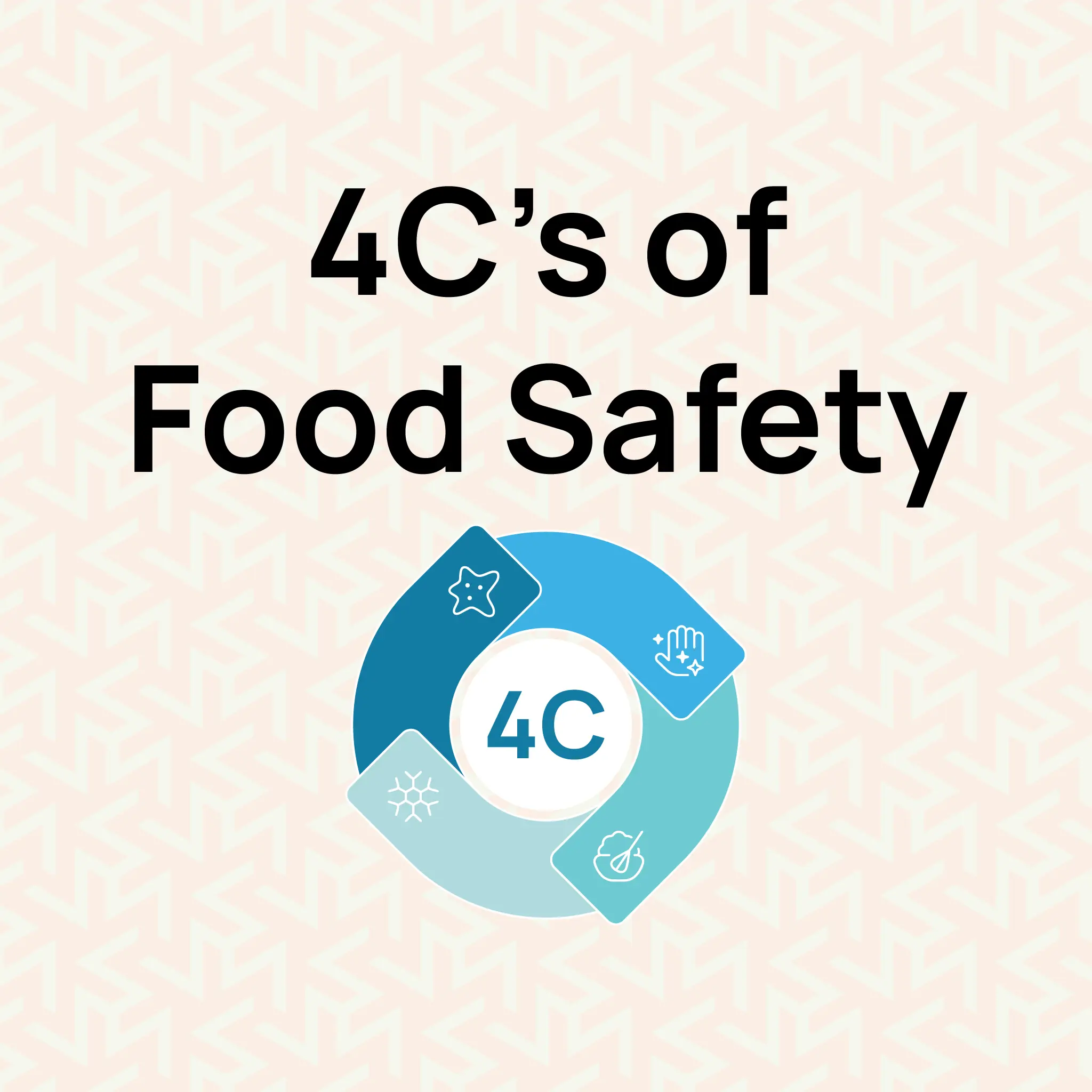
The Complete Guide to the 4?Cs of Food Safety for UK Food Businesses
Running a food business in the UK requires adhering to strict food safety standards to protect your customers and fulfil your legal obligations. From restaurants and caf�s to catering services and takeaways, maintaining high levels of hygiene and safe food handling is essential to avoid health risks and regulatory consequences.The 4Cs of food safety � Cleaning, Cooking, Chilling, and avoiding Cross-contamination � are key principles promoted by the Food Standards Agency (FSA). They provide a clear and practical framework for managing food safety throughout every stage of food preparation and service.Although the 4Cs themselves aren�t explicitly outlined in legislation, the practices they support are fundamental to complying with UK food laws, including the Food Safety Act 1990 and the Food Hygiene Regulations 2006. Failing to implement these practices can lead to foodborne illnesses, poor hygiene ratings, and legal action.In this article, we�ll break down each of the 4Cs, explore why they�re so important for food businesses, and offer practical tips to help you apply them in day-to-day operations.But first, let�s look at why these four principles are considered essential across the UK food industry.Why Is Following the 4Cs Important for Food Businesses?What are the 4Cs of food safety, and why are they important?Simply put, they are Cleaning, Cooking, Chilling, and avoiding Cross-contamination, four essential principles that safeguard food safety and help UK businesses comply with legal and hygiene standards.The 4Cs aren�t just a checklist; they form the foundation of safe food handling by reducing health risks, supporting legal compliance, and ensuring you�re prepared for inspections.Here�s how each of these principles reinforces why the 4Cs should be at the heart of every UK food business.They Reflect FSA Guidelines and ExpectationsThe Food Standards Agency (FSA) strongly promotes the 4Cs because they provide a clear foundation for safe food handling and hygiene. While not explicitly mentioned in the law, the FSA considers the 4Cs to be essential to good food safety practices, and inspectors will expect to see them applied in kitchens, storage areas, and front-of-house environments.Following the 4Cs can also help businesses achieve a better food hygiene rating, which in turn influences customer trust and reputationIgnoring the 4Cs Increases Health RisksWhen businesses don�t follow the 4Cs, they increase the risk of foodborne illnesses caused by harmful bacteria like Salmonella, Listeria, or E. coli. Cross-contamination, incorrect cooking temperatures, or inadequate chilling can all contribute to the growth and spread of these pathogens, posing a serious risk to your customers' health.There Are Serious Legal Consequences Although the 4Cs themselves aren't written into legislation, the practices they represent are enforceable under UK food law. The Food Safety Act 1990 requires all food businesses to produce and serve food that is safe to eat. Failure to control food safety hazards could result in prosecution, fines, business closure, or even imprisonment in serious cases.Helps You Stay Inspection-ReadyFood safety inspections don�t happen on your schedule; they can occur at any time. Following the 4Cs ensures you're prepared, with strong cleaning routines, proper temperature control, labelled storage, and clear procedures in place. This makes risk assessments easier and helps maintain compliance across your team.For detailed guidance on how to be prepared for a Food Safety Inspection, read our article on the food hygiene rating checklist.Incorporating the 4Cs into your daily operations isn�t just about passing inspections; it�s about building a food safety culture that protects people, supports your brand, and reduces long-term risks.Now let�s look more closely at each of the 4Cs in action.? Ready to upskill your staff or meet legal training requirements?�Start with a certified course: ? Level 2 Food Hygiene and Safety for Catering ? Level 2 Food Hygiene and Safety for RetailThe 4Cs of Food Safety Now that we�ve explored why the 4Cs matter, let�s look at each one in practice. Together, they create a strong framework that protects food from common hazards, but each one plays a unique role in keeping your premises inspection-ready and legally compliant CleaningCleaning is the first and arguably the most continuous step in food safety. It�s about creating and maintaining a hygienic environment, not just at the start or end of the day, but throughout the entire day.A clean-as-you-go approach ensures that spills, food scraps, and splashes are addressed promptly. Why wait until the end of a shift to wipe down a counter that�s been touched dozens of times? By cleaning as you work, you prevent harmful bacteria from building up and spreading to food or equipment. It�s proactive, not reactive.Go beyond a simple wipe-down. The six stages of cleaning are key: pre-clean, main clean, rinse, disinfect, final rinse, and drying. These aren�t just steps, they�re safeguards. Miss one, and you risk leaving behind dangerous residues or ineffective sanitisation.Use colour-coded chopping boards to separate raw meat, cooked food, dairy, and vegetables. It�s a small thing that goes a long way in reducing cross-contamination, especially when multiple people are prepping in a busy kitchen.And don�t overlook the basics: hand hygiene. Hands can transfer thousands of bacteria in a single touch. Follow the 7 steps of hygienic hand washing, especially after handling raw foods, using the toilet, or taking out the bins.Lastly, wash fruits and vegetables under running water before cooking or serving. This removes dirt and pesticide residues, but do not wash raw meat; it can splash bacteria across your sink and counters, increasing the risk of contamination.CookingCooking is more than getting food hot, it�s your defence against harmful microorganisms like Salmonella or E. coli. If meat isn�t cooked properly, these bacteria can survive and cause serious illness.Every food type has its specific requirements. The core cooking temperature generally recommended is 75�C; however, checking with a food probe is the most reliable way to ensure the food is safe. You should always be aware of the Temperature Danger Zone while cooking.If you're cooking something with packaging (like a frozen pie or pre-made meal), follow the manufacturer's guidelines. But if there are no instructions, stick with FSA advice, especially for:Poultry (chicken, duck, turkey)PorkMinced meats (like sausages, kebabs, burgers)Offal (liver, kidneys)Rolled joints, where bacteria can be pushed from the surface into the centre during preparationThese foods are considered high-risk because they�re more likely to carry harmful bacteria. That�s why undercooking them isn�t just a mistake, it�s a danger.Poor cooking practices can also breach the Food Safety Act 1990. If your food harms someone, even unintentionally, the consequences are legal.ChillingChilling slows down the growth of bacteria, but only if it�s done right.It is essential to understand the ideal fridge storage temperature and make sure your fridge is set to 5�C or below. Also, never overload your fridge. Cold air needs space to circulate; otherwise, certain spots warm up, creating the perfect breeding ground for bacteria.Always store raw meats on the bottom shelf of the fridge to prevent their juices from dripping onto ready-to-eat foods, which can lead to cross-contamination and serious foodborne illnesses. For tips on safe fridge storage, see our full guide on how to organise a fridge.Understand the food dates. A �use-by� date is about safety; eat it after that and you�re taking a risk. A �best-before� date, on the other hand, is about quality. It is crucial to be aware of the difference between use-by and best-before date.When it comes to leftovers, many wonder: Can you put warm food in the fridge? The answer is yes, but let it cool slightly first � ideally for no more than 1�2 hours. Placing steaming food directly into the fridge can raise its internal temperature and potentially affect other items stored nearby.Understand your freezing limits, too. Beef and other meats can only last a certain amount of time, even when stored in the freezer. Learn how long you can safely freeze food, the best methods for cooking it from frozen, and how to defrost it properly.Cross-ContaminationCross-contamination is silent and quick. A knife used for raw chicken, then reused for salad without washing, that�s all it takes.To protect food from cross-contamination:Always use separate equipment and colour-coded boards for raw and cooked food.Store raw food below cooked food in the fridge to prevent drips.Wash your hands every time you switch tasks.Clean and disinfect surfaces between jobs.Be aware of cross-contact, especially when it comes to allergens, as even a trace can trigger a serious reaction.Understand the different types of contamination:Physical (e.g. hair, glass)Microbial (bacteria, viruses)Chemical (cleaning agents)This is where habits matter most � a well-trained team that�s alert, organised, and consistent makes all the difference.Advance Your Food Safety Skills With Professional TrainingUnderstanding the 4Cs is essential, but it�s only the beginning. To truly lead safe, compliant food operations, especially in supervisory roles, formal training is a must.? Level 3 Food Hygiene and Safety Course Ideal for managers and supervisors, this course dives deeper into food law, risk assessments, and hygiene practices, helping you implement the 4Cs across your team and stay compliant with UK regulations.? Food Allergy Awareness Course Allergen cross-contact is a serious risk. This short course trains you to identify, label, and control allergens in food preparation � a vital extension of your cross-contamination strategy.Take charge of food safety today!Going Beyond the 4Cs: Best Practices to Prevent Food Safety FailuresNow that we�ve seen how each of the 4Cs plays a role in preventing foodborne risks, let�s shift focus to the broader strategies businesses can adopt to keep those risks at bay�before they even start.�Here are three proven ways to stay proactive about food safety compliance:Implement a HACCP PlanHazard Analysis and Critical Control Points (HACCP) is more than just a checklist�it's a structured system designed to identify, assess, and control food safety risks at every stage of your operation. From storage to service, every potential hazard is identified and managed effectively.Stay Inspection-Ready at All TimesWaiting until an EHO visit is announced is a recipe for panic. By maintaining your premises, documentation, and adhering to food safety protocols on a daily basis, you ensure that you're always prepared for a spot check. This includes having updated cleaning logs, temperature records, and allergen labelling processes in place.Invest in Regular Staff TrainingEven the best systems fall apart without well-trained staff. Ongoing training ensures that your team is confident in consistently applying the 4Cs. Refresher sessions are especially crucial in high-turnover environments, such as the hospitality industry. A simple misunderstanding of cross-contact, for example, could put a customer with allergies at serious risk.HACCP Training for Safer PremisesLearn how to assess food safety risks, apply adequate controls, and keep your kitchen inspection-ready with Hurak�s Level 2 HACCP Course.��Start TodayIncorporating these measures won�t just help you avoid food safety issues; they�ll help you build a culture of accountability across your team.�Let�s now understand how things can quickly go wrong when even one of the 4Cs of food safety is ignored, with an example.This example shows how one small lapse in chilling can escalate into a serious breach, reinforcing why every C counts.How a Small Oversight Can Lead to a Major Food Safety BreachLet�s examine a scenario that could occur at any food outlet, where a minor lapse in judgment puts customer health at risk.�Note: This example is provided for educational purposes only.Scenario: A Busy Caf� and a Chilling OversightIn a small high-street caf�, the kitchen staff cooked large batches of minced beef chilli during morning prep. Due to time pressure and limited fridge space, hot food was placed directly into the fridge to cool faster. Later that evening, several customers reported symptoms of food poisoning. An investigation by local authorities revealed that the food had spent too long in the temperature danger zone�between 8�C and 63�C. Allowing bacteria like Clostridium perfringens to multiply. No chilling logs were maintained, and the team was unaware of proper cooling procedures.What went wrong? A failure to follow safe chilling practices, one of the 4Cs, triggered a chain reaction, demonstrating how a single oversight can impact public health, damage your brand reputation, and result in legal action.The story also illustrates why understanding guidelines isn�t enough; you must apply them, monitor their implementation, and train your staff to do the same.Conclusion: Food Safety is a Constant CommitmentMastering the 4Cs �Cleaning, Cooking, Chilling, and Cross-Contamination �forms the backbone of any safe food environment. But food safety doesn�t end there.�To truly protect your customers and reputation, you must go the extra mile.Consider TACCP and VACCP strategies to protect against intentional food threats, or implement regular risk assessments to identify vulnerabilities before they cause harm. Leveraging smart kitchen technology for temperature logs and hygiene audits can also add precision and confidence to your operations.Whether you run a food truck or manage a full-service kitchen, your safety systems must evolve with the industry. When done right, these steps not only reduce risk but also boost customer trust and business resilience.Go Beyond the 4Cs � Train SmarterMaster legal compliance, inspections, allergen safety and more with Hurak�s CPD-certified Food Hygiene and Safety Courses.? Find Your Course NowFAQsWhat are the 4Cs of food safety, and why are they important?The 4Cs of food safety are Cleaning, Cooking, Chilling, and avoiding Cross-contamination.�They are important because they form the foundation of safe food handling practices, helping to prevent foodborne illnesses, protect public health, and ensure compliance with UK food safety laws. By following the 4Cs, food businesses can reduce health risks, maintain hygiene standards, and pass inspections with confidence.How can I train my staff on the 4Cs?Enrol them in a certified Food Hygiene Course, such as Hurak�s Level 2 or Level 3 programmes, which cover the 4Cs in depth.Is it mandatory to follow the 4Cs in a home kitchen?While not legally required for home use, following the 4Cs helps protect your family from harmful bacteria and ensures safer food practices.Are there practices beyond the 4Cs that I should know?Yes, advanced methods such as TACCP, VACCP, digital temperature monitoring, and regular risk assessments extend beyond the 4Cs to address intentional food threats and complex safety risks.