

Top 6 Online Cybersecurity Master's Degrees with Embedded Training Paths
Choosing an online cybersecurity master's with training paths is key for professionals seeking career-ready skills. These programs feature hands-on labs, embedded cert prep, and real-world threat simulations. Here are 6 top-rated cybersecurity MS programs�led by Potomac�that offer applied learning built into their virtual classrooms.The cybersecurity industry faces a critical skills shortage, with the (ISC)� 2025 Workforce Study revealing a global deficit of over 4 million cybersecurity professionals. This shortage creates exceptional opportunities for qualified practitioners, but success requires more than theoretical knowledge�today's cyber threats demand hands-on experience, industry certifications, and practical application skills that traditional academic programs often lack.What Makes Online Cybersecurity Master's Programs Career-ReadyThe most effective online cybersecurity master's with training paths programs integrate multiple learning modalities to bridge the gap between academic theory and professional practice. These programs distinguish themselves through embedded certification preparation, virtual lab environments that simulate real-world attack scenarios, and curricula aligned with industry frameworks like NICE (National Initiative for Cybersecurity Education) and DoD 8140.Quality programs also emphasize competency-based learning, allowing working professionals to advance through material at their own pace while demonstrating mastery of practical skills. Students should look for programs that include hands-on experience with current security tools, incident response simulations, and collaboration with active cybersecurity practitioners who bring real-world context to classroom learning.Professionals working with open-source systems in laboratory environments should establish secure network connections, such as through Linux-based VPN configurations, to protect sensitive training data and authentication credentials during remote or distributed exercises Top 6 Online Cybersecurity Master's Degrees for Applied Learning1. University of the Potomac � MS Cybersecurity (Online) � Best Comprehensive Training IntegrationPotomac's Cybersecurity degree program stands out for its tailored approach to working adults, featuring embedded preparation for industry-leading certifications including CompTIA Security+, Certified Ethical Hacker (CEH), and CISSP. The curriculum seamlessly integrates live threat modeling exercises, secure network design projects, and virtual lab scenarios that mirror real-world cybersecurity challenges. The program's alignment with DoD 8140 and NICE frameworks ensures graduates meet federal cybersecurity workforce requirements, making it particularly valuable for professionals seeking government or contractor positions. Students engage with practical simulations covering advanced persistent threats, incident response protocols, and security architecture design, providing comprehensive hands-on experience that translates directly to professional environments.2. EC-Council University � MS in Cybersecurity � Best Industry Certification AuthorityEC-Council University offers a unique advantage as the authoritative source for many of the cybersecurity industry's most recognized certifications, including CEH, Computer Hacking Forensic Investigator (CHFI), and Licensed Penetration Tester (LPT). The MS program features five specialized tracks: Security Analyst, Cloud Security Architect, Digital Forensics, Incident Management and Business Continuity, and Executive Leadership in Information Assurance. Recently ranked in the top 10 by Fortune for online cybersecurity master's programs, ECCU maintains a 92% retention rate and serves students from 79 countries. Students exploring cybersecurity career development strategies will find the direct connection to EC-Council's certification ecosystem invaluable for building credible professional credentials while earning their degree.3. Western Governors University (WGU) � MS Cybersecurity and Information Assurance � Best Value with Embedded CertificationsWGU's competency-based program allows students to accelerate through familiar material while earning multiple industry certifications at no additional cost, including CompTIA CySA+, CASP+, and (ISC)� credentials like SSCP and CCSP. The program aligns with NICE Framework, NSA Center of Academic Excellence guidelines, and CISSP Common Body of Knowledge, ensuring comprehensive coverage of cybersecurity fundamentals. With 63% of graduates completing the program within 18 months and tuition charged per six-month term rather than per credit, WGU offers exceptional value for working professionals. The curriculum covers advanced topics including cloud security, governance risk and compliance (GRC), penetration testing, and enterprise architecture design through practical applications and virtual lab exercises.4. University of Maryland Global Campus (UMGC) � MS Cybersecurity Technology � Best Government-Aligned Practical TrainingUMGC's 30-credit program emphasizes hands-on coursework designed to develop real-world skills through threat intelligence analysis, digital forensics investigations, and incident response scenarios. The curriculum aligns with NSA/DHS Center of Academic Excellence in Cyber Defense (CAE-CD) standards and features red team/blue team exercises that simulate actual attack and defense operations. Students complete practical projects including analyzing cyberattack response procedures, developing mitigation strategies for live threats, and implementing security controls for hypothetical organizations. The program's focus on current technologies and emerging threats ensures graduates understand both foundational principles and cutting-edge cybersecurity challenges, with completion possible in as little as 15 months for approximately $21,000.5. Capella University � MS Information Assurance and Cybersecurity � Best Self-Paced Applied LearningCapella's FlexPath learning model allows students to progress through coursework at their own pace while maintaining rigorous academic standards and practical skill development. The program features comprehensive virtual lab simulations focused on incident response, digital forensics, and ethical hacking techniques using industry-standard tools and methodologies. Students engage with realistic scenarios including malware analysis, network security assessment, and vulnerability management through hands-on laboratory exercises. The flexible format particularly benefits working professionals who need to balance career demands with advanced education, while the emphasis on applied learning ensures graduates develop practical skills that employers value in today's competitive cybersecurity job market.6. MITRE ATT&CK + Open-Source Cybersecurity Learning Consortium � Best Free Practical ResourcesThis innovative approach combines MITRE's globally-recognized ATT&CK framework with curated training modules from leading platforms including TryHackMe, Cybrary, and SANS Community. The consortium provides free access to adversary emulation exercises, threat detection scenarios, and security tool training that complement formal degree programs. Students can access hands-on labs covering the complete cybersecurity lifecycle, from threat intelligence gathering to incident response and recovery. While not offering formal degrees, this resource serves as an excellent supplement to traditional education or as professional development for practicing cybersecurity professionals seeking to enhance their practical skills with current threat landscapes and defensive techniques.Strategic Career Benefits of Embedded Training ProgramsGraduates from online cybersecurity master's with training paths programs report significant advantages in professional advancement and salary growth. The combination of advanced academic knowledge and practical certification credentials positions them competitively for leadership roles in cybersecurity management, consulting, and specialized technical positions.According to the EC-Council's Cybersecurity Salary 2025 report, professionals with 3-5 years of experience often see 20-30% salary increases when transitioning to mid-level or senior roles, with advanced degrees serving as key differentiators. The global cybersecurity market continues expanding, with CyberSeek data showing over 1.1 million people currently employed in cybersecurity roles and substantial growth projected through 2025.These programs particularly benefit working IT professionals seeking to transition into cybersecurity, offering the practical skills and credentials needed to demonstrate competency to hiring managers while providing the strategic knowledge required for leadership positions.Making Your Investment: Choosing the Right Program for Your Career GoalsSelecting the appropriate online cybersecurity master's program requires careful evaluation of your current skill level, career objectives, and learning preferences. Consider factors such as certification alignment, hands-on learning opportunities, program flexibility, and industry recognition when evaluating options.The programs highlighted here offer proven approaches to developing both technical expertise and strategic thinking capabilities essential for cybersecurity leadership. From Potomac's comprehensive DoD-aligned training to WGU's accelerated competency-based model and EC-Council's certification authority, each provides unique advantages for different career trajectories.Take the next step in your cybersecurity career by researching these programs thoroughly and connecting with admissions representatives to understand how their embedded training approaches align with your professional goals. For additional guidance on professional cybersecurity skill development, explore resources that can help you maximize the return on your educational investment and position yourself for leadership roles in this critical and rapidly growing field.

How to improve a child's mental health? - Parental Responsibilities
Taking care of a child's health is a challenging task, whether it involves physical or mental well-being. Children are an integral part of any family.�We don't want to see them sad or suffering. Parents getting worried about their children is a normal thing. The key challenge for any parent is knowing when to take action on a worry.�As children grow, their behaviour changes. Their perception of the world changes. They become irritated, angered, and unable to perform well in their studies. It is the parents' responsibility to properly care for their emotional well-being and to counsel them when needed.In this article, I will explain what common child mental health issues are and what strategies parents and caretakers opt for to improve their child's emotional well-being.Common Child Mental Health IssuesChildren are more emotional than adults. It is difficult for them to regulate their emotions. These are some commonly occurring psychological issues your child might be facing.Anxiety DisordersThe term anxiety revolves around excessive fear or worry that is too difficult to control and interferes with daily life activities. A child may face general anxiety, social anxiety, or separation anxiety. They can have physical symptoms like headaches, stomach problems, or trouble sleeping.Attention-Deficit/Hyperactivity Disorder (ADHD)It is a neurodevelopmental disorder that occurs in children due to constant following of a pattern, inattention, and hyperactivity. Children with ADHD can not perform tasks requiring focus, act without thinking, and fight constantly.Behavioral DisordersChildren with this disorder show resistance and aggressive behaviour towards teachers and their peers. Such a child refuses to follow rules, easily gets angered, or deliberately annoys othersDepressionChildren with this mental disorder show signs of persistent feelings of sadness, irritability, and loss of interest in activities they used to enjoy. Physical symptoms include a change in appetite, sleep, and mood.Eating DisorderChildren with such a disorder are too concerned about their body weight, body image, and the food they eat, which leads to severe physical and mental health issues like anxiety and depression.Post-traumatic stress disorder (PTSD)PTSD is a long-term emotional upset, worry, nightmares, or a scary moment that a child is going through. Children often face this issue after violence, abuse, injury, or trauma. SchizophreniaIn this mental disorder, a child sees a person or hears voices that do not exist in reality. They lose touch with reality. Their minds create odd thoughts and behaviours.Strategies to Implement for Child Mental HealthThe following are some strategies you can apply to improve your child's mental health, many of which are also emphasized in mental health training courses.Create a Communication SpaceA child may feel broken or detached from their peers. It is difficult for children to express their feelings openly because they have a fear of judgment.�As parents, you can help them by creating a safe and supportive environment. Show them some empathy. Make them feel that you are not alone; we are here to find a possible solution.�Validate their feelings by commenting like "I can understand", "That must be painful/frustrating/annoying." Show them your concerns and love. It will help children in their healing process.�Eliminate Mental Health StigmaIt is a common stigma in the family about mental health issues. Family members and society treat them as a negative trait if a child has any psychological concerns.�Some families don't even take them seriously and talk about it. Discuss the benefits of treatment, spread awareness about mental health, and let them know that these concerns are treatable, common, and that anyone can experience them.Play Games with themGames are an effective method to reduce stress and anxiety among children. Winning a challenge gives a sense of accomplishment. You can have a fun and exciting time with your kids. You can include various word games, logic puzzles, and board games to play with kids.�You can engage your children with strands game, which makes them curious about finding hidden words according to themes. This step will help them to think logically and may reduce your child's anxiety and stress, benefiting their mental health.Include Physical ActivitiesPhysical activities reduce anxiety and depression symptoms, improve mood, and cognitive function of the brain. As a parent, you can improve your child's mental health by encouraging them to add healthy activities to their daily life.�You can encourage children to engage in physical exercise or activities. You can go hiking with them or play basketball, cricket, or badminton. Join them in playing a video game requiring movement, not just holding the controller and sitting on the sofa. Many VR games and dance games need body movement.Perform Artistic ActivitiesCreative activities relax the mind and are beneficial for mental well-being. These activities lower stress hormones, release anxiety, and improve mood through serotonin and dopamine release.�Encourage your children to engage in digital art, painting, sculpting, music, and theatre activities. Let them know, they don't have to be good at any� activity. They simply have to enjoy and relax.Celebrate Their Small WinsPraise and appreciation boost a child's self-esteem and build confidence. It helps children develop coping mechanisms for anxiety and depression. As a parent, you can appreciate their act and compliment them on small things.�For example, when they tie their shoes, put their toys back after playing, make eye contact, share a toy with a sibling, complete a puzzle, read a book independently, and learn new games.Take Care of YourselfIt is not easy to care for and get yourself involved with emotionally unstable children. First, as parents, you have to take care of yourself. Take time to eat well, get plenty of sleep, and follow hobbies you like because an empty cup can't fill another cup.Find a Support NetworkTo treat a psychological issue of a child, you need multiple people to support your child's well-being. Dealing alone with such a kind may drain your energy.�Sometimes, you may not be emotionally available to support the child. If you have a supportive family network, you can ask for help. Encourage your child to share or have contact with those family members.Family Routine to Follow for Better Child Mental HealthChild mental health improves with great family connections. A supportive family plays a decisive role in healing a child's mental health. You can consider these activities to follow with your child for better psychological well-being.MeditationMeditation is an effective activity that releases stress and anxiety among kids and adults. It improves focus and takes dedicated time for meditation.�Sit on the floor and take deep breaths without thinking about anything. Please do it for 10 minutes a day, or you can adjust the timing according to your schedule.Play Brain GamesBrain games are a great activity that helps children recover from mental health issues. Playing games requires focus, concentration, and memory usage. Especially games like Connections Unlimited need it more.�It requires both vocabulary skills and logical reasoning.� The child will shift his focus from being worried to solving the word puzzle. It is an essential step in a child's inner harmony.Exercise DailyEngaging in exercise with kids is a great way to foster a strong bond with them. Exercise releases dopamine, a neurotransmitter associated with happiness, which promotes children's mental well-being. You can fix a time from a routine. It could be a cardio exercise, zumba dance, or a simple walk or jogging around the block.Fix Sleeping ScheduleSleep time is essential for anyone dealing with mental health issues. During sleep, our body recovers and heals. Minds get relaxed. As a family head, establish a consistent sleep schedule for your child to maintain a healthy mind. Don't allow your child to have screen time, as it creates a hindrance to their sleeping pattern.Family Meal TimeEating together at the dining table leaves a healthy impact on a child's psychological health. As a family, everyone shares their thoughts at the table. It feels like being connected with family.�Motivate your child to share their problems and feelings with family members. With family members, the child considers himself safe and protected, which is good for mental health.ConclusionChildhood is a beautiful phase of human life, but mental health issues create a hindrance to enjoying life. Cognitive issues in children, like depression, anxiety, and ADHD, are common problems that exist. These psychological issues are curable with the proper steps.�Parents can help their children by creating a safe talking environment, playing games with them, supporting them, and encouraging them to participate in hobbies.Moreover, parents can change the family routine, like doing meditation, physical activities, and fixing sleep time with children, which helps in recovering the child's mental health illness.

Top Master of Arts in Culinary Business Management: Ideal for Professionals with a Training Background
The search for advanced culinary business training leads many professionals toward MA in Culinary Business Management programs that build on hands-on culinary experience. This list highlights the best master in culinary business management options�featuring CAAS and top-rated international programs�designed for chefs and food professionals ready to steer concepts into businesses with strategic insight.Today's culinary landscape demands more than exceptional cooking skills. Food industry professionals with culinary training increasingly need business acumen, entrepreneurial vision, and leadership capabilities to launch successful ventures, manage restaurant operations, or drive innovation in food companies. The programs featured here recognize this evolution and provide advanced education that transforms skilled practitioners into strategic business leaders.What Defines Excellence in Culinary Business Management EducationThe most effective MA in Culinary Business Management programs combine rigorous business education with deep understanding of culinary operations and food industry dynamics. These programs recognize that successful food entrepreneurs and culinary managers need expertise in concept development, financial planning, supply chain management, and team leadership�all while maintaining the creativity and quality standards that define exceptional culinary experiences.Quality programs also emphasize real-world application through business plan development, industry partnerships, and hands-on management experiences. Students should look for curricula that integrate traditional business disciplines with specialized knowledge of food service operations, menu engineering, and culinary innovation processes.Top 6 Master of Arts Programs in Culinary Business ManagementCulinary Arts Academy Switzerland (CAAS) � MA in Culinary Business Management � Best Swiss Excellence with Entrepreneurial FocusCAAS delivers a one-year, English-taught MA program at the Le Bouveret campus, awarding degrees from both CAAS and the University of Derby (UK). The curriculum for an MA in culinary arts is specifically designed for career changers and food entrepreneurs, featuring comprehensive concept development, recipe creation, and strategic business planning components. Students gain access to 17 professional-standard training kitchens that mirror Michelin-starred restaurant environments, plus hands-on experience in the 100-seat Restaurant Alpina, which serves real customers. CAAS holds the distinction of being the only culinary school ranked in the QS World University Rankings, placing 8th globally in hospitality education for 2025. The program's unique Swiss location provides exposure to diverse European cuisines while the comprehensive curriculum splits time equally between kitchen and classroom learning.Institute Life � MSc in Culinary Leadership & Innovation � Best Innovation and Leadership CurriculumInstitute Life's program ranks #2 in Masters in Gastronomy Management by Ed universal 2025, offering an innovative 18-month curriculum taught entirely in English across two renowned culinary destinations: France and Finland. Students train at Institute Life in Lyon and Haaga Helia University of Applied Sciences in Finland, gaining international perspective on culinary leadership and innovation strategies. The program emphasizes skill acquisition through collaborative projects with leading companies including General Mills, Food Service Vision, and Kraft-Heinz, providing direct industry exposure and networking opportunities. With 100% of graduates finding employment within three months, the program demonstrates exceptional career outcomes for professionals seeking culinary business development strategies in the global food industry.University College Birmingham � MA Culinary Arts Management � Best Industry Placement OpportunitiesUCB's MA program offers flexible 1�1.5 year duration with optional 3�6 month professional placements, providing practical management experience in real-world culinary environments. The university operates professional-standard kitchens used for prestigious competitions, including Michel Roux Jr's annual scholarship contest, plus the AA Rosette Highly Commended Restaurant at Birmingham College of Food where students develop operational management skills. Students have access to the cutting-edge Food Science and Innovation Suite featuring advanced food testing technology and state-of-the-art development facilities. UCB has earned recognition as the highest-ranking university in the region according to student choice (Whatuni Student Choice Awards 2023), reflecting its commitment to practical, industry-focused education that prepares graduates for immediate impact in culinary management roles.Culinary Institute of America � Master's in Food Business (Online) � Best Online Flexibility with Immersive ResidenciesThe CIA's fully online two-year program uniquely combines flexible remote learning with three intensive residencies at their prestigious Napa Valley and Hudson Valley campuses. The curriculum focuses on leadership development, product concepting, branding strategies, and operational excellence specifically for food entrepreneurs and industry executives. Students benefit from access to the CIA's extensive 50,000+ alumni network, which includes many of the food industry's most influential leaders and innovators. The program's executive format allows working professionals to advance their careers without career interruption, while the residency components provide hands-on experience with industry-standard facilities and direct mentorship from renowned faculty members who are active industry practitioners.Glion Institute of Higher Education � MSc in Hospitality Business Leadership (Culinary Focus) � Best Luxury Hospitality IntegrationGlion's program consistently ranks among the top institutions in QS World University Rankings for Hospitality and Leisure Management, offering specialized tracks that integrate luxury hospitality management with advanced culinary business principles. The program features strong industry connections through the Culinary Arts Committee and partnerships with high-end hospitality brands, providing students with exposure to premium market segments and luxury service standards. Students engage in gourmet event collaborations and real-world projects with prestigious hotels and restaurants, developing expertise in managing culinary operations within luxury hospitality environments. The Swiss location and international student body create a truly global learning environment that prepares graduates for leadership roles in the world's most prestigious culinary and hospitality establishments.Global Culinary Business MOOC Consortium � Best Open-Source Collaborative LearningThis innovative platform represents the democratization of advanced culinary business education, offering free access to modules curated by industry experts and leading academic institutions worldwide. The consortium provides comprehensive coverage of food entrepreneurship, business modeling, and practical case studies from successful culinary ventures across diverse markets and cultures. Students can access virtual workshops, peer collaboration opportunities, and mentorship from established food industry professionals without the financial barriers of traditional graduate programs. While not offering formal degrees, the platform serves as an excellent supplement to formal education or as a starting point for professionals exploring culinary business management concepts before committing to full degree programs.Strategic Career Impact of Advanced Culinary Business EducationGraduates from these MA in Culinary Business Management programs report significant advantages in their professional development and entrepreneurial ventures. The combination of culinary expertise and business acumen positions them uniquely in a competitive market where food industry success increasingly depends on strategic thinking, financial literacy, and operational excellence.The global food service market continues expanding, with growing demand for innovative concepts, sustainable practices, and technology integration. Professionals with advanced culinary business training are particularly well-positioned to capitalize on emerging opportunities in food tech, sustainable dining, and experiential gastronomy.Many graduates successfully launch their own restaurants, food brands, or consulting practices, while others advance to executive positions in established food companies, hotel groups, or institutional food service operations.Making Your Investment: Choosing the Right Culinary Business ProgramSelecting the appropriate MA in Culinary Business Management program requires careful consideration of your career goals, learning preferences, and professional circumstances. Consider factors such as program format, geographic location, industry partnerships, and specialized focus areas when evaluating options.The programs highlighted here offer proven approaches to developing the business skills that complement culinary expertise, from CAAS's hands-on Swiss excellence to the CIA's flexible online format and Institut Lyfe's innovation focus. Each provides unique advantages for different career trajectories and professional goals.Take the next step in your culinary career by researching these programs thoroughly and connecting with admissions teams to understand how their business-focused curricula align with your entrepreneurial aspirations. For additional guidance on professional culinary career planning, explore resources that can help you maximize the return on your educational investment and position yourself for long-term success in the evolving food industry.
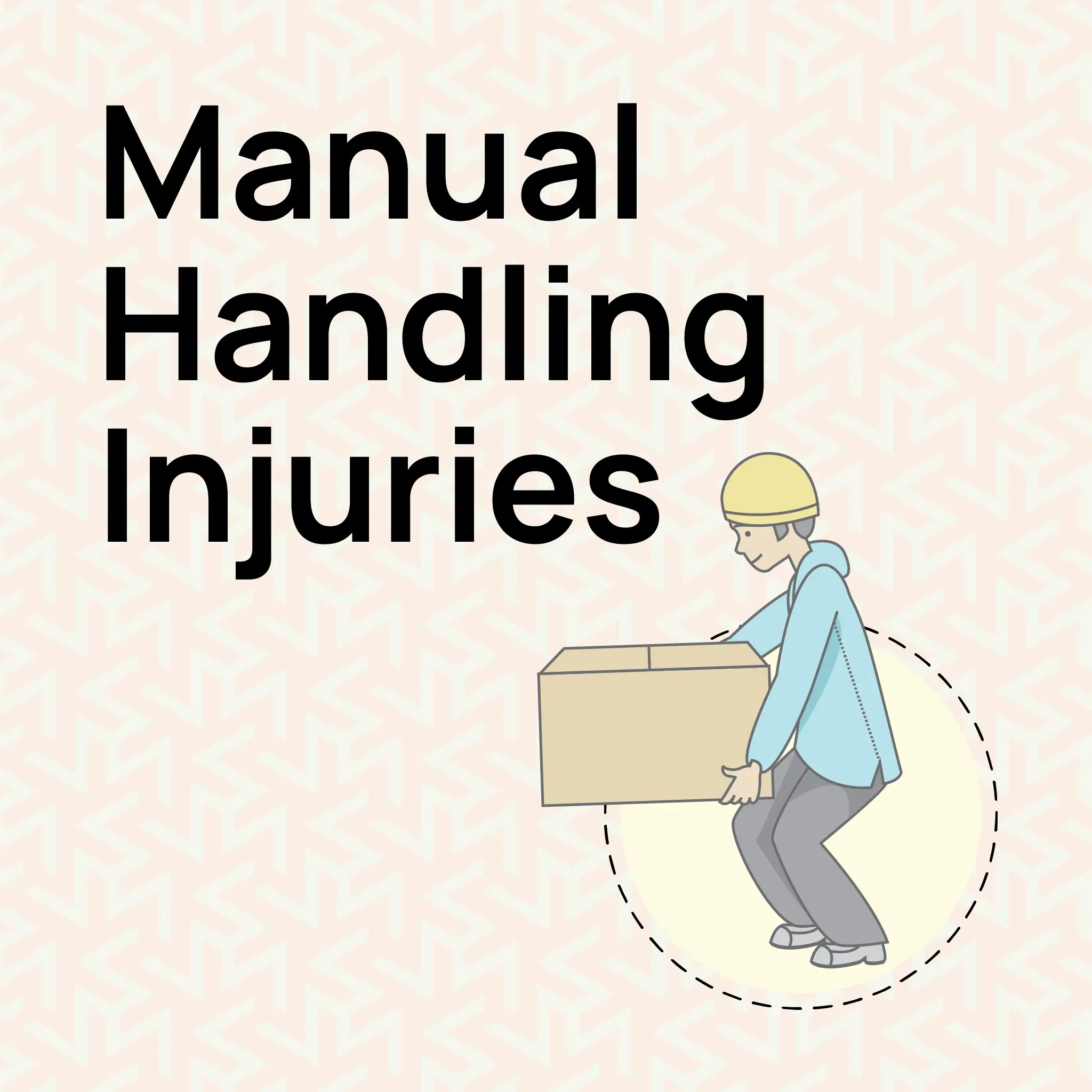
Manual Handling Injuries: The Most Common Types and How to Prevent Them
Manual handling is a common part of work across countless industries. From warehouse staff and healthcare workers to cleaners, retail employees, and construction workers, many people regularly lift, carry, push, or pull items as part of their daily duties. While these tasks may appear straightforward, incorrect handling techniques can lead to painful, sometimes life-changing injuries. Worse still, they�re often overlooked until they force someone to take time off work or even reconsider their career path.This article breaks down everything you need to know about manual handling injuries, what they are, why they happen, and how you can avoid them. Whether you�re new to the workforce, looking to build your skills, or simply want to stay safe on the job, this guide will help you make more informed, confident decisions.Understanding Manual Handling InjuriesManual handling refers to any activity involving the lifting, carrying, lowering, pushing, pulling, or moving of loads by hand or bodily force. It�s one of the most common tasks in the workplace and a leading cause of injury.The injuries associated with manual handling typically affect the musculoskeletal system, which includes muscles, joints, ligaments, and the spine. According to the Health and Safety Executive (HSE), manual handling injuries account for a significant number of all workplace incidents, particularly in physically intensive jobs.What makes them particularly concerning is their long-term impact. A strained back or a repetitive shoulder injury might seem manageable at first, but if ignored or repeated, these injuries can become chronic and prevent people from doing their jobs safely or at allThe Most Common Types of Manual Handling InjuriesWhile there are many ways a person can injure themselves during manual handling tasks, three types of injuries are especially common. Understanding these can help individuals recognise risks early and act before problems worsenBack InjuriesBack injuries, especially in the lower back, are the most frequently reported. These typically result from bending at the waist, twisting while lifting, or carrying loads that are too heavy or unbalanced. The spine is under immense pressure during improper lifting, and over time, this can lead to serious damage, such as herniated discs, long-term back pain, and restricted mobility.A logistics worker, for example, might lift dozens of boxes daily. If they don�t use proper form, the strain accumulates, and the injury often strikes suddenly after what seems like a routine movementStrains and SprainsStrains (to muscles) and sprains (to ligaments) occur in areas such as the shoulders, arms, wrists, and legs. These often develop over time through repetitive lifting or awkward postures, particularly when tasks involve reaching, twisting, or carrying loads in uncomfortable positions.Jobs in sectors such as healthcare, where moving people or equipment is part of the role, are particularly prone to these types of injuries. Our article on how to avoid manual handling risks provides a more detailed examination of these issues.Crush Injuries and FracturesAlthough less frequent, crush injuries and broken bones tend to be more severe and are often the result of sudden accidents, such as items falling, fingers getting caught, or heavy equipment tipping over. These are more likely to occur in busy environments, such as construction sites or warehouses, where large objects are frequently moved and stored.Why These Injuries Keep OccurringManual handling injuries are so prevalent because poor habits are easy to fall into, especially when staff are busy, under time pressure, or inadequately trained. Many workers lift loads instinctively, without pausing to assess the situation or plan the safest method of lifting.Common causes include:Poor technique (e.g. bending with the back rather than the knees)Overexertion, lifting too much alone instead of asking for helpRepetitive movements without restSlippery or cluttered workspacesLack of understanding about how injuries build up over timeIn some cases, there may also be a cultural problem where people �push through� discomfort or view injuries as part of the job. However, with proper awareness and training, these risks can be significantly reduced.?? Just getting started with workplace safety?Our IOSH Working Safely course provides a clear and practical introduction to health and safety principles. It�s perfect for employees in any role who want to work more safely and responsibly.How to Prevent Manual Handling Injuries Preventing manual handling injuries begins with education. Workers need to be trained not just on the right techniques but also on how to assess risk and use equipment effectively. Here are the most effective steps individuals and employers can take.Use Correct Lifting TechniquesBend at the knees, not the waist. Keep the load close to the body. Avoid twisting. Lift smoothly and avoid sudden movements. While these steps may seem simple, applying them consistently, especially in fast-paced environments, requires attention and habit formationAssess the Load and EnvironmentBefore handling anything, pause and think:Is the item too heavy or awkward to handle?Can it be broken into smaller loads?Is the path clear, and are there hazards nearby?This simple risk assessment only takes a few seconds but can prevent serious injury.Use Equipment and Ask for HelpManual handling doesn�t mean you have to do everything by hand. Use trolleys, hoists, or other tools whenever available. Don�t hesitate to ask for help with large or heavy items. Many serious injuries happen when someone tries to prove they can do it alone.Refresh Training RegularlyManual handling isn�t just about common sense. It involves understanding anatomy, physics, and workplace regulations. Whether you�re new to the job or have years of experience, ongoing training can help correct bad habits and keep you up to date with best practices The Wider Impact on Career and Safety CultureFor many professionals, physical ability is directly tied to job performance. A single injury can not only interrupt work but also limit future opportunities, especially in industries that rely on strength and stamina. In serious cases, individuals have had to retrain for entirely new careers due to long-term damage from poor manual handling.That�s why knowledge and prevention aren�t just safety concerns, they�re career strategies. By working safely and demonstrating awareness of risks, individuals also position themselves as responsible, promotable team members. Supervisors and managers, in particular, are expected to lead by example and protect their teams.For those in or aspiring to these leadership roles, courses such as SSSTS or SMSTS provide a deeper understanding of managing safety on-site, including how to mitigate the risk of manual handling injuries across an entire team.? Ready to take on more responsibility at work?The SSSTS course is ideal for team leaders and supervisors. It teaches you how to manage health and safety on-site, prevent injuries such as manual handling accidents, and comply with your legal obligations.A Safer Future Starts With AwarenessManual handling injuries are more than an inconvenience; they�re a barrier to long-term success. Whether it�s a strained back or a broken wrist, these injuries can sideline your career, limit opportunities, or cost your employer time and money.However, the good news is that they�re avoidable. With the right habits, regular training, and a safety-first mindset, you can protect yourself and contribute to creating a safer workplace for others. And if you're aiming for roles with more responsibility, knowledge of health and safety isn't just helpful, it's essential.To explore additional topics, such as fire prevention, hazard control, or the role of safety officers, browse our expanding health and safety blog?? Leading a site team? Safety starts with you.The SMSTS course is designed for site managers who want to lead by example. Gain in-depth knowledge of managing risks, protecting your workforce, and staying compliant with health and safety laws.Frequently Asked QuestionsWhat are the most common accidents and injuries that can occur when moving and handling people?When moving and handling people, such as in healthcare or care home settings, the most common injuries include back strains, shoulder injuries, and muscle pulls. These incidents occur when workers attempt to lift or reposition patients without proper assistance or technique. Unlike handling objects, moving people often involves awkward angles and unpredictable shifts in weight. These conditions make it easier to strain muscles or cause joint injuries. To avoid such risks, training in proper people-handling techniques and the use of hoists or slide sheets is essential.What are the 3 most common types of manual handling injuries?The three most common manual handling injuries are:Lower back injuries are often caused by bending or twisting while lifting.Muscle strains and sprains, typically occurring in the shoulders, arms, or wrists, are often caused by repetitive motion or overexertion.Crush injuries or fractures may happen when heavy items fall or shift unexpectedly.These injuries occur across a wide range of jobs and often result from poor lifting techniques, overexertion, or rushing through physical tasks.What is the most common type of manual handling incident?The most common type of manual handling incident involves injuries to the lower back, often resulting from lifting heavy or awkward objects incorrectly. These incidents typically stem from bending with the back rather than the knees, twisting during a lift, or carrying loads that are too far from the body. Over time, these practices can lead to chronic conditions that limit mobility and work capacity.Give two examples of injuries which may be caused by poor manual handling.Two common injuries caused by poor manual handling are:A herniated disc in the lower back can occur from lifting with bad posture or carrying excessive weight.Rotator cuff strain in the shoulder often results from reaching overhead or lifting while twisting.These injuries may start with mild discomfort but can escalate into long-term health problems without proper care or adjustments to working habits.Which of the following is the most common form of injury resulting from manual handling?Among the different types of manual handling injuries, musculoskeletal disorders affecting the lower back are the most common. They�re frequently seen in industries such as warehousing, construction, and care services. Repeated strain, awkward postures, and incorrect lifting techniques contribute heavily to this type of injury, making it crucial for both employers and employees to prioritise manual handling safety training.Explore Related CoursesWhether you're looking to improve your safety, lead a team, or move into a supervisory role, these courses support your journey:Manual Handling Awareness: Understand safe lifting techniques, reduce injury risks, and work more efficiently in physically demanding roles.CITB SSSTS (Site Supervisor Safety Training Scheme): For team leaders responsible for safety on-site, including proper manual handling practices.CITB SMSTS (Site Management Safety Training Scheme): Designed for site managers looking to manage risks, meet legal duties, and build safer teams.SSSTS Refresher: Keep your supervisor certification valid while refreshing your knowledge of site safety and manual handling.SMSTS Refresher: Update Your Understanding of Workplace Risks and Continue Leading by Example.Health and Safety Awareness Course: A foundational course covering key responsibilities, ideal for new starters across all industries.
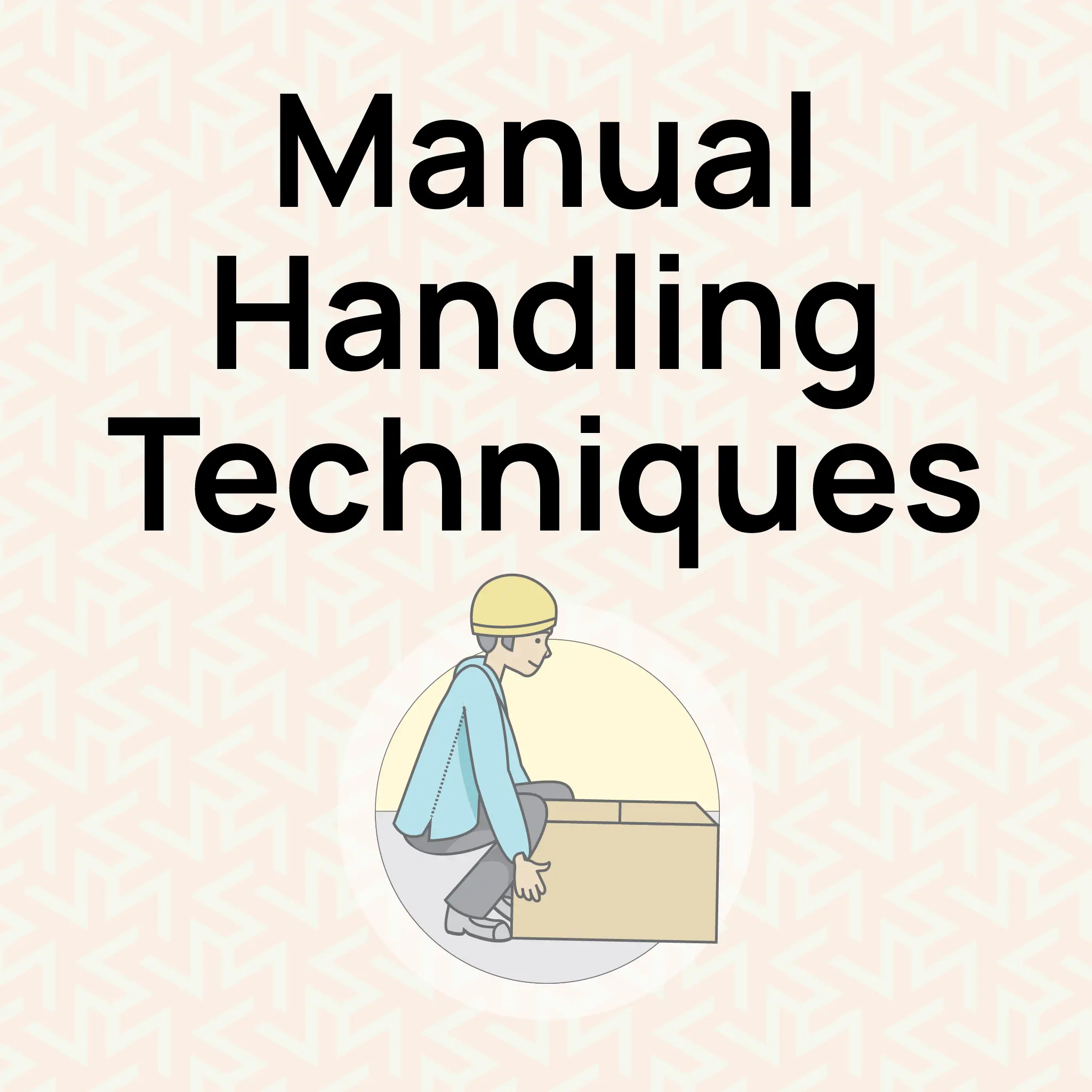
Manual Handling Techniques: A Complete Guide to Safe Lifting and Movement
The most common physical activity that is performed in the UK workplaces is manual handling. Whether it�s lifting boxes in a warehouse, repositioning patients in a care home, or moving tools on a construction site, it�s part of everyday working life for many. However, in spite of its widespread use, poor manual handling is a primary cause of workplace injuries, which frequently have prolonged effects.This guide explains how to apply manual handling techniques properly, how they affect your role and future employability, and how learning them is a smart move not only for beginners but also for experienced professionals.Understanding Manual HandlingManual handling is any task that involves the use of physical force to lift, drop, carry, push, pull, or move an object or load. A �load� may be anything: people, boxes, materials, or tools. These tasks are especially widespread in industries such as construction, healthcare, retail, and logistics.When carried out incorrectly, manual handling can lead to musculoskeletal disorders (MSDs) such as back pain, joint injuries, or long-term mobility problems. The Health and Safety Executive (HSE) reports that manual handling injuries account for more than a third of all work-related injuries in the UK, with most being preventable with the right knowledge and techniqueWhy Manual Handling Skills MatterCorrect manual handling techniques are important for anyone working in a physically active role. For employees, it prevents injury and maintains productivity. For employers, this often results in fewer absences, lower compensation claims, and smoother day-to-day operations.In sectors like construction, improper lifting and carrying can lead to more severe incidents, which often connect with broader health and safety risks on construction sites. Understanding how manual handling fits into the broader picture of workplace safety helps you take responsibility for your own health and that of the people around you.Moreover, having good practice on a regular basis in the handling of manuals will increase your employability. Workers who have basic knowledge about safety expectations and seem responsible in physical work activities tend to be appreciated more by employers.Core Manual Handling TechniquesPlan the TaskBefore you lift anything, stop and assess the situation. Ask yourself:Is the load too heavy or awkward to lift alone?Is the path clear of obstacles or trip hazards?Are there aids, such as trolleys or lifting equipment, that you could use?This is the time to prevent the risks even before they happen. There are cases where lifting is not required at all.Position Your Feet for StabilitySafe lifting is based on your position. Keep your feet roughly shoulder-width apart, with one foot slightly forward to maintain balance. Standing with your feet too close together when moving a load reduces your ability to adjust if the load shifts unexpectedly.Use Your Legs, Not Your BackThe most widespread error in handling involves bending at the waist in order to pick up an object. Instead, bend your knees while keeping your back straight and your head up. As you lift, use the strength of your leg muscles to raise the load. This approach significantly reduces strain on your spine.Hold the Load Close to Your BodyThe further away a load is from your body, the more strain it places on your arms, shoulders, and back. Always hold the load as close as possible, preferably at waist level, and ensure a secure grip before proceeding.Avoid Twisting Your BodyWhen you have picked up the load, you must always turn on your feet, not your body. Twisting while lifting is a significant cause of injury. If you need to change direction, stop, pivot your feet, and then continue.Know When to Ask for HelpUnderstanding your limits is part of safe practice. In case a load is heavy, bulky or uneven, then seek help or use a handling aid to make sure that you are safe. You should also be aware of how to avoid manual handling risks, such as working in confined spaces or lifting while fatigued.Safe Lifting in Action: A Step-by-Step ExampleAssume you are at a warehouse and a package has to be picked up from the floor and placed on a trolley. The way you would do it based on the above principles is as follows:Examine the track leading to the trolley, and clear it if necessary.Stand with feet shoulder-width apart, one foot slightly forward.Sit down, using your knees and hips, not your back.Get a firm grip on the package using both hands.Lift smoothly using your legs, keeping the box close to your body.Move slowly, do not turn or make any sudden movements when carrying the load.Lower the box onto the trolley using the same motion in reverse.This might seem methodical, but once practised, these steps become second nature and significantly reduce the risk of injury.The Bigger Picture: Creating Safer Work EnvironmentsWhile individual technique is important, safe manual handling is part of a larger system of health and safety controls. This includes:Clear signage and risk assessmentsProper lighting and ventilationErgonomic equipment and lifting aidsTraining and supervision tailored to job rolesPoor manual handling is often a symptom of broader issues. As highlighted in the consequences of poor health and safety procedures in the workplace, organisations that neglect basic safety often face greater financial, legal, and human costs.Those in charge of teams or projects are particularly responsible for ensuring these systems are in place. If you�re in or preparing for a leadership role, training like the SSSTS course equip you with the knowledge to enforce safe practices and supervise others effectively.? For SSSTS (Site Supervisor Safety Training Scheme):Stepping into a supervisory role? The SSSTS course equips you with essential knowledge to manage safety on-site, identify manual handling risks, and lead by example. Ideal for individuals seeking to advance in construction supervision.Training That Makes a DifferenceReading about techniques is helpful, but practical training is where it really clicks. Hurak Manual Handling Course provides a practical introduction to safe practices of handling in different working environments. You will be taught how to assess loads, using techniques and adhere to the health and safety laws.For those managing sites or larger teams, our SMSTS course builds on this knowledge by teaching how to plan and implement safe working systems, including manual handling processes, across entire projects.?? For SMSTS (Site Management Safety Training Scheme):Managing teams and safety at a larger scale? SMSTS is designed for site managers and senior staff who need a deeper understanding of health and safety responsibilities, including overseeing manual handling practices across complex operations.ConclusionManual handling injuries can be prevented, but only when the proper techniques and awareness are in place. For workers, it�s about taking care of your body and being able to perform your job without unnecessary risk. For employers and supervisors, it�s about leadership, responsibility, and fostering a safe environment for all.Whether you�re just starting out or working toward a supervisory role, your understanding of manual handling could make a real difference, not only to your safety but to your long-term employability and career satisfaction.If you�re considering taking on more health and safety responsibilities, understanding the key roles of a safety officer can be your next step. And remember, safety doesn't end with lifting.Check out these guides on fire safety at your workplace and practical fire safety tips to complete your knowledge Frequently Asked QuestionsWhat should always be done prior to lifting a load?Before lifting any load, always conduct a quick risk assessment to ensure safety. This involves checking the size, weight, and stability of the object, as well as the surrounding space. Is the path clear? Is the load too heavy to lift alone? These steps help prevent unexpected strain or injury. When lifting a load, plan ahead; even a few seconds of preparation can significantly reduce the risk of injury.Where should you hold and carry your load?Always keep the load close to your body, ideally at waist height. Holding the object close minimises the leverage force on your back and shoulders, helping you maintain control. Avoid stretching your arms out; this can cause imbalance and place unnecessary strain on your spine. If you're wondering where you should hold and carry your load, remember: the closer and more centred, the safer.In general, how should you position your feet when performing a lift?Place your feet shoulder-width apart to create a strong, stable base. One foot should be slightly in front of the other to help with balance, especially when lifting from the ground. The phrase "feet must be close together when moving a load" is misleading; too narrow a stance actually reduces stability. A broader base gives you greater control during the lift.What should you not do when lifting a load?You should not twist your body, bend your back, or jerk the load upwards. These are common mistakes that lead to injuries. Another thing to avoid is lifting something that feels too heavy; always ask for help or use equipment. Also, avoid rushing. What should you not do when lifting a load often comes down to poor posture, poor judgment, or both.What is the correct technique for lifting?The correct technique involves the following steps: assess the load, position your feet correctly, bend your knees (not your back), grasp the object securely, lift using your leg muscles, and keep the load close to your body. Avoid twisting while lifting, and instead, pivot your feet to turn. These manual handling principles apply to most lifting tasks, regardless of the setting.State one tip for safe handling and lifting.One essential tip is to keep the load close to your body throughout the lift. This simple action reduces pressure on your spine and improves balance. It's a fundamental part of safe manual handling and is often the difference between a smooth lift and a painful strain.What is the safe limit of force to push a load?There isn�t a fixed legal limit, but guidance from the HSE suggests that the maximum recommended force for pushing a load on a flat surface is about 20kg of force for men and 15kg for women under ideal conditions. However, the actual safe limit depends on surface friction, posture, and the height of the load. You should never push or pull a load that feels difficult to control.When handling an uneven load, what should you do?You should test the load first and check its centre of gravity. If one side is heavier, try to adjust your grip to keep the load balanced and close to your body. If necessary, reposition the contents or seek assistance. When handling an uneven load, you should avoid sudden movements, as they can lead to instability and injury.Moving and handling include which of the following actions?Manual handling encompasses a range of activities, including lifting, carrying, pushing, pulling, lowering, and holding loads using physical effort. It�s not just about lifting; any movement involving force on an object is considered manual handling. Recognising this helps identify more risks, especially when handling repetitive or awkward movements.Explore Related CoursesStrengthen your knowledge of workplace safety and grow your career with training tailored to your role:Manual Handling Training � Understand lifting techniques, reduce injury risk, and stay compliant.SSSTS (Site Supervisor Safety Training Scheme) � For those stepping into a site supervision role.SMSTS (Site Management Safety Training Scheme) � Designed for site managers to lead safely and legally.Health and Safety Awareness (HSA) � A solid starting point for beginners entering the construction or industrial sector.Fire Marshal (Fire Warden) Course � Learn fire prevention responsibilities and emergency actions.IOSH Working Safely � A short, engaging course ideal for staff across all industries.IOSH Managing Safely � For team leaders and managers responsible for health and safety.
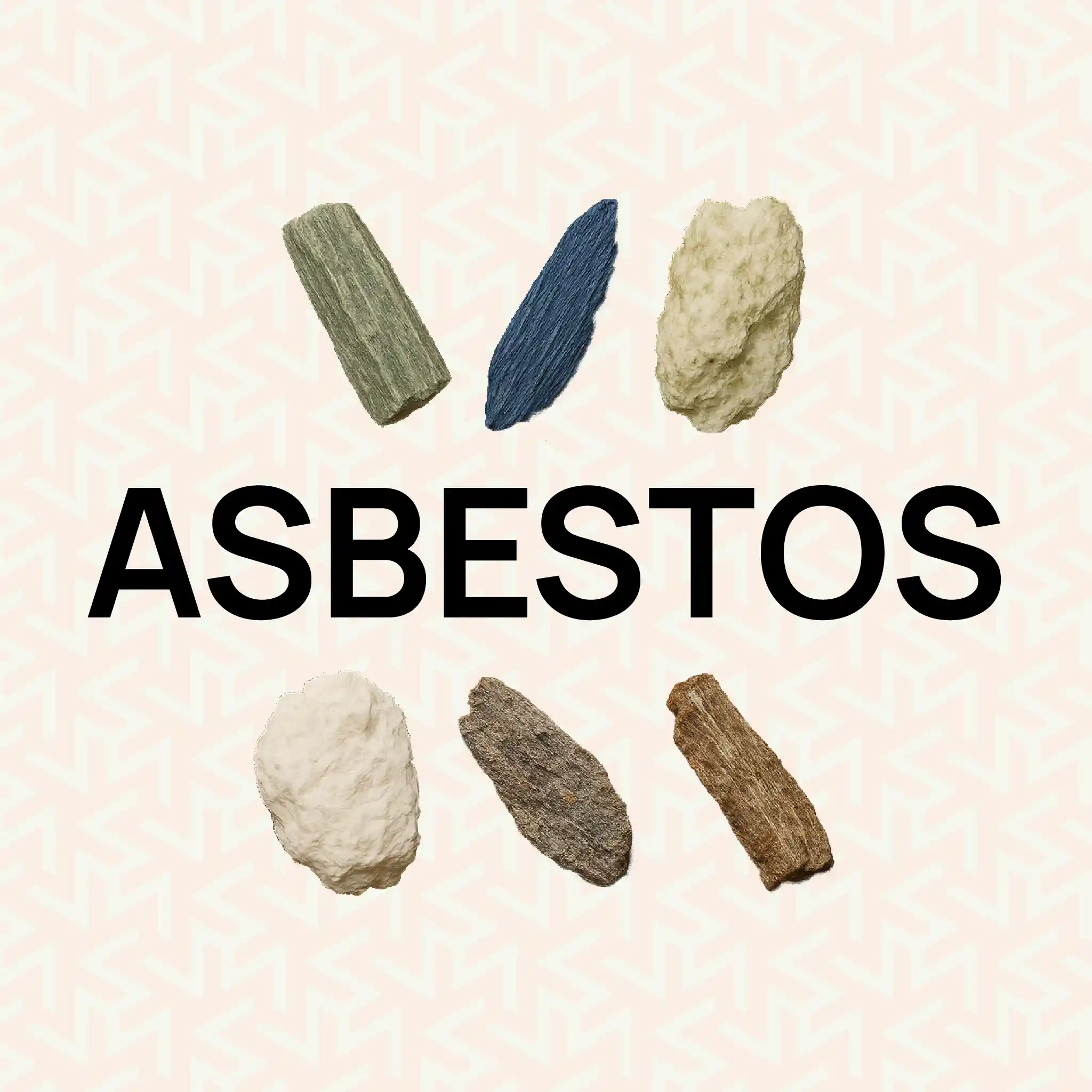
Types of Asbestos: What They Are, Why They Matter, and How to Stay Safe
Although asbestos has been banned in the UK since 1999, it remains present in countless buildings constructed before that date. For professionals working in construction, renovation, or property management, this is not just historical trivia; it is a real and present danger. Inhalation of asbestos fibres continues to be a significant health concern, with the Health and Safety Executive (HSE) estimating around 5,000 asbestos-related deaths each year in the UK. These deaths often arise from diseases that take decades to develop, making awareness and prevention more crucial than ever.The purpose of this article is to help you understand what asbestos is, why its different forms matter, how to identify potential exposure risks, and most importantly, how to stay safe and compliant with UK regulations.What Is Asbestos and Why Was It So Widely Used?Asbestos is not a man-made material; it�s a group of six naturally occurring minerals found in the earth. What makes asbestos unique is its combination of valuable properties: it�s resistant to heat, fire, electricity, and chemical damage. Due to this, it was widely used throughout the 20th century in products such as cement, insulation, roofing, brake pads, and floor tiles.However, the same fibrous structure that makes asbestos durable is also what makes it dangerous. When asbestos-containing materials are disturbed by cutting, drilling, sanding, or even deterioration, they release tiny fibres into the air. These fibres are invisible to the naked eye and can easily be inhaled. Once inside the body, they become lodged in the lungs or other tissues, where they can remain for decades. Over time, this can cause severe diseases such as asbestosis, lung cancer, and mesothelioma.The Six Types of Asbestos and Their CharacteristicsAsbestos minerals are divided into two main categories based on their physical structure: serpentine and amphibole. The serpentine group has only one type, chrysotile, while the amphibole group includes five: amosite, crocidolite, tremolite, actinolite, and anthophyllite. Each type has a distinct fibre shape, colour, mineral composition, and level of risk. Understanding these differences is key to recognising and managing asbestos in real-world situations.Chrysotile (White Asbestos)Chrysotile, also known as white asbestos, is by far the most common type found in UK buildings, making up over 90% of all asbestos used before the ban. It features long, curly fibres and was considered easier to handle due to its flexibility. This made it popular in insulation, roofing materials, ceilings, walls, and vehicle brake linings. Its colour, usually white or grey, comes from its magnesium-based composition. Although some previously considered it �less dangerous,� modern science recognises that chrysotile fibres are still highly carcinogenic. Prolonged exposure can lead to deadly diseases, just like any other form of asbestos.Amosite (Brown Asbestos)Amosite, often called brown asbestos, was the second most common type used in the UK. It belongs to the amphibole family and has rigid, needle-like fibres that are more brittle and more dangerous when airborne. Its colour, brown or dark grey, is due to its high iron content. Amosite was commonly used in fireproof insulation boards, ceiling tiles, and pipe lagging. The sharpness of its fibres makes it more likely to become deeply embedded in lung tissue, significantly increasing the risk of mesothelioma and lung cancer.Crocidolite (Blue Asbestos)Crocidolite, or blue asbestos, is widely regarded as the most dangerous type. It's fine; sharp fibres can be inhaled more easily than those of any other asbestos type. Crocidolite was used in high-temperature insulation products such as pipe lagging, sprayed-on coatings, and some cement-based materials. Its vibrant blue colour is a visual indicator of its unique mineral makeup, which includes sodium and iron. Even brief exposure to crocidolite fibres can lead to mesothelioma, making it a significant cause of asbestos-related cancer deaths.TremoliteTremolite was not used commercially on its own but has been found as a contaminant in talc, vermiculite, paints, and sealants. It can range in colour from white to green depending on its mineral content. Like other amphiboles, tremolite has sharp, needle-like fibres that can be easily inhaled when disturbed. Although less commonly encountered, tremolite exposure has caused serious health effects, particularly in regions where contaminated talc was widely used.ActinoliteActinolite is another amphibole asbestos type, typically green to grey in colour. It has a fibrous, splinter-like structure and was also not used deliberately in most commercial products. However, it can be found as a contaminant in construction materials such as insulation, plaster, and drywall. Inhalation of actinolite fibres poses serious risks, including lung cancer and pleural diseases, even though its usage was limited.AnthophylliteAnthophyllite is the rarest of the six types and appears in shades of brown, green, or grey. It was used in limited applications, including some insulation and cement products, and also found as a contaminant in talc. Though less commonly encountered, anthophyllite fibres pose the same dangers as other types and can lead to chronic lung conditions when inhaled.Each type of asbestos derives its colour from its unique mineral composition. For example, amosite's iron-rich content gives it a brown hue, while crocidolite�s sodium and iron produce a blue colour. These visual differences are useful for categorisation, but they are not reliable for on-site identification. Only professional lab testing can confirm asbestos presence.Where Asbestos May Still Be Found in BuildingsAsbestos-containing materials (ACMs) are still found in many homes, schools, hospitals, and workplaces built before the year 2000. It�s not always obvious, and that�s what makes it dangerous. In many cases, asbestos may be hidden in old ceiling tiles, roof sheets, pipe lagging, floor tiles, sprayed coatings, and even in adhesives behind walls or under flooring.Because asbestos fibres are not visible and materials may look perfectly intact, people often don�t realise they�re at risk. During renovation or demolition, these materials can become crumbly, meaning they easily crumble and release fibres. That�s why anyone working with or around older buildings must know what to look for and when to stop and call in professionals.If you're taking on responsibilities related to site safety, training like the SMSTS or SSSTS courses will help you manage these risks more confidently.The Hidden Health Risks of Asbestos ExposureOne of the most tragic things about asbestos-related illnesses is how long they take to develop. A person exposed to asbestos fibres in their 20s might not show symptoms until their 50s or 60s. This long latency period makes early detection difficult and prevention critical.The most well-known disease caused by asbestos exposure is mesothelioma, a rare and aggressive cancer that affects the lining of the lungs and abdomen. There is no cure, and survival rates remain low. Another condition is asbestosis, a chronic lung disease that results in scarring and progressive shortness of breath. Lung cancer is also a significant risk, particularly among people who smoke and have been exposed to asbestos. Finally, pleural thickening, a condition where the lining of the lungs becomes stiff, can reduce lung function and lead to chronic discomfort.No level of asbestos exposure is considered safe. The risk may vary depending on fibre type, duration of exposure, and individual health conditions, but the only truly safe approach is prevention. Your Legal Duties Under UK Asbestos RegulationsIn the UK, the Control of Asbestos Regulations 2012 places a legal responsibility on those managing non-domestic buildings to protect workers and the public from asbestos exposure. This includes identifying ACMs, assessing their condition, keeping up-to-date records, and informing anyone who might come into contact with them.Employers must also provide training to any worker who could disturb asbestos during their work. This includes tradespeople, maintenance staff, and even office workers in buildings with known asbestos materials. Failure to comply with the law can lead to legal penalties and, more importantly, significant health consequences.To support workplace compliance, many individuals choose to take a CITB Health and Safety Awareness Course or the more comprehensive Level 2 Health and Safety in the Workplace courseHow to Identify and Manage Asbestos SafelyBecause asbestos fibres are invisible and dangerous, you should never attempt to inspect, remove, or repair asbestos yourself. The first step is to hire a licensed asbestos surveyor. These professionals conduct detailed surveys, either a management survey for ongoing building use or a refurbishment and demolition survey for construction work.After a survey confirms the presence of asbestos, proper management involves creating an asbestos register, marking affected areas, and using licensed contractors for removal or containment. In some cases, you may also need to carry out air testing to ensure no fibres remain suspended after any disturbance.Education is just as critical as containment. If you or your team work in environments where asbestos may be present, it�s essential to complete certified training like Hurak�s Asbestos Awareness Course, which covers everything from identification and legal duties to emergency proceduresConclusionAsbestos might be banned, but the danger hasn�t disappeared. For many professionals working in today�s construction and maintenance sectors, the risk is still very much alive. That�s why asbestos awareness is not just about ticking a compliance box; it�s about protecting yourself and those around you.Understanding the six types of asbestos, recognising where they may be found, and knowing the associated health risks are all essential components of creating safer working environments. Complying with UK safety regulations is also crucial. With proper training and precautions, these risks are manageable; however, ignoring them can be deadly.Compliant. Certified. Confident.UK regulations require asbestos awareness training for anyone likely to disturb asbestos-containing materials (ACMs).With Hurak, you�ll get practical knowledge, legal compliance, and CPD-recognised certification, all in one short course.Stay protected and professional, start your training now.FAQsWhat is white asbestos called?White asbestos is called chrysotile. It was the most widely used type in UK construction and is still the most commonly found in older buildings. Despite earlier claims of being "safer," chrysotile is a known health hazard and is fully banned.What is the name of blue asbestos?Blue asbestos is known as crocidolite. It has the finest fibres of all types and poses the highest risk. Even short exposure can lead to diseases like mesothelioma, making it the most dangerous form.What is brown asbestos?Brown asbestos refers to amosite, commonly used in insulation boards and ceiling tiles. Its rigid, needle-like fibres are highly hazardous and strongly linked to lung disease.How many types of asbestos are commonly found?There are six types of asbestos, but the three most common in UK buildings are:Chrysotile (white)Amosite (brown)Crocidolite (blue)These were used in everything from pipe lagging to cement and insulation.Do asbestos colours mean anything?Yes, the colours reflect the fibre type, white, brown, and blue, but they�re not reliable for on-site identification. Always consult a licensed surveyor or complete Asbestos Awareness Training to be sure.Asbestos and Your Career: What You Should KnowWhether you�re managing a site or just getting started on the tools, asbestos awareness plays a critical role in ensuring workplace safety. Many careers today still involve contact with buildings that may contain asbestos. Here�s how asbestos knowledge applies across key roles:Site Manager: Oversees all health and safety responsibilities on-site, including ensuring asbestos surveys are completed and regulations are followed during refurbishment or demolition.Site Supervisor: Coordinates daily site activities, ensuring workers don�t unknowingly disturb asbestos-containing materials and that proper procedures are followed when risks are identified.Labourer or Tradesperson: Frequently works hands-on with older materials. Without training, these roles are at high risk of accidental asbestos exposure during drilling, cutting, or removal tasks.Asbestos Surveyor: Specialises in identifying and assessing asbestos-containing materials. Plays a vital role in informing site safety decisions and ensuring compliance with UK asbestos laws.Health & Safety Officer: Monitors and enforces health and safety standards, including training requirements, safe work practices, and asbestos documentation under the Control of Asbestos Regulations 2012.If your job might bring you into contact with pre-2000 buildings, completing an Asbestos Awareness Course is not just recommended, it�s a legal requirement.

Top European Hospitality Schools Offering Strategic Business Training
Aspiring leaders in hospitality often look to European institutions that combine traditional service excellence with sharp business acumen. This list highlights the best European hospitality schools for strategic business training, featuring SHMS and other top-rated programs renowned for blending operational expertise with strategic thinking.The modern hospitality industry demands more than exceptional service delivery�it requires visionary leaders who can navigate complex global markets, drive digital transformation, and create sustainable business models. European hospitality schools have long recognized this evolution, developing programs that merge time-honored hospitality traditions with cutting-edge business strategy education.What Sets European Hospitality Schools Apart in Strategic Business TrainingEuropean hospitality schools strategic business training programs distinguish themselves through their emphasis on real-world application, international perspective, and industry integration. These institutions leverage their proximity to global hospitality markets, luxury brands, and diverse cultural environments to provide students with authentic business challenges and cross-cultural leadership experiences.The most effective programs combine rigorous academic curricula with hands-on operational training, allowing students to understand both the service foundation and strategic imperatives of hospitality businesses. Students gain exposure to revenue management, digital marketing, sustainable operations, and international expansion strategies while developing the soft skills essential for leading multicultural teams.Top 6 European Hospitality Schools for Strategic Business Leadership1. Swiss Hotel Management School (SHMS) � MA in International Hospitality Business Management � Best Swiss Excellence with Strategic IntegrationSHMS ranks #3 in the 2025 QS World University Rankings for Hospitality and Leisure Management, making it the highest-ranked conventional hotel management school globally. The one-year MA program offers specializations in Hotel Management, Events Management, or Luxury Brand Management, with all tracks emphasizing strategic business applications and hands-on learning in authentic Swiss hospitality environments. Students learn in the historic Caux Palace, a Belle �poque palace hotel that has hosted royalty and international dignitaries, providing an unparalleled setting for understanding luxury hospitality operations. The program combines traditional Swiss hospitality excellence with modern business strategy, preparing graduates for senior international positions through intensive practical projects and industry collaborations. SHMS maintains the #2 world ranking for employer reputation, reflecting the exceptional regard employers have for graduates' business acumen and operational expertise.2. EHL Hospitality Business School � Master's in Global Hospitality Business � Best Global Strategic PerspectiveEHL has held the #1 ranking in QS World University Rankings for Hospitality and Leisure Management for seven consecutive years, establishing it as the definitive leader in hospitality education worldwide. The Master's in Global Hospitality Business offers a transformative 16-month program spanning three continents�with semesters in Lausanne (Switzerland), Hong Kong (Polytechnic University), and Houston (University of Houston Conrad N. Hilton College). This unique global approach provides students with strategic insights into diverse hospitality markets while developing cultural intelligence and international business strategy skills. The program features real-world business projects with industry partners, executive coaching for leadership development, and access to EHL's powerful network of 30,000 alumni in 150 countries. Students exploring hospitality business strategy development will find this program's global perspective invaluable for understanding how cultural contexts influence strategic decision-making.3. Glion Institute of Higher Education � MSc in International Hospitality Business Leadership � Best Leadership Development FocusGlion ranks #6 globally in QS World University Rankings for Hospitality and Leisure Management and holds a #3 ranking for employer reputation, reflecting the high regard industry leaders have for Glion graduates' business leadership capabilities. The MSc in International Hospitality Business Leadership is available at campuses in Switzerland and London, offering students flexibility while maintaining consistent academic excellence. The program specifically distinguishes between management and leadership, dedicating separate semesters to each concept before culminating in a Business Research Project or professional internship with applied research component. Founded in 1962, Glion has established itself among the world's finest institutions specializing in hospitality and luxury management, with 98% of job-seeking students receiving employment offers on graduation day. The program's emphasis on practical business application and soft skills development produces graduates who combine operational expertise with strategic vision.4. Les Roches � Graduate MBA/Master's Programs in Hospitality Management � Best Employer RecognitionLes Roches has built an exceptional reputation among hospitality employers worldwide, with programs offered in Switzerland and Spain that focus on strategic hospitality management and industry transformation. The school's MBA and Master's programs center on developing leaders who can drive organizational change and implement innovative business strategies in dynamic hospitality environments. Les Roches emphasizes experiential learning through real-world business challenges, industry consulting projects, and entrepreneurship initiatives that prepare graduates for executive roles. The institution's strong employer relationships provide students with direct access to strategic management opportunities and mentorship from industry leaders who are actively shaping the future of hospitality business.5. Hotelschool The Hague � MBA in International Hospitality Management � Best Applied Transformation TrainingLocated in the Netherlands, Hotelschool The Hague offers a practice-oriented MBA focused on hotel transformation and strategic management, earning recognition as one of Europe's top institutions for applied hospitality business education. The program emphasizes strategic thinking in hospitality transformation, preparing leaders to navigate industry disruption, implement digital innovations, and create sustainable business models. Students engage with real hospitality businesses facing transformation challenges, developing practical solutions that demonstrate strategic thinking and change management capabilities. The school's location in the Netherlands provides access to diverse European markets and international business environments, enhancing students' understanding of global hospitality strategy.6. European Hospitality Management MOOCs and Case Study Consortium � Best Open-Source Strategic LearningThis collaborative platform offers free access to strategic business modules and case studies curated from leading European hospitality schools, providing democratized access to high-quality strategic education. The consortium features contributions from renowned institutions across Europe, covering topics such as revenue optimization, digital transformation, sustainable hospitality practices, and international expansion strategies. Students can access virtual workshops, peer collaboration opportunities, and mentorship from established hospitality executives without the financial barriers of traditional graduate programs. While not offering formal degrees, the platform serves as an excellent supplement to formal education or as professional development for working hospitality managers seeking to enhance their strategic thinking capabilities.Strategic Career Advantages of European Hospitality Business EducationGraduates from these European hospitality schools strategic business training programs consistently achieve leadership positions across diverse industries, with many transitioning beyond traditional hospitality into luxury goods, aviation, finance, and consulting. The combination of service excellence training and strategic business education creates versatile professionals who understand both operational excellence and strategic vision.European programs provide particular advantages in developing cultural intelligence and international business perspective, essential skills as hospitality companies expand globally and serve increasingly diverse customer bases. The emphasis on sustainability, innovation, and digital transformation in European curricula also positions graduates to lead industry evolution.Many graduates successfully launch their own hospitality ventures, while others advance rapidly to executive positions in established hotel groups, luxury brands, and related service industries. The strong alumni networks from these institutions provide ongoing mentorship and business opportunities throughout graduates' careers.Choosing Your Path: Strategic Considerations for European Hospitality EducationSelecting the right European hospitality school for strategic business training requires careful evaluation of your career objectives, learning preferences, and professional circumstances. Consider factors such as program format, geographic focus, industry specializations, and post-graduation support when evaluating options.The institutions highlighted here offer proven approaches to developing strategic leaders who can drive business success in complex, dynamic environments. From SHMS's Swiss excellence to EHL's global perspective and Glion's leadership focus, each provides unique advantages for different career trajectories.Take the next step in your hospitality career by researching these programs thoroughly and connecting with admissions teams to understand how their strategic business curricula align with your leadership aspirations. For additional guidance on hospitality leadership development strategies, explore resources that can help you maximize the return on your educational investment and position yourself for strategic leadership roles in the evolving hospitality industry.
7 Top BSc Tourism Management Programs for Career-Focused Learning in 2025
The modern tourism industry demands professionals who understand both strategic business management and operational excellence. A Bachelor of Science in Tourism Management provides the comprehensive foundation needed to excel in this dynamic global sector, whether you're planning to lead luxury resort operations, develop sustainable tourism initiatives, or launch innovative travel experiences.Just as professional training providers like Hurak focus on career-ready education across various industries, top tourism management programs emphasize practical skills alongside academic rigor. The best BSc Tourism Management degrees prepare graduates for immediate impact in roles spanning destination management, hospitality operations, travel technology, and tourism entrepreneurship.What to Look for in the Best BSc Tourism Management ProgramsThe most effective Bachelor of Science in Tourism Management programs combine theoretical knowledge with real-world application. Quality programs feature industry partnerships, internship opportunities, and exposure to authentic tourism operations where students engage with actual guests and stakeholders. The best tourism management degrees also integrate business fundamentals, ensuring graduates understand revenue management, sustainable practices, and global tourism trends alongside operational excellence.Top 8 Best BSc Tourism Management Programs for Career Success1. C�sar Ritz Colleges � BSc in Hotel and Tourism Management � Best Comprehensive TrainingC�sar Ritz Colleges Switzerland offers a four-year BSc degree in Hotel and Tourism Management that integrates principles of American entrepreneurship with Swiss hospitality practices, featuring a top-5 global QS ranking in Hospitality & Leisure Management for 2025. The hotel business management program combines academic excellence with practical experience through two mandatory internships and partnerships with luxury establishments worldwide. With federal accreditation by the Swiss Accreditation Council as a University of Applied Sciences Institute, students receive internationally recognized qualifications. The curriculum emphasizes sustainable tourism, destination management, and strategic business planning, preparing graduates for leadership roles in the global tourism sector.2. EHL Hospitality Business School � Top-Rated Elite Tourism EducationEHL Hospitality Business School was ranked number one by the QS World University Ranking for Hospitality and Leisure Management for the seventh consecutive year in 2025. Their bachelor's program combines advanced tourism knowledge with real-world experience through 25 hands-on workshops and two six-month internships. EHL operates student-run establishments including the Michelin-starred Berceau des Sens restaurant, providing authentic learning environments. The program covers international tourism development, destination marketing, and sustainable travel practices essential for modern tourism professionals.3. Les Roches Global Hospitality Education � Best Real-Life Tourism ImmersionLes Roches undergraduates experience comprehensive tourism operations through rotational assignments and international placement opportunities. This program offers authentic work experience across tourism spectrum, from destination management to guest services coordination. Students gain practical experience in every aspect of tourism operations, from travel planning to customer experience design. The curriculum emphasizes global tourism trends, cultural awareness, and operational management skills essential for tourism leadership roles.4. HIM Business School � Best Complementary Business FoundationHIM offers tourism-focused BBA programs with practical modules that complement business skills essential for tourism entrepreneurship. This program provides strong business grounding for tourism leaders, focusing on strategic planning, financial management, and operational efficiency critical for travel and tourism ventures. Students learn to approach tourism operations from an executive perspective, understanding market analysis, destination development, and tourism policy implications.5. Swiss Professional Hospitality Programs � Top-Rated Practical Tourism EducationThese intensive programs deliver practical tourism management training with contemporary approaches that prepare graduates for exceptional guest experiences. The curriculum emphasizes real-world application of tourism management skills within broader industry contexts, ensuring students understand how tourism excellence contributes to regional economic development and sustainable travel practices. Programs focus on destination competitiveness, visitor experience management, and tourism technology integration.6. International Tourism Partnerships � Best Global ExposureThrough strategic alliances with tourism boards and travel companies worldwide, students access international tourism training opportunities that expose them to diverse destinations and market conditions. These partnerships provide authentic learning environments where students can apply destination management skills while building professional networks across the global tourism industry. Students gain exposure to emerging tourism markets, sustainable tourism practices, and cross-cultural tourism management approaches.7. Open-Source Tourism Studies Resources � Top-Rated Independent Learning MaterialsComprehensive tourism research and case studies supplement formal training with self-guided learning opportunities. These resources include tourism economics materials, destination marketing case studies, and sustainable tourism frameworks that enhance students' theoretical understanding of tourism management principles. Materials cover tourism policy analysis, visitor behavior research, and innovative destination development strategies essential for modern tourism professionals.Developing strong analytical and communication skills remains essential in tourism management roles. The competencies required for effective professional development mirror many skills needed in tourism management, including stakeholder engagement, problem-solving, and adaptability to changing market conditions.Launch Your Tourism Management CareerBachelor of Science in Tourism Management programs provide the foundation for exceptional careers in destination management, travel operations, and tourism development. Many graduates later apply their Tourism Management expertise by working with established tour operators and industry leaders, gaining hands-on experience in real-world tourism operations. These programs combine academic rigor with practical experience, ensuring graduates possess both theoretical knowledge and operational expertise needed to excel in the dynamic tourism industry.Students develop skills that extend beyond traditional tourism roles�learning crisis management, sustainable practices, digital marketing, and international business development. These competencies prove invaluable whether graduates pursue roles in national tourism organizations, international travel companies, or launch innovative tourism ventures addressing emerging market needs.Start Your Journey in Tourism ExcellenceReady to explore comprehensive tourism management education that prepares you for leadership roles in the global travel industry? Top BSc Tourism Management programs offer unmatched learning opportunities combining Swiss academic excellence with practical industry exposure. With internationally recognized accreditation, industry partnerships, and curricula designed by tourism leaders, you'll graduate with the knowledge and professional network needed for immediate career impact.Consider exploring professional training opportunities that complement formal education, as continuous learning remains essential for success in the evolving tourism sector. Contact admissions teams at leading tourism management schools to learn more about their Bachelor of Science programs and take the first step toward your future in tourism leadership.
Top 5 Civil Engineering Graduate Programs with Real-World Training
The search for civil engineering graduate programs with real-world training leads many students to programs like UND Online's civil engineering master's. Ranked among the best civil engineering grad programs online, these five institutions stand out for blending online flexibility with immersive, industry-aligned experiences that prepare graduates for immediate impact in their careers.Modern engineering challenges require more than theoretical knowledge�they demand practical skills, project management experience, and hands-on problem-solving abilities. The programs featured here recognize this reality and have developed curricula that bridge the gap between academic learning and professional practice through design projects, virtual labs, and industry partnerships.What Defines Real-World Training in Online Civil Engineering ProgramsThe most effective civil engineering graduate programs with real-world training incorporate several key elements that distinguish them from traditional theoretical programs. These include comprehensive design capstone projects that mirror actual engineering challenges, virtual laboratory simulations that provide hands-on experience with industry-standard software, and partnerships with engineering firms and top software development companies that offer practical applications of classroom concepts.Quality programs also emphasize project management skills, team collaboration, and communication abilities that practicing engineers use daily. Students should look for programs that require the use of professional engineering tools like AutoCAD, advanced modeling software, and project management platforms that they'll encounter in their careers.Top 5 Civil Engineering Graduate Programs for Hands-On Learning1. University of North Dakota (UND) � M.S./M.Eng. Civil Engineering (Online) � Best Comprehensive Design CapstoneUND's online MS in civil engineering program offers fully online delivery paired with a rigorous design project requirement, immersing students in practical engineering solutions that mirror real-world challenges. The program features specializations in soils-structures, environmental, water resources, and general civil engineering, all with applied training components and industry tools integration. UND consistently ranks among the top online civil engineering programs and has earned recognition as the #1 Best Online College in North Dakota. Students complete a written design project that demonstrates practical skills applicable in professional settings, while the flexible asynchronous format allows working professionals to balance career and education demands. The program requires 30 credit hours and can typically be completed in under two years.2. Purdue University Online � M.S. Civil Engineering � Best Virtual Labs and Applied ResearchPurdue's online civil engineering master's program ranks #2 nationally according to U.S. News & World Report for five consecutive years (2021-2025), offering three interdisciplinary tracks: Infrastructure Resiliency and Sustainability, Sustainable Water, and Smart Mobility. The program provides innovative virtual labs and hands-on learning modules that allow students to practice engineering concepts in simulated real-world environments. Students benefit from the same faculty, courses, and degree as on-campus students, with no differentiation on official transcripts. The flexible program allows professionals to complete coursework while maintaining full-time employment, with courses typically offered in one-credit modules that can be combined to meet specific career goals.3. Arizona State University (ASU) Online � M.S. Civil, Environmental, and Sustainable Engineering � Best Industry IntegrationASU's graduate program emphasizes sustainability as an integrated approach to engineering, connecting students with local, national, and international research efforts in transportation, water resources, and sustainable infrastructure development. The program combines theoretical knowledge with computational and experimental research programs designed to prepare graduates for both professional practice and advanced research roles. Students can pursue thesis or non-thesis options, with the non-thesis track requiring 30 credit hours of coursework focused on practical applications. ASU's extensive industry partnerships provide opportunities for applied research projects and internships that give students direct exposure to professional engineering practice.4. Texas A&M University Online � M.S./M.Eng. Civil Engineering � Best Field-Forward Learning IntegrationTexas A&M's civil engineering graduate programs offer both Master of Science and Master of Engineering degrees, with the latter specifically designed to prepare students for successful careers in industry and business. The program features nine specialized areas including coastal engineering, construction management, environmental systems, and transportation engineering. Texas A&M ranks #1 in Texas according to U.S. News & World Report's 2025 "Best Online Master's in Engineering Programs," with more than 350 graduate students and 70+ professors creating the largest civil engineering graduate program in the country. The M.Eng. program includes industry-focused coursework and internship opportunities that provide direct professional experience.5. Open-Source Civil Engineering Learning Consortium � Best Collaborative ResourcesThis innovative platform represents the future of accessible engineering education, offering free virtual lab modules and civil engineering simulations curated from leading academic institutions and industry partners. The consortium provides collaborative learning opportunities through shared resources, online laboratories, and practical design challenges that students can access regardless of their enrollment status. While not a traditional degree-granting institution, this resource complements formal education programs and offers continuing education opportunities for practicing engineers. The platform includes modules on structural analysis, environmental systems design, and transportation modeling that provide hands-on experience with industry-standard tools and methodologies.Strategic Career Benefits of Real-World Training ProgramsGraduates from these civil engineering graduate programs with real-world training report significant advantages in their professional development and career advancement. The practical skills gained through design projects, virtual labs, and industry partnerships prepare students for immediate contribution to engineering teams upon graduation. According to the U.S. Bureau of Labor Statistics, civil engineers can expect a median salary of $96,000 annually, with approximately 23,000 new positions projected to open in the coming years.The combination of advanced technical knowledge and practical application skills makes graduates particularly attractive to employers seeking engineers who can tackle complex infrastructure challenges. Many graduates report faster promotions, increased responsibilities, and enhanced credibility with clients and colleagues compared to those with purely theoretical educational backgrounds.Students considering engineering career advancement strategies should recognize that hands-on experience during graduate education significantly impacts long-term professional success.Making Your Decision: Next Steps for Real-World Engineering EducationChoosing the right civil engineering graduate program requires careful evaluation of your career goals, learning style, and professional circumstances. The programs highlighted here offer proven approaches to combining rigorous academics with practical training that prepares graduates for leadership roles in modern engineering practice.Consider factors such as program format flexibility, faculty expertise in your areas of interest, industry partnerships, and opportunities for applied research when making your decision. Each of these programs provides unique advantages, from UND's comprehensive design focus to Purdue's virtual lab innovations and Texas A&M's industry connections.Take the next step in your engineering career by researching these programs thoroughly and connecting with admissions representatives to discuss how their real-world training approaches align with your professional aspirations. For additional guidance on professional development planning, explore resources that can help you maximize the return on your educational investment.