


Further Education vs Higher Education | Key Differences
Choosing the right path in education can be confusing, especially when terms like further and higher education are often used interchangeably. Whether you're returning to study, exploring career progression, or supporting someone else's learning journey, understanding the difference is essential. This quick guide breaks down what sets further education and higher education apart, from qualifications and course levels to career outcomes, so you can make an informed decision that suits your goals.We�ll clearly explain what each pathway involves, what qualifications you can earn,�internships for high school students, and how they align with your personal or professional goals, helping you make the right decision with confidence.�Top NVQ Courses Offered by HurakLooking to boost your career with a nationally recognised qualification? Hurak provides a range of NVQ courses tailored to various industries. Here are some of their top offerings:Level 2 NVQ in Plant Operations: Perfect for operatives aiming for the CPCS Blue Card.Level 2 NVQ in Controlling Lifting Operations (Slinger Signaller): Ideal for those working in crane and lifting operations.Level 3 NVQ Diploma in Adult Health and Social Care: Advance your role in care with this popular qualification.Level 3 Award in Education and Training (AET): Start your journey to becoming a certified trainer or teacher.Browse All NVQ Courses at Hurak.What Is Further Education (FE)?Further education (FE) refers to any type of learning that takes place after secondary school but isn�t part of a university degree or higher education. It offers a diverse range of qualifications, from academic courses to practical and vocational training, providing individuals with the skills needed for the workforce or further studies.FE is typically delivered in colleges, training centres, or adult education providers. Common qualifications include:A-LevelsBTECsNVQs (National Vocational Qualifications)ApprenticeshipsFunctional Skills�The good thing about FE lies in its flexibility; courses are available part-time, in the evenings, or even online, making it an ideal option for those with work or family commitments. Whether you're looking to build practical skills, pursue a specific career path, or prepare for higher education, further education offers a variety of routes to meet your personal and professional goals.What Is Higher Education (HE)?Each year, thousands of UK adults enrol in higher education to gain specialist qualifications, switch careers, or advance in their current roles. Higher education refers to studies undertaken after completing further education, typically at university level. It includes qualifications such as:Bachelor�s DegreesFoundation DegreesHigher National Certificates (HNCs) and Diplomas (HNDs)Master�s DegreesDoctorates (PhDs)These programmes are more academically focused and often involve in-depth study, research, or theoretical learning.Most full-time HE courses take three to four years to complete, though part-time and distance learning options, such as online MBA, are available .Unlike further education, HE often leads to advanced qualifications required for roles in law, engineering, teaching, or healthcare.Key differences between further and higher educationFurther education (FE) and higher education (HE) serve as distinct milestones in your learning journey, each providing unique opportunities for career progression and academic development.�Level of StudyFE: Post-secondary study, often providing a foundation for future higher learning or specific job preparation.HE: Advanced academic study, typically pursued after completing FE, offering qualifications like Bachelor�s and Master�s degrees.Qualification TypesFE: Focuses on practical skills and vocational qualifications such as BTECs, NVQs, and apprenticeships.HE: Offers academic qualifications like degrees, which delve deeper into specialised knowledge and research.Duration & FlexibilityFE: Shorter, flexible study options, often one to two years, with part-time or online opportunities.HE: Longer courses, generally lasting three to four years, are usually full-time with more structure.Career PathwaysFE: Ideal for entry-level positions, apprenticeships, or preparation for higher study.HE: Leads to professional and specialist careers requiring advanced qualifications, such as law, engineering, and medicine.Below is a table for your quick reference of the key differences:CATEGORY�FURTHER EDUCATIONHIGHER EDUCATION�Qualification LevelsLevel 1 to Level 3Level 4 and aboveTypical Providers�College, Training CentresUniversities, HE institutionsEntry RequirementsOften minimal, depending on the courseUsually A-levels or equivalentCostOften free or low-costTuition fees apply (loans available)Study FocusPractical, job-ready skillsAcademic, subject-specific knowledgeTime CommitmentVaries, often short or part-time2�4+ years (mostly full-time)Which Path Is Right for You?Deciding between further education (FE) and higher education (HE) comes down to your goals, qualifications, and learning preferences. Each route offers valuable opportunities; it�s about finding what fits your current stage and career plan.Choose Further Education if you:Need to gain foundational or Level 2�3 qualifications.Need to develop job-ready skills quickly.Prefer practical, hands-on learning environments.Explore career options or return to study with flexibility in mind.Choose Higher Education if you:Aim to earn a university-level qualification (Bachelor�s, Master�s, etc.).Plan to enter a profession that requires a degree (e.g. law, teaching, healthcare).Enjoy academic study and want to explore a subject in depth.Prefer a longer-term learning commitment with research opportunitiesWhichever route you choose, both FE and HE can lead to rewarding careers. It�s about picking the one that aligns with your personal circumstances and long-term goals. For those who have already completed higher education and wish to take their expertise to the next level, postgraduate programs such as MBAs can be a powerful way to advance professionally. These programs, like the Evening MBA Degree, offer a flexible, innovation-driven curriculum designed for experienced professionals seeking leadership growth in dynamic industries.�Not Sure Which Path to Take?Hurak offers courses to support both Further and Higher Education goals:Choose Further Education if you want job-ready skills fast:Level 3 AET (Teaching) �Health & Safety in Construction�Food Hygiene & SafetyChoose Higher Education Prep if you're aiming for advanced roles:Level 4 CET (Teaching)Level 5 Diploma in Teaching (QTLS Route)Browse all our Courses at Hurak.FAQsWhat is the main difference between further education and higher education?Further education (FE): Courses below degree level (e.g. A-levels, BTECs)Higher education (HE): Degree-level and above (e.g. BA, BSc, Master�s)Do I need further education before I can do higher education?Often yes, as most university courses require Level 3 qualificationsAlternative pathways, like Access to HE or relevant work experience, may applyCan I go to university without A-levels?�Yes, through:Access to HE DiplomaBTEC Level 3NVQ Level 3Foundation degreesWork experience in some casesIs further education free in the UK?Yes, for most 16�19-year-oldsAdults may qualify for:Free Level 3 coursesAdvanced Learner LoansSupport based on income or employment statusHow long does further education take?Short courses: A few weeks or monthsFull-time courses: 1�2 yearsPart-time/evening options: Flexible durationWhat support is available for adult learners?Financial support (grants, bursaries, or personal loans)Flexible schedules (evenings, online, part-time)Free advice via the National Careers Service or local collegesIs higher education worth it?Yes, for careers that require degrees (e.g., teacher, nurse, lawyer). Vocational jobs may offer strong earnings with FE alone.Can I do both further and higher education?Yes, many learners progress from FE to HE. Example: BTEC Level 3 ? University degree.Final ThoughtsBoth further education and higher education play important roles in helping you reach your personal and professional goals. Whether you�re aiming to enter the workforce quickly, build practical skills, or pursue a degree for a specialised career, the right path depends on your current situation and long-term ambitions.Understanding the difference between further and higher education helps you make informed decisions about your future. FE provides flexible, skills-based learning, while HE offers academic depth and professional qualifications. Consider your career goals, study preferences, and current qualifications before deciding.You can also speak to an education provider or careers adviser to get tailored guidance and make the most confident choice for your future.Explore Hurak�s career guides to find the right path for your goals.Hurak offers accredited courses that open doors in teaching, assessing, and supporting roles in education.Start building your future today: Award in Education and Training (AET) �| Teaching Assistant Courses�We also offer pathways into quality assurance and assessment: Assessment Training | IQA Training
Where to Find Bricklaying Jobs on Construction Sites
Bricklaying is a skilled trade with steady demand across the UK�s construction industry. It�s not just about your skill with bricks and mortar; knowing where to find jobs and how to prepare is key. Here�s a simple guide to help you find bricklaying site work, build your experience, and grow your career.Get the Right Qualifications FirstMost construction sites require workers to have a valid CSCS (Construction Skills Certification Scheme) card. For bricklayers, this usually means the Blue Skilled Worker Card. To get this, you need an NVQ Level 2 Diploma in Bricklaying and a pass in the CITB Health, Safety, and Environment Test.The NVQ Level 2 is the industry standard that verifies your bricklaying skills and assures employers that you can carry out tasks safely, efficiently, and to a professional standard on site.You can earn this qualification through a full apprenticeship, a fast-track assessment if you already have experience, or an intensive course with on-site assessments. It�s essential to aim for this qualification early because it not only opens doors to jobs but can also increase your pay.If you want to know more about obtaining a CSCS card, check out our detailed article on Bricklayer CSCS Card. You can also explore the NVQ Level 2 Bricklaying course offered by Hurak to get qualified and site-ready quickly.�Start your training today with Hurak�s NVQ Level 2 Bricklaying course.Build Practical Experience EarlyQualifications matter, but hands-on experience is just as necessary. Try to get real site work during or after your training, even if it�s unpaid or short-term. Many employers value practical skills and learning on the job as much as formal certification.If you�re new, you might need to start with labouring or site assistant roles. This helps you understand how a construction site operates and allows you to build trust with supervisors. Don�t hesitate to accept these early roles; they�re stepping stones to more skilled bricklaying work.You can learn about the complete pathway into the trade in our article, How to Become a Bricklayer in the UK. Alongside bricklaying skills, consider additional courses like health and safety or manual handling through Hurak to strengthen your site readiness.Be Proactive. Don�t Wait for Job AdsWaiting for bricklaying job adverts can slow your progress. Many bricklayers find work by directly contacting local builders, small contractors, or site supervisors, even if no jobs are officially advertised. Drop off your CV, send an email with free link tracking, or visit sites to introduce yourself. Being proactive shows initiative and can lead to trial work or referrals.Build relationships with local building firms and subcontractors working on larger projects. The construction industry often relies on word of mouth, so these connections are valuable.Use Job Boards and Online PlatformsJob boards list many construction roles every day. Popular sites like Indeed, TotalJobs, CV-Library, and Reed regularly post bricklaying site work. Use search terms like �bricklaying site work,� �CSCS bricklayer,� or �construction bricklayer needed� to find relevant listings. Set up alerts so you don�t miss short-term contracts, especially during busy building seasons.Specialist platforms like Checkatrade, MyBuilder, and MyJobQuote are also great places to build your trade profile and connect with local clients. Create a professional profile, upload photos of your work, and collect reviews to boost your reputation. Even small home projects can help you get noticed and gain confidence.Register with Recruitment AgenciesRecruitment agencies specialising in construction can speed up your job search. They often know about site vacancies before they�re advertised and can place you in labouring or groundworking roles if you�re just starting. Look for agencies like Hays Construction, Daniel Owen Ltd, Building Careers UK, or Randstad Trades & Labour. Increasingly, many employers and agencies are also adopting Diversity Recruiting Software to reach a wider pool of candidates and ensure fair opportunities for skilled workers from all backgrounds.Typically, agencies will ask for your CSCS details, right to work proof, PPE, and references if you have them. Being registered means you get access to a range of site work opportunities across the UK.Network with Other TradespeopleNetworking is a powerful tool in the construction industry. Join local trade Facebook groups, WhatsApp job boards, or attend trade events and site safety courses. Talk to other tradespeople and share job leads. Your next opportunity might come from someone you meet while buying tools or at a training session.Accept Entry-Level Work While You LearnIf you�re new to bricklaying, don�t shy away from starting with labouring or site clean-up roles. These jobs may pay less but help you get a foot in the door, prove your reliability, and learn how sites operate. Supervisors often promote workers who show a good attitude and punctuality into bricklaying roles over time.Keep Up with Training and Site StandardsStay competitive by renewing your CSCS card and attending refresher courses on site safety and manual handling. If you�re working but not yet fully qualified, ask about on-site NVQ assessments. These allow experienced workers to gain certification while on the job, often without the need for classroom time.Upskilling can make a real difference. Explore our range of courses that can help you improve your knowledge and stand out on-site.ConclusionBricklaying is a practical and rewarding trade, but getting your first few jobs takes more than just technical skill. Start by getting the right qualifications, especially your CSCS card and NVQ Level 2 Diploma. Then, be proactive and seek out experience by connecting with builders directly, exploring job boards, agencies, and networking groups. With the right mindset and support from training providers like Hurak, you�ll be well on your way to a solid career in bricklaying.Want More Than Just Labouring Work?Get NVQ-certified with Level 2 in Bricklaying.Earn qualifications on the job and increase your chances of securing consistent, higher-paying site contracts.�FAQ'sCan I work without a CSCS card?Almost all legal construction sites require a CSCS card. Without it, your job options will be minimal.What basic tools do I need?A typical bricklaying toolkit includes trowels, levels, a bolster chisel, a tape measure, and personal protective equipment (PPE).Is bricklaying a seasonal job?Work is usually busier in summer, but indoor projects and renovations continue year-round.How much can I earn?According to the UK government's National Careers Service, bricklayers typically earn between �25,000 at the entry level and �45,000 with experience annually. Based on a standard full-time working year (around 230 working days), that equates to approximately �110��200 per day, depending on your level of experience, location, and the complexity of work involved.
Bricklayer Qualifications Salary Guide | Become a Bricklayer
Bricklaying is a hands-on profession that shapes our homes and workplaces; it's more than just stacking bricks. If you've ever considered becoming a bricklayer, there are a few things you should know first: what credentials are required, how to get trained, what skills will help you succeed, what kind of salary to expect, and where this career might lead you. We've made it easy for you to get started in the bricklaying industry by providing clear guidance and easy steps.Qualifications & Training for BricklayersBecoming a qualified bricklayer usually involves a mix of practical experience and formal training. The most common routes include:Apprenticeships - The Most Common PathApprenticeships combine on-the-job training with classroom learning, allowing you to earn while you learn. You�ll typically spend 2�3 years gaining hands-on experience alongside a qualified bricklayer while completing nationally recognised qualifications.Diplomas, NVQs and the CSCS Card - Building Your CredentialsMany bricklayers pursue NVQ Level 2 or 3 diplomas in bricklaying or related construction trades. These qualifications show your capability to do the job at a professional level.You must also have a valid CSCS (Construction Skills Certificate Scheme) card in order to work on most construction sites in the UK. This card indicates that you've met the required health and safety standards and usually requires an NVQ or equivalent qualification.Together, your NVQ or diploma and a CSCS card form the essential foundation for a successful career in bricklaying. To learn how to obtain your card step-by-step, see our detailed guide on the Bricklayer CSCS Card.Explore More Construction Courses with HurakLooking to build your career in construction?Hurak offers a wide range of industry-recognised training courses, from bricklaying and health & safety to site supervision and management. Whether you're starting out or levelling up, we�ve got the right course for you.Browse all Construction Courses at HurakEntry Routes into BricklayingA career in bricklaying can be started in a number of ways, depending on your experience and educational background.Starting as a School LeaverMany young people go straight from school into bricklaying by signing up for apprenticeships or college classes that teach construction skills.Becoming a Bricklayer with No ExperienceIf you don't have any experience, you can start with entry-level jobs or short training courses. Some employers offer on-the-job training for beginners who show enthusiasm and a willingness to learn.College Courses and Short-Term TrainingColleges provide diplomas and certificates in bricklaying and construction, which are suitable for those who want to experience classroom learning before joining the labour force.If you're just starting out, this guide on gaining site work as a bricklayer shares practical tips to help you land your first job on site.Essential Skills Needed to Be a Successful BricklayerTo be a good bricklayer, you need to be in good physical condition and be able to work with your hands. You are required to be able to lift heavy objects, be on your feet most of the day, and use tools carefully, so good coordination and stamina are very helpful.Being able to read plans and work accurately helps you understand technical drawings and build things correctly. A good eye for detail helps you lay bricks evenly and securely, in accordance with the project requirements.Since bricklayers typically don't work alone, communication and teamwork are equally important. Being able to follow directions and coordinate effectively is important because you will be working with other construction professionals.Safety is a big deal on busy construction sites. Knowing how to follow safety guidelines and use safety gear properly not only protects you but also the people around you.Both new and experienced bricklayers can improve by avoiding common mistakes that affect quality and safetyBricklayer Salaries: What You Can Expect to EarnStarting Salaries for BeginnersAccording to the National Careers Service, bricklayers starting out typically earn between �20,000 and �30,000 per year. This depends on your employer, location, and whether you begin through an apprenticeship or direct employment.The Apprenticeships.gov.uk site confirms that most bricklaying apprentices begin with wages around the apprentice minimum wage, but this usually increases quickly as experience builds and training milestones are reached.Earnings with Experience and SpecialisationExperienced bricklayers usually earn �30,000 to �40,000 annually, as reported by the National Careers Service. This is based on industry averages for qualified professionals who have progressed beyond entry-level roles.Additionally, the gov.uk guidance on Skilled Worker visa sponsorship lists bricklaying roles with minimum salary thresholds ranging from �25,600 to �30,960, reflecting the expected earnings of skilled tradespeople. .main{ border:3px solid #0f7c90; border-radius:20px; position: relative; font-family:roboto; font-weight: 400; color: #000; } .main-two{ position: absolute; top:-25px; left:45px; background-color:white; } .img-div{ border-radius : 100%; padding:2px 7px; background-color:#0f7c90; margin-right:5px; width: 50px; height: 50px; } .img{ width:30px; object-fit:contain; height:auto; border-radius : 100%; } @media only screen and (max-width: 600px) { .heading{ font-size:20px; } .img{ width:20px; object-fit:contain; height:auto; border-radius : 100%; } .img-div{ width: 40px; height: 40px; } .main-two{ left:25px; } } Want to Boost Your Earnings and Take on Specialist Roles? Completing the NVQ Level 3 Diploma in Bricklaying can significantly improve your earning potential. This advanced qualification is ideal for experienced bricklayers seeking supervisory roles or aiming to qualify for the CSCS Gold Card. With an NVQ 3, you're more likely to land higher-paying jobs and build a stronger career trajectory. Self-Employment and Higher Income PotentialWhile direct government data on self-employed bricklayers is limited, the National Careers Service notes that bricklayers who are self-employed or run their own business may earn significantly more, depending on contracts and workload. Top-tier professionals in busy regions or those with niche skills may exceed �40,000 or more annually.What Is the Bricklayer Work Environment Like?Bricklayers typically work outside on construction sites, where they may be subjected to a variety of weather conditions, and their work can be physically taxing. In addition to mixing and applying mortar, their main duties involve laying bricks, blocks, and stones. For maximum accuracy, they also measure and cut materials.Collaboration with other construction professionals is essential to meet project deadlines effectively. Bricklayers wear protective gear like boots, gloves, and helmets to lower their risk of injury.Career Progression in BricklayingFrom Trainee to Skilled BricklayerWith experience and qualifications, you can progress from an apprentice to a fully skilled bricklayer, handling more complex tasks.Moving Into Supervisory or Management RolesExperienced bricklayers can advance to become site supervisors, foremen, or project managers, overseeing teams and ensuring adherence to quality standards.Becoming a Specialist or Self-Employed ContractorSome bricklayers specialise in areas like restoration or stone masonry. Others start their own contracting businesses for greater independence and income.ConclusionA career as a bricklayer is a rewarding one, with defined training paths, a gradual increase in remuneration and promotion possibilities. Whether you are an apprentice or have no experience, developing your skills and qualifications is important.Bricklaying combines physical work with craftsmanship, and those who stick with it can enjoy a fulfilling career in construction.NVQ Level 2 Diploma in BricklayingPerfect for beginners or entry-level workersThis qualification demonstrates your ability to carry out bricklaying tasks safely and to a professional standard on site. It�s ideal if you're looking to apply for the CSCS Blue Skilled Worker Card.Learn more about the NVQ Level 2 in BricklayingFAQ'sHow long does it take to become a qualified bricklayer?Typically, apprenticeships last 2�3 years, but some individuals gain skills more quickly, depending on their commitment and available opportunities.What qualifications do I need to start?Entry-level apprenticeships often require GCSEs or equivalent, but some employers accept learners with no formal qualifications.Can I become a bricklayer with no experience?Yes, there are a lot of people who start with zero experience, often through apprenticeships, training courses, or on-the-job learning.What is the average salary for bricklayers?Average salaries range from �18,000 for beginners to �35,000+ for experienced workers; self-employed bricklayers can earn more.Is bricklaying a physically demanding job?Yes, it requires strength, stamina, good hand-eye coordination, and a focus on safety.Explore Other Popular NVQs to Boost Your Bricklaying CareerIf you�re interested in advancing your skills beyond repointing and bricklaying basics, pursuing NVQ qualifications is a great way to build your expertise and qualify for various CSCS cards.Level 2 NVQs (Skilled Worker � Blue CSCS Card)Level 3 NVQs (Advanced Worker � Gold CSCS Card)NVQ Level 2 in BricklayingNVQ Level 2 in PlasteringNVQ Level 2 in Roofing OccupationsNVQ Level 2 in Carpentry and JoineryNVQ Level 2 in Wall and Floor TilingNVQ Level 2 in Painting and DecoratingNVQ Level 2 in Passive Fire ProtectionNVQ Level 2 in StonemasonryNVQ Level 3 in BricklayingNVQ Level 3 in PlasteringNVQ Level 3 in Roofing OccupationsNVQ Level 3 in Wall and Floor TilingNVQ Level 3 in Painting and DecoratingNVQ Level 3 in Stonemasonry � Banker MasonryNVQ Level 3 in Stonemasonry � Memorial Masonry
Common Bricklaying Mistakes (And How to Fix Them)
Even the most experienced bricklayers make mistakes, especially when working under pressure. Whether it�s something as simple as misjudging mortar consistency or skipping key prep steps, small errors can quickly turn into big problems if left unchecked.Here�s what you need to know about the most frequent issues in brickwork and how to get it right, from uneven brickwork to repointing issues, we�ll walk you through what to watch out for, how to correct poor habits, and why improving your technique matters for both quality and safety. Think of this as a quick check-in on what to avoid and how to maintain your bricklaying skills.Why Avoiding Mistakes MattersIn bricklaying, precision isn�t just about appearances, it affects the strength, safety, and durability of the entire structure. Poor workmanship can compromise structural integrity, reduce weather resistance, and lead to long-term issues that require costly repairs. Even small errors, when repeated, can set you back professionally and result in rework. Whether you�re just starting out or have years of site experience, many bricklaying mistakes stem from the same causes: rushing, skipping important checks, or not fully understanding the process. The good news is that most of these can be avoided with the right knowledge and habits.In the sections that follow, we�ll break down these common mistakes and show you how to fix, or better yet, avoid them altogether.Incorrect mortar mixingOne of the most frequent issues is incorrect mortar mixing. Too much water, not enough cement, or inconsistent batches can all weaken the mix and cause premature cracking. Using clean materials and sticking to proper ratios is key. Mix in small batches so the mortar remains workable, and always pay attention to consistency, it�s the foundation of everything that follows.Drainage and Clean-UpWhile focusing on structure, many bricklayers overlook the importance of drainage or fail to remove excess mortar. Water trapped without proper drainage can slowly damage the wall from within, while dried mortar on bricks makes the finish look rushed and unprofessional. Always plan for water runoff and wipe away spills before they set.Misaligned or uneven bricksAnother issue is misaligned or uneven brick courses. Even if you�re working quickly, it�s important to use a spirit level and string line frequently to keep things straight. A single slanted course can throw off an entire wall, leading to a finished product that looks unprofessional and may need reworking.Skipping wall ties or reinforcementSkipping wall ties or reinforcement is a structural mistake that can seriously weaken a wall, especially in cavity construction. It�s essential to check the building plans for tie spacing, embed them correctly, and ensure they�re aligned properly. Overlooking this step compromises the wall�s stability and longevity.Leaving out expansion jointsSometimes, it�s what you don�t include that causes problems like leaving out expansion joints. These small gaps are critical for absorbing movement caused by temperature changes or settling. Without them, walls can crack over time, especially on long or exposed surfaces.Poor weather planningPoor weather planning is another common pitfall. Cold, wet, or windy conditions can interfere with mortar setting and brick adhesion. Working in unsuitable weather or failing to protect fresh work can lead to frost damage or weakened bonds. Always check site conditions and be prepared to adapt; sometimes, waiting a day can save days of repair.Improper joint toolingWhen it comes to finishing, improper joint tooling, especially during repointing work, can lead to both aesthetic and functional issues. Tooling too early, leaving gaps, or applying uneven pressure can weaken the joint or lead to moisture ingress. The trick is to let the mortar cure slightly before striking, ensuring full, clean, and uniform joints.Poor Repointing TechniquesMistakes like raking out too deeply, using the wrong mortar mix, or striking too early can lead to weak joints and moisture ingress. If repointing is done poorly, the whole wall can deteriorate faster than it should. �Read our full guide on Brickwork Repointing Mistakes and How to Get It RightIgnoring drawings or building regulationsIgnoring drawings or building regulations is another common error that often leads to problems down the line. Misplacing damp-proof courses, getting cavity widths wrong, or misaligning openings can all result in failed inspections or the need for costly corrections. Double-checking plans before and during your build helps avoid these headaches.Inconsistent perp jointsInconsistent perp joints, the vertical gaps between bricks, may seem like a small detail, but they can make good brickwork look messy. Using gauges or spacers and taking the time to align each brick properly leads to a more professional finish.Overworking laid bricksThere�s also the habit of overworking laid bricks. Tapping or adjusting bricks after placement might seem harmless, but it can break the mortar bond and reduce strength. It�s better to take your time placing the brick correctly the first time, instead of correcting it later.Rushing the jobFinally, rushing the job is a mistake that leads to many of the issues listed above. From uneven courses to incomplete joints, trying to move too fast usually costs more time in the long run.Bricklaying rewards a steady rhythm, one that comes from experience, not speed alone. If you want to work on UK construction sites, getting a CSCS card is essential for most bricklaying jobs. Here�s how to get your Bricklayer CSCS Card.Turn Experience Into Certification and Lay the Foundation for Your Bricklaying CareerAlready working on-site? Get officially recognised with the NVQ Level 2 in Bricklaying practical, respected, and built for professionals like you.Get Certified with NVQ Level 2Ready to Lead and Take On Bigger Projects?The NVQ Level 3 Diploma in Bricklaying is built for skilled tradespeople looking to move into supervisory roles, tackle complex builds, and grow their career in construction.�Take the Lead with NVQ Level 3ConclusionBricklaying is as much about avoiding errors as it is about getting the basics right. From mixing mortar correctly to maintaining level brick courses, every decision on site impacts the strength, safety, and appearance of the final build. Mistakes like skipping expansion joints, repointing poorly, or misreading drawings can seem small in the moment but lead to significant consequences later.The best bricklayers are those who keep learning, stay precise under pressure, and understand the �why� behind every task, not just the �how.�Need Help Getting Your Bricklaying CSCS Card?If you�re unsure about the process or need to book your NVQ Level 2 or 3 in Bricklaying, contact Hurak at 0333 344 1293.We offer a wide range of trade-specific NVQs and provide full support with CSCS card applicationsFrequently Asked Questions on BricklayingWhy is mortar mix consistency so important?If your mortar is too wet or too dry, it won't bond properly with the bricks. This can lead to weak joints, cracks, or crumbling over time. Always follow the recommended mix ratio and use clean, consistent materials.What happens if you don�t use expansion joints in a wall?Without expansion joints, brickwork can crack as it expands and contracts with temperature changes. They�re especially important in long or exposed walls.How can weather impact bricklaying?Wet, cold, or windy conditions can cause mortar to dry too slowly or too quickly, weakening the bond. It�s important to plan ahead and use protective covers or additives when needed.How do I keep brickwork level and neat?Use a string line, spirit level, and brick gauge consistently. It takes practice, but attention to detail is what separates neat, professional brickwork from amateur jobs.Advance Your Career with These Popular Construction NVQsLevel 2 NVQs (Blue CSCS Card � Skilled Worker)These are ideal if you�re early in your career or want to get formally recognised for your current skills:NVQ Level 2 in Bricklaying�NVQ Level 2 in StonemasonryNVQ Level 2 in PlasteringNVQ Level 2 in CarpentryNVQ Level 2 in Wall and Floor TilingNVQ Level 2 in Roofing OccupationsNVQ Level 2 in Painting and DecoratingNVQ Level 2 in Passive Fire ProtectionLevel 3 NVQs (Gold CSCS Card � Advanced Worker/Supervisor)Perfect if you�re experienced and ready to lead on-site or take on complex projects:NVQ Level 3 in Bricklaying�NVQ Level 3 in Stonemasonry � Banker MasonryNVQ Level 3 in Stonemasonry � Memorial MasonryNVQ Level 3 in PlasteringNVQ Level 3 in Roofing OccupationsNVQ Level 3 in Wall and Floor TilingNVQ Level 3 in Painting and DecoratingEach of these NVQs can be completed through an on-site assessment, so you don�t have to stop working to qualify. Take the next step in your trade and stay competitive in the construction industry.
Understanding the Different Levels of First Aid Training
Whether you're an employer aiming to meet legal obligations, an HR professional managing workplace safety, or an individual looking to gain vital life-saving skills, understanding the different levels of first aid training is essential. With various course options available, each designed for specific environments and risk levels, it�s important to choose the right training that aligns with your responsibilities.This guide breaks down the most common first aid courses, what they cover, how long they�re valid, and who they�re best suited for, so you can make a confident and informed decision that supports both compliance and preparedness.Legal Requirements for First Aid Training in the WorkplaceFirst aid training is more than just a recommendation, and it�s a legal requirement in many workplaces. Under the Health and Safety (First-Aid) Regulations 1981, employers are required to provide adequate and appropriate first aid equipment, facilities, and trained personnel to ensure employees receive immediate care if injured or taken ill at work. The exact number of trained first aiders needed depends on the size and nature of your business. Beyond compliance, being skilled in first aid helps reduce workplace injuries and can even save lives.Different Levels of First Aid Training ExplainedWhile the Health and Safety Executive (HSE) does not formally assign �levels,� training providers commonly use these informal categories:�Level�CourseBest ForLevel 2Emergency First Aid at WorkLow-risk workplaces (e.g., offices)Level 3First Aid at WorkHigher-risk environments (e.g., factories, construction)RefresherAnnual First Aid RefresherAll workplaces (recommended annually)Let�s now take a closer look at the most common types of first aid training courses, what they cover, who they�re for, and how long the certifications last.Emergency First Aid at Work (EFAW)This entry-level Emergency First Aid at Work course focuses on essential skills like CPR, treating minor injuries, and responding to common incidents until help arrives. It�s ideal for low-risk environments such as offices, retail shops, or community centres. The training usually takes one day and is valid for three years.Upon completion, you�ll receive an Emergency First Aid at Work certificate. This certification meets the Health and Safety Executive (HSE) requirements for workplace first aiders and is fully recognised for compliance purposes.How long is the Emergency First Aid certificate valid?Your certificate remains valid for 3 years from the course completion date, as required by HSE. To stay certified, you�ll need to retake the course before it expires.Topics covered in this course:This course will equip you with practical skills and the confidence to act in emergencies. You�ll learn how to:Understand the responsibilities and duties of a designated first aiderApproach and assess emergency situations safely and effectivelyAdminister aid to an unconscious person (including those not breathing normally)Respond to choking incidents with appropriate techniquesControl bleeding and manage open woundsIdentify signs of shock and provide appropriate supportTreat minor injuries such as small cuts, bruises, or burns First Aid at Work (FAW)For workplaces with higher risks, the First Aid at Work course offers more in-depth training. It covers a wider range of conditions, including fractures, burns, cardiac emergencies, and medical conditions. This course is recommended for larger organisations, factories, or construction sites. It typically takes three days to complete and includes both theory and practical assessments.After finishing, you�ll receive a First Aid at Work certificate, qualifying you as a workplace first aider in medium to high-risk environments. This certification also complies with HSE guidelines.How long is the First Aid at Work certificate valid?Your certificate is valid for 3 years. To maintain your certification, you�ll need to take a requalification course before it expires.Topics covered in this course:Building on the Emergency First Aid content, this course trains you to:Assess the scene and manage complex incidents effectivelyProvide first aid to an unresponsive casualty and perform CPRUse an Automated External Defibrillator (AED) safely and confidentlyManage serious injuries and conditions such as heavy bleeding, burns, fractures, heart attacks, strokes, seizures, choking, and shock First Aid At Work Refresher (FAW Annual Refresher)The First Aid at Work Refresher course is designed for those who already hold a FAW certificate and want to maintain their skills and knowledge. This refresher training is recommended annually to ensure you stay confident and competent in handling workplace emergencies.This course revisits essential first aid techniques and updates you on any changes in procedures. It covers the key elements of the full FAW course but in a shorter format, making it ideal for individuals and organisations looking to refresh their first aid training without repeating the entire initial course.Upon successful completion, you�ll receive a First Aid at Work Refresher certificate, helping you remain compliant with workplace safety requirements.How long is the FAW Refresher certificate valid?While annual renewal is recommended, the refresher certificate supports maintaining your qualification until the full FAW certification expires after 3 years.Topics covered in this course:Review of scene assessment and managing incidentsFirst aid for unresponsive casualties and CPR practiceUsing an Automated External Defibrillator (AED)Managing serious injuries, including bleeding, burns, fractures, cardiac emergencies, strokes, seizures, choking, and shock Advanced and Specialist CoursesIf you need training tailored to specific groups or industries, there are specialised courses such as:Paediatric First Aid � Designed for those working with infants and children, like teachers and childcare professionals. This course covers a broad range of topics, from managing choking and seizures to treating burns, fractures, and allergic reactions. Successful learners receive a Highfield-accredited certificate valid for three years.Mental Health First Aid � Focuses on recognising and supporting individuals experiencing mental distress. You�ll learn to identify common mental health disorders, offer initial aid, and practice empathetic, non-judgmental listening. The certification lasts for three years.Industry-specific courses �Tailored for sectors such as hospitality, sports, and construction to meet the unique demands of those workplaces.How to Choose the Right First Aid Training CourseThe type of first aid training your workplace needs depends on several factors, including:The number of employeesWorkplace hazardsDifferent work environmentsAny special requirementsSmaller, low-risk workplaces may only need Emergency First Aid at Work training. At the same time, larger or higher-risk environments typically require a more comprehensive First Aid at Work course for nominated first aiders. Some workplaces may benefit from a mix of training levels or specialist courses, such as Paediatric First Aid and Mental Health First Aid, depending on their specific needs and risks. Assessing your unique situation helps ensure you have the right first aid provision in place.Consider the following when choosing your training:Low-risk, small workplaces: Emergency First Aid at Work (EFAW) is usually sufficient.Larger or higher-risk workplaces: First Aid at Work (FAW) is recommended for nominated first aiders.Mixed environments: A combination of EFAW and FAW courses may be necessary.Childcare or education settings: Paediatric First Aid is essential.Workplaces prioritising mental wellbeing: Mental Health First Aid helps support colleagues facing mental health challenges.Special environments: Activity-specific courses for outdoor or remote work may also be needed.ConclusionChoosing the right first aid training is a vital step in creating a safe and prepared workplace. Whether you work in a low-risk office or a high-risk industrial environment, there is a course designed to meet your specific needs, from the foundational Emergency First Aid at Work to specialised programs like Paediatric and Mental Health First Aid.Investing in proper first aid training not only ensures legal compliance but also equips you and your team with the confidence and skills to respond effectively during emergencies. Ready to get started? Explore our range of certified first aid courses today, and take the first step toward a safer workplace.Frequently Asked QuestionsWhat are the different levels of first aid training in the UK?First aid training in the UK is commonly divided into three levels: Emergency First Aid at Work (EFAW), First Aid at Work (FAW), and the Annual First Aid Refresher. EFAW is a basic one-day course for low-risk settings, while FAW is a more comprehensive three-day course for higher-risk environments. Though the HSE doesn�t formally assign levels, these classifications are widely recognised among training providers.How long is first aid training valid for?Most first aid qualifications, including both EFAW and FAW, are valid for three years. To maintain certification, you must retake the course before it expires. Taking an annual refresher course is strongly recommended to keep your skills sharp and compliant with workplace standards.Which level of first aid training should I choose?The right level of first aid training depends on your workplace�s size and risk level. EFAW is suitable for small, low-risk environments like offices, while FAW is better for high-risk settings such as factories or construction sites. Workplaces involving children or mental health support may require specialised courses like Paediatric or Mental Health First Aid.What�s the difference between Emergency First Aid at Work and First Aid at Work?The main difference is in depth and duration. Emergency First Aid at Work is a one-day course focused on essential skills, whereas First Aid at Work spans three days and includes more advanced topics like fractures, cardiac events, and serious trauma. Your workplace risk assessment will help determine which is appropriate.Can I take a refresher instead of the full course?�If your current certificate is still valid, you can take an Annual First Aid Refresher to stay updated or a requalification course to extend your certification. However, if your certificate has expired, you�ll need to complete the full training again to remain qualified.
Understanding What to Record and Report in an Accident Form at Work
Accurately reporting workplace accidents is essential, not just to meet legal requirements, but to help maintain a safe working environment. In the UK, under RIDDOR 2013 (Reporting of Injuries, Diseases and Dangerous Occurrences Regulations), employers are required to report certain work-related injuries, illnesses, and dangerous occurrences. Accident forms play a key role in this process, helping to document incidents, identify risks, and prevent future harm.In this article, we�ll cover the key points about accident forms, their purpose, when they�re needed, and how they contribute to overall workplace safety.The Importance of Accident Forms in Workplace SafetyAn accident form is a crucial document used to report incidents that occur in the workplace. It serves as a detailed record of what happened, helping to ensure the event is documented for legal purposes. In cases where injuries or damages are involved, the form can act as evidence in court during legal proceedings.By accurately documenting incidents, employers can identify potential hazards, address risks early, and take proactive steps to reduce accidents in the future. This makes accident forms an integral part of any workplace safety strategy. .main{ border:3px solid #0f7c90; border-radius:20px; position: relative; font-family:roboto; font-weight: 400; color: #000; } .main-two{ position: absolute; top:-25px; left:45px; background-color:white; } .img-div{ border-radius : 100%; padding:2px 7px; background-color:#0f7c90; margin-right:5px; width: 50px; height: 50px; } .img{ width:30px; object-fit:contain; height:auto; border-radius : 100%; } @media only screen and (max-width: 600px) { .heading{ font-size:20px; } .img{ width:20px; object-fit:contain; height:auto; border-radius : 100%; } .img-div{ width: 40px; height: 40px; } .main-two{ left:25px; } } Put Your First Aid Knowledge into Practice by enrolling in a course today! Our First Aid courses equip you to handle critical situations and enhance workplace safety. Build confidence and expertise with Emergency First Aid at Work (EFAW) and Level 3 First Aid at Work meeting UK legal requirements. Key Information to Include on an Accident Report FormThe chart below outlines key information you should include in a workplace accident report form, which aligns with RIDDOR guidelines.SectionDetails to RecordInjured Person�s DetailsName, job title, department, contact informationDate & TimeExact date and time the accident occurredLocation of IncidentSpecific area or site within the workplaceIncident DescriptionClear explanation of what happened and howInjury DetailsType of injury, body part affected, severityImmediate Action TakenFirst aid given, emergency response, by whom and whenWitness InformationNames and contact details of any witnessesReported ByName, job role of the person completing the form, and date completedFollow-Up ActionsPreventive measures taken, referrals, or investigation stepsSignaturesFrom the injured person (if possible), the reporter, and a manager/supervisorTypes of Workplace Incidents That Require an Accident ReportUnder the Reporting of Injuries, Diseases and Dangerous Occurrences Regulations (RIDDOR), employers and those responsible for workspaces are expected to report specific incidents to the Health and Safety Executive (HSE). These include:Fatalities and Major Injuries: In case of serious injuries, such as fractures or amputations, these should be reported as soon as possible, either online or by phone.Over-Seven-Day Injuries: If an employee is unable to work for more than seven days, the incident should be reported within 15 days using the HSE�s online form.Occupational Diseases: If an employee is diagnosed with conditions like asthma or carpal tunnel syndrome related to their work, these should be reported within 10 days using the appropriate RIDDOR form.Dangerous Occurrences: In the event of a near miss or equipment failure that could have caused serious harm, it�s essential to report it promptly through the HSE system.Gas Incidents: If there are any gas-related issues, such as leaks, injuries, or unsafe fittings, these should be reported right away. Gas engineers and employers have designated online forms to use for these incidents. Accident Reporting: A Step-by-Step GuideWhen an accident occurs, responding quickly and correctly is essential. Here are the key steps to follow:Ensure safety: First, ensure that the area is safe to prevent further harm.Administer first aid: Provide immediate care to the injured person.Record first aid: If treatment was given, fill out a first aid report form.Notify management: Inform a supervisor or manager as soon as possible.Complete the accident form: Document the incident with all relevant details.Report under RIDDOR: Visit the HSE's online form to submit details of any work-related injuries or incidents and complete the accident report.Preserve the scene: If necessary, secure the area for investigation.ConclusionAccident reporting isn�t just about meeting legal obligations; it is vital in identifying risks, preventing future incidents, and promoting a safer workplace for everyone. Using accident forms helps capture essential details and supports continuous improvement in workplace safety.Frequently Asked QuestionsWhat must be recorded on an accident report form?Date, time, location, people involved, injury details, and witnesses.What is the accident reporting procedure in the workplace?Notify a supervisor, complete an accident form, and report under RIDDOR if required.In the event of an accident, what should be completed?An accident form or a first aid report form.What is a first aid report form used for?To record the treatment given and who provided it.Explore Our Popular First Aid CoursesLooking to boost your skills? Explore our range of first aid courses to find the right one for you.Here are some of our most popular first aid courses to help you stay prepared:Emergency First Aid at Work (1 Day): A one-day course covering vital skills like CPR, choking, bleeding control, and managing common emergencies. Ideal for low-risk workplaces.First Aid at Work (3 Days): A comprehensive three-day course that prepares you to respond to a wide range of injuries and illnesses. Meets HSE standards for high-risk environments.Paediatric First Aid (2 Days): Designed for those working with infants and children. Covers child-specific emergencies such as seizures, choking, and allergic reactions.Basic First Aid Course: Perfect for low-risk environments like offices, shops, and restaurants. This course is also ideal for those preferring online training. It teaches key first aid skills and builds confidence to handle everyday emergencies safely and effectively.Advanced First Aid Training: For those who need higher-level skills. Covers oxygen use, advanced trauma care, and secondary assessments for more complex situations.First Aid for Mental Health: Focuses on recognising and supporting people with mental health conditions like stress, anxiety, and depression, with an emphasis on early intervention.
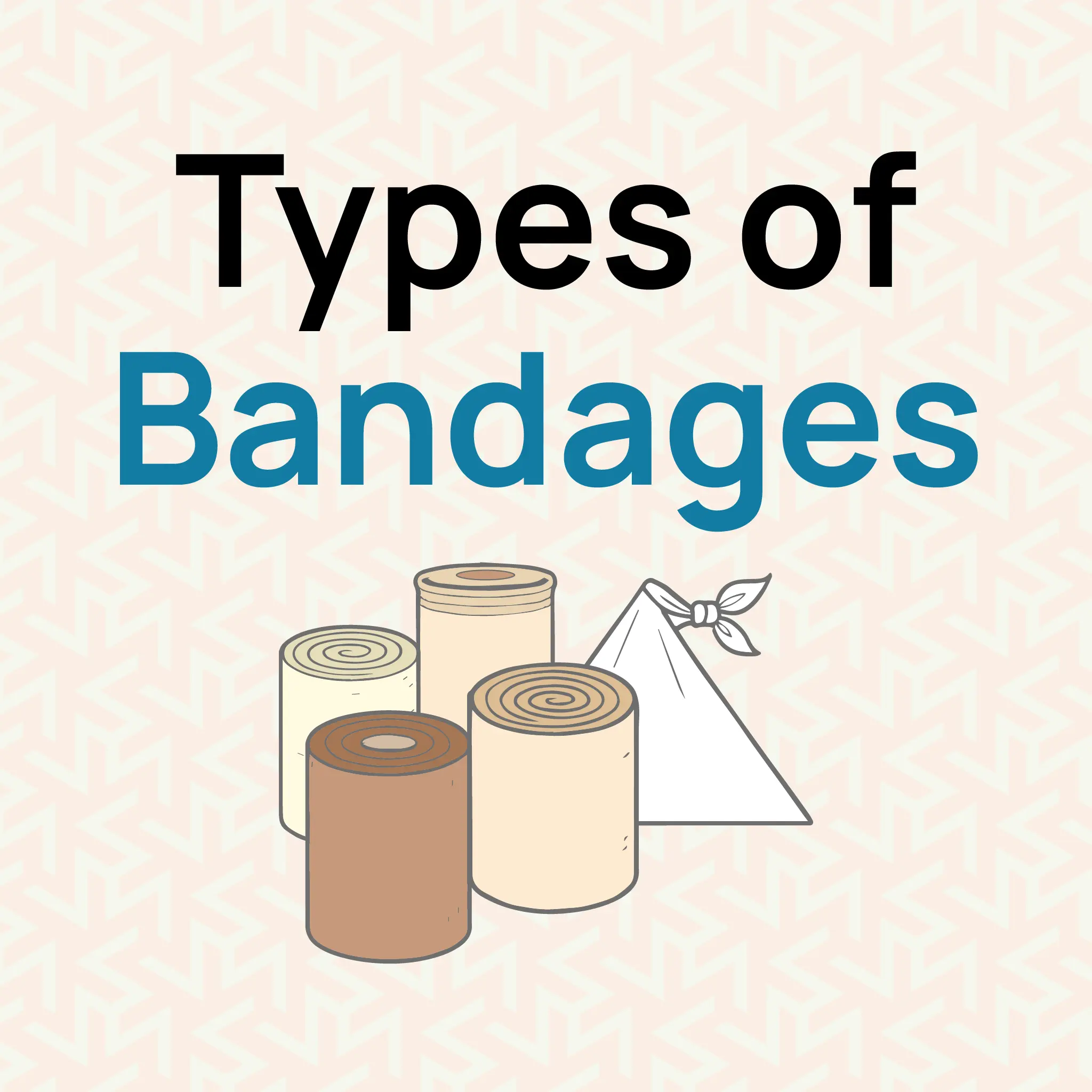
5 Essential Types of Bandages Used in First Aid
Injuries can happen at any moment, and knowing how to treat them effectively is essential. Bandages are a crucial part of any first aid kit, designed to protect wounds, support injured areas, and encourage healing.Whether you're managing a sprain, cut, or other injury, choosing the right bandage is key to providing proper care. With so many different types of bandages available, it�s important to understand their unique purposes.In this article, we�ll explore the five most important types of bandages and how to use them to provide effective first aid.Exploring Different Types of Bandages and Their Practical UsesNot all bandages do the same job. Knowing which one to grab is a crucial step in any first-aid emergency. Here�s a look at the different types and when to use each.Roller bandagesRoller bandages are flexible and commonly used to secure dressings, support joints, or apply pressure. They�re ideal for covering large areas and are easy to wrap around limbs.When to use:To hold a dressing in place.To provide support for a sprain or strain.To apply pressure to control bleeding.To cover large wound areas on arms or legs.Triangular bandagesTriangular bandages are adaptable cloths used to support, cover, or immobilise injuries. Their shape makes them especially useful for upper limb injuries.When to use:To create an arm or shoulder slingTo immobilise a fractured limbTo secure a dressing on the head or scalpAs a temporary wrap for splintingTubular bandagesTubular bandages are slip-on coverings designed for fingers, toes, and limbs. They offer light compression and protect minor injuries.When to use:To cover cuts or abrasions on fingers or toesTo protect dressings on minor woundsTo provide gentle compression for swellingTo secure padding on elbows, knees, or other jointsCrepe bandagesCrepe bandages are elastic wraps that provide compression and support for joint or muscle injuries. They help reduce swelling and stabilise affected areas.When to use:To support sprains or strainsTo reduce swelling in sprained areasTo keep wound dressings in placeFor compression in soft tissue injuriesCohesive bandagesCohesive bandages stick to themselves, not the skin, making them ideal for tricky areas. They offer flexible support and compression without the need for clips or tape.When to use:To support sprains and strainsTo wrap joints like wrists, knees, or fingersTo secure dressings on moving areasFor compression without adhesive on the skinComparison of Bandage Types and Their UsesHere�s a quick comparison of the five bandage types covered above, summarising their typical uses.Types of bandagesUsesRoller BandagesUsed for securing dressings, providing support, and stopping bleeding.Triangular BandagesUsed to create slings, immobilise limbs, or cover wounds.Tubular BandagesUsed to cover fingers, toes, and minor injuries for light compression.Crepe BandagesUsed for compression, support, and reducing swelling in sprains and strains.Cohesive BandagesUsed for compression and support, adheres to itself, ideal for joints. .main{ border:3px solid #0f7c90; border-radius:20px; position: relative; font-family:roboto; font-weight: 400; color: #000; } .main-two{ position: absolute; top:-25px; left:45px; background-color:white; } .img-div{ border-radius : 100%; padding:2px 7px; background-color:#0f7c90; margin-right:5px; width: 50px; height: 50px; } .img{ width:30px; object-fit:contain; height:auto; border-radius : 100%; } @media only screen and (max-width: 600px) { .heading{ font-size:20px; } .img{ width:20px; object-fit:contain; height:auto; border-radius : 100%; } .img-div{ width: 40px; height: 40px; } .main-two{ left:25px; } } Put Your First Aid Knowledge into Practice by enrolling in a course today! Our First Aid courses equip you to handle critical situations and enhance workplace safety. Build confidence and expertise with Emergency First Aid at Work (EFAW) and Level 3 First Aid at Work meeting UK legal requirements. How to Apply Different Types of BandagesEach type of bandage has its own special use, and applying them the right way makes all the difference in providing effective care. Whether you're tending to a small cut or helping someone with a sprain, knowing the best way to use each bandage will help things heal properly. To make sure you're applying each bandage correctly, refer to the guide below.Bandage TypeQuick Application GuideRollerAnchor at the far end; wrap toward the body, overlapping each layer by half its width; secure and check circulation.TriangularFold to the correct width for a sling; place under the limb; tie over the shoulder; tuck or pin ends out of the way.TubularSlide over the injured area (use an applicator if available); smooth out any wrinkles for a snug fit.CrepeWrap in a spiral or figure-eight pattern; overlap each layer by one-third of its width; secure and verify circulation.CohesiveTear to the needed length; wrap so it sticks to itself; press the end down; avoid wrapping too tightly. Quick-Reference: 5 Simple Steps to Apply a BandageThese five steps will help you bandage any minor injury quickly and confidently.Clean and dry the wound: Wash your hands, then gently clean the wound with water or a sterile saline solution. Pat the area dry with a clean gauze or cloth.Place a sterile dressing: Place a sterile dressing or pad over the wound without touching the side that will contact the skin. Smooth it down so it lies flat.Choose the right bandage: Select the appropriate bandage type (roller, crepe, cohesive, etc.) based on the injury location and required support or compression.Wrap from the lower end: Anchor your bandage at the point farthest from the heart, then wrap toward the body with even tension, overlapping each turn by about one-third.Secure and check circulation: Fasten the end of the bandage (with clips, tape, or by self-adhesion) and then check that the fingers or toes beyond the bandage are warm and pink and have a normal sensation.ConclusionUnderstanding how and when to use different bandages is a key part of effective first aid. Recognising their specific uses and applying them correctly can make all the difference in an emergency. To build your confidence and gain hands-on experience, consider enrolling in one of our First Aid Courses, a valuable step towards being fully prepared when it matters most.Frequently Asked QuestionsWhat are the 5 types of bandages in first aid?Roller, triangular, tubular, crepe, and cohesive bandages.When should I use each type of bandage?Use a roller for limbs, a triangular for slings, tubular for fingers, crepe for sprains, and cohesive for secure wrapping.Can I learn bandaging in a first aid course?Yes, first aid courses teach how to use and apply bandages correctly.Explore Popular First Aid Courses at HurakLooking to boost your skills? Explore our range of first aid courses to find the right one for you.Here are some of our most popular first aid courses to help you stay prepared:Emergency First Aid at Work (1 Day): Get equipped with essential life-saving skills in just one day. This course covers CPR, choking, bleeding control, and how to manage various workplace emergencies, ideal for low-risk environments.First Aid at Work (3 Days): A thorough three-day course designed to help you handle a wide range of injuries and illnesses in the workplace. Fully compliant with HSE requirements and perfect for high-risk settings.Paediatric First Aid (2 Days): Tailored for anyone working with babies and young children. Learn how to respond to emergencies like choking, febrile seizures, allergic reactions, and more in a childcare context.Basic First Aid Course: Great for general awareness outside the workplace. Learn how to treat minor injuries, burns, fainting, shock, and other common incidents.Advanced First Aid Training: For those needing a higher level of care. This course covers oxygen therapy, advanced trauma response, and detailed secondary assessments.First Aid for Mental Health: Learn how to identify and support individuals facing mental health challenges. Topics include stress, anxiety, depression, and practical early intervention techniques.
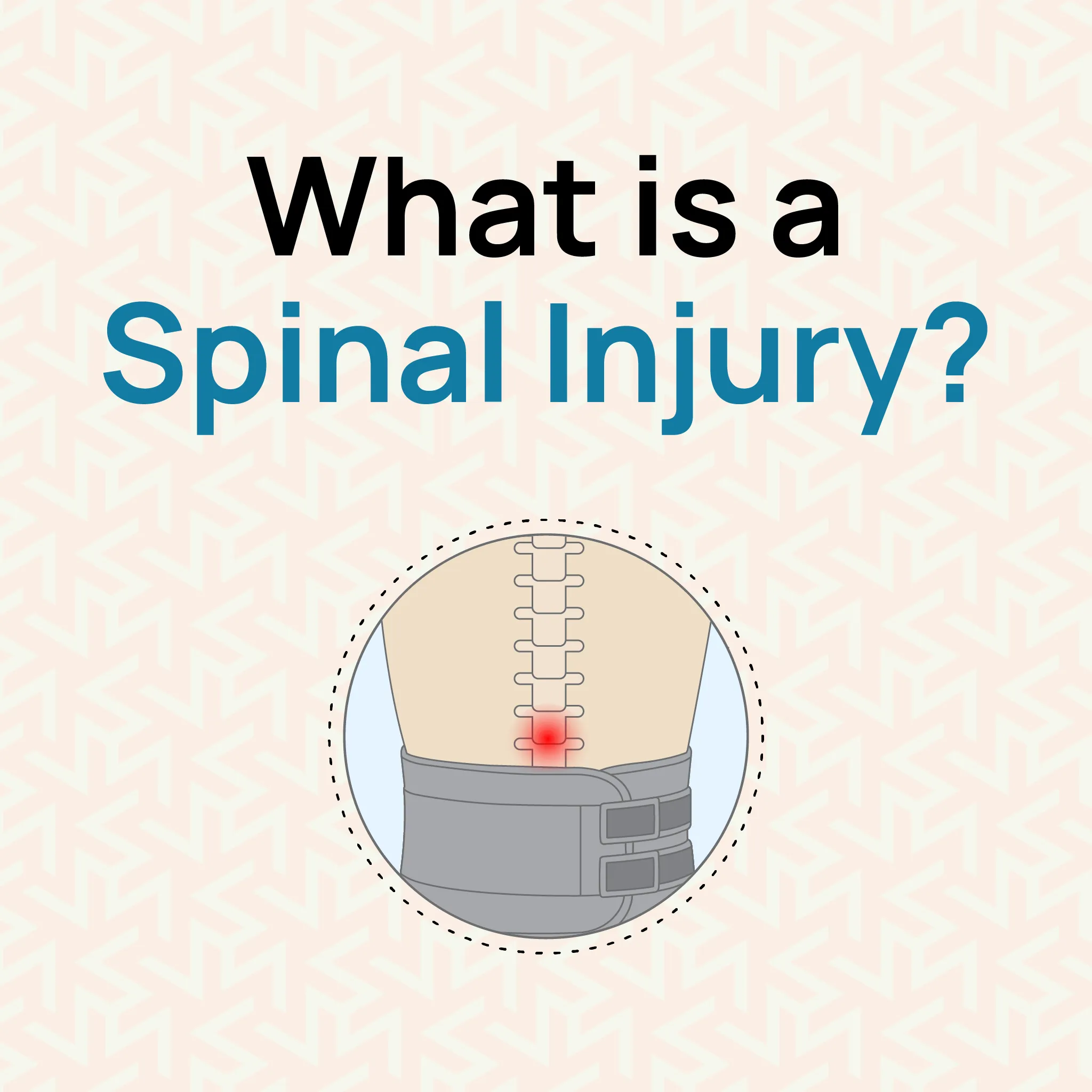
A First Aider�s Guide to Spinal Injuries
Spinal injuries can be life-threatening, so knowing how to act quickly and correctly in an emergency is vital. Whether you�re at home, at work, or outdoors, this guide will walk you through the key first aid steps and how to spot the signs of a spinal injury to help prevent further damage.What is a Spinal Injury?Spinal injuries happen when the spine or spinal cord is damaged, and they may lead to serious issues like paralysis. Because these injuries often happen without warning and can cause lasting disability, it�s vital to act quickly and correctly to prevent further harm. In the event of a spinal injury, understanding the importance of first aid training could mean the difference between recovery and permanent disability, or even life and death.Recognising the Symptoms of a Spinal InjuryUnderstanding what to look for in a potential spinal injury can help you respond more effectively. Below are some of the most common symptoms to be aware of in such situations.Neck or back pain or tenderness (especially in the spinal region).Difficulty moving limbs or inability to move.Numbness or loss of sensation in the arms, legs, or other body parts.Weakness or loss of coordination in the limbs.Paralysis (partial or complete, depending on the severity of the injury).Loss of bowel or bladder control.Breathing difficulties or trouble with respiration.Sharp or stinging pain in the neck or back.Muscle spasms in the back or limbs.Loss of consciousness or altered mental state (due to shock or head injury).Loss of sensation in the limbs.Deformity or abnormal positioning of the head, neck, or back.Unconsciousness or drowsiness.Common Causes of Spinal InjurySpinal injuries often result from sudden, forceful events that impact the spine or the structure surrounding the spine. The most common causes include:Falls: Especially from height, down stairs, or falling awkwardly during everyday activities. Older adults and people working at heights are particularly vulnerable.Road Traffic Accidents: High-speed collisions or sudden deceleration in a vehicle can cause severe spinal trauma.Motorcycle Accidents: Being thrown off or falling from a motorcycle frequently leads to back and spinal injuries, especially without proper protection.Sports Injuries: Contact and high-impact sports like rugby, diving, or horse riding can stress the spine significantly.Falling Objects: A heavy object hitting the back, every day in construction and warehouse settings, can result in spinal fractures or compression injuries. .main{ border:3px solid #0f7c90; border-radius:20px; position: relative; font-family:roboto; font-weight: 400; color: #000; } .main-two{ position: absolute; top:-25px; left:45px; background-color:white; } .img-div{ border-radius : 100%; padding:2px 7px; background-color:#0f7c90; margin-right:5px; width: 50px; height: 50px; } .img{ width:30px; object-fit:contain; height:auto; border-radius : 100%; } @media only screen and (max-width: 600px) { .heading{ font-size:20px; } .img{ width:20px; object-fit:contain; height:auto; border-radius : 100%; } .img-div{ width: 40px; height: 40px; } .main-two{ left:25px; } } Put Your First Aid Knowledge into Practice by enrolling in a course today! Our First Aid courses equip you to handle critical situations, including spinal injury management, and enhance workplace safety. Build confidence and expertise with Emergency First Aid at Work (EFAW) and Level 3 First Aid at Work meeting UK legal requirements. Step-by-Step Guide: How to Give First Aid for a Suspected Spinal InjuryIf you suspect someone has a spinal injury, giving the right first aid can make a big difference. Follow these step-by-step instructions to protect their spine and keep them safe until emergency help arrives.StepsActionDetails1Reassure and keep still.Tell the casualty not to move unless there�s immediate danger. Call 999 or 112, or ask someone else to call.2Support the head and neck.Kneel behind their head. Hold both sides of the head with fingers spread (don�t cover ears). Keep head, neck, and spine aligned.3Use rolled blankets for supportAsk a helper to place rolled blankets/towels on either side of the head to keep it steady in a neutral position.4Monitor breathing and responsivenessKeep checking their breathing and level of response while waiting for emergency services.5Open the airway with the jaw thrustPlace fingertips at the jaw angles and gently lift the jaw to open the airway; do not tilt the neck.6Check breathing for 10 secondsLook, listen, and feel for breathing by placing your ear near their mouth and looking down their body.7If breathingContinue supporting the head and monitor their breathing and response until help arrives.8If not breathingConfirm emergency call, start CPR immediately (if trained), and ask for a defibrillator (AED) if available.Recovery Position: When It�s the Only OptionIn most cases of suspected spinal injury, the casualty should not be moved to avoid worsening the injury. However, if they�re unresponsive and not breathing normally, and you can�t maintain an open airway, you may need to place them in the recovery position. This involves gently rolling the person onto their side, keeping the head, neck, and spine aligned as much as possible, with the head tilted slightly to keep the airway open. In such emergencies, ensuring the casualty is breathing takes priority over spinal stability. Simple Safety Measures to Avoid Spinal InjuryPreventing spinal injuries is about being mindful in everyday activities and making safe choices. Here are some simple steps you can take to protect your spine:Wear your seatbelt: Always buckle up, whether driving or riding in the car. It�s your first line of defence in a crash.Lift smart: When lifting heavy objects, bend your knees instead of your back. Keep the object close to your body and avoid twisting as you stand.Make your home fall-proof: Secure loose rugs, install handrails on stairs, and use non-slip mats in bathrooms to reduce the risk of falls.Stay active: Regular exercise helps strengthen your core muscles, supporting your spine. Even simple activities like walking or swimming will help keep your back healthy.Suit up for sports: Wear protective gear when playing or participating in recreational activities. Helmets and pads are essential in preventing serious injury.Think before you dive: Always check the water depth before diving. Avoid diving into shallow water to prevent spinal injuries.Keep kids safe: Ensure children use the appropriate car seats for their size and age, and always supervise them during rough play or at the playground.Not sure where to start? This infographic summarises the top four ways to protect your spine daily. ConclusionKnowing the signs of a spinal injury and how to respond quickly can help prevent serious harm. First aid training gives you the confidence to act fast in emergencies, and that can save lives. Simple everyday habits like wearing a seatbelt, lifting safely, and staying active all help protect your spine. A little care now can make a big difference later.Frequently Asked QuestionsWhat is the recovery position?The recovery position keeps the airway clear in someone who is unconscious but breathing. It involves gently rolling them onto their side with their head tilted back. If a spinal injury is suspected, only use it if absolutely necessary, such as if they�re vomiting or having trouble breathing. You�ll learn how to respond safely in situations like this in our First Aid at Work course.What should you not do if someone has a spinal injury?Don�t move them unless there�s an immediate danger. Avoid twisting their spine, removing helmets, or allowing them to sit up, stand, or walk, these actions could cause further harm.What are the signs of a spinal injury?Watch for neck or back pain, numbness, tingling, weakness, or difficulty moving limbs. Loss of sensation or control in the arms or legs can also be a sign. Always treat these symptoms seriously.What should you know about spinal injury first aid?Keep the person still, support their head and neck, and call 999. Only move them if they�re in danger or their airway is blocked. Reassure them and monitor their breathing until help arrives.Explore Popular First Aid Courses at HurakLooking to boost your skills? Explore our range of first aid courses to find the right one for you.Here are some of our most popular first aid courses to help you stay prepared:Emergency First Aid at Work (1 Day): A one-day course covering essential life-saving skills, including CPR, choking, bleeding control, and managing emergencies. Ideal for low-risk workplaces.First Aid at Work (3 Days): A comprehensive three-day training that prepares you to respond to a wide range of injuries and illnesses in the workplace. Meets HSE requirements for high-risk environments.Paediatric First Aid (2 Days): Designed for those working with infants and children. Covers child-specific emergencies like choking, febrile seizures, allergic reactions, and more.Basic First Aid Course: Perfect for general awareness. It covers basic skills like dealing with minor wounds, burns, shock, and fainting and is suitable for non-workplace settings.Advanced First Aid Training: Intended for those needing higher-level skills. Includes oxygen administration, advanced trauma management, and secondary assessments.First Aid for Mental Health: Focuses on identifying, understanding, and supporting individuals with mental health conditions. Covers stress, anxiety, depression, and early intervention strategies.
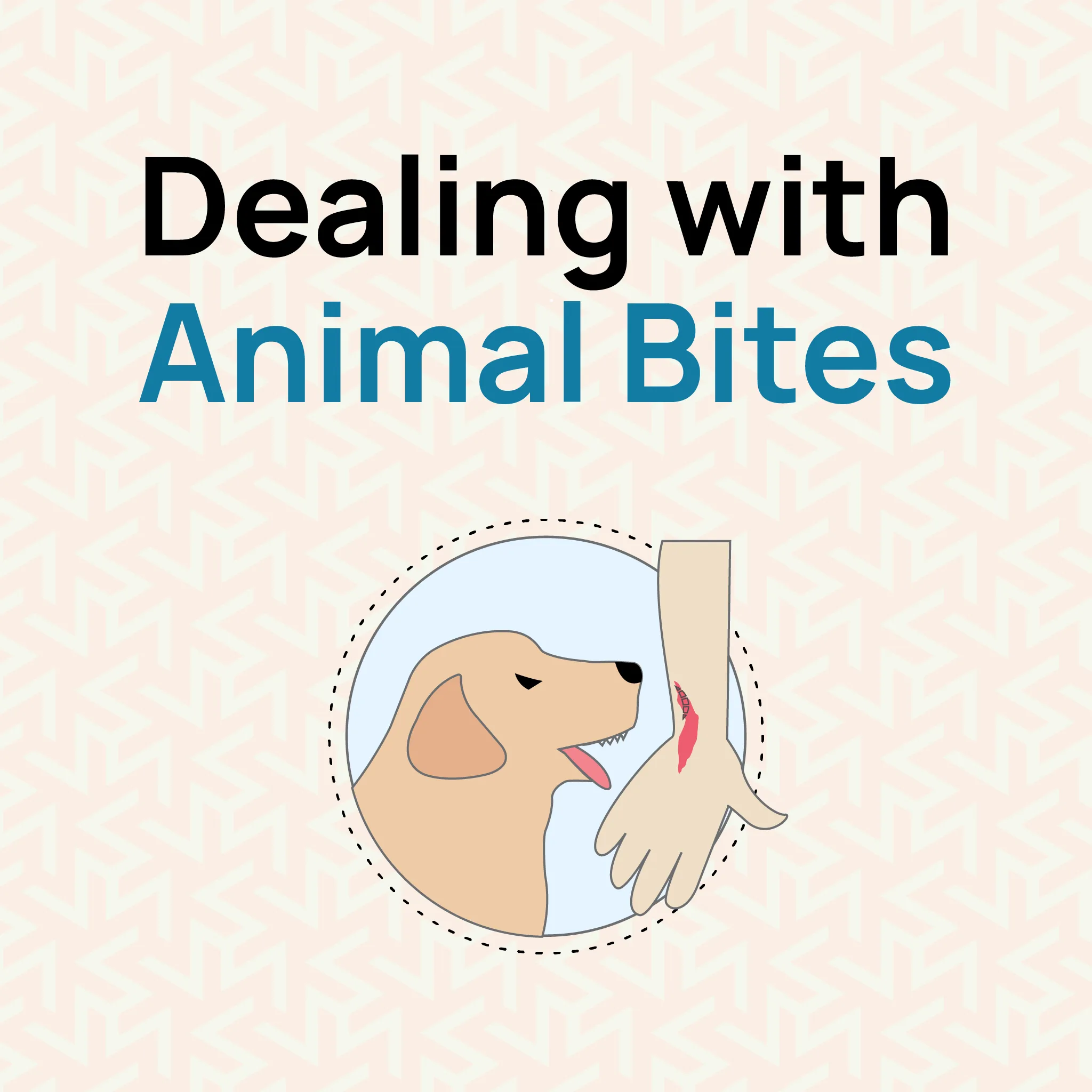
Dealing with animal bites: emergency first aid guide
Animal bites, ranging from minor scratches to severe wounds, are common injuries. Whether caused by pets or wild animals, quick and proper first aid treatment is crucial to prevent infections and complications.Why Immediate First Aid for Animal Bites is ImportantAnimal bites can range from mild to severe, and if not treated promptly, they may lead to infections, particularly in the case of dog or rodent bites. In rare situations, this can result in complications like hydrophobia. Acting quickly with the right first aid response can significantly reduce the risk of infection. Having the appropriate skills through an Emergency First Aid at Work course can make a real difference in managing such incidents until professional help is available.Animal Bite Symptoms You Shouldn�t IgnorePuncture wounds, cuts or scratches.Bleeding that may be heavy or persistent.Swelling, redness, or warmth around the bite.Severe pain at the site.Pus or drainage.Fever or flu-like symptoms.Immediate Steps to Treat an Animal BiteIf you or someone else is bitten, follow the quick steps:Clean the wound: Rinse thoroughly with soap and running water to remove bacteria.Stop the bleeding: Apply gentle pressure with a clean cloth or bandage.Cover the bite: Use a sterile dressing to protect the area.Seek medical help: Get checked, especially if the wound is deep, swollen, or shows signs of infection.Quick Guide: Steps to Take After an Animal BiteExplore our First Aid courses to learn practical, hands-on techniques for treating injuries, including animal bites. Whether you're at work, home, or outdoors, the proper training could make all the difference.Different Types of Animal BitesAnimal bites, whether from pets or wild animals, can vary in severity and pose different risks. It's crucial to understand the type of bite and how to respond appropriately to avoid complications like infections or diseases. In this guide, we�ll explore the different types of animal bites, their associated risks, and the first aid steps needed to treat them effectively. For more on managing bleeding, check out our First Aid for Severe Bleeding - Treatment and Tips, and learn how to dress a wound for effective care appropriately.Types�Key factorsFirst Aid TipsDog bites�Common and often severe due to the strength of a dog�s jaws.Clean the wound, apply pressure, and seek medical attention.Cat bitesMore likely to cause infections.Clean immediately, apply antiseptic and seek and monitor for infection.Rodent bitesUsually small, associated with rabies.Clean thoroughly, and seek medical advice for rabies prevention.Wild animal bitesHigh risk of rabies and other infections.Seek emergency medical help immediately.Simple Ways to Prevent Animal BitesBy following a few practical habits and safety tips, you can significantly reduce the risk of getting bitten, whether you're at home, outdoors, or at work.Stay calm around animals: Sudden moves can scare them and trigger a bite.Don�t pet animals you don�t know: Even cute pets can react unpredictably if they feel threatened.Teach kids to be gentle and respectful with animals: It�s one of the best ways to keep them safe.Keep your pets healthy and vaccinated: A well-cared-for pet is less likely to bite.Wear gloves when handling animals at work: It�s a simple step that can protect you from scratches and bites. ConclusionAnimal bites can pose serious risks, potentially leading to infections or more severe complications. Understanding proper first aid techniques and acting quickly can significantly reduce these risks and help prevent further harm. Whether it's a pet or a wild animal, knowing what to do in the event of a bite can make all the difference. By gaining the right skills through first aid courses, you can be better prepared to handle such emergencies safely and effectively.Frequently Asked QuestionsWhat antibiotics should I take for animal bites?Doctors commonly use antibiotics for animal bites to prevent or treat infection. Always consult a healthcare professional for the correct antibiotic and dosage.Are tetanus and animal bites the same thing?No, tetanus and animal bites are not the same thing. Tetanus is a severe infection caused by a specific bacterium, often entering the body through deep wounds from animal bites. Animal bites are injuries which increase the risk of tetanus if the wound is deep or contaminated.What are the worst animal bites?The most dangerous animal bites include dog bites, cat bites, and wild animal bites, especially from bats, raccoons, and snakes.Explore Our Other First Aid CoursesAt Hurak, we offer a comprehensive range of first aid courses tailored to various needs and environments. Whether you're looking to expand your skills or renew your certification, we have options to suit you:First Aid at Work (3 Days): A comprehensive course for high-risk environments, including construction and healthcare.Paediatric First Aid (2 Days): Focused on emergency situations involving infants and children.Mental Health First Aid: Equips you to support individuals experiencing mental health issues.First Aid at Work Requalification (FAWR): A two-day refresher course for those needing to renew their First Aid at Work certificate.