

Common Bricklaying Mistakes (And How to Fix Them)
Even the most experienced bricklayers make mistakes, especially when working under pressure. Whether it�s something as simple as misjudging mortar consistency or skipping key prep steps, small errors can quickly turn into big problems if left unchecked.Here�s what you need to know about the most frequent issues in brickwork and how to get it right, from uneven brickwork to repointing issues, we�ll walk you through what to watch out for, how to correct poor habits, and why improving your technique matters for both quality and safety. Think of this as a quick check-in on what to avoid and how to maintain your bricklaying skills.Why Avoiding Mistakes MattersIn bricklaying, precision isn�t just about appearances, it affects the strength, safety, and durability of the entire structure. Poor workmanship can compromise structural integrity, reduce weather resistance, and lead to long-term issues that require costly repairs. Even small errors, when repeated, can set you back professionally and result in rework. Whether you�re just starting out or have years of site experience, many bricklaying mistakes stem from the same causes: rushing, skipping important checks, or not fully understanding the process. The good news is that most of these can be avoided with the right knowledge and habits.In the sections that follow, we�ll break down these common mistakes and show you how to fix, or better yet, avoid them altogether.Incorrect mortar mixingOne of the most frequent issues is incorrect mortar mixing. Too much water, not enough cement, or inconsistent batches can all weaken the mix and cause premature cracking. Using clean materials and sticking to proper ratios is key. Mix in small batches so the mortar remains workable, and always pay attention to consistency, it�s the foundation of everything that follows.Drainage and Clean-UpWhile focusing on structure, many bricklayers overlook the importance of drainage or fail to remove excess mortar. Water trapped without proper drainage can slowly damage the wall from within, while dried mortar on bricks makes the finish look rushed and unprofessional. Always plan for water runoff and wipe away spills before they set.Misaligned or uneven bricksAnother issue is misaligned or uneven brick courses. Even if you�re working quickly, it�s important to use a spirit level and string line frequently to keep things straight. A single slanted course can throw off an entire wall, leading to a finished product that looks unprofessional and may need reworking.Skipping wall ties or reinforcementSkipping wall ties or reinforcement is a structural mistake that can seriously weaken a wall, especially in cavity construction. It�s essential to check the building plans for tie spacing, embed them correctly, and ensure they�re aligned properly. Overlooking this step compromises the wall�s stability and longevity.Leaving out expansion jointsSometimes, it�s what you don�t include that causes problems like leaving out expansion joints. These small gaps are critical for absorbing movement caused by temperature changes or settling. Without them, walls can crack over time, especially on long or exposed surfaces.Poor weather planningPoor weather planning is another common pitfall. Cold, wet, or windy conditions can interfere with mortar setting and brick adhesion. Working in unsuitable weather or failing to protect fresh work can lead to frost damage or weakened bonds. Always check site conditions and be prepared to adapt; sometimes, waiting a day can save days of repair.Improper joint toolingWhen it comes to finishing, improper joint tooling, especially during repointing work, can lead to both aesthetic and functional issues. Tooling too early, leaving gaps, or applying uneven pressure can weaken the joint or lead to moisture ingress. The trick is to let the mortar cure slightly before striking, ensuring full, clean, and uniform joints.Poor Repointing TechniquesMistakes like raking out too deeply, using the wrong mortar mix, or striking too early can lead to weak joints and moisture ingress. If repointing is done poorly, the whole wall can deteriorate faster than it should. �Read our full guide on Brickwork Repointing Mistakes and How to Get It RightIgnoring drawings or building regulationsIgnoring drawings or building regulations is another common error that often leads to problems down the line. Misplacing damp-proof courses, getting cavity widths wrong, or misaligning openings can all result in failed inspections or the need for costly corrections. Double-checking plans before and during your build helps avoid these headaches.Inconsistent perp jointsInconsistent perp joints, the vertical gaps between bricks, may seem like a small detail, but they can make good brickwork look messy. Using gauges or spacers and taking the time to align each brick properly leads to a more professional finish.Overworking laid bricksThere�s also the habit of overworking laid bricks. Tapping or adjusting bricks after placement might seem harmless, but it can break the mortar bond and reduce strength. It�s better to take your time placing the brick correctly the first time, instead of correcting it later.Rushing the jobFinally, rushing the job is a mistake that leads to many of the issues listed above. From uneven courses to incomplete joints, trying to move too fast usually costs more time in the long run.Bricklaying rewards a steady rhythm, one that comes from experience, not speed alone. If you want to work on UK construction sites, getting a CSCS card is essential for most bricklaying jobs. Here�s how to get your Bricklayer CSCS Card.Turn Experience Into Certification and Lay the Foundation for Your Bricklaying CareerAlready working on-site? Get officially recognised with the NVQ Level 2 in Bricklaying practical, respected, and built for professionals like you.Get Certified with NVQ Level 2Ready to Lead and Take On Bigger Projects?The NVQ Level 3 Diploma in Bricklaying is built for skilled tradespeople looking to move into supervisory roles, tackle complex builds, and grow their career in construction.�Take the Lead with NVQ Level 3ConclusionBricklaying is as much about avoiding errors as it is about getting the basics right. From mixing mortar correctly to maintaining level brick courses, every decision on site impacts the strength, safety, and appearance of the final build. Mistakes like skipping expansion joints, repointing poorly, or misreading drawings can seem small in the moment but lead to significant consequences later.The best bricklayers are those who keep learning, stay precise under pressure, and understand the �why� behind every task, not just the �how.�Need Help Getting Your Bricklaying CSCS Card?If you�re unsure about the process or need to book your NVQ Level 2 or 3 in Bricklaying, contact Hurak at 0333 344 1293.We offer a wide range of trade-specific NVQs and provide full support with CSCS card applicationsFrequently Asked Questions on BricklayingWhy is mortar mix consistency so important?If your mortar is too wet or too dry, it won't bond properly with the bricks. This can lead to weak joints, cracks, or crumbling over time. Always follow the recommended mix ratio and use clean, consistent materials.What happens if you don�t use expansion joints in a wall?Without expansion joints, brickwork can crack as it expands and contracts with temperature changes. They�re especially important in long or exposed walls.How can weather impact bricklaying?Wet, cold, or windy conditions can cause mortar to dry too slowly or too quickly, weakening the bond. It�s important to plan ahead and use protective covers or additives when needed.How do I keep brickwork level and neat?Use a string line, spirit level, and brick gauge consistently. It takes practice, but attention to detail is what separates neat, professional brickwork from amateur jobs.Advance Your Career with These Popular Construction NVQsLevel 2 NVQs (Blue CSCS Card � Skilled Worker)These are ideal if you�re early in your career or want to get formally recognised for your current skills:NVQ Level 2 in Bricklaying�NVQ Level 2 in StonemasonryNVQ Level 2 in PlasteringNVQ Level 2 in CarpentryNVQ Level 2 in Wall and Floor TilingNVQ Level 2 in Roofing OccupationsNVQ Level 2 in Painting and DecoratingNVQ Level 2 in Passive Fire ProtectionLevel 3 NVQs (Gold CSCS Card � Advanced Worker/Supervisor)Perfect if you�re experienced and ready to lead on-site or take on complex projects:NVQ Level 3 in Bricklaying�NVQ Level 3 in Stonemasonry � Banker MasonryNVQ Level 3 in Stonemasonry � Memorial MasonryNVQ Level 3 in PlasteringNVQ Level 3 in Roofing OccupationsNVQ Level 3 in Wall and Floor TilingNVQ Level 3 in Painting and DecoratingEach of these NVQs can be completed through an on-site assessment, so you don�t have to stop working to qualify. Take the next step in your trade and stay competitive in the construction industry.
SSSTS vs SMSTS: Which Qualification Is Right for You?
As part of its Site Safety Plus Scheme, the CITB offers both the SSSTS and SMSTS courses to raise health and safety standards across UK construction sites. While the SSSTS course is designed for site supervisors, the SMSTS course is aimed at site managers and those progressing into management roles. In this guide, we�ll break down the key differences between the two and help you decide which qualification best suits your role and career goals.What Is the SSSTS Course?SSSTS stands for Site Supervisors� Safety Training Scheme. It�s a recognised health and safety qualification designed for individuals who have, or are about to take on, supervisory responsibilities within the construction industry. Completing the SSSTS course shows that a supervisor understands their legal duties, can effectively manage health and safety on-site, and can ensure their team follows safe working practices.Want to explore more advantages of the SSSTS course? Read our full guide on the benefits of SSSTS training. div.wpforms-container-full .wpforms-form label.wpforms-error{ display: none; } /* The Modal (background) */ .ebook-modal { display: none; position: fixed; z-index: 9999; left: 0; top: 0; width: 100%; height: 100%; overflow: auto; background-color: rgba(0,0,0,0.6); } /* Modal Content */ .ebook-modal-content { background-color: #fff; margin: 80px auto; padding: 30px; border-radius: 8px; width: 80%; /* Large screen width */ max-width: 800px; position: relative; display: flex; flex-direction: column; align-items: stretch; box-sizing: border-box; } /* Modal Header */ .ebookModal-header{ color: #0f7c90; font-size: 28px; margin-bottom: 20px; text-align: center; } /* Close button */ .ebookModal-close{ color: #aaaaaa; font-size: 24px; font-weight: bold; cursor: pointer; position: absolute; top: 15px; right: 20px; } .ebookModal-close:hover{ color: #000; } /* WPForms Submit Button inside modal */ div.wpforms-container-full .wpforms-form input[type=submit], div.wpforms-container-full .wpforms-form button[type=submit], div.wpforms-container-full .wpforms-form .wpforms-page-button { width: 100% ; border-radius: 8px; border: 1px solid #ddd; font-size: 1em; font-family: inherit; padding: 10px 25px; background: #0f7c90; color: #fff; margin-top: 20px; align-self: center; position: relative; /* inside modal content */ } /* Responsive */ @media (max-width: 768px){ .ebook-modal-content { width: 70%; padding: 20px; } .ebookModal-header { font-size: 22px; } } × Download our SSSTS Test Prep Book for free! [wpforms id="32386" title="false"] #myImgSSSTS{ cursor: pointer; } Who is the SSSTS qualification for?Site supervisorsTeam leadersForemenGangersWorkers preparing to move into a supervisory roleWhat topics are covered in SSSTS?The Health and Safety at Work ActSpecific site issues that challenge supervisors on a daily basisEffective toolbox talksSupervision of occupational healthBehavioural safetySSSTS RefresherThe SSSTS qualification is valid for five years. To maintain your certification and continue supervising on construction sites, you must complete a one-day SSSTS Refresher course before your certificate expires. What Is the SMSTS Course?SMSTS stands for Site Management Safety Training Scheme. It�s a recognised qualification for site managers, project leads, and senior supervisors who are responsible for planning, organising, monitoring, and managing teams on construction sites. The SMSTS course demonstrates that an individual understands their legal responsibilities and is capable of managing site-wide health and safety to industry standards. div.wpforms-container-full .wpforms-form label.wpforms-error{ display: none; } /* The Modal (background) */ .ebook-modal { display: none; position: fixed; z-index: 9999; left: 0; top: 0; width: 100%; height: 100%; overflow: auto; background-color: rgba(0,0,0,0.6); } /* Modal Content */ .ebook-modal-content { background-color: #fff; margin: 80px auto; padding: 30px; border-radius: 8px; width: 80%; /* Large screen width */ max-width: 800px; position: relative; display: flex; flex-direction: column; align-items: stretch; box-sizing: border-box; } /* Modal Header */ .ebookModal-header{ color: #0f7c90; font-size: 28px; margin-bottom: 20px; text-align: center; } /* Close button */ .ebookModal-close{ color: #aaaaaa; font-size: 24px; font-weight: bold; cursor: pointer; position: absolute; top: 15px; right: 20px; } .ebookModal-close:hover{ color: #000; } /* WPForms Submit Button inside modal */ div.wpforms-container-full .wpforms-form input[type=submit], div.wpforms-container-full .wpforms-form button[type=submit], div.wpforms-container-full .wpforms-form .wpforms-page-button { width: 100%; border: 1px solid #ddd; border-radius: 8px; font-size: 1em; font-family: inherit; padding: 10px 25px; background: #0f7c90; color: #fff; margin-top: 20px; align-self: center; position: relative; /* inside modal content */ } /* Responsive */ @media (max-width: 768px){ .ebook-modal-content { width: 70%; padding: 20px; } .ebookModal-header { font-size: 22px; } } × Download our SMSTS Test Prep Book for free! [wpforms id="32373" title="false"] #myImgSMSTS{ cursor: pointer; } Who is the SMSTS qualification for?Site managersAssistant or trainee site managersProject leads and site agentsExperienced supervisors moving into management rolesHealth and safety managers within constructionWhat topics are covered in SMSTS?The Health and Safety at Work ActCDM (Construction Design and Management) RegulationsRisk assessments and method statementsSite set-up, management, and environmental controlsWorking at height and demolition safetyToolbox talks and effective communicationOccupational health and behavioural safetyRoles and legal duties of managersSMSTS RefresherLike the SSSTS, the SMSTS qualification is also valid for five years. You�ll need to complete a two-day SMSTS refresher course before it expires to stay certified. SSSTS vs SMSTS: What Are the Key Differences?Not sure which course is right for your role? The table below breaks down the key differences between SSSTS and SMSTS, so you can quickly compare their purpose, duration, content, assessment, and more.FeatureSSSTSSMSTSTarget AudienceSite supervisors, team leaders, foremenSite managers, project leads, senior supervisorsPurposeTo provide health & safety training for those supervising site activitiesTo equip managers with tools to plan, monitor, and manage site safetyDuration2 days5 days (or spread out over weekends/5 weeks)Content FocusSupervisory responsibilities, site inductions, toolbox talksCDM regulations, site set-up, demolition, risk management, communicationAssessment25-question exam (22 multiple choice, 3 written) � 30 mins, 80% pass mark25-question exam (18 multiple choice, 7 written) � 35 mins, 81% pass markValidity5 years5 yearsRefresher Requirement1-day SSSTS Refresher before expiry2-day SMSTS Refresher before expiryPriceStarts from �249 (1-day refresher: ~�195)Starts from �449 (2-day refresher: ~�289)* Prices are correct at the time of writing and may vary depending on location, delivery method, or promotional offers. Check our course pages for the most up-to-date pricing information.Which Qualification Do I Need - SSSTS or SMSTS?Choosing between SSSTS or SMSTS depends on your current role, the level of responsibility you hold on-site, and where you want to take your career. Below is a quick guide to help you make the right decision based on your day-to-day responsibilities.Choose SSSTS if you�Work as a site supervisor, foreman, team leader, or gang leaderAre responsible for ensuring others follow health and safety rulesDeliver toolbox talks or conduct site inductionsMonitor small teams or sections of the siteNeed a qualification that proves your supervisory-level health and safety knowledgeWant a more affordable, shorter option that won�t require taking five full days off workChoose SMSTS if you�Are a site manager, project lead, site agent, or moving into a management rolePlan and organise work for multiple teams or subcontractorsOversee site-wide safety, documentation, and legal complianceNeed to understand CDM regulations, risk management, and site set-upWant a qualification that�s widely required for managerial roles in constructionIf you�re still unsure which course is the best fit for you, feel free to contact us � our team can help you choose the right option based on your current role and goals.? Get Ready with Free SMSTS and SSSTS Mock TestsPractising before your exam can make a big difference. You can use our free SMSTS & SMSTS Refresher mock test and SSSTS & SSSTS Refresher mock test to get familiar with the format, build confidence, and improve your chances of passing on the first try.Book Your SSSTS or SMSTS Course With HurakWhether you�re ready to take the next step or still deciding, we offer flexible options to suit your role, schedule, and learning style. All of our courses are CITB-approved, taught by qualified tutors, and available both online and in-person.Explore Our CITB SSP Courses:SSSTS Course � For supervisors, team leaders, and foremenSMSTS Course � For site managers and project leadsSSSTS Refresher � 1-day renewal course for supervisorsSMSTS Refresher � 2-day renewal course for managersAll courses come with weekday, weekend, and fast-track options, so you can train on your terms.Frequently Asked Questions (FAQS)What does SMSTS stand for?SMSTS stands for Site Management Safety Training Scheme. It�s a CITB-recognised qualification designed for site managers, project leads, and those responsible for overseeing health and safety on construction sites.What does SSSTS stand for?SSSTS stands for Site Supervisor Safety Training Scheme. It�s aimed at site supervisors and team leaders who are responsibleHow long does SSSTS last?The SSSTS certificate is valid for five years from the date you complete the course. To stay certified, you�ll need to pass the 1-day SSSTS Refresher course before it expires.How long does SMSTS last?Your SMSTS certificate lasts for five years. To renew it, you�ll need to complete the SMSTS Refresher course before it expires.What is better � SSSTS or SMSTS?It depends on your role. SMSTS is considered a higher-level qualification than SSSTS, as it�s designed for site managers and covers broader responsibilities, legal duties, and project-level planning. SSSTS, on the other hand, is aimed at site supervisors who oversee teams day-to-day. If you're wondering what is better � SSSTS or SMSTS � the right choice comes down to your current position and career goals.Can I upgrade from SSSTS to SMSTS?Yes, you can take the SMSTS course even if you�ve previously completed SSSTS. However, they are separate qualifications � SSSTS is not a prerequisite, and SMSTS does not count as a refresher or extension of SSSTS.Can I take SSSTS or SMSTS online?Yes � both SSSTS and SMSTS are available as live online courses via Zoom or similar platforms. These are delivered by approved CITB providers and follow the same structure as classroom sessions.Do I need SSSTS or SMSTS to work on a construction site?It depends on your role. While not legally required for all jobs, many employers now expect supervisors to hold SSSTS and managers to hold SMSTS for compliance and site access.Do I need to take a refresher for SSSTS or SMSTS?Yes � both SSSTS and SMSTS certificates are valid for five years, and you�ll need to complete a refresher course before your certificate expires in order to stay certified.The SSSTS Refresher is a 1-day courseThe SMSTS Refresher is a 2-day courseIf your certificate expires before you take the refresher, you�ll need to complete the full course again.Explore Other Popular Construction CoursesIf you're looking to expand your skills beyond SSSTS and SMSTS, we offer a range of CITB-recognised and industry-approved qualifications. These courses are ideal for construction professionals at various stages of their careers.CSCS Green Card Course (Level 1 Health and Safety in Construction) � For labourers and entry-level site workersNVQ Level 4 in Construction Site Supervision � For site supervisors who want to earn a CSCS Gold CardNVQ Level 6 in Construction Site Management � Ideal for experienced site managers looking to gain a CSCS Black CardTemporary Works Coordinator Course � For those managing or supervising temporary worksFirst Aid at Work � For designated workplace first aiders in constructionFire Marshal (Fire Warden) Training � For those responsible for fire safety on-site
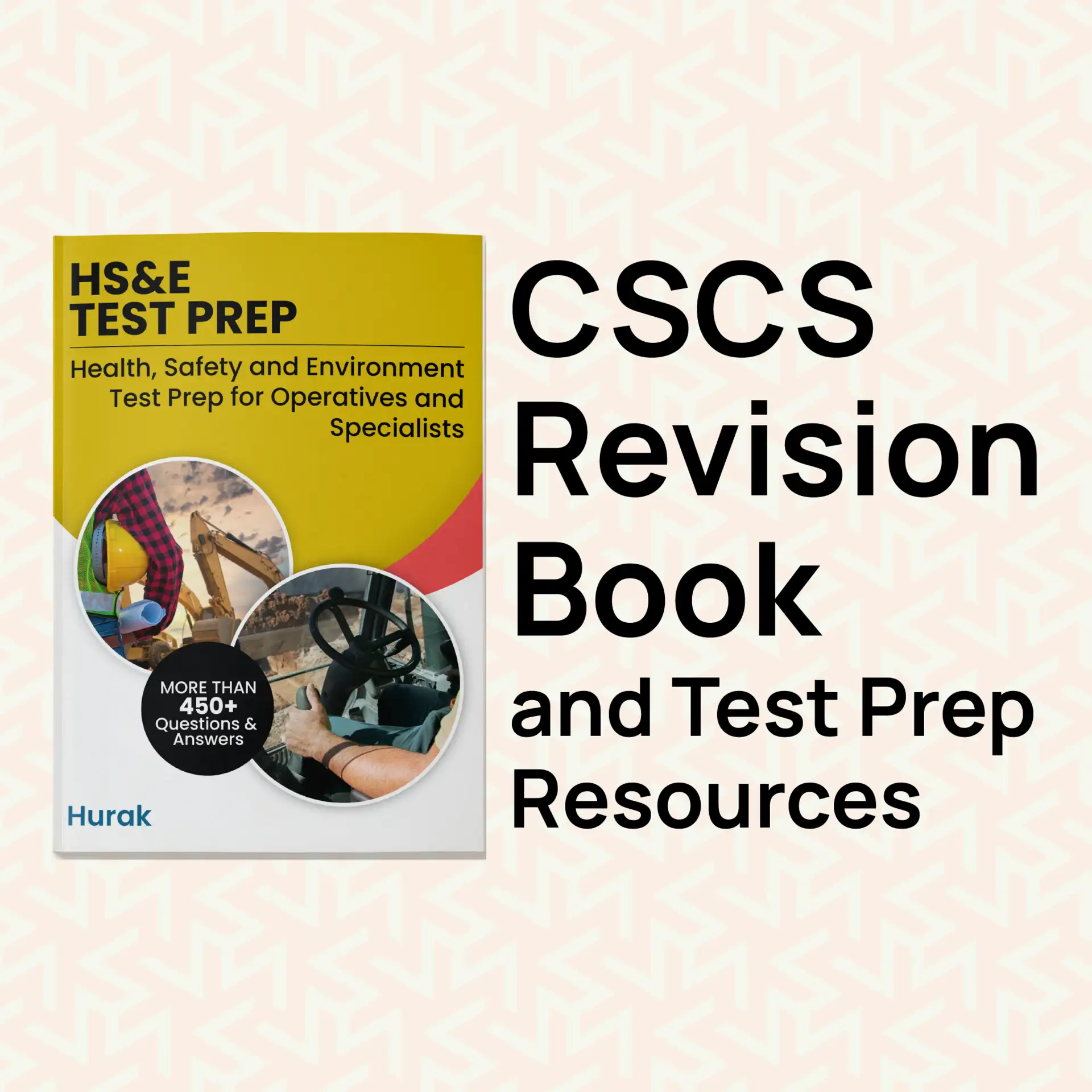
CSCS Revision Book And Resources To Pass the HSE Test
If you're planning to work on a construction site in the UK, obtaining a CSCS card is essential. To get the card, you need to pass the CSCS test, which evaluates your knowledge of health and safety regulations.Passing your CITB Health, Safety & Environment Test on the first attempt is crucial, especially if you're aiming to secure your CSCS card quickly. One of the most effective ways to prepare is by using the CSCS Revision Books, published by CITB. This essential resource gives you the tools to confidently prepare for the exam and increase your chances of passing the exam in the first attempt. Here�s how it can help you succeed and where to find useful study materials like PDFs and online practice tests.What is the CSCS Test?The CSCS test is a multiple-choice exam designed to ensure that workers understand the health and safety requirements of construction sites. It consists of 50 questions. You need to correctly answer at least 45 out of the 50 questions to pass the exam.What Book Do I Need to Revise My CSCS Test?The type of book you need for CSCS test revision depends on the CSCS card type you�re pursuing. Different cards are designed for various roles, each with its own requirements. Below are some of the most popular CSCS cards and the corresponding exam:Labourer Card:For workers performing general tasks on-site.Test Required: CITB Health, Safety & Environment Test for OperativesBook Needed: CITB Health, Safety and Environment Test for Operatives and Specialists Revision Book.Specialist Cards:For skilled trades such as electricians, plumbers, or steelworkers.Test Required: CITB Health, Safety & Environment Test for Specialists.Book Needed: CITB Health, Safety and Environment Test for Operatives and Specialists Revision Book.Manager and Professional (MAP) Card:For managers overseeing teams and site safety or for professionals like architects and engineers.Test Required:CITB Health, Safety & Environment Test for Managers and Professionals (MAP).Book Needed: CITB Health, Safety and Environment Test for Managers and Professionals Revision Book.Check Out Our FREE Mock Test Resources:CITB Mock Test for Operatives and SpecialistsCITB Mock Test for Managers and ProfessionalsWhy Use the CSCS Revision Book PDF Download ?The CSCS Revision Book is tailored to help you:Comprehensive Coverage: The book includes all the topics covered in the test, such as:Health and safety laws.Hazard identification.Safe working practices.Environmental issues.Practice Questions:It contains hundreds of multiple-choice questions that mirror the format of the real test.Category-Specific Questions: It includes sections for both operatives and specialists, so you can focus on the areas most relevant to your role.Understand the Exam Format: Get familiar with the types of questions you'll face in your actual exam.Topic Breakdowns: Clear sections covering every area of health, safety, and environmental knowledge needed.Answers and Explanations: Detailed answers help you understand the reasoning behind correct responses.Using the revision book allows you to study at your own pace and focus on areas where you feel less confident.Take HSE OR CSCS Mock Test Prep Online�While the book is a great foundation, But using it with online practice exams gives you an extra edge. The CITB Mock Test is a multiple-choice exam designed to ensure that workers understand the health and safety requirements of construction sites.�Moreover, using a reliable question ai tool can further improve your preparation by providing smart practice, instant feedback, and personalized learning support. It also generate more accurate and authentic answers which makes it more superior than others tools. The exam consists of 50 questions, which cover the following key areas:Health and safety practices on construction sitesSafe working practices (such as using equipment and handling hazardous materials)Environmental safety concernsYou need to correctly answer at least 45 out of the 50 questions to pass the exam. /* The Modal */ .ebook-modal { display: none; /* Hidden by default */ position: fixed; z-index: 1050; left: 0; top: 0; width: 100%; height: 100%; overflow: auto; background-color: rgba(0,0,0,0.5); justify-content: center; align-items: flex-start; /* Align to top */ padding-top: 20px; /* 20px from top */ } /* Modal Content */ .ebook-modal-content { background-color: #fefefe; padding: 30px; border: 1px solid #888; border-radius: 8px; width: 70%; max-width: 700px; position: relative; display: flex; flex-direction: column; align-items: stretch; box-sizing: border-box; margin: 0 auto; /* Center horizontally */ } /* Header */ .ebookModal-header { color: #0f7c90; font-size: 26px; margin-bottom: 20px; text-align: center; } /* Close Button */ .ebookModal-close { color: #aaaaaa; font-size: 24px; font-weight: bold; cursor: pointer; position: absolute; top: 15px; right: 20px; } .ebookModal-close:hover, .ebookModal-close:focus { color: #000; text-decoration: none; } /* WPForms submit button */ div.wpforms-container-full .wpforms-form input[type=submit], div.wpforms-container-full .wpforms-form button[type=submit], div.wpforms-container-full .wpforms-form .wpforms-page-button { border: 1px solid #ddd; font-size: 1em; font-family: inherit; padding: 10px 20px; background: #0f7c90; color: white; border-radius: 8px; width: 100%; box-sizing: border-box; margin-top: 15px; } /* Hide WPForms errors */ div.wpforms-container-full .wpforms-form label.wpforms-error { display: none; } /* Responsive */ @media (max-width: 576px) { .ebook-modal-content { width: 90%; padding: 20px; max-height: 80vh; } .ebookModal-header { font-size: 20px; } } @media (min-width: 577px) and (max-width: 1024px) { .ebook-modal-content { width: 80%; max-height: 75vh; } .ebookModal-header { font-size: 22px; } } Download our CITB Operatives and Specialists Test Prep Book for free! × [wpforms id="14869" title="false"] #myImg{ cursor: pointer; } Benefits of Taking Online Mock ExamsPractice Timing: Online mock exams help you get used to answering questions within the time limit.Immediate Feedback: See your strengths and weaknesses instantly.Build Confidence: The more you practice, the better prepared you�ll feel.This combination of revision book and digital resources ensures you�re ready for any question the exam might throw at you.Additional Revision ResourcesCSCS Revision App:If you prefer a digital option, the official CSCS revision app offers interactive practice questions and explanations.�PDF Versions:Free or paid PDF downloads of the book are also available, allowing you to revise on your phone, tablet, or computer.�CITB also offering DVD�s downloading option as well.Where to Get the Revision BookYou can purchase the official CITB Health, Safety and Environment Revision Book:Directly from the CITB website ( CITB Shop )Online retailers like Amazon or eBay.Some training centers may also provide the book as part of their courses.Why It�s ImportantUsing the correct book ensures you�re studying relevant content and practicing questions that closely match the exam format. This preparation increases your confidence and chances of passing on the first attempt.

More About CSCS Blue Card
In this blog post, we'll explore the CSCS Blue Card, why it's important, and what you need to get it. Whether you're new to construction or have been in the industry for a while, understanding the CSCS Blue Card can help you in your job. So, let's explore everything you need about this key certification for construction workers.What is a Blue CSCS Card?A Blue CSCS Card validates a construction worker's expertise and competence in their specific trade within the construction industry. It proves they have undergone training and demonstrated proficiency in plumbing, bricklaying, or other specialised tasks. This card holds significant importance as it assures employers that the holder possesses the necessary skills and knowledge to perform their job effectively and safely.Getting a Blue CSCS Card typically involves completing relevant training programmes and passing assessments tailored to the specific trade. Overall, the Blue CSCS Card is a valuable asset, enhancing employability and credibility within the construction sector.What does a Blue Card mean in construction?In construction, a Blue Card means the person holding it is skilled in a specific trade. It's a sign that they have the right training and knowledge to do their job properly. For example, someone with a Blue Card for carpentry is good at building and fixing things with wood.Employers look for workers with Blue Cards because they know they can rely on them to do quality work. So, having a Blue Card can open up more job opportunities in the construction industry.What is the benefit of a Blue CSCS Card?Holding a Blue CSCS Card in construction validates a worker's skills and knowledge in a specific trade, such as plumbing, carpentry, or bricklaying. This certification enhances employability by demonstrating to employers that the cardholder has met industry standards and can perform tasks safely and effectively.With a Blue CSCS Card, workers can access more job opportunities and earn higher wages due to their recognised expertise. Additionally, having this card may be required by employers or site managers to ensure compliance with health and safety regulations on construction sites.What qualifications do I need for a Blue CSCS Card?To get a Blue CSCS Card, you must demonstrate that you have the necessary qualifications and skills in a specific trade within the construction industry. The qualifications required can vary depending on the trade but generally include completing a recognised apprenticeship programme, vocational qualification, or a construction-related Level 2 NVQ/SVQ or SVQ at SCQF Level 5 specific to your trade.To understand essential safety practices on construction sites, you must also pass the CITB Health, Safety & Environment Test for Operatives. Once you have met these requirements, you can apply for the card through the Construction Skills Certification Scheme (CSCS) or an affiliated certification provider.How much does a Blue CSCS Card cost?The application fee for a CSCS card remains consistent across types of CSCS cards, standing at �36.However, getting a CSCS Blue Card involves additional expenses. These include the fee for obtaining a Level 2 NVQ/SVQ or SVQ at SCQF Level 5 qualification, which ranges from �300 to �1,000. Another cost is the CITB test, which costs �23.50. Combined with the CSCS Blue Card application fee (�36), these expenses estimate the overall cost of getting a CSCS card.What is the difference between a Red and Blue CSCS Card?The main difference between a Red and Blue CSCS Card lies in the level of qualification and expertise they represent. A Red CSCS Card is typically issued to individuals still undergoing training or working towards achieving a recognised construction-related qualification, such as an apprenticeship. It indicates that the holder is gaining the necessary skills and knowledge to work safely on construction sites but may still need to complete all the required training.On the other hand, a Blue CSCS Card is granted to individuals who have attained a certain level of competence in a specific trade within the construction industry. This card signifies that the holder has completed the necessary training, achieved relevant qualifications (such as a Level 2 NVQ/SVQ or equivalent), and demonstrated proficiency in their chosen trade.While a Red CSCS Card is more temporary and indicative of a learner or trainee status, a Blue CSCS Card represents a higher level of skill and readiness to work independently in construction.Is a Blue CSCS Card good?Yes, having a Blue CSCS Card is generally considered beneficial in the construction industry. Employers often prefer workers with a Blue CSCS Card because it assures them that the individual has undergone the necessary training and assessments to perform their job safely and effectively.With a Blue CSCS Card, workers can access more job opportunities, earn higher wages, and demonstrate their credibility within the construction sector. Overall, getting a Blue CSCS Card is a positive achievement and can enhance one's employability and prospects for career advancement in the construction industry.Can I get a Blue CSCS Card without an NVQ?The commonly preferred method to get a Blue CSCS Card without an NVQ is initially applying for a CSCS Red Card. Alongside this option, there are three alternative routes available:Obtaining a City & Guilds of London Institute Craft Certificate.Completing a Trailblazer Apprenticeship with CSCS Approval.Undertaking the Experienced Worker Practical Assessment (EWPA) or the On-Site Assessment (OSAT) route.How to obtain a CSCS Blue Card?There are three steps to obtain a CSCS Blue Card. However, you must have a valid CSCS Labourer Card before you apply for it.Step 1: Complete Level 2 NVQ/SVQYou must complete a construction-related Level 2 NVQ/SVQ or SVQ at SCQF Level 5. Alternatively, you can undergo an apprenticeship sponsored by an employer.Step 2: Pass a CITB HS&E Test for OperativesYou must also pass the CITB Health, Safety & Environment Test for Operatives. At Hurak Learning, we help you reserve your CITB test. It�s recommended to take a CSCS Blue Card mock test for practice before attempting a CITB test. div.wpforms-container-full .wpforms-form label.wpforms-error{ display: none; } /* The Modal (background) */ .ebook-modal { display: none; /* Hidden by default */ position: fixed; /* Stay in place */ z-index: 1; /* Sit on top */ padding-top: 100px; /* Location of the box */ left: 0; top: 0; width: 100%; /* Full width */ height: 100%; /* Full height */ overflow: auto; /* Enable scroll if needed */ background-color: rgb(0,0,0); /* Fallback color */ background-color: rgba(0,0,0,0.4); /* Black w/ opacity */ } div.wpforms-container-full .wpforms-form input[type=submit], div.wpforms-container-full .wpforms-form button[type=submit], div.wpforms-container-full .wpforms-form .wpforms-page-button { border: 1px solid #ddd; font-size: 1em; font-family: inherit; padding: 9px 31px; background: #0f7c90; color: white; /* display: flex; */ /* width: 100%; */ position: absolute; bottom: -418px; right: -150px; /* margin: auto; */ justify-content: center; align-items: center; } /* Modal Content */ .ebook-modal-content { display: flex; flex-direction: column; justify-content: space-between; align-items: baseline; background-color: #fefefe; margin: auto; padding: 31px; border: 1px solid #888; width: 30%; position: relative; } /* The Close Button */ .ebookModal-close { color: #aaaaaa; float: right; font-size: 20px; font-weight: bold; cursor: pointer; position: absolute; right: 21px; top: 10px; } .ebookModal-close:hover, .ebookModal-close:focus { color: #000; text-decoration: none; cursor: pointer; } div.wpforms-container-full { margin: 0px auto 20px;!important } .ebookModal-header{ color:#0f7c90;font-size:30px;margin:0 30px } @media (max-width:576.888px){ .ebook-modal-content { width: 90%; } } @media (max-width:768.888px){ .ebook-modal-content { width: 70%; } .ebookModal-header{ font-size:20px!important; margin:0 } } @media (min-width:768.888px){ .ebook-modal-content { width: 50%; } } @media (max-width:1024.888px){ div.wpforms-container-full .wpforms-form input[type=submit], div.wpforms-container-full .wpforms-form button[type=submit], div.wpforms-container-full .wpforms-form .wpforms-page-button { width: 100%; position: static; } .ebookModal-header{ margin:0; font-size: 25px; } } @media (max-width:1280.888px){ .ebookModal-header{ margin:0; font-size: 30px; } } @media (min-width:992px){ .wpforms-submit-spinner{ max-width: 100%!important; position: absolute!important; top:250px!important; left:150px!important; transform: translate(-50%,-50%)!important; } @media (min-width:1280.888px){ div.wpforms-container-full .wpforms-form input[type=submit], div.wpforms-container-full .wpforms-form button[type=submit], div.wpforms-container-full .wpforms-form .wpforms-page-button { border: 1px solid #ddd; font-size: 1em; font-family: inherit; padding: 9px 31px; background: #0f7c90; color: white; /* display: flex; */ /* width: 100%; */ position: absolute; bottom: -380px; right: -150px; /* margin: auto; */ justify-content: center; align-items: center; } } Download our CITB Operatives and Specialists Test Prep Book for free! × [wpforms id="14869" title="false"] #myImg{ cursor: pointer; } Step 3: Apply for a CSCS Blue CardThe final step is to apply for the card. You can do this by going to the CSCS online portal or by calling CSCS on 0344 994 4777 (8 am to 6 pm, Monday to Friday).How do I change my Green CSCS Card to Blue?To upgrade your CSCS Green Card to a Blue one, you typically need to meet the requirements for the Blue card and provide the necessary documentation. The main requirements include completing a construction-related Level 2 NVQ/SVQ or SVQ at SCQF Level 5 and passing a CITB Test for Operatives. After that, you can apply for a Blue CSCS Card. Remember, you must have a valid CSCS Green Card while applying for the Blue Card.How long does the CSCS Blue Card last?This CSCS card is valid for five years and costs �36. It requires renewal after that. To renew your CSCS Blue Card, you must have a valid CITB HS&E Test for Operatives.How to get a CPCS Blue Card?Getting a CPCS Blue card is simple. Simply follow these steps.Step 1: Already Have a Red CPCS Trained Operator CardIf you want to get a Blue CPCS Card, you must already have a CPCS Red card.Step 2: Pass the Relevant SVQ or NVQ for the Desired CategoryYou must pass the SVQ or NVQ for the category you want to apply for your Blue CPCS Card. You can choose either of the following two qualifications:Level 2 NVQ Diploma in Plant Operations (Construction)Level 2 NVQ Certificate in Plant Operations (Construction)Step 3: Pass the CITB HS&E TestPass the relevant CITB HS&E test.Step 4: Pass the CPCS Theory TestYou must pass the CPCS theory test within two years of the CITB HS&E Test.Step 5: Pass the CPCS Practical TestPass the CPCS practical test within six months of the CPCS theory test and within two years of the CITB Test.
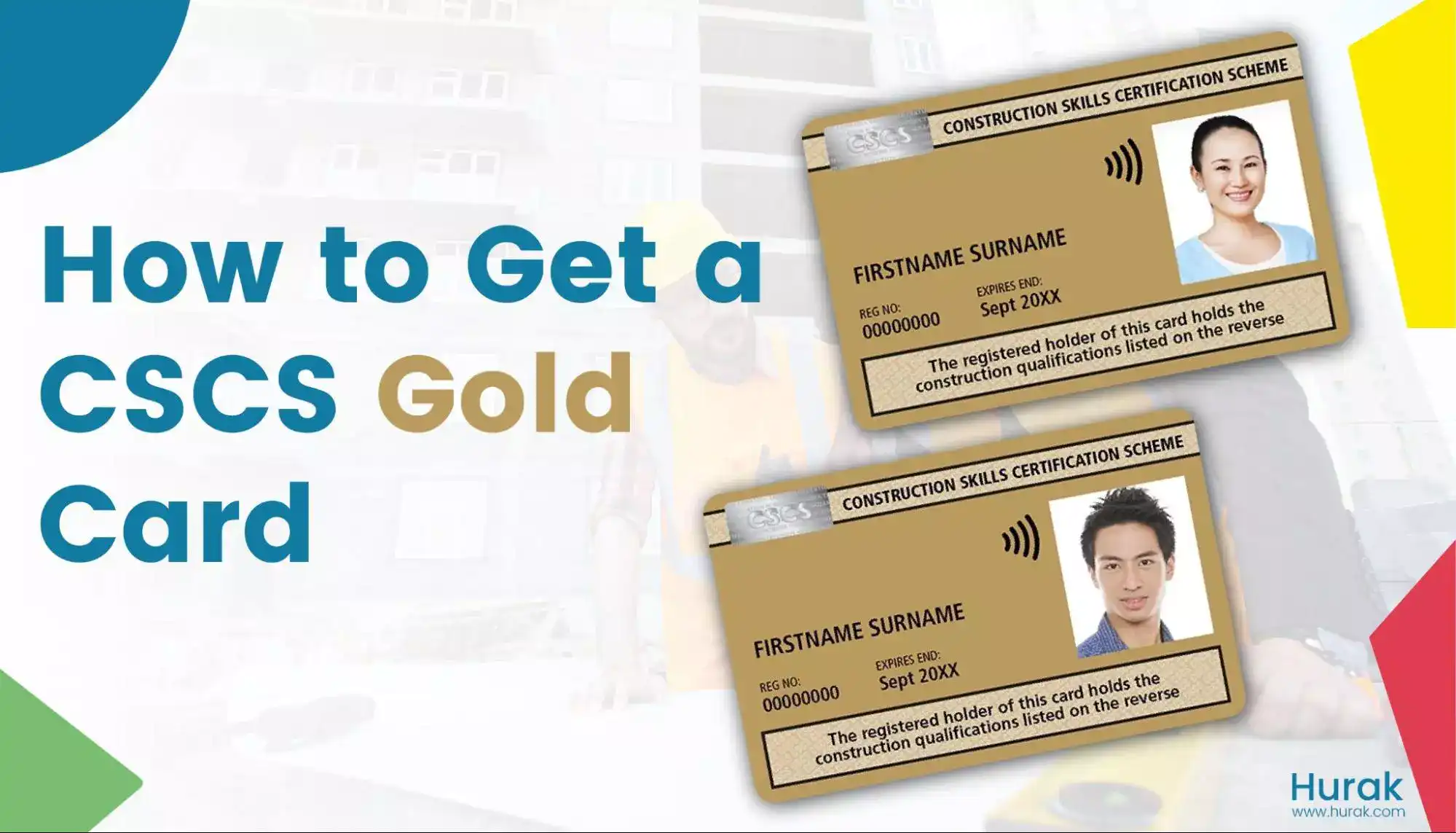
More About CSCS Gold Card
If you wish to get a CSCS Gold Card, you must have some questions. In this blog post, I�ll answer your most-asked questions related to this card. I hope this will help you learn more about it.Who is eligible for a Gold CSCS Card?The Gold CSCS Card is typically reserved for those working in managerial or supervisory roles within the construction industry. Eligibility for the Gold CSCS card usually requires possessing relevant qualifications and experience and passing the relevant CITB HS&E Test.Once an individual meets these criteria, they can apply for the card through the CSCS official website or by contacting CSCS directly. All necessary documentation and evidence of qualifications and experience must be provided to support the application. Meeting these requirements demonstrates high competence and readiness for managerial or supervisory roles within the construction industry.What is the easiest way to get a Gold CSCS Card?The easiest way to obtain a Gold CSCS Card is by meeting the eligibility criteria, including the necessary qualifications and experience. Once you meet the requirements, you can apply for the card through the CSCS website or by contacting them directly. It's important to ensure you have all the required documentation and certifications before applying.CSCS Blue vs Gold?CSCS Blue and Gold cards represent different skill levels and responsibilities within the construction industry. The Blue CSCS Card is typically for skilled workers who have completed their apprenticeships or equivalent training.On the other hand, the Gold CSCS Card is for individuals in managerial or supervisory roles with higher-level qualifications and more experience. The Gold Card signifies higher competence and responsibility than the Blue Card.Can I renew my Gold CSCS Card?Yes, you can renew your Gold CSCS card. Renewal typically involves demonstrating that you still meet the eligibility criteria for the Gold card, including having relevant qualifications and experience and passing the required CITB Test.The renewal process is similar to the initial application process, where you must provide updated documentation and evidence of your qualifications and experience. You can renew your Gold CSCS card through the CSCS website or by contacting CSCS directly.How do you qualify for Gold CSCS?There are two main requirements to qualify for the CSCS Gold Course.Requirement 1: Complete the Relevant Level 3 NVQThe first step is to complete a relevant CSCS Gold Card Course, a level 3 NVQ qualification. The following are the popular NVQs for this card.Level 4 NVQ Diploma in Construction Site Supervision (Building and Civil Engineering)Level 3 NVQ Certificate in Wall and Floor TilingNVQ Level 3 Diploma in Roofing OccupationsLevel 3 NVQ Diploma in PlasteringNVQ Level 3 Diploma in Decorative Finishing - Painting & Decorating (Construction)Requirement 2: Pass the CITB HS&E Test (Operatives & Specialists)After completing the relevant NVQ, you pass the CITB Health, Safety, and Environment test (Operatives & Specialists). Before you take the test, it�s recommended that you take a free CSCS Gold Card mock test to test your knowledge. You can take unlimited free attempts until you�re fully prepared for the real test.Please go to the CSCS online portal and apply for the card. You can also apply for the card over the phone by calling the CSCS (Construction Skills Certification Scheme) on 0344 994 4777 (8 am to 6 pm, Monday to Friday).How long does it take to get a Gold CSCS Card?Once you've applied for your Gold CSCS Card, you'll usually receive it within 3 to 5 working days. However, there's an additional step now�a Level 3 NVQ qualification, proving your construction management or supervision skills. This qualification can take longer, even if you undergo an on-site assessment. Planning for this extra time when applying for your Gold CSCS card is good.Can you get a Gold Card without an NVQ Level 3?You cannot get a Gold CSCS Card without an NVQ Level 3 or equivalent. A Gold CSCS Card typically necessitates holding an NVQ Level 3 qualification or equivalent in the relevant construction field.NVQ Level 3 certifications validate a person's competence in practical skills acquired through on-the-job experience and training. This qualification demonstrates proficiency and readiness for managerial or supervisory roles within the construction industryHow much does the Gold Card cost?The application fee for a CSCS card remains consistent across all card types at �36. Obtaining a CSCS Gold Card entails covering the expenses for the relevant NVQ or SVQ qualification, the CITB test, and the CSCS Gold Card application.Typically, enrolling on a Level 3 or 4 NVQ in construction could range from �300 to �1,000. Booking a CITB test incurs a cost of �23.50. Considering all these expenses provides an estimate of the total cost of obtaining a CSCS card.Is the Gold Card free?As mentioned above, obtaining the card typically involves a fee. However, some organisations or employers may cover the cost of obtaining or renewing CSCS cards for their employees as part of their commitment to health and safety standards within the construction industry.It's best to check with your employer or relevant authority to see if they provide assistance with CSCS card fees.Are Gold Cards hard to get?The difficulty of getting a Gold CSCS card can vary depending on individual circumstances, such as experience level, qualifications, and the availability of required training or assessments.Generally, meeting the eligibility criteria, including having the necessary qualifications and passing relevant health and safety tests, is essential for obtaining the Gold card. The process may be relatively easy for individuals with the required experience and qualifications, but it does require diligence and preparation.Is the Gold Card worth having?Whether the Gold Card is worth having depends on your specific career goals and industry requirements. The Gold CSCS card typically signifies a higher level of competency and responsibility within the construction sector, which can open up opportunities for higher-paying jobs and advancement into managerial or supervisory roles.Additionally, a Gold card demonstrates a commitment to health and safety standards, which employers and clients value. However, it may be optional if you're content with your current role and don't anticipate needing the additional privileges and responsibilities associated with the Gold card.Ultimately, it's essential to weigh the potential benefits against the time, effort, and cost involved in obtaining the Gold CSCS card to determine if it's worth pursuing for your career objectives.�ConclusionGetting a CSCS Gold Card is a significant achievement in the construction industry, indicating high competence and readiness for managerial or supervisory roles. While the process may involve expenses for the relevant NVQ or SVQ qualification and CITB test, the benefits of holding a Gold Card, such as increased job opportunities and higher pay grades, make it a worthwhile investment in one's career.
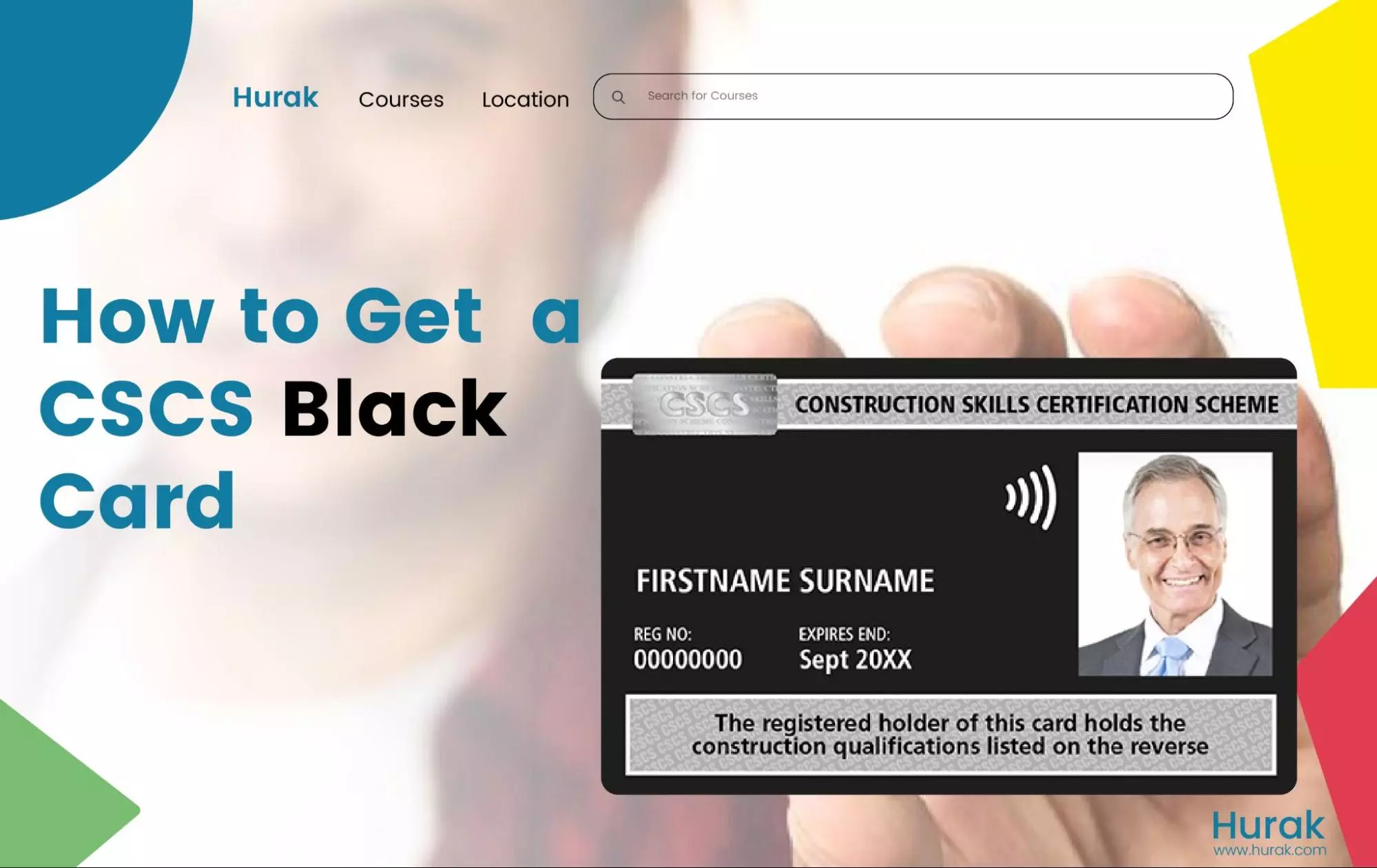
Know More About CSCS Black Card: What it Means and How to Get it
This blog will discuss the most common questions about the CSCS Black Card in construction. If you've ever wondered what it takes to get this prestigious card, how it compares to the White CSCS Card, or if it's worth the investment, you're in the right place.I'll explain the key details and help you understand why the CSCS Black Card is important in the construction industry.What qualification is a Black CSCS Card?The Black CSCS Card is not just another card in the Construction Skills Certification Scheme (CSCS) in the UK. It is a symbol of the highest level of qualification and competence within the construction industry. The path to obtaining a Black CSCS Card may differ based on the role and specialization, but the prestige it brings remains the same.To earn a Black CSCS Card, it's not just about ticking off a checklist. It's about proving your advanced skills, showcasing your extensive experience, and possibly presenting additional qualifications that are relevant to your specific role in the construction sector. This could mean achieving NVQ/SVQ qualifications of level 5 or above, completing advanced training courses, obtaining professional memberships or certifications, or demonstrating significant managerial or technical expertise in your field.What is better a White or Black CSCS CardWhether a White or Black CSCS Card is better depends on your career stage, qualifications, and the level of responsibility you hold within the construction industry.White CSCS Card: Typically associated with entry-level positions or individuals still in training. It signifies that the holder has basic construction skills and knowledge, often acquired through completing a relevant training course or apprenticeship program.Black CSCS Card: This card represents the highest level of qualification and competence within the CSCS scheme. It's usually associated with managerial or professional roles within the construction industry. Holders of a Black CSCS Card have demonstrated advanced skills, extensive experience, and possibly higher-level qualifications relevant to their specific role.If you're just starting in the industry or working in a position that doesn't require advanced qualifications or managerial responsibilities, a White CSCS Card may be sufficient. However, if you aspire to progress in your career, take on more senior roles, or work in specialised construction areas, obtaining a Black CSCS Card could be beneficial as it reflects a higher level of expertise and competence.Choosing between a White and Black CSCS Card depends on your career goals, qualifications, and the level of responsibility you hold or aspire to within the construction sector.How do I get a Gold or Black CSCS Card?Step 1: Complete NVQ/SVQ Level 4, 5, 6, or 7Complete a relevant Construction Management/Technical related NVQ/SVQ Level 4, 5, 6, or 7 or an SVQ at SCQF Level 10 or 11 in a Construction Management/Technical related qualificationStep 2: Pass the CITB (MAP) TestPass a CITB Health Safety and Environment Test for Managers and Professionals (MAP). This assessment evaluates your ability to respond to situations involving the chance of loss or injury as a manager on the site.At Hurak, we handle all the arrangements to ensure your CITB test reservation is secured effortlessly. Reserve your test today!Before you attempt the CITB test, you should take a free mock test exam.Step 3: Apply for the CSCS Black CardCreate an account on the CSCS online portal, enter the required details, and apply for the card.How much does a Black CSCS Card cost?The application fee for a CSCS card remains consistent across all card types at �36. Obtaining a CSCS Black Card covers the relevant NVQ or SVQ qualification expenses, the CITB test, and the CSCS Gold Card application.Enrolling on Levels 4, 5, 6, or 7 of the relevant NVQ/SVQ could cost between � 300 and �1,000. Booking a CITB HS&E Test costs �23.50. Considering all these expenses provides an estimate of the total cost of obtaining a CSCS card.Can I get a Black CSCS Card without NVQ?Obtaining a CSCS Black Card without a relevant NVQ/SVQ is not possible. Even extensive managerial experience in the industry does not suffice. CSCS has enforced a mandatory requirement for individuals seeking the CSCS Black Card to have completed a construction management/technical-related NVQ level 4 or higher.One option for meeting the criteria for a CSCS Black Card is enrolling in the Level 6 NVQ in Construction Site Management. This qualification involves on-site assessment, allowing individuals to continue working without interruption. Typically completed within 4 to 6 months, this course enhances job prospects for those holding the card.Can I get a Black CSCS Card with an NVQ level 4?You can obtain a Black CSCS Card with an NVQ level 4 qualification. While a higher-level NVQ/SVQ qualification (such as level 5 or above) is typically required for the Black CSCS Card, an NVQ level 4 can still meet the eligibility criteria in certain circumstances. Alongside the NVQ level 4, you would need to demonstrate additional qualifications, extensive experience, and competence relevant to your specific role within the construction industry. Meeting these requirements would qualify you for the prestigious Black CSCS Card, signifying your advanced skills and expertise in the field.Is a White CSCS Card better than a Black Card?A Black CSCS Card generally indicates a higher qualification, expertise, and responsibility level within the construction industry than a White CSCS Card. While a White CSCS Card is often associated with entry-level positions or basic skills, a Black CSCS Card is typically held by individuals in managerial or professional roles who have demonstrated advanced skills, extensive experience, and possibly higher-level qualifications relevant to their specific job roles. Therefore, regarding career progression and opportunities within the construction sector, a Black CSCS Card is generally considered more advantageous than a White CSCS Card.What do you need for a Black CSCS Card?To obtain a Black CSCS Card, you must demonstrate advanced qualifications, extensive experience, and competence relevant to your specific role within the construction industry. This may include achieving higher-level NVQ/SVQ qualifications (such as level 5 or above), completing advanced training courses, obtaining professional memberships or certifications, or demonstrating significant managerial or technical expertise.Is a White CSCS Card higher than a Black Card?No, a White CSCS Card is not higher than a Black CSCS Card. It's the opposite. A Black CSCS Card typically signifies a higher qualification, expertise, and responsibility within the construction industry than a White CSCS Card. While a White CSCS Card is often associated with entry-level positions or basic skills, a Black CSCS Card is held by individuals in managerial or professional roles who have demonstrated advanced skills, extensive experience, and possibly higher-level qualifications relevant to their specific job roles.ConclusionTo sum up, the CSCS Black Card is a big deal in construction. It shows you're good at what you do. While the White CSCS Card is for beginners, the Black Card is for pros. Getting it can open up lots of doors for you in your career.

Everything You Need to Know About the CSCS Test: Your Guide to CSCS Health and Safety Certification
The CITB test, commonly referred to as the CSCS Health and Safety Test, is mandatory for aspiring construction workers. The test evaluates the candidate�s understanding of health and safety practices to ensure they are capable of working in the construction industry.CITB is the industry training board that is responsible for handling CITB tests. This board deals with the construction sector in England, Scotland, and Wales.Different Types of CITB TestsThere are three types of CITB Health, Safety and Environment tests you can choose from:CITB Health, Safety and Environment Test for Operatives: This test is designed for workers who perform general construction tasks on-site, such as labourers, bricklayers, carpenters, and painters. It is applicable to a wide range of trades in the UK, thus is the most popular of these CITB safety tests.CITB Health, Safety and Environment Test for Specialists: This type of CITB test is for individuals holding supervisory roles and overseeing the work of others.CITB Health, Safety and Environment Test for Managers and Professionals (MAP): This test is specifically targeted at individuals in managerial and professional positions within the construction industry, including project managers, site managers, and surveyors.CITB Test Format and DurationThe CITB Health and Safety test is a multiple-choice test. The duration of the test varies depending on the specific test you are taking. Generally, the test duration is 45 minutes. The pass mark for this test is 90%.How to Book Your CITB TestStep-by-Step Guide to Booking the CITB TestBooking the CITB test is a straightforward process. Follow these steps to book your test and secure your test date:Visit the official CITB website.Create an account or log in to your existing account.Provide the necessary personal details.Select the type of CITB test you wish to book (e.g. CITB Operative Test, CITB Supervisor Test, CITB Managers and Professionals Test).Choose your preferred test centre location.Select a convenient date and time for your test from the available options.Review your booking details and confirm your reservation.Pay the applicable test fee using the provided payment methods.Upon successful payment, you will receive a confirmation email with the details of your test booking.�Still unsure on how to book the CITB test? At Hurak, we can book your test on your behalf.Choosing the Preferred Test CenterDuring the booking process, you have the flexibility to select a test centre that is most convenient for you. Consider factors such as location, accessibility, and availability of test dates.Paying the Applicable FeesEach type of CITB test has an associated fee that must be paid during the booking process. The fee varies depending on the test you are taking, but generally, booking your test directly with CITB costs �23.50. Before booking your test, ensure you have the necessary payment information and methods when booking. Keep in mind that test fees are non-refundable, so it's crucial to be confident in your preparedness before finalising the booking.How to Prepare for the CITB Test1. Explore CSCS Health and Safety Revision MaterialBefore taking the CITB test, it's essential to familiarise yourself with the CSCS revision material.2. Get Hurak�s Online Resources for CITB Test PreparationThere are many online resources including CSCS mock tests and videos that are available to help you prepare for the CITB test. Our mock tests closely resemble the actual test format. Utilise these online resources to supplement your revision and gain confidence in your understanding of health and safety principles.3. Enrol on CITB Training CoursesFor a more structured approach to CITB test preparation, consider enrolling on CITB training courses. By opting for these courses, you can develop knowledge required to work safely on a site. .second-cta-block .main-heading { font-weight: bold; font-size: 22px; } .second-cta-block .book-now { background: #DF3D52; color: #FFFFFF !important; border-radius: 8px; } .second-cta-block .second-heading { font-size: 17px; } .second-cta-block .card { border: 0 !important; } .second-cta-block .card-body { border: 1px solid #909090; box-shadow: rgba(0, 0, 0, 0.16) 0px 1px 4px; border-top-right-radius: 100px; border-bottom-right-radius: 100px; background: #ECECEC; } .second-cta-block .image-wrapper { height: 134px; position: absolute; right: -100px; top: calc(50% - 67px); /* Center the image vertically */ } .second-cta-block .image-wrapper img { height: 100%; } .second-cta-block .trustpilot-widget { width: 256px; } .cta-heading-section { width: 75%; } @media screen and (max-width:991px) { .second-cta-block { padding-top: 100px; } .second-cta-block .card-body { border: 1px solid #909090; box-shadow: rgba(0, 0, 0, 0.16) 0px 1px 4px; border-radius: 19px; border-radius: 14px; background: #ECECEC; } .cta-heading-section { width: 100%; padding-top: 50px; } .second-cta-block .image-wrapper { height: 134px; right: 0; position: absolute; left: calc(50% - 108px); top: calc(50% - 203px); } } RQF LEVEL 1 COURSE for CSCS GREEN CARD Check the Course Rated Excellent on major review sites 4. Develop Effective Time Management StrategiesEffective time management is crucial when preparing for anytest. Allocate dedicated study time in your schedule, ensuring you have sufficient opportunity to review the material thoroughly.Is The CSCS Test and CITB Test The Same?The CSCS test and CITB test are often used interchangeably to refer to the same examination. However, CSCS (Construction Skills Certification Scheme) and CITB (Construction Industry Training Board) are different entities within the construction industry in the UK.CSCS is a certification scheme that provides proof of an individual's skills, qualifications, and health and safety competence as a construction operative. It issues different types of CSCS cards, which serve as evidence of an individual's eligibility to work on construction sites. On the other hand, CITB is an industry training board that focuses on the training and development of the construction workforce. div.wpforms-container-full .wpforms-form label.wpforms-error{ display: none; } /* The Modal (background) */ .ebook-modal { display: none; /* Hidden by default */ position: fixed; /* Stay in place */ z-index: 1; /* Sit on top */ padding-top: 100px; /* Location of the box */ left: 0; top: 0; width: 100%; /* Full width */ height: 100%; /* Full height */ overflow: auto; /* Enable scroll if needed */ background-color: rgb(0,0,0); /* Fallback color */ background-color: rgba(0,0,0,0.4); /* Black w/ opacity */ } div.wpforms-container-full .wpforms-form input[type=submit], div.wpforms-container-full .wpforms-form button[type=submit], div.wpforms-container-full .wpforms-form .wpforms-page-button { border: 1px solid #ddd; font-size: 1em; font-family: inherit; padding: 9px 31px; background: #0f7c90; color: white; /* display: flex; */ /* width: 100%; */ position: absolute; bottom: -418px; right: -150px; /* margin: auto; */ justify-content: center; align-items: center; } /* Modal Content */ .ebook-modal-content { display: flex; flex-direction: column; justify-content: space-between; align-items: baseline; background-color: #fefefe; margin: auto; padding: 31px; border: 1px solid #888; width: 30%; position: relative; } /* The Close Button */ .ebookModal-close { color: #aaaaaa; float: right; font-size: 20px; font-weight: bold; cursor: pointer; position: absolute; right: 21px; top: 10px; } .ebookModal-close:hover, .ebookModal-close:focus { color: #000; text-decoration: none; cursor: pointer; } div.wpforms-container-full { margin: 0px auto 20px;!important } .ebookModal-header{ color:#0f7c90;font-size:30px;margin:0 30px } @media (max-width:576.888px){ .ebook-modal-content { width: 90%; } } @media (max-width:768.888px){ .ebook-modal-content { width: 70%; } .ebookModal-header{ font-size:20px!important; margin:0 } } @media (min-width:768.888px){ .ebook-modal-content { width: 50%; } } @media (max-width:1024.888px){ div.wpforms-container-full .wpforms-form input[type=submit], div.wpforms-container-full .wpforms-form button[type=submit], div.wpforms-container-full .wpforms-form .wpforms-page-button { width: 100%; position: static; } .ebookModal-header{ margin:0; font-size: 25px; } } @media (max-width:1280.888px){ .ebookModal-header{ margin:0; font-size: 30px; } } @media (min-width:992px){ .wpforms-submit-spinner{ max-width: 100%!important; position: absolute!important; top:250px!important; left:150px!important; transform: translate(-50%,-50%)!important; } @media (min-width:1280.888px){ div.wpforms-container-full .wpforms-form input[type=submit], div.wpforms-container-full .wpforms-form button[type=submit], div.wpforms-container-full .wpforms-form .wpforms-page-button { border: 1px solid #ddd; font-size: 1em; font-family: inherit; padding: 9px 31px; background: #0f7c90; color: white; /* display: flex; */ /* width: 100%; */ position: absolute; bottom: -380px; right: -150px; /* margin: auto; */ justify-content: center; align-items: center; } } Download our CITB Operatives and Specialists Test Prep Book for free! × [wpforms id="14869" title="false"] #myImg{ cursor: pointer; } CSCS Training CoursesUpon finishing the Green CSCS Card Course or the Level 1 Health and Safety in a Construction Environment, you can apply for the CSCS Green Card.This card will qualify you for employment on construction sites in various entry-level roles, such as bricklayer, carpenter, or plumber.CSCS courses are important for anyone in the construction industry, whether you are a labourer, tradesperson, or manager. The card demonstrates that you possess the required training and qualifications for your specific role on-siteFrequently Asked Questions (FAQs)How many questions are in the CSCS supervisor test?All CSCS tests including CSCS supervisor test consist of 50 multiple-choice questions. To pass the tests it's typically required to answer at least 45 out of the 50 questions correctly, achieving a pass mark of 90%.Can I book the CITB test online?Yes, the CITB test can be booked online through the official CITB website or you can have us book the test for you. The online booking process is convenient and allows you to choose your preferred test centre, date, and time according to your availability.Are there any exemptions from taking the CITB test?Exemptions from the CITB test may be granted in certain cases. For example, individuals who hold certain recognised qualifications, such as a construction-related degree, may be exempt from taking the test. Exemptions are subject to specific criteria, and it's advisable to contact CITB at 0344 994 4777, lines are open from 8am to 6pm Monday to Friday, excluding Bank Holidays. Refer to their website for the most up-to-date information on eligibility and exemption requirements.What happens if I fail the CITB test?If you fail the CITB test, you can retake the test. However, it's essential to thoroughly review the relevant study material and identify areas that require further improvement before attempting the test again. Take advantage of additional revision resources, practice tests, and training courses to enhance your knowledge and increase your chances of success in subsequent attempts, each will cost you �23.50. You can sit the CITB test again 24 hours after receiving your results.Can I retake the CITB test if I don't pass on my first attempt?If you do not pass the CITB test on your first attempt, you�re eligible to retake the test. However, there may be a waiting period before you can rebook the test, depending on the test centre's availability.How to apply for a CSCS card after passing the test?After passing your CSCS test, you can apply for a CSCS card by visiting the official CSCS website and completing the online application, or by calling the CSCS contact centre. Ensure you have your test results and necessary qualifications ready. Pay the required fee; more details are available on our CSCS card cost page. For a comprehensive guide, check out our article on how to get a CSCS card.ConclusionFrom understanding the test format and content, to exploring study resources and preparation strategies, you are now equipped with the knowledge and tools to excel in your exam. Remember, the CITB test serves as a crucial step in demonstrating your competence in health and safety within the construction industry.

CSCS Card Renewal: How To Renew Your CSCS Card!
With CSCS cards gaining a lot of popularity in the UK�s construction industry,�it�s important to have an up-to-date CSCS card. Whether you already have a�CSCS card�or are just starting out in the industry, it�s important to understand the CSCS card renewal process.In this comprehensive guide, I�ll cover the different aspects you need to know about renewing your CSCS card. Whether you�re approaching your renewal date or simply want to stay informed, read on to learn everything you need to know about the CSCS card renewal.Why Renewing Your CSCS Card is Important?Renewing your CSCS card is important for several reasons:To avoid restrictions on accessing the site or facing prohibitions on commencing new employment.To get up-to-date knowledge of the construction industry�s latest techniques, regulations, and health and safety procedures.To demonstrate a commitment to professional development and ongoing learning for enhanced career prospects.CSCS Card Renewal ProcessThere are three ways to apply for your card renewal. Let�s explore them in detail.Online Renewal ProcessThe first and most convenient option to renew your CSCS card is via the online application process. This process is divided into five steps.Step 1: Creating a CSCS Online AccountIf you don�t have an account on the CSCS website yet, go to�CSCS official website�and select the option �Individual� to create one.Fill out your personal details including name, email ID, etc. and accept the CSCS terms and conditions.Click the �Register� button to complete your account setup.You will receive a verification email from CSCS Online. Click the link in the email to verify your email address.*Note: If you already have an account, you can skip step 1 and proceed to step 2.Step 2: Applying for a CSCS CardLogin to your CSCS online account and click on the �Apply for a card� button to start your application.Indicate whether you�ve taken the�CITB HS&E test, and that 24 hours have passed since you completed it.From the drop-down menu, select the option to update, renew or replace your current card.Enter your occupation and qualification details, and upload a copy of your qualification certificate.Please verify that you have taken the Health, Safety and Environment test in the past two years.You will need to indicate which type of CITB HS&E test you passed.Provide your testing ID and postcode for validation purposes. If�your test does not validate, you may still continue with your application, and CSCS will verify it manually.Step 3: Adding Your Personal DetailsEnter your personal details. You have to input data only the fields that will not autocomplete.You can also enter your National Insurance Number.Add the address where you want to receive your card.Step 4: Preview Your ApplicationIn the preview, double-check the details you�ve entered to avoid any delays in your application.Accept the Terms & Conditions.Step 5: Pay for Your ApplicationAdd in your debit/credit card detailsThe CSCS card renewal cost of all CSCS card types is �36Postal Renewal ProcessConstruction Skills Certification Scheme (CSCS) no longer accepts postal applications for the CSCS card renewal. This means workers cannot renew their CSCS card by completing a paper application form and sending it to CSCS through the mail.Workers can renew their CSCS cards through the CSCS online service or by attending a card renewal event in person. This change is part of CSCS's ongoing efforts to modernise and streamline its services.In-Person Renewal ProcessThe in-person renewal process of the CSCS card is a convenient option for workers who prefer to renew their cards face-to-face. It involves attending a card renewal event at a designated location and completing the necessary paperwork in person.What Documents Do I Need to Submit for the In-Person Card Renewal Process?To renew your CSCS card in person, you must submit:an expired CSCS carda recent passport-sized photographa valid form of identification, such as a passport or driver's licence.the application fee using a credit/debit card or casha renewal application form, which includes personal and professional details, such as name, address, occupation, and previous CSCS card details.a signed declaration of your current health and safety status.Once the renewal application is completed and payment is made, the new CSCS card will be issued on the spot.Where Are the In-person Renewal Events Held?In-person card renewal events are held at various locations across the UK. This option makes it easier for workers to attend and renew their cards without having to travel far. The events are usually scheduled in advance. Workers can find information related to the dates and locations of upcoming events on the CSCS website.CSCS Card Types and Renewal RequirementsAs there are different types of CSCS cards, each have their own requirements for renewal. Let�s look at the requirements of each one of them.CSCS Green CardTo renew your CSCS Green Card, you must obtain a Level 1 Award in Health and Safety in a Construction Environment (L1HSCE) qualification. Also, you must pass the CITB Health, Safety and Environment test for Operatives. The Level 1 HSCE is valid for life, so you won�t have to do this course again. While the CITB test expires after 2 years, and you will have to retake it before renewing your card.At Hurak Learning, we simplify the process of reserving your CITB test by handling the booking on your behalf, Book Now! Before you attempt a CITB test, it�s advisable to take the CSCS mock test for practice.Once your certificate and health and safety test are sorted, you can create an account following the guidelines mentioned above, or you can submit an online renewal application form, or call CSCS on 0344 994 4777 (8 am to 6 pm, Monday to Friday) to proceed. .second-cta-block .main-heading { font-weight: bold; font-size: 22px; } .second-cta-block .book-now { background: #DF3D52; color: #FFFFFF !important; border-radius: 8px; } .second-cta-block .second-heading { font-size: 17px; } .second-cta-block .card { border: 0 !important; } .second-cta-block .card-body { border: 1px solid #909090; box-shadow: rgba(0, 0, 0, 0.16) 0px 1px 4px; border-top-right-radius: 100px; border-bottom-right-radius: 100px; background: #ECECEC; } .second-cta-block .image-wrapper { height: 134px; position: absolute; right: -100px; top: calc(50% - 67px); /* Center the image vertically */ } .second-cta-block .image-wrapper img { height: 100%; } .second-cta-block .trustpilot-widget { width: 256px; } .cta-heading-section { width: 75%; } @media screen and (max-width:991px) { .second-cta-block { padding-top: 100px; } .second-cta-block .card-body { border: 1px solid #909090; box-shadow: rgba(0, 0, 0, 0.16) 0px 1px 4px; border-radius: 19px; border-radius: 14px; background: #ECECEC; } .cta-heading-section { width: 100%; padding-top: 50px; } .second-cta-block .image-wrapper { height: 134px; right: 0; position: absolute; left: calc(50% - 108px); top: calc(50% - 203px); } } RQF LEVEL 1 COURSE for CSCS GREEN CARD Check the Course Rated Excellent on major review sites CSCS Red CardYour CSCS Red Card cannot be renewed if you have been working as an experienced worker or trainee while completing your qualification or apprenticeship. This is because the expiry date of the card coincides with the end of your training period. As you have acquired new skills, you can now apply for the relevant card that matches your level of expertise.CSCS Blue CardTo renew your CSCS Blue Card, you need to submit evidence of your NVQ/ SVQ Level 2. Alternatively, you can show a completed, recognised apprenticeship in the industry. You will need to renew your CSCS Blue Card every five years.While holding a CSCS Blue Card instead of renewing it, you can apply for a Gold Card. For that, you must have an NVQ Level 3 certificate and a valid CITB test for operatives or specialists.CSCS Gold CardThe CSCS Gold Card is for supervisors and those with advanced craft skills. It requires a Level 3, 4, or 5 NVQ or higher qualification. CSCS Gold Card renewals will require evidence of ongoing professional development and up-to-date knowledge and skills in your field. Your CSCS Gold Card needs to be renewed every 5 years.CSCS Black CardThe CSCS Black Card has its own requirements. You must have an NVQ Level 5, 6 or 7 and pass a CITB test for managers. You must renew the CSCS Black Card every five years.Required Documents for Renewing your CSCS CardYou�re required to provide several documents to renew your CSCS card. As there are different CSCS cards, they have their specific requirements. But generally, the following documents are required:Completed CSCS Card Renewal Application Form: First, you must fill out the online application form provide all the necessary details.Current CSCS Card: You must provide a scanned copy of your existing CSCS card that you�re applying for its renewal.Proof of Identity: You must provide a scanned copy of any proof of your identity such as a national identity card, passport, or driving licence.Proof of Qualifications: You must submit evidence of your completed qualifications that are required for the specific CSCS card type you�re applying for. Evidence can be in the form of a scanned copy of your qualification certificate.CITB Health and Safety Test: You must show evidence of your passed CITB Health and Safety Test relevant to the CSCS card you�re applying for. Forverification you will need to provide your CITB test ID number.Present Employment/Workplace Details: You must submit your current employment details including business and contact details for your company.A Passport-Size Photo: You must provide a passport-size photo. You may also be required to provide a signature on the reverse side, in some cases.Payment: You�re required to pay the CSCS card renewal fee of �36.00It�s important to note that the specific requirements for a CSCS card renewal may differ depending on the type of card you hold and your circumstances. It�s recommended to check the CSCS website for the most up-to-date information and requirements.How Much is a CSCS Card Renewal?The renewal fee of your Green, Blue, Gold, or Black CSCS card depends on the time you�re applying for it.Applying for a CSCS card renewal�within 6 months of the expiry date�will cost you �58.50 (�36 for the card & �23.50 for the test).Applying for a CSCS card renewal�after 6 months (max.) of the expiry date�will cost you��58.50 (�36 for the card and �23.50 for the test).Tips for a Smooth Renewal of your CSCS CardHere are some tips for a smooth CSCS card renewal process:Plan AheadDon�t go down to the wire to renew your CSCS card to avoid any consequences. It�s advisable to begin your CSCS card renewal process at least 2-3 months before the card expires. Doing so will give you enough time to complete any certification requirements or necessary training.Review Renewal RequirementsAnother important tip is to carefully review the specific renewal requirements for your�CSCS card type. Before submitting your renewal application, you must ensure you have met all of the necessary criteria.Prepare Well for the CITB TestAs the CITB HS&E test expires after two years, you must retake it before renewing your CSCS card. Prepare well to pass this test in the first attempt to avoid paying again for it. To prepare, you must take our free CSCS mock test and make unlimited attempts until you succeed.Keep Records Up-to-DateYour renewal application requires your qualification and training records, so it�s recommended to always keep all your records up-to-date, even before your card expires. Doing so will make it easier to provide the necessary documentation during the renewal process. Otherwise, if you miss out on any of the requirements, it will take a lot of time to get things in order or to complete any missing training.Complete Required TrainingIf your training qualification has expired before your card does, you should not delay updating it. You must complete your training qualification before the CSCS card renewal deadline.Stay Up-to-Date on Health and Safety TrainingMake sure that your health and safety training is up-to-date and that you are aware of any changes to regulations or requirements in your industry.Submit Your Application on TimeSubmit your renewal application as early as possible and make sure that all the required documentation is included. Late or incomplete applications may result in a delay in renewing your CSCS card and that could put you in trouble.By following these tips, you can ensure a smooth and hassle-free CSCS card renewal process. div.wpforms-container-full .wpforms-form label.wpforms-error{ display: none; } /* The Modal (background) */ .ebook-modal { display: none; /* Hidden by default */ position: fixed; /* Stay in place */ z-index: 1; /* Sit on top */ padding-top: 100px; /* Location of the box */ left: 0; top: 0; width: 100%; /* Full width */ height: 100%; /* Full height */ overflow: auto; /* Enable scroll if needed */ background-color: rgb(0,0,0); /* Fallback color */ background-color: rgba(0,0,0,0.4); /* Black w/ opacity */ } div.wpforms-container-full .wpforms-form input[type=submit], div.wpforms-container-full .wpforms-form button[type=submit], div.wpforms-container-full .wpforms-form .wpforms-page-button { border: 1px solid #ddd; font-size: 1em; font-family: inherit; padding: 9px 31px; background: #0f7c90; color: white; /* display: flex; */ /* width: 100%; */ position: absolute; bottom: -418px; right: -150px; /* margin: auto; */ justify-content: center; align-items: center; } /* Modal Content */ .ebook-modal-content { display: flex; flex-direction: column; justify-content: space-between; align-items: baseline; background-color: #fefefe; margin: auto; padding: 31px; border: 1px solid #888; width: 30%; position: relative; } /* The Close Button */ .ebookModal-close { color: #aaaaaa; float: right; font-size: 20px; font-weight: bold; cursor: pointer; position: absolute; right: 21px; top: 10px; } .ebookModal-close:hover, .ebookModal-close:focus { color: #000; text-decoration: none; cursor: pointer; } div.wpforms-container-full { margin: 0px auto 20px;!important } .ebookModal-header{ color:#0f7c90;font-size:30px;margin:0 30px } @media (max-width:576.888px){ .ebook-modal-content { width: 90%; } } @media (max-width:768.888px){ .ebook-modal-content { width: 70%; } .ebookModal-header{ font-size:20px!important; margin:0 } } @media (min-width:768.888px){ .ebook-modal-content { width: 50%; } } @media (max-width:1024.888px){ div.wpforms-container-full .wpforms-form input[type=submit], div.wpforms-container-full .wpforms-form button[type=submit], div.wpforms-container-full .wpforms-form .wpforms-page-button { width: 100%; position: static; } .ebookModal-header{ margin:0; font-size: 25px; } } @media (max-width:1280.888px){ .ebookModal-header{ margin:0; font-size: 30px; } } @media (min-width:992px){ .wpforms-submit-spinner{ max-width: 100%!important; position: absolute!important; top:250px!important; left:150px!important; transform: translate(-50%,-50%)!important; } @media (min-width:1280.888px){ div.wpforms-container-full .wpforms-form input[type=submit], div.wpforms-container-full .wpforms-form button[type=submit], div.wpforms-container-full .wpforms-form .wpforms-page-button { border: 1px solid #ddd; font-size: 1em; font-family: inherit; padding: 9px 31px; background: #0f7c90; color: white; /* display: flex; */ /* width: 100%; */ position: absolute; bottom: -380px; right: -150px; /* margin: auto; */ justify-content: center; align-items: center; } } Download our Managers and Professionals Test Prep Book for free! × [wpforms id="15262" title="false"] #myImg{ cursor: pointer; } Frequently Asked Questions (FAQs)When should I start the CSCS card renewal process?It�s recommended to begin the CSCS card renewal process at least 2-3 months before your CSCS card expires. During that time, you can complete any necessary training or certification requirements and successfully submit your card renewal application before its expiration date.How long does it take to renew a CSCS card?It depends on the type of CSCS card you�re renewing and the processing time you choose. Standard processing time is usually 20 working days, but expedited options are also available for an additional fee.Can I continue to work while my CSCS card renewal application is being processed?Yes, you can continue to work while your CSCS card renewal application is being processed but your current CSCS card must be valid. However, you may need to temporarily stop working if you have an expired card until your renewal application is approved and you have received your new card.What happens if my CSCS card renewal application is rejected?In that case, you will be informed why it was rejected. You can then take the necessary steps to address any issues and resubmit your CSCS card renewal application.Can I appeal a decision if my CSCS card renewal application is rejected?Yes, you can do that. You will need to follow the appeals process outlined by CSCS and provide any additional information or documentation that supports your case.What should I do if my CSCS card has already expired?If your CSCS card has already expired, you must immediately apply for a renewal as soon as possible. You may need to complete additional training or certification requirements before your renewal application can be approved.How often do I need to renew my CSCS card?The renewal period for CSCS cards varies depending on the type of card you hold. Most�CSCS card types are valid for 5 years�and require renewal. Some specialist cards may have different renewal periods. It is important to check the expiry date on your card and plan for its renewal accordingly.SummaryRenewing your CSCS card is a straightforward process, but it's essential to get it right to avoid any delays or issues.The first step is to identify the type of card you need and gather all the necessary documents, such as proof of qualifications and ID.Next, you can either apply online or by post, depending on your preference. The renewal fee varies depending on the type of card, so make sure to check the latest pricing information.Finally, ensure that you allow enough time for your application to be processed and your new card to be issued before your old one expires.By following these simple steps, you can renew your CSCS card with ease and continue working on-site without any interruptions.

OSHA Bloodborne Pathogens Standard: Protecting Workers from Infectious Diseases
OSHA's Bloodborne Pathogens Standard, found in 29 CFR 1910.1030, fortified by the 2000 Needlestick Safety and Prevention Act, is a crucial framework ensuring worker safety. It mandates exposure control plans, engineering controls, and training, emphasizing Universal Precautions. This standard is vital for employers and workers in various settings, underscoring the importance of safety measures in handling bloodborne pathogens.Why Bloodborne Pathogen Standard?The OSHA Bloodborne Pathogen Standard is imperative due to the immense threat bloodborne pathogens pose to human health. With an alarming annual estimate of three million exposures, accidental punctures in workplaces and laboratories contribute significantly to bloodborne infections.Hospital settings in the United States witness approximately 400,000 sharp injuries yearly. OSHA's standard addresses this public health concern by advocating Universal Precautions, assuming all body fluids and sites may harbor infectious microorganisms. By promoting practices like hand hygiene, proper use of personal protective equipment, and engineering controls, the standard aims to significantly reduce exposure risks, safeguarding employees and curbing the spread of infectious diseases like HBV, HCV, and HIV.What practices are advised according to the standards?Engineering controls play a vital role in minimizing employee exposure to bloodborne pathogens. Safer medical devices, including needleless and shielded needle devices, and proper disposal practices significantly reduce sharps and needlestick injuries.Best practices according to OSHA regulations for bloodborne pathogens involve planning safe handling, opting for needle alternatives, using devices with engineered sharps injury protection, activating safety features, avoiding sharps exchange, refraining from recapping or breaking needles, and ensuring immediate disposal in secured sharps containers. Additionally, completing Bloodborne Pathogens training enhances overall safety measures in healthcare and related settings.Protections Provided By OSHA For Bloodborne Pathogen SafetyThis standard is designed to safeguard employees whose job duties may reasonably involve contact with blood, emphasizing a proactive approach to eliminate or minimize occupational exposures.For this purpose, the following are the standards that OSHA requires workers to follow for bloodborne pathogens clean-up procedures OSHA:Exposure Control Plan: Establishing Comprehensive ProtectionEmployers are mandated to create an Exposure Control Plan, a written document outlining strategies to eliminate or minimize occupational exposures. The plan includes an exposure determination, categorizing job classifications with potential exposure, and tasks performed leading to exposure. Updates to this plan must occur annually to reflect changes in tasks, procedures, and positions that impact occupational exposure.Implementing Universal Precautions and Engineering ControlsThe adoption of Universal Precautions is integral to the standard, requiring the treatment of all human blood and OPIM as potentially infectious. Engineering controls, such as safer medical devices (needleless systems, shielded needle devices), sharps disposal containers, and self-sheathing needles, are crucial in isolating or removing bloodborne pathogens hazards from the workplace.Work Practice Controls: Enhancing Safety ProtocolsWork practice controls involve practices that alter task execution to reduce exposure risk. This includes proper handling and disposal of contaminated sharps, specimen management, laundry procedures, and surface cleaning. These controls ensure a comprehensive approach to minimizing the possibility of exposure.Personal Protective Equipment (PPE): Ensuring Worker SafetyEmployers must provide and maintain PPE, including gloves, gowns, eye protection, and masks, at no cost to the worker. Regular cleaning, repair, and replacement of PPE are essential, guaranteeing the effectiveness of protective measures.Hepatitis B Vaccinations and Post-Exposure Evaluation: Protecting Worker HealthThe standard mandates offering hepatitis B vaccinations to workers with occupational exposure, administered within 10 days of assignment. Post-exposure evaluation, offered at no cost, includes documenting exposure incidents, testing source individuals for infectivity, testing exposed workers' blood, offering prophylaxis and counseling, and maintaining confidentiality of diagnoses.Communication of Hazards: Labels and SignsEmployers must use warning labels on containers of regulated waste, contaminated sharps, and refrigerators containing blood or OPIM. Amenities may consume red bags or containers instead of labels. Signs must be posted in HIV and HBV research laboratories when infectious materials are present.Recordkeeping and Information/Training Provision: Ensuring ComplianceEmployers are obligated to maintain worker medical and training records, including a sharps injury log. Regular training covering bloodborne pathogens, exposure control methods, hepatitis B vaccine, and post-exposure procedures is mandatory on initial assignment, annually thereafter, and when tasks change. Specialized training is required for HIV and HBV laboratory workers, promoting comprehension in a language and educational level accessible to all workers. One such training offered by OSHA is Bloodborne pathogen training of 1 credit hour.OSHA Bloodborne Pathogen TrainingDue to the high risk posed by bloodborne pathogens, it is crucial to protect workers from such pathogens through training. For this purpose, just like other OSHA workplace safety training i.e.; OSHA 30 Construction and OSHA 10-hour training for workers� awareness of site hazards, the Bloodborne pathogen OSHA training is provided to ensure that all workers are trained about bloodborne pathogens.Requirements: Comprehensive Training for Exposure ControlOSHA Bloodborne Pathogen Training equips employees with essential knowledge, including understanding bloodborne pathogens, recognizing exposure risks, learning control methods, grasping vaccine significance (especially for hepatitis B), and understanding post-exposure evaluation procedures. Training sessions prioritize accessibility, encouraging worker engagement with interactive formats. Specialized initial training caters to HIV and HBV laboratory workers, addressing the unique risks in their work environments.Who Needs Bloodborne Pathogens OSHA Training?The training is essential for those facing potential exposure to blood or other infectious materials (OPIM) in various job roles, including healthcare workers (doctors, nurses, and medical assistants), laboratory personnel, first responders (paramedics, EMTs, firefighters, police officers), janitorial and maintenance staff, tattoo and piercing artists, and mortuary/funeral home staff.Course Content: In-depth Knowledge for Effective ControlThe BBP training comprehensively covers crucial topics, including engineering controls with safety devices, proper cleaning and disinfecting practices, understanding and using personal protective equipment (PPE) like gloves and masks, emphasizing personal hygiene, safe handling and disposal protocols, implementing universal and standard precautions, hazard communication practices, and recognizing, reporting, and addressing employee exposures.OSHA Bloodborne Pathogens Certifications: Proof of CompetenceUpon completion of the training, participants undergo an OSHA Bloodborne Pathogens quiz to assess their understanding. Successful completion, with a passing score, results in the issuance of a certification. This certification serves as tangible proof that the individual has undergone and comprehended the OSHA Bloodborne Pathogen Training, emphasizing workplace safety and competence in handling potential exposure risks.Acquire Safety With OSHA Bloodborne Pathogen TrainingTo keep workers safe from harmful infections, OSHA has rules called the Bloodborne Pathogens Standard. These rules, found in 29 CFR 1910.1030, are like safety guidelines for jobs where people might touch blood or other infectious stuff. OSHA wants to make sure workers know how to stay safe. This includes having a plan to prevent exposure, using special tools, and giving vaccines. Workers, like doctors and janitors, should get training about bloodborne pathogens.The training covers topics like using safe tools, wearing protective gear, and what to do if there's an exposure. After the training, workers take a quiz to show they understand. Getting a passing score means they get a certificate, proving they know how to stay safe from bloodborne pathogens at work.