


Understanding Schizophrenia: Types, Causes, Symptoms Effective Treatments
There are many people who die from work-related accidents in the UK each year. This indicates that there remains a strong need for effective health and safety practices. Employers,and workers should understand the causes of fatalities at work. In this article, we will detail the biggest causes of fatalities at work, provide statistics specific to the UK, identify the height where falls occur most frequently, summarise the measures you can take to avoid these types of incidents, and discuss safety measures for your workplace. Implementing safe work practices is more than just complying with the law; it is a commitment to protecting the lives of every individual associated with your site. Let's look at some statistics and identify steps to prevent the leading causes of workplace death and injury.How Big is the Problem?Workplace fatalities are a serious concern in the UK and worldwide. Globally, the International Labour Organisation (ILO) and World Health Organisation (WHO) report nearly 2 million work-related deaths annually, with millions more suffering serious injuries. In the UK, HSE reports 124 work-related fatalities in 2024/25, with falls from height leading the statistics. Other causes include being struck by moving vehicles, contact with machinery, and exposure to harmful substances. � � Cause of Fatality� � UK Deaths 2024/25� � �% of Total Fatalities� � Falls from height� � � � � � 42� � � � � � � � 34%� � Vehicle accidents� � � � � � 25� � � � � � � � 20%� � Contact with machinery� � � � � � 18� � � � � � � � 15%� � � Other�� � � � � � 39� � � � � � � � 31%Understanding the scale of the problem makes it clear: falls from height are the primary workplace hazard in the UK.What is the Biggest Cause of Fatalities at Work?In the UK, falling from height is the most frequent cause of workplace fatalities (approximately 36% of fatalities). Falls from ladders, scaffolds, rooftops and elevated platforms are the leading causes.Which of the Following is the Leading Cause of Death in the Workplace?Falls from height are the leading cause of workplace fatality, followed by vehicle accidents, machinery accidents, and hazardous materials. Most falls occur during routine work where workers may not see the associated risks of their actions:�Climbing ladders without proper safety measuresWorking on unprotected roofs or scaffoldsUsing unstable platforms or temporary structuresWhere and How Do Most Falls from Height Occur?Most falls from height occur in industries where workers regularly work at heights:Construction (scaffold, ladder and rooftop work)Agriculture & Forestry (tree work, silo work and equipment use)Maintenance and Utility Companies (working on roofs, access to high platforms, towers)Examples of everyday occurrences leading to falling from height:Using a ladder incorrectly, or over-reachingNo or inappropriate guard railingA scaffold that has collapsed due to poorly assembled or poorly maintained partsSlips on wet or uneven surfacesWorking without any type of fall protection systemsCase Studies: In London, England, a construction worker fell from an unguarded scaffold while installing roof panels. Proper edge protection, training and/or supervision could have prevented this accident.Want to make your site safer?Explore Hurak�s Health and Safety courses, like the Level 1 Award in Health and Safety in a Construction Environment and the Manual Handling Awareness Course. With the proper training, you can prevent falls, improve compliance, and protect every worker on site.Why Do These Accidents Still Happen?The environmental conditions, organisational factors, and human factors have all contributed to the ongoing occurrence of falls as a nursing team, despite available regulations and safety programs. Human Factor: Human Factors remain the greatest risk factor in workplace accidents. The greatest percentage of falls results from inadequate training and unsafe behaviours by staff. In many cases, when completing normal workplace activities, staff are constantly finding ways to save time and rush through their work. These unsafe behaviours all lead to excessive risk-taking; in this case, the risks of falling and sustaining a serious injury increase significantly as the likelihood of making mistakes or not following safety guidelines increases. Therefore, consistent training and proper supervision are critical to reducing the likelihood of these preventable workplace accidents. Equipment & Environment: Unsafe equipment and unsafe environmental conditions will have a dramatic impact on worker fatalities from falls. The number one cause of falling from heights is defective ladders, unsafe scaffolding, and broken safety gear. The majority of fatalities from Falls occur when there are no guardrails, unsecured platforms, and/or no edge protection in place. Environmental conditions such as rain, ice, snow, poor lighting, and wet surfaces increase workers' safety risks. Regular equipment inspections and maintenance, along with environmental risk assessments, are essential to maintaining a safe working environment for staff.Organisational CultureOrganisational Culture significantly impacts an organisation's overall safety performance. Culture is an important factor of safety; hence, when an organisation does not prioritise safety, there will usually be gaps in supervision, training, risk assessment, and control. An example of cultural influence is the pressure organisations apply to their workers to complete their work on time. This pressure causes workers to work faster and to skip safety checks and protocols to meet their deadlines. Cultural changes within an organisation can lead to a positive safety culture, founded upon a collective commitment to safety by all staff and a better understanding of safety and associated risk issues. With this commitment to safety, there is a greater likelihood of reducing workplace injuries and fatalities. The findings from industry safety reports highlight how even minor Safety lapses can lead to Fatalities, creating an opportunity to develop a safety-first culture. Many accidents are caused by human factors such as Poor Training and taking Shortcuts. An additional issue for many workers is injury due to Manual Handling.Prevention: What you can doBy a few factors, falls from heights can be significantly reduced, if not eliminated. By implementing structured safety, comprehensive training, and regular site checks, all organisations can significantly reduce the risk of injury associated with working at heights and create a safe working environment for all employees. Understanding Workplace Health and Safety Signs is another important aspect of ensuring Safe Workplaces.Employers and Supervisors Safety ChecklistBefore any Work at Height, the Employer/Supervisor must complete a Thorough Risk Assessment.Use of safety equipment, such as harnesses, guardrails, and ladders in good condition, is mandatory.Ensure workers are adequately trained in fall prevention.Supervise high-risk tasks closely.Maintain an emergency response plan for accidents.Best Practices for WorkersWorkers also play a crucial role in keeping themselves and others safe. Always inspect equipment before use, follow all training procedures consistently, and avoid taking shortcuts even for simple or routine tasks. Wearing the proper personal protective equipment (PPE) and reporting potential hazards immediately can make a real difference in preventing serious injuries.Quick Tips � 10 Steps to Prevent FallsUse ladders correctly and secure them.Install guardrails on all platforms.Check the scaffolding before use.Wear a harness when required.Keep work areas tidy.Avoid working in poor weather.Stay alert and focused.Follow training instructionsReport hazards immediatelyRefresh safety skills regularly.Technology can enhance compliance and reduce accidents. Discover how AI surveillance for workplace safety is transforming safety practices.Why Following Safety Protocols MattersPreventing falls isn�t just about compliance; it also saves lives, reduces costs, and protects your organisation�s reputation.Economic impact: Each fatal incident costs companies thousands in fines, compensation, and lost productivity.Legal compliance: Meeting Work at Height Regulations 2005 reduces liability risks.Human cost: Every life lost affects families, coworkers, and the workplace community.Conclusion�Falls from height represent the leading cause of work-related fatalities; however, falls can be avoided. Establishing safe work practices, providing worker training, and assessing the potential risk of falling can help prevent falling deaths.Take immediate action: Use the Working at Height checklist to perform a site assessment today.Ongoing commitment: Reinforce worker training and ensure the ongoing inspection and maintenance of all equipment.Establish a safety culture: Promote a workplace with an open door for reporting unsafe conditions and for compliance with operating procedures.Every life counts; therefore, by taking proactive measures, you can limit workplace accidents and create a safe environment for your employees. In addition, proper first aid training can help to decrease the impact of workplace accidents on both the individual and the organisation. .Frequently Asked QuestionsWhich of the following is the leading cause of death in the workplace?Falls from height. They account for over a third of all workplace fatalities in the UK.Most falls from height occur when workers are performing which types of tasks?During ladder use, roof work, scaffolding, or elevated platforms, without proper safety measures.Other frequent causes of workplace fatalities?Vehicle accidents, contact with machinery, and exposure to harmful substances.What�s the fatal injury rate per 100,000 workers?In the UK, approximately 0.5�1 fatalities per 100,000 workers occur annually, depending on the sector.How often should training be refreshed?Safety training should be refreshed annually or whenever new risks, equipment, or regulations arise.Explore Related CoursesWhether you�re looking to improve your safety, lead a team, or move into a supervisory role, these courses support your journey:Manual Handling Awareness: Understand safe lifting techniques, reduce injury risks, and work more efficiently in physically demanding roles.CITB SSSTS (Site Supervisor Safety Training Scheme): For team leaders responsible for safety on-site, including proper manual handling practices.CITB SMSTS (Site Management Safety Training Scheme): Designed for site managers looking to manage risks, meet legal duties, and build safer teams.SSSTS Refresher: Keep your supervisor certification valid while refreshing your knowledge of site safety and manual handling.SMSTS Refresher: Update Your Understanding of Workplace Risks and Continue Leading by Example.Health and Safety Awareness Course: A foundational course covering key responsibilities, ideal for new starters across all industries.
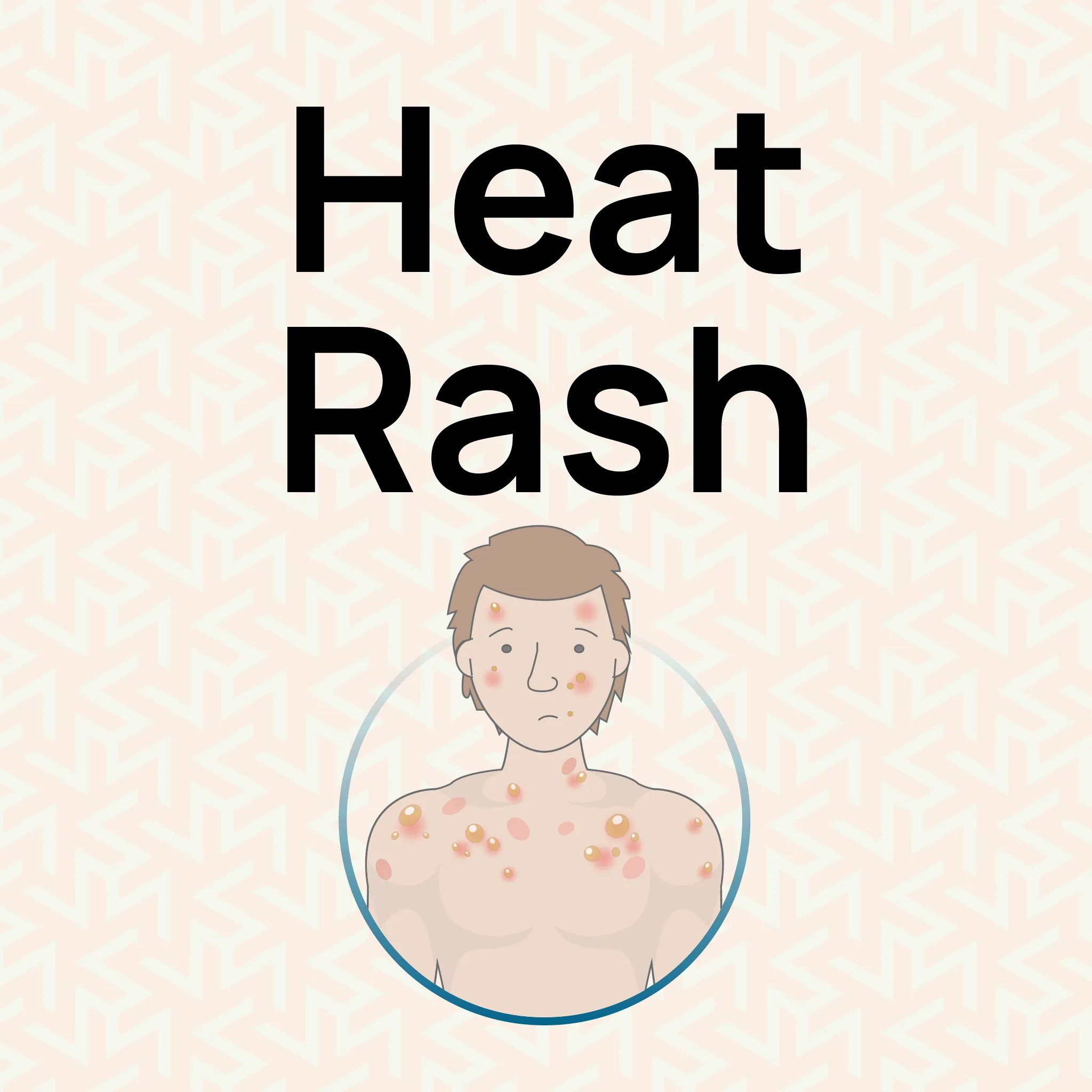
Heat Rash Symptoms, Causes and Treatment
The IOSH Code of Conduct serves as the backbone of ethical practice in the health and safety profession. It defines the standards every IOSH member must follow to maintain integrity, competence, respect, and service in their work. These principles ensure that safety professionals act responsibly, make fair decisions, and build public trust through their commitment to high standards.� Whether you�re a seasoned IOSH member or just beginning your safety career, understanding these principles helps you make sound professional decisions and uphold the highest standards. This article examines the key principles, rules, and ethical practices outlined in the IOSH Code of Conduct, helping UK safety professionals apply them effectively and strengthen their professional reputation within the field of occupational safety and health. What Is the IOSH Code of Conduct? The IOSH Code of Conduct is a set of professional and ethical standards developed by the Institution of Occupational Safety and Health (IOSH) � the UK�s leading body for health and safety professionals. It defines how safety professionals should act, make decisions, and maintain integrity in their roles. The Code guides members to work responsibly, stay competent, protect people�s health and safety, and uphold the reputation of the profession. The Code applies to all IOSH members, regardless of their grade or experience, and ensures that every professional acts responsibly towards employers, colleagues, and the public. It serves as a benchmark for ethical behaviour, guiding members in situations where legal, professional, or moral questions may arise. By adhering to the IOSH Code of Conduct, professionals strengthen public trust and demonstrate their ongoing commitment to excellence, accountability, and the highest standards of safety practice. Why the IOSH Code of Conduct Matters for Safety Professionals The IOSH Code of Conduct serves as the ethical foundation for all safety professionals. It defines how members should behave, make decisions, and uphold professional standards in their workplace. Here�s why it truly matters: Builds trust and integrity: The Code helps safety professionals act with honesty and fairness, earning respect from employers and colleagues. Encourages ethical decisions:� It guides members to make responsible choices that prioritise safety and wellbeing above all else. Ensures accountability:� Professionals are held responsible for their actions, promoting transparency in every aspect of their work. Maintains consistency:� It sets a uniform standard of conduct, ensuring safety practices remain reliable across all industries. Protects public interest:� By following the Code, professionals commit to safeguarding people�s health, safety, and environment. Enhances professional reputation:� Upholding the Code reflects a strong moral compass and reinforces credibility within the safety community. Ultimately, the IOSH Code of Conduct reinforces the responsibility safety professionals have toward people and workplaces. It ensures that every action they take reflects integrity, accountability, and a genuine dedication to safety. The Four Core Principles of the IOSH Code of Conduct The IOSH Code of Conduct is founded on four essential principles that capture the true essence of being an ethical health and safety professional. These principles serve as a guide for members to uphold integrity, professionalism, and accountability in every aspect of their work. Each principle reflects the standards that IOSH members are expected to follow in their daily practice. 1. Integrity Act with honesty and fairness in all professional dealings. IOSH members should never mislead others, misuse authority, or compromise their ethical standards. Key Points: Maintains transparency and honesty in every form of communication. Declare any conflicts of interest. Uphold the reputation of IOSH and the profession through integrity and trustworthiness. 2. Competence Competence refers to maintaining the knowledge and expertise necessary to perform safety duties effectively. Members must engage in lifelong learning to keep their skills up to date. Key Points: Participate in continuous professional development (CPD) to enhance your knowledge and expertise. Work only within your area of competence. Share insights and best practices responsibly with colleagues and clients. 3. Respect IOSH members must treat everyone with dignity, equality, and understanding. They should encourage inclusive and fair workplaces. Key Points: Promote diversity and inclusion by treating everyone fairly and without discrimination. Safeguard confidentiality in all professional interactions. Communicate professionally and courteously. 4. Service Service reflects an IOSH member�s duty to protect life and promote wellbeing. Members must deliver high-quality, responsible advice in the public interest. Key Points: Prioritise public safety above personal or corporate gain. Take full responsibility for your professional decisions and advice. Strive for excellence in all health and safety practices. Together, these four principles form the foundation of the IOSH Code of Conduct, guiding safety professionals to act ethically, competently, and responsibly. Gain a deeper understanding of the IOSH Code of Conduct Explore how the IOSH Code of Conduct shapes best practices in health and safety management. Whether you're new to the industry or a seasoned professional, understanding the principles of ethical safety practice is essential. IOSH Working Safely � Perfect for beginners and frontline staff to learn core safety responsibilities. IOSH Managing Safely � Designed for managers and supervisors to apply safety principles effectively. Strengthen your health and safety practices and make ethical decisions that promote a safer workplace. Start your journey today. Key Rules and Responsibilities Under the Code The IOSH Code of Conduct sets clear rules that guide members on how to maintain professionalism, integrity, and accountability in their daily roles. These responsibilities ensure that every IOSH member contributes to a culture of safety, transparency, and ethical practice within the workplace. Upholding Professional Standards IOSH members must always act in ways that protect and promote the reputation of both the Institution and the profession. This means demonstrating ethical behaviour, providing accurate advice, and maintaining the highest level of professionalism. Members must: Provide accurate, evidence-based safety advice. Represent IOSH with honesty and fairness. Avoid actions that could harm their professional reputation. Reporting Misconduct and Breaches Every IOSH member has a duty to report unethical or unsafe conduct. This ensures accountability and prevents harm to individuals or organisations. Members must: Report serious breaches of the Code or unsafe practices to IOSH. Cooperate in investigations or disciplinary processes. Support transparency and accountability within the profession. Maintaining Confidentiality and Integrity Members must respect the confidentiality of information obtained through their professional role. Information should only be disclosed when legally required or in the public interest. Members must: Safeguard confidential business or personal information. Avoid misusing data for personal gain. Protect client and employer trust at all times. Consequences of Violating the Code Failure to comply with the IOSH Code can result in disciplinary action, including suspension or termination of membership. This ensures accountability and maintains the profession's credibility. Possible actions include: Investigation by IOSH�s Professional Standards Committee. Formal warnings, suspension, or expulsion. Public disclosure of disciplinary outcomes. How to Apply the IOSH Code of Conduct and Ethical Practices in the Workplace Applying the IOSH Code of Conduct goes beyond understanding its principles � it�s about putting them into action every day. Ethical practice ensures that health and safety professionals make fair, responsible, and transparent decisions that protect people and build trust at work. Lead by example:� Demonstrate honesty, fairness, and respect in all safety interactions to set a positive tone for others. Promote a safety-first culture:� Encourage open discussions about risks, near misses, and improvements without fear of blame. Stay professionally competent:� Regularly update your skills through IOSH training, workshops, and CPD activities to ensure informed decision-making. Communicate transparently: Provide clear, factual safety information and avoid exaggerating or concealing details that could affect outcomes. Handle sensitive information responsibly:� Maintain confidentiality and use data only for legitimate safety purposes. Challenge unethical behaviour:� Speak up or report actions that breach professional or safety standards. Make balanced decisions:� Consider legal, ethical, and practical aspects before implementing any health and safety measures. Support and respect colleagues:� Foster teamwork, diversity, and inclusion while maintaining a respectful workplace environment. When safety professionals consistently follow the IOSH Code of Conduct, they set the foundation for a safer, more respectful, and ethically responsible workplace. Their actions inspire others to value integrity and professionalism. Conclusion In conclusion, the IOSH Code of Conduct serves as the foundation of professional ethics in health and safety practice. By understanding its four core principles�Integrity, Competence, Respect, and Service and following the key rules and responsibilities, IOSH members can make responsible decisions, protect the public, and uphold workplace safety standards across the UK. Applying these principles through ethical practice not only ensures compliance but also strengthens professional credibility, fosters trust, and promotes a culture of accountability in every organisation. Whether you�re an experienced practitioner or new to IOSH, embracing the Code helps you navigate complex situations with confidence and integrity, ultimately contributing to safer and more ethical workplaces. FAQs What is the IOSH Code of Conduct? The IOSH Code of Conduct is a set of ethical guidelines for safety professionals, outlining the standards of integrity, accountability, and professionalism expected in health and safety practice. Why is the IOSH Code of Conduct important for safety professionals? It ensures that safety practitioners act responsibly, maintain professional integrity, protect the well-being of others, and uphold public trust in workplace safety. Who must follow the IOSH Code of Conduct? All IOSH members and safety professionals are required to follow the Code of Conduct, regardless of their role, industry, or level of experience. How does the IOSH Code of Conduct improve workplace safety? By guiding ethical decision-making and professional behaviour, the Code fosters a culture of trust, responsibility, and continuous safety improvement in organisations. Can violating the IOSH Code of Conduct affect a professional�s career? Yes. Breaching the Code can damage credibility, lead to disciplinary action from IOSH, and negatively impact professional reputation and career growth.
Understanding First Aid Certificate Validity in the UK: Duration, Renewal Key Facts
Asbestos was once a go-to material for insulation, flooring, roofing, and fireproofing. But beneath its usefulness lies a serious health hazard. Although it has been banned from use in construction since 1999, many older homes and buildings still contain asbestos-based materials. If disturbed, these fibres can become airborne and pose life-threatening risks to anyone exposed. If you�re wondering how to test for asbestos safely in your property, this guide explains everything you need to know, from identifying potential asbestos materials to choosing between a self-sampling kit and professional testing. What is Asbestos and Why is it Dangerous Asbestos is a naturally occurring mineral made up of fine, durable fibres resistant to heat, fire, and chemicals. Because of these properties, it was widely used in construction and manufacturing throughout much of the 20th century. There are three main types of asbestos you might come across: Chrysotile (white asbestos): Found in ceilings, walls, roofs, and floors. Amosite (brown asbestos): Common in insulating boards, ceiling tiles, and thermal insulation. Crocidolite (blue asbestos): Typically used in pipe insulation and spray-on coatings. Asbestos-containing materials (ACMs) can still be found in many older buildings, especially those built before 2000. Common locations include Artex or textured coatings, floor tiles and adhesives, roofing sheets, pipe lagging, cement panels, and insulation boards. These materials were once popular because of their strength and resistance to heat, but they can pose a serious risk if disturbed during maintenance or renovation work. When these materials are damaged or disturbed, they release microscopic fibres that can be inhaled. Over time, this can lead to serious illnesses such as asbestosis, mesothelioma, and lung cancer, which often take decades to develop. Testing suspected materials is the only reliable way to know if asbestos is present and to protect your health and those around you. How to Tell If Something Is Asbestos Unfortunately, asbestos can�t be identified by sight alone. However, some clues might suggest its presence. Signs a Material Might Contain Asbestos The building was constructed or refurbished before 2000. You see grey-white fibrous material in insulation, boards, or sealants. Old vinyl floor tiles or adhesives have a dull or rigid texture. Textured ceiling coatings (Artex) appear rough and patterned. Corrugated roof panels look aged or brittle. Still, these are only indicators. Some asbestos-free materials look identical to those that contain asbestos. That�s why testing is essential. According to the Health and Safety Executive (HSE), asbestos identification must always be confirmed through laboratory analysis, rather than visual inspection. How to Check for Asbestos Before Testing Before jumping straight into sampling, you can conduct a non-intrusive check to determine whether testing is necessary. Here�s a simple checklist: Identify suspect materials: Focus on insulation, ceiling panels, roofing, and old pipework. Check the age of the building: If it was built or renovated before 2000, asbestos could be present. Avoid disturbing surfaces: Do not drill, scrape, sand, or break any materials you suspect may contain asbestos. Observe the condition: Damaged, crumbling, or flaking materials are at higher risk. Record locations: Note down any suspect areas for reference by a professional. If you�re unsure, it�s better to arrange a professional inspection or use a certified testing kit following strict safety guidelines. If you or your team work in environments where asbestos may be present, it�s essential to complete certified training like the Asbestos Awareness Course, which covers everything from identification and legal duties to emergency procedures. TIP: Never attempt to remove or break a sample on your own unless you fully understand the safety procedures. Even small amounts of asbestos dust can be hazardous if inhaled. How to Test for Asbestos Safely Once you�ve identified potential asbestos materials, there are two safe routes for testing: hiring a professional surveyor or using a home testing kit. Option 1: Hire a UKAS-Accredited Professional The most reliable and safest option is to hire an accredited asbestos surveyor or testing company. These professionals follow strict HSE and UKAS (United Kingdom Accreditation Service) standards. Here�s how the process works: Initial assessment: The surveyor inspects your property to locate potential asbestos-containing materials (ACMs). Sample collection: Using specialist tools and protective equipment, they safely remove small samples. Laboratory analysis: The samples are sent to a UKAS-accredited lab for testing under a microscope. Report and results: You�ll receive a detailed report outlining the type of asbestos (if present), location, condition, and recommended next steps. Professional testing not only ensures accuracy but also eliminates your risk of exposure. If asbestos is confirmed, the surveyor can guide you on whether to remove, encapsulate, or manage the material in place. You can find accredited asbestos surveyors and labs via the HSE directory or the UKAS website Option 2: Using a Home Asbestos Testing Kit For small, solid (non-crumbly) materials, a home asbestos testing kit can be a cost-effective option. These kits usually include protective gloves, sample bags, instructions, and a prepaid envelope for lab testing. When collecting a sample: Always wear a disposable mask, gloves, and coveralls. Lightly dampen the area to prevent dust release. Cut a small piece (no larger than a 50p coin), seal it securely, and send it to the lab. Avoid using kits for friable materials such as pipe lagging, insulation, or sprayed coatings, as these require professional handling. After Testing: Understanding Your Results Lab results will confirm whether asbestos fibres were detected and specify the type found (e.g., chrysotile or amosite). If the result is negative, you can proceed safely with your renovation or repair. If positive, you�ll need to decide how to manage it: Encapsulation: Sealing the surface to prevent fibres from escaping. Removal: Carried out by licensed asbestos contractors. Management: Monitoring and maintaining the material in a safe condition. Always ensure any removal or repair follows HSE-approved procedures and is performed by licensed professionals. Asbestos Exposure Test: Checking for Health Risks Testing a material for asbestos is not the same as testing for asbestos exposure. An asbestos exposure test focuses on whether you�ve been exposed to harmful fibres, especially if you suspect past contact during renovation or demolition. Types of Exposure Testing Air monitoring: Measures the concentration of asbestos fibres in the air. Medical assessment: Doctors may recommend a chest X-ray, CT scan, or lung function test. Blood or sputum tests: Used in some cases to monitor lung inflammation or exposure markers. When to Get Tested After the accidental disturbance of suspect materials. If you worked in construction or maintenance before asbestos bans. When renovating older properties without prior inspection. If you think you�ve been exposed, contact your GP for a medical review. Early detection and regular health monitoring are crucial. Boost Your Health & Safety Expertise with CITB Training Spotting asbestos is just one step toward creating a safer workplace. To effectively manage broader health and safety challenges and meet legal obligations, construction professionals need proper accredited training. Hurak�s CITB Site Safety Plus courses equip you with the essential skills to identify hazards, conduct risk assessments, and maintain safe and compliant worksites. Popular CITB-Accredited Courses: CITB Health and Safety Awareness (HSA): Ideal for beginners learning to identify common hazards, such as asbestos. CITB SMSTS � Site Management Safety Training Scheme: A must-have for site managers responsible for controlling asbestos and other health and safety risks. CITB SMSTS Refresher Course: Stay up to date with the latest safety legislation and industry best practices. CITB SSSTS � Site Supervisor Safety Training Scheme: Train supervisors to identify, manage, and minimise on-site hazards. CITB SSSTS Refresher Course: Renew your certification and keep your safety management skills sharp. Empower your team, stay compliant, and take the next step in your career with Hurak�s accredited CITB training programmes. Regulations and Legal Responsibilities Asbestos management is regulated under the Control of Asbestos Regulations 2012. These laws place responsibilities on employers, landlords, and property owners to prevent exposure. Identifying and recording asbestos-containing materials. Assessing the risk of fibre release. Keeping an up-to-date asbestos management plan. Ensuring only trained and licensed contractors handle asbestos. For workplaces, compliance with guidance is mandatory. Even in domestic settings, homeowners should follow the same safety principles to protect themselves and others. Cost of Asbestos Testing The cost of asbestos testing varies depending on the method used, the number of samples, and the size of the property. � � � � � � � � � Type of Test � � � � � � � Typical Cost (Approx.) Home Testing Kit � � � � � � � �30 � �60 per sample Professional Asbestos Survey � � � � � � � �200 � �400+ Full Management or Refurbishment Survey � � � � � � � �500+ for larger buildings Factors that affect cost: Number of samples required Travel distance and access difficulty Turnaround time (same-day results often cost more) While self-sampling kits are cheaper, professional testing offers peace of mind with certified results and legal documentation, which is essential if future proofing is required. Common Mistakes to Avoid When Testing for Asbestos Even minor missteps can lead to serious health risks. Avoid these common mistakes: Breaking or scraping materials to see what�s inside. Skipping PPE or using low-grade masks. Sending samples to uncertified labs. Disposing of waste incorrectly (asbestos waste must go to licensed facilities). Ignoring hidden materials, such as those behind tiles or under flooring. If there�s any uncertainty, it�s safest to stop work and involve a qualified asbestos expert. Conclusion Testing for asbestos isn�t just about compliance; it�s about protecting your health and preventing long-term harm. Whether you choose a self-sampling kit or a professional survey, make sure samples are handled safely and tested by accredited experts. By staying informed and proactive, you can keep your property and everyone in it safe from one of the world�s most silent hazards. FAQs How do you test for asbestos? You can test for asbestos by either hiring an accredited surveyor or using a certified testing kit. Professionals take samples and send them to a UKAS-accredited lab for confirmation. Can I test for asbestos myself? Yes, but only for small, non-friable materials like cement sheets or floor tiles. Always wear PPE and follow kit instructions carefully. Is asbestos testing safe to do at home? It can be safe if the material is intact and you avoid disturbing it. For damaged materials or insulation, hire a licensed professional specialising in asbestos removal. How long does asbestos testing take? Lab results usually take 24 to 72 hours, depending on the provider and delivery method. Where can I send samples for asbestos testing? Samples should always be sent to UKAS-accredited laboratories. Avoid cheap or uncertified online services, as they may not follow proper analysis standards.
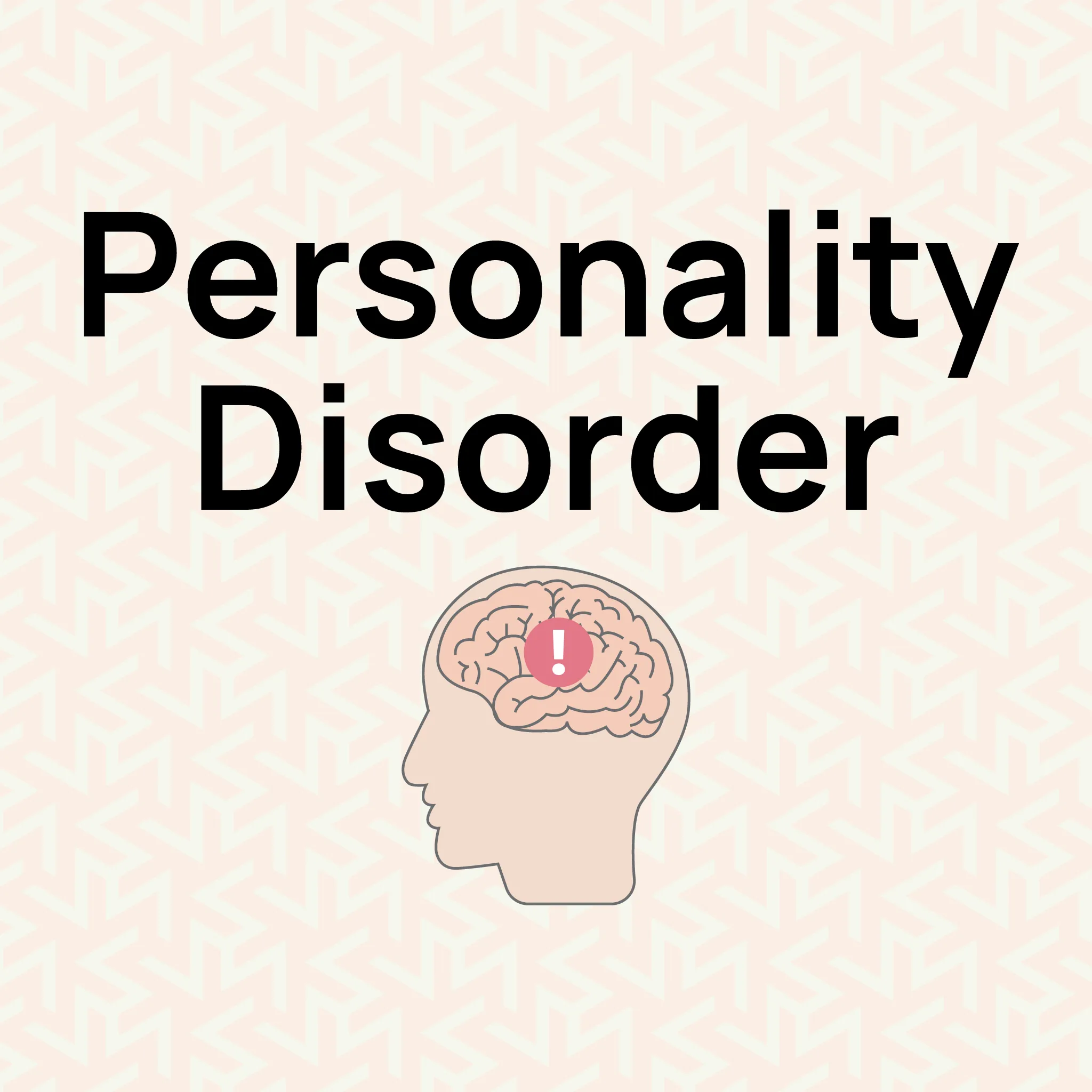
Personality Disorders Explained: Cluster A, B C Types, Symptoms and Treatment
Self-harm is when someone intentionally hurts themselves to cope with painful emotions, stress, or situations that feel too hard to manage.� It may bring a momentary sense of relief, but it often leads to guilt or shame later. Talking about self-harm is difficult, yet awareness is the first step in finding safer ways to cope and seek help. Promoting open conversations about mental health awareness is especially important, as many people struggle silently with emotional pain or self-harming thoughts. Understanding why people self-harm, what it means, and how to get help is an essential step towards healing and recovery. What Is Self-Harm? Self-harm refers to the intentional act of causing harm or injury to oneself as a way to cope with emotional pain, stress, or complicated thoughts. For some individuals, it serves as a coping mechanism to express feelings that are difficult to articulate. For others, it provides a sense of control when life feels overwhelming. However, the relief obtained from self-harm is often temporary, and the emotional pain typically returns, sometimes even stronger. Self-harm can take various forms, including cutting, hitting, starvation, overdosing, or engaging in risky behaviour.� What is truly important is recognising these actions as signals of emotional distress and seeking help. Self-harm can also be linked to mental health problems such as depression, anxiety, or mood-related disorders like mania and hypomania, which can affect emotional regulation and impulse control. Why Do People Self-Harm? There isn�t one single reason why people self-harm. For many, it�s a way to cope with overwhelming emotions or regain a sense of control during difficult times. Some people use self-harm to express pain, anger or guilt they can�t put into words, while others do it to feel something when they feel emotionally numb. Self-harm can also be linked to past trauma, financial trauma, abuse, bullying, stress, or mental health problems such as depression or anxiety. Traumatic experiences, particularly in childhood, can profoundly impact a person's ability to cope with emotions later in life.� Survivors of physical, emotional, or sexual abuse may struggle with shame, self-blame, or unresolved anger, which sometimes manifests as self-harming behaviour. People with conditions such as borderline personality disorder often experience intense emotions and impulsivity, which can increase the risk of self-harming behaviours. Similarly, individuals who have faced persistent bullying or rejection may turn to self-harm as a way of dealing with feelings of worthlessness or isolation. Chronic stress and mental health conditions such as depression or anxiety can intensify these emotions. When someone feels trapped in their thoughts, helpless, or consumed by inner pain, self-harm can seem like the only outlet to regain even a small sense of relief or control. Types Of Self-Harm There are many types of self-harm, and they can vary from person to person. Some people harm themselves physically, while others engage in emotional or behavioural forms. Each method reflects a different way of coping with distress or emotional pain. Typical forms of self-harm include: Cutting, hitting, scratching, or burning: These are some of the most visible forms of self-harm. People may do this to release emotional tension, express anger or sadness, or to feel a sense of control when everything else feels chaotic. Overdosing or misusing medication: Some individuals may take more medication than prescribed or use substances as a form of self-punishment or to escape overwhelming emotions. Refusing to eat or overexercising: These behaviours can be a way of regaining control over one�s body or punishing oneself. For example, restricting food intake might reflect feelings of guilt or unworthiness, while excessive exercise may be used to cope with anxiety or self-criticism. Engaging in risky situations: Putting oneself in harm�s way, such as reckless driving, unsafe sexual behaviour, or substance abuse, can be a less obvious but equally serious form of self-harm, often rooted in emotional distress or a desire to feel something when emotionally numb. Emotional or psychological self-harm: This includes negative self-talk, isolating from loved ones, or deliberately sabotaging relationships and opportunities, often as a reflection of deep-seated feelings of shame or low self-worth. It�s important to understand: These behaviours are not about attention-seeking, they are expressions of intense internal pain and a cry for help. Every act of self-harm signals an underlying emotional struggle and the need for empathy, understanding, and support. Recognising these signs can be the first step toward finding healthier ways to express emotions, cope with distress, and seek professional guidance or therapy. How To Stop Self-Harm? Overcoming self-harm is a gradual process that requires time, patience, and the proper support. Recovery involves understanding the underlying triggers, developing safer coping strategies, and building a network of professional and personal support.Practical steps to begin the recovery process include: Recognise your triggers: Begin by identifying the specific thoughts, emotions, or situations that lead to self-harming behaviours. These triggers may include feelings of rejection, anger, loneliness, or intense stress. Recognising these patterns allows for better self-awareness and helps you respond with healthier coping mechanisms. Reach out for support: Speaking to someone you trust, whether a close friend, family member, therapist, or GP, can make a significant difference. Sharing your experiences helps reduce feelings of isolation and opens the door to emotional and practical support. Reaching out is not a sign of weakness; it�s an essential step towards recovery. Seek professional help: Evidence-based therapies such as Cognitive Behavioural Therapy (CBT) and Dialectical Behaviour Therapy (DBT) are effective in addressing self-harming behaviours. CBT focuses on identifying and changing unhelpful thought patterns that contribute to distress. DBT teaches emotional regulation, distress tolerance, and mindfulness techniques, which are particularly helpful for managing strong or impulsive emotions. Adopt healthier coping strategies: Engaging in positive activities can provide relief and help manage overwhelming emotions. Consider: Journaling to express emotions safely Physical activity, such as walking, running, or yoga, can help release built-up tension Breathing exercises or mindfulness to calm the mind and body Creative outlets like painting, music, or writing to process emotions constructively Or even reading reduces stress, which can help quiet the mind and promote emotional clarity Be patient and compassionate with yourself: Recovery is not always linear. Occasional setbacks or relapses do not signify failure � they are a regular part of the healing process. Acknowledge your progress, no matter how small, and treat yourself with kindness throughout the journey. Getting Help And Support If you or someone you know is self-harming, reaching out for help is the most crucial step. You don�t have to face it alone. Start by talking to someone you trust, such as a friend, family member, teacher, or colleague. Sharing your feelings openly can bring relief, reduce shame, and help you feel supported. Professional help is also available. Your GP can refer you to a counsellor, psychologist, or mental health service for appropriate care. Therapies such as Cognitive Behavioural Therapy (CBT) and Dialectical Behaviour Therapy (DBT) are proven to be effective in addressing self-harm and helping individuals build healthier coping strategies. Conclusion� Recovery from self-harm takes time, but it is possible. Every small step you take towards understanding your emotions and seeking support brings you closer to healing. You don�t have to do it all at once, and you don�t have to do it alone. With the proper guidance, therapy, and compassion, both from others and oneself, people can and do recover. Remember, your pain does not define you. You are worthy of care, understanding, and a future free from harm. Healing is not about perfection, but about progress and every step forward matters. FAQs What is self-harm? Self-harm refers to intentionally causing harm or injury to oneself as a way to cope with emotional distress, pain, or numbness. It can include behaviours such as cutting, scratching, burning, or other actions that inflict harm on the body. Why do people self-harm? People self-harm for many reasons. For some, it�s a way to express emotions they can�t put into words or to regain a sense of control during difficult times. It may also be linked to experiences of trauma, stress, bullying, or mental health conditions like depression and anxiety. Is self-harm the same as a suicide attempt? No. Self-harm is not always a suicide attempt. Many people who self-harm do not want to die; instead, they use it as a way to cope with emotional pain. However, self-harm can increase the risk of suicidal thoughts over time, so it�s vital to seek professional help early. How can I stop the urge to self-harm? When you feel the urge to self-harm, try to delay the action and use safer alternatives to manage the emotion. Techniques such as deep breathing, journaling, squeezing an ice cube, listening to music, or talking to someone you trust can help distract and calm your mind. Can self-harm be treated? Yes. With professional help and support, self-harm can be treated effectively. Therapies such as Cognitive Behavioural Therapy (CBT) and Dialectical Behaviour Therapy (DBT) can help you understand triggers, manage emotions, and develop healthier coping strategies. How can I help someone who self-harms? If someone you know is self-harming, stay calm and avoid judgment. Listen to them, show empathy, and encourage them to seek professional help. Offer support by helping them find trusted mental health services or by being present when they need to talk. Can recovery from self-harm take a long time? Yes, recovery is a gradual process and different for everyone. It takes time, patience, and consistent support. Even small steps towards healing, such as discussing emotions or seeking therapy, are signs of progress.
A Complete Guide to Mental Illness : Causes, Symptoms Treatment Options
Read the full article for more details.