


What Is a Tender? Meaning, Process, and Examples in Business
A tender in business is a formal request from an organisation inviting suppliers or contractors to submit bids for a project or to provide goods and services. In the public sector, tenders are often required to ensure transparency and accountability, as seen when the government seeks contractors for road construction projects.In the private sector, companies also use tenders, particularly for large projects, but they have the discretion to choose which suppliers they invite to bid.The tendering process follows a structured approach. It begins with the buyer publishing a tender notice or request for tender (RFT), which outlines the project's requirements, scope, and deadlines. Interested suppliers prepare and submit their bids, which should include details such as pricing, delivery schedules, compliance documents, and relevant experience.Tenders can vary in format depending on the nature of the project. Open tenders permit anyone to submit a bid, promoting maximum competition and fairness; this approach is commonly used for government infrastructure projects, such as road construction. In contrast, selective tenders restrict participation to invited suppliers who have demonstrated expertise, making them more suitable for specialised tasks, such as IT system upgrades.The value of tendering extends beyond simply awarding contracts. For buyers, the process ensures competitive pricing, accountability, and quality assurance.Tender Meaning In BusinessWhen an organisation needs to deliver a project, such as constructing a building, providing catering services, or implementing new technology, it may determine that the work cannot be handled internally. In such cases, the organisation issues a tender, which is a formal invitation outlining the project's requirements, technical specifications, timelines, and legal or compliance expectations. The primary objective of tendering is to create a competitive environment that enables the buyer to evaluate multiple proposals and select the most suitable supplier objectively.In business, a tender is more than just a request for pricing. It represents a structured procurement process built on transparency and accountability. This approach fosters trust between buyers and suppliers, reduces risks, ensures quality, and encourages fair competition. For suppliers, winning a tender often presents a significant growth opportunity, leading to long-term contracts, enhanced credibility, and broader business expansion.The Tender Process ExplainedThe tendering process plays a crucial role in ensuring transparency, fairness, and accountability in public and private sector procurement. It allows organisations to find the best supplier who can deliver the required goods or services efficiently, cost-effectively, and in compliance with legal and quality standards. Each stage of the process is designed to promote competition, manage risk, and achieve the best possible value for money.Here's a step-by-step breakdown of how the tender process typically works:Identify Needs: Conduct an internal review to determine areas requiring external support.Draft Tender Documents: Outline evaluation standards, compliance requirements, and contractual terms.Invite Suppliers: Send tender invitations based on open, selective, or negotiated approaches.Receive Bids: Suppliers submit proposals with pricing, technical data, and evidence of past projects.Evaluate Bids: Perform detailed scoring, financial checks, and risk evaluation.Shortlist Candidates: Examine shortlisted suppliers closely to verify suitability.Award Contract: Assign the project formally to the selected supplier.Manage Contract Performance: Track progress, conduct audits, and maintain project standards.Types Of TenderTenders can take different forms depending on the project's size, complexity, and urgency. Each type of tender follows its own approach to inviting and evaluating suppliers, ensuring the process is tailored to the specific needs of the organisation. The types of tenders are as follows:Open Tender: Open to all eligible suppliers, encouraging broad competition. Common in public sector projects.Selective Tender: Participation is limited to pre-approved suppliers with proven expertise.Negotiated Tender: Suitable for urgent or technical projects requiring direct discussions with suppliers.Single-Stage Tender: Applicable when project specifications are complete and precise.Two-Stage Tender: Used for intricate projects where the scope is clarified progressively.Why Tender MattersTenders play a vital role in ensuring that organisations select the most suitable suppliers in a fair, transparent, and efficient way. Through this process, buyers can assess key factors such as experience, reliability, safety standards, and compliance before awarding a contract. This careful evaluation helps prevent delays, poor-quality outcomes, or unexpected complications, leading to better project delivery and long-term value.By thoroughly reviewing a supplier's financial stability, technical expertise, and track record, buyers can make informed decisions that reduce risks and promote accountability. Effective tendering also strengthens public trust in how resources are managed, ensuring that businesses and communities receive dependable, high-quality services.Tenders In ConstructionIn the construction industry, tenders play a crucial role in connecting contractors with clients and ensuring projects are awarded based on merit and capability. Winning a tender demonstrates a contractor's expertise, strengthens their portfolio, and creates opportunities for future projects. In highly competitive markets, successful tendering can lead to partnerships with government bodies, private developers, and international organisations, opening doors to both local and large-scale infrastructure work.The transparency of the tendering process helps minimise disputes, promote accountability, and maintain control over budgets and timelines. For public sector projects, tendering ensures the responsible use of taxpayer funds. For private developments, it provides reliable, skilled, and compliant contractors. In both cases, effective tendering contributes to safer, higher-quality, and more sustainable construction projects, which have a positive impact on communities and economies.How Training Supports Tender SuccessPractical training helps businesses strengthen their tender applications by building competence, safety awareness, and a clear understanding of regulatory requirements. During the tendering process, buyers seek contractors who can guarantee safety, quality, and compliance with key standards, such as the Health and Safety at Work Act 1974.Enrolling employees in accredited Health and Safety Training Courses, including the Level 2 Health and Safety in the Workplace, demonstrates readiness, professionalism, and a proactive commitment to compliance. It shows that your team can manage on-site risks, apply safe working practices, and maintain high performance throughout every stage of the project.Companies that prioritise training signal to clients that they value competence, continuous improvement, and professionalism. A skilled workforce is better prepared to manage challenges, mitigate risks, and maintain productivity. Training in areas such as leadership, project management, and communication enhances coordination and ensures deadlines are met, while health and safety courses significantly reduce workplace incidents and reinforce a culture of safety and reliability.ConclusionThe tendering process offers a chance, encourages competition, and enhances accountability. It allows organisations to demonstrate their ability to deliver value, fulfil expectations, and maintain high standards. This process fosters an equitable environment, providing clients with a transparent view of who can offer professionalism and dependability.Nevertheless, tenders are now focused not only on cost but also on safety, compliance, and effective risk management. This is the reason why health and safety qualifications are so significant in tender applications.Investing in training is not only about meeting compliance but also about building credibility. By showcasing a robust safety culture, companies can enhance their chances of securing tenders and establish themselves as reliable, long-term partners.FAQsWhat does tender mean in business?A tender is a formal offer to provide goods or services at a set price. It's a process where companies compete to win contracts by submitting proposals to clients.Why are tenders important for companies and clients?Tenders ensure fairness and transparency. Clients get the best value and quality, while companies get the opportunity to secure new projects.What are the main steps in the tendering process?The key steps include preparing tender documents, inviting bids, submitting proposals, evaluating offers, and awarding the contract.What are the different types of tenders?The main types are open tendering, selective tendering, negotiated tendering, single-stage tendering, and two-stage tendering.What role does Health & Safety compliance play in tenders?Its crucial. Clients want assurance that contractors can manage risks, protect workers, and comply with UK safety laws.


How AI-Powered Visual Tools Are Transforming Compliance, Safety and Professional Training
Read the full article for more details.


The Power of Visual Learning: Why Video Content Is Essential for Modern Online Training
Today's fast-paced learning environment has demanded video to be one of the most influential online education tools. No matter if it is a corporate compliance module, a technical certification, or a soft skills course, learners remember more and stay involved longer if the training incorporates visual content. For companies such as Hurak, which focus on offering online courses and certifications that are easily accessible, knowing how to incorporate and manage video content can definitely enhance both learner experience and training outcomes.The Growing Role of Video in Online TrainingSeveral studies on e-learning effectiveness show that visual information is processed faster than text by a factor of 60,000. That is why video-based content has quickly become the bedrock of digital education. The transition from instructor-led tutorials to interactive scenario-based videos has never been easier and the flexibility along with the engagement that video brings is also unmatched.Online training providers are not only about static slides or text-heavy lessons anymore. They are gradually investing in dynamic video modules that break down the most difficult concepts. For example, in a Health and Safety certification course, short video demonstrations can very clearly display the procedures of fire safety drills or first aid applications thus helping the learners to understand and remember the steps much more effectively than by just reading.Why Video Quality and Framing Matter in eLearningThe quality of content is crucial but the way of presentation of content is the same. A well-structured video thats properly framed and visually appealing makes learning smooth and enjoyable. Poorly cropped visuals, excessive background clutter, or off-centered frames can easily annoy learners and reduce the professionalism of the training material.Thats the reason why course creators and training professionals should put attention to video editing especially to how visuals are framed. Clean, focused visuals guarantee that the attention of the learners stays where it is supposed to be: on the educational message.This is when dependable editing tools come into play, especially for instructors who need to make quick adjustments without advanced technical knowledge.Streamlining Course Content with Smart Video Cropping ToolsMaking online courses frequently necessitates repurposing of already existent materials, recorded lectures, webinars, or demonstrating workplace training. But, not all footage is ready to be used as it is. Teachers frequently need to cut or change the frame to ensure that only the visuals of their concern are in the view.A simple online video editing tool that enables you to trim or crop videos easily and accurately is a practical method to do this. This process helps in removing the unwanted parts from the frame, bettering the composition, and key details supporting the learning objectives are highlighted. These refined clips can also be repurposed into lightweight formats, such as GIFs, using a video to GIF maker for quick and easy sharing across learning platforms.For trainers handling several videos for different certification programs using an intuitive online video cropping tool saves a lot of time. It does away with the requirement for large software downloads or complicated editing configurations, allowing educators to modify videos right from their browsers thus guaranteeing that all course materials retain a cohesive, professional look.Enhancing Learner Engagement Through Personalized MediaModern eLearning isnt just about uploading a lecture; its about creating a tailored learning experience. Adding custom intros, annotations, or focused visuals helps personalize each course and makes content more relatable to the learner. Instructors often use AI image tools to quickly generate bespoke visuals from annotated diagrams to themed slide backgrounds that improve clarity and learner recall. Instructors can highlight important gestures, tools, or on-screen text by adjusting the video frame, making it easier for students to follow along.Using reliable online video editing tools, training providers can quickly fine-tune visual assets to better match course design standards. This is particularly useful for industries like construction, health and safety, or IT training where small details, such as the position of hands during a safety drill or the layout of a user interface, are critical to learner understanding.The Role of AI in Content Creation for eLearningAI technology is revolutionizing not only classrooms but also the way teachers supply and use digital content, even outside the video. with options like a cartoon creator enhancing visual storytelling. AI tools are performing all tasks such as assessment automation, content recommendations, etc., which makes teachers' work focus more on educational activities and less on paperwork.The AI-assisted learning materials lifecycle for instance has already been advanced with AI scripts and voiceovers with platforms offering a full suite of AI video and image models that allow educators to generate professional training visuals from text prompts alone.The AI lyrics generator software, for example, can be used in different ways by course developers to create rhythmic study aids, background music for online learning, or memory aids that facilitate learners' recollection of key terms and definitions. When AI is involved in the creative process the result is still the same but adding a new exciting layer to the online training and thus making the learning process more engaging and unforgettable.Integrating Video Editing Tools into the Course Creation WorkflowIn order to keep the online training modules of different topics in the same line concerning their quality, it is necessary to incorporate video editing into the course creation process standard workflow. However, this does not imply that every trainer must be a professional videographer, but they need easy and efficient tools that help in content refining.For instance, during the process of creating new modules for a compliance training course, the trainers might have to cut down long video clips, reframe the important moments or change the orientation to fit with the platform's display format. With the help of simple browser-based video tools, teachers can make these alterations very fast, and thus get the visuals that are in line with the learning objectives.By the usage of such tools, online training companies like Hurak can simplify their content production, keep their brand consistent and provide a better learning experience that is more professional than before.Best Practices for Video Use in Online TrainingThe following are best practices that should be considered when video is to be a part of your online courses:Keep videos concise Break long sessions into shorter segments (5 to 10 minutes) to sustain learner attention.Use visual cues Highlight important points with text overlays or focused framing.Ensure accessibility Add captions and transcripts for inclusivity.Maintain visual consistency Use tools to standardize framing, lighting, and branding across all videos.Optimize for mobile Crop and format videos to ensure they display correctly on smaller screens.These simple yet effective techniques not only enhance learner engagement but also increase completion rates and retention.Conclusion: Elevating Learning Experiences Through Smart Video ToolsVideo has become a cornerstone of modern online training helping learners connect, visualize, and retain information more effectively. As eLearning continues to evolve, trainers and certification providers must ensure that every visual element supports the overall learning objective.Integrating intuitive, easy-to-use video editing tools enables educators to produce professional-quality training materials efficiently, without needing advanced technical skills. Combined with innovative AI-driven content creation tools such as AI lyrics generatortrainers can enhance engagement and creativity across every course.For professionals and institutions delivering online training through platforms like Hurak, embracing these tools means not only improving the quality of learning materials but also staying ahead in the ever-evolving landscape of digital education.

The Power of Personalisation in Learning and Development
Personalisation in learning and development (L&D) goes beyond simply delivering training it's about designing experiences that recognise every employee as an individual. Each person brings different strengths, goals, and ways of learning, which means traditional, uniform training models often fail to achieve lasting results. By tailoring learning programs to suit each individual's pace, skill level, and professional aspirations, personalisation transforms learning into a more meaningful and motivating experience.The idea of personalising learning isn't new; it begins in childhood, where stories and activities are shaped around a child's interests to keep them engaged. Books featuring relatable characters or familiar experiences capture imagination and make learning memorable. In much the same way, adults learn best when training reflects their goals and challenges, creating a sense of relevance and connection.In modern workplaces, where employees expect opportunities for growth that feel relevant and purposeful, personalised learning plays a critical role. It allows organisations to move away from generic content and towards strategies that adapt dynamically to the learner. Whether that means offering role-specific modules, interactive learning paths, or AI-driven feedback, the goal remains the same: to make learning resonate on a personal level and help employees feel genuinely supported in their development journey.Why Personalisation Matters in L&DJust as personalisation plays an important role in how we learn as children, it remains equally powerful in our professional lives. From an early age, we absorb information best when it feels relevant, engaging, and designed just for us. Personalised learning experiences, such as reading WonderWraps personalised childrens books that place children at the centre of the story, spark imagination and make learning exciting rather than instructional. These stories dont just entertain they nurture curiosity, build confidence, and help children see themselves as active learners capable of exploring the world around them. The same principle carries forward into adulthood, where personalised learning fosters engagement, ownership, and lasting growth.When employees experience learning that reflects their own goals, pace, and strengths, they become far more invested in the process. Personalised L&D programs create a sense of relevance and connection, turning workplace training into something meaningful rather than routine. Employees who see their personal and professional growth reflected in their learning journey are more likely to stay motivated, perform better, and retain what they learn. For instance, the Mental Health First Aid Course is designed to be flexible and adaptable to the needs of different organisations and individuals, ensuring that every learner gains real value from the experience.The Different Types of Personalisation in L&DPersonalisation in L&D can be applied in several ways, each designed to make the learning journey more engaging, relevant, and effective for every individual. By adapting content, structure, and delivery to suit different learners, organisations can ensure that training not only meets objectives but also feels meaningful to the people taking part.Content CustomisationContent personalisation focuses on tailoring learning materials to the learner's role, prior experience, and interests. This might include using examples that mirror real workplace situations, offering elective modules that enable employees to explore specific topics, or incorporating multimedia resources that cater to different learning preferences. The goal is to make the content directly relevant and useful so that learners can easily connect it to their daily responsibilities. When training reflects real challenges and opportunities, it feels more personal and impactful.When training reflects real challenges and opportunities, it feels more personal and impactful. In digital learning environments, this also extends to maintaining authenticity, where tools like an AI detector for students can help ensure that personalised learning outcomes genuinely reflect individual understanding.Pacing and ProgressionEvery learner absorbs information at a different pace. Some employees prefer to work through material quickly, while others may need more time to practise and apply new concepts. Personalised pacing allows learners to progress at a speed that suits them, helping to reduce stress and improve comprehension. Techniques such as self-paced e-learning, adaptive assessments, and flexible deadlines ensure that no one feels rushed or left behind. This flexibility helps learners stay motivated and promotes better long-term retention.Learning PathwaysPersonalised learning pathways give employees a sense of ownership over their development. Instead of following a single, standard curriculum, learners can choose a route that matches their career goals and current skill level. For example, a new employee might begin with foundation-level courses, while an experienced professional might focus on leadership, mentoring, or specialist skills. Offering multiple pathways ensures that training remains relevant at every stage of an employee's journey. Over time, this approach builds confidence, encourages continuous growth, and keeps the learning experience aligned with each person's evolving role.Benefits of Personalised Learning for Employees and OrganisationsPersonalised learning has a significant impact on both individual and organisational performance. By focusing on each learner's specific needs and goals, it creates an environment where people feel more engaged, supported, and capable of applying what they learn in real situations. Some of the key benefits include:Higher engagement and motivation through relevant and meaningful content.Better knowledge retention as learners progress at a pace that suits them.Increased confidence by recognising individual strengths and learning styles.Improved job satisfaction through tailored development opportunities.Enhanced performance and productivity linked to practical, role-specific training.Greater accountability as employees take ownership of their learning journey.Higher retention rates due to stronger commitment and career growth.Personalised L&D programs help organisations build a motivated, skilled, and future-ready workforce that thrives through continuous, meaningful learning.Challenges and ConsiderationsWhile the benefits of personalised learning are undeniable, implementing it effectively requires time, effort, and careful planning. Creating meaningful, individualised learning experiences depends on a combination of the right tools, resources, and strategic decisions. Below are some key challenges and considerations to keep in mind:Time and Resources: Developing and maintaining personalised learning programs can be time-consuming. Creating adaptive materials, monitoring learner progress, and updating content regularly require ongoing commitment from training teams.Data Collection and Privacy: Personalised learning depends on gathering detailed learner data, including skills, behaviours, and preferences. Organisations must ensure this information is collected ethically, securely stored, and used responsibly to maintain trust and comply with data protection laws.Technology Integration: Many organisations need to adopt or upgrade systems such as Learning Management Systems (LMS) or AI-driven platforms to support personalisation. This often requires financial investment and staff training to ensure the technology is used effectively.Scalability and Consistency: As personalised learning expands across teams, maintaining consistent quality and outcomes can become challenging. Organisations must balance individual learning paths with common performance standards and objectives.Change Management and Adoption: Employees and managers may initially resist new learning approaches. Communicating the value of personalisation and providing proper support is essential to encourage participation and engagement.Despite these challenges, the long-term rewards make the effort worthwhile. When implemented thoughtfully, personalized learning enhances engagement, boosts performance, and fosters a culture of continuous improvement that benefits both employees and organisations.Tools and Technologies Enabling Personalisation in L&DTechnology is the driving force behind personalised learning, helping organisations design and deliver training that adapts to each learner's needs. The tools below play a key role in supporting and scaling personalisation in learning and development.Tool/TechnologyPurposeLearning Management Systems (LMS)Manages, tracks, and delivers personalised training content.AI-Powered Learning PlatformsAdjusts learning materials based on user behaviour and progress.Learning Experience Platforms (LXP)Provides personalised content recommendations for self-directed learning.Data Analytics ToolsCollects and analyses learner data to improve training relevance.Gamified Learning ToolsMakes learning engaging through rewards, challenges, and interactivity.Mobile Learning AppsAllows learners to access personalised training anytime, anywhere. How to Implement Personalisation in L&DSuccessfully implementing personalisation in learning and development requires a clear understanding of employees' needs, the right technology, and a commitment to continuous improvement. The goal is to create a learning environment that adapts to individuals while supporting organisational objectives.Some key examples of how personalisation can be implemented in L&D include:Conducting learner assessments and surveys to identify individual training needs.Using performance data to map skill gaps and tailor content accordingly.Segmenting learners based on job roles, experience, and preferred learning methods.Designing flexible learning paths that align with both employee and business goals.Integrating adaptive learning platforms that adjust content in real time.Allowing self-paced and on-demand learning options for greater flexibility.Gathering continuous feedback to refine and enhance the learning experience.ConclusionPersonalisation has become a cornerstone of modern learning and development, helping organisations move beyond one-size-fits-all training to create experiences that truly connect with individuals. Just as personalised storybooks engage children by placing them at the centre of their own adventures, personalised learning allows employees to see themselves reflected in their development journey.When learning feels relevant and personal, it inspires greater engagement, ownership, and motivation. By recognising each learner's unique strengths, preferences, and goals, organisations can build a workforce that grows with purpose much like how a well-crafted story helps its reader grow with every chapter.
What is the Difference Between Use By and Best Before Dates
Food labels provide information about the food we buy, from nutritional content to important dates. When you check food labels, you might encounter two important terms: "use by" and "best before." These dates guide you on when to eat your food, but they mean different things. Understanding the difference between use-by and best-before dates is useful for making informed food consumption and storage decisions.Meaning of Use By Date on Food PackagingThe use-by date indicates when a product may no longer be safe to consume. This is because, after the use-by-date, microbial contamination of food or spoilage may occur. Therefore, follow these dates to prevent foodborne illnesses.Meaning of Best Before Date on Food PackagingBest-before dates show when the food is expected to keep its peak quality. While food after this date is generally safe, its fresh taste and texture may change.Use By and Best Before Dated Food TypesUse By Dates: For perishable items like meat, dairy, and ready-to-eat meals.Best Before Dates: Non-perishable items like dry pasta, canned goods, and snacks often have best-before dates.What is the Difference Between Use By and Best Before Dates on Food Packages?Best-before and use-by dates give information about two different aspects of food.If thoroughly cooked, food can be eaten after the best-before date, but it is unsafe to eat food beyond its use-by date. Proper storage, according to the manufacturers instructions, maintains food's freshness.Food Safety Importance of Use By and Best Before DatesPrevents Food PoisoningUnderstanding these labels helps us avoid getting sick. If we eat something past its use-by date, we could risk getting food poisoning from bacteria like Listeria. This bacteria can grow quickly in certain foods and can be dangerous, especially for people with weaker immune systems.Food PreservationBest-before and use-by labelling on food packaging helps preserve food for the right amount of time and protects us from eating contaminated food. It also tells us whether food must be stored in the refrigerator or a freezer. For example, fresh meat, poultry, and fish can go off quickly and are usually labelled with use-by or freeze-by dates. Correctly freezing and refrigerating these food types is important for their preservation.Reduces Food WastageWhile use-by dates are important for food safety, they also help us reduce food waste. By paying attention to use-by dates, food can be consumed and bought in time without adding extra bulk, which can lead to food waste.Facilitates the FIFO Food Stock Rotation SystemRemember to organise your fridge so that older items are used first, as the First-In, First-Out (FIFO) rule suggests. If you can't eat food before its "use by" date, freeze it.Sniff Test for Dated Food TypesIf you're checking foods with a "best before" date about quality rather than safety, you can use your senses to help decide if it's still good to eat. For example, you can look for mould on bread or taste biscuits or crisps to check if they're stale.However, if the food has a "use-by" date, the sniff test isn't reliable for checking if it's safe to eat. Even if the food looks and smells okay after the use-by date, eating might still be unsafe. That's because harmful bacteria that can make you sick aren't always visible or noticeable by smell.It's up to the manufacturers to decide whether to put a use-by date or a best-before date on their products. They consider how the food is made and how risky it might be. They make sure to use the right label to keep us safe.Examples of Dated Food TypesEggsThe eggs you buy from the shop will have a date on them, either "best if used by" or "expiration" (EXP). Always get eggs on the box before the best-before date. When you get home, put the eggs in the fridge in their original box and keep them at the back of one of the middle shelves, not in the fridge door. Do not freeze raw eggs.For the best quality, try to use the eggs within 3 to 5 weeks of buying them. You can eat eggs up to 24-48 hours after their best-before date, but make sure you cook them well. Cook them until both the white and yolk are hard.After the best-before date, eggs might not taste as good, and more salmonella bacteria could make you ill. If you're eating eggs after this date, it's important to cook them properly to kill any harmful bacteria.MilkMilk cartons have best-before dates. If you put them in the fridge immediately when you bring them home from the shop and don't leave them out during meals, they can still be okay to drink after that date, only for a few hours.Pasteurised milk lasts 7 to 14 days. Milk processed under ultra-high temperatures can be stored at room temperature for up to 90 days. Once opened, UHT milk deteriorates at the same rate as regular milk and should be kept in the fridge.BreadBread usually has a 'Best by' or 'Use by' date stamped on the plastic bag or tag if it's sliced. Freshly baked bread from the bakery tends to go stale faster because it often doesn't have preservatives added. When the bread starts to go off, you'll notice green or white mould spots forming. If you see these, throwing away the whole loaf, not just the affected slices, is best.Reliability of Best Before DatesManufacturers set best-before dates to encourage consumption while the food is at its peak quality. However, proper storage and handling can extend the freshness beyond this date, but caution should be exercised.Sell By and Display Until DatesSell-by and display-until dates are important for retailers in managing inventory. Consumers should primarily focus on use-by and best-before dates for food safety and quality.FAQsCan I eat food after the Best Before date?While consuming food after the best-before date is generally safe, its quality may decline over time. Discard food if it has an unusual texture, smell and taste.Is it safe to consume food after the Use By date?Do not consume food after the use-by date, as it may cause food poisoning due to potential bacterial growth or spoilage. Follow use-by dates strictly for food safety.How can I maximise the shelf life of food?Proper storage is key to maximising the shelf life of food. Follow storage instructions provided on the label, keep perishable items refrigerated in proper packaging to prevent contamination.How long can you eat eggs after the expiration date?You can eat eggs up to 24-48 hours after their best-before date, but cook them well. Cook them until both the white and yolk are hard.ConclusionUnderstanding the distinction between use-by and best-before dates on food labels is important for informed decision-making regarding food consumption and storage. While use-by dates indicate safety and the risk of microbial contamination, best-before dates signify peak quality. These labels help prevent foodborne illnesses, reduce food waste, and guide consumers in proper storage practices.


Already a Painter or Decorator? Get Your CSCS Card with an NVQ
You've spent years refining your craft, reviving worn-out walls, refreshing outdated interiors, and delivering professional results that speak for themselves. But when your next project lands you on a construction site, things work a little differently.Many skilled decorators are surprised to learn that, even with years of hands-on experience, access to a construction site usually requires a valid Construction Skills Certification Scheme (CSCS) card. Site managers and contractors want proof that you're not only talented with a brush but also trained in health and safety, which is why the CSCS card has become a standard requirement across UK construction sites.The good news? You don't need to return to college or sit through long lectures. If you're already working in the trade, you can earn your Blue CSCS Skilled Worker Card by completing an NVQ in Painting and Decorating assessed entirely on-site, while you continue doing your job.What Is a CSCS Card and Why Do Decorators Need One?A CSCS card (Construction Skills Certification Scheme) is a widely recognised ID card that proves you have the training and skills to work safely on construction sites. Most construction employers won't let you work on-site without one.There are different types of CSCS cards, depending on your experience. For experienced painters and decorators, the most suitable option is the Blue Skilled Worker Card.Get Your CSCS Card While You WorkAlready working as a decorator? The NVQ Level 2 in Painting and Decorating is designed just for you. There's no classroom time; your skills are assessed on-site while you work.Prove your trade experience through a practical assessmentFully qualify for the Blue CSCS Skilled Worker CardNo disruption to your day jobStart your NVQ Level 2 in Painting and DecoratingCan You Work on a Construction Site as a Painter and Decorator?Yes, obtaining a valid CSCS card is essential for gaining access to construction sites. Despite your extensive experience in the trade, many contractors have strict policies and will not permit entry without this certification. The card serves as proof of your qualifications and safety training, ensuring that all workers on-site meet industry standards.A CSCS card confirms you've completed basic safety training and that you meet industry standards. Its essential for career progression and accessing more work opportunities.Which CSCS Card Should You Apply For?If you're a painter or decorator with existing experience, the Green Labourer Card is not the right choice. It's meant for general labour roles and could actually limit your opportunities or worse, get you refused entry to site if used in a skilled role.Instead, focus on the Blue Skilled Worker Card or the Gold Skilled Worker Card, depending on your experience and goals.Blue CSCS Skilled Worker Card For Experienced Painters and DecoratorsIf you already have experience in painting and decorating, the Blue Skilled Worker Card is a better fit for you. This card shows you're qualified in your trade.To get it, you need to:Complete an NVQ Level 2 in Painting and DecoratingPass the CITB Health, Safety & Environment TestAt Hurak, we handle all the arrangements to ensure your CITB test reservation is secured effortlessly. Reserve your test today!Unlike classroom-based courses, the NVQ is assessed on-site. You'll be observed and guided while doing your actual job. That means you don't need to take time off work. Read more about What Is an NVQ in Painting and Decorating?Start your NVQ Level 2 in Painting and DecoratingDownload our CITB Operatives and Specialists Test Prep Book for free!Why the Blue Skilled Worker Card Is a Better OptionIf you're already an experienced painter or decorator, the Blue CSCS Skilled Worker Card is a much better option than the Green Labourer Card. It confirms that you're fully qualified in your trade, which helps you stand out to employers. With a Blue Card, you're not limited to basic labouring jobs; you'll have access to a broader range of opportunities that recognise your skills and experience.It's recognised across the UK, and many employers will offer higher pay for qualified tradespeople with the Blue Card.How to Get Your Blue CSCS CardGetting your Blue CSCS Skilled Worker Card is a straightforward process:Enrol in the NVQ Level 2 in Painting and DecoratingSign up hereGet assessed while you workYou'll be observed on-site by a qualified assessor as you carry out your usual tasks. This means no need to take time off or attend a classroom.Pass the CITB Health and Safety TestThis is a brief, multiple-choice exam that focuses on essential safety practices and regulations for working on a construction siteApply for your Blue CSCS CardOnce you've completed the NVQ and passed the CITB test, you can apply for your Blue Skilled Worker Card through the CSCS website.Reserve your CITB test with Hurak today and move one step closer to your CSCS card.How Long Does the Process Take?The time it takes to get your CSCS card is quite manageable. First, completing the NVQ Level 2 in Painting and Decorating typically takes between 6 and 12 weeks. Since this qualification is assessed on-site while you're working, it doesn't interrupt your day-to-day job.Once you're ready, you'll need to take the CITB Health, Safety & Environment Test. This is a short, 45-minute multiple-choice exam that can be booked easily online or by phone.After successfully passing both the NVQ and the CITB test, you can apply for your CSCS card. The card itself usually arrives within 10 working days of submitting your application.What Are the Costs?The cost of getting your CSCS card is relatively affordable, especially considering the long-term career benefits. The NVQ Level 2 in Painting and Decorating with Hurak is priced at 699.99. This qualification is assessed on-site, allowing you to earn while you learn.In addition to the NVQ, you'll need to take the CITB Health and Safety Test, which costs just 23.50. Once you've completed both the NVQ and the CITB test, you can apply for your CSCS card, which has an application fee of 36.Altogether, the total investment to become a fully qualified, site-ready painter or decorator with a Blue CSCS card is just under 760.Thinking of specialising beyond painting?Hurak has been delivering professional training for over a decade, helping more than 50,000 learners across the UK upskill and qualify for better roles. From painting and decorating to bricklaying, roofing, groundworks, and more, our NVQ courses are designed to work around your job.Browse all NVQ courses by HurakWant to Progress Further in Your Career?If you're already experienced in the trade and looking to move into specialist or supervisory roles, consider the NVQ Level 3 in Painting and Decorating. This advanced qualification helps you stand out to employers, improve your earning potential, and step into leadership roles on-site.Explore NVQ Level 3 in Painting and DecoratingCSCS Card Options for PaintersNot all CSCS cards are the same, and the right one depends on your experience and qualifications. Whether you're just getting site access, proving your skills as a decorator, or moving into a supervisory role, here's a breakdown of your options:Card typeBest forWhat you needGreen Labourer CardNew workers or general labour1-day safety course + CITB testBlue Skilled Worker CardExperienced decoratorsNVQ Level 2 + CITB testGold Skilled Worker CardHighly skilled decorators/supervisorsNVQ Level 3 + CITB testNote: Do not apply for the Green Labourer card if you work in a skilled occupation.It is intended for unskilled roles only and signals to employers that the holder is not on a recognised training pathway. Using this card in a skilled trade can lead to being refused entry to site.ConclusionIf you've built up years of experience, you're already halfway there. The Blue Skilled Worker CSCS Card is the most suitable option for tradespeople like you, and the best way to get it is by completing the NVQ Level 2 in Painting and Decorating.This qualification is designed to work around your job, not take you away from it. There's no classroom time, no time off work, just a practical, on-site assessment that proves what you already know. Once you have the NVQ and the CITB test under your belt, your CSCS card is within easy reach.If you're looking to unlock better opportunities, increase your earning potential, and work confidently on construction sites, the next step is straightforward.Choosing the NVQ is not just the easiest route; it's the smartest one.Even if you've been in the trade for decades, having a recognised qualification can help you stand out, increase your pay, and give you more job opportunities. Hurak makes it easy to get your NVQ while continuing to work.Get started with your NVQ Level 2 in Painting and DecoratingFAQsDo I need a CSCS card to work as a decorator?Yes. While not a legal requirement, a CSCS card is essential for working on most UK construction sites. It acts as proof that you've completed the necessary health and safety training and meet industry standards. Without one, many site managers and contractors won't allow you on-site, regardless of your experience.Is the NVQ done online or in a classroom?No classroom is needed. The NVQ Level 2 in Painting and Decorating is assessed on-site while you continue working. An assessor will observe your practical skills and evaluate your competence based on real-world tasks.Can I do the NVQ while working full-time?Yes, absolutely. The NVQ is designed to fit around your existing job. Because it's assessed while you're working, there's no need to take time off or attend classes. It's a flexible, work-based qualification that proves what you already know.What is the CITB test like?The CITB Health, Safety & Environment Test is a multiple-choice exam that takes 45 minutes to complete. It covers topics like site safety, health risks, and legal responsibilities. You can prepare using official revision materials or practice tests beforehand.How long is the Blue CSCS card valid?The Blue Skilled Worker CSCS Card is valid for 5 years. After that, you'll need to renew it by demonstrating that your qualifications and safety training are still up to date. The card lasts for 5 years.

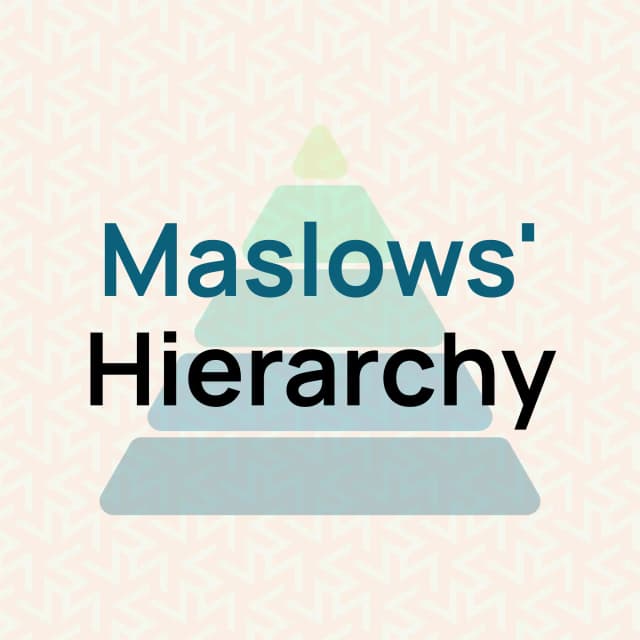
Maslow's Hierarchy of Needs in Education: Understanding and Applying the Basic Needs Pyramid
Maslow's Hierarchy isn't just a theory; it's a powerful lens for understanding what drives human behaviour in and beyond the classroom. From ensuring basic comfort to encouraging self-confidence, each stage of the needs pyramid affects how students absorb and apply knowledge. Maslow's Hierarchy of Needs, a foundational theory in psychology, provides a valuable framework for understanding these needs and their role in education.This article outlines how teachers can integrate Maslow's principles to support learning at every level.What Is Maslow's Hierarchy of Needs?First introduced in 1943 by psychologist Abraham Maslow, this widely recognised theory presents a five-level pyramid of human needs, starting with the basics like food, water, and safety, progressing to emotional wellbeing, confidence, and ultimately, self-actualisation.Maslow's five-tier model includes:LEVELDESCRIPTIONPhysiological NeedsFood, water, shelter, sleepSafety NeedsSecurity, stability, safe environmentLove and BelongingFriendships, family, and supportive peer relationshipsEsteem NeedsConfidence, achievement, and respect from othersSelf-ActualisationPersonal growth, creativity, and achieving one's full potentialThe principle is clear: individuals must have their fundamental needs met before they can focus on learning or personal growth. Maslow's theory continues to shape how educators meet the needs of every learner, starting from the ground up. In classrooms, this framework is increasingly used to understand student behaviour, identify barriers to learning, and design support systems that promote inclusive, effective education.Breaking Down the Five Levels of Maslow's PyramidUnderstanding each stage of Maslow's hierarchy is essential for creating learning environments where students can succeed. These five levels act as a checklist for identifying what might be affecting a student's ability to engage and progress.Physiological NeedsThese are the most basic needs: food, water, sleep, and warmth. In schools, this means making sure students aren't distracted by hunger, tiredness, or physical discomfort. Breakfast clubs and well-ventilated, comfortable classrooms support this level.Safety NeedsA stable and secure environment is vital. This includes physical safety, like safeguarding procedures, and emotional safety, like having consistent routines and trusted adults. A calm, predictable setting builds trust and helps students concentrate.Tip: Together, the safety and physiological levels of Maslow's hierarchy of needs are referred to as basic needs.Love and BelongingFriendships, peer support, and healthy teacher-student relationships foster a sense of inclusion. Group work, social activities, and anti-bullying initiatives help students feel they belong and are valued by their community.Promote mutual respect through clear ground rules.Encourage teamwork and inclusive activities.Use group work to build collaboration.Arrange seating to support positive interaction and inclusion.To advance your career in teaching, consider enrolling in the Level 4 Certificate in Higher Level Teaching Assistant (HLTA).For more support in educational settings, consider our teaching courses at Hurak.Esteem NeedsEsteem needs, the fourth level of Maslow's hierarchy, involve self-respect and recognition from others. These include confidence, independence, achievement, and the respect or acknowledgement learners receive. When students feel valued and capable, they are more willing to embrace challenges and grow.Educators can support self-esteem by offering constructive feedback, celebrating achievements, and encouraging autonomy.Tip: The esteem, love and belonging levels together form what is known as the "psychological needs" within Maslow's hierarchy.Self-ActualisationAt the very peak of Maslow's hierarchy are the self-actualisation needs. These refer to the pursuit of a person's full potential and personal growth. At the self-actualisation pyramid, students pursue personal interests, creativity, and ambitious goals. Once lower needs are met, learners can fully engage in education and achieve their potential.This is where students can truly thrive. Encouraging curiosity, creativity, and independent thinking allows them to explore their potential. With their lower needs met, learners are better equipped to take initiative and growWant to Apply Maslow's Hierarchy in Your School or Classroom?Whether you're supporting students basic needs, building safer environments, or helping them realise their full potential, the right training can make all the difference. Here are some professional courses to help you implement Maslow's principles in real-world education:Level 2 Food Hygiene and Safety at Work: Ensure student health through safe food practicesEmergency First Aid at Work | Level 3 | 1-Day EFAW: Create safer learning spacesLevel 2 Certificate in Supporting Teaching and Learning in Schools: Support inclusive classroom relationshipsLevel 3 Award in Education and Training (AET or PTLLS): Build confidence and improve teaching deliveryLevel 5 Diploma in Teaching (DiT): Empower students to reach their full potentialTrain today, transform tomorrow.Explore all education and teaching courses on Hurak.Why is Maslow's Theory Important in Education?Maslow's hierarchy shows us that learning doesn't happen in isolation; it depends on whether a student's basic needs are met. A hungry or anxious child is unlikely to engage in class or retain information, no matter how good the teaching is. Recognising the importance of Maslow's hierarchy reveals the real barriers students may face. When basic needs go unmet, learning suffers. Educators who address these needs can:Increase engagement.Enhance emotional well-being.Lower rate of absenteeism.Support diverse learners.By fulfilling each level of the hierarchy, schools create a strong foundation for both academic and personal growth. In the UK, schools increasingly recognise the need to support the whole child. From providing free meals to creating emotionally safe spaces, Maslow's model offers a clear framework for removing barriers to learning and creating classrooms where every pupil has the chance to succeed.How Teachers Can Apply Maslow's Theory in the Classroom:Practical ApplicationsUsing Maslow's Hierarchy in real classroom settings helps teachers support the whole child, not just their academic outcomes. When educators design learning environments with student needs in mind, they create a space where engagement and growth naturally follow.Maslow's LevelSchool StrategyWho Implements It?Physiological NeedsFree school meals, water breaks, nap zones in early years, and health screeningsWelfare teams, teaching assistantsSafety NeedsAnti-bullying policies, school counsellors, safeguarding protocols, trauma-informed teachingDSLs, SENCOs, safeguarding leadsLove and BelongingPeer mentoring, buddy systems, inclusive seating plans, PSHE lessonsForm tutors, classroom teachersEsteem NeedsAchievement boards, leadership roles, student voice initiatives, personalised praiseSLT, pastoral support teamsSelf-ActualisationCreative clubs, stretch & challenge tasks, goal-setting workshops, career planningSubject leaders, career advisersAddressing Challenges in Meeting Students' NeedsMeeting students needs is not always straightforward. Socio-economic challenges, limited resources, and external stressors can hinder students ability to focus on learning. However, with creative strategies such as community partnerships, peer support programs, and accessible mental health resources, schools can overcome these barriers. By fostering a supportive and inclusive environment, teachers can help ensure that every student's needs are met, paving the way for academic success.Understanding Student Motivation Through Maslow's TheoryMaslow's hierarchy has become a key tool in education for understanding what drives student engagement. By identifying where learners are on the pyramid, from basic safety to self-actualisation, educators can better support their development and learning outcomes.When pupils feel safe, supported, and valued, their motivation increases. They are more likely to participate in lessons, overcome challenges, and reach their full potential. Aligning teaching strategies with these needs not only enhances academic performance but also fosters personal growth. In this way, classrooms become spaces where meaningful learning can truly flourish.FAQsWhat is Maslow's hierarchy of needs in education?A framework showing that students must meet basic needs (food, safety, belonging) before achieving academic success.How does it affect student learning?Unmet basic needs can lower focus, motivation, and performance.What are physiological needs in education?Essentials like food, water, shelter, and sleep support a student's ability to learn.Why is it important for teachers?Helps identify and remove non-academic barriers to learning.How can UK schools apply it?Free meals, anti-bullying programs, emotional support, and encouraging personal growth.Final Thoughts: Empowering Educators to Unlock Student PotentialMaslow's Hierarchy of Needs offers a powerful framework for understanding student behaviour and promoting success in the classroom. By ensuring that students' foundational needs are met, educators can foster environments that support academic achievement and personal growth. Recognising and addressing these needs allows teachers to create classrooms where all students can thriveStart Creating a Supportive Classroom TodayUnderstanding what drives your students is only the first step. Take the next step in your teaching career with Hurak's accredited qualifications.Level 4 Certificate in Higher Level Teaching Assistant (HLTA): Gain advanced skills to support learners and lead in your school.| Level 3 Award in Education and Training (AET): A great starting point if you're new to teaching or training.| Level 5 Diploma in Education and Training (DET): Advance toward qualified teacher status and open up new opportunities.All Teaching and Education Courses. Explore courses tailored to aspiring and experienced educators.

Top 6 Online Cybersecurity Master's Degrees with Embedded Training Paths
Choosing an online cybersecurity master's with training paths is key for professionals seeking career-ready skills. These programs feature hands-on labs, embedded cert prep, and real-world threat simulations. Here are 6 top-rated cybersecurity MS programs�led by Potomac�that offer applied learning built into their virtual classrooms.The cybersecurity industry faces a critical skills shortage, with the (ISC)� 2025 Workforce Study revealing a global deficit of over 4 million cybersecurity professionals. This shortage creates exceptional opportunities for qualified practitioners, but success requires more than theoretical knowledge�today's cyber threats demand hands-on experience, industry certifications, and practical application skills that traditional academic programs often lack.What Makes Online Cybersecurity Master's Programs Career-ReadyThe most effective online cybersecurity master's with training paths programs integrate multiple learning modalities to bridge the gap between academic theory and professional practice. These programs distinguish themselves through embedded certification preparation, virtual lab environments that simulate real-world attack scenarios, and curricula aligned with industry frameworks like NICE (National Initiative for Cybersecurity Education) and DoD 8140.Quality programs also emphasize competency-based learning, allowing working professionals to advance through material at their own pace while demonstrating mastery of practical skills. Students should look for programs that include hands-on experience with current security tools, incident response simulations, and collaboration with active cybersecurity practitioners who bring real-world context to classroom learning.Professionals working with open-source systems in laboratory environments should establish secure network connections, such as through Linux-based VPN configurations, to protect sensitive training data and authentication credentials during remote or distributed exercises Top 6 Online Cybersecurity Master's Degrees for Applied Learning1. University of the Potomac � MS Cybersecurity (Online) � Best Comprehensive Training IntegrationPotomac's Cybersecurity degree program stands out for its tailored approach to working adults, featuring embedded preparation for industry-leading certifications including CompTIA Security+, Certified Ethical Hacker (CEH), and CISSP. The curriculum seamlessly integrates live threat modeling exercises, secure network design projects, and virtual lab scenarios that mirror real-world cybersecurity challenges. The program's alignment with DoD 8140 and NICE frameworks ensures graduates meet federal cybersecurity workforce requirements, making it particularly valuable for professionals seeking government or contractor positions. Students engage with practical simulations covering advanced persistent threats, incident response protocols, and security architecture design, providing comprehensive hands-on experience that translates directly to professional environments.2. EC-Council University � MS in Cybersecurity � Best Industry Certification AuthorityEC-Council University offers a unique advantage as the authoritative source for many of the cybersecurity industry's most recognized certifications, including CEH, Computer Hacking Forensic Investigator (CHFI), and Licensed Penetration Tester (LPT). The MS program features five specialized tracks: Security Analyst, Cloud Security Architect, Digital Forensics, Incident Management and Business Continuity, and Executive Leadership in Information Assurance. Recently ranked in the top 10 by Fortune for online cybersecurity master's programs, ECCU maintains a 92% retention rate and serves students from 79 countries. Students exploring cybersecurity career development strategies will find the direct connection to EC-Council's certification ecosystem invaluable for building credible professional credentials while earning their degree.3. Western Governors University (WGU) � MS Cybersecurity and Information Assurance � Best Value with Embedded CertificationsWGU's competency-based program allows students to accelerate through familiar material while earning multiple industry certifications at no additional cost, including CompTIA CySA+, CASP+, and (ISC)� credentials like SSCP and CCSP. The program aligns with NICE Framework, NSA Center of Academic Excellence guidelines, and CISSP Common Body of Knowledge, ensuring comprehensive coverage of cybersecurity fundamentals. With 63% of graduates completing the program within 18 months and tuition charged per six-month term rather than per credit, WGU offers exceptional value for working professionals. The curriculum covers advanced topics including cloud security, governance risk and compliance (GRC), penetration testing, and enterprise architecture design through practical applications and virtual lab exercises.4. University of Maryland Global Campus (UMGC) � MS Cybersecurity Technology � Best Government-Aligned Practical TrainingUMGC's 30-credit program emphasizes hands-on coursework designed to develop real-world skills through threat intelligence analysis, digital forensics investigations, and incident response scenarios. The curriculum aligns with NSA/DHS Center of Academic Excellence in Cyber Defense (CAE-CD) standards and features red team/blue team exercises that simulate actual attack and defense operations. Students complete practical projects including analyzing cyberattack response procedures, developing mitigation strategies for live threats, and implementing security controls for hypothetical organizations. The program's focus on current technologies and emerging threats ensures graduates understand both foundational principles and cutting-edge cybersecurity challenges, with completion possible in as little as 15 months for approximately $21,000.5. Capella University � MS Information Assurance and Cybersecurity � Best Self-Paced Applied LearningCapella's FlexPath learning model allows students to progress through coursework at their own pace while maintaining rigorous academic standards and practical skill development. The program features comprehensive virtual lab simulations focused on incident response, digital forensics, and ethical hacking techniques using industry-standard tools and methodologies. Students engage with realistic scenarios including malware analysis, network security assessment, and vulnerability management through hands-on laboratory exercises. The flexible format particularly benefits working professionals who need to balance career demands with advanced education, while the emphasis on applied learning ensures graduates develop practical skills that employers value in today's competitive cybersecurity job market.6. MITRE ATT&CK + Open-Source Cybersecurity Learning Consortium � Best Free Practical ResourcesThis innovative approach combines MITRE's globally-recognized ATT&CK framework with curated training modules from leading platforms including TryHackMe, Cybrary, and SANS Community. The consortium provides free access to adversary emulation exercises, threat detection scenarios, and security tool training that complement formal degree programs. Students can access hands-on labs covering the complete cybersecurity lifecycle, from threat intelligence gathering to incident response and recovery. While not offering formal degrees, this resource serves as an excellent supplement to traditional education or as professional development for practicing cybersecurity professionals seeking to enhance their practical skills with current threat landscapes and defensive techniques.Strategic Career Benefits of Embedded Training ProgramsGraduates from online cybersecurity master's with training paths programs report significant advantages in professional advancement and salary growth. The combination of advanced academic knowledge and practical certification credentials positions them competitively for leadership roles in cybersecurity management, consulting, and specialized technical positions.According to the EC-Council's Cybersecurity Salary 2025 report, professionals with 3-5 years of experience often see 20-30% salary increases when transitioning to mid-level or senior roles, with advanced degrees serving as key differentiators. The global cybersecurity market continues expanding, with CyberSeek data showing over 1.1 million people currently employed in cybersecurity roles and substantial growth projected through 2025.These programs particularly benefit working IT professionals seeking to transition into cybersecurity, offering the practical skills and credentials needed to demonstrate competency to hiring managers while providing the strategic knowledge required for leadership positions.Making Your Investment: Choosing the Right Program for Your Career GoalsSelecting the appropriate online cybersecurity master's program requires careful evaluation of your current skill level, career objectives, and learning preferences. Consider factors such as certification alignment, hands-on learning opportunities, program flexibility, and industry recognition when evaluating options.The programs highlighted here offer proven approaches to developing both technical expertise and strategic thinking capabilities essential for cybersecurity leadership. From Potomac's comprehensive DoD-aligned training to WGU's accelerated competency-based model and EC-Council's certification authority, each provides unique advantages for different career trajectories.Take the next step in your cybersecurity career by researching these programs thoroughly and connecting with admissions representatives to understand how their embedded training approaches align with your professional goals. For additional guidance on professional cybersecurity skill development, explore resources that can help you maximize the return on your educational investment and position yourself for leadership roles in this critical and rapidly growing field.

How to improve a child's mental health? - Parental Responsibilities
Taking care of a child's health is a challenging task, whether it involves physical or mental well-being. Children are an integral part of any family.�We don't want to see them sad or suffering. Parents getting worried about their children is a normal thing. The key challenge for any parent is knowing when to take action on a worry.�As children grow, their behaviour changes. Their perception of the world changes. They become irritated, angered, and unable to perform well in their studies. It is the parents' responsibility to properly care for their emotional well-being and to counsel them when needed.In this article, I will explain what common child mental health issues are and what strategies parents and caretakers opt for to improve their child's emotional well-being.Common Child Mental Health IssuesChildren are more emotional than adults. It is difficult for them to regulate their emotions. These are some commonly occurring psychological issues your child might be facing.Anxiety DisordersThe term anxiety revolves around excessive fear or worry that is too difficult to control and interferes with daily life activities. A child may face general anxiety, social anxiety, or separation anxiety. They can have physical symptoms like headaches, stomach problems, or trouble sleeping.Attention-Deficit/Hyperactivity Disorder (ADHD)It is a neurodevelopmental disorder that occurs in children due to constant following of a pattern, inattention, and hyperactivity. Children with ADHD can not perform tasks requiring focus, act without thinking, and fight constantly.Behavioral DisordersChildren with this disorder show resistance and aggressive behaviour towards teachers and their peers. Such a child refuses to follow rules, easily gets angered, or deliberately annoys othersDepressionChildren with this mental disorder show signs of persistent feelings of sadness, irritability, and loss of interest in activities they used to enjoy. Physical symptoms include a change in appetite, sleep, and mood.Eating DisorderChildren with such a disorder are too concerned about their body weight, body image, and the food they eat, which leads to severe physical and mental health issues like anxiety and depression.Post-traumatic stress disorder (PTSD)PTSD is a long-term emotional upset, worry, nightmares, or a scary moment that a child is going through. Children often face this issue after violence, abuse, injury, or trauma. SchizophreniaIn this mental disorder, a child sees a person or hears voices that do not exist in reality. They lose touch with reality. Their minds create odd thoughts and behaviours.Strategies to Implement for Child Mental HealthThe following are some strategies you can apply to improve your child's mental health, many of which are also emphasized in mental health training courses.Create a Communication SpaceA child may feel broken or detached from their peers. It is difficult for children to express their feelings openly because they have a fear of judgment.�As parents, you can help them by creating a safe and supportive environment. Show them some empathy. Make them feel that you are not alone; we are here to find a possible solution.�Validate their feelings by commenting like "I can understand", "That must be painful/frustrating/annoying." Show them your concerns and love. It will help children in their healing process.�Eliminate Mental Health StigmaIt is a common stigma in the family about mental health issues. Family members and society treat them as a negative trait if a child has any psychological concerns.�Some families don't even take them seriously and talk about it. Discuss the benefits of treatment, spread awareness about mental health, and let them know that these concerns are treatable, common, and that anyone can experience them.Play Games with themGames are an effective method to reduce stress and anxiety among children. Winning a challenge gives a sense of accomplishment. You can have a fun and exciting time with your kids. You can include various word games, logic puzzles, and board games to play with kids.�You can engage your children with strands game, which makes them curious about finding hidden words according to themes. This step will help them to think logically and may reduce your child's anxiety and stress, benefiting their mental health.Include Physical ActivitiesPhysical activities reduce anxiety and depression symptoms, improve mood, and cognitive function of the brain. As a parent, you can improve your child's mental health by encouraging them to add healthy activities to their daily life.�You can encourage children to engage in physical exercise or activities. You can go hiking with them or play basketball, cricket, or badminton. Join them in playing a video game requiring movement, not just holding the controller and sitting on the sofa. Many VR games and dance games need body movement.Perform Artistic ActivitiesCreative activities relax the mind and are beneficial for mental well-being. These activities lower stress hormones, release anxiety, and improve mood through serotonin and dopamine release.�Encourage your children to engage in digital art, painting, sculpting, music, and theatre activities. Let them know, they don't have to be good at any� activity. They simply have to enjoy and relax.Celebrate Their Small WinsPraise and appreciation boost a child's self-esteem and build confidence. It helps children develop coping mechanisms for anxiety and depression. As a parent, you can appreciate their act and compliment them on small things.�For example, when they tie their shoes, put their toys back after playing, make eye contact, share a toy with a sibling, complete a puzzle, read a book independently, and learn new games.Take Care of YourselfIt is not easy to care for and get yourself involved with emotionally unstable children. First, as parents, you have to take care of yourself. Take time to eat well, get plenty of sleep, and follow hobbies you like because an empty cup can't fill another cup.Find a Support NetworkTo treat a psychological issue of a child, you need multiple people to support your child's well-being. Dealing alone with such a kind may drain your energy.�Sometimes, you may not be emotionally available to support the child. If you have a supportive family network, you can ask for help. Encourage your child to share or have contact with those family members.Family Routine to Follow for Better Child Mental HealthChild mental health improves with great family connections. A supportive family plays a decisive role in healing a child's mental health. You can consider these activities to follow with your child for better psychological well-being.MeditationMeditation is an effective activity that releases stress and anxiety among kids and adults. It improves focus and takes dedicated time for meditation.�Sit on the floor and take deep breaths without thinking about anything. Please do it for 10 minutes a day, or you can adjust the timing according to your schedule.Play Brain GamesBrain games are a great activity that helps children recover from mental health issues. Playing games requires focus, concentration, and memory usage. Especially games like Connections Unlimited need it more.�It requires both vocabulary skills and logical reasoning.� The child will shift his focus from being worried to solving the word puzzle. It is an essential step in a child's inner harmony.Exercise DailyEngaging in exercise with kids is a great way to foster a strong bond with them. Exercise releases dopamine, a neurotransmitter associated with happiness, which promotes children's mental well-being. You can fix a time from a routine. It could be a cardio exercise, zumba dance, or a simple walk or jogging around the block.Fix Sleeping ScheduleSleep time is essential for anyone dealing with mental health issues. During sleep, our body recovers and heals. Minds get relaxed. As a family head, establish a consistent sleep schedule for your child to maintain a healthy mind. Don't allow your child to have screen time, as it creates a hindrance to their sleeping pattern.Family Meal TimeEating together at the dining table leaves a healthy impact on a child's psychological health. As a family, everyone shares their thoughts at the table. It feels like being connected with family.�Motivate your child to share their problems and feelings with family members. With family members, the child considers himself safe and protected, which is good for mental health.ConclusionChildhood is a beautiful phase of human life, but mental health issues create a hindrance to enjoying life. Cognitive issues in children, like depression, anxiety, and ADHD, are common problems that exist. These psychological issues are curable with the proper steps.�Parents can help their children by creating a safe talking environment, playing games with them, supporting them, and encouraging them to participate in hobbies.Moreover, parents can change the family routine, like doing meditation, physical activities, and fixing sleep time with children, which helps in recovering the child's mental health illness.