On This Page

July 20, 20266 min read
You pop into Tesco at 9:30 am to grab a bottle of wine for later, but the aisle's roped off.
Later that day, you're firing up the grill and send someone for more cider, only to find the shop won't sell it yet.
So, what's going on?
Whether you're a customer or a hospitality professional, these moments highlight a common confusion: when can you legally buy or sell alcohol in the UK?
If you work in a bar, restaurant, hotel, or run events, understanding the rules isn't just helpful, it's essential. This guide breaks down alcohol sale times across the UK, so you stay compliant and avoid costly mistakes.
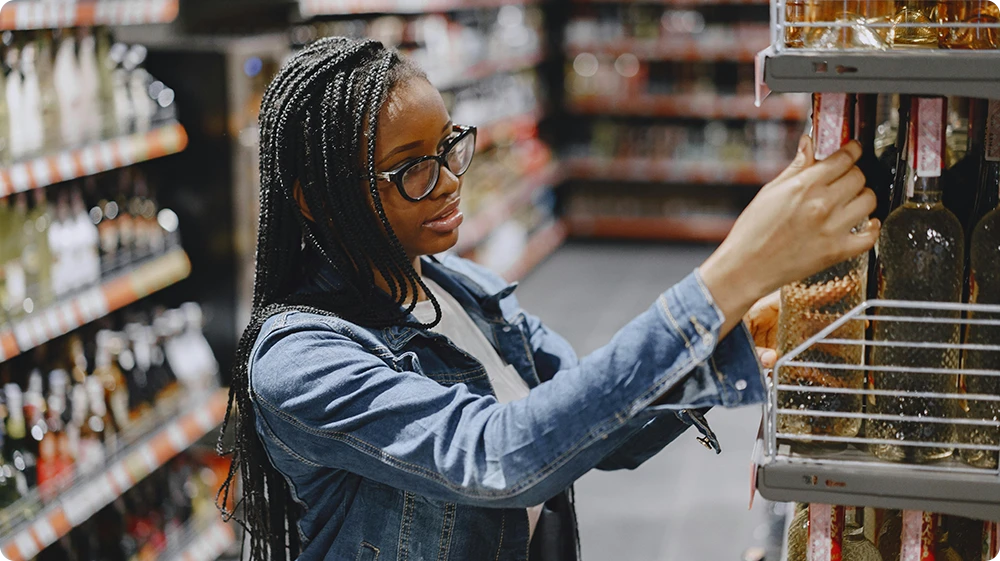
There's no single UK-wide rule for when alcohol can be sold. Instead, alcohol sale times are set by your local council and detailed in your premises licence. Selling alcohol outside your approved hours is illegal and can lead to fines, license suspension, or criminal charges.
In England and Wales, businesses must follow the times listed on their premises licence. That means some venues, like large supermarkets, may be able to sell alcohol 24 hours a day, while others might be limited to 8 am to 11 pm or less.
Sunday trading laws apply to large shops (over 280 square metres), restricting them to open for just six consecutive hours between 10 am and 6 pm, which limits when alcohol can be sold.
So, can you buy alcohol in the morning? Yes, if the business is licensed for it.
Tip: Hosting a one-off event like a wedding or birthday? A Temporary Event Notice (TEN) lets you sell alcohol for up to 168 hours, as long as fewer than 500 people attend. For a quick overview, check out our full guide to TENs in this article.
In Scotland, the rules are stricter:
Shops and supermarkets: Can only sell alcohol between 10 am and 10 pm
Bars and pubs: Hours vary by licence, often until midnight or later
Scotland also bans multi-buy alcohol promotions in shops and requires ID checks for anyone who looks under 25 (Challenge 25).
Northern Ireland has the most restricted rules:
Shops and supermarkets:
Mon to Sat: 11:30 am to 11 pm
Sunday: 12:30 pm to 10 pm
Bars and restaurants: Must follow strict licensing hours, and new licences are limited unless an existing one is given up.
Selling alcohol outside your licensed hours can result in:
Fines up to 20,000
Losing your licence
Criminal prosecution
Sticking to your permitted hours protects your business, staff, and reputation.
It covers the physical location (e.g., bar, shop, hotel). It outlines:
Hours of alcohol sale
Activities permitted (e.g. live music)
Licensing conditions (e.g. CCTV, door staff)
Held by the person responsible for alcohol sales. Every premises needs at least one Designated Premises Supervisor (DPS) with a personal licence.
Manage Alcohol Sales Legally and Confidently
To oversee alcohol sales at a licensed venue, you'll need to be named as a Designated Premises Supervisor (DPS). The first step? Getting your Personal Licence starts with recognised training.
At Hurak, we make the process simple, fast, and stress-free.
Step 1: Complete the Level 2 APLH Personal Licence Course
Gain the knowledge you need to pass the exam and meet the legal requirement for holding a Personal Licence.
Step 2: Apply for Your Personal Licence
Once you pass the course, submit your application to your local council.
After that, you can be named as the DPS on a Premises Licence and start managing alcohol sales legally and confidently.
To oversee alcohol sales at a licensed venue, you’ll need to be named as a Designated Premises Supervisor (DPS). The first step? Getting your Personal Licence starts with recognised training.
At Hurak, we make the process simple, fast, and stress-free.
✅ Step 1: Complete the Level 2 APLH Personal Licence Course
Gain the knowledge you need to pass the exam and meet the legal requirement for holding a Personal Licence.
Start your APLH Personal Licence training course
✅ Step 2: Apply for Your Personal Licence
Once you pass the course, submit your application to your local council.
Apply for your Personal Licence
After that, you can be named as the DPS on a Premises Licence and start managing alcohol sales legally and confidently
For short-term events where alcohol will be sold, ike weddings or festivals, with under 500 attendees.
Often licensed from 10 am to 11 pm or later (some till 2 am). Serving hot food or drinks after 11 pm? You may need a late-night refreshment licence.
Can often sell alcohol 24/7 to guests via room service or minibars, depending on their premises licence.
England & Wales: Sale times vary; some open 24/7
Scotland: 10 am to 10 pm only
Northern Ireland: Restricted daily times
Yes, but only in certain areas.
In England, some shops can sell alcohol from 6 am or earlier if their licence allows. In Scotland, sales before 10 am are prohibited. In Northern Ireland, sales before 11:30 am (Monday to Saturday) and 12:30 pm (Sunday) are prohibited.
Only if your premises licence allows it. Some venues are licensed until midnight or beyond. For one-off events, you can apply for a Temporary Event Notice (TEN) to extend your hours.
Selling alcohol at an event? You'll need permission.
For one-time events (e.g. weddings, pop-ups): Apply for a TEN
For recurring events or permanent venues: A full premises licence is recommended.
Tip: A TEN allows alcohol sales for up to 168 hours for events with fewer than 500 people
If you sell alcohol without the proper licence, or outside permitted hours, you could:
Be fined up to 20,000
Lose your licence
Be prosecuted
You must also never:
Sell alcohol to someone under 18
Serve alcohol to someone who is already drunk
Ignore any conditions listed in your licence
Tips for Staying Compliant in Hospitality
Know your exact licensed hours
Check your premises licence regularly
Follow Challenge 25: ask for ID if someone looks under 25
Put up clear signs with your alcohol sale hours
Train your staff and keep updated logs
Contact your local council if you're unsure
Navigating the UK's alcohol licensing laws can be complex, with variations across England, Wales, Scotland, and Northern Ireland. For hospitality professionals, understanding these differences is crucial to ensure compliance and avoid potential penalties. Whether you're managing a pub, running a hotel, or organising an event, staying informed about your specific licensing hours and regulations is essential.
By familiarising yourself with the licensing requirements and seeking guidance from local authorities when needed, you can operate confidently within the legal framework. This not only protects your business but also upholds the standards of the hospitality industry.
Remember, responsible alcohol service is the cornerstone of good hospitality. By adhering to the rules and maintaining best practices, you contribute to a safe and enjoyable environment for all.
Need a Premises Licence?
Hurak can handle the entire application process on your behalf, saving you time, hassle, and paperwork.
Apply for a Premises Licence with Hurak
England & Wales: Depending on the premises licence, some shops can sell alcohol 24 hours a day
Scotland: 10 am
Northern Ireland: 11:30 am (Mon to Sat), 12:30 pm (Sun)
No. You must have the appropriate licence. If you're running a short-term event, you need a TEN. For regular alcohol sales, a premises licence and a personal licence holder are required.
Yes, in most cases. Even if alcohol is given away for free, if it's part of a ticket price or included with a purchase, a licence is usually required.
Courses
Upskill with job-ready training.
Mock Tests
Measure your learning progress.
Create an online video course, reach students across the globe and earn money