

Self-Harm: Understanding the Reasons, Types and How to Stop
Read the full article for more details.
Is It More Than Mood Swings? Understanding Bipolar Disorder
Read the full article for more details.
Exploring Self-Esteem: Signs, Causes, and Ways to Strengthen It
Self-esteem refers to your overall sense of self-worth and how much you value and believe in yourself. It plays a significant role in your confidence, decision-making, and emotional well-being. When self-esteem is low, it can lead to self-doubt, anxiety, and a negative self-image.In today�s world, where social comparison is constant, it�s essential to understand the meaning of self-esteem. Strengthening your self-esteem can enhance both mental health and quality of life.�Understanding Self-Esteem�Self-esteem is our internal sense of worth that influences how we think and feel about ourselves. It is not about being perfect or having pride; instead, it involves self-acceptance and the belief that we deserve respect and happiness.Experts view self-esteem as a fundamental part of emotional well-being. High self-esteem fosters motivation and resilience, while low self-esteem can lead to social withdrawal or excessive compensatory behaviour. The good news is that self-esteem can always be rebuilt with patience and self-awareness.What Is Low Self-Esteem?Low self-esteem is more than occasional doubt; it�s an ongoing belief that you�re not capable, deserving, or valuable. People with low self-esteem often doubt their decisions, feel inadequate compared to others, and struggle to accept compliments or acknowledge their achievements. This mindset can manifest in many ways, such as harsh self-criticism, excessive worry about making mistakes, fear of failure, or avoidance of new challenges. It can also affect relationships, as individuals may struggle to express their needs, set boundaries, or trust others.Recognising the signs of low self-esteem is a crucial first step toward positive change. Awareness allows individuals to identify patterns of negative thinking and self-sabotaging behaviours. Over time, consistently applying these strategies can lead to a healthier self-image, improved decision-making, and more fulfilling personal and professional relationships.Signs and Symptoms of Low Self-EsteemLow self-esteem can affect thoughts, emotions, and behaviour. Common signs include:Self-doubt: Constantly questioning your abilities or decisions.Negative self-talk: Criticising yourself or focusing on weaknesses.Fear of failure: Avoiding challenges due to worry about making mistakes.Difficulty accepting praise: Downplaying achievements or feeling undeserving.Perfectionism: Feeling anything less than perfect is a failure.Social anxiety: Feeling nervous in social situations or avoiding interactions.People-pleasing: Putting others� needs first to gain approval.What Causes Low Self-Esteem?Low self-esteem develops from a combination of personal experiences, emotions, and environmental factors. Common causes include:Childhood experiencesNeglect, harsh criticism, or a lack of emotional support can cause children to internalise feelings of unworthiness.Bullying and peer rejectionRidicule or social exclusion reinforces self-doubt.TraumaAbuse, loss, or other traumatic events can create lasting feelings of guilt, shame, or helplessness.Social comparisonComparing oneself to others, especially on social media, can intensify feelings of inadequacy.Environmental and emotional factorsToxic relationships, high-pressure environments, anxiety, or perfectionism can reinforce negative self-beliefs.Negative self-talkPersistent self-critical thoughts shape behaviour and hinder confidence.How To Improve Self-EsteemImproving self-esteem starts with recognising and understanding your inherent value as a person. One practical approach is to challenge negative thoughts and self-criticism, replacing them with balanced and positive perspectives.�Celebrating achievements, whether big or small, reinforces a sense of accomplishment and reminds you of your abilities. Taking small risks and stepping out of your comfort zone can gradually build your confidence, demonstrating that you are capable of handling challenges.Equally important is surrounding yourself with supportive and encouraging people who uplift you, rather than bring you down. Strengthening self-esteem also involves building healthy attachment and independence.When To Seek Professional Help�Low self-esteem can significantly impact various aspects of life, including personal confidence, relationships, and overall mental health. When persistent feelings of self-doubt or inadequacy begin to interfere with daily functioning, consulting a mental health professional can be highly beneficial. Therapy and counselling provide a structured and supportive environment to explore these feelings, identify their underlying causes, and develop evidence-based strategies to enhance self-esteem.�Such interventions often focus on cultivating emotional resilience, challenging negative thought patterns, and increasing self-awareness. Techniques include practising self-compassion, developing assertiveness skills, and learning adaptive coping mechanisms to manage criticism or setbacks effectively. Approaching self-esteem in this proactive manner aligns with the principles of mental health first aid:Recognising signs of psychological distressUnderstanding their impactImplementing strategies to support mental well-beingOver time, these approaches contribute to improved confidence, healthier interpersonal relationships, and a more stable and positive sense of self.Conclusion�Low self-esteem can impact various aspects of your daily life, including personal relationships, professional performance, and overall mental well-being. However, with awareness, consistent effort, and supportive guidance, it is possible to improve and nurture a stronger sense of self-worth. Understanding what self-esteem is and how it develops is the first step toward meaningful change.�By practising strategies like challenging negative thoughts, celebrating achievements, setting realistic goals, and surrounding yourself with positive influences, you can reshape your self-perception. Seeking professional support can also provide valuable tools to enhance your emotional resilience.These efforts lead to greater confidence, better decision-making, healthier relationships, and overall life satisfaction. Building self-esteem is an ongoing process that, with persistence and support, empowers you to face challenges confidently and embrace a more fulfilling life.FAQsWhat is self-esteem, and why is it important?Self-esteem is the overall sense of how much you value and believe in yourself. It affects your confidence, decision-making, and emotional health. Healthy self-esteem helps you handle challenges, form strong relationships, and maintain a positive outlook on life.What are the common signs of low self-esteem?People with low self-esteem may experience self-doubt, negative self-talk, fear of failure, difficulty accepting praise, perfectionism, social anxiety, or people-pleasing behaviour. Recognising these signs is the first step toward improving self-worth.What causes low self-esteem?Low self-esteem often develops from adverse childhood experiences, bullying, trauma, or constant comparison to others. It can also result from perfectionism, toxic relationships, or prolonged stress.How can I improve my self-esteem?You can improve self-esteem by challenging negative thoughts, celebrating achievements, setting realistic goals, and surrounding yourself with supportive people. Practising self-compassion and seeking therapy when needed can also help.How long does it take to build self-esteem?Improving self-esteem is a gradual process that varies from person to person. With consistent effort, positive thinking, and professional support, many people begin to notice changes within weeks or months.
The Power of Visual Learning: Why Video Content Is Essential for Modern Online Training
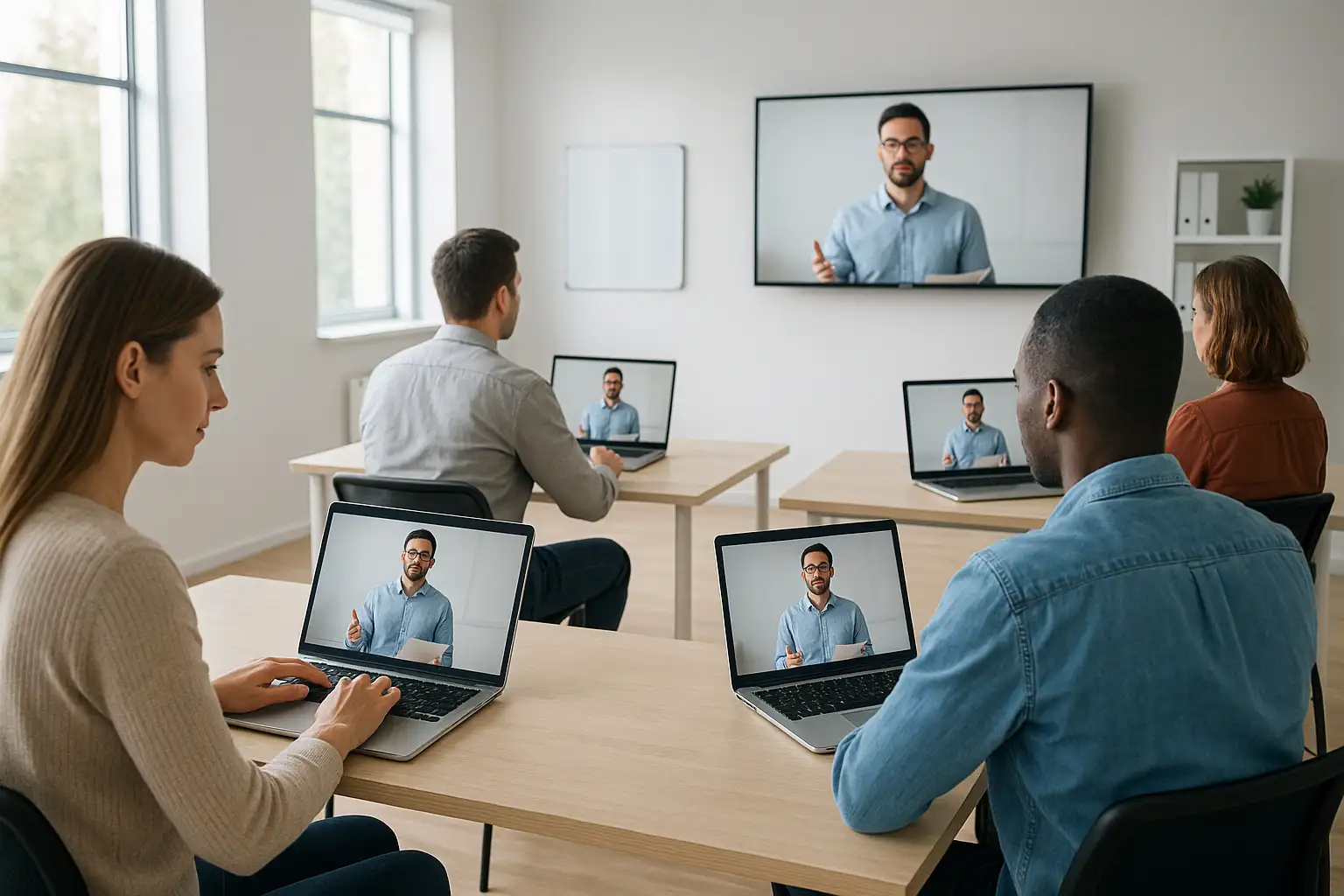
Today�s fast-paced learning environment has demanded video to be one of the most influential online education tools. No matter if it is a corporate compliance module, a technical certification, or a soft skills course, learners remember more and stay involved longer if the training incorporates visual content. For companies such as Hurak, which focus on offering online courses and certifications that are easily accessible, knowing how to incorporate and manage video content can definitely enhance both learner experience and training outcomes.The Growing Role of Video in Online TrainingSeveral studies on e-learning effectiveness show that visual information is processed faster than text by a factor of 60,000. That is why video-based content has quickly become the bedrock of digital education. The transition from instructor-led tutorials to interactive scenario-based videos has never been easier and the flexibility along with the engagement that video brings is also unmatched.Online training providers are not only about static slides or text-heavy lessons anymore. They are gradually investing in dynamic video modules that break down the most difficult concepts. For example, in a Health and Safety certification course, short video demonstrations can very clearly display the procedures of fire safety drills or first aid applications thus helping the learners to understand and remember the steps much more effectively than by just reading.Why Video Quality and Framing Matter in eLearningThe quality of content is crucial but the way of presentation of content is the same. A well-structured video that�s properly framed and visually appealing makes learning smooth and enjoyable. Poorly cropped visuals, excessive background clutter, or off-centered frames can easily annoy learners and reduce the professionalism of the training material.That�s the reason why course creators and training professionals should put attention to video editing especially to how visuals are framed. Clean, focused visuals guarantee that the attention of the learners stays where it is supposed to be: on the educational message.This is when dependable editing tools come into play, especially for instructors who need to make quick adjustments without advanced technical knowledge.Streamlining Course Content with Smart Video Cropping ToolsMaking online courses frequently necessitates repurposing of already existent materials, recorded lectures, webinars, or demonstrating workplace training. But, not all footage is ready to be used as it is. Teachers frequently need to cut or change the frame to ensure that only the visuals of their concern are in the view.A simple online video editing tool that enables you to trim or crop videos easily and accurately is a practical method to do this. This process helps in removing the unwanted parts from the frame, bettering the composition, and key details supporting the learning objectives are highlighted. These refined clips can also be repurposed into lightweight formats, such as GIFs, using a video to GIF maker for quick and easy sharing across learning platforms.For trainers handling several videos for different certification programs using an intuitive online video cropping tool saves a lot of time. It does away with the requirement for large software downloads or complicated editing configurations, allowing educators to modify videos right from their browsers thus guaranteeing that all course materials retain a cohesive, professional look.Enhancing Learner Engagement Through Personalized MediaModern eLearning isn�t just about uploading a lecture; it�s about creating a tailored learning experience. Adding custom intros, annotations, or focused visuals helps personalize each course and makes content more relatable to the learner. Instructors often use AI image tools to quickly generate bespoke visuals from annotated diagrams to themed slide backgrounds that improve clarity and learner recall. Instructors can highlight important gestures, tools, or on-screen text by adjusting the video frame, making it easier for students to follow along.Using reliable online video editing tools, training providers can quickly fine-tune visual assets to better match course design standards. This is particularly useful for industries like construction, health and safety, or IT training where small details, such as the position of hands during a safety drill or the layout of a user interface, are critical to learner understanding.The Role of AI in Content Creation for eLearningAI technology is revolutionizing not only classrooms but also the way teachers supply and use digital content, even outside the video. with options like a cartoon creator enhancing visual storytelling. AI tools are performing all tasks such as assessment automation, content recommendations, etc., which makes teachers' work focus more on educational activities and less on paperwork.The AI-assisted learning materials� lifecycle for instance has already been advanced with AI scripts and voiceovers � with platforms offering a full suite of AI video and image models that allow educators to generate professional training visuals from text prompts alone.�The AI lyrics generator software, for example, can be used in different ways by course developers to create rhythmic study aids, background music for online learning, or memory aids that facilitate learners' recollection of key terms and definitions. When AI is involved in the creative process the result is still the same but adding a new exciting layer to the online training and thus making the learning process more engaging and unforgettable.Integrating Video Editing Tools into the Course Creation WorkflowIn order to keep the online training modules of different topics in the same line concerning their quality, it is necessary to incorporate video editing into the course creation process standard workflow. However, this does not imply that every trainer must be a professional videographer, but they need easy and efficient tools that help in content refining.For instance, during the process of creating new modules for a compliance training course, the trainers might have to cut down long video clips, reframe the important moments or change the orientation to fit with the platform�s display format. With the help of simple browser-based video tools, teachers can make these alterations very fast, and thus get the visuals that are in line with the learning objectives.By the usage of such tools, online training companies like Hurak can simplify their content production, keep their brand consistent and provide a better learning experience that is more professional than before.Best Practices for Video Use in Online TrainingThe following are best practices that should be considered when video is to be a part of your online courses:Keep videos concise � Break long sessions into shorter segments (5�10 minutes) to sustain learner attention.Use visual cues �Highlight important points with text overlays or focused framing.Ensure accessibility � Add captions and transcripts for inclusivity.Maintain visual consistency � Use tools to standardize framing, lighting, and branding across all videos.Optimize for mobile � Crop and format videos to ensure they display correctly on smaller screens.These simple yet effective techniques not only enhance learner engagement but also increase completion rates and retention.Conclusion: Elevating Learning Experiences Through Smart Video ToolsVideo has become a cornerstone of modern online training helping learners connect, visualize, and retain information more effectively. As eLearning continues to evolve, trainers and certification providers must ensure that every visual element supports the overall learning objective.Integrating intuitive, easy-to-use video editing tools enables educators to produce professional-quality training materials efficiently, without needing advanced technical skills. Combined with innovative AI-driven content creation tools such as AI lyrics generatortrainers can enhance engagement and creativity across every course.For professionals and institutions delivering online training through platforms like Hurak, embracing these tools means not only improving the quality of learning materials but also staying ahead in the ever-evolving landscape of digital education.