

Can You Put Warm Food in the Fridge? UK Cooling Safety Guide for Homes and Commercial Kitchens
Can You Put Warm Food in the Fridge?It�s a question that crosses nearly every cook�s mind: Can you put warm food in the fridge, or should you wait until it cools down first?Whether you're cooling leftovers after dinner, managing surplus food in a commercial kitchen, or storing dishes safely in a catering van, this simple decision can have profound implications for food safety.Improper cooling and refrigeration can lead to bacterial growth, food spoilage, and even foodborne illness, such as food poisoning.�Yet, confusion remains - how long should you let food cool before refrigerating?And what really happens if you put hot food straight in the fridge?This guide cuts through the noise. Backed by food safety principles and UK-specific advice, we�ll walk you through:What happens when hot food goes into the fridgeThe best practices for cooling food quicklyHow long to wait before refrigerating safelyWhat UK regulations and professional guidance sayFrom single portions to bulk batches, the core food safety rules apply to all settings.So, can you really put warm food in the fridge?�Let�s look at what science, safety experts, and UK guidance have to say.Is It Safe to Put Hot Food in the Fridge?The short answer: it depends.While it may seem like a quick way to preserve freshness, putting hot food straight into the fridge can actually do more harm than good if done incorrectly, at home or in a commercial kitchen.Let�s explore what happens when hot food is placed in the fridge and why this can compromise food safety.What Happens When You Put Hot Food in the Fridge?Internal Fridge Temperature RisesWhen you put hot food into a cold fridge, the heat from the food doesn�t just disappear; it transfers to the air and surrounding items.Think of your fridge as a climate-controlled box designed to keep food at or below 5�C. But when you place a large container of steaming curry or stew inside, especially if your fridge is already full, that heat warms the air and nearby items.This causes the fridge�s internal temperature to spike temporarily, and it may take hours to return to a safe range.During this time, foods like cooked meats, dairy products, or sauces can enter the temperature danger zone.What Is the Temperature Danger Zone?The temperature danger zone is between 8�C and 63�C. This is the range where bacteria, such as Salmonella, E. coli, and Listeria, grow and multiply most rapidly. According to the Food Standards Agency, food should be kept below 5�C in the fridge or above 63�C if kept hot.When your fridge warms up even slightly, you create an ideal environment for bacterial growth, which is invisible, rapid, and can lead to foodborne illness, especially in vulnerable groups such as children, the elderly, or individuals with weakened immune systems.Keeping your fridge at or below 5�C, as outlined in our Fridge Storage Temperature Guidelines, ensures that food remains safe.Uneven Cooling: A Hidden RiskCooling food in a fridge isn�t just about chilling the outer layer; the core temperature is what truly matters.When hot food is stored in deep containers or kept covered, the outside cools quickly in the fridge air, but the centre can stay warm for hours. This delay allows bacteria, whether leftover from cooking or added later, to grow and multiply.This risk is exceptionally high in commercial kitchens, where large batches of food, such as sauces, rice, or meats, are stored and used over time.Condensation & Contamination: A Moisture ProblemWhen hot food enters a cold space, steam is released, and this steam condenses on the fridge's surfaces, shelves, and containers.This may seem harmless, but excess moisture:Encourages mould growthIncreases the chance of cross-contamination, as water droplets can transfer bacteria across surfacesReduces fridge efficiency, making it harder to maintain a safe temperature throughoutIf your fridge isn�t cleaned regularly or is overcrowded (a common issue in restaurant kitchens), this moisture can quickly turn into a contamination hazard.Putting hot food directly into the fridge isn't just a minor oversight � it can compromise the safety of everything stored inside.�From raising the internal temperature and triggering bacterial growth in high-risk foods to causing hidden condensation risks, understanding these hidden dangers is essential.For best practices on safe fridge storage, don�t miss our guide on How to Organise Your Fridge for Food Safety.The Science Behind Cooling Food SafelyCooling food safely is more than just a storage routine, it�s a science-backed step to stop bacteria like Clostridium perfringens and Bacillus cereus from growing.These pathogens can survive the cooking process and multiply quickly if food cools too slowly, producing toxins that reheating won�t destroy.Let�s explore how to cool food the right way, whether you're at home or running a food business.For Home Kitchens & Small Food BusinessesIf you�re storing leftovers at home or operating a small caf� or food stall, the UK Food Standards Agency (FSA) advises:Let food cool at room temperature for no more than 90 minutes to 2 hoursOnce slightly cooled, refrigerate it below 5�CDiscard food left out at room temperature for 4+ hours, as bacteria may have already multiplied to unsafe levelsTip: To cool food faster, divide it into smaller portions, place it in shallow containers, or stir occasionally to release heat.This simple approach dramatically reduces the time food spends in the temperature danger zone (between 8�C and 63�C), where bacteria grow fastest.Cooling in Commercial Kitchens and Catering SettingsIn professional environments, cooling food rapidly is a critical requirement not just for safety, but for compliance with UK FSA guidance. According to widely accepted HACCP-based practices, cooling must be done using efficient tools and under strict time limits.UK Cooling Standards for Food BusinessesCool hot food to below 8�C within 90 minutes using methods such as blast chillers, ice paddles, or shallow traysNever leave food at room temperature for more than 2 hours after cookingDiscard food left out for over 4 hoursThese standards help remove food from the danger zone as quickly as possible, thereby reducing the risk of contamination from bacteria such as Salmonella, E. coli, and Listeria.Common Cooling Methods in UK KitchensBlast chillers: Rapidly lower the temperature of large batches of foodShallow trays and portioning: Spread food out to ensure even coolingIce baths/paddles: Useful for soups, sauces, or riceBy adhering to the 90-minute cooling rule and utilising proper tools, both home cooks and food handlers in commercial settings can ensure that food remains safe, compliant, and free from harmful bacteria.How Long Should You Let Food Cool Before Refrigerating?If you're still unsure, here's a clear breakdown:�At Home or Small Food BusinessesLet food cool at room temperature for no more than 90 minutes to 2 hoursOnce the steam has reduced, refrigerate below 5�CUse shallow containers, stir occasionally, or place near a fan to help speed up cooling�In Commercial SettingsUse blast chillers, ice baths, or cooling paddles to reduce the temperature to below 8�C within 90 minutesLabel and date cooled food properly, especially in batch-cooked settingsAvoid placing hot food directly into the fridge it disrupts cooling and risks cross-contaminationIn short:? Commercial kitchens: cool food to below 8�C within 90 minutes? At home: cool food for 90 minutes to 2 hours max, then refrigerate below 5�CDelaying this process increases the risk of bacterial growth and can lead to foodborne illness.Take the Next Step in Food SafetyIf you or your team handle food professionally, the right training is essential to avoid critical mistakes like improper cooling, cross-contamination, or unsafe reheating.Here are some courses to strengthen your knowledge and keep your kitchen inspection-ready:? Level 2 Food Hygiene and Safety for Catering: Designed for anyone who prepares or handles food�especially useful for caterers and kitchen staff.??? Level 3 Food Hygiene and Safety for Supervisors: A must-have for managers and supervisors responsible for food safety and training others.? Level 2 HACCP Course: Learn how to implement critical controls, including how to safely cool, store, and handle high-risk foods.? Stay compliant. Stay safe. Start your training today.Busting Common Myths About Refrigerating Hot FoodDespite clear food safety guidance, myths about cooling and refrigeration still confuse many home cooks and food business operators. Here's a quick myth-busting guide to help you separate fact from fiction.Don't let food myths lead to food safety mistakes. Trust science-backed practices to stay safe and compliant.Best Containers for Cooling and Storing Hot FoodStoring hot food safely starts with choosing the proper containers. Here�s how to do it right.Start Smart: The Right Containers Make All the DifferenceUsing appropriate containers can significantly reduce cooling time and ensure your fridge stays safe and hygienic.Shallow Containers (?5cm deep)Encourage even cooling and prevent the centre from staying hot for too long.Glass or Food-Grade Stainless SteelThese materials cool faster than thick plastic and are non-reactive.Ventilated Lids or CoversLeave lids slightly ajar during the initial cooling process; fully seal them before refrigerating.Portion-Sized ContainersDivide large batches into smaller containers to help them cool more quickly.Avoid Deep Plastic Tubs for Hot FoodsThey trap heat and prolong time in the danger zone.? Tip: Always label containers with time and date if storing food commercially.Using the correct container isn�t just a storage choice � it�s a safety measure. Whether you�re meal-prepping or running a kitchen, smart storage keeps bacteria at bayGo Beyond the Basics Hurak�s Level 3 Food Hygiene and Safety Course is ideal for managers and business owners seeking to enhance cooling practices, confidently pass inspections, and ensure full legal compliance.Start your training today � don�t just meet the standards, exceed them.ConclusionFollowing proper food safety guidelines is essential to prevent bacterial growth and keep your food safe to eat. Correctly cooling and storing food reduces the risk of foodborne illness and protects both your health and that of others.Let�s summarise the key points with two practical examples to highlight how safe cooling works at home and in commercial kitchens:At Home:You�ve just cooked a large batch of chicken curry. You divide it into shallow containers and let it cool on the kitchen counter for about 90 minutes. Once the steam has disappeared, you place it in the fridge, storing it below 5�C, and it is ready for tomorrow�s lunch.In a Commercial Kitchen:The same dish is made in bulk for a busy lunch service. The kitchen team spreads it out in shallow trays, then uses blast chillers to quickly bring the temperature down to below 8�C within 90 minutes. Each container is labelled and stored in a walk-in fridge, well away from raw ingredients.In both cases, the principle is clear:Cool food quickly, store it smartly, and keep it below 5�C.Whether you�re cooking at home or working in a professional kitchen, following these safe hot food cooling and storing practices protects everyone at the table.FAQsCan you put warm food in the fridge?Yes, you can put warm food in the fridge, but it�s best to let it cool slightly first. Putting very hot food directly into the refrigerator can raise the temperature inside, affecting other food and increasing the risk of bacterial growth.How long should you let food cool before refrigerating?Ideally, let food cool for no more than 30 minutes before refrigerating. Large portions should be divided into smaller containers to help cool faster and safely.What happens if you put hot food in the fridge?Placing hot food directly into the fridge can cause the internal temperature to rise, potentially spoiling other stored food and encouraging the growth of harmful bacteria.What are the top 3 quick cooling tips?Divide large portions into smaller, shallow containersStir hot liquids occasionally to release heatUse an ice bath or blast chiller if availableDoes fridge loading affect food cooling?Yes, a crowded fridge reduces airflow and cooling efficiency. Avoid overloading your fridge so cold air can circulate freely, helping all food cool safely and quickly.How can I avoid cross-contamination when cooling food?Always use clean containers and cover food adequately before refrigerating. Keep raw and cooked foods separate to prevent cross-contaminationBest Containers for Cooling and Storing Hot FoodStoring hot food safely starts with choosing the proper containers. Here�s how to do it right.Start Smart: The Right Containers Make All the DifferenceUsing appropriate containers can significantly reduce cooling time and ensure your fridge stays safe and hygienic.Shallow Containers (?5cm deep)Encourage even cooling and prevent the centre from staying hot for too long.Glass or Food-Grade Stainless SteelThese materials cool faster than thick plastic and are non-reactive.Ventilated Lids or CoversLeave lids slightly ajar during the initial cooling process; fully seal them before refrigerating.Portion-Sized ContainersDivide large batches into smaller containers to help them cool more quickly.Avoid Deep Plastic Tubs for Hot FoodsThey trap heat and prolong time in the danger zone.? Tip: Always label containers with time and date if storing food commercially.Using the correct container isn�t just a storage choice � it�s a safety measure. Whether you�re meal-prepping or running a kitchen, smart storage keeps bacteria at bay
Can I Get a Black CSCS Card with SMSTS? Requirements Alternatives Explained
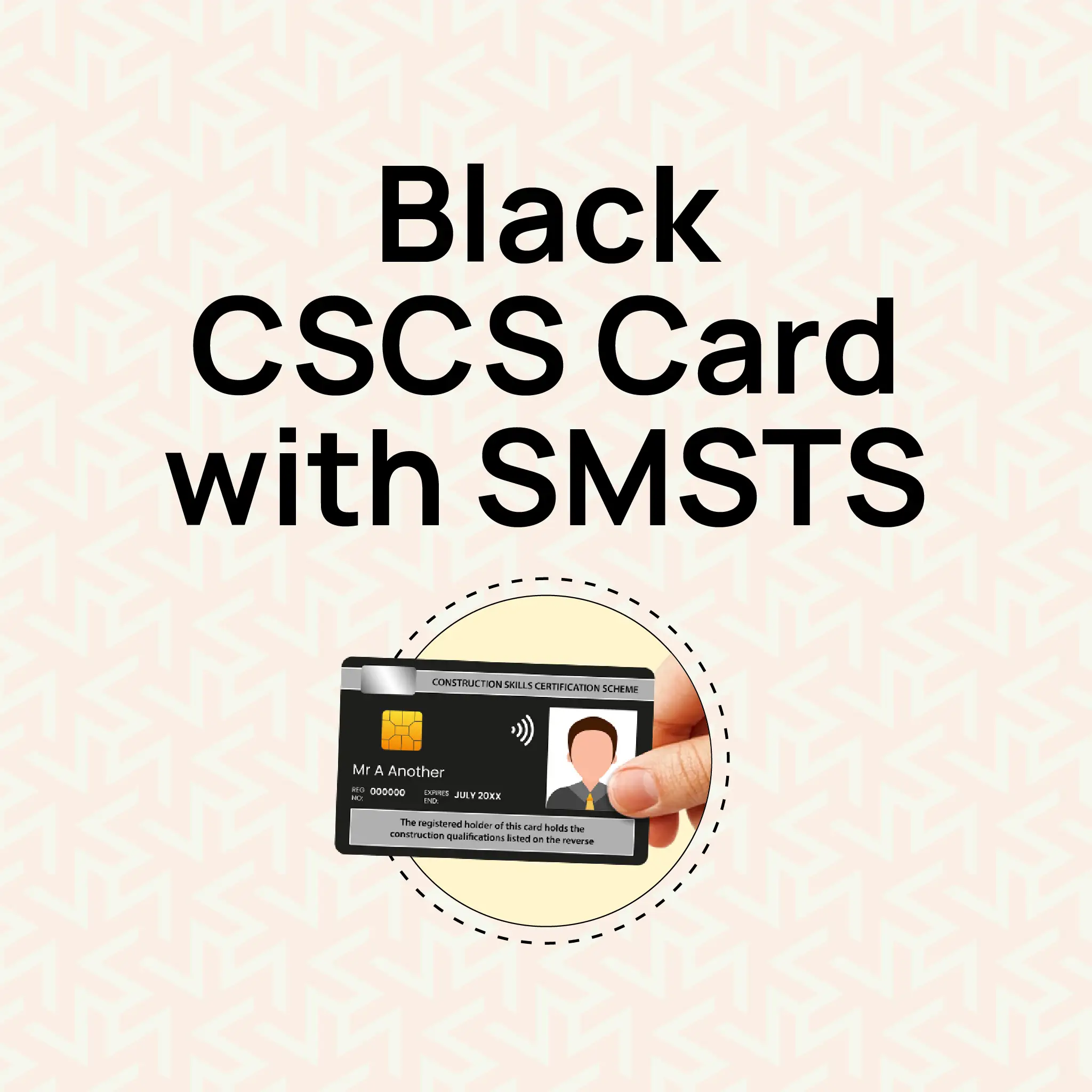
If you�ve completed the SMSTS course and now want a Black CSCS Card to get a managerial position on-site, the answer is simple: SMSTS will not give you everything you need. Although it is a good qualification, the Black CSCS Card, also referred to as the Manager Card, requires more than just health and safety training.This article breaks down what SMSTS does (and doesn�t) cover, the actual qualifications needed, and what alternatives you should consider if you're planning to apply for a Black CSCS Card.What Is a Black CSCS Card and Who Needs One?The Black CSCS Card, also known as the CSCS Manager Card, is not just another card in the Construction Skills Certification Scheme (CSCS);it is designed for individuals working in senior management roles within the construction industry. It represents the fact that the cardholder is competent and qualified enough to handle teams and manage massive projects, and ensure compliance with health and safety standards.�This card is mandatory for individuals working in high responsibility positions like Site Managers, Project Managers, Senior Construction Supervisors and Contract or Operations Managers. Holding the Black CSCS card not only enhances credibility but also fulfils the expectations of the majority of employers and principal contractors in assigning a person to a supervisory or managerial position.Get Your Black CSCS Card with HurakTo get your Black CSCS Card, you�ll need to complete the Level 6 NVQ Diploma in Construction Site Management and pass the CITB Managers and Professionals (MAP) Test. Hurak makes the whole process simple and supports you from start to finish.�Start the NVQ Level 6 Course | Take a Free CSCS Mock Test | Watch the CITB MAP Mock Exam Video | Learn How to Apply for the CSCS Card.Why SMSTS Isn�t Sufficient for a Black CSCS Card.��There�s a common misconception that completing the SMSTS course automatically qualifies you for a Black CSCS Card, but that�s not the case. Many construction professionals take the Site Management Safety Training Scheme (SMSTS) course to boost their site management skills and safety knowledge. It equips you with the knowledge needed to manage site safety, but it doesn�t assess on-the-job competence, which is what CSCS requires for a managerial card. While it's a respected qualification, SMSTS alone is not enough to obtain a Black CSCS Card.To be eligible for the Black Card, you must demonstrate occupational competence, which is typically done through completing an NVQ/SVQ Level 6 in Construction Site Management or an equivalent qualification. SMSTS is a supplementary training course, and while SMSTS is valuable and often preferred by employers, it�s not a substitute for the formal vocational qualifications required by CSCS.Tip: SMSTS is training. The Black Card is proof of competenceHow to Qualify for a Black CSCS Card: Key Criteria ExplainedTo apply for the Black CSCS Card, you'll need to provide specific qualifications and proof of managerial competence. Before applying, it is necessary to know the exact eligibility criteria. This card is typically intended for senior roles, such as site managers and project leaders.The primary qualifications include:NVQ Level 6 in Construction Site Management: This qualification assesses your practical, on-the-job competence and is the most recognised route to obtaining the Black CSCS Card. Equivalent qualifications may also be accepted, depending on the CSCS scheme rules.CITB Managers and Professionals (MAP) Test: You must pass the Health, Safety and Environment Test for Managers and Professionals, which is valid for 2 years at the time of application.Proof of Experience and Role: To qualify as an applicant, applicants usually have to be in, or have experience in, a managerial position in the construction industry.Explore some of our most in-demand NVQ courses and qualify for Other CSCS Cards.Hurak offers a range of accredited NVQ qualifications in Construction to help you progress confidently in your career.CSCS Blue CardLevel 2 NVQ Diploma in PlasteringLevel 2 NVQ Diploma in Roofing OccupationsLevel 2 NVQ Painting and DecoratingLevel 2 NVQ Certificate in Wall and Floor TilingCSCS Gold CardLevel 4 NVQ Diploma in Construction Site SupervisionLevel 3 NVQ Certificate in Wall and Floor TilingLevel 3 NVQ Diploma in Roofing OccupationsLevel 3 NVQ Diploma in PlasteringCSCS Black CardLevel 6 NVQ Diploma in Construction Site ManagementLevel 6 NVQ Diploma in Construction Contracting Operations ManagementWant more options?Browse All NVQ Courses at Hurak.Stuck with Only SMSTS? Here�s How to Move ForwardThe Site Management Safety Training Scheme (SMSTS) is one of the most reputable across the construction industry. While it doesn't meet the qualification criteria for the Black CSCS Card on its own, it still plays an essential role in developing your competence as a site or project manager.When you have finished SMSTS and are now wondering what to do next, you are not the only one. Most professionals get to this stage believing that a qualification could be sufficient in order to get a Black CSCS Card, only to discover that they are wrong.Why SMSTS Still Matters:Demonstrates Health & Safety Leadership: Employers appreciate the candidates who know the risk management and safety procedures in the workplace.Recognised by Employers: Many employers prefer or even require SMSTS as part of their internal training frameworks for site managers, even if it's not a CSCS qualification requirement.Lays the foundation for NVQ success: SMSTS content often overlaps with parts of the NVQ Level 6 in Construction Site Management, which is the main qualification required to obtain the Black Card.Moving Towards the Black Card:Once you have finished SMSTS but have not yet achieved an NVQ Level 6 or equivalent, then the following are your action steps:Enrol in a Level 6 NVQ: Combine your SMSTS with an NVQ Level 6 in Construction Site Management. This is the most direct and recognised route to becoming eligible for the Black CSCS Card.Gather Site Evidence: Maintain records of your on-site experience and responsibilities. Use your SMSTS knowledge that will benefit your NVQ learning and practical assessments.Consult an Approved Training Provider: Work with an accredited NVQ provider who can guide you through the NVQ assessment. They�ll help you align your work experience with NVQ evidence needs.Note: While courses like SMSTS are beneficial and often taken alongside the NVQ, they do not meet the formal qualification criteria required for the Black Card on their own.Black CSCS Card Application: What You Need to DoApplying for a Black CSCS Card involves meeting specific eligibility criteria and following a straightforward application process. Here�s what you need to do to secure your card:Check Your EligibilityMake sure you hold the required qualifications, such as an NVQ Level 6 in Construction or an approved equivalent. This card is designed for senior site managers and supervisors.Pass the CITB Managers and Professionals (MAP) TestYou must have passed the CITB Health, Safety, and Environment test for managers and professionals (MAP) within the last two years to demonstrate your current knowledgePrepare Your DocumentationGather all required documents, including:Proof of your NVQ or equivalent qualification.Confirmation of passing the CITB MAP test.Valid photographic ID, such as a passport or driving license.Submit Your ApplicationApply online via the official CSCS website or through an authorised training provider. Complete the application carefully and pay the current fee of �36.Receive Your CardOnce your application is approved, your Black CSCS Card will be sent to you by post. The card is valid for five years; after this period, renewal of the card involves retesting and updating your qualifications.Boost Your Site Safety Credentials with CITB CoursesLooking to enhance your knowledge of site safety and meet industry standards? Hurak�s CITB Site Safety Plus courses are designed to support construction professionals at every level, from operatives to senior managers.Popular CITB-accredited courses include:CITB Health and Safety Awareness (HSA)CITB SMSTS: Site Management Safety Training SchemeCITB SMSTS Refresher CourseCITB SSSTS: Site Supervisor Safety Training SchemeCITB SSSTS Refresher CourseFAQs1. Can I get a CSCS card with just an SMSTS qualification?No. SMSTS is a health and safety training course and not a recognised qualification by CSCS for card eligibility. You need an NVQ Level 6 (or SVQ Level 6 in Scotland) to qualify for a Black CSCS Card.2. What�s the difference between SMSTS and a Black CSCS Card?SMSTS��is a training certificate indicating that you have attended a safety course. A Black CSCS Card is evidence of competence, and it requires a management-level vocational qualification.3. Is the Black CSCS Card the highest level?Yes, it�s the highest CSCS card for site-based roles and is specifically designed for senior management positions, such as site or project managers.4. Do I still need SMSTS if I have a Black CSCS Card?However, not obligatory, it is much more advisable to have SMSTS in addition to your Black Card. Many employers prefer candidates with both safety training and formal qualifications5. How long does it take to get a Black CSCS Card?Once you�ve passed the required NVQ and CITB MAP test, the application process usually takes a few weeks. The timeline depends on how quickly you submit documents and pass assessments.6. Can I use an NVQ Level 4 or 5 to get a Black CSCS Card?No. The minimum accepted qualification is an NVQ/SVQ Level 6 in Construction Site Management or a closely related field.7. Can I apply for a Black CSCS Card while I�m completing my NVQ Level 6?No. You must have fully completed and received certification for your NVQ Level 6 before applying. Provisional cards may be available in some cases during training.8. Do I need to renew the Black CSCS Card after five years?Yes. Renewal requires you to retake the CITB Health, Safety & Environment (MAP) Test and provide proof that your qualifications remain valid and current.Final Thoughts: Can SMSTS Lead to a Black CSCS Card?The SMSTS course is a well-respected qualification that enhances your site management knowledge and health and safety awareness, but it does not meet the eligibility criteria for a Black CSCS Card on its own. To qualify, you�ll need a Level 6 NVQ in Construction Site Management alongside a valid CITB MAP Test pass.That said, completing SMSTS can still play a crucial role in your professional development. It demonstrates your commitment to site safety and leadership and can complement your progress as you work towards a formal management qualification.If you're aiming for a senior role in construction, understanding the whole route to the Black Card is essential. Use this guide to identify where you are in your journey and take informed steps towards achieving professional recognition and advancement.

Want a Black CSCS Card? Here�s How Construction Managers Can Qualify
If you're a construction professional aiming for a leadership role, the Black CSCS Card is the qualification you need. It�s designed for site managers, project leaders, and senior construction staff who want to prove their competence in managing safety, teams, and site operations. To qualify, you�ll need to complete an NVQ Level 6 in Construction Site Management, pass the CITB Health, Safety and Environment Test, and apply through the official CSCS certification process. This guide walks you through each step clearly so you can get your Black CSCS Card and unlock new career opportunities with confidence.What Is a Black CSCS Card?The Black CSCS Card, also known as the Manager�s CSCS Card, is part of the Construction Skills Certification Scheme (CSCS). It�s designed for experienced professionals in managerial roles such as site managers, project managers, and senior supervisors. Holding this card proves that you�ve got the right qualifications and knowledge to manage construction sites safely and efficiently. It�s often a requirement for working on large-scale projects and can make a real difference to your career prospects in construction.Why Do You Need a Black CSCS Card?In today�s construction industry, more and more employers expect their site managers and supervisors to hold a CSCS certification. A Black CSCS Card indicates that you meet national standards and lends credibility to your work in front of clients, contractors, and employers. It also opens the door to better job opportunities, higher pay, and the chance to take on more responsibility on-site.Step-by-Step: How to Get a Black CSCS CardTo get your Black CSCS Card, there are three main steps you�ll need to follow:Step 1: Complete an NVQ Level 6 in Construction Site ManagementThe first step is to complete an NVQ Level 6 diploma in Construction Site Management. This qualification is tailored for individuals already working in the construction industry, particularly those with supervisory or management experience. The course is assessed through a mix of on-site observations, written work, and a portfolio that reflects your real-world responsibilities. At Hurak, we offer a flexible course delivery model that allows you to study around your job and complete the qualification at your own pace without needing to attend classroom sessions.Step 2: Pass the CITB Health, Safety and Environment Test (for Managers)Next, you�ll need to pass the CITB Health, Safety and Environment (HS&E) Test for Managers and Professionals. This is a multiple-choice exam that covers essential health and safety knowledge for working in management roles. It takes around 45 minutes and costs �23.50. This test must be passed within the two years before you apply for your CSCS card.Step 3: Apply for Your Black CSCS CardOnce you�ve successfully completed the NVQ and passed your CITB test, you can apply for your Black CSCS Card through the official CSCS website. You�ll need to provide a scanned copy of your NVQ certificate, proof that you passed the CITB test, a passport-style photo, and payment of the �36 application fee. Most cards are delivered within 7 to 10 working days.How Long Does It Take to Get a Black CSCS Card?The full process depends on your experience and availability, but many learners complete their NVQ Level 6 in as little as 12 to 16 weeks. The CITB test can be booked quickly, and once your documents are ready, the CSCS card usually arrives in about a week.Can You Get Help with Costs?Yes, in many cases you can. If you�re employed by a company registered with CITB, your employer may be able to claim grant funding to cover part or all of the course fee. At Hurak, we also offer flexible payment plans, allowing you to spread the cost over several months. If you�re self-employed, the course cost may be tax-deductible as a business expense.What if You Already Have Experience but No NVQ?If you�re already doing the work of a site manager but don�t hold formal qualifications, don�t worry, you can still get your NVQ Level 6. The course is designed to recognise and assess your existing skills. You�ll be supported by a qualified assessor who will help you build a portfolio of evidence based on what you already do on-site. There�s no need to attend college or take time off work.What Happens After You Get Your Black CSCS Card?Once you�ve received your Black CSCS Card, you�ll be recognised as a qualified site manager. This can lead to better job offers, higher salaries, and more trust from clients and contractors. It also makes you eligible for roles with greater responsibility, and can even count towards membership with professional bodies like the CIOB (Chartered Institute of Building).ConclusionThe Black CSCS Card is more than just a plastic card; it�s your proof that you�re qualified to manage construction projects in the UK. By completing the NVQ Level 6, passing the CITB test, and applying through CSCS, you�ll position yourself for better job opportunities, more responsibility, and stronger career progression. FAQsIs SMSTS enough to get a Black CSCS Card?No. While SMSTS is useful training, it�s not accepted by CSCS as a qualification for the Black Card. You must complete an NVQ Level 6 or higher.How long is the Black CSCS Card valid?The card is valid for 5 years. You�ll need to retake the CITB test and reapply to renew it.Can I do the NVQ while working full time?Yes. The NVQ is designed for professionals who are already working in the industry. All assessments are based on your current role and responsibilities.
Understanding The Food Hygiene Rating Scheme (0 to 5 Ratings)
When deciding where to eat or buy food, many people first check the business�s food hygiene rating. But what does that rating mean, and how is it decided?The Food Hygiene Rating Scheme (FHRS) is an initiative by the UK government to check the food safety and hygiene practices of businesses across England. Run by the Food Standards Agency (FSA) in partnership with local authorities, it provides a clear rating, ranging from 0 to 5, based on how well a business complies with food hygiene law.�For food business owners, the rating can influence customer trust, reputation, and even sales. For consumers, it�s a quick way to check that food is being handled safely.In this article, we�ll explain how the scheme works, what inspectors look for, how to improve your score, and why maintaining a good hygiene rating matters more than ever.What Is The Food Hygiene Rating Scheme?The Food Hygiene Rating Scheme (FHRS) is a UK government programme that assesses how well food businesses adhere to hygiene and safety regulations. It applies to places like restaurants, cafes, takeaways, food shops, and even some schools and hospitals. The scheme�s main goal is to help people make safer choices when eating out or buying food. It also encourages businesses to improve their hygiene standards to protect customers.Each business is inspected by local authority food safety officers who give it a rating from 0 to 5, with 5 meaning very good hygiene and 0 meaning urgent improvement is needed.How Does The Food Hygiene Rating System Work?When a food business is inspected, the food safety officer checks how well it follows the law in three key areas:Food handling � how it�s prepared, cooked, cooled, stored, and reheated.Cleanliness and condition of the premises � this covers the layout, lighting, ventilation, handwashing facilities, and overall cleanliness.Management of food safety � whether the business has systems in place to make sure food is safe and whether staff know how to follow them. This includes practices based on HACCP principles.Each area is assessed, and the business is given a rating that ranges from 0 to 5, based on how well it meets the legal standards:Ranges Of The Food Hygiene Rating System:The higher the rating, the better the hygiene practices. If serious problems are identified, the business will receive a lower rating and be required to take immediate action to resolve the issues.To maintain a high food hygiene rating, it�s essential to follow effective hygiene practices for Food Safety and Food Hygiene, and apply proper cleaning methods, such as the 6 Stages of Cleaning.Understanding The Food Hygiene Ratings (0 to 5)The Food Hygiene Rating indicates how well a business adheres to food safety regulations. Here�s what each range means:Food Hygiene Rating �5� Indicates � Very goodThe business is fully compliant with food hygiene law. Clean premises, safe food handling, and strong safety systems are all in place.Food Hygiene Rating �4� Indicates � GoodGenerally high standards. Minor improvements may be needed, but nothing major.Food Hygiene Rating �3� Indicates � Generally satisfactoryThe basics are covered, but there's room for improvement in one or more areas.Food Hygiene Rating �2� Indicates � Improvement necessarySeveral issues need to be addressed to meet the required hygiene standards.Food Hygiene Rating �1� Indicates � Major improvement necessarySerious issues exist. The business must take urgent steps to improve food hygiene.Food Hygiene Rating �0� Indicates � Urgent improvement necessaryThe hygiene conditions are very poor. There�s a serious risk to public health, and immediate action is required.These ratings enable customers to make informed choices and encourage businesses to maintain safe and hygienic practices.FHRS Ratings Breakdown (UK)To give you a clearer picture of how food businesses are performing across the UK, let�s look at the approximate percentage of food businessesthat fall into each category:RatingMeaningApproximate % of Businesses5Hygiene standards are excellent47%4Hygiene standards are good36%3Hygiene standards are generally satisfactory10%2Some improvement is necessary4%1Major improvement is necessary2%0Urgent improvement is required1%Note: These figures are approximate and compiled from publicly available industry sources, such as the Food Standards Agency. Percentages may vary slightly depending on the region and the time of reporting.Who Carries Out The Inspection?Food hygiene ratings are given by a food safety officer from the local authority.Local authority food safety officers are responsible for inspecting premises to assess how well a business is complying with food hygiene laws. Their role is to ensure that food sold or served to the public is safe and that businesses comply with the required standards.Most inspections are unannounced, offering an accurate picture of day-to-day food safety practices. During the visit, the officer checks records, observes practices, and examines the condition of the premises. Their findings are then used to assign a food hygiene rating from 0 to 5.Key Areas InspectedDuring the inspection, officers focus on:Food handling: Preparation, cooking, cooling, storage, and reheating practices.Cleanliness and condition: Premises cleanliness, layout, lighting, ventilation, and hygiene facilities.Management of food safety: Systems like HACCP, staff training, and ongoing safety checks.Each of these areas contributes to the overall hygiene rating.How Often Are Inspections Done?Food hygiene inspections are typically conducted by local authorities at regular intervals, based on the risk level of the business. Higher-risk establishments, such as those handling high-risk food or serving vulnerable populations, are inspected more frequently than lower-risk ones, like small retailers or cafes.High-risk businesses (such as restaurants, takeaways, and catering services) are usually inspected every 6 to 12 months.Medium-risk businesses (like convenience stores) might be inspected every 1 to 2 years.Low-risk businesses (such as food wholesalers or manufacturers) may have inspections every 2 to 3 years or longer.If a business receives a low rating, local authorities often conduct follow-up visits to check whether necessary improvements have been made. Businesses are typically required to address serious hygiene issues within a specified timeframe, depending on the severity of the problems identified during the inspection.Is Displaying The Food Hygiene Rating Certificate Mandatory, And What If You Are Not Happy With The Certificate?Is Displaying The Rating Mandatory?The requirement to display a food hygiene rating varies across the UK:England: Displaying the food hygiene rating is voluntary. While businesses are encouraged to display their rating, there is no legal obligation to do so.Wales: Since November 2013, it�s been a legal requirement for food businesses to display their food hygiene rating sticker in a prominent place, such as at the entrance to their premisesNorthern Ireland: Since October 2016, food businesses have been legally required to display their food hygiene rating sticker in a prominent place, like the front door, entrance, or window of the business.What If You Are Not Happy With The Rating?If you believe your food hygiene rating does not accurately reflect your business's standards:Request a Re-Inspection: You can apply for a re-inspection after making improvements. Note that some local authorities may charge a fee for this service.Appeal the Rating: If you think the rating is unfair, you have the right to appeal. The process varies by local authority, so it's advisable to contact them directly for guidance.Why A High Food Hygiene Rating MattersA high food hygiene rating is important for several reasons:Legal Compliance: A strong rating shows that your business meets food hygiene regulations, helping you avoid fines, closures, or legal action from health authorities.Public Health Protection: Good hygiene reduces the risk of foodborne illnesses and protects customers from contamination or allergic reactions.Customer Trust: A visible high rating reassures customers that your business takes food safety seriously, encouraging loyalty and repeat visits.Competitive Advantage: Many people check hygiene ratings before deciding where to eat or shop. A high score can give you a competitive edge.Business Reputation: Maintaining high standards protects your brand image and reduces the risk of negative reviews or complaints.Staff Morale: A clean, well-managed workplace improves working conditions, motivates staff, and supports better service delivery.Overall, a high rating helps establish a successful and trustworthy food business.How To Improve Your Food Hygiene RatingImproving your rating involves focusing on key areas inspectors assess and acting on feedback from inspections. Here are some practical steps:Keep Premises Clean: Regular cleaning routines, like following the 6 stages of cleaning, help maintain hygiene and reduce contamination risks.Train Staff Thoroughly: Ensure everyone knows proper food handling, handwashing, and cross-contamination prevention techniques.Maintain Records: Keep accurate logs of temperature checks, cleaning schedules, and supplier details to demonstrate control of food safety.Fix Facility Issues Promptly: Address problems with ventilation, lighting, or pest control to keep the environment safe and compliant.Review Food Safety Systems: Regularly update your food safety plan, ideally based on HACCP principles, to stay prepared for inspections and prevent issues.Small, ongoing improvements can boost your rating and help protect your customers and business reputation.ConclusionUnderstanding the Food Hygiene Rating Scheme is vital for both food businesses and customers. A good rating not only helps build trust and protect public health but also supports your business success. By keeping premises clean, training staff, and maintaining strong food safety systems, you can improve and maintain a high hygiene rating.Want to take your food safety knowledge to the next level?�Check out these certified courses to help you stay compliant and confident in your food handling skills:Food Safety Level 2 � Essential training for food handlers to understand hygiene best practices.HACCP Awareness � Learn the principles of hazard analysis and critical control points to manage food safety effectively.�Allergen Awareness � Understand how to manage allergenic risks and keep customers safe.Book Our Certified Courses NowFAQs�What is the Food Hygiene Rating Scheme?The Food Hygiene Rating Scheme (FHRS) is a UK government initiative run by the Food Standards Agency. It scores food businesses from 0 to 5 based on their hygiene practices, enabling customers to make informed choices about where to eat or purchase food.What is the range of food hygiene ratings in the UK?The range of food hygiene ratings goes from 0 to 5:0 � Urgent improvement necessary1 � Major improvement necessary2 � Improvement necessary3 � Generally satisfactory4 � Good5 � Very good (often called a 5 star hygiene rating)What does a food hygiene rating 5 mean?A food hygiene rating 5 means the business has very good hygiene standards and fully complies with UK food safety laws. This is the highest rating and is often referred to as a 5 star hygiene rating.What does a food hygiene rating 4 mean?A food hygiene rating 4 indicates that the business has good hygiene standards with only minor issues. It means the premises are clean and safety systems are mostly effective.What does a food hygiene rating 3 mean?A food hygiene rating 3 means the business is generally satisfactory. It meets basic legal hygiene requirements but may need improvements in one or more areas.What does a food hygiene rating 2 mean?A food hygiene rating 2 shows that improvement is necessary. Several problems were identified during the inspection that must be addressed to meet legal food hygiene standards.What does a food hygiene rating 1 mean?A food hygiene rating 1 means major improvement is necessary. The business may have poor cleaning routines, inadequate food safety management, or other significant hygiene concerns.What does a food hygiene rating 0 mean?A food hygiene rating 0 means urgent improvement is needed. This is the lowest possible rating, indicating serious issues that could pose a risk to public health. The business is often re-inspected quickly after receiving this score.Are food hygiene ratings in the correct order from 0 to 5?Yes, food hygiene ratings are listed in order from 0 (worst) to 5 (best). Each level reflects the business�s level of compliance with food safety and hygiene laws, with 5 being excellent and 0 meaning urgent action is needed.
Common Kitchen Hazards: What They Are and How to Prevent Them
Kitchen hazards are potential sources of danger within a kitchen environment that can cause injury, illness, or damage. These include physical risks such as slips, cuts, and burns, as well as biological and chemical hazards that affect food safety.Understanding and managing kitchen hazards is essential for anyone working in or managing a commercial kitchen. Being aware of risks helps prevent accidents, protects staff wellbeing, and ensures smooth daily operations.In this article, we will guide you through the most common kitchen hazards and ways to identify and prevent them.Why Is It Important To Understand Kitchen Hazards? Understanding kitchen hazards is crucial to creating a safer and more efficient working environment. Unaddressed hazards not only pose a risk to staff but can also lead to serious incidents, such as food contamination, fires, or equipment damage, all of which can disrupt service and impact the business. By identifying risks early, you can take simple preventative steps to avoid accidents, maintain food safety standards, and ensure smooth day-to-day operations. To effectively manage these risks, let's explore the various types of hazards commonly found in kitchen settings. Types Of Kitchen HazardsKitchens are busy environments where hazards come from many sources. Here are the most common types:Physical HazardsInjuries caused by physical objects or environmental conditions.Slips and trips from wet floors or food spills.Cuts from knives or broken glass.Burns from hot surfaces or boiling liquids.Falling objects like pans or stacked containers.Maintaining cleaning habits and consistent clean as you go routines helps minimise these physical hazards through better organisation and cleanliness.Chemical HazardsExposure to harmful substances.Cleaning agents not rinsed off properly.Food additives misused.Chemical storage near food items.Biological HazardsCaused by harmful microorganisms.Bacteria like Salmonella or E. coli in undercooked food.Mould growing in damp areas.Viruses spread through unclean surfaces.Understanding how these microorganisms contribute to the 4 types of food contamination can help food handlers prevent biological hazards more effectively.Ergonomic HazardsStrain or injury due to poor posture or repetitive movement.Lifting heavy items improperly.Standing for long periods without support.Repetitive chopping causing muscle strain.Electrical HazardsRisks involving faulty or unsafe electrical equipment.Exposed wires or damaged plugs.Water near electrical appliances.Overloaded sockets.Fire HazardsCommon in kitchens due to high heat and flammable materials.Grease buildup near open flames.Unattended cooking.Blocked fire exits.Equipment HazardsInjuries from improper use or maintenance of kitchen tools.Malfunctioning machines like slicers or fryers.Improper training on equipment use.Cross-ContaminationTransfer of harmful substances between surfaces, food, or equipment.Raw meat juices touching ready-to-eat foods.Unclean chopping boards or utensils used for multiple foods.Using separate tools based on the chopping board colours system, and consistently applying best practices to prevent cross contamination, can significantly reduce these riskTemperature HazardsDanger from improper temperature control.Food left in the temperature danger zone.Inadequate cooling or reheating.How To Prevent Kitchen Hazards Understanding kitchen hazards is the first step; implementing preventive measures is equally important to ensure a safe kitchen environment. Prevention starts with good habits, clear protocols, and regular maintenance.� Here are some essential tips for a safer kitchen: Knife Safety Keep knives sharp and well-maintained; dull blades can slip more easily and cause accidents. (Be extra careful while using sharp knives.) Always use a non-slip cutting board. Store knives securely in a knife block or magnetic strip, not loose in drawers. Example: During a busy shift at a catering event, a sous-chef used a damp cutting board and a dull knife to slice tomatoes. The knife slipped and caused a deep cut to the hand. Tip: Always use a dry, non-slip cutting board and keep knives sharp to reduce the risk of slipping and injury. Burns And ScaldsUse oven mittens or pot holders when handling hot pans or trays.Turn pot and pan handles inward to prevent accidental knocks.Tie back long hair, and avoid wearing loose clothing near hot surfaces.Example: A kitchen worker grabbed a hot tray with bare hands during a busy lunch service and suffered serious burns. The oven mitts were stored too far from the oven.Tip: Keep mitts and pot holders close to ovens and hotplates to encourage use, even when rushed.Food SafetyCover cuts with waterproof dressings and wear gloves if needed.Store raw meat, poultry, and seafood on the lowest shelf in the fridge to prevent drips and cross-contamination.Keep the fridge at or below 4�C and the freezer at -18�C.Label and date leftovers, and discard any that are out of date.Avoid leaving cooked food out at room temperature for more than 2 hours./li>Example: At a cafe, raw chicken was stored above salad ingredients in the fridge. Juices leaked overnight, contaminating ready-to-eat food and causing food poisoning.Tip:� Always place raw meats on the bottom shelf and regularly inspect overall fridge organisation. Following proper guidelines on how to organise your fridge helps minimise contamination and maintain food safety standards.Chemical SafetyStore cleaning products away from food and prep areas, ideally in a clearly labelled cabinet.Always rinse food contact surfaces after using chemical cleaners.Follow the manufacturer's instructions when using cleaning agents.Example: A cleaner at a takeaway used bleach instead of a food-safe sanitiser because bottles weren�t clearly labelled. The kitchen had to be fully sanitised, resulting in a full day�s closure.Tip: Use clearly labelled containers and ensure all staff are trained on safe chemical use. Adopting consistent protocols based on the 6 Stages of cleaning and promoting a clean as you go culture ensures safe and compliant workspaces.Preventing Slip, Trip And FallWipe up spills immediately.Use non-slip mats in wet areas.Keep walkways clear of obstacles and clutter.Example: A waiter slipped on water near the sink while carrying hot soup. The spill hadn�t been cleaned or signposted, leading to injury and a compensation claim.Tip: Clean up spills instantly and place wet floor signs when needed.Fire SafetyKeep a fire extinguisher nearby and ensure staff know how to use it.Clean grease from ventilation hoods and filters on a regular basis.Never leave cooking unattended.Keep flammable materials (like cloth towels or packaging) away from heat sources.Example: A cloth towel left near a gas stove caught fire. The team panicked and didn�t know how to use the extinguisher. The fire caused significant kitchen damage.�Tip: Train staff in basic fire response and keep flammable items away from heat.? Want to Be Better Prepared?? Take the Fire Marshal / Fire Warden Online Course � ideal for anyone responsible for fire safety in the workplace.Electrical SafetyUnplug small appliances, such as blenders or toasters, when not in use.Don�t use appliances with damaged cords or plugs.Avoid overloading power sockets � use surge-protected strips if needed.Keep electrical devices away from water.Example: An employee was electrocuted while turning on a toaster located near a leaking dishwasher. The plug socket was not waterproof.Tip: Keep electrical appliances dry and conduct regular safety inspectionsAir Quality And VentilationUse extractor fans or open windows to reduce smoke and steam while cooking.Clean ventilation systems and filters regularly to prevent grease build-up and fire risks.Example: In a takeaway, grease-clogged vents led to thick smoke and breathing issues. Staff had to evacuate and call the fire brigade.Tip: Schedule regular vent cleaning to prevent build-up and maintain air quality.General Safety And Hygiene Educate all kitchen staff on basic safety procedures � including knife handling, first aid, and fire response. Keep a first aid kit in a readily accessible location, and ensure that someone on-site is trained in first aid. Dispose of rubbish frequently and clean bins to prevent pests. Example: A team member cut their hand, but no one knew where the first aid kit was, which delayed treatment. Tip: Ensure all staff know where safety equipment is stored and who�s trained in first aid. Recovering From Kitchen Hazards And Maintaining SafetyEven with thorough risk assessments and control measures in place, kitchen hazards can still occur. When they do, it is essential to respond quickly and effectively to minimise damage.Prioritise Safety FirstThe immediate priority must be to ensure the safety of all kitchen staff. If necessary, call emergency services for any urgent dangers. Make sure any ongoing hazards are controlled before proceeding. For hazards involving gas, it is advisable to hire a gas detector to confirm that no dangerous leaks remain before resuming kitchen operations.Assess And Address the DamageOnce everyone is safe, carefully assess the extent of the damage caused by the hazard. This evaluation will guide your next steps, whether they involve cleaning up spills, repairing equipment, or addressing contamination.Clean And Sanitise ThoroughlyTo prevent the spread of bacteria or other harmful substances, clean and sanitise any affected areas promptly and thoroughly. Following proper cleaning protocols helps restore a safe working environment.Document The IncidentKeep detailed records of the hazard incident, including what happened, when it occurred, who was involved, and the actions taken. This documentation is valuable for reviewing procedures and preventing future risks.aReview And Update ProceduresUse the incident as a learning opportunity. Review your current safety procedures and make necessary adjustments to reduce the chances of a similar hazard occurring again.Notify Relevant Authorities If NeededDepending on the severity of the incident, inform the relevant authorities, such as local health departments, regulatory bodies, or insurance providers, to ensure compliance and receive necessary support.Support Your TeamHazard incidents can be stressful for staff. Offer support where needed, including counselling or practical assistance, to help employees recover and maintain morale.Resume Normal Operations After the hazard has been addressed and the kitchen is safe, resume normal operations as quickly as possible to minimise disruption and financial impact.ConclusionEffectively managing kitchen hazards is essential to maintaining a safe, efficient, and compliant workplace. By conducting regular risk assessments, responding promptly to issues, and continuously improving safety practices, you protect your team and minimise costly disruptions. Staying informed and prepared ensures your kitchen runs smoothly every day.Make Kitchen Safety Your PrioritySign up for our certified Food Safety courses now!FAQsWhat are the most common kitchen hazards?The most common kitchen hazards include slips, trips, cuts, burns, fire risks, and food contamination hazards. These can occur due to poor housekeeping, improper storage, inadequate safety training, or improper food handling practices.What makes food hazardous?Food becomes hazardous when it is exposed to harmful substances, such as bacteria, chemicals, or foreign objects. Poor hygiene, cross-contamination, incorrect cooking temperatures, and expired ingredients are examples of what make food hazardous.What are the physical hazards in food?Physical hazards in food refer to foreign objects, such as glass, plastic, hair, or metal fragments, that can accidentally contaminate food. These can cause injury and are a serious breach of food safety standards.How can I prevent contamination hazards in the kitchen?To reduce contamination hazards of food, you should:Store raw and cooked foods separatelyUse colour-coded chopping boardsClean as you goPractice good hand hygieneFollow the 6 stages of cleaningWhy is temperature control important in the kitchen?Temperature control helps prevent the growth of harmful bacteria. Food should be stored outside the temperature danger zone (5�C � 63�C) to remain safe. Always cook, chill, and store foods at the right temperatures.What safety equipment is essential in a kitchen?Essential kitchen safety equipment includes:Fire blankets and extinguishersFirst aid kitsPPE (like gloves and aprons)Non-slip matsClearly labelled chemical storage unitsHow can I reduce the risk of fire in the kitchen?To prevent fire hazards:Keep flammable materials away from heat sourcesRegularly clean grease traps and extractor fansNever leave cooking unattendedTrain staff on using fire safety equipmentFor more, see our article on the difference between flammable and combustible materials.What training should staff have to manage kitchen hazards?Staff should complete food safety and hygiene training and be familiar with HACCP principles, proper cleaning methods, and safe food handling practices. Regular refresher training ensures safety practices stay up to date.How often should kitchen equipment be checked?Kitchen equipment should be inspected regularly, ideally on a daily or weekly basis, depending on its usage. Scheduled maintenance helps prevent accidents caused by faulty or worn-out tools.