
Minimum working temperature UK: A complete guide for workers, what the law says
When there is a workplace or an employee who does, there are products and chemicals that can affect the environment and the way we live and work. These products include, but are not limited to, cleaning products, paint formulations, adhesives and printer toner, as well as any other chemical substances that could be harmful to your health. The Control of Substances Hazardous to Health (COSHH) Regulations 2002 in the UK provide a guideline on the steps that employers need to take to ensure that their employees are protected from the associated risk of working with hazardous substances; however, to maintain the appropriate level of COSHH compliance, there are eight steps that every employer in the UK can take to avoid liability.What is COSHH and Why Does It MatterCOSHH stand for (Control of Substances Hazardous to Health). COSHH is a series of UK regulations that require employers to ensure the safety of their employees from substances that could harm their health, e.g., chemicals that can cause burns or long-term respiratory problems.Employers must identify all hazardous substances used/created in the workplace.Assess the risk of how these substances could cause harm to the employee's health.Implement measures to reduce or remove the risk.Monitor exposure levels and provide/sustain safe working conditions.If an employer does not comply with the COSHH regulations, they could face enforcement action, fines, and/or cause an employee to suffer from ill health. However, complying with COSHH can still be very simple. By following the recognised COSHH steps, you will ensure your employees' safety and adhere to the law.Looking to Strengthen Your COSHH Knowledge Want to ensure your workplace meets every COSHH requirement confidently? Explore our Health and Safety Courses, including COSHH Awareness Training, Risk Assessment Courses, and more, to help you stay compliant and protect your team effectively.Level 3 Health & Safety Training for ManagersHealth & Safety in the Workplace CoursesManual Handling TrainingIOSH Working Safely CourseNEBOSH Fire Safety CertificateHow Many Steps Are There to COSHH Compliance?While some organisations summarise six or even five steps, the Health and Safety Executive (HSE) guidance and industry best practice outline eight essential steps. These steps take you from identification to ongoing review, completing a full cycle for safely managing hazardous substances. 8 Steps to Working with COSHH Here are the eight steps to working with COSHH that every employer, safety officer, and manager should understand.Step 1: Identify Hazardous Substances in WorkplacesIdentifying the chemical, dust, fume, vapour, mist or gas that can potentially cause harm to workers in their workplace should be the first step in determining URL in co comp.Chemicals such as Cleaning Agents, Paints, Solvents, AcidsDust, fume, vapour, mist or gas Generated Through the Work ProcessesBiological Agents: Bacteria and MouldCreate a workplace inventory for all hazardous substances, including by-products (Welding Fume/Wood Dust), as a source of work-related exposure to chemical and biological agents. The inventory must be createdStep 2: Conduct a COSHH Risk Assessment to Determine the Level of Risk of ExposureAfter Identifying All Hazardous Substances, the Next Step is to Conduct a COSHH Risk Assessment Documentation Should Include:Hazardous property of each hazardous substance (Toxic, Corrosive, Irritant or Other)Where or How Workers are likely to be Exposed to Hazardous Substances: Inhalation, Skin Contact, or IngestionWho May be Exposed to Hazardous Substances: Workers, Cleaners, Visitors or ContractorsDuration and Frequency of Potential Worker Exposure to Hazardous SubstancesExisting Controls Including Current Level of EffectivenessFurther Controls Necessary to Maintain Worker Health and SafetyRisk Assessments Should Follow a Similar Logic as the Following: Identify, Assess, Control, Document and Review the Risk for Its Continuation. Risk Assessments Must be Documented and Remain Available to All Employees Who Require This InformationStep 3: Choosing Controls. COSHH Control HierarchyWhen you have identified a risk, you need to decide how to control it. This can be done using the COSHH Control Hierarchy. This Hierarchy provides you with a structured way to reduce risk using the most effective means first.Eliminate: The hazardous material from your workplace (this could mean using a less dangerous cleaning product for your floors)Substitute: The hazardous material for something less hazardous (a less dangerous alternative cleaner, for example)Engineering Control: (local exhaust ventilation or enclosed systems)Administrative Controls: limit the amount of time an employee is exposed to a hazard and/or allow for job rotation so that employees do not have long-term exposure to any one risk. Administrative controls also include providing training to employees about the process of controlling a hazard.Personal Protective Equipment(PPE): This should be the last form of protection against a hazard.Before you rely on PPE alone, you should check the other controls in the hierarchy. For example, you might change to a non-solvent-based cleaning product before you put your employees at risk by using respirators.Step 4: Implement the controlsControl measures must be implemented correctly in order for them to be effective, for example:-Ventilation and/or extraction systems should be installedLabelling and storing materials should be done correctlyProviding and maintaining PPE for all employees should be doneSafe handling procedures should be in placeHazardous areas should be clearly marked.All employees must be trained on how to use the controls correctly and safely. If you do not train your employees properly, even the best control systems can fail.Step 5: Ensure Proper Use and MaintenanceMany employers think that installing controls represents complete legal compliance. However, they need to continue to inspect and supervise their controls on an ongoing basis to maintain compliance with the law. When you are doing ongoing monitoring of the effectiveness of your control systems, you should do so by performing Checklists on a regular basis:Inspect Extraction SystemsReplace Filters and Personal Protection Equipment (PPE)Inspect for Leaks, Spills, or Deteriorated ContainersEnsure Employees are Following Safe Working ProceduresKeep Records of all Inspections and Maintenance, as they can protect you during Audits or InspectionsStep 6: Monitor Exposure and Conduct Health SurveillanceEmployers are required by law to monitor their employees' exposure to hazardous substances where the Risk Assessment indicates a risk exceeding Workplace Exposure Limits (WELs). Where there is exposure to the substances listed below, it may also be a requirement to do Health Surveillance of your Employees:Isocyanates (which can cause Asthma)Lead, Asbestos, or Silica DustCertain Oils or SolventsYou must keep Health Records confidential and up to date; the Monitoring of Employee Exposure Levels not only allows you to comply with the law, it will also allow for early identification of Occupational Illnesses.Step 7: Prepare for Accidents and EmergenciesEmployers are required to have a plan and adequate resources to respond to Emergency Situations, even if they have implemented adequate controls. To comply with COSHH, you should:Provide Spill Kits and Clear Clean-Up ProceduresTrain Staff in First Aid, Emergency Procedures, and Response ProceduresPost Hazard Signs and Emergency Contact Information, as well as keeping all Safety Data Sheets (SDS's) readily available in the event of an Employee being exposed to Hazardous Substances.Step 8: Review and Update RegularlyThe final step is to review your COSHH assessment and control measures regularly, at least annually or whenever there's a change in:Substances usedWork processes or equipmentEmployee health reportsA review ensures your COSHH compliance remains current and effective. Document every review and improvement made, as this demonstrates due diligence and helps protect your workplace.Common Mistakes to AvoidIn many cases, businesses are not fully compliant with COSHH due to simple omissions. The number one reason for non-compliance is the lack of regular review of COSHH assessments; therefore, many organisations may not have updated controls, resulting in increased exposure to risk. In addition, many organisations have an over-reliance on PPE (Personal Protective Equipment) rather than eliminating or substituting hazardous substances, and therefore often overlook higher levels of the COSHH hierarchy of control. Also, many organisations do not provide adequate employee training or supervision, resulting in employees not knowing how to handle substances safely, how to respond correctly to spills/exposure incidents, or how to be aware of their responsibilities to themselves and others. Businesses also often overlook the substances generated by their activities (for example, fumes, vapours, or dust) and focus only on the raw materials they use. Finally, organisations fail to ensure that appropriate health surveillance is conducted for employees exposed to hazardous substances, leading to undetected illness and potential legal consequences.Beyond Compliance: Why COSHH Matters for Every UK BusinessCOSHH compliance has been legally mandated; however, compliance also makes good business sense. Providing a safe work environment greatly reduces the chance of an accident and consequently lowers absenteeism as employees take fewer days off due to injury. Supporting an employee's need for confidence in their protection from harm creates loyalty and desire to produce greater amounts of quality work for the company. Additionally, effective COSHH management reduces the number of workers' compensation claims and ultimately lowers business-related insurance premiums, thus saving the employer money over time. Building a strong safety culture does not just improve the employees' perception of safety; it establishes the company as a reputable business, demonstrating to clients, regulatory agencies, and the employees that the company takes health and safety issues seriously. Providing COSHH-compliant working conditions is not just an option for all businesses in the UK; it should be viewed as the foundation for all responsible health and safety management for every business in the UK.COSHH Compliance in Practice: Industry ExamplesYou must assess the risks associated with dust from cement, paint and solvents being generated through exposure during construction work.Educators and cleaners should be mindful of all cleaning products and disinfectants by ensuring that they are labelled correctly and stored in an appropriate manner.Manufacturers should ensure that all welding fume and oil emissions have adequate ventilation and should implement a system of health surveillance to monitor employees' exposure to them.You should consider the way in which each sector operates and how best to approach COSHH in your industry. The COSHH framework will always follow the eight steps.Final ThoughtsThere are eight clear steps from identifying hazardous substances to regularly reviewing your controls. Following these steps not only helps your business meet legal requirements but also creates a safer, healthier environment for everyone. COSHH isn't just paperwork; it's about protecting people. And with the right approach, compliance becomes part of your safety culture, not a burden.Frequently Asked QuestionsHow many steps are there to COSHH compliance?There are eight key steps to COSHH compliance in the UK. These steps guide employers from identifying hazardous substances to continuously reviewing safety measures. Following all eight ensures legal compliance and helps protect employees from chemical, biological, or dust-related risks. COSHH compliance isn't just about completing paperwork; it's about building a safer workplace and demonstrating due diligence in managing hazardous substances.What are the eight steps to working with COSHH?The eight steps to working with COSHH include:Identifying hazardous substancesAssessing the risksApplying the hierarchy of controlImplementing control measuresEnsuring proper use and maintenanceMonitoring exposurePreparing for emergenciesReviewing and updating regularlyHow many steps are required by COSHH when thinking about risks?When thinking about risks, COSHH requires employers to follow five essential steps to effectively identify and control exposure to hazardous substances. These steps are:Identify hazardsAssess the riskImplement control measuresRecord findingReview regularlyWhat is the COSHH hierarchy of control?The COSHH hierarchy of control helps employers reduce or eliminate risks from hazardous substances in order of effectiveness:Elimination: Remove the hazardous substance entirely.Substitution: Replace it with a safer alternative.Engineering controls: Use ventilation or enclosed systems.Administrative controls: Rotate tasks, limit exposure time, or provide training.Personal Protective Equipment (PPE): The last line of defence.Employers should always start at the top of the hierarchy, relying on PPE only when other methods aren't possible.What should a COSHH risk assessment include?A COSHH risk assessment should include:Identification of hazardous substancesWho might be exposed and howThe level and duration of exposureCurrent and proposed control measuresHealth surveillance and emergency proceduresThis ensures all potential risks are captured and appropriately managed across UK workplaces.How many steps are there to a hazardous substances risk assessment?A hazardous substances risk assessment typically follows five main steps: identify hazards, assess exposure, decide on control measures, implement them, and review regularly. This framework aligns with COSHH requirements and helps employers maintain up-to-date safety controls.

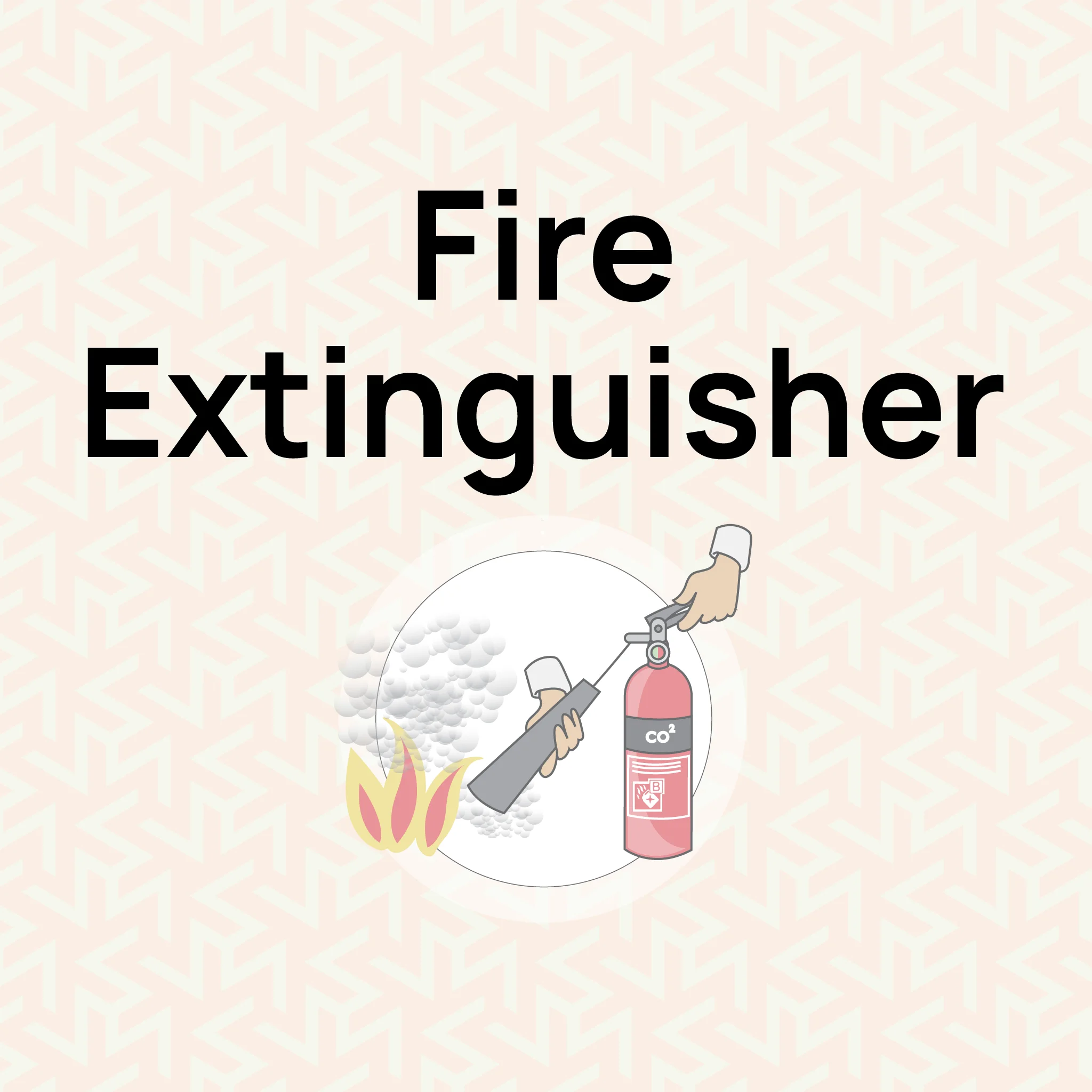
Who Is Responsible for Using a Fire Extinguisher? A Practical Workplace Safety Guide
Have you ever wondered why some days feel heavier than others, or why certain thoughts suddenly become hard to control? It's something many people experience, often without realising it could be linked to their mental health. Mental illness doesn't always appear the way we expect; sometimes it shows up as constant worrying, unexplained sadness, trouble focusing, or simply feeling off for longer than usual. The truth is, mental illness can affect anyone, regardless of their age, background, or lifestyle. It influences how we think, feel, and handle everyday situations, making simple tasks feel overwhelming. Mental illness develops through a blend of biological, psychological, and social factors. Some people may be born with a higher risk due to genetics, while others may experience mental health problems after trauma, stress, or difficult life changes. Chemical imbalances in the brain, childhood experiences, and physical health conditions can also influence how someone feels and behaves. Understanding these root causes is essential, not just for recognising early symptoms, but for breaking stigma and helping people access the right support sooner. In this article, we will cover what mental illness is, the common symptoms to look out for, possible causes, how they affect mental health and how you can seek help or support someone who may be struggling.What Is Mental Illness?Mental illness refers to a wide range of conditions that affect how a person thinks, feels, behaves, and manages daily life. These conditions can include depression, anxiety disorders, bipolar disorder, schizophrenia, and many others. Mental illness is not just feeling sad, stressed, or overwhelmed for a short time; it involves ongoing patterns of thoughts or behaviours that make everyday functioning difficult. These conditions can range from mild and temporary to severe and long-lasting. Understanding mental illness is important because it encourages early recognition and helps people seek support before symptoms worsen. With the right treatment, guidance, and coping strategies, most individuals can manage their condition effectively and lead fulfilling, meaningful lives.Types of Mental IllnessMental illnesses come in many forms, and each type affects people in different ways. While every condition has its own set of symptoms, they all impact how a person thinks, feels, or behaves. Below are some of the most common types of mental illnesses:Anxiety DisordersThese involve persistent fear, worry, or tension that feels difficult to control. Common examples include generalised anxiety disorder (GAD), panic disorder, social anxiety disorder, and phobias. People may experience racing thoughts, restlessness, or physical symptoms like a fast heartbeat or sweating.Mood DisordersMood disorders affect a person's emotional state over a long period. This includes depression, where individuals feel deep sadness or loss of interest, and bipolar disorder, which involves extreme mood shifts between high energy (mania) and low mood. These conditions can influence sleep, energy levels, motivation, and overall outlook.Personality DisordersPersonality disorders are long-term mental health conditions that affect the way a person thinks, feels, and behaves. These patterns are deeply rooted and can make it difficult to manage emotions, build healthy relationships, or cope with everyday situations. Examples include borderline personality disorder, paranoid personality disorder, and antisocial personality disorder.Psychotic DisordersPsychotic disorders are mental health conditions that affect a person's perception of reality. People may experience hallucinations (seeing or hearing things that aren't there) or delusions (strong beliefs that aren't true), along with disorganised thoughts and behaviour. These symptoms can make it difficult to think clearly, communicate, or carry out daily tasks. Schizophrenia is one of the most well-known psychotic disorders.Neurodevelopmental DisordersNeurodevelopmental disorders are conditions that affect how the brain grows and develops, usually appearing in early childhood. They can impact learning, behaviour, communication, and social skills. Common examples include autism spectrum disorder (ASD) and attention-deficit hyperactivity disorder (ADHD). These conditions vary widely; some children may struggle with focus, while others may have difficulty with social interaction or speech.Eating DisordersEating disorders are serious mental health conditions that affect a person's relationship with food, body image, and weight. They can lead to dangerous eating habits, such as severely restricting food, overeating, or purging. Common types include anorexia nervosa, bulimia nervosa, and binge-eating disorder. These conditions can harm both physical and emotional health, often causing intense stress or guilt around eating.Substance Use DisordersSubstance use disorders are mental health conditions where a person becomes dependent on alcohol, drugs, or other substances, leading to harmful patterns of use. These disorders affect self-control, making it difficult to stop even when the substance causes problems in health, relationships, or daily life. These disorders can range from mild to severe and often develop gradually.Trauma-and Stress-Related DisordersTrauma and stress-related disorders are mental health conditions that develop after experiencing or witnessing deeply distressing or overwhelming events. These disorders can cause symptoms like flashbacks, nightmares, severe anxiety, or emotional numbness. Common types include post-traumatic stress disorder (PTSD) and acute stress disorder. Understanding the different types of mental illnesses helps us recognise signs early and support those who may be struggling. Each condition affects people differently, but with proper care, awareness, and compassion, recovery becomes much more achievable.Causes of Mental IllnessMental illness can develop because of many reasons, and often it's the result of several factors combined. These causes vary from person to person, which is why two people may react differently to similar situations. Some of the major causes are explained below:Genetic and Biological FactorsFamily history of mental illness: A person whose close relatives have a mental health condition may be more likely to develop one. Genetics can influence how the brain responds to stress, emotions, and environmental factors. Brain chemistry and neurotransmitters: Imbalances in brain chemicals such as serotonin, dopamine, or norepinephrine can affect mood, thinking, and behaviour. These disruptions can contribute to conditions like depression, anxiety, and bipolar disorder. Hormonal changes: Significant hormonal shifts during puberty, pregnancy, postpartum periods, or menopause can influence mental health. These changes may trigger mood disorders in some individuals.Adverse Childhood Experiences (ACEs)Childhood trauma: Experiences like physical or emotional harm, violence, or unsafe environments can leave long-term effects on mental and emotional development. Neglect, abuse, bullying: Growing up without proper emotional support or being exposed to bullying and abuse increases vulnerability to mental health problems later in life. Unstable family environment: Constant conflict, parental separation, substance misuse in the home, or inconsistent caregiving can disrupt a child's sense of safety and stability.Social and Environmental FactorsLoneliness and social isolation: Limited social support or prolonged periods of isolation can increase the risk of depression and anxiety. Poverty, housing instability: Living in unsafe or unstable conditions creates constant stress, which can negatively impact mental health over time. Work-related stress: High-pressure work environments, long hours, or job insecurity can contribute to burnout and emotional exhaustion.Physical Health ConditionsChronic illness: Long-term medical conditions such as diabetes, heart disease, or chronic pain can affect emotional resilience and trigger mental health symptoms. Neurological conditions: Diseases that affect the brain or nervous system, like epilepsy or multiple sclerosis, can be linked to mental health disorders. Substance misuse: Alcohol or drug misuse can change brain chemistry and increase the likelihood of developing mental illnesses, while also worsening existing symptoms.Lifestyle FactorsPoor sleep: Lack of quality sleep disrupts emotional regulation and increases the risk of anxiety, depression, and irritability. Lack of physical activity: Regular movement supports brain health, so a sedentary lifestyle can negatively affect mood and energy levels. Unhealthy coping habits: Behaviours like overeating, smoking, or excessive screen time may temporarily relieve stress but often worsen mental health in the long run. Understanding the many causes of mental illness helps us recognise that these conditions are rarely the result of one single factor. With the right awareness and support, people can address these causes more confidently and work toward better mental and emotional well-being.Common Mental Health SymptomsMental health symptoms can vary widely depending on the type and severity of the condition, but they often affect thoughts, emotions, and behaviour. Identifying these symptoms early is crucial for effective mental health care and support.CategoryCommon SymptomsEmotional SymptomsPersistent sadness, irritability, mood swings, excessive fear or worryCognitive SymptomsDifficulty concentrating, racing thoughts, memory problems, indecisivenessPhysical SymptomsFatigue, headaches, sleep disturbances, unexplained aches or painsBehavioural SymptomsWithdrawal from others, changes in eating or sleeping habits, reduced productivityPsychological SymptomsHopelessness, feeling overwhelmed, loss of interest in activities, intrusive thoughts Being aware of mental health symptoms allows individuals and their loved ones to act before problems escalate. Timely support, therapy, and coping strategies can lead to better emotional and physical health.Help Break the Stigma Around Mental IllnessMental illness affects people in ways we often can't see. With the right training, you can offer comfort, guidance, and informed help. Our Mental Health First Aid (MHFA) courses equip you with practical, life-saving skills. Start your training and make a real difference.Treatments for Mental Health ProblemsMental health treatment encompasses a range of approaches designed to help individuals manage symptoms, improve daily functioning, and enhance their overall well-being. The right treatment depends on the type and severity of the condition, as well as the individual's personal needs and circumstances.1. Psychotherapy (Talk Therapy)Also called counselling or talk therapy, psychotherapy involves discussing thoughts, feelings, and behaviours with a trained professional. Common types include:Cognitive Behavioural Therapy (CBT): Helps identify and change negative thought patterns.Interpersonal Therapy (IPT): Focuses on improving relationships and social functioning.Dialectical Behaviour Therapy (DBT): Often used for emotional regulation and self-harm behaviours.2. MedicationCertain mental health conditions may benefit from medications that help balance brain chemistry or reduce symptoms. Common examples include:Antidepressants for depression or anxiety#Mood stabilisers for bipolar disorderAntipsychotics for schizophrenia or severe psychotic disorders3. Lifestyle Changes and Self-CareSupporting mental health through daily habits is essential. This includes:Regular physical activity and exerciseAdequate sleep and healthy nutritionMindfulness practices, meditation, or relaxation techniques4. Support Groups and Community ResourcesConnecting with others who share similar experiences can provide emotional support, reduce stigma, and promote recovery.Talking to trusted friends or familyJoining peer support or community groupsAccessing helplines and online mental health resources5. Early Intervention and Continuous CareRecognising early signs of poor mental health and seeking help promptly can prevent conditions from worsening. Regular check-ins with mental health professionals and adherence to treatment plans ensure long-term well-being. Effective mental health treatment is often a combination of therapy, medication, lifestyle changes, and support. Early intervention and consistent care significantly improve outcomes, allowing individuals to lead fulfilling and productive lives.ConclusionMental health is an essential aspect of overall well-being, yet it is often overlooked or misunderstood. It affects how we think, feel, and behave, influencing our relationships, work, and daily functioning. Understanding mental illness from its causes and symptoms to the types and treatment options is crucial for recognising when help is needed and reducing the stigma surrounding these conditions. While everyone may experience stress or emotional struggles from time to time, persistent changes in thoughts, emotions, behaviour, or daily functioning can be signs of poor mental health. Ultimately, mental health is a lifelong journey that requires awareness, compassion, and proactive care. By staying informed, attentive, and supportive both for ourselves and for those around us, we can contribute to a world where mental well-being is prioritised, stigma is reduced, and everyone has the opportunity to live a fulfilling, balanced life.FAQsWhat is mental illness?Mental illness refers to a wide range of conditions that affect a person's thoughts, emotions, and behaviour. These conditions can impact daily functioning, relationships, and overall well-being.What causes mental illness?Mental illness can develop due to a combination of genetic factors, brain chemistry, trauma, stress, lifestyle habits, and environmental influences. Often, several factors work together rather than one single cause.What are the common symptoms of mental health problems?Symptoms can appear emotionally, physically, cognitively, and behaviourally. People may experience persistent sadness, anxiety, irritability, sleep issues, difficulty concentrating, or withdrawal from daily activities. Symptoms vary depending on the type of mental illness.How can you identify poor mental health in someone?Signs of poor mental health include difficulty managing daily tasks, noticeable changes in mood, withdrawal from social life, loss of motivation, and persistent negative thinking. These changes often appear gradually and may signal the need for support.How can I support someone with mental illness?Listen without judgment, encourage them to seek help, learn about their condition, and offer consistent emotional support. Simple understanding often makes a big difference.When should someone seek professional help?If symptoms last for more than two weeks, interfere with daily life, or cause distress, it's important to reach out to a GP, therapist, or mental health professional.Can someone recover from mental illness?Many people manage or fully recover from mental illness with the right treatment and support. Recovery is often a gradual process that focuses on improving well-being and quality of life.Is mental illness common?Yes. Millions of people experience mental health problems every year. Conditions like anxiety, depression, and phobias are among the most common.
Occupational Health and Safety (OHS): Meaning, Importance, and Essential Training
You are thinking about taking your career in the health and safety industry to the next level, but are not sure whether to go with IOSH or NEBOSH. Both of these organisations provide qualifications that can be taken in the United Kingdom and around the world. However, they provide different types of qualifications based on the career paths available to you. This article will provide you with information on the qualifications offered by IOSH and NEBOSH, the differences between these two qualifications and will help you to determine which route is best for you. You will be provided with guidance whether you are a line manager, safety supervisor, or an individual wishing to enter the health and safety field as a new professional. By the end of this article, you will be able to identify your next step in this profession.What Does IOSH Stand For?IOSH is short for "Institute of Occupational Safety and Health" and is a UK-based chartered professional association serving people in the field of Occupational Safety and Health. IOSH provides training opportunities, membership, and other resources for the workforce involved in health and safety management.What does an IOSH qualification mean?IOSH offers many different types of Health & Safety Training Courses designed to help managers increase their awareness of Health & Safety and improve their skills in managing Workplace Health & Safety. For example, the IOSH Managing Safely Course is promoted as the "number one Health & Safety Course for Line Managers." It's for anyone in a supervisory role who wants to learn how to manage Health and Safety in the workplace. These courses are practical, often short (e.g., a few days), and focus on risk management, understanding responsibilities, and embedding a safety culture in the workplace.What Does NEBOSH Stand For?The National Examination Board in Occupational Safety and Health (NEBOSH) is a UK-based exam board that provides vocational certifications in health and safety management, environmental management, and occupational health and wellness. Employers in the UK and all over the world hold NEBOSH's certifications as highly regarded; for example, many construction roles require candidates to obtain qualifications at the NEBOSH National General Certificate level. Many industries consider these certificates the highest standard for competence in health and safety. Roles in construction often require NEBOSH-level competence because of the range of hazards and risks on construction sites. If you wish to obtain a professional certificate that reflects your capability to assess and analyse health and safety risks as well as have a sound technical understanding of the systems and processes used to manage these risks, you should consider completing a course towards achieving a NEBOSH certification.What Level is IOSH Managing Safely?Although the IOSH (Institute of Occupational Safety & Health) Managing Safely course is not included on the UK Regulated Qualifications Framework (RQF) as a formal academic level, its propensity to be classified as a level 2-3 equivalent is often highlighted. The IOSH Managing Safely course is offered over approximately 3-4 days, with an accompanying assessment, and targets managers and supervisors who are involved in Health & Safety across their respective teams. IOSH Managing Safely aims to provide individuals in everyday management roles with practical knowledge and experience of Safety Management in their work environment.IOSH Certificate: Everything You Need to KnowLet's delve deeper into the IOSH certificate.What audience does it target?The IOSH Certificate, including Managing Safely, is designed for supervisors and/or managers across all industries. The course isn't designed for technology experts in Occupational Safety. Instead, it focuses on providing an individual with a foundation of the main skills required to manage Safety within his/her parameters of responsibility.Curriculum ContentTopics covered may include:Identification of Hazards and Assessment of RiskControlling Risk Management and Safe Systems of WorkLegal ResponsibilitiesInvestigation of Incidents and Measurement of PerformanceCreating a Positive Safety CultureFor example, the IOSH Managing Safely course covers all these in its syllabus.Duration & AssessmentThe course can be completed in a few days (often 3-4 days); assessment may include a multiple-choice test and a workplace risk assessment project.Career & RecognitionIn the UK, an IOSH certificate can help supervisors and managers demonstrate their commitment to health & safety, build confidence, and meet employer expectations. It is widely accepted and practically applicable. For more advanced roles or specialist careers, though, you may need something more technical (which leads us to NEBOSH).NEBOSH Qualifications ExplainedNow, let's look more closely at NEBOSH and what its qualifications involve: The most popular entry-level course is the NEBOSH National General Certificate (Level 3). There are specialist certificates (e.g., construction and international versions) and higher-level options, such as the NEBOSH Diploma (Level 6). The National General Certificate is designed for managers, supervisors, or individuals embarking on a health & safety career. It covers UK law, risk management, hazard control, and effective management of health & safety systems. Duration & Depth Typically, the course requires 80-125 hours of study (depending on the delivery mode) and includes assessments (exams and practicals) for completion. Recognition & Career Progression Holders of the NEBOSH National General Certificate are often eligible for membership of IOSH (Associate or Technical) and are seen by many employers as qualified health & safety professionals. As one provider notes, over 200,000 people hold the NEBOSH National General Certificate, and it remains the gold standard in health and safety qualifications. If you want to step into a recognised health & safety role (advisor, consultant, specialist), NEBOSH is a strong choice.Key Differences Between IOSH and NEBOSHTo help you decide clearly, here's a side-by-side comparison of IOSH vs NEBOSH:CriteriaIOSHNEBOSHFull FormInstitution of Occupational Safety and HealthNational Examination Board in Occupational Safety and HealthType of bodyChartered professional body offering training & membershipExam board offering vocational qualificationsCourse LevelsIntroductory to intermediate (e.g., Working Safely, Managing Safely)Intermediate to advanced (General Certificate, Diploma)DurationShort (1-4 days typical)Longer (e.g., 80-125 study hours, multiple units)Focuspractical safety management for supervisors/managersTechnical and theoretical knowledge for safety professionalsTarget AudienceSupervisors, line managers, and staff with safety responsibilitiesHealth & safety advisors, specialists, career entrantsRecognitionWidely recognised for management safety competenceGlobally recognised professional qualification for H&S rolesTypical OutcomeBetter management of safety within your team/departmentQualifies you for specialist H&S roles and membership of professional bodiesIOSH is ideal for those who manage teams and need to ensure safety compliance and culture; NEBOSH is perfect if you want to specialise, take on a health & safety professional role, or progress up the H&S career ladder.IOSH or NEBOSH: Which Qualification Should You Choose?Choosing between IOSH and NEBOSH depends on your role, aspirations and time commitment. Here's a quick decision guide: Choose IOSH if:You're a manager or supervisor who needs to understand and manage safety within your team.You have a short timeframe and need a practical qualification.Your role isn't purely a safety specialist role, but you do have safety responsibilities.Choose NEBOSH if:You want to pursue a full health & safety career (advisor, specialist, consultant).You're willing to invest more time and effort in your studies and assessments.You want a recognised professional qualification that employers often require for H&S roles..Career Impact and Benefits in the UKHealth and safety training (particularly NEBOSH certification) is now an important qualification within the job market. A significant proportion of advertisements for Health and Safety roles, over 80%, mention NEBOSH certifications as a requirement or a desirable asset by potential employers. An IOSH qualification (Managing Safely) can demonstrate that you are serious about health and safety, that you have the ability to help maintain a safe working environment and have developed professionally through education and training, which will further enhance your professional credibility. An organisation that has trained all or most of its employees via IOSH or NEBOSH will benefit from better compliance with UK health and safety legislation, reduced risk, fewer accidents, and potentially even winning more contracts by demonstrating a level of competence in health and safety. Either route places you in a position where you are investing in your personal career and in the safety performance of your organisation. Health and safety roles within construction will usually require a minimum of a NEBOSH qualification due to the range of hazards present on site.Boost Your Safety Career Today!Which qualification suits you best? Whether you're starting with IOSH Managing Safely or aiming for the NEBOSH National General Certificate, both can open doors to rewarding opportunities in the health and safety field. Discover accredited, employer-recognised courses and take the next step toward professional growthConclusionIOSH and NEBOSH provide pathways for Health & Safety, but they are designed for different role types and ambitions. The IOSH pathway is an excellent way for managers who want to develop Safety competence within their teams by utilising a practical and efficient route. NEBOSH provides Health & Safety professionals with the depth of knowledge, competence and recognition to pursue a career in this field. By choosing the right qualification now and planning for your next steps, you are already setting yourself up for a successful and fulfilling career in your industry.FAQsWhat does NEBOSH stand for?The National Examination Board in Occupational Safety and Health.What does IOSH stand for?The Institution of Occupational Safety and Health.What level is IOSH Managing Safely?While not formally placed on the Framework, it's broadly equivalent to Level 2-3 and designed for managers & supervisors.What is an IOSH certificate?A short training qualification (e.g., Managing Safely) that equips you with practical health & safety management knowledge for your role.What is the difference between IOSH and NEBOSH?IOSH focuses on practical safety management for supervisory roles; NEBOSH offers technical and professional qualifications for specialist safety roles.Which is better: IOSH or NEBOSH?Neither is �better� in absolute terms; the right one depends on your career goal, role, and time commitment.Explore Other Related CoursesHere are other related courses at Hurak under the IOSH and NEBOSH categories, designed for different levels of health and safety training courses.IOSH Working Safely: A short, entry-level course suitable for anyone working in a role where health and safety are relevant. Covers key topics like hazards, risk control and safety culture in the workplaceIOSH Managing Safely: Targeted at managers and supervisors, this course gives you the knowledge and skills to manage health and safety in your team, including risk assessment and compliance.NEBOSH National General Certificate: A foundational professional qualification for those entering health and safety roles; covers core H&S theory and practical application in UK organisations.NEBOSH International General Certificate: Offers the same foundational H&S skills as the national version but is designed for international contexts and organisations outside the UK.NEBOSH Certificate in Fire Safety: Focuses on fire safety management and the legal/regulatory framework, enabling individuals to understand fire risk assessment and control within workplaces.NEBOSH Health and Safety Management for Construction: A specialist qualification tailored to construction industry professionals, covering risks, controls and legislative duties specific to construction sites.NEBOSH International Technical Certificate in Oil & Gas Operational Safety: A niche technical course designed for health and safety professionals in oil, gas and offshore industries, focusing on operational safety and risk management.NEBOSH Level 6 International Diploma for Occupational Health & Safety Management Professionals: Similar in level to the national diploma but designed for international practitioners working across different jurisdictions and global safety standards

What is a Dynamic Risk Assessment? Process, Examples When to Use
IOSH, the Institution of Occupational Safety and Health, is a leading authority in workplace safety training. It's one of the most recognised bodies for health and safety training, helping professionals at all levels create safer workplaces. IOSH courses are designed to help people understand, manage, and promote safety in the workplace. From beginner to advanced learning, IOSH courses are designed to improve safety awareness across all roles. Whether you're taking your first step into health and safety or already managing a team, IOSH training can give you the knowledge, confidence, and credibility to handle real-world health and safety challenges effectively. But with multiple options available, you may find yourself asking the same question that many professionals do: which IOSH course is best for me? In this guide, we'll walk you through the different IOSH courses, their benefits and help you choose the right path for your goals. By the end, you'll know exactly which IOSH course matches your experience level and how Hurak can help you get certified with flexible, accredited training options.What Are IOSH Courses?IOSH courses are accredited health and safety training programmes developed by the Institution of Occupational Safety and Health (IOSH), a leading UK-based organisation. It sets the benchmark for excellence in workplace safety through its globally recognised qualifications. IOSH courses provide practical guidance on managing risks, preventing accidents, and ensuring compliance with UK health and safety regulations. They cover essential topics like hazard awareness, risk control, and leadership in safety, helping individuals make a real difference in their workplace. What makes IOSH courses truly valuable is that they're designed for everyone from entry-level employees to experienced managers, ensuring that every person plays their part in keeping the workplace safe.Why IOSH Qualifications Matter in the WorkplaceIOSH qualifications are widely recognised across the UK as a benchmark for good health and safety practice. They help organisations meet legal requirements, reduce workplace risks, and create a culture of accountability. An IOSH qualification helps bridge the gap between compliance and confidence by empowering individuals with the right knowledge and practical skills to handle everyday risks. Whether you're aiming for a promotion or a role in safety management, IOSH training gives you the confidence and knowledge to make informed decisions that keep your workplace safe. By earning an IOSH certificate through Hurak, you're not just qualifying; you're gaining the trust of employers, clients, and colleagues who value professionalism and safety excellence.Types of IOSH CoursesThe Institution of Occupational Safety and Health (IOSH) offers a range of courses to suit different levels of responsibility within the workplace. Some focus on basic workplace safety, while others dive deeper into management and leadership responsibilities. Each type aims to build awareness, strengthen leadership, and improve overall safety performance. The two most popular qualifications are IOSH Working Safely and IOSH Managing Safely. Both are recognised nationally and globally, but they cater to different professional levels and learning needs.IOSH Working Safely For Employees and BeginnersIOSH Working Safely introduces the fundamentals of workplace safety. This course helps participants recognise hazards, understand control measures, and take responsibility for their own and others' safety. It's perfect for beginners looking to strengthen their career foundation and demonstrate responsibility at work.Key highlights:Duration: Usually completed in 1 day or within a few hours online (self-paced).Ideal for: Employees, apprentices, and individuals beginning their journey in health and safety.What You'll Learn:Identify hazards and understand the difference between hazards and risks.Carry out structured risk assessments.Apply suitable precautions or seek guidance when needed.Support the organisation's health and safety policies and systems.Communicate and work effectively on health and safety matters.Report accidents and incidents clearly and on time.This short and practical course is easy to follow, making it ideal for employees who want to gain a clear understanding of workplace safety without getting lost in complex theory.Benefits of IOSH Working SafelyBoosts personal safety awareness across all job roles and industriesEncourages a positive approach to health and safety at workSupports employer compliance with essential training requirementsEnhances employability and workplace confidenceProvides a globally recognised IOSH certificateThis course is the ideal choice for anyone ready to master fundamental safety knowledge and actively demonstrate accountability in their professional role.IOSH Managing Safely For Supervisors and ManagersThe IOSH Managing Safely course is designed for supervisors and managers who oversee workplace safety. This course goes deeper into the principles of risk management and helps you understand how to protect both people and business operations.Key highlights:Duration: Typically 3-4 days (available in classroom or online format).Ideal for: Supervisors, team leaders, managers, and small business ownersWhat you'll Learn:Learn key management practices based on IOSH guidelines.Understand essential health and safety laws.Get familiar with the Plan, Do, Check, Act (PDCA) management framework.Develop the skills to identify and assess workplace risks.Explore practical safety measures for organisations.This course offers a hands-on, practical approach to managing safety. It helps strengthen your decision-making skills, boost confidence in handling real-world challenges, and promote a strong culture of safety within your workplace.Benefits of IOSH Managing SafelyDevelops strong leadership and risk management skillsEnsures compliance with UK health and safety regulationsImproves team safety performance and accountabilityEnhances your CV and career advancement opportunitiesDemonstrates a clear commitment to workplace safetyA must-have qualification for anyone responsible for managing people or processes in the UK workplace. Key Differences Between IOSH Working Safely and Managing SafelyWhen comparing IOSH Working Safely and IOSH Managing Safely, the main difference is how far you want to go in your safety journey. Let's understand the key differences below to find the best fit for you.CategoryIOSH Working SafelyIOSH Managing SafelyLevelBasicIntermediateCore TopicsHazard identification, risk awareness, and safe practicesRisk assessment, incident investigation, and legal dutiesAssessment MethodMultiple-choice test and hazard-spotting exerciseWritten assessment and a practical risk assessment projectLearning OutcomeHelp employees understand their role in maintaining a safe workplaceEnables managers to lead by example and implement strong safety systemsLevel of ResponsibilityFocus on individual safety practicesFocuses on managing and ensuring the safety of othersCertification BenefitIdeal for employees wanting to boost their safety awarenessIdeal for leaders seeking formal recognition of their safety management skillsBoth IOSH Working Safely and Managing Safely share the same goal of improving workplace safety, but differ in depth and purpose. Together, they help strengthen safety standards across all levels of an organisation.Which IOSH Course Is Right for You?Choosing the right IOSH course depends on your job role, responsibilities, and career goals. Both Working Safely and Managing Safely are excellent qualifications; the key is identifying which one aligns with where you are in your career goals and where you want to go next.1. For Employees or Individuals New to Safety TrainingIf you're an employee or beginner looking to understand the basics of workplace health and safety, IOSH Working Safely is the ideal choice. It's quick to complete and easy to follow. It helps you identify potential dangers, minimise workplace risks, and maintain safety while performing your duties. Why it's right for you:Learn how to identify and avoid workplace hazardsDevelop safe working habitsMeet basic UK workplace safety requirementsGain a recognised certificate that enhances employability2. For Supervisors, Team Leaders, or ManagersIf your role involves guiding others or managing workplace operations, IOSH Managing Safely is the best fit. This course equips you with practical management tools to plan, monitor, and review safety performance effectively. Why it's right for you:Lead safety initiatives in your team or departmentConduct and review risk assessmentsUnderstand your legal responsibilities under UK lawInvestigate and prevent workplace incidentsEvery IOSH course takes you a step closer to becoming a true safety leader. Choose the one that fits your role today and opens the door to greater career opportunities tomorrow. IOSH Managing Safely can also be a great stepping stone towards higher-level qualifications like NEBOSH General Certificate or specialist safety diplomas. On the other hand, Working Safely can serve as a foundation, giving you the confidence to progress into more advanced training later on.How to Get Started with an IOSH CourseNow that you're clear on the right IOSH course for you, let's look at how you can easily enrol and begin your learning journey.Step 1: Choose the right courseTake IOSH Working Safely if you're an employee or new to health and safety.Take IOSH Managing Safely if you're a manager, supervisor, or team leader.Step 2: Pick your learning methodOnline course: Learn at your own pace, from anywhere.Classroom course: Learn face-to-face with an instructor.Both options lead to the same IOSH qualification.Step 3: Start your learningAccess your course materials and actively participate in sessions, videos, and quizzes.Understand real-life safety examples you can apply at work.Step 4: Complete your assessmentApply what you've learned through the required test or project.This step ensures you understand the key principles and can use them at work.Step 5: Get your IOSH certificateReceive an official IOSH certificate once you pass the course.This certificate proves your commitment to workplace safety and boosts your professional profile.Step 6: Use your new skills at workApply your knowledge to make your workplace safer.Help create a safer, more efficient workplace and demonstrate leadership in health and safety.By following these steps, you're ready to start your IOSH journey with confidence. Learn, get certified, and apply your new skills to protect yourself, your team, and your organisation.ConclusionChoosing the right IOSH course is an important step for anyone looking to enhance their knowledge of workplace safety, improve career prospects, and make a positive impact in their organisation. Whether you are an employee seeking to build a strong foundation in health and safety or a manager aiming to lead teams and manage risks effectively, IOSH qualifications provide the tools, knowledge, and recognition you need to succeed. Each qualification is globally recognised, practical, and career-enhancing. No matter which course you choose, completing an IOSH qualification demonstrates your commitment to safety, enhances your professional reputation, and equips you with practical skills that can be applied immediately at work. Investing in IOSH training today is an investment in your professional growth and the safety of everyone around you.Get IOSH Certified and Elevate Your Career!Strengthen your workplace safety knowledge with an IOSH qualification. Whether you're an employee or a manager, there's a course tailored to your role. Explore IOSH Training Courses at Hurak. With flexible online and classroom training, you'll earn a UK-recognised certificate that boosts your career and supports a safer work environment.FAQsWhat is IOSH and why is it important?The Institution of Occupational Safety and Health (IOSH) is the world's leading health and safety organisation. IOSH courses are globally recognised and provide practical skills to help reduce workplace risks, comply with UK regulations, and create safer working environments. Completing an IOSH qualification demonstrates professional commitment and enhances your career opportunities.Are IOSH courses suitable for all industries?Yes. IOSH courses are industry-neutral and can be applied in offices, factories, construction sites, healthcare, and more. They focus on practical safety principles relevant everywhere.What will I learn in IOSH courses?You'll learn to identify hazards, manage risks, follow legal requirements, investigate incidents, and promote a safe working environment. Managing Safely also covers team leadership and risk management.Can IOSH courses be completed at my own pace?Yes. Online IOSH courses allow learners to study at their own pace. Classroom courses follow a fixed schedule but still provide interactive, hands-on learning to suit different learning styles.Can IOSH courses be used as a stepping stone to NEBOSH?Yes. Completing Managing Safely provides a solid foundation in health and safety, making it easier to progress to advanced qualifications like NEBOSH General Certificate or specialist safety courses.How do I know which IOSH course suits my job role?If your role involves general safety awareness, choose Working Safely. If you manage people, processes, or workplace risks, Managing Safely is the best fit.Is IOSH Managing Safely harder than Working Safely?Yes, it is more detailed and includes assessments and a practical risk assessment task. However, it's designed to be accessible and doesn't require previous safety qualifications.
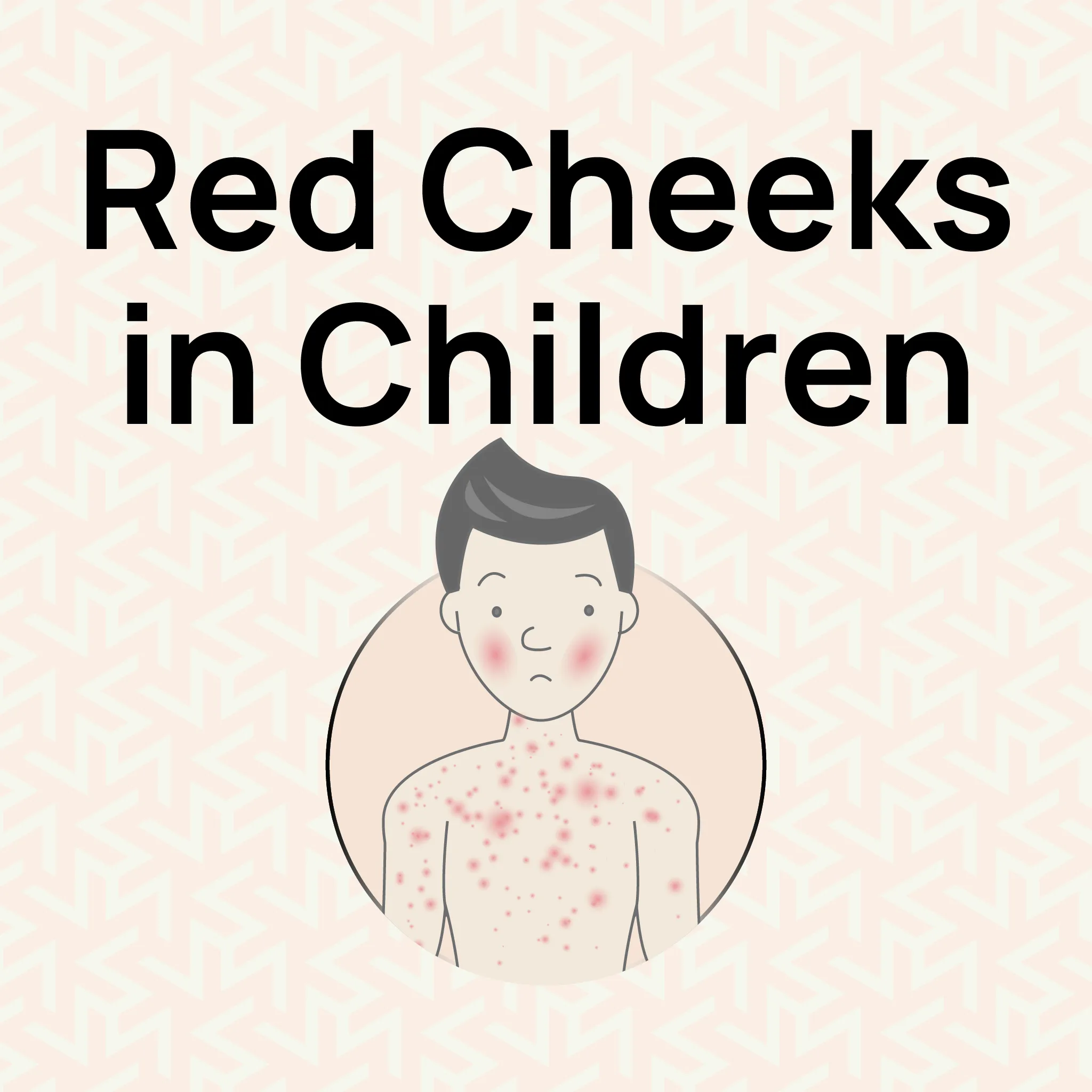
Slapped Cheek Syndrome: A Parent's Guide to Red Cheeks in Children
Training for industries with strict compliance regulations such as construction, first aid, fire safety, food hygiene, and security depends on clarity, precision, and strong learner engagement. Content providers on platforms like Hurak.com are putting constant efforts to offer materials that meet UK workplace standards and are understandable and applicable by the learners in real-world scenarios. AI (artificial intelligence) is increasingly playing a vital role today in enabling teachers to produce more clear and attractive learning materials. Instructors are supported by AI tools to a great extent in creating visual diagrams, scenario illustrations, and even training videos, besides that, it is making the process less time-consuming and more efficient. Coming up next are the ways that AI-generated visuals are beneficial for compliance and safety training, the reasons for their importance, and the ways trainers can take advantage of them all with an illustrative example of the tools along the way.Why Visual Content Matters in Compliance & Safety TrainingThe construction, security, healthcare, hospitality, and fire safety industries all generally rely on practical decision-making. Thus, high-quality visuals have a great impact on learning outcomes in several ways:1. Better Understanding of Critical ProceduresCompliance content involves risks, step-by-step instructions, and emergency responses. Visual aids are remembered easier by the students, for example:CPR and recovery positionsFire extinguisher types and fire classesSite safety rulesConflict management scenariosHazard identification and risk assessment2. Higher Engagement in Online CoursesCharts, diagrams, illustrations, and scenario-based visuals help prevent learner fatigue, especially in long safety or compliance courses.3. Easy Updates and ScalabilityThe digital visuals can be quickly refreshed, thereby keeping the training materials updated with the latest industry and organizational regulations and guidelines.How AI Is Taking Control of Training Material CreationIn the past, the trainers had to rely on graphic designers, photographers, or stock image suppliers to get visuals made. The whole process could be time-consuming, costly, and at times limited if the content was very specific e.g., a fire warden's scenario or a construction hazard's illustration. The use of AI tools enables the trainers to make unique visuals within minutes, which helps them:Create diagrams for manualsDevelop illustrations for scenario-based learningCreate images for e-learning platformsProduce short explainer videosSo, for instance, the AI Image Generator could take text-based training instructions and convert them into a visual diagram that could be used for the first aid, security, or fire safety teaching modules. In the same way, a short scenario clip can be made with the help of an AI Video Generator to demonstrate actual workplace situations, like emergency evacuation routes or conflict-resolution responses.Practical Ways AI Visual Tools Are Aiding Safety & Compliance Training1. First Aid TrainingThe visuals generated by AI can support the instructors create:Diagrams illustrating the different steps in CPRPictures showing the measures taken when someone chokesImages that depict the proper dressing of woundsFlowcharts that show the assessment process for emergenciesThe use of these materials enhances the absorption of life-saving procedures by the learners.2. Fire Safety CoursesAI can produce diagrams that illustrate:The different classes of fires (A, B, C, D, F)The correct usage of the respective fire extinguishersThe order of the evacuationThe procedures for alarms and assembly pointsVisuals that are clear and easy to read promote the correctness of information and cut down on the chances of misunderstanding.3. Security and SIA TrainingThe use of scenario-based illustrations helps in showing the following ways:To spot shady activitiesReducing the conflictControlling accessSteps of incident reportingThrough the use of these visuals, the learners are supported by contextual, real-world examples.4. Construction & Workplace SafetyAI visuals can play a role in hazard identification (e.g., trips, falls, misuse of equipment)Proper use of PPESafety rules on the siteTechniques in manual handlingIn this way, safety training becomes more practical and relatable.Benefits for Training Providers on Hurak.com1. Quicker Course DevelopmentThe visuals that used to consume several days can now be generated in a matter of minutes using AI image-generation tools .2. Consistent Branding Across MaterialsAI tools assist in establishing a particular style throughout the handbooks, slides, assessments, and e-learning content.3. Better Learner Engagement and FeedbackCourses that contain diagrams and scenario-based visuals usually get stronger learner reviews and higher completion rates.4. Cost-Effective for Small ProvidersAI minimizes the dependency on hiring professional designers or visual resources that are expensive.Best Practices for Using AI Visuals in TrainingIn order to maintain quality and compliance, training providers shall adopt some straightforward rules:Sync visuals with learning objectivesEvery single image or diagram must help the specific learning outcome.Keep up to date with accuracy for regulated contentFirst aid, fire safety, and SIA-related visuals should rely on UK-approved procedures that are already correct.Use visuals to make complex topics easierLonger procedures should be divided into steps that are easier to digest.Maintain a uniform visual styleIf you are using tools like Dreamina, apply the same style to all modules.Pilot visuals with a minor learner groupA speedy review assists in verifying clarity and preventing possible misunderstandings.ConclusionAI-driven visual tools are becoming powerful assets for compliance, safety and professional training providers. For trainers delivering courses through Hurak.com, these tools make it easier to produce accurate, engaging and up-to-date learning materials without the delays and costs associated with traditional design methods. By using AI responsibly and integrating visuals that genuinely support learning providers can significantly improve the quality of their course delivery and create a more effective training experience for their learners.

Spotting and Treating Mumps: A Complete Guide for Families
If a person in the home has developed swollen cheeks or is experiencing pain after chewing, you may be concerned that it is just a virus, such as a cold. However, it could be a much more serious issue, so check for mumps. Mumps is a viral infection that primarily affects the salivary glands, causing swelling in the cheeks and jaw on either or both sides of the face. While the MMR vaccination (measles, mumps, and rubella) has led to a decrease in MMR cases compared to years past, mumps still occurs today, particularly among unvaccinated individuals or those living in areas with low vaccination rates. You can be prepared to act calmly and protect your family from others by understanding how the virus spreads, identifying symptoms, and learning how to care for someone with mumps. Although mumps is highly contagious, it is usually mild. Therefore, with appropriate treatment, most individuals will recover without complication. Let's take an in-depth look at mumps, including its causes, symptoms, treatment, and prevention.What Is Mumps?Mumps is a contagious viral infection caused by the mumps virus. It primarily affects the parotid glands, located near the ears and responsible for saliva production. When infected, these glands become swollen and tender, leading to the tell-tale puffy cheeks appearance. Mumps can affect children, teenagers, and adults, although vaccination has significantly reduced its occurrence in recent years. The infection spreads easily through respiratory droplets, such as by coughing, sneezing, or even sharing utensils and drinks with an infected person. While mumps is usually not life-threatening, in rare cases, it can lead to complications such as inflammation of the brain, testicles, or ovaries.What Causes Mumps & How It SpreadsMumps is caused by the mumps virus, a member of the paramyxovirus family. It primarily affects the salivary glands, particularly the parotid glands, which are located near the angle of the jaw. It can be transmitted to others around the infected individual, including those in close proximity, either when the infected person expels saliva into the air (through coughing, sneezing, or talking) or by sharing utensils that have been in direct contact with Saliva.How It Spreads from Person to PersonMumps is highly contagious. The mumps virus is transmitted from one person to another, and the recipient can become infected. Therefore, unvaccinated people are more susceptible to mumps in crowded settings, such as schools, student hostels, or universities. When an individual is infectious, they can transmit the Mumps Virus for approximately 3 to 5 days after symptoms appear. To help prevent spreading mumps:Stay home and avoid close contact with your family or friends for at least 5 days after the swelling begins.Cough or sneeze into a tissue; cover your mouth and nose with a tissue.Wash your hands frequently and don't share personal Items like towels, cups, utensils, etc.Mumps SymptomsMumps symptoms usually appear two to three weeks after exposure to the virus. In the early stages, it may resemble the flu, characterised by mild fever and fatigue. As the infection progresses, one of the most recognisable signs is swelling in the cheeks or jaw due to inflamed salivary glands (parotid glands).Common SymptomsThe most typical signs and symptoms of mumps include:Swelling in one or both cheeks or the jaw (parotid glands): The hallmark symptom is puffiness and tenderness near the ears.Pain while chewing, swallowing, or talking: This is caused by the swollen glands pressing on nearby muscles and nerves.Fever and chills: Often appear before or alongside swelling.Headache and fatigue: Common as your body fights off the viral infection.Muscle aches and joint pain: Indicating your immune systems response.Loss of appetite: Due to discomfort and fever.Less Common but Serious ComplicationsIn some cases, mumps can lead to more serious complications, particularly in adults or those who aren't vaccinated:Orchitis: Swelling and pain in one or both testicles (in males). This may cause tenderness and discomfort but rarely leads to infertility.Oophoritis: Ovarian inflammation (in females), which can cause abdominal pain and tenderness.Meningitis or encephalitis: Inflammation of the brain or its lining, leading to severe headache, neck stiffness, or confusion.Hearing loss: A rare but possible complication due to nerve inflammation.Most people recover completely within a few weeks, but complications are more likely in adults than in children. If you experience severe pain, persistent fever, neck stiffness, or confusion, seek medical help immediately.Mumps in Babies and Young ChildrenMumps is rare in babies under one year old because they often carry temporary antibodies passed from their mothers. However, if exposed to the virus, infants may develop symptoms such as fever, irritability, loss of appetite, or mild facial swelling near the jaw or ears. These signs can be harder to detect in younger children. Since babies cannot receive the MMR vaccine before 12 months, preventing infection depends on limiting exposure and ensuring all family members are fully vaccinated. Maintaining good hygiene, avoiding contact with infected individuals, and disinfecting shared surfaces also help protect infants. If a baby shows swelling, high fever, or unusual fussiness, parents should consult a doctor immediately to confirm the cause and prevent complications. Early medical attention ensures safe care and peace of mind for families.How Long Does Mumps Last?The duration of mumps can vary from person to person, but in most cases, symptoms last between 7 to 10 days. The facial swelling and pain usually start to improve after the first week, though tiredness and mild discomfort may linger for a short while. With plenty of rest, hydration, and supportive care, most people make a full recovery without complications. However, its essential to monitor symptoms, especially in young children, adults, or individuals with weakened immunity, and seek medical attention if the illness appears to worsen or last longer than expected.When to See a DoctorContact a healthcare professional if you or your child experiences any of the following warning signs:Persistent high fever or severe painSwelling in the testicles, abdomen, or face that worsensStiff neck, confusion, or severe headache, which could indicate meningitisSymptoms lasting longer than 10 days without improvementExisting health issues or a weak immune system that increase complication riskMumps TreatmentThere is no specific antiviral medicine for mumps. Treatment focuses on relieving symptoms and supporting the body's recovery. Most people can manage the illness at home with supportive care and treatment.Home Care Tips:Get plenty of rest: avoid strenuous activities until you feel better.Ease discomfort: Use over-the-counter pain relief.Apply warm or cold compresses: to reduce facial swelling.Stay hydrated: drink water, soups, and juices to prevent dehydration.Eat soft foods: Smoothies, soups, and mashed foods are easier to chew when jaw pain is present.If you notice severe pain, swelling in the testicles or abdomen, or prolonged fever, seek medical advice immediately. Doctors can provide guidance and rule out complications.Prevention of MumpsThe best protection against mumps is the MMR vaccine, which is recommended by the World Health Organisation and guards against measles, mumps, and rubella. Two doses are recommended:Age GroupRecommended DoseNotes12- 15 monthsFirst doseStart protection early4-6 yearsSecond doseEnsures long-term immunityAdults (unvaccinated or unsure)Catch-up doseConsult a healthcare providerAdults who haven't received both doses or are unsure of their vaccination status should also consider getting vaccinated.Mumps Prevention in Babies (Before 12 Months)Babies younger than 12 months are too young to receive the MMR vaccine, so their protection depends on herd immunity and caregivers' careful precautions. Parents and family members should ensure they are fully vaccinated, especially before contact with infants. To lower the risk of infection in babies and young children:Wash your hands frequently with soap and water.Avoid sharing bottles, spoons, or towels.Keep sick individuals away from infants.Disinfect toys and common surfaces regularly.Cover your mouth and nose when coughing or sneezing.Keep children at home if they show any symptoms of illness.These preventive steps reduce the risk of mumps spreading within families and childcare settings. Staying informed and maintaining vaccinations ensures that both babies and older children remain protected from this contagious infection, with different levels of first aid training and how each equips you to handle various health emergencies.Is Mumps Contagious?Yes, mumps is highly contagious. It can spread from three days before the swelling begins to about five days after it appears. During this period, infected individuals can easily pass the virus to others through droplets or direct contact. To prevent spreading mumps:Stay home and avoid close contact with others for at least five days after swelling begins.Cover your mouth and nose when coughing or sneezing.Wash your hands frequently and avoid sharing personal items.ConclusionMumps is a contagious but usually mild viral illness that can affect anyone, especially those who are unvaccinated. Recognising symptoms early, staying isolated during the contagious phase, and focusing on rest and hydration can help ensure a smooth recovery. The MMR vaccine is the best defence against mumps, keeping not just individuals but entire families and communities safe. If symptoms appear, always consult a healthcare professional for proper guidance and care. Discover the benefits of first aid training and why every parent or carer should know how to manage sudden illnesses like mumpsFrequently Asked QuestionsWhat is mumps?Mumps is a viral infection that causes swelling in the salivary glands, leading to puffy cheeks and jaw pain.What causes mumps?It's caused by the mumps virus, which spreads through respiratory droplets or saliva.What are the main symptoms of mumps?Swelling in the cheeks or jaw, fever, fatigue, headache, and pain while chewing.How long does mumps last?Symptoms typically last 7 to 10 days, though fatigue may persist slightly longerHow is mumps treated?There’s no specific cure; rest, fluids, and pain relief help ease symptoms.
Scarlet Fever: Symptoms, Causes and Treatments Explained
If your child suddenly develops a red, rough rash along with a sore throat and fever, you might be wondering if it’s scarlet fever. Scarlet fever is a contagious bacterial infection that mostly affects children, though adults can get it too. Scarlet fever is caused by the same bacteria that cause strep throat. This often starts with fever, sore throat, and a bright red rash. If your child has any of these symptoms, it is important to treat them early with antibiotics. If treated properly, scarlet fever does have an excellent prognosis. Early diagnosis will help avoid serious complications and allow your child to return to their regular activities sooner rather than later.Causes and Transmission of Scarlet FeverUnderstanding scarlet fever helps parents and carers take early precautions to prevent the illness. The cause of scarlet fever is a bacterial infection triggered by Streptococcus pyogenes (group A streptococcus), the same bacteria responsible for strep throat. This infection releases toxins that lead to the characteristic red rash, sore throat, and high fever associated with scarlet fever.Scarlet Fever is a highly infectious disease; transmission occurs via respiratory droplets (from sneezing, coughing, etc.) produced by an affected individual, or through direct contact with contaminated surfaces and objects (such as sharing personal items, including cutlery, towels, toys, etc.). The age group most commonly affected by scarlet fever is 5-15 years, particularly in close-contact settings, such as daycare centres and schools. Like children, adults can also develop Scarlet Fever, but most cases in adults manifest with milder symptoms.Bacteria can spread from one person to another for a few days before symptoms appear, and they can still spread after 24 hours of starting antibiotic treatment. Therefore, it is essential that people with scarlet fever be diagnosed promptly and treated with prescribed antibiotics. In addition to speeding up recovery, prompt treatment prevents the continued spread of the disease among family and friends.To reduce the risk of infection, practice good hygiene habits, such as frequent handwashing, avoiding shared cups or cutlery, and keeping children home from school until they are fully recovered. Understanding both the cause and spread of scarlet fever is the first step toward protecting yourself and others.Signs and SymptomsThe symptoms of scarlet fever can look slightly different depending on a person’s age. While the infection most often affects children between 5 and 15, babies and adults can also catch it. Recognising the signs of scarlet fever early, such as fever, sore throat, and the typical scarlet fever rash, helps in getting the proper treatment quickly and preventing complications.BabiesChildren (5–15 years)AdultsMild or low-grade feverSudden high fever Moderate fever or body ache Irritability and crying more than usual Sore throat and difficulty swallowing Sore throat and mild fatiguePoor feeding or refusal to eatHeadache and chillsHeadache and mild chills Rah may appear faint or patchy Classic scarlet fever rash- red,sandpaper-like texture starting on the chest and neckSometimes a mild or no rash Vomiting or upset stomachNausea and vomiting Mild nausea or upset stomachFussiness and tirednessSwollen glands in the neck Slight swelling of glandsPeeling skin is less commonPeeling skin on fingers and toes during recovery Peeling skin is mild or absentHard to notice strawberry tongue Distinct strawberry tongue -Red and bumpy Red tongue may occur Cough or cold-like symptoms Flushed face with a pale area around the mouth Facial redness may appear mildDehydration signs- dry mouth, fear wet nappiesFatigue and general weaknessFatigue and body achesEven though the signs of scarlet fever vary slightly, the most common features across all ages include a sore throat, fever, and the scarlet fever rash, which feels rough like sandpaper and spreads from the chest and neck to other parts of the body. Early attention to these symptoms can help prevent the infection from becoming serious or spreading to others.Diagnosis of Scarlet FeverIf you notice any scarlet fever symptoms, it’s essential to see a doctor right away. Diagnosis is usually made through a physical examination and a throat swab to detect group A streptococcus, the leading cause of the infection. In some cases, doctors may run a rapid strep test for faster results. Early diagnosis ensures timely antibiotic treatment, speeds recovery, and helps stop the infection from spreading within families or classrooms.Treatment and Recovery of Scarlet FeverTo regain a person’s health as quickly as possible, immediate medical attention is essential. The primary treatment for scarlet fever involves administering antibiotics to eliminate the Group A Streptococcus bacteria. Taking the antibiotic will shorten the time the patient remains contagious and lower the risk of serious complications, such as rheumatic fever or kidney inflammation. Although some antibiotics are commonly prescribed for scarlet fever, it is important to complete the full course to ensure all bacteria are killed, even if the patient feels better before finishing the regimen.In addition to antibiotics, doctors may recommend:Fever reducers (as advised by your doctor)Adequate hydration to replace fluids lost from fever or sweatingPlenty of rest to help the body recoverSoothing warm liquids to relieve soreness.With proper treatment, most children will start to feel better between 48 and 72 hours. The rash associated with scarlet fever typically resolves within 1 week of starting antibiotic treatment; peeling of the skin on the hands and feet may occur during the healing phase, but this condition resolves naturally.Recovery After Scarlet FeverFull recovery generally takes 5 to 7 days, although fatigue can persist slightly longer. During this period, it’s essential to:Continue resting and staying hydratedMonitor the rash and other symptoms for improvement.Complete the entire antibiotic course, even if the child feels well.With proper treatment, most children start feeling better within a few days, and the rash typically fades within a week. Scarlet fever treatments are effective, and the infection usually resolves completely with medical care. Alongside proper medical care, knowing the benefits of first aid training ensures an immediate and effective response at home or school.Complications, Risks, and Adult Cases of Scarlet FeverAlthough most people recover fully with timely scarlet fever treatment, untreated or delayed cases can sometimes lead to serious complications. These occur when the group A streptococcus bacteria spread to other parts of the body or when the immune system reacts to the infection.Possible Complications and RisksUntreated scarlet fever can result in various complications, including the following:Rheumatic fever: A condition that causes an inflammatory response in the heart, joints, and nervous system.Post-streptococcal glomerulonephritis: An inflammatory disease of the kidney.Ear or sinus infections: may develop from direct bacterial spread from the throat to these areas.Pneumonia or abscesses: rare but serious bacterial complications of untreated scarlet fever.Joint pain or swelling: resulting when the immune system is in the process of reacting to an infection with streptococcus bacteria.Children under five years old, individuals with weakened immune systems, or those who delay medical treatment are more at risk of developing these complications. Early antibiotic therapy and proper rest remain the best ways to avoid such outcomes.Scarlet Fever in AdultsWhile scarlet fever is most common among school-aged children, adults can also contract the infection, especially parents, teachers, or caregivers who are in close contact with children. Adult cases usually present milder symptoms, such as sore throat, fever, fatigue, and occasionally a faint scarlet fever rash.Adults can transmit the bacteria even when symptoms are mild. Therefore, practising good hand hygiene, avoiding any contact with those who are infected, and ensuring you finish all antibiotic prescriptions are important for preventing further spread of the infection.Understanding the potential for disease spread reduces the risk of outbreaks in family, work, or community environments. You may wish to conduct research if you are uncertain of the best first aid method for your situation in order to make a sound, scientific decision.Prevention and When to Seek Medical AttentionTaking simple precautions can go a long way in preventing the spread of scarlet fever, especially in households, schools, and childcare settings. Because scarlet fever is contagious, especially among children, maintaining good hygiene is key to preventing its spread. Since the illness is highly contagious, practising good hygiene and responding early to symptoms helps protect both children and adults.To reduce the risk of infection and stop the spread of scarlet fever symptoms:Prevention TipsWash your hands frequently with soap and water, especially after coughing, sneezing, or touching shared surfaces.Avoid sharing utensils, cups, towels, or toothbrushes with anyone who is ill.Cover coughs and sneezes with a tissue or elbow to prevent droplets from spreading.Keep infected children at home until they’ve taken antibiotics for at least 24 hours and are fever-free.Clean and disinfect commonly touched objects, such as toys, doorknobs, and countertops.These habits not only reduce the chances of catching scarlet fever but also help contain the infection before it spreads to others. These prevention steps align with the key principles of the 3 P’s in first aid, helping reduce risks and respond safely.When to Seek Medical AttentionSeek immediate medical attention if your child or another family member shows any of the following:High or persistent fever that does not respond to medicationDifficulty breathing or swallowingRash spreading quickly or becoming painful.Extreme tiredness or confusionSymptoms are not improving after 48 hours of antibiotic treatment.Most cases of scarlet fever recover smoothly with prompt care, but early medical attention ensures proper diagnosis, a faster recovery, and prevents complications such as rheumatic fever or kidney inflammation.Know the Warning SignsWe believe that first aid training should be practical, easy to understand, and accessible to everyone. Enrolling in a Paediatric First Aid course, Emergency First Aid at Work (EFAW) and First Aid at Work ensures you learn the life-saving techniques under expert guidance.ConclusionScarlet fever is a contagious but treatable bacterial infection. Recognising the symptoms, understanding the causes, and seeking early treatment are key to ensuring a quick recovery. Most children recover fully with proper care, and adults can also be affected, though usually with milder symptoms. By following preventive measures and being alert to warning signs, parents and carers can protect their families and reduce the spread of this infection.Choosing the right first aid training qualification is essential for ensuring you have the skills and knowledge to respond effectively in emergencies. Whether for workplace safety, childcare, or general preparedness, selecting a recognised and comprehensive course helps build confidence and competence.Frequently Asked QuestionsWhat are the symptoms of scarlet fever?Sore throat, fever, headache, swollen glands, nausea, rough red rash, and sometimes “strawberry tongue”.What does a scarlet fever rash look like?Red, rough, sandpaper-like rash starting on the chest and neck, spreading to other areas.What causes scarlet fever?Group A Streptococcus bacteria are spread through coughing, sneezing, or contaminated surfaces.How is scarlet fever treated?Antibiotics, rest, hydration, and fever management.Is scarlet fever contagious?Yes, it spreads through droplets and close contact with infected people.Can adults get scarlet fever?Yes, often milder symptoms, but adults can still spread it.How long does scarlet fever last?Typically 5–7 days with proper treatment.Is scarlet fever dangerous?Rarely, if untreated, complications can include rheumatic fever or kidney problems.What are the signs of scarlet fever?Red rash, sore throat, fever, headache, swollen glands, nausea, and sometimes strawberry tongue.Explore More First Aid Training OptionsExpand your emergency preparedness by exploring our selection of first aid courses tailored to suit every need, profession, and level of experience:Emergency First Aid at Work (1 Day): Teaches the essentials of CPR, wound care, and how to respond to unconscious casualties. Ideal for smaller businesses.First Aid at Work Requalification Course (FAWR): A focused two-day course for those renewing their FAW certification before it expires. Refreshes essential knowledge and ensures full compliance with HSE standards.First Aid at Work (3 Days): A full three-day qualification covering a wide range of medical emergencies essential for high-risk workplaces.Paediatric First Aid (2 Days): Focused on child and infant care, including choking, fever, and allergic reactions.Advanced First Aid Training: Go beyond the basics with advanced trauma care, oxygen use, and secondary assessments.First Aid for Mental Health: Understand and support individuals showing signs of anxiety, stress, or depression.