

Understanding Fire Marshal Responsibilities: What They Do and Why They Matter
Fire safety is a critical aspect of every workplace; yet, many people are unsure of what it truly means to be a fire marshal. Whether you�re new to the workforce, stepping into a leadership role, or simply want to understand how your workplace stays safe, knowing the responsibilities of a fire marshal is essential. Fire marshals, also known as fire wardens, are trained individuals who play a vital role in preventing fires, preparing people for emergencies, and ensuring that everyone knows what to do in the event of a worst-case scenario.The Evolving Role of the Fire MarshalFire marshals are not firefighters, but they are the first line of defence against fire risks in the workplace. Their responsibilities have grown as workplaces have become increasingly complex, with new challenges such as lithium battery fires and the need for inclusive evacuation plans. Today, fire marshals are expected to be proactive, not just reactive, and to take a leadership role in both day-to-day safety and emergency situations.If you want a comprehensive overview of workplace fire safety responsibilities, the UK Government�s official fire safety guidance is a great place to start.Fire Marshal Responsibilities: Explained in DetailA fire marshal plays a pivotal role in any organisation�s fire safety strategy. Far beyond the basics of sounding alarms or directing evacuations, their responsibilities span across proactive fire prevention, planning, real-time emergency response, and post-incident recovery. Today, fire risks have evolved in tandem with workplace trends, making fire marshals more essential than ever. Let�s take a closer look at the core responsibilities of a fire marshal, broken down into four key pillars.Fire Prevention: Staying Ahead of the RiskThe foundation of a fire marshal�s role is prevention. This means regularly inspecting the workplace to identify and address any potential hazards that could cause or exacerbate a fire. For example, fire marshals check that fire exits are never blocked, electrical equipment isn�t overloaded, and flammable materials are stored safely. These inspections are not just about ticking boxes; they are about spotting potential dangers before they become real threats.A fire marshal also ensures all fire safety equipment, such as extinguishers and alarms, is in good working order. They keep a detailed logbook of their checks and actions, which is invaluable during health and safety audits or inspections. Just as importantly, fire marshals promote good habits among staff, encouraging everyone to keep escape routes clear, report hazards, and respect no-smoking areas. By fostering a culture of safety, fire marshals help prevent fires from starting in the first place.Want to learn more about identifying and controlling hazards? Read Hurak�s guide on the differences between risk control and hazard control.Preparedness: Planning for EmergenciesNo matter how careful everyone is, accidents can still happen. That�s why fire marshals are responsible for making sure everyone knows what to do if a fire breaks out. They help develop and update the workplace�s fire evacuation plan, ensuring it�s tailored to the building�s layout and the needs of all staff, including those with disabilities or mobility issues.A big part of preparedness is running regular fire drills. These practice evacuations enable everyone to learn the escape routes and assembly points, and they help the fire marshal identify any potential problems, such as bottlenecks or confusion, that may arise during an actual evacuation. After each drill, the fire marshal reviews what happened and suggests improvements. In larger buildings or shared spaces, fire marshals may also coordinate with other teams to ensure a unified response.For individuals who require additional support, fire marshals assist in creating Personal Emergency Evacuation Plans (PEEPs). These plans are crucial for ensuring that everyone can evacuate safely, regardless of their circumstances.? Take the next step toward becoming a trusted fire safety leader.The Fire Marshal & Fire Warden Online Course by Hurak is designed to equip you with practical skills, legal understanding, and the confidence to lead evacuations, conduct risk assessments, and support workplace compliance. Whether you�re just starting or stepping into a formal safety role, this CPD-accredited course is your foundationEmergency Response: Leading When It CountsWhen a fire alarm sounds, the fire marshal�s training is put to the test. Their job is to act quickly and calmly, raising the alarm if necessary and guiding everyone to safety. Fire marshals are often assigned specific areas to �sweep,� checking every room, corridor, and restroom to make sure no one is left behind. They are also trained to assist those who may be panicked or need extra help, ensuring a safe and orderly evacuation.If it�s safe to do so, fire marshals may use extinguishers to tackle small, contained fires, but their priority is always the safety of people, not property. Once outside, they assist in conducting roll calls and provide crucial information to the fire brigade, such as the location of the fire or any missing persons. Fire marshals are never expected to re-enter a building once evacuated unless instructed by emergency services.If you�re interested in taking your fire safety leadership further, the Fire Safety Manager Advanced Diploma from Hurak offers advanced training in managing fire risks and compliance across complex sites.Post-Incident Review: Learning and ImprovingAfter a fire drill or a real emergency, the fire marshal�s work continues. They write a detailed report outlining what happened, what went well, and what could be improved. This reflection is crucial for refining the fire safety strategy and ensuring lessons are learned. Fire marshals may lead debriefing sessions, update signage, change assembly points, or adjust PEEPs based on the feedback received.They are also responsible for ensuring that all fire systems and equipment are reset, replenished, or serviced as needed. For example, a used fire extinguisher should be replaced immediately, and any triggered alarms must be tested and reactivated. Fire marshals utilise these experiences to advocate for additional training or resources if gaps are identified, thereby helping to foster a culture of continuous safety improvement.For more tips and best practices, visit Hurak�s blog on fire safety at your workplace and fire safety tips for the workplace.Fire Marshal Training: What Does It Involve?Becoming a fire marshal doesn�t require years of study, but it does require professional training. In the UK, fire marshal courses are widely available and usually take just a few hours. Training covers fire risk awareness, types of extinguishers, evacuation procedures, and UK fire safety law, especially the Regulatory Reform (Fire Safety) Order 2005. Participants learn how to lead during emergencies, communicate clearly, and ensure legal compliance.After completing the course, you�ll receive a certificate, which is typically valid for three years. However, it�s best practice to refresh your training every year or after significant changes in your workplace.?Looking to build a long-term career in health and safety?The NEBOSH National General Certificate is a widely respected qualification that equips professionals with in-depth knowledge of UK safety laws, risk management, and compliance strategies. Ideal for supervisors, managers, or anyone stepping into a senior safety role.Who Is Responsible for Enforcing Fire Safety?In the UK, the employer or building owner, known as the �responsible person�, is legally required to ensure fire safety rules are followed. This includes appointing and training fire marshals, keeping exits clear, and making sure everyone knows what to do in an emergency. The law doesn�t specify an exact number of fire marshals, but a standard guideline is one fire marshal for every 20 employees in low-risk environments, with more marshals being required in higher-risk settings.For a full explanation of your legal duties, visit the official government fire safety page.Why Become a Fire Marshal?Taking on the role of fire marshal is an excellent way to develop leadership, communication, and crisis management skills. It demonstrates your concern for your colleagues� safety and can help you stand out in your career. For employers, having well-trained fire marshals is not just about legal compliance; it�s about creating a safer, more confident, and productive workplace.ConclusionFire marshals are the unsung heroes who keep workplaces safe and secure. Their work in prevention, preparedness, emergency response, and ongoing improvement protects lives and helps organisations meet their legal responsibilities. Whether you�re thinking about becoming a fire marshal or simply want to understand workplace safety, learning about these responsibilities is a decisive step toward a safer future for everyone. Frequently Asked QuestionsWhat do fire marshal responsibilities include?Fire marshals are responsible for conducting risk assessments, organising fire drills, inspecting equipment, planning evacuations, and providing support during emergencies. They help ensure legal compliance and workplace safety.Who is responsible for enforcing fire safety?The �Responsible Person� (usually the employer or building owner) is legally accountable. Fire marshals assist by carrying out day-to-day fire safety duties.How many fire marshals are needed in a workplace?It depends on size and risk level:Low risk: 1 per 50 peopleMedium risk: 1 per 20High risk: 1 per 15Adjust for shifts and multiple floors.What does FED stand for in fire safety?FED means Fractional Effective Dose. It measures toxic gas exposure during fires�mainly used in technical assessments, not daily fire marshal tasks.Is fire marshal training required?Yes. UK law requires trained and competent persons for fire safety. Fire marshal training meets this legal requirement.Explore popular Fire Marshal Courses on Hurak.Looking to expand your skills and boost your workplace credentials? At Hurak, we offer a wide range of practical, accredited fire safety courses designed to keep you informed, compliant, and confident, whether you're just starting or stepping into a new role. Here are some popular options to help you grow in your career:Fire Safety Manager Advanced Diploma: An expert-level course for managing fire safety strategies, risk assessments, and legal compliance across complex sites.Fire Marshal Course: Learn the legal duties and emergency procedures expected of a certified fire marshal.NEBOSH Certificate in Fire Safety: A globally recognised qualification that equips professionals to identify fire risks, implement controls, and ensure legal compliance in the workplace.
Who Does the Control of Asbestos Regulations Apply To? A Clear Guide for Duty Holders
Asbestos remains one of the most dangerous substances found in older buildings across the UK. Although its use was banned in 1999, it still lingers in insulation, flooring, ceilings, and pipework of countless properties built before the year 2000. The risk arises when these materials are disturbed, releasing tiny fibres that can cause fatal diseases, including mesothelioma, asbestosis, and lung cancer.To prevent exposure, the UK government introduced the Control of Asbestos Regulations 2012 (CAR 2012), which applies to anyone responsible for managing or working in buildings that may contain asbestos. These regulations are not just for specialists; they affect landlords, property managers, contractors, supervisors, and tradespeople.Why Are These Regulations Still Relevant Today?Each year, asbestos exposure leads to around 5,000 deaths in the UK, a figure higher than those killed on the roads. Many of these cases come from past exposures, but the risk hasn�t disappeared. Maintenance, refurbishment, or even simple DIY work in older buildings can unknowingly disturb asbestos-containing materials.The threat remains real because asbestos is often hidden and forgotten. And unless appropriately managed, it can be just as deadly now as it was decades ago. That�s why the law requires clear accountability and a proactive approach to managing this risk in the workplace.If you're involved in construction, property management, or facilities maintenance, understanding the health and safety risks on construction sites includes being aware of hidden dangers, such as asbestos, as well as visible hazards like working at height or moving machinery.? For New Starters in Construction:If you�re new to site work, the CITB Health and Safety Awareness Course teaches you how to identify asbestos risks and stay safe. It�s also the course needed for a CSCS Green Card.Who Is Responsible for Complying with Asbestos Regulations?Understanding the Role of the Duty HolderUnder the Control of Asbestos Regulations, the term �duty holder� refers to the individual or organisation responsible for maintaining non-domestic premises. This includes:Commercial property ownersEmployers occupying a workspaceFacilities or building managersLandlords or letting agentsContractors in charge of building maintenance or repairSite supervisors overseeing renovation or refurbishmentEven if you lease a property, if your lease places responsibility for maintenance on you, you are the duty holder.�? For Managers and Duty Holders:If you oversee construction or maintenance projects, the CITB SMSTS Course helps you understand the legal duties under asbestos regulations and how to safely manage your site and team.Shared Responsibilities in Domestic SettingsIn residential buildings, the regulations apply to common areas such as stairwells, plant rooms, and lift shafts. While the individual flats themselves are excluded, managing agents and housing providers still have a legal duty to ensure safety in shared spaces.If you're unsure whether the law applies to you, a simple rule is: If you're in control of a building's upkeep and it was built before 2000, you should assume that asbestos is present and act accordingly.What Are You Required to Do as a Duty Holder?The regulations are designed to ensure that asbestos risks are actively managed rather than ignored. As a duty holder, you are required to:1. Determine If Asbestos Is PresentThis can be done by commissioning a professional asbestos survey. If no survey is available, you must assume asbestos is present.2. Maintain an Asbestos RegisterIf asbestos is found, you must maintain an up-to-date register detailing its location and condition.3. Conduct a Risk AssessmentNot all asbestos needs to be removed. You must assess whether the material is likely to be disturbed and, if so, what level of risk it poses.4. Create an Asbestos Management PlanBased on your findings, you must outline how asbestos will be monitored, managed, or removed over time. This plan must be reviewed regularly.5. Inform and Protect Those at RiskAnyone carrying out work in the building, such as electricians, plumbers, decorators, or contractors, must be informed of the risks associated with asbestos. Clear signage and documentation are required.This structured approach helps ensure that no one is unknowingly exposed, a core principle of effective health and safety officer responsibilities.Who Needs Asbestos Training?Training is not optional if there�s any chance of encountering asbestos. Regulation 10 of CAR 2012 requires that workers likely to disturb asbestos receive proper instruction.This includes:Tradespeople (electricians, plumbers, joiners)Caretakers and cleanersSite supervisors and project managersMaintenance teamsContractors and building surveyorsEven individuals overseeing safety plans or construction workflows should be aware of the protocols for asbestos. For those supervising site work, completing an SSSTS training course can provide essential knowledge in managing on-site risks, including exposure to asbestos.? For Supervisors:If you lead teams on-site, the CITB SSSTS Course will equip you to manage safety risks, including asbestos, and carry out your responsibilities with confidence.A Broader Approach to Workplace RiskAsbestos is just one part of your workplace risk profile. Those responsible for safety must also address manual handling risks, fire hazards, and overall site coordination and management. This requires a comprehensive understanding of health and safety obligations.If you're building a career in this space or stepping into a leadership role, understanding the differences between risk control and hazard control can help you better structure safety protocols. Equally important is ensuring that your teams follow fire safety tips in the workplace to create a safe working environment.Managing asbestos is a specialist task, but it fits into a much broader framework of protecting workers and building a responsible safety culture.Final Thoughts: Knowing Your Role Could Save LivesIf you're working in or around older buildings, it�s your responsibility to know what risks lie beneath the surface. Whether you're a landlord, contractor, or facilities manager, the Control of Asbestos Regulations 2012 may apply to you.Taking action, whether through risk assessment, communication, or proper training, protects not only your team but also your legal standing.Remember, asbestos-related diseases develop silently over time. But with the right steps today, you can help prevent tomorrow�s tragedies.Frequently Asked QuestionsWho is responsible for preventing your exposure to asbestos?The person or organisation in control of building maintenance is responsible for preventing your exposure to asbestos. This includes employers, landlords, site managers, and duty holders under the Control of Asbestos Regulations 2012. Their responsibilities include identifying asbestos risks, informing workers, and ensuring safe working practices. If you're a tradesperson or contractor, you also have a duty to follow procedures and raise concerns if risks aren't managed properly.When was asbestos legally banned in the UK?Asbestos was entirely banned in the UK in 1999. Before that, blue (crocidolite) and brown (amosite) asbestos were banned in 1985, while white asbestos (chrysotile) remained legal until the total ban came into effect. Despite this, asbestos-containing materials still exist in buildings constructed before 2000, which is why ongoing awareness and regulation are necessary today.Managing asbestos in buildings is subject to which regulations?Managing asbestos is governed by the Control of Asbestos Regulations 2012, which replaced earlier versions from 2006. These regulations require anyone with responsibility for building maintenance, such as property managers, landlords, and contractors, to assess, manage, and monitor asbestos risks. These rules apply not just in construction, but also in schools, hospitals, shops, and industrial units.Asbestos is responsible for around how many deaths per year in the UK?Asbestos-related diseases cause approximately 5,000 deaths per year in the UK, according to the Health and Safety Executive (HSE). These deaths include fatal illnesses such as mesothelioma, asbestos-related lung cancer, and asbestosis. The latency period for these conditions can be decades, which is why prevention and early awareness are vital.What is asbestos legislation, and why is it important?Asbestos legislation refers to the set of laws designed to prevent exposure to asbestos fibres in the workplace. The central regulation is the Control of Asbestos Regulations 2012, supported by health and safety law under the Health and Safety at Work etc. Act 1974. These laws place clear duties on employers and building managers to identify asbestos, train workers, and create safe working environments.Which regulations outline how to deal with asbestos?The Control of Asbestos Regulations 2012 outline the procedures for managing asbestos in the workplace. This includes identifying whether asbestos is present, maintaining an asbestos register, assessing the risk, preparing a management plan, and providing training to workers. If asbestos is likely to be disturbed, you may need to bring in a licensed contractor, as specific removal work requires proper certification.Explore Related CoursesStaying compliant with asbestos regulations is just one part of workplace safety. These courses help you fulfill your legal duties, enhance your awareness, and build confidence, whether you're new to the industry or managing large teams.Asbestos Awareness (Category A): Learn how to identify and safely manage asbestos risks in buildings.CITB SSSTS: Essential for supervisors managing health and safety on construction sites.CITB SMSTS: For site managers overseeing compliance and high-risk operations.CITB Health and Safety Awareness (HSA): Ideal for workers applying for a CSCS Green Card or starting in construction.Manual Handling training: Learn safe lifting techniques to minimise strain and reduce the risk of injury.
3 Categories of Evacuation Explained: What They Are and When to Use Them
A fire emergency can unfold in moments, but what determines the outcome is how people respond. More specifically, it's about how well a building's evacuation strategy aligns with its structure and the people inside it. In the UK, fire safety legislation recognises three main types of evacuation: Simultaneous, Phased, and Progressive Horizontal Evacuation (PHE). Each of these categories is shaped by the nature of the building and the risk to its occupants. Understanding them is critical for employers, safety officers, and anyone who could be responsible during an emergency. This guide offers a clear, practical explanation of how these evacuation methods work, why they�re important, and how you can integrate them into a workplace fire evacuation plan. The Three Categories of Fire Evacuation Evacuation is not about getting out; it's about getting out safely, strategically, and in a way that protects everyone, including the most vulnerable. This is why the UK distinguishes between three evacuation strategies: Simultaneous, Phased, and Progressive Horizontal Evacuation (PHE). Each one applies to different settings and demands different levels of training and coordination. Let�s explore each in turn. Simultaneous Evacuation Simultaneous evacuation is the most widely used approach in workplaces and public buildings. When the fire alarm activates, everyone in the building evacuates immediately, without waiting for further instructions. This �all-at-once� method is simple and effective in buildings with straightforward layouts and limited occupancy. For instance, if you're in a school, an office block with fewer than five storeys, or a retail store, simultaneous evacuation is likely the default protocol. The goal is to minimise delay and confusion. Everyone exits the building at the same time, using clearly marked escape routes. But its simplicity depends on a few critical systems being in place. Alarm signals must be loud, continuous, and clearly heard in every part of the building. Escape routes must remain unobstructed and wide enough to handle the flow of people. Finally, staff and regular occupants must be well-practised through routine drills. ?For practical implementation tips, see our guide on fire safety at your workplace. Phased Evacuation Phased evacuation is a more sophisticated strategy, typically applied in large or high-rise buildings where evacuating everyone simultaneously might cause congestion, panic, or delay. In this method, only those people closest to the fire source evacuate first, while others wait for further instructions issued either by alarm zones, a public address system, or trained fire marshals. For example, in a 20-storey office block, it wouldn�t make sense for the entire building to rush toward the same stairwell. Instead, the floors near the fire evacuate first. Once these floors are cleared, other floors follow in a phased sequence. The success of this strategy depends heavily on building design. The structure must include fire-resisting compartments, sections capable of containing fire and smoke for a sufficient period, allowing people to safely wait or prepare for evacuation. Communication is equally important. Many buildings use voice alarm systems to announce which floors should be evacuated and when. Phased evacuation isn't just about efficiency; it�s about controlling risk under pressure. Without trained staff and clear direction, it could lead to confusion. That�s why staff training and detailed fire risk assessments are non-negotiables. ? Also, here�s what a health and safety officer actually does during an evacuation (and why you might become one). Progressive Horizontal Evacuation (PHE) In some environments, particularly healthcare or social care facilities, it�s not always possible, or safe, for occupants to immediately leave the building. Progressive Horizontal Evacuation (PHE) addresses this challenge by moving people laterally, across the same floor, into a designated refuge area built to resist fire and smoke for at least 30�60 minutes. Imagine a hospital ward with bedridden patients. Evacuating them down a stairwell is time-consuming, physically difficult, and risky. Instead, PHE allows staff to move them to an adjacent, fire-protected ward, giving them time to prepare for full evacuation if needed. PHE requires meticulous planning. The building must include fire-resistant compartments that are easily accessible and large enough to safely accommodate relocated occupants. Staff must be trained in using evacuation aids like stretchers, evacuation chairs, or bed movers. Regular rehearsals are crucial so that staff know how to assist without panic. ? Want to run this kind of operation smoothly?� The Fire Safety Manager Advanced Diploma is calling your name. ? Bonus read: Our fire safety tips for the workplace have loads of valuable nuggets�no matter what kind of building you�re in. Why These Evacuation Strategies Matter Knowing how to evacuate is more than common sense; it�s about choosing the safest, fastest, and most effective strategy for your setting. Each of the three categories addresses unique scenarios. Simultaneous evacuation focuses on speed, phased evacuation on coordination, and PHE on protecting vulnerable individuals. Using the wrong strategy could increase risks rather than reduce them. That�s why it�s essential to base your evacuation plan on: The size and layout of your building The mobility and health of its occupants Available equipment and trained personnel When combined with solid training, risk assessments, and fire drills, a well-planned evacuation strategy saves lives. Choosing the right strategy isn�t just smart, it�s required under UK Government workplace fire safety guidance. It�s all about reducing risk, keeping people safe, and staying on the right side of the law. ? Still fuzzy on �risk� vs �hazard�? We�ve explained the difference right here. Creating a Comprehensive Fire Evacuation Plan Your evacuation strategy is only as strong as the plan behind it. A fire evacuation plan doesn�t just list exits, it outlines how people will move, who�s responsible, and what happens if something goes wrong. Here�s what should be included in every evacuation plan: Evacuation Strategy Select the most suitable method: Simultaneous, Phased, or PHE, based on the layout, risk level, and type of occupancy. For instance, care homes will require PHE, while offices may rely on phased evacuation. Escape Routes and Exits All routes should be clearly marked with illuminated signs and kept free of obstruction. Doors must open in the direction of escape and be easily operable without a key. Fire Marshals and Roles Assign fire marshals to designated areas. Their job is to guide people, check rooms, assist individuals with mobility needs, and ensure no one is left behind. Assembly Points Specify safe outdoor areas where people will gather after evacuation. These spots should be far enough from the building to avoid smoke and fire risks, but easy to reach. Alarm and Detection Systems Your plan should detail the type of fire detection used, its coverage, and how the alarm system alerts people across all floors and areas. Evacuation of Vulnerable Persons Have clear provisions for anyone needing extra help, whether due to mobility, age, hearing impairment, or medical dependency. ? Want to build all of this into your day job?� � �Level 2 Health & Safety in the Workplace is a fantastic place to start. How to Respond During an Evacuation Knowing the technical procedures of evacuation is one thing, but understanding how to behave in the moment is what actually protects lives. When the alarm sounds, confusion, panic, or hesitation can cost valuable seconds. That�s why it�s crucial to internalise the correct responses, not just as a checklist, but as habits that kick in automatically during real emergencies. Stay Calm and Act Quickly The moment a fire alarm sounds, you must assume it�s real and act without delay. Even if you suspect it might be a drill or false alarm, treat it seriously until told otherwise by an authorised person. Hesitation or second-guessing wastes time and can put others at risk. Use the Nearest Exit and Not the Most Familiar One Many people instinctively head for the exit they use every day. But during a fire, that route could be blocked or congested. Always head toward the nearest safe exit and follow illuminated signage or instructions from fire marshals. Assist Others, but Don�t Risk Your Safety If someone nearby needs help, perhaps they�re injured, elderly, or panicking, offer assistance if you�re confident you can do so safely. However, you should never compromise your own safety. Fire marshals and trained personnel are responsible for assisting those with specific evacuation needs. Never Use Lifts During a Fire It might seem like the fastest way out, but lifts can fail or fill with smoke during a fire. They are strictly off-limits in fire emergencies. Always use the stairs and guide others to do the same. Proceed Directly to the Assembly Point Once outside, don�t linger near the building. Go straight to your designated assembly area and remain there until you're accounted for. This helps fire marshals quickly identify who might still be inside and allows emergency services to work without disruption. Don�t Return for Belongings It's human nature to want to grab personal items, but nothing is worth your life. Once you�ve evacuated, do not go back into the building under any circumstances until it has been declared safe by the fire service. ? Quick Tip: During your next fire drill, practise choosing alternative routes and helping a colleague simulate a real-life challenge. These small details make all the difference in a real emergency. Conclusion: Planning Saves Lives Evacuation isn�t about chaos, it�s about clarity. By understanding and applying the right evacuation strategy, you not only meet legal requirements but also take concrete steps to protect your team, clients, and business. Whether you're responsible for others or seeking to enhance your awareness, it begins with knowledge. ? Want to take your fire safety knowledge one step further? The Fire Marshal & Warden Online Course is a great way to turn understanding into action. It�s flexible, CPD-certified, and ideal for anyone who may need to guide others during an emergency. ? Learn on your schedule. Lead with confidence. Frequently Asked Questions What is a single-stage evacuation also known as? Single-stage evacuation is also known as simultaneous evacuation. In this strategy, everyone leaves the building immediately after the fire alarm is triggered. It's common in offices, schools, and other low-rise premises. When should phased evacuation be used? Phased evacuation is ideal for high-rise or complex buildings. It involves evacuating those closest to the fire first, followed by others in stages. It�s often used in buildings with fire-resistant compartmentation and advanced alarm systems. What is horizontal evacuation? Horizontal evacuation refers to moving individuals to a safe area on the same floor, rather than immediately exiting the building. This is central to progressive horizontal evacuation and is widely used in care homes, hospitals, and special education facilities. How often should a fire drill procedure be conducted? A fire drill should be conducted at least once a year to ensure everyone understands the fire evacuation procedure. In high-risk environments, such as healthcare settings or extensive facilities, drills should be conducted more frequently. What should a fire evacuation plan include? A comprehensive fire evacuation plan includes the chosen evacuation strategy, mapped escape routes, designated fire marshals, assembly point locations, and special provisions for vulnerable occupants. It should align with the broader emergency fire action plan for the workplace. Which Fire Safety Course Is Right for You? Ready to go from fire-aware to fire-prepared? Here�s a quick breakdown: Fire Marshal & Warden � Online: Perfect for anyone in charge of evacuations Level 2 Health & Safety: Ideal for new or aspiring team leads SMSTS: For site managers overseeing projects SSSTS: Designed for supervisors and junior leads Fire Safety Manager Diploma: Great for care or residential building managers NEBOSH Fire Safety Certificate: For those taking safety roles seriously

EDI in Education: Building Equitable, Inclusive and Diverse School Communities
Equality, Diversity and Inclusion (EDI) are not just educational terms. They�re essential to creating fair and adequate school environments. A strong EDI approach ensures every student feels valued and supported, regardless of background. As classrooms grow more diverse, educators, staff, and leaders must promote inclusivity and actively address unconscious bias. This article examines the significance of EDI in education and how to integrate it into everyday school life.What Is EDI in Education?EDI stands for Equality, Diversity, and Inclusion, three interconnected values that guide how schools create supportive and fair environments for all students and staff.Equality: Providing all students equal access to learning, resources, and opportunities by identifying and removing barriers to success.Diversity: Acknowledging and valuing the differences in students' cultures, backgrounds, experiences, and perspectives.Inclusion: Creating an environment where every student feels welcome, safe, and fully able to participate, adapting the system to the pupil, not vice versa.While EDI is often outlined in policy documents, its real impact lies in how schools apply these values in everyday teaching, leadership, and support.EDI is no longer just a compliance measure. It�s a core part of creating effective and inclusive learning. It encourages educators and school leaders to reflect on their approaches and ensure that every pupil has a fair chance to thrive.�When EDI is embedded in everyday practice, it helps all students feel seen, safe, and supportedWhy EDI Matters in SchoolsIn today�s increasingly diverse society, EDI in schools is more than a policy requirement; it�s central to delivering quality education. Schools prioritising equality, diversity and inclusion provide all students with the opportunity to succeed, regardless of their background, identity, or learning needs. This has a direct and lasting impact on student outcomes, school culture, staff wellbeing and ethical responsibilities.Impact on Student OutcomesA diverse and inclusive school helps pupils develop a strong sense of identity, belonging, and confidence. When students see their backgrounds and experiences reflected and respected in school, they�re more likely to engage with learning and achieve their full potential. EDI practices also help reduce bullying, discrimination, and exclusion, contributing to better academic performance and emotional well-being.Positive School CultureSchools that embrace diversity foster open-mindedness, empathy, and respect across the entire community. This creates a more harmonious learning environment where differences are celebrated, not challenged. Inclusive classrooms promote collaboration and understanding, preparing pupils for life in a multicultural society.Enhancing Staff Wellbeing and Professional PracticeEDI isn�t just about students; it also plays a vital role in staff wellbeing and retention. When educators work in inclusive environments, they feel more valued, supported, and empowered to grow. Diverse leadership and staff teams also serve as role models for pupils and bring varied perspectives to curriculum delivery and decision-making.Meeting Legal and Ethical ResponsibilitiesSchools are legally required to comply with the Equality Act 2010, which protects against discrimination based on characteristics such as race, gender, disability, and religion. But effective EDI goes beyond legal compliance. It�s about creating ethical learning spaces that reflect the values of fairness, representation, and opportunity.When embedded effectively, EDI in schools helps create a learning environment where all pupils feel valued, safe, and supported.Benefits of EDI for teachers, learners, and the wider school communityWhen Equality, Diversity, and Inclusion are embedded into school culture, the benefits extend far beyond compliance; they impact teaching quality, learner outcomes, and community cohesion.For TeachersEDI enhances the classroom environment by promoting respectful interactions, inclusive teaching approaches, and stronger teacher-student relationships, which lead to job satisfaction and growth. Classroom management becomes more empathetic and practical. It supports professional development, helping educators build cultural awareness, address unconscious bias, and effectively manage diverse classrooms.For LearnersEDI creates a safe and supportive space where every pupil feels valued, regardless of background or ability. This boosts confidence, increases participation, and strengthens a sense of belonging. Students are more likely to stay engaged, collaborate with peers, and perform better academically.For the Wider School CommunityAn inclusive school promotes trust, open communication, and strong partnerships among all stakeholders, including staff, pupils, and families. When EDI principles are prioritised, relationships are strengthened, fostering a collaborative culture that values and respects diverse perspectives. This not only creates a more supportive environment within the school but also prepares young people to navigate and thrive in a diverse society, equipping them with the skills and understanding needed for life beyond the classroomHurak offers a range of certified courses to support your journey.�From foundational options like the Level 3 Award in Education and Training (AET) to advanced qualifications such as the Level 5 Diploma in Teaching (DiT), and enhance your ability to support diverse learners by enrolling in the Level 3 Certificate in Supporting Teaching and Learning in Schools (STLS), focusing on practical approaches to inclusion each course is designed to help you create a more inclusive, equitable, and supportive learning environment.�Explore all our teaching courses and take your next step towards inclusive practice today.How Schools Can Embed EDI into Policies and CultureEmbedding EDI in schools requires a holistic approach that involves leadership-driven strategies, policy development, and a shift in school culture. To ensure that EDI is not just a theoretical concept but a practical reality, schools need to focus on the following areas:Developing an EDI Policy�Leadership must start by creating a clear EDI policy that aligns with the school�s mission and values. This policy should be more than a set of guidelines; it must reflect the school�s ongoing commitment to diversity, inclusion, and equality, setting the foundation for a truly inclusive environment.Embedding EDI in School GovernanceEDI should be incorporated into the school�s governance framework, ensuring that decision-making at all levels reflects the principles of inclusion. Ensuring that governance bodies, including leadership and trustees, are diverse and inclusive, creating a leadership structure that champions EDI and models inclusivity for students and staff alike.Inclusive Recruitment and Retention PracticesSchools must ensure that their staff recruitment processes reflect a commitment to diversity. This involves reviewing recruitment procedures to ensure fair representation from different backgrounds. Creating an environment that supports the retention and professional growth of staff from diverse backgrounds, enabling educators to thrive and contribute fully to school lifeLeadership Training for EDIIncorporating EDI into the culture of the school begins with leadership. Leaders must undergo specific training in EDI principles, including unconscious bias and inclusive management techniques. School leaders should actively model inclusive practices to inspire both staff and students, ensuring the values of fairness and equality are visible in all aspects of school lifePromoting EDI at the Classroom LevelEDI isn�t just a policy; it is something that should be visible and lived out in daily classroom interactions. From the way lessons are planned to how students are supported, inclusive practices make a real difference.�The table below highlights practical classroom-level applications of EDI principles:EDI PracticeExampleSEND SupportTailored learning plans and classroom adaptations for pupils with special educational needs and disabilities.Diverse CurriculumStudy materials that represent a variety of authors, cultures, identities, and perspectives.Inclusive LanguageUsing respectful, gender-neutral, and culturally sensitive language in all communication and learning materials.Adapting Teaching MethodsDifferentiating instruction to suit varied learning styles, abilities, and backgrounds.Gender InclusionRespecting students' chosen names and pronouns, providing gender-neutral uniforms and facilities where possible.Religious InclusionProviding prayer rooms and allowing time for religious observance.Cultural Dietary OptionsOffering halal, vegetarian, and allergy-sensitive meals in the canteen.Challenging StereotypesUsing counter-stereotypical examples in lessons and discussions to break down bias and assumptions.Anti-Bullying CampaignsAddressing bullying based on race, sexuality, and disability.Staff TrainingRegular sessions on unconscious bias and inclusive teaching strategies.Pupil ParticipationDiversity councils allow students to help shape school policies.Key Challenges in Implementing EDIWhile many schools are committed to Equality, Diversity and Inclusion (EDI), putting it into practice often proves difficult. Unconscious bias, inconsistent training, and limited resources can prevent meaningful progress. Teachers may struggle to address sensitive issues confidently, and systemic inequalities like socio-economic disparity or cultural misunderstandings can impact how pupils experience education.Even where EDI policies exist, they are not always applied consistently across classrooms or departments. Without strong leadership and whole-school commitment, efforts can lose momentum.Addressing these barriers is essential for creating lasting, equitable change in school culture.Conclusion: Embedding EDI for Lasting ImpactEquality, Diversity and Inclusion are essential components of a thriving, modern educational environment. From policy to practice, EDI shapes how students learn, how teachers teach, and how schools operate as inclusive communities. By embedding EDI into governance, recruitment, classroom practices, and leadership, schools create safer, fairer and more empowering spaces for everyone.While challenges exist, they shouldn�t deter action. Meaningful change starts with awareness, is strengthened through training, and succeeds when inclusion becomes part of daily school life. Whether you�re a school leader, educator or support staff, embracing EDI is a shared responsibility that ultimately benefits students, staff and society as a whole.Investing in EDI today helps build schools where every individual feels seen, respected and able to thrive, because proper education includes everyoneFAQsWhat does EDI stand for in education?EDI stands for Equality, Diversity, and Inclusion. It refers to creating a fair and supportive learning environment where all students and staff are valued and treated equally.Why is EDI important in UK schools?EDI helps promote fairness, reduce discrimination, and improve student outcomes by recognising different backgrounds, needs, and identities in the classroom.How is EDI implemented in schools?Schools implement EDI through inclusive policies, staff training, curriculum development, and initiatives like celebrating cultural diversity or supporting SEND students.What are some examples of EDI in action?Examples include using inclusive language, offering learning support for students with disabilities, celebrating different cultures, and creating anti-bullying policies.What training can educators take to support EDI?Teachers can take Equality and Diversity, Safeguarding, and Mental Health Awareness courses to better understand and apply EDI practicesAdvance Your Teaching Career with Accredited Courses from HurakWhether you're beginning your journey in education or seeking to deepen your expertise, Hurak offers a range of accredited courses to support your professional growth:�Level 3 Award in Education and Training (AET): Start teaching with confidence using inclusive methods. Level 4 Certificate in Education and Training (CET): Enhance your planning, delivery, and assessment skills. �Level 5 Diploma in Teaching (DiT) � Further Education and Skills: Advance your career in further education teaching. Level 3 Certificate in Supporting Teaching and Learning in Schools (STLS): Support pupils and teachers effectively in schools. Level 2 Award in Support Work in Schools (RQF): Learn EDI, safeguarding, and classroom support basics.Explore our full range of Teaching and Academics Courses on Hurak
Qualified Teacher Learning and Skills (QTLS): Meaning, Requirements How to Apply
If you're looking to teach in further education or adult learning settings, Qualified Teacher Learning and Skills(QTLS) could be the stepping stone you need. This professional status is designed for those who want to establish a credible, long-term teaching career beyond the traditional school environment.�In this article, we�ll cover everything you need to know about QTLS, from its meaning and requirements to how it differs from QTS and the application process. Whether you're new to teaching or looking to elevate your qualifications, this guide will help you navigate your journey to QTLS status.What is QTLS?Qualified Teacher Learning and Skills is a nationally recognised status for individuals teaching learners aged 16 and above in further education, adult education, and workplace training environments.�QTLS is often a requirement for roles in:Further education collegesIndependent training providersSixth-form collegesAdult and community learningWork-based learning organisationsQTLS is awarded by the Society for Education and Training (SET) and is designed to demonstrate your ability to meet the professional standards required for teaching and learning in this specific area. QTLS provides a pathway to Qualified Teacher Status (QTS) for those working in further education, but it is distinct in focus.Holding QTLS demonstrates that you meet the national professional standards for teaching and learning, significantly boosting your employability, professional credibility, and access to better career opportunities within the education sector.Understanding Qualified Teacher Status: QTSQualified Teacher Status (QTS) is the qualification required to teach in state-maintained schools in the UK, including primary and secondary schools. It ensures that teachers meet professional standards and have the necessary knowledge and skills to teach effectively. Earning QTS is essential for becoming a fully qualified teacher and improving your chances of employment, higher pay, and career progression within the education sector.QTLS vs QTS: Key Differences You Should Know Understanding the difference between QTLS and QTS is key if you're considering a teaching role in the UK. While both are respected teaching qualifications, they serve different sectors and offer different pathways depending on your career goals. Here�s a clear comparison:Focus and Scope:QTS is required for those teaching in primary and secondary schools. It�s specifically designed for educators working within the school system.QTLS is for those working in further education (FE), adult education, and vocational training. This qualification caters to teachers who work in colleges, training providers, and adult learning centres.Educational Requirements:To achieve QTS, teachers typically must complete a teacher training programme, such as a PGCE or School Direct, which includes practical classroom experience and assessments.For QTLS, you need to have a Level 5 teaching qualification (such as a Level 5 Diploma in Education and Training) and prove your competency in teaching through a professional development route.Recognition and Career Pathways:QTS is mandatory for teaching in UK schools, and it�s the qualification you�ll need to pursue if your career goal is to teach in a school setting.QTLS recognises professionals working outside the school system and opens career pathways in the further education and vocational sectors. It also allows for equivalence to QTS in terms of teaching status.Status and Professional Development:QTS is often considered the gold standard for school teachers, and it�s recognised across the UK as the qualification for effective classroom teaching.QTLS is similarly regarded as a mark of professional competence, but it�s more specific to the further education sectorTransferability:QTS allows you to teach across all UK schools, whereas QTLS is typically valid in further education and training settings.�QTLS can sometimes be used as a route to gain QTS, depending on the career path and sector.QTLS Requirements and Benefits� To apply for Qualified Teacher Learning and Skills status, you must meet a set of eligibility criteria. These requirements ensure that applicants have the necessary skills, qualifications, and teaching experience to work effectively in the further education and training sectorQTLS Requirements:Level 5 teaching qualification such as:Diploma in Education and Training (DET)�Certificate in Education (CertEd)SET MembershipYou need to be a current member of the Society for Education and Training (SET). Only SET members are eligible to apply for QTLS and access the Professional Formation programme.English and Maths QualificationsLevel 2 English and Maths (equivalent to GCSE Grade C/4 or above)Professional Formation PortfolioApplicants must complete the Professional Formation process, which is a structured online portfolio and is then assessed by SET, which involves:Providing evidence of teaching practiceDemonstrating continued professional development (CPD)Meeting the professional standards for teachers and trainersImportant Note: The Professional Formation process typically takes around 4�6 months, and the application fee is approximately �500, though this may vary5. Current Teaching RoleYou must be actively teaching or have recent experience in a relevant post-16 or further education setting. This ensures your evidence and reflections are grounded in real practice.Key Benefits of QTLSProfessional Recognition: Gain a status equivalent to QTS, recognised by employers in both further education and maintained schools.Teacher Reference Number (TRN): Receive an official TRN from the Department for Education for easy qualification verification.Official DfE Listing: Your name is added to the DfE's list of qualified teachers, boosting your employability.Career Flexibility: Move between FE colleges, sixth forms, and schools with confidence and recognised credentials.Your First Step Towards QTLS Starts HereStart your teaching journey today with Hurak. Whether you're aiming for QTLS or QTS, your journey begins with the proper qualification.Enrol in the Level 5 Diploma in Education and Training- This course is the essential first step to gaining QTLS status and advancing your teaching career in the post-16 sectorQuick Overview of how to apply for QTLS�Meeting the above requirements is essential for progressing with your QTLS application. Applying for Qualified Teacher Learning and Skills status is a structured process managed by the Society for Education and Training (SET).Once awarded, QTLS not only validates your teaching practice but also opens the door to broader teaching opportunities, especially in further education and sometimes even in schools where QTLS is recognised as equivalent to QTS.How to apply for QTS� :� Three main routes depending on your background:Through Initial Teacher Training (ITT)Complete a course such as PGCE or School DirectThe course includes school placements and leads to QTSApply via the assessment-only route�For experienced teachers without formal trainingProvide classroom evidence and have your teaching assessedOverseas teachers applying for QTSApply if you're qualified and experienced abroadNew rules (2023 onwards) allow more countries to qualifyWhich is right for you: QTLS or QTS�Choosing between QTLS and QTS �depends on where, what, and who you want to teach. Here's a quick decision guide to help you identify the most suitable qualification for your teaching career goals:�Your Goal�QualificationWhy It�s Right for YouTeach children in UK schoolsQTSQTS is mandatory for teaching ages 5�16 in state-maintained schools in England and Wales.Teach adults or vocational learnersQTLSQTLS is designed for the post-16 sector, including FE, adult, and skills-based training.Already have experience but no QTSAssessment-only routeIdeal if you're experienced and want to fast-track your QTS without going back to training.Already teaching in FEQTLSBuild on your experience and gain a recognised professional status to grow your career.Want flexibility + legal parityQTLS (with school discretion)QTLS has legal parity with QTS and is accepted in many schools, offering broader options.Conclusion Both QTS and QTLS are highly regarded teaching qualifications, each serving distinct sectors of the education industry. If you aim to teach in the post-16 education or vocational training sectors, QTLS offers the credibility and flexibility you need. On the other hand, QTS remains the benchmark qualification for those pursuing a career in schools. By understanding the key differences, benefits, and requirements of each, you can make an informed decision that aligns with your career aspirations.FAQs:Can I teach in schools with QTLS?Yes, in maintained schools in England.Is QTLS equivalent to QTS?Yes. QTLS is legally recognised as equivalent to QTS in state-funded maintained schools in England.Do I need a degree to get QTLS?No, a degree isn�t required, but a Level 5 teaching qualification is.Is QTLS mandatory?It�s not legally required for all FE roles, but it is highly valued and often preferred.Explore all our popular Teaching and Academic coursesPopular Teaching and Academic courses at Hurak:Level 3 Award in Education and Training (AET or PTLLS)Level 3 Diploma in Specialist Support for Teaching and Learning in Schools RQF�HLTA Level 4 Certificate for Higher Level Teaching Assistants (RQF) QualificationLevel 4 Certificate in Education and Training
Fire Extinguisher Types and Their Uses (With Colour Codes Explained)
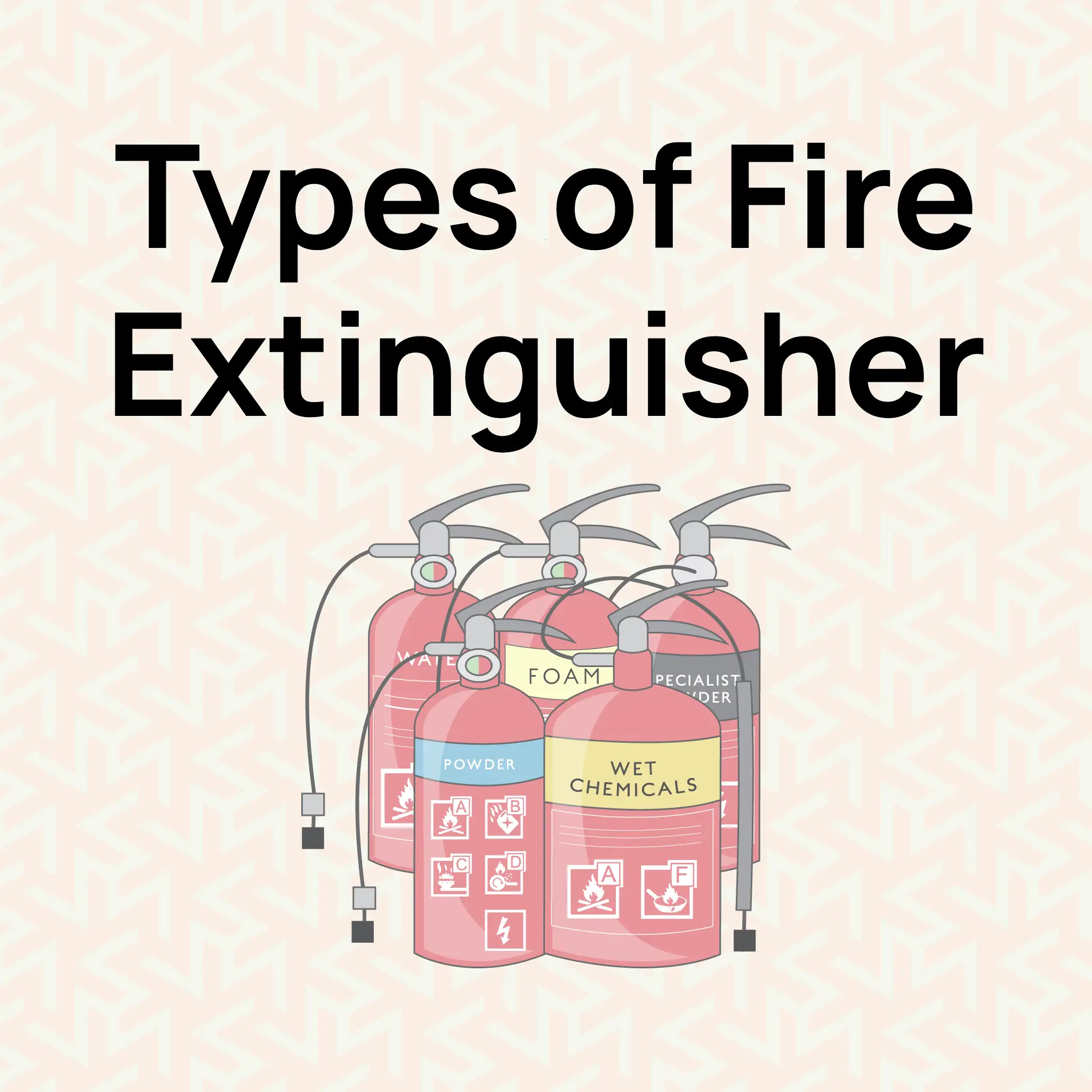
Fires are unpredictable, but your response to them doesn�t have to be. Whether you're working in construction, retail, hospitality, or an office, understanding fire extinguishers is essential. It�s not just about reacting in emergencies; it�s about being prepared, responsible, and compliant with UK workplace safety standards.This guide explains the various types of fire extinguishers, their relationship to fire classes, and how to use them safely, whether you�re new to the topic or a workplace supervisor managing health and safety.What Are Fire Classes and Why Do They Matter?In the UK, fires are grouped into classes based on the type of material that�s burning. This classification is important because each fire type requires a different extinguishing method. Using the wrong one can be dangerous or even fatal.Class A: Solid combustibles like wood, paper, fabricClass B: Flammable liquids such as petrol, oils, and solventsClass C: Flammable gases like propane or butaneClass D: Flammable metals (e.g. magnesium, aluminium)Class F: Cooking oils and fats (common in kitchens)Electrical Fires: Not a separate class, but a common and serious risk involving powered equipmentOnce you understand what�s burning, you can safely match the fire to the correct type of extinguisher.Want a deeper understanding of the dangers in the workplace? See our post on common health and safety risks on construction sites.Types of Fire Extinguishers (and What They�re Used For)Fire extinguishers in the UK are colour-coded and designed to fight specific fire classes. Here's a detailed look at the most common types you�ll see in the workplace:Water Extinguisher (Red Label)Water extinguishers are used for Class A fires, which involve materials such as wood, paper, or cloth. They work by cooling the burning material and reducing heat. However, they must never be used on electrical fires or flammable liquids, as this could spread the fire or result in electrocution.These are commonly found in schools, offices, and public buildings where solid materials are the main fire risk.Foam Extinguisher (Cream Label)Foam extinguishers are suitable for Class A and B fires, meaning they can handle solids and flammable liquids. They work by forming a film over the liquid�s surface, cutting off oxygen. Foam extinguishers are versatile but still unsafe on live electrical equipment.You�ll often see these in garages, workshops, and warehouses.Dry Powder Extinguisher (Blue Label)Also known as ABC extinguishers, dry powder models are suitable for Class A, B, and C fires and can also be used on electrical fires. They work by smothering the fire and interrupting the chemical reaction. However, they create a lot of residue and can make it hard to see or breathe indoors.Dry powder extinguishers are useful for outdoor settings, petrol stations, and sites with mixed fire risks.CO? Extinguisher (Black Label)CO? extinguishers are ideal for electrical fires and flammable liquids. They work by displacing oxygen, effectively suffocating the fire. Since CO? leaves no residue, it�s ideal for offices, IT rooms, and electrical cabinets.However, they�re ineffective on Class A fires and not suitable for outdoor use where wind can disperse the gas.Wet Chemical Extinguisher (Yellow Label)Designed explicitly for Class F fires, wet chemical extinguishers are essential in kitchens. They cool burning oil and chemically react to form a soapy layer that seals the surface and prevents re-ignition. While highly effective in kitchens, they should never be used on electrical fires.This extinguisher is a must-have in catering environments, canteens, and food production units.Curious about how these types apply in real settings? Read our guide to fire safety at your workplace.?Be the Person Who Knows What to DoFire Marshals are essential in every workplace. Get trained to lead evacuations, use extinguishers safely, and prevent fire risks.Explore the Fire Marshal Online CourseWhy Using the Correct Extinguisher Is CriticalUsing the wrong extinguisher can have serious consequences. For instance, spraying water on burning oil can cause the flames to spread violently. Similarly, using foam or water on an electrical fire could lead to electrocution.Employers and designated fire wardens must ensure that the correct extinguishers are not only present but also clearly labelled, accessible, and maintained. As part of their training, they must understand how to assess which extinguisher is appropriate based on the fire class.If you're assigned fire safety responsibilities at work, it�s worth knowing that Fire Marshal training prepares you to take charge in emergencies, from extinguisher use to evacuation leadership.Legal Responsibilities Under UK LawAccording to the Regulatory Reform (Fire Safety) Order 2005, all workplaces in the UK are required to:Conduct regular fire risk assessmentsInstall appropriate fire extinguishers based on identified risksEnsure that extinguishers are regularly servicedTrain staff in fire awareness and extinguisher useAssign responsible persons for managing fire safetyThese duties apply to all employers, building owners, and anyone in control of premises. Non-compliance can lead to enforcement notices, fines, or prosecution, especially if someone is harmed due to a lack of preparation.For supervisors, particularly in construction and high-risk settings, understanding these duties in depth is covered in formal training, such as the SSSTS course, which focuses on real-world responsibilities and safe working practices.If you�re unsure how roles and responsibilities are structured within an organisation, our article on the key responsibilities of a health and safety officer offers practical insights. Why Training Makes the DifferenceEven when the right extinguishers are in place, they�re only effective if people know how to use them. Training helps employees understand the types of fires they may face and equips them with the confidence to act safely.If you�re just starting your health and safety journey or looking to refresh your knowledge, the Level 2 Health and Safety in the Workplace course is a great foundation. It teaches you how to identify risks, handle equipment such as extinguishers, and understand the laws that govern workplace safety.For those in catering, retail, or hospitality roles where fire hazards are specific to the environment, such tailored training helps build long-term confidence and prevent incidents before they happen.For further risk reduction strategies, read about how to avoid manual handling risks and the differences between risk control and hazard control, key topics in creating a safer environment.?Take Your Fire Safety Skills to a Professional LevelA respected qualification for those managing fire risk or aiming for specialist roles.Discover the NEBOSH Fire Safety CertificateFinal ThoughtsWhether you're a site supervisor, office worker, or someone responsible for safety, understanding the types of fire extinguishers is a basic yet powerful skill. It can help protect not just your workplace, but your colleagues and your future.When matched with proper training and a commitment to compliance, even the most basic knowledge, like recognising extinguisher colours or fire classes, can save lives.Frequently Asked QuestionsWhat are the different fire extinguisher colours and what do they mean?In the UK, fire extinguisher colours help identify their contents and appropriate use. A red label indicates a water extinguisher, suitable for solid combustibles like paper and wood. A cream label marks a foam extinguisher, used on flammable liquids and solids. A blue label represents a dry powder extinguisher, which is versatile across multiple fire classes. A black label is used for CO? extinguishers, ideal for electrical fires. Finally, a yellow label is for wet chemical extinguishers, designed specifically for cooking oil fires (Class F). These fire extinguisher colours make it easier to act quickly and correctly during a fire emergency.What extinguisher should be used for electrical fires?For an electrical fire, the safest extinguishers to use are CO? extinguishers (black label) and dry powder extinguishers (blue label). These types are non-conductive and won�t cause electrocution, unlike water or foam. CO? is often preferred in offices and server rooms because it leaves no residue, while dry powder is more suitable in industrial or outdoor areas where electrical and flammable risks coexist. If you�re unsure, always look for extinguishers that explicitly state they are safe on Class E or electrical fires.What is a water extinguisher used for?A water extinguisher is primarily used for Class A fires, which involve solid materials like paper, wood, and textiles. They work by cooling the flames and lowering the temperature below the ignition point. However, they should never be used on flammable liquids or electrical fires, as this can spread the fire or create electrocution hazards. You�ll usually find water extinguishers in schools, office buildings, and public spaces with low electrical risk. Understanding the purpose of a water extinguisher helps prevent its misuse in hazardous situations.What are the 4 main types of fire extinguishers?The four main fire extinguisher types commonly used in workplaces are water (red), foam (cream), dry powder (blue), and CO? (black). Each is suited for different fire classes:Water: For solid materials (Class A)Foam: For solids and flammable liquids (Class A & B)Dry Powder: For solids, flammable liquids, gases, and electrical equipment (A, B, C & electrical)CO?: Primarily for electrical fires and flammable liquids (electrical & B)Wet chemical extinguishers (yellow label) are also widely used in kitchens, particularly in the hospitality sector, to handle Class F fires involving cooking oils.Which extinguisher should be used on flammable liquids?Fires involving flammable liquids like petrol or solvents are classified as Class B fires. The best extinguishers for these are foam extinguishers (cream label) and dry powder extinguishers (blue label). CO? extinguishers are also effective, particularly in indoor spaces where clean use is important. Never use water extinguishers on flammable liquids; it will likely spread the fire. Knowing the right fire extinguisher for flammable liquids can prevent disasters in fuel-handling or chemical workspaces.What are the different classes of fire in the UK?In the UK, fires are categorised into six main classes of fire:Class A � solids like wood and paperClass B � flammable liquids such as oils, fuels, or alcoholsClass C � flammable gases like butane or propaneClass D � combustible metals such as magnesium or lithiumClass F � cooking oils and fatsElectrical fires � involving powered appliances (not a formal class but treated uniquely)Each fire class demands a specific extinguisher, making it crucial to understand this system for safe fire management.What type of extinguisher should be used on different materials?Different materials ignite differently, and not all extinguishers can be used safely across them. Solid materials, such as paper and wood, require water or foam extinguishers. Flammable liquids are best handled with foam, CO?, or dry powder. For electrical equipment, CO? or dry powder is the safest option. Cooking oil fires need wet chemical extinguishers, and metal fires require specialist dry powder types (not to be confused with standard ABC powder). Understanding the kind of extinguisher suitable for a particular material reduces the risk of igniting the fire.What is the cream fire extinguisher used for?The cream fire extinguisher is a foam extinguisher. It�s used on Class A and B fires, which involve solids (such as paper and textiles) and flammable liquids (like petrol or paint). It works by creating a cooling foam barrier that suffocates the fire and prevents re-ignition. However, cream extinguishers should never be used on electrical fires, as foam conducts electricity. These are common in industrial and commercial environments where both solid and liquid fire risks are present.Explore Related CoursesLooking to boost your confidence in handling fire safety and workplace risks? These trusted courses can help:Level 2 Health and Safety in the Workplace � Covers core safety principles, including fire prevention and hazard awareness.Fire Marshal / Fire Warden Online � Learn how to respond to workplace fires and lead safe evacuations.SSSTS (Site Supervisor Safety Training Scheme) � Ideal for those supervising high-risk environments like construction sites.SMSTS (Site Management Safety Training Scheme) � A comprehensive course for managers overseeing fire and site safety.
Health and Safety Signs: Meanings, Symbols UK Laws
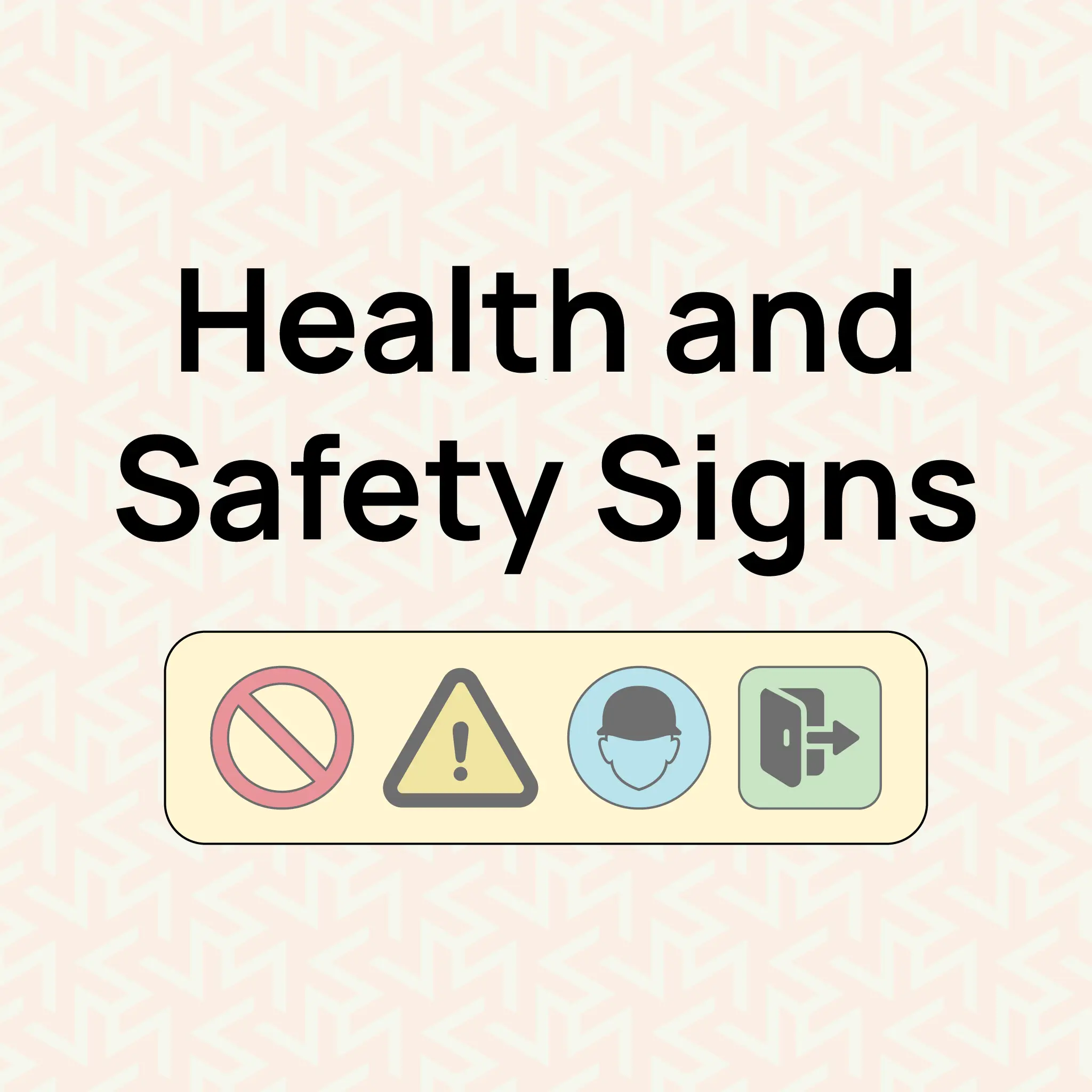
Health and safety signs are a part of everyday life, but in the workplace, they hold special importance. These signs are more than just symbols on walls or equipment; they�re a legal requirement, a safety tool, and in many cases, a life-saving measure. Whether you�re just starting out in your career or managing teams in high-risk industries, understanding what these signs mean and why they matter can make a real difference.From reminding workers to wear protective equipment to showing emergency exit routes, safety signs play a vital role in keeping people safe and operations compliant. But while they�re often overlooked, being able to recognise and respond to them is a skill every working adult should have.What Are Health and Safety Signs?Health and safety signs are visual indicators used to provide important messages about hazards, instructions, or safety procedures in a workplace. Their purpose is to help people avoid accidents, follow rules, and react correctly in emergency situations. These signs are standardised in the UK, which means the colours, shapes, and meanings are consistent across industries and work environments.For example, a yellow triangle always signals a warning, while a blue circle usually indicates something you must do, like wearing a hard hat. This consistency allows both experienced professionals and newcomers to understand the message quickly, even in high-pressure situations.Signs are required where there are risks that can't be completely removed, such as moving machinery, fire hazards, or dangerous substances. In these cases, signs serve as a critical last line of communication to ensure people are aware and prepared.Why Signs Are More Than Just VisualsAlthough health and safety signs are designed to be easily recognisable, their effectiveness depends on how well people understand and act on them. A warning sign near a chemical cabinet, for instance, is only helpful if staff know the dangers involved and follow proper handling procedures. That�s why safety signs are often supported by training, supervision, and risk assessments.This is especially important in environments like construction sites or industrial facilities, where fast decisions can prevent serious accidents. Understanding signage helps workers respond calmly and correctly to hazards, which protects not only themselves but everyone around them.If you work in or plan to enter sectors where safety is a priority, like construction, manufacturing, logistics, or facilities management, being familiar with workplace signage is both a legal and professional expectation.The Law Behind Safety SignageIn the UK, the use of safety signs is governed by the Health and Safety (Safety Signs and Signals) Regulations 1996. These regulations require employers to use safety signs wherever risks remain after other control measures are in place. The law is enforced by the Health and Safety Executive (HSE), which also provides guidance on how to use signs effectively.It�s not enough for an employer to simply hang a sign on a wall. The law requires that the sign be:Clearly visibleMaintained in good conditionSupported with training so that employees understand what it meansFor employees, understanding the message of a sign is a basic legal responsibility. Failing to do so can lead to injury, disciplinary action, or even legal consequences in severe cases.Understanding the Colours and Shapes of SignsTo make safety messages as clear as possible, UK regulations define five main types of signs based on colour and shape. This standardisation means people can quickly identify the type of information a sign is communicating, even from a distance.Red signs (often circular) indicate prohibited actions or mark fire equipment (e.g. No Smoking, Fire Extinguisher).Yellow signs (triangular) are warnings, alerting people to potential hazards (e.g. Caution: Wet Floor).Blue signs (circular) are mandatory, telling people what they must do (e.g. Wear Safety Boots).Green signs (square or rectangular) provide emergency information, like escape routes or first aid stations (e.g. Emergency Exit).?Be prepared to lead in an emergency.Learn how to respond to fire safety signs and carry out fire procedures with confidence.Become a certified Fire MarshalThis system helps ensure safety is accessible for everyone, regardless of their reading level, first language, or job title.When and Where These Signs Are UsedYou�ll find safety signs in almost every workplace, but especially in environments where risks are more likely. Construction sites, warehouses, kitchens, hospitals, workshops, and chemical labs all rely on signage to protect workers and visitors.Let�s take a construction site as an example. Signs such as No Entry, High Visibility Clothing Must Be Worn, and Danger: Overhead Work are not just suggestions; they�re mandatory precautions that workers must follow. Failing to recognise or obey these signs can lead to serious injury.If you�re in a supervisory role or aiming for one, learning how these signs fit into daily operations and site rules is a crucial part of your responsibility. Courses like SSSTS (Site Supervisor Safety Training Scheme) or SMSTS (Site Management Safety Training Scheme) include training on how to implement and monitor signage use effectively.Why Professionals and Job Seekers Should CareWhile signs are there to protect everyone, understanding them also demonstrates professionalism. Employers value staff who take safety seriously. Knowing what different signs mean and responding to them correctly shows you're not just aware, you�re responsible, alert, and a team player.For job seekers, especially those entering industries where safety is heavily regulated, basic knowledge of safety signage is often expected. It may be part of your induction training, and in some cases, required before you can even enter certain areas of a site.Understanding signage also boosts confidence. You�ll know how to navigate unfamiliar spaces, identify risks on your own, and act without waiting for instructions. In the long run, this makes you a safer, more reliable member of any team.?Step into site leadership with confidence.Understand how safety signage fits into your legal duties as a site supervisor.Join the SSSTS courseSigns Alone Aren�t Enough - Training MattersWhile safety signs do a great job of communicating risks visually, they work best when supported by proper training. A No Entry sign might prevent someone from walking into a dangerous area, but unless they know what�s behind the door or why it�s dangerous, they may not treat the sign seriously.Similarly, a sign that says Caution: Manual Handling Risk is only useful if workers understand how to lift properly and avoid injury. If you want to understand the connection between signage and physical safety, it's worth exploring how to avoid manual handling risks.In some workplaces, safety signs also work hand in hand with broader safety strategies, including fire drills, PPE policies, and COSHH (Control of Substances Hazardous to Health) procedures.A Practical First Step: Basic Safety TrainingFor professionals looking to improve their workplace awareness and for job seekers who want to stand out, a general health and safety course is a great place to start. One of the most relevant options is the Level 2 Health and Safety in the Workplace course. It introduces key safety principles, teaches how to identify risks, and explains the role of signs and symbols in everyday tasks.This course is suitable for all experience levels and is recognised across industries. It shows employers that you're serious about working safely and understanding your legal responsibilities.Final ThoughtsHealth and safety signs may seem like small details, but they represent a much bigger commitment to safety, responsibility, and professionalism. They keep workplaces running smoothly and help people avoid harm, but only if everyone understands and respects them.By learning how to recognise, interpret, and respond to these signs, you're not just protecting yourself; you�re contributing to a safer, more competent workforce. And in today's job market, that�s a quality every employer values.Whether you're applying for your first role, preparing for a new industry, or looking to brush up on compliance knowledge, taking health and safety seriously is always a smart move. Frequently Asked QuestionsWhat do health and safety signs indicate?They visually communicate rules, hazards, and required actions. A?no-smoking sign?bans smoking, while a?wet floor sign?warns of slipping risks. These signs help reduce accidents and ensure compliance with legal requirements.What are the 4 types of safety signs?UK safety signs fall into four categories:Prohibition (e.g.?no entry sign)Warning (e.g.?caution hot sign)Mandatory (e.g.?PPE sign)Emergency (e.g.?fire exit)Each uses specific colours and shapes to convey meaning.Are health and safety signs a legal requirement?Yes. Signs like?no food or drink signs?or?fire door keep shut signs?are required under UK regulations when risks cannot be eliminated otherwise.What are COSHH signs used for?COSHH signs identify chemical hazards. The corrosive symbol, for example, warns of substances that can cause burns or damage materials. These are vital in workshops and cleaning areas.What�s the difference between a warning and a mandatory sign?A?warning sign?(e.g.?, a hot surface warning sign) alerts you to a hazard. A?mandatory sign?(e.g.?wear PPE) tells you what safety action is required.Why use �Out of Order� or �Lift Out of Order� signs?They prevent the unsafe use of broken equipment. These signs help avoid accidents while repairs are underway.Explore Related CoursesContinue building your confidence in workplace safety with these expert-led courses:Level 2 Health & Safety in the Workplace: Get a solid grounding in safety signs, risk control, and workplace responsibility.Manual Handling Awareness: Learn safe lifting practices and understand signage related to manual handling risks.SSSTS (Site Supervisor Safety Training Scheme): Master how signage fits into site rules and contractor compliance.SMSTS (Site Management Safety Training Scheme): Deep dive into managerial safety responsibilities and sign-led coordination on larger sites.SMSTS Refresher: Stay up to date and compliant with the latest safety signage regulations and best practices.

Further Education vs Higher Education | Key Differences
Choosing the right path in education can be confusing, especially when terms like further and higher education are often used interchangeably. Whether you're returning to study, exploring career progression, or supporting someone else's learning journey, understanding the difference is essential. This quick guide breaks down what sets further education and higher education apart, from qualifications and course levels to career outcomes, so you can make an informed decision that suits your goals.We�ll clearly explain what each pathway involves, what qualifications you can earn,�internships for high school students, and how they align with your personal or professional goals, helping you make the right decision with confidence.�Top NVQ Courses Offered by HurakLooking to boost your career with a nationally recognised qualification? Hurak provides a range of NVQ courses tailored to various industries. Here are some of their top offerings:Level 2 NVQ in Plant Operations: Perfect for operatives aiming for the CPCS Blue Card.Level 2 NVQ in Controlling Lifting Operations (Slinger Signaller): Ideal for those working in crane and lifting operations.Level 3 NVQ Diploma in Adult Health and Social Care: Advance your role in care with this popular qualification.Level 3 Award in Education and Training (AET): Start your journey to becoming a certified trainer or teacher.Browse All NVQ Courses at Hurak.What Is Further Education (FE)?Further education (FE) refers to any type of learning that takes place after secondary school but isn�t part of a university degree or higher education. It offers a diverse range of qualifications, from academic courses to practical and vocational training, providing individuals with the skills needed for the workforce or further studies.FE is typically delivered in colleges, training centres, or adult education providers. Common qualifications include:A-LevelsBTECsNVQs (National Vocational Qualifications)ApprenticeshipsFunctional Skills�The good thing about FE lies in its flexibility; courses are available part-time, in the evenings, or even online, making it an ideal option for those with work or family commitments. Whether you're looking to build practical skills, pursue a specific career path, or prepare for higher education, further education offers a variety of routes to meet your personal and professional goals.What Is Higher Education (HE)?Each year, thousands of UK adults enrol in higher education to gain specialist qualifications, switch careers, or advance in their current roles. Higher education refers to studies undertaken after completing further education, typically at university level. It includes qualifications such as:Bachelor�s DegreesFoundation DegreesHigher National Certificates (HNCs) and Diplomas (HNDs)Master�s DegreesDoctorates (PhDs)These programmes are more academically focused and often involve in-depth study, research, or theoretical learning.Most full-time HE courses take three to four years to complete, though part-time and distance learning options, such as online MBA, are available .Unlike further education, HE often leads to advanced qualifications required for roles in law, engineering, teaching, or healthcare.Key differences between further and higher educationFurther education (FE) and higher education (HE) serve as distinct milestones in your learning journey, each providing unique opportunities for career progression and academic development.�Level of StudyFE: Post-secondary study, often providing a foundation for future higher learning or specific job preparation.HE: Advanced academic study, typically pursued after completing FE, offering qualifications like Bachelor�s and Master�s degrees.Qualification TypesFE: Focuses on practical skills and vocational qualifications such as BTECs, NVQs, and apprenticeships.HE: Offers academic qualifications like degrees, which delve deeper into specialised knowledge and research.Duration & FlexibilityFE: Shorter, flexible study options, often one to two years, with part-time or online opportunities.HE: Longer courses, generally lasting three to four years, are usually full-time with more structure.Career PathwaysFE: Ideal for entry-level positions, apprenticeships, or preparation for higher study.HE: Leads to professional and specialist careers requiring advanced qualifications, such as law, engineering, and medicine.Below is a table for your quick reference of the key differences:CATEGORY�FURTHER EDUCATIONHIGHER EDUCATION�Qualification LevelsLevel 1 to Level 3Level 4 and aboveTypical Providers�College, Training CentresUniversities, HE institutionsEntry RequirementsOften minimal, depending on the courseUsually A-levels or equivalentCostOften free or low-costTuition fees apply (loans available)Study FocusPractical, job-ready skillsAcademic, subject-specific knowledgeTime CommitmentVaries, often short or part-time2�4+ years (mostly full-time)Which Path Is Right for You?Deciding between further education (FE) and higher education (HE) comes down to your goals, qualifications, and learning preferences. Each route offers valuable opportunities; it�s about finding what fits your current stage and career plan.Choose Further Education if you:Need to gain foundational or Level 2�3 qualifications.Need to develop job-ready skills quickly.Prefer practical, hands-on learning environments.Explore career options or return to study with flexibility in mind.Choose Higher Education if you:Aim to earn a university-level qualification (Bachelor�s, Master�s, etc.).Plan to enter a profession that requires a degree (e.g. law, teaching, healthcare).Enjoy academic study and want to explore a subject in depth.Prefer a longer-term learning commitment with research opportunitiesWhichever route you choose, both FE and HE can lead to rewarding careers. It�s about picking the one that aligns with your personal circumstances and long-term goals. For those who have already completed higher education and wish to take their expertise to the next level, postgraduate programs such as MBAs can be a powerful way to advance professionally. These programs, like the Evening MBA Degree, offer a flexible, innovation-driven curriculum designed for experienced professionals seeking leadership growth in dynamic industries.�Not Sure Which Path to Take?Hurak offers courses to support both Further and Higher Education goals:Choose Further Education if you want job-ready skills fast:Level 3 AET (Teaching) �Health & Safety in Construction�Food Hygiene & SafetyChoose Higher Education Prep if you're aiming for advanced roles:Level 4 CET (Teaching)Level 5 Diploma in Teaching (QTLS Route)Browse all our Courses at Hurak.FAQsWhat is the main difference between further education and higher education?Further education (FE): Courses below degree level (e.g. A-levels, BTECs)Higher education (HE): Degree-level and above (e.g. BA, BSc, Master�s)Do I need further education before I can do higher education?Often yes, as most university courses require Level 3 qualificationsAlternative pathways, like Access to HE or relevant work experience, may applyCan I go to university without A-levels?�Yes, through:Access to HE DiplomaBTEC Level 3NVQ Level 3Foundation degreesWork experience in some casesIs further education free in the UK?Yes, for most 16�19-year-oldsAdults may qualify for:Free Level 3 coursesAdvanced Learner LoansSupport based on income or employment statusHow long does further education take?Short courses: A few weeks or monthsFull-time courses: 1�2 yearsPart-time/evening options: Flexible durationWhat support is available for adult learners?Financial support (grants, bursaries, or personal loans)Flexible schedules (evenings, online, part-time)Free advice via the National Careers Service or local collegesIs higher education worth it?Yes, for careers that require degrees (e.g., teacher, nurse, lawyer). Vocational jobs may offer strong earnings with FE alone.Can I do both further and higher education?Yes, many learners progress from FE to HE. Example: BTEC Level 3 ? University degree.Final ThoughtsBoth further education and higher education play important roles in helping you reach your personal and professional goals. Whether you�re aiming to enter the workforce quickly, build practical skills, or pursue a degree for a specialised career, the right path depends on your current situation and long-term ambitions.Understanding the difference between further and higher education helps you make informed decisions about your future. FE provides flexible, skills-based learning, while HE offers academic depth and professional qualifications. Consider your career goals, study preferences, and current qualifications before deciding.You can also speak to an education provider or careers adviser to get tailored guidance and make the most confident choice for your future.Explore Hurak�s career guides to find the right path for your goals.Hurak offers accredited courses that open doors in teaching, assessing, and supporting roles in education.Start building your future today: Award in Education and Training (AET) �| Teaching Assistant Courses�We also offer pathways into quality assurance and assessment: Assessment Training | IQA Training
Qualification levels in the UK, explained: A simple guide to your education and career path
In the UK, qualifications follow a clear level-based framework�from Entry Level (basic skills) to Level 8 (doctorates). But if terms like �Level 2� or �Level 6� sound confusing, you�re not alone.Whether aiming for a promotion, changing careers, or returning to learning, knowing how these levels compare (e.g., to GCSE, A-levels, or degrees) can save you time, money, and effort. This guide breaks it down simply, so you can pick the right course, meet job or compliance requirements, and confidently move forwardIdeal for adult learners, job seekers, or employers planning staff training, this article helps you navigate your next step clearly and quickly.What Are Qualification Levels in the UK?Qualification levels in the UK are designed to show the depth and difficulty of a course, whether academic, vocational, or professional. They range from Entry Level (basic skills) to Level 8 (doctorate-level study), helping learners and employers understand how different qualifications compare.Here's how the levels break down:Entry Level � Focuses on foundational learning and life skills.Levels 1�2 � Covers qualifications like GCSE and equivalent awards.Levels 3�5 � Includes A-Levels, vocational training, apprenticeships, and foundation degrees, common routes into employment or further education.Levels 6�8 � Encompasses higher education qualifications such as bachelor�s, master�s, and doctoral degrees.Understanding this structure helps you choose the right course for your career goals, meet compliance standards, and invest in learning that aligns with your current skills and future ambitions.Why Qualification Levels Matter for Your Career and Education ProgressionUnderstanding qualification levels isn�t just about knowing where you stand, It�s about making informed decisions that impact your future. Here�s how they add real value:Plan with Purpose � Identify the qualifications needed for your chosen career path or industry.Know Where You Stand � Recognise your skill level and map out realistic next steps.Strengthen Job Applications � Match your qualifications to role requirements and stand out to employers.Save Time and Effort � Avoid enrolling in courses that don�t support your goals or meet compliance standards.Take the Next Step with the Right QualificationWhether you're starting or aiming to progress into roles like Teaching, Assessing, Education & Training, or get certified in Health & Safety, Hurak offers accredited online courses aligned with the UK qualification framework.Popular options include:Level 3 Award in Education and Training (AET)Level 3 First Aid at Work Training Course (3 Days)Level 3 NVQ Certificate in Occupational Health and SafetyLevel 2 Health and Safety in the WorkplaceLevel 2 Food Hygiene and Safety at WorkLevel 2 Fire Safety AwarenessCSCS Green Card Course for LabourersStart learning today and unlock your next qualification. Explore All Courses at HurakQualification Levels: A Quick ReferenceLEVELQUALIFICATIONSSKILL LEVELEntryEntry Level Certificate, Functional SkillsBasic knowledgeLevel 1�GCSES (Grades 1�3 / G�D), Level 1 NVQIntroductoryLevel 2GCSES (Grades 4�9 / C�A*), Intermediate Apprenticeship, Level 2 NVQFoundationLevel 3A Levels, T Levels, BTEC Nationals, Advanced Apprenticeship, Level 3 AETComplex applicationLevel 4HNC, Level 4 NVQ, Level 4 Certificate in Education and Training (CET)Specialist knowledgeLevel 5HND, Foundation Degree, Level 5 Diploma in Education and Training (DET)Higher education levelLevel 6Bachelor's Degree (BA, BSc), Level 6 NVQProfessional skillsLevel 7Master�s Degree (MA, MSc), Level 7 NVQAdvanced expertiseLevel 8Doctorate (PhD, DPhil)Research & leadershipEducation Levels in the UK ExplainedIn the UK, education and qualification levels often overlap, but serve different purposes.Education levels refer to the general stages of learning, from primary school to university and beyond.Qualification levels, on the other hand, measure a specific course's difficulty, depth, and academic or vocational focus.Understanding both helps clearly map out your learning journey � whether you're returning to study, retraining in a new sector, or seeking a recognised qualification for career progression.Below is a breakdown of how the primary education stages align with qualification levels:Early & Secondary EducationThis covers the foundational years from ages 5 to 16.It focuses on basic subjects like English, maths, and science.Develops core thinking, literacy, and numeracy skills.Ends with formal school-leaving qualifications (usually GCSE).This stage is compulsory and sets the groundwork for further or vocational learning.Further Education (FE)Begins after secondary school and continues into adulthood.Offers more choice and flexibility, including academic, vocational, and practical training paths.Often delivered in colleges, training centres, or online platforms.Open to both young adults and mature learners.This is for individuals seeking to specialise in particular industries, enhance their career prospects, or pursue further academic qualifications.Higher Education (HE)Focuses on advanced academic or professional study, usually at universities.Involves in-depth learning in a chosen field or profession.Encourages independent research, analysis, and specialisation.Typically leads to recognised degrees or postgraduate credentials.Best suited for learners aiming for leadership roles or expert-level knowledge.Adult & Continuing EducationLifelong learning options are designed around work, family, or career goals.Includes short courses, online certifications, and professional development programmes.Highly flexible � learn part-time, remotely, or alongside a job.Popular with adult learners returning to education after a break.Supports upskilling, compliance training, and personal development at any age.ConclusionUnderstanding qualification levels in the UK is key to making informed decisions about your education and career. These levels define the depth and complexity of qualifications, guiding learners and employers in assessing skills and knowledge.From Entry-Level qualifications, focused on basic skills, to Level 8 qualifications like doctorates, this framework helps you navigate your learning journey. Whether you're pursuing vocational training, academic study, or professional development, knowing the appropriate level ensures you choose the right path.Education stages, from Early & Secondary Education to Further Education (FE) and Higher Education (HE), offer clear progression that helps you reach your career goals. Adult & Continuing Education provides flexible options for adults returning to learning to fit around work and life commitments.By understanding these qualification levels, you can confidently plan your education, meet job requirements, and take the proper steps toward advancing your career.FAQsWhat are the qualification levels in the UK?Qualification levels in the UK are a way to show how advanced a course or learning achievement is. They range from basic skills (Entry Level) to the highest academic and professional awards (Level 8, Doctorate).How many qualification levels are there in the UK?The UK has nine primary qualification levels, starting from Entry Level, then Levels 1 to 8. Each level represents an increase in difficulty, complexity, and depth of knowledge.What is the difference between education levels and qualification levels?Education levels describe stages like school, college, and university. Qualification levels describe the difficulty of a specific course within those stages. For example, A Levels are part of further education at Level 3.Why are qualification levels important?Understanding qualification levels helps learners choose the right course for their career goals, compare qualifications easily, and know what skills or knowledge they will gain.What level is a Bachelor's degree in the UK?A Bachelor's degree (such as a BA or BSc) is classified as a Level 6 qualification under the UK framework.Can I move between levels even if I am an adult?Yes. Adults in the UK can start or continue their education at any qualification level, depending on their current skills, career needs, or personal interests. Many part-time, online, and flexible options are available.Explore our Teaching Qualification CoursesInterested in progressing through the teaching qualification levels in the UK? Here are some of the key courses we offer at Hurak:Level 3 AET � An entry-level course for teaching in adult and further education.Level 4 CET � Builds practical teaching skills for those with some experience.Level 5 DET � A full teaching qualification leading to QTLS status.Explore our full range of Teaching and Academics Courses to find the right course for your next step.