

What is a CSCS Card and How to Get One?
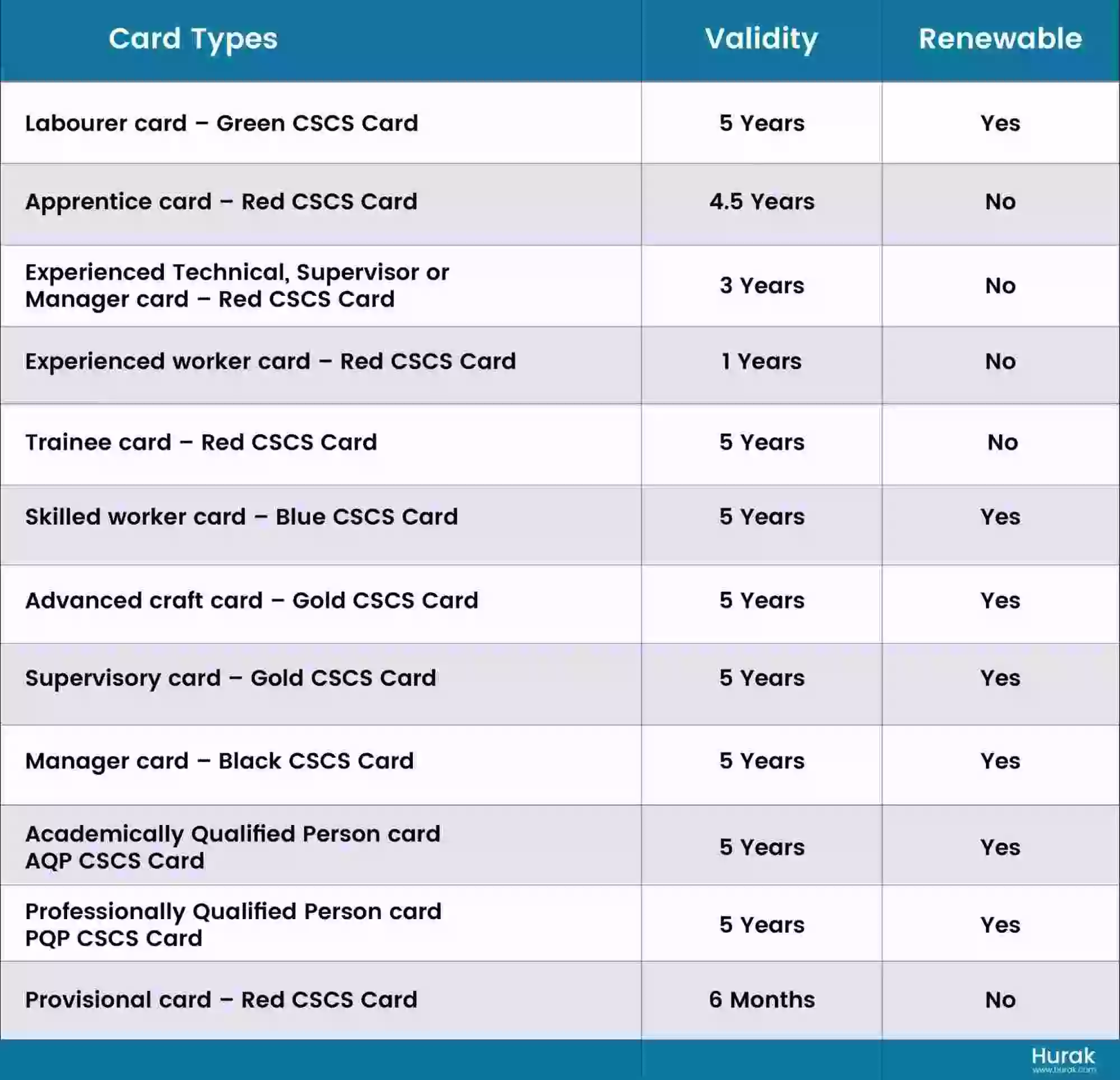
If you work in construction or related industries in the UK, you've probably heard of the CSCS card. However, it can all seem overwhelming at first with so many different types and application processes. This blog will provide all the information about this highly in-demand card.What is a CSCS Card?A CSCS card is issued by the Construction Skills Certification Scheme (CSCS) and is considered a valuable asset for anyone working within the construction industry. It demonstrates the holder's commitment to safety and professionalism.It proves that the holder has gained the knowledge, qualifications, and training to perform their role on the construction site safely and efficiently.What is CSCS?The Construction Skills Certification Scheme (CSCS) is a widely recognised certification scheme within the UK�s construction industry. It aims to ensure that all workers have the appropriate qualifications, skills, and knowledge to do their jobs safely on construction sites.CSCS also issues different types of CSCS cards, widely acknowledged across the UK construction industry. Contractors or employers commonly require these cards when hiring workers for construction projects.Is a CSCS Card a Legal Requirement?A CSCS card is not a legal requirement for employees to gain access to construction sites. However, major contractors are increasingly making it a common requirement, as it proves their proficiency as construction workers.That�s why it�s often listed as a key requirement in construction-related job advertisements.If you intend to work in the construction industry, having a CSCS card is beneficial, as it will improve your job prospects.Why is a CSCS Card Important?As the construction industry has become more regulated, many contractors and employers require employees to hold a CSCS card. It helps enhance your professional profile, making you more eligible for a job. With this card, you may have unlimited job opportunities available.Furthermore, a CSCS card is designed to promote safety on construction sites. It helps employers ensure that every worker on the site has gained knowledge and training in health and safety.Types of CSCS CardsThere are numerous types of CSCS cards, each designed to certify different skill levels and competence in the construction industry. Each card represents a specific occupation or role within the construction sector. These roles can vary from labourers and apprentices to supervisors and managers.The type of card you should get depends greatly on your job role and level of experience.CSCS Green CardA CSCS green card is specifically for those working in labouring occupations within the construction industry, such as general labourers, bricklayers, cleaners, carpenters, and plumbers. You must complete a CSCS Green Card Course for Labourers to get this card. .second-cta-block .main-heading { font-weight: bold; font-size: 22px; } .second-cta-block .book-now { background: #DF3D52; color: #FFFFFF !important; border-radius: 8px; } .second-cta-block .second-heading { font-size: 17px; } .second-cta-block .card { border: 0 !important; } .second-cta-block .card-body { border: 1px solid #909090; box-shadow: rgba(0, 0, 0, 0.16) 0px 1px 4px; border-top-right-radius: 100px; border-bottom-right-radius: 100px; background: #ECECEC; } .second-cta-block .image-wrapper { height: 134px; position: absolute; right: -100px; top: calc(50% - 67px); /* Center the image vertically */ } .second-cta-block .image-wrapper img { height: 100%; } .second-cta-block .trustpilot-widget { width: 256px; } .cta-heading-section { width: 75%; } @media screen and (max-width:991px) { .second-cta-block { padding-top: 100px; } .second-cta-block .card-body { border: 1px solid #909090; box-shadow: rgba(0, 0, 0, 0.16) 0px 1px 4px; border-radius: 19px; border-radius: 14px; background: #ECECEC; } .cta-heading-section { width: 100%; padding-top: 50px; } .second-cta-block .image-wrapper { height: 134px; right: 0; position: absolute; left: calc(50% - 108px); top: calc(50% - 203px); } } RQF LEVEL 1 COURSE for CSCS GREEN CARD Check the Course Rated Excellent on major review sites CSCS Red CardA CSCS red card is a temporary card assigned to a construction site worker. Each Red Card has a different validity ranging from 6 months to 5 years. With this card, you can start working on-site while working towards getting a skilled CSCS card.CSCS Blue CardThe CSCS blue card is specifically for construction workers who are experts in skilled work such as insulation, roofing, road building, etc.CSCS Gold CardThe CSCS gold card is an advanced-level card intended for Advanced Crafts and supervisors within the construction industry. This CSCS Card is designed for experienced professionals to acknowledge their ability to supervise construction personnel.CSCS Black CardThe CSCS black card is for experienced professionals indicating that the cardholder has gained the knowledge, skills, capability, and experience to manage high-level tasks in a construction environment.CSCS White CardThe CSCS white card is the highest level among all the CSCS Cards. There are two types of white CSCS cards: one for the Academically Qualified Person and the other for the Professionally Qualified Person.How to get a CSCS Card?Getting a CSCS card is a simple process. Check out the following steps.Step 1: Select a Card Relevant to Your RoleSelect a card relevant to your role within the construction industry. Use the card finder to discover the card best suited for your role.Step 2: Complete the Required QualificationComplete the required CSCS qualification corresponding to the chosen card. For example, if you want to get a Labourer Card, you must complete a CSCS green card course.Step 3: Pass the CITB Health, Safety and Environment TestThe next step is to pass the relevant CITB Health, Safety and Environment (HSE) test.Step 4: Apply for the CardApplying for the card is simple. You can apply through an online application, over the phone, or through Hurak.Your card will be sent to you by post. It's important to note that CSCS does not accept postal applications anymore.CSCS Card RequirementsDifferent CSCS cards have different requirements. However, some common requirements are:Getting the required training.Passing the CITB HS&E Test.Relevant experienceSeveral steps are necessary to get a CSCS card. Firstly, it's essential to undergo training to acquire the knowledge and skills required for your desired card, which can be accomplished by taking a suitable course for the desired card.Another requirement is to pass the CITB Health, Safety, and Environment Test. Furthermore, relevant qualifications and experience are necessary to get your desired card. For instance, getting a CSCS blue card requires an apprenticeship and an SVQ/NVQ qualification.Price of CSCS CardThe price of a CSCS card is �36 for all types. However, before applying for the card, you must pay extra for the required qualifications and the CITB test.What CSCS Card Do I Need?There are many CSCS cards, each represented by a different colour, such as green, red, blue, black, gold, and white, making it difficult to find the right one. However, using a tool like a CSCS card finder can be useful.How Long Does It Take To Get a CSCS Card?When your application has been approved, your CSCS card will be posted to you the next working day. Most cards arrive at their requested destination within 3-5 days of application approval. If your card does not arrive within ten days, please contact CSCS.The processing time for a CSCS card depends on the type of card you have applied for and the volume of applications being processed at the time of your application. Make sure you keep track of your application.You can contact CSCS via phone or a website regarding your application status.Free CSCS CardThere are several ways to get a free CSCS Card. You could contact Local Bodies (LEPs), get support from B&CE trust, apply for the Grant, and more.How to Check the Validity of a CSCS CardThere are several ways to check the validity of your CSCS card.CSCS Smart Check AppThe CSCS card checker app aims to improve the card-checking process and combat fraudulent activity related to card ownership in the construction industry.Access Your CSCS Online AccountThe most convenient method for individuals or employers is to use their CSCS Online account.Call the Contact CentreYou can also call CSCS on 0344 994 4777 any weekday (excluding bank holidays) from 8 a.m. to 6 p.m.Virtual CSCS CardsOnce your application is approved and payment has been taken, your virtual card will appear in the �My CSCS� app. The virtual card is similar to your physical card.CSCS Smart Check AppSite managers can use the CSCS Smart Check app on their smartphones or tablets to digitally verify the information stored on the virtual card.CITB Test / CSCS Card TestOnce you have your desired CSCS qualification, you must pass the relevant CITB Health, Safety, and Environment (HSE) test. There are different types of CITB tests, and you must pass the relevant test for the card you are applying for.What is the CITB Health, Safety and Environment Test?The CITB Health, Safety, and Environment Test is a computer-based test with multiple-choice questions that evaluate the candidate�s knowledge of construction health, safety, and environmental concerns.It�s valid for two years and costs �23.50. Its primary objective is to assess a candidate�s understanding of critical safety measures in a construction setting while improving their comprehension of the essential elements contributing to an efficient and successful construction site.Get your CITB test booked with Hurak for a hassle-free experience.How Long Does a CSCS Card Last?Most CSCS cards are only valid for five years. However, some have different validity periods based on their type. It's important to note that while some cards cannot be renewed after expiration, others can.For instance, the CSCS Red Card for experienced technical or supervisor cards is only good for three years, while the Green CSCS Labourer Card is valid for five years.Renewal ProcessHaving an up-to-date CSCS card is important to staying compliant and continuing to work in the construction industry. Therefore, you must apply for renewal before it expires.If you want to apply online, there is a five-step CSCS card renewal process. First, create a CSCS online account and apply for a card.Enter your details and preview your completed application before submission. Finally, pay the application fee to complete the process.Lost CSCS CardIt can be annoying and worrisome to lose your card since it is necessary to be able to work on construction sites. Getting a replacement CSCS card is the solution to this issue.To apply for a replacement card, visit the "Card Application" page on the CSCS website and select the appropriate card type. Enter your details and information about your previous card.Provide a reason for the replacement and upload the necessary documents, including a passport-style photo. Pay the �36 fee and review your application before submitting it.Fake CSCS CardA fake CSCS card is a fraudulent representation of a valid card. This card is made illegally by people willing to work in the construction industry. Recognising a fake card is critical because employing someone with one could have major consequences in the future. I've compiled a list of essential checks, which you need to ensure the cards have.To verify a card, ensure the name matches the ID and check formatting, validate the expiry date, confirm the unique registration number with CITB, check for the smart card microchip symbol, verify the passport-style photo, look for the hologram, and use the CITB card checker for validation.CSCS Card Availability in the UKCSCS Card Availability in the UK varies slightly between regions due to differing regulations and certification bodies.CSCS Card in England & WalesIn England and Wales, the Construction Skills Certification Scheme (CSCS) issues cards to individuals who have demonstrated their competence in the construction industry through training and assessment. These cards are widely recognised across the UK construction sector.CSCS Card in IrelandIn Ireland, the equivalent certification scheme is Safe Pass. While the CSCS card is not directly applicable in Ireland, Safe Pass serves a similar purpose: providing proof of health and safety awareness for construction workers.CSCS Card in ScotlandThe Construction Skills Certification Scheme (CSCS) also operates in Scotland. It offers CSCS cards in Scotland to those who have completed the necessary training and assessment to work safely in the construction industry. These cards align with Scottish regulations and standards.Wrapping Up: All About CSCS CardHopefully, this blog has provided valuable information about CSCS Cards and getting one. Whether you're a construction worker, contractor, or employer, possessing a CSCS Card ensures a safe and productive working environment.If you don�t have a CSCS card yet and are considering working in the construction industry, I encourage you to get one as soon as possible. By doing so, you'll be better equipped to advance your career and contribute to a safer and more efficient construction industry.Thank you for reading, and we wish you all the best in your career in the construction industry.

Choose The Right Teaching Course: CTLLS/CET, PTLLS/AET, DTLLS/DET
IntroductionGet familiar with the different teaching credentials, including what they are, their usage, and, most importantly, which one is the best for you as you complete this blog.Only three of the six acronyms for teaching or training credentials are still in use. This is since AET, CET, and DET have replaced the original three teaching credentials, PTLLS, CTLLS, and DTLLS, respectively.Each of the new credentials resembles the course it replaced in many ways. Changes have only been made to the qualification structure and criteria to freshen and modernise the content.To make the names of each teaching credential more comprehensible, the regulating authorities decided to revise them. Ironically, since many of the original acronyms are still in use today, this has caused a lot of misunderstanding.Any reference to PTLLS, CTLLS, or DTLLS ultimately refers to AET, CET, or DET.Award in Education and Training (AET)Award in Education and Training is now referred to as AET. This level-3 certification is the first step toward a position as a teacher.The AET is a foundation award for students without prior training or teaching experience. It is intended to serve as an introduction to the field of adult education, giving you a basic understanding of what teaching entails.For any beginning, earning an AET is a requirement. If you have previously finished your level-3 award and want to move on to a level-4 course, you can skip the first unit.The level-3 qualification is the starting point for moving on to a more challenging course.RequirementsThe candidate should be 19 years old or older and have a decent command of English to enrol in this course.Certificate in Education and Training (CET)The CTTLS qualification has recently been replaced by the CET (Certificate in Education and Training).The CET is a nationally recognised credential for people who desire to advance their careers in teaching, as well as for people who are not currently working in education (or teacher training) but who can complete the required elective course units.The second step toward becoming a teacher in post-16 education is to earn a CET qualification. It is a nationally recognised credential that improves your knowledge and teaching abilities.Although you can enrol in this course without being on a placement, you must be observed in a classroom to receive your qualification. Most candidates decide to postpone starting the course until they are in placement.Typically, this qualification serves as a stepping stone for the level-5 diploma. To offer instruction/training in various situations, a CET qualification is sufficient if you do not desire to enrol in the level-5 course.RequirementsThe candidate should be 19 years old or older and have a decent command of English to enrol in this course.Diploma in Education and Training (DET)A recognised teaching credential for the post-16 sector is the Diploma in Education and Training (DET). Although it is legally possible to become a post-16 teacher without a diploma, having one will give you a significant edge. It is also one of the requirements for applying for a QTLS, a prestigious badge of professionalism in post-secondary education.You can acquire the skills to work as a teacher in post-secondary education with the Diploma in Education and Training (DET). You can also use it to apply for the Qualified Teacher Learning and Skills (QTLS) designation.RequirementsAge 19 or olderPossess sufficient reading and speaking abilitiesPossessing a criminal record would prohibit them from working with children or vulnerable individuals.A relevant degree at a level higher than that of their students, ideally at least Level 3 in their field of expertiseA fundamental understanding of literacy, language, maths, and ICTWhich Teaching Level Should I Enrol?You must obtain the Certificate in order to work as an Associate Teacher, a person who teaches just certain levels of programmes in a single curriculum area (often closely related to your initial Degree or another equivalent qualification), and uses prepared materials (CET).You must obtain the Diploma if you want to become a Full Teacher, a teacher of a variety of levels, programmes, and subjects (DET). Anyone with Full Teacher status can use the course to have greater control over the course material since they can build resources, assess resources, and evaluate programmes, as well as have more influence over how learners are perceived throughout the learning process.In any scenario, the level 3 Award is an entry-level credential, and you must earn it if your first credentials are not a Certificate or Diploma.Hurak offers the AET online course. Hurak provides online and classroom learning that you can finish at your convenience. Hurak is ideal for those with busy schedules because it lets you learn whenever it�s convenient. To access the 24/7 student portal where you may see course materials and upload assignments at your convenience, enrol in one of our courses.Level 3 PTLLS Course By HurakHurak offers the AET online course. Hurak provides online and classroom learning that you can finish at your convenience. Hurak is ideal for those with busy schedules because it lets you learn whenever it�s convenient. To access the 24/7 student portal where you may see course materials and upload assignments at your convenience, enrol in one of our courses.
What is Physical Intervention Training?
IntroductionPhysical Intervention Training is one of the several courses that make up SIA training. This portion of the training is designed to give professionals and SIA applicants a wide variety of non-violent handling abilities that will enable them to deal with everyday scenarios that may require physical contact inside licenced premises.While the Physical Intervention Training modules don�t concentrate on comprehensive techniques that address every scenario that might arise, they do concentrate on a strong foundation of knowledge and abilities that will enable an SIA operative to significantly lower any risk to staff and customers during any conflict.Modules for physical intervention training include:Recognising the professional and legal ramifications of physical interventions.Understanding how to lower the danger of injury when using physical intervention techniques.Knowing how to defend oneself and others from harm through physical abilities unrelated to painUnderstanding how to employ restrictive and non-restrictive standing, holding, and escorting strategies that are not painful. Without adequate conflict management training, every front-line security operative�s education is lacking. Conflict management is a crucial element of a successful front-line security team. Still, it is typically taught after the legal and theoretical topics have been covered and only when the use and functions of a security management team become pertinent.Physical Intervention in The IndustryDoor Staff, often known as bouncers, are the main representatives of this business and are frequently used as a form of deterrence to subtly persuade patrons to behave. However, there are specific circumstances where it is necessary to act violently against people who disobey the norms of licenced establishments.Force, in its entirety, should only be used as a last resort in conflict resolution. Even in situations where physical involvement is entirely essential, according to SIA training, it must be used with minimal force necessary to prevent further violence.It should be remembered that it is feasible to intervene physically in conflict without force.The SIA emphasises that everyone is subject to the law, including security personnel, and stresses the significance of laws and regulations governing both physical intervention and the concept of conflict management as a whole. When performing their daily security duties within licenced facilities, security officers are guaranteed to follow the law by using only a reasonable level of force and only when necessary.Physical Intervention training aims to provide information for private security personnel to respond appropriately to violent circumstances. The entire instruction, which includes information delivery and practical training, shows that an aggressive situation can be handled just as successfully by taking a step back and taking a non-aggressive stance.Restraining VS ControlSimple restraining measures that can be employed by security personnel when restricting or managing an excessively violent person are necessary to avert an incident may also be included in any physical intervention.It requires the application of some force despite being an utterly non-aggressive task. Still, it also gives violent people the chance to assess their current state of mind and the violent behaviours they were about to commit. In many circumstances, the agitated person realises what they are going to do is wrong and calms down to adopt a more appropriate tone.Each security expert must be able to apply the same standards as and when necessary because these are moral problems.The entire application process must be appropriately scheduled to minimise the possibility of harm and dispute. The secret to intervention training without causing any pain is this in and of itself.Not that ejections are never necessary, but even in dire situations, security personnel should never use force when such action is called. They should be appropriately detained without pain or excessive force, and under no circumstances should any form of violence be used. Applying physical intervention correctly necessitates using little force and causing little discomfort while restrained. Back-up should be requested if someone is not calming down or becomes highly belligerent.Everyone who has chosen security as a career should carefully study and use this principle since failing to follow the necessary standards and rules can result in a case being filed, and those who happen to overstep the bounds may face criminal charges in addition to losing their jobs.The Physical Intervention module aims to equip candidates with the proper knowledge and skills to deal with typical problems more effectively and safely without resorting to violence. Attempting to establish a strong foundation on which the security personnel may successfully cope with hostile visitors.Level 2 Physical Intervention Refresher TrainingHurak Education Services is one of the very few security training providers that are approved by the SIA to deliver the Level 2 Physical Intervention Refresher Training for the Private Security Industry programme.The skills are designed and delivered in line with the home office-approved techniques and aim to use minimum force. By completing this course with us candidates are able to deliver the Level 2 Physical Intervention Skills for the Private Security Industry programme through any approved Awarding Body that offers the SIA suite of qualifications.
CSCS Card Types: Figure Out Which One Is Right For You
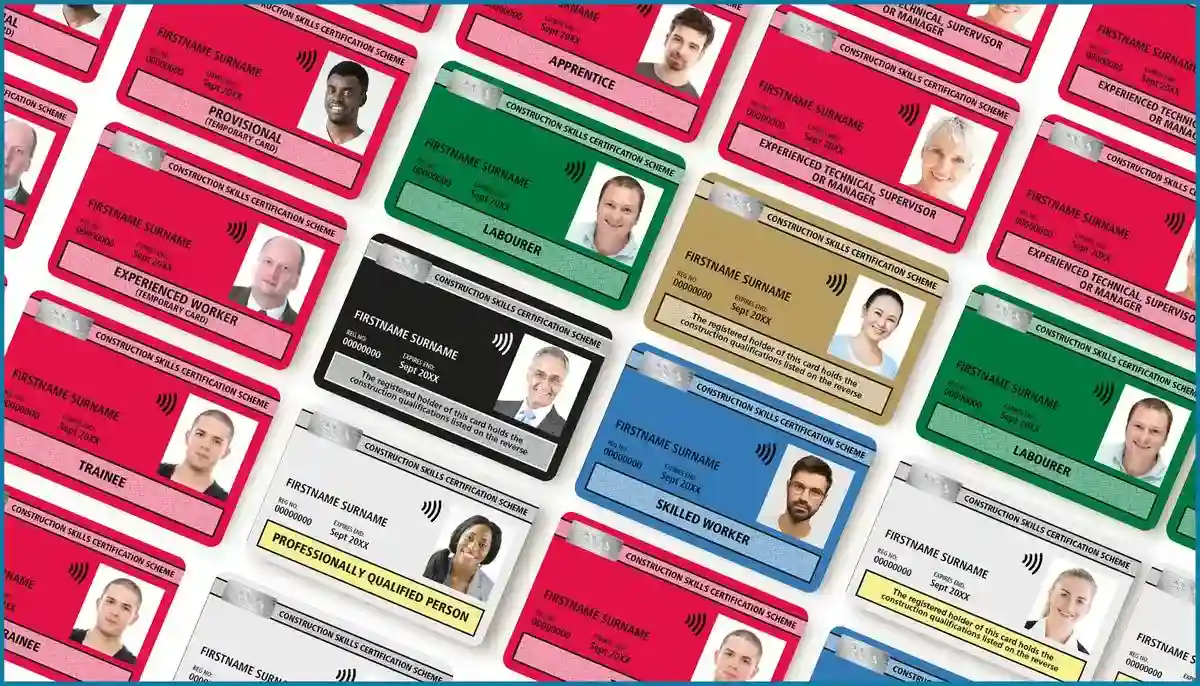
If you're looking to work in the construction industry in the UK, you may have heard of a CSCS card. There are many types of CSCS cards and it might be daunting at first to understand which one is right for you.In this blog post, we'll take a closer look at the different types of CSCS cards available. So whether you're just starting out in the industry or looking to progress your career, keep reading to find out more about this essential certification.Before moving on to discussing the CSCS card types, let�s first learn about CSCS.What is CSCS? CSCS stands for�Construction Skills Certification Scheme. It�s a recognised certification body in the UK, that approves its holders for their occupational competence in the construction sector. CSCS has made it easier for employers to employ construction workers, who have undergone appropriate training and relevant qualifications to work on a site.To learn more about CSCS, check out our blog or visit their official site.What is a CSCS Card?A CSCS (Construction Skills Certification Scheme) card is a type of certification that confirms an individual's qualifications and training required to work in the UK�s construction industry. The card acts as evidence that the holder has obtained the required knowledge, skills, and understanding to carry out their job safely and competently on a construction site.Despite the fact that holding a CSCS card is not a legal requirement, the demand for CSCS cards is very high in the UK�s construction industry. In fact, many construction and building sites won�t even hire workers without a CSCS card. This fosters a safety culture in a construction site, minimising the chances of accidents and injuries.CSCS Card Types: All You Need to Know About the Different CSCS CardsThere are different CSCS cards, each reflecting the different levels of skill and competence in the construction industry. Each card represents a different occupation or role within the sector, ranging from labourers and apprentices to supervisors and managers.These cards are categorised based on their colours (Green, Blue, Gold, White, Black, and Red). Some cards have been withdrawn by CSCS, they can still be used as long as they are valid, but cannot be renewed.Deciding on which card specifically aligns with your career objectives might be tough for you. Hopefully, the table below can help you to decide which card to go for.CSCS Green CardA CSCS Green Card is designed for individuals working in labouring occupations within the construction industry, such as general labourers, cleaners, plumbers, carpenters and bricklayers. Having this card shows that the individual has a basic level of knowledge and understanding of health and safety in the workplace. It�s one of the most popular cards amongst the list of CSCS Card types.It is not a legal requirement, but many construction employers require it as proof of a worker�s competence and commitment to health and safety in the workplace. So, if you hold a Green Card, you have an advantage over others and you�re more likely to get employed.Eligibility Criteria to Get a CSCS Green CardTo be eligible for a CSCS Green Card, you must:Achieve an RQF Level 1 Award in Health and Safety in a Construction Environment (or recognised alternative)Pass the CITB Operatives HS&E TestApply for a CSCS Green CardThe first step to getting a CSCS Green Card is to enrol on a relevant qualification. At Hurak Learning, we offer the CSCS Green Card (Labourers Card) Course that prepares you well for the next step, the CITB Operatives HS&E Test. It�s a multiple-choice test, valid for two years. After having completed the relevant qualification and having passed your CITB Operatives HS&E test, you can then apply for a CSCS Green Card on the official website with proof of your qualification and a CITB test ID number.Taking a free CSCS mock test is recommended before you attempt a real CITB HS&E test. It will help you test your knowledge and evaluate if you�re fully prepared to attempt the real test.Validity of a CSCS Green CardThe CSCS Green Card is valid for five years and must be renewed before it expires. To renew the card, the individual must retake the CITB Operatives HS&E Test and provide evidence of any additional qualifications they have obtained since their last application.Note, some qualifications, like the Level 1 Award in Health and Safety in a Construction Environment do not expire. So to renew your CSCS card if you have completed the Level 1 H&S course in the past you just need to pass the CITB Operatives HS&E Test and apply for the card. .second-cta-block .main-heading { font-weight: bold; font-size: 22px; } .second-cta-block .book-now { background: #DF3D52; color: #FFFFFF !important; border-radius: 8px; } .second-cta-block .second-heading { font-size: 17px; } .second-cta-block .card { border: 0 !important; } .second-cta-block .card-body { border: 1px solid #909090; box-shadow: rgba(0, 0, 0, 0.16) 0px 1px 4px; border-top-right-radius: 100px; border-bottom-right-radius: 100px; background: #ECECEC; } .second-cta-block .image-wrapper { height: 134px; position: absolute; right: -100px; top: calc(50% - 67px); /* Center the image vertically */ } .second-cta-block .image-wrapper img { height: 100%; } .second-cta-block .trustpilot-widget { width: 256px; } .cta-heading-section { width: 75%; } @media screen and (max-width:991px) { .second-cta-block { padding-top: 100px; } .second-cta-block .card-body { border: 1px solid #909090; box-shadow: rgba(0, 0, 0, 0.16) 0px 1px 4px; border-radius: 19px; border-radius: 14px; background: #ECECEC; } .cta-heading-section { width: 100%; padding-top: 50px; } .second-cta-block .image-wrapper { height: 134px; right: 0; position: absolute; left: calc(50% - 108px); top: calc(50% - 203px); } } RQF LEVEL 1 COURSE for CSCS GREEN CARD Check the Course Rated Excellent on major review sites CSCS Blue Card The CSCS Blue Card is designed specifically for skilled construction workers who have experience in services such as roofing, insulation, road-building, etc. Eligibility Criteria to Get a CSCS Blue Card To be eligible for a CSCS Blue Card, you must: Achieve an NVQ Level 2 or equivalent qualification Pass the CITB Operatives or Specialists HS&E Test Apply for a CSCS Blue Card The first step to getting a CSCS Blue Card is to obtain NVQ Level 2 or equivalent qualification relevant to the job you aim to do at a construction site. Next, you must pass the CITB Operatives or Specialists HS&E Test, which is valid for two years. Validity of a CSCS Blue Card The CSCS Blue Card is valid for five years and must be renewed before it expires. An individual must retake the CITB Operatives or Specialists HS&E Test before applying for the card.CSCS Gold CardThe CSCS Gold Card is for experienced professionals. It�s an advanced-level card intended for Advanced Crafts and supervisors within the construction industry. This card is proof that the holder of this card has the capability to supervise personnel in a construction environment.Eligibility Criteria to Get a CSCS Gold CardTo be eligible for a CSCS Gold Card, you must:Achieve an NVQ Level 3 or 4 qualificationPass the CITB Health Safety & Environment TestApply for a CSCS Gold CardThe first step to getting a CSCS Gold Card is to obtain an NVQ Level 3 or 4 qualification. After that, you must pass the relevant CITB Health, Safety & Environment Test. This test is valid for two years so you must apply for CSCS Gold Card before the test expires, or you will have to pass the exam again.Validity of a CSCS Gold CardThe CSCS Gold Card is valid for five years. To renew the card, you will have to pass the CITB Health Safety & Environment Test again before applying for it.CSCS Black CardThe CSCS Black Card is for experienced professionals. It indicates that the holder of this card has the knowledge, skills, capability, and experience to manage high-level tasks in a construction environment. It�s given to individuals who have achieved an advanced level qualification in the field of construction and also have managerial experience.Eligibility Criteria to Get a CSCS BlackTo be eligible for a CSCS Black Card, you must:Achieve a minimum of an NVQ Level 4 qualificationPass the CITB Managers and Professionals HS&E testApply for a CSCS Black CardTo obtain the CSCS Black Card, it is mandatory to pass the CITB Managers and Professionals HS&E test. This particular test requires a higher level of knowledge compared to others, as it�s meant for people who intend to lead others on a site. Therefore, a more comprehensive understanding of health and safety regulations and procedures is required.Validity of a CSCS Black CardThe validity of a CSCS Black Card is five years, after which it will need to be renewed. It is important to keep the Black Card valid, as it�s often a requirement by employers, and failure to renew the card can result in loss of work opportunities.CSCS White CardThe CSCS White Card is the highest level among all the CSCS Card types. There are two types of white CSCS cards: one for the Academically Qualified Person and the other for the Professionally Qualified Person.An Academically Qualified Person is someone who has obtained a higher level qualification in their area of expertise, such as HNDs, HNCs, CIOB Certificates, a NEBOSH diploma, or a degree. Examples of professionals who fall under this category are electrical and civil engineers.The second type is a Professionally Qualified Person, whose job role may require occasional visits to a construction site, but they are not restricted to a particular construction site. Professionals who fall under this category include architects, surveyors, and structural engineers.Eligibility Criteria to Get a CSCS White Card (Academically Qualified Person & Professionally Qualified Person)To be eligible for both types of CSCS White Cards, you must:Achieve a minimum of an NVQ Level 7 qualificationPass the CITB Managers and Professionals HS&E Test or an approved alternativeApply for a CSCS White CardApplicants of a Professionally Qualified Person White CSCS Card must also provide evidence of their current membership with a professional organisation at a level that CSCS accepts. They can submit any of the following documents:A membership cardA receipt of payment for membershipA membership certificateAn up-to-date letter or email from the professional bodyA clearly dated screenshot showing your current membershipValidity of a CSCS White CardThe White CSCS Card expires after five years. However, the Professionally Qualified Person card cannot be renewed and when expires, you have to apply for a new card just like you applied for the first time.CSCS Red CardsThere are a few different types of Red CSCS Cards. The following table will help you understand the different typesTypes of CSCS Red Card�Suitable ForValidityTraineeTrainees registered to complete a construction-related qualification.5 yearsApprenticeIndividuals who have started a CSCS-recognised apprenticeship framework4 years and 6 monthsProvisionalWorkers serving their probationary period.6 monthsExperienced WorkerWorkers enrolled on a Level 2 NVQ or higher qualification and have on-the-job experience.1 yearExperienced Technical, supervisor or ManagerExperienced technical, supervisor or managers enrolled on a Level 3 NVQ or higher qualification and have on-the-job experience.3 yearsTypes of CSCS Red CardsA CSCS Red Card is a temporary card assigned to a construction site worker. Each Red Card has a different validity ranging from 6 months to 5 years. One of the benefits of having this card is that you can still start working on site while working towards getting a skilled CSCS card.�The CSCS Red Cards cannot be renewed. Once you complete the required qualification, you can progress to a skilled Blue Card or Black Card.There are 5 types of Red Cards, and you can check out each type in detail below and figure out which one is best suited to you.Trainee CardThe CSCS Trainee Card allows you to temporarily join a construction site and continue your academic qualification in parallel. It�s valid for 5 years, and you must complete the course during this time period and progress to a CSCS skilled card.�To apply for this card, you must enrol in a recognised qualification and pass the CITB HS&E test.�Apprentice CardThe CSCS Apprentice Card is for workers who have started a CSCS-recognised apprenticeship framework. It�s valid for 4 years and 6 months.To apply for this card, you must complete an apprenticeship in a construction setting and pass a CITB test within the last two years.Provisional CardThe CSCS Provisional Card is for individuals who are new on a job and serving their probationary period. For this reason, this card is valid only for 6 months and you cannot renew it once it expires.To apply for this card, you must not have obtained any other CSCS card.Experienced Technical, Manager or Supervisor CardAs the name suggests, this card approves your skill level to be employed as an experienced technical, manager, or supervisor on the construction site. It�s valid for 3 years.To apply for this card, you must have an NVQ Level 3 or higher qualification and at least one year of on-job experience in the last three years.�Experienced Worker CardThis card is for experienced workers with at least a year of experience at the construction site. The Red Experienced Worker Card is often confused with the Experienced Technical, Manager or Supervisor Card. However, there�s a difference between the two as this card is only valid for a year and requires an NVQ Level 2 or higher qualification.To apply for this card, you must have an NVQ Level 2 or higher qualification and at least a year of experience at the construction site.How Much Does a CSCS Card Cost?The cost of getting a CSCS card is �36, which is the same for all the CSCS cards. This fee is paid to CSCS (Construction Skills Certification Scheme). The CITB health, safety, and environment test is a mandatory requirement for getting a CSCS card and it costs �23.50. Together, the total cost of your CSCS card application and CITB test is �58.50.Checkout our blog on CSCS card price to learn more about cost breakdown.Frequently Asked QuestionsHow long does it take for a CSCS card to be approved?The time it takes for a CSCS card to be approved can vary depending on the type of card being applied for and the application method used. Typically, once your application is approved, your CSCS card will be dispatched to you on the following working day. Most cards are delivered to their specified location within 3-5 working days after the approval of the application.How do I apply for a CSCS card?You can apply for a CSCS card in different ways, such as online, by post, or over the phone. The application process for a CSCS card involves providing evidence of your qualifications and passing a required health and safety test. We recommend applying online, as this is the quickest way.Is it mandatory to have a CSCS card to work in a construction company?While having a CSCS card to work on-site is not legally required, many construction companies and sites require their workers to obtain a valid CSCS card as a measure of competence and safety.Can I get a CSCS card without any qualifications?You cannot obtain a CSCS card without any qualifications, as the application process for all the cards requires evidence of your skills, qualifications, and health and safety knowledge.Are there any exemptions or discounts available for CSCS card fees?To know about the exemptions or discounts on the CSCS card fee, check the CSCS website.Can I use my valid CSCS card in other countries?CSCS cards are only recognized in the UK construction industry. However, some international construction companies may accept CSCS cards as evidence of knowledge, competence, and experience.What happens if I lose my CSCS card?In that case, you can apply for a replacement card online or by post. There is a fee for replacement cards, and it may take several days to get a new CSCS card.