


Worst Places To Live In Scotland
�Scotland is on the bucket list of almost every traveller � a vibrant, beautiful country with mesmerising landscapes, rich art and culture, and breathtaking views around every corner. From its historic cities to its wild highlands, Scotland has much to offer.But, like any other country in the world, Scotland is no stranger to crime.�According to the Recorded Crime in Scotland, Scotland recorded 298,308 crimes in the year ending December 2024.�While this number was 1% lower than the 302,076 crimes recorded in 2023, it was, however, 1% higher than the 296,263 crimes recorded in the year ending December 2020.Although a beautiful country, Scotland is also dealing with crime-related issues, and some places record a higher number of crimes compared to the rest of the country.�In this article, we will explore the most dangerous places in Scotland that one should avoid or at least be aware of, look at the crime rates in these areas, and share some practical safety tips to help you stay safe wherever you are.Scotland�s Crime Peak in 2004/05: Black Year in Scottish crime historyScotland�s highest-ever recorded crime figures came in the year 2004/05, a period often referred to as the country�s �black year� of crime.�That year, police recorded a staggering 511,834 crimes, including 1,007 homicides, marking the peak of crime in modern Scottish history.Since then, there has been significant progress in reducing these numbers. By the end of December 2023, the number of recorded crimes had fallen to 302,076, and then dropped slightly to 298,308 by the end of December 2024.�In general, crime has decreased significantly in Scotland compared to the grim figures of 2004/05.However, while this downward trend is encouraging, there is still much to be done.�From December 2023 to December 2024, there was only a 1% decrease in crime, which, although a positive sign, still leaves much room for improvement.�Reducing crime further is essential for building a genuinely safe and carefree society.In areas with large crowd gatherings, it�s advisable to have a well-trained, SIA-approved security guard on site.�Licensed guards who adhere to the standards of behaviour expected from a security officer can make a real difference, not just by deterring crime, but by responding to a situation effectively before it escalates.Stand Out Where Safety Matters MostIn places where safety is at risk, skilled and trained individuals are valued more than ever. Whether you�re starting a career or just want to be prepared, proper qualifications help you stand out � and step up.Join Hurak�s Security Training Program and be ready for any situation.�SIA Security Guard Training Course��Physical Intervention Refresher/Crossover Training�Be someone people can rely on � get trained and make a difference.Crime Rate in Scotland: Latest Official StatisticsWhen we talk about the highest crime rate in Scotland, it�s important to understand the different types of crimes and offences that contribute to the figures.�Scotland�s recorded crime includes categories such as non-sexual crimes of violence, sexual crimes, crimes of dishonesty, fire-raising and vandalism, and other crimes.�There are also offences like antisocial behaviour, road traffic offences, and other minor public order violations.Below is a breakdown of the main types of crimes and offences, along with the recorded figures for the year ending December 2024 for reference:CategoryNumber of Recorded Incidents (2024)Non-Sexual Crimes of Violence70637Sexual Crimes14539Crimes of Dishonesty111265Danage & Recklessness39249Crime Against Society62618Anti-Social Offence48322Road Traffic Offences13821Miscellaneous Offences115029These figures, drawn from the official Scottish Government crime report, paint a clear picture of the scale and nature of crime in Scotland today.Although we can see a visible drop in the crime rates from 2004/05, there are some crimes that have been continuously recording a higher crime rate and need to be looked at.We need to pay attention to crimes like dishonesty, non-sexual crimes of violence, and antisocial offences, whose crime rates remain high in comparison to others.Worst Places to Live in Scotland: Top 10 Dangerous AreasWhile Scotland is a beautiful and welcoming country overall, some towns and cities stand out for having the highest crime rates in Scotland.�Certain areas of Scotland may seem less safe than others and are often seen as the worst places to live in Scotland, especially for those seeking peace of mind and security.�In this section, we�ll look at the top 10 worst places to live in Scotland, based on the official crime rates per 10,000 people for the year ending December 2024.�Whether you�re moving, visiting, or just curious, it�s helpful to know which areas have a reputation as the roughest places in Scotland, or even the worst towns in Scotland, so that you can plan accordingly.Glasgow�Glasgow, Scotland's biggest city, tops the list as Scotland's most dangerous place. Its crime rate stands at 1,215 crimes per 10,000 people. The city's densely populated urban areas and social issues contribute to these high numbers. Glasgow has ongoing projects to improve and a bustling arts scene. Yet, some areas still face lasting problems. This makes it one of the main spots to steer clear of in Scotland after dark.DundeeNext comes Dundee, which, despite a significant number of growth and development projects in recent years, continues to struggle with crime. With a rate of 1,152 crimes per 10,000 people, Dundee consistently ranks among the worst towns in Scotland for safety, despite its ongoing investment in its waterfront and arts.West DunbartonshireWest Dunbartonshire also appears high on the list, with 1,100 crimes per 10,000 people. Known for its scenic surroundings and proximity to Loch Lomond, this area unfortunately faces socio-economic challenges that contribute to its high crime rates.Dumfries & GallowayDumfries & Galloway has a similar story. This otherwise picturesque and rural area reports 1,093 crimes per 10,000 people, making it another place to avoid in Scotland if safety is your top priority.Aberdeen CityAberdeen City, often celebrated for its oil industry and granite buildings, records a crime rate of 945 per 10,000 people. Though safer than Glasgow or Dundee, it still ranks high compared to other Scottish areas.North LanarkshireNorth Lanarkshire stands out with 898 crimes per 10,000 people. While the area is home to thriving communities and green spaces, certain parts of it experience social deprivation, which is reflected in its crime statistics.EdinburghEdinburgh, Scotland�s capital and one of its most visited cities, might come as a surprise here. Known for its history and festivals, it still sees 877 crimes per 10,000 people, keeping it on the list of the worst places to live in Scotland in terms of crime.FifeFife, with 835 crimes per 10,000 people, is a region known for its coastal villages, golf courses, and historic sites. Yet, behind the scenic views, it faces ongoing problems with crime, enough to earn it a place on the list of the worst towns in Scotland, particularly for dishonesty and antisocial offences.North AyrshireNorth Ayrshire, with 833 crimes per 10,000 people, is another area that combines beautiful coastal views with ongoing crime concerns.East AyrshireFinally, East Ayrshire rounds off the list at 816 crimes per 10,000 people. Despite being less urban than others on the list, it still struggles with higher crime rates than much of the country.These figures highlight that even in a country as stunning as Scotland, some areas � whether bustling cities or smaller towns � continue to face significant safety challenges.�Knowing where the worst towns in Scotland are helps locals and visitors to make informed choices and take precautions.How to Stay Safe: Practical TipsWith cities bustling with crime, it becomes essential to know how you can keep yourself, your home, and your business safe.�If you live or work in one of Scotland's roughest areas, implementing some safety measures can go a long way toward protecting yourself from potential trouble.Here are some proven measures you can take:Install CCTV camerasHaving a visible CCTV system can help against crimes like theft and vandalism.� CCTV�s are affordable and easy to monitor remotely, offering peace of mind whether you�re at home or away.Hire a Door Supervisor or a Security GuardFor businesses, especially pubs, clubs, or events in busy areas, employing an SIA-licensed Door Supervisor or a security guard ensures that only suitable individuals enter the premises.Use manned security for vulnerable sites.Construction sites, warehouses, and even car parks can benefit from trained manned security guards who can patrol, monitor and respond instantly to any suspicious activity.Improve lighting and visibilityWell-lit streets, entryways, and back gardens reduce opportunities for crime and make it easier to spot anything unusual. Motion?activated lights are a simple but effective solution.Get to know your communityBeing part of a neighbourhood watch or simply introducing yourself to neighbours helps build trust and encourages people to look out for each other.Secure doors, windows, and valuablesSounds obvious, but it�s often overlooked. Use robust locks, don�t leave valuables in plain sight, and consider installing alarm systems for added protection.By taking these precautions, you can feel more confident about your personal safety and protect your property, even in areas with higher crime rates.�Staying alert and investing in the right security � whether through technology like CCTV or professionals like Door Supervisors and manned guards � can make all the difference.Level Up Your KnowledgeWhether you�re taking your first step into the security industry or building on the skills you already have, the proper training makes all the difference.Join Hurak�s Security Training and Top Up Courses listed below:SIA CCTV Operator Training � learn to monitor, prevent, and respond using cutting-edge surveillance.SIA Door Supervisor Training � qualify to manage access and safety at venues across the UK.SIA Top-Up Refresher Training for Door Supervisors � update your licence and sharpen your skills.SIA Top-Up Refresher Training for Security Guards � stay compliant and practical in your role.Whatever stage you�re at, update your knowledge and skills and advance in your career.ConclusionScotland has made significant progress since its peak crime years, and the downward trend is encouraging.� The steady decline in crime rates shows that progress is possible and already underway.Change doesn�t happen overnight; there are active efforts and policies in place to support it.�The declining crime rates reflect the power of strong policing, active communities, and professional security working hand in hand.�But Scotland still has a long way to go, and we all have a role to play � whether it�s making wise choices at home, supporting safety initiatives, or hiring trained professionals when needed. Together, we can continue building a safer and more welcoming Scotland for everyone. FAQsWhat are the worst places to live in Scotland?�The worst places to live in Scotland are areas with consistently high crime rates and social challenges. Cities like Glasgow, Dundee, and parts of West Dunbartonshire often rank among the worst due to crime and safety concerns.Which are the top 10 worst places to live in Scotland?The top 10 worst places to live in Scotland, based on recorded crime rates, include Glasgow, Dundee, Edinburgh, West Dunbartonshire, Aberdeen, Fife, North Ayrshire, North Lanarkshire, East Ayrshire, and Dumfries & Galloway.What is the most dangerous place in Scotland?According to official crime statistics, Glasgow has the highest crime rate per 10,000 people, making it the most dangerous place in Scotland.Are there specific places to avoid in Scotland?Visitors and residents should exercise caution in areas with higher crime rates, such as parts of Dundee, North Lanarkshire, and West Dunbartonshire. These are often seen as places to avoid, especially at night or in poorly lit areas.Which towns have the highest crime rate in Scotland?Some of the towns with the highest crime rate in Scotland include Glasgow, Dundee, and West Dunbartonshire. These areas regularly report higher-than-average incidents compared to the national average.What are the roughest places in Scotland to live?The roughest places in Scotland are typically urban areas with concentrated poverty, higher crime, and social challenges � for example, certain neighbourhoods in Glasgow and Dundee.Which are considered the worst towns in Scotland?Worst towns in Scotland are often identified by crime rate and local deprivation. Towns like Dundee, parts of Fife, and West Dunbartonshire are frequently cited in reports on Scotland�s least safe or desirable places to live.

Best Nights Out UK 2025: Top Cities, Clubs Safe Party Places
Which UK city truly offers the best night out?�It�s a question that is debated, as the UK offers some of the most amazing places for a night out. Whether you're planning a wild stag do or a casual weekend bar crawl with your friends, the UK has the best nightlife with several clubs, bars, and party places.Most well-reputed and famous clubs and bars not only offer the best nightlife in the UK but also prioritise the safety and security of their patrons by hiring SIA-licensed security guards who possess the essential skills needed to perform their duties correctly and handle uncertain situations with ease and composure.From buzzing club scenes in Manchester to budget-friendly nights in York, let�s have a look at the best places for a night out in the UK in 2025.Best Cities for Nightlife UKWhat makes a city truly stand out for the best nightlife in 2025?�It�s not just about the number of bars or how late the clubs stay open; it�s about the whole experience.�These cities rank highly not only for their buzzing club scenes, affordability, and variety but also for how well they prioritise safety, atmosphere, and accessibility.�Using the latest data, we've shortlisted the best cities where nightlife thrives, catering to both partygoers and the professionals who keep it running smoothly.ManchesterManchester has long been recognised as the best nightlife destination in the UK, renowned for its legendary music venues, diverse club culture, and vibrant late-night energy. Whether you're heading to the Northern Quarter for a craft pint or dancing the night away at The Warehouse Project, Manchester offers a mix of indie, electronic, and underground scenes.Nightlife Snapshot � ManchesterMetricValueClubs per 10,000 people1.0Pubs per 10,000 people7.5Average Nightlife Rating4.3/5Average Pint Cost�4.10Top VenueThe Warehouse ProjectLeedsLeeds blends student energy with big-city club culture, making it one of the UK's most electric party spots. Its compact city centre means everything is within walking distance, and places like Home and Mint Warehouse are favourites for dance and techno lovers.Nightlife Snapshot � LeedsMetricValueClubs per 10,000 people1.4Pubs per 10,000 people6.8Average Nightlife Rating4.4/5Average Pint Cost�4.05Top VenueMint WarehouseGlasgowGlasgow's nightlife is bold, inclusive, and full of character. The city champions independent venues like Sub Club and Ponybo. Glasgow is one of the most exciting places for queer and underground nights in the UK.Nightlife Snapshot � GlasgowMetricValueClubs per 10,000 people1.2Pubs per 10,000 people8.1Average Nightlife Rating4.4/5Average Pint Cost�3.95Top VenueSub ClubBristolKnown for its vibrant street art and alternative music scene, Bristol is a hotspot for underground and bass-heavy nights. Venues like Motion and The Full Moon & Attic Bar draw in both locals and international visitors.Nightlife Snapshot � BristolMetricValueClubs per 10,000 people1.0Pubs per 10,000 people6.9Average Nightlife Rating4.4/5Average Pint Cost�4.20Top VenueMotionYorkWhile not always the first city that comes to mind for nightlife, York ranks high for its safety, affordability, and well-preserved pub culture. It's ideal for relaxed nights out with friends or exploring quirky, historic venues.Nightlife Snapshot � YorkMetricValueClubs per 10,000 people1.3Pubs per 10,000 people9.5Average Nightlife Rating4.2/5Average Pint Cost�4.00Top VenueKuda NightclubLondonLondon isn�t just the capital of UK, it�s the epicentre of nightlife. With world-renowned clubs like Fabric, Ministry of Sound, and FOLD, the city offers everything from underground raves to rooftop cocktail bars. While nights out here are pricier than elsewhere, the experience is unmatched in diversity, music genres, and crowd energy.MetricValueClubs per 10,000 people1.2Pubs per 10,000 people6.7Average Nightlife Rating4.5/5Average Pint Cost�5.90 � �6.50Top VenueFabric / FOLD / Ministry of SoundWhy These Cities Stand OutThese cities not only offer a night full of fun and memories, but they also provide safe and well-managed nightlife experiences.Many of these cities hire efficient, manned security guards for the venues who are SIA-licensed security professionals and know what they can and cannot do during emergencies and while managing difficult situations, such as crowd safety.Their presence ensures everyone has a safe night out.Want to build a Career in Nightlife Security: Which Role is Right for You?Do you know the difference between a door supervisor and a security guard?�Understanding the responsibilities, legal powers, and working environments of each role is crucial, especially in busy nightlife settings where public safety is a top priority.Train with Hurak to gain the qualifications you need for your specific role and build a rewarding career in the UK�s growing nightlife security sector.Physical Intervention Refresher / Crossover TrainingSIA Door Supervisor TrainingSIA Security Guard Training CourseStart your training today and become part of the team that keeps the UK�s best nights out safe.Best Nightlife in the UKUK nightlife extends far beyond just its cities, it�s about the extravagant clubs, buzzing bars, and iconic party venues that offer the perfect escape for anyone looking to unwind.�Whether it's a birthday celebration or a fun night out with friends, there�s a spot for everyone. What Makes a Place Stand Out?A unique crowd and an inclusive atmosphereRegular themed nights or world-class DJsSafety protocols and well-trained security staffAffordable entry or drinks relative to the overall experienceLet�s have a look at some of the best places for a night out in the UK.London � Fabric? Farringdon? Known for: Drum & bass, techno, house? Entry: �15��25 (event-dependent)? Avg pint cost nearby: �6.20�A globally renowned venue with three soundproofed rooms and a stacked calendar of top DJs.Manchester � Soup Kitchen? Northern Quarter? Known for: Alternative, indie-electronic, warehouse vibes? Entry: �8��12? Avg pint cost nearby: �4.20Combining live music upstairs and a dark, intimate basement club below�Manchester cool at its best.Bristol � Motion? Avon Street? Known for: Bass-heavy, house, jungle? Entry: �10��20? Avg pint cost nearby: �4.30Located in a former skate park, Motion hosts high-energy nights and large-scale music events.Glasgow � Ponyboy? Merchant City? Known for: Inclusive, queer-friendly disco & funk nights? Entry: �10��15? Avg pint cost nearby: �4.00One of Time Out�s highest-rated club nights in 2025 for its open vibe and forward-thinking music.Cardiff � The New Moon? City Centre? Known for: Hip hop, R&B, crossover beats? Entry: Around �10? Avg pint cost nearby: �3.90� � � � � A rising favourite with locals, known for its diverse music policy and intimate setting.Liverpool � CHOP.LIFE? Baltic Triangle? Known for: Afrobeat, Amapiano, global dance rhythms? Entry: ~�8��12? Avg pint cost: �4.10� � � � � �A vibrant, multicultural night with immersive sound and high-energy dancing.Newcastle � World Headquarters? Carliol Square? Known for: Socially conscious, anti-racist clubbing with soul, funk, house? Entry: �6��10? Avg pint cost: �3.80An institution in Newcastle�s nightlife scene with inclusive values and unforgettable energy.Birmingham � LAB11? Digbeth? Known for: Warehouse raves, DnB, techno? Entry: �10��18? Avg pint cost: �4.50�Located under railway arches, LAB11 brings industrial vibes and big beats to the Midlands.Edinburgh � Cabaret Voltaire? Cowgate? Known for: Eclectic programming, student nights, live sets? Entry: �5��10? Avg pint cost: �4.00�A hidden gem carved into the Old Town�s stone vaults, popular with students and music lovers.Each of these venues offers something distinct, from genre-specific lineups to unique atmospheres and high-quality crowds.�What unites them all is a commitment to the guest experience, responsible crowd control, and a licensed security presence. Whether you're planning your next big night out or exploring opportunities in nightlife security, these are the venues setting the standard in 2025.Typical Crowd Sizes and Peak Nights at UK Nightlife VenuesSome venues among the most active and high-traffic clubs in the UK could make it into our Top 10 best places for a night out in the UK list.Let�s take a look at those, along with others, and understand when they peak and how many guests they attract.�Understanding crowd sizes and the busiest nights helps both partygoers and security personnel prepare for a safe and enjoyable night.�The numbers shown below represent approximate attendance ranges based on venue capacities, popular event nights, and available data from ticket platforms, venue websites, and local reviews.VenueBusiest NightAvg Crowd SizeFabric, LondonFriday & Saturday1,500-2,000Motion, BristolSaturday1,000-1,500The Warehouse Project, ManchesterFriday & Saturday2,000+Hope Works, SheffieldSaturday500-700Ponyboy, GlasgowFriday400-600Soup Kitchen, ManchesterSaturday300-500Wigflex, NottinghamVaries (pop-ups)300-800Mint Warehouse, LeedsFriday & Saturday800-1,200The Carpet Shop, LondonThursday & Saturday600-900The New Moon, CardiffSaturday300-400Note: These attendance figures are approximate estimates reflecting typical peak nights and venue capacities. Actual crowd sizes vary depending on the event, date, and season.Knowing the crowd size and peak times at each venue is crucial for both safety planning and guest experience, particularly in roles that involve door supervision, event security, and emergency response. ConclusionThe Best Nights Out in the UK Start with SafetyFrom the underground beats of Manchester to the eclectic energy of London and the budget-friendly buzz of York, the UK offers some of the most unforgettable nightlife experiences in the world. We�ve explored top cities, iconic clubs, and the peak times when the party truly comes alive.But while music, drinks, and vibes matter, a great night out only happens when people feel safe.Cities like Bristol, Newcastle, Edinburgh and York consistently rank as some of the safest places to party in the UK, thanks to their investment in:Licensed and trained security personnelDoor supervisors at every major venueMarked emergency exits and crowd protocolsResponsible venue management that puts safety firstBecause no one wants to dance with their eyes fixed on their shoulder, a place becomes memorable not just for how loud the music is, but because people know they can relax, enjoy, and return.If you want to be part of the team that makes this possible and help shape the UK�s vibrant nightlife scene, start your journey in nightlife security today.? Explore Security Training Courses at Hurak �We offer a wide range of courses, from Door Supervisor to Event Stewarding to Spectator Safety, so you can choose the right one based on your career goals and job role requirements.FAQsWhat are the best nights out in the UK for 2025?The best nights out in the UK for 2025 include vibrant experiences in cities like Manchester, London, Leeds, and Bristol. These cities offer a mix of clubbing, bars, and live music, all supported by strong safety measures and trained security personnel.Which cities have the best nightlife in the UK?Top cities for the best nightlife in the UK include Manchester, Glasgow, London, Leeds, and Bristol. These destinations are renowned for their vibrant atmospheres, iconic venues, and well-managed nighttime economies.What are the best places for a night out in the UK?Some of the best places for a night out in the UK include Fabric in London, The Warehouse Project in Manchester, Motion in Bristol, and Home in Leeds. These clubs offer high-quality music, inclusive vibes, and top-tier security.Is UK nightlife safe for partygoers?Yes, most major nightlife destinations in the UK prioritise safety. Cities like York, Newcastle, and Edinburgh rank high for safe nightlife thanks to their use of SIA-licensed door supervisors, trained crowd managers, and venue security standards.How much does a typical night out cost in the UK?A typical night out in the UK can cost between �30��70 depending on the city, including entry, drinks, and travel. London is the most expensive, while cities like York and Cardiff are more budget-friendly.How can I start a career in UK nightlife security?You can begin by enrolling in accredited courses like the SIA Door Supervisor Training or Security Guard Training. These courses equip you to work in venues offering the best nights out in the UK.

Shoplifting in the UK: Laws, Consequences the Role of Security Guards
Imagine walking into your local store and seeing someone slip items into their coat. This scene has become far too common across the UK.Police recorded 516,971 shoplifting offences in England and Wales in 2024 � a 20% jump from the previous year, and the highest number ever recorded. But that�s just the surface.�A recent investigation by Parliament�s Justice Committee reveals an estimated 17 million incidents annually, causing retail losses to soar to nearly �2 billion and triggering a sharp rise in threats, abuse, and physical aggression against staff.These figures highlight a rapid rise in shoplifting in the UK, making it clear that businesses can no longer afford to overlook retail security. Investing in retail security measures, such as hiring SIA-licensed security professionals, is now essential not only to protect stock but also to ensure staff and customer safety.What Is Shoplifting and Why Is It Becoming More Common?Shoplifting refers to the act of deliberately taking goods from a retail store without paying for them.�In the UK, it is recognised as a criminal offence under the Theft Act 1968, and the police are responsible for investigating such incidents. Depending on the circumstances and seriousness of the offence, offenders can face fines, court appearances, or even prison.Recent years have seen a sharp increase in shoplifting in the UK, and it has now become a much bigger problem.�But what�s driving this steady rise in cases?Organised Criminal Networks�Some criminals aren�t working alone; they steal on order, often as part of larger criminal groups.Low Risk, Low Penalties�In many cases, especially lower-value thefts, offenders don�t face serious consequences, so they try again.Economic Struggles�Struggling households and individuals may see shoplifting as a last resort. Meanwhile, gangs take advantage of that desperation.Limited Police Response�When stores feel their reports aren�t followed up, fewer cases get reported, and the cycle continues.This signals the urgent need for enhanced retail protection. In recent times, the retail sector has been placing a greater focus on security, which includes hiring licensed security personnel.If you�re considering a career in the security industry, read our beginner-friendly guides to What is SIA and Free SIA training to get started. Impact of Shoplifting on a RetailerShoplifting may seem like a small act, but for retailers, it adds up fast. Especially for smaller businesses, a steady increase in theft can push operations to the breaking point.From rising operational costs to reputational damage, the impact can be long-lasting. As theft cases rise across the UK, so do the hidden consequences for retailers.Key Effects of Shoplifting on Businesses:Revenue Disruption�Even small, frequent thefts add up. For independent stores, it could mean the difference between profit and loss.Escalating Security SpendMore theft leads to increased investment in guards, cameras, and tagging technology.Strained Policing ResourcesMany shoplifting reports don�t receive a timely response, which encourages repeat incidents.Community Confidence DropsVisible crime in shops impacts foot traffic, brand trust, and customer satisfaction.Retail crime is evolving, and so must retail protection. Retailers today must go beyond traditional approaches and seek innovative security solutions that incorporate trained professionals and cutting-edge technologies.�Explore: How Modern Technology Has Affected Security in the UK.��How to Spot a ShoplifterRecognising suspicious behaviour is the first step in tackling shoplifting. Security personnel and store staff who can identify red flags early can intervene before losses occur.Shoplifters often give off subtle signs, and recognising the behaviour patterns of potential shoplifters gives your team an advantage.�Signs to Look Out For:Watching people, not productsA clear sign they�re studying the environment, not shopping.Engaging you unnecessarilyIt may be a distraction tactic.Handling stock with no intentPicking up items without looking at price, size or value.Anxious behaviourNervous fidgeting, sweating, or checking exits.Repeated visits with no purchaseIt could be a sign of pre-theft planning.Interest in locked items with no follow-upOften used to test staff responses.Observing these signs can help identify potential shoplifters, but it�s important to remember that these behaviours don�t always indicate criminal intent. That�s why it�s vital to approach each situation with patience, caution, and professionalism.Having a well-trained Security Guard on-site can make all the difference. Trained officers know how to assess behaviour calmly, handle tense situations confidently, and take appropriate action without escalating the issue.For a security guard, it is essential to be observant and professional at all times. There are specific standards of behaviour, along with a set of essential skills in a security guard, that are expected to handle situations like suspected shoplifting effectively.�It�s also crucial to understand the limits of authority; knowing what security guards can and cannot do helps ensure that any intervention remains legal, safe, and appropriate.Take Control with Professional Security TrainingIt�s essential to prevent shoplifting before it becomes a problem � and that means having trained, alert personnel in place.Explore Hurak�s comprehensive SIA training courses to become a confident security professional:SIA Door Supervisor TrainingSIA Security Guard TrainingSIA CCTV Operator TrainingJoin our Security Training Courses today and be ready for any situation.Shoplifting Law UK � Is Shoplifting a Crime?As stated above, shoplifting is undeniably a crime in the UK, governed by the Theft Act 1968. Anyone caught shoplifting can be investigated, charged, and punished under UK law.Whether it's stealing a low-cost item from a supermarket or removing high-value goods from a department store, the police do investigate shoplifting in the UK, and offenders can face serious consequences based on the value of the stolen items and their criminalWhat Happens If You�re Caught Shoplifting in the UK?Here�s a breakdown of how shoplifting offences are handled under current UK law:Legal CriteriaDetailsDo police investigate shoplifting in the UK?Yes � police can search and charge individuals caught shopliftingValue ThresholdUnder �200 is treated as a summary-only offence (less serious)Court ProcessUsually handled in a Magistrates� CourtEscalation to the Crown CourtIf over �200, or if it's a repeat offence, violent, or complex.How long after shoplifting can you be charged in the UK?There�s no strict time limit; charges can be made later, based on the investigation.Can you get arrested for shoplifting?Yes � even for low-value goods. Arrests and police records can follow.Sentencing Overview: Magistrates' Court vs Crown CourtNow, let�s understand the maximum sentence for shoplifting under the Magistrate and Crown Courts in the UK.Court TypeMaximum SentenceOffence RangeMagistrates� CourtUp to 6 months' custody for low-value theft (under �200)Fine � 6 months� custodyCrown CourtUp to 7 years' custody for higher-value theft or serious casesDischarge � 3 years� custodyNote:Fine � 6 months� custody means the court can issue anything from a minor financial penalty (fine) to a short prison sentence of up to 6 months, depending on the seriousness.Discharge � 3 years� custody means the court might let the person off with no immediate punishment (discharge), or go as far as 3 years in prison, especially in serious or repeated offences.These ranges help Magistrates or Judges choose the right punishment based on the seriousness of the theft and whether the person has a prior offence record.How Magistrates Decide the SentenceWhen someone is caught shoplifting in the UK, Magistrates decide the punishment based on:The value of the goods stolenWhether the offence was planned or opportunisticThe impact on staff or the communityCriminal history and repeat offendingThey follow set guidelines, which help ensure fairness and consistency.Common Sentencing Starting PointsThe UK court system uses sentencing guidelines to ensure fair and consistent outcomes in shoplifting cases.�Magistrates or judges assess the harm caused and the intent behind the theft, then choose a starting point for sentencing.�From there, they adjust the punishment based on specific factors, such as repeat offending, remorse, or violence.Here�s a simplified look at how sentencing is typically approached:Type of CaseExamplesStarting SentenceLow harm, low culpabilityFirst-time offence, low-value item, no planningFine or conditional dischargeMedium harmSome planning, moderate value, minor impact on staffCommunity order or financial penaltyHigh harm, high culpabilityOrganised theft, repeated offences, threats or aggressionUp to 6 months (Magistrates) or up to 7 years (Crown CourtSource:Sentencing CouncilSection 176 of the Anti-social Behaviour, Crime and Policing Act 2014: Low-value shoplifting guidanceIn SummaryShoplifting is treated as a criminal offence under the Theft Act 1968, and whether the item taken is worth �10 or �1,000, the consequences can be serious. The police do investigate these incidents, and offenders can face anything from a warning to a custodial sentence, especially if they�re repeat offenders or involved in organised crime.Cases involving goods valued at �200 or less are usually handled in the Magistrates� Court, where the maximum penalty is up to 6 months in custody. More serious or high-value cases can escalate to the Crown Court, with a maximum sentence of 7 years. Sentencing is based on the offender�s intent, impact on the store or staff, and their previous record. Even a minor case, if ignored, can lead to a criminal record, which may impact future employment and licensing eligibility.Further ReadingAs there are laws for shoplifting, there are also strict laws in place to ensure that only trustworthy individuals become licensed security officers.�Criminal checks, licence verification, and identity vetting are all part of the process to make sure the public is protected.Read our articles to learn more:Can I Get an SIA Licence with a Criminal Record?Fake SIA Licence: What You Need to KnowWhat Are the SIA Criminal Checks?Role of a Security Guard in Case of ShopliftingA trained security guard isn�t just someone watching CCTV � they�re a critical part of the retail safety team, and play a frontline role in stopping theft before it even begins.�Their visible presence alone deters crime, but their real value lies in how they respond when incidents do occur. Trained security professionals can handle shoplifters calmly, quickly, and in a legally compliant manner.They know exactly how to assess the risk, handle difficult situations, and ensure both the public and store property are protected until the police arrive.Key Responsibilities of a Security Guard During a Shoplifting Incident:Assess the situation calmly and avoid jumping to conclusions.�Patrol the premises to deter suspicious behaviour.�Monitor and review CCTV footage for evidence.�Detain the suspect only if there are reasonable grounds.�Use minimal force where necessary � never excessive or aggressive.�Escort the individual off the premises, if needed�Call the police immediately and provide full incident details.�Complete a detailed security report outlining what occurred.�Security guards are trained to act professionally and in accordance with the law. In many cases, they may need to detain a shoplifter on-site until the police arrive, especially if there's a risk the person may flee.Shoplifting doesn�t just hurt profits � it puts staff and shoppers at risk. That�s why it�s vital to have professionally trained security officers on-site.��These professionals are not only equipped to respond when theft occurs, but they�re also trained to observe customer behaviour patterns and prevent incidents before they even happen. From reading body language to recognising suspicious movement, a skilled guard can spot trouble early, manage risks calmly, and ensure everyone stays safe.From handling offenders legally to filing proper reports, a security guard brings control, calm, and confidence to challenging situations.�ConclusionWith a constant rise in the number of shoplifting cases across the UK, this is no longer a petty crime � it�s become a nationwide crisis.The UK Parliament is currently discussing a new bill that would treat shoplifting offences under �200 as serious crimes, potentially escalating repeat or complex cases to the Crown Court. Although the bill hasn�t been passed yet, it's a strong indication that the government is finally recognising the accurate scale and severity of retail theft.But today�s threat isn�t limited to physical stores. The digital side of shoplifting is growing rapidly, with online fraud, return scams, and identity theft now costing businesses just as much as traditional shoplifting. While physical security guards help deter in-store theft, modern security challenges demand modern training. Tools like AI-powered detection systems, e-commerce fraud monitoring, and integrated strategies are becoming essential.Retail security today must be multi-dimensional, blending on-the-ground presence with digital awareness and rapid response capabilities. Only professionally trained security officers, who can read customer behaviour and detect digital risks, can truly safeguard businesses in this evolving landscape.That�s why Hurak�s SIA-approved security training courses are essential � whether you're entering the industry or upskilling to meet today�s challenges.�We train officers to read body language, assess threats, manage incidents lawfully, and stay ahead of both physical and digital shoplifting trends in the UK.From CCTV monitoring to conflict resolution, Hurak's courses equip guards with the modern skills needed to address contemporary risks.Explore All Security Courses at HurakFAQsWhat is shoplifting?Shoplifting is the act of deliberately taking items from a retail store without paying for them. It is considered a form of theft and is a criminal offence under the Theft Act 1968. Shoplifting can include hiding products, swapping price tags, or walking out without paying.What are the shoplifting laws in the UK?Shoplifting laws in the UK fall under the Theft Act 1968. Anyone caught stealing from a shop can be prosecuted, and depending on the value and circumstances, the case may be handled in either a Magistrates� Court or the Crown Court. Punishments range from fines to up to 7 years in custody for serious offences.What does the shoplifting UK law say about theft under �200?The shoplifting UK law allows police to deal with cases under �200 as summary-only offences � meaning they�re usually handled in a Magistrates� Court. However, recent proposals aim to treat even low-value shoplifting as more serious if it involves repeat offenders or organised crime, potentially leading to tougher sentencing.How long after shoplifting can you be charged in the UK?There is no strict time limit for being charged with shoplifting in the UK. A person can be charged weeks or even months after the incident, especially if evidence such as CCTV footage or witness statements becomes available later. It�s important to remember that shoplifting creates a permanent police record once charged.What happens if you�re caught shoplifting in the UK?If you're caught shoplifting in the UK, security may detain you and contact the police. You could face questioning, a fine, a court appearance, or even a custodial sentence depending on the value of the stolen goods and whether you�ve offended before.What is the punishment for shoplifting in the UK?The punishment for shoplifting in the UK depends on factors like the value of the goods, your previous history, and whether violence or intimidation was involved. For minor offences (under �200), penalties can include fines, community orders, or up to 6 months in prison. For more serious cases, the maximum penalty can go up to 7 years in custody.
Understanding Fire Marshal Responsibilities: What They Do and Why They Matter
Fire safety is a critical aspect of every workplace; yet, many people are unsure of what it truly means to be a fire marshal. Whether you�re new to the workforce, stepping into a leadership role, or simply want to understand how your workplace stays safe, knowing the responsibilities of a fire marshal is essential. Fire marshals, also known as fire wardens, are trained individuals who play a vital role in preventing fires, preparing people for emergencies, and ensuring that everyone knows what to do in the event of a worst-case scenario.The Evolving Role of the Fire MarshalFire marshals are not firefighters, but they are the first line of defence against fire risks in the workplace. Their responsibilities have grown as workplaces have become increasingly complex, with new challenges such as lithium battery fires and the need for inclusive evacuation plans. Today, fire marshals are expected to be proactive, not just reactive, and to take a leadership role in both day-to-day safety and emergency situations.If you want a comprehensive overview of workplace fire safety responsibilities, the UK Government�s official fire safety guidance is a great place to start.Fire Marshal Responsibilities: Explained in DetailA fire marshal plays a pivotal role in any organisation�s fire safety strategy. Far beyond the basics of sounding alarms or directing evacuations, their responsibilities span across proactive fire prevention, planning, real-time emergency response, and post-incident recovery. Today, fire risks have evolved in tandem with workplace trends, making fire marshals more essential than ever. Let�s take a closer look at the core responsibilities of a fire marshal, broken down into four key pillars.Fire Prevention: Staying Ahead of the RiskThe foundation of a fire marshal�s role is prevention. This means regularly inspecting the workplace to identify and address any potential hazards that could cause or exacerbate a fire. For example, fire marshals check that fire exits are never blocked, electrical equipment isn�t overloaded, and flammable materials are stored safely. These inspections are not just about ticking boxes; they are about spotting potential dangers before they become real threats.A fire marshal also ensures all fire safety equipment, such as extinguishers and alarms, is in good working order. They keep a detailed logbook of their checks and actions, which is invaluable during health and safety audits or inspections. Just as importantly, fire marshals promote good habits among staff, encouraging everyone to keep escape routes clear, report hazards, and respect no-smoking areas. By fostering a culture of safety, fire marshals help prevent fires from starting in the first place.Want to learn more about identifying and controlling hazards? Read Hurak�s guide on the differences between risk control and hazard control.Preparedness: Planning for EmergenciesNo matter how careful everyone is, accidents can still happen. That�s why fire marshals are responsible for making sure everyone knows what to do if a fire breaks out. They help develop and update the workplace�s fire evacuation plan, ensuring it�s tailored to the building�s layout and the needs of all staff, including those with disabilities or mobility issues.A big part of preparedness is running regular fire drills. These practice evacuations enable everyone to learn the escape routes and assembly points, and they help the fire marshal identify any potential problems, such as bottlenecks or confusion, that may arise during an actual evacuation. After each drill, the fire marshal reviews what happened and suggests improvements. In larger buildings or shared spaces, fire marshals may also coordinate with other teams to ensure a unified response.For individuals who require additional support, fire marshals assist in creating Personal Emergency Evacuation Plans (PEEPs). These plans are crucial for ensuring that everyone can evacuate safely, regardless of their circumstances.? Take the next step toward becoming a trusted fire safety leader.The Fire Marshal & Fire Warden Online Course by Hurak is designed to equip you with practical skills, legal understanding, and the confidence to lead evacuations, conduct risk assessments, and support workplace compliance. Whether you�re just starting or stepping into a formal safety role, this CPD-accredited course is your foundationEmergency Response: Leading When It CountsWhen a fire alarm sounds, the fire marshal�s training is put to the test. Their job is to act quickly and calmly, raising the alarm if necessary and guiding everyone to safety. Fire marshals are often assigned specific areas to �sweep,� checking every room, corridor, and restroom to make sure no one is left behind. They are also trained to assist those who may be panicked or need extra help, ensuring a safe and orderly evacuation.If it�s safe to do so, fire marshals may use extinguishers to tackle small, contained fires, but their priority is always the safety of people, not property. Once outside, they assist in conducting roll calls and provide crucial information to the fire brigade, such as the location of the fire or any missing persons. Fire marshals are never expected to re-enter a building once evacuated unless instructed by emergency services.If you�re interested in taking your fire safety leadership further, the Fire Safety Manager Advanced Diploma from Hurak offers advanced training in managing fire risks and compliance across complex sites.Post-Incident Review: Learning and ImprovingAfter a fire drill or a real emergency, the fire marshal�s work continues. They write a detailed report outlining what happened, what went well, and what could be improved. This reflection is crucial for refining the fire safety strategy and ensuring lessons are learned. Fire marshals may lead debriefing sessions, update signage, change assembly points, or adjust PEEPs based on the feedback received.They are also responsible for ensuring that all fire systems and equipment are reset, replenished, or serviced as needed. For example, a used fire extinguisher should be replaced immediately, and any triggered alarms must be tested and reactivated. Fire marshals utilise these experiences to advocate for additional training or resources if gaps are identified, thereby helping to foster a culture of continuous safety improvement.For more tips and best practices, visit Hurak�s blog on fire safety at your workplace and fire safety tips for the workplace.Fire Marshal Training: What Does It Involve?Becoming a fire marshal doesn�t require years of study, but it does require professional training. In the UK, fire marshal courses are widely available and usually take just a few hours. Training covers fire risk awareness, types of extinguishers, evacuation procedures, and UK fire safety law, especially the Regulatory Reform (Fire Safety) Order 2005. Participants learn how to lead during emergencies, communicate clearly, and ensure legal compliance.After completing the course, you�ll receive a certificate, which is typically valid for three years. However, it�s best practice to refresh your training every year or after significant changes in your workplace.?Looking to build a long-term career in health and safety?The NEBOSH National General Certificate is a widely respected qualification that equips professionals with in-depth knowledge of UK safety laws, risk management, and compliance strategies. Ideal for supervisors, managers, or anyone stepping into a senior safety role.Who Is Responsible for Enforcing Fire Safety?In the UK, the employer or building owner, known as the �responsible person�, is legally required to ensure fire safety rules are followed. This includes appointing and training fire marshals, keeping exits clear, and making sure everyone knows what to do in an emergency. The law doesn�t specify an exact number of fire marshals, but a standard guideline is one fire marshal for every 20 employees in low-risk environments, with more marshals being required in higher-risk settings.For a full explanation of your legal duties, visit the official government fire safety page.Why Become a Fire Marshal?Taking on the role of fire marshal is an excellent way to develop leadership, communication, and crisis management skills. It demonstrates your concern for your colleagues� safety and can help you stand out in your career. For employers, having well-trained fire marshals is not just about legal compliance; it�s about creating a safer, more confident, and productive workplace.ConclusionFire marshals are the unsung heroes who keep workplaces safe and secure. Their work in prevention, preparedness, emergency response, and ongoing improvement protects lives and helps organisations meet their legal responsibilities. Whether you�re thinking about becoming a fire marshal or simply want to understand workplace safety, learning about these responsibilities is a decisive step toward a safer future for everyone. Frequently Asked QuestionsWhat do fire marshal responsibilities include?Fire marshals are responsible for conducting risk assessments, organising fire drills, inspecting equipment, planning evacuations, and providing support during emergencies. They help ensure legal compliance and workplace safety.Who is responsible for enforcing fire safety?The �Responsible Person� (usually the employer or building owner) is legally accountable. Fire marshals assist by carrying out day-to-day fire safety duties.How many fire marshals are needed in a workplace?It depends on size and risk level:Low risk: 1 per 50 peopleMedium risk: 1 per 20High risk: 1 per 15Adjust for shifts and multiple floors.What does FED stand for in fire safety?FED means Fractional Effective Dose. It measures toxic gas exposure during fires�mainly used in technical assessments, not daily fire marshal tasks.Is fire marshal training required?Yes. UK law requires trained and competent persons for fire safety. Fire marshal training meets this legal requirement.Explore popular Fire Marshal Courses on Hurak.Looking to expand your skills and boost your workplace credentials? At Hurak, we offer a wide range of practical, accredited fire safety courses designed to keep you informed, compliant, and confident, whether you're just starting or stepping into a new role. Here are some popular options to help you grow in your career:Fire Safety Manager Advanced Diploma: An expert-level course for managing fire safety strategies, risk assessments, and legal compliance across complex sites.Fire Marshal Course: Learn the legal duties and emergency procedures expected of a certified fire marshal.NEBOSH Certificate in Fire Safety: A globally recognised qualification that equips professionals to identify fire risks, implement controls, and ensure legal compliance in the workplace.
Who Does the Control of Asbestos Regulations Apply To? A Clear Guide for Duty Holders
Asbestos remains one of the most dangerous substances found in older buildings across the UK. Although its use was banned in 1999, it still lingers in insulation, flooring, ceilings, and pipework of countless properties built before the year 2000. The risk arises when these materials are disturbed, releasing tiny fibres that can cause fatal diseases, including mesothelioma, asbestosis, and lung cancer.To prevent exposure, the UK government introduced the Control of Asbestos Regulations 2012 (CAR 2012), which applies to anyone responsible for managing or working in buildings that may contain asbestos. These regulations are not just for specialists; they affect landlords, property managers, contractors, supervisors, and tradespeople.Why Are These Regulations Still Relevant Today?Each year, asbestos exposure leads to around 5,000 deaths in the UK, a figure higher than those killed on the roads. Many of these cases come from past exposures, but the risk hasn�t disappeared. Maintenance, refurbishment, or even simple DIY work in older buildings can unknowingly disturb asbestos-containing materials.The threat remains real because asbestos is often hidden and forgotten. And unless appropriately managed, it can be just as deadly now as it was decades ago. That�s why the law requires clear accountability and a proactive approach to managing this risk in the workplace.If you're involved in construction, property management, or facilities maintenance, understanding the health and safety risks on construction sites includes being aware of hidden dangers, such as asbestos, as well as visible hazards like working at height or moving machinery.? For New Starters in Construction:If you�re new to site work, the CITB Health and Safety Awareness Course teaches you how to identify asbestos risks and stay safe. It�s also the course needed for a CSCS Green Card.Who Is Responsible for Complying with Asbestos Regulations?Understanding the Role of the Duty HolderUnder the Control of Asbestos Regulations, the term �duty holder� refers to the individual or organisation responsible for maintaining non-domestic premises. This includes:Commercial property ownersEmployers occupying a workspaceFacilities or building managersLandlords or letting agentsContractors in charge of building maintenance or repairSite supervisors overseeing renovation or refurbishmentEven if you lease a property, if your lease places responsibility for maintenance on you, you are the duty holder.�? For Managers and Duty Holders:If you oversee construction or maintenance projects, the CITB SMSTS Course helps you understand the legal duties under asbestos regulations and how to safely manage your site and team.Shared Responsibilities in Domestic SettingsIn residential buildings, the regulations apply to common areas such as stairwells, plant rooms, and lift shafts. While the individual flats themselves are excluded, managing agents and housing providers still have a legal duty to ensure safety in shared spaces.If you're unsure whether the law applies to you, a simple rule is: If you're in control of a building's upkeep and it was built before 2000, you should assume that asbestos is present and act accordingly.What Are You Required to Do as a Duty Holder?The regulations are designed to ensure that asbestos risks are actively managed rather than ignored. As a duty holder, you are required to:1. Determine If Asbestos Is PresentThis can be done by commissioning a professional asbestos survey. If no survey is available, you must assume asbestos is present.2. Maintain an Asbestos RegisterIf asbestos is found, you must maintain an up-to-date register detailing its location and condition.3. Conduct a Risk AssessmentNot all asbestos needs to be removed. You must assess whether the material is likely to be disturbed and, if so, what level of risk it poses.4. Create an Asbestos Management PlanBased on your findings, you must outline how asbestos will be monitored, managed, or removed over time. This plan must be reviewed regularly.5. Inform and Protect Those at RiskAnyone carrying out work in the building, such as electricians, plumbers, decorators, or contractors, must be informed of the risks associated with asbestos. Clear signage and documentation are required.This structured approach helps ensure that no one is unknowingly exposed, a core principle of effective health and safety officer responsibilities.Who Needs Asbestos Training?Training is not optional if there�s any chance of encountering asbestos. Regulation 10 of CAR 2012 requires that workers likely to disturb asbestos receive proper instruction.This includes:Tradespeople (electricians, plumbers, joiners)Caretakers and cleanersSite supervisors and project managersMaintenance teamsContractors and building surveyorsEven individuals overseeing safety plans or construction workflows should be aware of the protocols for asbestos. For those supervising site work, completing an SSSTS training course can provide essential knowledge in managing on-site risks, including exposure to asbestos.? For Supervisors:If you lead teams on-site, the CITB SSSTS Course will equip you to manage safety risks, including asbestos, and carry out your responsibilities with confidence.A Broader Approach to Workplace RiskAsbestos is just one part of your workplace risk profile. Those responsible for safety must also address manual handling risks, fire hazards, and overall site coordination and management. This requires a comprehensive understanding of health and safety obligations.If you're building a career in this space or stepping into a leadership role, understanding the differences between risk control and hazard control can help you better structure safety protocols. Equally important is ensuring that your teams follow fire safety tips in the workplace to create a safe working environment.Managing asbestos is a specialist task, but it fits into a much broader framework of protecting workers and building a responsible safety culture.Final Thoughts: Knowing Your Role Could Save LivesIf you're working in or around older buildings, it�s your responsibility to know what risks lie beneath the surface. Whether you're a landlord, contractor, or facilities manager, the Control of Asbestos Regulations 2012 may apply to you.Taking action, whether through risk assessment, communication, or proper training, protects not only your team but also your legal standing.Remember, asbestos-related diseases develop silently over time. But with the right steps today, you can help prevent tomorrow�s tragedies.Frequently Asked QuestionsWho is responsible for preventing your exposure to asbestos?The person or organisation in control of building maintenance is responsible for preventing your exposure to asbestos. This includes employers, landlords, site managers, and duty holders under the Control of Asbestos Regulations 2012. Their responsibilities include identifying asbestos risks, informing workers, and ensuring safe working practices. If you're a tradesperson or contractor, you also have a duty to follow procedures and raise concerns if risks aren't managed properly.When was asbestos legally banned in the UK?Asbestos was entirely banned in the UK in 1999. Before that, blue (crocidolite) and brown (amosite) asbestos were banned in 1985, while white asbestos (chrysotile) remained legal until the total ban came into effect. Despite this, asbestos-containing materials still exist in buildings constructed before 2000, which is why ongoing awareness and regulation are necessary today.Managing asbestos in buildings is subject to which regulations?Managing asbestos is governed by the Control of Asbestos Regulations 2012, which replaced earlier versions from 2006. These regulations require anyone with responsibility for building maintenance, such as property managers, landlords, and contractors, to assess, manage, and monitor asbestos risks. These rules apply not just in construction, but also in schools, hospitals, shops, and industrial units.Asbestos is responsible for around how many deaths per year in the UK?Asbestos-related diseases cause approximately 5,000 deaths per year in the UK, according to the Health and Safety Executive (HSE). These deaths include fatal illnesses such as mesothelioma, asbestos-related lung cancer, and asbestosis. The latency period for these conditions can be decades, which is why prevention and early awareness are vital.What is asbestos legislation, and why is it important?Asbestos legislation refers to the set of laws designed to prevent exposure to asbestos fibres in the workplace. The central regulation is the Control of Asbestos Regulations 2012, supported by health and safety law under the Health and Safety at Work etc. Act 1974. These laws place clear duties on employers and building managers to identify asbestos, train workers, and create safe working environments.Which regulations outline how to deal with asbestos?The Control of Asbestos Regulations 2012 outline the procedures for managing asbestos in the workplace. This includes identifying whether asbestos is present, maintaining an asbestos register, assessing the risk, preparing a management plan, and providing training to workers. If asbestos is likely to be disturbed, you may need to bring in a licensed contractor, as specific removal work requires proper certification.Explore Related CoursesStaying compliant with asbestos regulations is just one part of workplace safety. These courses help you fulfill your legal duties, enhance your awareness, and build confidence, whether you're new to the industry or managing large teams.Asbestos Awareness (Category A): Learn how to identify and safely manage asbestos risks in buildings.CITB SSSTS: Essential for supervisors managing health and safety on construction sites.CITB SMSTS: For site managers overseeing compliance and high-risk operations.CITB Health and Safety Awareness (HSA): Ideal for workers applying for a CSCS Green Card or starting in construction.Manual Handling training: Learn safe lifting techniques to minimise strain and reduce the risk of injury.
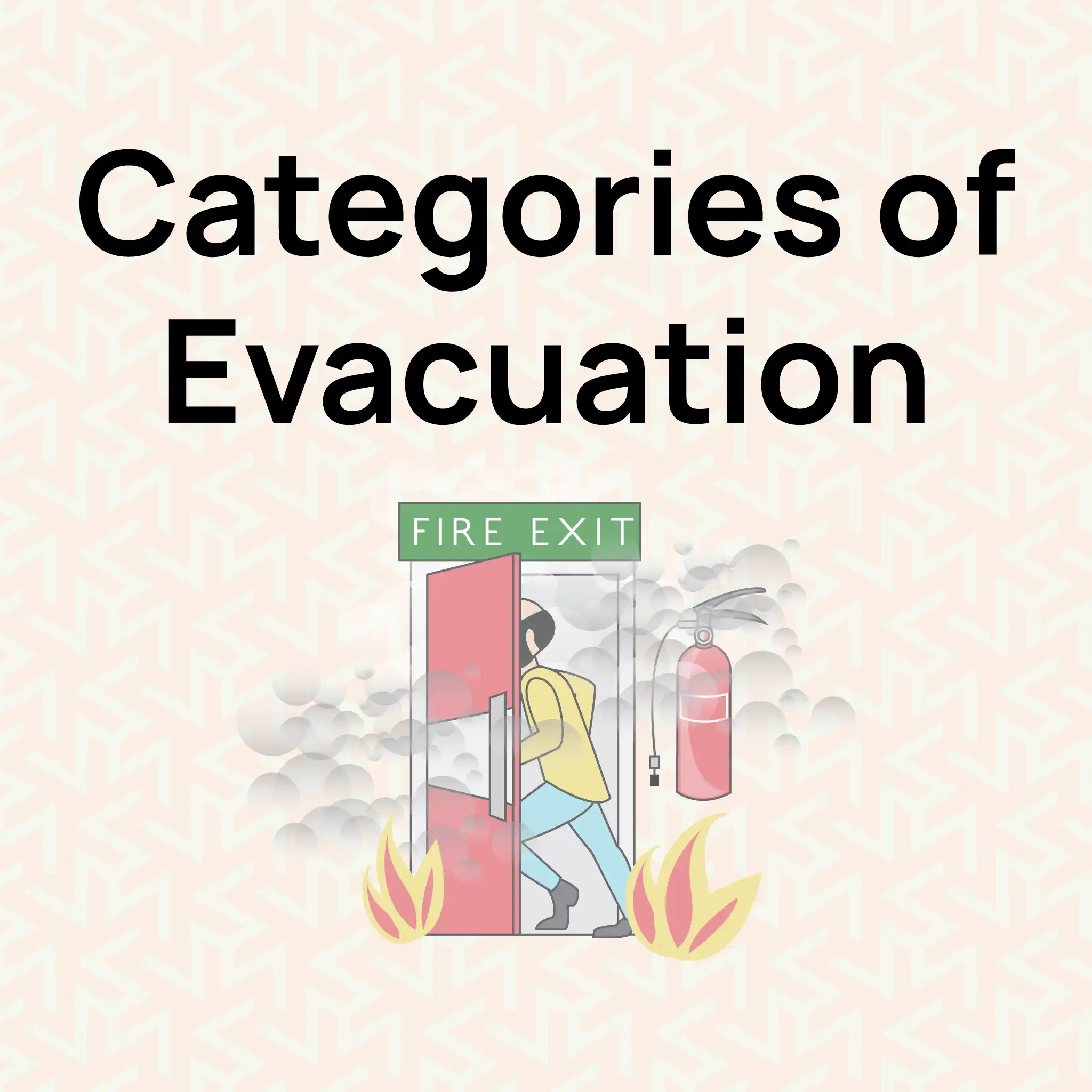
3 Categories of Evacuation Explained: What They Are and When to Use Them
A fire emergency can unfold in moments, but what determines the outcome is how people respond. More specifically, it's about how well a building's evacuation strategy aligns with its structure and the people inside it. In the UK, fire safety legislation recognises three main types of evacuation: Simultaneous, Phased, and Progressive Horizontal Evacuation (PHE). Each of these categories is shaped by the nature of the building and the risk to its occupants. Understanding them is critical for employers, safety officers, and anyone who could be responsible during an emergency. This guide offers a clear, practical explanation of how these evacuation methods work, why they�re important, and how you can integrate them into a workplace fire evacuation plan. The Three Categories of Fire Evacuation Evacuation is not about getting out; it's about getting out safely, strategically, and in a way that protects everyone, including the most vulnerable. This is why the UK distinguishes between three evacuation strategies: Simultaneous, Phased, and Progressive Horizontal Evacuation (PHE). Each one applies to different settings and demands different levels of training and coordination. Let�s explore each in turn. Simultaneous Evacuation Simultaneous evacuation is the most widely used approach in workplaces and public buildings. When the fire alarm activates, everyone in the building evacuates immediately, without waiting for further instructions. This �all-at-once� method is simple and effective in buildings with straightforward layouts and limited occupancy. For instance, if you're in a school, an office block with fewer than five storeys, or a retail store, simultaneous evacuation is likely the default protocol. The goal is to minimise delay and confusion. Everyone exits the building at the same time, using clearly marked escape routes. But its simplicity depends on a few critical systems being in place. Alarm signals must be loud, continuous, and clearly heard in every part of the building. Escape routes must remain unobstructed and wide enough to handle the flow of people. Finally, staff and regular occupants must be well-practised through routine drills. ?For practical implementation tips, see our guide on fire safety at your workplace. Phased Evacuation Phased evacuation is a more sophisticated strategy, typically applied in large or high-rise buildings where evacuating everyone simultaneously might cause congestion, panic, or delay. In this method, only those people closest to the fire source evacuate first, while others wait for further instructions issued either by alarm zones, a public address system, or trained fire marshals. For example, in a 20-storey office block, it wouldn�t make sense for the entire building to rush toward the same stairwell. Instead, the floors near the fire evacuate first. Once these floors are cleared, other floors follow in a phased sequence. The success of this strategy depends heavily on building design. The structure must include fire-resisting compartments, sections capable of containing fire and smoke for a sufficient period, allowing people to safely wait or prepare for evacuation. Communication is equally important. Many buildings use voice alarm systems to announce which floors should be evacuated and when. Phased evacuation isn't just about efficiency; it�s about controlling risk under pressure. Without trained staff and clear direction, it could lead to confusion. That�s why staff training and detailed fire risk assessments are non-negotiables. ? Also, here�s what a health and safety officer actually does during an evacuation (and why you might become one). Progressive Horizontal Evacuation (PHE) In some environments, particularly healthcare or social care facilities, it�s not always possible, or safe, for occupants to immediately leave the building. Progressive Horizontal Evacuation (PHE) addresses this challenge by moving people laterally, across the same floor, into a designated refuge area built to resist fire and smoke for at least 30�60 minutes. Imagine a hospital ward with bedridden patients. Evacuating them down a stairwell is time-consuming, physically difficult, and risky. Instead, PHE allows staff to move them to an adjacent, fire-protected ward, giving them time to prepare for full evacuation if needed. PHE requires meticulous planning. The building must include fire-resistant compartments that are easily accessible and large enough to safely accommodate relocated occupants. Staff must be trained in using evacuation aids like stretchers, evacuation chairs, or bed movers. Regular rehearsals are crucial so that staff know how to assist without panic. ? Want to run this kind of operation smoothly?� The Fire Safety Manager Advanced Diploma is calling your name. ? Bonus read: Our fire safety tips for the workplace have loads of valuable nuggets�no matter what kind of building you�re in. Why These Evacuation Strategies Matter Knowing how to evacuate is more than common sense; it�s about choosing the safest, fastest, and most effective strategy for your setting. Each of the three categories addresses unique scenarios. Simultaneous evacuation focuses on speed, phased evacuation on coordination, and PHE on protecting vulnerable individuals. Using the wrong strategy could increase risks rather than reduce them. That�s why it�s essential to base your evacuation plan on: The size and layout of your building The mobility and health of its occupants Available equipment and trained personnel When combined with solid training, risk assessments, and fire drills, a well-planned evacuation strategy saves lives. Choosing the right strategy isn�t just smart, it�s required under UK Government workplace fire safety guidance. It�s all about reducing risk, keeping people safe, and staying on the right side of the law. ? Still fuzzy on �risk� vs �hazard�? We�ve explained the difference right here. Creating a Comprehensive Fire Evacuation Plan Your evacuation strategy is only as strong as the plan behind it. A fire evacuation plan doesn�t just list exits, it outlines how people will move, who�s responsible, and what happens if something goes wrong. Here�s what should be included in every evacuation plan: Evacuation Strategy Select the most suitable method: Simultaneous, Phased, or PHE, based on the layout, risk level, and type of occupancy. For instance, care homes will require PHE, while offices may rely on phased evacuation. Escape Routes and Exits All routes should be clearly marked with illuminated signs and kept free of obstruction. Doors must open in the direction of escape and be easily operable without a key. Fire Marshals and Roles Assign fire marshals to designated areas. Their job is to guide people, check rooms, assist individuals with mobility needs, and ensure no one is left behind. Assembly Points Specify safe outdoor areas where people will gather after evacuation. These spots should be far enough from the building to avoid smoke and fire risks, but easy to reach. Alarm and Detection Systems Your plan should detail the type of fire detection used, its coverage, and how the alarm system alerts people across all floors and areas. Evacuation of Vulnerable Persons Have clear provisions for anyone needing extra help, whether due to mobility, age, hearing impairment, or medical dependency. ? Want to build all of this into your day job?� � �Level 2 Health & Safety in the Workplace is a fantastic place to start. How to Respond During an Evacuation Knowing the technical procedures of evacuation is one thing, but understanding how to behave in the moment is what actually protects lives. When the alarm sounds, confusion, panic, or hesitation can cost valuable seconds. That�s why it�s crucial to internalise the correct responses, not just as a checklist, but as habits that kick in automatically during real emergencies. Stay Calm and Act Quickly The moment a fire alarm sounds, you must assume it�s real and act without delay. Even if you suspect it might be a drill or false alarm, treat it seriously until told otherwise by an authorised person. Hesitation or second-guessing wastes time and can put others at risk. Use the Nearest Exit and Not the Most Familiar One Many people instinctively head for the exit they use every day. But during a fire, that route could be blocked or congested. Always head toward the nearest safe exit and follow illuminated signage or instructions from fire marshals. Assist Others, but Don�t Risk Your Safety If someone nearby needs help, perhaps they�re injured, elderly, or panicking, offer assistance if you�re confident you can do so safely. However, you should never compromise your own safety. Fire marshals and trained personnel are responsible for assisting those with specific evacuation needs. Never Use Lifts During a Fire It might seem like the fastest way out, but lifts can fail or fill with smoke during a fire. They are strictly off-limits in fire emergencies. Always use the stairs and guide others to do the same. Proceed Directly to the Assembly Point Once outside, don�t linger near the building. Go straight to your designated assembly area and remain there until you're accounted for. This helps fire marshals quickly identify who might still be inside and allows emergency services to work without disruption. Don�t Return for Belongings It's human nature to want to grab personal items, but nothing is worth your life. Once you�ve evacuated, do not go back into the building under any circumstances until it has been declared safe by the fire service. ? Quick Tip: During your next fire drill, practise choosing alternative routes and helping a colleague simulate a real-life challenge. These small details make all the difference in a real emergency. Conclusion: Planning Saves Lives Evacuation isn�t about chaos, it�s about clarity. By understanding and applying the right evacuation strategy, you not only meet legal requirements but also take concrete steps to protect your team, clients, and business. Whether you're responsible for others or seeking to enhance your awareness, it begins with knowledge. ? Want to take your fire safety knowledge one step further? The Fire Marshal & Warden Online Course is a great way to turn understanding into action. It�s flexible, CPD-certified, and ideal for anyone who may need to guide others during an emergency. ? Learn on your schedule. Lead with confidence. Frequently Asked Questions What is a single-stage evacuation also known as? Single-stage evacuation is also known as simultaneous evacuation. In this strategy, everyone leaves the building immediately after the fire alarm is triggered. It's common in offices, schools, and other low-rise premises. When should phased evacuation be used? Phased evacuation is ideal for high-rise or complex buildings. It involves evacuating those closest to the fire first, followed by others in stages. It�s often used in buildings with fire-resistant compartmentation and advanced alarm systems. What is horizontal evacuation? Horizontal evacuation refers to moving individuals to a safe area on the same floor, rather than immediately exiting the building. This is central to progressive horizontal evacuation and is widely used in care homes, hospitals, and special education facilities. How often should a fire drill procedure be conducted? A fire drill should be conducted at least once a year to ensure everyone understands the fire evacuation procedure. In high-risk environments, such as healthcare settings or extensive facilities, drills should be conducted more frequently. What should a fire evacuation plan include? A comprehensive fire evacuation plan includes the chosen evacuation strategy, mapped escape routes, designated fire marshals, assembly point locations, and special provisions for vulnerable occupants. It should align with the broader emergency fire action plan for the workplace. Which Fire Safety Course Is Right for You? Ready to go from fire-aware to fire-prepared? Here�s a quick breakdown: Fire Marshal & Warden � Online: Perfect for anyone in charge of evacuations Level 2 Health & Safety: Ideal for new or aspiring team leads SMSTS: For site managers overseeing projects SSSTS: Designed for supervisors and junior leads Fire Safety Manager Diploma: Great for care or residential building managers NEBOSH Fire Safety Certificate: For those taking safety roles seriously
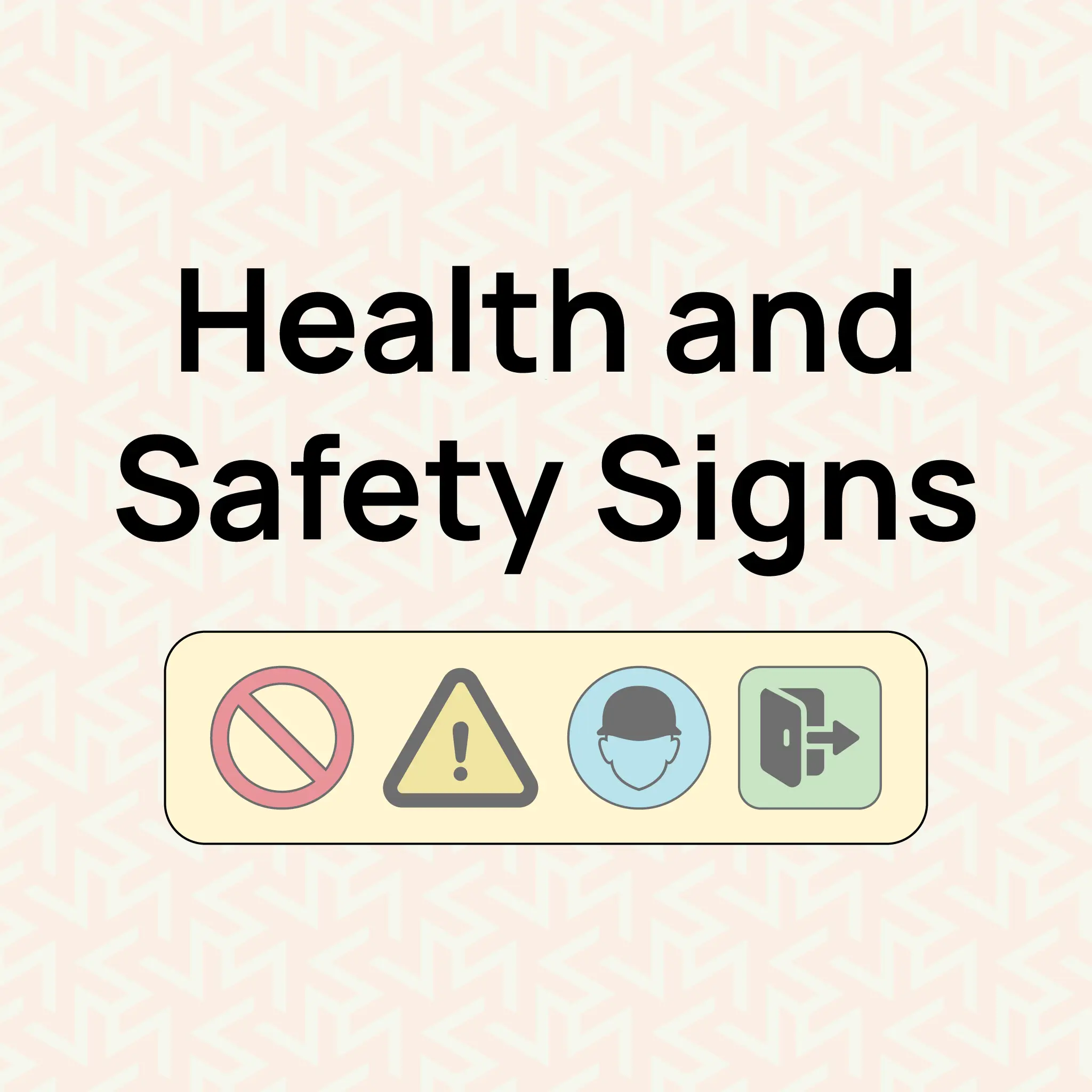
Health and Safety Signs: Meanings, Symbols UK Laws
Health and safety signs are a part of everyday life, but in the workplace, they hold special importance. These signs are more than just symbols on walls or equipment; they�re a legal requirement, a safety tool, and in many cases, a life-saving measure. Whether you�re just starting out in your career or managing teams in high-risk industries, understanding what these signs mean and why they matter can make a real difference.From reminding workers to wear protective equipment to showing emergency exit routes, safety signs play a vital role in keeping people safe and operations compliant. But while they�re often overlooked, being able to recognise and respond to them is a skill every working adult should have.What Are Health and Safety Signs?Health and safety signs are visual indicators used to provide important messages about hazards, instructions, or safety procedures in a workplace. Their purpose is to help people avoid accidents, follow rules, and react correctly in emergency situations. These signs are standardised in the UK, which means the colours, shapes, and meanings are consistent across industries and work environments.For example, a yellow triangle always signals a warning, while a blue circle usually indicates something you must do, like wearing a hard hat. This consistency allows both experienced professionals and newcomers to understand the message quickly, even in high-pressure situations.Signs are required where there are risks that can't be completely removed, such as moving machinery, fire hazards, or dangerous substances. In these cases, signs serve as a critical last line of communication to ensure people are aware and prepared.Why Signs Are More Than Just VisualsAlthough health and safety signs are designed to be easily recognisable, their effectiveness depends on how well people understand and act on them. A warning sign near a chemical cabinet, for instance, is only helpful if staff know the dangers involved and follow proper handling procedures. That�s why safety signs are often supported by training, supervision, and risk assessments.This is especially important in environments like construction sites or industrial facilities, where fast decisions can prevent serious accidents. Understanding signage helps workers respond calmly and correctly to hazards, which protects not only themselves but everyone around them.If you work in or plan to enter sectors where safety is a priority, like construction, manufacturing, logistics, or facilities management, being familiar with workplace signage is both a legal and professional expectation.The Law Behind Safety SignageIn the UK, the use of safety signs is governed by the Health and Safety (Safety Signs and Signals) Regulations 1996. These regulations require employers to use safety signs wherever risks remain after other control measures are in place. The law is enforced by the Health and Safety Executive (HSE), which also provides guidance on how to use signs effectively.It�s not enough for an employer to simply hang a sign on a wall. The law requires that the sign be:Clearly visibleMaintained in good conditionSupported with training so that employees understand what it meansFor employees, understanding the message of a sign is a basic legal responsibility. Failing to do so can lead to injury, disciplinary action, or even legal consequences in severe cases.Understanding the Colours and Shapes of SignsTo make safety messages as clear as possible, UK regulations define five main types of signs based on colour and shape. This standardisation means people can quickly identify the type of information a sign is communicating, even from a distance.Red signs (often circular) indicate prohibited actions or mark fire equipment (e.g. No Smoking, Fire Extinguisher).Yellow signs (triangular) are warnings, alerting people to potential hazards (e.g. Caution: Wet Floor).Blue signs (circular) are mandatory, telling people what they must do (e.g. Wear Safety Boots).Green signs (square or rectangular) provide emergency information, like escape routes or first aid stations (e.g. Emergency Exit).?Be prepared to lead in an emergency.Learn how to respond to fire safety signs and carry out fire procedures with confidence.Become a certified Fire MarshalThis system helps ensure safety is accessible for everyone, regardless of their reading level, first language, or job title.When and Where These Signs Are UsedYou�ll find safety signs in almost every workplace, but especially in environments where risks are more likely. Construction sites, warehouses, kitchens, hospitals, workshops, and chemical labs all rely on signage to protect workers and visitors.Let�s take a construction site as an example. Signs such as No Entry, High Visibility Clothing Must Be Worn, and Danger: Overhead Work are not just suggestions; they�re mandatory precautions that workers must follow. Failing to recognise or obey these signs can lead to serious injury.If you�re in a supervisory role or aiming for one, learning how these signs fit into daily operations and site rules is a crucial part of your responsibility. Courses like SSSTS (Site Supervisor Safety Training Scheme) or SMSTS (Site Management Safety Training Scheme) include training on how to implement and monitor signage use effectively.Why Professionals and Job Seekers Should CareWhile signs are there to protect everyone, understanding them also demonstrates professionalism. Employers value staff who take safety seriously. Knowing what different signs mean and responding to them correctly shows you're not just aware, you�re responsible, alert, and a team player.For job seekers, especially those entering industries where safety is heavily regulated, basic knowledge of safety signage is often expected. It may be part of your induction training, and in some cases, required before you can even enter certain areas of a site.Understanding signage also boosts confidence. You�ll know how to navigate unfamiliar spaces, identify risks on your own, and act without waiting for instructions. In the long run, this makes you a safer, more reliable member of any team.?Step into site leadership with confidence.Understand how safety signage fits into your legal duties as a site supervisor.Join the SSSTS courseSigns Alone Aren�t Enough - Training MattersWhile safety signs do a great job of communicating risks visually, they work best when supported by proper training. A No Entry sign might prevent someone from walking into a dangerous area, but unless they know what�s behind the door or why it�s dangerous, they may not treat the sign seriously.Similarly, a sign that says Caution: Manual Handling Risk is only useful if workers understand how to lift properly and avoid injury. If you want to understand the connection between signage and physical safety, it's worth exploring how to avoid manual handling risks.In some workplaces, safety signs also work hand in hand with broader safety strategies, including fire drills, PPE policies, and COSHH (Control of Substances Hazardous to Health) procedures.A Practical First Step: Basic Safety TrainingFor professionals looking to improve their workplace awareness and for job seekers who want to stand out, a general health and safety course is a great place to start. One of the most relevant options is the Level 2 Health and Safety in the Workplace course. It introduces key safety principles, teaches how to identify risks, and explains the role of signs and symbols in everyday tasks.This course is suitable for all experience levels and is recognised across industries. It shows employers that you're serious about working safely and understanding your legal responsibilities.Final ThoughtsHealth and safety signs may seem like small details, but they represent a much bigger commitment to safety, responsibility, and professionalism. They keep workplaces running smoothly and help people avoid harm, but only if everyone understands and respects them.By learning how to recognise, interpret, and respond to these signs, you're not just protecting yourself; you�re contributing to a safer, more competent workforce. And in today's job market, that�s a quality every employer values.Whether you're applying for your first role, preparing for a new industry, or looking to brush up on compliance knowledge, taking health and safety seriously is always a smart move. Frequently Asked QuestionsWhat do health and safety signs indicate?They visually communicate rules, hazards, and required actions. A?no-smoking sign?bans smoking, while a?wet floor sign?warns of slipping risks. These signs help reduce accidents and ensure compliance with legal requirements.What are the 4 types of safety signs?UK safety signs fall into four categories:Prohibition (e.g.?no entry sign)Warning (e.g.?caution hot sign)Mandatory (e.g.?PPE sign)Emergency (e.g.?fire exit)Each uses specific colours and shapes to convey meaning.Are health and safety signs a legal requirement?Yes. Signs like?no food or drink signs?or?fire door keep shut signs?are required under UK regulations when risks cannot be eliminated otherwise.What are COSHH signs used for?COSHH signs identify chemical hazards. The corrosive symbol, for example, warns of substances that can cause burns or damage materials. These are vital in workshops and cleaning areas.What�s the difference between a warning and a mandatory sign?A?warning sign?(e.g.?, a hot surface warning sign) alerts you to a hazard. A?mandatory sign?(e.g.?wear PPE) tells you what safety action is required.Why use �Out of Order� or �Lift Out of Order� signs?They prevent the unsafe use of broken equipment. These signs help avoid accidents while repairs are underway.Explore Related CoursesContinue building your confidence in workplace safety with these expert-led courses:Level 2 Health & Safety in the Workplace: Get a solid grounding in safety signs, risk control, and workplace responsibility.Manual Handling Awareness: Learn safe lifting practices and understand signage related to manual handling risks.SSSTS (Site Supervisor Safety Training Scheme): Master how signage fits into site rules and contractor compliance.SMSTS (Site Management Safety Training Scheme): Deep dive into managerial safety responsibilities and sign-led coordination on larger sites.SMSTS Refresher: Stay up to date and compliant with the latest safety signage regulations and best practices.
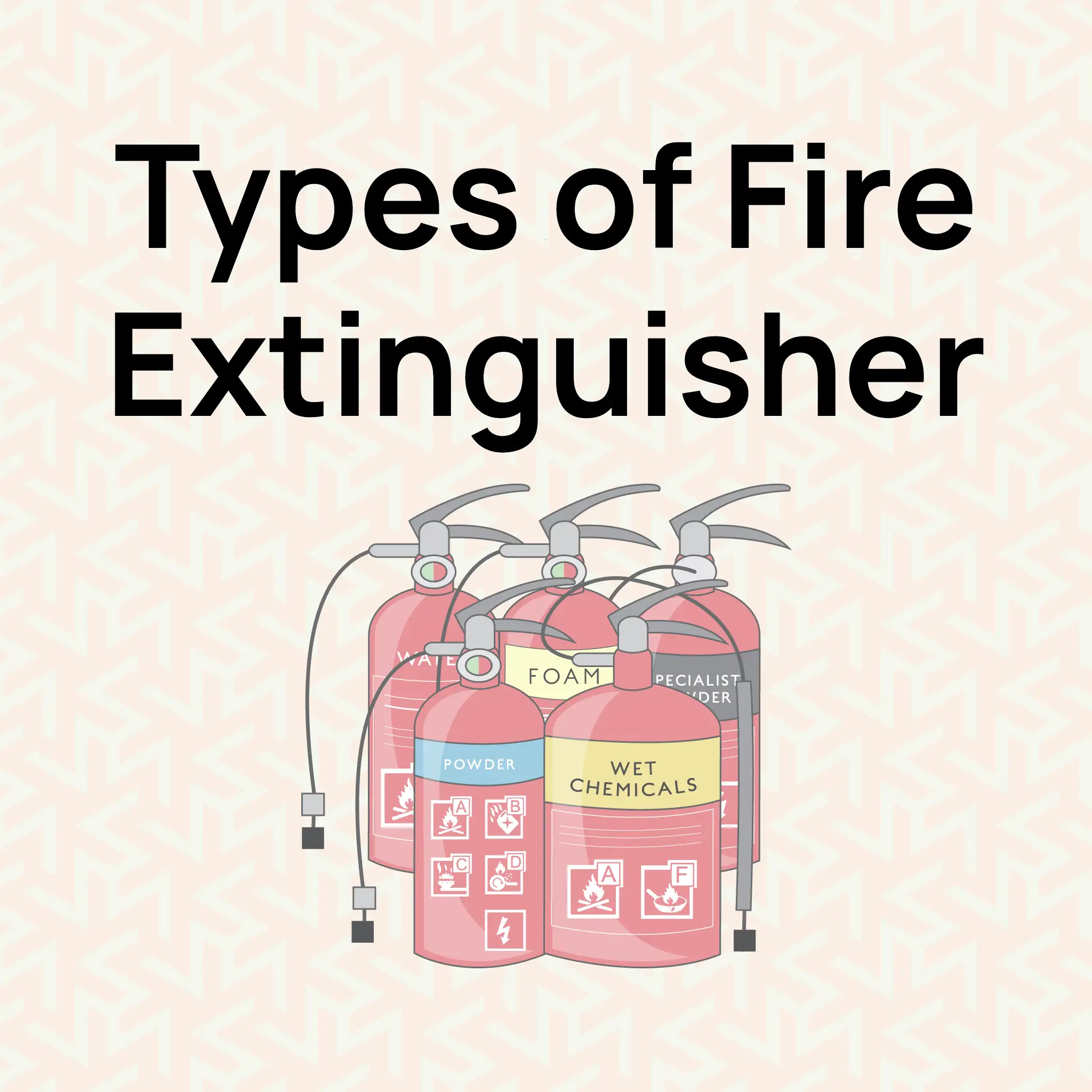
Fire Extinguisher Types and Their Uses (With Colour Codes Explained)
Fires are unpredictable, but your response to them doesn�t have to be. Whether you're working in construction, retail, hospitality, or an office, understanding fire extinguishers is essential. It�s not just about reacting in emergencies; it�s about being prepared, responsible, and compliant with UK workplace safety standards.This guide explains the various types of fire extinguishers, their relationship to fire classes, and how to use them safely, whether you�re new to the topic or a workplace supervisor managing health and safety.What Are Fire Classes and Why Do They Matter?In the UK, fires are grouped into classes based on the type of material that�s burning. This classification is important because each fire type requires a different extinguishing method. Using the wrong one can be dangerous or even fatal.Class A: Solid combustibles like wood, paper, fabricClass B: Flammable liquids such as petrol, oils, and solventsClass C: Flammable gases like propane or butaneClass D: Flammable metals (e.g. magnesium, aluminium)Class F: Cooking oils and fats (common in kitchens)Electrical Fires: Not a separate class, but a common and serious risk involving powered equipmentOnce you understand what�s burning, you can safely match the fire to the correct type of extinguisher.Want a deeper understanding of the dangers in the workplace? See our post on common health and safety risks on construction sites.Types of Fire Extinguishers (and What They�re Used For)Fire extinguishers in the UK are colour-coded and designed to fight specific fire classes. Here's a detailed look at the most common types you�ll see in the workplace:Water Extinguisher (Red Label)Water extinguishers are used for Class A fires, which involve materials such as wood, paper, or cloth. They work by cooling the burning material and reducing heat. However, they must never be used on electrical fires or flammable liquids, as this could spread the fire or result in electrocution.These are commonly found in schools, offices, and public buildings where solid materials are the main fire risk.Foam Extinguisher (Cream Label)Foam extinguishers are suitable for Class A and B fires, meaning they can handle solids and flammable liquids. They work by forming a film over the liquid�s surface, cutting off oxygen. Foam extinguishers are versatile but still unsafe on live electrical equipment.You�ll often see these in garages, workshops, and warehouses.Dry Powder Extinguisher (Blue Label)Also known as ABC extinguishers, dry powder models are suitable for Class A, B, and C fires and can also be used on electrical fires. They work by smothering the fire and interrupting the chemical reaction. However, they create a lot of residue and can make it hard to see or breathe indoors.Dry powder extinguishers are useful for outdoor settings, petrol stations, and sites with mixed fire risks.CO? Extinguisher (Black Label)CO? extinguishers are ideal for electrical fires and flammable liquids. They work by displacing oxygen, effectively suffocating the fire. Since CO? leaves no residue, it�s ideal for offices, IT rooms, and electrical cabinets.However, they�re ineffective on Class A fires and not suitable for outdoor use where wind can disperse the gas.Wet Chemical Extinguisher (Yellow Label)Designed explicitly for Class F fires, wet chemical extinguishers are essential in kitchens. They cool burning oil and chemically react to form a soapy layer that seals the surface and prevents re-ignition. While highly effective in kitchens, they should never be used on electrical fires.This extinguisher is a must-have in catering environments, canteens, and food production units.Curious about how these types apply in real settings? Read our guide to fire safety at your workplace.?Be the Person Who Knows What to DoFire Marshals are essential in every workplace. Get trained to lead evacuations, use extinguishers safely, and prevent fire risks.Explore the Fire Marshal Online CourseWhy Using the Correct Extinguisher Is CriticalUsing the wrong extinguisher can have serious consequences. For instance, spraying water on burning oil can cause the flames to spread violently. Similarly, using foam or water on an electrical fire could lead to electrocution.Employers and designated fire wardens must ensure that the correct extinguishers are not only present but also clearly labelled, accessible, and maintained. As part of their training, they must understand how to assess which extinguisher is appropriate based on the fire class.If you're assigned fire safety responsibilities at work, it�s worth knowing that Fire Marshal training prepares you to take charge in emergencies, from extinguisher use to evacuation leadership.Legal Responsibilities Under UK LawAccording to the Regulatory Reform (Fire Safety) Order 2005, all workplaces in the UK are required to:Conduct regular fire risk assessmentsInstall appropriate fire extinguishers based on identified risksEnsure that extinguishers are regularly servicedTrain staff in fire awareness and extinguisher useAssign responsible persons for managing fire safetyThese duties apply to all employers, building owners, and anyone in control of premises. Non-compliance can lead to enforcement notices, fines, or prosecution, especially if someone is harmed due to a lack of preparation.For supervisors, particularly in construction and high-risk settings, understanding these duties in depth is covered in formal training, such as the SSSTS course, which focuses on real-world responsibilities and safe working practices.If you�re unsure how roles and responsibilities are structured within an organisation, our article on the key responsibilities of a health and safety officer offers practical insights. Why Training Makes the DifferenceEven when the right extinguishers are in place, they�re only effective if people know how to use them. Training helps employees understand the types of fires they may face and equips them with the confidence to act safely.If you�re just starting your health and safety journey or looking to refresh your knowledge, the Level 2 Health and Safety in the Workplace course is a great foundation. It teaches you how to identify risks, handle equipment such as extinguishers, and understand the laws that govern workplace safety.For those in catering, retail, or hospitality roles where fire hazards are specific to the environment, such tailored training helps build long-term confidence and prevent incidents before they happen.For further risk reduction strategies, read about how to avoid manual handling risks and the differences between risk control and hazard control, key topics in creating a safer environment.?Take Your Fire Safety Skills to a Professional LevelA respected qualification for those managing fire risk or aiming for specialist roles.Discover the NEBOSH Fire Safety CertificateFinal ThoughtsWhether you're a site supervisor, office worker, or someone responsible for safety, understanding the types of fire extinguishers is a basic yet powerful skill. It can help protect not just your workplace, but your colleagues and your future.When matched with proper training and a commitment to compliance, even the most basic knowledge, like recognising extinguisher colours or fire classes, can save lives.Frequently Asked QuestionsWhat are the different fire extinguisher colours and what do they mean?In the UK, fire extinguisher colours help identify their contents and appropriate use. A red label indicates a water extinguisher, suitable for solid combustibles like paper and wood. A cream label marks a foam extinguisher, used on flammable liquids and solids. A blue label represents a dry powder extinguisher, which is versatile across multiple fire classes. A black label is used for CO? extinguishers, ideal for electrical fires. Finally, a yellow label is for wet chemical extinguishers, designed specifically for cooking oil fires (Class F). These fire extinguisher colours make it easier to act quickly and correctly during a fire emergency.What extinguisher should be used for electrical fires?For an electrical fire, the safest extinguishers to use are CO? extinguishers (black label) and dry powder extinguishers (blue label). These types are non-conductive and won�t cause electrocution, unlike water or foam. CO? is often preferred in offices and server rooms because it leaves no residue, while dry powder is more suitable in industrial or outdoor areas where electrical and flammable risks coexist. If you�re unsure, always look for extinguishers that explicitly state they are safe on Class E or electrical fires.What is a water extinguisher used for?A water extinguisher is primarily used for Class A fires, which involve solid materials like paper, wood, and textiles. They work by cooling the flames and lowering the temperature below the ignition point. However, they should never be used on flammable liquids or electrical fires, as this can spread the fire or create electrocution hazards. You�ll usually find water extinguishers in schools, office buildings, and public spaces with low electrical risk. Understanding the purpose of a water extinguisher helps prevent its misuse in hazardous situations.What are the 4 main types of fire extinguishers?The four main fire extinguisher types commonly used in workplaces are water (red), foam (cream), dry powder (blue), and CO? (black). Each is suited for different fire classes:Water: For solid materials (Class A)Foam: For solids and flammable liquids (Class A & B)Dry Powder: For solids, flammable liquids, gases, and electrical equipment (A, B, C & electrical)CO?: Primarily for electrical fires and flammable liquids (electrical & B)Wet chemical extinguishers (yellow label) are also widely used in kitchens, particularly in the hospitality sector, to handle Class F fires involving cooking oils.Which extinguisher should be used on flammable liquids?Fires involving flammable liquids like petrol or solvents are classified as Class B fires. The best extinguishers for these are foam extinguishers (cream label) and dry powder extinguishers (blue label). CO? extinguishers are also effective, particularly in indoor spaces where clean use is important. Never use water extinguishers on flammable liquids; it will likely spread the fire. Knowing the right fire extinguisher for flammable liquids can prevent disasters in fuel-handling or chemical workspaces.What are the different classes of fire in the UK?In the UK, fires are categorised into six main classes of fire:Class A � solids like wood and paperClass B � flammable liquids such as oils, fuels, or alcoholsClass C � flammable gases like butane or propaneClass D � combustible metals such as magnesium or lithiumClass F � cooking oils and fatsElectrical fires � involving powered appliances (not a formal class but treated uniquely)Each fire class demands a specific extinguisher, making it crucial to understand this system for safe fire management.What type of extinguisher should be used on different materials?Different materials ignite differently, and not all extinguishers can be used safely across them. Solid materials, such as paper and wood, require water or foam extinguishers. Flammable liquids are best handled with foam, CO?, or dry powder. For electrical equipment, CO? or dry powder is the safest option. Cooking oil fires need wet chemical extinguishers, and metal fires require specialist dry powder types (not to be confused with standard ABC powder). Understanding the kind of extinguisher suitable for a particular material reduces the risk of igniting the fire.What is the cream fire extinguisher used for?The cream fire extinguisher is a foam extinguisher. It�s used on Class A and B fires, which involve solids (such as paper and textiles) and flammable liquids (like petrol or paint). It works by creating a cooling foam barrier that suffocates the fire and prevents re-ignition. However, cream extinguishers should never be used on electrical fires, as foam conducts electricity. These are common in industrial and commercial environments where both solid and liquid fire risks are present.Explore Related CoursesLooking to boost your confidence in handling fire safety and workplace risks? These trusted courses can help:Level 2 Health and Safety in the Workplace � Covers core safety principles, including fire prevention and hazard awareness.Fire Marshal / Fire Warden Online � Learn how to respond to workplace fires and lead safe evacuations.SSSTS (Site Supervisor Safety Training Scheme) � Ideal for those supervising high-risk environments like construction sites.SMSTS (Site Management Safety Training Scheme) � A comprehensive course for managers overseeing fire and site safety.
How Modern Technology Has Affected Security in the UK
In recent years, technology has dramatically impacted security in the UK. New technology has changed how we protect our homes, businesses, and public spaces, from smart home gadgets to robust surveillance systems. While these advances make us safer, they also raise some concerns.The Growth of Smart Security DevicesOne of the most significant security changes is the rise of smart devices. These gadgets help protect homes and businesses and are easy to control from your phone or computer. For example, smart cameras and video doorbells allow people to see who is at their door, even when they're not home. Other devices, like motion sensors and smart locks, can send alerts if something unusual happens.These devices can also be linked to create an intelligent security system, making monitoring and protecting a property easier. The convenience of managing everything from your phone has made home security more accessible for many people.� .main{ border:3px solid #0f7c90; border-radius:20px; position: relative; font-family:roboto; font-weight: 400; color: #000; } .main-two{ position: absolute; top:-25px; left:45px; background-color:white; } .img-div{ border-radius : 100%; padding:2px 7px; background-color:#0f7c90; margin-right:5px; width: 50px; height: 50px; } .img{ width:30px; object-fit:contain; height:auto; border-radius : 100%; } @media only screen and (max-width: 600px) { .heading{ font-size:20px; } .img{ width:20px; object-fit:contain; height:auto; border-radius : 100%; } .img-div{ width: 40px; height: 40px; } .main-two{ left:25px; } } Learn more about modern technology�s role in security through our SIA courses. Whether you�re applying for door supervision, close protection, security guarding, or CCTV operations, these courses meet the latest industry standards. SIA courses are essential for obtaining an SIA license and opening doors to opportunities in the security industry. Improved Surveillance with New TechnologySecurity cameras have become much more advanced in recent years. In the UK, public and private cameras now have better features like higher video quality, night vision, and facial recognition. These improvements help businesses and the police can quickly respond to incidents.AI (artificial intelligence) is also making surveillance brighter. It can help cameras detect unusual activity, like someone breaking into a building, or track people's movements in busy areas. While there are privacy concerns, these technologies are helpful in preventing crime and solving cases faster.Drones: A New Tool for Security Drones are another new addition to the security world. Drones with cameras monitor large areas like stadiums, festivals, or even industrial sites. They can capture live video or use thermal imaging to spot fires or intruders. Drones can quickly cover much ground, making them a valuable tool for security teams. These devices are also great in emergencies, helping to assess damage or provide live footage in hard-to-reach places like rooftops or disaster zones.Artificial Intelligence and Predictive SecurityArtificial intelligence (AI) is playing an important role in security. Many organisations now use ai ml development services to analyse huge amounts of data, such as surveillance footage or social media posts, and spot potential threats before they happen. By hiring a professional AI and ML expert, businesses can build predictive systems that not only identify risks but also recommend the best response in real time, improving decision-making and operational safety.AI also helps by automating tasks that generally take a lot of time, like monitoring dozens of cameras simultaneously. This makes it easier for security teams to respond quickly during an emergency.The Growing Need for CybersecurityThe need for strong cybersecurity increases as more devices connect to the internet. In the UK, there has been a rise in cyberattacks, like hacking and online scams. To fight back, businesses and government organisations use advanced security technology such as a secure web gateway solution to protect data and prevent attacks.Smart devices, like security cameras and locks, also need strong protection to stop hackers from gaining access. The rise of cybersecurity technology shows that digital security is just as important as physical security in today�s world.A simple step to strengthen device security is adopting a�password manager. This tool centralizes and encrypts credentials, encourages unique passwords for each device, and enables teams to share access securely�reducing the risk that one compromised password could unlock multiple systems.Privacy Concerns and ChallengesWhile new security technology brings many benefits, it also raises privacy concerns. Surveillance cameras, facial recognition, and drones can make people feel like they�re always being watched. In the UK, there are rules to ensure that technology is used fairly and doesn�t violate people's privacy.For example, the government has guidelines to protect people's data and ensure proper surveillance. But as technology evolves, the balance between security and privacy must be maintained. Beyond hardware, digital investigative tools are also becoming a standard part of a comprehensive security strategy. For instance, a Reverse address search can provide critical context for homeowners or security teams by identifying the residents or history associated with a specific property. This type of digital due diligence complements physical tools like smart cameras, allowing individuals to verify the legitimacy of visitors or neighbors and better understand the security landscape of their immediate environment.ConclusionModern technology has made the UK's security more competent, effective, and easier to manage. Smart devices, AI, and drones are all helping to protect people and property in new ways. However, it�s important to remember that with these advances come challenges, especially regarding privacy and data protection.As technology continues to improve, security will keep getting better. But we must use these tools carefully and thoughtfully to make sure they help keep us safe without invading our privacy.