


Shortage of Labour in the UK Construction Industry
Nowadays, it is nearly difficult to read the news without learning about a shortage of products and workers. According to recent statistics, the number of open positions in the UK has surpassed 1 million for the first time in history, illustrating how difficult it is for some industries to fill such positions with competent candidates.Construction is a sector where labour shortages are causing significant project delays. It has never been easier to get work if you want to start a career in construction. This blog examines how to find the training for this profession.Why is there a labour shortage in the construction industry?The Office for National Statistics reports over 33,000 open positions in the construction industry, which is a 20-year high. Several reasons, including Brexit, the Covid-19 pandemic, and an ageing workforce, have been cited as the causes.Nearly every business and every nation have been influenced by Covid-19. Even though it continued for the bulk of the pandemic in the UK, construction work has suffered significantly over the past 18 months. Due to the virus and national restrictions, many projects have been difficult to finish, and workers have had trouble getting the training they need to work legally on sites. The so-called �pingdemic� and COVID-related illnesses have raised absenteeism rates, leaving businesses understaffed.Brexit has significantly impacted the industry. EU nationals working in the UK construction business have decreased by 42% since 2017. This is partly related to tougher immigration regulations that hinder workers from remaining in the nation and from immigrating. This has caused a considerable imbalance in the number of workers and industry knowledge.Half a million construction employees are anticipated to retire in the following 10 to 15 years, contributing to the industry�s ageing workforce. This results in fewer personnel and the loss of a great deal of expertise and knowledge. To help the business deal with the loss of experienced personnel when they retire, it is crucial for both new and existing employees to receive on-the-job upskilling.What are the effects of the skill shortage in the construction industry?Cost is the main impact of the skills gap in construction. Recruitment costs increase when it is challenging to locate employees because construction companies must put more money and effort into the search. Using Free Recruiting Software can help streamline this process, but in its absence, businesses may be forced to pay over market rates to acquire scarce skills, which may increase inflated compensation.Another problem with temporary staffing is paying excessive salaries to employees. While waiting for a long-term solution, corporations frequently have little alternative but to pay a substantially higher fee for temporary personnel as a stop-gap. Organisations in the UK paid an additional �2.2 billion in 2020 compared to 2019 due to short-term deficits. There is also the added expense of retraining employees with lower qualifications to the appropriate level.For construction companies, declining employment has serious ramifications, but accepting contracts is later unable to fulfil an impact on their standing in the sector. Both projects and construction businesses are impacted by the skills gap in the industry, which can lead to projects running over schedule and budget.How do I acquire a job in construction?There has not been a better moment to start a career in construction, so if you are interested in the field, these worker shortages may work to your benefit. The ideal place to start is an entry-level position, such as a construction labourer.On building sites, construction labourers perform a variety of fundamental tasks. These might involve bricklaying, excavation work, laying foundations, etc.You must possess a CSCS Green Card to enter the job site and perform the duties of a construction labourer. .second-cta-block .main-heading { font-weight: bold; font-size: 22px; } .second-cta-block .book-now { background: #DF3D52; color: #FFFFFF !important; border-radius: 8px; } .second-cta-block .second-heading { font-size: 17px; } .second-cta-block .card { border: 0 !important; } .second-cta-block .card-body { border: 1px solid #909090; box-shadow: rgba(0, 0, 0, 0.16) 0px 1px 4px; border-top-right-radius: 100px; border-bottom-right-radius: 100px; background: #ECECEC; } .second-cta-block .image-wrapper { height: 134px; position: absolute; right: -100px; top: calc(50% - 67px); /* Center the image vertically */ } .second-cta-block .image-wrapper img { height: 100%; } .second-cta-block .trustpilot-widget { width: 256px; } .cta-heading-section { width: 75%; } @media screen and (max-width:991px) { .second-cta-block { padding-top: 100px; } .second-cta-block .card-body { border: 1px solid #909090; box-shadow: rgba(0, 0, 0, 0.16) 0px 1px 4px; border-radius: 19px; border-radius: 14px; background: #ECECEC; } .cta-heading-section { width: 100%; padding-top: 50px; } .second-cta-block .image-wrapper { height: 134px; right: 0; position: absolute; left: calc(50% - 108px); top: calc(50% - 203px); } } RQF LEVEL 1 COURSE for CSCS GREEN CARD Check the Course Rated Excellent on major review sites What is a Green CSCS card?Workers must present the CSCS Green Card, also known as the CSCS Labourer Card, to enter the worksite and carry out their responsibilities. It demonstrates that the bearer possesses the necessary health and safety knowledge to work safely in a construction setting. Even though it�s not strictly necessary, most construction companies will insist employees have this card to enter the site and perform their duties. Read our guide on the Labourer Card for more information.Do I need an NVQ to obtain a CSCS Green Card?No, an NVQ is not necessary to get a CSCS Green Card. But you need to complete our Level 1 Award in Health and Safety in a construction environment course, to obtain the CSCS green card in the most straightforward possible manner. This one-day session will give participants all the essential information they need to keep safe on the job site. After completing the course, apply for the CSCS Green Card.
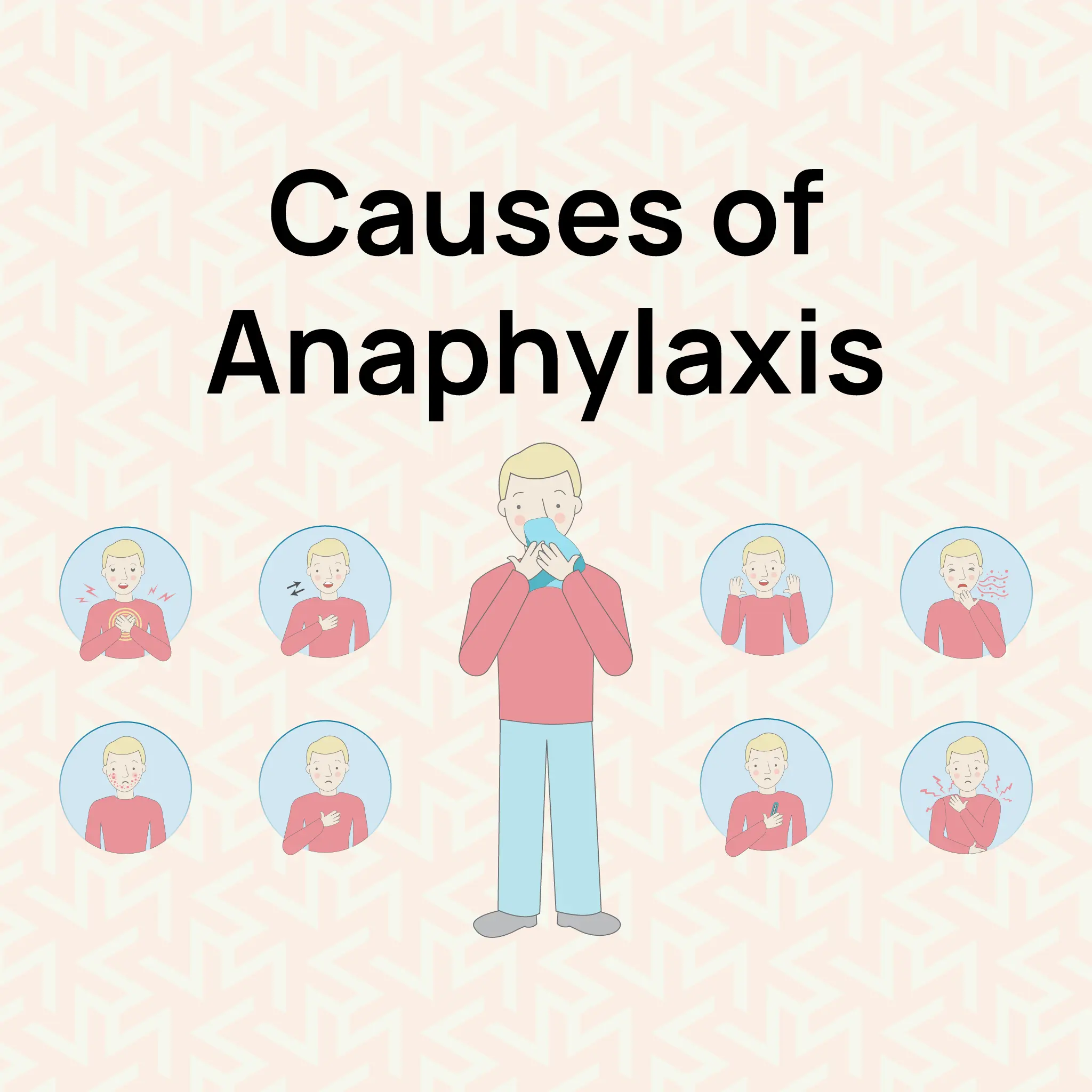
What is Anaphylaxis
Anaphylaxis represents a frequent medical emergency, including a life-threatening acute hypersensitivity response. This condition is marked by a widespread allergic reaction affecting multiple bodily systems. If left untreated, anaphylaxis can quickly lead to respiratory failure and even death.What is Anaphylaxis Anaphylaxis is a severe allergic reaction that leads to a life-threatening condition. It causes systemic shock, leading to impaired respiratory function. Symptoms of an anaphylactic allergic reaction may include angioedema (swelling) affecting the face, neck, tongue, or lips. Respiratory distress can occur, potentially leading to shock, including hypotension and altered consciousness.What are the Causes of AnaphylaxisAnaphylaxis is triggered by various allergens, which are substances that provoke an allergic reaction. Common triggers include:Food: Peanuts, tree nuts (such as almonds and cashews), shellfish, milk, eggs, soy, and wheat.Insect Venom: Bee stings, wasp stings, and other insect bites.Medications: Antibiotics (like penicillin), nonsteroidal anti-inflammatory drugs (NSAIDs), and certain vaccines.Other Substances: Latex, chemicals, and even exercise-induced factors in some individuals.What are the Signs and Symptoms of AnaphylaxisThe signs and symptoms of anaphylaxis can develop rapidly and affect multiple organ systems:Respiratory System: Difficulty breathing, wheezing, throat tightness, and coughing.Cardiovascular System: Drop in blood pressure (hypotension), weak or rapid pulse.Skin: Itching, hives symptoms (urticaria), redness, and swelling (angioedema) of the face, lips, tongue, or throat.Gastrointestinal System: Nausea, vomiting, abdominal pain, and diarrhoea.Neurological System: Dizziness, confusion, and loss of consciousness.What are the Stages of an Allergic Reaction?Allergic reactions generally involve several stages, varying in severity and duration depending on the individual and the allergen involved. Here are the typical stages:Exposure: This is the initial stage where the person comes into contact with the allergen, whether through ingestion, inhalation, skin contact, or injection (as with insect stings).Sensitisation: In this stage, the immune system recognises the allergen as a threat and starts producing specific antibodies against it (IgE). This sensitisation process may occur over time and can involve repeated exposures to the allergen.Activation: Upon exposure to the allergen, the antibodies trigger the release of chemicals such as histamine from mast cells and basophils in the body. This release leads to the onset of allergic symptoms.Occurrence of Symptoms: This stage involves an allergic reaction, which can vary widely depending on the allergen and the individual's immune response. Symptoms can affect various systems, including:Skin (itching, hives)Respiratory system (wheezing, difficulty breathing)Gastrointestinal system (nausea, vomiting)Cardiovascular system (rapid heartbeat, drop in blood pressure).5. Resolution: The symptoms typically disappear after removing or neutralising the allergen (e.g., by medications like antihistamines or epinephrine).The resolution stage may vary in duration, depending on the reaction's severity and the treatment's effectiveness. .banner { border-radius: 10px; overflow: hidden; border: 2px solid #ccc; box-shadow: 0 4px 8px rgba(0, 0, 0, 0.2); background-color: #fdf9ee; } .book-now { color: white; background-color: #DF3D52; border: none; padding: 15px 60px; border-radius: 5px; cursor: pointer; font-size: 20px; text-decoration: none; } .book-now:hover { /*text-decoration: none;*/ color: white; background-color: #c33f50; } Get Trained in All First-Aid Skills First Aid Courses Book Now Rated Excellent on major review sites How is Anaphylaxis PreventedPrevention of Anaphylaxis is important for immuno-compromised people, who are vulnerable to allergens. Preventing anaphylaxis involves:Medical Alert Identification: Wear medical alert jewellery (e.g., bracelets) indicating allergies and carry an epinephrine auto-injector.Education: Educate oneself and others about triggers, symptoms, and emergency response protocols.Allergy Testing: Undergo allergy testing to identify specific triggers and develop a management plan with healthcare providers.Food Allergy Management: Properly managing allergens during food processing and packaging is crucial to prevent cross-contact contamination. Key methods for allergen control include:Clear Allergen LabellingProper RefrigerationStaff and Equipment HygieneColour-Coded UtensilsImplementing the HACCP System: Process and PrinciplesWhat is the Treatment of an Anaphylactic Allergic ReactionImmediate treatment of anaphylaxis involves administering epinephrine (adrenaline) via an auto-injector device (such as an EpiPen) to counteract the allergic response. Additional measures may include:Monitoring: Continuous monitoring of vital signs (blood pressure, pulse, and oxygen saturation).Supportive Care: Medicinal treatment includes oxygen therapy, intravenous fluids to maintain blood pressure, and medications like antihistamines and corticosteroids to reduce inflammation.Emergency Medical Attention: Prompt transfer to a hospital emergency room for further evaluation and management. .main{ border:3px solid #0f7c90; border-radius:20px; position: relative; font-family:roboto; font-weight: 400; color: #000; } .main-two{ position: absolute; top:-25px; left:45px; background-color:white; } .img-div{ border-radius : 100%; padding:2px 7px; background-color:#0f7c90; margin-right:5px; width: 50px; height: 50px; } .img{ width:30px; object-fit:contain; height:auto; border-radius : 100%; } @media only screen and (max-width: 600px) { .heading{ font-size:20px; } .img{ width:20px; object-fit:contain; height:auto; border-radius : 100%; } .img-div{ width: 40px; height: 40px; } .main-two{ left:25px; } } Ready to Learn More? Knowing how to manage anaphylaxis is important in emergencies, but there's more to first aid. Our First Aid courses offer complete training to help you handle critical situations. Whether you want to improve your skills or workplace safety, these courses help build confidence and expertise. View our Emergency First Aid at Work (EFAW) and Level 3 First Aid at Work courses. These courses meet the UK legal requirements and help you keep people safe. What are the Types of Anaphylactic ReactionsAnaphylaxis can be classified into different types based on triggers and clinical presentation:Food-Induced Anaphylaxis: Triggered by ingestion of allergenic foods.Insect Sting Anaphylaxis: Caused by venom from insect stings or bites.Drug-Induced Anaphylaxis: Reaction to medications or vaccines.Exercise-Induced Anaphylaxis: Triggered by physical exertion in conjunction with specific factors.Idiopathic Anaphylaxis: Cases where the trigger is unknown.ConclusionAnaphylaxis is a serious allergic reaction that must be immediately identified and treated to prevent life-threatening complications. Understanding the causes, signs, treatment options, triggers, types, and prevention strategies empowers individuals to effectively manage and reduce the risks associated with anaphylaxis. For those with known allergies, proactive measures are essential to ensuring safety outcomes in an anaphylactic emergency.
Challenges in Construction Projects
There are many different approaches to handling difficulties in the construction industry. For instance, the sluggish adoption of technology is sometimes addressed as a single significant barrier and several specific problems, such as communication, scheduling, documentation, etc.Now, we will move on to the most pressing issues affecting the construction industry. The first is compliance in a setting where laws and regulations are constantly changing. Other subjects will also be covered.Compliance RegulationsRules and regulations must change and evolve to keep up with the rapid advancement of technology. Maintaining compliance with that is challenging, particularly given that numerous layers of rules impact numerous businesses. This covers international compliance standards, nation-specific laws and ordinances, or even incredibly local and particular to one state or city.Regulation update communications frequently get lost and ignored in the daily deluge of work-related correspondence. Nevertheless, compliance violations brought on by unforeseen changes can quickly become catastrophic for most businesses.Inadequate Risk ManagementProject managers frequently implement precautions for long-term risk. But frequently, short-term problems are not taken into consideration. These problems have the potential to grow quickly and seriously affect the bottom line.Any seemingly little problem, such as unreliable subcontractors, scheduling difficulties, or shifting stakeholder preferences, has the potential to sabotage a project. Therefore, it�s necessary to have contingency preparations. Schedule some flexibility, and invest in safety training initiatives to prevent potential problems.Poor CommunicationCommunication is a critical skill in any job, but it becomes much more crucial when work is divided among several people. Without efficient communication, crucial activities may be overlooked, and problems could go unnoticed until it is too late to fix them. As a result, project managers must establish precise rules.At the end of each day, there should be communication up a distinct ladder informing the team of any advancements or challenges. Problems can be proactively solved in this way. Using various software could be a great alternative if face-to-face meetings are not an option.Shortage of Skilled WorkforceThis could be one of the major issues being faced by the construction sector right now. And this problem also gets worse every year, as fewer and fewer young people are interested in working in the construction industry and as more and more elderly workers are getting ready to retire.The problem is essentially global, and the need keeps steadily rising. It is conceivable for genuine building companies to try and lessen the effects of this issue for themselves, even though specific initiatives are made to address it on that level.If workers enrol in the CSCS Green Card (Labourers Card) Course, the first step in obtaining your CSCS Labourers Card, the skilled labour shortage can be resolved. It shows that the worker who has it is aware of the dangers and threats to their health and safety that are common at construction sites. You can also enrol in an online CSCS labourers card course and study from the comfort of your home. .second-cta-block .main-heading { font-weight: bold; font-size: 22px; } .second-cta-block .book-now { background: #DF3D52; color: #FFFFFF !important; border-radius: 8px; } .second-cta-block .second-heading { font-size: 17px; } .second-cta-block .card { border: 0 !important; } .second-cta-block .card-body { border: 1px solid #909090; box-shadow: rgba(0, 0, 0, 0.16) 0px 1px 4px; border-top-right-radius: 100px; border-bottom-right-radius: 100px; background: #ECECEC; } .second-cta-block .image-wrapper { height: 134px; position: absolute; right: -100px; top: calc(50% - 67px); /* Center the image vertically */ } .second-cta-block .image-wrapper img { height: 100%; } .second-cta-block .trustpilot-widget { width: 256px; } .cta-heading-section { width: 75%; } @media screen and (max-width:991px) { .second-cta-block { padding-top: 100px; } .second-cta-block .card-body { border: 1px solid #909090; box-shadow: rgba(0, 0, 0, 0.16) 0px 1px 4px; border-radius: 19px; border-radius: 14px; background: #ECECEC; } .cta-heading-section { width: 100%; padding-top: 50px; } .second-cta-block .image-wrapper { height: 134px; right: 0; position: absolute; left: calc(50% - 108px); top: calc(50% - 203px); } } RQF LEVEL 1 COURSE for CSCS GREEN CARD Check the Course Rated Excellent on major review sites Reliable Contractors�This construction issue needs to be resolved primarily through networking and referrals. It could be challenging to select a subcontractor for the work based just on looks, given the abundance of possible subcontractors. Asking for recommendations from your vendors or material suppliers is a great way to steer clear of hiring a shady contractor. Asking subcontractors you�ve dealt with in the past could be an excellent strategy to find reliable communications.It is advisable to confirm the subcontractors� licences, general liability insurance, and your inclusion as an additional insured on their policy before engaging them.Managing DocumentsIt should be no surprise that the construction industry generates a significant amount of paperwork, including contracts, material orders, certificates, invoices, insurance, etc. Dealing with all that often causes the document management process sluggish and raises the possibility of human error.Getting your entire company to operate primarily paperlessly should have been done long ago. Regarding categorization, due dates, project deadlines, and other aspects of document management, a wide range of methods and solutions can be helpful. To improve visibility and streamline operations, many firms adopt digital reporting tools, such as dashboards for Sage 300 CRE, which provide real-time insights into project documents, financials, and workflows.Unrealistic ExpectationsWhile a competent project manager can accomplish some tasks, others are impossible. Some clients and stakeholders may make significant requests. There may be difficulties associated with their expectations, whether they want a project finished quickly or on a tight budget. Spending toward impossible goals can reduce productivity; why put yourself through unnecessary stress by working extra hours when you still fail?The foundation for a successful project can be laid by managing expectations upfront. Some of these expectations were created as a result of poor forecasting. It�s possible that this forecasting, like risk management, places more emphasis on the long term than the short term. To determine whether those predictions are attainable, break them down into monthly, weekly, and daily objectives. Then, if necessary, inform the parties involved of the problems. Give them a backup strategy so they can see your ambitious but realistic timeframe or budget.Lack of StructureIt�s tough to complete tasks effectively without defined goals. Holding people responsible for contributing to a project without objectives is also challenging. If they don�t have a clear goal they are trying to achieve, a construction project can quickly go over budget, fall behind schedule, or even both.A crucial component of project management is performance management. They all need to have specific tasks to complete to accomplish this and keep everyone focused. Break down larger, project-wide goals into more manageable daily objectives for people to complete. If something isn�t done today, it will just get worse tomorrow. Ensure accountability by using predetermined procedures. Doing this can prevent the project as a whole from collapsing beneath you.Delayed Cash FlowInvoicing is a common but occasionally archaic practice in the construction industry. As a result, funding sources for other projects may run dry, and there may be delays. Also, late payments could negatively affect a company�s financial flow.As a result, invoicing procedures must change. Construction businesses may ensure that cash flow does not adversely influence other projects by using enhanced software and sufficient follow-through.Equipment Maintenance and ReplacementBuilding equipment is typically expensive, which can easily lead to decreased project earnings. Many firms usually forget the expenditures connected with construction equipment, particularly the maintenance and replacement prices. The additional expenditures involved with upgrading your equipment in the middle of construction are also one of the principal reasons for project cost overruns.You can address this issue by keeping an eye on equipment that suddenly starts to malfunction and acting quickly if your equipment malfunctions in the middle of a project.
Differences between a Banksman and Slinger Signaller
Who is a Banksman?A banksman, also known as a traffic marshal, directs and supervises vehicles like excavators, bulldozers, cranes, and dump trucks used on construction sites to carry personnel and building materials. Modern sites may use software for dump trucks to help banksmen monitor movement and improve efficiency. Marshals ensure the safe guidance of the vehicles and the people as it drives around the building site.On a construction site, a banksman works with plant operators and vehicle drivers to design safe traffic arrangements, communicate correctly to guide vehicle movement and manage traffic flow. The banksman should be aware of the hazards and risks associated with on-site cars and conduct their tasks to minimise risk.To get a comprehensive overview of banksman, read our blog.Who is a Slinger Signaller?A slinger signaller is a specific type of banksman. A slinger signaller�s main job is supervising and directing crane operators� instructions during lifting operations. Their job entails working with the lifting team and crane operators.A crane operator has a limited view of what is happening on the ground when seated in the cab. The slinger signaller provides clear instructions in the form of prescribed hand signals to assist them in safely lifting, moving, and setting down the crane�s load.SimilaritiesBoth banksman and slinger signaller must be aware of the risks and hazards in lifting operations.They tend to the people and equipment and make the site safer by minimising risks.They communicate using hand signals and radio equipment as instructed in Health and Safety (Signs and Signals) Regulations 1996.Both of them direct crane operations.The uniforms they wear are the same.DifferencesA banksman directs traffic and vehicles around a workplace.A signaller works in the lifting department only.Production of modular buildings is also a part of a slinger�s job description.How to become a Signaller?Enrol and complete Hurak�s Traffic Banksman course.Pass the multiple-choice question exam at the end of the course.Receive a 3-year valid certificate and ID card after passing the exam..How to become a Signaller?1. Must have accomplished the Health, Safety and Environment (HSE) exam for Operators within two years of enrolling for an accredited Slinger Signaller course.2. Enrol and complete an accredited training course on Slinger Signaller. The two most popular and demanded courses are:Construction Plant Competence Scheme (CPCS)National Plant Operator Registration Scheme (NPORS)Offers accredited training courseOffers accredited training courseWidely recognisedBecoming an alternative to CPCSExpensiveCost EffectiveIt takes a longer duration to completeCompletes within ten daysCertified centresFlexible learning3. Apply for a Red Trained Operator Card.
A Workplace Guide for Traffic Banksmen
�Crane lifts, traffic management, traffic flow, and directing vehicular operations are just a few of the operations that a traffic banksman, also known as traffic marshal, is crucial in making sure happen safely on the job site. The functions and responsibilities of the banksmen, their role in safeguarding the health and safety of people present, and the various duties and work environment they employ will all be covered in as a workplace guide for Traffic Banksman.Job Description of a Traffic BanksmanDirecting Vehicle MovementA traffic banksman is responsible for controlling traffic and ensuring accidents don�t occur at the work sites. They aid operators and drivers in their manoeuvres with hand gestures and communication tools. For instance, they can signal a vehicle to stop and move just in time when they reverse or make a turn. By monitoring their movements on the main road, banksmen direct cranes and trucks onto the site and ensure that heavy vehicles leave the area safely.Managing TrafficTraffic marshals manage the flow of traffic within a workspace as a banksman. They direct the drivers to the truck parking areas on the site. The traffic control system should ensure no other trucks are blocking the entries or exits. Additionally, large vehicles should have enough room to leave the site or travel to the loading zones. The roadways must be designed and laid out for particular vehicles to ensure efficient operation.Identifying Unsafe AreasA banksman should be aware of potential accident-causing difficulty spots in construction zones. To prevent damage to cars or equipment during manoeuvres, they also clear away impediments and clutter from the routes.Taking Care of Signalling EquipmentA traffic banksman should frequently examine the radio gear and other communication tools as a banksman to ensure they are operating as intended. A driver cannot hear them in a busy workplace, and giving directions is challenging without a communication line.Teaching Hand Signals to DriversTo prevent misunderstandings, it�s crucial to ensure drivers can comprehend the hand gestures of a banksman. They should meet with novice drivers to discuss traffic signals and communication techniques.Assisting in Loading and UnloadingA banksman typically works alongside other employees to do loading and unloading tasks. They may occasionally use the loading equipment to reduce traffic jams brought on by delayed loading.Work Environment of a Traffic BanksmanA traffic banksman works on building sites, loading and unloading ports, and factories. Trucks, cranes, lorries, cement mixers, bulldozers, and trucks are frequently seen in these situations. They spend most of their time working outside in all types of weather, so they must dress appropriately and have the necessary safety gear. Most banksmen dress in high-visibility clothing so that cars can see them both during the day and at night. The noise level at work is quite high on construction sites. For this reason, they require radio communication equipment to direct the drivers and alert the loading team when a truck arrives. Additionally, their responsibility is to maintain the office spotless and ensure efficient operation.Coworkers of a BanksmanDepending on the industry, a traffic banksman coworkers may include signallers, riggers, and warehousing workers. Workers in the warehouse help load and unload as riggers secure items to cranes. Additionally, banksmen might collaborate with project managers, civil engineers, ground labourers, truck drivers, and other specialists.Work Schedule of a BanksmanThe work schedule of a banksman differs depending on the employer and the conditions of their employment. For instance, delivery to building sites typically occurs in the early morning or late evening when there aren�t many people present. They will therefore start early and end late. On the other hand, warehouses are active during the day, when they finish most of their duties. A bankman typically puts in 35 to 40 hours a week, including weekends and evenings as needed when they work a full-time schedule. A traffic banksman can also work on temporary or part-time contracts.Traffic Marshal CourseWhen properly completed, a traffic banksman training course, also known as a traffic marshal course, entitles participants to serve as traffic marshals. By planning and setting out the roads that vehicles will use to pass through a location, they are able to safely govern the movement of vehicles there. To maintain safe segregation, a traffic marshal will make an effort to construct a one-way traffic system that will facilitate the flow of a vehicle at work through the site. They will also aim to avoid pedestrian crossings.When traffic is high, they may personally direct cars to prevent excessive queuing.
What is Epilepsy?
Millions of individuals worldwide are impacted by epilepsy, including those who support or care for those with the disorder. It is a typical neurological illness that can afflict anyone, regardless of age, sex, or race, and frequently results in seizures.The definition of epilepsy, key distinctions between it and seizures, indications and symptoms of a seizure, ways to support someone with epilepsy, and what to do in the case of a seizure are all covered in this article.What is epilepsy?A frequent disorder that affects the brain and can result in seizures is epilepsy. Brain electrical activity surges, known as seizures, can cause symptoms like losing consciousness, trembling, or falling.Epilepsy typically begins in childhood or after age 60 and lasts a lifetime. Epilepsy symptoms can sometimes be controlled with medicine, and the illness occasionally gets better with time. However, epilepsy is a chronic disorder for many people.Each individual�s case of epilepsy has a unique set of causes, which are numerous and varied. A severe head injury, a stroke, or an infection of the brain are a few typical causes of brain damage.There are various varieties of epilepsy as well as various causes. Four different forms of epilepsy have been identified by the International League Against Epilepsy (ILAE).Focal epilepsy � seizures that start on just one side of the brain.Generalised epilepsy � starts on both sides of the brain.Combined generalised and focused epilepsy � are a part of combined general and focal epilepsy.Unknown � Sometimes, it is difficult to pinpoint the origin of these kinds of seizures.What are the differences between epilepsy and seizures?An electrical surge in the brain, known as a seizure, can result in aberrant muscle tone, movements, behaviours, perceptions, and levels of consciousness. Depending on whatever portion of the brain is affected, seizures have a distinct impact on various people. People frequently fall to the ground during generalised seizures, for instance.Numerous factors, including drug usage, high blood sugar, and fever, can cause seizures. It is typically accepted that someone has epilepsy if they experience two or more seizures separated by at least 24 hours.It is significant to remember that seizures can occur in people who do not have epilepsy. Seizures are necessary for epilepsy, even if they don�t have overt consequences. Seizures, as was previously established, are not always brought on by epilepsy and can be brought on by various factors.Making the distinction between seizure triggers and epilepsy causes is crucial. For instance, a person with epilepsy who is sleep deprived may experience a seizure. The seizure is brought on by insufficient sleep, but brain damage may be the underlying factor in their epilepsy. In this case, the seizure rather than the lack of sleep is what has triggered their epilepsy.Among the causes of epilepsy are:A brain infection.A lack of oxygen during birth.Genetics.Alzheimer�s disease.A brain or head injury.A brain tumour.Drug or alcohol misuse.A stroke.Seizure-inducing factors include:Missing medication.Changes in hormones.A fever is especially common in children.Stress.A lack of sleep.Alcohol and recreational drugs.Skipping or missing meals.Over excitement.Flashing and flickering lights.What are the symptoms and signs of epileptic seizures?Depending on the type of seizure a person is experiencing, their signs and symptoms will change. Not all seizures are accompanied by strange shaking or body movements, and some last only a few seconds.The following are some symptoms and warning indicators that someone may be suffering an epileptic seizure:Rapid blinking.Breathing problems.Appear confused or in a daze.Unconsciousness.Losing muscle tone.Changes in hearing, vision, taste, smell and feel.Difficulty talking.An increased heart rate.Lip-smacking, chewing motions, or rubbing hands and fingers.Uncontrollable body movements, shaking or jerking.People must be aware of a seizure�s warning signs and symptoms to recognise it quickly and render aid if necessary.Particularly if they persist for more than five minutes or the victim stops breathing, seizures can be exceedingly dangerous. Knowing how to assist someone with epilepsy during a seizure is vital since seizures can cause other injuries, such as bruises, scrapes, and head trauma.Our First Aid at Work training course describes the various reactions to various kinds of seizures, how to spot an emergency, and how to assist a person after a seizure. .banner { border-radius: 10px; overflow: hidden; border: 2px solid #ccc; box-shadow: 0 4px 8px rgba(0, 0, 0, 0.2); background-color: #fdf9ee; } .book-now { color: white; background-color: #DF3D52; border: none; padding: 15px 60px; border-radius: 5px; cursor: pointer; font-size: 20px; text-decoration: none; } .book-now:hover { /*text-decoration: none;*/ color: white; background-color: #c33f50; } Get Trained in All First-Aid Skills First Aid Courses Book Now Rated Excellent on major review sites How to help someone with epilepsy?Each person with epilepsy is different; thus, the kind of support they need will differ. You can only provide someone with the most suitable and helpful assistance if you comprehend how their disease affects them.How to respond to seizures?Respond as follows if someone is having a seizure:Do:Remove any dangerous things from the area.Remain composed, reassuring, and by their side until the seizure is done.After the seizure, check in with them to see if they�re alright and give them a seat.Don�t:Do not grab them, restrain them, or make any sudden motions.Presume that they are aware of what is taking place.Try to entice them over or provide them with food or beverages.'Call 112 or 999 if:A person has a series of seizures without gaining awareness between them.It is their first seizure.More than five minutes pass as the seizure continues.The individual is hurt, or you believe they require medical attention.As previously said, the sort of seizure the person is experiencing will determine how you should react. Take a look at one of our first aid training courses if you want to understand how to handle various seizure types and how to spot an emergency.Some people will recover from a seizure immediately, while others may need a few minutes or even hours. People may experience confusion and fatigue during the postictal state, which is the period following a seizure. The best method to provide support is to be there for the person and stick with them till they recover.Learning about it and spreading as much information as possible to increase awareness are two of the most significant things you can do for a friend with epilepsy. The complexity of epilepsy is more than most people realise, and any knowledge gained is beneficial to all those who are affected.
6 Benefits of First-Aid Training And its Importance
First aid is the help you give to someone hurt or sick. This help happens before doctors or medical professionals arrive. It is very important because it can save lives and stop injuries from getting worse.Most First-Aid situations are minor, like cuts, burns, or bruises. These often happen in places like hospitals, hotels, and schools. Sometimes, more serious injuries can occur, so it is good to be ready to handle them if needed.What is the Importance of First-Aid Training?In First Aid training, you practise important skills to help in emergencies.CPR (Cardiopulmonary Resuscitation): You learn to perform chest compressions and rescue breaths. This helps restart someone's heart or breathing if they stop.Using a First Aid Kit: You practise using items in a first aid kit, such as bandages, antiseptics, and scissors. This helps you treat minor injuries and keep wounds clean.Primary Survey in First Aid Using DRABC: When helping someone in an emergency, always start with the primary survey. This means you quickly assess what is happening and the person's needs.Secondary Survey in First Aid: The secondary survey assesses the injuries of an awake, responsive person. It involves thoroughly examining the person's health history, assessing the four vital signs, and conducting a systematic head-to-toe examination.Basic Skills: You also learn other useful techniques, such as how to stop bleeding, how to treat burns, and how to handle broken bones.The main goal of first aid training is to provide immediate and effective help in an emergency. This help can make a big difference before doctors or other medical professionals arrive.Why is the Mental Health First Aid course important?The Mental Health First Aid Training course teaches how our mental well-being impacts our decision-making and progress in life. Particularly in the workplace, it is important to be aware of our certain triggers and how to stabilise them using emotional regulation. This is useful for employee productivity and overall job satisfaction.Six Key Benefits of First Aid Training at WorkEmployers must ensure their workplace has adequate and up-to-date first aid measures. The six important benefits of first-aid training for your staff are:Saving LivesFirst aid training can save lives. A British Red Cross study shows that up to 59% of injury-related deaths might have been prevented with immediate first aid. Training gives your staff the skills to act quickly in emergencies like choking, heart attacks, poisoning, or severe allergic reactions.Preventing the Situation from WorseningTrained first aiders can help prevent an injured person�s condition from worsening and stabilise the person until professional help arrives.Relieving PainFirst aid training helps staff relieve pain from injuries. They can use first aid kit items or cool burns with cold water. They also offer emotional support, which can ease anxiety and stress.Helping Communicate with Emergency ServicesTrained staff can provide accurate information to emergency services. This helps them give the right advice and decide on the next steps.Reducing Recovery TimeQuick first aid can save a life and speed up recovery, which means employees can return to work sooner.Helping with Legal ComplianceEmployers must follow health and safety laws, including providing first aid. Training helps meet these legal requirements and ensure a safe workplace. .main{ border:3px solid #0f7c90; border-radius:20px; position: relative; font-family:roboto; font-weight: 400; color: #000; } .main-two{ position: absolute; top:-25px; left:45px; background-color:white; } .img-div{ border-radius : 100%; padding:2px 7px; background-color:#0f7c90; margin-right:5px; width: 50px; height: 50px; } .img{ width:30px; object-fit:contain; height:auto; border-radius : 100%; } @media only screen and (max-width: 600px) { .heading{ font-size:20px; } .img{ width:20px; object-fit:contain; height:auto; border-radius : 100%; } .img-div{ width: 40px; height: 40px; } .main-two{ left:25px; } } Ready to Learn More? Put your knowledge of the benefits of first aid training into practice by enrolling in a course today! Our First Aid courses offer complete training to help you handle critical situations. Whether you want to improve your skills or workplace safety, these courses help build confidence and expertise. View our Emergency First Aid at Work (EFAW) and Level 3 First Aid at Work courses. These courses meet the UK legal requirements and help you keep people safe. Which First Aid Course is Right for Me?First aid training helps both employers and employees learn how to handle emergencies. To choose the right course, your organisation should assess its needs. This includes looking at the type of work, whether high-risk or low-risk, the number of employees, and the workplace size.Here are some guidelines from the HSE:For low-risk workplaces with 25 to 50 employees: At least one person should be trained in Emergency First Aid at Work (EFAW).For low-risk workplaces with more than 50 employees: One person should be trained in First Aid at Work (FAW) for every 100 staff members.In high-risk environments, the requirements are higher.Employers must provide first aid training in the UK to meet legal and ethical obligations. Having trained staff benefits the organisation and could be important in emergencies. .banner { border-radius: 10px; overflow: hidden; border: 2px solid #ccc; box-shadow: 0 4px 8px rgba(0, 0, 0, 0.2); background-color: #fdf9ee; } .book-now { color: white; background-color: #DF3D52; border: none; padding: 15px 60px; border-radius: 5px; cursor: pointer; font-size: 20px; text-decoration: none; } .book-now:hover { /*text-decoration: none;*/ color: white; background-color: #c33f50; } Get Trained in All First-Aid Skills First Aid Courses Book Now Trustpilot What Qualifications Does a First Aider Need at School?First aiders in schools need special qualifications. Schools and early years providers must have staff with first aid training. At least one person must have a current paediatric first aid certificate. This person must be present whenever children are at school or on trips.How often should first-aid training be refreshed?Most first-aiders should take refresher training every three years. This training is important for several reasons:Maintain Skills: Refresher courses help first aiders keep their skills sharp. Regular practice helps them effectively perform first aid when needed.Stay Updated: First aid guidelines and legal requirements can change. Refresher training helps first aiders stay informed about any new procedures or laws.