


All About CITB Operatives Test: Topics, Structure, Cost, How To Book
The CITB Operatives test is an essential part of obtaining a CSCS card. Passing this test is mandatory for certain types of CSCS cards, so it's important to grasp its fundamental aspects. This blog will provide vital insights into one of the most commonly taken CITB tests � the CITB Operatives test. It will cover the test topics, associated costs, and the booking process.For information on the CITB Supervisor Test or the CITB Managers and Professionals Test, refer to our extensive blog, Everything You Need to Know About the CITB Test. Otherwise, keep reading.About the CITB HS&E Operatives TestThe CITB HS&E Operatives Test is designed to test the abilities and knowledge of workers who perform general construction tasks on a construction site. It includes individuals working as labourers, bricklayers, carpenters, and painters.Passing the CITB Operatives Test proves that you have gained the minimum level of health, safety, and environmental awareness required to work on a construction site.Structure of the CITB Operatives TestYou have 45 minutes to complete the CITB test for operatives, which contains 50 questions.Test Pass Marks for CITB Operatives TestTo pass the CITB HS&E Operatives Test, you must score 90%, which means at least 45 out of 50 questions must be correct.Cost of the TestThe CITB HS&E Operatives Test costs �23.50.How to Book the CITB Operatives Test?Booking the CITB Operatives Test is as straightforward as booking any other CITB test, with a user-friendly process.Follow these steps to book and secure your test date:Go to the official CITB website, log in to your account, create a new one, and provide the required personal details.Choose the CITB Health, Safety, and Environment test for Operatives, select your preferred test centre location, and pick a convenient date and time.After reviewing all the details, confirm the reservation and pay the �23.50 test fee.Once you complete the process, you will receive a confirmation email.At Hurak, we handle all the arrangements to ensure your CITB test reservation is secured effortlessly. Reserve your test today!What are the Topics Covered in the CITB Operatives Test?This CITB Operatives Test covers five core knowledge areas:Working environmentOccupational healthSafetyHigh risk activitiesSpecialistWorking EnvironmentThis section of the CITB Operatives Test focuses on different aspects of a working environment in the construction industry. Some key topics in this section include safe access to construction sites, manual handling, site hazards, personal protective equipment (PPE), and maintenance of a clean and organised workplace.Occupational HealthBeing an important aspect of construction work, the occupational health section covers risks associated with exposure to hazardous substances, noise, and vibrations. Additionally, this section evaluates your knowledge of regular health checks and the proper use of control measures to minimise occupational health risks.SafetyThe safety section of this test assesses knowledge related to general safety practices and procedures. The topics covered in this section include identifying and reporting hazards, the importance of proper communication, and understanding emergency procedures.High-Risk ActivitiesConstruction involves various high-risk activities, so this section is very important. It covers lifting and moving heavy loads, working in confined spaces, excavating and trenching, using machinery and equipment safely, and working with electricity.SpecialistThis section evaluates your knowledge about specific construction work areas requiring specialised knowledge. It focuses on demolition, scaffolding, working with hazardous materials, scaffolding, and other specialised trades.How to Revise for the CITB Operatives TestWe highly recommend using our free resources when preparing for your CITB Operatives test. These include a test preparation book containing more than 400 multiple-choice questions and answers, a dedicated section on our website offering multiple mock exams for the CITB Operatives Test, and a library of educational videos on this test available on our YouTube channel. div.wpforms-container-full .wpforms-form label.wpforms-error{ display: none; } /* The Modal (background) */ .ebook-modal { display: none; /* Hidden by default */ position: fixed; /* Stay in place */ z-index: 1; /* Sit on top */ padding-top: 100px; /* Location of the box */ left: 0; top: 0; width: 100%; /* Full width */ height: 100%; /* Full height */ overflow: auto; /* Enable scroll if needed */ background-color: rgb(0,0,0); /* Fallback color */ background-color: rgba(0,0,0,0.4); /* Black w/ opacity */ } div.wpforms-container-full .wpforms-form input[type=submit], div.wpforms-container-full .wpforms-form button[type=submit], div.wpforms-container-full .wpforms-form .wpforms-page-button { border: 1px solid #ddd; font-size: 1em; font-family: inherit; padding: 9px 31px; background: #0f7c90; color: white; /* display: flex; */ /* width: 100%; */ position: absolute; bottom: -418px; right: -150px; /* margin: auto; */ justify-content: center; align-items: center; } /* Modal Content */ .ebook-modal-content { display: flex; flex-direction: column; justify-content: space-between; align-items: baseline; background-color: #fefefe; margin: auto; padding: 31px; border: 1px solid #888; width: 30%; position: relative; } /* The Close Button */ .ebookModal-close { color: #aaaaaa; float: right; font-size: 20px; font-weight: bold; cursor: pointer; position: absolute; right: 21px; top: 10px; } .ebookModal-close:hover, .ebookModal-close:focus { color: #000; text-decoration: none; cursor: pointer; } div.wpforms-container-full { margin: 0px auto 20px;!important } .ebookModal-header{ color:#0f7c90;font-size:30px;margin:0 30px } @media (max-width:576.888px){ .ebook-modal-content { width: 90%; } } @media (max-width:768.888px){ .ebook-modal-content { width: 70%; } .ebookModal-header{ font-size:20px!important; margin:0 } } @media (min-width:768.888px){ .ebook-modal-content { width: 50%; } } @media (max-width:1024.888px){ div.wpforms-container-full .wpforms-form input[type=submit], div.wpforms-container-full .wpforms-form button[type=submit], div.wpforms-container-full .wpforms-form .wpforms-page-button { width: 100%; position: static; } .ebookModal-header{ margin:0; font-size: 25px; } } @media (max-width:1280.888px){ .ebookModal-header{ margin:0; font-size: 30px; } } @media (min-width:992px){ .wpforms-submit-spinner{ max-width: 100%!important; position: absolute!important; top:250px!important; left:150px!important; transform: translate(-50%,-50%)!important; } @media (min-width:1280.888px){ div.wpforms-container-full .wpforms-form input[type=submit], div.wpforms-container-full .wpforms-form button[type=submit], div.wpforms-container-full .wpforms-form .wpforms-page-button { border: 1px solid #ddd; font-size: 1em; font-family: inherit; padding: 9px 31px; background: #0f7c90; color: white; /* display: flex; */ /* width: 100%; */ position: absolute; bottom: -380px; right: -150px; /* margin: auto; */ justify-content: center; align-items: center; } } Download our CITB Operatives and Specialists Test Prep Book for free! × [wpforms id="14869" title="false"] #myImg{ cursor: pointer; } Frequently Asked Questions (FAQs)Is it easy to pass the CITB test?It entirely depends on your knowledge and preparation for the test. You can easily pass the test if you spend proper time, study dedicatedly, and practice the content using our free resources.How long is the CITB test valid?To be eligible for a CSCS card, you must have passed the CITB test in the last 2 years. So make sure you apply for your CSCS card within 2 years of passing the CITB test.Is the CITB test the only requirement for a CSCS card?The CITB test is a requirement for obtaining a CSCS card. However, additional criteria, such as meeting the necessary qualifications and providing evidence of relevant experience, are also required.Wrapping Up: The CITB Operatives TestTo be eligible for various CSCS cards, passing the CITB Operatives Test is a compulsory prerequisite. Make sure to use our wide range of free resources for your CITB test revision and follow the steps provided in this blog when booking your CITB Operatives test.

A Step-By-Step Guide To Getting An SIA Licence
IntroductionI'm not going to discuss here whether the job market is booming or facing challenges. But one thing is for certain: there's a growing demand for security professionals. Whether it's due to an increase in security threats or a rise in the need for personal safety, the SIA security industry is on the rise. And if you're considering a career in security, getting an SIA (Security Industry Authority) licence is a crucial step. In this step-by-step guide, we'll walk you through the process of applying for and securing an SIA licence, opening up opportunities for you in this thriving industry. So, can you guess what this licence could do for your career prospects?Let's dive in and discover all about the SIA licence to ensure a smooth and rewarding journey towards a career in the security sector.Importance of Holding an SIA LicenceHolding an SIA licence is important if you want to work in the private security industry. Here are some key points that will explain the importance of holding this licence.Legal Requirement: It is a legal requirement in many security roles to hold a valid SIA licence. In case you fail to obtain a licence when required, it can result in legal consequences such as fines or imprisonment.Improved Job Prospects: You will get more job opportunities by acquiring this licence. It demonstrates that you have competent, dependable, and thoroughly vetted security checks to work in the security industry.Ensure Safety and Security: SIA licensing guarantees that people employed in the security industry have undergone appropriate background checks, including criminal record checks. It also ensures that aspirants have enough expertise to maintain security standards within the private industry.What Are The SIA Licence Application Checks?Applying for the licence doesn�t ensure that you will get one. To successfully get the licence, you need to pass all these application and eligibility checks accurately. Here are some checks you need to pass before you apply for the application fee � because it is non-refundable.Submit Documents For Identity VerificationYou have to prove your identity by providing real documents such as your valid passport and driving licence. SIA approves the authenticity of the documents by proper verification.Provide Information For Residential VerificationYou must provide all of your contact information, including the addresses you lived at over the past five years. This is for criminal record check purposesUndergo Mental Health CheckBefore applying for the SIA licence, you must meet the mental health check. You will be asked if you've been subjected to any mandatory measures (such as a community treatment order) under the Mental Health Act in the last five years. For this, you have to answer questions and also go through diagnostic tests to show that you have stable mental health.Fulfil Minimum Age RequirementThe minimum age to possess an SIA licence is 18. So, you must be 18 to apply for the SIA licence.Criminal Record CheckSIA checks your criminal record by sending a disclosure request to one of the organisations; Disclosure and Barring Service (DBS), Disclosure Scotland in Scotland, or AccessNI in Northern Ireland. This investigation helps identify any relevant charges that help in assessing whether the candidate is suitable for the job or not.Complete Required QualificationDepending on the job role, the candidate must complete the SIA-approved training and qualification.Provide Proof Of Right To WorkApplicants must provide proof of their legal right to work in the United Kingdom. This verification ensures that applicants are legally permitted to work in the country.How To Apply For An SIA Licence?Applicants for the SIA licence must go through a procedure and fulfil the desired requirements.First, you need to complete the accredited licence-linked SIA training for the respective job in the security industry.You have to meet all the application checks.Once you have completed your training course and application checks, you can apply for the licence on the UK government website by creating an online account and submitting the application form.What Is The Cost Of An SIA Licence?From 6 April 2023, the cost of an SIA Licence is �204 which you have to submit when applying for the SIA licence. If you�re applying for more than one licence, a discount of 50% will be implemented on the licence fee. It implies that you will pay �204 for the first SIA licence and �102 for any additional licences within the same application.It is important to note that the SIA licence fee is non-refundable, so make sure you apply with authentic documents and the correct licence. In case, your application gets rejected because of invalid documents or some other reason you will lose the money you spent on the licence.Licence Expiration And RenewalOnce you get your SIA security licence, it is valid for three years. To avoid any inconvenience and disruption at your job, you must have to renew it before it expires or come closer to the current expiration date. It's best to renew your SIA licence when you have about four months of validity left out of the three years.Licence Approval And Arrival TimeThe time for your licence to be processed varies on several factors such as how quickly your documentation gets approved and the number of licences you�re applying for. If the application form is submitted correctly and completely (including all required identification documents), the SIA promises to process it within 25 working days. However, in some cases that might encounter some issues, you can expect a delay. It could take up to 6 weeks or more when issues with identity checks or questions about criminal records arise. During this time, a decision on whether or not to issue a licence will be made.SIA Licence Withdrawal / Suspension SIA can suspend your licence for several reasons. Some of the reasons might be:Fail to meet the licence requirementsWhether you have the right to work in the United KingdomIncomplete address historyCriminal record checksWhat Is The Market Salary For Different Security Jobs After Getting SIA Licence?Jobs in Security IndustrySalaryDoor Supervisor �24 - 40kSecurity Guard�24 - 40kCCTV�24 - 43kClose Protection�40 - 60kWhere Can I Get Approved Training For SIA Licence?To meet the terms of an SIA licence in the UK, you must first complete a licence-linked training course, also known as an SIA licence course or SIA licence training. You must rely on an authentic training provider for the licence-linked course. Hurak Learning is one of the most reliable and authentic training providers. You can get SIA licence courses for different security jobs at affordable prices.Perks and Benefits of Choosing HurakApproved by the SIASIA may disapprove the licence-linked training if you get it from an invalid provider. Our institute is approved by SIA and also meets the standards provided by the SIA.Complete Guidance and Prep Material for Course ExamTo pass the course assessment, we provide complete prep material. Also, we offer complete guidance on how to process an application and fulfil the requirements.Cost-effective and Price Match GuaranteeWe provide courses and training at reasonable prices. We ensure that you get our courses at a lesser fee than our competitors. Our training costs range from $200 to $250, depending on the course you take for a specific security job licence. So, get your training now and obtain your SIA licence. .banner-blue { border-radius: 10px; overflow: hidden; border: 2px solid #ccc; box-shadow: 0 4px 8px rgba(0, 0, 0, 0.2); background-color: #fdf9ee; } .book-now { color: white; background-color: #DF3D52; border: none; padding: 15px 60px; border-radius: 5px; cursor: pointer; font-size: 20px; text-decoration: none; } .book-now:hover { /*text-decoration: none;*/ color: white; background-color: #c33f50; } Get your Legal SIA Licence by signing up for our SIA Security courses Security Courses Book Now Rated Excellent on major review sites Frequently Asked Questions (FAQs) What information do I need for the SIA licence application? For a licence application, the first thing you have is a reference number. SIA will send you an application reference number. Within three months of completing your online Security Industry Authority licence application, bring this to a participating branch. Secondly, you must have original documents instead of photocopies. The SIA post office will check your documents, take your photograph, record your signature, and accept the payment. Will the Post Office deliver my documents to the SIA directly? Yes, there will be an extra fee to cover the cost of postage and an envelope if you ask the Post Office to send any additional documents to the SIA. A cover note containing your reference number, full name, and address is also required. What happens if I don't have an SIA licence application reference number? Only those who have been given a licence application reference number are eligible to post their documents. To submit your application, the reference number is a must. In your online SIA account, you can find the reference number for your licence application. How old must I be to take the SIA course and obtain an SIA licence? To get the course, there are no upper- or lower-age restrictions. You must be at least 18 years old to apply for an SIA licence. I haven�t lived in the UK for long. Is this going to affect my application process? While applying for an SIA licence, you have to provide complete details of your residential address history for the last five years. If you have lived abroad for six months or more in the last five years, you must provide a criminality certificate from each country. If you fail to provide criminality certification, your application cannot proceed.ConclusionSo, let's wrap it up. Getting an SIA licence can be a game-changer for your security career. It's not just a piece of paper; it's a ticket to a world of opportunities. By following the step-by-step guide, you'll be well-equipped to navigate the application process like a pro.�As the demand for security professionals continues to rise, having an SIA licence will give you a competitive edge that can't be ignored.�So, don't wait any longer. Take charge of your future, invest in your potential, and unlock the doors to a fulfilling and prosperous career in the security industry. Trust me, it's a decision you won't regret.
What is SIA? Understanding the Security Industry Authority
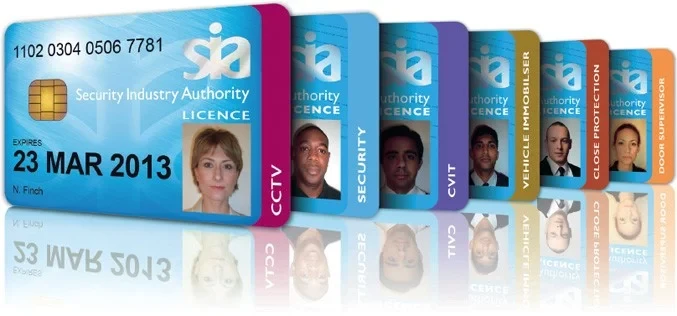
SIA stands for �Security Industry Authority, and it is responsible for regulating the private security industry in the UK.In the UK, under the Private Security Industry Act, to work legally in the private security sector, individuals must have an SIA licence. It is illegal to engage in security-related work without this licence.What Does SIA Do?SIA aims to protect the public and regulate the security industry through licensing to raise standards in the industry. The main duty of the SIA is to raise standards in private security and to ensure the protection of citizens and the regulation of the security industry through licensing.What is an SIA Licence?An SIA Licence, also known as a Security Industry Authority Licence, is a legal requirement for individuals working in specific roles within the private security industry in the United Kingdom.Types of SIA LicencesThe SIA provides two major categories of licences: front-line and non-front-line.�Front-Line LicencesThe SIA provides front-line licences to people undertaking jobs that involve direct contact with the public or involve on-site security duties. Such licences are necessary for professionals such as Door Supervisors, Security Guards, Close Protection Officers, and Public Space Surveillance (CCTV) Operators.SIA Door Supervisor Licence: This licence is held by individuals who want to work in licensed and unlicensed premises. The licence allows candidates to work in bars, restaurants, hotels, shopping malls, etc.Security Guarding Licence: For individuals wishing to work legally as security guards in shops, malls, and office buildings.Close Protection Licence: For anyone who wants to work legally as a Close Protection Officer (CPO) or Bodyguard, protecting celebrities, VIPs or high net-worth individuals.CCTV Operator Licence: For individuals looking for an SIA CCTV License to pursue a career as a CCTV operator in control rooms within businesses, shopping malls, airports, and local councils.Front-line licence holders are trained to perform security-related duties and to ensure the safety and well-being of people in different environments. These licences play a crucial role in maintaining security standards and protecting individuals and properties from potential threats.Non-Front-Line LicencesA non-frontline licence is for individuals responsible for supervising, managing, or employing individuals involved in licensable activities. This SIA license is typically issued in the form of a formal letter.Requirements for an SIA LicenceTo be 18 years oldPass an ID checkUndergo a criminal records checkBe eligible to work in the UKThis does not necessarily mean that if you have a criminal past or are not legally permitted to work in the UK, you will not be able to get an SIA licence. It will depend on your particular circumstances, and each application is handled individually.Various training programs, including first-aid, will be required of you as you apply for your SIA licence. Ensure you have all the required paperwork and accurate information because applying for an SIA licence costs �204 and is non-refundable.List of SIA Licence Training CoursesSIA Door Supervisor Training CourseSIA Security Guard Training CourseEmergency First Aid At Work (EFAW)First Aid at Work TrainingSIA CCTV Operator Training CourseSIA Top-Up Training for Door SupervisorsSIA Top-Up Training for Security GuardsPlease be aware that key-holding licences do not require formal education or training. Some courses from the above list will also need first-aid training. .banner-blue { border-radius: 10px; overflow: hidden; border: 2px solid #ccc; box-shadow: 0 4px 8px rgba(0, 0, 0, 0.2); background-color: #fdf9ee; } .book-now { color: white; background-color: #DF3D52; border: none; padding: 15px 60px; border-radius: 5px; cursor: pointer; font-size: 20px; text-decoration: none; } .book-now:hover { /*text-decoration: none;*/ color: white; background-color: #c33f50; } Get your Legal SIA Licence by signing up for our SIA Security courses Security Courses Book Now Rated Excellent on major review sites SIA Licence RenewalUnless you possess a Front Line Vehicle Immobiliser Licence, which must be renewed annually, your SIA licence will expire after 3 years. You must reapply to work lawfully when your current licence expires or is about to expire. It is crucial to maintain your SIA licence because you cannot legally work as a security operative without one, which would limit your employment options.Learn the SIA Licence Renewal process in detail by reading our blog post, �Stay SIA Licenced: Your Guide to Your SIA Licence Renewal.�As SIA licences do not automatically renew, you must track when your licence will expire. You must manually renew it if you want to keep performing the same job after your current licence expires.Up to four months before the expiration of your current licence, you may apply for an SIA licence renewal. As soon as possible, submit your renewal application because doing so lowers the possibility of a delay that could interfere with your capacity to work. Any remaining time on your current licence will be added to your new one, and your new licence will be valid as soon as SIA grants it.Hurak offers a convenient SIA licence renewal application service to simplify the process. Click on the links below and get a hassle-free licence renewal.SIA Security Guard LicenceSIA Door Supervisor LicenceSIA Close Protection LicenceCCTV LicenceSIA Licence RevocationYour SIA licence could be withdrawn for the following reasons:Your licence has been used in connection with fake identification or false documents.Someone other than you has engaged in licensable conduct while using the licence.You do not possess the training credentials you stated you did on your application.You�re punished for a relevant offence with a conviction, caution, warning, absolute or conditional discharge, or admonishment.You disregard or refuse to complete the training that SIA has ordered you to do.According to data held by the SIA, you are not a fit and proper individual to have a licence.The SIA will notify you of the decision in writing and ask for additional information in the letter. After that, you�ll have 21 days to reply to this revocation letter.SIA Licence SuspensionSIA licence suspensions take effect right away. This means if SIA has suspended your licence, even if you work for an approved contractor, you are not permitted to engage in any licensable activity. Suspension is not a typical course of action for the SIA unless there is a clear and present threat to public safety that demands action.Suppose SIA decides it is essential to suspend your licence, similar to when a licence is revoked. In that, case, they will send you a letter explaining their decision, which will take immediate effect. After that, you will have 21 days to use your right to appeal to a Magistrates� Court or to inform them if their assessment contained factual mistakes.A licence that has been suspended will remain so until the issue is rectified.How to Work in the Security SectorIf you're considering a career in the security sector as a Door Supervisor, Security Guard, or CCTV Operator, obtaining an SIA licence is essential.To get an SIA licence, you must complete a specific course. After completing the course, you can apply for an SIA licence and start working in the security sector.Wrapping Up: What is SIA?In summary, the Security Industry Authority (SIA) regulates the private security industry in the UK. Being an SIA licenced holder gives you the opportunity to serve in the private security industry as a licensed security operative and offers the potential to advance your career with better job opportunities.
A Comprehensive Guide to Top SIA Security Jobs
IntroductionDo you want to work in the security industry but aren't sure where to begin? Don't worry, we've got you covered. In this blog, we will go over a variety of SIA security jobs and opportunities available after obtaining an SIA licence. Undoubtedly, understanding the types of security job roles is important for you because it assists you in making an informed decision and choosing the right career path. After reading this, you can easily decide which path is suitable for you in the security industry. But first, you should understand the significance of an SIA licence.Importance of SIA licenceFirst and foremost, it validates your expertise and competencies. The SIA licence is proof that you're competent enough to carry out the security roles effectively. The significance of getting it also lies in the fact that it is legal compliance for SIA security jobs. You cannot work in the UK if you don�t have this badge. This licence is considered a benchmark and industry standard in the security domain and essential for many SIA security jobs. Whilst holding this licence is essential and holds many perks, you cannot overlook the fact it provides you with better job opportunities. Many employers and HR managers in the security industry prefer applicants who have an SIA licence. Having the licence not only increases your chances of getting a job but also opens up a wider range of SIA security job opportunities, including positions with greater responsibilities and higher pay.Types of SIA LicenceTill now, you must be familiar with the SIA licence and its importance. The Security Industry Authority (SIA) licence is compulsory for anyone who wants to work in the security industry. The SIA Licence is of two types:Front Line LicenceYou will need to get the front-line licence if you�re performing front-line activities as a part of your job. Moreover, if your job roles include directly engaging in security activities that involve interaction with the public or clients, you must have a front-line licence. The most common front line licences are Security Guard, Door Supervisor, Close Protection Operative and CCTV Operative.Non-Front Line LicenceIf you�re responsible for managing employees performing licensable activities, as well as directors and partners, you must hold a non-front-line licence. The most common non-front line licences are Security System Installer, Security Consultant, Key Holders and Security Manager.What Are The Requirements To Obtain An SIA Licence?To get the SIA Licence, you mustbe over 18 years old.complete the valid SIA training qualification.complete the identity checks.submit the SIA application.What Security Jobs I Can Get After Getting An SIA Licence?After getting your SIA Licence, you can get jobs in the following top-notch positions.Security Officer/GuardCCTV OperatorClose Protection OfficerSecurity Manager/SupervisorRetail Security OfficerEvent Security OfficerMobile Patrol OfficerIndustrial Security OfficerTransport Security OfficerSecurity Officer/Guard: Security guards are responsible for ensuring the security and safety of people and property in a variety of settings.CCTV Operator: CCTV operators keep an eye on monitoring and surveillance systems, such as closed-circuit television cameras, and report any unusual activity or security breaches.Close Protection Officer: Close protection officers, also known as bodyguards, provide personal security to groups or individuals that demand high security due to their high-profile status or threat to their lives.Security Manager/Supervisor: Security managers are in charge of managing an organization's security operations, developing security policies, managing security personnel, and coordinating risk assessments.Retail Security Officers: The primary function of a Retail Security Officer is to prevent theft. This is typically accomplished by observing customers and identifying any unusual shoplifting activity.Event Security Officer: During social and entertainment events, and festivals, event security managers help with crowd management, access control, and overall safety.Mobile Patrol Officer: Mobile patrol security guards protect premises and personnel by patrolling on the premises. They control the rapid alarm situations.Industrial Security Officer: Industrial security specialists design, implement, and manage security systems and procedures for a wide range of industries, including manufacturing, information technology, and military operations.Transport Security Officer: Screening airport passengers, cargo, and bags for forbidden and dangerous objects and materials is the Transportation Security Officer's responsibility.Digging Deeper Into the Top SIA Security JobsOut of many, the following are the most renowned and widely opted SIA security jobs. Apply for the latest Sia security jobs on Jooble.Security Officers/ Guards JobRoles and Responsibilities As a Security guard, you're responsible for maintaining the peace and security on the premises and the area. you're also in charge of checking passes and other documents granting access to the facility, permitting the vehicle to enter a specific area, preventing situations where the protected property can be stolen, and inspecting vehicles that are entering or leaving the protected area. Besides this, you also monitor CCTV cameras to spot malicious activities for security risks.Requirements To Get SIA Security Guard JobApplicants must complete a training course approved by the Security Industry Authority (SIA).They must be at least eighteen years old and a resident of the United Kingdom.A criminal record and identity check are also required.They should also be fluent in English.CCTV Operator JobsRoles and ResponsibilitiesThe major roles and responsibilities of CCTV operators include monitoring and controlling almost 15 screens in the central control room. As a CCTV operator, you also have to maintain a secure system for providing data in conformity with established regulations. You must be diligent, maintain integrity and accuracy, and ensure the confidentiality of all information obtained through compliance with standards and rules at all times.Requirements to Get CCTV Operator JobsTo be eligible for the CCTV operator jobs you must have to fulfil the requirement and meet the eligibility criteria:You must have a Public Space Surveillance (CCTV) Licence from the Security Industry Authority (SIA).You must be at least 18 years old. You must also pass an identity check, and a criminal record check, and have completed and gained a SIA level 2 award as a CCTV operator in a private security industry.You must complete three mandatory modules in 32 hours. For more information, go to SIA�s original website.Door Supervisor JobRoles and Responsibilities Venues employ a door supervisor who also serves as a security guard. As a door supervisor, you're in charge of people's safety and for this, you must have a strong sense of responsibility. Your main goal is to provide security, which is accomplished through various tasks such as checking the legal age and drinking age of people entering or refusing entry to drunk or intoxicated people. Moreover, you have to frequently deal with difficult situations in which people are aggressive or disobey the venue rules so you must be prepared for it.Requirements to Get an SIA Door Supervisor JobsTo work as Door Supervisor firstly, you must get a front-line licence issued by Security Industry Authority (SIA).You must have completed an SIA 'licence-linked' qualification before applying for a front-line licence. This is the Level 2 Award for Working as a Door Supervisor in the Private Security Industry at this time.You must also complete an Emergency First Aid at Work or equivalent course before taking your licence-linked qualification.Note: We at Hurak provide both SIA Licence-linked and Emergency first aid at work training.You must be 18 years or above age.Close Protection Officer JobRoles and ResponsibilitiesThe major responsibility of Close Protection Officers (CPOs) is to keep their clients safe from unwanted attention or physical harm. If you get a job as a Close Protection Officer, you're in charge of evaluating security measures and providing discreet surveillance. Also, you're responsible for providing and ensuring the safety of the principal and their family members. Additionally, you're in charge of risk assessment, making plans to minimize threats, manage and look for the security of vehicles and households.Essential Requirements to Get a Close Protection Officer JobsYou must have a valid UK driving licence.You also have an SIA front-line close protection licence as well as a level 3 close protection course training.What Is The Salary Of SIA Security Jobs?Well, one of the most important things you want to know is the salary of the SIA security jobs. Getting any of the above security jobs is worthwhile and several benefits come with them. Without any further delay, let�s have a look at top-notch SIA security jobs and their average salary in the United Kingdom.Security JobsAverage SalarySecurity Officer�23,157Door Supervisor�25,704CCTV Operator�24,053Close Protection Officer�33,325Security Manager/Supervisor�50,102Retail Security Officer�21,899Event Security Officer�23,834Mobile Patrol Officer�21,888Industrial Security Officer�23157�Transport Security Officer�25,075Overall, all the SIA security jobs are considered lucrative but security manager jobs are the highest-paid out of all. However, several reasons also account for higher salaries such as your previous experience, job role, and geographical location.Where Can I Get Complete And Valid Training For The Top SIA Security Jobs?You're in the right place if you�re looking for SIA-approved training resources for top security job roles. We offer complete training qualifications for Security guards, CCTV operators, Door supervisors, and close protection jobs. You can get the training qualification for these jobs at Hurak Learning which is the most valid and authentic resource. Our training courses are cost-effective and cover everything you need to obtain the qualification and get SIA Licence. You can enrol directly from our website for the course that matches your current job role and interest.FAQsWhat is the SIA Licence?A Security Industry Authority (SIA) licence is the legal requirement for anyone who wants to take and get hired for a security job in the United Kingdom. For instance, if you want to work as a door supervisor at events or as a security officer (security guard) at licenced places, you will need one.How much money does an SIA security officer make?In the UK, an SIA security officer makes an average salary of �22,181 annually, or �11.38 per hour. The starting salary for entry-level jobs is �21,350 per year, while the average yearly salary for experienced workers is �26,461.How long is SIA training?The duration of the SIA training usually depends on the specific training course and training provider. Generally, if you're taking training from a valid and reliable training institute you will complete the training qualification in probably less than one week. We at Hurak strive our level best to provide the best SIA training qualification in just a few days.Security Guard and Door Supervisor Training: The SIA-approved training is usually finished in 4 to 5 days for security guards and 2 days for door supervisor roles.Close Protection Training: When compared to other SIA training courses, close protection training is more thorough and intensive. It typically takes longer to complete but we finish this training course in 7 days.CCTV Operator Training: It usually takes 2 days to complete the required training to become a licenced CCTV operator on our platform.How long is the security guard training?The SIA Security Guarding Training offered by Hurak Learning is of 4 days. The qualification is divided into three units and each will be assessed by a multiple-choice exam. How do I become a CCTV operator?To become a CCTV operator, you must have to follow the below steps:Check the requirements issued by SIA to become a CCTV operatorComplete the SIA-approved training at Hurak.Obtain a qualification courseApply for an SIA licence and pay the licence feesAwait for your licence and then find a jobKey TakeawayThis blog has helped you learn about the SIA security jobs. It is worth noting that obtaining an SIA licence will not only give you an opportunity to start working in the security industry but will also open up a variety of career opportunities with high salaries. The blog also assists you in understanding the roles and responsibilities of top-tier job roles in the security industry such as security guard, close protection officer, CCTV operator, and door supervisor. This will help you to make an informed decision and choose the right career. So, get your SIA licence now and start an exciting SIA security career.
A Comprehensive Guide to the SIA Licence Checker
IntroductionWelcome to our comprehensive guide to the SIA Licence Checker. Whether you're an individual or a business in the security industry, verifying licenses is crucial for compliance and peace of mind.Did you know there are over 400,000 licensed security operatives in the UK alone? Ensuring that these individuals hold valid and up-to-date licenses is crucial for maintaining trust, safety, and compliance within the industry.However, it can be a daunting task to manually check the credentials of each individual or business you interact with. In this blog, we'll explore the ins and outs of the SIA Licence Checker, providing you with the knowledge and tools to efficiently navigate this vital processWhat is a SIA Licence?Before moving on to learning about the SIA licence checker, let�s have a look at what is an SIA licence.In the UK, holding an SIA (Security Industry Authority) licence is a legal requirement for individuals engaged in private security roles. For instance, if you aspire to work as a security officer or door supervisor at licensed premises and events, you must obtain this licence. Failure to do so is considered a criminal offence according to the Private Security Industry Act 2001.SIA licences serve as official proof that the license holder is a "fit and proper" person, having received training from a government-approved licence-linked training course that meets the industry's minimum standards. It validates their qualifications to effectively fulfil the responsibilities associated with their security position. .banner-blue { border-radius: 10px; overflow: hidden; border: 2px solid #ccc; box-shadow: 0 4px 8px rgba(0, 0, 0, 0.2); background-color: #fdf9ee; } .book-now { color: white; background-color: #DF3D52; border: none; padding: 15px 60px; border-radius: 5px; cursor: pointer; font-size: 20px; text-decoration: none; } .book-now:hover { /*text-decoration: none;*/ color: white; background-color: #c33f50; } Get your Legal SIA Licence by signing up for our SIA Security courses Security Courses Book Now Rated Excellent on major review sites Overview Of The Security Industry Authority (SIA)The Security Industry Association (SIA) is a leading trade association representing over 1,300 member companies in the global security industry.SIA advocates for favourable policies, establishes industry standards, promotes professionalism through education, and creates market opportunities. They sponsor influential events and conferences, connecting members with buyers and fostering learning.Initiatives like SIA GovSummit and Securing New Ground� engage with government decision-makers and facilitate networking. Member communities like the SIA Women in Security Forum and SIA RISE promote collaboration and industry growth.Now that you�ve learned about the SIA and SIA licence, let�s look at what is SIA licence checker.Understanding The SIA Licence CheckerThe SIA Licence Checker is a vital tool provided by the Security Industry Authority (SIA) for verifying licences and credentials in the security industry. It is an online platform designed to streamline the process of checking the validity and status of SIA licences. With the SIA Licence Checker, employers, clients, and regulatory bodies can easily verify the authenticity and currency of licences held by security personnel. This powerful tool allows users to access real-time information about licences, including their expiry dates and any restrictions or endorsements. The SIA Licence Checker ensures compliance, enhances security practices, and provides confidence in the credibility of licensed security professionals.Why Should I Use The SIA Licence Checker?Using the SIA Licence Checker offers several benefits for you whether you�re an individual working in the security industry, running an organisation, or belonging to a regulatory body. Here are some key advantages:Enhanced Compliance: The SIA Licence Checker ensures adherence to licensing requirements by providing real-time verification of licences. This helps your organisation avoid employing workers with expired or invalid licences, reducing the risk of non-compliance and potential legal consequences.Time and Cost Savings: It streamlines the process of licence verification, eliminating the need for manual checks and paperwork. This saves time and reduces administrative costs associated with manual licence validation.Credibility and Trust: By using this checker, your organisation can demonstrate its commitment to hiring licensed and qualified security personnel. It enhances the credibility and trustworthiness of security providers and gives clients confidence in the workforce deployed.Operational Efficiency: It provides a centralized platform to access licence information, reducing administrative burden and improving operational efficiency.Enhanced Security: With the SIA Licence Checker, you can verify the validity of licences, ensuring that only trained and licensed individuals are employed for security roles in your organisation. This enhances overall security measures and safeguards against unauthorized personnel.Industry Standardization: It promotes industry-wide standardization in licence verification practices. It establishes a consistent approach to validating licences, creating a level playing field, and fostering professionalism within the security industry.How The SIA Licence Checker WorksThe SIA Licence Checker operates as an online platform that leverages a comprehensive database to provide real-time verification of SIA licences. Here's an overview of how it works:Accessing the Platform: You can access the SIA Licence Checker through the official SIA website or a designated portal. You need to log in using their credentials or create a new account if you don't have one.Inputting Licence Information: Once logged in, you can input the relevant licence details of the individual they wish to verify. This typically includes the licence number, name, and other identifying information.Database Query: The SIA Licence Checker initiates a query against the central database, where all valid and current SIA licences are stored. It cross-references the provided information with the database records.Real-Time Results: Within moments, the SIA Licence Checker generates real-time results based on the query. It confirms the licence's authenticity, verifies its validity, and retrieves additional information, such as expiry date, licence category, and any endorsements or restrictions.Displaying Results: The SIA Licence Checker displays the verification results on the user's screen. It provides a clear indication of whether the licence is valid, expired, or has any issues. Users can review the details and take appropriate actions based on the results.Repeat Process: The SIA Licence Checker allows users to repeat the verification process for multiple licences, enabling efficient management of a workforce or conducting thorough checks for security personnel.Step-by-Step Guide to Using the SIA Licence CheckerHere is a step-by-step guide to using the SIA Licence Checker:Step 1: Visit the SIA WebsiteAccess the official website of the Security Industry Authority (SIA) using a web browser.Step 2: Login or Create an AccountIf you have an existing account, log in using your credentials. Otherwise, create a new account by providing the required information.Step 3: Navigate to the SIA Licence CheckerOnce logged in, locate and navigate to the section dedicated to the SIA Licence Checker. It may be found under the "Licence Verification" or a similar category.Step 4: Enter Licence DetailsOn the SIA Licence Checker page, input the relevant licence details of the individual you want to verify. This typically includes the licence number, full name, and any other requested identifying information.Step 5: Initiate Licence CheckClick on the "Check" or "Verify" button to initiate the licence check process. The SIA Licence Checker will now perform a query against its central database.Step 6: Review the ResultsAfter the licence check is completed, the SIA Licence Checker will display the verification results on your screen. Carefully review the information presented, including the licence's validity, expiry date, category, and any endorsements or restrictions.Other StepsTake Appropriate Actions: Based on the results, take the necessary actions. If the licence is valid and up to date, you can proceed with confidence. If there are any issues, such as an expired licence or discrepancies in the information, you may need to follow the appropriate protocols, such as contacting the licence holder or reporting the discrepancy to the relevant authorities.Repeat the Process: If you have multiple licences to check, repeat the above steps for each licence by entering the respective details.Maintain Records: It�s recommended to maintain proper records of the licence checks for future reference and compliance purposes. Keep track of the date, time, and results of each verification.Stay Updated: Regularly visit the SIA Licence Checker or subscribe to notifications to stay informed about any updates, changes, or enhancements to the system.Best Practices / Tips For Utilizing The SIA Licence CheckerWhen utilizing the SIA Licence Checker, it's essential to follow best practices to maximize its benefits and ensure effective license management. Here are some best practices to consider:Regular Verification: Make it a standard practice to verify the licenses of security personnel regularly. Set a schedule for routine checks to ensure that all licenses are valid and up to date.Train Users: Provide training and guidance to users who will be using the SIA Licence Checker. Ensure they understand the platform's features, how to input license details correctly, and how to interpret the verification results accurately.Maintain Proper Records: Keep a record of all license verifications conducted through the SIA Licence Checker. Document the date, time, and results of each check for compliance purposes. This documentation will serve as an audit trail and evidence of due diligence.Stay Updated with Regulations: Stay informed about any changes or updates to licensing regulations and requirements. Regularly review the guidance provided by the SIA to ensure that license checks are conducted in accordance with the latest standards.Communicate with License Holders: If any issues arise during the verification process, communicate directly with the license holders to resolve discrepancies or gather additional information.Seek Support When Needed: If you encounter technical or functional issues with the SIA Licence Checker, don't hesitate to reach out to the support team. They can provide assistance, troubleshoot problems, and address any queries you may have.Integrate with Workforce Management Systems: Consider integrating the SIA Licence Checker with your organization's workforce management systems, if possible. This integration can streamline license verification processes, automate checks, and provide seamless access to license information.Regularly Review License Status: Monitor license expiry dates and proactively address any expiring licenses. Plan ahead for renewals to ensure that licenses remain valid and avoid interruptions in compliance.Stay Compliant: Utilize the SIA Licence Checker as a tool to ensure compliance with licensing requirements. Regularly assess your organization's adherence to licensing regulations and use the SIA Licence Checker to rectify any non-compliant situations promptly.By following these best practices, you can effectively utilize the SIA Licence Checker to streamline license management, ensure compliance, and enhance the credibility of your security workforce.Future Developments And UpdatesHere are some potential future developments and updates that could be considered for the SIA Licence Checker:Improved User Interface: Enhancements to make the user interface of the SIA Licence Checker more intuitive, user-friendly, and responsive across devices.Advanced License Verification Features: Introduction of additional features like QR code scanning or biometric authentication for streamlined and secure license verification.Integration with Mobile Apps: Development of mobile applications that integrate with the SIA Licence Checker, enabling convenient license verification on smartphones or tablets.Real-Time Notifications: Implementation of a notification system to alert users about upcoming license expirations and changes in license statuses for proactive license management.Integration with Compliance Management Systems: Integration of the SIA Licence Checker with compliance management systems to centralize license management and automate compliance processes.API Access: Introduction of Application Programming Interfaces (APIs) to facilitate seamless integration of the SIA Licence Checker with third-party systems for data exchange and automation of license verification processes.Improved Data Security Measures: Strengthening of data security protocols within the SIA Licence Checker to ensure the protection of sensitive license information and compliance with evolving data privacy regulations.Please note that these points are speculative and represent potential future developments and updates. To stay informed about the specific advancements of the SIA Licence Checker, it is advisable to refer to official announcements and communications from the Security Industry Authority (SIA).FAQsHow do I know that my security supplier�s staff are correctly licensed?Visit the SIA Licence Checker, click on the �Go to the register� link at the bottom of the page, and enter their 16-digit licence numbers. Ensure that the people who sign your duty register are those who are working at your premises. The SIA and licensing authorities are very strict with end users who employ those who do not have the correct license.When there are delays in the progress of your application?The actual application process begins from the moment your application has been entered into the system and will end when the decision has been made.However, if during the process your application fails validation, the process stops will come to a stop. The most common reason for this is the submission of an incorrect application form or failure of one of the security checks.What will the SIA Licence Checker tell me?The SIA licence checker will give you an �at-a-glance� indication of your application progress in the licensing process. Where necessary the checker will also give you an exact explanation of what is happening.The SIA licence checker will also be able to tell you whether the SIA has made a decision on your application, and what that decision is. If you have been granted a licence the Checker will be able to tell you what your licence number is and whether your licence has been dispatched.ConclusionThe SIA Licence Checker is a vital resource for the security industry, offering convenience, transparency, and compliance. With hundreds of thousands of licensed security operatives, verifying licenses is essential. By following the guide's instructions and best practices, you can navigate the process with confidence.Embrace this powerful tool to protect your business, foster trust, and contribute to a safer industry. Stay informed, stay compliant, and leverage the SIA Licence Checker for informed decision-making.Thank you for joining us on this journey, now go forth and verify licenses with efficiency and peace of mind.
Essential Skills in a Security Guard
IntroductionSIA Security guards are crucial for protecting people, homes, and other assets from harm. Guards are equipped with many abilities to respond appropriately to emergencies and monitor properties. Guards can respond quickly to several incidents or circumstances and safeguard an area�s integrity. In this article, we will go through the responsibilities of a security guard in maintaining a property�s safety, some of their abilities, and how to improve them.Essential Security Guard SkillsAn SIA security guard needs a variety of skills to adequately secure a space. Some of these skills are innate in security guards, while others are learned through certification courses or training sessions. You can become a more efficient SIA security officer by being conscious of your talents and abilities and purposefully learning new ones. The majority of security guards should have the following essential skills:CommunicationThe ability to communicate is a crucial life skill and can enhance regular security guard operations. You can direct and assist a facility�s operations with verbal and written communication skills. Additionally, this can assist in avoiding challenges or problems brought on by unclear communication. Here are some other talents that can aid in improving your communication abilities:Active listeningReading AbilitiesCondensing informationKnowledge of Security OperationsResearching and implementing security operations can help maintain a consistent presence and enhance a location�s general security. It is possible to ensure that all security employees support everyday tasks to the same standard by staying updated with SIA security operations or standards. This can hasten emergency or crisis reactions as all staff members may react similarly and offer equivalent assistance. The following abilities can aid in the development of your understanding of security operations or procedural skills:Critical thinkingAnalytical skillsResearching abilitiesMulti-TaskingYou might carry out several jobs simultaneously throughout a day. Managing several duties at once is crucial because doing so can increase daily production and the security team�s effectiveness. For instance, to preserve the integrity of a facility�s entry point, you might simultaneously conduct the two vital jobs of screening guests and keeping an eye on the door. The following abilities can assist you in improving your multi-tasking capacity:Organisational skillsTask prioritisingTime managementSurveillanceSurveillance is a significant aspect of an SIA security guard; learning this ability is crucial to enhancing your security capabilities. You can enhance your ability to spot criminal activity or security incidents by honing your surveillance skills. Closed-circuit television (CCTV) feeds for risk assessment and live observation are two frequent surveillance methods. The following abilities can aid in the development of your surveillance skills:Attention to detailSituational awarenessQuick reflexesEmotional ControlBe mindful of your reactions and practise emotional restraint because some security scenarios can be unpleasant or highly emotional. By doing so, you will be better able to support others during similar circumstances. By imagining potential security situations and making predictions about your reactions, you can acquire insight into your reactions. This might assist you in identifying your emotional reactions and strategies for controlling or managing them. The following competencies can aid in the development of your capacity for emotional restraint:Self-awarenessProfessionalismAttention to DetailPaying attention to detail can aid in maintaining a facility�s integrity and surveillance skills. In addition to keeping an eye on a building�s physical operations, security officers may also check paperwork and identification to make sure only the right persons are allowed admission. Maintaining the security of the building and the safety of all the individuals you protect can be facilitated by having the ability to swiftly check and spot discrepancies in documents or identity. The following abilities can assist you in honing your attention to detail:Knowledge of accurate documents or identificationCritical thinkingAlertnessCustomer ServiceOn a regular basis, SIA security guards contact a variety of people, which can call for great customer service abilities in order to uphold an area�s security. De-escalating situations and maintaining a secure and regulated environment can be accomplished by maintaining a positive but authoritative presence. You can build solid client or interpersonal interactions and preserve long-lasting professional partnerships with the aid of effective customer service skills. You can enhance your customer service abilities by developing some of the following skills:Communication skillsConflict resolutionProblem-solving Get your Legal SIA Licence by signing up for our SIA Security courses Security Courses Book Now Rated Excellent on major review sites Develop the Skills of a Security GuardWhile some security guards may already have the expertise, many methods exist to expand your skill set and enhance your surveillance capabilities. Formal courses and certificates are valuable tools to advance and validate your security guard experience and sharpen your security abilities. Some ways to improve your security guard abilities are:Higher EducationWhile merely a general education may be required for some security guard professions, earning a two- or four-year degree will help you become more knowledgeable about security. Your skill set may be expanded by pursuing a degree in criminal justice, law, psychology, or homeland security, among other fields of study. Each of these degrees can help you learn useful skills that will make you a more capable security expert. Once you've built up your skills and experience, it's essential to review your CV and tailor it for the specific roles you're targeting.CertificationsYou might consider getting certificates to hone and establish your security knowledge before finishing your higher schooling. Given that some security certifications may be obtained without a formal education, this course may be more appealing. Among the certifications you might think about obtaining are:First aid certificationBasic life support certificationSecurity guard qualificationFirearm certificationFire safety certificationCPR certificationDoor supervisor qualificationCCTV operator certificationGet an SIA LicenceMost security officers hold a front-line Security Industry Authority (SIA) licence, regardless of higher education or certification. But before you apply for an SIA Licence, you need to complete the training associated with it. Choose from a variety of SIA Security courses that Hurak offers. With the help of an SIA licence, you can improve your abilities in personal safety, conflict resolution, fire safety, patrolling, and fundamental security duties. You might think about keeping your driver�s licence up to date or obtaining these extra licences in addition to your SIA licence:Door supervisorClose protectionCash and valuables in transitPublic space surveillanceVehicle immobiliserKey holderVehicle removal and clampingCCTV operationComplete on-job TrainingAttending on-the-job training with a security company is another excellent option for developing your abilities. This can help you hone the abilities you may have picked up in training or while attending a university. You can become a more effective guard by using the valuable experience and talents you gained throughout this time, and you might also acquire some insight into some skills you might want to develop.
Consequences Of Poor Health & Safety Procedures in a Workplace
There can seem to be too many health and safety standards at times. It may not seem critical at the time, but delaying a legally necessary cleaning programme or skipping a periodic equipment maintenance check might have major repercussions.This essay will show the consequences of dispensing with your health and safety obligations, which should inspire you to prioritise health and safety in your company.Spending the time and money necessary to correct your health and safety culture is crucial because it can devastate your company, customers, and employees. Poor health and safety measures can leads to:Increased Risk of Ill Health and DeathSerious injuries or fatalities may occur due to your failure to implement sufficient health and safety procedures. A work-related illness or injury can affect an employee�s quality of life and keep them out of work for a while, but it can also hurt your business�s productivity, finances, and reputation, all of which can be challenging to repair.Four riders were seriously hurt when the Smiler roller coaster at Alton Towers crashed in the summer of 2015. An HSE investigation revealed no issues with the track, the vehicles, or the system intended to keep them apart while the ride was in operation. Nevertheless, HSE investigators �found the main reason to be a lack of comprehensive, reliable systems for taking safety-critical judgments. When working with passengers on the ride, personnel made several mistakes that the entire system [�] was unable to prevent.Following a guilty plea to violating section 3(1) of the Health and Safety at Work Act, 1974, Merlin Attractions was given a $5 million fine. Many people were hurt in the collision, and two teenagers had to have their legs amputated as a result. All of this was brought on by Merlin�s failure to give health and safety responsibilities more importance.The Smiler incident has served as a reminder that safety is of the utmost importance to the entire industry. Since then, Alton Towers has upgraded their safety systems and made technological changes to the Smiler roller coaster. �It is something we will never forget and it is something we are utterly determined will never be repeated,� said Nick Varney, chief executive of Merlin Entertainments.Loss of ReputationFor a company to prosper, it is essential to have a positive reputation. It may result in more customers and investors, a more positive perception of your company in the community, and more people wanting to join it. However, a weak health and safety culture will harm a company�s reputation.The Deepwater Horizon oil rig exploded in the Gulf of Mexico in 2010, killing eleven people and gravely injuring many more. When it was discovered that hazily written safety regulations caused the explosion, BP came under harsh criticism for the incident. According to the U.S.A. Chemical Safety and Hazard Investigation Board, �Several regulation features are inadequate or lacking.�BP lost about $40 billion as a result of the Deepwater Horizon accident, and their stock price fell.Legal RepercussionsMaking a workplace a safe place for employees is the legal obligation of an employer. If the employers don�t take care of their legal obligations, they could end up paying a lot in legal fees, paying a lot in fines, and even going to jail.A planned arson attack culminated in a fire and explosion at Crofty Point Metals Ltd in Swansea in July 2013. Even though the owner was fully aware that the security and safety procedures needed to be improved, he was nonetheless held accountable. He repeatedly disregarded enforcement notices that advised him to tighten security to stop unauthorised people from entering the site, both to the company and himself. After receiving their notifications, HSE inspectors returned to the facility in December 2016 and discovered open, unattended gates, loose gas cylinders dispersed throughout, and insufficient safety requirements.The business admitted guilt and paid heavy fines for breaking Sections 2 (1) and 3 (1) of the Health & Safety at Work Act, 1974. After entering a plea of guilty to violating Sections 2 (1), 3 (1), and 37 (1) of the Health & Safety at Work Act, 1974, the site owner received a year in prison and a 7-year ban from serving as a director or manager of any company.Decrease in Productivity, Increase in TurnoverIf you don�t value health and safety, your company may experience a decline in productivity and a rise in staff turnover as morale drops. Why should employees be encouraged to put in extra effort if you don�t demonstrate appreciation for them by meeting even the most basic needs? When going to work, everyone should feel secure. If not, they probably will search elsewhere.You should keep your team motivated and keep responsible staff who can work safely and productively by upholding your health and safety obligations.
Safe Lifting Guidelines and Techniques
Manual handling is one of the main factors contributing to occupational accidents and illness in the UK. It was the second-leading cause of work-related ill health, accounting for 30% of instances, and caused 8.9 million lost working days. There were 480,000 total cases, including long-standing ones, of work-related musculoskeletal illnesses in 2019�20, including 152,000 new cases (one of the most frequent repercussions of improper manual handling techniques).Understanding what influences a person�s capacity for safe task performance is essential. These figures show that the effects of inadequate manual handling are too widespread and can seriously impact people�s health. Therefore, you must comprehend proper manual handling, weight restrictions, and handling practices to guard against bodily harm.Businesses in the UK are required by law to safeguard the health and safety of their employees. Therefore, employing safe manual handling practices and abiding by weight restrictions will guarantee that your company complies with the requirements of the pertinent UK legislation and guidance guidelines.Your training in the principles and techniques of safe manual handling will be sufficient thanks to our manual handling training. A variety of our health and safety courses are also available here.This article will comprehensively review the manual handling weight restrictions and recommendations provided by the Health and Safety Executive and outlined in the law (HSE).Manual Handling Weight Limits for LiftingThere are no set restrictions on how much manual handling and lifting can be done at work because it relies on many variables, including the nature of the task and the worker�s unique skills.Employers are required to take adequate action to minimise the risk of injury caused to employees by manual handling activities to the lowest level reasonably possible under the Manual Handling Operations Regulations (MHOR) 1992. Different weight restrictions and techniques will be needed to achieve this depending on the sort of manual handling activity.The hierarchy of measures outlined by the MHOR states that production lines and other forms of automation should always be used before manual handling procedures are avoided. If this is not feasible, the responsibility holder must evaluate the hazards presented by manual handling activities at work and decide how to control them. Perform a risk analysis of the manual handling operations as part of this. Then, to lessen the dangers to people�s health and safety, they must implement the required safety measures.During the risk assessment for manual handling, duty holders must take into account the following 4 important factors:Task � For instance, how much time it will take, how often it will be performed, whether it is repetitive, whether it offers enough time for rest or recovery, and whether it requires twisting, stooping, or reaching upwards. All of these factors may influence how demanding the work is.Individual � Everyone has different physical abilities and limitations depending on various factors, such as age or physical make-up. New or pregnant mothers, persons with impairments, and people returning to work after an injury may all be particularly at risk. Since no two persons are similar, employers must tailor the work and safety procedures to each employee�s talents to ensure that everyone is equally protected from health and safety concerns.Load � It can be challenging for a person to secure a firm grip and maintain control of the weight if it is too large or bulky, challenging to hold, and has a fluctuating centre of gravity (for example, if it contains liquid). The body might be put under extra stress as a result of this.Environment � The task will be more challenging and consequently more physically demanding to do, for instance, if there isn�t enough room in the area for the person managing the weight to move comfortably, if the floor is uneven or has different levels, or if the person can�t see clearly. High workloads, short deadlines, and a lack of control over the task and working methods can all cause psychological reactions that increase the risk for people.TILE, or occasionally LITE, is the name of these four elements. They are crucial when determining safe lifting techniques and weight restrictions for particular manual handling activities. The MHOR and related HSE manual handling advice publications recommend weight restrictions for lifting, carrying, pushing, pulling, and team actions in light of these variables and other guidance.This information must be considered in the context of the particular manual handling activities at your place of employment because there is no one size fits all solution. However, the guidelines are helpful resources for the individual in charge of establishing the essential manual handling restrictions.Safe Lifting WeightsAlthough the MHOR does not specify weight restrictions, the HSE provides some lifting and lowering best practices. Although the HSE claims they employ �broad assumptions or generalisations where, if met, the risk of injury is deemed to be low,� they should not be referred to as �safe limits� because this depends on all the elements involved, as was noted above. Work performed outside these advised ranges is probably more likely to result in an injury.Based on information from the general population, the HSE�s lifting and lowering risk filter specifies overall safe lifting capacities for men and women as follows:This demonstrates that the average man�s safe upper limit for manually handling a load is 25 kg, and the average woman�s is 16 kg.It�s important to remember that this only applies if the person carrying the load can hold it close to their body and at knuckle height. It is no longer safe to manage a 25 kg burden if the load moves across the zones, such as when you lift a box from knuckle height to a shelf at shoulder height. The lower weight must be used if the load is anticipated to move across zones while the task is being completed.The fact that these risk filters only apply to manual handling operations where the load:Simple to hold in both hands.Is working under appropriate conditions.Can be supported using secure lifting and handling techniques with the worker�s body in a stable position.Enables holding against the body.It is not carried more than 10 metres without stopping.Does not impede the person�s ability to walk normally.Does not interfere with the carrier�s vision.Requires neither much below knuckle height nor much over elbow height for the carrier�s hands.without having to be hoisted first, it can be safely put upon the shoulder The filter values can be used up to 20 metres in this circumstance.Certain elements will necessitate a complete evaluation of manual handling activities and possibly differing weight limitations and handling techniques.For instance, if the weights are greater than those in the risk mentioned above, filter if the handling requires twisting, if there is more than one lift every two minutes, if a team is involved, if the weights vary significantly, if the load is challenging to grasp, and if the person is at an elevated risk (e.g. those with disabilities or a recent injury).Safe Lifting Weights and TechniquesDuty holders can assess the most frequent risk elements in lifting and lowering, carrying, and team handling tasks using the HSE Manual Handling Assessment Charts (the MAC tool). It uses a number of visuals and infographics to help illustrate how different elements enhance the amount of risk and how each risk range will demand careful thought on how to preserve people�s health.For instance, determining the weight and frequency of the loads involved in lifting is the first topic covered in this tutorial. It demonstrates how the level of risk rises as lift rate and weight increase.As opposed to lower bands, the risk has increased as tasks move into a new colour band, and more safety controls are likely to be needed.The MAC tool addresses the following manual handling risk areas:Lifting Operations:Load weight/frequency.Vertical lift zones.Postural constraints.Hand distance from the lower back.Floor surface.Torso twisting and sideways bending.Grip on the load.Environmental factors.Carrying Operations:Load weight/frequency.Asymmetrical torso or load.Floor surface.Hand distance from the lower back.Obstacles on the route.Carry distance.Postural constraints.Grip on the load.Environmental factors.Team Handling Operations:�Load weight.Vertical lift zones.Hand distance from the lower back.Grip on the load.Torso twisting and sideways bending.Carry distance.Postural constraints.Communication, coordination, and control.Floor surface.Obstacles on the route.Environmental factors.It will be crucial for your employer to take into account the advice in the MAC tool and the risk zones specified for each location if any of these relate to your line of work
How to Avoid Manual Handling Risks?
Manual handling refers to moving or supporting a burden with the hands or using physical force. It entails moving, carrying, pushing, tugging, and lifting a load. An object that can be moved, such as a box or package, a person or an animal, or something that is being pushed or dragged, such as a roll cage or pallet truck, is referred to as a load.What are manual handling injuries?Injuries caused by manual handling are a subset of musculoskeletal illnesses (MSDs). Musculoskeletal disorders are illnesses and injuries that can hurt the back, joints, and limbs.Where can manual handling risks be found?There are risks associated with manual handling in all workplaces, including farms, construction sites, offices, warehouses, hospitals, and when making deliveries. Risk factors for developing MSDs include strenuous physical labour, repetitive handling, uncomfortable postures, and previous or current injuries or conditions. Additionally, a non-job-related injury, such as one sustained during sports, may worsen due to employment.While you can prevent some MSDs by taking the steps outlined here, you cannot prevent all of them. Encourage employees to notify you or their worker representative of any symptoms as soon as possible, before they worsen, so you can take precautions to lower the risk.Consider seeking guidance from an occupational health practitioner regarding a worker�s fitness for work and any limits or changes to their employment that may be necessary if your employees have manifested symptoms, especially if they work in a fitness studio.What are manual handling regulations?You must evaluate your employees� health and safety risks under the Management of Health and Safety at Work Regulations.You should also abide by the Manual Handling Operations Regulations, which identify dangerous manual handling of loads (the Manual Handling Regulations).According to the Manual Handling Regulations, there is a clear hierarchy of steps you must take to reduce the hazards associated with hazardous manual handling.Avoid dangerous manual handling tasks �as far as reasonably feasible�;Evaluate the risk of worker injury from any dangerous manual handling that cannot be avoided;Lower the risk of worker injury from hazardous manual handling to the least reasonably practical level.Workers also have duties. They shouldEnsure that their activities do not endanger others by adhering to the systems of work established for their health and safety,Use any equipment provided for that purpose properly,Cooperate with the employer on health and safety issues, inform them about changes, and identify hazardous handling activities.Consult with and involve the staff. Your employees and their representatives are familiar with the dangers associated with the workplace and frequently provide helpful suggestions for reducing them.How to access manual handling?When performing potentially dangerous manual handling tasks that cannot be avoided, evaluate the risk of injury.You should take into account the assignment, the workload, the setting, and each person�s capacity, for instance:the frequency of the taskhow far the load is lifted, lowered or carriedthe frequency of the taskpoor floor surfacespoor lighting, extremes of temperatureworkers� strength, fitness and underlying medical conditionsthe nature of the loadthe weight of the loadthe postures adoptedHow to avoid hazardous manual handling?You can stay away from risky manual handling tasks by:Automating or mechanising the process, restructuring the operation to prevent transferring the loadDesigning a plant or work system is the optimal moment to decide about mechanisation or automation.Design a process� arrangement to minimise the mobility of materials.To lessen the risk of damage, think about adding things like a conveyor, chute, pallet truck, electric or manual hoist, or lift truck. Manual handling dangers can also be decreased or eliminated with mechanical aids.Manual Handling TrainingSafety in manual handling can be achieved through information and training. The handling activities should always be designed with safety as the primary consideration. However, it cannot defeat a problem by itself. If the activity cannot be avoided and you have already taken precautions to lessen the risk, manual handling training is crucial to further manage the risk of damage.inadequate mechanical assistance,poorly designed activities,inappropriate weights, andan unsatisfactory working environment.Hurak�s manual handling training encompasses information relevant to the position, such as:Factors that increase the risk of injury from manual labour;Systems of work that is appropriate for the individual�s tasks and environment;Usage of tools and machineryHow to handle objects safely, including appropriate handling practices;Practical task that is appropriate for the position to enable the trainer to spot and correct anything the trainee is performing unsafely;Ways to report symptoms and injuries.