

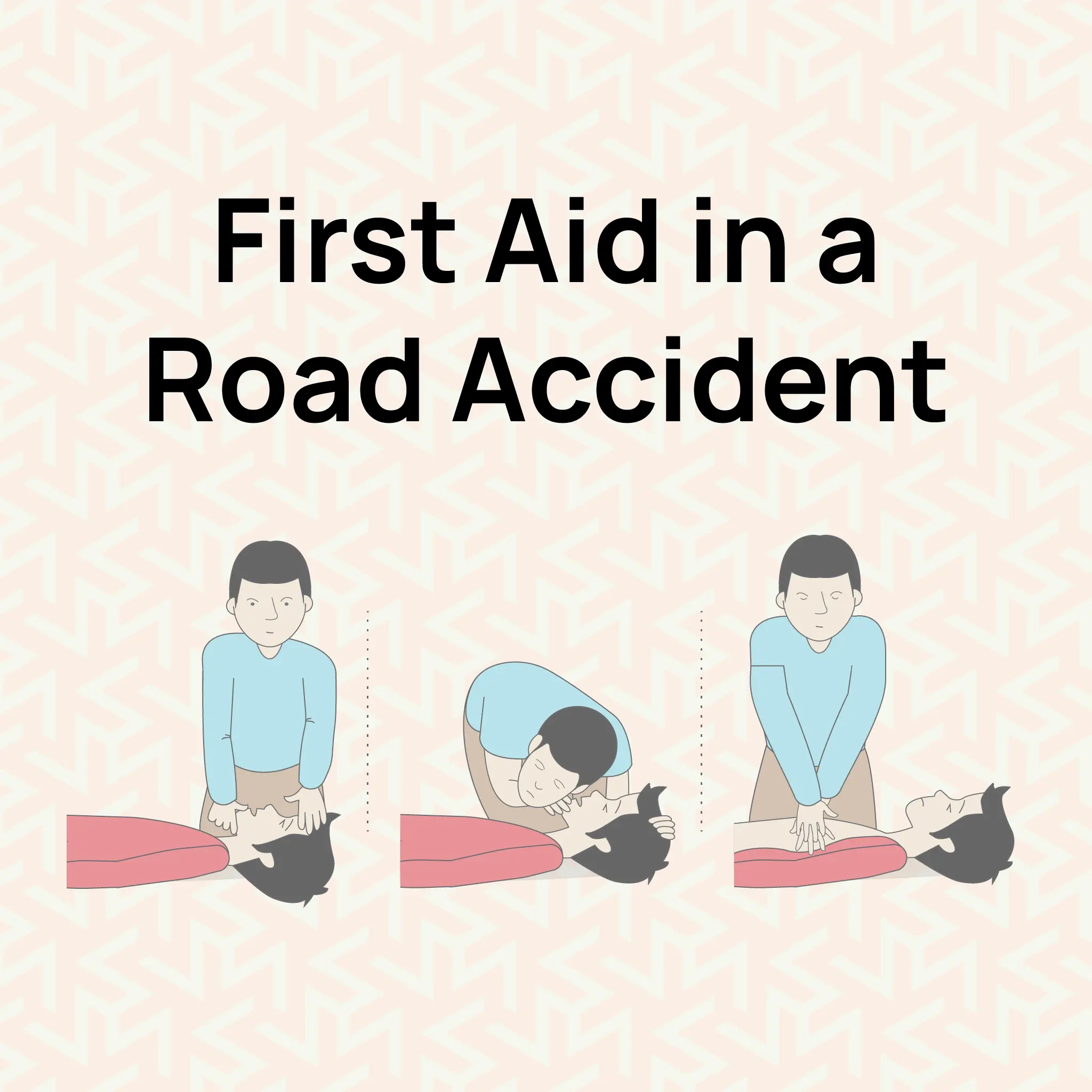
How To Conduct First Aid in a Road Accident
Traffic accidents can be small incidents like bicycle accidents or more severe ones like car crashes. It is important to make sure the area is safe before you help anyone who has been hurt. This will keep you, injured people, and other drivers safe.Once you have confirmed the safety of an area, take a quick look at the people who are hurt. Decide who needs help the most urgently. Always conduct first aid on a casualty who is not breathing before you help anyone else.Call 999 for emergency help. Inform them about what has happened. This includes information such as:The number of people who are hurtThe age of the injured peopleAre the injuries critical or non-critical?What To Do If You Witness a Road AccidentIf you come across a road accident, a step-by-step method should be followed:Scene Safety AssessmentWhen you approach an accident scene, safety comes first. To avoid further injuries, ensure all traffic stops, and everyone knows about the accident.Keep an eye out for any oncoming traffic that could pose a danger. Check for fuel spillage or fire risks, and turn off car ignitions if possible. Use hazard lights and warning triangles if available.If there are other people around, ask them to call emergency services. If alone, assess the situation and help anyone with life-threatening injuries first.Check the Quiet Ones FirstAlways prioritise checking quiet and motionless individuals first. Check if they are responsive and breathing. If they are unresponsive but breathing, position them to keep their airway clear and keep them warm.Administer CPR on Unconscious PeopleIf someone is not breathing, you may need to administer CPR. Call an ambulance immediately if you have not already done so. Only move an unconscious person from a vehicle if there is an immediate danger.Determine the Safety of Conscious PeopleConscious casualties should be moved to a safe area and kept warm and calm. Look out for any severe bleeding or life-threatening injuries and treat them first. Monitor anyone trapped in a vehicle and notify emergency services immediately.Be Careful How and When You Move ThemOnly remove a motorcyclist's helmet if they are unconscious, and it is necessary to assess their breathing. If a casualty is lying on their back unconscious and breathing, roll them into the recovery position with help to avoid twisting their spine.The Recovery Position:To place someone in the recovery position, straighten their legs. Remove any glasses or bulky items from their pockets. Position the nearest arm at a right angle to the body, with the palm facing upward. Bring the other arm across the chest. Place the back of the hand against the nearest cheek. Lift the far knee and gently roll them onto their side by pulling on the far leg.If they are conscious and lying on the road, encourage them to stay still and support their head and neck until help arrives.Following these steps, you can provide crucial assistance at a road accident scene and help keep everyone safe until professional help arrives. .main{ border:3px solid #0f7c90; border-radius:20px; position: relative; font-family:roboto; font-weight: 400; color: #000; } .main-two{ position: absolute; top:-25px; left:45px; background-color:white; } .img-div{ border-radius : 100%; padding:2px 7px; background-color:#0f7c90; margin-right:5px; width: 50px; height: 50px; } .img{ width:30px; object-fit:contain; height:auto; border-radius : 100%; } @media only screen and (max-width: 600px) { .heading{ font-size:20px; } .img{ width:20px; object-fit:contain; height:auto; border-radius : 100%; } .img-div{ width: 40px; height: 40px; } .main-two{ left:25px; } } Ready to Learn More? Knowing how to conduct first aid in a road accident is important, but there's more to it. Our First Aid courses offer complete training to help you handle critical situations. Whether you want to improve your skills or workplace safety, these courses help build confidence and expertise. View our Emergency First Aid at Work (EFAW) and Level 3 First Aid at Work courses. These courses meet the UK legal requirements and help you keep people safe. Assessing an Injured Person after a Road AccidentWhen dealing with someone hurt in a road accident, remember the primary survey DRABC steps: Danger, Response, Airway, Breathing, and Circulation. After assessing the casualty's danger and response, carry out the ABC steps.AirwayResponsiveIf the person is not responsive, ask them loudly if they are okay. Check if they can open their eyes. If they respond, you can leave them as they are until help arrives.While you wait, keep checking if they are:Awake and alertResponding to your voiceNot responding at all (unconscious)UnresponsiveIf there is no response, gently lay them on their back. Place one hand on their forehead and gently tilt their head back. Lift their chin using two fingers to move the tongue away from the throat. Avoid pushing on the mouth floor, as this can block the airway.If you suspect a neck injury, use the jaw thrust technique: place your hands on either side of the head. Gently lift their jaw forward and upwards without moving their head.BreathingTo check if they are breathing:Look for their chest rising and fallingListen for breathing sounds over their mouth and noseFeel their breath against your cheek for 10 secondsIf they are breathing normally, put them in recovery to keep their airway clear. Gasping or irregular breathing is not normal. If they are not breathing normally, call 999 for an ambulance and start CPR.CirculationIf their breathing is not normal, start chest compressions immediately. Gasping and irregular breaths after a sudden cardiac arrest are not expected. In this case, administer CPR right away.If they are not breathing, call 999 for an ambulance and start CPR.Supporting Those with PTSD After Giving CPRPerforming CPR can be a tough experience for everyone involved. The situations in which you need to perform CPR vary greatly.For example, you might see a stranger collapse on the street, and you are the only one there to help. Or maybe you have to do CPR on someone you love, even a child.Even people who have done CPR many times, like paramedics, nurses, and doctors, can find it hard emotionally.PTSD, which stands for post-traumatic stress disorder, is a type of anxiety disorder that can happen after really scary or stressful events. CPR situations often fit into this category.It is good to know the signs of PTSD so you can recognise if you or someone else might be dealing with it. Symptoms can last a long time and affect your daily life.Common PTSD symptoms include:Having nightmares or flashbacks of the event.Feeling alone or isolated.Feeling easily annoyed.Feeling guilty.Having trouble focusing.Having problems sleeping, like not being able to sleep well. .banner { border-radius: 10px; overflow: hidden; border: 2px solid #ccc; box-shadow: 0 4px 8px rgba(0, 0, 0, 0.2); background-color: #fdf9ee; } .book-now { color: white; background-color: #DF3D52; border: none; padding: 15px 60px; border-radius: 5px; cursor: pointer; font-size: 20px; text-decoration: none; } .book-now:hover { /*text-decoration: none;*/ color: white; background-color: #c33f50; } Get Trained in All First-Aid Skills First Aid Courses Book Now Rated Excellent on major review sites Getting the Right Help After a Road AccidentGetting the right help after a traumatic experience such as a road accident is essential. This could mean talking to family, friends, or people you work with. It might also mean getting counselling.There are online groups and places where you can find support from others who have been through similar things. Sharing experiences can help a lot.Many charities and groups help with mental health, such as Mind, SANE, or Anxiety UK.Your doctor (GP) can also give extra help, especially if you feel anxious or restless.If the crash involved a rideshare service such as Uber or Lyft, injured individuals may also need legal guidance to understand insurance coverage and liability, and to pursue a rideshare injury claim.How To Treat Shock After a Road AccidentAccidents, like car crashes, falls, or near-drowning incidents, can often trigger shock. Even if you witnessed the accident, it can still affect you.Symptoms of ShockShock can show up in different ways, like:Feeling pumped up with adrenaline.Shaking or feeling jittery.The feeling of sickness.Having a tight chest.Finding it hard to think clearly.Feeling aggressive or agitatedExperiencing hallucinationsFeeling numbEveryone reacts differently, and there is no right or wrong way to feel after something scary happens.Supporting Someone in ShockIf someone you know is in shock, here are some things you can do to help:Please make sure they are safe and try to keep them calm.Help them take slow, deep breaths.Please do not ask them to make any big decisions right away.Let them know that how they are feeling will pass.Help them find ways to manage any pain they might be feeling.Explain that adrenaline can hide pain so that they might feel it later.Remember, it is important to give yourself time to heal, too. Getting support from friends, family, or professionals can help.Take care of yourself by staying active, eating well and following a routine. Finding ways to relax can make a big difference during tough times.ConclusionTraffic accidents, whether minor or severe, can significantly impact those involved. Confirming safety before offering help at the scene for yourself and others is important. Prioritise first-aid for the most severely injured and call emergency services promptly. Assess the airway, breathing, and circulation of those who are injured. Offer support to those affected by shock or PTSD after the road accident. Taking care of others and yourself after a traumatic event is important for healing and well-being.
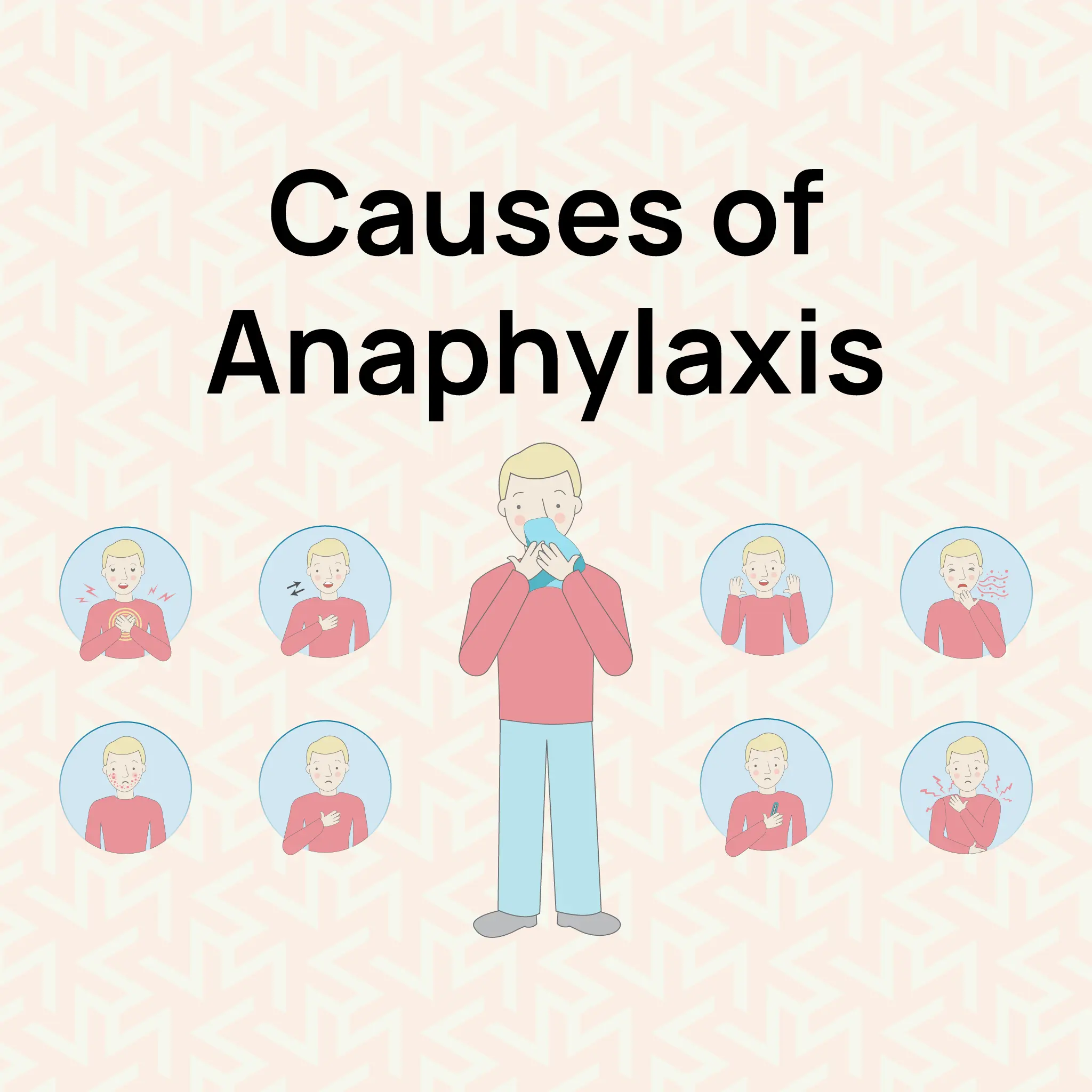
What is Anaphylaxis
Anaphylaxis represents a frequent medical emergency, including a life-threatening acute hypersensitivity response. This condition is marked by a widespread allergic reaction affecting multiple bodily systems. If left untreated, anaphylaxis can quickly lead to respiratory failure and even death.What is Anaphylaxis Anaphylaxis is a severe allergic reaction that leads to a life-threatening condition. It causes systemic shock, leading to impaired respiratory function. Symptoms of an anaphylactic allergic reaction may include angioedema (swelling) affecting the face, neck, tongue, or lips. Respiratory distress can occur, potentially leading to shock, including hypotension and altered consciousness.What are the Causes of AnaphylaxisAnaphylaxis is triggered by various allergens, which are substances that provoke an allergic reaction. Common triggers include:Food: Peanuts, tree nuts (such as almonds and cashews), shellfish, milk, eggs, soy, and wheat.Insect Venom: Bee stings, wasp stings, and other insect bites.Medications: Antibiotics (like penicillin), nonsteroidal anti-inflammatory drugs (NSAIDs), and certain vaccines.Other Substances: Latex, chemicals, and even exercise-induced factors in some individuals.What are the Signs and Symptoms of AnaphylaxisThe signs and symptoms of anaphylaxis can develop rapidly and affect multiple organ systems:Respiratory System: Difficulty breathing, wheezing, throat tightness, and coughing.Cardiovascular System: Drop in blood pressure (hypotension), weak or rapid pulse.Skin: Itching, hives symptoms (urticaria), redness, and swelling (angioedema) of the face, lips, tongue, or throat.Gastrointestinal System: Nausea, vomiting, abdominal pain, and diarrhoea.Neurological System: Dizziness, confusion, and loss of consciousness.What are the Stages of an Allergic Reaction?Allergic reactions generally involve several stages, varying in severity and duration depending on the individual and the allergen involved. Here are the typical stages:Exposure: This is the initial stage where the person comes into contact with the allergen, whether through ingestion, inhalation, skin contact, or injection (as with insect stings).Sensitisation: In this stage, the immune system recognises the allergen as a threat and starts producing specific antibodies against it (IgE). This sensitisation process may occur over time and can involve repeated exposures to the allergen.Activation: Upon exposure to the allergen, the antibodies trigger the release of chemicals such as histamine from mast cells and basophils in the body. This release leads to the onset of allergic symptoms.Occurrence of Symptoms: This stage involves an allergic reaction, which can vary widely depending on the allergen and the individual's immune response. Symptoms can affect various systems, including:Skin (itching, hives)Respiratory system (wheezing, difficulty breathing)Gastrointestinal system (nausea, vomiting)Cardiovascular system (rapid heartbeat, drop in blood pressure).5. Resolution: The symptoms typically disappear after removing or neutralising the allergen (e.g., by medications like antihistamines or epinephrine).The resolution stage may vary in duration, depending on the reaction's severity and the treatment's effectiveness. .banner { border-radius: 10px; overflow: hidden; border: 2px solid #ccc; box-shadow: 0 4px 8px rgba(0, 0, 0, 0.2); background-color: #fdf9ee; } .book-now { color: white; background-color: #DF3D52; border: none; padding: 15px 60px; border-radius: 5px; cursor: pointer; font-size: 20px; text-decoration: none; } .book-now:hover { /*text-decoration: none;*/ color: white; background-color: #c33f50; } Get Trained in All First-Aid Skills First Aid Courses Book Now Rated Excellent on major review sites How is Anaphylaxis PreventedPrevention of Anaphylaxis is important for immuno-compromised people, who are vulnerable to allergens. Preventing anaphylaxis involves:Medical Alert Identification: Wear medical alert jewellery (e.g., bracelets) indicating allergies and carry an epinephrine auto-injector.Education: Educate oneself and others about triggers, symptoms, and emergency response protocols.Allergy Testing: Undergo allergy testing to identify specific triggers and develop a management plan with healthcare providers.Food Allergy Management: Properly managing allergens during food processing and packaging is crucial to prevent cross-contact contamination. Key methods for allergen control include:Clear Allergen LabellingProper RefrigerationStaff and Equipment HygieneColour-Coded UtensilsImplementing the HACCP System: Process and PrinciplesWhat is the Treatment of an Anaphylactic Allergic ReactionImmediate treatment of anaphylaxis involves administering epinephrine (adrenaline) via an auto-injector device (such as an EpiPen) to counteract the allergic response. Additional measures may include:Monitoring: Continuous monitoring of vital signs (blood pressure, pulse, and oxygen saturation).Supportive Care: Medicinal treatment includes oxygen therapy, intravenous fluids to maintain blood pressure, and medications like antihistamines and corticosteroids to reduce inflammation.Emergency Medical Attention: Prompt transfer to a hospital emergency room for further evaluation and management. .main{ border:3px solid #0f7c90; border-radius:20px; position: relative; font-family:roboto; font-weight: 400; color: #000; } .main-two{ position: absolute; top:-25px; left:45px; background-color:white; } .img-div{ border-radius : 100%; padding:2px 7px; background-color:#0f7c90; margin-right:5px; width: 50px; height: 50px; } .img{ width:30px; object-fit:contain; height:auto; border-radius : 100%; } @media only screen and (max-width: 600px) { .heading{ font-size:20px; } .img{ width:20px; object-fit:contain; height:auto; border-radius : 100%; } .img-div{ width: 40px; height: 40px; } .main-two{ left:25px; } } Ready to Learn More? Knowing how to manage anaphylaxis is important in emergencies, but there's more to first aid. Our First Aid courses offer complete training to help you handle critical situations. Whether you want to improve your skills or workplace safety, these courses help build confidence and expertise. View our Emergency First Aid at Work (EFAW) and Level 3 First Aid at Work courses. These courses meet the UK legal requirements and help you keep people safe. What are the Types of Anaphylactic ReactionsAnaphylaxis can be classified into different types based on triggers and clinical presentation:Food-Induced Anaphylaxis: Triggered by ingestion of allergenic foods.Insect Sting Anaphylaxis: Caused by venom from insect stings or bites.Drug-Induced Anaphylaxis: Reaction to medications or vaccines.Exercise-Induced Anaphylaxis: Triggered by physical exertion in conjunction with specific factors.Idiopathic Anaphylaxis: Cases where the trigger is unknown.ConclusionAnaphylaxis is a serious allergic reaction that must be immediately identified and treated to prevent life-threatening complications. Understanding the causes, signs, treatment options, triggers, types, and prevention strategies empowers individuals to effectively manage and reduce the risks associated with anaphylaxis. For those with known allergies, proactive measures are essential to ensuring safety outcomes in an anaphylactic emergency.

What is Epilepsy?
Millions of individuals worldwide are impacted by epilepsy, including those who support or care for those with the disorder. It is a typical neurological illness that can afflict anyone, regardless of age, sex, or race, and frequently results in seizures.The definition of epilepsy, key distinctions between it and seizures, indications and symptoms of a seizure, ways to support someone with epilepsy, and what to do in the case of a seizure are all covered in this article.What is epilepsy?A frequent disorder that affects the brain and can result in seizures is epilepsy. Brain electrical activity surges, known as seizures, can cause symptoms like losing consciousness, trembling, or falling.Epilepsy typically begins in childhood or after age 60 and lasts a lifetime. Epilepsy symptoms can sometimes be controlled with medicine, and the illness occasionally gets better with time. However, epilepsy is a chronic disorder for many people.Each individual�s case of epilepsy has a unique set of causes, which are numerous and varied. A severe head injury, a stroke, or an infection of the brain are a few typical causes of brain damage.There are various varieties of epilepsy as well as various causes. Four different forms of epilepsy have been identified by the International League Against Epilepsy (ILAE).Focal epilepsy � seizures that start on just one side of the brain.Generalised epilepsy � starts on both sides of the brain.Combined generalised and focused epilepsy � are a part of combined general and focal epilepsy.Unknown � Sometimes, it is difficult to pinpoint the origin of these kinds of seizures.What are the differences between epilepsy and seizures?An electrical surge in the brain, known as a seizure, can result in aberrant muscle tone, movements, behaviours, perceptions, and levels of consciousness. Depending on whatever portion of the brain is affected, seizures have a distinct impact on various people. People frequently fall to the ground during generalised seizures, for instance.Numerous factors, including drug usage, high blood sugar, and fever, can cause seizures. It is typically accepted that someone has epilepsy if they experience two or more seizures separated by at least 24 hours.It is significant to remember that seizures can occur in people who do not have epilepsy. Seizures are necessary for epilepsy, even if they don�t have overt consequences. Seizures, as was previously established, are not always brought on by epilepsy and can be brought on by various factors.Making the distinction between seizure triggers and epilepsy causes is crucial. For instance, a person with epilepsy who is sleep deprived may experience a seizure. The seizure is brought on by insufficient sleep, but brain damage may be the underlying factor in their epilepsy. In this case, the seizure rather than the lack of sleep is what has triggered their epilepsy.Among the causes of epilepsy are:A brain infection.A lack of oxygen during birth.Genetics.Alzheimer�s disease.A brain or head injury.A brain tumour.Drug or alcohol misuse.A stroke.Seizure-inducing factors include:Missing medication.Changes in hormones.A fever is especially common in children.Stress.A lack of sleep.Alcohol and recreational drugs.Skipping or missing meals.Over excitement.Flashing and flickering lights.What are the symptoms and signs of epileptic seizures?Depending on the type of seizure a person is experiencing, their signs and symptoms will change. Not all seizures are accompanied by strange shaking or body movements, and some last only a few seconds.The following are some symptoms and warning indicators that someone may be suffering an epileptic seizure:Rapid blinking.Breathing problems.Appear confused or in a daze.Unconsciousness.Losing muscle tone.Changes in hearing, vision, taste, smell and feel.Difficulty talking.An increased heart rate.Lip-smacking, chewing motions, or rubbing hands and fingers.Uncontrollable body movements, shaking or jerking.People must be aware of a seizure�s warning signs and symptoms to recognise it quickly and render aid if necessary.Particularly if they persist for more than five minutes or the victim stops breathing, seizures can be exceedingly dangerous. Knowing how to assist someone with epilepsy during a seizure is vital since seizures can cause other injuries, such as bruises, scrapes, and head trauma.Our First Aid at Work training course describes the various reactions to various kinds of seizures, how to spot an emergency, and how to assist a person after a seizure. .banner { border-radius: 10px; overflow: hidden; border: 2px solid #ccc; box-shadow: 0 4px 8px rgba(0, 0, 0, 0.2); background-color: #fdf9ee; } .book-now { color: white; background-color: #DF3D52; border: none; padding: 15px 60px; border-radius: 5px; cursor: pointer; font-size: 20px; text-decoration: none; } .book-now:hover { /*text-decoration: none;*/ color: white; background-color: #c33f50; } Get Trained in All First-Aid Skills First Aid Courses Book Now Rated Excellent on major review sites How to help someone with epilepsy?Each person with epilepsy is different; thus, the kind of support they need will differ. You can only provide someone with the most suitable and helpful assistance if you comprehend how their disease affects them.How to respond to seizures?Respond as follows if someone is having a seizure:Do:Remove any dangerous things from the area.Remain composed, reassuring, and by their side until the seizure is done.After the seizure, check in with them to see if they�re alright and give them a seat.Don�t:Do not grab them, restrain them, or make any sudden motions.Presume that they are aware of what is taking place.Try to entice them over or provide them with food or beverages.'Call 112 or 999 if:A person has a series of seizures without gaining awareness between them.It is their first seizure.More than five minutes pass as the seizure continues.The individual is hurt, or you believe they require medical attention.As previously said, the sort of seizure the person is experiencing will determine how you should react. Take a look at one of our first aid training courses if you want to understand how to handle various seizure types and how to spot an emergency.Some people will recover from a seizure immediately, while others may need a few minutes or even hours. People may experience confusion and fatigue during the postictal state, which is the period following a seizure. The best method to provide support is to be there for the person and stick with them till they recover.Learning about it and spreading as much information as possible to increase awareness are two of the most significant things you can do for a friend with epilepsy. The complexity of epilepsy is more than most people realise, and any knowledge gained is beneficial to all those who are affected.
Which First Aid training qualification should you choose
First aid training teaches employers and employees the skills to handle emergencies professionally. Selecting the right course depends on understanding your organisation�s specific needs, including the type of work, the level of risk (high or low), the number of employees, and the workplace size.How many First Aiders are Required for a WorkplaceThe Health and Safety Executive (HSE) provides the following recommendations:Low-risk workplaces (e.g., offices) with 25 to 50 employees: At least one person should be trained in Emergency First Aid at Work (EFAW).Low-risk workplaces with more than 50 employees: One person trained in First Aid at Work (FAW) is required for every 100 staff members.High-risk workplaces (e.g., construction sites or factories): Due to the increased likelihood of serious incidents, additional training and a greater number of first aiders are required.Providing first aid training is not only a legal obligation for employers in the UK but also an ethical one. Having trained staff can save lives, reduce workplace injuries, and create a safer working environmentWho is a First-Aider? A first aider is trained to help sick or injured people until professional medical help arrives. In emergencies, first aiders are often the first to respond, ensuring the safety and calmness of those involved until further help arrives. Anyone can become a first aider by learning these skills, making it a valuable way to contribute to the safety of their workplace or community.What are the Levels of First-Aid TrainingQualified first aiders undergo one of two main types of training; FAW and EFAW training. EFAW stand for Emergency First Aid at Work course and is for lower-risk workplaces like offices or retail shops.This one-day training covers basic CPR, managing bleeding and wounds, treating minor injuries, and handling choking incidents or other emergencies. Upon completion, participants receive a certificate valid for three years.The First Aid at Work qualification, or FAW course, is more detailed for higher-risk workplaces. This three-day training includes everything in EFAW, along with additional topics such as managing seizures, heart attacks, diabetic emergencies, and severe allergic reactions. FAW certification is also valid for three years.Health and safety regulations may not require a trained first aider in smaller businesses. Instead, a responsible person can be appointed to oversee first aid. While formal training isn�t compulsory for these roles, many take a Basic First Aid course to handle minor emergencies confidently. First aiders, regardless of their training level, play an important role in ensuring safety and providing immediate care during emergencies. .main{ border:3px solid #0f7c90; border-radius:20px; position: relative; font-family:roboto; font-weight: 400; color: #000; } .main-two{ position: absolute; top:-25px; left:45px; background-color:white; } .img-div{ border-radius : 100%; padding:2px 7px; background-color:#0f7c90; margin-right:5px; width: 50px; height: 50px; } .img{ width:30px; object-fit:contain; height:auto; border-radius : 100%; } @media only screen and (max-width: 600px) { .heading{ font-size:20px; } .img{ width:20px; object-fit:contain; height:auto; border-radius : 100%; } .img-div{ width: 40px; height: 40px; } .main-two{ left:25px; } } Ready to Learn More? Check which course is right for you by visiting Our First Aid courses offer complete training to help you handle critical situations. Whether you want to improve your skills or workplace safety, these courses help build confidence and expertise. View our Emergency First Aid at Work (EFAW) and Level 3 First Aid at Work courses. These courses meet the UK legal requirements and help you keep people safe. What is the Difference between EFAW and FAWEmergency First Aid at Work (EFAW) and First Aid at Work (FAW) are two levels of first aid training courses required for workplaces in the UK. Both courses provide employees with the skills and knowledge to handle workplace injuries and medical emergencies. However, there are key differences in the content and requirements of each course.FeatureEFAW (Emergency First Aid at Work)FAW (First Aid at Work)Duration1 day�3 days�Suitability�Low-risk workplaces with 25-50 workersHigh-risk workplaces or larger businesses with >50 workersTopics CoveredCPR, wound care, managing unconscious casualties, choking, bleeding, and shockAll EFAW topics plus fractures, burns, medical conditions, and advanced first aidLevel of TrainingLow-level basic first-aid training�High-level advanced first-aid trainingCertificationEmergency First Aider certificationFirst Aider certificationWhat Qualifications Does a First Aider Need in SchoolsIn schools, first aid requirements are specific to the unique needs of children. Schools and early years providers must ensure that staff are trained in first aid, and at least one person must hold a current Paediatric First Aid (PFA) certificate. This qualified individual must be present whenever children are on the premises or participating in school trips.This requirement ensures that schools are prepared to handle emergencies specific to children, such as choking or playground injuries.How Long Does a First Aid Course LastFirst-aiders should complete refresher training every three years to maintain their certification and skills. Regular refresher courses are important for several reasons:Maintaining Skills: First aid techniques can be forgotten over time. Refresher courses help first-aiders stay confident and effective in emergencies.Staying Updated: First aid guidelines and legal requirements can change. Refresher training ensures first aiders are up-to-date with the latest procedures and standards.By keeping training current, first-aiders can continue to perform their roles and meet legal requirements.Who should take up the Mental Health First Aid CourseMental Health First Aid (MHFA) is a level 2 first aid course for anyone who wants to learn how to help people struggling with mental health issues. It�s useful for those who work with others or in environments where mental health challenges might arise.Mental Health First Aid is useful for managers, HR professionals, teachers, healthcare workers, community leaders, and anyone interested in mental health. It helps people recognise mental health problems and provides the right support until professional help can be reached. .main{ border:3px solid #0f7c90; border-radius:20px; position: relative; font-family:roboto; font-weight: 400; color: #000; } .main-two{ position: absolute; top:-25px; left:45px; background-color:white; } .img-div{ border-radius : 100%; padding:2px 7px; background-color:#0f7c90; margin-right:5px; width: 50px; height: 50px; } .img{ width:30px; object-fit:contain; height:auto; border-radius : 100%; } @media only screen and (max-width: 600px) { .heading{ font-size:20px; } .img{ width:20px; object-fit:contain; height:auto; border-radius : 100%; } .img-div{ width: 40px; height: 40px; } .main-two{ left:25px; } } Check which course is right for you by visiting our First Aid courses that offer complete training to help you handle critical situations. Whether you want to improve your skills or workplace safety, these courses help build confidence and expertise. View our Emergency First Aid at Work (EFAW) and Level 3 First Aid at Work courses. These courses meet the UK legal requirements and help you keep people safe. FAQsWhat is the best first aid course for my workplace?The right first aid course depends on the type of work, the level of risk (high or low), the number of employees, and the workplace size. Low-risk workplaces may need an Emergency First Aid at Work (EFAW) course, while high-risk workplaces may require more detailed training like First Aid at Work (FAW).How many first-aiders do I need in my workplace?According to the HSE, workplaces with 25 to 50 employees in low-risk environments should have at least one trained first aider. For workplaces with more than 50 employees, one first aider should be trained for every 100 staff members. High-risk workplaces will need more first-aiders due to the greater potential for serious incidents.What is the role of a first aider?A first aider is trained to help sick or injured individuals until professional medical help arrives. They are often the first to respond in emergencies, ensuring safety and calmness until further help is available.What are the different types of first aid training available?The two main courses are Emergency First Aid at Work (EFAW), a one-day course for low-risk workplaces, and First Aid at Work (FAW), a three-day course for higher-risk environments. Both certifications are valid for three years.What does EFAW stand for?EFAW stands for Emergency First-Aid at Work.What does FAW stand for?FAW stands for First-Aid at Work.What qualifications do first aiders need in schools?Schools must have staff trained in Paediatric First Aid to handle child-specific emergencies, such as choking or injuries on the playground. At least one qualified individual with a Paediatric First Aid certificate must be present when children are at school or on trips.How often do first aiders need refresher training?First-aiders should complete refresher training every three years to maintain their certification and stay updated on new first-aid guidelines and legal requirements.Who should take a Mental Health First Aid course?The Mental Health First Aid (MHFA) course is ideal for anyone who wants to learn how to support individuals experiencing mental health challenges. It's useful for managers, HR professionals, teachers, healthcare workers, community leaders, and anyone working in environments where mental health issues might arise.ConclusionChoosing the right first aid qualification depends on your workplace's needs, risks, and size. Whether a basic Emergency First Aid at Work course is needed for a low-risk environment or a more detailed one for higher-risk settings, having trained staff can save lives and ensure a safer environment. In schools, Paediatric First Aid is necessary to handle emergencies involving children, while Mental Health First Aid courses are ideal for those wanting to support others with mental health issues. Regular refresher training helps keep skills up to date, ensuring first aiders are always ready to act in an emergency. No matter your role, first aid training is an important investment in both safety and well-being, providing skills that can make a difference when it matters most.
6 Benefits of First-Aid Training And its Importance
First aid is the help you give to someone hurt or sick. This help happens before doctors or medical professionals arrive. It is very important because it can save lives and stop injuries from getting worse.Most First-Aid situations are minor, like cuts, burns, or bruises. These often happen in places like hospitals, hotels, and schools. Sometimes, more serious injuries can occur, so it is good to be ready to handle them if needed.What is the Importance of First-Aid Training?In First Aid training, you practise important skills to help in emergencies.CPR (Cardiopulmonary Resuscitation): You learn to perform chest compressions and rescue breaths. This helps restart someone's heart or breathing if they stop.Using a First Aid Kit: You practise using items in a first aid kit, such as bandages, antiseptics, and scissors. This helps you treat minor injuries and keep wounds clean.Primary Survey in First Aid Using DRABC: When helping someone in an emergency, always start with the primary survey. This means you quickly assess what is happening and the person's needs.Secondary Survey in First Aid: The secondary survey assesses the injuries of an awake, responsive person. It involves thoroughly examining the person's health history, assessing the four vital signs, and conducting a systematic head-to-toe examination.Basic Skills: You also learn other useful techniques, such as how to stop bleeding, how to treat burns, and how to handle broken bones.The main goal of first aid training is to provide immediate and effective help in an emergency. This help can make a big difference before doctors or other medical professionals arrive.Why is the Mental Health First Aid course important?The Mental Health First Aid Training course teaches how our mental well-being impacts our decision-making and progress in life. Particularly in the workplace, it is important to be aware of our certain triggers and how to stabilise them using emotional regulation. This is useful for employee productivity and overall job satisfaction.Six Key Benefits of First Aid Training at WorkEmployers must ensure their workplace has adequate and up-to-date first aid measures. The six important benefits of first-aid training for your staff are:Saving LivesFirst aid training can save lives. A British Red Cross study shows that up to 59% of injury-related deaths might have been prevented with immediate first aid. Training gives your staff the skills to act quickly in emergencies like choking, heart attacks, poisoning, or severe allergic reactions.Preventing the Situation from WorseningTrained first aiders can help prevent an injured person�s condition from worsening and stabilise the person until professional help arrives.Relieving PainFirst aid training helps staff relieve pain from injuries. They can use first aid kit items or cool burns with cold water. They also offer emotional support, which can ease anxiety and stress.Helping Communicate with Emergency ServicesTrained staff can provide accurate information to emergency services. This helps them give the right advice and decide on the next steps.Reducing Recovery TimeQuick first aid can save a life and speed up recovery, which means employees can return to work sooner.Helping with Legal ComplianceEmployers must follow health and safety laws, including providing first aid. Training helps meet these legal requirements and ensure a safe workplace. .main{ border:3px solid #0f7c90; border-radius:20px; position: relative; font-family:roboto; font-weight: 400; color: #000; } .main-two{ position: absolute; top:-25px; left:45px; background-color:white; } .img-div{ border-radius : 100%; padding:2px 7px; background-color:#0f7c90; margin-right:5px; width: 50px; height: 50px; } .img{ width:30px; object-fit:contain; height:auto; border-radius : 100%; } @media only screen and (max-width: 600px) { .heading{ font-size:20px; } .img{ width:20px; object-fit:contain; height:auto; border-radius : 100%; } .img-div{ width: 40px; height: 40px; } .main-two{ left:25px; } } Ready to Learn More? Put your knowledge of the benefits of first aid training into practice by enrolling in a course today! Our First Aid courses offer complete training to help you handle critical situations. Whether you want to improve your skills or workplace safety, these courses help build confidence and expertise. View our Emergency First Aid at Work (EFAW) and Level 3 First Aid at Work courses. These courses meet the UK legal requirements and help you keep people safe. Which First Aid Course is Right for Me?First aid training helps both employers and employees learn how to handle emergencies. To choose the right course, your organisation should assess its needs. This includes looking at the type of work, whether high-risk or low-risk, the number of employees, and the workplace size.Here are some guidelines from the HSE:For low-risk workplaces with 25 to 50 employees: At least one person should be trained in Emergency First Aid at Work (EFAW).For low-risk workplaces with more than 50 employees: One person should be trained in First Aid at Work (FAW) for every 100 staff members.In high-risk environments, the requirements are higher.Employers must provide first aid training in the UK to meet legal and ethical obligations. Having trained staff benefits the organisation and could be important in emergencies. .banner { border-radius: 10px; overflow: hidden; border: 2px solid #ccc; box-shadow: 0 4px 8px rgba(0, 0, 0, 0.2); background-color: #fdf9ee; } .book-now { color: white; background-color: #DF3D52; border: none; padding: 15px 60px; border-radius: 5px; cursor: pointer; font-size: 20px; text-decoration: none; } .book-now:hover { /*text-decoration: none;*/ color: white; background-color: #c33f50; } Get Trained in All First-Aid Skills First Aid Courses Book Now Trustpilot What Qualifications Does a First Aider Need at School?First aiders in schools need special qualifications. Schools and early years providers must have staff with first aid training. At least one person must have a current paediatric first aid certificate. This person must be present whenever children are at school or on trips.How often should first-aid training be refreshed?Most first-aiders should take refresher training every three years. This training is important for several reasons:Maintain Skills: Refresher courses help first aiders keep their skills sharp. Regular practice helps them effectively perform first aid when needed.Stay Updated: First aid guidelines and legal requirements can change. Refresher training helps first aiders stay informed about any new procedures or laws.