

Living with BPD: A Look at Borderline Personality Disorder
Borderline Personality Disorder (BPD) affects thousands of people across the UK. Yet, it remains surrounded by stigma and confusion. Many struggle for years before receiving a diagnosis or the support they need, often misunderstood by both professionals and loved ones.This article aims to clarify Borderline Personality Disorder (BPD) by providing a clear and compassionate overview of its symptoms, causes, and the treatment pathways available through the NHS (National Health Service) and other support networks. With the right understanding and care, recovery is not only possible, it�s within reach.What is BPD?Borderline Personality Disorder (BPD) is a deeply challenging mental health condition that influences how a person experiences emotions, views themselves, and connects with others. It's often associated with overwhelming emotional shifts, unstable relationships, impulsive actions, and confusion about self-identity.Many individuals with BPD live with an intense fear of being abandoned, frequent mood swings, and difficulty regulating emotions. These struggles can make everyday situations feel unpredictable and relationships emotionally draining.The good news is that BPD is highly treatable. With the right therapeutic support, structure, and self-understanding, people with BPD can find balance and lead meaningful, fulfilling lives.What Are the Signs and Symptoms of BPD?Borderline Personality Disorder (BPD) affects how individuals experience emotions, relationships, and self-identity. While symptoms can vary from person to person, there are several common signs that mental health professionals look for when diagnosing BPD.Below are the key symptoms associated with BPD:Signs and SymptomsDescriptionIntense Fear of AbandonmentPeople with BPD often go to great lengths to avoid real or perceived abandonment. Even minor changes in plans or tone of voice can trigger anxiety or distress.Unstable RelationshipsRelationships tend to be intense and short-lived. Individuals may quickly shift between idealising someone and suddenly devaluing them.Distorted Self-ImageA person with BPD may struggle with a fragile or shifting sense of identity, unsure of who they are, what they believe, or how they see themselvesImpulsive BehavioursA person with BPD may struggle with a fragile or shifting sense of identity, unsure of who they are, what they believe, or how they see themselvesEmotional InstabilityMood swings are intense and unpredictable, shifting rapidly from joy to anger, anxiety, or despair, lasting hours to days.Chronic Feelings of EmptinessMany with BPD feel persistently �empty� inside and may seek stimulation or relationships to fill the void.Inappropriate or Intense AngerSudden outbursts of anger, sarcasm, or aggression often occur, especially when feeling rejected or misunderstood.Stress-Related ParanoiaShort episodes of mistrust, suspicion, or distorted thinking are triggered by emotional stress, especially in sensitive situations.What Causes BPD?There�s no single cause of Borderline Personality Disorder. Instead, it�s believed to develop from a combination of genetic, environmental, and social factors. Understanding the possible causes can help reduce stigma and promote a more compassionate view of the condition.Here are some of the key contributing factors:Childhood Trauma or NeglectMany people with BPD report experiencing early trauma, such as abuse (emotional, physical, or sexual), neglect, abandonment, or prolonged separation from a caregiver. These early disruptions in emotional development may make it harder to form stable relationships or regulate emotions later in life.Genetics and Family HistoryBPD tends to run in families. If a close family member, such as a parent or sibling, has BPD or another mental health condition, the risk may be higher. This suggests a possible genetic link, although no specific "BPD gene" has been identified.Brain Function and StructureResearch using brain imaging suggests that people with BPD may have differences in the areas of the brain that control emotion, decision-making, and impulse regulation, particularly the amygdala, hippocampus, and prefrontal cortex. These differences might contribute to emotional sensitivity and impulsivity.Problems with AttachmentDifficulties forming healthy emotional bonds in early childhood, especially inconsistent or invalidating caregiving, may lead to attachment issues, a key feature in the development of BPD. Individuals may struggle with trust, self-worth, and emotional safety in relationships.Environmental and Social FactorsStressful life events such as bullying, domestic violence, long-term instability, or growing up in a chaotic or invalidating environment can all increase the risk of developing BPD. These experiences may interfere with emotional development and coping skills.The infographic below illustrates the key points:Borderline Personality Disorder TreatmentsLiving with Borderline Personality Disorder can be difficult, but there is hope. With access to the right therapy, emotional support, and self-care tools, many people with BPD go on to live rewarding, stable lives. Treatment is focused on emotional regulation, relationship skills, and reducing distressing behaviours, and is widely available in the UK through the NHS or private mental health services.Dialectical Behaviour Therapy (DBT)DBT is one of the most effective and commonly recommended treatments for BPD. It focuses on four key areas:Emotional regulationDistress toleranceMindfulnessInterpersonal effectivenessIt helps people manage intense emotions and develop healthier coping skills.Mentalisation-Based Therapy (MBT)MBT helps individuals understand their thoughts and feelings and those of others more clearly. It�s especially helpful for improving relationships and emotional stability.Cognitive Behavioural Therapy (CBT)CBT is not a primary treatment for BPD, but may help with related issues like anxiety, depression, or impulsive behaviours.Schema TherapyThis therapy focuses on identifying and changing deep-rooted patterns and beliefs formed in childhood that may be contributing to BPD symptoms.Important Note:There is no specific medication approved for treating BPD itself. However, doctors may prescribe medication to manage associated symptoms, such as:Mood swingsAnxietyDepressionSleep disturbances Frequently Asked Questions (FAQs):What is Borderline Personality Disorder (BPD)?BPD is a mental health condition that affects how a person manages emotions, relates to others, and sees themselves. It often involves emotional instability, impulsive behaviour, and difficulties in relationships.Is BPD treatable?Yes, BPD is treatable. With the right support � such as talking therapies like DBT or MBT, and ongoing care through the NHS or private services � many people see real improvements in how they cope and connect with others.What causes BPD?There isn�t one single cause. BPD is usually linked to a mix of factors, including childhood trauma, genetics, brain chemistry, and early attachment issues. Everyone�s experience is different.How is BPD diagnosed in the UK?A diagnosis is usually made by a GP or mental health professional based on your symptoms and history. You may be referred to a community mental health team (CMHT) for a full assessment.Can people with BPD live normal lives?Absolutely. With the right treatment, self-care, and support, many people with BPD build strong relationships, manage their emotions effectively, and live fulfilling, stable livesExplore more about our courses:�Emergency First Aid at Work is described as a short, practical training course designed to prepare individuals to respond to medical emergencies in low-risk workplace settings.First Aid at Work is a comprehensive, Ofqual-regulated Level 3 qualification delivered over three days in a classroom setting. It is ideal for first aiders working in high-risk or diverse environments such as construction sites, manufacturing units, or warehouses.Paediatric First Aid is a two-day, Ofqual-regulated classroom-based training that specifically focuses on first aid for infants (0�1?year) and children up to puberty. It�s ideal for anyone working with or caring for young children.Basic First Aid Course is a compact, self-paced program ideal for individuals seeking an introduction to first aid or a quick annual refresh.�Advanced First Aid Course is a fully online, self-paced Level 3 training designed for individuals seeking more comprehensive knowledge beyond basic first aid.

EDI in Education: Building Equitable, Inclusive and Diverse School Communities
Equality, Diversity and Inclusion (EDI) are not just educational terms. They�re essential to creating fair and adequate school environments. A strong EDI approach ensures every student feels valued and supported, regardless of background. As classrooms grow more diverse, educators, staff, and leaders must promote inclusivity and actively address unconscious bias. This article examines the significance of EDI in education and how to integrate it into everyday school life.What Is EDI in Education?EDI stands for Equality, Diversity, and Inclusion, three interconnected values that guide how schools create supportive and fair environments for all students and staff.Equality: Providing all students equal access to learning, resources, and opportunities by identifying and removing barriers to success.Diversity: Acknowledging and valuing the differences in students' cultures, backgrounds, experiences, and perspectives.Inclusion: Creating an environment where every student feels welcome, safe, and fully able to participate, adapting the system to the pupil, not vice versa.While EDI is often outlined in policy documents, its real impact lies in how schools apply these values in everyday teaching, leadership, and support.EDI is no longer just a compliance measure. It�s a core part of creating effective and inclusive learning. It encourages educators and school leaders to reflect on their approaches and ensure that every pupil has a fair chance to thrive.�When EDI is embedded in everyday practice, it helps all students feel seen, safe, and supportedWhy EDI Matters in SchoolsIn today�s increasingly diverse society, EDI in schools is more than a policy requirement; it�s central to delivering quality education. Schools prioritising equality, diversity and inclusion provide all students with the opportunity to succeed, regardless of their background, identity, or learning needs. This has a direct and lasting impact on student outcomes, school culture, staff wellbeing and ethical responsibilities.Impact on Student OutcomesA diverse and inclusive school helps pupils develop a strong sense of identity, belonging, and confidence. When students see their backgrounds and experiences reflected and respected in school, they�re more likely to engage with learning and achieve their full potential. EDI practices also help reduce bullying, discrimination, and exclusion, contributing to better academic performance and emotional well-being.Positive School CultureSchools that embrace diversity foster open-mindedness, empathy, and respect across the entire community. This creates a more harmonious learning environment where differences are celebrated, not challenged. Inclusive classrooms promote collaboration and understanding, preparing pupils for life in a multicultural society.Enhancing Staff Wellbeing and Professional PracticeEDI isn�t just about students; it also plays a vital role in staff wellbeing and retention. When educators work in inclusive environments, they feel more valued, supported, and empowered to grow. Diverse leadership and staff teams also serve as role models for pupils and bring varied perspectives to curriculum delivery and decision-making.Meeting Legal and Ethical ResponsibilitiesSchools are legally required to comply with the Equality Act 2010, which protects against discrimination based on characteristics such as race, gender, disability, and religion. But effective EDI goes beyond legal compliance. It�s about creating ethical learning spaces that reflect the values of fairness, representation, and opportunity.When embedded effectively, EDI in schools helps create a learning environment where all pupils feel valued, safe, and supported.Benefits of EDI for teachers, learners, and the wider school communityWhen Equality, Diversity, and Inclusion are embedded into school culture, the benefits extend far beyond compliance; they impact teaching quality, learner outcomes, and community cohesion.For TeachersEDI enhances the classroom environment by promoting respectful interactions, inclusive teaching approaches, and stronger teacher-student relationships, which lead to job satisfaction and growth. Classroom management becomes more empathetic and practical. It supports professional development, helping educators build cultural awareness, address unconscious bias, and effectively manage diverse classrooms.For LearnersEDI creates a safe and supportive space where every pupil feels valued, regardless of background or ability. This boosts confidence, increases participation, and strengthens a sense of belonging. Students are more likely to stay engaged, collaborate with peers, and perform better academically.For the Wider School CommunityAn inclusive school promotes trust, open communication, and strong partnerships among all stakeholders, including staff, pupils, and families. When EDI principles are prioritised, relationships are strengthened, fostering a collaborative culture that values and respects diverse perspectives. This not only creates a more supportive environment within the school but also prepares young people to navigate and thrive in a diverse society, equipping them with the skills and understanding needed for life beyond the classroomHurak offers a range of certified courses to support your journey.�From foundational options like the Level 3 Award in Education and Training (AET) to advanced qualifications such as the Level 5 Diploma in Teaching (DiT), and enhance your ability to support diverse learners by enrolling in the Level 3 Certificate in Supporting Teaching and Learning in Schools (STLS), focusing on practical approaches to inclusion each course is designed to help you create a more inclusive, equitable, and supportive learning environment.�Explore all our teaching courses and take your next step towards inclusive practice today.How Schools Can Embed EDI into Policies and CultureEmbedding EDI in schools requires a holistic approach that involves leadership-driven strategies, policy development, and a shift in school culture. To ensure that EDI is not just a theoretical concept but a practical reality, schools need to focus on the following areas:Developing an EDI Policy�Leadership must start by creating a clear EDI policy that aligns with the school�s mission and values. This policy should be more than a set of guidelines; it must reflect the school�s ongoing commitment to diversity, inclusion, and equality, setting the foundation for a truly inclusive environment.Embedding EDI in School GovernanceEDI should be incorporated into the school�s governance framework, ensuring that decision-making at all levels reflects the principles of inclusion. Ensuring that governance bodies, including leadership and trustees, are diverse and inclusive, creating a leadership structure that champions EDI and models inclusivity for students and staff alike.Inclusive Recruitment and Retention PracticesSchools must ensure that their staff recruitment processes reflect a commitment to diversity. This involves reviewing recruitment procedures to ensure fair representation from different backgrounds. Creating an environment that supports the retention and professional growth of staff from diverse backgrounds, enabling educators to thrive and contribute fully to school lifeLeadership Training for EDIIncorporating EDI into the culture of the school begins with leadership. Leaders must undergo specific training in EDI principles, including unconscious bias and inclusive management techniques. School leaders should actively model inclusive practices to inspire both staff and students, ensuring the values of fairness and equality are visible in all aspects of school lifePromoting EDI at the Classroom LevelEDI isn�t just a policy; it is something that should be visible and lived out in daily classroom interactions. From the way lessons are planned to how students are supported, inclusive practices make a real difference.�The table below highlights practical classroom-level applications of EDI principles:EDI PracticeExampleSEND SupportTailored learning plans and classroom adaptations for pupils with special educational needs and disabilities.Diverse CurriculumStudy materials that represent a variety of authors, cultures, identities, and perspectives.Inclusive LanguageUsing respectful, gender-neutral, and culturally sensitive language in all communication and learning materials.Adapting Teaching MethodsDifferentiating instruction to suit varied learning styles, abilities, and backgrounds.Gender InclusionRespecting students' chosen names and pronouns, providing gender-neutral uniforms and facilities where possible.Religious InclusionProviding prayer rooms and allowing time for religious observance.Cultural Dietary OptionsOffering halal, vegetarian, and allergy-sensitive meals in the canteen.Challenging StereotypesUsing counter-stereotypical examples in lessons and discussions to break down bias and assumptions.Anti-Bullying CampaignsAddressing bullying based on race, sexuality, and disability.Staff TrainingRegular sessions on unconscious bias and inclusive teaching strategies.Pupil ParticipationDiversity councils allow students to help shape school policies.Key Challenges in Implementing EDIWhile many schools are committed to Equality, Diversity and Inclusion (EDI), putting it into practice often proves difficult. Unconscious bias, inconsistent training, and limited resources can prevent meaningful progress. Teachers may struggle to address sensitive issues confidently, and systemic inequalities like socio-economic disparity or cultural misunderstandings can impact how pupils experience education.Even where EDI policies exist, they are not always applied consistently across classrooms or departments. Without strong leadership and whole-school commitment, efforts can lose momentum.Addressing these barriers is essential for creating lasting, equitable change in school culture.Conclusion: Embedding EDI for Lasting ImpactEquality, Diversity and Inclusion are essential components of a thriving, modern educational environment. From policy to practice, EDI shapes how students learn, how teachers teach, and how schools operate as inclusive communities. By embedding EDI into governance, recruitment, classroom practices, and leadership, schools create safer, fairer and more empowering spaces for everyone.While challenges exist, they shouldn�t deter action. Meaningful change starts with awareness, is strengthened through training, and succeeds when inclusion becomes part of daily school life. Whether you�re a school leader, educator or support staff, embracing EDI is a shared responsibility that ultimately benefits students, staff and society as a whole.Investing in EDI today helps build schools where every individual feels seen, respected and able to thrive, because proper education includes everyoneFAQsWhat does EDI stand for in education?EDI stands for Equality, Diversity, and Inclusion. It refers to creating a fair and supportive learning environment where all students and staff are valued and treated equally.Why is EDI important in UK schools?EDI helps promote fairness, reduce discrimination, and improve student outcomes by recognising different backgrounds, needs, and identities in the classroom.How is EDI implemented in schools?Schools implement EDI through inclusive policies, staff training, curriculum development, and initiatives like celebrating cultural diversity or supporting SEND students.What are some examples of EDI in action?Examples include using inclusive language, offering learning support for students with disabilities, celebrating different cultures, and creating anti-bullying policies.What training can educators take to support EDI?Teachers can take Equality and Diversity, Safeguarding, and Mental Health Awareness courses to better understand and apply EDI practicesAdvance Your Teaching Career with Accredited Courses from HurakWhether you're beginning your journey in education or seeking to deepen your expertise, Hurak offers a range of accredited courses to support your professional growth:�Level 3 Award in Education and Training (AET): Start teaching with confidence using inclusive methods. Level 4 Certificate in Education and Training (CET): Enhance your planning, delivery, and assessment skills. �Level 5 Diploma in Teaching (DiT) � Further Education and Skills: Advance your career in further education teaching. Level 3 Certificate in Supporting Teaching and Learning in Schools (STLS): Support pupils and teachers effectively in schools. Level 2 Award in Support Work in Schools (RQF): Learn EDI, safeguarding, and classroom support basics.Explore our full range of Teaching and Academics Courses on Hurak
Qualified Teacher Learning and Skills (QTLS): Meaning, Requirements How to Apply
If you're looking to teach in further education or adult learning settings, Qualified Teacher Learning and Skills(QTLS) could be the stepping stone you need. This professional status is designed for those who want to establish a credible, long-term teaching career beyond the traditional school environment.�In this article, we�ll cover everything you need to know about QTLS, from its meaning and requirements to how it differs from QTS and the application process. Whether you're new to teaching or looking to elevate your qualifications, this guide will help you navigate your journey to QTLS status.What is QTLS?Qualified Teacher Learning and Skills is a nationally recognised status for individuals teaching learners aged 16 and above in further education, adult education, and workplace training environments.�QTLS is often a requirement for roles in:Further education collegesIndependent training providersSixth-form collegesAdult and community learningWork-based learning organisationsQTLS is awarded by the Society for Education and Training (SET) and is designed to demonstrate your ability to meet the professional standards required for teaching and learning in this specific area. QTLS provides a pathway to Qualified Teacher Status (QTS) for those working in further education, but it is distinct in focus.Holding QTLS demonstrates that you meet the national professional standards for teaching and learning, significantly boosting your employability, professional credibility, and access to better career opportunities within the education sector.Understanding Qualified Teacher Status: QTSQualified Teacher Status (QTS) is the qualification required to teach in state-maintained schools in the UK, including primary and secondary schools. It ensures that teachers meet professional standards and have the necessary knowledge and skills to teach effectively. Earning QTS is essential for becoming a fully qualified teacher and improving your chances of employment, higher pay, and career progression within the education sector.QTLS vs QTS: Key Differences You Should Know Understanding the difference between QTLS and QTS is key if you're considering a teaching role in the UK. While both are respected teaching qualifications, they serve different sectors and offer different pathways depending on your career goals. Here�s a clear comparison:Focus and Scope:QTS is required for those teaching in primary and secondary schools. It�s specifically designed for educators working within the school system.QTLS is for those working in further education (FE), adult education, and vocational training. This qualification caters to teachers who work in colleges, training providers, and adult learning centres.Educational Requirements:To achieve QTS, teachers typically must complete a teacher training programme, such as a PGCE or School Direct, which includes practical classroom experience and assessments.For QTLS, you need to have a Level 5 teaching qualification (such as a Level 5 Diploma in Education and Training) and prove your competency in teaching through a professional development route.Recognition and Career Pathways:QTS is mandatory for teaching in UK schools, and it�s the qualification you�ll need to pursue if your career goal is to teach in a school setting.QTLS recognises professionals working outside the school system and opens career pathways in the further education and vocational sectors. It also allows for equivalence to QTS in terms of teaching status.Status and Professional Development:QTS is often considered the gold standard for school teachers, and it�s recognised across the UK as the qualification for effective classroom teaching.QTLS is similarly regarded as a mark of professional competence, but it�s more specific to the further education sectorTransferability:QTS allows you to teach across all UK schools, whereas QTLS is typically valid in further education and training settings.�QTLS can sometimes be used as a route to gain QTS, depending on the career path and sector.QTLS Requirements and Benefits� To apply for Qualified Teacher Learning and Skills status, you must meet a set of eligibility criteria. These requirements ensure that applicants have the necessary skills, qualifications, and teaching experience to work effectively in the further education and training sectorQTLS Requirements:Level 5 teaching qualification such as:Diploma in Education and Training (DET)�Certificate in Education (CertEd)SET MembershipYou need to be a current member of the Society for Education and Training (SET). Only SET members are eligible to apply for QTLS and access the Professional Formation programme.English and Maths QualificationsLevel 2 English and Maths (equivalent to GCSE Grade C/4 or above)Professional Formation PortfolioApplicants must complete the Professional Formation process, which is a structured online portfolio and is then assessed by SET, which involves:Providing evidence of teaching practiceDemonstrating continued professional development (CPD)Meeting the professional standards for teachers and trainersImportant Note: The Professional Formation process typically takes around 4�6 months, and the application fee is approximately �500, though this may vary5. Current Teaching RoleYou must be actively teaching or have recent experience in a relevant post-16 or further education setting. This ensures your evidence and reflections are grounded in real practice.Key Benefits of QTLSProfessional Recognition: Gain a status equivalent to QTS, recognised by employers in both further education and maintained schools.Teacher Reference Number (TRN): Receive an official TRN from the Department for Education for easy qualification verification.Official DfE Listing: Your name is added to the DfE's list of qualified teachers, boosting your employability.Career Flexibility: Move between FE colleges, sixth forms, and schools with confidence and recognised credentials.Your First Step Towards QTLS Starts HereStart your teaching journey today with Hurak. Whether you're aiming for QTLS or QTS, your journey begins with the proper qualification.Enrol in the Level 5 Diploma in Education and Training- This course is the essential first step to gaining QTLS status and advancing your teaching career in the post-16 sectorQuick Overview of how to apply for QTLS�Meeting the above requirements is essential for progressing with your QTLS application. Applying for Qualified Teacher Learning and Skills status is a structured process managed by the Society for Education and Training (SET).Once awarded, QTLS not only validates your teaching practice but also opens the door to broader teaching opportunities, especially in further education and sometimes even in schools where QTLS is recognised as equivalent to QTS.How to apply for QTS� :� Three main routes depending on your background:Through Initial Teacher Training (ITT)Complete a course such as PGCE or School DirectThe course includes school placements and leads to QTSApply via the assessment-only route�For experienced teachers without formal trainingProvide classroom evidence and have your teaching assessedOverseas teachers applying for QTSApply if you're qualified and experienced abroadNew rules (2023 onwards) allow more countries to qualifyWhich is right for you: QTLS or QTS�Choosing between QTLS and QTS �depends on where, what, and who you want to teach. Here's a quick decision guide to help you identify the most suitable qualification for your teaching career goals:�Your Goal�QualificationWhy It�s Right for YouTeach children in UK schoolsQTSQTS is mandatory for teaching ages 5�16 in state-maintained schools in England and Wales.Teach adults or vocational learnersQTLSQTLS is designed for the post-16 sector, including FE, adult, and skills-based training.Already have experience but no QTSAssessment-only routeIdeal if you're experienced and want to fast-track your QTS without going back to training.Already teaching in FEQTLSBuild on your experience and gain a recognised professional status to grow your career.Want flexibility + legal parityQTLS (with school discretion)QTLS has legal parity with QTS and is accepted in many schools, offering broader options.Conclusion Both QTS and QTLS are highly regarded teaching qualifications, each serving distinct sectors of the education industry. If you aim to teach in the post-16 education or vocational training sectors, QTLS offers the credibility and flexibility you need. On the other hand, QTS remains the benchmark qualification for those pursuing a career in schools. By understanding the key differences, benefits, and requirements of each, you can make an informed decision that aligns with your career aspirations.FAQs:Can I teach in schools with QTLS?Yes, in maintained schools in England.Is QTLS equivalent to QTS?Yes. QTLS is legally recognised as equivalent to QTS in state-funded maintained schools in England.Do I need a degree to get QTLS?No, a degree isn�t required, but a Level 5 teaching qualification is.Is QTLS mandatory?It�s not legally required for all FE roles, but it is highly valued and often preferred.Explore all our popular Teaching and Academic coursesPopular Teaching and Academic courses at Hurak:Level 3 Award in Education and Training (AET or PTLLS)Level 3 Diploma in Specialist Support for Teaching and Learning in Schools RQF�HLTA Level 4 Certificate for Higher Level Teaching Assistants (RQF) QualificationLevel 4 Certificate in Education and Training
Want a Black CSCS Card? Here�s How Construction Managers Can Qualify
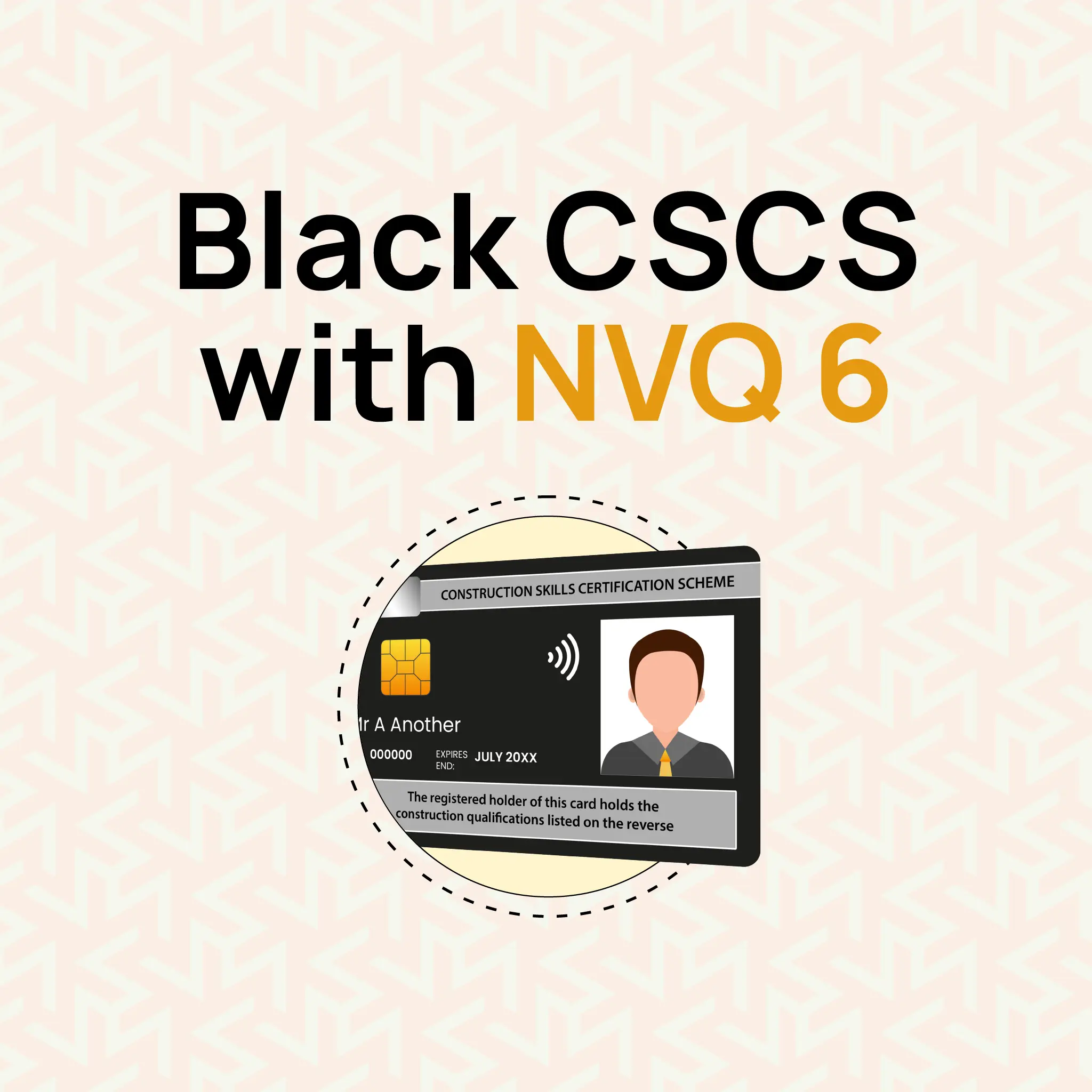
If you're a construction professional aiming for a leadership role, the Black CSCS Card is the qualification you need. It�s designed for site managers, project leaders, and senior construction staff who want to prove their competence in managing safety, teams, and site operations. To qualify, you�ll need to complete an NVQ Level 6 in Construction Site Management, pass the CITB Health, Safety and Environment Test, and apply through the official CSCS certification process. This guide walks you through each step clearly so you can get your Black CSCS Card and unlock new career opportunities with confidence.What Is a Black CSCS Card?The Black CSCS Card, also known as the Manager�s CSCS Card, is part of the Construction Skills Certification Scheme (CSCS). It�s designed for experienced professionals in managerial roles such as site managers, project managers, and senior supervisors. Holding this card proves that you�ve got the right qualifications and knowledge to manage construction sites safely and efficiently. It�s often a requirement for working on large-scale projects and can make a real difference to your career prospects in construction.Why Do You Need a Black CSCS Card?In today�s construction industry, more and more employers expect their site managers and supervisors to hold a CSCS certification. A Black CSCS Card indicates that you meet national standards and lends credibility to your work in front of clients, contractors, and employers. It also opens the door to better job opportunities, higher pay, and the chance to take on more responsibility on-site.Step-by-Step: How to Get a Black CSCS CardTo get your Black CSCS Card, there are three main steps you�ll need to follow:Step 1: Complete an NVQ Level 6 in Construction Site ManagementThe first step is to complete an NVQ Level 6 diploma in Construction Site Management. This qualification is tailored for individuals already working in the construction industry, particularly those with supervisory or management experience. The course is assessed through a mix of on-site observations, written work, and a portfolio that reflects your real-world responsibilities. At Hurak, we offer a flexible course delivery model that allows you to study around your job and complete the qualification at your own pace without needing to attend classroom sessions.Step 2: Pass the CITB Health, Safety and Environment Test (for Managers)Next, you�ll need to pass the CITB Health, Safety and Environment (HS&E) Test for Managers and Professionals. This is a multiple-choice exam that covers essential health and safety knowledge for working in management roles. It takes around 45 minutes and costs �23.50. This test must be passed within the two years before you apply for your CSCS card.Step 3: Apply for Your Black CSCS CardOnce you�ve successfully completed the NVQ and passed your CITB test, you can apply for your Black CSCS Card through the official CSCS website. You�ll need to provide a scanned copy of your NVQ certificate, proof that you passed the CITB test, a passport-style photo, and payment of the �36 application fee. Most cards are delivered within 7 to 10 working days.How Long Does It Take to Get a Black CSCS Card?The full process depends on your experience and availability, but many learners complete their NVQ Level 6 in as little as 12 to 16 weeks. The CITB test can be booked quickly, and once your documents are ready, the CSCS card usually arrives in about a week.Can You Get Help with Costs?Yes, in many cases you can. If you�re employed by a company registered with CITB, your employer may be able to claim grant funding to cover part or all of the course fee. At Hurak, we also offer flexible payment plans, allowing you to spread the cost over several months. If you�re self-employed, the course cost may be tax-deductible as a business expense.What if You Already Have Experience but No NVQ?If you�re already doing the work of a site manager but don�t hold formal qualifications, don�t worry, you can still get your NVQ Level 6. The course is designed to recognise and assess your existing skills. You�ll be supported by a qualified assessor who will help you build a portfolio of evidence based on what you already do on-site. There�s no need to attend college or take time off work.What Happens After You Get Your Black CSCS Card?Once you�ve received your Black CSCS Card, you�ll be recognised as a qualified site manager. This can lead to better job offers, higher salaries, and more trust from clients and contractors. It also makes you eligible for roles with greater responsibility, and can even count towards membership with professional bodies like the CIOB (Chartered Institute of Building).ConclusionThe Black CSCS Card is more than just a plastic card; it�s your proof that you�re qualified to manage construction projects in the UK. By completing the NVQ Level 6, passing the CITB test, and applying through CSCS, you�ll position yourself for better job opportunities, more responsibility, and stronger career progression. FAQsIs SMSTS enough to get a Black CSCS Card?No. While SMSTS is useful training, it�s not accepted by CSCS as a qualification for the Black Card. You must complete an NVQ Level 6 or higher.How long is the Black CSCS Card valid?The card is valid for 5 years. You�ll need to retake the CITB test and reapply to renew it.Can I do the NVQ while working full time?Yes. The NVQ is designed for professionals who are already working in the industry. All assessments are based on your current role and responsibilities.
Can I Get a Black CSCS Card with SMSTS? Requirements Alternatives Explained
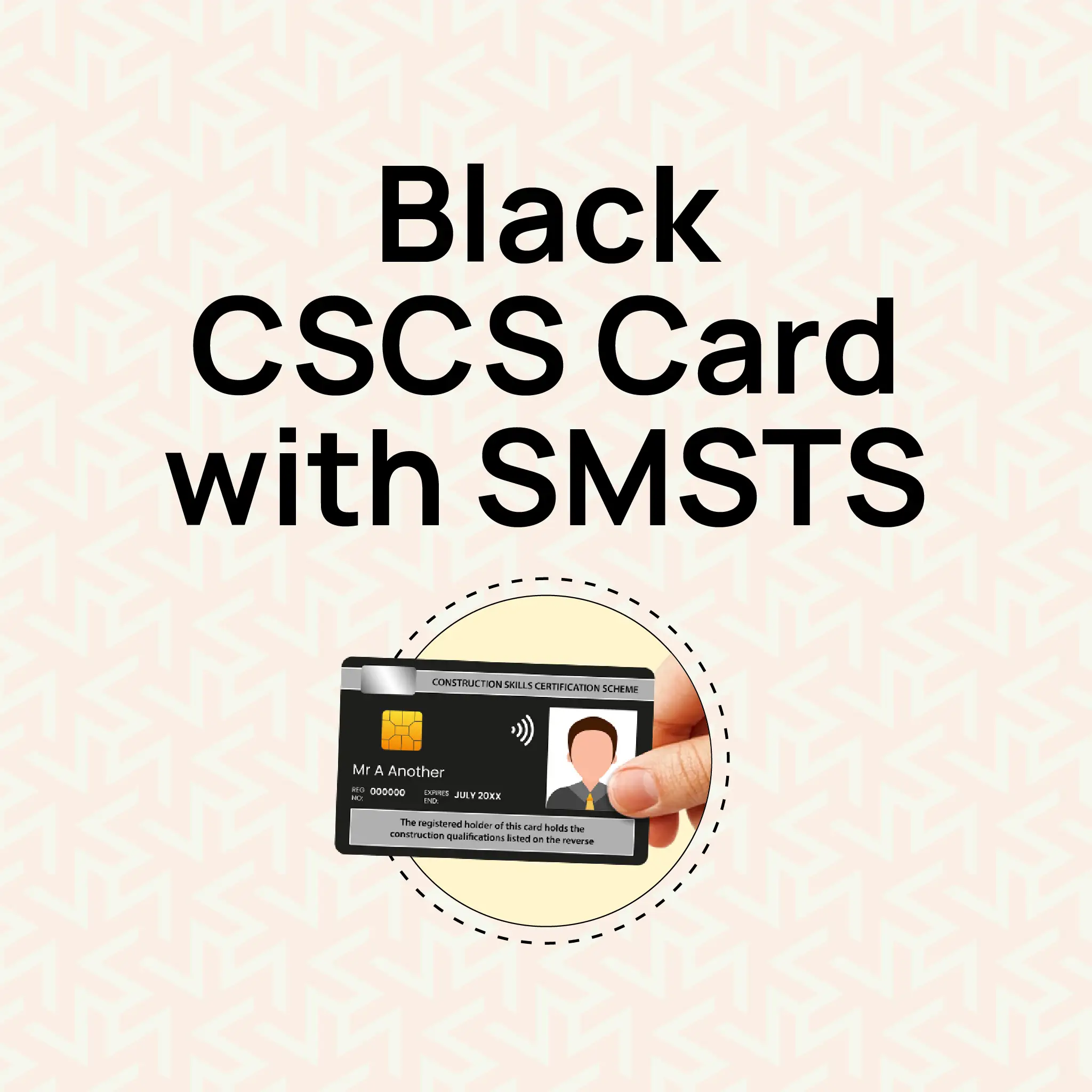
If you�ve completed the SMSTS course and now want a Black CSCS Card to get a managerial position on-site, the answer is simple: SMSTS will not give you everything you need. Although it is a good qualification, the Black CSCS Card, also referred to as the Manager Card, requires more than just health and safety training.This article breaks down what SMSTS does (and doesn�t) cover, the actual qualifications needed, and what alternatives you should consider if you're planning to apply for a Black CSCS Card.What Is a Black CSCS Card and Who Needs One?The Black CSCS Card, also known as the CSCS Manager Card, is not just another card in the Construction Skills Certification Scheme (CSCS);it is designed for individuals working in senior management roles within the construction industry. It represents the fact that the cardholder is competent and qualified enough to handle teams and manage massive projects, and ensure compliance with health and safety standards.�This card is mandatory for individuals working in high responsibility positions like Site Managers, Project Managers, Senior Construction Supervisors and Contract or Operations Managers. Holding the Black CSCS card not only enhances credibility but also fulfils the expectations of the majority of employers and principal contractors in assigning a person to a supervisory or managerial position.Get Your Black CSCS Card with HurakTo get your Black CSCS Card, you�ll need to complete the Level 6 NVQ Diploma in Construction Site Management and pass the CITB Managers and Professionals (MAP) Test. Hurak makes the whole process simple and supports you from start to finish.�Start the NVQ Level 6 Course | Take a Free CSCS Mock Test | Watch the CITB MAP Mock Exam Video | Learn How to Apply for the CSCS Card.Why SMSTS Isn�t Sufficient for a Black CSCS Card.��There�s a common misconception that completing the SMSTS course automatically qualifies you for a Black CSCS Card, but that�s not the case. Many construction professionals take the Site Management Safety Training Scheme (SMSTS) course to boost their site management skills and safety knowledge. It equips you with the knowledge needed to manage site safety, but it doesn�t assess on-the-job competence, which is what CSCS requires for a managerial card. While it's a respected qualification, SMSTS alone is not enough to obtain a Black CSCS Card.To be eligible for the Black Card, you must demonstrate occupational competence, which is typically done through completing an NVQ/SVQ Level 6 in Construction Site Management or an equivalent qualification. SMSTS is a supplementary training course, and while SMSTS is valuable and often preferred by employers, it�s not a substitute for the formal vocational qualifications required by CSCS.Tip: SMSTS is training. The Black Card is proof of competenceHow to Qualify for a Black CSCS Card: Key Criteria ExplainedTo apply for the Black CSCS Card, you'll need to provide specific qualifications and proof of managerial competence. Before applying, it is necessary to know the exact eligibility criteria. This card is typically intended for senior roles, such as site managers and project leaders.The primary qualifications include:NVQ Level 6 in Construction Site Management: This qualification assesses your practical, on-the-job competence and is the most recognised route to obtaining the Black CSCS Card. Equivalent qualifications may also be accepted, depending on the CSCS scheme rules.CITB Managers and Professionals (MAP) Test: You must pass the Health, Safety and Environment Test for Managers and Professionals, which is valid for 2 years at the time of application.Proof of Experience and Role: To qualify as an applicant, applicants usually have to be in, or have experience in, a managerial position in the construction industry.Explore some of our most in-demand NVQ courses and qualify for Other CSCS Cards.Hurak offers a range of accredited NVQ qualifications in Construction to help you progress confidently in your career.CSCS Blue CardLevel 2 NVQ Diploma in PlasteringLevel 2 NVQ Diploma in Roofing OccupationsLevel 2 NVQ Painting and DecoratingLevel 2 NVQ Certificate in Wall and Floor TilingCSCS Gold CardLevel 4 NVQ Diploma in Construction Site SupervisionLevel 3 NVQ Certificate in Wall and Floor TilingLevel 3 NVQ Diploma in Roofing OccupationsLevel 3 NVQ Diploma in PlasteringCSCS Black CardLevel 6 NVQ Diploma in Construction Site ManagementLevel 6 NVQ Diploma in Construction Contracting Operations ManagementWant more options?Browse All NVQ Courses at Hurak.Stuck with Only SMSTS? Here�s How to Move ForwardThe Site Management Safety Training Scheme (SMSTS) is one of the most reputable across the construction industry. While it doesn't meet the qualification criteria for the Black CSCS Card on its own, it still plays an essential role in developing your competence as a site or project manager.When you have finished SMSTS and are now wondering what to do next, you are not the only one. Most professionals get to this stage believing that a qualification could be sufficient in order to get a Black CSCS Card, only to discover that they are wrong.Why SMSTS Still Matters:Demonstrates Health & Safety Leadership: Employers appreciate the candidates who know the risk management and safety procedures in the workplace.Recognised by Employers: Many employers prefer or even require SMSTS as part of their internal training frameworks for site managers, even if it's not a CSCS qualification requirement.Lays the foundation for NVQ success: SMSTS content often overlaps with parts of the NVQ Level 6 in Construction Site Management, which is the main qualification required to obtain the Black Card.Moving Towards the Black Card:Once you have finished SMSTS but have not yet achieved an NVQ Level 6 or equivalent, then the following are your action steps:Enrol in a Level 6 NVQ: Combine your SMSTS with an NVQ Level 6 in Construction Site Management. This is the most direct and recognised route to becoming eligible for the Black CSCS Card.Gather Site Evidence: Maintain records of your on-site experience and responsibilities. Use your SMSTS knowledge that will benefit your NVQ learning and practical assessments.Consult an Approved Training Provider: Work with an accredited NVQ provider who can guide you through the NVQ assessment. They�ll help you align your work experience with NVQ evidence needs.Note: While courses like SMSTS are beneficial and often taken alongside the NVQ, they do not meet the formal qualification criteria required for the Black Card on their own.Black CSCS Card Application: What You Need to DoApplying for a Black CSCS Card involves meeting specific eligibility criteria and following a straightforward application process. Here�s what you need to do to secure your card:Check Your EligibilityMake sure you hold the required qualifications, such as an NVQ Level 6 in Construction or an approved equivalent. This card is designed for senior site managers and supervisors.Pass the CITB Managers and Professionals (MAP) TestYou must have passed the CITB Health, Safety, and Environment test for managers and professionals (MAP) within the last two years to demonstrate your current knowledgePrepare Your DocumentationGather all required documents, including:Proof of your NVQ or equivalent qualification.Confirmation of passing the CITB MAP test.Valid photographic ID, such as a passport or driving license.Submit Your ApplicationApply online via the official CSCS website or through an authorised training provider. Complete the application carefully and pay the current fee of �36.Receive Your CardOnce your application is approved, your Black CSCS Card will be sent to you by post. The card is valid for five years; after this period, renewal of the card involves retesting and updating your qualifications.Boost Your Site Safety Credentials with CITB CoursesLooking to enhance your knowledge of site safety and meet industry standards? Hurak�s CITB Site Safety Plus courses are designed to support construction professionals at every level, from operatives to senior managers.Popular CITB-accredited courses include:CITB Health and Safety Awareness (HSA)CITB SMSTS: Site Management Safety Training SchemeCITB SMSTS Refresher CourseCITB SSSTS: Site Supervisor Safety Training SchemeCITB SSSTS Refresher CourseFAQs1. Can I get a CSCS card with just an SMSTS qualification?No. SMSTS is a health and safety training course and not a recognised qualification by CSCS for card eligibility. You need an NVQ Level 6 (or SVQ Level 6 in Scotland) to qualify for a Black CSCS Card.2. What�s the difference between SMSTS and a Black CSCS Card?SMSTS��is a training certificate indicating that you have attended a safety course. A Black CSCS Card is evidence of competence, and it requires a management-level vocational qualification.3. Is the Black CSCS Card the highest level?Yes, it�s the highest CSCS card for site-based roles and is specifically designed for senior management positions, such as site or project managers.4. Do I still need SMSTS if I have a Black CSCS Card?However, not obligatory, it is much more advisable to have SMSTS in addition to your Black Card. Many employers prefer candidates with both safety training and formal qualifications5. How long does it take to get a Black CSCS Card?Once you�ve passed the required NVQ and CITB MAP test, the application process usually takes a few weeks. The timeline depends on how quickly you submit documents and pass assessments.6. Can I use an NVQ Level 4 or 5 to get a Black CSCS Card?No. The minimum accepted qualification is an NVQ/SVQ Level 6 in Construction Site Management or a closely related field.7. Can I apply for a Black CSCS Card while I�m completing my NVQ Level 6?No. You must have fully completed and received certification for your NVQ Level 6 before applying. Provisional cards may be available in some cases during training.8. Do I need to renew the Black CSCS Card after five years?Yes. Renewal requires you to retake the CITB Health, Safety & Environment (MAP) Test and provide proof that your qualifications remain valid and current.Final Thoughts: Can SMSTS Lead to a Black CSCS Card?The SMSTS course is a well-respected qualification that enhances your site management knowledge and health and safety awareness, but it does not meet the eligibility criteria for a Black CSCS Card on its own. To qualify, you�ll need a Level 6 NVQ in Construction Site Management alongside a valid CITB MAP Test pass.That said, completing SMSTS can still play a crucial role in your professional development. It demonstrates your commitment to site safety and leadership and can complement your progress as you work towards a formal management qualification.If you're aiming for a senior role in construction, understanding the whole route to the Black Card is essential. Use this guide to identify where you are in your journey and take informed steps towards achieving professional recognition and advancement.

NVQ Funding Payment Plans for Painting and Decorating
Upskilling in construction doesn�t have to come with a financial strain. If you're looking to gain an NVQ in Painting and Decorating, especially at Levels 2 or 3, there are multiple ways to reduce the cost, from CITB grants to flexible monthly payment plans. We�ve gathered all the funding support and payment plan options that make getting your CSCS card more affordable.What Is NVQ Funding?NVQ funding refers to financial support provided to learners and employers to help cover the cost of completing a National Vocational Qualification (NVQ). In the construction industry, this funding enables workers to acquire the necessary qualifications for CSCS cards and advance their careers.Why NVQ Funding Matters More Than EverWith the Industry Accreditation (IA) CSCS cards officially expired as of 31 December 2024, it is now mandatory for construction workers to hold a valid NVQ qualification to apply for or renew their CSCS card. This shift affects thousands of workers who were previously relying on experience-based accreditation.NVQ funding plays a crucial role in making this transition smoother and more accessible, helping workers avoid large out-of-pocket costs while staying compliant with industry standards. Grants like the CITB Short Qualification Grant significantly reduce financial barriers, allowing workers to gain recognised qualifications needed to continue working legally on-site.CITB Short Qualification Grant (Mainstream Funding Option)What It OffersThe CITB Short Qualification Grant helps construction workers and employers reduce the cost of qualifying by offering direct financial support toward recognised qualifications. For Painting and Decorating NVQs, this grant provides �600 toward the cost of a Level 2 NVQ in Painting and Decorating.This financial support can significantly reduce your upfront costs, making it more affordable to get your CSCS Blue Skilled Worker Card and continue working on-site legally.�As of June 2025, Painting and Decorating qualifications are only eligible for the �600 grant, according to the official CITB list of short qualifications.Who's Eligible?To qualify for the CITB Short Qualification Grant, you must be employed by a CITB-registered employer that is up to date with its Levy Returns. Additionally, you must work in a construction-related role. This includes directly employed staff who are on payroll in practical or supervisory roles, subcontractors and self-employed workers operating under a CITB-registered business, as well as business owners or partners who are actively involved on-site or in managing decorating teams.If you�re unsure about your eligibility, speak to your employer or NVQ training provider.Fast-Track Your NVQ Level 2 in Painting and DecoratingOnly �699.99 | Finish in just 3 weeks | 100% online | Guaranteed passPerfect for decorators already working on-site who want formal recognition and a CSCS Blue Skilled Worker Card.Book NowHow to ApplyConfirm eligibility with your employer or NVQ provider.Enrol in a CITB grant-approved NVQ Level 2 in Painting and Decorating.Complete your NVQ, and your employer must submit the grant application within 52 weeks of completion.Your employer will need to provide:NVQ certificate or awarding body confirmationCompleted CITB grant application formEmployer�s bank detailsProcessing Time: Approximately 3�5 weeks. Payment is made via BACS directly to the employer, who can either pass the amount to you or retain it if they cover your training costs upfront.Flexible Payment Plans for NVQ LearnersIf you're not eligible for funding or want to spread the cost, interest-free payment plans are an easy way to get started.Pay in 3 with KlarnaAll of Hurak's NVQ courses can be split into three interest-free monthly payments through Klarna. There's no credit check, and you can start learning right away.Zero-Risk GuaranteeHurak offers a full refund if you don�t pass your NVQ, plus ongoing assessor support to guide you every step of the way.NVQ Painting and Decorating Courses You Can Start TodayNVQ Level 2 in Painting and Decorating�699.99Finish in just 3 weeks100% online & no examsGet your CSCS Blue Skilled Worker CardPerfect for painters already working on-site who want formal recognition.Get qualified without exams explore our fully online NVQ Level 2 courseNVQ Level 3 in Painting and Decorating�899.99Finish in 4-5 weeksStep up to the CSCS Gold Skilled Worker CardIdeal for team leads, supervisors, and experienced decoratorsExplore the NVQ Level 3 Painting and Decorating course to access senior positions in the tradeBoth courses include:OFQUAL & CITB approvalGuaranteed passOnline access, assessor support, and easy uploadsFunding + Payment Plan Strategy (Step-by-Step)Check your eligibility for CITB grants or free coursesChoose your course (Level 2 or Level 3)Apply for funding or spread the cost with KlarnaStart learning immediately with online, self-paced accessGet your CSCS card and boost your career prospectsConclusionUpskilling doesn�t have to wait. Whether you're funding your NVQ through CITB, or using an interest-free instalment plan, Hurak makes it simple, affordable, and fast.Browse all NVQ courses offered by HurakFAQCan I combine government funding with payment plans?Yes. If your grant covers part of the cost, you can use Klarna to cover the rest.Do I need to study full-time?No, our NVQs are flexible and built around your work schedule.Can self-employed painters apply?Yes, if you're working under a CITB-registered contractor or via local Jobcentre schemes.Are these courses recognised across the UK?Yes. All qualifications are nationally accredited and valid for life.What are the earning prospects?Level 2 / Blue CSCS Card: �28,000��38,000/year � According to the UK Government�s Office for National Statistics (ONS) labour market data, qualified tradespeople in roles like painting and decorating earn an average salary within this range, depending on region and experience.Level 3 / Gold CSCS Card: �38,000��50,000+/year � Senior decorators, team leads, and site supervisors typically earn within this range. These figures are consistent with estimates from industry job boards and government-backed careers services such as the National Careers Service, which outlines potential earnings based on qualifications and responsibilities.
Is the NVQ Level 2 Painting and Decorating Course Right for You?
If you're already working as a painter or decorator and want formal recognition for your skills, the NVQ Level 2 in Painting and Decorating could be the next step. It is important to note that this is not a beginner�s course. It�s specifically for individuals with real, hands-on experience in the trade.What Is the NVQ Level 2 in Painting and Decorating?The NVQ Level 2 in Painting and Decorating is a practical, work-based qualification designed to assess your ability to perform core decorating tasks to national industry standards. Unlike academic courses that focus on theory, this NVQ evaluates your real-world skills, not your classroom knowledge.You�ll be assessed while you work, not in a classroom. An assessor may ask you to provide photos of yourself carrying out key decorating tasks, such as preparing surfaces or applying paint, as part of your assessment. You'll also complete a knowledge-based workbook, submit relevant site documents, and may take part in a professional discussion if additional evidence is needed. Finally, an expert witness testimony completed by your line manager or supervisor will confirm your competence. This practical method ensures that your skills are recognised through real examples of what you do on the job.What Does the Course Cover?The NVQ Level 2 in Painting and Decorating is designed to assess the practical skills you use every day on the job. It covers a wide range of tasks, including surface preparation, applying paint finishes, using a variety of tools and techniques, and hanging wallpapers or decorative coverings. The course also places a strong emphasis on safe working practices, making sure you understand and follow proper health and safety procedures.Rather than teaching you how to decorate, this qualification recognises your ability to do the job well and to a professional standard. If you�ve already gained hands-on experience in painting and decorating and can work confidently on your own, the NVQ is a great way to get formal certification for those existing skills.Key skills you'll be assessed on are:Preparing surfaces (walls, ceilings, etc.)Applying paint, primers, and finishes.Hanging wallpaper and other coverings.Using brushes, rollers, and sprayers.Following site health and safety procedures.Cleaning and storing tools correctly.These are all skills you�re likely already using on the job; the NVQ certifies you can do them to a professional standard.Full Support to Help You QualifyWorried about passing? You�ll receive one-to-one guidance from your assessor throughout the process, from building your portfolio to final submission. Once you complete the NVQ, you�ll also be eligible to apply for the CSCS Blue Skilled Worker Card, proving your competence to industry standards.Ready to get started? Book your NVQ Level 2 Painting and Decorating Course with Hurak todayWhat Qualifications Do You Need to Be a Painter and Decorator?One of the most common questions is whether prior academic qualifications are required to begin. The answer is no. For NVQ Level 2, experience is more important than formal education. If you�re working in the trade even without any certificates, and can perform tasks independently, you�re likely eligible.Do You Need Experience Before Starting NVQ Level 2?Yes, experience is essential before enrolling in the NVQ Level 2 Painting and Decorating qualification. This course won't teach you the basics. Instead, it assesses the skills you�ve already developed through hands-on work.Since NVQs are based on demonstrating competence in real work settings, you�ll need to already be confident in your ability to carry out decorating tasks to a professional standard. Without this practical experience, meeting the assessment criteria can be difficult.Is the NVQ Level 2 Right for You?If you�re wondering whether this qualification is the right fit, think about your current experience and goals. The NVQ Level 2 is best suited for individuals who are already active in the trade and want to turn that experience into a recognised qualification.This qualification is ideal if you:Have on-site experience in ''painting and decorating''.Want to get a CSCS card.Need to prove your skills to employers or clients.Are self-employed and want to build credibility.Are working in the UK ''construction industry''.It�s not suitable for total beginners. If you�re starting out, a training course or pre-apprenticeship might be a better fit. Is Painting and Decorating a Good Trade?Many people ask: Is painting and decorating a good trade?For those who enjoy hands-on work and seeing a visible end result, it�s a great option. There�s steady demand in both residential and commercial spaces. The trade offers creative freedom, job variety, and strong potential for self-employment.It also provides a clear route for growth from entry-level roles to specialist positions, or even running your own business.Is It Worth Getting an NVQ in Decorating?Yes, getting an NVQ is absolutely worth it and can be a brilliant career move if you already have hands-on experience in the trade.The key benefits of the NVQ are:Helps you qualify for a CSCS card.Boosts your job opportunities.Increases trust with clients and employers.Provides a formal qualification based on your existing skills.Creates a path toward Level 3 or supervisory roles.What Comes After NVQ Level 2?Once you�ve completed your NVQ Level 2, you can progress to the NVQ Level 3 Diploma in Painting and Decorating. This is ideal for decorators looking to take on more advanced work, lead teams, or specialise in areas like spraying or heritage restoration. ConclusionThe NVQ Level 2 in Painting and Decorating is ideal for experienced professionals who want formal recognition for their skills. It�s not a beginner�s course, but a practical, flexible route to proving your competence. From qualifying for a CSCS card to better job opportunities, this qualification can help you grow in the trade. It validates the skills you already have, opens up new opportunities, and helps you meet industry standards.Get Started with HurakHurak offers both NVQ Level 2 and Level 3 qualifications for painters and decorators. Our flexible, work-based assessments are designed to fit around your job, with no classroom learning required.You can also explore your options for NVQ funding and payment plans to make the process more affordable.If you�re unsure whether you have enough experience to start, how the process works or whether NVQ Level 2 or 3 is right for your experience level, feel free to reach out to Hurak at 0333 344 1293. Our team can help you assess your readiness before you submit your application. We offer a full range of trade-specific NVQs and can also support you with your CSCS card application from start to finishFAQWhat is the NVQ Level 2 in Painting and Decorating?It�s a work-based qualification that proves you can carry out painting and decorating tasks to industry standards. It assesses your skills through real work, not classroom learning.Is this course suitable for beginners?No, the NVQ Level 2 is designed for experienced painters and decorators. If you're new to the trade, a training course or apprenticeship may be a more suitable option.Do I need any qualifications to start this NVQ?No prior academic qualifications are required. You simply need hands-on experience in performing the job to a professional standard.How is the NVQ Level 2 assessed?Assessment includes submitting photos of your work, completing a knowledge-based workbook, providing site documents, and potentially taking part in a professional discussion.What can I do after completing NVQ Level 2?You can progress to NVQ Level 3 or apply for your CSCS Blue Skilled Worker Card to boost your career prospects. We offer a full range of trade-specific NVQs and can also support your CSCS card application from start to finish.
Construction Management Courses: NVQ vs SMSTS for Site Managers
If you want to become a construction site manager but you're already working full-time, you might be wondering which course is best: the NVQ Level 6 in Construction Site Management or the SMSTS course. Both are well-known qualifications in the construction industry, but they offer very different benefits.This guide will help you understand the differences between these two site management courses, enabling you to choose the one that best suits your job, goals, and schedule.What Is the NVQ Level 6 in Construction Site Management?The NVQ Level 6 Diploma in Construction Site Management is a practical, work-based qualification that focuses on the skills required for effective construction site management. It�s made for experienced workers who want to move into management roles or formalise the responsibilities they already hold.There�s no classroom time or written exams. Instead, you collect evidence of the work you already do, like managing teams, handling site logistics, or following safety procedures. You complete a portfolio over several months while still working on-site.Once you finish the NVQ Level 6, you can apply for a Black CSCS Card, which is essential for many senior roles in the construction industryWhat Is the SMSTS Course?The Site Management Safety Training Scheme (SMSTS) is a five-day health and safety course for construction managers, supervisors, and team leaders.It covers topics like legal responsibilities, site safety procedures, risk assessments, and the Health and Safety at Work Act. The SMSTS is often required by employers to make sure site leaders understand how to keep people safe.However, it doesn�t assess your ability to manage a site. It�s more of a safety compliance course than a full site manager qualification.NVQ vs SMSTS: What�s the Difference?Here�s a simple comparison to help you choose between these two popular construction management courses:FeatureNVQ Level 6SMSTSCourse TypeVocational QualificationSafety Training CourseDuration6�12 months (flexible)5 daysLearning StyleOn-the-job, no classroomClassroom or onlineAssessmentPortfolio of real site workWritten examOutcomeBlack CSCS CardSMSTS Certificate (5 years)Career FocusLong-term progressionImmediate safety complianceWhich One Should You Choose?If you're already working in a supervisory role and want to become a fully qualified construction site manager, go with the NVQ Level 6. It�s a solid, long-term qualification that proves your experience and opens doors to higher positions.If you�ve just started managing a team or need a quick safety certificate for your current role, the SMSTS course is a good short-term solution.Some professionals choose to do both. For example, they may start with SMSTS and then work toward the NVQ as they gain more experience.Why NVQ Level 6 Is Ideal for Full-Time WorkersThe NVQ Level 6 is designed to fit around your working life. There are no lectures or exams. You�ll work with an assessor who helps you collect evidence from your day-to-day responsibilities, everything from managing subcontractors to ensuring health and safety on site.At Hurak, we offer this qualification with full support, flexible timelines, and guidance every step of the way. We also help you check if you�re eligible for CITB funding, which could reduce your course cost. ConclusionWhen deciding between the NVQ Level 6 and SMSTS, it ultimately comes down to your current role and your career goals. The NVQ Level 6 is a comprehensive and flexible qualification that helps you advance your career and obtain your Black CSCS Card. It�s ideal if you're already supervising and want formal recognition.SMSTS, on the other hand, is a shorter course focused on safety. It's a good option if you need quick certification or are new to managing teams on-site.Both have their place in construction management training. But if you're looking for long-term career benefits and the ability to study while you work, the NVQ Level 6 is a more practical choice.FAQsWhat is the best course to become a site manager?The NVQ Level 6 in Construction Site Management is the ideal course for those seeking a recognised qualification and the Black CSCS Card. It�s ideal for experienced professionals aiming for long-term career growth.Do I need both SMSTS and NVQ Level 6?No, but many site managers choose to do both. The SMSTS is helpful for safety training and compliance. The NVQ Level 6 provides a comprehensive qualification and supports advancement to senior roles.Can I complete the NVQ Level 6 while working full-time?Yes. The NVQ is designed to fit around your job. You�ll complete a portfolio using real work tasks with the support of a qualified assessor, no need to take time off work.Does the NVQ Level 6 include health and safety training?It includes elements of safety, but it�s not a health and safety course like SMSTS. However, completing both NVQ and SMSTS provides a well-rounded skill set.How long does it take to finish the NVQ Level 6?Most people complete it within 6 to 12 months, depending on their experience and the speed at which they can gather the required evidence.
NVQ Level 6 in Construction Site Management: A Complete Guide
An NVQ Level 6 Construction Site Management qualification is a nationally recognised, degree-equivalent qualification that demonstrates you have the skills and experience to manage complex construction sites. If you're already overseeing teams, managing site safety, or leading operations day to day, this NVQ turns your practical experience into formal credentials with no exams required.Whether you're researching your next steps or ready to start training, this guide explains everything you need to know about the NVQ Level 6 construction site management qualification, including entry requirements, delivery method, assessment style, career benefits, and how it compares to other site manager training routes.What Is an NVQ Level 6 in Construction Site Management? NVQ Level 6 in Construction Site Management is a nationally recognised, work-based qualification that proves your competence as a senior manager on construction sites. It is equivalent to a bachelor's degree and is approved by both OFQUAL and CITB. Whether you're aiming for a promotion, formalising years of experience, or needing to apply for the CSCS Black Manager Card, this qualification is built to support your next move. You complete the course while you work, using real on-site evidence to build your portfolio. There are no exams, no classroom days, and no unnecessary delays.What You�ll Learn and Be Assessed On This qualification is designed to reflect your current responsibilities on site, meaning you�ll build your portfolio from real-world evidence as you work. Here�s what�s typically included:Key Skills and Knowledge Areas Health and safety management � Learn how to create, implement, and monitor site safety systems to protect workers and meet legal standards. Leadership and team coordination � Improve how you assign tasks, lead site teams, and keep everyone working efficiently. Site supervision and quality assurance � Ensure construction work meets design specifications, timelines, and industry standards. Risk and environmental management � Identify, assess, and control potential hazards while considering sustainability and environmental impact. Budgeting and commercial planning � Understand cost control, resource allocation, and how to manage project finances effectively. Legal and Regulatory Compliance � Understand your responsibilities for meeting building regulations, safety laws, and contractual requirements. Communication with contractors and clients � Learn to manage stakeholder expectations and maintain clear site communication. Mandatory Units You�ll Complete You�ll complete several core units that reflect the expectations of a senior site manager: Allocating work and checking performance � Plan tasks, assign them effectively, and monitor quality. Selecting work methods � Choose the safest and most appropriate methods for tasks based on project needs. Managing personal development � Reflect on your leadership skills and create a plan for ongoing improvement. Maintaining welfare systems on site � Ensure that welfare facilities meet legal requirements and support your team�s wellbeing. Specialist Pathways to Choose FromTailor your NVQ to your role by selecting one of the following pathways:Building and Civil Engineering � Ideal for those working on general infrastructure projects.Highways Maintenance and Repair � For managers involved in roads and public infrastructure upkeep.Residential Development � Focused on managing housebuilding and multi-unit residential sites.Conservation (Heritage Building) � For specialists working with listed or historic buildings.Demolition � Concentrates on the safe and structured dismantling of buildings.Tunnelling � Designed for managers overseeing underground infrastructure work.Retrofit � Suitable for those focused on upgrading existing buildings for energy efficiency or compliance.How the Course Is Delivered and AssessedDelivery: 100% online via our easy-to-use learning platform. Study anytime, anywhere.Assessment: Completely work-based. No exams, no classrooms. Just real evidence from your job.Support: Your dedicated assessor will guide you at every step, offering one-to-one feedback.What You�ll Submit as Evidence To complete the NVQ, you�ll build a portfolio using materials from your current role, such as: Site documents � Risk assessments, RAMS, site plans, and progress reports. Photos or videos � Showcasing your day-to-day management on-site. Witness statements � From your line manager or a senior colleague verifying your responsibilities. Written or recorded answers � Covering key knowledge areas like health and safety, leadership, and project control. Your assessor may also schedule a video call or site visit to validate your portfolio and offer feedback.How Long Does It Take to Complete?Most learners complete their NVQ in 6�8 weeks, though you have up to 12 months if needed. Fast-track completion is possible with regular submissions and support.Typical timeline:Enrolment & induction: 1�2 daysPortfolio building: 4�6 weeksFinal review & certification: 1�2 weeksEntry Requirements To enrol in the NVQ Level 6 in Construction Site Management, you�ll need to meet a few basic criteria. This ensures that the qualification reflects your current work and supports your professional development. You must: Be over 18 years old and currently based in the UK Be working in a construction-based managerial role Have access to site documentation and responsibility for on-site operations This course is best suited for those already holding leadership responsibilities. Typical job titles include: Site Manager Project Manager Site Agent Senior Supervisor Contracts Manager What Qualification Will I Receive?Once you�ve completed the course, you�ll receive an NVQ Level 6 Diploma in Construction Site Management, a nationally recognised, degree-equivalent qualification.This means:Your qualification is equivalent to a bachelor's degree, reflecting your leadership and technical capability.It is recognised across the UK and by major employers in the construction industry.The diploma is valid for life, giving you long-term value without the need for renewal.Additionally, completing this NVQ makes you eligible to apply for the CSCS Black Card, which demonstrates your competency for senior site management roles. .main{ border:3px solid #0f7c90; border-radius:20px; position: relative; font-family:roboto; font-weight: 400; color: #000; } .main-two{ position: absolute; top:-25px; left:45px; background-color:white; } .img-div{ border-radius : 100%; padding:2px 7px; background-color:#0f7c90; margin-right:5px; width: 50px; height: 50px; } .img{ width:30px; object-fit:contain; height:auto; border-radius : 100%; } @media only screen and (max-width: 600px) { .heading{ font-size:20px; } .img{ width:20px; object-fit:contain; height:auto; border-radius : 100%; } .img-div{ width: 40px; height: 40px; } .main-two{ left:25px; } } Did You Know? Completing this NVQ is one of the few direct ways to get your CSCS Black Card, the gold standard for site managers. How to Apply for the CSCS Black CardComplete your NVQ Level 6 Diploma in Construction Site ManagementPass the CITB Health, Safety & Environment Test�Apply via the CSCS website with your certificate and test resultYou can also apply for a Red Temporary Manager Card once you enrol, giving you site access while you complete your course.Career Outcomes and Job Roles Completing the NVQ Level 6 Diploma in Construction Site Management opens the door to senior positions across the construction industry. This qualification is widely recognised by employers and demonstrates your ability to lead complex projects, manage teams, and ensure safety and quality on site. You�ll be eligible for roles such as: Site Manager � Oversees daily operations on a construction site, ensuring timelines, budgets, and safety standards are met. Construction Manager � Manages multiple projects or large-scale developments, coordinating teams, subcontractors, and logistics. Project Manager � Responsible for planning, executing, and closing projects while keeping scope, cost, and quality under control. Site Agent � Acts as the main technical advisor on site, managing daily activities and liaising with engineers and clients. Contracts Manager � Handles multiple contracts, negotiating terms, supervising progress, and ensuring projects stay within budget. Senior Site Supervisor � Supports the site manager with on-the-ground coordination, often leading teams and enforcing safety measures. Earning PotentialGaining an NVQ Level 6 Site Management can significantly boost your salary prospects, particularly in senior roles across the construction sector. According to salary benchmarks from the UK Government�s National Careers Service and job market data from sites like Prospects and Glassdoor, here�s what professionals in these roles typically earn:Job RoleSalary Range (Annual, UK)Site Manager�35,000��65,000Construction Manager�40,000��75,000Project Manager�45,000��80,000Contracts Manager�50,000��85,000Actual salaries will vary depending on factors such as location, project size, employer type, and prior experience. This qualification gives you a competitive edge when applying for high-responsibility roles or seeking a promotionHow to EnrolCheck eligibility with our teamEnrol online and choose a payment planReceive induction and an assessor assignmentStart building your portfolio and work at your own pace Cost and Payment Options We�ve made it as easy as possible to invest in your future: �1,499.99 all-in � No hidden fees, no extra charges. Flexible Payment Plans � Pay over 3 months with Klarna, interest-free. Corporate & Team Discounts � Need to train multiple team members? Get custom pricing and in-house training options. Whether you�re paying personally or booking on behalf of your team, we�re here to make the process smooth and affordable.What Comes After NVQ Level 6?Looking to go even further?After completing the NVQ Level 6 in Construction Site Management, you can progress to the NVQ Level 7 Construction Management, a qualification designed for those in strategic leadership roles like Project Director or Operations Manager.This higher-level NVQ focuses on advanced decision-making, large-scale project control, and organisational leadership ideal for professionals managing multiple teams, contracts, or sites.ConclusionConstruction doesn�t stand still, and neither should your career.The NVQ Level 6 in Construction Site Management isn�t just a qualification; it�s a practical pathway to proving your leadership, improving job security, and opening doors to higher-paying, senior roles.If you're already doing the work, now�s the time to get the recognition. This work-based NVQ respects your experience, builds on it, and helps you meet today�s industry demands without stepping away from the site.Whether you're planning your next move or preparing for promotion, this qualification equips you with long-term value, credibility, and access to the CSCS Black Card all at your own pace.Recognised. Respected. Ready when you are. Book NowFAQsWhat is NVQ Level 6 equivalent to?A bachelor�s degree. It�s a Level 6 qualification on the Regulated Qualifications Framework (RQF).Do I need to take exams?No. The course is 100% evidence-based and does not require exams.Can I do this course online?Yes. The course is fully online and self-paced, with support from an assessor throughout.Is this accepted by CSCS?Yes. It meets the requirements for the CSCS Black Card.How fast can I complete it?Many learners complete their training in 6 to 8 weeks. You have up to 12 months if needed.What job can I get with this qualification?Site Manager, Construction Manager, Project Manager, Contracts Manager, and more.How do I apply for the CSCS Black Card?Complete your NVQ, pass the CITB HS&E test, and apply through the CSCS website.