

How to improve a child's mental health? - Parental Responsibilities
Taking care of a child's health is a challenging task, whether it involves physical or mental well-being. Children are an integral part of any family.We don't want to see them sad or suffering. Parents getting worried about their children is a normal thing. The key challenge for any parent is knowing when to take action on a worry.As children grow, their behaviour changes. Their perception of the world changes. They become irritated, angered, and unable to perform well in their studies. It is the parents' responsibility to properly care for their emotional well-being and to counsel them when needed.In this article, I will explain what common child mental health issues are and what strategies parents and caretakers opt for to improve their child's emotional well-being.Common Child Mental Health IssuesChildren are more emotional than adults. It is difficult for them to regulate their emotions. These are some commonly occurring psychological issues your child might be facing.Anxiety DisordersThe term anxiety revolves around excessive fear or worry that is too difficult to control and interferes with daily life activities. A child may face general anxiety, social anxiety, or separation anxiety. They can have physical symptoms like headaches, stomach problems, or trouble sleeping.Attention-Deficit/Hyperactivity Disorder (ADHD)It is a neurodevelopmental disorder that occurs in children due to constant following of a pattern, inattention, and hyperactivity. Children with ADHD can not perform tasks requiring focus, act without thinking, and fight constantly.Behavioral DisordersChildren with this disorder show resistance and aggressive behaviour towards teachers and their peers. Such a child refuses to follow rules, easily gets angered, or deliberately annoys othersDepressionChildren with this mental disorder show signs of persistent feelings of sadness, irritability, and loss of interest in activities they used to enjoy. Physical symptoms include a change in appetite, sleep, and mood.Eating DisorderChildren with such a disorder are too concerned about their body weight, body image, and the food they eat, which leads to severe physical and mental health issues like anxiety and depression.Post-traumatic stress disorder (PTSD)PTSD is a long-term emotional upset, worry, nightmares, or a scary moment that a child is going through. Children often face this issue after violence, abuse, injury, or trauma.SchizophreniaIn this mental disorder, a child sees a person or hears voices that do not exist in reality. They lose touch with reality. Their minds create odd thoughts and behaviours.Strategies to Implement for Child Mental HealthThe following are some strategies you can apply to improve your child's mental health, many of which are also emphasized in mental health training courses.Create a Communication SpaceA child may feel broken or detached from their peers. It is difficult for children to express their feelings openly because they have a fear of judgment.As parents, you can help them by creating a safe and supportive environment. Show them some empathy. Make them feel that you are not alone; we are here to find a possible solution.Validate their feelings by commenting like "I can understand", "That must be painful/frustrating/annoying." Show them your concerns and love. It will help children in their healing process.Eliminate Mental Health StigmaIt is a common stigma in the family about mental health issues. Family members and society treat them as a negative trait if a child has any psychological concerns.Some families don't even take them seriously and talk about it. Discuss the benefits of treatment, spread awareness about mental health, and let them know that these concerns are treatable, common, and that anyone can experience them.Play Games with themGames are an effective method to reduce stress and anxiety among children. Winning a challenge gives a sense of accomplishment. You can have a fun and exciting time with your kids. You can include various word games, logic puzzles, and board games to play with kids.You can engage your children with strands game, which makes them curious about finding hidden words according to themes. This step will help them to think logically and may reduce your child's anxiety and stress, benefiting their mental health.Include Physical ActivitiesPhysical activities reduce anxiety and depression symptoms, improve mood, and cognitive function of the brain. As a parent, you can improve your child's mental health by encouraging them to add healthy activities to their daily life.You can encourage children to engage in physical exercise or activities. You can go hiking with them or play basketball, cricket, or badminton. Join them in playing a video game requiring movement, not just holding the controller and sitting on the sofa. Many VR games and dance games need body movement.Perform Artistic ActivitiesCreative activities relax the mind and are beneficial for mental well-being. These activities lower stress hormones, release anxiety, and improve mood through serotonin and dopamine release.Encourage your children to engage in digital art, painting, sculpting, music, and theatre activities. Let them know, they don't have to be good at any activity. They simply have to enjoy and relax.Celebrate Their Small WinsPraise and appreciation boost a child's self-esteem and build confidence. It helps children develop coping mechanisms for anxiety and depression. As a parent, you can appreciate their act and compliment them on small things.For example, when they tie their shoes, put their toys back after playing, make eye contact, share a toy with a sibling, complete a puzzle, read a book independently, and learn new games.Take Care of YourselfIt is not easy to care for and get yourself involved with emotionally unstable children. First, as parents, you have to take care of yourself. Take time to eat well, get plenty of sleep, and follow hobbies you like because an empty cup can't fill another cup.Find a Support NetworkTo treat a psychological issue of a child, you need multiple people to support your child's well-being. Dealing alone with such a kind may drain your energy.Sometimes, you may not be emotionally available to support the child. If you have a supportive family network, you can ask for help. Encourage your child to share or have contact with those family members.Family Routine to Follow for Better Child Mental HealthChild mental health improves with great family connections. A supportive family plays a decisive role in healing a child's mental health. You can consider these activities to follow with your child for better psychological well-being.MeditationMeditation is an effective activity that releases stress and anxiety among kids and adults. It improves focus and takes dedicated time for meditation.Sit on the floor and take deep breaths without thinking about anything. Please do it for 10 minutes a day, or you can adjust the timing according to your schedule.Play Brain GamesBrain games are a great activity that helps children recover from mental health issues. Playing games requires focus, concentration, and memory usage. Especially games like Connections Unlimited need it more.It requires both vocabulary skills and logical reasoning. The child will shift his focus from being worried to solving the word puzzle. It is an essential step in a child's inner harmony.Exercise DailyEngaging in exercise with kids is a great way to foster a strong bond with them. Exercise releases dopamine, a neurotransmitter associated with happiness, which promotes children's mental well-being. You can fix a time from a routine. It could be a cardio exercise, zumba dance, or a simple walk or jogging around the block.Fix Sleeping ScheduleSleep time is essential for anyone dealing with mental health issues. During sleep, our body recovers and heals. Minds get relaxed. As a family head, establish a consistent sleep schedule for your child to maintain a healthy mind. Don't allow your child to have screen time, as it creates a hindrance to their sleeping pattern.Family Meal TimeEating together at the dining table leaves a healthy impact on a child's psychological health. As a family, everyone shares their thoughts at the table. It feels like being connected with family.Motivate your child to share their problems and feelings with family members. With family members, the child considers himself safe and protected, which is good for mental health.ConclusionChildhood is a beautiful phase of human life, but mental health issues create a hindrance to enjoying life. Cognitive issues in children, like depression, anxiety, and ADHD, are common problems that exist. These psychological issues are curable with the proper steps.Parents can help their children by creating a safe talking environment, playing games with them, supporting them, and encouraging them to participate in hobbies.Moreover, parents can change the family routine, like doing meditation, physical activities, and fixing sleep time with children, which helps in recovering the child's mental health illness.

Top Master of Arts in Culinary Business Management: Ideal for Professionals with a Training Background
The search for advanced culinary business training leads many professionals toward MA in Culinary Business Management programs that build on hands-on culinary experience. This list highlights the best master in culinary business management options featuring CAAS and top-rated international programs designed for chefs and food professionals ready to steer concepts into businesses with strategic insight.Today's culinary landscape demands more than exceptional cooking skills. Food industry professionals with culinary training increasingly need business acumen, entrepreneurial vision, and leadership capabilities to launch successful ventures, manage restaurant operations, or drive innovation in food companies. The programs featured here recognize this evolution and provide advanced education that transforms skilled practitioners into strategic business leaders.What Defines Excellence in Culinary Business Management EducationThe most effective MA in Culinary Business Management programs combine rigorous business education with deep understanding of culinary operations and food industry dynamics. These programs recognize that successful food entrepreneurs and culinary managers need expertise in concept development, financial planning, supply chain management, and team leadership all while maintaining the creativity and quality standards that define exceptional culinary experiences.Quality programs also emphasize real-world application through business plan development, industry partnerships, and hands-on management experiences. Students should look for curricula that integrate traditional business disciplines with specialized knowledge of food service operations, menu engineering, and culinary innovation processes.Top 6 Master of Arts Programs in Culinary Business ManagementCulinary Arts Academy Switzerland (CAAS) MA in Culinary Business Management Best Swiss Excellence with Entrepreneurial FocusCAAS delivers a one-year, English-taught MA program at the Le Bouveret campus, awarding degrees from both CAAS and the University of Derby (UK). The curriculum for an MA in culinary arts is specifically designed for career changers and food entrepreneurs, featuring comprehensive concept development, recipe creation, and strategic business planning components. Students gain access to 17 professional-standard training kitchens that mirror Michelin-starred restaurant environments, plus hands-on experience in the 100-seat Restaurant Alpina, which serves real customers. CAAS holds the distinction of being the only culinary school ranked in the QS World University Rankings, placing 8th globally in hospitality education for 2025. The program's unique Swiss location provides exposure to diverse European cuisines while the comprehensive curriculum splits time equally between kitchen and classroom learning.Institute Life MSc in Culinary Leadership & Innovation Best Innovation and Leadership CurriculumInstitute Life's program ranks #2 in Masters in Gastronomy Management by Ed universal 2025, offering an innovative 18-month curriculum taught entirely in English across two renowned culinary destinations: France and Finland. Students train at Institute Life in Lyon and Haaga Helia University of Applied Sciences in Finland, gaining international perspective on culinary leadership and innovation strategies. The program emphasizes skill acquisition through collaborative projects with leading companies including General Mills, Food Service Vision, and Kraft-Heinz, providing direct industry exposure and networking opportunities. With 100% of graduates finding employment within three months, the program demonstrates exceptional career outcomes for professionals seeking culinary business development strategies in the global food industry.University College Birmingham MA Culinary Arts Management Best Industry Placement OpportunitiesUCB's MA program offers flexible 1 to 1.5 year duration with optional 36 month professional placements, providing practical management experience in real-world culinary environments. The university operates professional-standard kitchens used for prestigious competitions, including Michel Roux Jr's annual scholarship contest, plus the AA Rosette Highly Commended Restaurant at Birmingham College of Food where students develop operational management skills. Students have access to the cutting-edge Food Science and Innovation Suite featuring advanced food testing technology and state-of-the-art development facilities. UCB has earned recognition as the highest-ranking university in the region according to student choice (Whatuni Student Choice Awards 2023), reflecting its commitment to practical, industry-focused education that prepares graduates for immediate impact in culinary management roles.Culinary Institute of America Master's in Food Business (Online) Best Online Flexibility with Immersive ResidenciesThe CIA's fully online two-year program uniquely combines flexible remote learning with three intensive residencies at their prestigious Napa Valley and Hudson Valley campuses. The curriculum focuses on leadership development, product concepting, branding strategies, and operational excellence specifically for food entrepreneurs and industry executives. Students benefit from access to the CIA's extensive 50,000+ alumni network, which includes many of the food industry's most influential leaders and innovators. The program's executive format allows working professionals to advance their careers without career interruption, while the residency components provide hands-on experience with industry-standard facilities and direct mentorship from renowned faculty members who are active industry practitioners.Glion Institute of Higher Education MSc in Hospitality Business Leadership (Culinary Focus) Best Luxury Hospitality IntegrationGlion's program consistently ranks among the top institutions in QS World University Rankings for Hospitality and Leisure Management, offering specialized tracks that integrate luxury hospitality management with advanced culinary business principles. The program features strong industry connections through the Culinary Arts Committee and partnerships with high-end hospitality brands, providing students with exposure to premium market segments and luxury service standards. Students engage in gourmet event collaborations and real-world projects with prestigious hotels and restaurants, developing expertise in managing culinary operations within luxury hospitality environments. The Swiss location and international student body create a truly global learning environment that prepares graduates for leadership roles in the world's most prestigious culinary and hospitality establishments.Global Culinary Business MOOC Consortium Best Open-Source Collaborative LearningThis innovative platform represents the democratization of advanced culinary business education, offering free access to modules curated by industry experts and leading academic institutions worldwide. The consortium provides comprehensive coverage of food entrepreneurship, business modeling, and practical case studies from successful culinary ventures across diverse markets and cultures. Students can access virtual workshops, peer collaboration opportunities, and mentorship from established food industry professionals without the financial barriers of traditional graduate programs. While not offering formal degrees, the platform serves as an excellent supplement to formal education or as a starting point for professionals exploring culinary business management concepts before committing to full degree programs.Strategic Career Impact of Advanced Culinary Business EducationGraduates from these MA in Culinary Business Management programs report significant advantages in their professional development and entrepreneurial ventures. The combination of culinary expertise and business acumen positions them uniquely in a competitive market where food industry success increasingly depends on strategic thinking, financial literacy, and operational excellence.The global food service market continues expanding, with growing demand for innovative concepts, sustainable practices, and technology integration. Professionals with advanced culinary business training are particularly well-positioned to capitalize on emerging opportunities in food tech, sustainable dining, and experiential gastronomy.Many graduates successfully launch their own restaurants, food brands, or consulting practices, while others advance to executive positions in established food companies, hotel groups, or institutional food service operations.Making Your Investment: Choosing the Right Culinary Business ProgramSelecting the appropriate MA in Culinary Business Management program requires careful consideration of your career goals, learning preferences, and professional circumstances. Consider factors such as program format, geographic location, industry partnerships, and specialized focus areas when evaluating options.The programs highlighted here offer proven approaches to developing the business skills that complement culinary expertise, from CAAS's hands-on Swiss excellence to the CIA's flexible online format and Institut Lyfe's innovation focus. Each provides unique advantages for different career trajectories and professional goals.Take the next step in your culinary career by researching these programs thoroughly and connecting with admissions teams to understand how their business-focused curricula align with your entrepreneurial aspirations. For additional guidance on professional culinary career planning, explore resources that can help you maximize the return on your educational investment and position yourself for long-term success in the evolving food industry.
Top European Hospitality Schools Offering Strategic Business Training
Aspiring leaders in hospitality often look to European institutions that combine traditional service excellence with sharp business acumen. This list highlights the best European hospitality schools for strategic business training, featuring SHMS and other top-rated programs renowned for blending operational expertise with strategic thinking.The modern hospitality industry demands more than exceptional service delivery it requires visionary leaders who can navigate complex global markets, drive digital transformation, and create sustainable business models. European hospitality schools have long recognized this evolution, developing programs that merge time-honored hospitality traditions with cutting-edge business strategy education.What Sets European Hospitality Schools Apart in Strategic Business TrainingEuropean hospitality schools strategic business training programs distinguish themselves through their emphasis on real-world application, international perspective, and industry integration. These institutions leverage their proximity to global hospitality markets, luxury brands, and diverse cultural environments to provide students with authentic business challenges and cross-cultural leadership experiences.The most effective programs combine rigorous academic curricula with hands-on operational training, allowing students to understand both the service foundation and strategic imperatives of hospitality businesses. Students gain exposure to revenue management, digital marketing, sustainable operations, and international expansion strategies while developing the soft skills essential for leading multicultural teams.Top 6 European Hospitality Schools for Strategic Business Leadership1. Swiss Hotel Management School (SHMS) MA in International Hospitality Business Management Best Swiss Excellence with Strategic IntegrationSHMS ranks #3 in the 2025 QS World University Rankings for Hospitality and Leisure Management, making it the highest-ranked conventional hotel management school globally. The one-year MA program offers specializations in Hotel Management, Events Management, or Luxury Brand Management, with all tracks emphasizing strategic business applications and hands-on learning in authentic Swiss hospitality environments. Students learn in the historic Caux Palace, a Belle poque palace hotel that has hosted royalty and international dignitaries, providing an unparalleled setting for understanding luxury hospitality operations. The program combines traditional Swiss hospitality excellence with modern business strategy, preparing graduates for senior international positions through intensive practical projects and industry collaborations. SHMS maintains the #2 world ranking for employer reputation, reflecting the exceptional regard employers have for graduates' business acumen and operational expertise.2. EHL Hospitality Business School Master's in Global Hospitality Business Best Global Strategic PerspectiveEHL has held the #1 ranking in QS World University Rankings for Hospitality and Leisure Management for seven consecutive years, establishing it as the definitive leader in hospitality education worldwide. The Master's in Global Hospitality Business offers a transformative 16-month program spanning three continents with semesters in Lausanne (Switzerland), Hong Kong (Polytechnic University), and Houston (University of Houston Conrad N. Hilton College). This unique global approach provides students with strategic insights into diverse hospitality markets while developing cultural intelligence and international business strategy skills. The program features real-world business projects with industry partners, executive coaching for leadership development, and access to EHL's powerful network of 30,000 alumni in 150 countries. Students exploring hospitality business strategy development will find this program's global perspective invaluable for understanding how cultural contexts influence strategic decision-making.3. Glion Institute of Higher Education MSc in International Hospitality Business Leadership Best Leadership Development FocusGlion ranks #6 globally in QS World University Rankings for Hospitality and Leisure Management and holds a #3 ranking for employer reputation, reflecting the high regard industry leaders have for Glion graduates' business leadership capabilities. The MSc in International Hospitality Business Leadership is available at campuses in Switzerland and London, offering students flexibility while maintaining consistent academic excellence. The program specifically distinguishes between management and leadership, dedicating separate semesters to each concept before culminating in a Business Research Project or professional internship with applied research component. Founded in 1962, Glion has established itself among the world's finest institutions specializing in hospitality and luxury management, with 98% of job-seeking students receiving employment offers on graduation day. The program's emphasis on practical business application and soft skills development produces graduates who combine operational expertise with strategic vision.4. Les Roches Graduate MBA/Master's Programs in Hospitality Management Best Employer RecognitionLes Roches has built an exceptional reputation among hospitality employers worldwide, with programs offered in Switzerland and Spain that focus on strategic hospitality management and industry transformation. The school's MBA and Master's programs center on developing leaders who can drive organizational change and implement innovative business strategies in dynamic hospitality environments. Les Roches emphasizes experiential learning through real-world business challenges, industry consulting projects, and entrepreneurship initiatives that prepare graduates for executive roles. The institution's strong employer relationships provide students with direct access to strategic management opportunities and mentorship from industry leaders who are actively shaping the future of hospitality business.5. Hotelschool The Hague MBA in International Hospitality Management Best Applied Transformation TrainingLocated in the Netherlands, Hotelschool The Hague offers a practice-oriented MBA focused on hotel transformation and strategic management, earning recognition as one of Europe's top institutions for applied hospitality business education. The program emphasizes strategic thinking in hospitality transformation, preparing leaders to navigate industry disruption, implement digital innovations, and create sustainable business models. Students engage with real hospitality businesses facing transformation challenges, developing practical solutions that demonstrate strategic thinking and change management capabilities. The school's location in the Netherlands provides access to diverse European markets and international business environments, enhancing students' understanding of global hospitality strategy.6. European Hospitality Management MOOCs and Case Study Consortium Best Open-Source Strategic LearningThis collaborative platform offers free access to strategic business modules and case studies curated from leading European hospitality schools, providing democratized access to high-quality strategic education. The consortium features contributions from renowned institutions across Europe, covering topics such as revenue optimization, digital transformation, sustainable hospitality practices, and international expansion strategies. Students can access virtual workshops, peer collaboration opportunities, and mentorship from established hospitality executives without the financial barriers of traditional graduate programs. While not offering formal degrees, the platform serves as an excellent supplement to formal education or as professional development for working hospitality managers seeking to enhance their strategic thinking capabilities.Strategic Career Advantages of European Hospitality Business EducationGraduates from these European hospitality schools strategic business training programs consistently achieve leadership positions across diverse industries, with many transitioning beyond traditional hospitality into luxury goods, aviation, finance, and consulting. The combination of service excellence training and strategic business education creates versatile professionals who understand both operational excellence and strategic vision.European programs provide particular advantages in developing cultural intelligence and international business perspective, essential skills as hospitality companies expand globally and serve increasingly diverse customer bases. The emphasis on sustainability, innovation, and digital transformation in European curricula also positions graduates to lead industry evolution.Many graduates successfully launch their own hospitality ventures, while others advance rapidly to executive positions in established hotel groups, luxury brands, and related service industries. The strong alumni networks from these institutions provide ongoing mentorship and business opportunities throughout graduates' careers.Choosing Your Path: Strategic Considerations for European Hospitality EducationSelecting the right European hospitality school for strategic business training requires careful evaluation of your career objectives, learning preferences, and professional circumstances. Consider factors such as program format, geographic focus, industry specializations, and post-graduation support when evaluating options.The institutions highlighted here offer proven approaches to developing strategic leaders who can drive business success in complex, dynamic environments. From SHMS's Swiss excellence to EHL's global perspective and Glion's leadership focus, each provides unique advantages for different career trajectories.Take the next step in your hospitality career by researching these programs thoroughly and connecting with admissions teams to understand how their strategic business curricula align with your leadership aspirations. For additional guidance on hospitality leadership development strategies, explore resources that can help you maximize the return on your educational investment and position yourself for strategic leadership roles in the evolving hospitality industry.
7 Top BSc Tourism Management Programs for Career-Focused Learning in 2025
The modern tourism industry demands professionals who understand both strategic business management and operational excellence. A Bachelor of Science in Tourism Management provides the comprehensive foundation needed to excel in this dynamic global sector, whether you're planning to lead luxury resort operations, develop sustainable tourism initiatives, or launch innovative travel experiences.Just as professional training providers like Hurak focus on career-ready education across various industries, top tourism management programs emphasize practical skills alongside academic rigor. The best BSc Tourism Management degrees prepare graduates for immediate impact in roles spanning destination management, hospitality operations, travel technology, and tourism entrepreneurship.What to Look for in the Best BSc Tourism Management ProgramsThe most effective Bachelor of Science in Tourism Management programs combine theoretical knowledge with real-world application. Quality programs feature industry partnerships, internship opportunities, and exposure to authentic tourism operations where students engage with actual guests and stakeholders. The best tourism management degrees also integrate business fundamentals, ensuring graduates understand revenue management, sustainable practices, and global tourism trends alongside operational excellence.Top 8 Best BSc Tourism Management Programs for Career Success1. Csar Ritz Colleges BSc in Hotel and Tourism Management Best Comprehensive TrainingCsar Ritz Colleges Switzerland offers a four-year BSc degree in Hotel and Tourism Management that integrates principles of American entrepreneurship with Swiss hospitality practices, featuring a top-5 global QS ranking in Hospitality & Leisure Management for 2025. The hotel business management program combines academic excellence with practical experience through two mandatory internships and partnerships with luxury establishments worldwide. With federal accreditation by the Swiss Accreditation Council as a University of Applied Sciences Institute, students receive internationally recognized qualifications. The curriculum emphasizes sustainable tourism, destination management, and strategic business planning, preparing graduates for leadership roles in the global tourism sector.2. EHL Hospitality Business School Top-Rated Elite Tourism EducationEHL Hospitality Business School was ranked number one by the QS World University Ranking for Hospitality and Leisure Management for the seventh consecutive year in 2025. Their bachelor's program combines advanced tourism knowledge with real-world experience through 25 hands-on workshops and two six-month internships. EHL operates student-run establishments including the Michelin-starred Berceau des Sens restaurant, providing authentic learning environments. The program covers international tourism development, destination marketing, and sustainable travel practices essential for modern tourism professionals.3. Les Roches Global Hospitality Education Best Real-Life Tourism ImmersionLes Roches undergraduates experience comprehensive tourism operations through rotational assignments and international placement opportunities. This program offers authentic work experience across tourism spectrum, from destination management to guest services coordination. Students gain practical experience in every aspect of tourism operations, from travel planning to customer experience design. The curriculum emphasizes global tourism trends, cultural awareness, and operational management skills essential for tourism leadership roles.4. HIM Business School Best Complementary Business FoundationHIM offers tourism-focused BBA programs with practical modules that complement business skills essential for tourism entrepreneurship. This program provides strong business grounding for tourism leaders, focusing on strategic planning, financial management, and operational efficiency critical for travel and tourism ventures. Students learn to approach tourism operations from an executive perspective, understanding market analysis, destination development, and tourism policy implications.5. Swiss Professional Hospitality Programs Top-Rated Practical Tourism EducationThese intensive programs deliver practical tourism management training with contemporary approaches that prepare graduates for exceptional guest experiences. The curriculum emphasizes real-world application of tourism management skills within broader industry contexts, ensuring students understand how tourism excellence contributes to regional economic development and sustainable travel practices. Programs focus on destination competitiveness, visitor experience management, and tourism technology integration.6. International Tourism Partnerships Best Global ExposureThrough strategic alliances with tourism boards and travel companies worldwide, students access international tourism training opportunities that expose them to diverse destinations and market conditions. These partnerships provide authentic learning environments where students can apply destination management skills while building professional networks across the global tourism industry. Students gain exposure to emerging tourism markets, sustainable tourism practices, and cross-cultural tourism management approaches.7. Open-Source Tourism Studies Resources Top-Rated Independent Learning MaterialsComprehensive tourism research and case studies supplement formal training with self-guided learning opportunities. These resources include tourism economics materials, destination marketing case studies, and sustainable tourism frameworks that enhance students' theoretical understanding of tourism management principles. Materials cover tourism policy analysis, visitor behavior research, and innovative destination development strategies essential for modern tourism professionals.Developing strong analytical and communication skills remains essential in tourism management roles. The competencies required for effective professional development mirror many skills needed in tourism management, including stakeholder engagement, problem-solving, and adaptability to changing market conditions.Launch Your Tourism Management CareerBachelor of Science in Tourism Management programs provide the foundation for exceptional careers in destination management, travel operations, and tourism development. Many graduates later apply their Tourism Management expertise by working with established tour operators and industry leaders, gaining hands-on experience in real-world tourism operations. These programs combine academic rigor with practical experience, ensuring graduates possess both theoretical knowledge and operational expertise needed to excel in the dynamic tourism industry.Students develop skills that extend beyond traditional tourism roles learning crisis management, sustainable practices, digital marketing, and international business development. These competencies prove invaluable whether graduates pursue roles in national tourism organizations, international travel companies, or launch innovative tourism ventures addressing emerging market needs.Start Your Journey in Tourism ExcellenceReady to explore comprehensive tourism management education that prepares you for leadership roles in the global travel industry? Top BSc Tourism Management programs offer unmatched learning opportunities combining Swiss academic excellence with practical industry exposure. With internationally recognized accreditation, industry partnerships, and curricula designed by tourism leaders, you'll graduate with the knowledge and professional network needed for immediate career impact.Consider exploring professional training opportunities that complement formal education, as continuous learning remains essential for success in the evolving tourism sector. Contact admissions teams at leading tourism management schools to learn more about their Bachelor of Science programs and take the first step toward your future in tourism leadership.
Top 5 Civil Engineering Graduate Programs with Real-World Training
The search for civil engineering graduate programs with real-world training leads many students to programs like UND Online's civil engineering master's. Ranked among the best civil engineering grad programs online, these five institutions stand out for blending online flexibility with immersive, industry-aligned experiences that prepare graduates for immediate impact in their careers.Modern engineering challenges require more than theoretical knowledge; they demand practical skills, project management experience, and hands-on problem-solving abilities. The programs featured here recognize this reality and have developed curricula that bridge the gap between academic learning and professional practice through design projects, virtual labs, and industry partnerships.What Defines Real-World Training in Online Civil Engineering ProgramsThe most effective civil engineering graduate programs with real-world training incorporate several key elements that distinguish them from traditional theoretical programs. These include comprehensive design capstone projects that mirror actual engineering challenges, virtual laboratory simulations that provide hands-on experience with industry-standard software, and partnerships with engineering firms and top software development companies that offer practical applications of classroom concepts.Quality programs also emphasize project management skills, team collaboration, and communication abilities that practicing engineers use daily. Students should look for programs that require the use of professional engineering tools like AutoCAD, advanced modeling software, and project management platforms that they'll encounter in their careers.Top 5 Civil Engineering Graduate Programs for Hands-On Learning1. University of North Dakota (UND) M.S./M.Eng. Civil Engineering (Online) Best Comprehensive Design CapstoneUND's online MS in civil engineering program offers fully online delivery paired with a rigorous design project requirement, immersing students in practical engineering solutions that mirror real-world challenges. The program features specializations in soils-structures, environmental, water resources, and general civil engineering, all with applied training components and industry tools integration. UND consistently ranks among the top online civil engineering programs and has earned recognition as the #1 Best Online College in North Dakota. Students complete a written design project that demonstrates practical skills applicable in professional settings, while the flexible asynchronous format allows working professionals to balance career and education demands. The program requires 30 credit hours and can typically be completed in under two years.2. Purdue University Online M.S. Civil Engineering Best Virtual Labs and Applied ResearchPurdue's online civil engineering master's program ranks #2 nationally according to U.S. News & World Report for five consecutive years (2021-2025), offering three interdisciplinary tracks: Infrastructure Resiliency and Sustainability, Sustainable Water, and Smart Mobility. The program provides innovative virtual labs and hands-on learning modules that allow students to practice engineering concepts in simulated real-world environments. Students benefit from the same faculty, courses, and degree as on-campus students, with no differentiation on official transcripts. The flexible program allows professionals to complete coursework while maintaining full-time employment, with courses typically offered in one-credit modules that can be combined to meet specific career goals.3. Arizona State University (ASU) Online M.S. Civil, Environmental, and Sustainable Engineering Best Industry IntegrationASU's graduate program emphasizes sustainability as an integrated approach to engineering, connecting students with local, national, and international research efforts in transportation, water resources, and sustainable infrastructure development. The program combines theoretical knowledge with computational and experimental research programs designed to prepare graduates for both professional practice and advanced research roles. Students can pursue thesis or non-thesis options, with the non-thesis track requiring 30 credit hours of coursework focused on practical applications. ASU's extensive industry partnerships provide opportunities for applied research projects and internships that give students direct exposure to professional engineering practice.4. Texas A&M University Online M.S./M.Eng. Civil Engineering Best Field-Forward Learning IntegrationTexas A&M's civil engineering graduate programs offer both Master of Science and Master of Engineering degrees, with the latter specifically designed to prepare students for successful careers in industry and business. The program features nine specialized areas including coastal engineering, construction management, environmental systems, and transportation engineering. Texas A&M ranks #1 in Texas according to U.S. News & World Report's 2025 "Best Online Master's in Engineering Programs," with more than 350 graduate students and 70+ professors creating the largest civil engineering graduate program in the country. The M.Eng. program includes industry-focused coursework and internship opportunities that provide direct professional experience.5. Open-Source Civil Engineering Learning Consortium Best Collaborative ResourcesThis innovative platform represents the future of accessible engineering education, offering free virtual lab modules and civil engineering simulations curated from leading academic institutions and industry partners. The consortium provides collaborative learning opportunities through shared resources, online laboratories, and practical design challenges that students can access regardless of their enrollment status. While not a traditional degree-granting institution, this resource complements formal education programs and offers continuing education opportunities for practicing engineers. The platform includes modules on structural analysis, environmental systems design, and transportation modeling that provide hands-on experience with industry-standard tools and methodologies.Strategic Career Benefits of Real-World Training ProgramsGraduates from these civil engineering graduate programs with real-world training report significant advantages in their professional development and career advancement. The practical skills gained through design projects, virtual labs, and industry partnerships prepare students for immediate contribution to engineering teams upon graduation. According to the U.S. Bureau of Labor Statistics, civil engineers can expect a median salary of $96,000 annually, with approximately 23,000 new positions projected to open in the coming years.The combination of advanced technical knowledge and practical application skills makes graduates particularly attractive to employers seeking engineers who can tackle complex infrastructure challenges. Many graduates report faster promotions, increased responsibilities, and enhanced credibility with clients and colleagues compared to those with purely theoretical educational backgrounds.Students considering engineering career advancement strategies should recognise that hands-on experience during graduate education significantly impacts long-term professional success.Making Your Decision: Next Steps for Real-World Engineering EducationChoosing the right civil engineering graduate program requires careful evaluation of your career goals, learning style, and professional circumstances. The programs highlighted here offer proven approaches to combining rigorous academics with practical training that prepares graduates for leadership roles in modern engineering practice.Consider factors such as program format flexibility, faculty expertise in your areas of interest, industry partnerships, and opportunities for applied research when making your decision. Each of these programs provides unique advantages, from UND's comprehensive design focus to Purdue's virtual lab innovations and Texas A& M's industry connections.Take the next step in your engineering career by researching these programs thoroughly and connecting with admissions representatives to discuss how their real-world training approaches align with your professional aspirations. For additional guidance on professional development planning, explore resources that can help you maximise the return on your educational investment.
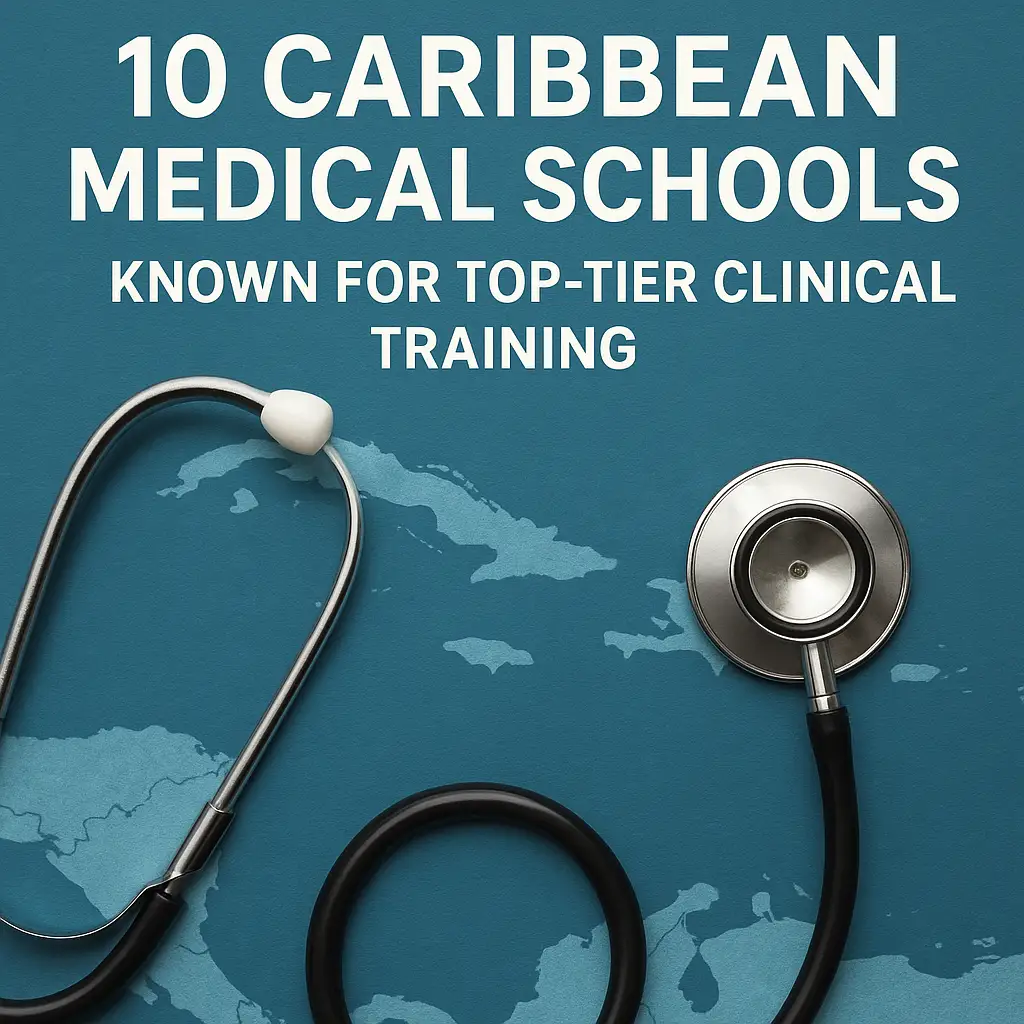
10 Caribbean Medical Schools Known for Top-Tier Clinical Training
The Caribbean medical schools clinical training landscape offers a powerful alternative for students seeking hands-on, U.S.-modeled clinical exposure. This list showcases the best Caribbean medical schools for clinical rotations, led by the American University of Antigua (AUA) and other top-rated offshore programs known for their accreditation, residency placements, and trusted clinical training pathways.For prospective medical students, selecting the right institution means finding schools that combine rigorous academics with exceptional clinical opportunities. These Caribbean institutions have established themselves as leaders in preparing graduates for successful medical careers through comprehensive training programs that rival their U.S. counterparts.What to Look for in the Best Caribbean Medical Schools for Clinical TrainingWhen evaluating Caribbean medical schools clinical training programs, several key factors distinguish the top institutions. Accreditation by recognized bodies like CAAM-HP (Caribbean Accreditation Authority for Education in Medicine and other Health Professions) ensures educational standards meet international requirements. Additionally, state approvals from jurisdictions like New York, California, and Florida provide graduates with enhanced opportunities for clinical rotations and eventual licensure.Strong USMLE pass rates, extensive hospital affiliate networks, and proven residency match success indicate quality clinical preparation. The most trusted programs also offer flexible clinical placement options across the United States, Canada, and the United Kingdom, allowing students to gain diverse healthcare experience in multiple healthcare systems.Top 6 Caribbean Medical Schools for Clinical TrainingAmerican University of Antigua (AUA): Best Comprehensive Clinical Training NetworkAUA delivers a U.S.-modeled MD program with extensive clinical rotations across the U.S., Canada, UK, and beyond, bolstered by CAAM-HP accreditation and U.S. state approvals. The school stands out for its structured approach to clinical education, featuring simulated ward facilities Osler and Crumpler Suites that provide early hands-on experience before students enter actual hospital rotations. AUA is approved by the New York State Education Department (NYSED) to allow students to complete more than 12 weeks of clinical clerkships in New York State, making it one of only eight Caribbean medical schools with this distinction. Recent performance data shows AUA's 2022 USMLE Step 2 pass rate reached 96.12%, significantly outperforming their Step 1 rate of 75.46%, demonstrating strong clinical preparation.American University of the Caribbean (AUC): Best Residency Outcomes and USMLE SuccessAUC achieved a 95% first-time residency attainment rate for 2024-2025 graduates, making it one of the highest-performing Caribbean schools for residency placement. The school's five-year cumulative first-time pass rate for the USMLE Step 1 exam is 81% from 2020-2024. AUC features small class sizes and offers clinical rotations at 17 affiliate hospitals across Michigan, Louisiana, New York, Florida, California, Illinois, Maryland, and Connecticut in the United States, plus 7 affiliates in the United Kingdom. The institution's rolling admissions policy with three annual start dates (January, May, and September) provides flexibility for students beginning their medical education journey.St. George's University (SGU): Best Network Coverage and Largest ProviderSGU has been the largest provider of physicians into first-year U.S. residencies for the last 11 years, with clinical training available at 85+ hospitals and health systems in the United States, Canada, and the United Kingdom. The school maintains a 94% residency placement rate over 5 years and offers both 4-year and 5-year MD tracks. SGU's global reach extends beyond clinical rotations, with students from the 2025 entering class representing 39 countries, including strong representation from Latin America, the Caribbean, Africa, and the Middle East. This international diversity enriches the clinical learning environment and prepares students for global healthcare challenges. Students can access comprehensive medical education resources to support their academic journey.Ross University School of Medicine (RUSM): Best Single-Location Clinical Training OptionRoss Med offers unique single-location clinical tracks, allowing students to remain in one location throughout their core clinical education curriculum, reducing stress and moving expenses. The school maintains 28 clinical hospital affiliates across 9 states plus the District of Columbia, with a 96% first-time residency attainment rate for 2025 graduates. Ross has established strong USMLE performance with a 96.21% Step 1 pass rate and 89.23% Step 2 pass rate in 2019. Since opening in 1978, the university reports graduating over 15,000 students who are practicing in the U.S. and Canada, with a large proportion becoming primary care physicians.Saba University School of Medicine: Best Value for Primary Care FocusSaba University emphasizes strong clinical training specifically designed for students pursuing primary care residencies in underserved U.S. areas. The school has built its reputation on providing focused, cost-effective clinical preparation that serves the growing need for primary care physicians in rural and urban underserved communities. Their clinical curriculum prioritizes practical skills development and community health exposure, making it an excellent choice for students committed to addressing healthcare disparities.Innovative Caribbean Medical Consortium: Best Collaborative Learning ResourcesThis emerging network represents a new model in Caribbean medical education, focusing on shared clinical training modules and collaborative clerkship resources across multiple Caribbean institutions. While not a traditional single school, this consortium offers unique opportunities for students to experience diverse clinical environments and teaching methodologies. The collaborative approach provides access to a broader range of clinical sites and educational resources than any single institution could offer independently.Making Your Choice: Key Considerations for Clinical Training ExcellenceSelecting the right Caribbean medical school for clinical training requires careful evaluation of your career goals and learning preferences. Consider factors such as geographic preferences for clinical rotations, specialty interests, financial considerations, and support systems offered by each institution. The schools highlighted here represent the top tier of Caribbean medical education, each offering distinct advantages in clinical preparation.Research shows that graduates from these institutions successfully compete for residencies across all medical specialities, from primary care to highly competitive fields. Success ultimately depends on individual commitment, academic performance, and taking advantage of the comprehensive clinical training opportunities these schools provide.For students serious about pursuing medical careers, these Caribbean institutions offer proven pathways to achieving their goals. Take the next step by exploring medical school application strategies and connecting directly with admissions representatives to discuss your specific needs and career aspirations.
When Is an Accident Book Legally Required in the Workplace?
Understanding when an organisation is legally required to have an accident book is essential, not just for compliance, but also for creating a safer work environment. Businesses with 10 or more employees in the UK must keep an accident book to document injuries.�Even if your team is small, tracking any workplace injuries or incidents is essential for ensuring safety and complying with regulations. Having a clear record helps meet legal requirements and improve overall workplace safety and support your employees' well-being.Why Every Workplace Needs an Accident Book and How It HelpsAn accident book is an essential record that employers and employees use to document injuries, illnesses, or incidents at work. It ensures legal compliance, helps track safety trends, and is crucial in investigating how incidents occur.By identifying unsafe practices, the accident book aids in preventing future accidents and reducing workplace risks. Whether it�s a first aid accident book or a standard accident report book, keeping accurate records supports both safety and compliance.Accident Book Legal Requirements in the UK (SSCPR & RIDDOR)The accident book legal requirement in the UK is set out under SSCPR, and further reporting duties come under RIDDOR. If your organisation has 10 or more employees, the law requires you to keep an accident book under the Social Security (Claims and Payments) Regulations 1979 (SSCPR).�You also need to follow RIDDOR 2013 (Reporting of Injuries, Diseases, and Dangerous Occurrences Regulations), which means reporting certain serious incidents to the Health and Safety Executive (HSE).While both SSCPR and RIDDOR aim to protect employees and keep your workplace compliant, SSCPR focuses on record-keeping, and RIDDOR focuses on reporting specific types of incidents.Key Requirements for Employers to Keep an Accident BookEmployers must understand what should be recorded in an accident book to stay compliant and protect staff from future risks. Here�s a breakdown of the essential information you need to know about maintaining an accident book:RequirementsDetailsWho must keep an accident book?Employers with 10 or more employees working on the same premises and owners or occupiers of mines, quarries, or premises covered by the Factories Act 1961.What must be recorded?Any accident that causes personal injury to an employee must be recorded. The injured person or someone on their behalf can make the entry.How should the records be kept?The accident book must be in a format approved by the Secretary of State and readily accessible.How long should the records be kept?Once the accident book is complete, it must be preserved for at least 3 years from the date of the last entry.Essential Details to Record in an Accident BookThe injured party should fill in the accident details; however, under Regulation 25(3) of the SSCPR, someone acting on their behalf can also complete the record. The accident book should include the following information:Date and Time: The exact moment the incident occurred.Injured Person�s Name: The full name of the individual involved.Accident Description: A brief account of what happened.Injury Type: The specific nature of the injury sustained.Witnesses: Names and contact details of any individuals who witnessed the incident.Medical Treatment: Any medical care or treatment provided to the injured party.Further Actions: Any follow-up actions, such as investigations or safety measures. Physical vs. Digital: Which Accident Book Format is Required?Whether you keep a digital or physical accident book at work, it must be accessible and secure. While a physical book is often easier to access quickly, a digital version may pose challenges, such as login barriers or unfamiliarity with the system for the person reporting the incident. There's also a risk of losing or accidentally deleting digital records, which could compromise important information.Ultimately, the choice between a physical or digital format depends on your workplace�s needs and preferences, but it should always prioritise safety, accessibility, and efficiency.ConclusionAccident books are vital in maintaining workplace safety and ensuring legal compliance. Whether in physical or digital format, they must be accessible and accurately maintained. Coupled with first aid awareness, this simple tool can help protect employees, meet legal responsibilities, and support a safer working environment.Frequently Asked QuestionsWho is responsible for filling in the accident book?The injured employee or a witness usually fills in the accident book. Employers must ensure it�s accessible and properly maintained.How long do you have to put an accident in the accident book?Accidents should be recorded as soon as possible after they occur. Records must be kept for at least three years from the date of the last entry.�Where must first aid incidents be recorded?Employers should ensure that first aid incidents are recorded in the accident book as required.What should be recorded in an accident book?Key details include the incident's date, time, and location, names of those involved, injury details, and any treatment given.Explore Popular First Aid Courses at HurakLooking to boost your skills? Explore our range of first aid courses to find the right one for you.Here are some of our most popular first aid courses to help you stay prepared:Emergency First Aid at Work (1 Day): A one-day course covering essential life-saving skills, including CPR, choking, bleeding control, and managing emergencies. Ideal for low-risk workplaces.First Aid at Work (3 Days): A comprehensive three-day training that prepares you to respond to a wide range of injuries and illnesses in the workplace. Meets HSE requirements for high-risk environments.Basic First Aid Course: Perfect for general awareness. It covers basic skills like dealing with minor wounds, burns, shock, and fainting and is suitable for non-workplace settings.Advanced First Aid Training: Intended for those needing higher-level skills. Includes oxygen administration, advanced trauma management, and secondary assessments.First Aid for Mental Health: Focuses on identifying, understanding, and supporting individuals with mental health conditions. Covers stress, anxiety, depression, and early intervention strategies.

How AI Surveillance Improves Workplace Safety Compliance
According to the International Labour Organization, there are approximately 2.78 million work-related deaths each year, and 374 million non-fatal work injuries annually. Moreover, the global market for AI in workplace safety is expected to grow at a CAGR of 14.8%, reaching over $3.8 billion by 2027. These figures highlight the urgent need for more proactive and data-driven approaches to health and safety compliance.Furthermore, this article explores how AI-driven surveillance systems can revolutionize health and safety protocols across industries. It delves into real?time monitoring, hazard detection, policy enforcement, data collection for audits, and cost-benefit analysis. Additionally, this piece will showcase use cases, address privacy and ethical issues, and outline best practices for implementing AI surveillance in the workplace.Why Real Time Monitoring MattersEnhanced Visibility into Hazardous EnvironmentsConsequently, AI surveillance systems equipped with real-time video analytics enable continuous monitoring of complex or dangerous zones. For example, AI-powered cameras can automatically detect the presence of workers in restricted areas and trigger alerts. This improves oversight and ensures that response teams can react immediately in case of incidents. Companies offering AI development services play a crucial role in building such intelligent surveillance solutions tailored to specific safety and compliance requirements.Automated PPE ComplianceMoreover, machine?vision algorithms can analyze whether employees are wearing the correct personal protective equipment (PPE), such as hard hats, safety goggles, or high-visibility vests. When non-compliance is detected, the system can automatically notify workers or supervisors, thereby reducing manual checks and improving compliance rates.Intelligent Behavior TrackingFurthermore, AI systems can identify unsafe behaviors like slipping, improper lifting, or unsafe proximity to moving machinery. By analyzing body posture and movements, these systems notify managers in real time to enforce corrective actions before accidents occur.Proactive Hazard DetectionIdentifying Unsafe Conditions Before They EscalateAdditionally, AI surveillance can detect physical hazards such as loose cables, wet floors, or obstacles blocking emergency exits. Using pattern recognition, the system can distinguish between normal and hazardous conditions and send alerts when anomalies are detected. This early warning helps prevent accidents before they happen.Environmental Risk SensingSimilarly, AI combined with sensors can detect environmental risks like smoke, chemical leaks, or excessive heat. These systems allow for rapid detection and automated escalation, significantly reducing potential harm to workers and property.Integration of night vision camera TechnologyFirstly, companies like Coram AI have begun integrating advancednight vision camerafunctionality into their systems to enhance round-the-clock safety monitoring. These cameras, capable of detecting movement and identifying workers even in low-light environments, are often powered by solutions developed by top AI development firms. This ensures consistent surveillance regardless of lighting conditions and reflects the growing role of AI in workplace safety innovation.Ensuring Policy and Procedure EnforcementAutomated Documentation of ComplianceConsequently, AI systems can automatically record footage and generate detailed logs of compliance events such as PPE usage, machine operation procedures, or scheduled safety drills.When integrated with automated compliance software, these logs create a traceable audit trail, which supports regulatory inspections and internal reviews. To take compliance a step further, organizations can integrate these automated logs into a broader AI governance framework. This ensures that safety events, regulatory data, and access records are centrally managed, auditable, and aligned with company-wide policies. By combining real-time surveillance with structured governance, businesses can not only track incidents but also demonstrate accountability and regulatory readiness.To translate automated logs into structured compliance processes, many organisations combine safety analytics with IT compliance services that support risk assessments, policy development, and ongoing audits. This type of compliance framework support helps align surveillance data with regulatory requirements, ensuring consistent documentation, improved audit readiness, and more efficient incident management.Intelligent Access ControlFurthermore, many AI-based surveillance systems integrate with access control solutions to ensure only authorized personnel enter restricted zones. The system cross-checks ID badges, biometric data, and authorized access lists, preventing unauthorized entry and enhancing workplace safety.Data-Driven Decision MakingAnalytics and ReportingMoreover, using AI agents within data analytics dashboards, safety teams can identify trends, high-risk areas, and recurring infractions. This enables organizations to allocate resources effectively, develop targeted training programs, and measure the impact of safety initiatives over time.Predictive Risk ModelsAdditionally, AI-driven surveillance data can be used to build predictive models that forecast potential incidents based on historical patterns. Organizations can then proactively address underlying issues such as adjusting workflows, redesigning workstations, or reinforcing training protocolsCost Benefit AnalysisReducing Incident-Related CostsConsequently, using AI surveillance to prevent accidents can result in substantial savings by lowering medical care expenses, legal fees, and regulatory fines. Fewer accidents also mean reduced downtime and higher productivity, which results in operational savings over time.Optimizing Resource AllocationMoreover, automated surveillance eliminates the need for constant manual inspection by health and safety officers. This enables organizations to reassign staff to other strategic tasks. Over time, the combination of reduced labor costs and incident avoidance typically yields a positive return on investment (ROI) within 12 to 18 months.Addressing Privacy and Ethical ConsiderationsTransparency and Clear GuidelinesFurthermore, transparent communication about surveillance practices helps build employee trust. Employers should clearly outline what is being monitored, how data is stored, who has access, and how long it will be retained.Data Security and Access ControlAdditionally, securing video data with encryption, unidirectional data transfer equipment and access control ensures that sensitive footage is not misused or accessed by unauthorized personnel. This minimizes the risk of data breaches and promotes ethical surveillance.Fair Use and Bias MitigationSimilarly, AI systems must be trained on diverse datasets to avoid biases that could unfairly target certain employee groups. Regular audits and algorithm reviews help maintain fairness and prevent discrimination.Implementation Best PracticesPilot ProgramsConsequently, organizations should begin with small-scale pilot programs to evaluate system performance, identify gaps, and adjust policies. Pilots help validate metrics such as detection accuracy, false alarm rates, and alert response times.Training for StaffMoreover, employees and supervisors should be trained on AI surveillance systems both its capabilities and limitations. They must be informed how to respond to alerts, interpret data dashboards, and engage in incident documentation.Continuous EvaluationAdditionally, safety teams should regularly review system logs, performance metrics, and incident outcomes. Ongoing evaluation allows for fine-tuning alert thresholds, adding new detection capabilities, or expanding coverage as needed.FAQsWhat types of hazards can AI surveillance detect?AI systems can identify unsafe conditions like wet floors, missing PPE, spine-straining postures, smoke, chemical leaks, and unauthorized access.How does AI surveillance integrate with existing safety systems?AI surveillance can interface with access-control systems, environmental sensors, incident-reporting platforms, and company dashboards to streamline data flow and workflow.Can AI surveillance respect worker privacy?Yes. By implementing clear monitoring policies, data encryption, retention limits, and access controls, organizations can maintain transparency and trust.ConclusionIn summary, AI surveillance enhances workplace health and safety compliance by enabling real-time monitoring, automating hazard detection, ensuring procedural adherence, and providing data-driven insights. It also delivers measurable cost savings while addressing privacy and ethical concerns. As a result, organizations that deploy well-structured AI surveillance systems can create safer work environments and foster a culture of continuous improvement.Key TakeawaysAI surveillance supports proactive risk management through real-time detection of hazards and unsafe behavior.Integration of AI with environmental sensors and analytics improves policy enforcement and audit readiness.Advanced features like night vision enhance low-light monitoring and round-the-clock safety.Ethical implementation including privacy safeguards and bias mitigation is essential.ROI from reduced incidents and labor optimization can occur within 12 to 18 months with proper deployment.
What Is Test Purchasing in Alcohol Sales?
Test purchasing is a method used by trading standards or licensing authorities to verify whether a business is complying with laws regarding the sale of age-restricted products, such as alcohol, to underage individuals.This article explains everything you need to know about alcohol test purchasing, including who conducts them, when and why they're done, what happens if you fail, and how your business can stay compliant.What Is a Test Purchase?A test purchase is when an underage person is sent into a licensed premises (such as a pub, shop, or restaurant) to try to buy alcohol. The goal is to verify whether the business is complying with the rules under the Licensing Act 2003 and other relevant laws.Trading Standards or the police usually organise test purchasing operations. The young person involved is typically a trained volunteer who has been carefully briefed and prepared. During the test purchase, officials observe the sale and record how the business and its staff respond to it.Test purchases are used to enforce compliance with specific offences under the Licensing Act 2003, particularly Section 146, which makes it a criminal offence to sell alcohol to someone under 18.Want to learn more about alcohol laws in the UK? Click here for our guide to the Licensing ActWho Conducts Test Purchases in the UK?Test purchases are typically carried out by local Trading Standards officers, the police (often in partnership with Trading Standards), or licensing authorities. These bodies are authorised under legislation to carry out enforcement checks.The individual attempting to make the purchase is always under the legal age, typically 16 or 17 years old. They are clearly instructed not to lie about their age, not to use fake identification, and not to mislead the seller in any way. These measures ensure the process is fair, legally defensible, and not considered entrapment.Why Are Test Purchases Done?The primary purpose of test purchasing is to ensure that businesses comply with the law, protect children from underage drinking, and encourage responsible alcohol sales.These operations may be triggered by various factors, such as complaints from the public, previous failures in test purchases, random checks in areas considered high-risk, or reports of antisocial behaviour related to alcohol consumption.Venues located in high-footfall or high-risk zones, such as near schools, clubs, or nightlife districts, are more likely to be targeted for these compliance checks.How Does an Alcohol Test Purchase Work?An alcohol test purchase typically begins with the recruitment of a volunteer, a young person under 18 selected and fully trained by the local authority.During the operation, the volunteer is supervised by enforcement officers as they enter the venue and attempt to buy alcohol, usually without showing ID unless asked.The officers observe or record the transaction, and if your staff proceed with the sale, the officers intervene and document the breach.When Might a Test Purchase Happen?You might not receive any warning before a test purchase, as these checks can happen randomly, in response to complaints, during busy periods such as weekends or festivals, or as part of a licence inspection.How Will I Know If I've Failed a Test Purchase?If your business fails a test purchase, you will usually be informed immediately after the sale, with officers explaining the nature of the breach. You may receive a formal warning, an improvement notice, or even a legal summons. In some cases, the local authority might conduct further visits or initiate a review of your premises licence.What Happens If You Fail a Test Purchase?Both the business owner and the staff member who sells alcohol to a minor can be held legally responsible. Staff may receive a fixed penalty notice, while business owners can face prosecution and significant fines if they fail to enforce proper procedures.Additionally, the Designated Premises Supervisor (DPS), the person legally responsible for alcohol sales, may face action, including the suspension or revocation of their personal licence, particularly in cases of repeated or serious non-compliance.Repeated breaches might lead to licence reviews, suspensions, or even closure orders.Beyond the legal and financial repercussions, such failures can damage your business reputation and increase the likelihood of more frequent inspections.First Offence ConsequencesFor a first offence, businesses often receive a warning or advice from Trading Standards. In some cases, mandatory staff training may be required to address compliance issues. A caution may also be issued, serving as a formal notice of the offence without immediate prosecution.Repeat or Serious OffencesMore serious or repeated offences bring stricter penalties. A business may receive a fixed penalty notice or face a formal review of its premises licence. Authorities may temporarily suspend the alcohol licence, and legal prosecution is possible, potentially resulting in fines or imprisonment depending on the severity of the breach. If a sale is made during a test purchase, the individual staff member involved may be issued a fixed penalty notice or criminal caution.The Designated Premises Supervisor (DPS) holds legal responsibility for ensuring proper alcohol sales. Repeated failures can lead to the revocation of their personal licence. In severe cases, the entire business may face a licence review, temporary closure, or even permanent revocation of the premises licence.Enforcement officers may also take further actions during or after a failed test purchase, such as interviewing staff under caution, requesting CCTV footage, or conducting a full inspection of the premises to assess overall compliance with licensing laws.For more details, see our article on the Reasons Why Your Personal Licence Can Be Suspended.Can You Defend Yourself If Accused?Yes, you can defend yourself if accused of selling alcohol illegally. You have the right to request evidence, such as video recordings or official reports, and to provide your own supporting evidence, like training records and refusals log.If your licence is at risk, you can also attend a hearing to present your case. Maintaining good documentation is crucial, as it can demonstrate that you took reasonable steps to prevent underage sales.What Is the Purpose of Test Purchasing?The purpose of test purchasing is to help enforce the Licensing Act 2003, reduce underage drinking, protect public health, and hold businesses accountable for their actions. The aim isn't to penalise unnecessarily, but to promote responsible alcohol service and help ensure venues are complying with the law.Best Practices to Pass a Test PurchaseTo stay compliant, ensure all staff are trained on the Challenge 25 policy, with regular training sessions especially for bartenders. Maintain thorough records, including a refusals log and proof of staff training and DBS checks. Display Challenge 25 signage prominently near tills and entrances to remind both staff and customers of the policy.Additionally, supervise staff during shifts and consider conducting internal mystery shopper exercises to assess compliance and identify areas for improvement. These exercises must only involve individuals aged 18 or over who appear younger. The use of minors is unlawful unless expressly authorised by Trading Standards or the police.Enhance Your Team's Compliance SkillsEnsure your staff are well-versed in age-restricted sales laws. Enrol them in Hurak's accredited APLH Personal Licence Training Course to promote responsible alcohol sales.Implement Challenge 25First, implement the Challenge 25 policy by asking anyone who looks under 25 for valid identification, such as passports or driving licences.Always request valid proof of age, rather than relying solely on appearance or verbal confirmation. This practice not only supports the Challenge 25 policy but also reinforces your due diligence defence in case of inadvertent sales to minorsTrain Your StaffNext, train your staff thoroughly so they understand the rules around age-restricted sales and feel confident refusing service when necessary. Staff should also learn how to spot fake or borrowed ID, and it's important to keep written training records as proof of due diligence.Implement ongoing training programs for your staff, focusing on age verification techniques, identifying counterfeit IDs, and managing refusal situations with confidence. Well-trained employees are your first line of defence against underage sales.Keep a Refusals LogAdditionally, keep a detailed refusals log that records every instance where alcohol is refused, including the date, time, reason, and the name of the staff member involved.For example: 01/05/2024 7:45 PM Male, approx. 16, no ID - Refused by Sarah J.This log helps demonstrate that your staff are acting responsibly.Stay Up to Date with Licensing RulesBe aware of regional differences in licensing laws. For example, in Scotland, the Challenge 25 policy is a legal requirement, whereas in England and Wales, it's a recommended best practice.Ensure your business complies with the specific regulations applicable in your region.Stay Informed with Expert TrainingLicensing laws can vary by region. Hurak offers specialised courses, including the Scottish Personal Licence (SCPLH) Course, to keep you and your team informed and compliant.Run Your Own Test PurchasesSome businesses opt to conduct their own internal test purchases as part of staff training, which helps identify areas needing improvement and better prepares employees for official compliance checks.Caution: If you plan to conduct internal test purchases, ensure that the individuals are at least 18 years old but look younger. Using actual minors for such tests is illegal unless authorised by Trading Standards or the police.Use CCTV MonitoringFinally, using CCTV monitoring at the point of sale ensures that footage is available to prove your staff followed proper procedures during sales.Additional Support for BusinessesLocal authorities and course providers often offer valuable support to businesses, including training on underage sales, workshops focused on responsible alcohol retailing, and advice sessions with licensing officers.Stay informed by utilising resources provided by local authorities, such as advisory notes and training materials. Participating in workshops and displaying recommended signage can further showcase your commitment to responsible alcohol retailing.Can Test Purchasing Happen at Events and Temporary Bars?Test purchasing can occur at events and temporary bars, including pop-up bars, mobile bars operating under a mobile alcohol licence, and outdoor events with Temporary Event Notices. It's important to ensure that all staff, including temporary hires, receive proper training to comply with the law and avoid any breaches during such events.Plan Ahead for Your EventsHosting an event with alcohol sales? Ensure compliance by applying for a Temporary Event Notice (TEN) and consider Hurak's APLH course to train your staff effectively.Your Rights as a BusinessIf you're accused of selling alcohol to a minor, you have the right to ask to see the evidence against you. It's essential to provide proof of your compliance efforts, including staff training records and a log of refusals. Additionally, be prepared to explain the steps you have taken to adhere to the requirements of the Licensing Act.Secure Your Premises Licence with EaseSecure Your Premises Licence with Confidence. Let Hurak assist you with their comprehensive Premises Licence Application Service, streamlining the process for you.Understanding the Legal Framework for Test PurchasingTest purchasing is a regulated enforcement tool carried out under clear legal authority. In the UK, Trading Standards and licensing authorities operate under the Licensing Act 2003, which allows them to monitor alcohol sales to ensure compliance with age restriction laws.Test purchases are typically part of broader public health and safety strategies and must follow national guidance, including the Code of Practice for Age Restricted Products. These rules are in place to make sure businesses are treated fairly and that any testing is proportionate and transparent.For example, officers must ensure:The young volunteer involved in the test looks their actual age and is not dressed to appear older.The test is not conducted in a misleading or deceptive way (e.g. encouraging the sale or pressuring staff).Proper records are maintained, and evidence is collected in an ethical manner.Businesses can also benefit from the Primary Authority Scheme, a government-backed initiative that allows companies to receive consistent, tailored advice from one local authority, even if they operate across multiple areas. If you're signed up to the scheme, enforcement action (like a test purchase) will usually involve consulting your primary authority first.If you believe a test purchase was not conducted properly, or that you have a valid defence, you have the right to challenge the outcome or seek legal advice.Understanding the rules behind the process helps you stay informed, protected, and confident in running a compliant business.ConclusionThe goal of test purchasing isn't to punish businesses, but to encourage compliance and protect young people, supporting businesses in meeting their legal responsibilities and ensuring the safe sale of alcohol.Local authorities and businesses alike use test purchasing as a tool to educate, identify areas for improvement in procedures, and promote good practices, rather than punishing minor mistakes.Keeping records, engaging with local authority guidance, and treating test purchasing as part of a responsible retailing culture helps protect both your business and the community.FAQsWhat is a test purchase in alcohol licensing?A test purchase is when an underage person, supervised by authorities, attempts to buy alcohol to see if your staff are following the law. It's used to check compliance with age restriction laws at licensed venues.How will I know if my business has failed a test purchase?In most cases, you'll be informed immediately after the attempt. The officers involved typically notify you or your staff on the spot.Who is responsible for authorising test purchases for alcohol sales?Test purchases are authorised by local authorities, including Trading Standards, the police, or the local council's licensing team.What are the consequences if you fail an alcohol test purchase?Failing a test purchase can lead to fines, warnings, or even a formal licence review. Both the business owner and the staff member who sold the alcohol may be held accountable.How can I avoid failing a test purchase for alcohol sales?You can reduce the risk by regularly training your staff, enforcing the Challenge 25 policy, maintaining a refusals log, and conducting internal compliance checks.Can I conduct my own alcohol test purchases at my venue?Yes, businesses can perform internal test purchases using individuals who are at least 18 years old but appear younger. It's illegal to use actual minors for such tests unless authorized by Trading Standards or the police.What is the role of the Designated Premises Supervisor (DPS) in test purchases?The DPS is legally responsible for ensuring that alcohol sales comply with licensing laws. If a venue fails a test purchase, the DPS may face penalties, including fines or suspension of their personal licence.How often can test purchases occur at my premises?Test purchases can happen at any time, especially if there have been previous compliance issues or complaints. Authorities may conduct them randomly or as part of routine checks.What steps should I take if I fail a test purchase?If you fail a test purchase, review your staff training procedures, update your age verification policies, and consult with licensing authorities to implement corrective actions and prevent future failures.Is it mandatory to implement the Challenge 25 policy?While not legally required in all regions, implementing Challenge 25 is considered best practice. It involves asking anyone who appears under 25 for valid ID to verify they are over 18.What types of ID are acceptable for age verification?Acceptable forms of ID include a passport, UK photocard driving licence, or a PASS-accredited proof of age card. Always check the ID's validity and photo to ensure authenticity.Can test purchases be conducted at temporary events or pop-up bars?Yes, test purchases can occur at any venue selling alcohol, including temporary events or pop-up bars. Ensure all staff are trained and aware of age verification procedures during such events.What are the penalties for repeatedly failing test purchases?Repeated failures can lead to severe consequences, including hefty fines, suspension or revocation of the premises licence, and potential legal action against the business and individuals involved.