

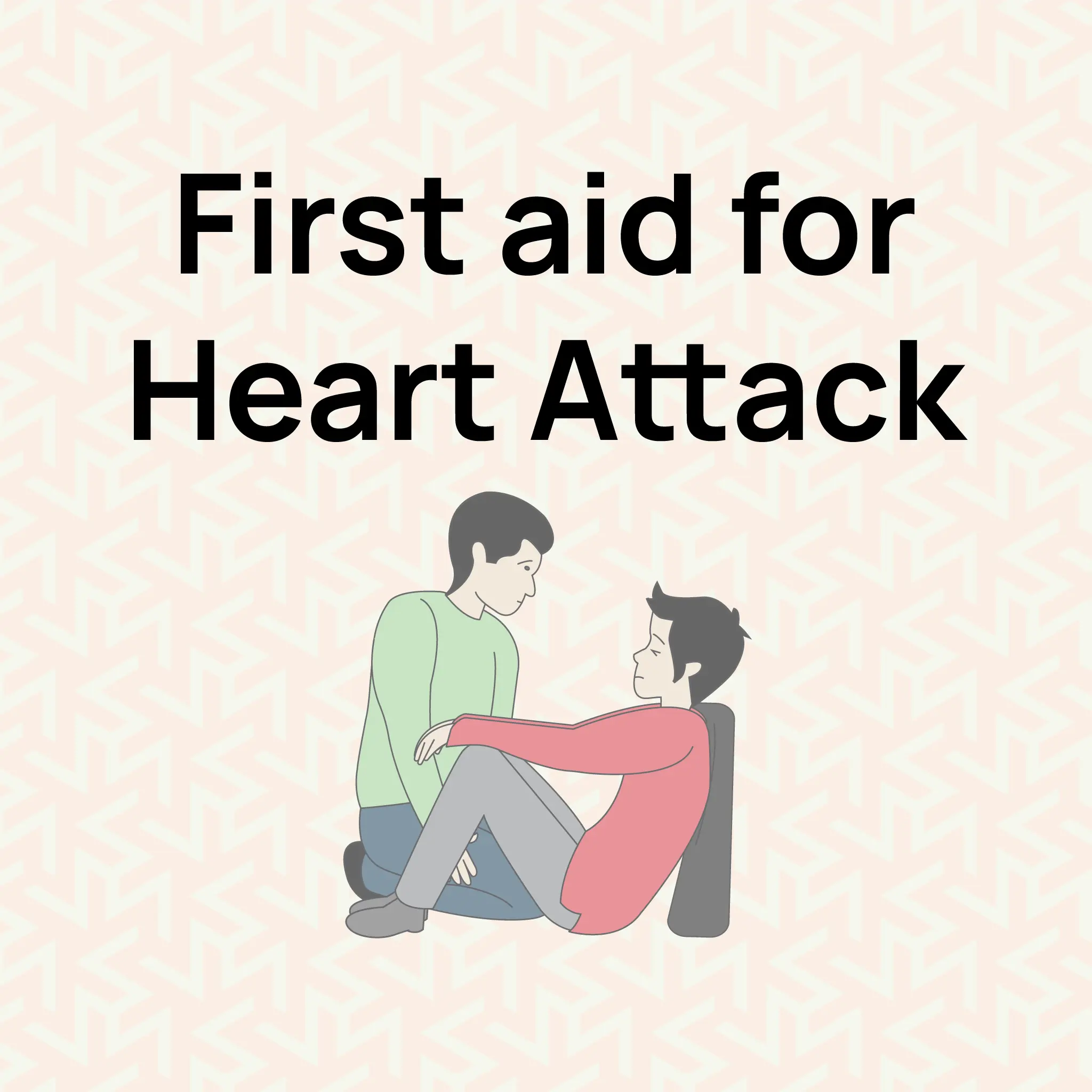
What to do if someone is having a heart attack
If someone is having a heart attack:Call emergency services immediately (e.g., 999 in the UK or 911 in the US).Keep the person calm and seated or lying down.Loosen tight clothing around their chest or neck.Give them aspirin (300 mg) to chew if they're not allergic or have been advised against it.Monitor their condition until help arrives. Be ready to perform CPR if they become unresponsive and stop breathing.Do�s & Don�tsDo�sLearn to recognize heart attack symptoms so you can act quickly and appropriately.Call the emergency helpline, as EMT�s are trained and have the right tools to provide critical care before reaching the hospital.Give them blood thinning medicine like aspirin. For quick results make sure they chew it.Reassure and keep the person calm, staying with them until medical help arrives.Don'tsDon�t make assumptions�Age or fitness level doesn�t rule out a heart attack. Treat all symptoms seriously.Don�t wait for symptoms to pass�Every second counts. Delaying action worsens the condition and increases the risk of severe heart damage.Avoid driving them to the hospital yourself�Unless there�s no other option, wait for an ambulance, as EMTs can provide life-saving care en route.Don�t give them food, drink (including water), or medication other than aspirin unless instructed by a professional.Don�t force them to walk or move unnecessarily, as this can put extra strain on their heart.Symptoms of a Heart AttackBefore taking action, it�s crucial to identify the symptoms of a heart attack. Common signs include:Chest Pain and Discomfort: most commonly known as the sensation of constriction, tightness, it might even include pain located in the mid-sternal area or left sternal region of the chestShortness of breath: This may occur with chest pain and can be described as pressure or squeezing sensation or they may even feel like they are choking.Radiating Pain: When people experience discomfort it can spread to the shoulders, the neck, arms, back, teeth or jaw.Other symptoms: These symptoms can be extremely debilitating; they include nausea, cold sweats, feeling lethargic while finding it difficult to rest.Causes of Heart AttacksUnderstanding the causes can help in prevention:Having a thorough understanding of the causes can help in preventionCoronary Artery Disease: This is the most common cause of a heart attack. With Coronary Artery Disease what happens is that arteries are constricted leading to narrowing.High Blood Pressure: High blood pressure can gradually damage the arteriesHigh Cholesterol: Consuming food in high proportions can lead to formation of Plaque in the arteriesLifestyle Factors: This includes excessively smoking or an excessive consumption of alcohol, poor diet and no exercise among other causative factors.What to do if the person is unresponsiveIf the person loses consciousness and stops breathing, start giving CPR immediately. Place one hand on the center of their chest, with the other hand on top, and press down firmly in a rhythmic motion. Perform 30 chest compressions followed by 2 rescue breaths. Continue CPR until help arrives or someone trained in CPR takes over. If the person regains consciousness, stop the procedure.Using an AEDIf an AED (Automated External Defibrillator) is available, use it immediately after calling for help. Follow the device�s prompts to analyze the heart rhythm and deliver a shock if needed. Continue CPR in between AED prompts until emergency services arrive or the person regains consciousness.Diagnosis and Treating Heart AttacksUpon arrival at the hospital, healthcare professionals will conduct several tests to diagnose a heart attack, including:Electrocardiogram (ECG): To measure heart activity.Blood Tests: To check for markers indicating heart damage.Imaging Tests: Such as echocardiograms or angiograms to visualize the heart and blood vessels.Treatment may involve medications, lifestyle changes, or procedures like angioplasty or surgery.Recovering from a Heart AttackThe process of recovery varies but it usually includes:Rehabilitation Programs: this is something that is mandatory it includes specific exercises and therapyMedications: These are a necessity if you want to ensure that your heart does not suffer from anymore defects. Taking medicines that are prescribed by your doctor are important for a healthy heart.Lifestyle Changes: This includes exercising, intake of certain food which includes fruits and vegetables, the patient should avoid intake of saturated fats while also managing stress.Preventing a Heart AttackPrevention is Key. Here are some strategies to prevent heart attack:Maintain a healthy diet- Make an attempt to eat fruits and vegetables, and incorporate proteins in your diet. Choose foods that are high in fiber, choose whole grain foods and stick to lean protein sources.Get proper exercise- Exercise for at least 150 minutes weeklyStop smoking- If you let go of habits such as smoking you will inadvertently lower your chances of a heart attack.Regular check-ups- go for regular check-ups to make sure that your blood pressure and cholesterol are under control. .main{ border:3px solid #0f7c90; border-radius:20px; position: relative; font-family:roboto; font-weight: 400; color: #000; } .main-two{ position: absolute; top:-25px; left:45px; background-color:white; } .img-div{ border-radius : 100%; padding:2px 7px; background-color:#0f7c90; margin-right:5px; width: 50px; height: 50px; } .img{ width:30px; object-fit:contain; height:auto; border-radius : 100%; } @media only screen and (max-width: 600px) { .heading{ font-size:20px; } .img{ width:20px; object-fit:contain; height:auto; border-radius : 100%; } .img-div{ width: 40px; height: 40px; } .main-two{ left:25px; } } Want to Learn Heart Attack First Aid ? Heart attacks can strike at any time, if you are equipped with the right knowledge you can take quick action, and make a difference. If you are ready to save a life Sign up for our First Aid course today to gain the essential skills, Skills that will help you handle a situation confidently during a heart attack. ConclusionIn conclusion it should be noted that over the past decade heart attacks have become more prevalent, with the debilitating issue becoming more and more common even amongst young adults. Taking quick action and administering first aid when someone is having a heart attack is crucial.Knowing what to do being active and ready to take action when someone is having a heart attack can make a significant difference therefore it is crucial that you learn the symptoms, causes and equip yourself with additional knowledge which might include the necessary measures that you�d need to take. The right kind of knowledge and timely response are your go-to weapons in such calamity. Always be alert and ready to save a life.
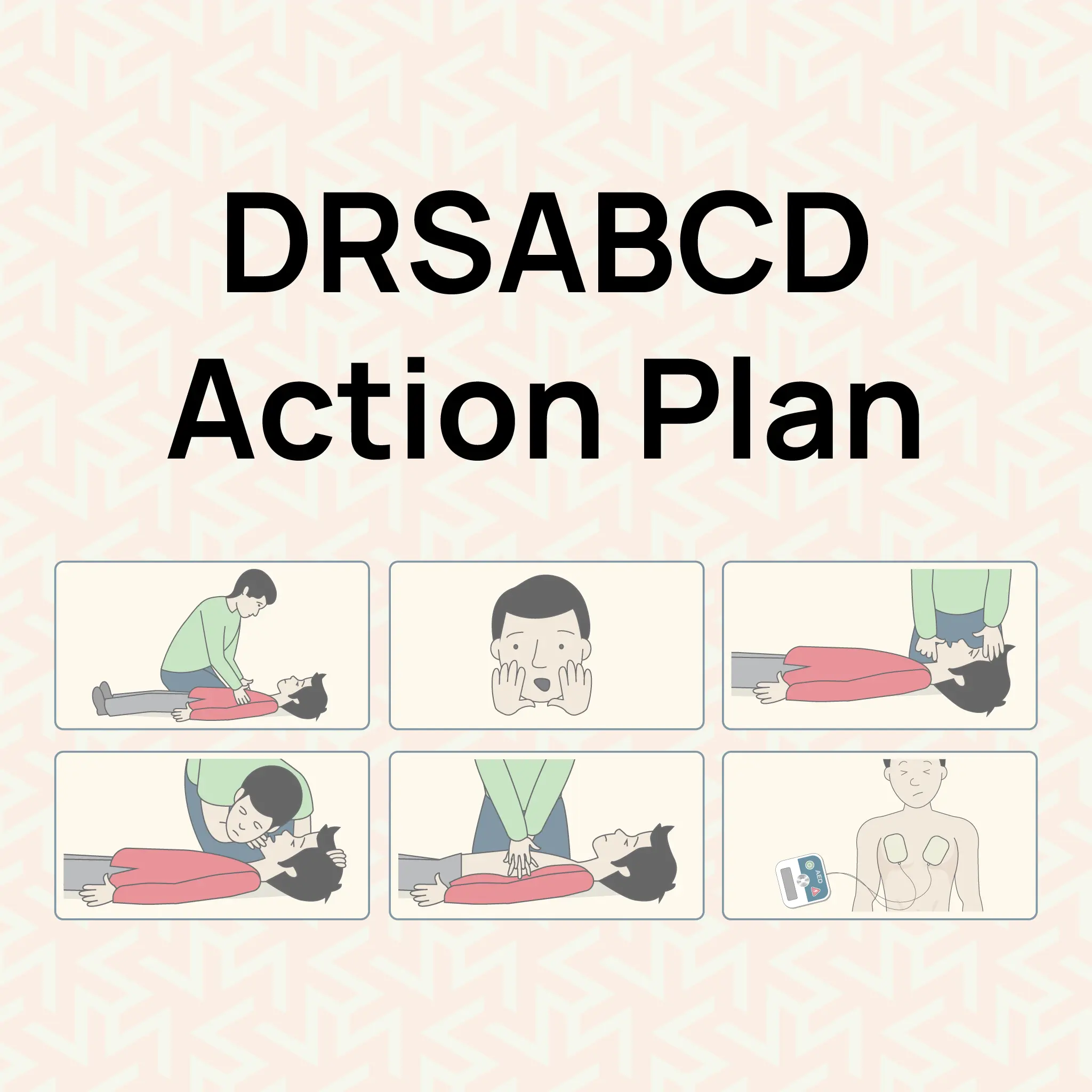
Using DRSABCD Steps in First Aid
Learning basic first aid skills can make a significant difference in saving a life during an emergency. A 2021 survey in the UK revealed that over 30% of adults lacked knowledge of CPR or chest compressions and had never participated in any basic first-aid training.Fortunately, anyone can enrol in first aid courses to learn these life-saving techniques. Learning these skills allows you to respond effectively in emergencies by applying pressure to a wound or performing other procedures. For this reason, first aid training is often included in school curricula and workplace safety programs.One critical framework in first aid is the DRSABCD action plan. It helps you assess a situation and provide appropriate care, from reducing pain and covering wounds to administering CPR.DRSABCD Meaning: What Does DRSABCD Stand For?DRSABCD is an acronym that outlines the steps to follow in an emergency first aid situation. Each letter stands for a specific action:AcronymStepShort DescriptionDDangerCheck the area for dangers to yourself, the casualty, or others. Ensure the environment is safe.RResponseCheck if the casualty is responsive by speaking to them or gently shaking their shoulders.SSend for HelpCall emergency services (e.g., 999) and provide clear information about the situation.AAirwayEnsure the airway is clear by tilting the head back and lifting the chin to remove obstructions.BBreathingLook, listen, and feel for breathing. If not breathing, prepare to perform CPR.CCPR (Cardiopulmonary Resuscitation)Perform 30 chest compressions followed by two rescue breaths. Repeat until help arrives.DDefibrillationUse an Automated External Defibrillator (AED) if available, following its instructions.The DRSABCD framework helps you take systematic and effective steps to aid someone in a critical situation.DRSABCD Action Plan in First AidThe DRSABCD action plan outlines a step-by-step approach to managing emergencies effectively. It helps assess danger, provide immediate assistance, and determine the best action. Following are the DRSABCD steps included in the primary survey of first aid:DangerStart by ensuring the area is safe for both you and the casualty. For example, if the incident occurs on a road, ensure the area is traffic-free. Avoid moving the casualty if trapped or badly injured, as this could cause further harm. Instead, call for professional help or ask others nearby to assist.ResponseCheck if the casualty is responsive. Shake their shoulders gently and ask simple questions like their name or how many fingers you hold up.Outcomes:If responsive: Assess their condition, pain level, and immediate needs.If unresponsive: Call for professional help immediately and begin CPR if necessary.Send for HelpCall emergency services regardless of the casualty's responsiveness (e.g. 999). Place the phone on speaker mode and provide basic first aid until help arrives.AirwayEnsure the casualty's airway is clear. Look for obstructions in the throat or nose. Gently tilt their head back and lift their chin. If you can safely remove the blockage, do so. Otherwise, wait for professional assistance.BreathingCheck if the casualty is breathing. Get close to their face to listen and feel for breath or observe chest movements.If not breathing: Begin CPR immediately.If breathing but unconscious: Place them in the recovery position by rolling them onto their side while keeping their spine, head, and neck aligned. Continue monitoring their breathing until help arrives.CPR (Cardiopulmonary Resuscitation)If the casualty isn�t breathing, perform CPR to circulate oxygen and blood:Place both hands on the lower half of their breastbone, at the centre of their chest.Press down firmly to 1/3 of the chest�s depth, giving 30 compressions.Open their airway, pinch their nose, and provide two rescue breaths by blowing steadily for one second each.Repeat the cycle (30 compressions, two breaths) at around 120 compressions per minute.Continue until professional help arrives or the casualty starts breathing.DefibrillationIf an Automated External Defibrillator (AED) is available, use it immediately after CPR if the casualty remains unresponsive. Modern AEDs provide clear step-by-step instructions. Follow these instructions carefully while waiting for medical professionals to take over.By following the DRSABCD plan, you can provide effective first aid during critical emergencies. .main{ border:3px solid #0f7c90; border-radius:20px; position: relative; font-family:roboto; font-weight: 400; color: #000; } .main-two{ position: absolute; top:-25px; left:45px; background-color:white; } .img-div{ border-radius : 100%; padding:2px 7px; background-color:#0f7c90; margin-right:5px; width: 50px; height: 50px; } .img{ width:30px; object-fit:contain; height:auto; border-radius : 100%; } @media only screen and (max-width: 600px) { .heading{ font-size:20px; } .img{ width:20px; object-fit:contain; height:auto; border-radius : 100%; } .img-div{ width: 40px; height: 40px; } .main-two{ left:25px; } } Put your knowledge of the DRSABCD steps into practice by enrolling in a course today! Our First Aid courses offer complete training to help you handle critical situations. Whether you want to improve your skills or workplace safety, these courses help build confidence and expertise. View our Emergency First Aid at Work (EFAW) and Level 3 First Aid at Work courses. These courses meet the UK legal requirements and help you keep people safe. ConclusionIn conclusion, the DRSABCD action plan is a simple and effective guide to handling emergencies and saving lives. By following its steps�checking for danger, assessing responsiveness, calling for help, clearing the airway, checking breathing, performing CPR, and using a defibrillator�you can provide crucial first aid until help arrives. Practising these steps regularly helps you stay calm and confident, giving the casualty the best chance of recovery.
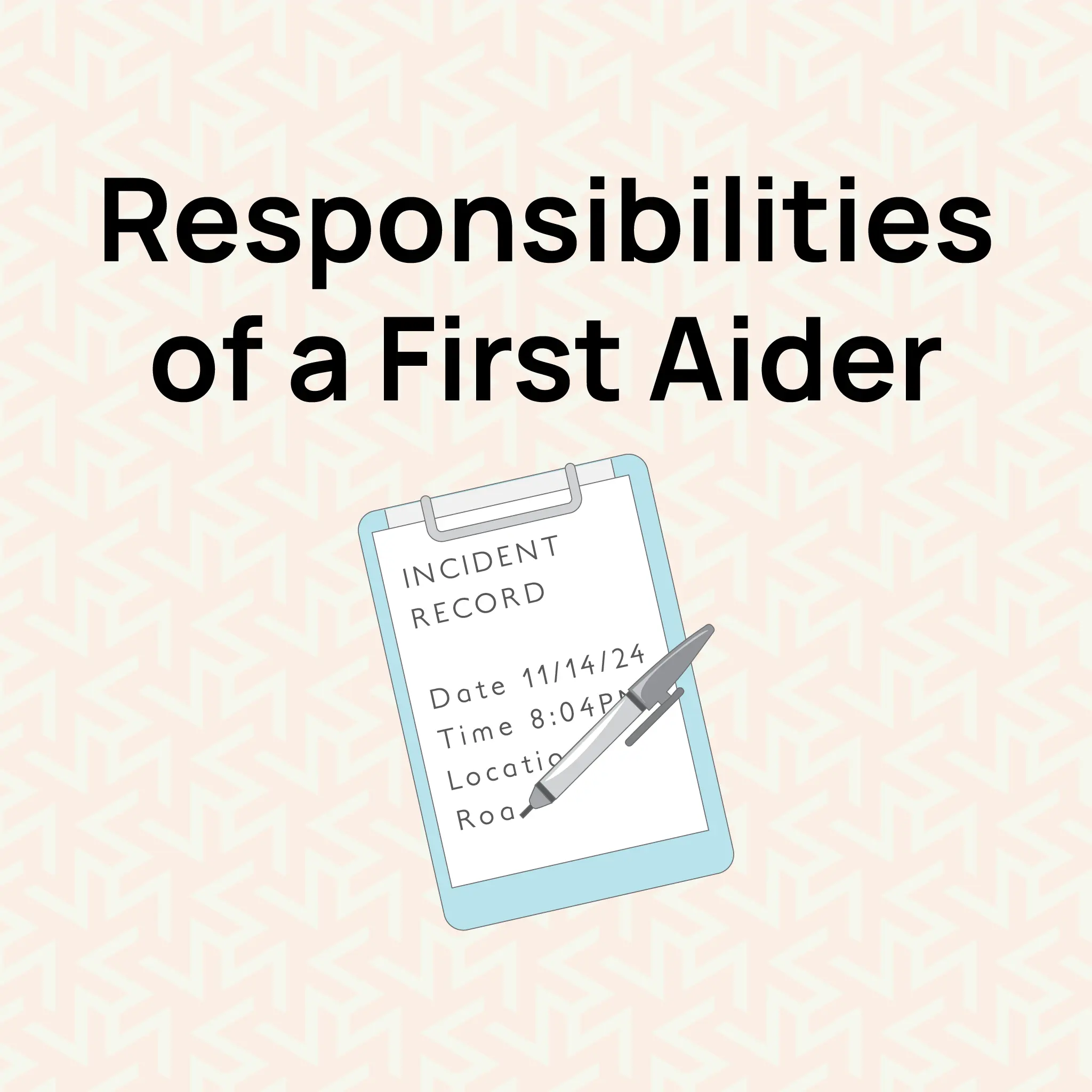
What are the Responsibilities of a First Aider
First aiders are common in most businesses, playing a key role as first responders in medical situations. They provide immediate, stabilising help when someone needs urgent care until professional medical assistance arrives. The role of a first aider can vary greatly depending on the person and workplace, which can make it confusing to understand the responsibilities if you�re new to it.While the main goal of first aid is to save lives, there are many other duties involved. In emergencies, they must provide proper care to anyone who is sick or injured. They also need to keep their first aid training up-to-date and be aware of any risks or hazards specific to their workplace.What is a First Aider?A first aider is trained to help sick or injured people until professional medical help arrives. They know basic skills like how to stop bleeding, help someone who is choking, or do CPR. First aiders are usually the first to respond in an emergency, keeping people safe and calm until more help comes.Anyone can be a first aider if they learn the right skills. I can be a first aider because I want to help others in emergencies and make my workplace or community safer.Qualified first aiders usually complete one of two main types of training:Emergency First Aid at Work (EFAW)This Level 3 course is for people designated as first aiders in lower-risk workplaces. The one-day training covers CPR, handling bleeding and wounds, managing choking incidents, treating minor injuries, and knowing what to do in emergencies. Upon successful completion, participants receive a certificate valid for three years.First Aid at Work (FAW)This is a more detailed Level 3 course for first-aiders in higher-risk workplaces. It covers additional topics like helping someone having a seizure, heart attack, diabetic emergency, or severe allergic reaction. FAW training lasts three days, and the certification is valid for three years.First aiders can also take specialist courses, like Paediatric First Aid. Health and Safety regulations do not require a trained first aider in some small businesses. Instead, they may appoint a responsible person for first aid, though this person does not need formal training. They may choose to take a basic first aid course for appointed persons.What are the Key Responsibilities of a First Aider A first aider�s main job is to help someone injured, sick, or having a medical emergency. The care provided depends on the severity of the situation and can range from simple tasks, like removing a splinter, to more complex emergency actions. Assess the SituationQuickly evaluate the scene to ensure it is safe for you and the injured person. Look for any hazards and try to remove or minimise them before giving assistance.Provide Initial CareOffer appropriate first aid to stabilise the injured person and prevent further harm. This might include CPR, stopping bleeding, or helping with choking. Only perform techniques you are trained in to avoid causing more harm.Call for Professional HelpCall emergency services or ask someone else to do so, especially in serious situations. It may be best to call NHS 111 for advice or refer the person to their GP for minor injuries.Communicate CalmlyStay calm and speak clearly with the injured person and anyone else. If the person is conscious, introduce yourself and explain your plan. Let bystanders know how they can assist, like calling an ambulance or keeping a respectful distance for the person�s privacy.Monitor the Injured PersonKeep an eye on their condition, checking breathing, pulse, and temperature. If they become unconscious, ensure their airway is open and start CPR if needed.Record the IncidentDocument the incident details, such as date, time, location, and the treatment given. Accurate records may be needed for legal reasons and are useful for improving future first-aid practices. Always protect personal data when keeping these records.Other Duties of a First AiderA first aider�s duties go beyond giving immediate help. They also include:Keeping First Aid Skills UpdatedAfter completing Emergency First Aid at Work (EFAW) or First Aid at Work (FAW) training, you receive a certificate valid for three years. You�ll need to renew your training after that, but taking a half-day skills refresher course each year is helpful, either in person or online. Although you may not be responsible for keeping your training records, some workplaces assign this to a specific team or person in charge of learning, development, or health and safety.Staying Aware of Workplace RisksKnowing about potential risks and hazards in your workplace helps you better prepare to handle emergencies. If your previous training does not cover the hazards you encounter, you may want to ask for extra training. If your workplace has a first aid needs assessment, review it.Familiarising Yourself with First Aid EquipmentKnow where to find first-aid kits and devices like AEDs (defibrillators). If you�re not trained to use certain equipment, ask for training to ensure you�re prepared.Note: First aiders must stay within the scope of their training to avoid causing unintentional harm.Responsibilities of a Workplace First AiderThe Health and Safety (First Aid) Regulations 1981 require employers to provide adequate first aid equipment, facilities, and trained people to assist employees who become ill or injured at work. The type and level of first aid provided should match the needs of the specific workplace.At a minimum, every workplace must have:A properly stocked first-aid kitAn �appointed person� responsible for first aid arrangementsBeing appointed for first aid is a serious role. It is recommended that this person complete at least a basic first aid course, like the one-day Emergency First Aid at Work qualification. The qualification is valid for three years, with annual refreshers encouraged.The Health and Safety Executive (HSE) advises that each employer conduct a First Aid Hazard Assessment to determine the resources needed based on their workplace�s specific risks.It�s also important to have first aid available whenever employees work, whether on-site, driving, or working off-site. The HSE expects each vehicle used for work purposes, whether personal or company-owned, to carry a first aid kit.Responsibilities of a Mental Health First AiderWhile first aid is often considered physical health, employers increasingly consider mental health support for their employees. The Health and Safety Executive (HSE) encourages employers to include mental health first aid in workplace care.To support this, consider our Mental Health First Aid course, which aligns with this new HSE guidance. This training prepares mental health first aiders to recognise signs of mental health issues and provide initial support.FAQsWhat is a first aider, and what do they do in the workplace?A first aider is trained to assist someone injured, sick, or having a medical emergency until professional help arrives. In the workplace, first aiders respond quickly to provide immediate support, helping to stabilise the person and keep the situation under control.What type of training does a first aider need?First aiders complete either the Emergency First Aid at Work (EFAW) course, a one-day training for lower-risk workplaces, or the First Aid at Work (FAW) course, a more in-depth, three-day training for higher-risk workplaces. Each certificate is valid for three years, and annual refreshers are recommended.What are the key responsibilities of a first aider?The main responsibilities include assessing the situation, providing initial care (like CPR or bleeding control), calling for professional help if necessary, communicating calmly, monitoring the injured person�s condition, and recording the details of the incident.Do first aiders need to keep their skills and training updated?Yes, it�s important for first aiders to keep their skills up to date. While certifications are valid for three years, taking an annual refresher course is beneficial to stay current with first aid practices.How should first aiders prepare for specific risks in their workplace?First aiders should review any workplace first aid needs assessment and become familiar with potential hazards specific to their environment. They should also know where to locate first aid kits and AEDs and request additional training for their workplace risks.Are employers required to have a designated first aider and first aid equipment?Yes, according to Health and Safety regulations, employers must provide adequate first aid equipment and appoint a person to manage first aid arrangements.What is a mental health first aider, and is this role important?A mental health first aider is trained to provide initial support for mental health concerns in the workplace. As mental health becomes a priority, the Health and Safety Executive encourages employers to offer mental health first aid.ConclusionIn conclusion, a first aider in the workplace is important for ensuring a safe and responsive environment. From providing immediate help in emergencies to staying prepared through regular training, first aiders play a role in safeguarding the well-being of their colleagues. By understanding and fulfilling these duties, first aiders help prevent minor incidents from becoming severe and contribute to a supportive, health-conscious workplace culture.
Severe Bleeding
Severe or excessive bleeding can be caused by various factors like gashes, cuts, tears and other injuries. A person who is bleeding excessively can die within five minutes, so it's imperative to stop blood loss as soon as possible.Even a minor injury can result in severe external bleeding, depending on where it is on the body. This can lead to shock, which is a life-threatening medical emergency. In medical terms, shock means the injured person no longer has enough blood circulating around their body.What to do with someone having severe bleedingWhen managing severe external bleeding, you must take specific steps to provide effective first aid. First, assess your environment and primary survey to ensure your safety. If the situation appears dangerous, stay back and wait for paramedics to arrive. Once you've confirmed the area is safe, proceed with a secondary survey to deliver first aid.Follow the steps given below when dealing with severe bleedingCheck for danger before approaching the injured person. Put on a pair of gloves, nitrile ones, if available.If possible, send someone else to call the emergency helpline for an ambulance.Lie the person down. If a limb is injured, raise the injured area above the level of the person�s heart (if possible).Get the person to apply direct pressure to the wound with their hand or hands to stem the blood flow. If the person can�t do it, apply direct pressure yourself.You may need to pull the wound's edges together before applying a gauze pad and dressing. Make sure you secure it firmly with a bandage.If an object is embedded in the wound, do not remove it.If blood saturates the initial dressing, do not remove it. Add fresh padding over the top and secure with a bandage.When to seek emergency helpIf the wound is deep, it is recommended that you call 999 immediately while making sure you don�t touch or move the person. It may result in bleeding out fast. You may move the person in a situation where you know you are avoiding further injury.TreatmentWhat to do if despite following the given protocol the bleeding doesn�t stopIf the bleeding is uncontrollable, there are many steps you can take to ensure the situation is under control. When dealing with severe bleeding, take the following first aid steps.Wrap the wound with a thick bandage or clean cloth and tape. If possible, lift the wound above heart level.Help the injured person lie down: If possible, place the person on a rug or blanket to prevent loss of body heat. Elevate the feet if you notice signs of shock, such as weakness, clammy skin or a rapid pulse. Calmly reassure the injured person.Add more bandages as needed: If the blood seeps through the bandage, add more gauze or cloth to the existing bandage. Then keep pressing firmly on the area.Tourniquets: A tourniquet effectively controls life-threatening bleeding from a limb. If needed, apply a commercially made tourniquet if it's available and you're trained to use it.When emergency help arrives, tell them how long the tourniquet has been in place.Keep the person still: If you're waiting for emergency help, maintain a calm demeanor and keep the injured person from moving, moving can result in obstruction of the wound.If you find yourself in a situation where there is no reception and you are unable to call for emergency help, immediately get the injured person to an emergency room.Common Mistakes to AvoidIf a large object is embedded deep within the wound, do not try to pull it out.Don't probe the wound.Do not put pressure on an eye injury, especially if there is an object embedded.Never apply pressure on a head wound; it could be a skull fracture.Try not to use an improvised tourniquet, such as a scarf or a belt.� .main{ border:3px solid #0f7c90; border-radius:20px; position: relative; font-family:roboto; font-weight: 400; color: #000; } .main-two{ position: absolute; top:-25px; left:45px; background-color:white; } .img-div{ border-radius : 100%; padding:2px 7px; background-color:#0f7c90; margin-right:5px; width: 50px; height: 50px; } .img{ width:30px; object-fit:contain; height:auto; border-radius : 100%; } @media only screen and (max-width: 600px) { .heading{ font-size:20px; } .img{ width:20px; object-fit:contain; height:auto; border-radius : 100%; } .img-div{ width: 40px; height: 40px; } .main-two{ left:25px; } } Learn How To Manage Emergency Excessive bleeding can be life threatening, it can lead to the injured person going in shock. If the situation is not handled swiftly and efficiently it can even lead to death. Check out our comprehensive 3 day course designed to guide you through effective first aid techniques, learn how manage an emergency confidently and help save a life Tips to rememberCall 999, the emergency helpline, as soon as you notice the injury is severe.Use more gauze if the bleeding doesn�t stopCheck the pulseMake sure their limbs are elevated above the heartUse a tourniquet only if necessary
How to Dress A Wound
Learning how to dress a wound properly is a very important skill that can save lives and prevent situations from getting out of control. When used correctly, wound dressings help prevent wounds and cuts from becoming infected. However, you must assess the wound before deciding how to dress it. Now, we will take a look at the key steps and procedures that you should follow to ensure that you take care of a wound.Types of Dressings for WoundsLet's discuss the types of dressings for your wounds; you have a variety to choose from: what you decide to choose depends on the severity of the injuryPlasters: Plasters are perfect for minor cuts and scrapes.Bandages: work well for wounds that are larger than cuts and scrapesTapes: Tapes are used to help with dressings, making sure dressings stay in place.Compresses: Perfect for applying pressure to bleeding wounds.Being equipped with the appropriate items and knowledge can go a long way when dealing with a situation where you need to tend to a wound swiftly without wasting a second. You need to be well-informed regarding the kind of dressing you need. Keep in mind that you should only cover a wound if it continuously produces liquid or is going to come in contact with clothes. This aids in preventing infections. Additionally, the right kind of dressing helps prevent exposure to dust, which can potentially protect an individual from infections .main{ border:3px solid #0f7c90; border-radius:20px; position: relative; font-family:roboto; font-weight: 400; color: #000; } .main-two{ position: absolute; top:-25px; left:45px; background-color:white; } .img-div{ border-radius : 100%; padding:2px 7px; background-color:#0f7c90; margin-right:5px; width: 50px; height: 50px; } .img{ width:30px; object-fit:contain; height:auto; border-radius : 100%; } @media only screen and (max-width: 600px) { .heading{ font-size:20px; } .img{ width:20px; object-fit:contain; height:auto; border-radius : 100%; } .img-div{ width: 40px; height: 40px; } .main-two{ left:25px; } } If you are willing to acquire skills and knowledge to handle wounds, whether it be a minor scrape or a deep wound, Learn how to choose the right dressing, how to apply it properly, and familiarise yourself with the essentials of First Aid with expert guidance today by joining our Emergency First Aid at Work Course Choosing the Right Wound DressingTo find the best dressing, assess the type and size of your wound. Here's how to tackle some of these day-to-day cases:Minor Scrapes and CutsOnce the wound has been cleansed, it is then examined, and a dressing solution is selected according to the size of the wound. For minor cuts, an Elastoplast Fabric Extra Flexible Plaster works wonders. For more significant scratches, opt for the Elastoplast Heavy Fabric Waterproof XL. If the bleeding is substantial, apply pressure using a dressing like the Elastoplast Non-Stick Dressing to help control it.BlistersIf your blister is still intact, it is advisable to leave it uncovered. Letting it heal naturally is the best way to manage such blisters. However, if it's on the part of your body where it's going to come in contact with clothing or shoes, then it is recommended that you protect it with an Elastoplast Blister Plaster; this will aid in quick healing.Cuts on specific areasFor cuts on fingers, heels, knuckles, and knees�areas that move a lot�use Elastoplast Extra Flexible Fabric Plasters. They provide excellent protection while allowing for movement. Alternatively, consider a pressure dressing or Elastoplast Spray Plaster; it's easy to apply and works well in tricky spots.If you need help with the proper dressing for your wound, our interactive wound advisor tool can help guide you.Specialised Wound Dressing ProceduresSome wounds need special care, particularly when you have sensitive skin, need waterproof protection or have more serious wounds.Wound Dressing for Sensitive SkinIf your skin tends to react to specific materials, choosing dressings designed for sensitivity is essential. Elastoplast Sensitive Plasters offer moderate adhesion to minor wounds, which is gentle and secure. They come in various sizes, or you can easily cut them to fit.On very sensitive skin, Elastoplast Silicone Soft Plasters should be used. They are very gentle and can be removed painlessly, making them ideal when you change your dressings very often.Waterproof DressingsWhen you need to use water in your everyday routine, use Elastoplast Aqua Protect Waterproof Plasters. These dressings keep your wound sealed and protected, allowing flexibility and breathability. The Elastoplast Heavy Fabric Waterproof Plaster offers strong adhesion without sacrificing comfort for more demanding activities.Larger WoundsAfter a minor surgery, more extensive wounds might need more substantial dressings. Elastoplast Antibacterial Waterproof XXL Plasters contain antibacterial silver to keep the area clean and reduce infection risks. They are non-sticky and can be used in wet conditions.In case of sensitive skin, the plaster would be the Elastoplast Sensitive Antibacterial XL/XXL, which offers a comfortable cover while cushioning and protecting against bacteria.Wound Dressing StepsDressing a wound properly involves just a few simple steps:Act quickly: Attend to the wound as soon as possible.Clean the wound: Rinse gently with clean water to remove dirt or debris.Cover with the proper dressing: Choose a dressing that fits your wound's size and type.Apply a wound healing ointment:This can help heal the wound and reduce the risk of infection.Change your dressing regularly: Aim to change it daily for hygiene or follow your doctor's advice.How Often Should You Change Dressings?As a general rule, you need to replace the dressing daily due to hygienic reasons, unless your doctor advises you not to. By following these steps and knowing the different kinds of wound dressings, you can properly manage your wounds at home. Remember, proper dressing and first aid are essential for preventing complications and supporting your body's natural healing process. You can make yourself feel better by taking the time to take care of your wounds!Wound Dressing for Hard to Dress AreasIf you have sensitive skin, you can�t avoid water while your wound is healing. If your wound is massive or deep, you will need an appropriate dressing to ensure it heals properly. If your pain receptors are extra sensitive to certain substances, then you would need to be extra careful when choosing a dressing for the wound. You would need to choose a dressing that won�t irritate your skin. Here are some examples of dressings for sensitive skin.Elastoplast sensitive plasters- These are all-purpose adhesive plasters for people with easily irritated skin. They are built to protect minor wounds and come in various sizes.Elastoplast Silicone Soft Plasters are ideal for individuals with highly fragile, sensitive skin who require extra care to treat the wound. They also work best when the plaster is changed frequently; the removal is smooth and 100 percent pain-free.Waterproof protection: If your work involves exposure to water and the affected area is wet quite often, you�d need to protect the wound from harmful bacteria.Elastoplast Aqua Protect Waterproof Plasters: It is imperative that you use these for small wounds, cuts, or scrapes. They are ideal if you�ll be exposing the wound to water repeatedly.Elastoplast Heavy Fabric Waterproof Plaster: If you require a plaster with an extra-strong adhesive that does not compromise flexibility or breathability, an Elastoplast heavy fabric waterproof plaster is ideal. Its HI-DRY TEX technology guarantees protection and care even during heavy-duty activities.
Understanding the Recovery Position
The recovery position is one of the easiest first aid techniques that can be used to protect an unconscious person until they are taken to the hospital by professional first aiders. Oxygen is also required, especially in the case of a person who is breathing but in an irregular manner. In this blog, let�s dive into the recovery position in more detail, as well as indicate its purpose, the actions that need to be taken, different types of cases, and how to position a child.What is the Recovery Position?The recovery position is how an unconscious but breathing person should be positioned on their side. This reduces the chances of choking because fluids such as vomit or blood can drain out from the mouth. It also clears the airway, thus minimizing the chances of choking. The reason it is essential for you to understand what the recovery position is that you want to ensure the person is in good hands until professional help arrives. .main{ border:3px solid #0f7c90; border-radius:20px; position: relative; font-family:roboto; font-weight: 400; color: #000; } .main-two{ position: absolute; top:-25px; left:45px; background-color:white; } .img-div{ border-radius : 100%; padding:2px 7px; background-color:#0f7c90; margin-right:5px; width: 50px; height: 50px; } .img{ width:30px; object-fit:contain; height:auto; border-radius : 100%; } @media only screen and (max-width: 600px) { .heading{ font-size:20px; } .img{ width:20px; object-fit:contain; height:auto; border-radius : 100%; } .img-div{ width: 40px; height: 40px; } .main-two{ left:25px; } } Want to be Fully Prepared for Emergencies? Be up-to-date with life-saving first aid skills, including the recovery position. Get expert training, practical tips, and certification through our comprehensive first aid course first aid course, so you can confidently respond in critical situations. Purpose of the Recovery PositionThe main purpose behind the recovery position is to shield the airway of the inebriated person. During vomiting, an individual may lose control of the muscles in their throat and tongue; therefore, the probability of choking is high. You need to take precautions by placing them in the right recovery position. Furthermore, this position can protect the individual from the risk of having their condition deteriorate while waiting for a medical specialist.Steps to the Recovery PositionHere�s how to properly place someone in the recovery position:Check ResponsivenessTap the person gently and ask them if they are okay. Make sure you are loud enough for them to hear you. If you get no response from them, then call for emergency services.Position the ArmIf the person is breathing but unresponsive, extend the arm that is closer to you at a right angle to their body.Place the Other ArmGently take their other arm and place it across their chest. This helps keep the airway open and makes it easier for you to turn them.Bend the KneeBend the knee furthest from you at a right angle. This position helps stabilize them.Roll Them OverAfter you have made sure the person is in a stable position, roll them towards you. While doing so, make sure their head is turned slightly to the side to allow for fluids to drain out easily without choking them.6. Adjust the HeadSlightly tilt their head backward so that they can breathe easily. Monitor their breathing pattern and stay with them until professional medical help arrives.Where Should a Child Be Placed When Moved to the Recovery Position?When changing the position of a young child, you have to take into consideration the age and size of the child; the rules slightly differ for infants. With infants, always make sure you are supporting their head and neck with your hand while their head is facing down so that they do not choke on their vomit or any other fluids. Closely monitor their breathing pattern. Keep in mind that children can have different responses compared to adults.When Is a Recovery Position Not Applicable?Spinal InjuryIf you suspect a spinal injury, then do not attempt to change their position. Below are some factors that may indicate a spinal injury:If the person has been involved in an accident that usually affects the spine, this would include falling from a certain height.If the person is unable to move their neck, it could indicate a spinal injury.If the person feels numb and is unable to move.If the person has lost control of their limbs, including their bladder or bowel, this could be an indication of a spinal injury.ConclusionIt is imperative that you understand the recovery position, irrespective of your role in society. It is an extremely useful method that can help save lives. Always prioritize calling for professional help while providing assistance, as timely medical care is crucial for recovery.
How to Stop Nosebleeds
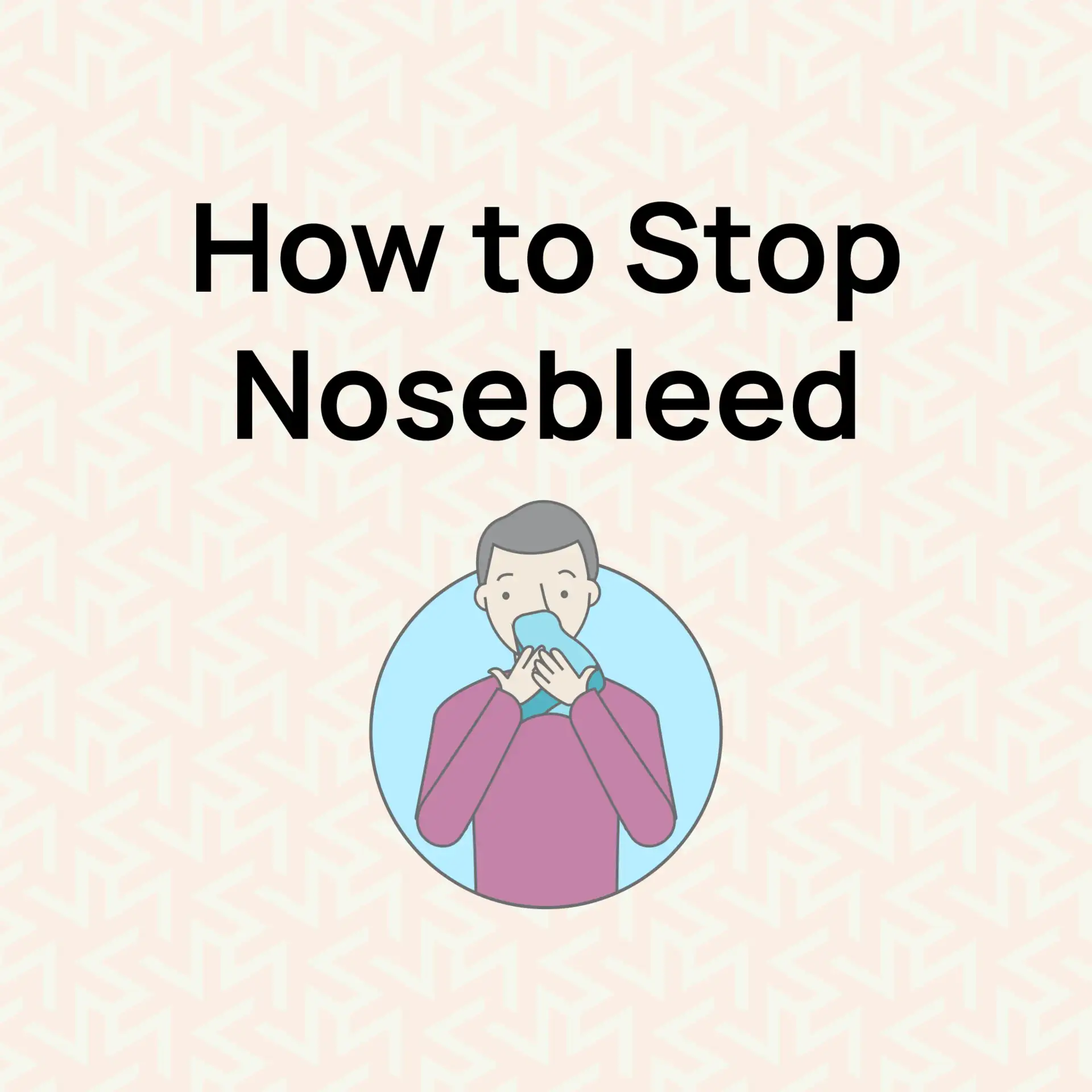
Nosebleeds, also known as epistaxis, they are usually not something you should be worried about. However, for someone who has never experienced them, they can seem concerning, making them feel apprehensive. It is important to remember that it is highly unlikely that your nosebleed poses a threat to your medical health, and you generally will not need to go to a doctor. Nosebleeds are usually manageable with the proper techniques. Let's have a look at the preventive measures and the appropriate treatment for nosebleeds.Understanding NosebleedNosebleeds are quite common and usually last from a few seconds to 15 minutes. Anyone can get one, but they are more prevalent among children and adults living in dry climates. While they can be unsettling, understanding what causes them and how to handle them can alleviate concerns.What Causes Nosebleeds?You need to be aware of the factors that might lead to nosebleeds; being equipped with the right information can help prevent future occurrences. Here are three common causes:Lack of humidity: Low humidity can dry out the nasal membranes, making them more susceptible to bleeding. Climate changes and dry air are a common cause for nosebleeds among adultsNasal Irritation: Allergies, colds, or sinus infections can irritate the nasal lining, leading to nosebleeds.Injury: A blow to the nose or frequent nose-picking can damage blood vessels, resulting in a random nosebleed.Treatment: How to Stop a NosebleedIf your nose starts bleeding, follow these steps for effectively to stop or control the bleeding:Don�t Panic: If you start bleeding from the nose, it is imperative that you remain calm. You mustn�t panic. Feeling anxious can lead to a rise in blood pressure, consequently worsening the bleeding.If you�re leaning back- Sit Up Straight. Lean slightly forward helps prevent blood from going down your throat; leaning slightly forward will help avoid gagging or choking.Pinch Your Nose: Use your thumb and index finger to pinch the soft part of your nose, right below the bridge, and hold it for about 5 to 15 minutes. This compresses the blood vessels and often stops the bleeding within the time frame given above. If you are assisting a child, ask them to breathe through their nose while remaining in the former positionUse a Cold Compress: holding up a cold pack or even ice cubes wrapped in a cloth to the bridge of your nose can constrict blood vessels and immensely reduce the flow of blood.Avoid Nose Blowing: Once the bleeding stops, refrain from blowing your nose for a couple of hours this allows the blood vessels to heal.Moisturise Your Nasal Passages: If you frequently experience nosebleeds, resort to methods that will keep your nasal passages moist. Consider using an ointment like Vaseline, a saline nasal spray might be helpful, and a humidifier might help maintain the humidity level indoors. Steam might also be helpful. If none of these methods stop the bleeding, consult your doctor immediately.� .main{ border:3px solid #0f7c90; border-radius:20px; position: relative; font-family:roboto; font-weight: 400; color: #000; } .main-two{ position: absolute; top:-25px; left:45px; background-color:white; } .img-div{ border-radius : 100%; padding:2px 7px; background-color:#0f7c90; margin-right:5px; width: 50px; height: 50px; } .img{ width:30px; object-fit:contain; height:auto; border-radius : 100%; } @media only screen and (max-width: 600px) { .heading{ font-size:20px; } .img{ width:20px; object-fit:contain; height:auto; border-radius : 100%; } .img-div{ width: 40px; height: 40px; } .main-two{ left:25px; } } Nosebleeds are a common phenomenon. There are various factors that lead to a nosebleed knowing how to handle nosebleeds swiftly and effectively can be a useful skill to possess. To ensure you're equipped with the essential skills to manage various first aid scenarios, enrol in our Emergency First Aid at Work Course. Sign up now and take the first step towards becoming a well-informed first responder! PreventionThere are a plethora of techniques you can use to reduce the frequency of nosebleeds,: consider these preventative measures:Maintain the humidity inside your home: When the climate suddenly changes and you�re experiencing dry weather, get a room humidifier. It helps maintain moisture in the air.Stay Hydrated: Drink plenty of water to keep your body hydrated and your nasal membranes moist.Use Saline Nasal Sprays: These can help prevent dryness in the nasal passages.Stay away from pollutants: Avoid dusty areas, and stay away from cigarette smoke and other pollutants that can damage the nasal lining.Practise Gentle Nose Blowing: If you feel the need to blow your nose you must practise gentle blowing. Blowing your nose gently can substantially minimise irritation and prevent random nose bleeds.Wear protective gear: wear a head guard while engaging in activities in which there is a possibility of an injury to the nose and head. A good example would be outdoor activities like biking or mountain climbingFirst Aid For NosebleedIn case of a nosebleed, knowing basic steps while being equipped with the right first aid items can be very helpfulFollow the Treatment Steps: Remember to stay calm, sit up straight while leaning slightly forward, and pinch your nose underneath the bone structure.Keep a First Aid Kit: Your kit should include saline nasal spray and if possible, cold packs to prepare for unexpected nosebleeds.When Should You Seek Emergency HelpWhile most nosebleeds can be treated at home, certain situations require immediate medical attention:Bleeding Persists: If a nosebleed lasts longer than 20 minutes despite taking all the necessary steps, seek medical help.Recurrent Nosebleeds: If you experience recurrent nosebleeds and you are unaware of the cause.Excessive Bleeding: If a nosebleed, like an injury to the nose, is accompanied by feeling lightheaded and weakness due to excessive blood loss, seek emergency assistance.Underlying Health Conditions: If you suffer from a health issue, like haemophilia, a clotting disorder, consult your doctor. Furthermore, if you're on medications, like blood thinners like aspirin, understand that they can result in frequent nosebleeds; your GP might change your medicines.Particular circumstances where you need to speak to your GPIf the child is under the age of 2�If you are anaemic and, as a consequence, experiencing symptoms such as shortness of breath and palpitationYou are on blood thinning medicationYou have a condition where your blood cannot clot properly leading to excessive bleeding*If your GP isn�t available, call the emergency helpline.Frequently Asked QuestionsWhat stops nosebleeds fast?Pinching your nose puts pressure on the blood vessels, which helps slow down and eventually stop the bleeding. Do not let go for at least 5 minutes.What is the primary cause of nose bleeding?Usually, nosebleeds are caused by frequent scratching on the inside of your nose, nose picking, and heating system indoors, which might lead to dry air, consequently causing nosebleedsWhat do hospitals use to stop nosebleeds?Hospitals frequently resort to two main treatments: nasal packing and cautery.What should you not do during a nosebleed?Avoid lying down or reclining if your nose is bleeding, if blood goes down your throat, it can result in vomiting and an upset stomachWrapping it upNosebleeds can be highly irritating and, at times, concerning, but understanding what causes them and how to manage them efficiently can help ease anxiety. Following proper treatment steps and effectively implementing preventative measures can reduce the frequency of nosebleeds. Stay informed about first aid for nose bleeding, and don�t hesitate to seek medical attention when necessary to ensure your health and safety.
How to Use a Defibrillator
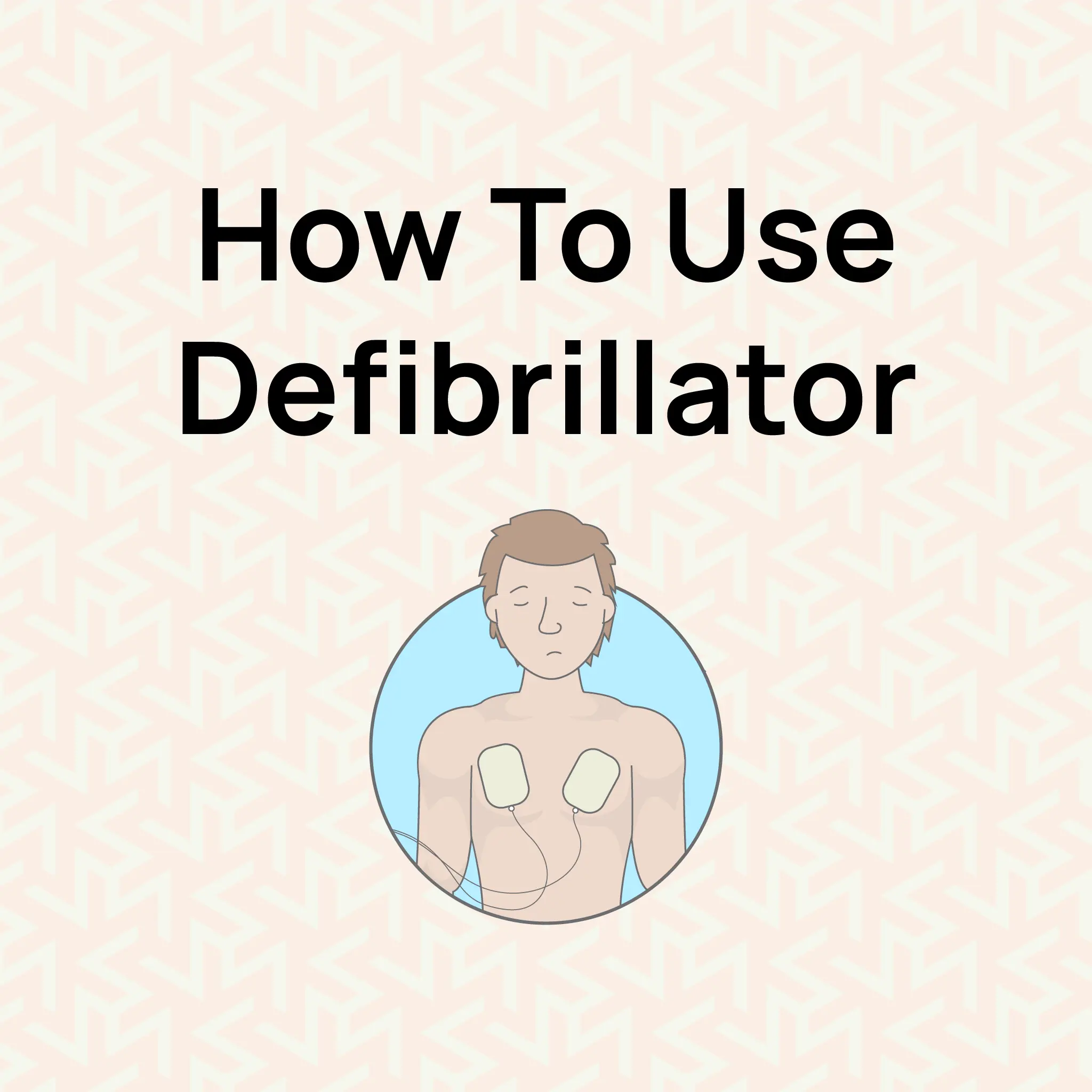
What is a DefibrillatorA defibrillator is an automated device that emits an electrical shock to get the heart beating again in case of cardiac arrest. These devices are not only available in ambulances; you can easily find them in public spaces like train stations. The device is also known as a defib or an AED (Automated External Defibrillator)How To Use a DefibrillatorAnyone who has the basic knowledge of first aid can use a defibrillator; turning the machine on will give clear voice commands. The device will give step-by-step instructionStep-by-step guide on how to use a defibrillatorIf the defibrillator is not within your reach start CPR, as soon as you have access to the device let it monitor the person�s heart� rhythmStep 1First, press the green button to switch on the defibrillator and then follow the instructions.Step 2Remove the person�s clothing from above the waist. This may include removing the bra, considering the victim is wearing one, the underwire might cause problems. You can do this by cutting off the straps using scissors, which you will find amongst other useful tools in the Defibrillator pack. If this makes you uncomfortable, just remember that this is a life-and-death situation.Step 3Next, peel off the pads and place them on the person�s skin, attaching one pad to each side of the chest.Step 4Now that the sticky pads are secure and properly placed on the victim, you must stop CPR. As mentioned above if the person is wearing a bra, you must remove it by slipping the straps down or cutting it off. Most defibrillator packs have tools like scissors to help you do this. It might feel odd or embarrassing, but do not let that stop you. Remember, this is a life-or-death situation.Step 5The device will monitor the person and decide whether a shock is needed. If the device detects that a shock is necessary, it will instruct you to press the �shock� button. Once you press the button, the defibrillator will shock the person. You should not touch the person while they are being shockedStep 6Once the shock has been given, the device will instruct you on whether to continue CPR. The AED may give a voice command such as �No shock advised, continue CPR�Step 7 If the command for CPR is given to you by the defibrillator, then continue with chest compressions. Stop only if the device gives a voice command instructing you to stop. It may do so to analyze the heartbeat again. You may stop with chest compressions if the person shows signs of life. .main{ border:3px solid #0f7c90; border-radius:20px; position: relative; font-family:roboto; font-weight: 400; color: #000; } .main-two{ position: absolute; top:-25px; left:45px; background-color:white; } .img-div{ border-radius : 100%; padding:2px 7px; background-color:#0f7c90; margin-right:5px; width: 50px; height: 50px; } .img{ width:30px; object-fit:contain; height:auto; border-radius : 100%; } @media only screen and (max-width: 600px) { .heading{ font-size:20px; } .img{ width:20px; object-fit:contain; height:auto; border-radius : 100%; } .img-div{ width: 40px; height: 40px; } .main-two{ left:25px; } } What does a defibrillator do, learn how a defibrillator works The proper use of an AED, in conjunction with knowledge of CPR and first aid, can save lives. Prioritizing the safety of others is essential. Equip yourself with these vital lifesaving skills. Check out our First Aid course and get certified today! FAQsWhat comes first, CPR or defibrillator?If the Defibrillator is not within your reach, the first step you need to take is to start CPR. As soon as you have a device, use it, let it analyze the heart's rhythm, and let it instruct you with voice commands on what needs to be done. If the defibrillator suggests that a shock be given to the person, then follow the instructions and proceed.What not to do with a defibrillator?Make sure you don�t have headphones dangling around your neck, and make sure you don�t put mobile phones or cordless phones, MP3 players or any other electric device within 6 inches of the defibrillatorWhat is the AED 3-minute rule?When a person collapses, every minute's delay decreases their chances of survival by 10 percent. To control the situation, it is recommended that you shock the victim within the first 3 minutes of their collapse. Research indicates that victims who receive a shock within the first 3 minutes are most likely to survive.