On This Page

July 21, 20264 min read
The recovery position is one of the easiest first aid techniques that can be used to protect an unconscious person until they are taken to the hospital by professional first aiders. Oxygen is also required, especially in the case of a person who is breathing but in an irregular manner. In this blog, let's dive into the recovery position in more detail, as well as indicate its purpose, the actions that need to be taken, different types of cases, and how to position a child.
The recovery position is how an unconscious but breathing person should be positioned on their side. This reduces the chances of choking because fluids such as vomit or blood can drain out from the mouth. It also clears the airway, thus minimizing the chances of choking. The reason it is essential for you to understand what the recovery position is that you want to ensure the person is in good hands until professional help arrives.
Be up-to-date with life-saving first aid skills, including the recovery position. Get expert training, practical tips, and certification through our comprehensive first aid course first aid course, so you can confidently respond in critical situations.
The main purpose behind the recovery position is to shield the airway of the inebriated person. During vomiting, an individual may lose control of the muscles in their throat and tongue; therefore, the probability of choking is high. You need to take precautions by placing them in the right recovery position. Furthermore, this position can protect the individual from the risk of having their condition deteriorate while waiting for a medical specialist.
Here's how to properly place someone in the recovery position:
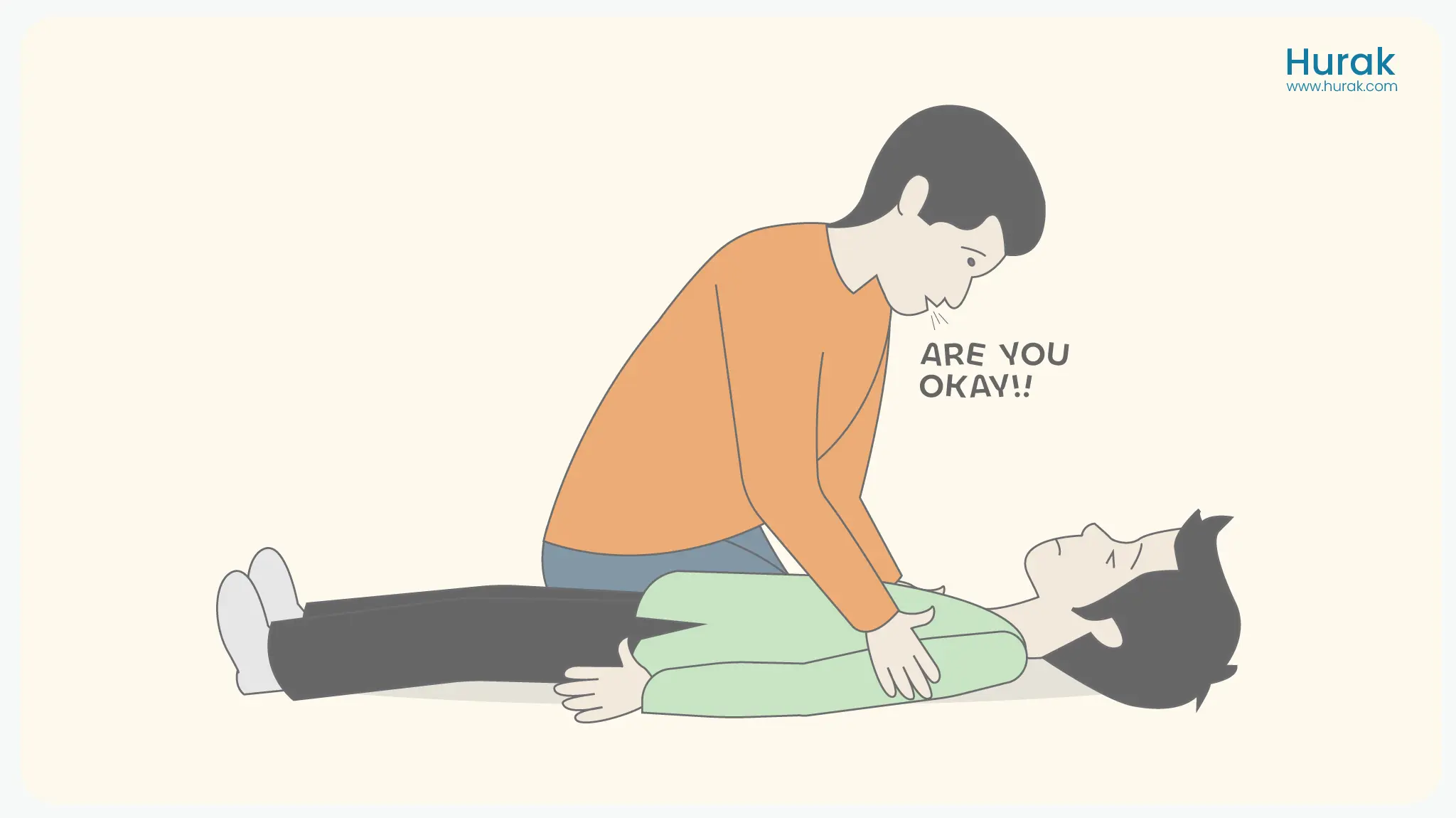
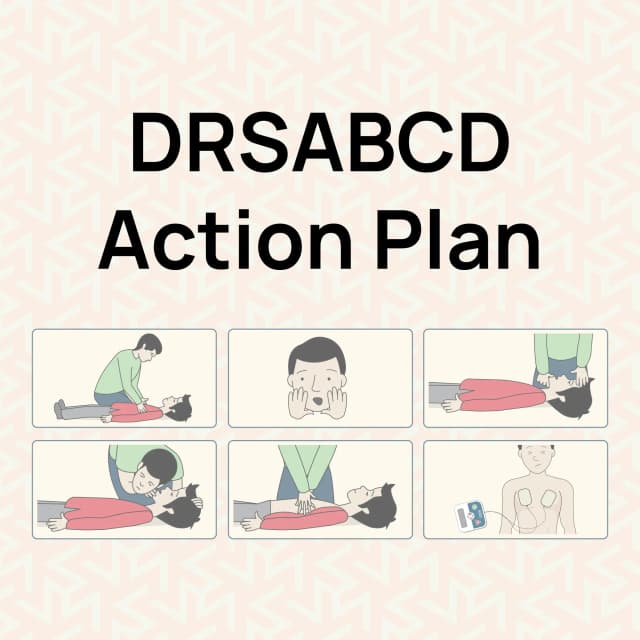
Tap the person gently and ask them if they are okay. Make sure you are loud enough for them to hear you. If you get no response from them, then call for emergency services.
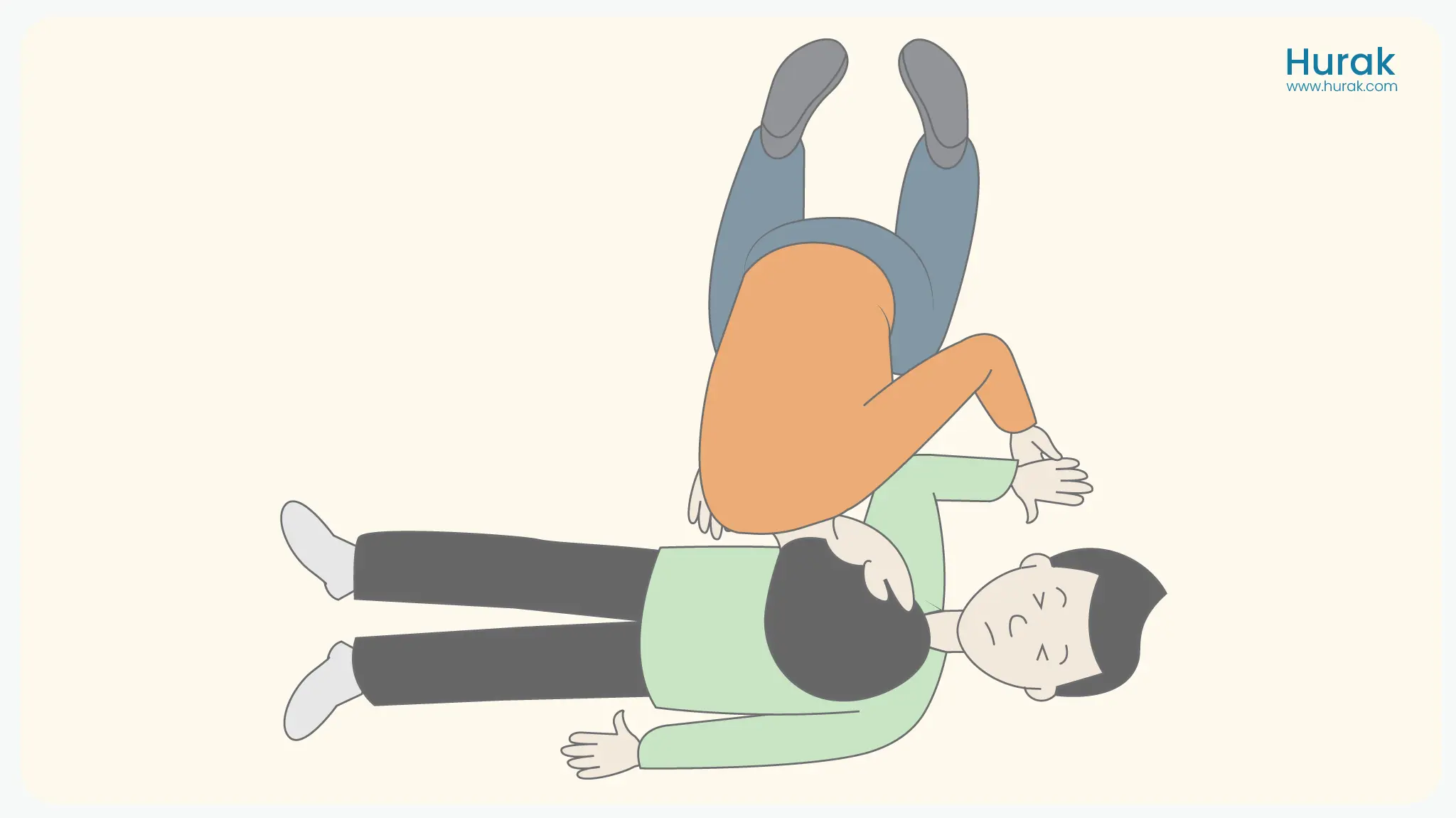
If the person is breathing but unresponsive, extend the arm that is closer to you at a right angle to their body.
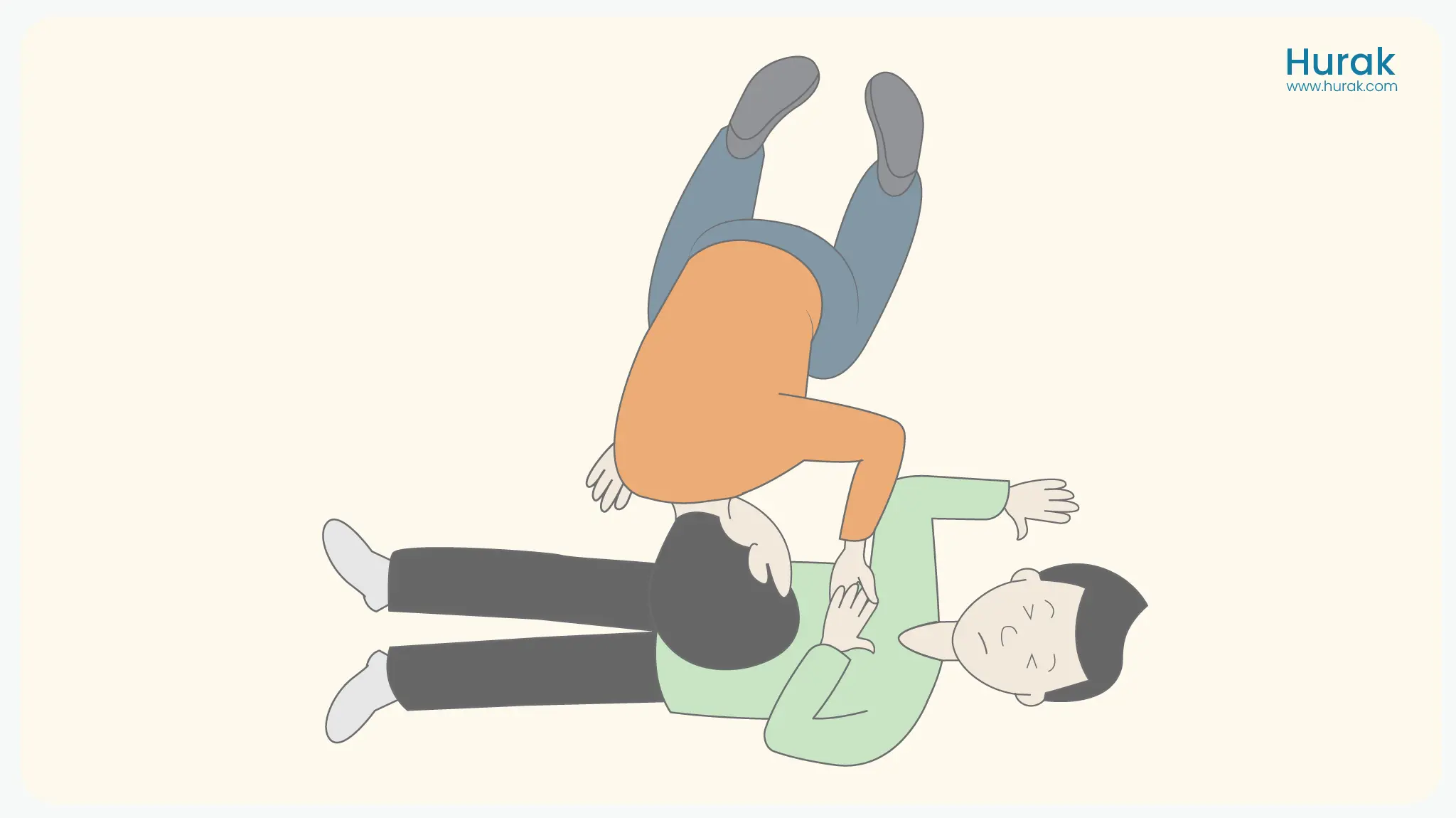
Gently take their other arm and place it across their chest. This helps keep the airway open and makes it easier for you to turn them.
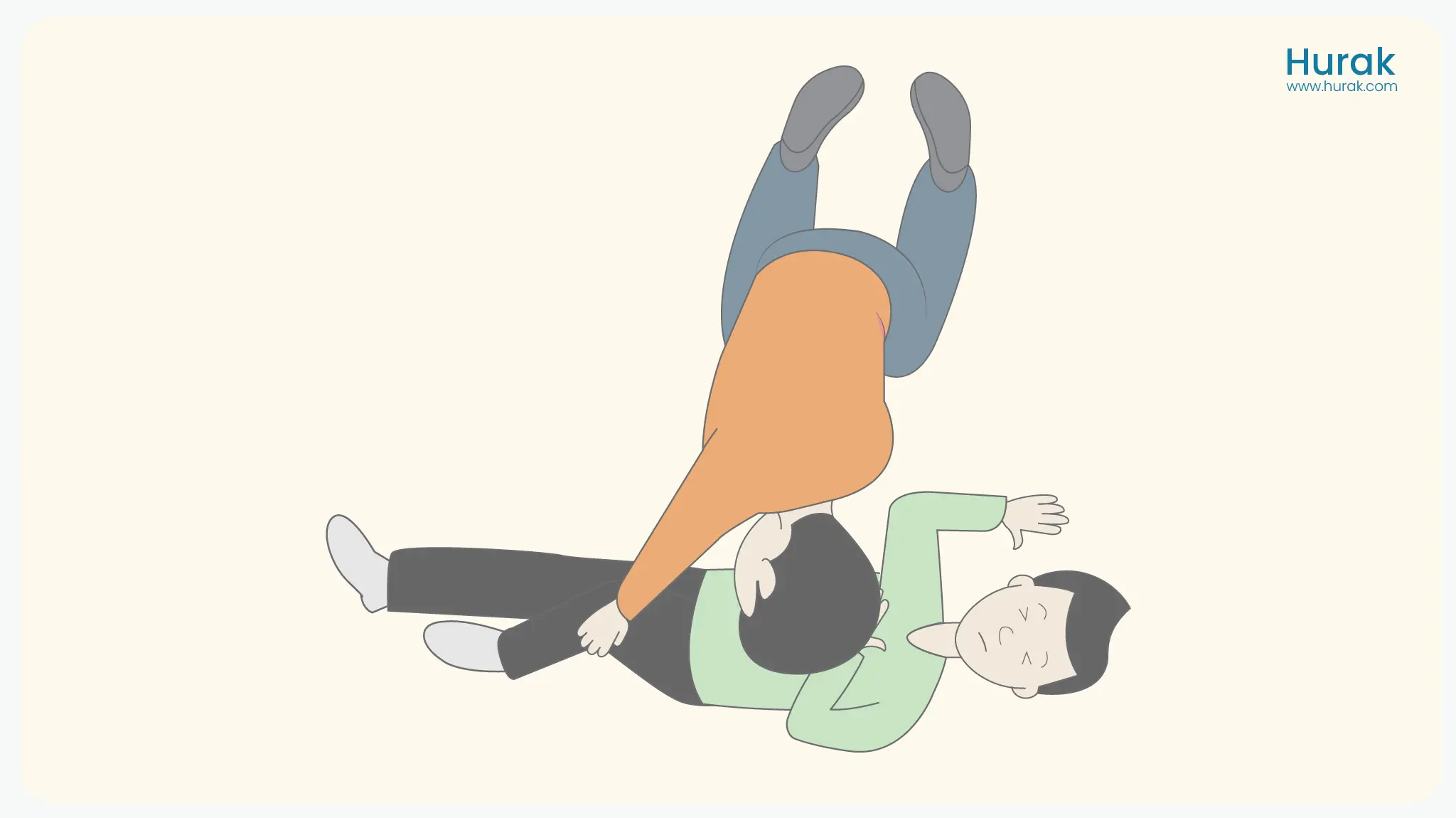
Bend the knee furthest from you at a right angle. This position helps stabilize them.
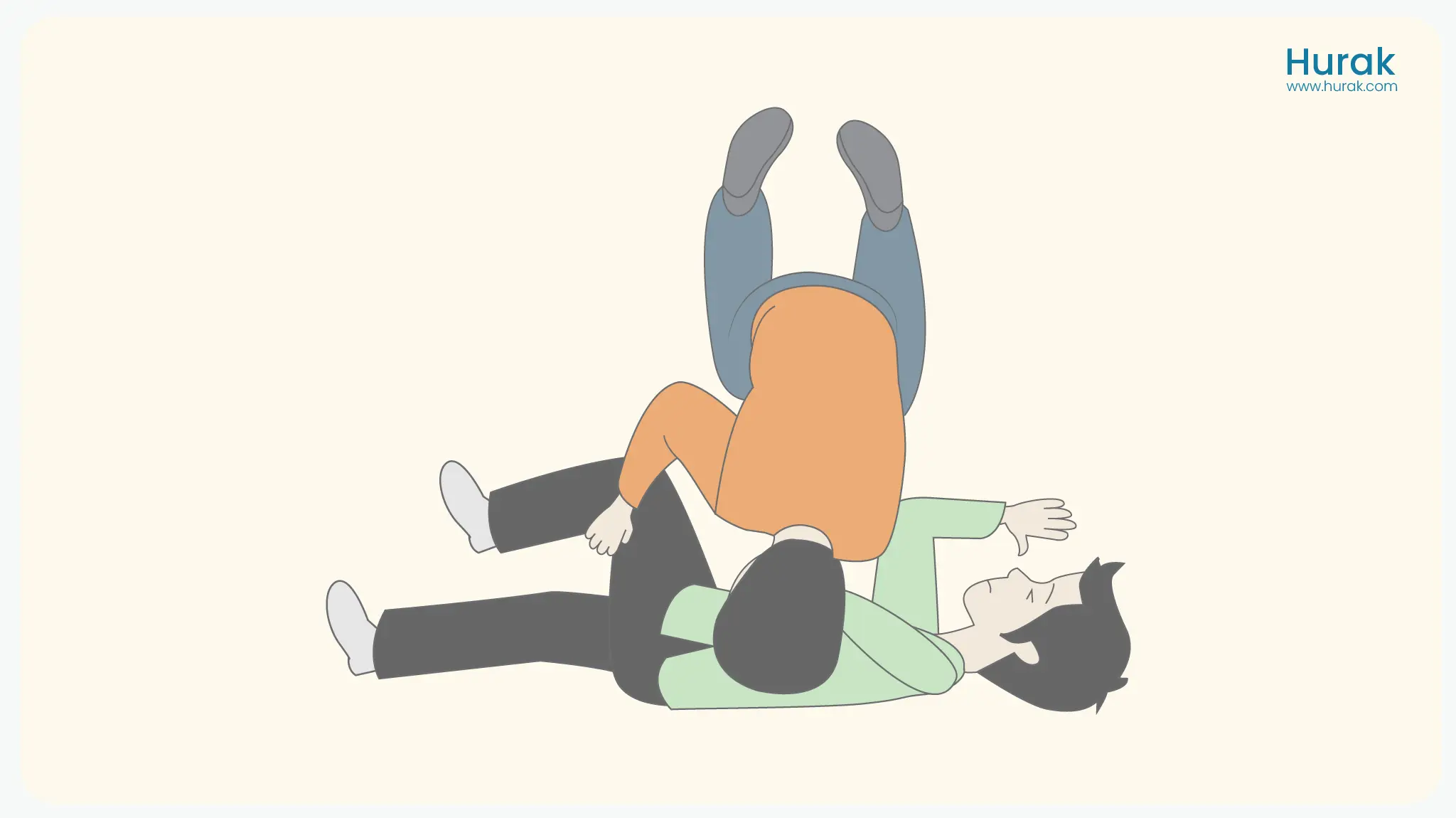
After you have made sure the person is in a stable position, roll them towards you. While doing so, make sure their head is turned slightly to the side to allow for fluids to drain out easily without choking them.
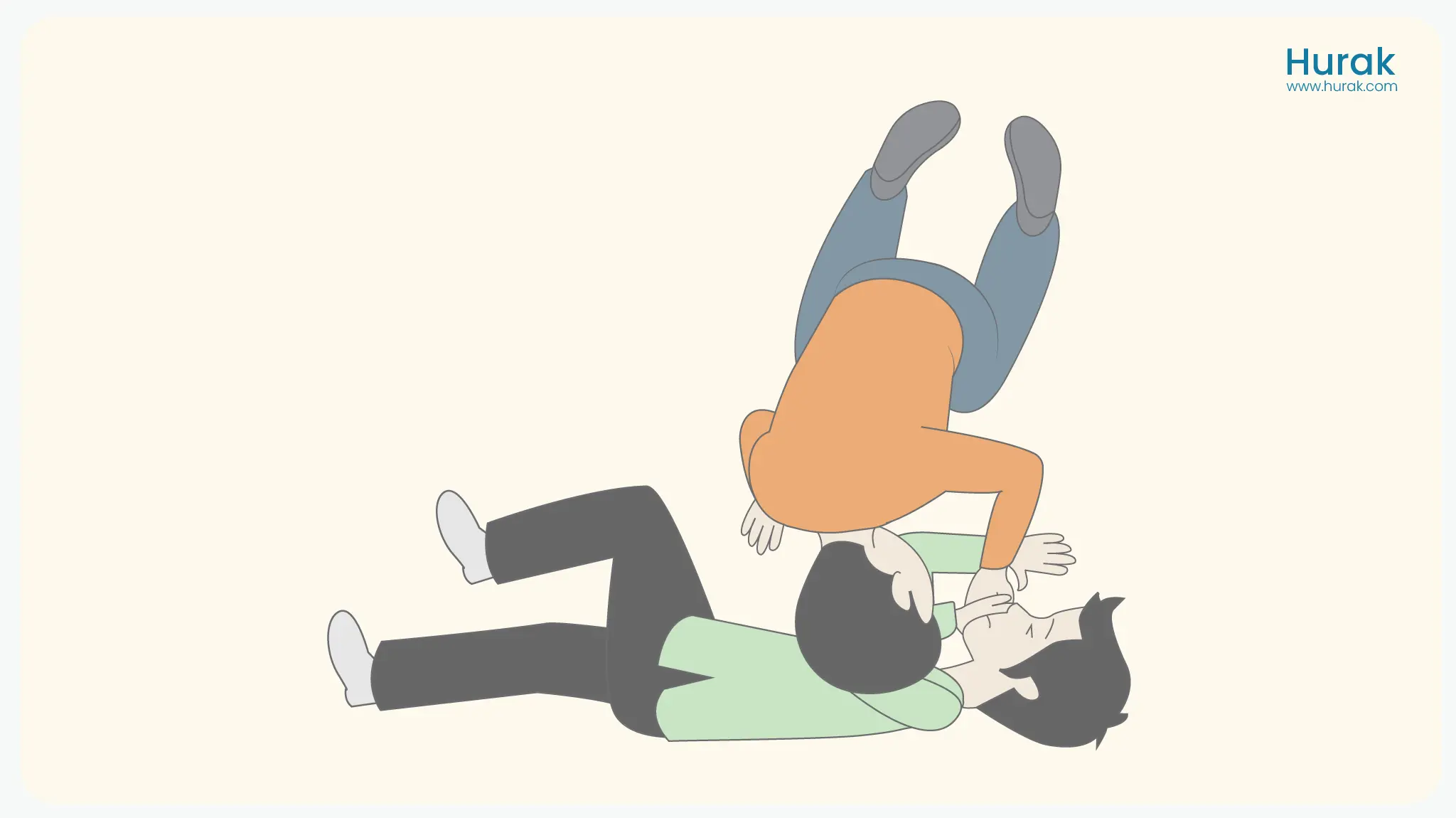
Slightly tilt their head backward so that they can breathe easily. Monitor their breathing pattern and stay with them until professional medical help arrives.
When changing the position of a young child, you have to take into consideration the age and size of the child; the rules slightly differ for infants. With infants, always make sure you are supporting their head and neck with your hand while their head is facing down so that they do not choke on their vomit or any other fluids. Closely monitor their breathing pattern. Keep in mind that children can have different responses compared to adults.
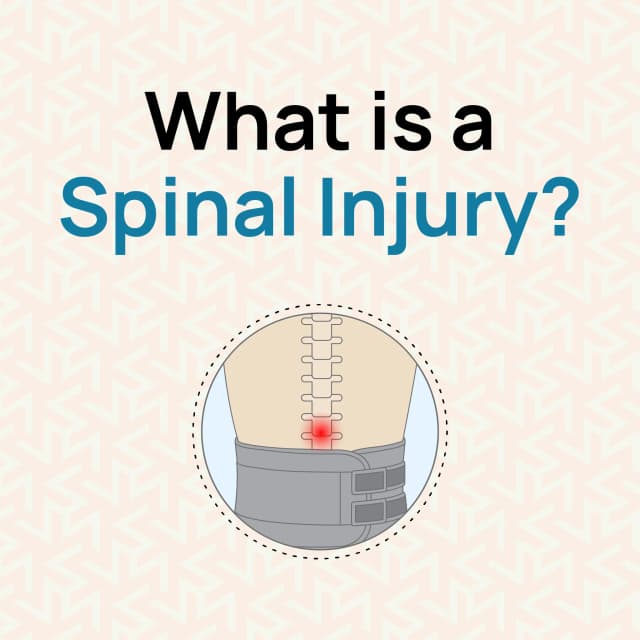
If you suspect a spinal injury, then do not attempt to change their position. Below are some factors that may indicate a spinal injury:
If the person has been involved in an accident that usually affects the spine, this would include falling from a certain height.
If the person is unable to move their neck, it could indicate a spinal injury.
If the person feels numb and is unable to move.
If the person has lost control of their limbs, including their bladder or bowel, this could be an indication of a spinal injury.
It is imperative that you understand the recovery position, irrespective of your role in society. It is an extremely useful method that can help save lives. Always prioritize calling for professional help while providing assistance, as timely medical care is crucial for recovery.
Courses
Upskill with job-ready training.
Mock Tests
Measure your learning progress.
Create an online video course, reach students across the globe and earn money