
How Labelling Shapes Emotions, Identity, and Mental Wellbeing
Have you ever been called something that stuck with you, troublemaker, too sensitive ,not good enough?These labels may seem harmless, but they can shape how others treat us and how we see ourselves. Labelling people is more than just a figure of speech; it's a powerful psychological process that can reinforce stereotypes, fuel discrimination, and even impact mental health.Studies in cognitive psychology and sociology show that labels can lead to self-fulfilling prophecies, where people begin to believe and act in accordance with what they're called.In this article, we'll unpack what labelling means, how it affects identity and emotions, and why breaking free from limiting labels is vital for mental and emotional wellbeing.What is labelling?Labelling is the process of assigning a name, category, or characteristic to a person based on limited information, often a single behaviour, appearance, or background. While this can help us quickly make sense of the world, it often comes at a cost: reducing individuals to one-dimensional versions of themselves.Labelling is a shortcut our brain uses to categorise people or behaviours, often based on assumptions rather than full understanding.It becomes problematic when these labels are negative, inaccurate, or applied too broadly.Examples of common labels: lazy, attention-seeker, overachiever, failure, addict.AspectExplanationExample/NotesCognitive DistortionLabelling is a mental shortcut where one trait is used to define a person completely.Labelling someone irresponsible for missing deadlines, without context.Labelling TheorySociety defines deviance based on reaction, not just action.Primary deviance: Skipping school onceSecondary deviance: Being labelled a troublemaker and acting accordingly.Positive LabellingSome labels support identity, connection, and access to help.Labels like ADHD, musician, and LGBTQ+, when self-chosen, can be empowering.When Labels HarmLabels can divide, stereotype, and limit personal growth.Creates us vs. them mentality; encourages internalised stigma.How Labels Can Be HelpfulWhile labelling people is often seen as harmful, not all labels are negative. When used thoughtfully, labels can provide clarity, build connection, and offer access to support. The key is whether the label empowers the person or limits them.Promote Self-UnderstandingReceiving a label, such as a medical or psychological diagnosis, can help individuals understand their behaviours, thoughts, or struggles. For example, learning you have ADHD or anxiety can explain long-standing challenges and reduce self-blame.Foster Community and BelongingLabels like introvert, queer, or neurodivergent allow people to find others who share similar experiences. This sense of belonging can reduce isolation and help people feel seen, heard, and accepted.Enable Access to Support and ResourcesIn schools, workplaces, or healthcare systems, certain labels are necessary to access accommodations, services, or legal protections. A student with a dyslexia label might receive additional learning support, or a person with a disability label may qualify for workplace adjustments.Empower Through Identity and AdvocacySelf-chosen labels can become sources of strength and purpose. Labels like 'survivor ' or 'activist ' reflect resilience and a reclaimed narrative. These labels can also fuel advocacy, allowing individuals to speak up and support others in similar situations.Simplify Complex CommunicationLabels offer a shorthand for describing traits or needs. Saying I'm an introvert or I live with anxiety communicates a complex experience quickly, helping others understand without long explanations, especially in professional or therapeutic settings.Support Growth and ValidationWhen used appropriately, labels can validate someone's experience and offer a framework for growth. Knowing there's a name for what you're feeling, or that others feel the same, can be the first step toward healing and self-acceptance.Provide Structure in Therapy and EducationLabels are used in therapeutic models (like CBT or DBT) to help people recognise patterns, name emotions, and develop coping strategies. In education, they can guide tailored support plans and help teachers better understand a student's learning style.Labels can shape lives, for better or worse. Want to make a real difference in how you respond to mental health challenges?Join our Mental Health First Aid courses and gain the skills to recognise the signs, listen without judgment, and offer the right support when it matters most.Empower yourself to help. Break the stigma.Book your spot today.How Labels Can Have a Negative ImpactWhile labels can sometimes offer clarity, they often do more harm than good, especially when applied without care or understanding. Labelling someone can shape how others see them, how they see themselves, and how they behave over time.So, what is labelling in this context? It's the act of defining a person by one trait, behaviour, or experience, like calling someone lazy, overemotional, or unstable. While these labels may seem minor, they can stick, shaping the person's self-image and influencing how others treat them.Emotional and Psychological EffectsLabelling emotions, such as calling someone too sensitive or dramatic, can invalidate their feelings, causing them to bottle things up or doubt themselves.Over time, people may internalise these labels, believing they are the label: I'm just difficult , or I'll never change.Social and Discriminatory ConsequencesLabels often lead to labelling discrimination, especially when linked to race, gender, mental health, or social class.For example, someone labelled as a troublemaker in school may be treated unfairly, leading to exclusion, underachievement, or even self-fulfilling behaviour.The Cycle of Self-Fulfilling PropheciesWhen someone is repeatedly called things like lazy, difficult, or a failure, they may start to believe it.This belief can shape their self-image and influence their behaviour, even if the label isn't accurate.How Labelling Discrimination Affects Mental HealthLabelling discrimination happens when people are judged or treated unfairly based on labels tied to race, gender, mental health status, disability, or social background. These labels often carry stigma and assumptions that can deeply affect a person's mental and emotional well-beingMental Health Impacts of Labelling Discrimination:Increased Anxiety and StressBeing labelled as unstable, dangerous, or unreliable because of a mental health diagnosis or identity can lead to chronic stress, social anxiety, and fear of judgment.Low Self-Esteem and Self-WorthConstant negative labelling can cause individuals to internalise these views, leading to feelings of worthlessness or shame.Social IsolationPeople who are labelled may withdraw from others to avoid being judged or misunderstood, resulting in loneliness and further mental health struggles.Barriers to Seeking HelpFear of being labelled or judged often prevents individuals from opening up or accessing the mental health support they need.Reinforced StigmaDiscriminatory labels reinforce harmful stereotypes, making it harder to talk openly about mental health and reducing community empathy.ConclusionLabelling people may seem harmless or even helpful at times, but it can carry deep and lasting consequences. Whether it's dismissing someone's emotions, reinforcing stereotypes, or creating barriers to mental health support, labels often do more to confine than to clarify. Understanding what labelling is and how it affects emotions, identity, and social dynamics is the first step towards changeFAQsWhat is labelling in psychology and mental health?Labelling is the act of assigning a fixed identity to someone based on limited behaviour or traits, often leading to stigma.How does labelling affect a person's emotions and identity?It can damage self-esteem, create emotional distress, and make people internalise negative beliefs about themselves.What is labelling discrimination?It's when people are judged or excluded based on labels tied to race, gender, mental health, or ability.Can labels ever be helpful?Yes, when chosen by the individual, labels can provide understanding, support, and a sense of belonging.How can I avoid harmful labelling?Use respectful language, focus on the person, not the label, and stay open-minded in your interactions.Explore Our First Aid Courses:Emergency First Aid at WorkA short, hands-on course designed for low-risk workplace settings. It equips participants with essential skills to respond confidently to medical emergencies.First Aid at WorkA comprehensive, Ofqual-regulated Level 3 qualification delivered over three classroom days. Perfect for first aiders in high-risk environments like construction sites, warehouses, or manufacturing units.Paediatric First AidA two-day, Ofqual-regulated course focused on first aid for infants (0 - 1 year) and children up to puberty. Ideal for childcare providers, teachers, and parents.Basic First Aid CourseAn introductory, self-paced course suited for individuals seeking a general understanding of first aid or a quick annual refresher.Advanced First Aid CourseA fully online, self-paced Level 3 program offering in-depth knowledge for those looking to expand their first aid skills beyond the basics.

Aerophobia (Fear of Flying): What It Is, Why It Happens, and How to Beat It
Fear of flying, also known as aerophobia, is more common than most people realise. Roughly 1 in 4 individuals experience some level of anxiety when it comes to air travel. For some, it's a mild sense of discomfort during takeoff. For others, it can lead to intense flight anxiety, panic attacks, or complete avoidance of flying altogether.In this guide, you'll discover the causes, symptoms, and proven aerophobia treatments that can help you manage your fear and fly with confidence.How common is it?Aerophobia affects approximately 25% of people, and an estimated 6 -10% experience it so severely that they avoid flying altogether. With the rise of global travel, this phobia is now one of the most widespread yet under-discussed challenges in modern life.While many people experience general travel anxiety symptoms, such as restlessness or an upset stomach before a trip, those with aerophobia face heightened reactions specifically tied to air travel. These reactions can start days in advance or suddenly surface when boarding a plane.Related phobias and variationsAerophobia doesn't always exist in isolation. It can be linked to other fears or mental health conditions, including:Claustrophobia: discomfort in confined aeroplane cabinsAcrophobia: fear of heights, intensified while in the airAgoraphobia: anxiety about being trapped or far from helpThanatophobia: fear of death, often triggered by imagining a plane crashSymptomsPeople with aerophobia may experience a wide range of symptoms, both physical and emotional, before, during, or after a flight. Common symptoms include:Rapid heartbeat or chest tightnessShortness of breath or hyperventilationNausea or stomach upsetSweating or cold chillsDizziness or feeling faintPanic attacks or overwhelming dreadMental rehearsal of worst-case scenariosThese symptoms can begin days before travel or suddenly arise at the airport or while boarding. Recognising the signs early can help in managing and treating flight anxiety effectively.Phobias such as aerophobia can cause severe symptoms that are difficult to cope with and harmful to your health. You can help spread awareness by taking the first step to join Mental Health First Aid Courses.Enroll your spot in Mental Health First Aid Course today.CausesSeveral factors can contribute to aerophobia, shaping how intense and persistent the fear becomes:Past Traumatic Experiences: A frightening flight, such as severe turbulence or an emergency landing, can create lasting anxiety that resurfaces before each trip.Fear of Heights (Acrophobia): Knowing you're thousands of feet above the ground can trigger overwhelming fear and a sense of vulnerability.Loss of Control: Relying completely on the pilot and crew can feel deeply unsettling for those who struggle to trust others or feel safest when in control.Claustrophobia: The confined aeroplane cabin and limited personal space can heighten feelings of entrapment and panic.Negative Media Exposure: Frequent stories or films about plane crashes can reinforce the belief that flying is inherently dangerous, even though it's statistically safe.Underlying Anxiety Disorders: People with generalised anxiety or panic disorder are more likely to develop aerophobia, as chronic worry amplifies perceived risks.Triggers of AerophobiaCertain experiences and situations can trigger intense anxiety before or during a flight, especially for those with aerophobia:Anticipating the Flight: Worrying about flying days in advance can cause mental exhaustion, sleep disturbances, and increased stress.In-Flight Safety Demonstrations: Seeing or hearing instructions about emergencies may reinforce fears and make flying feel more dangerous than it is.Engine Sounds or Turbulence: Sudden noises or vibrations during turbulence can feel alarming and are often misinterpreted as signs of a problem.Takeoff and Landing: These moments involve fast movement, loud noise, and physical sensations that can heighten anxiety or trigger panic.Confined Spaces: Limited room to move, especially on long flights, can make passengers feel trapped or overwhelmed.Media Exposure: News stories or movies about plane crashes can leave lasting impressions, fuelling fear even when statistics show flying is safe.Booking or Planning Flights: For some, even browsing for flights or confirming a booking can spark anxiety before any travel begins.DiagnosisAerophobia is typically diagnosed by a licensed mental health professional, such as a psychologist or psychiatrist. The process includes multiple steps to ensure a clear understanding of your fear of flying and how it affects your daily life.Clinical Interview:The clinician will ask in-depth questions about your symptoms, when they began, and how they affect your ability to travel. Emotional and physical reactions during and before flights, such as panic, nausea, or dread, are carefully assessed.Medical & Psychological History: Your history of anxiety, trauma, or other phobias is reviewed to identify potential underlying mental health issues. This also helps determine whether interventions like therapy or flight anxiety medication may be appropriate.Psychological Assessment: Structured questionnaires or behaviour assessments may be used to explore your thought patterns, avoidance behaviours, and distress levels related to flying.Diagnostic Criteria (DSM-5): To be diagnosed with a specific phobia like aerophobia, symptoms must be excessive, persistent (usually lasting six months or more), and cause significant impairment in social or occupational areas. The diagnosis confirms that your anxiety is directly tied to air travel and not another source.Differential Diagnosis: Professionals may also rule out other conditions, such as panic disorder, generalized anxiety disorder, or PTSD, which can share symptoms with aerophobia. Identifying the right diagnosis is essential for creating an effective treatment plan, which may include cognitive-behavioral therapy, exposure techniques, or flight anxiety medication for symptom relief.Aerophobia Treatment OptionsAerophobia is one of the most treatable phobias, and many people experience lasting relief with the right support. Overcoming flight anxiety starts with understanding the severity of your fear and, if needed, working with a mental health professional to develop a tailored treatment plan. Whether your fear is mild or debilitating, here are proven strategies for how to get over the fear of flying:Cognitive Behavioural Therapy (CBT)CBT is considered one of the most effective approaches for treating fear of flying. It helps you identify and challenge unhelpful thoughts, like catastrophic thinking or fear of loss of control, and replace them with more realistic beliefs. Techniques such as thought restructuring and gradual exposure to flying-related cues can significantly reduce anxiety over time.Exposure TherapyThis approach involves facing your fear in manageable steps. You might begin by looking at pictures of aeroplanes, then progress to watching videos, visiting airports, and eventually flying. Virtual reality therapy is also gaining traction, offering a safe and controlled environment to simulate the experience of flying without leaving the ground. It's especially useful for people who want to practise coping techniques before an actual flight.Relaxation TechniquesManaging the physical symptoms of flight anxiety is key. Techniques such as deep breathing, progressive muscle relaxation, and guided meditation help calm your body's stress response. Many people use these tools before boarding, during takeoff, or in moments of turbulence to stay grounded and composed.Education and PsychoeducationLearning how planes work, how turbulence is normal, the extensive training pilots undergo, and aviation safety statistics can be powerful in reducing fear. For many, knowledge restores a sense of control and replaces irrational fears with facts. Understanding the reality behind what causes your fear is a major step in how to get over fear of flying.With the right combination of these treatments, most individuals with aerophobia can regain the confidence to travel. Whether you're seeking therapy, trying relaxation exercises, or using virtual reality simulations, know that recovery is possible.The first step is recognising the issue. After that, it's about choosing the right tools and support to move forward.If you're struggling with flight anxiety, don't wait. Help is available, and with the right guidance, flying can become a manageable and even empowering experience.ConclusionAerophobia is one of the most common phobias, but it's also one of the most treatable. Learning about the causes, symptoms, and proven treatments empowers you to take action. With professional support and consistent practice, you can transform your experience of air travel.FAQsWhat is aerophobia?Aerophobia is an intense, persistent fear of flying that can cause anxiety, panic attacks, and avoidance of air travel.How common is the fear of flying?About 25% of people experience some level of flight anxiety, and roughly 6-10% have severe aerophobia that interferes with travel plans.Can aerophobia be cured?While some people fully overcome it, many learn to manage their fear effectively with therapy, medication, and self-help strategies.How can I prepare for a flight if I have a fear of flying?Preparing can include practising breathing exercises, using distraction techniques, arriving early to reduce stress, and consulting with your doctor about available options.Does virtual reality therapy help with fear of flying?Yes, virtual reality exposure therapy is increasingly used to simulate flight experiences and reduce anxiety over time safely.
How Reading Reduces Stress: Proven Mental Health Benefits
If you�ve ever found peace in the pages of a book, you already know that reading can be more than a hobby; it can be a lifeline. In moments of stress or anxiety, a good story has the power to transport us, calm us, and help us feel grounded again.Reading is a silent form of healing. It slows our thoughts, softens our stress, and gives our minds a much-needed place to rest. And as it turns out, science backs up what many of us already feel to be true.In this article, we�ll uncover how reading helps reduce stress, improve brain function, and nurture your mental health all through the simple act of turning a page.What Happens to the Brain When You Read?Reading may appear quiet on the outside, but it sparks intense activity in the brain. From the moment your eyes scan a page, a complex web of neural activity begins, engaging regions responsible for language, memory, imagination, and even emotion.Let�s find out some references for better understanding:Brain EffectWhat it MeansWhy it mattersMultiple Brain Regions ActivatedEngages visual, language, and reasoning areasEnhances comprehension, imagination, and thinkingStronger Neural ConnectionsBoosts connectivity in the somatosensory cortex and beyondImproves mental processing and sensory involvementImproved Memory & FocusBuilds memory retention and trains attention.Helps reduce mental fatigue and strengthens learningEmotional & Empathetic EngagementActivates regions tied to empathy and emotional awarenessEnhances emotional regulation and lowers stressMental Escape from StressImmerses the brain in a narrative, shifting attention away from stressorsPromotes calmness and relaxationLong-Term Brain Health SupportKeeps the brain mentally active and engaged over timeMay reduce cognitive decline and improve mental resilience How Reading Reduces Stress :Reading lowers physiological signs of stressStudies from the University of Sussex found that reading can reduce stress levels by up to 68%, lowering heart rate and easing muscle tension, often more effectively than listening to music, drinking tea, or going for a walk.It redirects your mind away from anxiety triggersWhen you're absorbed in a book, your brain shifts focus away from everyday stressors, offering a mental escape. This shift helps break the cycle of rumination (overthinking), which is common in people experiencing anxiety or emotional overload.or sit amet, consectetur adipiscing elit. Ut elit tellus, luctus nec ullamcorper mattis, pulvinar dapibus leo.Promotes deep mental relaxation through immersionOne of the most powerful ways reading reduces stress is by creating a deep sense of mental immersion. When you're fully engaged in a story, your brain enters what's known as a �flow state�- a condition of complete focus where time seems to slow down, and distractions fade into the backgroundReading mimics the calming effects of meditation�When you read, your breathing naturally begins to slow, your muscles relax, and your mind shifts into a more focused, restful state. This is because reading activates the parasympathetic nervous system, the part of the body responsible for calming you down after a stressful event. As you become absorbed in the words on the page, the brain reduces production of stress hormones like cortisol, helping you feel more balanced and centredBuilds emotional resilienceOne of the most subtle yet powerful ways reading reduces stress is through emotional connection. When we read about characters facing hardship, loss, growth, or transformation, we don�t just follow the plot; we feel it. This emotional engagement helps readers develop empathy, allowing us to understand perspectives different from our own.Encourages healthy screen-free downtimeReading offers a much-needed alternative. It gives your brain a chance to slow down and disconnect from the constant stimulation of digital media. Whether it�s a paperback novel, a magazine, or a printed poem, reading encourages intentional, screen-free relaxation that�s gentler on your eyes and more nourishing for your mind.Establishes routine and controlUnlike many other habits, reading is low-pressure and flexible. You don�t need an hour or a special location; even ten minutes in a quiet corner can bring the benefits. Over time, these moments of consistency help establish a greater sense of control over your time and mental space, which is especially important during stressful periods when everything else feels out of your hands.This horizontal bar chart, "Why Reading Is Good for the Brain," visually highlights the key cognitive benefits of reading, along with their relative impact. This can work well as a visual aid in your blog to make the section more engaging and easier to understand for readers.ConclusionIn a world that often feels chaotic and overwhelming, reading offers a rare kind of refuge, a calming space where your mind can slow down, your thoughts can settle, and your emotions can reset. It�s more than just a leisure activity. Reading is a science-backed tool for reducing stress, enhancing brain function, and supporting emotional well-being.From enhancing memory and focus to promoting empathy and emotional resilience, the benefits of reading are far-reaching and long-lasting. It engages your brain in powerful ways, mimicking the calming effects of meditation and providing much-needed mental stillness. By establishing a reading routine, even for just a few minutes a day, you�re actively taking care of your mindFrequently Asked Questions (FAQs):Can reading help reduce stress, or is that just a myth?Yes, it can, and it�s backed by science. Studies (including one by the University of Sussex) have shown that reading can lower stress levels by up to 68%. Just six minutes of quiet reading can reduce heart rate and ease muscle tension, making it more effective than many other common relaxation methods like music or walking.What kind of books are best for stress relief?It depends on what you enjoy! Fiction, especially uplifting or immersive stories, can be very effective because it help you mentally escape. But non-fiction that inspires or soothes, like self-help, poetry, or even nature writing, can also promote calm. The key is to read what relaxes and engages you.How long should I read each day to feel the benefits?Even 10�15 minutes a day can make a noticeable difference. The benefits build over time, especially if reading becomes part of a daily routine (like before bed or during lunch breaks). Consistency matters more than how long you read.Is reading better than screen-based relaxation, like watching TV?In many ways, yes. Reading is less stimulating and more immersive, helping your brain relax rather than stay hyper-alert. It also doesn�t emit blue light, so it�s much better for your eyes and sleep, especially in the evening.Can reading improve my mental health long-term?Absolutely. Regular reading is linked to lower levels of anxiety and depression, better emotional regulation, and improved cognitive function. It helps build resilience, empathy, and emotional clarity, all of which support your mental well-being over time.Explore Hurak�s more courses:�Emergency First Aid at Work (1?Day) A fully HSE?compliant, Level 3 course designed as a one?day practical training session. Ideal for those in low?risk workplace environments, this course covers essential life?saving skills such as CPR, choking response, and managing minor injuries, earning a valid certificate the same day.Emergency First Aid at Work (Online Refresher)This annual refresher keeps your Level 3 Emergency First Aid at Work skills sharp. Featuring updated techniques and a 25?question online assessment, it ensures continued competence for first?aiders, especially beneficial for security staff (e.g., SIA licence holders).First Aid at Work (3?Day)A comprehensive, three?day Level 3 course designed for workplace first?aiders, this program provides in-depth training on a wide range of emergencies, including major injuries and illnesses, equipping learners with practical skills and confidence to handle serious workplace incidents.Level 2 Basic First Aid (Online) A foundational online course that teaches you to confidently manage minor injuries like cuts, burns, scrapes, and bruises. Includes a 10?question assessment (70% pass mark) with unlimited retakes, perfect for those seeking a solid, self?paced introduction to first aid.Advanced Level 3 First Aid at Work (Online)An advanced, self-paced online qualification that covers lifesaving techniques and immediate emergency response. This course takes first aid to the next level, offering advanced skills for those responsible for safety in higher-risk environments.Mental Health First Aid (MHFA) An internationally recognised live tutor?led course available online or in-person, designed to help participants identify, understand, and offer initial support for mental health concerns, including substance use. Perfect for managers, HR professionals, and anyone wanting to support mental wellbeing in the workplace.Level 3 Paediatric First Aid (2?Day) A specialised two?day course focusing on infants and very young children. Aimed at parents, nannies, teachers, and childcare providers, it teaches essential first?aid techniques for emergencies involving babies (0�1 years), covering both theoretical and practical skills.
Living with BPD: A Look at Borderline Personality Disorder
Borderline Personality Disorder (BPD) affects thousands of people across the UK. Yet, it remains surrounded by stigma and confusion. Many struggle for years before receiving a diagnosis or the support they need, often misunderstood by both professionals and loved ones.This article aims to clarify Borderline Personality Disorder (BPD) by providing a clear and compassionate overview of its symptoms, causes, and the treatment pathways available through the NHS (National Health Service) and other support networks. With the right understanding and care, recovery is not only possible, it�s within reach.What is BPD?Borderline Personality Disorder (BPD) is a deeply challenging mental health condition that influences how a person experiences emotions, views themselves, and connects with others. It's often associated with overwhelming emotional shifts, unstable relationships, impulsive actions, and confusion about self-identity.Many individuals with BPD live with an intense fear of being abandoned, frequent mood swings, and difficulty regulating emotions. These struggles can make everyday situations feel unpredictable and relationships emotionally draining.The good news is that BPD is highly treatable. With the right therapeutic support, structure, and self-understanding, people with BPD can find balance and lead meaningful, fulfilling lives.What Are the Signs and Symptoms of BPD?Borderline Personality Disorder (BPD) affects how individuals experience emotions, relationships, and self-identity. While symptoms can vary from person to person, there are several common signs that mental health professionals look for when diagnosing BPD.Below are the key symptoms associated with BPD:Signs and SymptomsDescriptionIntense Fear of AbandonmentPeople with BPD often go to great lengths to avoid real or perceived abandonment. Even minor changes in plans or tone of voice can trigger anxiety or distress.Unstable RelationshipsRelationships tend to be intense and short-lived. Individuals may quickly shift between idealising someone and suddenly devaluing them.Distorted Self-ImageA person with BPD may struggle with a fragile or shifting sense of identity, unsure of who they are, what they believe, or how they see themselvesImpulsive BehavioursA person with BPD may struggle with a fragile or shifting sense of identity, unsure of who they are, what they believe, or how they see themselvesEmotional InstabilityMood swings are intense and unpredictable, shifting rapidly from joy to anger, anxiety, or despair, lasting hours to days.Chronic Feelings of EmptinessMany with BPD feel persistently �empty� inside and may seek stimulation or relationships to fill the void.Inappropriate or Intense AngerSudden outbursts of anger, sarcasm, or aggression often occur, especially when feeling rejected or misunderstood.Stress-Related ParanoiaShort episodes of mistrust, suspicion, or distorted thinking are triggered by emotional stress, especially in sensitive situations.What Causes BPD?There�s no single cause of Borderline Personality Disorder. Instead, it�s believed to develop from a combination of genetic, environmental, and social factors. Understanding the possible causes can help reduce stigma and promote a more compassionate view of the condition.Here are some of the key contributing factors:Childhood Trauma or NeglectMany people with BPD report experiencing early trauma, such as abuse (emotional, physical, or sexual), neglect, abandonment, or prolonged separation from a caregiver. These early disruptions in emotional development may make it harder to form stable relationships or regulate emotions later in life.Genetics and Family HistoryBPD tends to run in families. If a close family member, such as a parent or sibling, has BPD or another mental health condition, the risk may be higher. This suggests a possible genetic link, although no specific "BPD gene" has been identified.Brain Function and StructureResearch using brain imaging suggests that people with BPD may have differences in the areas of the brain that control emotion, decision-making, and impulse regulation, particularly the amygdala, hippocampus, and prefrontal cortex. These differences might contribute to emotional sensitivity and impulsivity.Problems with AttachmentDifficulties forming healthy emotional bonds in early childhood, especially inconsistent or invalidating caregiving, may lead to attachment issues, a key feature in the development of BPD. Individuals may struggle with trust, self-worth, and emotional safety in relationships.Environmental and Social FactorsStressful life events such as bullying, domestic violence, long-term instability, or growing up in a chaotic or invalidating environment can all increase the risk of developing BPD. These experiences may interfere with emotional development and coping skills.The infographic below illustrates the key points:Borderline Personality Disorder TreatmentsLiving with Borderline Personality Disorder can be difficult, but there is hope. With access to the right therapy, emotional support, and self-care tools, many people with BPD go on to live rewarding, stable lives. Treatment is focused on emotional regulation, relationship skills, and reducing distressing behaviours, and is widely available in the UK through the NHS or private mental health services.Dialectical Behaviour Therapy (DBT)DBT is one of the most effective and commonly recommended treatments for BPD. It focuses on four key areas:Emotional regulationDistress toleranceMindfulnessInterpersonal effectivenessIt helps people manage intense emotions and develop healthier coping skills.Mentalisation-Based Therapy (MBT)MBT helps individuals understand their thoughts and feelings and those of others more clearly. It�s especially helpful for improving relationships and emotional stability.Cognitive Behavioural Therapy (CBT)CBT is not a primary treatment for BPD, but may help with related issues like anxiety, depression, or impulsive behaviours.Schema TherapyThis therapy focuses on identifying and changing deep-rooted patterns and beliefs formed in childhood that may be contributing to BPD symptoms.Important Note:There is no specific medication approved for treating BPD itself. However, doctors may prescribe medication to manage associated symptoms, such as:Mood swingsAnxietyDepressionSleep disturbances Frequently Asked Questions (FAQs):What is Borderline Personality Disorder (BPD)?BPD is a mental health condition that affects how a person manages emotions, relates to others, and sees themselves. It often involves emotional instability, impulsive behaviour, and difficulties in relationships.Is BPD treatable?Yes, BPD is treatable. With the right support � such as talking therapies like DBT or MBT, and ongoing care through the NHS or private services � many people see real improvements in how they cope and connect with others.What causes BPD?There isn�t one single cause. BPD is usually linked to a mix of factors, including childhood trauma, genetics, brain chemistry, and early attachment issues. Everyone�s experience is different.How is BPD diagnosed in the UK?A diagnosis is usually made by a GP or mental health professional based on your symptoms and history. You may be referred to a community mental health team (CMHT) for a full assessment.Can people with BPD live normal lives?Absolutely. With the right treatment, self-care, and support, many people with BPD build strong relationships, manage their emotions effectively, and live fulfilling, stable livesExplore more about our courses:�Emergency First Aid at Work is described as a short, practical training course designed to prepare individuals to respond to medical emergencies in low-risk workplace settings.First Aid at Work is a comprehensive, Ofqual-regulated Level 3 qualification delivered over three days in a classroom setting. It is ideal for first aiders working in high-risk or diverse environments such as construction sites, manufacturing units, or warehouses.Paediatric First Aid is a two-day, Ofqual-regulated classroom-based training that specifically focuses on first aid for infants (0�1?year) and children up to puberty. It�s ideal for anyone working with or caring for young children.Basic First Aid Course is a compact, self-paced program ideal for individuals seeking an introduction to first aid or a quick annual refresh.�Advanced First Aid Course is a fully online, self-paced Level 3 training designed for individuals seeking more comprehensive knowledge beyond basic first aid.
Can I Get a Black CSCS Card with SMSTS? Requirements Alternatives Explained
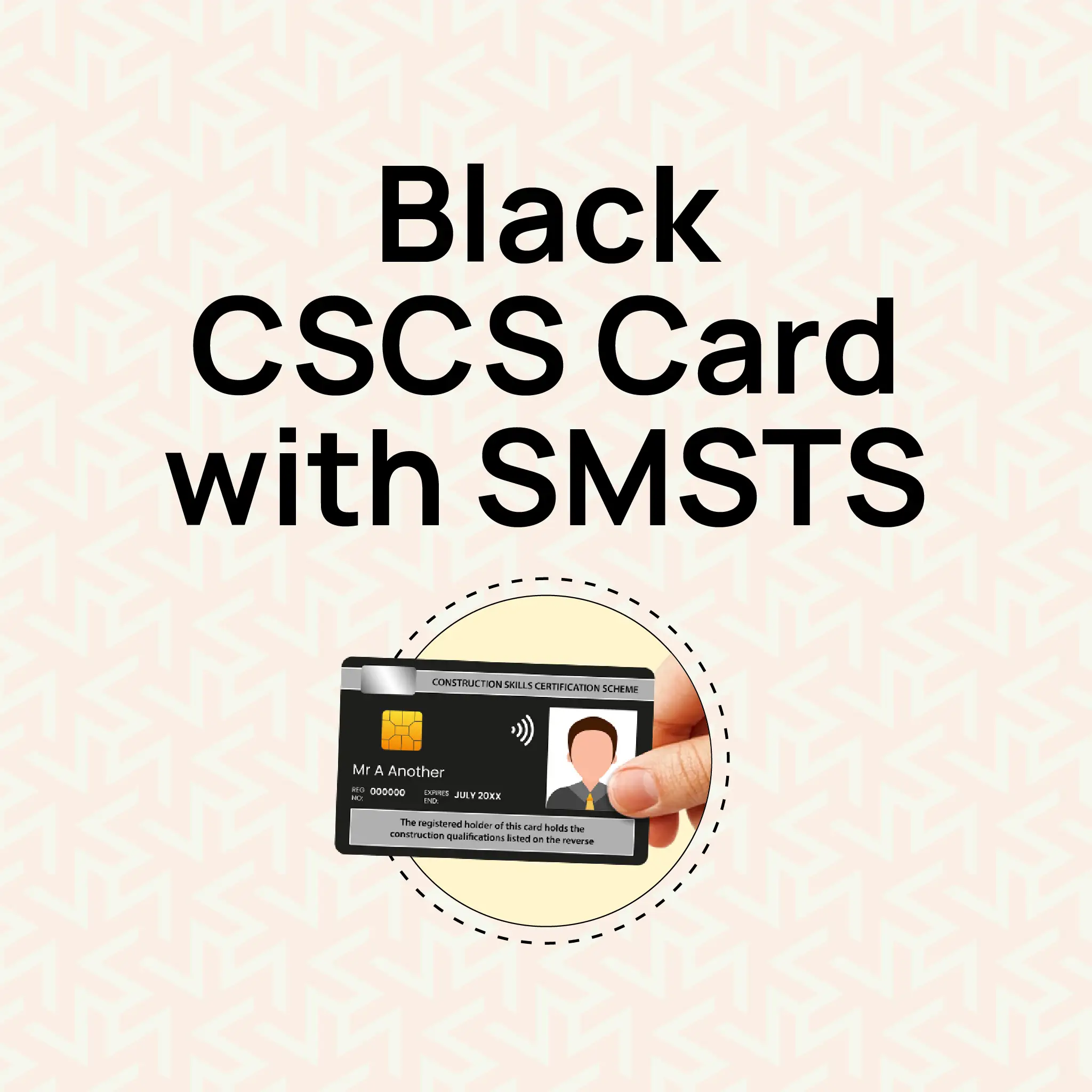
If you�ve completed the SMSTS course and now want a Black CSCS Card to get a managerial position on-site, the answer is simple: SMSTS will not give you everything you need. Although it is a good qualification, the Black CSCS Card, also referred to as the Manager Card, requires more than just health and safety training.This article breaks down what SMSTS does (and doesn�t) cover, the actual qualifications needed, and what alternatives you should consider if you're planning to apply for a Black CSCS Card.What Is a Black CSCS Card and Who Needs One?The Black CSCS Card, also known as the CSCS Manager Card, is not just another card in the Construction Skills Certification Scheme (CSCS);it is designed for individuals working in senior management roles within the construction industry. It represents the fact that the cardholder is competent and qualified enough to handle teams and manage massive projects, and ensure compliance with health and safety standards.�This card is mandatory for individuals working in high responsibility positions like Site Managers, Project Managers, Senior Construction Supervisors and Contract or Operations Managers. Holding the Black CSCS card not only enhances credibility but also fulfils the expectations of the majority of employers and principal contractors in assigning a person to a supervisory or managerial position.Get Your Black CSCS Card with HurakTo get your Black CSCS Card, you�ll need to complete the Level 6 NVQ Diploma in Construction Site Management and pass the CITB Managers and Professionals (MAP) Test. Hurak makes the whole process simple and supports you from start to finish.�Start the NVQ Level 6 Course | Take a Free CSCS Mock Test | Watch the CITB MAP Mock Exam Video | Learn How to Apply for the CSCS Card.Why SMSTS Isn�t Sufficient for a Black CSCS Card.��There�s a common misconception that completing the SMSTS course automatically qualifies you for a Black CSCS Card, but that�s not the case. Many construction professionals take the Site Management Safety Training Scheme (SMSTS) course to boost their site management skills and safety knowledge. It equips you with the knowledge needed to manage site safety, but it doesn�t assess on-the-job competence, which is what CSCS requires for a managerial card. While it's a respected qualification, SMSTS alone is not enough to obtain a Black CSCS Card.To be eligible for the Black Card, you must demonstrate occupational competence, which is typically done through completing an NVQ/SVQ Level 6 in Construction Site Management or an equivalent qualification. SMSTS is a supplementary training course, and while SMSTS is valuable and often preferred by employers, it�s not a substitute for the formal vocational qualifications required by CSCS.Tip: SMSTS is training. The Black Card is proof of competenceHow to Qualify for a Black CSCS Card: Key Criteria ExplainedTo apply for the Black CSCS Card, you'll need to provide specific qualifications and proof of managerial competence. Before applying, it is necessary to know the exact eligibility criteria. This card is typically intended for senior roles, such as site managers and project leaders.The primary qualifications include:NVQ Level 6 in Construction Site Management: This qualification assesses your practical, on-the-job competence and is the most recognised route to obtaining the Black CSCS Card. Equivalent qualifications may also be accepted, depending on the CSCS scheme rules.CITB Managers and Professionals (MAP) Test: You must pass the Health, Safety and Environment Test for Managers and Professionals, which is valid for 2 years at the time of application.Proof of Experience and Role: To qualify as an applicant, applicants usually have to be in, or have experience in, a managerial position in the construction industry.Explore some of our most in-demand NVQ courses and qualify for Other CSCS Cards.Hurak offers a range of accredited NVQ qualifications in Construction to help you progress confidently in your career.CSCS Blue CardLevel 2 NVQ Diploma in PlasteringLevel 2 NVQ Diploma in Roofing OccupationsLevel 2 NVQ Painting and DecoratingLevel 2 NVQ Certificate in Wall and Floor TilingCSCS Gold CardLevel 4 NVQ Diploma in Construction Site SupervisionLevel 3 NVQ Certificate in Wall and Floor TilingLevel 3 NVQ Diploma in Roofing OccupationsLevel 3 NVQ Diploma in PlasteringCSCS Black CardLevel 6 NVQ Diploma in Construction Site ManagementLevel 6 NVQ Diploma in Construction Contracting Operations ManagementWant more options?Browse All NVQ Courses at Hurak.Stuck with Only SMSTS? Here�s How to Move ForwardThe Site Management Safety Training Scheme (SMSTS) is one of the most reputable across the construction industry. While it doesn't meet the qualification criteria for the Black CSCS Card on its own, it still plays an essential role in developing your competence as a site or project manager.When you have finished SMSTS and are now wondering what to do next, you are not the only one. Most professionals get to this stage believing that a qualification could be sufficient in order to get a Black CSCS Card, only to discover that they are wrong.Why SMSTS Still Matters:Demonstrates Health & Safety Leadership: Employers appreciate the candidates who know the risk management and safety procedures in the workplace.Recognised by Employers: Many employers prefer or even require SMSTS as part of their internal training frameworks for site managers, even if it's not a CSCS qualification requirement.Lays the foundation for NVQ success: SMSTS content often overlaps with parts of the NVQ Level 6 in Construction Site Management, which is the main qualification required to obtain the Black Card.Moving Towards the Black Card:Once you have finished SMSTS but have not yet achieved an NVQ Level 6 or equivalent, then the following are your action steps:Enrol in a Level 6 NVQ: Combine your SMSTS with an NVQ Level 6 in Construction Site Management. This is the most direct and recognised route to becoming eligible for the Black CSCS Card.Gather Site Evidence: Maintain records of your on-site experience and responsibilities. Use your SMSTS knowledge that will benefit your NVQ learning and practical assessments.Consult an Approved Training Provider: Work with an accredited NVQ provider who can guide you through the NVQ assessment. They�ll help you align your work experience with NVQ evidence needs.Note: While courses like SMSTS are beneficial and often taken alongside the NVQ, they do not meet the formal qualification criteria required for the Black Card on their own.Black CSCS Card Application: What You Need to DoApplying for a Black CSCS Card involves meeting specific eligibility criteria and following a straightforward application process. Here�s what you need to do to secure your card:Check Your EligibilityMake sure you hold the required qualifications, such as an NVQ Level 6 in Construction or an approved equivalent. This card is designed for senior site managers and supervisors.Pass the CITB Managers and Professionals (MAP) TestYou must have passed the CITB Health, Safety, and Environment test for managers and professionals (MAP) within the last two years to demonstrate your current knowledgePrepare Your DocumentationGather all required documents, including:Proof of your NVQ or equivalent qualification.Confirmation of passing the CITB MAP test.Valid photographic ID, such as a passport or driving license.Submit Your ApplicationApply online via the official CSCS website or through an authorised training provider. Complete the application carefully and pay the current fee of �36.Receive Your CardOnce your application is approved, your Black CSCS Card will be sent to you by post. The card is valid for five years; after this period, renewal of the card involves retesting and updating your qualifications.Boost Your Site Safety Credentials with CITB CoursesLooking to enhance your knowledge of site safety and meet industry standards? Hurak�s CITB Site Safety Plus courses are designed to support construction professionals at every level, from operatives to senior managers.Popular CITB-accredited courses include:CITB Health and Safety Awareness (HSA)CITB SMSTS: Site Management Safety Training SchemeCITB SMSTS Refresher CourseCITB SSSTS: Site Supervisor Safety Training SchemeCITB SSSTS Refresher CourseFAQs1. Can I get a CSCS card with just an SMSTS qualification?No. SMSTS is a health and safety training course and not a recognised qualification by CSCS for card eligibility. You need an NVQ Level 6 (or SVQ Level 6 in Scotland) to qualify for a Black CSCS Card.2. What�s the difference between SMSTS and a Black CSCS Card?SMSTS��is a training certificate indicating that you have attended a safety course. A Black CSCS Card is evidence of competence, and it requires a management-level vocational qualification.3. Is the Black CSCS Card the highest level?Yes, it�s the highest CSCS card for site-based roles and is specifically designed for senior management positions, such as site or project managers.4. Do I still need SMSTS if I have a Black CSCS Card?However, not obligatory, it is much more advisable to have SMSTS in addition to your Black Card. Many employers prefer candidates with both safety training and formal qualifications5. How long does it take to get a Black CSCS Card?Once you�ve passed the required NVQ and CITB MAP test, the application process usually takes a few weeks. The timeline depends on how quickly you submit documents and pass assessments.6. Can I use an NVQ Level 4 or 5 to get a Black CSCS Card?No. The minimum accepted qualification is an NVQ/SVQ Level 6 in Construction Site Management or a closely related field.7. Can I apply for a Black CSCS Card while I�m completing my NVQ Level 6?No. You must have fully completed and received certification for your NVQ Level 6 before applying. Provisional cards may be available in some cases during training.8. Do I need to renew the Black CSCS Card after five years?Yes. Renewal requires you to retake the CITB Health, Safety & Environment (MAP) Test and provide proof that your qualifications remain valid and current.Final Thoughts: Can SMSTS Lead to a Black CSCS Card?The SMSTS course is a well-respected qualification that enhances your site management knowledge and health and safety awareness, but it does not meet the eligibility criteria for a Black CSCS Card on its own. To qualify, you�ll need a Level 6 NVQ in Construction Site Management alongside a valid CITB MAP Test pass.That said, completing SMSTS can still play a crucial role in your professional development. It demonstrates your commitment to site safety and leadership and can complement your progress as you work towards a formal management qualification.If you're aiming for a senior role in construction, understanding the whole route to the Black Card is essential. Use this guide to identify where you are in your journey and take informed steps towards achieving professional recognition and advancement.

Want a Black CSCS Card? Here�s How Construction Managers Can Qualify
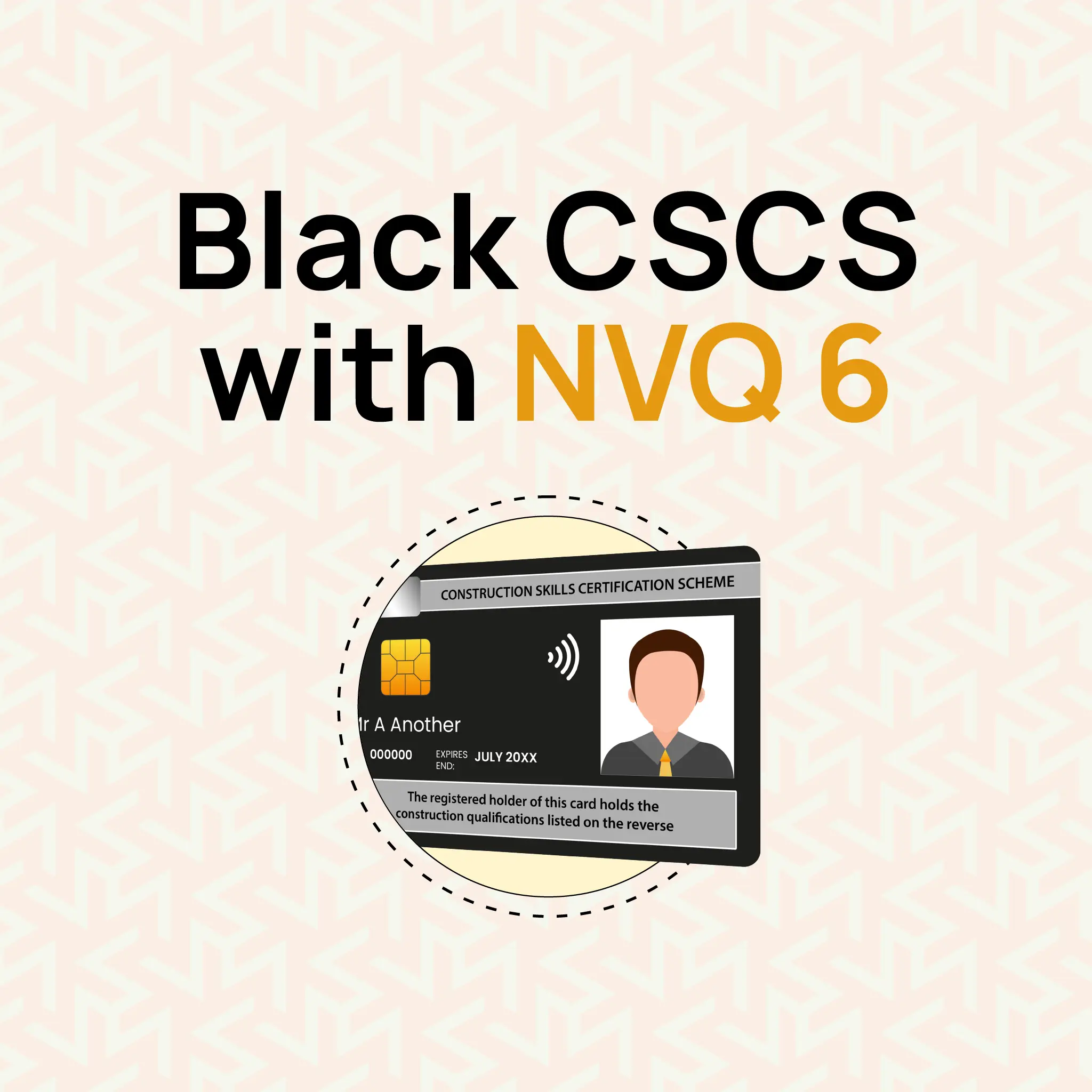
If you're a construction professional aiming for a leadership role, the Black CSCS Card is the qualification you need. It�s designed for site managers, project leaders, and senior construction staff who want to prove their competence in managing safety, teams, and site operations. To qualify, you�ll need to complete an NVQ Level 6 in Construction Site Management, pass the CITB Health, Safety and Environment Test, and apply through the official CSCS certification process. This guide walks you through each step clearly so you can get your Black CSCS Card and unlock new career opportunities with confidence.What Is a Black CSCS Card?The Black CSCS Card, also known as the Manager�s CSCS Card, is part of the Construction Skills Certification Scheme (CSCS). It�s designed for experienced professionals in managerial roles such as site managers, project managers, and senior supervisors. Holding this card proves that you�ve got the right qualifications and knowledge to manage construction sites safely and efficiently. It�s often a requirement for working on large-scale projects and can make a real difference to your career prospects in construction.Why Do You Need a Black CSCS Card?In today�s construction industry, more and more employers expect their site managers and supervisors to hold a CSCS certification. A Black CSCS Card indicates that you meet national standards and lends credibility to your work in front of clients, contractors, and employers. It also opens the door to better job opportunities, higher pay, and the chance to take on more responsibility on-site.Step-by-Step: How to Get a Black CSCS CardTo get your Black CSCS Card, there are three main steps you�ll need to follow:Step 1: Complete an NVQ Level 6 in Construction Site ManagementThe first step is to complete an NVQ Level 6 diploma in Construction Site Management. This qualification is tailored for individuals already working in the construction industry, particularly those with supervisory or management experience. The course is assessed through a mix of on-site observations, written work, and a portfolio that reflects your real-world responsibilities. At Hurak, we offer a flexible course delivery model that allows you to study around your job and complete the qualification at your own pace without needing to attend classroom sessions.Step 2: Pass the CITB Health, Safety and Environment Test (for Managers)Next, you�ll need to pass the CITB Health, Safety and Environment (HS&E) Test for Managers and Professionals. This is a multiple-choice exam that covers essential health and safety knowledge for working in management roles. It takes around 45 minutes and costs �23.50. This test must be passed within the two years before you apply for your CSCS card.Step 3: Apply for Your Black CSCS CardOnce you�ve successfully completed the NVQ and passed your CITB test, you can apply for your Black CSCS Card through the official CSCS website. You�ll need to provide a scanned copy of your NVQ certificate, proof that you passed the CITB test, a passport-style photo, and payment of the �36 application fee. Most cards are delivered within 7 to 10 working days.How Long Does It Take to Get a Black CSCS Card?The full process depends on your experience and availability, but many learners complete their NVQ Level 6 in as little as 12 to 16 weeks. The CITB test can be booked quickly, and once your documents are ready, the CSCS card usually arrives in about a week.Can You Get Help with Costs?Yes, in many cases you can. If you�re employed by a company registered with CITB, your employer may be able to claim grant funding to cover part or all of the course fee. At Hurak, we also offer flexible payment plans, allowing you to spread the cost over several months. If you�re self-employed, the course cost may be tax-deductible as a business expense.What if You Already Have Experience but No NVQ?If you�re already doing the work of a site manager but don�t hold formal qualifications, don�t worry, you can still get your NVQ Level 6. The course is designed to recognise and assess your existing skills. You�ll be supported by a qualified assessor who will help you build a portfolio of evidence based on what you already do on-site. There�s no need to attend college or take time off work.What Happens After You Get Your Black CSCS Card?Once you�ve received your Black CSCS Card, you�ll be recognised as a qualified site manager. This can lead to better job offers, higher salaries, and more trust from clients and contractors. It also makes you eligible for roles with greater responsibility, and can even count towards membership with professional bodies like the CIOB (Chartered Institute of Building).ConclusionThe Black CSCS Card is more than just a plastic card; it�s your proof that you�re qualified to manage construction projects in the UK. By completing the NVQ Level 6, passing the CITB test, and applying through CSCS, you�ll position yourself for better job opportunities, more responsibility, and stronger career progression. FAQsIs SMSTS enough to get a Black CSCS Card?No. While SMSTS is useful training, it�s not accepted by CSCS as a qualification for the Black Card. You must complete an NVQ Level 6 or higher.How long is the Black CSCS Card valid?The card is valid for 5 years. You�ll need to retake the CITB test and reapply to renew it.Can I do the NVQ while working full time?Yes. The NVQ is designed for professionals who are already working in the industry. All assessments are based on your current role and responsibilities.

NVQ Funding Payment Plans for Painting and Decorating
Upskilling in construction doesn�t have to come with a financial strain. If you're looking to gain an NVQ in Painting and Decorating, especially at Levels 2 or 3, there are multiple ways to reduce the cost, from CITB grants to flexible monthly payment plans. We�ve gathered all the funding support and payment plan options that make getting your CSCS card more affordable.What Is NVQ Funding?NVQ funding refers to financial support provided to learners and employers to help cover the cost of completing a National Vocational Qualification (NVQ). In the construction industry, this funding enables workers to acquire the necessary qualifications for CSCS cards and advance their careers.Why NVQ Funding Matters More Than EverWith the Industry Accreditation (IA) CSCS cards officially expired as of 31 December 2024, it is now mandatory for construction workers to hold a valid NVQ qualification to apply for or renew their CSCS card. This shift affects thousands of workers who were previously relying on experience-based accreditation.NVQ funding plays a crucial role in making this transition smoother and more accessible, helping workers avoid large out-of-pocket costs while staying compliant with industry standards. Grants like the CITB Short Qualification Grant significantly reduce financial barriers, allowing workers to gain recognised qualifications needed to continue working legally on-site.CITB Short Qualification Grant (Mainstream Funding Option)What It OffersThe CITB Short Qualification Grant helps construction workers and employers reduce the cost of qualifying by offering direct financial support toward recognised qualifications. For Painting and Decorating NVQs, this grant provides �600 toward the cost of a Level 2 NVQ in Painting and Decorating.This financial support can significantly reduce your upfront costs, making it more affordable to get your CSCS Blue Skilled Worker Card and continue working on-site legally.�As of June 2025, Painting and Decorating qualifications are only eligible for the �600 grant, according to the official CITB list of short qualifications.Who's Eligible?To qualify for the CITB Short Qualification Grant, you must be employed by a CITB-registered employer that is up to date with its Levy Returns. Additionally, you must work in a construction-related role. This includes directly employed staff who are on payroll in practical or supervisory roles, subcontractors and self-employed workers operating under a CITB-registered business, as well as business owners or partners who are actively involved on-site or in managing decorating teams.If you�re unsure about your eligibility, speak to your employer or NVQ training provider.Fast-Track Your NVQ Level 2 in Painting and DecoratingOnly �699.99 | Finish in just 3 weeks | 100% online | Guaranteed passPerfect for decorators already working on-site who want formal recognition and a CSCS Blue Skilled Worker Card.Book NowHow to ApplyConfirm eligibility with your employer or NVQ provider.Enrol in a CITB grant-approved NVQ Level 2 in Painting and Decorating.Complete your NVQ, and your employer must submit the grant application within 52 weeks of completion.Your employer will need to provide:NVQ certificate or awarding body confirmationCompleted CITB grant application formEmployer�s bank detailsProcessing Time: Approximately 3�5 weeks. Payment is made via BACS directly to the employer, who can either pass the amount to you or retain it if they cover your training costs upfront.Flexible Payment Plans for NVQ LearnersIf you're not eligible for funding or want to spread the cost, interest-free payment plans are an easy way to get started.Pay in 3 with KlarnaAll of Hurak's NVQ courses can be split into three interest-free monthly payments through Klarna. There's no credit check, and you can start learning right away.Zero-Risk GuaranteeHurak offers a full refund if you don�t pass your NVQ, plus ongoing assessor support to guide you every step of the way.NVQ Painting and Decorating Courses You Can Start TodayNVQ Level 2 in Painting and Decorating�699.99Finish in just 3 weeks100% online & no examsGet your CSCS Blue Skilled Worker CardPerfect for painters already working on-site who want formal recognition.Get qualified without exams explore our fully online NVQ Level 2 courseNVQ Level 3 in Painting and Decorating�899.99Finish in 4-5 weeksStep up to the CSCS Gold Skilled Worker CardIdeal for team leads, supervisors, and experienced decoratorsExplore the NVQ Level 3 Painting and Decorating course to access senior positions in the tradeBoth courses include:OFQUAL & CITB approvalGuaranteed passOnline access, assessor support, and easy uploadsFunding + Payment Plan Strategy (Step-by-Step)Check your eligibility for CITB grants or free coursesChoose your course (Level 2 or Level 3)Apply for funding or spread the cost with KlarnaStart learning immediately with online, self-paced accessGet your CSCS card and boost your career prospectsConclusionUpskilling doesn�t have to wait. Whether you're funding your NVQ through CITB, or using an interest-free instalment plan, Hurak makes it simple, affordable, and fast.Browse all NVQ courses offered by HurakFAQCan I combine government funding with payment plans?Yes. If your grant covers part of the cost, you can use Klarna to cover the rest.Do I need to study full-time?No, our NVQs are flexible and built around your work schedule.Can self-employed painters apply?Yes, if you're working under a CITB-registered contractor or via local Jobcentre schemes.Are these courses recognised across the UK?Yes. All qualifications are nationally accredited and valid for life.What are the earning prospects?Level 2 / Blue CSCS Card: �28,000��38,000/year � According to the UK Government�s Office for National Statistics (ONS) labour market data, qualified tradespeople in roles like painting and decorating earn an average salary within this range, depending on region and experience.Level 3 / Gold CSCS Card: �38,000��50,000+/year � Senior decorators, team leads, and site supervisors typically earn within this range. These figures are consistent with estimates from industry job boards and government-backed careers services such as the National Careers Service, which outlines potential earnings based on qualifications and responsibilities.
Is the NVQ Level 2 Painting and Decorating Course Right for You?
If you're already working as a painter or decorator and want formal recognition for your skills, the NVQ Level 2 in Painting and Decorating could be the next step. It is important to note that this is not a beginner�s course. It�s specifically for individuals with real, hands-on experience in the trade.What Is the NVQ Level 2 in Painting and Decorating?The NVQ Level 2 in Painting and Decorating is a practical, work-based qualification designed to assess your ability to perform core decorating tasks to national industry standards. Unlike academic courses that focus on theory, this NVQ evaluates your real-world skills, not your classroom knowledge.You�ll be assessed while you work, not in a classroom. An assessor may ask you to provide photos of yourself carrying out key decorating tasks, such as preparing surfaces or applying paint, as part of your assessment. You'll also complete a knowledge-based workbook, submit relevant site documents, and may take part in a professional discussion if additional evidence is needed. Finally, an expert witness testimony completed by your line manager or supervisor will confirm your competence. This practical method ensures that your skills are recognised through real examples of what you do on the job.What Does the Course Cover?The NVQ Level 2 in Painting and Decorating is designed to assess the practical skills you use every day on the job. It covers a wide range of tasks, including surface preparation, applying paint finishes, using a variety of tools and techniques, and hanging wallpapers or decorative coverings. The course also places a strong emphasis on safe working practices, making sure you understand and follow proper health and safety procedures.Rather than teaching you how to decorate, this qualification recognises your ability to do the job well and to a professional standard. If you�ve already gained hands-on experience in painting and decorating and can work confidently on your own, the NVQ is a great way to get formal certification for those existing skills.Key skills you'll be assessed on are:Preparing surfaces (walls, ceilings, etc.)Applying paint, primers, and finishes.Hanging wallpaper and other coverings.Using brushes, rollers, and sprayers.Following site health and safety procedures.Cleaning and storing tools correctly.These are all skills you�re likely already using on the job; the NVQ certifies you can do them to a professional standard.Full Support to Help You QualifyWorried about passing? You�ll receive one-to-one guidance from your assessor throughout the process, from building your portfolio to final submission. Once you complete the NVQ, you�ll also be eligible to apply for the CSCS Blue Skilled Worker Card, proving your competence to industry standards.Ready to get started? Book your NVQ Level 2 Painting and Decorating Course with Hurak todayWhat Qualifications Do You Need to Be a Painter and Decorator?One of the most common questions is whether prior academic qualifications are required to begin. The answer is no. For NVQ Level 2, experience is more important than formal education. If you�re working in the trade even without any certificates, and can perform tasks independently, you�re likely eligible.Do You Need Experience Before Starting NVQ Level 2?Yes, experience is essential before enrolling in the NVQ Level 2 Painting and Decorating qualification. This course won't teach you the basics. Instead, it assesses the skills you�ve already developed through hands-on work.Since NVQs are based on demonstrating competence in real work settings, you�ll need to already be confident in your ability to carry out decorating tasks to a professional standard. Without this practical experience, meeting the assessment criteria can be difficult.Is the NVQ Level 2 Right for You?If you�re wondering whether this qualification is the right fit, think about your current experience and goals. The NVQ Level 2 is best suited for individuals who are already active in the trade and want to turn that experience into a recognised qualification.This qualification is ideal if you:Have on-site experience in ''painting and decorating''.Want to get a CSCS card.Need to prove your skills to employers or clients.Are self-employed and want to build credibility.Are working in the UK ''construction industry''.It�s not suitable for total beginners. If you�re starting out, a training course or pre-apprenticeship might be a better fit. Is Painting and Decorating a Good Trade?Many people ask: Is painting and decorating a good trade?For those who enjoy hands-on work and seeing a visible end result, it�s a great option. There�s steady demand in both residential and commercial spaces. The trade offers creative freedom, job variety, and strong potential for self-employment.It also provides a clear route for growth from entry-level roles to specialist positions, or even running your own business.Is It Worth Getting an NVQ in Decorating?Yes, getting an NVQ is absolutely worth it and can be a brilliant career move if you already have hands-on experience in the trade.The key benefits of the NVQ are:Helps you qualify for a CSCS card.Boosts your job opportunities.Increases trust with clients and employers.Provides a formal qualification based on your existing skills.Creates a path toward Level 3 or supervisory roles.What Comes After NVQ Level 2?Once you�ve completed your NVQ Level 2, you can progress to the NVQ Level 3 Diploma in Painting and Decorating. This is ideal for decorators looking to take on more advanced work, lead teams, or specialise in areas like spraying or heritage restoration. ConclusionThe NVQ Level 2 in Painting and Decorating is ideal for experienced professionals who want formal recognition for their skills. It�s not a beginner�s course, but a practical, flexible route to proving your competence. From qualifying for a CSCS card to better job opportunities, this qualification can help you grow in the trade. It validates the skills you already have, opens up new opportunities, and helps you meet industry standards.Get Started with HurakHurak offers both NVQ Level 2 and Level 3 qualifications for painters and decorators. Our flexible, work-based assessments are designed to fit around your job, with no classroom learning required.You can also explore your options for NVQ funding and payment plans to make the process more affordable.If you�re unsure whether you have enough experience to start, how the process works or whether NVQ Level 2 or 3 is right for your experience level, feel free to reach out to Hurak at 0333 344 1293. Our team can help you assess your readiness before you submit your application. We offer a full range of trade-specific NVQs and can also support you with your CSCS card application from start to finishFAQWhat is the NVQ Level 2 in Painting and Decorating?It�s a work-based qualification that proves you can carry out painting and decorating tasks to industry standards. It assesses your skills through real work, not classroom learning.Is this course suitable for beginners?No, the NVQ Level 2 is designed for experienced painters and decorators. If you're new to the trade, a training course or apprenticeship may be a more suitable option.Do I need any qualifications to start this NVQ?No prior academic qualifications are required. You simply need hands-on experience in performing the job to a professional standard.How is the NVQ Level 2 assessed?Assessment includes submitting photos of your work, completing a knowledge-based workbook, providing site documents, and potentially taking part in a professional discussion.What can I do after completing NVQ Level 2?You can progress to NVQ Level 3 or apply for your CSCS Blue Skilled Worker Card to boost your career prospects. We offer a full range of trade-specific NVQs and can also support your CSCS card application from start to finish.
Construction Management Courses: NVQ vs SMSTS for Site Managers
If you want to become a construction site manager but you're already working full-time, you might be wondering which course is best: the NVQ Level 6 in Construction Site Management or the SMSTS course. Both are well-known qualifications in the construction industry, but they offer very different benefits.This guide will help you understand the differences between these two site management courses, enabling you to choose the one that best suits your job, goals, and schedule.What Is the NVQ Level 6 in Construction Site Management?The NVQ Level 6 Diploma in Construction Site Management is a practical, work-based qualification that focuses on the skills required for effective construction site management. It�s made for experienced workers who want to move into management roles or formalise the responsibilities they already hold.There�s no classroom time or written exams. Instead, you collect evidence of the work you already do, like managing teams, handling site logistics, or following safety procedures. You complete a portfolio over several months while still working on-site.Once you finish the NVQ Level 6, you can apply for a Black CSCS Card, which is essential for many senior roles in the construction industryWhat Is the SMSTS Course?The Site Management Safety Training Scheme (SMSTS) is a five-day health and safety course for construction managers, supervisors, and team leaders.It covers topics like legal responsibilities, site safety procedures, risk assessments, and the Health and Safety at Work Act. The SMSTS is often required by employers to make sure site leaders understand how to keep people safe.However, it doesn�t assess your ability to manage a site. It�s more of a safety compliance course than a full site manager qualification.NVQ vs SMSTS: What�s the Difference?Here�s a simple comparison to help you choose between these two popular construction management courses:FeatureNVQ Level 6SMSTSCourse TypeVocational QualificationSafety Training CourseDuration6�12 months (flexible)5 daysLearning StyleOn-the-job, no classroomClassroom or onlineAssessmentPortfolio of real site workWritten examOutcomeBlack CSCS CardSMSTS Certificate (5 years)Career FocusLong-term progressionImmediate safety complianceWhich One Should You Choose?If you're already working in a supervisory role and want to become a fully qualified construction site manager, go with the NVQ Level 6. It�s a solid, long-term qualification that proves your experience and opens doors to higher positions.If you�ve just started managing a team or need a quick safety certificate for your current role, the SMSTS course is a good short-term solution.Some professionals choose to do both. For example, they may start with SMSTS and then work toward the NVQ as they gain more experience.Why NVQ Level 6 Is Ideal for Full-Time WorkersThe NVQ Level 6 is designed to fit around your working life. There are no lectures or exams. You�ll work with an assessor who helps you collect evidence from your day-to-day responsibilities, everything from managing subcontractors to ensuring health and safety on site.At Hurak, we offer this qualification with full support, flexible timelines, and guidance every step of the way. We also help you check if you�re eligible for CITB funding, which could reduce your course cost. ConclusionWhen deciding between the NVQ Level 6 and SMSTS, it ultimately comes down to your current role and your career goals. The NVQ Level 6 is a comprehensive and flexible qualification that helps you advance your career and obtain your Black CSCS Card. It�s ideal if you're already supervising and want formal recognition.SMSTS, on the other hand, is a shorter course focused on safety. It's a good option if you need quick certification or are new to managing teams on-site.Both have their place in construction management training. But if you're looking for long-term career benefits and the ability to study while you work, the NVQ Level 6 is a more practical choice.FAQsWhat is the best course to become a site manager?The NVQ Level 6 in Construction Site Management is the ideal course for those seeking a recognised qualification and the Black CSCS Card. It�s ideal for experienced professionals aiming for long-term career growth.Do I need both SMSTS and NVQ Level 6?No, but many site managers choose to do both. The SMSTS is helpful for safety training and compliance. The NVQ Level 6 provides a comprehensive qualification and supports advancement to senior roles.Can I complete the NVQ Level 6 while working full-time?Yes. The NVQ is designed to fit around your job. You�ll complete a portfolio using real work tasks with the support of a qualified assessor, no need to take time off work.Does the NVQ Level 6 include health and safety training?It includes elements of safety, but it�s not a health and safety course like SMSTS. However, completing both NVQ and SMSTS provides a well-rounded skill set.How long does it take to finish the NVQ Level 6?Most people complete it within 6 to 12 months, depending on their experience and the speed at which they can gather the required evidence.