

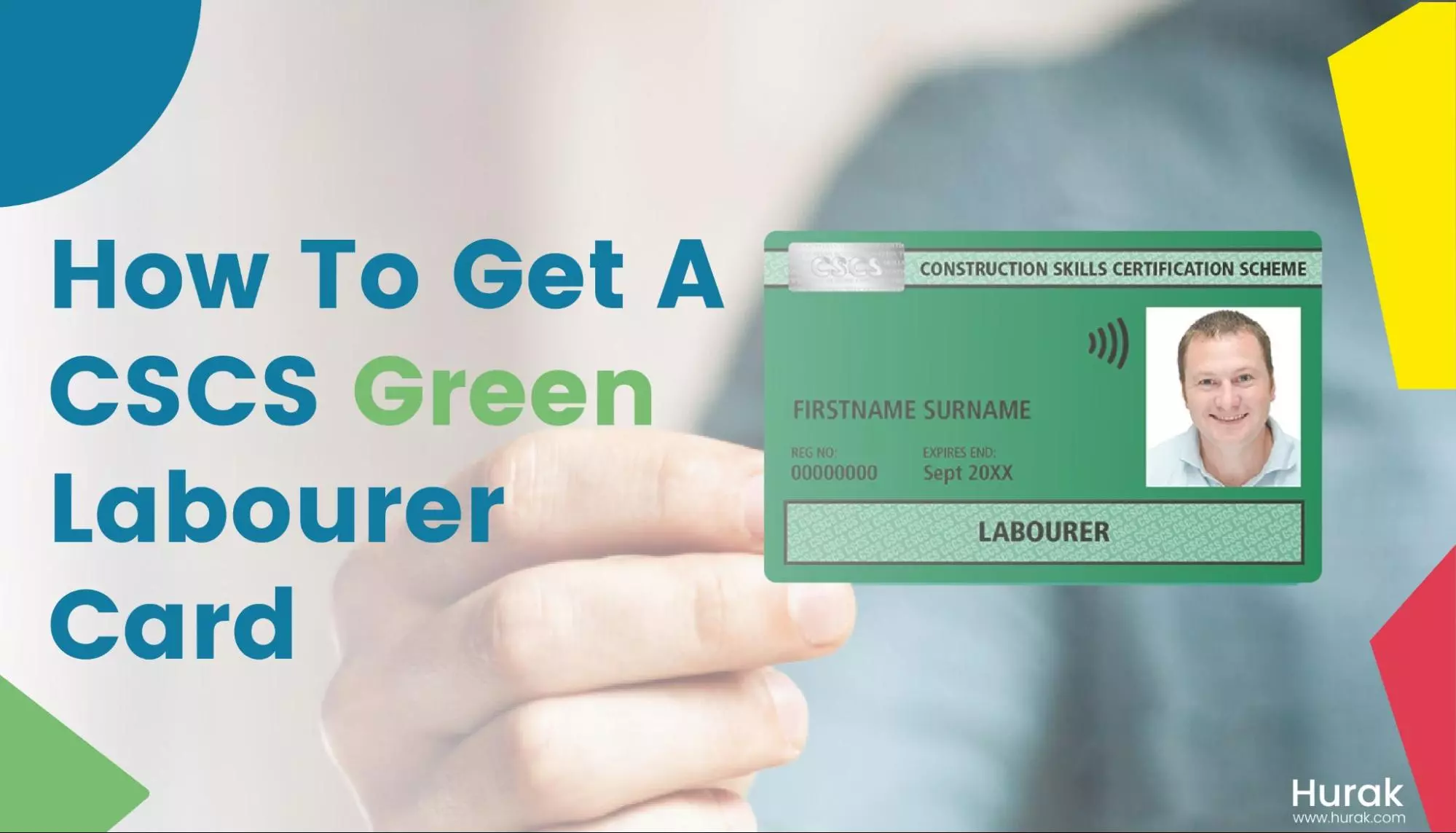
CSCS Card Funding � Find out How to Get a Free CSCS Card?
If you're aiming for a career in construction � you should get a CSCS card.In this blog post, we�ll cover different funding options and the process you can follow to apply for CSCS Card funding.Potential Funding Options � CITB, LEPs and B&CE Charitable TrustLet�s take a closer look at potential funding options for you to get a CSCS card:If You're an Employee of a CITB Registered EmployerIn this case, all you need to do is ask your employer if they are registered with the Construction Industry Training Board (CITB). Be sure to communicate your reasons for seeking a recognized qualification, and do so in a way that doesn't raise concerns about you wanting to switch jobs. You can emphasize that you want to:� -� Enhance your skill set.� -� Obtain a recognized certification to remain relevant in the industry.� -� Become a member of the CSCS-approved workforce.� -� Familiarize yourself with the health and safety principles expected from you in your job role.Please find the value you can claim in the table below:Reaching out to Local Bodies - LEPsLocal Enterprise Partnerships (LEPs) are partnerships between local authorities and businesses aimed at promoting skill development. You can reach out to them to inquire about funding opportunities and secure a free CSCS card.If You're UnemployedTo qualify for funding under this category, you must have at least 12 months of experience as a tradesperson in the construction industry. And, if you've been unemployed for 3 months or more, you will be eligible for support from the B&CE charitable trust.Final Verdict � How to Get a CSCS Card for Free?Specify the CardUse the CSCS Card Finder; simply add in the qualification you aim to pursue, and it�ll give you the card you�re eligible for.If it�s the first time you are trying to use an online tool, don�t hesitate to follow this handy guide our team wrote specifically on using the CSCS Card Finder. You�ll find a step-by-step way to get your job done, that too with screenshots.Find a Relevant Funding ProgrammeSee, if you were to claim funding for the Blue Card and enrol on the Level 2 NVQ Diploma in Roofing Occupations (just an example)...You need to first figure out how long it would take since it'd help you narrow down CITB fundings. You should reach out to the training provider to get a clear-cut answer for that. Let�s say they say the qualification will take you anywhere from 6-8 months. The next thing you should do is to match the duration against the table we provided up here.Since it can be completed within a year, you�ll be eligible for short qualification funding from CITB.Apply for the GrantDownload the application form, fill it, and send it to CITB.This is just one way to do it.If you�re enrolled on a longer qualification, you might have to reconsider your choices. To make it simpler for you, I�d recommend that you visit this page. You�ll find a list of available grant options. Figure out where you fit and go down that route accordingly.What Would You otherwise Pay for a CSCS Card?The primary factor that determines the cost is the qualification or the training programme you enrol yourself on. If you aim to become a skilled worker, pursuing a Level 2 NVQ course in your trade is the way to go. You can find a list of NVQs on Hurak and see which one goes with what you do.For instance, If you want to become a labourer on a construction site, the training expenses would be around �100 - �200, and this does not include the cost of the CITB test, which is an additional �23.50 � once you have everything in place, you'll need to pay an extra 36 pounds for the CSCS card application. So, in total, it would cost you approximately �200 - �250 to become a labourer on a construction site in the UK.Wrapping UpThe objective of these non-departmental public bodies is to maintain safety standards and ensure that the workforce on construction sites is appropriately qualified for their respective roles. That's why these qualifications are funded � to promote this safety culture.If you found this information overwhelming or have any questions, feel free to connect with our team via LIVE Chat or call us at 0333 344 1293, and we'll be happy to address your queries.
Your Guide to Getting A CSCS Carpenter Card in the UK
The construction industry is switching to a CSCS-certified workforce. This being the reason, many employers prefer that you carry a CSCS card. And, If you�re a carpenter, then you should get a CSCS card to prove that you�re not just good at what you do but also have an understanding of health and safety principles.In this blog, we�ll see what CSCS card you should pursue as a carpenter and what next when your card expires.What CSCS Card Do I Need for Carpentry?As a carpenter, you can apply for most of the CSCS cards � it comes down to your level of expertise in doing your job. For instance, the Blue Card could be an option if you�ve just started your job on a construction site as a carpenter. Similarly, the CSCS Gold Card could be another option if you're a supervisor.Not that the CSCS card is a barrier to getting a job in construction, but as said earlier, it certainly increases the likelihood of you asking more for your services. So, it never is a bad idea to get one.To obtain this card, you need to demonstrate competence and qualifications related to carpentry. Typically, it involves passing a relevant construction-related qualification or training course and the CITB test.Different CSCS Card Types for CarpentersOne thing you should do to find out which card type is for you is to use the CSCS Card Finder tool. Simply, add your qualification and occupation, and it�ll give you a card you�re eligible for. Here�s a peek into the different card types that would go well with your skill.Blue CSCS Card - Skilled WorkerThe Blue CSCS Card is for skilled carpenters who have completed their apprenticeship or hold an NVQ Level 2 in Carpentry and Joinery.Requirements - Blue CSCS CardNVQ Level 2CITB Operatives HS&E TestGold CSCS Card - Supervisor/Skilled WorkerThe CSCS Gold Card is a step up from the Blue Card, as it approves that the person is a specialist. It also is for supervisors. So, if you�re overseeing a group of carpenters, this one could do the job for you.Requirements - Gold CSCS CardNVQ Level 3 or 4 qualificationsFor the Supervisory card, you must pass a specialist CITB test.For the Skilled Worker Card, you need to pass the CITB operatives test.Black CSCS Card - ManagerThe CSCS Black Card is for those managing operations on a construction site. A level 4 NVQ or higher in carpentry and joinery could get you a senior role in the industry.Requirements - Black CSCS CardNVQ Level 4 QualificationCITB HS&E Test for Managers and Professionals (MAP)Red CSCS CardIf you�ve got none of these qualifications, and you�re just planning to enrol on one. Then, it�s best you take a course in parallel and apply for the temporary card. After you�re done with the training, you can then progress to other CSCS cards.How to Get a CSCS Card as a Carpenter in the UKFor you to get a CSCS card, you first should figure out where you fit. Re-read the above section if you jumped straight onto this, and see if you�ve got the qualifications CSCS asks for. If not, your first step should be enroling on an appropriate qualification.For a list of construction NVQs, please check the �Construction� category on Hurak.Next up, enrol on a CITB test � again, you can have us book this test for you. This MCQ-based test assesses your understanding of safety standards so you can keep yourself and those around you safe on construction sites. To study what this test is about and which one you should particularly pass, this dedicated guide on the CITB test will address your concerns.With both requirements met, you can now start with the application. All you need to do is to create an account on the CSCS online portal, fill in your details and submit an online application. CSCS will issue your card within 3-5 working days after the initial approval. You can also apply over the phone, but it could take up to 10 days to receive your card.Just so you don�t find yourself confused in the middle of nowhere, this blog on filing an application will help you smoothly sail through. You�ll find screenshots in there to check if you�re on the right track.How to Renew if the Card Expires? You�ll find an expiry date stamped on the front side of your CSCS card. CSCS allows you to file a card renewal application within 6 months before or after the expiry of the card. So, you must keep track of it to avoid doing everything from scratch. Also, since you might not be allowed to enter some construction sites without a valid CSCS card, it could cost you a job.For card renewal, you need to again sign in to your CSCS portal account and apply. You can check out this blog on the CSCS card renewal � it includes a list of renewal processes and the required documentation.Frequently Asked Questions (FAQs)What CSCS card does a carpenter need? The qualification and the role they are in define what CSCS card would suit them. For instance, the Blue Card is an option if they�ve got a Level 2 NVQ Diploma in Carpentry and Joinery. Similarly, as they go up, they must enrol on longer qualifications.Are CSCS cards a legal requirement? No, CSCS cards aren�t required by law. It�s just that having these cards increases your chances of landing a better job since many employers prefer that you get this card.Who needs a CSCS card? Those who�re working on a construction site should get a CSCS card. If you�re not directly involved in construction work, you don�t need a card. For instance, you don�t need a CSCS card if you aim to become a security guard on a construction site. Contrarily, if you want to do labour tasks, having a CSCS card is good.Final WordsThe CSCS card provides proof of your competency and communicates to employers that you know what you�re doing. In this guide, we saw how different CSCS cards would befit your profile based on your current qualification.You can also check out other construction courses on Hurak.
The Truth about Fake CSCS Cards: Staying Safe and Legitimate
Being an employer in the construction industry, you�re always under threat of fraudulent who try to get jobs with fake CSCS cards. According to the Health and Safety Executive, accidents at work cost businesses �16.2 billion. It shows that workers are not aware of health and safety practices, and a fake CSCS card is one of the reasons. That�s the reason, it�s important to understand how you can spot a fake CSCS card and what are the necessary actions to take when you come across such a situationWhat is a Fake CSCS Card?A fake CSCS card is a fraudulent representation of a valid CSCS card. Individuals willing to work in the construction industry create this card through illegal means. The main purpose of using a fake CSCS card is to get a job and gain access to construction sites.These counterfeit cards mimic the appearance and design of genuine CSCS cards but are not issued or authorised by the official CSCS (Construction Skills Certification Scheme) scheme. These cards may display incorrect or forged information regarding the individual's training, certifications, and industry experience. The production, possession, or use of a fake CSCS card is considered a serious offence under the Fraud Act 2006.How to Spot a Fake CSCS CardSince there could be serious consequences for hiring a worker with a fake CSCS card (which will be discussed later in the blog), it�s extremely important to spot a fake CSCS card. To help you out with this, I�ve compiled a list of critical checks which you must ensure if they are present on the CSCS cards.Name on the CSCS CardTo verify a CSCS card, first ensure that the name on the card matches the ID. If the names don't fit, it's likely a fake or borrowed card. Additionally, check the card's formatting and date; older cards have titles and initials, while newer ones display the full name.Expiry DateThe expiry date is an important way to identify a CSCS card. Most CSCS cards are valid for 5 years, except for Red CSCS Cards, which last for 1 year. If the card has an expiry date that is more than 5 years away, it's likely fake. Also, if the expiry date format doesn't match the card variation, it�s a red flag.Registration NumberEvery CSCS card should have a unique registration number for identification. You can use this number to check the card's validity with the CITB card checker.Smart Card MicrochipThe latest cards may not have a visible microchip but will have a contactless symbol next to the picture. Using an NFC reader, you can verify the card and access the operative's profile.PictureIf the card is fake, relying solely on the picture may not be enough. CSCS requires a passport-style photo and that must be with a plain background.CSCS HologramThere�s one thing common in all CSCS cards, which is a hologram in the top left corner. This hologram is difficult to fake but not impossible, so having it doesn't guarantee the card's authenticity.CITB Card CheckerThe most reliable way to ensure a CSCS card is valid and genuine is to use the CITB card checker.What to Do If You Spot a Fake CSCS CardIf you ever find a fake CSCS card, it's important to take the following steps:If possible, keep the original card and make copies of both the front and back.According to company rules, deny access to the person on-site to the extent permitted by law.Ask the cardholder where they got the card from.Try to record the name and address of the person holding the card.Immediately get to the local police.Forward copies of all evidence to the CSCS address or email it to [email protected] to Avoid Workers with Fake CSCS CardsIf you want to avoid hiring workers with fake CSCS cards, you can apply for CSCS cards on behalf of your employees. Taking control of the application process provides several advantages. Firstly, it saves your business valuable time and resources by hiring the right candidates with real CSCS cards. This helps streamline the recruitment process and you will only have eligible candidates for the jobs.The Dangers Of Fake CSCS CardsIf you hire a person with a fake CSCS card, it welcomes many dangers. And in case of an accident, fatality, or any kind of loss, you will be responsible for the consequences. It�s due to the fact that you�re the business owner and hiring the right candidates is your responsibility. Otherwise, you can have a high number of accidents or fatalities.Frequently Asked Questions (FAQs)Can you get a dodgy CSCS card?Some people go for dodgy or fake CSCS cards. But now, these cards have smart technology, and the CSCS Smart Check app helps detect fake cards easily and quickly.How can I identify a fake CSCS card?You can identify a fake CSCS card by checking certain details such as the card design, holograms, and security features. You can also use the CSCS Card Checker.What are the consequences of using or possessing a fake CSCS card?In that case, you can face legal consequences as well as loss of your job. It can also affect your future job opportunities.What should I do if I suspect someone is using a fake CSCS card on a construction site?If you suspect someone is using a fake CSCS card on a construction site, you must report your suspicions to the appropriate authorities. This matter must be properly investigated and for that, you must notify the site supervisor, project manager, or contact the CSCS.Wrapping Up: Fake CSCS CardIt is extremely important to remain vigilant and informed about the truth surrounding fake CSCS cards. It�s because hiring any employee with a fake CSCS card could cost you a lot. Being an employer, you must ensure the safety and legitimacy of the construction industry.
Level 1 Award in Health and Safety in a Construction Environment - Free Mock Tests Available
The construction industry is going through a big-time change, and if you want to stay relevant, there's nothing better than pursuing a regulated course. But it can sometimes be a burden on your finances.In this blog post, I've provided resources that you can use to prepare for the Level 1 Award in Health and Safety in a Construction Environment for free. It will help you prepare for a career in construction. How to Access Free Resources for the Level 1 Award In Health and Safety in a Construction Environment? You can access the following resources completely free. The videos provided contain questions and answers that will help you get familiar with the test pattern. You also have the opportunity to take the mock test for free.Below are the given resources including videos and a mock test. These will help you get familiar with the test format. And once you feel you�re well prepared, go ahead and attempt the CITB test.Who's It For?The Level 1 Award in Health and Safety in a Construction Environment is suitable for labourers in the construction industry. Even though you�re employed, the free route to preparing for the Level 1 Award in Health and Safety in Construction Environment would do the job for you.What Comes Next after Completing the Free Level 1 Award in Health and Safety?Follow this 3-stage process to apply for a CSCS Green Card.Stage 1: Achieve a Level 1 Award in Health and Safety in a Construction Environment.For this course, I've included a free mock test for you to prepare. Like I said earlier, it's a basic course that covers topics on health and safety, such as the relevant legislations, the importance of risk assessment and method statements, risks associated with working at heights, inhaling airborne particles, and handling moving plants, among others.Stage 2: Pass the CITB Health, Safety, and Environment Test.Once you've passed the Level 1 Award in Health and Safety in a Construction Environment, the next step is to book the CITB test. We've got another mock test for this one, absolutely free, to help you prepare and get ready for the actual test.Stage 3: Apply for the CSCS Green Card.Now it's time to apply for the card from CSCS. You can do it either online or over the phone. I�ve put together a detailed guide so you can learn the step-by-step process of getting the CSCS card after passing the test.Frequently Asked Questions (FAQs)What free resources can I access on Hurak? You get access to our free mock tests, which include not only the videos but also the MCQ-based tests.What is the CITB test for? The CITB test is a prerequisite to applying for any CSCS card. It stays valid for two years.ConclusionHaving access to free mock tests for the Free Level 1 Award in Health and Safety in a Construction Environment will help you prepare for your construction career. This is the first step to starting the process; the next step is to prepare for the CITB test and get your CSCS card.In case you want us to help you in this process, we have three different plans (Saver, Flexi, and Premium), saving you at least 50 pounds. You will have access to the course material with free same-day results.Want to know more about it? Check out this CSCS Green Card (Labourers) Course!
Regulated Qualifications Framework (RQF): Meaning, Levels and Durations
RQF, short for Regulated Qualifications Framework, is a nationally recognised system. It governs qualifications in England, Wales, and Northern Ireland.The primary goal of the RQF is to establish an adaptable educational framework throughout these regions. In other words, it ensures consistency and facilitates mobility.What Do the Different RQF Levels Represent?If you take a look at a certificate for an RQF qualification, you'll see a number displayed alongside the qualification title, such as Level 2.This numerical value indicates the qualification's difficulty level, and as the level increases, so does the complexity of the content, requiring learners to allocate additional time to complete the qualification.The RQF consists of 8 primary levels, along with 3 additional entry levels. Here is a table that compares these RQF levels to their corresponding certificates:Understanding the equivalent qualifications at each RQF level is crucial. This understanding allows you to effectively compare the qualifications you're pursuing, be it awards, certificates, or diplomas. However, it's equally important to assess suitability when determining the most appropriate RQF level for your goals.Entry Levels: These levels are typically not mandatory or required by organisations as they provide only basic knowledge. They are suitable for individuals entering a new field.RQF Level 1: The RQF Level 1 marks the initial step towards formal recognition of your knowledge across England, Wales, and Northern Ireland. It caters to learners aged 15-16 and offers foundational knowledge.RQF Level 2: Building on the previous level, RQF Level 2 takes it a step further. It covers the basics of the subject as well as additional modules. It is suitable for learners aged 15-16.RQF Level 3: At this level, you become a specialist in your chosen subject area. It implies that you have covered the basics and have taken a more in-depth approach to learning.RQF Level 4: This level is equivalent to the first year of a bachelor's degree, representing a step up from secondary level content.RQF Level 5: RQF Level 5 acts as a preparatory stage for individuals planning to pursue a Level 6 qualification. It builds the essential groundwork to move beyond secondary education.RQF Level 6: Equivalent to a 3-year bachelor's degree, RQF Level 6 is intended for learners aged above 19.RQF Level 7: Corresponding to a master's degree, RQF Level 7 takes the subject matter to a deeper level of understanding.RQF Level 8: RQF Level 8 represents the highest achievement in England, Wales, and Northern Ireland, indicating a doctoral-level qualification in your subject.What Are Credits and How Do They Affect RQF Qualification Durations?Each qualification is assigned a specific number of credits, with each credit generally representing 10 hours of learning. By multiplying the number of credits by 10, we can estimate the Total Qualification Time (TQT) for a course. For example, if a course has 12 credits, its TQT would be around 120 hours.For instance, a course might have a core duration of 40 hours, but if it involves additional time for completing assignments and assessments, these hours are also factored into the estimated TQT. On the other hand, Guided Learning Hours are distinct and only account for the time spent under the direct supervision of a lecturer or a training body.Putting in a mathematical form,Total Qualification Time (TQT) = Guided Learning Hours (GLH) + Directed Learning Hours + Assessment HoursWhat is the Difference Between RQF and SCQF?In England, Wales, and Northern Ireland, the Regulated Qualifications Framework (RQF) is followed. On the other hand, Scotland has its own Scottish Credit Qualification Framework (SCQF).The RQF starts with 3 entry levels and goes all the way up to level 8, which is the highest attainable level. On the other hand, the SCQF doesn't have any entry levels and starts simply from Level 1, going up to a total of 12 levels.To make it clearer for you, here's a comparison table showcasing the RQF and SCQF levels.What is the Difference between an Award, Certificate, and Diploma?It's essential to understand that within the context of regulated qualifications, the terms "award," "certificate," and "diploma" serve as key indicators for the level and depth of knowledge and skills acquired by a learner. An award is typically the shortest and represents a basic level of competence or understanding in a particular subject area. Typically it takes up to 13 credits or 130 hours to complete. Moving up, a certificate, being more extensive, points to a broader and deeper level of proficiency. Certificates require learners to go through 13 to 37 credits, equivalent to approximately 130 to 370 hours of study. A diploma, the most comprehensive of these distinctions, indicates a high degree of expertise, often requiring a more extended study period. Diplomas extend beyond 37 credits or roughly 370 hours.While duration frequently correlates with the qualification level, these terms primarily convey the depth and complexity of learning and the resulting skill set rather than being solely linked to the length of the programme.Frequently Asked Questions (FAQs)Are RQF levels recognised throughout the UK?No, these levels are not recognised across the entire UK. RQF Levels are applicable in England, Wales, and Northern Ireland, while the SCQF is used in Scotland.What is RQF Level 6 equivalent to?RQF Level 6 is equivalent to a bachelor�s degree.What do RQF levels mean?The levels indicate the complexity of the qualification. The higher the number goes, the more complex it gets.What does "size" mean?The size of a qualification is simply the time it takes to complete the course content.Summing it upI hope that this blog has provided you with a better understanding of RQF qualifications. Keep in mind that the various RQF levels are indicators of a qualification's level of difficulty, and each credit typically represents approximately 10 hours of learning. Awards are typically the briefest, requiring up to 13 credits to complete, while certificates involve 37 credits. Diplomas typically take the longest to finish and may extend beyond 37 credits.With an extensive range of over 500 regulated courses, don't wait; secure your place today by booking or giving us a call to explore how we can jumpstart your career.
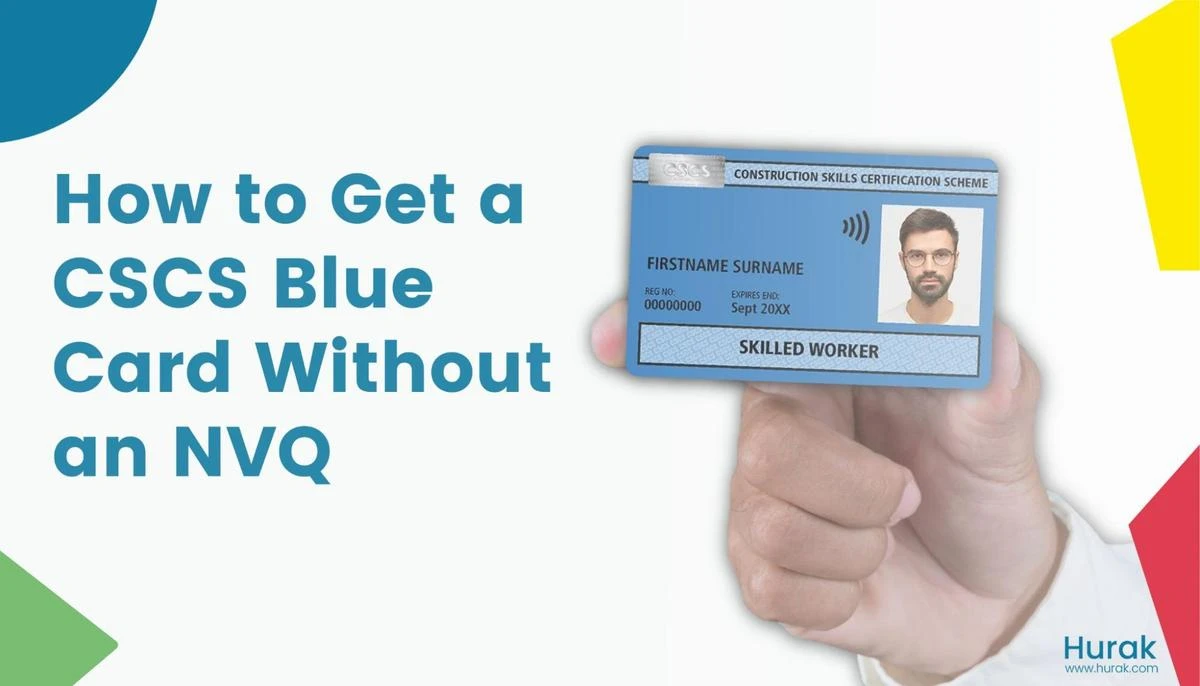
How To Get A Blue CSCS Card Without NVQ?
�Are you a skilled worker in the construction industry trying to get a Blue CSCS Card, but don�t have an NVQ? Don�t worry! Luckily, you have other options available and you can still obtain a Blue CSCS Card without an NVQ.In this blog post, I�m going to discuss different routes and alternative qualifications to obtain a Blue CSCS Card without an NVQ. Furthermore, I will guide you through the steps to apply for a Blue CSCS Card and offer additional valuable information.How to Get a Blue CSCS Card without an NVQ / SVQ? The Three Other RoutesThere are three ways of obtaining a Blue CSCS Card without an NVQ:A City & Guilds of London Institute Craft CertificateA Trailblazer Apprenticeship with CSCS ApprovalExperienced Worker Practical Assessment (EWPA) route or the On-Site Assessment (OSAT) routeA City & Guilds of London Institute Craft CertificateThe first route is to get higher-level qualifications from City & Guilds. Depending on your job role, you can obtain a qualification from this awarding body. City & Guilds offers courses in Management, Engineering Technology, Building Services Engineering, and Professional Engineering. Moreover, it also offers degrees of apprenticeships for different job levels.After completing the qualification from City & Guilds, you become eligible to obtain a CSCS Blue Card.A Trailblazer Apprenticeship with CSCS ApprovalThe second route to get a Blue CSCS Card without an NVQ is through the Trailblazer Apprenticeship.Basically, the Trailblazer is a group responsible for developing occupational standards that support T levels and technical qualifications in various industries. T levels are a type of technical qualification in the United Kingdom, equivalent to A levels and combine classroom learning with on-the-job experience through work placements.If you have a qualified Trailblazer Apprenticeship you can obtain a Blue CSCS Card without an NVQ.On-Site Assessment (OSAT) Route and Experienced Worker Practical Assessment (EWPA) routeEWPA is the third route to obtain a Blue CSCS Card without an NVQ. EWPA is an off-site assessment that offers a fast-track route as compared to OSAT.If you have practical knowledge of your trade then you don�t require any training; all you have to do is to take the EWPA route. The assessment continues for 1 or 2 days.OSAT is the most common route for a worker who needs some individual training. If you want to get a CSCS card through this route, it will take around 3 to 6 months. Another requirement for this route is to present a portfolio of evidence. And for that, an examiner and a learner work together. A portfolio of evidence shows that a worker has gained trade skills and has the required level of competency to be eligible for a Blue CSCS Card.If you want to obtain a Blue Card without NVQs, you can choose any of these two assessment routes.Pass the CITB HS&E TestAfter successfully completing any of your chosen routes, you must schedule and pass a CITB test before you can proceed with your application for a Blue CSCS card. This test consists of 50 multiple-choice questions, and candidates must achieve a minimum score of 45 out of 50 to pass.The test takes 45 minutes to complete and costs �23.50. Pearson test centers, conveniently located across the country, offer this test, making it easy to find one near you.It's also a good idea to practice and prepare with a CSCS mock test before your examination.Let Hurak Learning simplify the process for you by reserving your CITB test spot. Book Now!How to Apply for a Blue CSCS Card without an NVQ?The next step is to apply for a Blue CSCS Card.Apply for your card over the phone or onlineIf you want to apply for your card over the phone, call CSCS on 0344 994 4400 (Monday to Friday, 9 a.m. to 5 p.m.). Alternatively, you can apply online. Learn how to apply for a CSCS card in detail.There are different card fees�according to different types of cards. Some cards cost you �36 and others cost you �60.To apply for the card, you must provide the required documents and a passport-style photo. Once you successfully submit your application, you will get your CSCS Blue Card in 3-5 business days. If you apply over the phone, it will take around 10 days to receive your CSCS Blue Card.Can I Get a Blue CSCS Card without an NVQ?Yes, you can get a Blue CSCS Card without an NVQ. This change is a result of the recent updates made by the Construction Leadership Council (CLC) in their apprenticeship acceptance criteria for CSCS.In the past, there were apprenticeships that did not require an NVQ/SVQ, but these were not accepted by CSCS. This created confusion, leading many to believe that the only path to obtaining a Blue CSCS Card was through obtaining an NVQ.Thankfully, the new updates now allow CSCS to recognize apprenticeships that are nationally recognised across all four UK nations, even if they do not entail an NVQ. Upon successful completion of a relevant apprenticeship, you become eligible for a Blue CSCS Card.Frequently Asked Questions (FAQs)When applying for the Blue CSCS Card without an NVQ, are there any tests or assessments required?If you want to apply for a Blue CSCS Card with or without NVQ, you must pass a CITB Test. The CITB test is a mandatory step to get a Blue CSCS Card.Is my Blue CSCS Card valid worldwide?A Blue CSCS Card cannot be used outside of the UK. You might need to obtain a different card or certificate that is recognised by the local authorities and employers if you want to work in other countries.How do I locate a training facility for the alternative qualification?You can search online to find institutes that provide training for alternative qualifications. Look for reviews other learners have given on particular courses. It can also be beneficial to consult with your friends and colleagues.What is the easiest way to get a Blue CSCS Card?The easiest way to obtain a Blue CSCS Card is by completing the relevant NVQ or SVQ Level 2 qualification in your trade or occupation. After that, you must pass a CITB HS&E exam and then apply for the CSCS Blue Card.Can I apply for a CSCS card without qualifications?Yes, you can apply for a CSCS card without formal qualifications. For instance, you can obtain a Blue CSCS Card without an NVQ qualification but you must choose one of the alternative ways such as the Trailblazer Apprenticeship. Passing the CITB test is also required for this card.Final WordsThere�s a widespread misconception that you can only get a Blue CSCS Card by completing a Level 2 NVQ. In this blog, we�ve addressed this misunderstanding by listing the alternative methods you can take to get your Blue CSCS card.While the traditional NVQ route remains the most recognised and straightforward method, exploring options such as apprenticeships and on-the-job experience can offer great alternatives for you if you�re seeking a Blue CSCS Card.By pursuing these alternative routes and demonstrating a commitment to maintaining high standards of safety and professionalism, you can successfully obtain a Blue CSCS Card.
How to Use the CSCS Card Finder to Identify the Right CSCS Card for You
Navigating through the different types of CSCS cards can be a bit overwhelming. Thankfully, the CSCS card finder tool can help you with that. So, no more sifting through countless options for CSCS cards. It's like having a construction guru by your side, guiding you to get the right CSCS card for you.How to Use the CSCS Card Finder?The CSCS card finder offered by CSCS has a four-step procedure.Step 1: Search by Occupation/QualificationIn the first step, you will be given two options to search by Occupation or Qualification.Step 2: OccupationIf you chose �Occupation� in the first step, you will have to select your current occupation from a pop-down list.If you chose �Qualification� in the first step, you will have to select your earned qualification from a pop-down list.Step 3: QualificationIf you chose �Qualification� in the first step, and selected your earned qualification in Step 2, now you will have to select your occupation from a pop-down list.Step 4: ResultsIn the fourth and final step, you will be informed of which CSCS card you�re eligible for based on the information you have provided.How the Tool Assists in Identifying the Right CSCS Card for YouHaving a CSCS card finder is like having a personal assistant who knows all the ins and outs of the construction industry! All you have to do is to provide some basic info like your trade, qualifications, and experience, and that�s it!With all the inputs provided, the tool processes the information and gives you personalised recommendations about which CSCS card suits you. The output is based on your input to this tool, so remember to put accurate information..Which CSCS Card Finder is the Best?You can find a few CSCS card finders on different online platforms. However, the most recommended tool is the one CSCS offers on their official website.Frequently Asked Questions (FAQs)Is the CSCS card finder free to use?Yes, the CSCS card finder is free to use.Are the results generated by the card finder accurate?The results generated by the card finder are based on the information provided by the user and the card eligibility criteria.How long does it take to receive the results from the CSCS card finder?The time taken to receive results from the CSCS card finder can vary depending on the tool's design and processing capabilities. You can expect to receive the results instantly or within a few moments of submitting your information.Wrapping Up: CSCS Card FinderNo more trial and error or headaches. With the CSCS card finder at your fingertips, you can easily choose the right CSCS card for you.
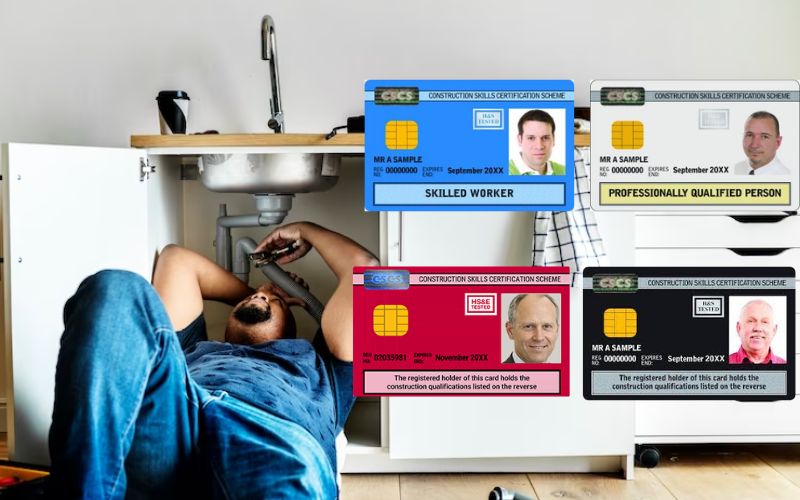
CSCS Plumbing Card � Types, Application, Cost (2023)
�The construction industry in the UK will likely require 73,700 plumbers by 2032. To prove that you�re a skilled plumber, you should get a CSCS plumbing card.In this guide, we'll talk about which CSCS card you should apply for if you're a plumber, how much it might cost you, and how to get one.What CSCS Card Does a Plumber Need?To get a CSCS card, you have to apply, prove you're qualified for your job, say plumbing, and then CSCS gives you a card.As a plumber, you can apply for the Red, Blue, Gold and even Black Card.The Construction Skills Certification Scheme (CSCS) is an organisation that gives out cards based on your skills. These cards show that you understand how to stay safe while working in construction.When it comes to plumbing, JIB PMES (Plumbing and Mechanical Engineering Services in England and Wales) acts like the CSCS Partner Card scheme. The process to get these cards is a bit different from other CSCS cards. Also, check out the JIB website to find out which plumbing card specifically goes with your background and experience.Next up, we'll talk about which card you should apply for and how to get it.CSCS Cards for PlumbersTake a look at the available CSCS card options for those in the plumbing field:CSCS Red CardCSCS Red Cards are given to people who are either studying a related qualification or doing an apprenticeship. These cards are a temporary solution until you get a skilled card, as they cannot be renewed once they expire.If you don't have an NVQ related to plumbing right now, this card could work for you in the meantime. It lets you work in the field, do your job, and learn while you're working on your qualification.ValidityThe validity of the Red Card ranges from 6 months to 5 years.CSCS Blue CardThe CSCS Blue Card, sometimes called the Skilled Workers Card, is for those who�re skilled in their field. They work under supervision and follow the plans given by supervisors.To get a Blue CSCS Card you will need a plumbing-related Level 2 NVQ/SVQ. For additional details, you can also take a look at the JIB website.ValidityA Blue Card remains valid for 5 years. You can renew this card after it expires.CSCS Gold CardYou can also apply for a CSCS Gold Card if you�re in a supervisory role on a construction site. Before applying for a Gold CSCS Card I would recommend that you use the CSCS card finder to find out if the Gold Card is the right card for you.ValidityThe validity of a CSCS Gold Card is 5 years. You can submit the card renewal application once it expires.CSCS Black CardThe CSCS Black Card is designed for individuals holding higher-level positions in construction management. To get this card, you need to have finished an NVQ/SVQ Level 4 or higher Plumbing Mechanical Engineering Services (PMES) in construction management or a technical subject. You could even start with a Level 4 NVQ in Plumbing and move up to this card.ValidityThe CSCS Black Card stays valid for 5 years. On expiry, it can be renewed.How to Get a CSCS Card for Plumbing?1. Enrol on a Relevant QualificationFirst, figure out which card matches your job. Earlier, we talked about different plumbing cards. It's always good to look at what each card requires and see which one fits your skills and experience.For example, if you have a Level 2 Diploma in Plumbing and Heating, the Blue Plumbing Card would be the most suitable option for you. There are other plumbing cards on this page too. You should see which one you're eligible for.2. Pass the Health and Safety TestThis test has multiple-choice questions about safety rules on construction sites. You can book the CITB test through us. It's smart to do a practice test before the real one.You'll find test questions and answers in the video below3. Apply for the CardYou can apply for the plumbing card online. Upload the documents needed and put in your info.You�ll find a list of different plumbing cards on this page.Click on any card and you'll see the "Apply Online" tab at the top. Click on it to apply for your card.How Much Does a CSCS Plumbing Card Cost?The standard card fee for the Blue, Gold and Black Card is �40 and there�s an additional cost of �23.50 for the CITB test. This makes it �62.50 combined.For the Red Card, the card fee is �20 and the CITB test fee stays the same.The standard turnaround for your card to arrive is 28 days, or you can pay an additional �100 for the fast-track option and get it in just 4 workdays.Frequently Asked Questions (FAQs)Do plumbers need a CSCS card?CSCS cards aren't a must for anyone, but having one gives you an advantage over others applying for the same job.What is a CSCS plumbing card test?The CSCS test is a multiple-choice test that checks if you know how to stay safe on construction sites. You can get ready for the real test by practising with these mock tests.Can I upgrade from a CSCS Red plumbing card?Yes, if you have a red plumbing card, you can level up to other cards like the gold or black ones.How to apply for the CSCS card as a plumber?You can apply for the CSCS plumbing card by completing an online application where you will need to share your personal info, select the card type you are applying for, and upload the required documents.ConclusionAfter reading this guide, you should now have a clear understanding of what a CSCS plumbing card is and which one suits your needs best. For additional information, visit the JIB website.Interested in exploring the different types of CSCS cards? We've developed a comprehensive guide that delves into categorising these cards based on their intended recipients and the prerequisites for obtaining each one.

CSCS White Card: Requirements, Types, Costs Renewal
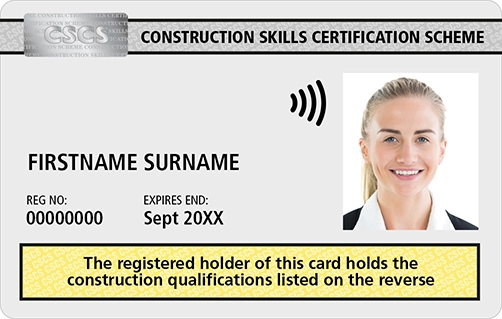
The CSCS White Card is for individuals with a formal education related to the construction industry.In this blog post, I�ll dicuss about the CSCS White Card, its types, requirements, and how to apply. We�ll also examine the card cost and the renewal process.White CSCS Card MeaningThe CSCS White Card is for those with a degree in a construction-related subject. You can also get this card if you�re a member of a CSCS-approved professional body. There are two types of white cards:1. Academically Qualified Person Card (APA Card)2. Professionally Qualified Person Card (PQA Card)Both of these cards are valid for 5 years.CSCS White Card RequirementsIn this section, we�ll look at the requirements and validity of the CSCS White Card.1.�CSCS White (Academically Qualified Person) Card�For the Academically Qualified Person Card, you don't need an NVQ if you already have a degree in a construction-related subject. You can get this card even if you hold a construction-related HND, HNC, or CIOB/NEBOSH certificate.ValidityThe AQP Card is valid for 5 years. There�s a 6-month window before and after the card expiry date to renew your card.Required DocumentsTo be eligible for the CSCS White Card (AQP), you must have the following documents:A scanned copy of your qualification certificate (HND, HNC, CIOB, or NEBOSH diplomas or certificates)Passed CITB Health, Safety and Environment Test or possess a CIC Health and Safety Certification2. CSCS White Card (Professionally Qualified Person)The CSCS White Card (PQP) Card is specifically designed for individuals who are members of approved CSCS professional bodies. The list of approved bodies includes the Institution of Civil Engineers (ICE), The Chartered Institute of Building (CIOB), the Royal Institution of Chartered Surveyors (RICS), etc.ValidityIt has a 5-year duration, and it cannot be reviewed.Required DocumentsIn order to apply for a PQP card, you need to provide the following documents:You have to prove that you are a member of one of the approved professional bodies. This can be a membership certificate, a membership card, a payment receipt for the current calendar year, or a screenshot of your current membership from the awarding body's official website.Passed a CITB Health, Safety and Environment test or carry a CIC Health and Safety Certification.How Do I Get a White CSCS card?Here�s how you can receive a CSCS White Card:Step 1: Choose the Desired White CSCS CardTo determine which CSCS White Card is right for you, check out the requirements section above. For example, if you want the PQP card, you need to first join one of the CSCS-approved groups. So, go over your needs and see where you fit.Step 2: Pass the CITB testThe CITB test is a must for any CSCS card, whether you're aiming for a PQP or AQP card. For the White CSCS Card, you must book the CITB Health, Safety, and Environment test for Managers and Professionals (MAP).You can use the CSCS Card Finder to check which specific CSCS test you need. This test consists of multiple-choice questions and is valid for 2 years. Before you book, we suggest you review these mock tests to prepare for the real test.Step 3: Submit an ApplicationAny of the following works:You can apply over the phone by calling CSCS on 0344 994 4777 (8am to 6 pm, Monday to Friday).Apply online on the CSCS online portal � sign up, log in, fill in the necessary details and apply for the card.How Much Does the White CSCS Card Cost?Applying for the CSCS White Card will cost you �36, booking the CITB test will cost another �23.50, and the qualification fee must also be paid. For more information about the CSCS card cost, check out this guide.How Do I Renew a White PQP or AQP card?If you hold a CSCS PQP Card, renewing it isn't an option. You�ll need to apply for it again, just like the first time. But if you're an AQP holder, there's a renewal process you can follow.To renew your AQP card, upload your expired card to the CSCS portal and provide other details. This CSCS card renewal guide can also help.Black vs White CSCS CardThe CSCS White Card is for those who might not have an NVQ (National Vocational Qualification) but have an academic or professional qualification.Simply put, the CSCS White Card is for those with schooling or work experience who didn't complete an NVQ. On the other hand, to get a CSCS Black Card, you need to complete an NVQ/SVQ.What is the Difference Between White and Green CSCS CardWhite CSCS CardGreen CSCS CardThe white CSCS card is often called the 'Trainee' or 'Provisional' card.The green CSCS card is called the 'Skilled Worker' card.The white card is a higher-level card than a Green Card.A Green Card is entry-level in the construction industry with the fewest entry requirements.It is designed for individuals undergoing training or acquiring a construction-related qualification, such as apprenticeships, NVQs (National Vocational Qualifications), or other recognised training programs.It is intended for individuals who have completed a relevant apprenticeship or vocational qualification in construction or a closely related field.Holders of the White CSCS Card are typically trainees new to the construction industry and working towards obtaining the necessary skills and qualifications.Holders of the Green CSCS Card are considered skilled workers with certain competence and expertise in their specific trade within the construction industry.CSCS Training CoursesUpon finishing the Green CSCS Card Course or the Level 1 Health and Safety in a Construction Environment, you can apply for the CSCS Green Card.This card will qualify you for employment on construction sites in various entry-level roles, such as bricklayer, carpenter, or plumber.CSCS courses are important for anyone in the construction industry, whether you are a labourer, tradesperson, or manager. The card demonstrates that you possess the required training and qualifications for your specific role on-site.Frequently Asked Questions (FAQs)Can I apply for the CSCS White Card online?You can apply for the CSCS White Card on the CSCS online portal. To do so, you must create an account, fill in your details, and pay.What is the CSCS White Card test?The CSCS Test is a health and safety assessment that evaluates your understanding of health and safety principles on a construction site. To obtain the CSCS White Card, you must pass the CITB Managers and Professionals (MAP) test.How much does the CSCS White Card cost?The application and CITB test fee combined cost 58.50 pounds. This includes a �23.50 fee for the CITB test and a �36 fee for the CSCS card application. The fee is exclusive to the academic qualification you will enrol on.What does a white CSCS card mean?A white CSCS card signifies that the holder is acquiring the necessary skills and qualifications to work safely and competently in the construction industry. It is typically issued to individuals undergoing training or seeking relevant qualifications.Is a CSCS card the same as a white card?The white CSCS card is just one type among the various CSCS cards available, each serving different roles within the construction industry. Specifically, the white CSCS card indicates that the holder is currently undergoing training or qualification acquisition.Is a white CSCS card better than a black card?The white CSCS card and the black CSCS card do not surpass each other; they fulfil different functions in the Construction Skills Certification Scheme (CSCS). The white CSCS card usually implies that the holder was undertaking training or gaining qualifications, whereas the black CSCS card may indicate managerial or professional roles in the industry.How do I get a CSCS white card?In order to obtain a CSCS white card, identify the type of white card that you require, depending on your job in the construction industry. Then, pass the CITB Health, Safety and Environment test for Managers and Professionals (MAP), which is mandatory for all white CSCS cards. After passing the test, you can submit your application by phone through CSCS or online via their portal, providing the necessary details for processing.What is the benefit of a white CSCS card?The white CSCS card signifies ongoing training and commitment to safety in construction, increases employability, and opens�job sites. Its recognition by employers and requirement for site access make it an essential asset for those pursuing careers in the industry.How long does a White CSCS Card last?The white CSCS Card is valid for 5 years.What is a white card holder for CSCS?A white card holder for CSCS is an individual who possesses a white CSCS card, which indicates that they are undergoing training or qualification acquisition within the construction industry. This card signifies their commitment to developing the skills and knowledge required to work safely and competently in construction-related roles.ConclusionWe discussed how to get a CSCS White Card. To get your card, follow the three steps in this guide. Understanding its types, costs, renewal procedures, and significance is essential for those seeking to establish themselves as competent and safety-conscious professionals in the construction sector.