


How to Reheat Food Safely More Than Once
Ideally, do not reheat food more than once. However, under appropriate conditions, food reheated two or three times is safe to eat. When it comes to reheating leftover food more than once, whether they are home-cooked meals or dine-in takeaways, appropriate heating and storage temperatures play an important role in determining food safety.The Safety of Reheating FoodFood reheated more than once is safe if correct temperatures and proper handling conditions are followed. Although fresh food is ideal, you can safely reheat it at an appropriate temperature, using proper storage methods and suitable cooking tools.How Many Times Can You Reheat Food?It is best to eat fresh food, right after it comes out of the oven or off the stove. Food should be reheated only once, as suggested by the Food Standards Agency (FSA).If you are unsure about the odour, texture or palatability of leftover food, it is best to dispose of it. Reheating should not be done quite frequently.Each time food is reheated, its safety and quality becomes questionable. However, by following certain guidelines reheated meals can be enjoyed without concerns about food safety.Do not Reheat These Foods More Than OnceIt is safe to reheat most foods more than once under suitable temperature and storage conditions. However, there are certain foods that should not be reheated more than once. This is because frequent reheating, even if done properly, negatively affects their taste, quality, texture and overall safety. Examples of foods that should not be reheated more than once include:PrawnsFishMilkCheeseCustardCooked RiceGnocchiSoupsThe Safe Method to Reheat Food LeftoversThe safe method to reheat food leftovers requires knowledge about the correct reheating temperature, refrigeration conditions and suitable reheating equipment.Safe Reheating Temperature and Duration for Food LeftoversIt is preferable to reheat food at 165�F (74�C) for a duration of at least 2 minutes.�Achieving proper internal temperature of food to kill any bacterial growth that may have occurred during storage is the most important aspect of reheating food safely.�Food safety guidelines in England require reheated food to reach an internal temperature of at least 70 �C (158�F). In Scotland, a minimum reheating temperature of at least 82 �C (180�F) is allowed.Safe Fridge and Freezer Storage for Food LeftoversStored food must be kept refrigerated at below 5�C and frozen between 0�C and -18�C. Leftover cooked food can be stored safely for up to 3 to 4 days, with some exceptions. Any unconsumed portions of food must be stored within 2 hours.Proper refrigeration and freezer storage of food can help preserve food to maintain its safety and hygiene.Safe Reheating Equipment for Food LeftoversFood should be reheated to the ideal internal temperature of 165�F (74�C) on air fryers, stovetops, microwave ovens and conventional ovens. It is important to note that slow heating devices are not recommended for reheating leftovers.Reheating Food in an Air fryerAir fryers are a recent invention in the world of cooking that serve dual purposes of cooking and reheating. While reheating food in an air fryer, set the temperature to 350�F (175�C) and reheat food for a few minutes. Check that its internal temperature reaches 165�F (74�C). Allow frequent stirring for proper heating. Air fryers provide convenience for preserving flavour and moisture content of your reheated food.Reheating Food in a Slow CookerSlow heating devices, such as a slow cooker, are not recommended for reheating leftovers. It carries the risk of food remaining over-exposed to temperatures in the danger zone, between 40 �F and 140 �F. The danger zone temperature� increases the growth rate of food bacteria.Reheating Food in Conventional Ovens, Microwave Ovens and StovetopsConventional ovens reheat food evenly but may take longer than other heating devices. Reheating in microwave ovens requires periodic stirring for even heating. Accurate temperature control can be achieved with stovetops but may demand our undivided attention.Defrosting and Reheating Frozen FoodCompletely defrost frozen food before reheating, by placing it from the freezer to the fridge, kept at a temperature range of 0�C- 4�C. It is not recommended to defrost food at room temperature or in a microwave. This is to avoid exposure to undesirable temperatures that promote bacterial growth in food.Reheating Frozen Food TwiceOnce frozen food has been thawed, it is recommended to reheat it only once to prevent the risks of spoilage and microbial contamination. However, frozen food can be reheated more than once provided that it is thoroughly heated to an internal temperature of 165�F (74�C) to completely destroy harmful bacteria.For more information, visit our blog article, �Cooking Raw Frozen Food Without Defrosting.�Probe Thermometer to Check Food TemperatureThe reading on the thermometer will indicate whether the food has undergone any contamination or spoilage due to bacterial growth. Check temperature using an appropriate metal stem probe thermometer to detect microbial spoilage in food.Safe Reheating of Food for ChildrenThe NHS suggests that reheating cooked food for a child should only be done once. Microwaved food should be stirred properly to avoid any air pockets before feeding the baby. While reheating, food must be hot and cooled before serving.Refrigerating Food LeftoversReheated food must be allowed to cool properly before storage. For rapid cooling, food can be placed in an ice bath and chilled before placing it in the fridge.Common Risks of Reheating FoodCommon risks concerned with reheating food include inappropriate temperatures leading to uneven heating and if the food has been stored at room temperature for a prolonged period of time. These risks lead to food poisoning, anti-palatability and consumer dissatisfaction.Inappropriate Temperatures and �Hot Spots�If food is reheated at an incorrect temperature, certain parts of food reach higher temperatures than others. This creates �hotspots� that act as breeding grounds for food pathogens. Pockets of hot and cold portions of food can also lead to an unsatisfactory taste and lack of appetite for the meal.Prolonged Storage at Room temperatureThe chances of bacterial contamination increase if food is stored at room temperature for a prolonged period of time. At room temperature, food is susceptible to �Danger Zone� temperatures between 40�F (4�C) and 140�F (60�C). At these temperatures, bacteria thrive and multiply, leading to food spoilage.Food poisoning and Consumer Health ImpactsA negative consequence of consuming unsafe reheated food is food poisoning, due to entry of pathogens such as Campylobacter and Salmonella into the human body. Common symptoms of food poisoning include nausea, vomiting, diarrhoea, and in severe cases, hospitalisation or even death.Impact on Commercial Food ProductsFood reheating and storage protocols are important to uphold the reputation and popularity of a food business. If customers face health concerns due to low food quality, the demand for the food product can decline. This can result in financial losses for the food company. For consumer loyalty and trust, safe food reheating and storage guidelines should be followed.Common Mistakes in Reheating FoodSeveral common mistakes can compromise the safety and quality of reheated food. These include use of plastic or metal containers, reheating food at incorrect temperatures, and uneven heating.Use of Plastic or Metal ContainersPlastic containers, when exposed to high temperatures, can pass on undesirable chemicals to food. Sparking can occur on uneven heating with metal containers. It is preferable to use ceramic or microwave safe-glass containers to heat food evenly, to avoid chemical leaching.Reheating Food at Inappropriate TemperaturesThe appropriate temperature to reheat food is at least 165�F (74�C) to destroy bacterial growth. If reheated at an inappropriate temperature, any bacteria present in food will not be completely destroyed. This increases the risk of food poisoning. It is recommended to use a food thermometer to make sure that food has achieved desirable reheating temperatures.Lack of Stirring for Even HeatingWhen one does not stir food properly while reheating, some portion of food may become burnt while the rest would be left under-heated. This reduces palatability and promotes microbial growth in food. Constant stirring while reheating helps distribute heat evenly throughout the food, confirming food hygiene. .second-cta-block .main-heading { font-weight: bold; font-size: 22px; } .second-cta-block .book-now { background: #DF3D52; color: #FFFFFF !important; border-radius: 8px; } .second-cta-block .second-heading { font-size: 17px; } .second-cta-block .card { border: 0 !important; } .second-cta-block .card-body { border: 1px solid #909090; box-shadow: rgba(0, 0, 0, 0.16) 0px 1px 4px; border-top-right-radius: 100px; border-bottom-right-radius: 100px; background: #fdf9ee; } .second-cta-block .image-wrapper { height: 330px; position: absolute; right: -60px; top: calc(50% - 210px); /* Center the image vertically */ } .second-cta-block .image-wrapper img { height: 100%; } .second-cta-block .trustpilot-widget { width: 256px; } .cta-heading-section { width: 75%; } @media screen and (max-width:991px) { .second-cta-block { padding-top: 100px; } .second-cta-block .card-body { border: 1px solid #909090; box-shadow: rgba(0, 0, 0, 0.16) 0px 1px 4px; border-radius: 19px; border-radius: 14px; background: #fdf9ee; } .cta-heading-section { width: 100%; padding-top: 50px; } .second-cta-block .image-wrapper { height: 270px; right: 0; position: absolute; left: calc(50% - 90px); top: calc(50% - 315px); } } Get Online Food Safety Courses Food Hygiene And Safety Check the Course Rated Excellent on major review sites When to Discard Reheated Food?Sometimes bacterial activity can cause contamination in food that undergoes proper reheating. Unusual flavours, odours and texture are signs of discarding the reheated food and it�s best not to eat it.�OdourThe most prominent sign of spoilage is foul and unusual odour which could imply chemical changes in food due to bacterial contamination.FlavourUncharacteristic or sour flavour of food that is different from its original taste is another sign of food spoilage due to bacterial activity.TextureIf reheated food has become slimy or semi solid in nature, indicating unusual consistency of food, the reheated food must be discarded immediately.It is best to practise vigilance when examining reheated food before eating it. Carefully identify the signs of food spoilage in terms of foul odour, uncharacteristic flavour and inconsistent texture. Even if reheated under desirable conditions, reheated food can still become inedible due to microbial pollution.Can You Reheat This Food More Than Once?Cooked RiceIt is not recommended to reheat rice more than once. Rice must not be stored in the fridge for more than a day. While reheating cooked rice, add a small quantity of water and heat it in a microwave, checking its consistency with a fork. This will prevent rice from becoming dry or lumpy.ChickenUse of a low-temperature oven when reheating chicken maintains its stable water content. To retain the original flavour of the meat, cover it with an aluminium foil to retain moisture.Stir-fryIn a frying pan, reheat the stir-fry chicken using a small amount of oil for 2-5 minutes, with continuous stirring.For more information, visit our blog article �Can You Reheat Pork?�ConclusionReheating food leftovers more than once can be safe if proper precautions are taken. While it's best to eat food fresh, reheating can be done safely at the correct reheating and storage temperatures. Using suitable reheating equipment and even heating of food are other measures that allow people to enjoy leftover meals without worrying about food safety.
Can you reheat food
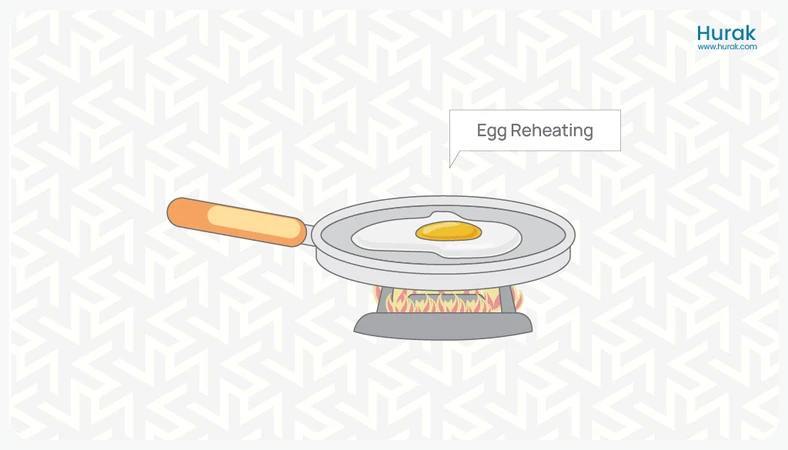
Reheating food once is recommended by the Food Standards Agency (FSA). However, with special attention to food safety guidelines, reheated meals can be enjoyed without affecting quality.General Safety of Reheating FoodFood safety guidelines require food leftovers to be evenly heated to an average internal temperature of �165�F (74�C) for a duration of at least 2 minutes in microwaves and stove tops. Reheating food in baking ovens requires higher temperatures and more time. For even heating, frequent stirring is preferred. Proper storage and defrosting of leftover food is done at the correct refrigeration temperature range between 0�C and 4�C.For more information, visit our blog article �The Safety of Reheating Food More Than Once.� .second-cta-block .main-heading { font-weight: bold; font-size: 22px; } .second-cta-block .book-now { background: #DF3D52; color: #FFFFFF !important; border-radius: 8px; } .second-cta-block .second-heading { font-size: 17px; } .second-cta-block .card { border: 0 !important; } .second-cta-block .card-body { border: 1px solid #909090; box-shadow: rgba(0, 0, 0, 0.16) 0px 1px 4px; border-top-right-radius: 100px; border-bottom-right-radius: 100px; background: #fdf9ee; } .second-cta-block .image-wrapper { height: 330px; position: absolute; right: -60px; top: calc(50% - 210px); /* Center the image vertically */ } .second-cta-block .image-wrapper img { height: 100%; } .second-cta-block .trustpilot-widget { width: 256px; } .cta-heading-section { width: 75%; } @media screen and (max-width:991px) { .second-cta-block { padding-top: 100px; } .second-cta-block .card-body { border: 1px solid #909090; box-shadow: rgba(0, 0, 0, 0.16) 0px 1px 4px; border-radius: 19px; border-radius: 14px; background: #fdf9ee; } .cta-heading-section { width: 100%; padding-top: 50px; } .second-cta-block .image-wrapper { height: 270px; right: 0; position: absolute; left: calc(50% - 90px); top: calc(50% - 315px); } } Get Online Food Safety Courses Food Hygiene And Safety Check the Course Rated Excellent on major review sites Can You Reheat Meat?Reheating meat can be done safely, if the correct temperature and storage conditions are thoroughly followed.ChickenReheating cooked chicken is safe but it is important to avoid moisture loss and changes in texture. Reheat chicken to an internal temperature of 74�C (165�F) for a minimum of 2 minutes. Reheating chicken in a microwave multiple times should be avoided as it can drastically lower its quality and taste.If leftover chicken is stored in the fridge for more than four days, it is safer to discard it. However, cooked poultry can be safely stored in the freezer for up to 6 months.Pork and Pork ProductsReheating pork dishes is safe, but maintaining their taste and texture can be a difficult task. This is particularly difficult for roast pork or pork chops, which may become dry and tough. Proper storage is required for reheating pork food.�To keep pork safe for later consumption, do not leave it out at room temperature for more than two hours.SausagesYou can reheat sausages using the microwave or stovetop. Before reheating, cut the sausages lengthwise into two halves and add a small amount of water. This will prevent them from drying out. Refrigerate or freeze leftover sausages within two hours and consume it within three days.BaconBacon can be reheated in an oven by baking it on a wire rack or foil-lined baking sheet until it is heated internally.GammonLeftover gammon can be reheated in either sliced form or as a whole joint. Warm the gammon and place it on a baking sheet at a suitable temperature.ChorizoChop the chorizo into smaller pieces for even reheating. Spread the slices on a microwave-safe plate, preferably in a single layer. Reheat in short intervals of 30 seconds to a minute, to avoid overcooking.BeefReheating beef dishes is safe. Using a microwave or stove top are preferred methods as oven reheating can lead to dryness and toughness. For best results, consider reheating beef in sauces like gravy, casseroles, or pies to retain moisture. Beef dishes already in sauce can be reheated as is or with a small amount of water in the microwave or stovetop.SteakReheating steak can be carried out by the use of a damp paper towel on top of the steak. Then heat it on medium, rotating the meat in between, for at least 2 minutes.�LambLike other meats, reheating should bring the cooked lamb to an internal temperature of 165�F (74�C), measured with a thermometer. Proper storage and defrosting procedures are essential before reheating. Portions should be cooled, sliced, wrapped in foil, and frozen for later use. For leftover frozen lamb, thaw or defrost it in a refrigerator.DuckIt is safe to reheat leftover duck. Place the duck in a microwave-safe dish and add broth or water, to prevent dryness. A plastic wrap or a paper towel can be used to cover the dish. Reheat the duck for 2-3 minutes on medium heat, until the temperature reaches at least 165�F (75�C) before serving.Meat BallsThe correct method to reheat meatballs depends on whether they are served with sauce or not. When serving with sauce or gravy, reheat them gently on the stovetop by combining them with the sauce in a pan over low heat. If not served with sauce, reheat them in the oven making sure they are warmed evenly without drying out.HaggisHaggis can be frozen and reheated for later use. When reheating, defrosting in the refrigerator from the frozen state is important. Haggis can be reheated either by steaming or microwaving.KebabReheating kebab is safe the day after but not recommended beyond that due to meat freshness concerns. Use a microwave or heat on a stove to retain juices. Cool leftovers completely before refrigerating in airtight containers.Can You Reheat Seafood?When reheating seafood dishes, it is important to address timing and method for suitable taste and safety. Cooked fish can typically be reheated within four days, with the addition of onions or garlic, to improve flavour.PrawnsIt is best to reheat prawns once to avoid texture issues. Make sure prawns reach an internal temperature of 165�F (74�C) for safe consumption, whether reheating from frozen or thawed.FishMinimum internal cooking and reheating temperature for fish is 70�C (158�F), for a time span of 15 seconds. Preheat the oven and place seafood in a buttered dish and cover with foil. Bake for around 15 minutes. For salmon, preheat to 275�F (135�C).It is advisable to only reheat fish once to avoid bacteria growth. Reheating to boiling confirms safety but may affect taste. Proper reheating maintains both safety and flavour.TunaCanned tuna and casseroles can be reheated by using a standard reheating method. For tuna steaks, reheating is possible if they are refrigerated properly. If the tuna steak has been lightly pan-seared and remains rare in the middle, a quick sear should be enough, preserving its quality.Can You Reheat Eggs and Dairy Foods?Leftover cooked eggs and egg-based dishes can be safely enjoyed if they are stored correctly and reheated to a sufficient temperature.Several reheating techniques are suitable for different types of cooked eggs and egg dishes. Internal temperature should reach at least 165�F (74�C) before serving. Reheating cooked egg dishes does not affect their nutritional value but may undergo minor changes in texture or taste.EggsWhile reheating eggs is generally safe, not all types of cooked eggs reheat well. Scrambled eggs and omelettes can be reheated. Hard-boiled eggs, whether shelled or not, can be safely reheated by placing them in boiling water for a few minutes. It is safe to reheat fried eggs but they may become tough and rubbery.MilkWhen using the microwave, reheat milk on medium to high power, stirring every 15 seconds until steam rises. On the stovetop, reheat directly in a saucepan with regular stirring.Reheating milk is possible but not advisable, as it may form a gritty texture and lose its flavour. If reheating is necessary, store the milk in the refrigerator in an airtight container. Make sure not to keep reheated milk for more than two days and discard any leftovers after this period.CheeseMany dishes containing cheese can be reheated either in the oven or microwave, but only once. Refrigerate them within two hours of cooking and consume them within 2 to 4 days to maintain freshness and safety.CustardIt is important to note that the custard can be stored in the refrigerator for a maximum of 48 hours. When reheating, use a very low heat and stir continuously until the custard is thoroughly heated. Do not bring it to a boil. Reheat only once and serve immediately.PaneerIt is safe to reheat paneer in a microwaved covered dish. Avoid overheating that can lead to a tough texture. Upon reaching the desired temperature, remove the dish from the microwave. This will maintain better taste and texture.Can You Reheat Grains and Legumes?Reheating grains and legumes is possible, if done the right way. The cooked grains and legumes can be stored in the refrigerator for a maximum of four days or in the freezer for up to six months. Thoroughly reheat them before consumption and discard any remains having unpleasant odours or appearances.PastaReheat pasta with bolognese sauce in the oven. Add extra sauce or oil if needed, and bake under appropriate conditions. For pasta without sauce, boil water and immerse the sauce-free pasta for 30-40 seconds. You can also use a metal strainer submerged in boiling water for a brief reheating period. Drain and serve.NoodlesA recommended method for reheating noodles without sauce involves placing them in a metal strainer. Then submerge them in boiling water until warmed, for approximately 30 seconds. This technique maintains texture due to the brief exposure to intense heat.QuinoaThe best approach for reheating cooked quinoa is in the microwave. Place thawed or frozen quinoa in a microwave on high heat until it reaches the appropriate temperature.OrzoLike any pasta, leftover orzo might become slightly dry. Add water before reheating. For extra flavour, add lemon juice and seasoning with salt and pepper.Bulgar WheatBulgur, once cooked, can be stored in the refrigerator for up to four days. When reheating refrigerated bulgur, place it in a saucepan with a small amount of water. Cook over medium heat until it is heated thoroughly.LentilsTo reheat lentils, place the dish in a microwave and add a small amount of water or stock. Cover the dish and microwave it, stirring periodically until heated to 165�F (74�C).Kidney BeansReheat kidney beans once to preserve taste and texture. Make sure there is enough moisture during reheating. Kidney beans should be stored correctly in the fridge or freezer.Baked BeansReheating baked beans is feasible if they have been properly stored in a sealed container and refrigerated within 2 hours. Consumed leftover baked beans within three days. Baked beans must never be reheated in the original metal container. Achieve an appropriate reheating temperature to at least 165�F (74�C).ChickpeasTo reheat, soak the chickpeas in freshwater and bring it to a boil. This is achieved on a stove top for 5-6 minutes, or in a microwave for 1-2 minutes.Cooked RiceTo reheat leftover rice using a microwave, add 2 tablespoons (30 ml) of water per cup of rice. Microwave for 3�4 minutes until hot at a temperature of 165�F (74�C). For stir-frying, use oil in a pan over medium heat, breaking up clumps and checking temperature with a thermometer. Avoid reheating rice more than once.Can You Reheat Vegetables?While reheating vegetables is possible, it is important to be cautious and avoid overheating them. Studies indicate that exposing vegetables like spinach, carrots, turnips, or celery to intense heat can convert their high nitrate content into harmful toxins. This can lead to health issues such as cancer and infertility. However, there are safe methods to reheat vegetables.QuicheFor reheating of quiche, preheat the oven to 350�F (180�C) allow the chilled quiche to reach room temperature. Then, set it on a wire rack in the oven and warm for 10-15 minutes. To prevent the crust from burning, loosely cover the quiche with foil during reheating.Baked PotatoesReheating baked potatoes can be done by slicing them into quarters. This is followed by covered microwaving for 2 minutes. For oven reheating, baking at 350�F (177�C) for at least 20 minutes is recommended.Garlic BreadReheating garlic bread is safe. Using an oven to reheat your garlic bread is recommended. Wrap the bread in foil and place it in the oven at 350�F (177�C) for 10-15 minutes.Corn on the CobTo reheat corn on the cob, there are several convenient options. In the microwave method, place the corn in a dish with water. Cover it with a damp towel, and microwave in intervals until heated to an appropriate temperature. Boiling the corn for a few minutes is another quick method. If you prefer the grill, brush the corn with oil or butter. Rotate it every 30 seconds until warm.Can You Reheat This Food?SpaghettiFor reheating spaghetti without affecting texture, the stovetop method is a suitable option. In a pan, place the leftover spaghetti with a small amount of olive oil or water to generate steam. Warm over low to medium heat, stirring at regular intervals until the dish is thoroughly heated. This reheating method saves up moisture and keeps your spaghetti fresh.GnocchiYou can reheat gnocchi using a stovetop. Boil water with salt and add gnocchi to the boiling water. Let it warm for 30 to 60 seconds, then remove. Oven reheating requires preheating to 320�F (160�C). Place gnocchi in a dish with water, and heat for 10-12 minutes. Gnocchi should only be reheated once for safety and quality.LasagnaReheating a whole lasagna is feasible and convenient. For microwave reheating, individual servings can be placed on a microwave-safe dish. Sprinkle water on the dish and cover with a paper towel. Heating in 90-second intervals is advised to avoid overheating.BurgersReheating burgers is quite simple and easy. Cook the burgers until the centre of the patty reaches 165�F (74�C). If you are adding cheese, do it during the last 1 to 2 minutes of cooking.SoupIt is best to thaw frozen soup in the refrigerator before reheating. Once thawed, you can reheat it either on the stove or in the microwave. To preserve quality, avoid reheating soup more than once, heating only the required time.When reheating clear soups or broths, bring them to a boil for three minutes. However, for soups containing thickeners like cream or flour, boiling can change the flavour and texture. Instead, bring them to a boil, then reduce the heat while stirring continuously for 3 minutes.Frozen CurryReheating frozen curry is straightforward. You can either defrost it beforehand or reheat it directly from frozen. If reheating from frozen, microwave it until it is hot enough. Stir for even heating.Dumplings (Fried or Steamed)Dumplings can be reheated but not in a microwave as it can affect the texture unfavourably. Steamed dumplings are best reheated by steaming them once more. Fried dumplings can be reheated by briefly steaming, then adding a small amount of oil for a crisp finish.Gravy For a quick reheating method for gravy, transfer the gravy to a shallow microwave-safe dish. Stir between intervals, until it is in steaming liquid form.PorridgePorridge can be reheated in a microwave, until it becomes piping hot. Stir thoroughly before eating with the addition of a small amount of liquid. Porridge can be kept safely refrigerated for up to 5 days and frozen for up to 3 months.ConclusionWhether you are reheating meat, seafood, dairy, grains, or vegetables, there are a number of suitable reheating methods to suit your taste and convenience. Some foods such as cooked rice and gnocchi should not be reheated more than once. Regardless of the type of food, it is recommended to confirm proper storage of leftovers. Use appropriate reheating temperatures to maintain food safety and quality.
The "Danger Zone" Temperature for Food
The quality of food depends on its proper storage and handling at the right temperature. If food is kept in the "Danger Zone" for too long, microbial growth can lead to sickness.What is the Temperature "Danger Zone" for Food?The temperature danger zone is the range of temperature between 40 �F and 140 �F (8 �C and 60 �C) that can increase the spread of food bacteria, making it unfit for human consumption.�Food exposed for more than 20 minutes to the "Danger Zone" temperature range can cause food poisoning and other food borne illnesses.Best Way to Keep Food out of the Temperature "Danger Zone"Keeping food safe at appropriate temperatures is the best way to keep food out of the danger zone temperature range.�Food Safety TemperaturesReheating: 74�C or 165�F (Microwaves and Stove tops)The safe reheating temperature for home-cooked meals and leftover takeaways is 74 �C or 165�F, for at least 2 minutes in microwaves and stove tops. For oven baking, reheating at higher temperatures for approximately 15 minutes is recommended. This confirms that bacteria does not multiply in the danger zone temperature range between 40 �F and 140 �F (8 �C and 60 �C). At the safe reheating temperature, bacteria is destroyed and food becomes safe to eat.�Safe Reheating EquipmentFood can be properly reheated at the ideal temperature on stovetops, microwave and ovens. It is important to note that slow heating devices are not recommended for reheating leftovers. This is because food can remain over exposed to temperatures in the "Danger Zone," between 40 �F and 140 �F that can increase the growth of food bacteria and lead to food poisoning.Defrosting: 0 �C - 4�CIt is preferable to completely defrost frozen food before reheating. Place food from the freezer to the fridge, kept at a temperature range of 0�C - 4�C. Food must never be defrosted at room temperature or in a microwave. This correct defrosting method prevents microbial activity and food poisoning.For more information, visit our blog article: �The Safety of� Reheating Food Leftovers�Cold Fridge Storage: Below 5 �CFood requires storage below 5 �C at which spoilage of food due to bacterial growth is minimised. Therefore, food must be refrigerated and kept frozen at appropriate temperatures.Use a Probe Thermometer to Check Food TemperatureTo check whether food is stored or handled at suitable temperatures, use a metal stem probe thermometer. The probe must be placed in the middle of the dish or in the thickest part of the meat, without touching the base. The reading on the thermometer will indicate whether the food has undergone any contamination or spoilage due to bacterial growth in the danger zone temperature range.Practise the FIFO Storage SystemThe �First-In First-Out� food stock rotation is another important method of food storage. The FIFO system continuously rotates and replaces food items in the warehouse or selling outlets. Food that goes in first comes out first. This prevents unnecessary exposure to inappropriate storage conditions including the temperature �Danger Zone.�Food Safety Importance for the "Danger Zone"� TemperatureDanger Zone temperature is of great importance in the food industry business who have a legal responsibility to serve food. Food should be stored and handled under safe and hygienic conditions, outside of this temperature range.Microbiological contamination of food at the danger zone temperature range may occur invisibly without showing signs of food contamination. Recording the temperature at which food has been kept is important for detecting pathogenic activity.�The "Danger Zone"� Temperature is a food related hazard that should be proactively indicated and controlled, as suggested by the HACCP�of contamination control.� .second-cta-block .main-heading { font-weight: bold; font-size: 22px; } .second-cta-block .book-now { background: #DF3D52; color: #FFFFFF !important; border-radius: 8px; } .second-cta-block .second-heading { font-size: 17px; } .second-cta-block .card { border: 0 !important; } .second-cta-block .card-body { border: 1px solid #909090; box-shadow: rgba(0, 0, 0, 0.16) 0px 1px 4px; border-top-right-radius: 100px; border-bottom-right-radius: 100px; background: #fdf9ee; } .second-cta-block .image-wrapper { height: 330px; position: absolute; right: -60px; top: calc(50% - 210px); /* Center the image vertically */ } .second-cta-block .image-wrapper img { height: 100%; } .second-cta-block .trustpilot-widget { width: 256px; } .cta-heading-section { width: 75%; } @media screen and (max-width:991px) { .second-cta-block { padding-top: 100px; } .second-cta-block .card-body { border: 1px solid #909090; box-shadow: rgba(0, 0, 0, 0.16) 0px 1px 4px; border-radius: 19px; border-radius: 14px; background: #fdf9ee; } .cta-heading-section { width: 100%; padding-top: 50px; } .second-cta-block .image-wrapper { height: 270px; right: 0; position: absolute; left: calc(50% - 90px); top: calc(50% - 315px); } } Get Online Food Safety Courses Food Hygiene And Safety Check the Course Rated Excellent on major review sites Risks of Eating Food Stored at the "Danger Zone" TemperatureBacterial multiplication is fastest between 40 �F and 140 �F "Danger Zone" temperature range. Food kept in the temperature "Danger Zone" can serve as a breeding ground for microbes and pathogenic diseases.Common food bacteria active at the "Danger Zone" Temperature include:SalmonellaListeriaE. coliPeople eating food stored or handled at the danger zone temperature can experience symptoms of food poisoning such as:severe stomach painbloody diarrhoeavomitingmild feverConclusionFood bacteria grow twice as fast in the danger zone temperature range, between 40 �F and 140 �F or 8 �C and 60 �C. This makes it unfit for human consumption. Exposure of food to the "Danger Zone'' temperature range for more than 20 minutes can cause food poisoning and other foodborne illnesses. Certain ways to inhibit temperature-related complications in food include reheating and defrosting at appropriate temperatures. Monitoring the temperatures of cooked and reheated food is another way to keep food safe from the "Danger Zone'' temperature.

Everything You Need to Know About the CSCS Test: Your Guide to CSCS Health and Safety Certification
The CITB test, commonly referred to as the CSCS Health and Safety Test, is mandatory for aspiring construction workers. The test evaluates the candidate�s understanding of health and safety practices to ensure they are capable of working in the construction industry.CITB is the industry training board that is responsible for handling CITB tests. This board deals with the construction sector in England, Scotland, and Wales.Different Types of CITB TestsThere are three types of CITB Health, Safety and Environment tests you can choose from:CITB Health, Safety and Environment Test for Operatives: This test is designed for workers who perform general construction tasks on-site, such as labourers, bricklayers, carpenters, and painters. It is applicable to a wide range of trades in the UK, thus is the most popular of these CITB safety tests.CITB Health, Safety and Environment Test for Specialists: This type of CITB test is for individuals holding supervisory roles and overseeing the work of others.CITB Health, Safety and Environment Test for Managers and Professionals (MAP): This test is specifically targeted at individuals in managerial and professional positions within the construction industry, including project managers, site managers, and surveyors.CITB Test Format and DurationThe CITB Health and Safety test is a multiple-choice test. The duration of the test varies depending on the specific test you are taking. Generally, the test duration is 45 minutes. The pass mark for this test is 90%.How to Book Your CITB TestStep-by-Step Guide to Booking the CITB TestBooking the CITB test is a straightforward process. Follow these steps to book your test and secure your test date:Visit the official CITB website.Create an account or log in to your existing account.Provide the necessary personal details.Select the type of CITB test you wish to book (e.g. CITB Operative Test, CITB Supervisor Test, CITB Managers and Professionals Test).Choose your preferred test centre location.Select a convenient date and time for your test from the available options.Review your booking details and confirm your reservation.Pay the applicable test fee using the provided payment methods.Upon successful payment, you will receive a confirmation email with the details of your test booking.�Still unsure on how to book the CITB test? At Hurak, we can book your test on your behalf.Choosing the Preferred Test CenterDuring the booking process, you have the flexibility to select a test centre that is most convenient for you. Consider factors such as location, accessibility, and availability of test dates.Paying the Applicable FeesEach type of CITB test has an associated fee that must be paid during the booking process. The fee varies depending on the test you are taking, but generally, booking your test directly with CITB costs �23.50. Before booking your test, ensure you have the necessary payment information and methods when booking. Keep in mind that test fees are non-refundable, so it's crucial to be confident in your preparedness before finalising the booking.How to Prepare for the CITB Test1. Explore CSCS Health and Safety Revision MaterialBefore taking the CITB test, it's essential to familiarise yourself with the CSCS revision material.2. Get Hurak�s Online Resources for CITB Test PreparationThere are many online resources including CSCS mock tests and videos that are available to help you prepare for the CITB test. Our mock tests closely resemble the actual test format. Utilise these online resources to supplement your revision and gain confidence in your understanding of health and safety principles.3. Enrol on CITB Training CoursesFor a more structured approach to CITB test preparation, consider enrolling on CITB training courses. By opting for these courses, you can develop knowledge required to work safely on a site. .second-cta-block .main-heading { font-weight: bold; font-size: 22px; } .second-cta-block .book-now { background: #DF3D52; color: #FFFFFF !important; border-radius: 8px; } .second-cta-block .second-heading { font-size: 17px; } .second-cta-block .card { border: 0 !important; } .second-cta-block .card-body { border: 1px solid #909090; box-shadow: rgba(0, 0, 0, 0.16) 0px 1px 4px; border-top-right-radius: 100px; border-bottom-right-radius: 100px; background: #ECECEC; } .second-cta-block .image-wrapper { height: 134px; position: absolute; right: -100px; top: calc(50% - 67px); /* Center the image vertically */ } .second-cta-block .image-wrapper img { height: 100%; } .second-cta-block .trustpilot-widget { width: 256px; } .cta-heading-section { width: 75%; } @media screen and (max-width:991px) { .second-cta-block { padding-top: 100px; } .second-cta-block .card-body { border: 1px solid #909090; box-shadow: rgba(0, 0, 0, 0.16) 0px 1px 4px; border-radius: 19px; border-radius: 14px; background: #ECECEC; } .cta-heading-section { width: 100%; padding-top: 50px; } .second-cta-block .image-wrapper { height: 134px; right: 0; position: absolute; left: calc(50% - 108px); top: calc(50% - 203px); } } RQF LEVEL 1 COURSE for CSCS GREEN CARD Check the Course Rated Excellent on major review sites 4. Develop Effective Time Management StrategiesEffective time management is crucial when preparing for anytest. Allocate dedicated study time in your schedule, ensuring you have sufficient opportunity to review the material thoroughly.Is The CSCS Test and CITB Test The Same?The CSCS test and CITB test are often used interchangeably to refer to the same examination. However, CSCS (Construction Skills Certification Scheme) and CITB (Construction Industry Training Board) are different entities within the construction industry in the UK.CSCS is a certification scheme that provides proof of an individual's skills, qualifications, and health and safety competence as a construction operative. It issues different types of CSCS cards, which serve as evidence of an individual's eligibility to work on construction sites. On the other hand, CITB is an industry training board that focuses on the training and development of the construction workforce. div.wpforms-container-full .wpforms-form label.wpforms-error{ display: none; } /* The Modal (background) */ .ebook-modal { display: none; /* Hidden by default */ position: fixed; /* Stay in place */ z-index: 1; /* Sit on top */ padding-top: 100px; /* Location of the box */ left: 0; top: 0; width: 100%; /* Full width */ height: 100%; /* Full height */ overflow: auto; /* Enable scroll if needed */ background-color: rgb(0,0,0); /* Fallback color */ background-color: rgba(0,0,0,0.4); /* Black w/ opacity */ } div.wpforms-container-full .wpforms-form input[type=submit], div.wpforms-container-full .wpforms-form button[type=submit], div.wpforms-container-full .wpforms-form .wpforms-page-button { border: 1px solid #ddd; font-size: 1em; font-family: inherit; padding: 9px 31px; background: #0f7c90; color: white; /* display: flex; */ /* width: 100%; */ position: absolute; bottom: -418px; right: -150px; /* margin: auto; */ justify-content: center; align-items: center; } /* Modal Content */ .ebook-modal-content { display: flex; flex-direction: column; justify-content: space-between; align-items: baseline; background-color: #fefefe; margin: auto; padding: 31px; border: 1px solid #888; width: 30%; position: relative; } /* The Close Button */ .ebookModal-close { color: #aaaaaa; float: right; font-size: 20px; font-weight: bold; cursor: pointer; position: absolute; right: 21px; top: 10px; } .ebookModal-close:hover, .ebookModal-close:focus { color: #000; text-decoration: none; cursor: pointer; } div.wpforms-container-full { margin: 0px auto 20px;!important } .ebookModal-header{ color:#0f7c90;font-size:30px;margin:0 30px } @media (max-width:576.888px){ .ebook-modal-content { width: 90%; } } @media (max-width:768.888px){ .ebook-modal-content { width: 70%; } .ebookModal-header{ font-size:20px!important; margin:0 } } @media (min-width:768.888px){ .ebook-modal-content { width: 50%; } } @media (max-width:1024.888px){ div.wpforms-container-full .wpforms-form input[type=submit], div.wpforms-container-full .wpforms-form button[type=submit], div.wpforms-container-full .wpforms-form .wpforms-page-button { width: 100%; position: static; } .ebookModal-header{ margin:0; font-size: 25px; } } @media (max-width:1280.888px){ .ebookModal-header{ margin:0; font-size: 30px; } } @media (min-width:992px){ .wpforms-submit-spinner{ max-width: 100%!important; position: absolute!important; top:250px!important; left:150px!important; transform: translate(-50%,-50%)!important; } @media (min-width:1280.888px){ div.wpforms-container-full .wpforms-form input[type=submit], div.wpforms-container-full .wpforms-form button[type=submit], div.wpforms-container-full .wpforms-form .wpforms-page-button { border: 1px solid #ddd; font-size: 1em; font-family: inherit; padding: 9px 31px; background: #0f7c90; color: white; /* display: flex; */ /* width: 100%; */ position: absolute; bottom: -380px; right: -150px; /* margin: auto; */ justify-content: center; align-items: center; } } Download our CITB Operatives and Specialists Test Prep Book for free! × [wpforms id="14869" title="false"] #myImg{ cursor: pointer; } CSCS Training CoursesUpon finishing the Green CSCS Card Course or the Level 1 Health and Safety in a Construction Environment, you can apply for the CSCS Green Card.This card will qualify you for employment on construction sites in various entry-level roles, such as bricklayer, carpenter, or plumber.CSCS courses are important for anyone in the construction industry, whether you are a labourer, tradesperson, or manager. The card demonstrates that you possess the required training and qualifications for your specific role on-siteFrequently Asked Questions (FAQs)How many questions are in the CSCS supervisor test?All CSCS tests including CSCS supervisor test consist of 50 multiple-choice questions. To pass the tests it's typically required to answer at least 45 out of the 50 questions correctly, achieving a pass mark of 90%.Can I book the CITB test online?Yes, the CITB test can be booked online through the official CITB website or you can have us book the test for you. The online booking process is convenient and allows you to choose your preferred test centre, date, and time according to your availability.Are there any exemptions from taking the CITB test?Exemptions from the CITB test may be granted in certain cases. For example, individuals who hold certain recognised qualifications, such as a construction-related degree, may be exempt from taking the test. Exemptions are subject to specific criteria, and it's advisable to contact CITB at 0344 994 4777, lines are open from 8am to 6pm Monday to Friday, excluding Bank Holidays. Refer to their website for the most up-to-date information on eligibility and exemption requirements.What happens if I fail the CITB test?If you fail the CITB test, you can retake the test. However, it's essential to thoroughly review the relevant study material and identify areas that require further improvement before attempting the test again. Take advantage of additional revision resources, practice tests, and training courses to enhance your knowledge and increase your chances of success in subsequent attempts, each will cost you �23.50. You can sit the CITB test again 24 hours after receiving your results.Can I retake the CITB test if I don't pass on my first attempt?If you do not pass the CITB test on your first attempt, you�re eligible to retake the test. However, there may be a waiting period before you can rebook the test, depending on the test centre's availability.How to apply for a CSCS card after passing the test?After passing your CSCS test, you can apply for a CSCS card by visiting the official CSCS website and completing the online application, or by calling the CSCS contact centre. Ensure you have your test results and necessary qualifications ready. Pay the required fee; more details are available on our CSCS card cost page. For a comprehensive guide, check out our article on how to get a CSCS card.ConclusionFrom understanding the test format and content, to exploring study resources and preparation strategies, you are now equipped with the knowledge and tools to excel in your exam. Remember, the CITB test serves as a crucial step in demonstrating your competence in health and safety within the construction industry.

CSCS Card Renewal: How To Renew Your CSCS Card!
With CSCS cards gaining a lot of popularity in the UK�s construction industry,�it�s important to have an up-to-date CSCS card. Whether you already have a�CSCS card�or are just starting out in the industry, it�s important to understand the CSCS card renewal process.In this comprehensive guide, I�ll cover the different aspects you need to know about renewing your CSCS card. Whether you�re approaching your renewal date or simply want to stay informed, read on to learn everything you need to know about the CSCS card renewal.Why Renewing Your CSCS Card is Important?Renewing your CSCS card is important for several reasons:To avoid restrictions on accessing the site or facing prohibitions on commencing new employment.To get up-to-date knowledge of the construction industry�s latest techniques, regulations, and health and safety procedures.To demonstrate a commitment to professional development and ongoing learning for enhanced career prospects.CSCS Card Renewal ProcessThere are three ways to apply for your card renewal. Let�s explore them in detail.Online Renewal ProcessThe first and most convenient option to renew your CSCS card is via the online application process. This process is divided into five steps.Step 1: Creating a CSCS Online AccountIf you don�t have an account on the CSCS website yet, go to�CSCS official website�and select the option �Individual� to create one.Fill out your personal details including name, email ID, etc. and accept the CSCS terms and conditions.Click the �Register� button to complete your account setup.You will receive a verification email from CSCS Online. Click the link in the email to verify your email address.*Note: If you already have an account, you can skip step 1 and proceed to step 2.Step 2: Applying for a CSCS CardLogin to your CSCS online account and click on the �Apply for a card� button to start your application.Indicate whether you�ve taken the�CITB HS&E test, and that 24 hours have passed since you completed it.From the drop-down menu, select the option to update, renew or replace your current card.Enter your occupation and qualification details, and upload a copy of your qualification certificate.Please verify that you have taken the Health, Safety and Environment test in the past two years.You will need to indicate which type of CITB HS&E test you passed.Provide your testing ID and postcode for validation purposes. If�your test does not validate, you may still continue with your application, and CSCS will verify it manually.Step 3: Adding Your Personal DetailsEnter your personal details. You have to input data only the fields that will not autocomplete.You can also enter your National Insurance Number.Add the address where you want to receive your card.Step 4: Preview Your ApplicationIn the preview, double-check the details you�ve entered to avoid any delays in your application.Accept the Terms & Conditions.Step 5: Pay for Your ApplicationAdd in your debit/credit card detailsThe CSCS card renewal cost of all CSCS card types is �36Postal Renewal ProcessConstruction Skills Certification Scheme (CSCS) no longer accepts postal applications for the CSCS card renewal. This means workers cannot renew their CSCS card by completing a paper application form and sending it to CSCS through the mail.Workers can renew their CSCS cards through the CSCS online service or by attending a card renewal event in person. This change is part of CSCS's ongoing efforts to modernise and streamline its services.In-Person Renewal ProcessThe in-person renewal process of the CSCS card is a convenient option for workers who prefer to renew their cards face-to-face. It involves attending a card renewal event at a designated location and completing the necessary paperwork in person.What Documents Do I Need to Submit for the In-Person Card Renewal Process?To renew your CSCS card in person, you must submit:an expired CSCS carda recent passport-sized photographa valid form of identification, such as a passport or driver's licence.the application fee using a credit/debit card or casha renewal application form, which includes personal and professional details, such as name, address, occupation, and previous CSCS card details.a signed declaration of your current health and safety status.Once the renewal application is completed and payment is made, the new CSCS card will be issued on the spot.Where Are the In-person Renewal Events Held?In-person card renewal events are held at various locations across the UK. This option makes it easier for workers to attend and renew their cards without having to travel far. The events are usually scheduled in advance. Workers can find information related to the dates and locations of upcoming events on the CSCS website.CSCS Card Types and Renewal RequirementsAs there are different types of CSCS cards, each have their own requirements for renewal. Let�s look at the requirements of each one of them.CSCS Green CardTo renew your CSCS Green Card, you must obtain a Level 1 Award in Health and Safety in a Construction Environment (L1HSCE) qualification. Also, you must pass the CITB Health, Safety and Environment test for Operatives. The Level 1 HSCE is valid for life, so you won�t have to do this course again. While the CITB test expires after 2 years, and you will have to retake it before renewing your card.At Hurak Learning, we simplify the process of reserving your CITB test by handling the booking on your behalf, Book Now! Before you attempt a CITB test, it�s advisable to take the CSCS mock test for practice.Once your certificate and health and safety test are sorted, you can create an account following the guidelines mentioned above, or you can submit an online renewal application form, or call CSCS on 0344 994 4777 (8 am to 6 pm, Monday to Friday) to proceed. .second-cta-block .main-heading { font-weight: bold; font-size: 22px; } .second-cta-block .book-now { background: #DF3D52; color: #FFFFFF !important; border-radius: 8px; } .second-cta-block .second-heading { font-size: 17px; } .second-cta-block .card { border: 0 !important; } .second-cta-block .card-body { border: 1px solid #909090; box-shadow: rgba(0, 0, 0, 0.16) 0px 1px 4px; border-top-right-radius: 100px; border-bottom-right-radius: 100px; background: #ECECEC; } .second-cta-block .image-wrapper { height: 134px; position: absolute; right: -100px; top: calc(50% - 67px); /* Center the image vertically */ } .second-cta-block .image-wrapper img { height: 100%; } .second-cta-block .trustpilot-widget { width: 256px; } .cta-heading-section { width: 75%; } @media screen and (max-width:991px) { .second-cta-block { padding-top: 100px; } .second-cta-block .card-body { border: 1px solid #909090; box-shadow: rgba(0, 0, 0, 0.16) 0px 1px 4px; border-radius: 19px; border-radius: 14px; background: #ECECEC; } .cta-heading-section { width: 100%; padding-top: 50px; } .second-cta-block .image-wrapper { height: 134px; right: 0; position: absolute; left: calc(50% - 108px); top: calc(50% - 203px); } } RQF LEVEL 1 COURSE for CSCS GREEN CARD Check the Course Rated Excellent on major review sites CSCS Red CardYour CSCS Red Card cannot be renewed if you have been working as an experienced worker or trainee while completing your qualification or apprenticeship. This is because the expiry date of the card coincides with the end of your training period. As you have acquired new skills, you can now apply for the relevant card that matches your level of expertise.CSCS Blue CardTo renew your CSCS Blue Card, you need to submit evidence of your NVQ/ SVQ Level 2. Alternatively, you can show a completed, recognised apprenticeship in the industry. You will need to renew your CSCS Blue Card every five years.While holding a CSCS Blue Card instead of renewing it, you can apply for a Gold Card. For that, you must have an NVQ Level 3 certificate and a valid CITB test for operatives or specialists.CSCS Gold CardThe CSCS Gold Card is for supervisors and those with advanced craft skills. It requires a Level 3, 4, or 5 NVQ or higher qualification. CSCS Gold Card renewals will require evidence of ongoing professional development and up-to-date knowledge and skills in your field. Your CSCS Gold Card needs to be renewed every 5 years.CSCS Black CardThe CSCS Black Card has its own requirements. You must have an NVQ Level 5, 6 or 7 and pass a CITB test for managers. You must renew the CSCS Black Card every five years.Required Documents for Renewing your CSCS CardYou�re required to provide several documents to renew your CSCS card. As there are different CSCS cards, they have their specific requirements. But generally, the following documents are required:Completed CSCS Card Renewal Application Form: First, you must fill out the online application form provide all the necessary details.Current CSCS Card: You must provide a scanned copy of your existing CSCS card that you�re applying for its renewal.Proof of Identity: You must provide a scanned copy of any proof of your identity such as a national identity card, passport, or driving licence.Proof of Qualifications: You must submit evidence of your completed qualifications that are required for the specific CSCS card type you�re applying for. Evidence can be in the form of a scanned copy of your qualification certificate.CITB Health and Safety Test: You must show evidence of your passed CITB Health and Safety Test relevant to the CSCS card you�re applying for. Forverification you will need to provide your CITB test ID number.Present Employment/Workplace Details: You must submit your current employment details including business and contact details for your company.A Passport-Size Photo: You must provide a passport-size photo. You may also be required to provide a signature on the reverse side, in some cases.Payment: You�re required to pay the CSCS card renewal fee of �36.00It�s important to note that the specific requirements for a CSCS card renewal may differ depending on the type of card you hold and your circumstances. It�s recommended to check the CSCS website for the most up-to-date information and requirements.How Much is a CSCS Card Renewal?The renewal fee of your Green, Blue, Gold, or Black CSCS card depends on the time you�re applying for it.Applying for a CSCS card renewal�within 6 months of the expiry date�will cost you �58.50 (�36 for the card & �23.50 for the test).Applying for a CSCS card renewal�after 6 months (max.) of the expiry date�will cost you��58.50 (�36 for the card and �23.50 for the test).Tips for a Smooth Renewal of your CSCS CardHere are some tips for a smooth CSCS card renewal process:Plan AheadDon�t go down to the wire to renew your CSCS card to avoid any consequences. It�s advisable to begin your CSCS card renewal process at least 2-3 months before the card expires. Doing so will give you enough time to complete any certification requirements or necessary training.Review Renewal RequirementsAnother important tip is to carefully review the specific renewal requirements for your�CSCS card type. Before submitting your renewal application, you must ensure you have met all of the necessary criteria.Prepare Well for the CITB TestAs the CITB HS&E test expires after two years, you must retake it before renewing your CSCS card. Prepare well to pass this test in the first attempt to avoid paying again for it. To prepare, you must take our free CSCS mock test and make unlimited attempts until you succeed.Keep Records Up-to-DateYour renewal application requires your qualification and training records, so it�s recommended to always keep all your records up-to-date, even before your card expires. Doing so will make it easier to provide the necessary documentation during the renewal process. Otherwise, if you miss out on any of the requirements, it will take a lot of time to get things in order or to complete any missing training.Complete Required TrainingIf your training qualification has expired before your card does, you should not delay updating it. You must complete your training qualification before the CSCS card renewal deadline.Stay Up-to-Date on Health and Safety TrainingMake sure that your health and safety training is up-to-date and that you are aware of any changes to regulations or requirements in your industry.Submit Your Application on TimeSubmit your renewal application as early as possible and make sure that all the required documentation is included. Late or incomplete applications may result in a delay in renewing your CSCS card and that could put you in trouble.By following these tips, you can ensure a smooth and hassle-free CSCS card renewal process. div.wpforms-container-full .wpforms-form label.wpforms-error{ display: none; } /* The Modal (background) */ .ebook-modal { display: none; /* Hidden by default */ position: fixed; /* Stay in place */ z-index: 1; /* Sit on top */ padding-top: 100px; /* Location of the box */ left: 0; top: 0; width: 100%; /* Full width */ height: 100%; /* Full height */ overflow: auto; /* Enable scroll if needed */ background-color: rgb(0,0,0); /* Fallback color */ background-color: rgba(0,0,0,0.4); /* Black w/ opacity */ } div.wpforms-container-full .wpforms-form input[type=submit], div.wpforms-container-full .wpforms-form button[type=submit], div.wpforms-container-full .wpforms-form .wpforms-page-button { border: 1px solid #ddd; font-size: 1em; font-family: inherit; padding: 9px 31px; background: #0f7c90; color: white; /* display: flex; */ /* width: 100%; */ position: absolute; bottom: -418px; right: -150px; /* margin: auto; */ justify-content: center; align-items: center; } /* Modal Content */ .ebook-modal-content { display: flex; flex-direction: column; justify-content: space-between; align-items: baseline; background-color: #fefefe; margin: auto; padding: 31px; border: 1px solid #888; width: 30%; position: relative; } /* The Close Button */ .ebookModal-close { color: #aaaaaa; float: right; font-size: 20px; font-weight: bold; cursor: pointer; position: absolute; right: 21px; top: 10px; } .ebookModal-close:hover, .ebookModal-close:focus { color: #000; text-decoration: none; cursor: pointer; } div.wpforms-container-full { margin: 0px auto 20px;!important } .ebookModal-header{ color:#0f7c90;font-size:30px;margin:0 30px } @media (max-width:576.888px){ .ebook-modal-content { width: 90%; } } @media (max-width:768.888px){ .ebook-modal-content { width: 70%; } .ebookModal-header{ font-size:20px!important; margin:0 } } @media (min-width:768.888px){ .ebook-modal-content { width: 50%; } } @media (max-width:1024.888px){ div.wpforms-container-full .wpforms-form input[type=submit], div.wpforms-container-full .wpforms-form button[type=submit], div.wpforms-container-full .wpforms-form .wpforms-page-button { width: 100%; position: static; } .ebookModal-header{ margin:0; font-size: 25px; } } @media (max-width:1280.888px){ .ebookModal-header{ margin:0; font-size: 30px; } } @media (min-width:992px){ .wpforms-submit-spinner{ max-width: 100%!important; position: absolute!important; top:250px!important; left:150px!important; transform: translate(-50%,-50%)!important; } @media (min-width:1280.888px){ div.wpforms-container-full .wpforms-form input[type=submit], div.wpforms-container-full .wpforms-form button[type=submit], div.wpforms-container-full .wpforms-form .wpforms-page-button { border: 1px solid #ddd; font-size: 1em; font-family: inherit; padding: 9px 31px; background: #0f7c90; color: white; /* display: flex; */ /* width: 100%; */ position: absolute; bottom: -380px; right: -150px; /* margin: auto; */ justify-content: center; align-items: center; } } Download our Managers and Professionals Test Prep Book for free! × [wpforms id="15262" title="false"] #myImg{ cursor: pointer; } Frequently Asked Questions (FAQs)When should I start the CSCS card renewal process?It�s recommended to begin the CSCS card renewal process at least 2-3 months before your CSCS card expires. During that time, you can complete any necessary training or certification requirements and successfully submit your card renewal application before its expiration date.How long does it take to renew a CSCS card?It depends on the type of CSCS card you�re renewing and the processing time you choose. Standard processing time is usually 20 working days, but expedited options are also available for an additional fee.Can I continue to work while my CSCS card renewal application is being processed?Yes, you can continue to work while your CSCS card renewal application is being processed but your current CSCS card must be valid. However, you may need to temporarily stop working if you have an expired card until your renewal application is approved and you have received your new card.What happens if my CSCS card renewal application is rejected?In that case, you will be informed why it was rejected. You can then take the necessary steps to address any issues and resubmit your CSCS card renewal application.Can I appeal a decision if my CSCS card renewal application is rejected?Yes, you can do that. You will need to follow the appeals process outlined by CSCS and provide any additional information or documentation that supports your case.What should I do if my CSCS card has already expired?If your CSCS card has already expired, you must immediately apply for a renewal as soon as possible. You may need to complete additional training or certification requirements before your renewal application can be approved.How often do I need to renew my CSCS card?The renewal period for CSCS cards varies depending on the type of card you hold. Most�CSCS card types are valid for 5 years�and require renewal. Some specialist cards may have different renewal periods. It is important to check the expiry date on your card and plan for its renewal accordingly.SummaryRenewing your CSCS card is a straightforward process, but it's essential to get it right to avoid any delays or issues.The first step is to identify the type of card you need and gather all the necessary documents, such as proof of qualifications and ID.Next, you can either apply online or by post, depending on your preference. The renewal fee varies depending on the type of card, so make sure to check the latest pricing information.Finally, ensure that you allow enough time for your application to be processed and your new card to be issued before your old one expires.By following these simple steps, you can renew your CSCS card with ease and continue working on-site without any interruptions.
How to Organise Your Fridge
Food that does not require reheating or cooking and can be readily eaten is placed on the top shelf of a refrigerator. Cooked food that requires reheating should be arranged on the middle shelf. The bottom shelves are suitable for raw meat that is yet to be cooked and served. It is important to follow FIFO and HACCP guidelines when refrigerating food.Food Storage on the First Top Shelf: Non-Cooked/Non-ReheatedPackaged or ready-to-eat foods are not subjected to high temperatures and remain fresh in cold storage. They do not require reheating before serving nor do they need to be cooked at high heat. They are appropriate choices for the top shelf of a refrigerator.Since such foods do not get exposed to heat to kill bacteria, they must be stored in the fridge where cross-contamination from other raw meat or cooked food is minimal. It is important to arrange �low temperature� food in sealed containers on the highest shelf to avoid contact with drippings or leakage from other food sources.Examples of food stored on the first shelf of a fridge include:CheeseYoghurtDessertsSaladFood Storage on the Second Middle Shelf: Cooked/Reheated/Hot-HeldThe second shelf is suitable for storing leftover cooked food that requires reheating for future servings. They are also known as hot-held foods that have been prepared and will undergo reheating for a hot serving.Examples of food stored on the second shelf of a fridge include:Dine-in takeawaysCooked lentilsCooked meatCooked riceHot-held milkFood Storage on the Third Bottom Shelf: Raw MeatThe bottom shelf of the refrigerator should be reserved for foods that are cooked at high temperatures. Unlike food stored on the upper shelves, the bottom shelf food has to undergo cooking and is subjected to high intensities of heat.The bottom shelves are the coldest part of the refrigerator due to the phenomenon of�convection.�Cold air collects at the bottom of the fridge as it sinks every time the fridge is opened. Since raw meat is high in bacterial activity, cooler temperatures at the bottom shelves are ideal to keep microbes in a dormant state.Store these food items in sealed containers to prevent their contact with other food items in the fridge. If placed on a higher shelf, they can discharge liquid onto other food ingredients placed below them. Therefore, their ideal position in a refrigerator is at the bottom shelf to minimise the risk of cross-contamination.Examples of food stored on the third shelf of a fridge include:Raw poultryRaw fishRaw beefFood Storage in the Drawer: Fruits and VegetablesThe drawer is also considered to be the fourth shelf of the refrigerator. It is an enclosed box like a separate compartment below the shelves. It is appropriate for storing fresh fruits and vegetables wrapped in perforated paper or plastic to keep away from contamination and drying out.�Commercial kitchens with bigger refrigerators use drawers to store raw meat. However, this placement is not suitable for domestic fridges.��Examples of food stored in the drawer of a fridge include:�CarrotsLettuce�ApplesOrangesFood Storage on Door ShelvesFood products that do not require proper refrigeration or contain antimicrobial ingredients called preservatives should be placed in the fridge door. It is the warmest part of a refrigerator as it gets exposed to room temperature more frequently when the fridge is opened.�Liquid or solid foods which do not carry a high risk of becoming spoiled due to changes in temperature are the right choice for door shelves.�Examples of food stored on door shelves of a fridge include:Jams�Juices�Ketchup�Pickle�Mustard�Mayonnaise�Drinking waterFood Safety Importance of Fridge StorageA refrigerator is the backbone of a kitchen, whether in a restaurant or food factory. It serves the purpose of storage, protection and preservation of food. Cold storage is one of the most important practices of food safety regulations, complying with FIFO and HACCP guidelines.Keeping food stored at an appropriate temperature prevents exposure to the Temperature �Danger Zone� and slows down bacterial growth. A refrigerator is a safe haven for most food types, provided that it maintains the correct temperature required for proper food storage. While dealing with food refrigeration, it is recommended that:Stored food must be kept refrigerated at or below 40 �FMost cooked food can be safely refrigerated for up to 3 to 4 days.Leftover food must be stored in the refrigerator within 2 hours.Hot foods are preferred to be chilled in an ice bath to bring them to room temperature before placing them in the refrigerator.Wrap food in paper, plastic or sealed containers to prevent moisture loss and contamination.Large amounts of food, such as soups or meat pieces, are preferred to be divided into smaller portions before refrigeration.Place a thermometer in the warmest part of the fridge to check for temperature deviations. .second-cta-block .main-heading { font-weight: bold; font-size: 22px; } .second-cta-block .book-now { background: #DF3D52; color: #FFFFFF !important; border-radius: 8px; } .second-cta-block .second-heading { font-size: 17px; } .second-cta-block .card { border: 0 !important; } .second-cta-block .card-body { border: 1px solid #909090; box-shadow: rgba(0, 0, 0, 0.16) 0px 1px 4px; border-top-right-radius: 100px; border-bottom-right-radius: 100px; background: #fdf9ee; } .second-cta-block .image-wrapper { height: 330px; position: absolute; right: -60px; top: calc(50% - 210px); /* Center the image vertically */ } .second-cta-block .image-wrapper img { height: 100%; } .second-cta-block .trustpilot-widget { width: 256px; } .cta-heading-section { width: 75%; } @media screen and (max-width:991px) { .second-cta-block { padding-top: 100px; } .second-cta-block .card-body { border: 1px solid #909090; box-shadow: rgba(0, 0, 0, 0.16) 0px 1px 4px; border-radius: 19px; border-radius: 14px; background: #fdf9ee; } .cta-heading-section { width: 100%; padding-top: 50px; } .second-cta-block .image-wrapper { height: 270px; right: 0; position: absolute; left: calc(50% - 90px); top: calc(50% - 315px); } } Get Online Food Safety Courses Food Hygiene And Safety Check the Course Rated Excellent on major review sites FAQsWhat is the correct temperature for food refrigeration?The ideal temperature for storing food in a refrigerator is between 0�and 4 degrees Celsius.Where should raw meat be stored in a fridge?Raw meat should be stored on the bottom shelf of a refrigerator and kept separated from other food ingredients to prevent contamination from seepage.What is the safe storage temperature for food leftovers?Leftover cooked food can be stored safely for up to 3 to 4 days, with some exceptions.� Any unconsumed portions of food must be stored within 2 hours. Stored food must be kept refrigerated at below 5�C.�What is the best way to store eggs?Eggs can be stored on the middle shelf of a refrigerator slightly towards the back to prevent exposure to changes in temperature.What is the best way to refrigerate dairy food?Readily available dairy food should be stored on the top shelf of the refrigerator to prevent contamination from other raw food items.ConclusionRefrigerating food in the correct order promotes food safety and hygiene. Food that is readily available to eat and does not require cooking or reheating should be placed on the top shelf. This is followed by leftover food that requires reheating. Raw poultry and fish must be placed on the coldest bottom shelf of the fridge to prevent cross-contamination and seepage onto other food ingredients. Drawers are suitable for fresh vegetables and fruits. Fridge doors should be reserved for foods with artificial preservatives. The ideal temperature for storing food in a refrigerator is between 0 and 4 degrees Celsius. It is recommended to refrigerate food in sealed containers or plastic wrappings to keep food safe and hygienic.�

What is a CPCS Blue Card?
The official name of a CPCS Blue Card is the CPCS Blue Competent Operator Card. The Blue CPCS Competent Operator Card is issued by the Construction Plant Competence Scheme.CPCS Blue Card shows that the cardholder is competent and qualified to operate a particular type of plant. It also proves the holder�s professional competence, experience on-site and health and safety awareness.�The main purpose of a Blue CPCS card is to ensure that the holder has demonstrated a level of health, safety and environment awareness and meets the required standards in health and safety legislation.How Long Does a CPCS Blue Card Last?Blue CPCS Card is valid for 5 years. Once expires, you will need to renew your CPCS Blue Card.CPCS Blue Card RenewalYour CPCS Blue Card renewal process will depend on how long your card has been expired.How to Renew a CPCS Blue Card If Expired for Less Than 5 YearsIf you want to renew your CPCS Blue Card, which has been expired for less than 5 years, you must:hold a Blue CPCS Card for the required category.pass the relevant CITB HS&E test within the last two years.pass the CPCS Blue Card renewal test for the required category.demonstrate an ongoing practical operating experience through an on-site assessment, a CPCS practical test, SVQ or NVQ, or a logbook.How to Renew a CPCS Blue Card If Expired for More Than 5 YearsIf you want to renew your CPCS Blue Card, which has been expired for more than 5 years, you must:pass the relevant CITB HS&E test within the last two years.pass CPCS theory and practical tests.hold the relevant NVQ.CPCS Blue Card Renewal CostYour CPCS Blue Card renewal cost will include the following:Fee for your training, if required (depends on the training provider).CITB HS&E Test fee of �23.50 (if it�s not taken in the past 2 years).CPCS Theory Test fee and CPCS Practical Test fee (depends on the category).CPCS smart card fee (�28).CPCS Blue Card PriceThe CPCS Blue Card price depends on several factors, such as:CPCS smart card fee (�28).Training fee (depends on the training provider).CPCS Theory Test fee (depends on the category).CPCS Practical Test fee (depends on the category).CITB HS&E Test fee (�23.50).From December 2nd, 2019, all the CPCS operators who wish to get their CPCS Blue Card for the first time, renew, upgrade, or replace it, will get a smart CPCS card. The smart CPCS cards cost �28.You must also require training to prepare for the tests; your training fee depends on your chosen training provider. At Hurak Learning, the Level 2 NVQ Diploma in Plant Operations (Construction) is offered at �549.99.The CPCS Theory Test fee and CPCS Practical Test fee will depend on the category you�re applying for and the test centre you choose to take your test.The CITB HS&E Test fee is �23.50.How to Get a Blue CPCS Competent Operator CardGetting a CPCS Blue card is simple, requiring the following steps.Step 1: Already Have a Red CPCS Trained Operator CardIf you want to get a Blue CPCS Card, you must already have a CPCS Red card.Step 2: Pass the Relevant SVQ or NVQ for the Desired CategoryYou must pass the SVQ or NVQ for the category you want to apply for your Blue CPCS Card. You can choose either of the following two qualifications:Level 2 NVQ Diploma in Plant Operations (Construction)Level 2 NVQ Certificate in Plant Operations (Construction)Step 3: Pass the CITB HS&E TestPass the relevant CITB health, safety and environment test.At Hurak Learning, we make all the arrangements to secure your CITB test effortlessly. Reserve your test today! div.wpforms-container-full .wpforms-form label.wpforms-error{ display: none; } /* The Modal (background) */ .ebook-modal { display: none; /* Hidden by default */ position: fixed; /* Stay in place */ z-index: 1; /* Sit on top */ padding-top: 100px; /* Location of the box */ left: 0; top: 0; width: 100%; /* Full width */ height: 100%; /* Full height */ overflow: auto; /* Enable scroll if needed */ background-color: rgb(0,0,0); /* Fallback color */ background-color: rgba(0,0,0,0.4); /* Black w/ opacity */ } div.wpforms-container-full .wpforms-form input[type=submit], div.wpforms-container-full .wpforms-form button[type=submit], div.wpforms-container-full .wpforms-form .wpforms-page-button { border: 1px solid #ddd; font-size: 1em; font-family: inherit; padding: 9px 31px; background: #0f7c90; color: white; /* display: flex; */ /* width: 100%; */ position: absolute; bottom: -418px; right: -150px; /* margin: auto; */ justify-content: center; align-items: center; } /* Modal Content */ .ebook-modal-content { display: flex; flex-direction: column; justify-content: space-between; align-items: baseline; background-color: #fefefe; margin: auto; padding: 31px; border: 1px solid #888; width: 30%; position: relative; } /* The Close Button */ .ebookModal-close { color: #aaaaaa; float: right; font-size: 20px; font-weight: bold; cursor: pointer; position: absolute; right: 21px; top: 10px; } .ebookModal-close:hover, .ebookModal-close:focus { color: #000; text-decoration: none; cursor: pointer; } div.wpforms-container-full { margin: 0px auto 20px;!important } .ebookModal-header{ color:#0f7c90;font-size:30px;margin:0 30px } @media (max-width:576.888px){ .ebook-modal-content { width: 90%; } } @media (max-width:768.888px){ .ebook-modal-content { width: 70%; } .ebookModal-header{ font-size:20px!important; margin:0 } } @media (min-width:768.888px){ .ebook-modal-content { width: 50%; } } @media (max-width:1024.888px){ div.wpforms-container-full .wpforms-form input[type=submit], div.wpforms-container-full .wpforms-form button[type=submit], div.wpforms-container-full .wpforms-form .wpforms-page-button { width: 100%; position: static; } .ebookModal-header{ margin:0; font-size: 25px; } } @media (max-width:1280.888px){ .ebookModal-header{ margin:0; font-size: 30px; } } @media (min-width:992px){ .wpforms-submit-spinner{ max-width: 100%!important; position: absolute!important; top:250px!important; left:150px!important; transform: translate(-50%,-50%)!important; } @media (min-width:1280.888px){ div.wpforms-container-full .wpforms-form input[type=submit], div.wpforms-container-full .wpforms-form button[type=submit], div.wpforms-container-full .wpforms-form .wpforms-page-button { border: 1px solid #ddd; font-size: 1em; font-family: inherit; padding: 9px 31px; background: #0f7c90; color: white; /* display: flex; */ /* width: 100%; */ position: absolute; bottom: -380px; right: -150px; /* margin: auto; */ justify-content: center; align-items: center; } } Download our CITB Operatives and Specialists Test Prep Book for free! × [wpforms id="14869" title="false"] #myImg{ cursor: pointer; } Step 4: Pass the CPCS Theory TestYou must pass the CPCS theory test within two years of the CITB HS&E Test.Step 5: Pass the CPCS Practical TestYou must pass the CPCS practical test within six months of the CPCS theory test and within two years of the CITB HS&E Test.CPCS Blue Card NVQTo get your CPCS Blue Card, you must complete either of the following NVQ qualifications:Level 2 NVQ Diploma in Plant Operations (Construction)Level 2 NVQ Certificate in Plant Operations (Construction)By completing these Level 2 NVQ qualifications, you will get expertise in operating specific types of plant machinery.The Level 2 NVQ Diploma in Plant Operations (Construction) has 11 pathways whereas the Level 2 NVQ Certificate in Plant Operations (Construction) has 15 pathways to choose from.The CPCS Blue Card NVQ Diploma is an advanced qualification covering more in-depth concepts suitable for individuals with prior industry knowledge. The CPCS Blue Card NVQ Certificate is suitable for individuals in entry-level roles, and it helps develop a foundational understanding of plant operations.Other Popular Level 2 NVQ CoursesLevel 2 NVQ Diploma in Wood OccupationsLevel 2 NVQ Diploma in Steelfixing OccupationsLevel 2 NVQ Diploma in Cladding OccupationsLevel 2 NVQ Diploma in Associated Industrial Services Occupations � Passive Fire Protection (Construction)Level 2 NVQ Certificate in Interior Systems (Construction) - Cavity Barrier InstallationCPCS NVQ Blue Card CostThe NVQ qualifications for CPCS Blue Card cost you around �549.99, but it varies depending on the training provider.
What Is A Construction NVQ? Types, Benefits, and Earnings
With the construction sector becoming exceedingly competitive every year, it�s becoming highly imperative that individuals seeking a career in the sector should be upskilling themselves. For this purpose, the construction NVQ qualification is now becoming a must-have requirement.Employers are always looking for talented individuals to join them, and help them in building amazing buildings and structures. Thus, a construction NVQ qualification opens a lot of opportunities for career growth as well as a variety of training.But construction NVQ has a lot of different types that require different skill sets to achieve. So, if you are an individual looking to acquire a construction NVQ qualification but are confused about where to get started, then this guide is surely for you.What is Construction NVQ?Construction NVQ is a national qualification for construction workers that allows them to demonstrate to their current and future employers their occupational competence.NVQs allow construction firms to build and retain a skilled and trained workforce.Moreover, some construction NVQs lead to membership in professional organisations such as Charted Association of Building Engineers (CABE) and the Chartered Institute of Building (CIOB) as well as Black and Gold CSCS Cards.Types of Construction NVQsWhether you are a novice or an experienced construction worker, you should be aware of all the types of construction NVQs that you are eligible for. Here�s a breakdown of all the construction NVQs:1. Level 1 Construction NVQThe Level 1 Construction NVQ is aimed at inexperienced individuals wishing to join the construction industry. It provides them with a basic understanding of health and safety requirements, responsibilities, and how they can reduce the risks and hazards around them. Also, they understand the line of reporting on a construction site.The Level 1 Construction NVQ is appropriate for individuals wishing to apply for the Construction Skill Certificate Scheme (CSCS) Green Labourer Card. The age limit for applying for this certification is 16 years and above.If you want to acquire this certification, then you have to pass the CITB Health, Safety and Environment test (this is required for all types of NVQs). You have to demonstrate that you have acquired sufficient knowledge to be able to work as a non-skilled worker at a construction site.2. Level 2 Construction NVQThe Level 2 Construction NVQ is for those individuals who are working as experienced construction workers and want to progress in their construction careers.Moreover, workers who are aspiring to apply for a CSCS Red Experienced Worker Card or a Blue Skilled Worker Card need to have NVQ level 2 qualifications.You can become a skilled construction NVQ qualifier in any of the following categories:NVQ Level 2 in PlasteringNVQ Level 2 in Wood OccupationsNVQ Level 2 in Decorative Finishing and PaintingNVQ Level 2 in Trowel OccupationsRemember, this is not an exhaustive list of NVQ Level qualifications.3. Level 3 Construction NVQThis qualification is for those individuals who have worked as skilled construction workers for some time and have also acquired supervisory experience. With a level 3 construction NVQ, you can apply for a CSCS Gold Supervisory Card or an Advanced Craft Card.4. Level 4 Construction NVQThe level 4 construction NVQ can help individuals with supervisory experience to achieve a diploma in construction site supervision. Also, with a pre-existing diploma in construction management, individuals with a level 4 construction NVQ can apply for a CSCS Black Manager Card.5. Level 5 Construction NVQA level 5 construction NVQ is for individuals looking to become construction site managers. You can do this NVQ via an On-site Assessment (OSAT) or an Experienced Worker Practical Assessment (EWPA). Both of these assessments will help you in the achievement of a full NVQ and are also quicker and cheaper than a traditional NVQ.6. Level 6 Construction NVQIf you hold a level 6 construction NVQ and also have construction site management experience, then you can apply for a CSCS Black Manager Card. Moreover, with a level 6 NVQ, you can work as a construction contracts manager.7. Level 7 Construction NVQA level 7 construction NVQ can help you with acquiring a Black CSCS Manager�s Card and a White CSCS Card, so you can join the ranks of the senior management of a construction site.What Is A Construction NVQ Level Equivalent To?Most of the construction NVQs are national certificates, while higher-level NVQs are equivalent to a Higher National Diploma (HND) or a bachelor�s degree. This means that if you acquire an NVQ, then you are considered to be on equal footing with those who have alternative certificates.Construction NVQsQualification CategoryLevel 1National CertificateLevel 2,3,4National CertificateLevel 5National DiplomaLevel 6Higher National DiplomaLevel 7Bachelor�s DegreeBenefits Of A Construction NVQConstruction NVQs have a number of benefits that can help you in creating a progressive career in the construction industry. Nationally Recognised QualificationThe National Vocational Qualification (NVQ) is a nationally recognised qualification. It indicates that you have the required knowledge of industry standards and best practices, and therefore you can work on any construction site. This qualification is highly popular, which helps you in advancing your career.Career ProgressionA construction NVQ can unlock a lot of career opportunities. It can help you in becoming more proficient in the skill of your choosing. Moreover, a construction NVQ can familiarise you with both the theory and the functional aspects of your role, allowing you to increase your job prospects.For example, if you are a site supervisor and have just completed your level 6 or 7 construction NVQ, then you can showcase to your employer that you are well-equipped and ready for a managerial role.Improved Employee Benefits By obtaining higher-level construction NVQs, you can improve your career prospects and get jobs with higher salaries. Moreover, you can have many employee benefits such as medical insurance, bonuses, and increased Paid Time Off (PTO)..Benefits for EmployersEmployers who allow their employees to pursue construction NVQs can reap several benefits. Firstly, they can build a highly-skilled and qualified workforce that is well-versed in all the safety and health requirements. This will make their construction sites more safe and secure.Secondly, the new skills acquired by their employees will help them to become more productive, efficient, and motivated.Variety of TrainingConstruction NVQs are available for a number of different functions, such as dry lifting, forklifts, cranes, plastering, and other specialised functions.Also, with the choice of NVQs available, employees can get qualified in one that is tailored to their job role or gain expertise in new areas.How Much Can I Make With A Construction NVQ?Construction NVQs can open a lot of new job prospects, thus, allowing you to earn higher salaries. Here�s a list of what each level of construction NVQ pays.Construction NVQ LevelsAverage Salary�Level 1 Construction NVQ�23,000Level 2 Construction NVQ��26,000Level 3 Construction NVQ�30,000Level 4 Construction NVQ�32,000Level 5 Construction NVQ�45,000Level 6 Construction NVQ�50,000Level 7 Construction NVQ�55,000Frequently Asked Questions (FAQs)What is an NVQ in construction?An NVQ in construction serves as a recognised qualification, demonstrating your occupational proficiency to both present and prospective employers. Moreover, employers find value in NVQs as they aid in cultivating and retaining a capable and well-trained workforce.What is the highest construction NVQ qualification?The level 7 construction NVQ is the highest qualification that you can achieve in the National Vocational Qualification scheme.What NVQ level is construction management?Construction management typically falls under NVQ Level 6, indicating a higher level of expertise and responsibility within the construction industry.Conclusion Construction NVQs are a great way to give your career a steady trajectory. With a qualification that is recognised nationally, better employment benefits, and a variety of career pathways available, NVQ should be the right choice for you to pursue.With a high-level construction NVQ, you can join the senior management of construction sites and play an important part in building the finest wonders of engineering and construction.
Working At Height: A Complete Guide To Mitigating Risks
In 2023, a total of 40 people died from work-related falls in the UK. This is up by eleven from last year, and an increase of five from the last five-year average. Of the 40 people who died, 24 worked in construction. Such a dramatic increase in work-related incidents should be a cause for concern for employers.With such increasing work-related injuries and deaths, employers should proactively take measures to ensure the safety and security of employees working at heights.Also, employees that work at heights should be aware of what safety measures and training are required to safely work in such dangerous work environments.So, let�s look at what both employees and employers can do to ensure a safe and secure work environment.Is Working At Heights A Dangerous Occupation?Working at heights involves a risk of falling that is liable to cause injuries. Falls from heights are one of the biggest causes of workplace fatalities and injuries. Working at height can involve working on scaffoldings, step-ladders, washing high windows, installing roofs, guttering, and painting roofs. Employers should adhere to The Work At Heights 2005 regulations to ensure that their employees aren�t put in harm's way.What Are The Hazards of Working At Heights?There are a number of hazards when working at heights. From the obvious risk such as falling to insufficient edge protection, it�s important to know these hazards if you�re planning to work at height.1. Falling From HeightThe most obvious risk while working at height is the risk of falling down. If the fall isn�t severe then it can result in only minor bruises. But if it is, then it can result in life-threatening injuries. Also, your fall can injure others who might be there or just passing by.2. Dropping EquipmentAnother hazard of working at heights is that you can drop equipment. This can seriously threaten the lives and safety of those working just beneath or around where you are working. Hence, it is important to keep your equipment secure at all times. And ensure that once you are done using them, they are kept in a safe place.3. Unguarded OpeningsWhen working at heights, it is essential that you cover any unguarded opening as anyone, or even you, can fall through them if they are not careful. They can be protected with a fall protection cover.4. Fragile SurfacesFragile surfaces are one of the biggest hazards of working on heights. They can collapse anytime, thus, hurting you seriously. So, it is essential that, before working, a thorough risk assessment is done of the surfaces.5. Poor Edge ProtectionThe first thing before you start working at heights such as roofs is that you protect the edges. Unprotected edges are an immense hazard. You can fall while talking to your colleague or if you�re not aware of the situation.6. Insufficient Protective EquipmentPersonal Protective Equipment (PPE) such as harnesses, ropes, and hard hats are vital to working at heights. If they are not present, then you might fall or can have a fatal accident. Therefore, it is essential that you check whether all necessary PPE is present before you start working.Who Can Work At Heights?Many jobs require workers to climb on often dangerous, structures to carry out their duties. Some of them are:RoofersRoofers are responsible for installing, repairing, and maintaining roofs. They work on heights as well as elevated structures with equipment such as nail guns, pry bars, roofing blades, scoop shovels, etc. Roofing is often the deadliest occupation in the construction sector. In 2020, 108 roofers died as a result of workplace injuries.With such a chance of fatalities, roofing is also the most regulated and supervised construction job requiring hours of theory and practical training.Window CleanersWindow cleaners clean windows of high-rises and skyscrapers using elevated platforms. These jobs are also extremely risky as the carriage taking the cleaners can fall. As a result, the cleaners can experience severe injuries, or worse, they can die.Construction WorkersConstruction workers have to work on scaffoldings to construct high-rise buildings and skyscrapers. Without proper training in safety and equipment handling, these workers are at risk of falls that can result in life-threatening injuries.PaintersPainters also work at heights. They are required to paint the exteriors and interiors of high-rise buildings, which is an extremely dangerous undertaking as it requires the use of ladders and step ladders to reach these areas.How Many Minimum People Are Required To Work At Heights?According to the law, there is no legal requirement for a minimum number of persons to be working at heights. It can either be a single worker or a team of many individuals. However, it is advised that the work should be supervised by a competent individual. Indeed, a single person will not be able to call for help if they had a serious fall.Although, on the other hand, in the case of a fall, a supervisor can raise the alarm and attract the attention of others who can then call for medical assistance for the fallen worker.Will The Work At Height Regulation 2005 Be Scrapped in The UK?After Brexit, The Retained EU Law (Revocation & Reforms) Bill 2022 is expected to come into effect, thus, spelling the end of over 2,400 EU regulations. If this happens then several EU regulations will not apply to UK employers.This means that the Working At Height Regulation 2005 will cease to be in effect. Although it is still unconfirmed, if the bill goes through, this regulation will become null and void after December 2023.These plans have raised valid concerns among many unions. Some unions have launched a campaign to save this regulation so that workers are kept safe and employers continue to prevent falls and fatalities that occur while working at height.Responsibilities Of Employers In Ensuring Employee SafetyEmployers should be the first to recognise the risk and dangers associated with working at heights on a construction site. They should involve themselves in mitigating the risks and providing a safe and secure environment for workers to do their jobs.Here�s how you as an employer can take responsibility for the safety of their workers who are working at heights:Risk AssessmentThe first step in ensuring the safety of workers is to assess all the risks at a construction site. These risks can be from the weather, the equipment, and the topography of the site. When you have identified all the risks, start planning on how you can make your workforce safe from any unforeseen accidents. Place competent people in charge of carrying out the work, and take daily reports on the safety and security of those involved.Site SafetySecondly, you should secure the site before starting work. For example, if your roofers are working in areas that encounter high winds, then ensure there are adequate safety measures in place, like safety nets, harnesses, railings etc. to save them from any accidents.Also, site supervisors have to ensure that workers should not be working near fragile surfaces or falling objects. If they have to work near such dangers, at least display signs to warn them and other passersby. Provide Sufficient TrainingJobs like roofing, painting, and window cleaning require skills to complete. Therefore, you as an employer should train your workforce to the extent that they can safely and efficiently complete their tasks.For example, workers should keep both their feet and one hand on the ladder while working at heights. This should be taught to especially the novices who are just starting to work on a construction site.Use High-Quality EquipmentAs an employer, you have to make sure that the quality of the equipment that your workers use is top-notch. For example, access equipment such as ladders, step-ladders, and scaffoldings should be in working order and not damaged in any way as it can put your workers at risk of falling and sustaining life-threatening injuries.Ladders and step ladders should only be used if the work is of a short duration i.e. 15 to 30 minutes or when access to the area is not possible without them.Moreover, after using the equipment, it should be the responsibility of the site supervisor to inspect them and establish whether they are in working condition or not. Ensure SupervisionFinally, constant vigilance should be the motto you should follow as an employer in the construction industry. You have to supervise the work at all times to ensure that everything goes according to the plan and your workers are kept safe at all times.As you cannot be everywhere at all times, you can delegate supervision tasks to people with supervisory experience. An individual with a CSCS Gold Supervisory Card can be perfect for this role, as he will be experienced in identifying dangers and risks associated with working at heights. So, he will take measures to mitigate all the risks associated with a job.Do I Need A CSCS Card To Work At Heights?Although a CSCS card isn�t a mandatory requirement for working at heights, still some employers will require you to have one. A CSCS Card can help you in impressing your employers. It assures them that you are a highly skilled individual with the required knowledge of industry safety and health measures.This will not only allow an employer to build a skilled and qualified workforce, but it will also aid him in implementing construction site safety plans. For example, if you are a CSCS Green Labourer Card holder then your employer might partner you with a skilled Blue CSCS Card worker.Moreover, supervisors and CSCS Black Card managers will be present there to supervise the work, thus, adding another layer of protection and allowing you to work without any worries.Frequently Asked Questions (FAQs)What is scaffolding in safety?Scaffolding is a temporary structure that is erected to provide a safe working platform for workers to carry out their tasks while they are working at heights. Scaffoldings are most commonly used in construction for installing, repairing, and maintenance activities. What is the minimum height for working in the UK?If a person can fall two meters or more from a construction platform then, as per HSE, that height is the minimum height for working at heights.What is the most common work injury in the UK?The most common type of injuries in the UK are slips, trips and falls. They account for 33% of all non-fatal injuries in the country. Final Verdict!Working at heights is among the most dangerous occupations in the construction industry. With an increase in construction-related injuries, it�s pertinent for employers to ensure safe working environments for their employees.They must take the responsibility of assessing all the risks associated with a project as discussed in this blog. Moreover, they have to provide sufficient training to their employees for them to work safely and effectively. Also, they have to ensure the usage of only high-quality equipment and guarantee round-the-clock supervision for the safety of the workers.For this, they can hire workers with CSCS Cards. This will ensure that the personnel working are qualified to work at heights and will adhere to all the health, safety, and environmental protocols.