

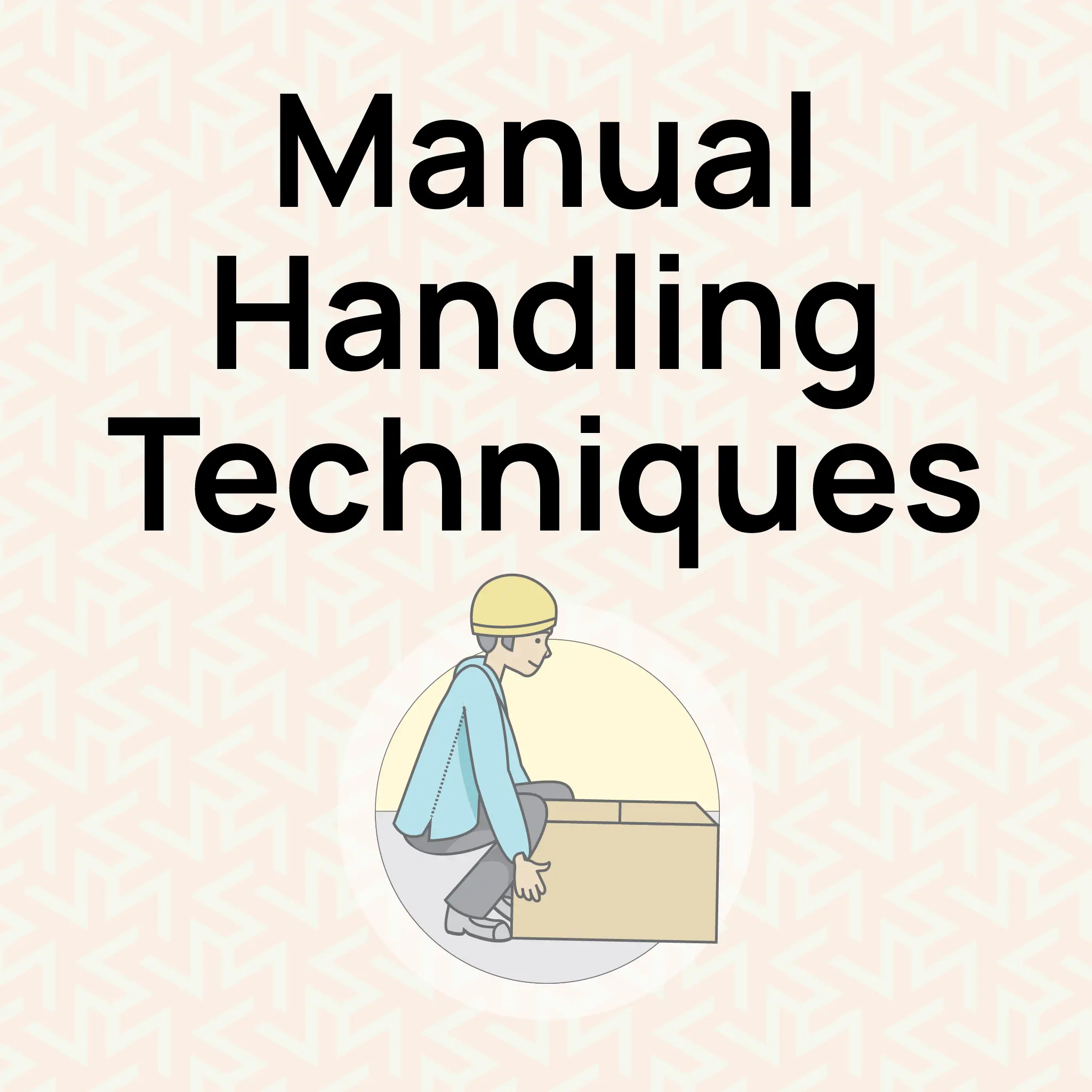
Manual Handling Techniques: A Complete Guide to Safe Lifting and Movement
The most common physical activity that is performed in the UK workplaces is manual handling. Whether it�s lifting boxes in a warehouse, repositioning patients in a care home, or moving tools on a construction site, it�s part of everyday working life for many. However, in spite of its widespread use, poor manual handling is a primary cause of workplace injuries, which frequently have prolonged effects.This guide explains how to apply manual handling techniques properly, how they affect your role and future employability, and how learning them is a smart move not only for beginners but also for experienced professionals.Understanding Manual HandlingManual handling is any task that involves the use of physical force to lift, drop, carry, push, pull, or move an object or load. A �load� may be anything: people, boxes, materials, or tools. These tasks are especially widespread in industries such as construction, healthcare, retail, and logistics.When carried out incorrectly, manual handling can lead to musculoskeletal disorders (MSDs) such as back pain, joint injuries, or long-term mobility problems. The Health and Safety Executive (HSE) reports that manual handling injuries account for more than a third of all work-related injuries in the UK, with most being preventable with the right knowledge and techniqueWhy Manual Handling Skills MatterCorrect manual handling techniques are important for anyone working in a physically active role. For employees, it prevents injury and maintains productivity. For employers, this often results in fewer absences, lower compensation claims, and smoother day-to-day operations.In sectors like construction, improper lifting and carrying can lead to more severe incidents, which often connect with broader health and safety risks on construction sites. Understanding how manual handling fits into the broader picture of workplace safety helps you take responsibility for your own health and that of the people around you.Moreover, having good practice on a regular basis in the handling of manuals will increase your employability. Workers who have basic knowledge about safety expectations and seem responsible in physical work activities tend to be appreciated more by employers.Core Manual Handling TechniquesPlan the TaskBefore you lift anything, stop and assess the situation. Ask yourself:Is the load too heavy or awkward to lift alone?Is the path clear of obstacles or trip hazards?Are there aids, such as trolleys or lifting equipment, that you could use?This is the time to prevent the risks even before they happen. There are cases where lifting is not required at all.Position Your Feet for StabilitySafe lifting is based on your position. Keep your feet roughly shoulder-width apart, with one foot slightly forward to maintain balance. Standing with your feet too close together when moving a load reduces your ability to adjust if the load shifts unexpectedly.Use Your Legs, Not Your BackThe most widespread error in handling involves bending at the waist in order to pick up an object. Instead, bend your knees while keeping your back straight and your head up. As you lift, use the strength of your leg muscles to raise the load. This approach significantly reduces strain on your spine.Hold the Load Close to Your BodyThe further away a load is from your body, the more strain it places on your arms, shoulders, and back. Always hold the load as close as possible, preferably at waist level, and ensure a secure grip before proceeding.Avoid Twisting Your BodyWhen you have picked up the load, you must always turn on your feet, not your body. Twisting while lifting is a significant cause of injury. If you need to change direction, stop, pivot your feet, and then continue.Know When to Ask for HelpUnderstanding your limits is part of safe practice. In case a load is heavy, bulky or uneven, then seek help or use a handling aid to make sure that you are safe. You should also be aware of how to avoid manual handling risks, such as working in confined spaces or lifting while fatigued.Safe Lifting in Action: A Step-by-Step ExampleAssume you are at a warehouse and a package has to be picked up from the floor and placed on a trolley. The way you would do it based on the above principles is as follows:Examine the track leading to the trolley, and clear it if necessary.Stand with feet shoulder-width apart, one foot slightly forward.Sit down, using your knees and hips, not your back.Get a firm grip on the package using both hands.Lift smoothly using your legs, keeping the box close to your body.Move slowly, do not turn or make any sudden movements when carrying the load.Lower the box onto the trolley using the same motion in reverse.This might seem methodical, but once practised, these steps become second nature and significantly reduce the risk of injury.The Bigger Picture: Creating Safer Work EnvironmentsWhile individual technique is important, safe manual handling is part of a larger system of health and safety controls. This includes:Clear signage and risk assessmentsProper lighting and ventilationErgonomic equipment and lifting aidsTraining and supervision tailored to job rolesPoor manual handling is often a symptom of broader issues. As highlighted in the consequences of poor health and safety procedures in the workplace, organisations that neglect basic safety often face greater financial, legal, and human costs.Those in charge of teams or projects are particularly responsible for ensuring these systems are in place. If you�re in or preparing for a leadership role, training like the SSSTS course equip you with the knowledge to enforce safe practices and supervise others effectively.? For SSSTS (Site Supervisor Safety Training Scheme):Stepping into a supervisory role? The SSSTS course equips you with essential knowledge to manage safety on-site, identify manual handling risks, and lead by example. Ideal for individuals seeking to advance in construction supervision.Training That Makes a DifferenceReading about techniques is helpful, but practical training is where it really clicks. Hurak Manual Handling Course provides a practical introduction to safe practices of handling in different working environments. You will be taught how to assess loads, using techniques and adhere to the health and safety laws.For those managing sites or larger teams, our SMSTS course builds on this knowledge by teaching how to plan and implement safe working systems, including manual handling processes, across entire projects.?? For SMSTS (Site Management Safety Training Scheme):Managing teams and safety at a larger scale? SMSTS is designed for site managers and senior staff who need a deeper understanding of health and safety responsibilities, including overseeing manual handling practices across complex operations.ConclusionManual handling injuries can be prevented, but only when the proper techniques and awareness are in place. For workers, it�s about taking care of your body and being able to perform your job without unnecessary risk. For employers and supervisors, it�s about leadership, responsibility, and fostering a safe environment for all.Whether you�re just starting out or working toward a supervisory role, your understanding of manual handling could make a real difference, not only to your safety but to your long-term employability and career satisfaction.If you�re considering taking on more health and safety responsibilities, understanding the key roles of a safety officer can be your next step. And remember, safety doesn't end with lifting.Check out these guides on fire safety at your workplace and practical fire safety tips to complete your knowledge Frequently Asked QuestionsWhat should always be done prior to lifting a load?Before lifting any load, always conduct a quick risk assessment to ensure safety. This involves checking the size, weight, and stability of the object, as well as the surrounding space. Is the path clear? Is the load too heavy to lift alone? These steps help prevent unexpected strain or injury. When lifting a load, plan ahead; even a few seconds of preparation can significantly reduce the risk of injury.Where should you hold and carry your load?Always keep the load close to your body, ideally at waist height. Holding the object close minimises the leverage force on your back and shoulders, helping you maintain control. Avoid stretching your arms out; this can cause imbalance and place unnecessary strain on your spine. If you're wondering where you should hold and carry your load, remember: the closer and more centred, the safer.In general, how should you position your feet when performing a lift?Place your feet shoulder-width apart to create a strong, stable base. One foot should be slightly in front of the other to help with balance, especially when lifting from the ground. The phrase "feet must be close together when moving a load" is misleading; too narrow a stance actually reduces stability. A broader base gives you greater control during the lift.What should you not do when lifting a load?You should not twist your body, bend your back, or jerk the load upwards. These are common mistakes that lead to injuries. Another thing to avoid is lifting something that feels too heavy; always ask for help or use equipment. Also, avoid rushing. What should you not do when lifting a load often comes down to poor posture, poor judgment, or both.What is the correct technique for lifting?The correct technique involves the following steps: assess the load, position your feet correctly, bend your knees (not your back), grasp the object securely, lift using your leg muscles, and keep the load close to your body. Avoid twisting while lifting, and instead, pivot your feet to turn. These manual handling principles apply to most lifting tasks, regardless of the setting.State one tip for safe handling and lifting.One essential tip is to keep the load close to your body throughout the lift. This simple action reduces pressure on your spine and improves balance. It's a fundamental part of safe manual handling and is often the difference between a smooth lift and a painful strain.What is the safe limit of force to push a load?There isn�t a fixed legal limit, but guidance from the HSE suggests that the maximum recommended force for pushing a load on a flat surface is about 20kg of force for men and 15kg for women under ideal conditions. However, the actual safe limit depends on surface friction, posture, and the height of the load. You should never push or pull a load that feels difficult to control.When handling an uneven load, what should you do?You should test the load first and check its centre of gravity. If one side is heavier, try to adjust your grip to keep the load balanced and close to your body. If necessary, reposition the contents or seek assistance. When handling an uneven load, you should avoid sudden movements, as they can lead to instability and injury.Moving and handling include which of the following actions?Manual handling encompasses a range of activities, including lifting, carrying, pushing, pulling, lowering, and holding loads using physical effort. It�s not just about lifting; any movement involving force on an object is considered manual handling. Recognising this helps identify more risks, especially when handling repetitive or awkward movements.Explore Related CoursesStrengthen your knowledge of workplace safety and grow your career with training tailored to your role:Manual Handling Training � Understand lifting techniques, reduce injury risk, and stay compliant.SSSTS (Site Supervisor Safety Training Scheme) � For those stepping into a site supervision role.SMSTS (Site Management Safety Training Scheme) � Designed for site managers to lead safely and legally.Health and Safety Awareness (HSA) � A solid starting point for beginners entering the construction or industrial sector.Fire Marshal (Fire Warden) Course � Learn fire prevention responsibilities and emergency actions.IOSH Working Safely � A short, engaging course ideal for staff across all industries.IOSH Managing Safely � For team leaders and managers responsible for health and safety.
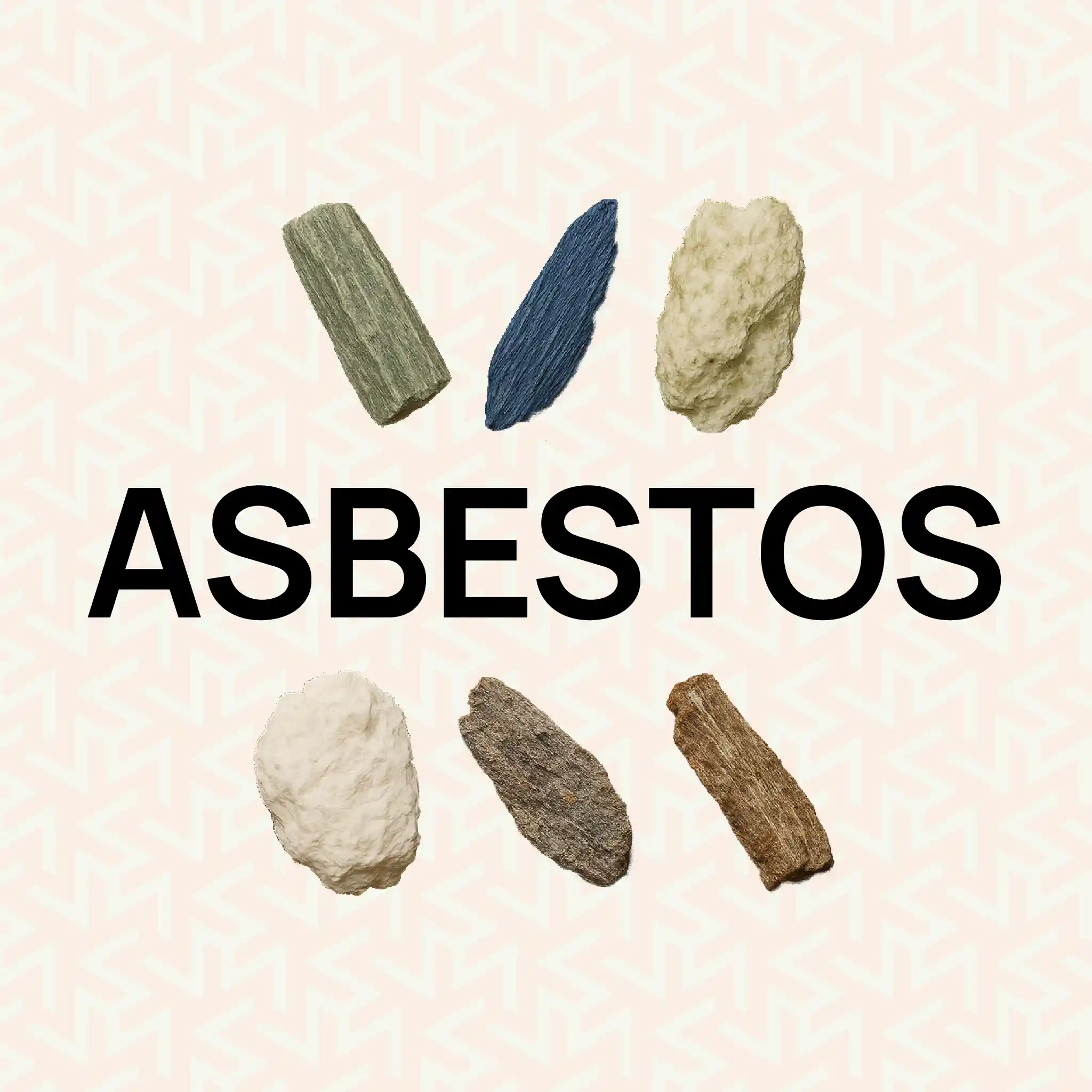
Types of Asbestos: What They Are, Why They Matter, and How to Stay Safe
Although asbestos has been banned in the UK since 1999, it remains present in countless buildings constructed before that date. For professionals working in construction, renovation, or property management, this is not just historical trivia; it is a real and present danger. Inhalation of asbestos fibres continues to be a significant health concern, with the Health and Safety Executive (HSE) estimating around 5,000 asbestos-related deaths each year in the UK. These deaths often arise from diseases that take decades to develop, making awareness and prevention more crucial than ever.The purpose of this article is to help you understand what asbestos is, why its different forms matter, how to identify potential exposure risks, and most importantly, how to stay safe and compliant with UK regulations.What Is Asbestos and Why Was It So Widely Used?Asbestos is not a man-made material; it�s a group of six naturally occurring minerals found in the earth. What makes asbestos unique is its combination of valuable properties: it�s resistant to heat, fire, electricity, and chemical damage. Due to this, it was widely used throughout the 20th century in products such as cement, insulation, roofing, brake pads, and floor tiles.However, the same fibrous structure that makes asbestos durable is also what makes it dangerous. When asbestos-containing materials are disturbed by cutting, drilling, sanding, or even deterioration, they release tiny fibres into the air. These fibres are invisible to the naked eye and can easily be inhaled. Once inside the body, they become lodged in the lungs or other tissues, where they can remain for decades. Over time, this can cause severe diseases such as asbestosis, lung cancer, and mesothelioma.The Six Types of Asbestos and Their CharacteristicsAsbestos minerals are divided into two main categories based on their physical structure: serpentine and amphibole. The serpentine group has only one type, chrysotile, while the amphibole group includes five: amosite, crocidolite, tremolite, actinolite, and anthophyllite. Each type has a distinct fibre shape, colour, mineral composition, and level of risk. Understanding these differences is key to recognising and managing asbestos in real-world situations.Chrysotile (White Asbestos)Chrysotile, also known as white asbestos, is by far the most common type found in UK buildings, making up over 90% of all asbestos used before the ban. It features long, curly fibres and was considered easier to handle due to its flexibility. This made it popular in insulation, roofing materials, ceilings, walls, and vehicle brake linings. Its colour, usually white or grey, comes from its magnesium-based composition. Although some previously considered it �less dangerous,� modern science recognises that chrysotile fibres are still highly carcinogenic. Prolonged exposure can lead to deadly diseases, just like any other form of asbestos.Amosite (Brown Asbestos)Amosite, often called brown asbestos, was the second most common type used in the UK. It belongs to the amphibole family and has rigid, needle-like fibres that are more brittle and more dangerous when airborne. Its colour, brown or dark grey, is due to its high iron content. Amosite was commonly used in fireproof insulation boards, ceiling tiles, and pipe lagging. The sharpness of its fibres makes it more likely to become deeply embedded in lung tissue, significantly increasing the risk of mesothelioma and lung cancer.Crocidolite (Blue Asbestos)Crocidolite, or blue asbestos, is widely regarded as the most dangerous type. It's fine; sharp fibres can be inhaled more easily than those of any other asbestos type. Crocidolite was used in high-temperature insulation products such as pipe lagging, sprayed-on coatings, and some cement-based materials. Its vibrant blue colour is a visual indicator of its unique mineral makeup, which includes sodium and iron. Even brief exposure to crocidolite fibres can lead to mesothelioma, making it a significant cause of asbestos-related cancer deaths.TremoliteTremolite was not used commercially on its own but has been found as a contaminant in talc, vermiculite, paints, and sealants. It can range in colour from white to green depending on its mineral content. Like other amphiboles, tremolite has sharp, needle-like fibres that can be easily inhaled when disturbed. Although less commonly encountered, tremolite exposure has caused serious health effects, particularly in regions where contaminated talc was widely used.ActinoliteActinolite is another amphibole asbestos type, typically green to grey in colour. It has a fibrous, splinter-like structure and was also not used deliberately in most commercial products. However, it can be found as a contaminant in construction materials such as insulation, plaster, and drywall. Inhalation of actinolite fibres poses serious risks, including lung cancer and pleural diseases, even though its usage was limited.AnthophylliteAnthophyllite is the rarest of the six types and appears in shades of brown, green, or grey. It was used in limited applications, including some insulation and cement products, and also found as a contaminant in talc. Though less commonly encountered, anthophyllite fibres pose the same dangers as other types and can lead to chronic lung conditions when inhaled.Each type of asbestos derives its colour from its unique mineral composition. For example, amosite's iron-rich content gives it a brown hue, while crocidolite�s sodium and iron produce a blue colour. These visual differences are useful for categorisation, but they are not reliable for on-site identification. Only professional lab testing can confirm asbestos presence.Where Asbestos May Still Be Found in BuildingsAsbestos-containing materials (ACMs) are still found in many homes, schools, hospitals, and workplaces built before the year 2000. It�s not always obvious, and that�s what makes it dangerous. In many cases, asbestos may be hidden in old ceiling tiles, roof sheets, pipe lagging, floor tiles, sprayed coatings, and even in adhesives behind walls or under flooring.Because asbestos fibres are not visible and materials may look perfectly intact, people often don�t realise they�re at risk. During renovation or demolition, these materials can become crumbly, meaning they easily crumble and release fibres. That�s why anyone working with or around older buildings must know what to look for and when to stop and call in professionals.If you're taking on responsibilities related to site safety, training like the SMSTS or SSSTS courses will help you manage these risks more confidently.The Hidden Health Risks of Asbestos ExposureOne of the most tragic things about asbestos-related illnesses is how long they take to develop. A person exposed to asbestos fibres in their 20s might not show symptoms until their 50s or 60s. This long latency period makes early detection difficult and prevention critical.The most well-known disease caused by asbestos exposure is mesothelioma, a rare and aggressive cancer that affects the lining of the lungs and abdomen. There is no cure, and survival rates remain low. Another condition is asbestosis, a chronic lung disease that results in scarring and progressive shortness of breath. Lung cancer is also a significant risk, particularly among people who smoke and have been exposed to asbestos. Finally, pleural thickening, a condition where the lining of the lungs becomes stiff, can reduce lung function and lead to chronic discomfort.No level of asbestos exposure is considered safe. The risk may vary depending on fibre type, duration of exposure, and individual health conditions, but the only truly safe approach is prevention. Your Legal Duties Under UK Asbestos RegulationsIn the UK, the Control of Asbestos Regulations 2012 places a legal responsibility on those managing non-domestic buildings to protect workers and the public from asbestos exposure. This includes identifying ACMs, assessing their condition, keeping up-to-date records, and informing anyone who might come into contact with them.Employers must also provide training to any worker who could disturb asbestos during their work. This includes tradespeople, maintenance staff, and even office workers in buildings with known asbestos materials. Failure to comply with the law can lead to legal penalties and, more importantly, significant health consequences.To support workplace compliance, many individuals choose to take a CITB Health and Safety Awareness Course or the more comprehensive Level 2 Health and Safety in the Workplace courseHow to Identify and Manage Asbestos SafelyBecause asbestos fibres are invisible and dangerous, you should never attempt to inspect, remove, or repair asbestos yourself. The first step is to hire a licensed asbestos surveyor. These professionals conduct detailed surveys, either a management survey for ongoing building use or a refurbishment and demolition survey for construction work.After a survey confirms the presence of asbestos, proper management involves creating an asbestos register, marking affected areas, and using licensed contractors for removal or containment. In some cases, you may also need to carry out air testing to ensure no fibres remain suspended after any disturbance.Education is just as critical as containment. If you or your team work in environments where asbestos may be present, it�s essential to complete certified training like Hurak�s Asbestos Awareness Course, which covers everything from identification and legal duties to emergency proceduresConclusionAsbestos might be banned, but the danger hasn�t disappeared. For many professionals working in today�s construction and maintenance sectors, the risk is still very much alive. That�s why asbestos awareness is not just about ticking a compliance box; it�s about protecting yourself and those around you.Understanding the six types of asbestos, recognising where they may be found, and knowing the associated health risks are all essential components of creating safer working environments. Complying with UK safety regulations is also crucial. With proper training and precautions, these risks are manageable; however, ignoring them can be deadly.Compliant. Certified. Confident.UK regulations require asbestos awareness training for anyone likely to disturb asbestos-containing materials (ACMs).With Hurak, you�ll get practical knowledge, legal compliance, and CPD-recognised certification, all in one short course.Stay protected and professional, start your training now.FAQsWhat is white asbestos called?White asbestos is called chrysotile. It was the most widely used type in UK construction and is still the most commonly found in older buildings. Despite earlier claims of being "safer," chrysotile is a known health hazard and is fully banned.What is the name of blue asbestos?Blue asbestos is known as crocidolite. It has the finest fibres of all types and poses the highest risk. Even short exposure can lead to diseases like mesothelioma, making it the most dangerous form.What is brown asbestos?Brown asbestos refers to amosite, commonly used in insulation boards and ceiling tiles. Its rigid, needle-like fibres are highly hazardous and strongly linked to lung disease.How many types of asbestos are commonly found?There are six types of asbestos, but the three most common in UK buildings are:Chrysotile (white)Amosite (brown)Crocidolite (blue)These were used in everything from pipe lagging to cement and insulation.Do asbestos colours mean anything?Yes, the colours reflect the fibre type, white, brown, and blue, but they�re not reliable for on-site identification. Always consult a licensed surveyor or complete Asbestos Awareness Training to be sure.Asbestos and Your Career: What You Should KnowWhether you�re managing a site or just getting started on the tools, asbestos awareness plays a critical role in ensuring workplace safety. Many careers today still involve contact with buildings that may contain asbestos. Here�s how asbestos knowledge applies across key roles:Site Manager: Oversees all health and safety responsibilities on-site, including ensuring asbestos surveys are completed and regulations are followed during refurbishment or demolition.Site Supervisor: Coordinates daily site activities, ensuring workers don�t unknowingly disturb asbestos-containing materials and that proper procedures are followed when risks are identified.Labourer or Tradesperson: Frequently works hands-on with older materials. Without training, these roles are at high risk of accidental asbestos exposure during drilling, cutting, or removal tasks.Asbestos Surveyor: Specialises in identifying and assessing asbestos-containing materials. Plays a vital role in informing site safety decisions and ensuring compliance with UK asbestos laws.Health & Safety Officer: Monitors and enforces health and safety standards, including training requirements, safe work practices, and asbestos documentation under the Control of Asbestos Regulations 2012.If your job might bring you into contact with pre-2000 buildings, completing an Asbestos Awareness Course is not just recommended, it�s a legal requirement.
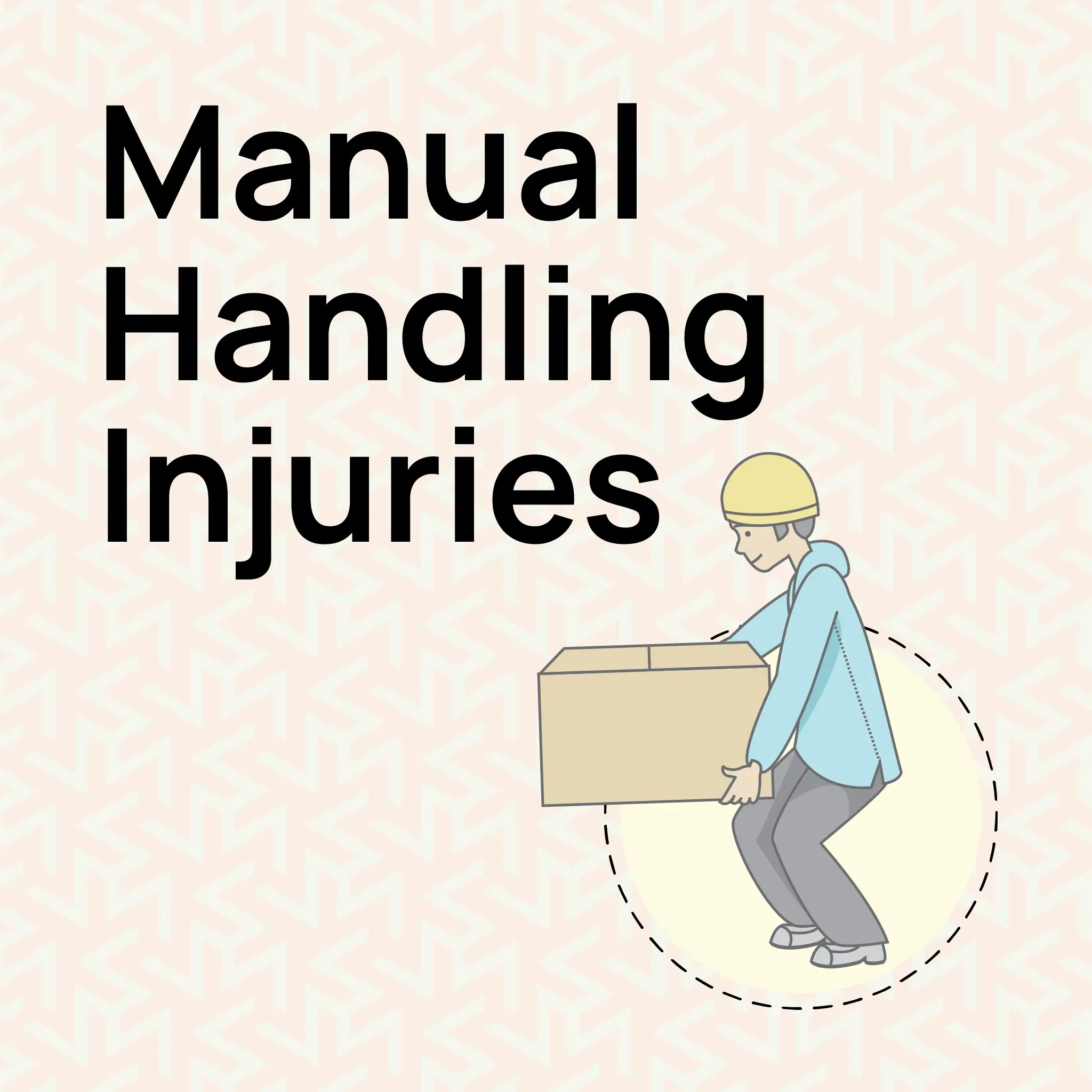
Manual Handling Injuries: The Most Common Types and How to Prevent Them
Manual handling is a common part of work across countless industries. From warehouse staff and healthcare workers to cleaners, retail employees, and construction workers, many people regularly lift, carry, push, or pull items as part of their daily duties. While these tasks may appear straightforward, incorrect handling techniques can lead to painful, sometimes life-changing injuries. Worse still, they�re often overlooked until they force someone to take time off work or even reconsider their career path.This article breaks down everything you need to know about manual handling injuries, what they are, why they happen, and how you can avoid them. Whether you�re new to the workforce, looking to build your skills, or simply want to stay safe on the job, this guide will help you make more informed, confident decisions.Understanding Manual Handling InjuriesManual handling refers to any activity involving the lifting, carrying, lowering, pushing, pulling, or moving of loads by hand or bodily force. It�s one of the most common tasks in the workplace and a leading cause of injury.The injuries associated with manual handling typically affect the musculoskeletal system, which includes muscles, joints, ligaments, and the spine. According to the Health and Safety Executive (HSE), manual handling injuries account for a significant number of all workplace incidents, particularly in physically intensive jobs.What makes them particularly concerning is their long-term impact. A strained back or a repetitive shoulder injury might seem manageable at first, but if ignored or repeated, these injuries can become chronic and prevent people from doing their jobs safely or at allThe Most Common Types of Manual Handling InjuriesWhile there are many ways a person can injure themselves during manual handling tasks, three types of injuries are especially common. Understanding these can help individuals recognise risks early and act before problems worsenBack InjuriesBack injuries, especially in the lower back, are the most frequently reported. These typically result from bending at the waist, twisting while lifting, or carrying loads that are too heavy or unbalanced. The spine is under immense pressure during improper lifting, and over time, this can lead to serious damage, such as herniated discs, long-term back pain, and restricted mobility.A logistics worker, for example, might lift dozens of boxes daily. If they don�t use proper form, the strain accumulates, and the injury often strikes suddenly after what seems like a routine movementStrains and SprainsStrains (to muscles) and sprains (to ligaments) occur in areas such as the shoulders, arms, wrists, and legs. These often develop over time through repetitive lifting or awkward postures, particularly when tasks involve reaching, twisting, or carrying loads in uncomfortable positions.Jobs in sectors such as healthcare, where moving people or equipment is part of the role, are particularly prone to these types of injuries. Our article on how to avoid manual handling risks provides a more detailed examination of these issues.Crush Injuries and FracturesAlthough less frequent, crush injuries and broken bones tend to be more severe and are often the result of sudden accidents, such as items falling, fingers getting caught, or heavy equipment tipping over. These are more likely to occur in busy environments, such as construction sites or warehouses, where large objects are frequently moved and stored.Why These Injuries Keep OccurringManual handling injuries are so prevalent because poor habits are easy to fall into, especially when staff are busy, under time pressure, or inadequately trained. Many workers lift loads instinctively, without pausing to assess the situation or plan the safest method of lifting.Common causes include:Poor technique (e.g. bending with the back rather than the knees)Overexertion, lifting too much alone instead of asking for helpRepetitive movements without restSlippery or cluttered workspacesLack of understanding about how injuries build up over timeIn some cases, there may also be a cultural problem where people �push through� discomfort or view injuries as part of the job. However, with proper awareness and training, these risks can be significantly reduced.?? Just getting started with workplace safety?Our IOSH Working Safely course provides a clear and practical introduction to health and safety principles. It�s perfect for employees in any role who want to work more safely and responsibly.How to Prevent Manual Handling Injuries Preventing manual handling injuries begins with education. Workers need to be trained not just on the right techniques but also on how to assess risk and use equipment effectively. Here are the most effective steps individuals and employers can take.Use Correct Lifting TechniquesBend at the knees, not the waist. Keep the load close to the body. Avoid twisting. Lift smoothly and avoid sudden movements. While these steps may seem simple, applying them consistently, especially in fast-paced environments, requires attention and habit formationAssess the Load and EnvironmentBefore handling anything, pause and think:Is the item too heavy or awkward to handle?Can it be broken into smaller loads?Is the path clear, and are there hazards nearby?This simple risk assessment only takes a few seconds but can prevent serious injury.Use Equipment and Ask for HelpManual handling doesn�t mean you have to do everything by hand. Use trolleys, hoists, or other tools whenever available. Don�t hesitate to ask for help with large or heavy items. Many serious injuries happen when someone tries to prove they can do it alone.Refresh Training RegularlyManual handling isn�t just about common sense. It involves understanding anatomy, physics, and workplace regulations. Whether you�re new to the job or have years of experience, ongoing training can help correct bad habits and keep you up to date with best practices The Wider Impact on Career and Safety CultureFor many professionals, physical ability is directly tied to job performance. A single injury can not only interrupt work but also limit future opportunities, especially in industries that rely on strength and stamina. In serious cases, individuals have had to retrain for entirely new careers due to long-term damage from poor manual handling.That�s why knowledge and prevention aren�t just safety concerns, they�re career strategies. By working safely and demonstrating awareness of risks, individuals also position themselves as responsible, promotable team members. Supervisors and managers, in particular, are expected to lead by example and protect their teams.For those in or aspiring to these leadership roles, courses such as SSSTS or SMSTS provide a deeper understanding of managing safety on-site, including how to mitigate the risk of manual handling injuries across an entire team.? Ready to take on more responsibility at work?The SSSTS course is ideal for team leaders and supervisors. It teaches you how to manage health and safety on-site, prevent injuries such as manual handling accidents, and comply with your legal obligations.A Safer Future Starts With AwarenessManual handling injuries are more than an inconvenience; they�re a barrier to long-term success. Whether it�s a strained back or a broken wrist, these injuries can sideline your career, limit opportunities, or cost your employer time and money.However, the good news is that they�re avoidable. With the right habits, regular training, and a safety-first mindset, you can protect yourself and contribute to creating a safer workplace for others. And if you're aiming for roles with more responsibility, knowledge of health and safety isn't just helpful, it's essential.To explore additional topics, such as fire prevention, hazard control, or the role of safety officers, browse our expanding health and safety blog?? Leading a site team? Safety starts with you.The SMSTS course is designed for site managers who want to lead by example. Gain in-depth knowledge of managing risks, protecting your workforce, and staying compliant with health and safety laws.Frequently Asked QuestionsWhat are the most common accidents and injuries that can occur when moving and handling people?When moving and handling people, such as in healthcare or care home settings, the most common injuries include back strains, shoulder injuries, and muscle pulls. These incidents occur when workers attempt to lift or reposition patients without proper assistance or technique. Unlike handling objects, moving people often involves awkward angles and unpredictable shifts in weight. These conditions make it easier to strain muscles or cause joint injuries. To avoid such risks, training in proper people-handling techniques and the use of hoists or slide sheets is essential.What are the 3 most common types of manual handling injuries?The three most common manual handling injuries are:Lower back injuries are often caused by bending or twisting while lifting.Muscle strains and sprains, typically occurring in the shoulders, arms, or wrists, are often caused by repetitive motion or overexertion.Crush injuries or fractures may happen when heavy items fall or shift unexpectedly.These injuries occur across a wide range of jobs and often result from poor lifting techniques, overexertion, or rushing through physical tasks.What is the most common type of manual handling incident?The most common type of manual handling incident involves injuries to the lower back, often resulting from lifting heavy or awkward objects incorrectly. These incidents typically stem from bending with the back rather than the knees, twisting during a lift, or carrying loads that are too far from the body. Over time, these practices can lead to chronic conditions that limit mobility and work capacity.Give two examples of injuries which may be caused by poor manual handling.Two common injuries caused by poor manual handling are:A herniated disc in the lower back can occur from lifting with bad posture or carrying excessive weight.Rotator cuff strain in the shoulder often results from reaching overhead or lifting while twisting.These injuries may start with mild discomfort but can escalate into long-term health problems without proper care or adjustments to working habits.Which of the following is the most common form of injury resulting from manual handling?Among the different types of manual handling injuries, musculoskeletal disorders affecting the lower back are the most common. They�re frequently seen in industries such as warehousing, construction, and care services. Repeated strain, awkward postures, and incorrect lifting techniques contribute heavily to this type of injury, making it crucial for both employers and employees to prioritise manual handling safety training.Explore Related CoursesWhether you're looking to improve your safety, lead a team, or move into a supervisory role, these courses support your journey:Manual Handling Awareness: Understand safe lifting techniques, reduce injury risks, and work more efficiently in physically demanding roles.CITB SSSTS (Site Supervisor Safety Training Scheme): For team leaders responsible for safety on-site, including proper manual handling practices.CITB SMSTS (Site Management Safety Training Scheme): Designed for site managers looking to manage risks, meet legal duties, and build safer teams.SSSTS Refresher: Keep your supervisor certification valid while refreshing your knowledge of site safety and manual handling.SMSTS Refresher: Update Your Understanding of Workplace Risks and Continue Leading by Example.Health and Safety Awareness Course: A foundational course covering key responsibilities, ideal for new starters across all industries.