

Understanding What to Record and Report in an Accident Form at Work
Accurately reporting workplace accidents is essential, not just to meet legal requirements, but to help maintain a safe working environment. In the UK, under RIDDOR 2013 (Reporting of Injuries, Diseases and Dangerous Occurrences Regulations), employers are required to report certain work-related injuries, illnesses, and dangerous occurrences. Accident forms play a key role in this process, helping to document incidents, identify risks, and prevent future harm.In this article, we�ll cover the key points about accident forms, their purpose, when they�re needed, and how they contribute to overall workplace safety.The Importance of Accident Forms in Workplace SafetyAn accident form is a crucial document used to report incidents that occur in the workplace. It serves as a detailed record of what happened, helping to ensure the event is documented for legal purposes. In cases where injuries or damages are involved, the form can act as evidence in court during legal proceedings.By accurately documenting incidents, employers can identify potential hazards, address risks early, and take proactive steps to reduce accidents in the future. This makes accident forms an integral part of any workplace safety strategy. .main{ border:3px solid #0f7c90; border-radius:20px; position: relative; font-family:roboto; font-weight: 400; color: #000; } .main-two{ position: absolute; top:-25px; left:45px; background-color:white; } .img-div{ border-radius : 100%; padding:2px 7px; background-color:#0f7c90; margin-right:5px; width: 50px; height: 50px; } .img{ width:30px; object-fit:contain; height:auto; border-radius : 100%; } @media only screen and (max-width: 600px) { .heading{ font-size:20px; } .img{ width:20px; object-fit:contain; height:auto; border-radius : 100%; } .img-div{ width: 40px; height: 40px; } .main-two{ left:25px; } } Put Your First Aid Knowledge into Practice by enrolling in a course today! Our First Aid courses equip you to handle critical situations and enhance workplace safety. Build confidence and expertise with Emergency First Aid at Work (EFAW) and Level 3 First Aid at Work meeting UK legal requirements. Key Information to Include on an Accident Report FormThe chart below outlines key information you should include in a workplace accident report form, which aligns with RIDDOR guidelines.SectionDetails to RecordInjured Person�s DetailsName, job title, department, contact informationDate & TimeExact date and time the accident occurredLocation of IncidentSpecific area or site within the workplaceIncident DescriptionClear explanation of what happened and howInjury DetailsType of injury, body part affected, severityImmediate Action TakenFirst aid given, emergency response, by whom and whenWitness InformationNames and contact details of any witnessesReported ByName, job role of the person completing the form, and date completedFollow-Up ActionsPreventive measures taken, referrals, or investigation stepsSignaturesFrom the injured person (if possible), the reporter, and a manager/supervisorTypes of Workplace Incidents That Require an Accident ReportUnder the Reporting of Injuries, Diseases and Dangerous Occurrences Regulations (RIDDOR), employers and those responsible for workspaces are expected to report specific incidents to the Health and Safety Executive (HSE). These include:Fatalities and Major Injuries: In case of serious injuries, such as fractures or amputations, these should be reported as soon as possible, either online or by phone.Over-Seven-Day Injuries: If an employee is unable to work for more than seven days, the incident should be reported within 15 days using the HSE�s online form.Occupational Diseases: If an employee is diagnosed with conditions like asthma or carpal tunnel syndrome related to their work, these should be reported within 10 days using the appropriate RIDDOR form.Dangerous Occurrences: In the event of a near miss or equipment failure that could have caused serious harm, it�s essential to report it promptly through the HSE system.Gas Incidents: If there are any gas-related issues, such as leaks, injuries, or unsafe fittings, these should be reported right away. Gas engineers and employers have designated online forms to use for these incidents. Accident Reporting: A Step-by-Step GuideWhen an accident occurs, responding quickly and correctly is essential. Here are the key steps to follow:Ensure safety: First, ensure that the area is safe to prevent further harm.Administer first aid: Provide immediate care to the injured person.Record first aid: If treatment was given, fill out a first aid report form.Notify management: Inform a supervisor or manager as soon as possible.Complete the accident form: Document the incident with all relevant details.Report under RIDDOR: Visit the HSE's online form to submit details of any work-related injuries or incidents and complete the accident report.Preserve the scene: If necessary, secure the area for investigation.ConclusionAccident reporting isn�t just about meeting legal obligations; it is vital in identifying risks, preventing future incidents, and promoting a safer workplace for everyone. Using accident forms helps capture essential details and supports continuous improvement in workplace safety.Frequently Asked QuestionsWhat must be recorded on an accident report form?Date, time, location, people involved, injury details, and witnesses.What is the accident reporting procedure in the workplace?Notify a supervisor, complete an accident form, and report under RIDDOR if required.In the event of an accident, what should be completed?An accident form or a first aid report form.What is a first aid report form used for?To record the treatment given and who provided it.Explore Our Popular First Aid CoursesLooking to boost your skills? Explore our range of first aid courses to find the right one for you.Here are some of our most popular first aid courses to help you stay prepared:Emergency First Aid at Work (1 Day): A one-day course covering vital skills like CPR, choking, bleeding control, and managing common emergencies. Ideal for low-risk workplaces.First Aid at Work (3 Days): A comprehensive three-day course that prepares you to respond to a wide range of injuries and illnesses. Meets HSE standards for high-risk environments.Paediatric First Aid (2 Days): Designed for those working with infants and children. Covers child-specific emergencies such as seizures, choking, and allergic reactions.Basic First Aid Course: Perfect for low-risk environments like offices, shops, and restaurants. This course is also ideal for those preferring online training. It teaches key first aid skills and builds confidence to handle everyday emergencies safely and effectively.Advanced First Aid Training: For those who need higher-level skills. Covers oxygen use, advanced trauma care, and secondary assessments for more complex situations.First Aid for Mental Health: Focuses on recognising and supporting people with mental health conditions like stress, anxiety, and depression, with an emphasis on early intervention.
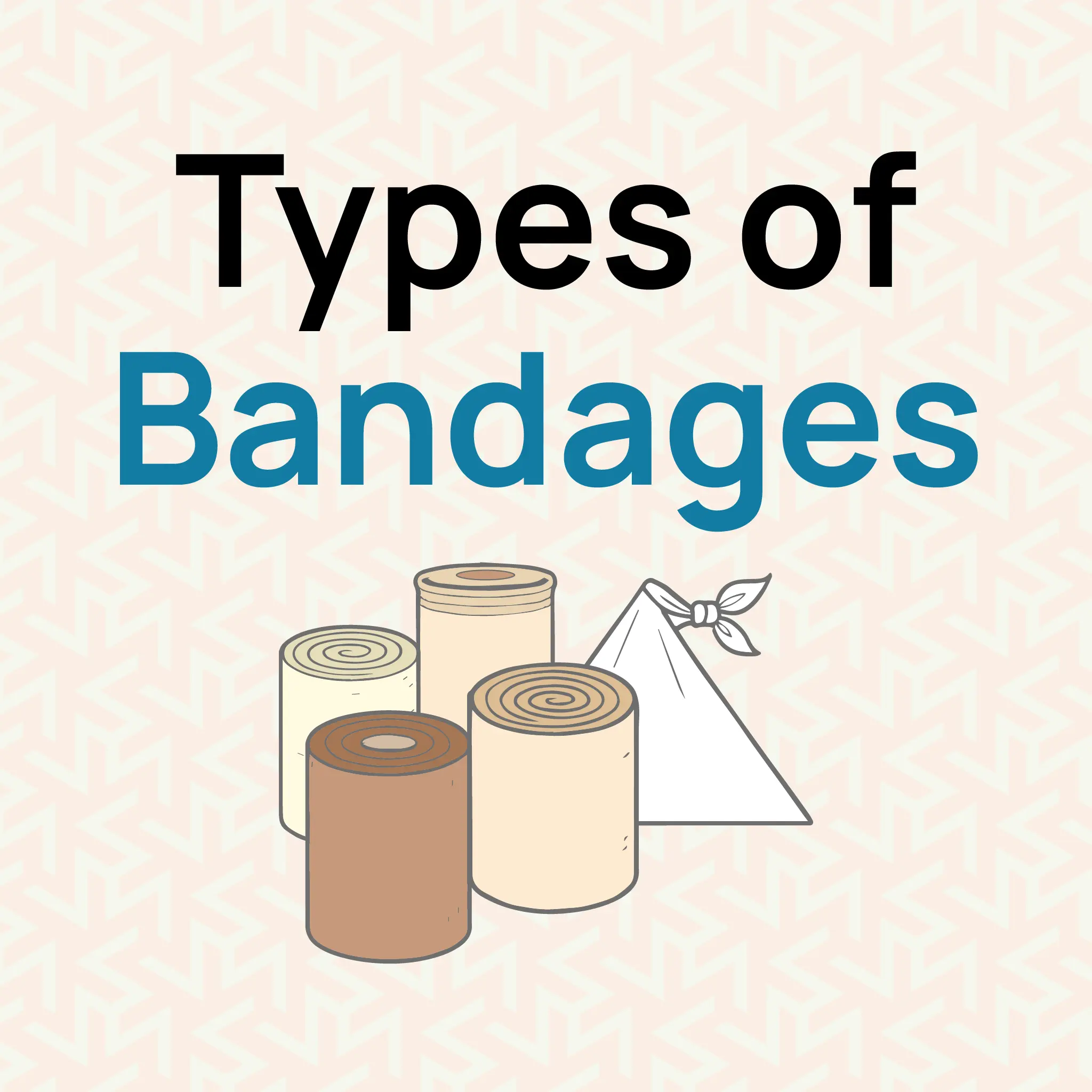
5 Essential Types of Bandages Used in First Aid
Injuries can happen at any moment, and knowing how to treat them effectively is essential. Bandages are a crucial part of any first aid kit, designed to protect wounds, support injured areas, and encourage healing.Whether you're managing a sprain, cut, or other injury, choosing the right bandage is key to providing proper care. With so many different types of bandages available, it�s important to understand their unique purposes.In this article, we�ll explore the five most important types of bandages and how to use them to provide effective first aid.Exploring Different Types of Bandages and Their Practical UsesNot all bandages do the same job. Knowing which one to grab is a crucial step in any first-aid emergency. Here�s a look at the different types and when to use each.Roller bandagesRoller bandages are flexible and commonly used to secure dressings, support joints, or apply pressure. They�re ideal for covering large areas and are easy to wrap around limbs.When to use:To hold a dressing in place.To provide support for a sprain or strain.To apply pressure to control bleeding.To cover large wound areas on arms or legs.Triangular bandagesTriangular bandages are adaptable cloths used to support, cover, or immobilise injuries. Their shape makes them especially useful for upper limb injuries.When to use:To create an arm or shoulder slingTo immobilise a fractured limbTo secure a dressing on the head or scalpAs a temporary wrap for splintingTubular bandagesTubular bandages are slip-on coverings designed for fingers, toes, and limbs. They offer light compression and protect minor injuries.When to use:To cover cuts or abrasions on fingers or toesTo protect dressings on minor woundsTo provide gentle compression for swellingTo secure padding on elbows, knees, or other jointsCrepe bandagesCrepe bandages are elastic wraps that provide compression and support for joint or muscle injuries. They help reduce swelling and stabilise affected areas.When to use:To support sprains or strainsTo reduce swelling in sprained areasTo keep wound dressings in placeFor compression in soft tissue injuriesCohesive bandagesCohesive bandages stick to themselves, not the skin, making them ideal for tricky areas. They offer flexible support and compression without the need for clips or tape.When to use:To support sprains and strainsTo wrap joints like wrists, knees, or fingersTo secure dressings on moving areasFor compression without adhesive on the skinComparison of Bandage Types and Their UsesHere�s a quick comparison of the five bandage types covered above, summarising their typical uses.Types of bandagesUsesRoller BandagesUsed for securing dressings, providing support, and stopping bleeding.Triangular BandagesUsed to create slings, immobilise limbs, or cover wounds.Tubular BandagesUsed to cover fingers, toes, and minor injuries for light compression.Crepe BandagesUsed for compression, support, and reducing swelling in sprains and strains.Cohesive BandagesUsed for compression and support, adheres to itself, ideal for joints. .main{ border:3px solid #0f7c90; border-radius:20px; position: relative; font-family:roboto; font-weight: 400; color: #000; } .main-two{ position: absolute; top:-25px; left:45px; background-color:white; } .img-div{ border-radius : 100%; padding:2px 7px; background-color:#0f7c90; margin-right:5px; width: 50px; height: 50px; } .img{ width:30px; object-fit:contain; height:auto; border-radius : 100%; } @media only screen and (max-width: 600px) { .heading{ font-size:20px; } .img{ width:20px; object-fit:contain; height:auto; border-radius : 100%; } .img-div{ width: 40px; height: 40px; } .main-two{ left:25px; } } Put Your First Aid Knowledge into Practice by enrolling in a course today! Our First Aid courses equip you to handle critical situations and enhance workplace safety. Build confidence and expertise with Emergency First Aid at Work (EFAW) and Level 3 First Aid at Work meeting UK legal requirements. How to Apply Different Types of BandagesEach type of bandage has its own special use, and applying them the right way makes all the difference in providing effective care. Whether you're tending to a small cut or helping someone with a sprain, knowing the best way to use each bandage will help things heal properly. To make sure you're applying each bandage correctly, refer to the guide below.Bandage TypeQuick Application GuideRollerAnchor at the far end; wrap toward the body, overlapping each layer by half its width; secure and check circulation.TriangularFold to the correct width for a sling; place under the limb; tie over the shoulder; tuck or pin ends out of the way.TubularSlide over the injured area (use an applicator if available); smooth out any wrinkles for a snug fit.CrepeWrap in a spiral or figure-eight pattern; overlap each layer by one-third of its width; secure and verify circulation.CohesiveTear to the needed length; wrap so it sticks to itself; press the end down; avoid wrapping too tightly. Quick-Reference: 5 Simple Steps to Apply a BandageThese five steps will help you bandage any minor injury quickly and confidently.Clean and dry the wound: Wash your hands, then gently clean the wound with water or a sterile saline solution. Pat the area dry with a clean gauze or cloth.Place a sterile dressing: Place a sterile dressing or pad over the wound without touching the side that will contact the skin. Smooth it down so it lies flat.Choose the right bandage: Select the appropriate bandage type (roller, crepe, cohesive, etc.) based on the injury location and required support or compression.Wrap from the lower end: Anchor your bandage at the point farthest from the heart, then wrap toward the body with even tension, overlapping each turn by about one-third.Secure and check circulation: Fasten the end of the bandage (with clips, tape, or by self-adhesion) and then check that the fingers or toes beyond the bandage are warm and pink and have a normal sensation.ConclusionUnderstanding how and when to use different bandages is a key part of effective first aid. Recognising their specific uses and applying them correctly can make all the difference in an emergency. To build your confidence and gain hands-on experience, consider enrolling in one of our First Aid Courses, a valuable step towards being fully prepared when it matters most.Frequently Asked QuestionsWhat are the 5 types of bandages in first aid?Roller, triangular, tubular, crepe, and cohesive bandages.When should I use each type of bandage?Use a roller for limbs, a triangular for slings, tubular for fingers, crepe for sprains, and cohesive for secure wrapping.Can I learn bandaging in a first aid course?Yes, first aid courses teach how to use and apply bandages correctly.Explore Popular First Aid Courses at HurakLooking to boost your skills? Explore our range of first aid courses to find the right one for you.Here are some of our most popular first aid courses to help you stay prepared:Emergency First Aid at Work (1 Day): Get equipped with essential life-saving skills in just one day. This course covers CPR, choking, bleeding control, and how to manage various workplace emergencies, ideal for low-risk environments.First Aid at Work (3 Days): A thorough three-day course designed to help you handle a wide range of injuries and illnesses in the workplace. Fully compliant with HSE requirements and perfect for high-risk settings.Paediatric First Aid (2 Days): Tailored for anyone working with babies and young children. Learn how to respond to emergencies like choking, febrile seizures, allergic reactions, and more in a childcare context.Basic First Aid Course: Great for general awareness outside the workplace. Learn how to treat minor injuries, burns, fainting, shock, and other common incidents.Advanced First Aid Training: For those needing a higher level of care. This course covers oxygen therapy, advanced trauma response, and detailed secondary assessments.First Aid for Mental Health: Learn how to identify and support individuals facing mental health challenges. Topics include stress, anxiety, depression, and practical early intervention techniques.
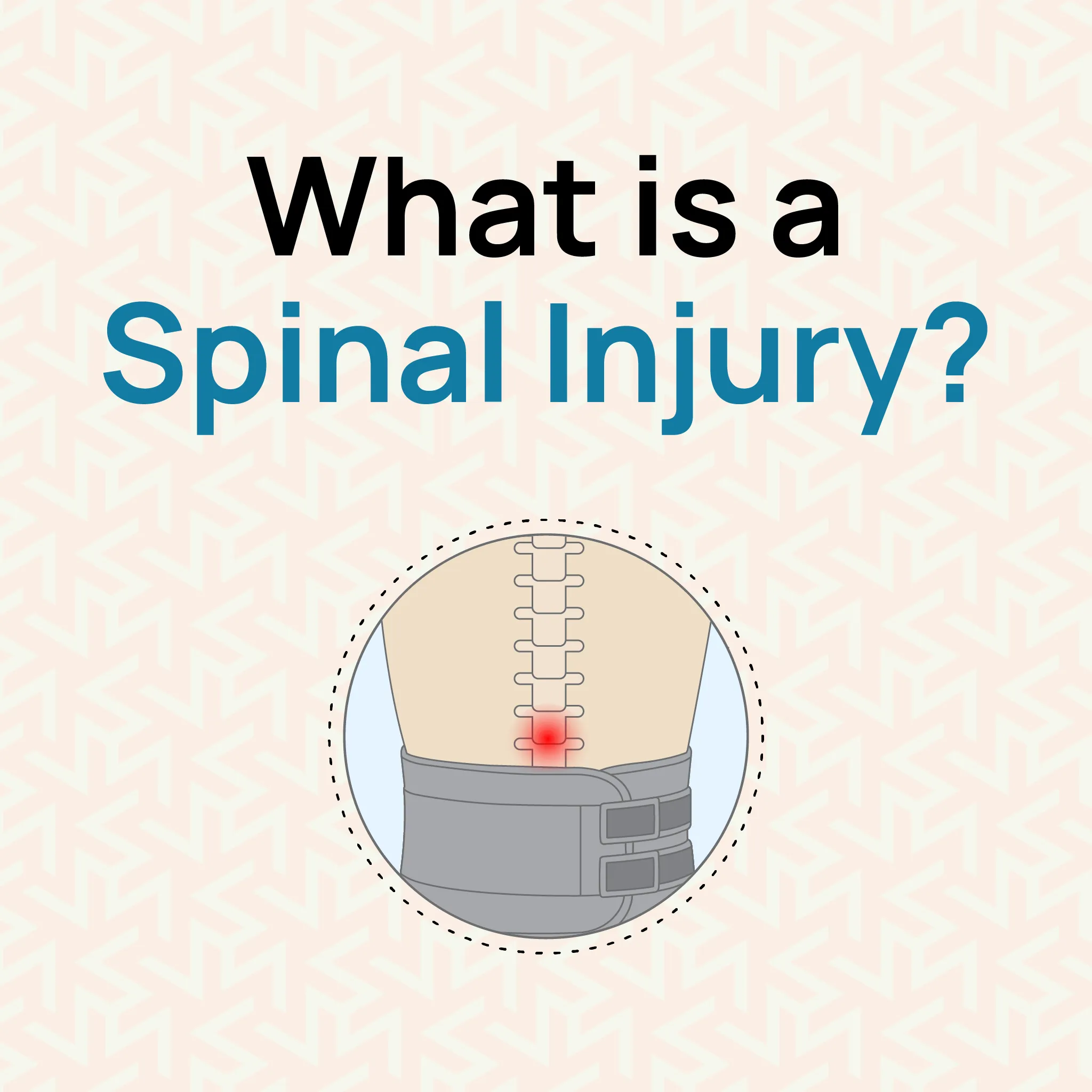
A First Aider�s Guide to Spinal Injuries
Spinal injuries can be life-threatening, so knowing how to act quickly and correctly in an emergency is vital. Whether you�re at home, at work, or outdoors, this guide will walk you through the key first aid steps and how to spot the signs of a spinal injury to help prevent further damage.What is a Spinal Injury?Spinal injuries happen when the spine or spinal cord is damaged, and they may lead to serious issues like paralysis. Because these injuries often happen without warning and can cause lasting disability, it�s vital to act quickly and correctly to prevent further harm. In the event of a spinal injury, understanding the importance of first aid training could mean the difference between recovery and permanent disability, or even life and death.Recognising the Symptoms of a Spinal InjuryUnderstanding what to look for in a potential spinal injury can help you respond more effectively. Below are some of the most common symptoms to be aware of in such situations.Neck or back pain or tenderness (especially in the spinal region).Difficulty moving limbs or inability to move.Numbness or loss of sensation in the arms, legs, or other body parts.Weakness or loss of coordination in the limbs.Paralysis (partial or complete, depending on the severity of the injury).Loss of bowel or bladder control.Breathing difficulties or trouble with respiration.Sharp or stinging pain in the neck or back.Muscle spasms in the back or limbs.Loss of consciousness or altered mental state (due to shock or head injury).Loss of sensation in the limbs.Deformity or abnormal positioning of the head, neck, or back.Unconsciousness or drowsiness.Common Causes of Spinal InjurySpinal injuries often result from sudden, forceful events that impact the spine or the structure surrounding the spine. The most common causes include:Falls: Especially from height, down stairs, or falling awkwardly during everyday activities. Older adults and people working at heights are particularly vulnerable.Road Traffic Accidents: High-speed collisions or sudden deceleration in a vehicle can cause severe spinal trauma.Motorcycle Accidents: Being thrown off or falling from a motorcycle frequently leads to back and spinal injuries, especially without proper protection.Sports Injuries: Contact and high-impact sports like rugby, diving, or horse riding can stress the spine significantly.Falling Objects: A heavy object hitting the back, every day in construction and warehouse settings, can result in spinal fractures or compression injuries. .main{ border:3px solid #0f7c90; border-radius:20px; position: relative; font-family:roboto; font-weight: 400; color: #000; } .main-two{ position: absolute; top:-25px; left:45px; background-color:white; } .img-div{ border-radius : 100%; padding:2px 7px; background-color:#0f7c90; margin-right:5px; width: 50px; height: 50px; } .img{ width:30px; object-fit:contain; height:auto; border-radius : 100%; } @media only screen and (max-width: 600px) { .heading{ font-size:20px; } .img{ width:20px; object-fit:contain; height:auto; border-radius : 100%; } .img-div{ width: 40px; height: 40px; } .main-two{ left:25px; } } Put Your First Aid Knowledge into Practice by enrolling in a course today! Our First Aid courses equip you to handle critical situations, including spinal injury management, and enhance workplace safety. Build confidence and expertise with Emergency First Aid at Work (EFAW) and Level 3 First Aid at Work meeting UK legal requirements. Step-by-Step Guide: How to Give First Aid for a Suspected Spinal InjuryIf you suspect someone has a spinal injury, giving the right first aid can make a big difference. Follow these step-by-step instructions to protect their spine and keep them safe until emergency help arrives.StepsActionDetails1Reassure and keep still.Tell the casualty not to move unless there�s immediate danger. Call 999 or 112, or ask someone else to call.2Support the head and neck.Kneel behind their head. Hold both sides of the head with fingers spread (don�t cover ears). Keep head, neck, and spine aligned.3Use rolled blankets for supportAsk a helper to place rolled blankets/towels on either side of the head to keep it steady in a neutral position.4Monitor breathing and responsivenessKeep checking their breathing and level of response while waiting for emergency services.5Open the airway with the jaw thrustPlace fingertips at the jaw angles and gently lift the jaw to open the airway; do not tilt the neck.6Check breathing for 10 secondsLook, listen, and feel for breathing by placing your ear near their mouth and looking down their body.7If breathingContinue supporting the head and monitor their breathing and response until help arrives.8If not breathingConfirm emergency call, start CPR immediately (if trained), and ask for a defibrillator (AED) if available.Recovery Position: When It�s the Only OptionIn most cases of suspected spinal injury, the casualty should not be moved to avoid worsening the injury. However, if they�re unresponsive and not breathing normally, and you can�t maintain an open airway, you may need to place them in the recovery position. This involves gently rolling the person onto their side, keeping the head, neck, and spine aligned as much as possible, with the head tilted slightly to keep the airway open. In such emergencies, ensuring the casualty is breathing takes priority over spinal stability. Simple Safety Measures to Avoid Spinal InjuryPreventing spinal injuries is about being mindful in everyday activities and making safe choices. Here are some simple steps you can take to protect your spine:Wear your seatbelt: Always buckle up, whether driving or riding in the car. It�s your first line of defence in a crash.Lift smart: When lifting heavy objects, bend your knees instead of your back. Keep the object close to your body and avoid twisting as you stand.Make your home fall-proof: Secure loose rugs, install handrails on stairs, and use non-slip mats in bathrooms to reduce the risk of falls.Stay active: Regular exercise helps strengthen your core muscles, supporting your spine. Even simple activities like walking or swimming will help keep your back healthy.Suit up for sports: Wear protective gear when playing or participating in recreational activities. Helmets and pads are essential in preventing serious injury.Think before you dive: Always check the water depth before diving. Avoid diving into shallow water to prevent spinal injuries.Keep kids safe: Ensure children use the appropriate car seats for their size and age, and always supervise them during rough play or at the playground.Not sure where to start? This infographic summarises the top four ways to protect your spine daily. ConclusionKnowing the signs of a spinal injury and how to respond quickly can help prevent serious harm. First aid training gives you the confidence to act fast in emergencies, and that can save lives. Simple everyday habits like wearing a seatbelt, lifting safely, and staying active all help protect your spine. A little care now can make a big difference later.Frequently Asked QuestionsWhat is the recovery position?The recovery position keeps the airway clear in someone who is unconscious but breathing. It involves gently rolling them onto their side with their head tilted back. If a spinal injury is suspected, only use it if absolutely necessary, such as if they�re vomiting or having trouble breathing. You�ll learn how to respond safely in situations like this in our First Aid at Work course.What should you not do if someone has a spinal injury?Don�t move them unless there�s an immediate danger. Avoid twisting their spine, removing helmets, or allowing them to sit up, stand, or walk, these actions could cause further harm.What are the signs of a spinal injury?Watch for neck or back pain, numbness, tingling, weakness, or difficulty moving limbs. Loss of sensation or control in the arms or legs can also be a sign. Always treat these symptoms seriously.What should you know about spinal injury first aid?Keep the person still, support their head and neck, and call 999. Only move them if they�re in danger or their airway is blocked. Reassure them and monitor their breathing until help arrives.Explore Popular First Aid Courses at HurakLooking to boost your skills? Explore our range of first aid courses to find the right one for you.Here are some of our most popular first aid courses to help you stay prepared:Emergency First Aid at Work (1 Day): A one-day course covering essential life-saving skills, including CPR, choking, bleeding control, and managing emergencies. Ideal for low-risk workplaces.First Aid at Work (3 Days): A comprehensive three-day training that prepares you to respond to a wide range of injuries and illnesses in the workplace. Meets HSE requirements for high-risk environments.Paediatric First Aid (2 Days): Designed for those working with infants and children. Covers child-specific emergencies like choking, febrile seizures, allergic reactions, and more.Basic First Aid Course: Perfect for general awareness. It covers basic skills like dealing with minor wounds, burns, shock, and fainting and is suitable for non-workplace settings.Advanced First Aid Training: Intended for those needing higher-level skills. Includes oxygen administration, advanced trauma management, and secondary assessments.First Aid for Mental Health: Focuses on identifying, understanding, and supporting individuals with mental health conditions. Covers stress, anxiety, depression, and early intervention strategies.
The Fear of Commitment and Marriage: Exploring Gamophobia
Gamophobia, the fear of commitment or marriage, can be a painful and isolating experience. For many, it�s rooted in past heartbreak, trauma, or toxic relationships. In this article, we�ll take a closer look at what causes gamophobia, the symptoms it can trigger, and how it can be treated.What is Gamophobia? Gamophobia is an intense and often irrational fear of commitment, particularly in romantic relationships. People with this fear may feel anxious or overwhelmed at the idea of long-term relationships or marriage. As a result, they may avoid serious connections altogether, which can negatively affect their personal lives.Symptoms of GamophobiaThe symptoms of gamophobia can vary, but they typically include:SymptomsExamplesIntense anxietyA strong sense of dread or panic when thinking about or discussing commitment.Avoidance behaviourActively avoiding relationships that may lead to commitment or a serious partnershipPhysical symptoms�Sweating, rapid heartbeat, or nausea when faced with commitment-related conversations or situations.Negative thoughtsConstantly worrying or thinking negatively about marriage, long-term relationships, or future commitment.Understanding the Root Causes of GamophobiaWitnessing Parental DivorceObserving the breakdown of parental relationships, such as divorce, can leave a lasting fear of commitment.Personal Experience with Toxic RelationshipsIndividuals who have suffered emotional trauma or betrayal in previous relationships may fear repeating these experiences.Fear of Repeating Negative PatternsGrowing up in unstable or dysfunctional relationships can lead to a fear of repeating similar patterns in one's own romantic life.Low Trust in OthersPast betrayals, such as infidelity or manipulation, may make it difficult for someone to trust others in a long-term relationship.Societal PressureUnrealistic expectations around marriage and commitment can create anxiety, with individuals fearing failure or loss of independence.Is Gamophobia the Same as Commitment Issues?While gamophobia specifically refers to the intense fear of marriage or long-term commitment, commitment issues is a broader term. People with commitment issues may struggle with emotional vulnerability, fear of losing independence, or past relationship trauma, but not all experience the irrational fear or anxiety that defines gamophobia. In essence, all gamophobes have commitment issues, but not everyone with commitment issues has gamophobia.How to Treat Gamophobia While gamophobia can feel overwhelming, there are effective strategies to overcome it and build healthier relationship patterns.Cognitive Behavioural Therapy (CBT)CBT is a proven method for addressing irrational fears. A therapist helps individuals identify negative thought patterns around commitment and replace them with healthier responses.Open CommunicationIf you�re in a relationship, having honest conversations about your fears can create mutual understanding. Openness can reduce pressure and help partners navigate commitment together.Gradual Exposure Facing commitment-related situations gradually can reduce fear over time. Start with small steps, like discussing future plans or committing to regular meetups, in a relaxed setting.Practice Self-ReflectionJournaling, mindfulness, or guided introspection can help uncover the personal beliefs and past experiences contributing to your fear of commitment. ConclusionGamophobia, the fear of commitment or marriage, can feel isolating, but it's more common than you might think. With the right support, whether through therapy, communication, or self-reflection, it is possible to overcome this fear and build healthier, more meaningful relationships. Frequently Asked QuestionsWhat is the meaning of gamophobia?Gamophobia is the irrational fear of commitment or marriage, often triggered by past trauma, failed relationships, or emotional insecurity.Is gamophobia the same as commitment issues?Not exactly. Commitment issues can be mild and situational, whereas gamophobia is a more intense, often anxiety-inducing fear of long-term relationships or marriage.What are the common signs of gamophobia?Typical signs include intense anxiety when thinking about commitment, avoiding serious relationships, negative thoughts about marriage, and physical symptoms like nausea or sweating.Can gamophobia be treated?Yes. Gamophobia is treatable through methods like cognitive-behavioural therapy (CBT), gradual exposure, open communication, and self-reflection.What causes gamophobia?It can stem from witnessing parental divorce, toxic past relationships, fear of repeating negative patterns, trust issues, or societal pressures around marriage.Explore Our Popular First Aid and Mental Health Training CoursesLooking to broaden your first aid knowledge? Here are more expert-led courses we offer at Hurak:First Aid at Work: A comprehensive 3-day course equipping employees with essential first aid skills for high-risk workplaces.Emergency First Aid at Work: A 1-day practical course covering life-saving techniques for low-risk work environments.Online First Aid At Work Course: A flexible, CPD-accredited course to build first aid knowledge at your own pace, ideal for general awareness.Mental Health First Aid: Learn to recognise, respond to, and support mental health issues in the workplace with this certified training.Looking for more information on Mental Health First Aid? Visit our Mental Health First Aid courses to explore available training options.