

Understanding Teaching Assistant Levels: Roles, Qualifications Salary Insights
If you're exploring a career as a Teaching Assistant (TA), understanding the different levels within the role is crucial. Each level has specific responsibilities, qualifications, and pay scales, making it important to know where you fit in.�Whether you're just starting your journey or looking to advance, this guide explains the key differences between Teaching Assistant levels. We'll break down what each level involves, the qualifications required, and how your duties and salary evolve as you progress in your role.What are Teaching Assistant levels?If you're new to the education sector, you might be wondering what Teaching Assistant levels actually mean. In simple terms, they define the range of roles and responsibilities a TA can hold in a school. From helping with basic classroom tasks to leading small group sessions, these levels guide how duties are assigned based on your experience, training, and confidence.Each level represents a step forward in your career. You might start in an entry-level support role, then work towards more independent positions such as a Higher Level Teaching Assistant (HLTA).�Understanding these levels not only helps schools set expectations but also helps you find the right starting point and plan your growth within the field.Breakdown of Teaching Assistant LevelsEach Teaching Assistant level reflects your experience, qualifications, and the responsibilities you take on. Here's a clear breakdown:Level 1 � Entry-Level SupportRole: Basic classroom tasks such as preparing materials, helping pupils with simple activities, tidying up, and providing general support.Requirements: No formal qualifications required, but GCSEs in Maths and English are usually expected.Career tip: Enter into a volunteer program if you're just starting out or exploring a career in education.Level 2 � Classroom Support Assistant�Role: Actively supports teaching by working with small groups, assisting individual pupils, and helping to deliver learning activities.Qualification: Level 2 Certificate in Supporting Teaching and Learning (or equivalent).Career tip: Offers a good balance between gaining hands-on experience and making a visible difference in the classroom.Level 3 � Specialist Support AssistantRole: Supports pupils with additional needs, helps plan lessons, and may lead small group sessions independently.Qualification: Level 3 Diploma in Supporting Teaching and Learning.�Career tip: Often linked to better pay and greater responsibility within the school setting.HLTA � Higher Level Teaching AssistantRole: Delivers lessons, manages classes in the teacher�s absence, assesses pupil progress, and supports planning.Qualification: HLTA status, typically with a Level 4 Certificate and proven classroom experience.Career tip: A strong step if you're aiming to train as a qualified teacher in the future.These levels act as a career ladder within the TA profession. You can progress through them with experience and the right training, gaining both confidence and capability as you go.Below is a quick reference table for Teaching Assistant qualifications structured to match your level of responsibility and experience. There's a clear path forward, whether you're just starting or aiming to lead lessons.Not sure which Teaching Assistant level is right for you? Explore our range of Teaching Assistant Courses at Hurak to find the perfect fit.�Browse our Teaching Assistant Courses to support pupils more directly. Our Level 2 course offers a strong starting point with hands-on classroom involvement. For those aiming to specialise or take on more responsibility, especially in areas like SEN or small group teaching, Level 3 could be the ideal next step. Our Higher Level Teaching Assistant (HLTA) course prepares you for a senior TA role, with the potential to step into teaching. Below is a quick reference table for Teaching Assistant qualifications structured to match your level of responsibility and experience. There's a clear path forward, whether you're just starting or aiming to lead lessons.QUALIFICATION NAMELEVELWHO IS IT FORWHAT DOES IT LEAD TOLevel 1 Award in Preparing to Work in Schools1Complete beginners with no classroom experienceEntry into volunteer roles or basic classroom supportLevel 2 Certificate in Supporting Teaching & Learning (STL)2New or aspiring TAs in supervised rolesGeneral classroom TA positionsLevel 3 Certificate/Diploma in STL3TAs looking to take on more responsibilitySpecialist roles, including SEN supportHLTA Preparation & Assessment4+Experienced TAs looking to lead classroom activitiesHLTA status � lead lessons, assess pupil progressLevel 4 Certificate in Education and Training4TAs aiming to progress into formal teaching rolesPathway into teacher training or QTLSWhy TA Levels MatterWhether you're currently a Teaching Assistant or considering entering the profession, understanding TA levels is crucial to your career growth and success. Here�s why:Career Growth and OpportunitiesTA levels serve as stepping stones in your professional journey. As you progress through each level, you become eligible for more advanced roles, such as a Higher Level Teaching Assistant (HLTA) or even pursue teacher trainingIncreased Earning PotentialYour pay often reflects your TA level. By advancing through the levels and gaining relevant qualifications, you not only improve your skills but also increase your earning potential, as schools typically align pay with the level of responsibility.Demonstrates Competence to EmployersEach level showcases your skills and expertise to hiring managers and headteachers. From supporting students with special educational needs (SEN) to taking on leadership roles in classrooms, your qualifications and level make it clear what you can bring to the tableConfidence BoostWhen you�re trained and qualified for your role, it boosts your confidence in the classroom. This confidence is not only valuable to your development but also fosters respect from students and colleagues alikeMaking a Meaningful ImpactAt higher levels, you have the chance to make a real difference in students� educational journeys. Whether it�s providing one-on-one support, managing lessons, or helping students with additional needs, advancing your TA level opens doors to impactful, rewarding workTeaching Assistant Levels and Pay Scale in the UK (2025)Understanding the pay scale for Teaching Assistants is vital for career planning. Salaries can vary depending on the level of responsibility, qualifications, experience, and geographic location. Here�s a detailed overview of the current pay scale for TAs, updated for 2025Entry-Level Teaching Assistants (Level 1)Typical Salary: �17,000 � �19,000 per yearHourly Rate: �9.50 � �10.50Note: Salaries may be lower in areas with a high cost of living, such as London.Classroom Support Assistants (Level 2)�Typical Salary: �19,000 � �22,000 per yearHourly Rate: �10.50 � �12.00Note: Pay may be higher in regions with higher living costs, including LondonHigher Level Teaching Assistants (HLTAs)�Typical Salary: �22,500 � �29,000 per yearHourly Rate: �12.00 � �15.00Note: According to sources such as Impact Teachers, these positions offer more advanced responsibilities and higher pay.Special Educational Needs (SEN) Teaching AssistantsTypical Salary: �21,000 � �24,000 per yearHourly Rate: �11.00 � �13.00Note: SEN TAs may receive additional training and support to cater to the specific needs of students.Geographic VariationsSalaries for TAs can vary significantly depending on location:London (Inner and Outer): Higher pay scales to reflect the increased cost of living. For example, in Inner London, salaries can be significantly higher than in other parts of the UK. The National Careers Service reports that starting salaries in London can be around �21,000, which is above the national average.Rural Areas: Salaries in rural areas may be slightly lower due to reduced living costs, though local school budgets can still influence pay.For more details on the current salary range, you can explore resources like the National Careers Service.Explore our Teaching Assistant Courses at Hurak and choose the Right Level for youLevel 2 Award in Support Work in Schools (RQF)A perfect entry point for those new to the education sector.Level 2 Certificate in Supporting Teaching and LearningGain hands-on skills for active classroom support roles.Level 3 Award in Supporting Teaching and LearningGreat for those looking to take on more classroom responsibilities.Level 3 Certificate in Supporting Teaching and LearningIn-depth training for long-term teaching assistant roles.Level 3 Diploma in Specialist Support for Teaching and LearningSpecialise in areas like SEN and become a key classroom support expert.Level 4 Certificate for Higher Level Teaching Assistants (HLTA)Step into a senior TA role and lead learning activities.Not sure which Teaching Assistant level suits you? Browse our Teaching Assistant CoursesHow to Progress as a Teaching AssistantIf you�re eager to grow in your Teaching Assistant (TA) role, here are some practical steps you can take to enhance your career and gain more responsibilities:Start Volunteering or Part-TimeIf you're new to the field, volunteering or taking on part-time work can help you gain valuable classroom experience. This is a great way to get your foot in the door, build your skills, and establish connections within schoolsPursue a TA QualificationTaking a TA qualification course is one of the most effective ways to enhance your knowledge and skills. Whether it's a short online course or a more formal qualification like a Level 2 or Level 3 certificate, these qualifications can make a huge difference in your career prospects.Take Advantage of CPD (Continuing Professional Development)Many schools offer CPD opportunities that support your growth. These programs help you stay up-to-date with educational practices and improve your teaching skills. Don�t hesitate to ask your school about CPD options, as this can also strengthen your CV.Work Towards HLTA StatusIf you�re aiming for a leadership role, working towards Higher Level Teaching Assistant (HLTA) status is an important step. HLTA status enables you to take on more advanced responsibilities, such as leading lessons or managing classes, and can serve as a stepping stone towards a career in teaching.FAQ:Do I need qualifications to become a Teaching Assistant?Not always. You can start in some entry-level roles (Level 1) without formal qualifications. However, most schools prefer candidates with GCSEs in English and Maths, and progressing to Levels 2 and 3 typically requires recognised certifications.What�s the difference between Level 2 and Level 3 Teaching Assistants?Level 2 TAs provide general classroom support, often under supervision. Level 3 TAs take on more responsibility working with SEN pupils, leading small groups, and sometimes contributing to lesson planning.How much can a Teaching Assistant earn in the UK?Pay varies by level, region, and experience. Entry-level TAs typically earn between �20,000��23,000, while Higher Level Teaching Assistants can earn up to �29,000+, depending on the local authority and role set by the National Career Service.What is a Higher Level Teaching Assistant (HLTA)?An HLTA is an experienced TA who can lead lessons, assess pupils, and take on more advanced responsibilities. You usually need a Level 4 qualification and substantial classroom experience to reach this level.What does SEN mean in schools?SEN stands for Special Educational Needs. It refers to pupils who need additional support due to learning difficulties, disabilities, or emotional and behavioural challenges that affect their ability to learn.Can Teaching Assistant roles lead to becoming a teacher?Yes. Many TAs progress into teacher training through qualifications like the Level 4 Certificate in Education and Training or by pursuing QTLS (Qualified Teacher Learning and Skills status).ConclusionBecoming a Teaching Assistant (TA) opens up a variety of career opportunities, with clear paths for progression, better pay, and a chance to make a real impact in the classroom. Whether you�re just starting out or looking to advance in your career, understanding the different TA levels and what they require is key to making informed decisions. The role offers flexibility, a rewarding environment, and the potential for continuous growth, without the need for years of formal university education.Ready to Start Your Teaching Assistant Career?Build strong classroom skills and earn a recognised qualification with the Level 2 Certificate in Supporting Teaching and Learning. Perfect for beginners looking to step confidently into a TA role.Start Your Journey Today and Enrol Now.

Top European Hospitality Schools Offering Strategic Business Training
Aspiring leaders in hospitality often look to European institutions that combine traditional service excellence with sharp business acumen. This list highlights the best European hospitality schools for strategic business training, featuring SHMS and other top-rated programs renowned for blending operational expertise with strategic thinking.The modern hospitality industry demands more than exceptional service delivery�it requires visionary leaders who can navigate complex global markets, drive digital transformation, and create sustainable business models. European hospitality schools have long recognized this evolution, developing programs that merge time-honored hospitality traditions with cutting-edge business strategy education.What Sets European Hospitality Schools Apart in Strategic Business TrainingEuropean hospitality schools strategic business training programs distinguish themselves through their emphasis on real-world application, international perspective, and industry integration. These institutions leverage their proximity to global hospitality markets, luxury brands, and diverse cultural environments to provide students with authentic business challenges and cross-cultural leadership experiences.The most effective programs combine rigorous academic curricula with hands-on operational training, allowing students to understand both the service foundation and strategic imperatives of hospitality businesses. Students gain exposure to revenue management, digital marketing, sustainable operations, and international expansion strategies while developing the soft skills essential for leading multicultural teams.Top 6 European Hospitality Schools for Strategic Business Leadership1. Swiss Hotel Management School (SHMS) � MA in International Hospitality Business Management � Best Swiss Excellence with Strategic IntegrationSHMS ranks #3 in the 2025 QS World University Rankings for Hospitality and Leisure Management, making it the highest-ranked conventional hotel management school globally. The one-year MA program offers specializations in Hotel Management, Events Management, or Luxury Brand Management, with all tracks emphasizing strategic business applications and hands-on learning in authentic Swiss hospitality environments. Students learn in the historic Caux Palace, a Belle �poque palace hotel that has hosted royalty and international dignitaries, providing an unparalleled setting for understanding luxury hospitality operations. The program combines traditional Swiss hospitality excellence with modern business strategy, preparing graduates for senior international positions through intensive practical projects and industry collaborations. SHMS maintains the #2 world ranking for employer reputation, reflecting the exceptional regard employers have for graduates' business acumen and operational expertise.2. EHL Hospitality Business School � Master's in Global Hospitality Business � Best Global Strategic PerspectiveEHL has held the #1 ranking in QS World University Rankings for Hospitality and Leisure Management for seven consecutive years, establishing it as the definitive leader in hospitality education worldwide. The Master's in Global Hospitality Business offers a transformative 16-month program spanning three continents�with semesters in Lausanne (Switzerland), Hong Kong (Polytechnic University), and Houston (University of Houston Conrad N. Hilton College). This unique global approach provides students with strategic insights into diverse hospitality markets while developing cultural intelligence and international business strategy skills. The program features real-world business projects with industry partners, executive coaching for leadership development, and access to EHL's powerful network of 30,000 alumni in 150 countries. Students exploring hospitality business strategy development will find this program's global perspective invaluable for understanding how cultural contexts influence strategic decision-making.3. Glion Institute of Higher Education � MSc in International Hospitality Business Leadership � Best Leadership Development FocusGlion ranks #6 globally in QS World University Rankings for Hospitality and Leisure Management and holds a #3 ranking for employer reputation, reflecting the high regard industry leaders have for Glion graduates' business leadership capabilities. The MSc in International Hospitality Business Leadership is available at campuses in Switzerland and London, offering students flexibility while maintaining consistent academic excellence. The program specifically distinguishes between management and leadership, dedicating separate semesters to each concept before culminating in a Business Research Project or professional internship with applied research component. Founded in 1962, Glion has established itself among the world's finest institutions specializing in hospitality and luxury management, with 98% of job-seeking students receiving employment offers on graduation day. The program's emphasis on practical business application and soft skills development produces graduates who combine operational expertise with strategic vision.4. Les Roches � Graduate MBA/Master's Programs in Hospitality Management � Best Employer RecognitionLes Roches has built an exceptional reputation among hospitality employers worldwide, with programs offered in Switzerland and Spain that focus on strategic hospitality management and industry transformation. The school's MBA and Master's programs center on developing leaders who can drive organizational change and implement innovative business strategies in dynamic hospitality environments. Les Roches emphasizes experiential learning through real-world business challenges, industry consulting projects, and entrepreneurship initiatives that prepare graduates for executive roles. The institution's strong employer relationships provide students with direct access to strategic management opportunities and mentorship from industry leaders who are actively shaping the future of hospitality business.5. Hotelschool The Hague � MBA in International Hospitality Management � Best Applied Transformation TrainingLocated in the Netherlands, Hotelschool The Hague offers a practice-oriented MBA focused on hotel transformation and strategic management, earning recognition as one of Europe's top institutions for applied hospitality business education. The program emphasizes strategic thinking in hospitality transformation, preparing leaders to navigate industry disruption, implement digital innovations, and create sustainable business models. Students engage with real hospitality businesses facing transformation challenges, developing practical solutions that demonstrate strategic thinking and change management capabilities. The school's location in the Netherlands provides access to diverse European markets and international business environments, enhancing students' understanding of global hospitality strategy.6. European Hospitality Management MOOCs and Case Study Consortium � Best Open-Source Strategic LearningThis collaborative platform offers free access to strategic business modules and case studies curated from leading European hospitality schools, providing democratized access to high-quality strategic education. The consortium features contributions from renowned institutions across Europe, covering topics such as revenue optimization, digital transformation, sustainable hospitality practices, and international expansion strategies. Students can access virtual workshops, peer collaboration opportunities, and mentorship from established hospitality executives without the financial barriers of traditional graduate programs. While not offering formal degrees, the platform serves as an excellent supplement to formal education or as professional development for working hospitality managers seeking to enhance their strategic thinking capabilities.Strategic Career Advantages of European Hospitality Business EducationGraduates from these European hospitality schools strategic business training programs consistently achieve leadership positions across diverse industries, with many transitioning beyond traditional hospitality into luxury goods, aviation, finance, and consulting. The combination of service excellence training and strategic business education creates versatile professionals who understand both operational excellence and strategic vision.European programs provide particular advantages in developing cultural intelligence and international business perspective, essential skills as hospitality companies expand globally and serve increasingly diverse customer bases. The emphasis on sustainability, innovation, and digital transformation in European curricula also positions graduates to lead industry evolution.Many graduates successfully launch their own hospitality ventures, while others advance rapidly to executive positions in established hotel groups, luxury brands, and related service industries. The strong alumni networks from these institutions provide ongoing mentorship and business opportunities throughout graduates' careers.Choosing Your Path: Strategic Considerations for European Hospitality EducationSelecting the right European hospitality school for strategic business training requires careful evaluation of your career objectives, learning preferences, and professional circumstances. Consider factors such as program format, geographic focus, industry specializations, and post-graduation support when evaluating options.The institutions highlighted here offer proven approaches to developing strategic leaders who can drive business success in complex, dynamic environments. From SHMS's Swiss excellence to EHL's global perspective and Glion's leadership focus, each provides unique advantages for different career trajectories.Take the next step in your hospitality career by researching these programs thoroughly and connecting with admissions teams to understand how their strategic business curricula align with your leadership aspirations. For additional guidance on hospitality leadership development strategies, explore resources that can help you maximize the return on your educational investment and position yourself for strategic leadership roles in the evolving hospitality industry.
Fear of Balloons (Globophobia): Causes, Symptoms, and Treatments
Most people associate balloons with celebrations, parties, and joy. But for some, the mere sight or sound of a balloon can trigger intense anxiety or panic. This overwhelming fear is known as globophobia, a specific phobia characterised by an irrational aversion to balloons. Whether it�s the fear of balloons popping, their texture, or the unpredictability of how they move, globophobia can disrupt everyday life and social events.In this guide, we�ll explore what globophobia is, uncover its possible causes, recognise common symptoms, and discuss effective treatments to help you or someone you care about overcome this unique and often misunderstood fear.What is Globophobia?Globophobia is a persistent, irrational fear of balloons. The term comes from the Latin globus, meaning �sphere.� While balloons seem harmless to most, people with globophobia may feel intense anxiety when they see, hear, touch, or even think about them.This fear often stems from the possibility of balloons bursting, their unpredictable movement, or their texture and smell. Globophobia is a specific phobia, an anxiety disorder focused on one object or situation. It can range from mild discomfort to severe panic attacks, disrupting social activities and public events.Though not among the most common phobias, globophobia is real and distressing. The good news is that it can be effectively treated with professional support and therapy.Globophobia affects 3-5% of people, with 1 in 20 adults reporting moderate to severe fear. 86% fear the popping sound, 42% fear the texture, and 25% avoid events to prevent exposure.What triggers Globophobia?The triggers behind globophobia, or the fear of balloons, can vary from person to person, but they often stem from a combination of sensory discomfort, past experiences, and psychological associations. Below are the most common triggers:Fear of Loud Noises (Phonophobia): The sudden, sharp sound of a balloon popping can provoke a startle reflex, anxiety, or panic attacks, making environments with balloons feel unsafe.Childhood Trauma or Negative Experiences: Distressing incidents, such as a balloon popping near a child�s face, can leave lasting emotional imprints and create an enduring fear of balloons.Unpredictability of Balloons: Balloons float, sway, and burst without warning, leading to feelings of lost control and heightened anxiety.Sensory Sensitivities: The texture, smell, or squeaky sound of balloons can overwhelm individuals with sensory processing challenges, triggering fear or avoidance.Associations with Other Fears: Globophobia may connect to social anxiety, fear of embarrassment, or claustrophobia, especially when balloons pop in crowded or public spaces.What are the symptoms of Globophobia?People with globophobia, or the fear of balloons, can experience a wide range of emotional, physical, and behavioural symptoms when they encounter balloons, or even think about them. These reactions are often involuntary and can significantly impact daily life, especially during social events or celebrations where balloons are commonly present.Emotional SymptomsIntense anxiety or dread at the sight, sound, or thought of balloonsIrrational fear that something bad will happen if a balloon popsPanic attacks, including a feeling of losing control or needing to escapeEmbarrassment or shame, especially in social situations where balloons are involvedPhysical SymptomsRapid heartbeat or palpitationsShortness of breath or difficulty breathingSweating, trembling, or shakingNausea, dizziness, or feeling faintTightness in the chest or dry mouthThese symptoms often resemble a fight-or-flight response and may vary in intensity depending on the person and the context.Behavioural SymptomsAvoidance of parties, celebrations, or places where balloons might be presentLeaving a room or event abruptly if balloons are introducedRefusing to touch, inflate, or be near balloonsHypervigilance, or constantly scanning the environment for balloonsThere�s always a solution to every problem. It�s important to be aware of phobias like globophobia.Learn more with our Mental Health First Aid Courses and help spread understanding and support.Enrol in Hurak�s Mental Health First Aid Course today and start making a difference.What are the causes of Globophobia?While every person�s experience of globophobia, the fear of balloons, is unique, experts believe it usually develops from a combination of past experiences, learned behaviours, and underlying anxiety. Understanding these causes can help make sense of why this phobia can feel so overwhelmingTraumatic ExperiencesA sudden, frightening event involving balloons is one of the most common causes. For example:A balloon popping loudly near a child�s faceWitnessing another person panic when a balloon burstBeing startled by unexpected loud noises at a partyThese negative experiences can create strong, lasting associations between balloons and fearLearned BehaviourChildren often learn fears by observing adults or peers. If a parent or sibling shows fear or anxiety around balloons, a child might internalise this response as normal and adopt the same reaction.Sensory SensitivitiesFor some, the rubbery texture, the squeaky sound when handling balloons, or the smell of latex can be deeply unpleasant. These sensory sensitivities can make balloons feel threatening or overwhelming, especially for people with sensory processing differences.General Anxiety or Other PhobiasGlobophobia can also be linked to broader anxiety disorders or other specific phobias. For example, people who have a fear of loud noises (phonophobia), crowds (agoraphobia), or losing control in public places may find that balloons become a focus for these fears.Recognising what caused your fear is an important step toward overcoming it. In the next section, we�ll look at practical strategies and treatments to help manage and reduce globophobia. How to Deal with Globophobia?Dealing with globophobia, or the fear of balloons, may seem daunting, especially when balloons are such a common part of celebrations and public spaces. The good news is that, like many phobias, globophobia is highly treatable. With the right approach, most people can significantly reduce their fear or even overcome it entirely.Here are some effective ways to manage and cope with globophobia:Gradual Exposure Therapy (Desensitisation)Also known as systematic desensitisation, this method involves gradually and safely exposing yourself to balloons in controlled stages. For example:Viewing images or videos of balloonsBeing in the same room as a balloon without touching itSlowly working up to inflating or holding a balloonThis helps retrain the brain to see balloons as non-threatening.Cognitive Behavioural Therapy (CBT)CBT is one of the most effective treatments for specific phobias. It helps you:Challenge irrational thoughts related to balloonsReframe negative thinking patternsBuild coping strategies to reduce anxietyWorking with a therapist, you can gain long-term tools to manage and reduce your fear.Relaxation and Breathing TechniquesSince globophobia often causes physical symptoms like rapid breathing or a racing heart, practicing calming techniques can help. Try:Deep breathing exercisesProgressive muscle relaxationMindfulness meditationThese methods can be especially useful when facing unexpected balloon-related situations.Support Groups or Talking to OthersTalking to a mental health professional or joining a support group can reduce feelings of isolation. Many people find comfort in knowing they�re not alone in their fear.Avoidance vs. EmpowermentWhile it might seem easiest to avoid balloons altogether, this can reinforce the fear. The goal of treatment is not just to cope, but to reclaim confidence and control, whether that means attending a party or walking through a store without fear.ConclusionGlobophobia may feel overwhelming, but it�s important to remember that you are not alone, and help is available. Whether your fear of balloons stems from past experiences, sensory sensitivities, or anxiety, effective treatments can help you regain confidence and peace of mind. By learning about your triggers and taking small steps toward overcoming them, you can reduce the hold this phobia has on your life and look forward to celebrations without fear.FAQsWhat is globophobia?�Globophobia is an intense and irrational fear of balloons. People with this phobia often feel extreme anxiety when they see, hear, touch, or even think about balloons, especially due to the fear of them popping.Is globophobia a rare phobia?Globophobia is less common than many other phobias, like fear of spiders or heights, but it is still a recognised anxiety disorder. Many people experience it to varying degrees, often linked to past traumatic experiences or sensory sensitivities.What causes globophobia?Common causes include childhood trauma (such as a balloon popping unexpectedly), fear of loud noises (phonophobia), sensory sensitivities to the texture or squeakiness of balloons, or associations with social embarrassment and other phobias.What are the symptoms of globophobia?Symptoms may include rapid heartbeat, sweating, nausea, shaking, panic attacks, intense dread, and avoidance of situations where balloons might be present.How can I overcome my fear of balloons?Globophobia is treatable. Gradual exposure therapy, cognitive behavioural therapy (CBT), relaxation techniques, and sometimes hypnotherapy can help you manage and reduce your fear over time. Seeking professional support is often the most effective path to recovery.
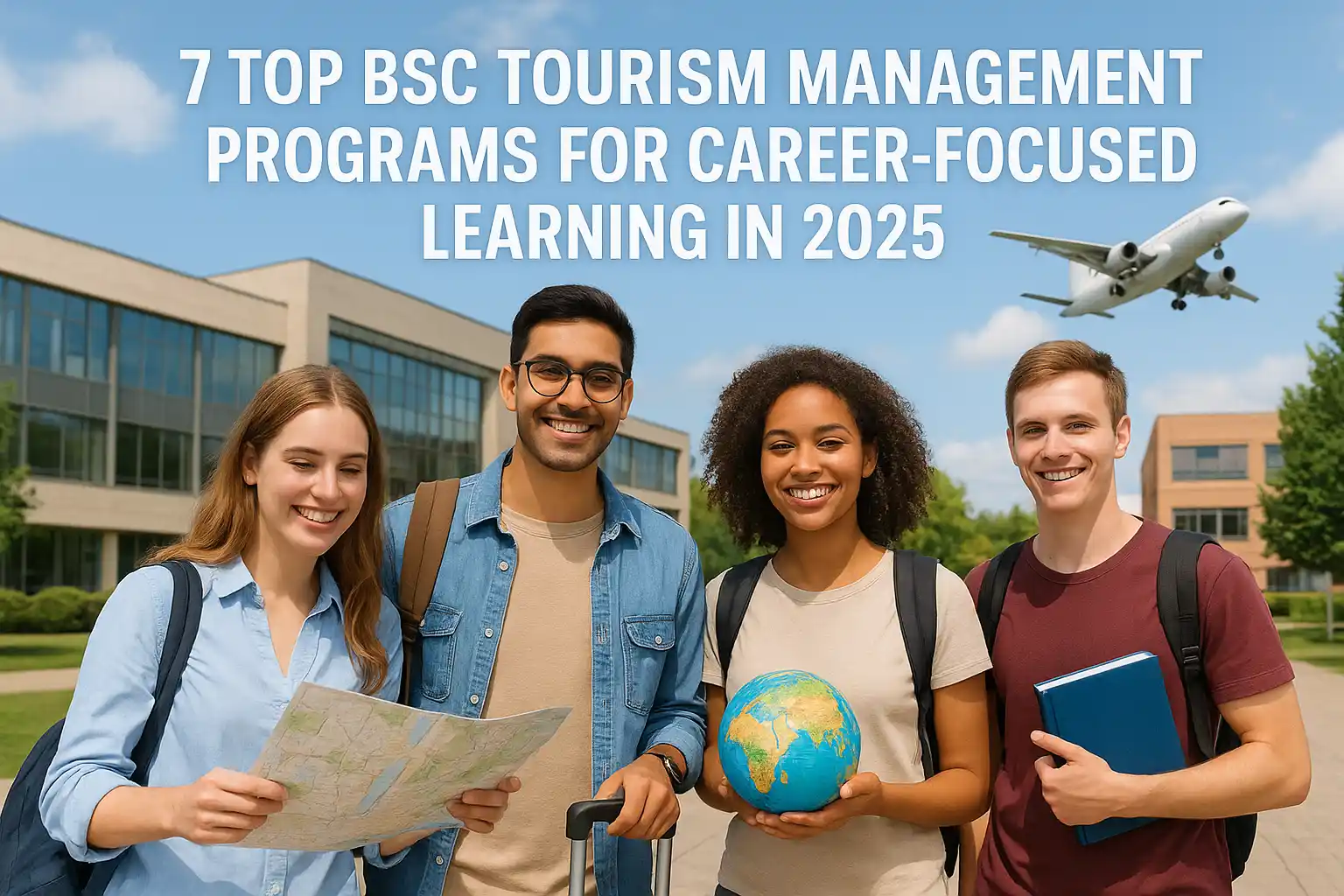
7 Top BSc Tourism Management Programs for Career-Focused Learning in 2025
The modern tourism industry demands professionals who understand both strategic business management and operational excellence. A Bachelor of Science in Tourism Management provides the comprehensive foundation needed to excel in this dynamic global sector, whether you're planning to lead luxury resort operations, develop sustainable tourism initiatives, or launch innovative travel experiences.Just as professional training providers like Hurak focus on career-ready education across various industries, top tourism management programs emphasize practical skills alongside academic rigor. The best BSc Tourism Management degrees prepare graduates for immediate impact in roles spanning destination management, hospitality operations, travel technology, and tourism entrepreneurship.What to Look for in the Best BSc Tourism Management ProgramsThe most effective Bachelor of Science in Tourism Management programs combine theoretical knowledge with real-world application. Quality programs feature industry partnerships, internship opportunities, and exposure to authentic tourism operations where students engage with actual guests and stakeholders. The best tourism management degrees also integrate business fundamentals, ensuring graduates understand revenue management, sustainable practices, and global tourism trends alongside operational excellence.Top 8 Best BSc Tourism Management Programs for Career Success1. C�sar Ritz Colleges � BSc in Hotel and Tourism Management � Best Comprehensive TrainingC�sar Ritz Colleges Switzerland offers a four-year BSc degree in Hotel and Tourism Management that integrates principles of American entrepreneurship with Swiss hospitality practices, featuring a top-5 global QS ranking in Hospitality & Leisure Management for 2025. The hotel business management program combines academic excellence with practical experience through two mandatory internships and partnerships with luxury establishments worldwide. With federal accreditation by the Swiss Accreditation Council as a University of Applied Sciences Institute, students receive internationally recognized qualifications. The curriculum emphasizes sustainable tourism, destination management, and strategic business planning, preparing graduates for leadership roles in the global tourism sector.2. EHL Hospitality Business School � Top-Rated Elite Tourism EducationEHL Hospitality Business School was ranked number one by the QS World University Ranking for Hospitality and Leisure Management for the seventh consecutive year in 2025. Their bachelor's program combines advanced tourism knowledge with real-world experience through 25 hands-on workshops and two six-month internships. EHL operates student-run establishments including the Michelin-starred Berceau des Sens restaurant, providing authentic learning environments. The program covers international tourism development, destination marketing, and sustainable travel practices essential for modern tourism professionals.3. Les Roches Global Hospitality Education � Best Real-Life Tourism ImmersionLes Roches undergraduates experience comprehensive tourism operations through rotational assignments and international placement opportunities. This program offers authentic work experience across tourism spectrum, from destination management to guest services coordination. Students gain practical experience in every aspect of tourism operations, from travel planning to customer experience design. The curriculum emphasizes global tourism trends, cultural awareness, and operational management skills essential for tourism leadership roles.4. HIM Business School � Best Complementary Business FoundationHIM offers tourism-focused BBA programs with practical modules that complement business skills essential for tourism entrepreneurship. This program provides strong business grounding for tourism leaders, focusing on strategic planning, financial management, and operational efficiency critical for travel and tourism ventures. Students learn to approach tourism operations from an executive perspective, understanding market analysis, destination development, and tourism policy implications.5. Swiss Professional Hospitality Programs � Top-Rated Practical Tourism EducationThese intensive programs deliver practical tourism management training with contemporary approaches that prepare graduates for exceptional guest experiences. The curriculum emphasizes real-world application of tourism management skills within broader industry contexts, ensuring students understand how tourism excellence contributes to regional economic development and sustainable travel practices. Programs focus on destination competitiveness, visitor experience management, and tourism technology integration.6. International Tourism Partnerships � Best Global ExposureThrough strategic alliances with tourism boards and travel companies worldwide, students access international tourism training opportunities that expose them to diverse destinations and market conditions. These partnerships provide authentic learning environments where students can apply destination management skills while building professional networks across the global tourism industry. Students gain exposure to emerging tourism markets, sustainable tourism practices, and cross-cultural tourism management approaches.7. Open-Source Tourism Studies Resources � Top-Rated Independent Learning MaterialsComprehensive tourism research and case studies supplement formal training with self-guided learning opportunities. These resources include tourism economics materials, destination marketing case studies, and sustainable tourism frameworks that enhance students' theoretical understanding of tourism management principles. Materials cover tourism policy analysis, visitor behavior research, and innovative destination development strategies essential for modern tourism professionals.Developing strong analytical and communication skills remains essential in tourism management roles. The competencies required for effective professional development mirror many skills needed in tourism management, including stakeholder engagement, problem-solving, and adaptability to changing market conditions.Launch Your Tourism Management CareerBachelor of Science in Tourism Management programs provide the foundation for exceptional careers in destination management, travel operations, and tourism development. Many graduates later apply their Tourism Management expertise by working with established tour operators and industry leaders, gaining hands-on experience in real-world tourism operations. These programs combine academic rigor with practical experience, ensuring graduates possess both theoretical knowledge and operational expertise needed to excel in the dynamic tourism industry.Students develop skills that extend beyond traditional tourism roles�learning crisis management, sustainable practices, digital marketing, and international business development. These competencies prove invaluable whether graduates pursue roles in national tourism organizations, international travel companies, or launch innovative tourism ventures addressing emerging market needs.Start Your Journey in Tourism ExcellenceReady to explore comprehensive tourism management education that prepares you for leadership roles in the global travel industry? Top BSc Tourism Management programs offer unmatched learning opportunities combining Swiss academic excellence with practical industry exposure. With internationally recognized accreditation, industry partnerships, and curricula designed by tourism leaders, you'll graduate with the knowledge and professional network needed for immediate career impact.Consider exploring professional training opportunities that complement formal education, as continuous learning remains essential for success in the evolving tourism sector. Contact admissions teams at leading tourism management schools to learn more about their Bachelor of Science programs and take the first step toward your future in tourism leadership.
Top 5 Civil Engineering Graduate Programs with Real-World Training
The search for civil engineering graduate programs with real-world training leads many students to programs like UND Online's civil engineering master's. Ranked among the best civil engineering grad programs online, these five institutions stand out for blending online flexibility with immersive, industry-aligned experiences that prepare graduates for immediate impact in their careers.Modern engineering challenges require more than theoretical knowledge�they demand practical skills, project management experience, and hands-on problem-solving abilities. The programs featured here recognize this reality and have developed curricula that bridge the gap between academic learning and professional practice through design projects, virtual labs, and industry partnerships.What Defines Real-World Training in Online Civil Engineering ProgramsThe most effective civil engineering graduate programs with real-world training incorporate several key elements that distinguish them from traditional theoretical programs. These include comprehensive design capstone projects that mirror actual engineering challenges, virtual laboratory simulations that provide hands-on experience with industry-standard software, and partnerships with engineering firms and top software development companies that offer practical applications of classroom concepts.Quality programs also emphasize project management skills, team collaboration, and communication abilities that practicing engineers use daily. Students should look for programs that require the use of professional engineering tools like AutoCAD, advanced modeling software, and project management platforms that they'll encounter in their careers.Top 5 Civil Engineering Graduate Programs for Hands-On Learning1. University of North Dakota (UND) � M.S./M.Eng. Civil Engineering (Online) � Best Comprehensive Design CapstoneUND's online MS in civil engineering program offers fully online delivery paired with a rigorous design project requirement, immersing students in practical engineering solutions that mirror real-world challenges. The program features specializations in soils-structures, environmental, water resources, and general civil engineering, all with applied training components and industry tools integration. UND consistently ranks among the top online civil engineering programs and has earned recognition as the #1 Best Online College in North Dakota. Students complete a written design project that demonstrates practical skills applicable in professional settings, while the flexible asynchronous format allows working professionals to balance career and education demands. The program requires 30 credit hours and can typically be completed in under two years.2. Purdue University Online � M.S. Civil Engineering � Best Virtual Labs and Applied ResearchPurdue's online civil engineering master's program ranks #2 nationally according to U.S. News & World Report for five consecutive years (2021-2025), offering three interdisciplinary tracks: Infrastructure Resiliency and Sustainability, Sustainable Water, and Smart Mobility. The program provides innovative virtual labs and hands-on learning modules that allow students to practice engineering concepts in simulated real-world environments. Students benefit from the same faculty, courses, and degree as on-campus students, with no differentiation on official transcripts. The flexible program allows professionals to complete coursework while maintaining full-time employment, with courses typically offered in one-credit modules that can be combined to meet specific career goals.3. Arizona State University (ASU) Online � M.S. Civil, Environmental, and Sustainable Engineering � Best Industry IntegrationASU's graduate program emphasizes sustainability as an integrated approach to engineering, connecting students with local, national, and international research efforts in transportation, water resources, and sustainable infrastructure development. The program combines theoretical knowledge with computational and experimental research programs designed to prepare graduates for both professional practice and advanced research roles. Students can pursue thesis or non-thesis options, with the non-thesis track requiring 30 credit hours of coursework focused on practical applications. ASU's extensive industry partnerships provide opportunities for applied research projects and internships that give students direct exposure to professional engineering practice.4. Texas A&M University Online � M.S./M.Eng. Civil Engineering � Best Field-Forward Learning IntegrationTexas A&M's civil engineering graduate programs offer both Master of Science and Master of Engineering degrees, with the latter specifically designed to prepare students for successful careers in industry and business. The program features nine specialized areas including coastal engineering, construction management, environmental systems, and transportation engineering. Texas A&M ranks #1 in Texas according to U.S. News & World Report's 2025 "Best Online Master's in Engineering Programs," with more than 350 graduate students and 70+ professors creating the largest civil engineering graduate program in the country. The M.Eng. program includes industry-focused coursework and internship opportunities that provide direct professional experience.5. Open-Source Civil Engineering Learning Consortium � Best Collaborative ResourcesThis innovative platform represents the future of accessible engineering education, offering free virtual lab modules and civil engineering simulations curated from leading academic institutions and industry partners. The consortium provides collaborative learning opportunities through shared resources, online laboratories, and practical design challenges that students can access regardless of their enrollment status. While not a traditional degree-granting institution, this resource complements formal education programs and offers continuing education opportunities for practicing engineers. The platform includes modules on structural analysis, environmental systems design, and transportation modeling that provide hands-on experience with industry-standard tools and methodologies.Strategic Career Benefits of Real-World Training ProgramsGraduates from these civil engineering graduate programs with real-world training report significant advantages in their professional development and career advancement. The practical skills gained through design projects, virtual labs, and industry partnerships prepare students for immediate contribution to engineering teams upon graduation. According to the U.S. Bureau of Labor Statistics, civil engineers can expect a median salary of $96,000 annually, with approximately 23,000 new positions projected to open in the coming years.The combination of advanced technical knowledge and practical application skills makes graduates particularly attractive to employers seeking engineers who can tackle complex infrastructure challenges. Many graduates report faster promotions, increased responsibilities, and enhanced credibility with clients and colleagues compared to those with purely theoretical educational backgrounds.Students considering engineering career advancement strategies should recognize that hands-on experience during graduate education significantly impacts long-term professional success.Making Your Decision: Next Steps for Real-World Engineering EducationChoosing the right civil engineering graduate program requires careful evaluation of your career goals, learning style, and professional circumstances. The programs highlighted here offer proven approaches to combining rigorous academics with practical training that prepares graduates for leadership roles in modern engineering practice.Consider factors such as program format flexibility, faculty expertise in your areas of interest, industry partnerships, and opportunities for applied research when making your decision. Each of these programs provides unique advantages, from UND's comprehensive design focus to Purdue's virtual lab innovations and Texas A&M's industry connections.Take the next step in your engineering career by researching these programs thoroughly and connecting with admissions representatives to discuss how their real-world training approaches align with your professional aspirations. For additional guidance on professional development planning, explore resources that can help you maximize the return on your educational investment.
Key Strengths of a Teaching Assistant: Essential Qualities for Success
Whether you're considering a role as a teaching assistant or looking to improve in your current position, understanding the key strengths schools value can set you apart. Teaching assistants(TA) play a vital role in supporting both teachers and students, but success in the role goes beyond just following instructions.In this article, we�ll explore the most important strengths and qualities that make a teaching assistant truly effective in the classroom. It highlights the core strengths that schools value most, qualities that help you succeed, support students effectively, and grow within your role.Why Teaching Assistants Matter: The Qualities That Make a DifferenceTeaching assistants are central to supporting both teachers and pupils, often bridging the gap between individual needs and classroom expectations. In classrooms, teaching assistants are the quiet driving force behind successful learning. They provide essential support that allows pupils to flourish and teachers to focus on delivering high-quality lessons. Whether you're exploring a career in education or seeking to hire support staff, it's important to recognise the unique contribution these professionals make.Their responsibilities reach far beyond helping with reading or setting up activities. Teaching assistants play a key role in pupils� academic development, emotional health, and behaviour. They are instrumental in building inclusive classrooms where every learner feels seen, supported, and valued.�Whether working individually with a child or supporting the whole class, the most effective teaching assistants bring a thoughtful balance of academic understanding and emotional intelligence, making them invaluable to teachers and pupils alike.Top 10 Core Strengths of an Outstanding TACommunication skills�Clear, respectful communication is at the heart of teaching. A TA must:Explain ideas in simple terms.Communicate confidently with children, teachers, and parents.Use active listening to understand student needs.Patience and empathyWorking with young learners can be unpredictable. Effective TAs:Stay calm under pressure.Show understanding and care for diverse learning needs.Support students with emotional or behavioural challengesAdaptability and flexibility�Every school day is different. Strong TAs:Quickly adjust to new tasks or last-minute changes.Work across multiple age groups or subject areas.Embrace new teaching tools and methods.Organisational skillsA tidy, well-prepared classroom is a productive one. TAs often:Help set up and tidy learning spaces.Track students' progress and record observations.Assist with lesson planning and materials.Behaviour managementCreating a positive learning environment is key. TAs should:Reinforce classroom rules and routines.Handle disruptions calmly and fairly.Support positive behaviour through praise and encouragement.TeamworkTeaching is collaborative. Great TAs:Work closely with class teachers and SEN coordinators.Support team-wide goals and initiatives.Share ideas and strategies openly.Commitment to learningA genuine interest in helping pupils grow makes a real difference. Look for TAs who:Inspire confidence and curiosity.Celebrate students� achievements.Stay motivated and committed to the role.Professionalism and confidentialityTrust is crucial in educational settings. A TA must:Handle sensitive information discreetly.Maintain professional boundaries with pupils and parents.Follow safeguarding and school policies closely.InitiativeA proactive TA is a valuable asset. They:Step in to assist without always being told.Identify pupils who may need extra help.Suggest ideas for improving lessons or classroom dynamics.Subject knowledge and learning supportWhile not always subject specialists, effective TAs:Understand the basics of core subjects like English and maths.Provide targeted support for pupils falling behind.Use learning aids and differentiation techniques confidently.Advance Your Career as a Teaching AssistantExplore our accredited Teaching Assistant courses at Hurak that fit your goals. Whether you're just starting out or aiming for a school-based role, Hurak offers flexible, employer-recognised training to help you get classroom-ready.Popular Teaching Assistant courses at Hurak:HLTA Level 4 Certificate for Higher Level Teaching Assistants (RQF)Level 2 Certificate in Supporting Teaching and Learning in Schools (STALIS/STLS)Level 3 Certificate in Supporting Teaching and Learning in Schools (STALIS/STLS)�Level 2 Award in Support Work in Schools (RQF)�Level 3 Diploma in Specialist Support for Teaching and Learning in Schools (RQF) How to Develop These Teaching Assistant StrengthsStageDescriptionHow to ProgressEntry-Level TAStart in a classroom setting with basic responsibilities. Often requires no formal qualification.Gain experience through volunteering or support roles.�Level 2/3 Qualified TANationally recognised qualifications that build key classroom and pupil support skills.Level 2 Certificate in Supporting Teaching and Learning or a Level 3 TA course.Higher Level Teaching Assistant (HLTA)Take on more responsibility, including leading activities or delivering lessons under supervision.�Enrol in HLTA training and gain teaching experience.�Specialist TA RolesFocus on� Special Educational Needs (SEN), mental health or behaviour support.Take targeted CPD courses. Speak to your school about in-house training.Teacher Training or Education LeadershipTransition into full-time teaching or move into leadership and support services.Apply for a PGCE, SCITT, or education-related degree. Use TA experience as a strong foundationExcelling in a Role That Supports LearningTo succeed in this role, start by strengthening the core skills covered above. You can also:Get Qualified: Take a recognised TA course, such as a Level 2 or 3 Certificate, to build essential knowledge and meet school expectations.Seek Feedback: Regular input from teachers can help you grow and refine your approach.Reflect Often: Consider what�s working in your practice and adjust where needed.Stay Informed: Keep up with changes in safeguarding, SEN, and classroom strategies.�With consistent effort and development, you can become a valued and effective member of any school team.FAQsQ. What qualifications do I need to become a TA?Most schools prefer a Level 2 Certificate in Supporting Teaching and Learning or a Level 3 Certificate in Supporting Teaching and Learning, but some entry roles accept experience alone.�Q. Is experience required?Not always, but volunteering or school placements can strengthen your application.Q. What's the difference between Level 2 and Level 3 courses?Level 2 is for beginners; Level 3 allows more responsibility and progression to roles like HLTA.�Q. Can I work as a TA without qualifications?Yes, in some cases, especially if you have relevant experience or are training on the job.Q. How much do TAs earn?According to National Career Service, the typical salary is between �21,000��25,000, depending on qualifications, experience, and region.�Q. What is National Teaching Assistants Day?�National Teaching Assistants Day is a day of recognition for TAs, usually held in the last week of September, celebrating the work and impact of support staff. This year, the National Teaching Assistant Day falls on the 26th of September.ConclusionBeing a teaching assistant is more than just a role, it�s a chance to make a real difference in a child�s life. From building confidence in shy learners to creating calmer, more inclusive classrooms, your strengths help shape the way pupils grow and thrive. Whether you're just starting out or looking to enhance your impact, focusing on personal development and continuous learning is key.Strong TAs don�t just support the lesson, they help transform it. And by refining your skills, you�re not only investing in your career but also in the future of every pupil you support.Take Your Next Step in EducationUnlock your full potential with a recognised Teaching Assistant course.Build confidence, boost your classroom skills, and take your career further.Explore Teaching Assistant Courses�
10 Caribbean Medical Schools Known for Top-Tier Clinical Training
The Caribbean medical schools clinical training landscape offers a powerful alternative for students seeking hands-on, U.S.-modeled clinical exposure. This list showcases the best Caribbean medical schools for clinical rotations, led by the American University of Antigua (AUA) and other top-rated offshore programs known for their accreditation, residency placements, and trusted clinical training pathways.For prospective medical students, selecting the right institution means finding schools that combine rigorous academics with exceptional clinical opportunities. These Caribbean institutions have established themselves as leaders in preparing graduates for successful medical careers through comprehensive training programs that rival their U.S. counterparts.What to Look for in the Best Caribbean Medical Schools for Clinical TrainingWhen evaluating Caribbean medical schools clinical training programs, several key factors distinguish the top institutions. Accreditation by recognized bodies like CAAM-HP (Caribbean Accreditation Authority for Education in Medicine and other Health Professions) ensures educational standards meet international requirements. Additionally, state approvals from jurisdictions like New York, California, and Florida provide graduates with enhanced opportunities for clinical rotations and eventual licensure.Strong USMLE pass rates, extensive hospital affiliate networks, and proven residency match success indicate quality clinical preparation. The most trusted programs also offer flexible clinical placement options across the United States, Canada, and the United Kingdom, allowing students to gain diverse healthcare experience in multiple healthcare systems.Top 6 Caribbean Medical Schools for Clinical TrainingAmerican University of Antigua (AUA) � Best Comprehensive Clinical Training NetworkAUA delivers a U.S.-modeled MD program with extensive clinical rotations across the U.S., Canada, UK, and beyond, bolstered by CAAM-HP accreditation and U.S. state approvals. The school stands out for its structured approach to clinical education, featuring simulated ward facilities�Osler and Crumpler Suites�that provide early hands-on experience before students enter actual hospital rotations. AUA is approved by the New York State Education Department (NYSED) to allow students to complete more than 12 weeks of clinical clerkships in New York State, making it one of only eight Caribbean medical schools with this distinction. Recent performance data shows AUA's 2022 USMLE Step 2 pass rate reached 96.12%, significantly outperforming their Step 1 rate of 75.46%, demonstrating strong clinical preparation.American University of the Caribbean (AUC) � Best Residency Outcomes and USMLE SuccessAUC achieved a 95% first-time residency attainment rate for 2024-2025 graduates, making it one of the highest-performing Caribbean schools for residency placement. The school's five-year cumulative first-time pass rate for the USMLE Step 1 exam is 81% from 2020-2024. AUC features small class sizes and offers clinical rotations at 17 affiliate hospitals across Michigan, Louisiana, New York, Florida, California, Illinois, Maryland, and Connecticut in the United States, plus 7 affiliates in the United Kingdom. The institution's rolling admissions policy with three annual start dates (January, May, and September) provides flexibility for students beginning their medical education journey.St. George's University (SGU) � Best Network Coverage and Largest ProviderSGU has been the largest provider of physicians into first-year U.S. residencies for the last 11 years, with clinical training available at 85+ hospitals and health systems in the United States, Canada, and the United Kingdom. The school maintains a 94% residency placement rate over 5 years and offers both 4-year and 5-year MD tracks. SGU's global reach extends beyond clinical rotations, with students from the 2025 entering class representing 39 countries, including strong representation from Latin America, the Caribbean, Africa, and the Middle East. This international diversity enriches the clinical learning environment and prepares students for global healthcare challenges. Students can access comprehensive medical education resources to support their academic journey.Ross University School of Medicine (RUSM) � Best Single-Location Clinical Training OptionRoss Med offers unique single-location clinical tracks, allowing students to remain in one location throughout their core clinical education curriculum, reducing stress and moving expenses. The school maintains 28 clinical hospital affiliates across 9 states plus the District of Columbia, with a 96% first-time residency attainment rate for 2025 graduates. Ross has established strong USMLE performance with a 96.21% Step 1 pass rate and 89.23% Step 2 pass rate in 2019. Since opening in 1978, the university reports graduating over 15,000 students who are practicing in the U.S. and Canada, with a large proportion becoming primary care physicians.Saba University School of Medicine � Best Value for Primary Care FocusSaba University emphasizes strong clinical training specifically designed for students pursuing primary care residencies in underserved U.S. areas. The school has built its reputation on providing focused, cost-effective clinical preparation that serves the growing need for primary care physicians in rural and urban underserved communities. Their clinical curriculum prioritizes practical skills development and community health exposure, making it an excellent choice for students committed to addressing healthcare disparities.Innovative Caribbean Medical Consortium � Best Collaborative Learning ResourcesThis emerging network represents a new model in Caribbean medical education, focusing on shared clinical training modules and collaborative clerkship resources across multiple Caribbean institutions. While not a traditional single school, this consortium offers unique opportunities for students to experience diverse clinical environments and teaching methodologies. The collaborative approach provides access to a broader range of clinical sites and educational resources than any single institution could offer independently.Making Your Choice: Key Considerations for Clinical Training ExcellenceSelecting the right Caribbean medical school for clinical training requires careful evaluation of your career goals and learning preferences. Consider factors such as geographic preferences for clinical rotations, specialty interests, financial considerations, and support systems offered by each institution. The schools highlighted here represent the top tier of Caribbean medical education, each offering distinct advantages in clinical preparation.Research shows that graduates from these institutions successfully compete for residencies across all medical specialties, from primary care to highly competitive fields. Success ultimately depends on individual commitment, academic performance, and taking advantage of the comprehensive clinical training opportunities these schools provide.For students serious about pursuing medical careers, these Caribbean institutions offer proven pathways to achieving your goals. Take the next step by exploring medical school application strategies and connecting directly with admissions representatives to discuss your specific needs and career aspirations.

Men�s Mental Health Week 2025: Awareness, Facts How to Get Involved
Men�s mental health is a growing crisis 75% of suicides in the UK are by men, and it's the leading cause of death for men under 50. Despite this, only 36% of NHS(National Health Service) therapy referrals are for men, and 40% say they wouldn�t talk to anyone even when struggling. Stigma, shame, and outdated expectations stop many from seeking help. As a result, men often turn to unhealthy coping mechanisms or suffer in silence.Men�s Mental Health Week (9�15 June 2025) is a vital opportunity to break that silence. This article explores what Men�s Mental Health Week is all about, why it's observed in June, and how you can take part. Whether you're looking to support a loved one, start a conversation, or run a workplace initiative, this guide will give you the facts and tools you need to make a real difference.What Is Men�s Mental Health Week?Men�s Mental Health Week is a dedicated annual campaign that shines a spotlight on the often-overlooked mental well-being of men and boys. In 2025, it runs from 9th to 15th June, coinciding with the week leading up to Father�s Day in the UK, time chosen to encourage meaningful conversations about masculinity, mental health, and emotional support.Purpose of Men�s Mental Health WeekThe core purpose of Men�s Mental Health Week is to break the silence that often surrounds men's emotional well-being. While mental health affects everyone, men are statistically far less likely to seek help, speak openly about their struggles, or access mental health services. This silence can have serious consequences; tragically, suicide remains one of the leading causes of death for men under 50 in the UK.Men�s Mental Health Week aims to change that narrative. It provides a national platform to:Raise awareness of the unique mental health challenges men face.Challenge the stigma that suggests men should "man up" or stay emotionally stoic.Promote early intervention, encouraging men to seek support before they reach a crisis point.Encourage open conversations at home, in workplaces, schools, and communities.Empower men to take proactive steps towards better mental, emotional, and physical well-being.It�s also a time for employers, families, and friends to reflect on how they can be more supportive. Whether it�s offering mental health training in the workplace or simply checking in on a friend who�s been quiet lately, small actions can make a big difference.Why Awareness Matters During Men�s Mental Health Week?Awareness is the foundation of change, and when it comes to men�s mental health, it�s never been more urgent. Men�s Mental Health Week is more than just a date on the calendar. It serves as a powerful reminder of the emotional battles many men quietly endure without feeling able to speak out.Here�s a quick visual look at why awareness is so important for men�s mental health:Men often suffer in silence due to stigma or outdated gender expectations.Mental health issues are underreported among men, delaying diagnosis and treatment.Suicide rates remain high, with men making up 75% of all suicides in the UK.Low help-seeking behaviour and fear of being seen as weak keep many men from reaching out.Awareness campaigns help normalise conversations and encourage early support.Workplaces, families, and communities all play a role in raising awareness and showing support.Awareness opens the door. Mental Health First Aid training helps you step through it.This Men�s Mental Health Week, go beyond the conversation on how to truly support someone who's struggling. At Hurak, we offer accredited Mental Health First Aid Courses that equip you to encourage recovery and professional help.Enrol in Hurak�s Mental Health First Aid Course (MHFA).Why June Is the Right Time to Focus on Men�s Mental Health?June is home to Father�s Day, a time when attention naturally turns to men and father figures. By placing Men�s Health Week (including mental health) in the week leading up to it, the campaign:Encourages families to check in on the emotional well-being of dads, uncles, brothers, and sonsHighlights the importance of men�s roles in families and communitiesBreaks the stereotype that men should always "stay strong" or "suffer in silence"This global spotlight adds momentum to UK initiatives, making it an ideal time to:Share statistics, stories, and resourcesLaunch community or workplace campaignsJoin a broader movement advocating for both physical and mental health among menAnnual campaigns that repeat during the same month each year are more likely to gain attention, media coverage, and long-term impact. By continuing to focus on June, organisations ensure that:People know when to expect and support the campaignAwareness grows year by yearMore men see mental health as a regular, important conversation, not a one-off How Mental Health First Aid Training Makes a Real Difference?Raising awareness is important, but knowing how to respond when someone opens up is where real support begins. Mental Health First Aid (MHFA) training bridges that gap. It�s not about giving expert advice; it�s about listening without judgment, spotting early signs of distress, and guiding someone towards the help they need.Hurak�s accredited MHFA courses empower everyday people to become a reliable point of support at work, at home, or in the community. Because sometimes, simply knowing how to help can make all the difference.Spot the early signs of mental health issues such as stress, anxiety, depression, or suicidal thoughts.Start a supportive conversation knowing how to listen without judgment and respond with care.Encourage professional help, signposting to GPs, therapists, or crisis support services.Support colleagues in the workplace, helping to create a culture that values mental wellbeing and tackles stigma.Respond to a crisis, including situations where someone may be self-harming or at risk of suicide.Whether you�re a manager, teacher, colleague, or simply someone who wants to make a difference, Mental Health First Aid training empowers you to act with confidence and compassion.And during Men�s Mental Health Week, it becomes even more essential, because so many men won�t reach out unless someone notices they�re struggling first.Conclusion:Men�s Mental Health Week isn�t just about raising awareness about changing lives. By challenging stigma, starting conversations, and encouraging men to seek support, we build stronger, healthier communities.Whether you�re checking in on a mate, taking a course, or simply listening, your actions matter. Let�s make mental health a conversation we keep having this week, and every week.Frequently Asked QuestionsWhen is Men�s Mental Health Week in 2025, and why is it held in June?Men�s Mental Health Week 2025 takes place from 9th to 15th June, in the week leading up to Father�s Day. It�s held in June to align with Men�s Health Month, making it an ideal time to raise awareness, start conversations, and challenge the stigma around men�s mental well-being.Why do we need a separate awareness week for men�s mental health?Because men often face unique barriers to seeking help, like social stigma, emotional suppression, and fear of appearing �weak.� This week gives us a chance to shine a spotlight on those challenges and encourage open, judgment-free conversations that could save lives.What can I do to support Men�s Mental Health Week, even if I�m not a health professional?You can check in on a friend, share resources on social media, start a conversation at work, or even wear a campaign badge. Small steps make a big impact, and showing someone you care could be the lifeline they need.Is Mental Health First Aid training really helpful?Absolutely. It equips you with the skills to spot warning signs, offer support, and encourage someone to seek help without needing to be a medical expert. It�s one of the most practical ways to turn awareness into action.How can workplaces get involved in Men�s Mental Health Week?Workplaces can host awareness talks, share educational materials, sign up staff for Mental Health First Aid courses, or simply create safe spaces for men to open up. Supporting mental health at work boosts morale, reduces stress, and shows your team they matter.
Separation Anxiety in Adults: Causes, Symptoms, and How to Overcome It
If you feel overwhelming anxiety at the thought of being away from someone important to you, you�re not alone. Separation anxiety in adults is more common than many people realize and can lead to significant emotional and practical challenges. While it�s often associated with childhood, adults can also experience persistent fear and distress when separated from loved ones or familiar places.Adult separation anxiety disorder can interfere with relationships, work, and overall mental health. In this article, we�ll explore what causes separation anxiety in adults, the symptoms you should look out for, and evidence-based strategies you can use to manage and overcome it.What is Separation Anxiety in Adults?Separation anxiety in adults is a recognized mental health condition marked by intense fear and distress when being away from people you feel strongly attached to, such as a partner, family member, or close friend. Unlike ordinary feelings of missing someone, this anxiety is overwhelming and persistent, often leading to panic, physical symptoms like nausea or headaches, and avoidance of situations that involve separation.Adults with separation anxiety may constantly worry that something bad will happen to their loved ones or themselves when apart, which can disrupt daily routines, work, and relationships. While it can feel isolating, separation anxiety is treatable, and with the right support and coping strategies, it�s possible to regain confidence and feel secure again.The following chart presents key statistics on separation anxiety among adults, highlighting the prevalence of symptoms, their causes, and the effects, as well as the measures individuals use to manage this condition.What Causes Separation Anxiety in Adults?Separation anxiety in adulthood can develop for many reasons, often involving a mix of past experiences, major life changes, and underlying mental health conditions. The table below outlines some of the most common factors that can contribute to this condition:CauseDescriptionChildhood ExperiencesBegins in childhood and persists if early attachments were insecure or disrupted.Major Life ChangesEvents like the death of a loved one, divorce, or moving to a new place can trigger anxiety later.Traumatic ExperiencesPast trauma, neglect, or sudden loss can increase fear of separation.Chronic StressOngoing stress makes people feel more vulnerable and heightens anxiety about being apart.Mental Health ConditionsAnxiety disorders, depression, and PTSD can contribute to or worsen separation anxiety.Personality & AttachmentAnxious attachment styles and certain personality traits raise the risk of developing symptoms.Separation anxiety in adults often stems from childhood experiences, trauma, or major life changes. It can cause intense fear and make daily life feel unmanageable.Our Mental Health First Aid Courses give you practical tools to understand and respond to issues like separation anxiety with confidence and care.Enrol in our Mental Health First Aid Course,What are the Symptoms of Separation Anxiety?Separation anxiety in adults shows up in many ways, causing severe distress about being apart from loved ones or familiar places. People may feel constant worry that something bad will happen, avoid spending time alone, or need to check in frequently for reassurance. Physical symptoms, such as nausea, headaches, and trouble sleeping, are also common. These feelings can make daily life feel exhausting and difficult to manage.Emotional SymptomsIntense fear or distress when anticipating or experiencing separationPersistent worry that something bad will happen to loved ones (accidents, illness, loss)Excessive need to stay in contact or get reassuranceBehavioural SymptomsAvoiding being alone or away from attachment figuresReluctance or refusal to travel, leave home, or spend time apartDifficulty sleeping without the person nearbyFrequent checking in (calls, texts, visits)Physical SymptomsNausea or stomach aches when separatedHeadaches or dizzinessRapid heartbeat or shortness of breathTrouble sleepingCognitive SymptomsIntrusive thoughts about losing the personDifficulty concentrating due to worryCatastrophic thinking (expecting the worst to happen) How to Deal with Separation Anxiety in Adults?Dealing with separation anxiety as an adult can feel overwhelming, but there are steps you can take to feel more secure. Start by learning about the condition so you can understand your feelings better. Gradually practice spending time apart from loved ones to build confidence. Relaxation techniques like deep breathing or meditation can ease anxiety, while limiting constant check-ins helps you become more independent. Talking to a therapist or joining a support group can also make a big difference.Learn About Separation AnxietyRead credible articles or books to understand what separation anxiety is and why it happens.Knowing it�s a recognized condition can help you feel less alone and more empowered.Practice Gradual ExposureStart by spending short periods apart from loved ones and gradually increase the time.Try leaving the house alone for a brief walk or running a quick errand.Celebrate small successes to build confidenceDevelop Coping SkillsUse deep breathing exercises or mindfulness meditation to calm your body when anxiety rises.Keep grounding tools handy, like a calming playlist or a stress ball.Challenge Unhelpful ThoughtsNotice catastrophic thinking, such as �Something terrible will happen if I�m not there.�Replace these thoughts with more balanced statements: �I can handle this, and my loved ones are safe.�Limit Reassurance-SeekingReduce frequent calls, texts, or check-ins gradually to build independence.Set specific times to check in rather than reaching out impulsively.Establish a Support SystemShare your experiences with trusted friends or family members who can encourage you.Join a support group for people experiencing similar challenges.Create a RoutineHaving a predictable schedule can lower stress and make separations feel less disruptive.Include relaxing activities in your routine, like exercise, reading, or hobbies.Focus on Self-CareGet enough sleep, eat balanced meals, and engage in regular exercise.Taking care of your body helps regulate anxietySeek Professional HelpA therapist trained in Cognitive Behavioral Therapy (CBT) can teach effective techniques to reduce symptoms.If anxiety is severe, consider speaking to a psychiatrist about medication options and if your separation includes legal or marital challenges, consider speaking with a divorce lawyer for support on that front.Be Patient With YourselfHealing takes time. Recognize that setbacks are part of the process, and small steps add up over time.ConclusionSeparation anxiety in adults can be a challenging and often misunderstood experience, but it�s important to remember that you are not alone and that help is available. By understanding the causes and symptoms, practicing healthy coping strategies, and reaching out for professional support when you need it, you can take meaningful steps toward feeling more secure and independent. Healing doesn�t happen overnight, but with time, patience, and the right tools, it is possible to overcome separation anxiety and build a more fulfilling life. Whether you�re working with a therapist, leaning on trusted relationships, or exploring self-care practices, know that lasting improvement is within reach, and you deserve compassion and support along the way.FAQsWhat triggers separation anxiety in adults?Separation anxiety can be triggered by stressful life events, such as losing a loved one, going through a breakup or divorce, moving away, or experiencing trauma. For some, it may also resurface during major transitions like parenthood or caregiving.How do you know if you have separation anxiety as an adult?Signs include excessive fear or distress when away from loved ones, persistent worry that something bad will happen, avoiding being alone, and physical symptoms like headaches, nausea, or trouble sleeping when separated.Can separation anxiety in adults be cured?While everyone�s experience is different, separation anxiety is treatable. With therapy, self-help strategies, and sometimes medication, many people see significant improvement and learn to feel more secure.What is the best treatment for separation anxiety in adults?Cognitive Behavioral Therapy (CBT) is often considered the most effective treatment. Gradual exposure to being alone, learning relaxation techniques, and challenging unhelpful thoughts can also help. In some cases, medication may be recommended.Is separation anxiety a form of an anxiety disorder?Yes, separation anxiety disorder is officially recognized as an anxiety disorder. It involves excessive fear about being separated from people you�re attached to and can affect daily life and relationshipExplore Our First Aid Courses:Emergency First Aid at WorkA practical, short-duration course tailored for low-risk workplaces. This training equips participants with the essential skills and confidence to handle medical emergencies effectively.First Aid at WorkA comprehensive, Ofqual-regulated Level 3 qualification delivered over three days in a classroom setting. Ideal for designated first aiders in higher-risk environments such as construction sites, warehouses, and manufacturing facilities.Paediatric First AidA two-day, Ofqual-regulated course dedicated to first aid for infants (0�1 year) and children up to puberty. Perfect for childcare professionals, teachers, and parents who want to be prepared for emergencies involving young children.Basic First Aid CourseAn introductory, self-paced course designed for anyone seeking a general understanding of first aid or a quick annual refresher to keep skills up to date.Advanced First Aid CourseA fully online, self-paced Level 3 program that provides in-depth training for those who want to build advanced first aid knowledge and capabilities beyond the basics.