

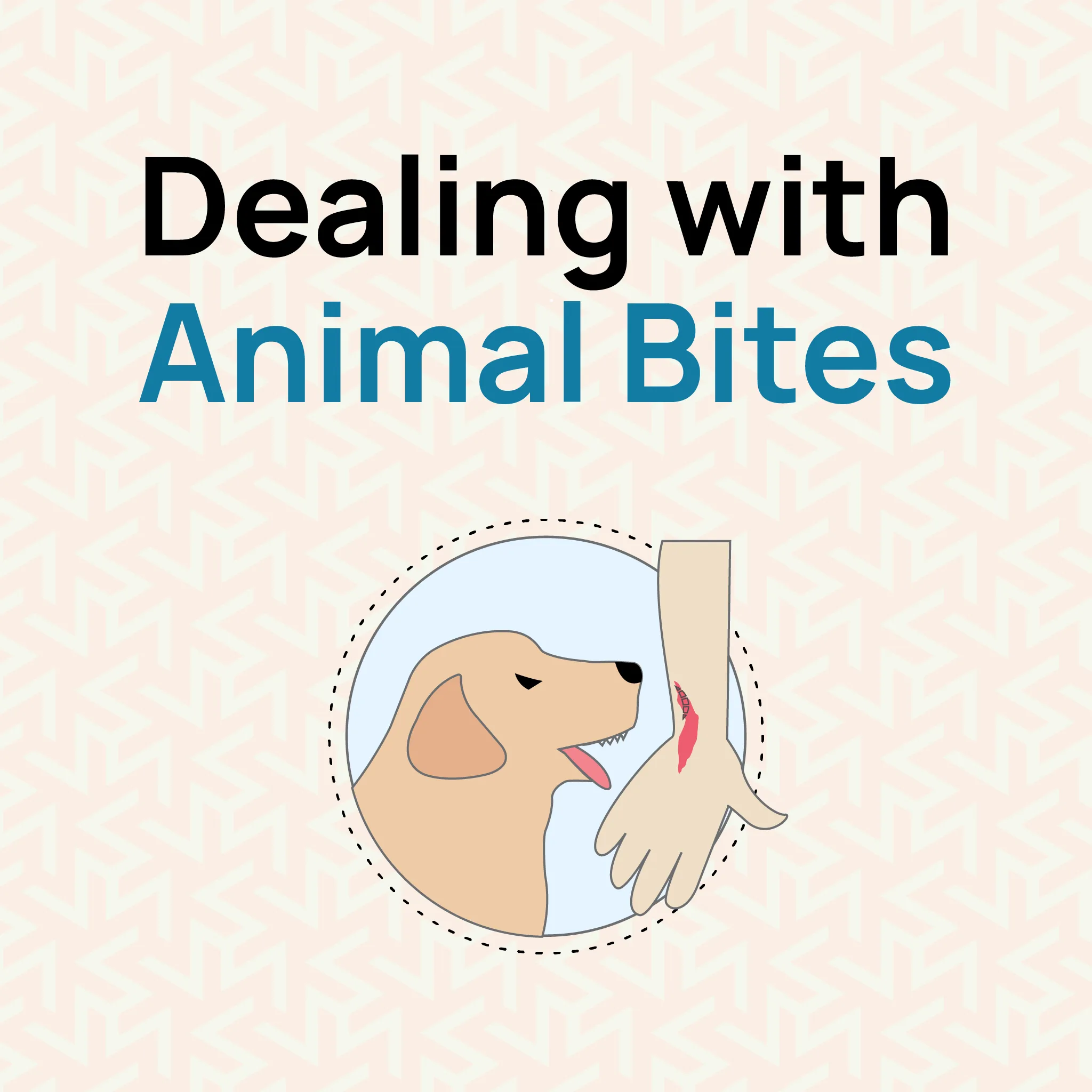
Dealing with animal bites: emergency first aid guide
Animal bites, ranging from minor scratches to severe wounds, are common injuries. Whether caused by pets or wild animals, quick and proper first aid treatment is crucial to prevent infections and complications.Why Immediate First Aid for Animal Bites is ImportantAnimal bites can range from mild to severe, and if not treated promptly, they may lead to infections, particularly in the case of dog or rodent bites. In rare situations, this can result in complications like hydrophobia. Acting quickly with the right first aid response can significantly reduce the risk of infection. Having the appropriate skills through an Emergency First Aid at Work course can make a real difference in managing such incidents until professional help is available.Animal Bite Symptoms You Shouldn�t IgnorePuncture wounds, cuts or scratches.Bleeding that may be heavy or persistent.Swelling, redness, or warmth around the bite.Severe pain at the site.Pus or drainage.Fever or flu-like symptoms.Immediate Steps to Treat an Animal BiteIf you or someone else is bitten, follow the quick steps:Clean the wound: Rinse thoroughly with soap and running water to remove bacteria.Stop the bleeding: Apply gentle pressure with a clean cloth or bandage.Cover the bite: Use a sterile dressing to protect the area.Seek medical help: Get checked, especially if the wound is deep, swollen, or shows signs of infection.Quick Guide: Steps to Take After an Animal BiteExplore our First Aid courses to learn practical, hands-on techniques for treating injuries, including animal bites. Whether you're at work, home, or outdoors, the proper training could make all the difference.Different Types of Animal BitesAnimal bites, whether from pets or wild animals, can vary in severity and pose different risks. It's crucial to understand the type of bite and how to respond appropriately to avoid complications like infections or diseases. In this guide, we�ll explore the different types of animal bites, their associated risks, and the first aid steps needed to treat them effectively. For more on managing bleeding, check out our First Aid for Severe Bleeding - Treatment and Tips, and learn how to dress a wound for effective care appropriately.Types�Key factorsFirst Aid TipsDog bites�Common and often severe due to the strength of a dog�s jaws.Clean the wound, apply pressure, and seek medical attention.Cat bitesMore likely to cause infections.Clean immediately, apply antiseptic and seek and monitor for infection.Rodent bitesUsually small, associated with rabies.Clean thoroughly, and seek medical advice for rabies prevention.Wild animal bitesHigh risk of rabies and other infections.Seek emergency medical help immediately.Simple Ways to Prevent Animal BitesBy following a few practical habits and safety tips, you can significantly reduce the risk of getting bitten, whether you're at home, outdoors, or at work.Stay calm around animals: Sudden moves can scare them and trigger a bite.Don�t pet animals you don�t know: Even cute pets can react unpredictably if they feel threatened.Teach kids to be gentle and respectful with animals: It�s one of the best ways to keep them safe.Keep your pets healthy and vaccinated: A well-cared-for pet is less likely to bite.Wear gloves when handling animals at work: It�s a simple step that can protect you from scratches and bites. ConclusionAnimal bites can pose serious risks, potentially leading to infections or more severe complications. Understanding proper first aid techniques and acting quickly can significantly reduce these risks and help prevent further harm. Whether it's a pet or a wild animal, knowing what to do in the event of a bite can make all the difference. By gaining the right skills through first aid courses, you can be better prepared to handle such emergencies safely and effectively.Frequently Asked QuestionsWhat antibiotics should I take for animal bites?Doctors commonly use antibiotics for animal bites to prevent or treat infection. Always consult a healthcare professional for the correct antibiotic and dosage.Are tetanus and animal bites the same thing?No, tetanus and animal bites are not the same thing. Tetanus is a severe infection caused by a specific bacterium, often entering the body through deep wounds from animal bites. Animal bites are injuries which increase the risk of tetanus if the wound is deep or contaminated.What are the worst animal bites?The most dangerous animal bites include dog bites, cat bites, and wild animal bites, especially from bats, raccoons, and snakes.Explore Our Other First Aid CoursesAt Hurak, we offer a comprehensive range of first aid courses tailored to various needs and environments. Whether you're looking to expand your skills or renew your certification, we have options to suit you:First Aid at Work (3 Days): A comprehensive course for high-risk environments, including construction and healthcare.Paediatric First Aid (2 Days): Focused on emergency situations involving infants and children.Mental Health First Aid: Equips you to support individuals experiencing mental health issues.First Aid at Work Requalification (FAWR): A two-day refresher course for those needing to renew their First Aid at Work certificate.
Qualification levels in the UK, explained: A simple guide to your education and career path
In the UK, qualifications follow a clear level-based framework�from Entry Level (basic skills) to Level 8 (doctorates). But if terms like �Level 2� or �Level 6� sound confusing, you�re not alone.Whether aiming for a promotion, changing careers, or returning to learning, knowing how these levels compare (e.g., to GCSE, A-levels, or degrees) can save you time, money, and effort. This guide breaks it down simply, so you can pick the right course, meet job or compliance requirements, and confidently move forwardIdeal for adult learners, job seekers, or employers planning staff training, this article helps you navigate your next step clearly and quickly.What Are Qualification Levels in the UK?Qualification levels in the UK are designed to show the depth and difficulty of a course, whether academic, vocational, or professional. They range from Entry Level (basic skills) to Level 8 (doctorate-level study), helping learners and employers understand how different qualifications compare.Here's how the levels break down:Entry Level � Focuses on foundational learning and life skills.Levels 1�2 � Covers qualifications like GCSE and equivalent awards.Levels 3�5 � Includes A-Levels, vocational training, apprenticeships, and foundation degrees, common routes into employment or further education.Levels 6�8 � Encompasses higher education qualifications such as bachelor�s, master�s, and doctoral degrees.Understanding this structure helps you choose the right course for your career goals, meet compliance standards, and invest in learning that aligns with your current skills and future ambitions.Why Qualification Levels Matter for Your Career and Education ProgressionUnderstanding qualification levels isn�t just about knowing where you stand, It�s about making informed decisions that impact your future. Here�s how they add real value:Plan with Purpose � Identify the qualifications needed for your chosen career path or industry.Know Where You Stand � Recognise your skill level and map out realistic next steps.Strengthen Job Applications � Match your qualifications to role requirements and stand out to employers.Save Time and Effort � Avoid enrolling in courses that don�t support your goals or meet compliance standards.Take the Next Step with the Right QualificationWhether you're starting or aiming to progress into roles like Teaching, Assessing, Education & Training, or get certified in Health & Safety, Hurak offers accredited online courses aligned with the UK qualification framework.Popular options include:Level 3 Award in Education and Training (AET)Level 3 First Aid at Work Training Course (3 Days)Level 3 NVQ Certificate in Occupational Health and SafetyLevel 2 Health and Safety in the WorkplaceLevel 2 Food Hygiene and Safety at WorkLevel 2 Fire Safety AwarenessCSCS Green Card Course for LabourersStart learning today and unlock your next qualification. Explore All Courses at HurakQualification Levels: A Quick ReferenceLEVELQUALIFICATIONSSKILL LEVELEntryEntry Level Certificate, Functional SkillsBasic knowledgeLevel 1�GCSES (Grades 1�3 / G�D), Level 1 NVQIntroductoryLevel 2GCSES (Grades 4�9 / C�A*), Intermediate Apprenticeship, Level 2 NVQFoundationLevel 3A Levels, T Levels, BTEC Nationals, Advanced Apprenticeship, Level 3 AETComplex applicationLevel 4HNC, Level 4 NVQ, Level 4 Certificate in Education and Training (CET)Specialist knowledgeLevel 5HND, Foundation Degree, Level 5 Diploma in Education and Training (DET)Higher education levelLevel 6Bachelor's Degree (BA, BSc), Level 6 NVQProfessional skillsLevel 7Master�s Degree (MA, MSc), Level 7 NVQAdvanced expertiseLevel 8Doctorate (PhD, DPhil)Research & leadershipEducation Levels in the UK ExplainedIn the UK, education and qualification levels often overlap, but serve different purposes.Education levels refer to the general stages of learning, from primary school to university and beyond.Qualification levels, on the other hand, measure a specific course's difficulty, depth, and academic or vocational focus.Understanding both helps clearly map out your learning journey � whether you're returning to study, retraining in a new sector, or seeking a recognised qualification for career progression.Below is a breakdown of how the primary education stages align with qualification levels:Early & Secondary EducationThis covers the foundational years from ages 5 to 16.It focuses on basic subjects like English, maths, and science.Develops core thinking, literacy, and numeracy skills.Ends with formal school-leaving qualifications (usually GCSE).This stage is compulsory and sets the groundwork for further or vocational learning.Further Education (FE)Begins after secondary school and continues into adulthood.Offers more choice and flexibility, including academic, vocational, and practical training paths.Often delivered in colleges, training centres, or online platforms.Open to both young adults and mature learners.This is for individuals seeking to specialise in particular industries, enhance their career prospects, or pursue further academic qualifications.Higher Education (HE)Focuses on advanced academic or professional study, usually at universities.Involves in-depth learning in a chosen field or profession.Encourages independent research, analysis, and specialisation.Typically leads to recognised degrees or postgraduate credentials.Best suited for learners aiming for leadership roles or expert-level knowledge.Adult & Continuing EducationLifelong learning options are designed around work, family, or career goals.Includes short courses, online certifications, and professional development programmes.Highly flexible � learn part-time, remotely, or alongside a job.Popular with adult learners returning to education after a break.Supports upskilling, compliance training, and personal development at any age.ConclusionUnderstanding qualification levels in the UK is key to making informed decisions about your education and career. These levels define the depth and complexity of qualifications, guiding learners and employers in assessing skills and knowledge.From Entry-Level qualifications, focused on basic skills, to Level 8 qualifications like doctorates, this framework helps you navigate your learning journey. Whether you're pursuing vocational training, academic study, or professional development, knowing the appropriate level ensures you choose the right path.Education stages, from Early & Secondary Education to Further Education (FE) and Higher Education (HE), offer clear progression that helps you reach your career goals. Adult & Continuing Education provides flexible options for adults returning to learning to fit around work and life commitments.By understanding these qualification levels, you can confidently plan your education, meet job requirements, and take the proper steps toward advancing your career.FAQsWhat are the qualification levels in the UK?Qualification levels in the UK are a way to show how advanced a course or learning achievement is. They range from basic skills (Entry Level) to the highest academic and professional awards (Level 8, Doctorate).How many qualification levels are there in the UK?The UK has nine primary qualification levels, starting from Entry Level, then Levels 1 to 8. Each level represents an increase in difficulty, complexity, and depth of knowledge.What is the difference between education levels and qualification levels?Education levels describe stages like school, college, and university. Qualification levels describe the difficulty of a specific course within those stages. For example, A Levels are part of further education at Level 3.Why are qualification levels important?Understanding qualification levels helps learners choose the right course for their career goals, compare qualifications easily, and know what skills or knowledge they will gain.What level is a Bachelor's degree in the UK?A Bachelor's degree (such as a BA or BSc) is classified as a Level 6 qualification under the UK framework.Can I move between levels even if I am an adult?Yes. Adults in the UK can start or continue their education at any qualification level, depending on their current skills, career needs, or personal interests. Many part-time, online, and flexible options are available.Explore our Teaching Qualification CoursesInterested in progressing through the teaching qualification levels in the UK? Here are some of the key courses we offer at Hurak:Level 3 AET � An entry-level course for teaching in adult and further education.Level 4 CET � Builds practical teaching skills for those with some experience.Level 5 DET � A full teaching qualification leading to QTLS status.Explore our full range of Teaching and Academics Courses to find the right course for your next step.
SSSTS vs SMSTS: Which Qualification Is Right for You?
As part of its Site Safety Plus Scheme, the CITB offers both the SSSTS and SMSTS courses to raise health and safety standards across UK construction sites. While the SSSTS course is designed for site supervisors, the SMSTS course is aimed at site managers and those progressing into management roles. In this guide, we�ll break down the key differences between the two and help you decide which qualification best suits your role and career goals.What Is the SSSTS Course?SSSTS stands for Site Supervisors� Safety Training Scheme. It�s a recognised health and safety qualification designed for individuals who have, or are about to take on, supervisory responsibilities within the construction industry. Completing the SSSTS course shows that a supervisor understands their legal duties, can effectively manage health and safety on-site, and can ensure their team follows safe working practices.Want to explore more advantages of the SSSTS course? Read our full guide on the benefits of SSSTS training. div.wpforms-container-full .wpforms-form label.wpforms-error{ display: none; } /* The Modal (background) */ .ebook-modal { display: none; position: fixed; z-index: 9999; left: 0; top: 0; width: 100%; height: 100%; overflow: auto; background-color: rgba(0,0,0,0.6); } /* Modal Content */ .ebook-modal-content { background-color: #fff; margin: 80px auto; padding: 30px; border-radius: 8px; width: 80%; /* Large screen width */ max-width: 800px; position: relative; display: flex; flex-direction: column; align-items: stretch; box-sizing: border-box; } /* Modal Header */ .ebookModal-header{ color: #0f7c90; font-size: 28px; margin-bottom: 20px; text-align: center; } /* Close button */ .ebookModal-close{ color: #aaaaaa; font-size: 24px; font-weight: bold; cursor: pointer; position: absolute; top: 15px; right: 20px; } .ebookModal-close:hover{ color: #000; } /* WPForms Submit Button inside modal */ div.wpforms-container-full .wpforms-form input[type=submit], div.wpforms-container-full .wpforms-form button[type=submit], div.wpforms-container-full .wpforms-form .wpforms-page-button { width: 100% ; border-radius: 8px; border: 1px solid #ddd; font-size: 1em; font-family: inherit; padding: 10px 25px; background: #0f7c90; color: #fff; margin-top: 20px; align-self: center; position: relative; /* inside modal content */ } /* Responsive */ @media (max-width: 768px){ .ebook-modal-content { width: 70%; padding: 20px; } .ebookModal-header { font-size: 22px; } } × Download our SSSTS Test Prep Book for free! [wpforms id="32386" title="false"] #myImgSSSTS{ cursor: pointer; } Who is the SSSTS qualification for?Site supervisorsTeam leadersForemenGangersWorkers preparing to move into a supervisory roleWhat topics are covered in SSSTS?The Health and Safety at Work ActSpecific site issues that challenge supervisors on a daily basisEffective toolbox talksSupervision of occupational healthBehavioural safetySSSTS RefresherThe SSSTS qualification is valid for five years. To maintain your certification and continue supervising on construction sites, you must complete a one-day SSSTS Refresher course before your certificate expires. What Is the SMSTS Course?SMSTS stands for Site Management Safety Training Scheme. It�s a recognised qualification for site managers, project leads, and senior supervisors who are responsible for planning, organising, monitoring, and managing teams on construction sites. The SMSTS course demonstrates that an individual understands their legal responsibilities and is capable of managing site-wide health and safety to industry standards. div.wpforms-container-full .wpforms-form label.wpforms-error{ display: none; } /* The Modal (background) */ .ebook-modal { display: none; position: fixed; z-index: 9999; left: 0; top: 0; width: 100%; height: 100%; overflow: auto; background-color: rgba(0,0,0,0.6); } /* Modal Content */ .ebook-modal-content { background-color: #fff; margin: 80px auto; padding: 30px; border-radius: 8px; width: 80%; /* Large screen width */ max-width: 800px; position: relative; display: flex; flex-direction: column; align-items: stretch; box-sizing: border-box; } /* Modal Header */ .ebookModal-header{ color: #0f7c90; font-size: 28px; margin-bottom: 20px; text-align: center; } /* Close button */ .ebookModal-close{ color: #aaaaaa; font-size: 24px; font-weight: bold; cursor: pointer; position: absolute; top: 15px; right: 20px; } .ebookModal-close:hover{ color: #000; } /* WPForms Submit Button inside modal */ div.wpforms-container-full .wpforms-form input[type=submit], div.wpforms-container-full .wpforms-form button[type=submit], div.wpforms-container-full .wpforms-form .wpforms-page-button { width: 100%; border: 1px solid #ddd; border-radius: 8px; font-size: 1em; font-family: inherit; padding: 10px 25px; background: #0f7c90; color: #fff; margin-top: 20px; align-self: center; position: relative; /* inside modal content */ } /* Responsive */ @media (max-width: 768px){ .ebook-modal-content { width: 70%; padding: 20px; } .ebookModal-header { font-size: 22px; } } × Download our SMSTS Test Prep Book for free! [wpforms id="32373" title="false"] #myImgSMSTS{ cursor: pointer; } Who is the SMSTS qualification for?Site managersAssistant or trainee site managersProject leads and site agentsExperienced supervisors moving into management rolesHealth and safety managers within constructionWhat topics are covered in SMSTS?The Health and Safety at Work ActCDM (Construction Design and Management) RegulationsRisk assessments and method statementsSite set-up, management, and environmental controlsWorking at height and demolition safetyToolbox talks and effective communicationOccupational health and behavioural safetyRoles and legal duties of managersSMSTS RefresherLike the SSSTS, the SMSTS qualification is also valid for five years. You�ll need to complete a two-day SMSTS refresher course before it expires to stay certified. SSSTS vs SMSTS: What Are the Key Differences?Not sure which course is right for your role? The table below breaks down the key differences between SSSTS and SMSTS, so you can quickly compare their purpose, duration, content, assessment, and more.FeatureSSSTSSMSTSTarget AudienceSite supervisors, team leaders, foremenSite managers, project leads, senior supervisorsPurposeTo provide health & safety training for those supervising site activitiesTo equip managers with tools to plan, monitor, and manage site safetyDuration2 days5 days (or spread out over weekends/5 weeks)Content FocusSupervisory responsibilities, site inductions, toolbox talksCDM regulations, site set-up, demolition, risk management, communicationAssessment25-question exam (22 multiple choice, 3 written) � 30 mins, 80% pass mark25-question exam (18 multiple choice, 7 written) � 35 mins, 81% pass markValidity5 years5 yearsRefresher Requirement1-day SSSTS Refresher before expiry2-day SMSTS Refresher before expiryPriceStarts from �249 (1-day refresher: ~�195)Starts from �449 (2-day refresher: ~�289)* Prices are correct at the time of writing and may vary depending on location, delivery method, or promotional offers. Check our course pages for the most up-to-date pricing information.Which Qualification Do I Need - SSSTS or SMSTS?Choosing between SSSTS or SMSTS depends on your current role, the level of responsibility you hold on-site, and where you want to take your career. Below is a quick guide to help you make the right decision based on your day-to-day responsibilities.Choose SSSTS if you�Work as a site supervisor, foreman, team leader, or gang leaderAre responsible for ensuring others follow health and safety rulesDeliver toolbox talks or conduct site inductionsMonitor small teams or sections of the siteNeed a qualification that proves your supervisory-level health and safety knowledgeWant a more affordable, shorter option that won�t require taking five full days off workChoose SMSTS if you�Are a site manager, project lead, site agent, or moving into a management rolePlan and organise work for multiple teams or subcontractorsOversee site-wide safety, documentation, and legal complianceNeed to understand CDM regulations, risk management, and site set-upWant a qualification that�s widely required for managerial roles in constructionIf you�re still unsure which course is the best fit for you, feel free to contact us � our team can help you choose the right option based on your current role and goals.? Get Ready with Free SMSTS and SSSTS Mock TestsPractising before your exam can make a big difference. You can use our free SMSTS & SMSTS Refresher mock test and SSSTS & SSSTS Refresher mock test to get familiar with the format, build confidence, and improve your chances of passing on the first try.Book Your SSSTS or SMSTS Course With HurakWhether you�re ready to take the next step or still deciding, we offer flexible options to suit your role, schedule, and learning style. All of our courses are CITB-approved, taught by qualified tutors, and available both online and in-person.Explore Our CITB SSP Courses:SSSTS Course � For supervisors, team leaders, and foremenSMSTS Course � For site managers and project leadsSSSTS Refresher � 1-day renewal course for supervisorsSMSTS Refresher � 2-day renewal course for managersAll courses come with weekday, weekend, and fast-track options, so you can train on your terms.Frequently Asked Questions (FAQS)What does SMSTS stand for?SMSTS stands for Site Management Safety Training Scheme. It�s a CITB-recognised qualification designed for site managers, project leads, and those responsible for overseeing health and safety on construction sites.What does SSSTS stand for?SSSTS stands for Site Supervisor Safety Training Scheme. It�s aimed at site supervisors and team leaders who are responsibleHow long does SSSTS last?The SSSTS certificate is valid for five years from the date you complete the course. To stay certified, you�ll need to pass the 1-day SSSTS Refresher course before it expires.How long does SMSTS last?Your SMSTS certificate lasts for five years. To renew it, you�ll need to complete the SMSTS Refresher course before it expires.What is better � SSSTS or SMSTS?It depends on your role. SMSTS is considered a higher-level qualification than SSSTS, as it�s designed for site managers and covers broader responsibilities, legal duties, and project-level planning. SSSTS, on the other hand, is aimed at site supervisors who oversee teams day-to-day. If you're wondering what is better � SSSTS or SMSTS � the right choice comes down to your current position and career goals.Can I upgrade from SSSTS to SMSTS?Yes, you can take the SMSTS course even if you�ve previously completed SSSTS. However, they are separate qualifications � SSSTS is not a prerequisite, and SMSTS does not count as a refresher or extension of SSSTS.Can I take SSSTS or SMSTS online?Yes � both SSSTS and SMSTS are available as live online courses via Zoom or similar platforms. These are delivered by approved CITB providers and follow the same structure as classroom sessions.Do I need SSSTS or SMSTS to work on a construction site?It depends on your role. While not legally required for all jobs, many employers now expect supervisors to hold SSSTS and managers to hold SMSTS for compliance and site access.Do I need to take a refresher for SSSTS or SMSTS?Yes � both SSSTS and SMSTS certificates are valid for five years, and you�ll need to complete a refresher course before your certificate expires in order to stay certified.The SSSTS Refresher is a 1-day courseThe SMSTS Refresher is a 2-day courseIf your certificate expires before you take the refresher, you�ll need to complete the full course again.Explore Other Popular Construction CoursesIf you're looking to expand your skills beyond SSSTS and SMSTS, we offer a range of CITB-recognised and industry-approved qualifications. These courses are ideal for construction professionals at various stages of their careers.CSCS Green Card Course (Level 1 Health and Safety in Construction) � For labourers and entry-level site workersNVQ Level 4 in Construction Site Supervision � For site supervisors who want to earn a CSCS Gold CardNVQ Level 6 in Construction Site Management � Ideal for experienced site managers looking to gain a CSCS Black CardTemporary Works Coordinator Course � For those managing or supervising temporary worksFirst Aid at Work � For designated workplace first aiders in constructionFire Marshal (Fire Warden) Training � For those responsible for fire safety on-site