

What are the Types of SIA Security Licences
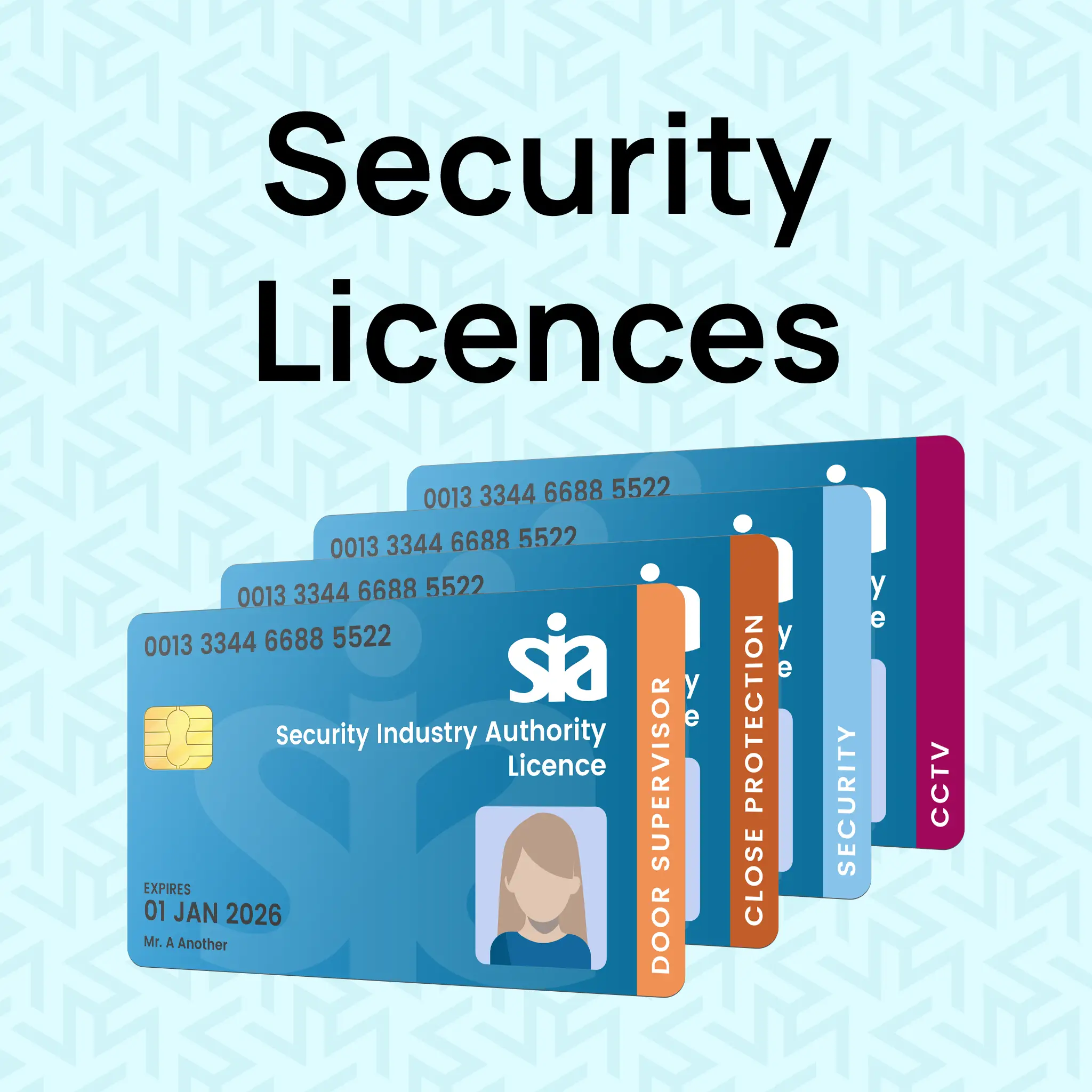
The Security Industry Authority (SIA) is the regulatory body responsible for licensing security professionals in the UK. Obtaining the appropriate SIA licence is important whether you're pursuing a role in security guarding, CCTV operation, or close protection.Front Line SIA LicenceA front-line SIA license is necessary for active security roles, such as door supervisors, security guards, or CCTV operators. This licence permits direct interaction with the public while performing security duties. .main{ border:3px solid #0f7c90; border-radius:20px; position: relative; font-family:roboto; font-weight: 400; color: #000; } .main-two{ position: absolute; top:-25px; left:45px; background-color:white; } .img-div{ border-radius : 100%; padding:2px 7px; background-color:#0f7c90; margin-right:5px; width: 50px; height: 50px; } .img{ width:30px; object-fit:contain; height:auto; border-radius : 100%; } @media only screen and (max-width: 600px) { .heading{ font-size:20px; } .img{ width:20px; object-fit:contain; height:auto; border-radius : 100%; } .img-div{ width: 40px; height: 40px; } .main-two{ left:25px; } } SIA Licences Application Made Simple SIA licences are for different security jobs like door supervisors, security guards, and CCTV operators.The Door Supervisor Licence manages crowds and entrances, while the Security Guard Licence protects property. If you work with surveillance cameras, you need a CCTV Operator Licence. Taking the right SIA courses will prepare you for the job and help you get licensed easily. How Much is an SIA Licence?An SIA licence costs �204, regardless of the type. This fee is applicable to the three-year licence period, and it is paid during the application process. Some employers or training providers may cover this fee on your behalf.SIA Licence ApplicationThe SIA licence application is done online through SIA website. You�ll be asked to give personal information, evidence of your training and qualifications, and a criminal background check.SIA CertificateOnce you have finished your SIA training, you will be awarded an SIA certificate. This document proves that you have successfully passed the course and met the training requirements to apply for your licence.SIA Non-Front Line LicenceThe non-frontline SIA licence is given to individuals in supervisory or administrative positions in the security industry. It is required for individuals who are in charge of or overseeing supervising licensable security activities, but not directly participating in security operations.How Long Does the SIA Criminality Check Take?The criminality check is one of the most essential steps in the SIA licence application process. This typically takes up to 14 days, but it might also change depending on the situation of the individual and the complexity of the background check.SIA Licence TypesThe SIA offers several licence types, each tailored to a specific role:Door Supervisor Licence: For roles involving access control and crowd management.Security Guard Licence: For guarding premises and assets.CCTV Operator Licence: For monitoring security systems.Close Protection Licence: For providing personal security to individuals.What are the SIA Licence RequirementsTo qualify for an SIA licence, you must meet the following requirements:Be at least 18 years old.Complete the relevant SIA-approved training course.Hold a valid first aid certificate.Pass a criminal record check.Have the right to work in the UK.What are the Steps to Get an SIA LicenceComplete the required training for your chosen licence type.Obtain a valid first aid certificate.Pass the SIA criminality and right-to-work checks.Create an account on the SIA website and submit your application.Pay the �204 licence fee and await approval.SIA Right to Work CheckThe SIA, as part of the application process, makes a right-to-work check to ensure that you are legally permitted to work in the UK. You are required to produce some form of documentation, such as a passport or biometric residence permit.SIA Application FormThe SIA application form is available online through the SIA portal. It requires information about your training, criminal record, and personal information. Always make sure that all the information is correct to prevent any delays in the processing.SIA Licence RenewalRenewing your SIA licence is generally straightforward, though additional training might be required depending on when you obtain your qualification. If your qualification was awarded after April 2021 or your certificate states "[Awarding Body Name] Level 2 Award in Door Supervision (QCF)," no extra training is necessary.However, if additional training is required, then you have to undergo a refresher course, such as Top-Up Refresher Training for Door Supervisors, before you renew your licence. You can start the renewal process up to four months before your current licence expires, but the new licence will only become active after the current one has expired.How Long is an SIA Licence Valid For?SIA licences are valid for three years from the date of issue. To continue working legally in the security industry, you must renew your licence before it expires.SIA Licence FeeThe licence cost for all SIA licences is �204. This fee is non-refundable, so ensure you meet all the eligibility requirements before applying.We are applying for all SIA Licenses on your behalf. Visit our SIA License page and contact us now. ConclusionAn SIA licence is the key to a successful career in the security sector of the UK. Whether your intention is to work as a door supervisor, security guard or on CCTV operations, it is important to know the various types of licences, application procedures and requirements. With the right preparation, you can obtain your licence and open up exciting opportunities in the security field.If you're ready to take the next step, explore the relevant SIA training courses and ensure you meet all the requirements for your chosen licence type.
What are the Required Standards of Behaviour of a Security Operative in the UK
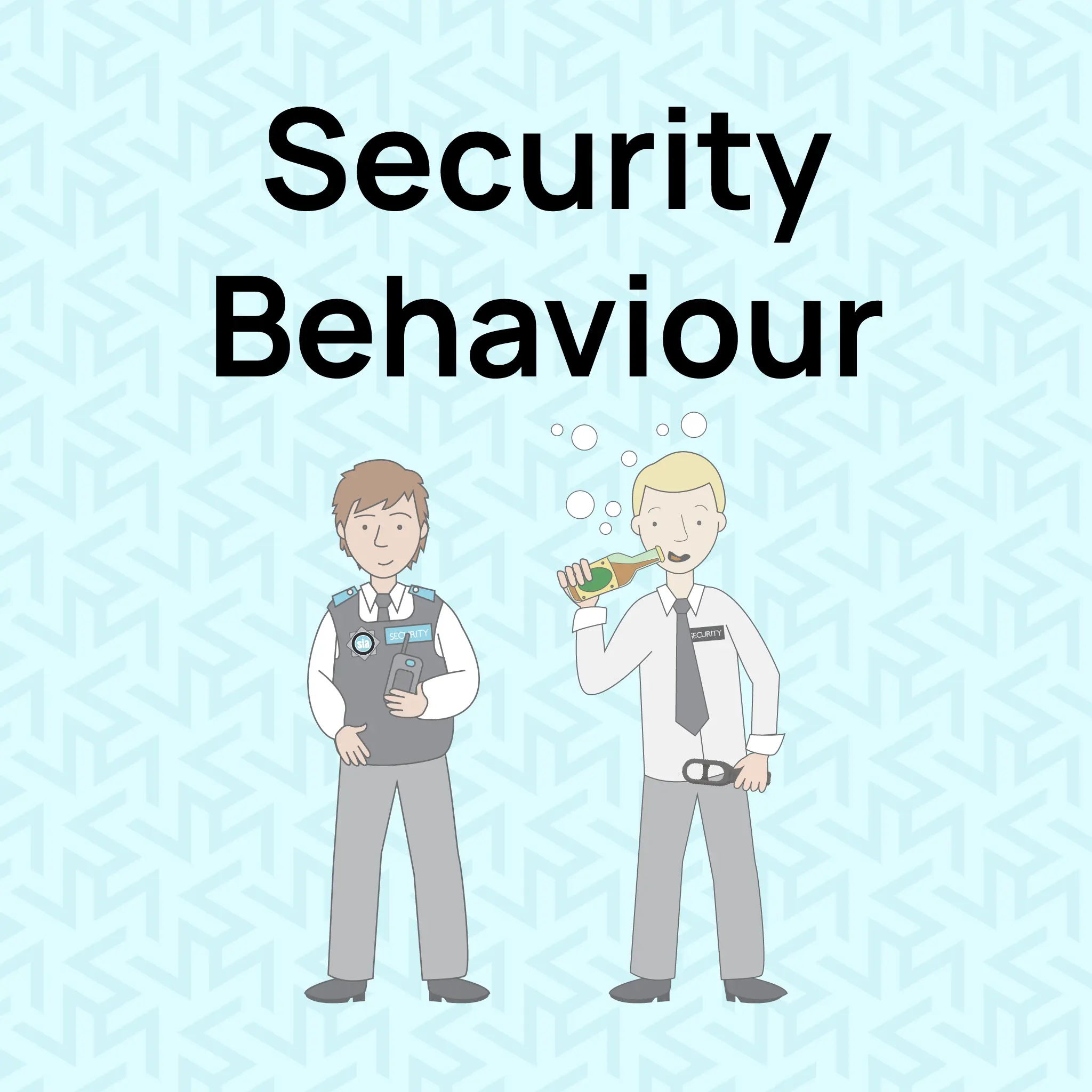
The SIA requires people in the private security industry to follow specific standards of behaviour and act professionally, skillfully, and ethically. Not following these rules can lead to disciplinary action, such as losing their SIA license. The private security industry in the UK is significant, employing thousands of people and playing an important role in the economy.What are the Standards of Behaviour for Security GuardsUK security guards must follow strict professional conduct standards set by the SIA. This means they must carry out their duties with honesty, integrity, responsibility, and respect for others. Guards must avoid behaviour that could damage public trust in the security profession. This includes:Accepting bribesFalsifying incident reportsSharing confidential informationAbusing their authorityWorking under the influence of drugs or alcohol, which affects judgmentWhile on duty, guards should stay calm under pressure, resolve conflicts through clear and non-aggressive communication, and only use force as a last resort. Serious misconduct, negligence, or failure to follow these standards can lead to suspension or loss of their SIA license.Conflicts of InterestSecurity guards must not engage in activities that create actual or perceived conflicts of interest. For example, a guard working at a shopping mall cannot also work for a retailer within the same mall, as their roles may conflict.Guards must never use their position for personal gain. For instance, allowing unauthorised access to a warehouse for illegal activity in exchange for money violates trust. Any potential or actual conflicts of interest must be reported to employers immediately.Discrimination and Human RightsSecurity guards interact with people from diverse backgrounds and must treat everyone fairly and respectfully. The SIA forbids discrimination based on race, religion, gender, disability, sexual orientation, or other protected characteristics.Guards must not engage in harassment, intimidation, or unfair treatment. For example, targeting someone based on their ethnicity or stereotypes is considered discrimination.While performing their duties, guards must:Only take actions (like limiting access) when there is a real and valid reason, not based on bias.Make reasonable accommodations for disabled individuals to ensure fair treatment.Guards must also respect the rights of others and not exceed their lawful authority. Actions like improper detention, excessive use of force, or restricting freedoms (e.g., movement, expression, or assembly) violate SIA standards.Security guards uphold professionalism, integrity, and UK laws by acting fairly and ethically. SIA licensing requires ongoing training to help guards apply human rights principles daily.Activity/BehaviourCode of Ethics & ConductConsequences of BreachEthical ConductGuards must perform their duties with honesty, integrity, and respect for others.Licence suspension or revocationConflicts of InterestGuards must avoid situations that create actual or perceived conflicts of interest.Disciplinary action or dismissalDiscrimination and Human RightsGuards must treat everyone fairly and uphold human rights in all interactions.Legal action and licence revocationIntoxication and Substance AbuseWorking under the influence of drugs or alcohol is strictly prohibited.Suspension, fines, or loss of licenceExceeding AuthorityGuards must act within their legal powers and avoid overstepping their authority.Fines, prosecution, or licence revocationConfidentialityGuards must share confidential information with proper authorisation.Fines, legal action, or licence revocationEquipment UseGuards must only use restricted equipment, like handcuffs or batons, when permitted.Fines, licence suspension, or revocationSurveillance and RecordingGuards must follow privacy laws and regulations when conducting surveillance.Fines, legal action, or licence revocationWhat are the Prohibited Activities for Security OperativesIntoxication and Substance AbuseSecurity guards must never work while under the influence of alcohol or drugs. Staying alert and clear-headed is essential for their safety and making good emergency decisions.The SIA strictly bans drinking alcohol or using recreational drugs while on duty. Turning up to work impaired can lead to suspension or loss of their licence. Employers may also carry out random drug and alcohol tests.Guards must avoid drinking shortly before their shift, which can still affect their performance. If a guard takes prescription medication that may impact their duties, they must inform their supervisor. Breaking these rules puts public safety at risk.Exceeding Authority and PowersSecurity guards must act within the limits of their legal powers, as outlined in their SIA licence and training. Misusing authority�such as overstepping duties, making threats, or giving unlawful orders�is strictly prohibited.For example, security guards cannot pretend to be police officers, search people without reason, or use force beyond their training. They should never suggest they have more power than the law allows.Overstepping boundaries damages public trust in security professionals. Regular training helps guards understand their limits and the consequences of going beyond their lawful powers.Disclosing Confidential InformationSecurity guards must keep private or sensitive information they learn on the job confidential unless required by law. For example, sharing details about important visitors, security procedures, or company secrets is prohibited.Leaking private information�such as someone�s habits, vulnerabilities, or incident details�can harm people�s privacy and security. It could also expose the client or organisation to further risks.Guards must get permission before publicly sharing confidential information, such as interviews or articles. They should avoid unnecessary requests for sensitive data and refrain from casually discussing work-related details with others.Maintaining discretion is essential for professionalism and trust. Breaking confidentiality rules�intentionally or carelessly�violates SIA standards and can lead to serious consequences.� .main{ border:3px solid #0f7c90; border-radius:20px; position: relative; font-family:roboto; font-weight: 400; color: #000; } .main-two{ position: absolute; top:-25px; left:45px; background-color:white; } .img-div{ border-radius : 100%; padding:2px 7px; background-color:#0f7c90; margin-right:5px; width: 50px; height: 50px; } .img{ width:30px; object-fit:contain; height:auto; border-radius : 100%; } @media only screen and (max-width: 600px) { .heading{ font-size:20px; } .img{ width:20px; object-fit:contain; height:auto; border-radius : 100%; } .img-div{ width: 40px; height: 40px; } .main-two{ left:25px; } } Understanding the SIA Code of Conduct is useful for security professionals to stay compliant and progress in their roles. Whether you're a Door Supervisor, Security Guard, Close Protection Officer, or CCTV Operator, practising these standards builds trust and professionalism. To become qualified SIA security officers, take our expert courses today, develop your skills, and become the best in the field! FAQsWhat are the required standards of behaviour for security guards in the UK?Security guards in the UK must follow strict standards set by the SIA, including honesty, integrity, and respect for others. They must avoid bribery, falsifying reports, sharing confidential information, abusing authority, and working under the influence of drugs or alcohol.What happens if a security guard violates the SIA standards of behaviour?If a security guard fails to follow the required standards, they may face disciplinary action, including suspension or revocation of their SIA license. Serious misconduct can result in legal action or fines.Can a security guard work in a role that creates a conflict of interest?No, security guards must avoid situations that create actual or perceived conflicts of interest. For example, working for a retailer at a mall while being a guard at that mall is prohibited. Any potential conflicts must be reported to employers.What is considered discrimination by a security guard?Security guards must treat everyone fairly and respectfully, without discrimination based on race, religion, gender, disability, or other protected characteristics. Engaging in harassment or unfair treatment is prohibited.Can security guards use excessive force in their duties?No, security guards must only use force when necessary and appropriate. They should not exceed their legal powers or engage in actions like improper detention or excessive use of force.What are the rules regarding intoxication and substance abuse for security guards?Security guards must never work while under the influence of alcohol or drugs. Doing so can lead to suspension or loss of their license. Guards must also avoid drinking shortly before their shift and inform their supervisors if they take medication that affects their duties.What is the importance of confidentiality for security guards?Security guards must maintain confidentiality regarding sensitive or private information they encounter during their duties. Sharing this information without authorisation, such as security procedures or personal details, is prohibited and can lead to serious consequences, including legal action.ConclusionIn conclusion, security operatives in the UK are held to high professional and ethical standards set by the SIA to ensure public safety, trust, and the integrity of the security industry. By adhering to the required behaviour, avoiding conflicts of interest, and respecting human rights, security guards help maintain a secure and respectful environment. Violations of these standards, such as working under the influence, exceeding authority, or disclosing confidential information, can have serious consequences, including legal action and loss of employment. Ongoing training and awareness are important for security professionals to comply with these standards and uphold their responsibility to the public and their clients.
Security Uniform in the UK Security Industry
A security guard's uniform is more than just clothing; it symbolises authority, professionalism, and safety. In the UK, several roles within the security industry mean that uniforms are tailored to fit specific functions and environments. From high-visibility gear on construction sites to formal attire in corporate settings, security uniforms are important in creating a professional image while ensuring functionality and safety.What is Personal Protective Equipment in the UK Security Industry?Personal Protective Equipment (P.P.E.) refers to clothing and accessories used to protect security officers from potential hazards on the job. This can include high-visibility jackets, steel-toe boots, gloves, helmets, and protective eyewear in the UK. P.P.E. is especially important in environments like construction sites or events with higher physical risks. Regulations often mandate specific P.P.E. to ensure the officer's safety and compliance with health and safety standards.Uniform for a Door SupervisorDoor supervisors, often the first point of contact at venues like clubs, bars, and events, require practical and professional uniforms. Their security attire usually includes:High-visibility jacketsHigh-visibility armbands displaying their SIA licenseComfortable but durable shoesThe uniform should convey authority while remaining approachable to patrons.Uniforms for CCTV OperatorsCCTV operators usually work in control rooms, so their uniforms prioritise comfort and practicality. A typical CCTV operator�s uniform includes:Polo shirts or smart casual attireComfortable trousersIdentification badges or lanyardsUnlike field roles, high-visibility clothing is generally unnecessary.Uniform for Close Protection OfficersClose protection officers (CPOs), commonly known as bodyguards, require a discreet and professional appearance. Their uniforms often depend on the client�s preferences and the environment, but typically include:Business suits or formal attire for corporate settingsTactical clothing for high-risk situationsComfortable, sturdy footwear.CPOs balance formality with functionality to respond to threats while blending into their surroundings.Uniform for Dog HandlersDog handlers work in diverse settings, from event security to perimeter patrols. Their uniforms are designed for practicality and durability, often including:High-visibility jackets and vestsWeather-resistant clothingSturdy boots for outdoor workUtility belts carry equipment like leashes, torches, and first-aid kitsThe uniform ensures that the handler and the dog can operate effectively under different conditions. .main{ border:3px solid #0f7c90; border-radius:20px; position: relative; font-family:roboto; font-weight: 400; color: #000; } .main-two{ position: absolute; top:-25px; left:45px; background-color:white; } .img-div{ border-radius : 100%; padding:2px 7px; background-color:#0f7c90; margin-right:5px; width: 50px; height: 50px; } .img{ width:30px; object-fit:contain; height:auto; border-radius : 100%; } @media only screen and (max-width: 600px) { .heading{ font-size:20px; } .img{ width:20px; object-fit:contain; height:auto; border-radius : 100%; } .img-div{ width: 40px; height: 40px; } .main-two{ left:25px; } } In the security industry, wearing the right uniform maintains professionalism, safety, and compliance, whether you're a Door Supervisor, CCTV Operator, Close Protection Officer, or Security Guard. Along with your uniform, obtaining the necessary training and SIA license is essential. Apply for your SIA License to ensure you're fully prepared for your career in security! Uniform for Construction, Logistics, and Traffic ManagementSecurity officers in construction and traffic management roles require high-visibility clothing to ensure safety on busy sites. Typical items include:High-visibility vests or jacketsHard hats and steel-toe bootsGloves and protective eyewearComfortable trousers designed for outdoor useThese uniforms prioritise safety and compliance with site-specific regulations.Uniforms for Corporate and Education Security SectorsIn corporate offices and educational institutions, security officers often serve as the public face of security. Their uniforms reflect professionalism and approachability, usually consisting of the following:Formal shirts and tiesBlazers or tailored jacketsSmart trousers and polished shoesThis attire ensures a polished appearance while maintaining authority.What is the Best Kind of Security Uniform?The best security uniform depends on the specific role and environment. Key considerations include:Functionality: The uniform should enable the officer to perform their duties effectively.Comfort: Long shifts require clothing that is easy to wear for extended periods.Professionalism: The uniform should convey authority and instil confidence in the public.Compliance: Ensuring the uniform meets industry regulations and safety standards is essential.A one-size-fits-all approach doesn�t work in the UK security industry. Tailoring uniforms to specific roles and environments ensures officers can perform their duties safely, efficiently, and professionally.FAQsWhat is the purpose of a security guard uniform?Security guard uniforms signify authority, professionalism, and safety while offering functionality suited to specific roles and environments.What does Personal Protective Equipment (P.P.E.) include in the UK security industry?P.P.E. includes high-visibility jackets, steel-toe boots, gloves, helmets, and protective eyewear, primarily used in high-risk environments like construction sites.What is typically included in a door supervisor's uniform?Door supervisors wear high-visibility jackets, SIA armbands, and durable, comfortable shoes to convey authority while remaining approachable.Do CCTV operators need high-visibility clothing?CCTV operators usually wear comfortable, practical clothing like polo shirts and trousers, as their work is conducted in control rooms.What kind of attire do close protection officers (CPOs) wear?CPOs wear business suits or tactical clothing depending on the setting, balancing professionalism with functionality for discreet security.Why is high-visibility clothing essential for construction and traffic security officers?High-visibility clothing ensures safety in high-risk environments by increasing visibility to others on busy sites.How are uniforms tailored for corporate and educational security officers?Corporate and education security uniforms include formal shirts, ties, blazers, and polished shoes to reflect professionalism and authority.ConclusionSecurity guard uniforms in the UK security industry are important in balancing professionalism, functionality, and safety. From door supervisors to corporate security, each role demands tailored attire to meet the job's needs while complying with health and safety standards. These uniforms are a practical tool for security operations and a visual representation of authority and trust. By aligning uniform design with role-specific requirements, the industry ensures that security officers can perform their duties effectively, fostering a safe and professional environment.