


Top 10 Worst Places to Live in West Midlands (Crime Data)
Is the West Midlands becoming more dangerous?The West Midlands may be home to some of the UK�s most vibrant towns and cities, but for many locals, concerns around rising crime are hard to ignore.According to CrimeRate.co.uk, the West Midlands recorded 96 crimes per 1,000 people in the past year, placing it among the top 20 most dangerous regions in England and Wales.�In densely populated urban zones, that number spikes dramatically. Wolverhampton alone reports a rate of 129 crimes per 1,000 people, while Telford sees 118 crimes per 1,000 people.Crime types vary across the region, but violent offences, drug-related incidents, and antisocial behaviour dominate.�A deep dive into 2024 data reveals that certain towns consistently exhibit higher crime clusters, which negatively impact residents� quality of life.Below is a snapshot of key locations based on the official crime rate per 1,000 residents:Town/CityCrime Rate/1,000Most Reported CrimeWolverhampton129Violence and sexual offencesTelford118Antisocial behaviourBirmingham114Theft and robberyCoventry98Vehicle crime & burglaryAs crime continues to affect public spaces, transport hubs, housing estates and commercial areas, the need for manned security has seen a rapid increase.In this guide, we will talk about the top 10 worst places to live in the West Midlands, highlight the most dangerous towns, and offer insights into areas to avoid if you're living or working locally.Top 10 Worst Places to Live in the West MidlandsRising crime levels are shaping how people live, work, and feel across the region.With crime rates rising across the region, many residents are asking: Which are the most dangerous towns in the West Midlands?�Based on recent data from CrimeRate.co.uk and local reports, we�ve ranked the top 10 worst places to live, providing crime figures and a breakdown of what makes each location a concern.BirminghamCrime Rate: 136 crimes per 1,000 peopleMost Common Crimes: Violence and sexual offences, burglary, vehicle crime, public orderAs the UK�s second-largest city, Birmingham faces a complex crime landscape. High population density, economic disparity, and gang-related issues contribute to its safety challenges.�Inner-city areas like Newtown, Lozells, and Small Heath experience persistent violence and theft, while suburbs such as Northfield and Erdington also struggle with burglary and antisocial behaviour.�Despite ongoing regeneration efforts, Birmingham remains at the top of the list due to the sheer volume and severity of offences.WolverhamptonCrime Rate: 129 crimes per 1,000 peopleMost Common Crimes: Violence and sexual offences, drug offences, antisocial behaviourWolverhampton has become a hotspot for violence and drug activity, with locals reporting frequent incidents across several neighbourhoods.�Youth violence, gang tensions, and public disorder remain major issues in many districts.? Areas to Avoid in WolverhamptonSome parts of the city see significantly higher crime levels, such as:Whitmore Reans � Known for antisocial behaviour and theft.All Saints � Repeated violent incidents.Heath Town � Gang activity and knife crime.Blakenhall � Property crime and drug-related offences.Despite ongoing investments in CCTV and community safety initiatives, these neighbourhoods require vigilance.TelfordCrime Rate: 118 crimes per 1,000 peopleMost Common Crimes: Antisocial behaviour, violence and sexual offences, criminal damageTelford, located in Shropshire, is a growing urban town that faces safety issues often underestimated by outsiders.�Public disorder, particularly among young people, is a recurring theme.�Violence, criminal damage, and theft are concentrated in specific areas.? No-Go Areas in TelfordTelford�s crime is highly localised to:Brookside � Notorious for vandalism and drug dealing.Woodside � Reported gang presence.Sutton Hill � Frequent reports of youth crime and assaults.Leegomery � Known for public order offences.These areas contribute heavily to Telford�s rising crime figures, especially during late evenings and weekends.OldburyEstimated Crime Rate: 143 crimes per 1,000 peopleMost Common Crimes: Violent crime, burglary, criminal damageOldbury is a small but densely populated town in Sandwell. It�s regularly flagged for high volumes of assaults and antisocial behaviour.�Reports suggest that youth violence and knife crime have become increasingly common in the last two years, especially near shopping precincts and housing estates.BedworthEstimated Crime Rate: 143 crimes per 1,000 peopleMost Common Crimes: Theft, public order, vehicle crimeLocated in Warwickshire, Bedworth faces many of the same issues as its neighbouring town of Nuneaton.�Drug misuse, property crime, and repeated police callouts for violence are common.�Despite its small size, it consistently ranks high on the region�s crime charts.TiptonCrime Rate: 131 crimes per 1,000 peopleMost Common Crimes: Violence, public disorder, drugsTipton is another hotspot for violence and substance abuse in the Sandwell area.�Community reports often mention issues with organised street fights and nighttime disturbances.Schools and youth centres in the area have called for more targeted interventions.WednesburyEstimated Crime Rate: 136 crimes per 1,000 people (Express & Star)Most Common Crimes: Criminal damage, burglary, robberyWednesbury, while quieter during the day, experiences a sharp increase in criminal activity after dark.�Car thefts, home invasions, and even armed robbery cases have been reported in the town centre and surrounding estates.SmethwickEstimated Crime Rate: 138.6 crimes per 1,000 people (Express & Star)Most Common Crimes: Gang-related violence, arson, assaultSmethwick has made headlines multiple times in recent years for gang-linked shootings and knife crime.�Community policing remains stretched, with areas like Cape Hill requiring targeted surveillance and patrols.West BromwichEstimated Crime Rate: ~111 crimes per 1,000 peopleMost Common Crimes: Drug offences, theft, weapons possessionAs part of the Sandwell borough, West Bromwich is a bustling retail and transit hub�but it's also known for street crime and drug-related violence.�Transport interchanges and shopping zones are frequent targets for theft and antisocial incidents.CoventryCrime Rate: ~100 crimes per 1,000 peopleMost Common Crimes: Vehicle theft, burglary, violenceCoventry's urban centre and districts like Foleshill and Hill fields are known for repeat offences.�Although it performs slightly better statistically than others on this list, Coventry remains one of the most dangerous towns in the West Midlands in terms of volume and severity of crimes.Note: Rates are per 1,000 residents over a 12-month period (latest available: 2023�2024).While some areas in the West Midlands continue to flourish economically and culturally, these towns struggle under the weight of persistent crime.�From gang violence in Smethwick to antisocial behaviour in Telford, the reality is that certain parts of the region are becoming increasingly dangerous, not just for residents but for visitors and businesses too.While this list highlights the worst places to live in the West Midlands, it also opens the door for awareness and action. Whether it�s policing, urban planning, or security training.Knowing which places are most dangerous allows residents and businesses to take informed safety steps, including investing in professional security training to better handle and respond to local risks.Worried about safety in your area?�Explore SIA training to become part of the solution.The rise in crime across parts of the West Midlands underlines the importance of trained security professionals.If you're considering hiring licensed guards or becoming one yourself, understanding the SIA licence process, costs, and job opportunities is the first step.Explore our helpful guides:What is SIA?Guide to Getting an SIA LicenceSIA Badge Cost BreakdownSIA Licence Types ExplainedGuide to SIA Licence RenewalFree SIA Training OptionsSIA Security Jobs: What to ExpectWhy Proper Security Is Crucial in High-Crime AreasIn towns where crime rates are high, residents often feel the impact in the form of vandalism, theft, or even personal harm. Security guards are usually the first line of defence in crime-prone areas. Their presence alone can prevent incidents from occurring.�As crime becomes more complex, from gang activity to organised retail theft, the demand for properly trained professionals with up-to-date skills and licensing has never been higher.In high-risk towns across the West Midlands, having qualified, visible, and responsive security personnel helps reduce incidents and restore community confidence.�Here's how:Acts as a Visible DeterrentThe presence of uniformed security guards in public or private spaces immediately discourages criminal behaviour. Offenders are less likely to target a site when they know they�re being watched or challenged.�This is particularly effective in areas with high foot traffic, such as shopping centres, housing estates, and transit stations.Enables Rapid Response to IncidentsTrained security professionals can respond quickly to emergencies, be it a fight breaking out, shoplifting, or vandalism.�Their ability to de-escalate situations before police arrive reduces the likelihood of serious harm and improves outcomes for victims and bystanders.Supports CCTV and Surveillance OperationsSecurity teams are often responsible for monitoring camera feeds in real time. With proper training, they can identify suspicious behaviour early, track movements, and coordinate with emergency services.�This makes surveillance systems much more effective in preventing and solving crimes.Builds Trust Within the CommunityVisible and approachable guards help create a safer environment where residents feel protected.�In neighbourhoods plagued by antisocial behaviour, regular patrols help rebuild public trust, encouraging people to report concerns or cooperate with authorities more freely.Helps Prevent Repeat OffencesSecurity staff maintain records of incidents and identify patterns, such as repeat offenders or vulnerable entry points.�This intelligence can be used to enhance security protocols and inform local policing strategies, thereby reducing the risk of similar crimes recurring.From deterring crime to supporting emergency response, trained security professionals play a critical role in protecting high-risk areas. For towns struggling with safety, proper security isn�t just about guards on the ground�it�s about creating safer spaces, rebuilding trust, and contributing to long-term crime reduction.ConclusionThere�s still a long way to go, but recent numbers hint at slow improvements.�With improved policing and trained professionals on the ground, some towns are beginning to feel safer and have seen a 3% reduction in overall crime over the past year.Incidents related to public order and violent offences have declined, suggesting that proactive measures, such as improved policing and professional security, may already be making a difference. But this progress must continue.�Addressing high-crime areas requires more than statistics�it necessitates community involvement, responsible urban planning, and, most importantly, trained security professionals who can actively deter, de-escalate, and respond to risks on the ground.FAQsWhat are the top 10 worst places to live in the West Midlands?The top 10 worst places based on crime data include Birmingham, Wolverhampton, Telford, Oldbury, Bedworth, Tipton, Wednesbury, Smethwick, West Bromwich, and Coventry. These areas report high rates of violent offences, drug-related crime, and antisocial behaviour.Which are the most dangerous towns in the West Midlands?According to recent crime statistics, Wolverhampton, Birmingham, Telford, and Smethwick rank among the most dangerous towns in the West Midlands, with crime rates well above the national average.What is the most dangerous place to live in the West Midlands?Birmingham is considered the most dangerous place to live in the West Midlands due to its high crime volume, including violence, theft, and drug offences, particularly in inner-city areas like Lozells and Newtown.What are the areas to avoid in Wolverhampton?High-crime areas in Wolverhampton include:Whitmore Reans (antisocial behaviour and theft)All Saints (violent crime)Heath Town (gang activity)Blakenhall (property and drug offences)What are the no-go areas in Telford?Some areas in Telford with persistent safety concerns include:Brookside (vandalism and drugs)Woodside (gang presence)Sutton Hill (youth crime and assaults)Leegomery (public disorder)Are crime rates in the West Midlands improving?Yes, overall crime in the West Midlands has declined by around 3% over the past year. However, violent crime and antisocial behaviour remain high in certain towns, showing the need for continued intervention and security.


Worst Places To Live In Scotland
�Scotland is on the bucket list of almost every traveller � a vibrant, beautiful country with mesmerising landscapes, rich art and culture, and breathtaking views around every corner. From its historic cities to its wild highlands, Scotland has much to offer.But, like any other country in the world, Scotland is no stranger to crime.�According to the Recorded Crime in Scotland, Scotland recorded 298,308 crimes in the year ending December 2024.�While this number was 1% lower than the 302,076 crimes recorded in 2023, it was, however, 1% higher than the 296,263 crimes recorded in the year ending December 2020.Although a beautiful country, Scotland is also dealing with crime-related issues, and some places record a higher number of crimes compared to the rest of the country.�In this article, we will explore the most dangerous places in Scotland that one should avoid or at least be aware of, look at the crime rates in these areas, and share some practical safety tips to help you stay safe wherever you are.Scotland�s Crime Peak in 2004/05: Black Year in Scottish crime historyScotland�s highest-ever recorded crime figures came in the year 2004/05, a period often referred to as the country�s �black year� of crime.�That year, police recorded a staggering 511,834 crimes, including 1,007 homicides, marking the peak of crime in modern Scottish history.Since then, there has been significant progress in reducing these numbers. By the end of December 2023, the number of recorded crimes had fallen to 302,076, and then dropped slightly to 298,308 by the end of December 2024.�In general, crime has decreased significantly in Scotland compared to the grim figures of 2004/05.However, while this downward trend is encouraging, there is still much to be done.�From December 2023 to December 2024, there was only a 1% decrease in crime, which, although a positive sign, still leaves much room for improvement.�Reducing crime further is essential for building a genuinely safe and carefree society.In areas with large crowd gatherings, it�s advisable to have a well-trained, SIA-approved security guard on site.�Licensed guards who adhere to the standards of behaviour expected from a security officer can make a real difference, not just by deterring crime, but by responding to a situation effectively before it escalates.Stand Out Where Safety Matters MostIn places where safety is at risk, skilled and trained individuals are valued more than ever. Whether you�re starting a career or just want to be prepared, proper qualifications help you stand out � and step up.Join Hurak�s Security Training Program and be ready for any situation.�SIA Security Guard Training Course��Physical Intervention Refresher/Crossover Training�Be someone people can rely on � get trained and make a difference.Crime Rate in Scotland: Latest Official StatisticsWhen we talk about the highest crime rate in Scotland, it�s important to understand the different types of crimes and offences that contribute to the figures.�Scotland�s recorded crime includes categories such as non-sexual crimes of violence, sexual crimes, crimes of dishonesty, fire-raising and vandalism, and other crimes.�There are also offences like antisocial behaviour, road traffic offences, and other minor public order violations.Below is a breakdown of the main types of crimes and offences, along with the recorded figures for the year ending December 2024 for reference:CategoryNumber of Recorded Incidents (2024)Non-Sexual Crimes of Violence70637Sexual Crimes14539Crimes of Dishonesty111265Danage & Recklessness39249Crime Against Society62618Anti-Social Offence48322Road Traffic Offences13821Miscellaneous Offences115029These figures, drawn from the official Scottish Government crime report, paint a clear picture of the scale and nature of crime in Scotland today.Although we can see a visible drop in the crime rates from 2004/05, there are some crimes that have been continuously recording a higher crime rate and need to be looked at.We need to pay attention to crimes like dishonesty, non-sexual crimes of violence, and antisocial offences, whose crime rates remain high in comparison to others.Worst Places to Live in Scotland: Top 10 Dangerous AreasWhile Scotland is a beautiful and welcoming country overall, some towns and cities stand out for having the highest crime rates in Scotland.�Certain areas of Scotland may seem less safe than others and are often seen as the worst places to live in Scotland, especially for those seeking peace of mind and security.�In this section, we�ll look at the top 10 worst places to live in Scotland, based on the official crime rates per 10,000 people for the year ending December 2024.�Whether you�re moving, visiting, or just curious, it�s helpful to know which areas have a reputation as the roughest places in Scotland, or even the worst towns in Scotland, so that you can plan accordingly.Glasgow�Glasgow, Scotland's biggest city, tops the list as Scotland's most dangerous place. Its crime rate stands at 1,215 crimes per 10,000 people. The city's densely populated urban areas and social issues contribute to these high numbers. Glasgow has ongoing projects to improve and a bustling arts scene. Yet, some areas still face lasting problems. This makes it one of the main spots to steer clear of in Scotland after dark.DundeeNext comes Dundee, which, despite a significant number of growth and development projects in recent years, continues to struggle with crime. With a rate of 1,152 crimes per 10,000 people, Dundee consistently ranks among the worst towns in Scotland for safety, despite its ongoing investment in its waterfront and arts.West DunbartonshireWest Dunbartonshire also appears high on the list, with 1,100 crimes per 10,000 people. Known for its scenic surroundings and proximity to Loch Lomond, this area unfortunately faces socio-economic challenges that contribute to its high crime rates.Dumfries & GallowayDumfries & Galloway has a similar story. This otherwise picturesque and rural area reports 1,093 crimes per 10,000 people, making it another place to avoid in Scotland if safety is your top priority.Aberdeen CityAberdeen City, often celebrated for its oil industry and granite buildings, records a crime rate of 945 per 10,000 people. Though safer than Glasgow or Dundee, it still ranks high compared to other Scottish areas.North LanarkshireNorth Lanarkshire stands out with 898 crimes per 10,000 people. While the area is home to thriving communities and green spaces, certain parts of it experience social deprivation, which is reflected in its crime statistics.EdinburghEdinburgh, Scotland�s capital and one of its most visited cities, might come as a surprise here. Known for its history and festivals, it still sees 877 crimes per 10,000 people, keeping it on the list of the worst places to live in Scotland in terms of crime.FifeFife, with 835 crimes per 10,000 people, is a region known for its coastal villages, golf courses, and historic sites. Yet, behind the scenic views, it faces ongoing problems with crime, enough to earn it a place on the list of the worst towns in Scotland, particularly for dishonesty and antisocial offences.North AyrshireNorth Ayrshire, with 833 crimes per 10,000 people, is another area that combines beautiful coastal views with ongoing crime concerns.East AyrshireFinally, East Ayrshire rounds off the list at 816 crimes per 10,000 people. Despite being less urban than others on the list, it still struggles with higher crime rates than much of the country.These figures highlight that even in a country as stunning as Scotland, some areas � whether bustling cities or smaller towns � continue to face significant safety challenges.�Knowing where the worst towns in Scotland are helps locals and visitors to make informed choices and take precautions.How to Stay Safe: Practical TipsWith cities bustling with crime, it becomes essential to know how you can keep yourself, your home, and your business safe.�If you live or work in one of Scotland's roughest areas, implementing some safety measures can go a long way toward protecting yourself from potential trouble.Here are some proven measures you can take:Install CCTV camerasHaving a visible CCTV system can help against crimes like theft and vandalism.� CCTV�s are affordable and easy to monitor remotely, offering peace of mind whether you�re at home or away.Hire a Door Supervisor or a Security GuardFor businesses, especially pubs, clubs, or events in busy areas, employing an SIA-licensed Door Supervisor or a security guard ensures that only suitable individuals enter the premises.Use manned security for vulnerable sites.Construction sites, warehouses, and even car parks can benefit from trained manned security guards who can patrol, monitor and respond instantly to any suspicious activity.Improve lighting and visibilityWell-lit streets, entryways, and back gardens reduce opportunities for crime and make it easier to spot anything unusual. Motion?activated lights are a simple but effective solution.Get to know your communityBeing part of a neighbourhood watch or simply introducing yourself to neighbours helps build trust and encourages people to look out for each other.Secure doors, windows, and valuablesSounds obvious, but it�s often overlooked. Use robust locks, don�t leave valuables in plain sight, and consider installing alarm systems for added protection.By taking these precautions, you can feel more confident about your personal safety and protect your property, even in areas with higher crime rates.�Staying alert and investing in the right security � whether through technology like CCTV or professionals like Door Supervisors and manned guards � can make all the difference.Level Up Your KnowledgeWhether you�re taking your first step into the security industry or building on the skills you already have, the proper training makes all the difference.Join Hurak�s Security Training and Top Up Courses listed below:SIA CCTV Operator Training � learn to monitor, prevent, and respond using cutting-edge surveillance.SIA Door Supervisor Training � qualify to manage access and safety at venues across the UK.SIA Top-Up Refresher Training for Door Supervisors � update your licence and sharpen your skills.SIA Top-Up Refresher Training for Security Guards � stay compliant and practical in your role.Whatever stage you�re at, update your knowledge and skills and advance in your career.ConclusionScotland has made significant progress since its peak crime years, and the downward trend is encouraging.� The steady decline in crime rates shows that progress is possible and already underway.Change doesn�t happen overnight; there are active efforts and policies in place to support it.�The declining crime rates reflect the power of strong policing, active communities, and professional security working hand in hand.�But Scotland still has a long way to go, and we all have a role to play � whether it�s making wise choices at home, supporting safety initiatives, or hiring trained professionals when needed. Together, we can continue building a safer and more welcoming Scotland for everyone. FAQsWhat are the worst places to live in Scotland?�The worst places to live in Scotland are areas with consistently high crime rates and social challenges. Cities like Glasgow, Dundee, and parts of West Dunbartonshire often rank among the worst due to crime and safety concerns.Which are the top 10 worst places to live in Scotland?The top 10 worst places to live in Scotland, based on recorded crime rates, include Glasgow, Dundee, Edinburgh, West Dunbartonshire, Aberdeen, Fife, North Ayrshire, North Lanarkshire, East Ayrshire, and Dumfries & Galloway.What is the most dangerous place in Scotland?According to official crime statistics, Glasgow has the highest crime rate per 10,000 people, making it the most dangerous place in Scotland.Are there specific places to avoid in Scotland?Visitors and residents should exercise caution in areas with higher crime rates, such as parts of Dundee, North Lanarkshire, and West Dunbartonshire. These are often seen as places to avoid, especially at night or in poorly lit areas.Which towns have the highest crime rate in Scotland?Some of the towns with the highest crime rate in Scotland include Glasgow, Dundee, and West Dunbartonshire. These areas regularly report higher-than-average incidents compared to the national average.What are the roughest places in Scotland to live?The roughest places in Scotland are typically urban areas with concentrated poverty, higher crime, and social challenges � for example, certain neighbourhoods in Glasgow and Dundee.Which are considered the worst towns in Scotland?Worst towns in Scotland are often identified by crime rate and local deprivation. Towns like Dundee, parts of Fife, and West Dunbartonshire are frequently cited in reports on Scotland�s least safe or desirable places to live.

Bristol Areas to Avoid: Crime Rates How to Stay Safe
When you think of Bristol, you might picture colourful houses, bustling harbours, and a lively cultural scene, but behind these, the crime numbers tell a different story.�In 2023, the crime rate in Bristol stood at 118 crimes per 1,000 people, higher than the UK average, with a total of 54,901 reported crimes. This makes Bristol the ninth-most crime-centred city in the UK.But not all parts of the city have the same risk level: some neighbourhoods stay pretty safe, while others have gotten a bad name for violence, theft, shoplifting, and bad behaviour.Now, you must be wondering which areas of Bristol are rough or which are the worst to live in. This guide will help you identify the worst areas to avoid in Bristol and provide guidance on how to stay one step ahead.Bristol Crime Rate: Is Bristol Dangerous?Bristol crime data reveals an increase in crime volume in Bristol.�The city experienced a noticeable spike in anti-social behaviour and burglary in January 2024, making it one of the most challenging months for the locals in Bristol.In comparison to other cities in the UK, Bristol�s crime rate is approximately 36% higher than the national average and 80% higher than the regional average for the South West.These numbers are alarming and emphasise the need for urgent safety and security protocols. Although the entire city is not considered dangerous to live in, there are certain areas in Bristol that carry significantly higher risk scores, and crime in these areas has increased noticeably over the past year, highlighting ongoing safety challenges.Crime Data: Most & Least Common Crimes in BristolHere�s an overview of the most and least reported crimes in Bristol, along with how these figures compare to the UK national averages.�This table is based on police data reported by the Crime Rate UK (latest data: September 2024), providing a clear picture of the types of crimes most prevalent in the city.Crime TypeCrime Rate (per 1,000)Compared to the UK AverageViolence & Sexual Offences43 (annually)~45% higherRobbery2.74 (annually)4.6� higherShoplifting14 (annually)4.1� higherPublic Order Offences15 (annually)3.4� higherWeapons Possession~403 cases total (annually)~24% higherAnti-Social Behaviour1.5 (Jan 2024 only)Higher than averageNotes:�Annual� refers to the 12?month period ending ~September 2023, the latest full?year data available at the time of writing.Anti?social behaviour data: only the monthly figure for January 2024 (1.5 per 1,000) was cited in CrimeRate; the full?year rate was not published.Weapons possession: CrimeRate reports the total number of incidents (~403 per year) rather than a rate per 1,000; the approximate rate is estimated at approximately 1.7 per 1,000.Crime rates are calculated per 1,000 daytime population.National average comparisons are based on data from England and Wales for the same reporting period.What does �~45% higher� vs �4.6� higher� mean?PhraseWhat it means~45% higherThis means Bristol�s rate is about 45% more than the UK average. For example, if the UK average is 30 per 1,000 and Bristol is 43 per 1,000, then 43 is ~45% higher than 30.4.6� higherThis means Bristol�s rate is about 4.6 times the UK average � or around 360% higher. Example: if UK average is 0.6 per 1,000 and Bristol is 2.74 per 1,000 ? 2.74 � 0.6 ? 4.6.In simple terms:Percentages (like 45% higher) are often used when the difference is noticeable but not extreme.�Multiples (like 4.6� higher) are clearer when the difference is huge, showing Bristol�s rate is many times worse than the national figure.Based on the table above, violence and sexual offences remain the most common crimes in Bristol. Shoplifting, robbery, and public order offences come next, with high crime rates too.January 2024 saw a big jump in anti-social behaviour in the city. People reported 687 incidents, which means 1.5 cases per 1,000 people that month. The official data, however, did not mention the full-year crime numbers for anti-social behaviour.Looking at Bristol next to the rest of the country, we see the city has more personal and theft-related crimes. These offences often occur in specific areas and tend to increase at certain times of the yearBristol Areas to Avoid: Roughest Neighbourhoods & Worst Areas to LiveIf you're thinking about living, working, or visiting Bristol, you should know which neighbourhoods have high crime rates and which areas to avoid.�We have highlighted the rough areas of Bristol that consistently appear in crime reports and are often considered the worst places to live in Bristol.�These areas, in comparison to the rest of the city, deal with way more violence, theft, and anti-social behaviour.�Here's a list of the top 10 Bristol areas you should stay away from based on police data.Central Bristol? Crime rate: 325.4 per 1,000? Violence & sexual offences: 126.1 per 1,000Central Bristol is the city�s busiest area and is also the home to nightlife, shopping, and tourism. With a crime rate more than triple the UK average, this area remains the most challenging spot in Bristol for safety.Hotwells & Harbourside? Crime rate: 336.7 per 1,000? Violence & sexual offences: 60.1 per 1,000Hotwells & Harbourside, with its scenic waterfront and event spaces, attracts large crowds year-round. But the lively atmosphere often leads to disorder, public drunkenness, and vandalism, making it a hotspot for crime, especially at weekends.Lawrence Hill? Crime rate: 198.4 per 1,000? Violence & sexual offences: 80.4 per 1,000Lawrence Hill is one of the more deprived areas of Bristol, with a history of drug-related offences and high rates of violence. Though it�s home to a diverse community, its crime figures remain among the highest in the city.Southville? Crime rate: 125.4 per 1,000? Violence & sexual offences: 38.7 per 1,000Southville is popular among young professionals due to its trendy caf�s and pubs, but its busy nightlife also presents challenges. Anti-social behaviour and theft are common here, particularly around the local bars and shops.Ashley? Crime rate: 120.1 per 1,000? Violence & sexual offences: 43.1 per 1,000Ashley, which includes the well-known St Paul�s area, has a vibrant cultural scene but also struggles with crime. It has a higher-than-average level of violence and frequent reports of drug offences, keeping it among Bristol�s rougher neighbourhoods.Hartcliffe? Crime rate: 115.4 per 1,000? Violence & sexual offences: 40.7 per 1,000Hartcliffe is a large residential area with longstanding social challenges. It experiences persistent vandalism, burglary, and assaults, making it one of the city�s least desirable spots from a crime perspective.Easton? Crime rate: 112.6 per 1,000? Violence & sexual offences: 37.3 per 1,000Easton, located close to the city centre, is a diverse and lively area, but it also experiences higher-than-average crime rates, particularly theft and violence. It remains a key area to approach with caution, especially at night.St George Central? Crime rate: 110.8 per 1,000? Violence & sexual offences: 39.7 per 1,000St George Central is a largely residential neighbourhood that still records significant levels of violence, theft, and anti-social behaviour, putting it among the city�s rougher areas despite its quieter appearance.Lockleaze? Crime rate: 108.8 per 1,000? Violence & sexual offences: 42.3 per 1,000Lockleaze is another residential part of Bristol with a noticeable crime problem. Reports of violence, nuisance behaviour, and public disorder keep it high on the list of areas to avoid, particularly in the evenings.Bishopsworth? Crime rate: 105.7 per 1,000? Violence & sexual offences: 42.3 per 1,000Although Bishopsworth has a strong community feel, it continues to experience elevated levels of personal crime and anti-social behaviour compared to the rest of the city.While each of these areas has its own unique character and community spirit, the figures above clearly show why they are often considered the rough areas of Bristol and the worst areas to live in Bristol.�If you live in or visit these neighbourhoods, it�s wise to remain cautious, especially after dark and in busy public spaces.Crime Rates in Bristol�s Roughest Areas: Summary TableAreaOverall Crime Rate (per 1,000)Violence & Sexual Offences (per 1,000)Central Bristol325.4126.1Hotwells & Harbourside336.760.1Lawrence Hill198.480.4Southville125.438.7Ashley120.143.1Hartcliffe115.440.7Easton112.637.3St George Central110.842.3Lockleaze108.842.3Bishopsworth105.742.3While these neighbourhoods face challenges, it�s also important to recognise that many residents and local groups are actively working to improve safety and build stronger communities across Bristol.�To create a safer environment, it is essential to increase public and retail security throughout the city. The focus should be on developing more SIA?trained security guards in key, high?footfall areas.�Maintaining proper manned security in busy locations such as shopping malls, bars, and parks is crucial, as trained security officers know how to handle situations calmly and can often identify potential issues before they escalate.Want to Make Bristol Safer? Start With the Right SkillsIf you work in security or plan to, you can be part of the solution by helping to protect people and businesses across the city.�Hurak offers SIA-approved Security Training to prepare you for real?world situations.Whether you�re aiming to manage doors, patrol busy streets, monitor CCTV, or even take on high?risk protection work, there�s a course for you:SIA Door Supervisor Training � handle nightlife, venues & events professionallySIA Security Guard Training � keep businesses & public spaces safeClose Protection Training � for those protecting VIPs & high?profile clientsSIA CCTV Operator Training � watch over spaces and spot trouble earlyTake the first step toward a safer Bristol � and a rewarding career � by enrolling today.How to Stay Safe & Prevent Crime in BristolEven in Bristol�s rougher areas, there�s plenty that you can do to protect yourself and those around you. Awareness is key: know which areas to avoid late at night, stay in well?lit and busy places, and keep your belongings secure.For businesses and venues, installing good?quality CCTV, hiring trained security staff, and maintaining clear procedures for incidents can make a huge difference. Residents can also work with neighbourhood groups or police to address local problems.It doesn�t take drastic measures � just sensible steps and community effort � to make Bristol a safer place for everyone.ConclusionBristol is a vibrant and diverse city, but like many large urban areas, it faces challenges when it comes to crime and safety.�We explored the overall crime rate in Bristol, which is mostly higher than the national average, with violence, sexual offences, robbery, and anti?social behaviour being the most common issues.�We also identified the roughest areas of Bristol, such as Central Bristol, Lawrence Hill, and Hotwells & Harbourside, where crime rates are particularly high per 1,000 people.While these statistics highlight the risks, they also underline the importance of being prepared and taking the necessary steps to stay safe. Whether you�re a resident, visitor, or business owner, you must take proper measures, such as installing CCTV, employing trained security personnel, and promoting community awareness to stay safe.�If you�re looking to play your part in making Bristol � and the UK � safer, consider becoming a trained security professional. With the right skills and certifications, you can effectively help protect people, property, and public spaces. FAQs�Is Bristol dangerous?Bristol is not the most dangerous city in the UK, but it does have higher crime rates than the national average. Certain neighbourhoods report more incidents of violence, theft, and anti?social behaviour, so it�s important to stay cautious in the rougher areas of Bristol, especially at night.What is the Bristol crime rate compared to the UK average?Bristol�s overall crime rate is higher than both the regional average for the South West and the UK average. Violence, sexual offences, and robbery are particularly common, especially in the city centre and other busy districts.Which are the worst areas to live in Bristol?Some of the worst areas to live in Bristol, based on crime rates, include Central Bristol, Lawrence Hill, Hotwells & Harbourside, and Ashley. These areas have significantly higher crime rates per 1,000 people compared to quieter, residential neighbourhoods further out.What are the rough areas of Bristol to avoid?The rough areas of Bristol you should avoid include Central Bristol, Hartcliffe, Easton, and St George Central. These neighbourhoods report higher levels of violence, theft, and anti?social behaviour, making them less desirable for residents and visitors alike.How can I stay safe in the rough areas of Bristol?To stay safe in the rough areas of Bristol, stick to well?lit, busy streets, avoid walking alone late at night, and keep your valuables secure. Businesses and venues can improve safety by hiring trained security guards, installing CCTV, and working with the local community to address crime.

Best Nights Out UK 2025: Top Cities, Clubs Safe Party Places
Which UK city truly offers the best night out?�It�s a question that is debated, as the UK offers some of the most amazing places for a night out. Whether you're planning a wild stag do or a casual weekend bar crawl with your friends, the UK has the best nightlife with several clubs, bars, and party places.Most well-reputed and famous clubs and bars not only offer the best nightlife in the UK but also prioritise the safety and security of their patrons by hiring SIA-licensed security guards who possess the essential skills needed to perform their duties correctly and handle uncertain situations with ease and composure.From buzzing club scenes in Manchester to budget-friendly nights in York, let�s have a look at the best places for a night out in the UK in 2025.Best Cities for Nightlife UKWhat makes a city truly stand out for the best nightlife in 2025?�It�s not just about the number of bars or how late the clubs stay open; it�s about the whole experience.�These cities rank highly not only for their buzzing club scenes, affordability, and variety but also for how well they prioritise safety, atmosphere, and accessibility.�Using the latest data, we've shortlisted the best cities where nightlife thrives, catering to both partygoers and the professionals who keep it running smoothly.ManchesterManchester has long been recognised as the best nightlife destination in the UK, renowned for its legendary music venues, diverse club culture, and vibrant late-night energy. Whether you're heading to the Northern Quarter for a craft pint or dancing the night away at The Warehouse Project, Manchester offers a mix of indie, electronic, and underground scenes.Nightlife Snapshot � ManchesterMetricValueClubs per 10,000 people1.0Pubs per 10,000 people7.5Average Nightlife Rating4.3/5Average Pint Cost�4.10Top VenueThe Warehouse ProjectLeedsLeeds blends student energy with big-city club culture, making it one of the UK's most electric party spots. Its compact city centre means everything is within walking distance, and places like Home and Mint Warehouse are favourites for dance and techno lovers.Nightlife Snapshot � LeedsMetricValueClubs per 10,000 people1.4Pubs per 10,000 people6.8Average Nightlife Rating4.4/5Average Pint Cost�4.05Top VenueMint WarehouseGlasgowGlasgow's nightlife is bold, inclusive, and full of character. The city champions independent venues like Sub Club and Ponybo. Glasgow is one of the most exciting places for queer and underground nights in the UK.Nightlife Snapshot � GlasgowMetricValueClubs per 10,000 people1.2Pubs per 10,000 people8.1Average Nightlife Rating4.4/5Average Pint Cost�3.95Top VenueSub ClubBristolKnown for its vibrant street art and alternative music scene, Bristol is a hotspot for underground and bass-heavy nights. Venues like Motion and The Full Moon & Attic Bar draw in both locals and international visitors.Nightlife Snapshot � BristolMetricValueClubs per 10,000 people1.0Pubs per 10,000 people6.9Average Nightlife Rating4.4/5Average Pint Cost�4.20Top VenueMotionYorkWhile not always the first city that comes to mind for nightlife, York ranks high for its safety, affordability, and well-preserved pub culture. It's ideal for relaxed nights out with friends or exploring quirky, historic venues.Nightlife Snapshot � YorkMetricValueClubs per 10,000 people1.3Pubs per 10,000 people9.5Average Nightlife Rating4.2/5Average Pint Cost�4.00Top VenueKuda NightclubLondonLondon isn�t just the capital of UK, it�s the epicentre of nightlife. With world-renowned clubs like Fabric, Ministry of Sound, and FOLD, the city offers everything from underground raves to rooftop cocktail bars. While nights out here are pricier than elsewhere, the experience is unmatched in diversity, music genres, and crowd energy.MetricValueClubs per 10,000 people1.2Pubs per 10,000 people6.7Average Nightlife Rating4.5/5Average Pint Cost�5.90 � �6.50Top VenueFabric / FOLD / Ministry of SoundWhy These Cities Stand OutThese cities not only offer a night full of fun and memories, but they also provide safe and well-managed nightlife experiences.Many of these cities hire efficient, manned security guards for the venues who are SIA-licensed security professionals and know what they can and cannot do during emergencies and while managing difficult situations, such as crowd safety.Their presence ensures everyone has a safe night out.Want to build a Career in Nightlife Security: Which Role is Right for You?Do you know the difference between a door supervisor and a security guard?�Understanding the responsibilities, legal powers, and working environments of each role is crucial, especially in busy nightlife settings where public safety is a top priority.Train with Hurak to gain the qualifications you need for your specific role and build a rewarding career in the UK�s growing nightlife security sector.Physical Intervention Refresher / Crossover TrainingSIA Door Supervisor TrainingSIA Security Guard Training CourseStart your training today and become part of the team that keeps the UK�s best nights out safe.Best Nightlife in the UKUK nightlife extends far beyond just its cities, it�s about the extravagant clubs, buzzing bars, and iconic party venues that offer the perfect escape for anyone looking to unwind.�Whether it's a birthday celebration or a fun night out with friends, there�s a spot for everyone. What Makes a Place Stand Out?A unique crowd and an inclusive atmosphereRegular themed nights or world-class DJsSafety protocols and well-trained security staffAffordable entry or drinks relative to the overall experienceLet�s have a look at some of the best places for a night out in the UK.London � Fabric? Farringdon? Known for: Drum & bass, techno, house? Entry: �15��25 (event-dependent)? Avg pint cost nearby: �6.20�A globally renowned venue with three soundproofed rooms and a stacked calendar of top DJs.Manchester � Soup Kitchen? Northern Quarter? Known for: Alternative, indie-electronic, warehouse vibes? Entry: �8��12? Avg pint cost nearby: �4.20Combining live music upstairs and a dark, intimate basement club below�Manchester cool at its best.Bristol � Motion? Avon Street? Known for: Bass-heavy, house, jungle? Entry: �10��20? Avg pint cost nearby: �4.30Located in a former skate park, Motion hosts high-energy nights and large-scale music events.Glasgow � Ponyboy? Merchant City? Known for: Inclusive, queer-friendly disco & funk nights? Entry: �10��15? Avg pint cost nearby: �4.00One of Time Out�s highest-rated club nights in 2025 for its open vibe and forward-thinking music.Cardiff � The New Moon? City Centre? Known for: Hip hop, R&B, crossover beats? Entry: Around �10? Avg pint cost nearby: �3.90� � � � � A rising favourite with locals, known for its diverse music policy and intimate setting.Liverpool � CHOP.LIFE? Baltic Triangle? Known for: Afrobeat, Amapiano, global dance rhythms? Entry: ~�8��12? Avg pint cost: �4.10� � � � � �A vibrant, multicultural night with immersive sound and high-energy dancing.Newcastle � World Headquarters? Carliol Square? Known for: Socially conscious, anti-racist clubbing with soul, funk, house? Entry: �6��10? Avg pint cost: �3.80An institution in Newcastle�s nightlife scene with inclusive values and unforgettable energy.Birmingham � LAB11? Digbeth? Known for: Warehouse raves, DnB, techno? Entry: �10��18? Avg pint cost: �4.50�Located under railway arches, LAB11 brings industrial vibes and big beats to the Midlands.Edinburgh � Cabaret Voltaire? Cowgate? Known for: Eclectic programming, student nights, live sets? Entry: �5��10? Avg pint cost: �4.00�A hidden gem carved into the Old Town�s stone vaults, popular with students and music lovers.Each of these venues offers something distinct, from genre-specific lineups to unique atmospheres and high-quality crowds.�What unites them all is a commitment to the guest experience, responsible crowd control, and a licensed security presence. Whether you're planning your next big night out or exploring opportunities in nightlife security, these are the venues setting the standard in 2025.Typical Crowd Sizes and Peak Nights at UK Nightlife VenuesSome venues among the most active and high-traffic clubs in the UK could make it into our Top 10 best places for a night out in the UK list.Let�s take a look at those, along with others, and understand when they peak and how many guests they attract.�Understanding crowd sizes and the busiest nights helps both partygoers and security personnel prepare for a safe and enjoyable night.�The numbers shown below represent approximate attendance ranges based on venue capacities, popular event nights, and available data from ticket platforms, venue websites, and local reviews.VenueBusiest NightAvg Crowd SizeFabric, LondonFriday & Saturday1,500-2,000Motion, BristolSaturday1,000-1,500The Warehouse Project, ManchesterFriday & Saturday2,000+Hope Works, SheffieldSaturday500-700Ponyboy, GlasgowFriday400-600Soup Kitchen, ManchesterSaturday300-500Wigflex, NottinghamVaries (pop-ups)300-800Mint Warehouse, LeedsFriday & Saturday800-1,200The Carpet Shop, LondonThursday & Saturday600-900The New Moon, CardiffSaturday300-400Note: These attendance figures are approximate estimates reflecting typical peak nights and venue capacities. Actual crowd sizes vary depending on the event, date, and season.Knowing the crowd size and peak times at each venue is crucial for both safety planning and guest experience, particularly in roles that involve door supervision, event security, and emergency response. ConclusionThe Best Nights Out in the UK Start with SafetyFrom the underground beats of Manchester to the eclectic energy of London and the budget-friendly buzz of York, the UK offers some of the most unforgettable nightlife experiences in the world. We�ve explored top cities, iconic clubs, and the peak times when the party truly comes alive.But while music, drinks, and vibes matter, a great night out only happens when people feel safe.Cities like Bristol, Newcastle, Edinburgh and York consistently rank as some of the safest places to party in the UK, thanks to their investment in:Licensed and trained security personnelDoor supervisors at every major venueMarked emergency exits and crowd protocolsResponsible venue management that puts safety firstBecause no one wants to dance with their eyes fixed on their shoulder, a place becomes memorable not just for how loud the music is, but because people know they can relax, enjoy, and return.If you want to be part of the team that makes this possible and help shape the UK�s vibrant nightlife scene, start your journey in nightlife security today.? Explore Security Training Courses at Hurak �We offer a wide range of courses, from Door Supervisor to Event Stewarding to Spectator Safety, so you can choose the right one based on your career goals and job role requirements.FAQsWhat are the best nights out in the UK for 2025?The best nights out in the UK for 2025 include vibrant experiences in cities like Manchester, London, Leeds, and Bristol. These cities offer a mix of clubbing, bars, and live music, all supported by strong safety measures and trained security personnel.Which cities have the best nightlife in the UK?Top cities for the best nightlife in the UK include Manchester, Glasgow, London, Leeds, and Bristol. These destinations are renowned for their vibrant atmospheres, iconic venues, and well-managed nighttime economies.What are the best places for a night out in the UK?Some of the best places for a night out in the UK include Fabric in London, The Warehouse Project in Manchester, Motion in Bristol, and Home in Leeds. These clubs offer high-quality music, inclusive vibes, and top-tier security.Is UK nightlife safe for partygoers?Yes, most major nightlife destinations in the UK prioritise safety. Cities like York, Newcastle, and Edinburgh rank high for safe nightlife thanks to their use of SIA-licensed door supervisors, trained crowd managers, and venue security standards.How much does a typical night out cost in the UK?A typical night out in the UK can cost between �30��70 depending on the city, including entry, drinks, and travel. London is the most expensive, while cities like York and Cardiff are more budget-friendly.How can I start a career in UK nightlife security?You can begin by enrolling in accredited courses like the SIA Door Supervisor Training or Security Guard Training. These courses equip you to work in venues offering the best nights out in the UK.

Shoplifting in the UK: Laws, Consequences the Role of Security Guards
Imagine walking into your local store and seeing someone slip items into their coat. This scene has become far too common across the UK.Police recorded 516,971 shoplifting offences in England and Wales in 2024 � a 20% jump from the previous year, and the highest number ever recorded. But that�s just the surface.�A recent investigation by Parliament�s Justice Committee reveals an estimated 17 million incidents annually, causing retail losses to soar to nearly �2 billion and triggering a sharp rise in threats, abuse, and physical aggression against staff.These figures highlight a rapid rise in shoplifting in the UK, making it clear that businesses can no longer afford to overlook retail security. Investing in retail security measures, such as hiring SIA-licensed security professionals, is now essential not only to protect stock but also to ensure staff and customer safety.What Is Shoplifting and Why Is It Becoming More Common?Shoplifting refers to the act of deliberately taking goods from a retail store without paying for them.�In the UK, it is recognised as a criminal offence under the Theft Act 1968, and the police are responsible for investigating such incidents. Depending on the circumstances and seriousness of the offence, offenders can face fines, court appearances, or even prison.Recent years have seen a sharp increase in shoplifting in the UK, and it has now become a much bigger problem.�But what�s driving this steady rise in cases?Organised Criminal Networks�Some criminals aren�t working alone; they steal on order, often as part of larger criminal groups.Low Risk, Low Penalties�In many cases, especially lower-value thefts, offenders don�t face serious consequences, so they try again.Economic Struggles�Struggling households and individuals may see shoplifting as a last resort. Meanwhile, gangs take advantage of that desperation.Limited Police Response�When stores feel their reports aren�t followed up, fewer cases get reported, and the cycle continues.This signals the urgent need for enhanced retail protection. In recent times, the retail sector has been placing a greater focus on security, which includes hiring licensed security personnel.If you�re considering a career in the security industry, read our beginner-friendly guides to What is SIA and Free SIA training to get started. Impact of Shoplifting on a RetailerShoplifting may seem like a small act, but for retailers, it adds up fast. Especially for smaller businesses, a steady increase in theft can push operations to the breaking point.From rising operational costs to reputational damage, the impact can be long-lasting. As theft cases rise across the UK, so do the hidden consequences for retailers.Key Effects of Shoplifting on Businesses:Revenue Disruption�Even small, frequent thefts add up. For independent stores, it could mean the difference between profit and loss.Escalating Security SpendMore theft leads to increased investment in guards, cameras, and tagging technology.Strained Policing ResourcesMany shoplifting reports don�t receive a timely response, which encourages repeat incidents.Community Confidence DropsVisible crime in shops impacts foot traffic, brand trust, and customer satisfaction.Retail crime is evolving, and so must retail protection. Retailers today must go beyond traditional approaches and seek innovative security solutions that incorporate trained professionals and cutting-edge technologies.�Explore: How Modern Technology Has Affected Security in the UK.��How to Spot a ShoplifterRecognising suspicious behaviour is the first step in tackling shoplifting. Security personnel and store staff who can identify red flags early can intervene before losses occur.Shoplifters often give off subtle signs, and recognising the behaviour patterns of potential shoplifters gives your team an advantage.�Signs to Look Out For:Watching people, not productsA clear sign they�re studying the environment, not shopping.Engaging you unnecessarilyIt may be a distraction tactic.Handling stock with no intentPicking up items without looking at price, size or value.Anxious behaviourNervous fidgeting, sweating, or checking exits.Repeated visits with no purchaseIt could be a sign of pre-theft planning.Interest in locked items with no follow-upOften used to test staff responses.Observing these signs can help identify potential shoplifters, but it�s important to remember that these behaviours don�t always indicate criminal intent. That�s why it�s vital to approach each situation with patience, caution, and professionalism.Having a well-trained Security Guard on-site can make all the difference. Trained officers know how to assess behaviour calmly, handle tense situations confidently, and take appropriate action without escalating the issue.For a security guard, it is essential to be observant and professional at all times. There are specific standards of behaviour, along with a set of essential skills in a security guard, that are expected to handle situations like suspected shoplifting effectively.�It�s also crucial to understand the limits of authority; knowing what security guards can and cannot do helps ensure that any intervention remains legal, safe, and appropriate.Take Control with Professional Security TrainingIt�s essential to prevent shoplifting before it becomes a problem � and that means having trained, alert personnel in place.Explore Hurak�s comprehensive SIA training courses to become a confident security professional:SIA Door Supervisor TrainingSIA Security Guard TrainingSIA CCTV Operator TrainingJoin our Security Training Courses today and be ready for any situation.Shoplifting Law UK � Is Shoplifting a Crime?As stated above, shoplifting is undeniably a crime in the UK, governed by the Theft Act 1968. Anyone caught shoplifting can be investigated, charged, and punished under UK law.Whether it's stealing a low-cost item from a supermarket or removing high-value goods from a department store, the police do investigate shoplifting in the UK, and offenders can face serious consequences based on the value of the stolen items and their criminalWhat Happens If You�re Caught Shoplifting in the UK?Here�s a breakdown of how shoplifting offences are handled under current UK law:Legal CriteriaDetailsDo police investigate shoplifting in the UK?Yes � police can search and charge individuals caught shopliftingValue ThresholdUnder �200 is treated as a summary-only offence (less serious)Court ProcessUsually handled in a Magistrates� CourtEscalation to the Crown CourtIf over �200, or if it's a repeat offence, violent, or complex.How long after shoplifting can you be charged in the UK?There�s no strict time limit; charges can be made later, based on the investigation.Can you get arrested for shoplifting?Yes � even for low-value goods. Arrests and police records can follow.Sentencing Overview: Magistrates' Court vs Crown CourtNow, let�s understand the maximum sentence for shoplifting under the Magistrate and Crown Courts in the UK.Court TypeMaximum SentenceOffence RangeMagistrates� CourtUp to 6 months' custody for low-value theft (under �200)Fine � 6 months� custodyCrown CourtUp to 7 years' custody for higher-value theft or serious casesDischarge � 3 years� custodyNote:Fine � 6 months� custody means the court can issue anything from a minor financial penalty (fine) to a short prison sentence of up to 6 months, depending on the seriousness.Discharge � 3 years� custody means the court might let the person off with no immediate punishment (discharge), or go as far as 3 years in prison, especially in serious or repeated offences.These ranges help Magistrates or Judges choose the right punishment based on the seriousness of the theft and whether the person has a prior offence record.How Magistrates Decide the SentenceWhen someone is caught shoplifting in the UK, Magistrates decide the punishment based on:The value of the goods stolenWhether the offence was planned or opportunisticThe impact on staff or the communityCriminal history and repeat offendingThey follow set guidelines, which help ensure fairness and consistency.Common Sentencing Starting PointsThe UK court system uses sentencing guidelines to ensure fair and consistent outcomes in shoplifting cases.�Magistrates or judges assess the harm caused and the intent behind the theft, then choose a starting point for sentencing.�From there, they adjust the punishment based on specific factors, such as repeat offending, remorse, or violence.Here�s a simplified look at how sentencing is typically approached:Type of CaseExamplesStarting SentenceLow harm, low culpabilityFirst-time offence, low-value item, no planningFine or conditional dischargeMedium harmSome planning, moderate value, minor impact on staffCommunity order or financial penaltyHigh harm, high culpabilityOrganised theft, repeated offences, threats or aggressionUp to 6 months (Magistrates) or up to 7 years (Crown CourtSource:Sentencing CouncilSection 176 of the Anti-social Behaviour, Crime and Policing Act 2014: Low-value shoplifting guidanceIn SummaryShoplifting is treated as a criminal offence under the Theft Act 1968, and whether the item taken is worth �10 or �1,000, the consequences can be serious. The police do investigate these incidents, and offenders can face anything from a warning to a custodial sentence, especially if they�re repeat offenders or involved in organised crime.Cases involving goods valued at �200 or less are usually handled in the Magistrates� Court, where the maximum penalty is up to 6 months in custody. More serious or high-value cases can escalate to the Crown Court, with a maximum sentence of 7 years. Sentencing is based on the offender�s intent, impact on the store or staff, and their previous record. Even a minor case, if ignored, can lead to a criminal record, which may impact future employment and licensing eligibility.Further ReadingAs there are laws for shoplifting, there are also strict laws in place to ensure that only trustworthy individuals become licensed security officers.�Criminal checks, licence verification, and identity vetting are all part of the process to make sure the public is protected.Read our articles to learn more:Can I Get an SIA Licence with a Criminal Record?Fake SIA Licence: What You Need to KnowWhat Are the SIA Criminal Checks?Role of a Security Guard in Case of ShopliftingA trained security guard isn�t just someone watching CCTV � they�re a critical part of the retail safety team, and play a frontline role in stopping theft before it even begins.�Their visible presence alone deters crime, but their real value lies in how they respond when incidents do occur. Trained security professionals can handle shoplifters calmly, quickly, and in a legally compliant manner.They know exactly how to assess the risk, handle difficult situations, and ensure both the public and store property are protected until the police arrive.Key Responsibilities of a Security Guard During a Shoplifting Incident:Assess the situation calmly and avoid jumping to conclusions.�Patrol the premises to deter suspicious behaviour.�Monitor and review CCTV footage for evidence.�Detain the suspect only if there are reasonable grounds.�Use minimal force where necessary � never excessive or aggressive.�Escort the individual off the premises, if needed�Call the police immediately and provide full incident details.�Complete a detailed security report outlining what occurred.�Security guards are trained to act professionally and in accordance with the law. In many cases, they may need to detain a shoplifter on-site until the police arrive, especially if there's a risk the person may flee.Shoplifting doesn�t just hurt profits � it puts staff and shoppers at risk. That�s why it�s vital to have professionally trained security officers on-site.��These professionals are not only equipped to respond when theft occurs, but they�re also trained to observe customer behaviour patterns and prevent incidents before they even happen. From reading body language to recognising suspicious movement, a skilled guard can spot trouble early, manage risks calmly, and ensure everyone stays safe.From handling offenders legally to filing proper reports, a security guard brings control, calm, and confidence to challenging situations.�ConclusionWith a constant rise in the number of shoplifting cases across the UK, this is no longer a petty crime � it�s become a nationwide crisis.The UK Parliament is currently discussing a new bill that would treat shoplifting offences under �200 as serious crimes, potentially escalating repeat or complex cases to the Crown Court. Although the bill hasn�t been passed yet, it's a strong indication that the government is finally recognising the accurate scale and severity of retail theft.But today�s threat isn�t limited to physical stores. The digital side of shoplifting is growing rapidly, with online fraud, return scams, and identity theft now costing businesses just as much as traditional shoplifting. While physical security guards help deter in-store theft, modern security challenges demand modern training. Tools like AI-powered detection systems, e-commerce fraud monitoring, and integrated strategies are becoming essential.Retail security today must be multi-dimensional, blending on-the-ground presence with digital awareness and rapid response capabilities. Only professionally trained security officers, who can read customer behaviour and detect digital risks, can truly safeguard businesses in this evolving landscape.That�s why Hurak�s SIA-approved security training courses are essential � whether you're entering the industry or upskilling to meet today�s challenges.�We train officers to read body language, assess threats, manage incidents lawfully, and stay ahead of both physical and digital shoplifting trends in the UK.From CCTV monitoring to conflict resolution, Hurak's courses equip guards with the modern skills needed to address contemporary risks.Explore All Security Courses at HurakFAQsWhat is shoplifting?Shoplifting is the act of deliberately taking items from a retail store without paying for them. It is considered a form of theft and is a criminal offence under the Theft Act 1968. Shoplifting can include hiding products, swapping price tags, or walking out without paying.What are the shoplifting laws in the UK?Shoplifting laws in the UK fall under the Theft Act 1968. Anyone caught stealing from a shop can be prosecuted, and depending on the value and circumstances, the case may be handled in either a Magistrates� Court or the Crown Court. Punishments range from fines to up to 7 years in custody for serious offences.What does the shoplifting UK law say about theft under �200?The shoplifting UK law allows police to deal with cases under �200 as summary-only offences � meaning they�re usually handled in a Magistrates� Court. However, recent proposals aim to treat even low-value shoplifting as more serious if it involves repeat offenders or organised crime, potentially leading to tougher sentencing.How long after shoplifting can you be charged in the UK?There is no strict time limit for being charged with shoplifting in the UK. A person can be charged weeks or even months after the incident, especially if evidence such as CCTV footage or witness statements becomes available later. It�s important to remember that shoplifting creates a permanent police record once charged.What happens if you�re caught shoplifting in the UK?If you're caught shoplifting in the UK, security may detain you and contact the police. You could face questioning, a fine, a court appearance, or even a custodial sentence depending on the value of the stolen goods and whether you�ve offended before.What is the punishment for shoplifting in the UK?The punishment for shoplifting in the UK depends on factors like the value of the goods, your previous history, and whether violence or intimidation was involved. For minor offences (under �200), penalties can include fines, community orders, or up to 6 months in prison. For more serious cases, the maximum penalty can go up to 7 years in custody.

When Is an Accident Book Legally Required in the Workplace?
Understanding when an organisation is legally required to have an accident book is essential, not just for compliance, but also for creating a safer work environment. Businesses with 10 or more employees in the UK must keep an accident book to document injuries.�Even if your team is small, tracking any workplace injuries or incidents is essential for ensuring safety and complying with regulations. Having a clear record helps meet legal requirements and improve overall workplace safety and support your employees' well-being.Why Every Workplace Needs an Accident Book and How It HelpsAn accident book is an essential record that employers and employees use to document injuries, illnesses, or incidents at work. It ensures legal compliance, helps track safety trends, and is crucial in investigating how incidents occur.By identifying unsafe practices, the accident book aids in preventing future accidents and reducing workplace risks. Whether it�s a first aid accident book or a standard accident report book, keeping accurate records supports both safety and compliance.Accident Book Legal Requirements in the UK (SSCPR & RIDDOR)The accident book legal requirement in the UK is set out under SSCPR, and further reporting duties come under RIDDOR. If your organisation has 10 or more employees, the law requires you to keep an accident book under the Social Security (Claims and Payments) Regulations 1979 (SSCPR).�You also need to follow RIDDOR 2013 (Reporting of Injuries, Diseases, and Dangerous Occurrences Regulations), which means reporting certain serious incidents to the Health and Safety Executive (HSE).While both SSCPR and RIDDOR aim to protect employees and keep your workplace compliant, SSCPR focuses on record-keeping, and RIDDOR focuses on reporting specific types of incidents.Key Requirements for Employers to Keep an Accident BookEmployers must understand what should be recorded in an accident book to stay compliant and protect staff from future risks. Here�s a breakdown of the essential information you need to know about maintaining an accident book:RequirementsDetailsWho must keep an accident book?Employers with 10 or more employees working on the same premises and owners or occupiers of mines, quarries, or premises covered by the Factories Act 1961.What must be recorded?Any accident that causes personal injury to an employee must be recorded. The injured person or someone on their behalf can make the entry.How should the records be kept?The accident book must be in a format approved by the Secretary of State and readily accessible.How long should the records be kept?Once the accident book is complete, it must be preserved for at least 3 years from the date of the last entry.Essential Details to Record in an Accident BookThe injured party should fill in the accident details; however, under Regulation 25(3) of the SSCPR, someone acting on their behalf can also complete the record. The accident book should include the following information:Date and Time: The exact moment the incident occurred.Injured Person�s Name: The full name of the individual involved.Accident Description: A brief account of what happened.Injury Type: The specific nature of the injury sustained.Witnesses: Names and contact details of any individuals who witnessed the incident.Medical Treatment: Any medical care or treatment provided to the injured party.Further Actions: Any follow-up actions, such as investigations or safety measures. Physical vs. Digital: Which Accident Book Format is Required?Whether you keep a digital or physical accident book at work, it must be accessible and secure. While a physical book is often easier to access quickly, a digital version may pose challenges, such as login barriers or unfamiliarity with the system for the person reporting the incident. There's also a risk of losing or accidentally deleting digital records, which could compromise important information.Ultimately, the choice between a physical or digital format depends on your workplace�s needs and preferences, but it should always prioritise safety, accessibility, and efficiency.ConclusionAccident books are vital in maintaining workplace safety and ensuring legal compliance. Whether in physical or digital format, they must be accessible and accurately maintained. Coupled with first aid awareness, this simple tool can help protect employees, meet legal responsibilities, and support a safer working environment.Frequently Asked QuestionsWho is responsible for filling in the accident book?The injured employee or a witness usually fills in the accident book. Employers must ensure it�s accessible and properly maintained.How long do you have to put an accident in the accident book?Accidents should be recorded as soon as possible after they occur. Records must be kept for at least three years from the date of the last entry.�Where must first aid incidents be recorded?Employers should ensure that first aid incidents are recorded in the accident book as required.What should be recorded in an accident book?Key details include the incident's date, time, and location, names of those involved, injury details, and any treatment given.Explore Popular First Aid Courses at HurakLooking to boost your skills? Explore our range of first aid courses to find the right one for you.Here are some of our most popular first aid courses to help you stay prepared:Emergency First Aid at Work (1 Day): A one-day course covering essential life-saving skills, including CPR, choking, bleeding control, and managing emergencies. Ideal for low-risk workplaces.First Aid at Work (3 Days): A comprehensive three-day training that prepares you to respond to a wide range of injuries and illnesses in the workplace. Meets HSE requirements for high-risk environments.Basic First Aid Course: Perfect for general awareness. It covers basic skills like dealing with minor wounds, burns, shock, and fainting and is suitable for non-workplace settings.Advanced First Aid Training: Intended for those needing higher-level skills. Includes oxygen administration, advanced trauma management, and secondary assessments.First Aid for Mental Health: Focuses on identifying, understanding, and supporting individuals with mental health conditions. Covers stress, anxiety, depression, and early intervention strategies.

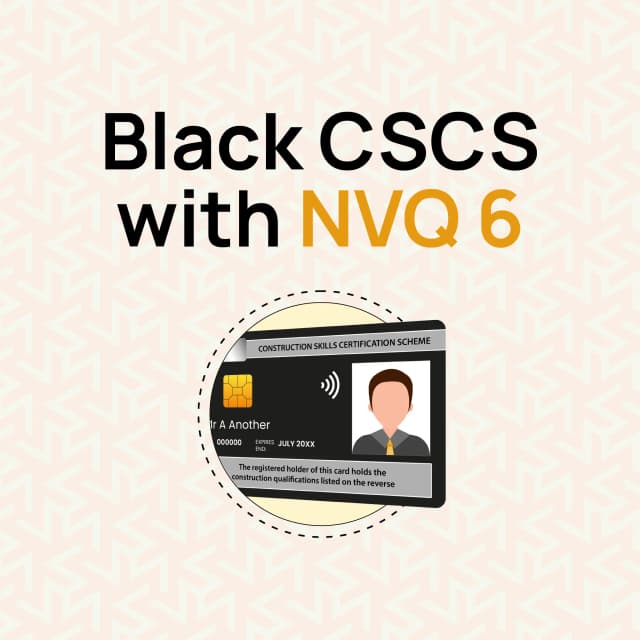
Want a Black CSCS Card? Here�s How Construction Managers Can Qualify
If you're a construction professional aiming for a leadership role, the Black CSCS Card is the qualification you need. It�s designed for site managers, project leaders, and senior construction staff who want to prove their competence in managing safety, teams, and site operations. To qualify, you�ll need to complete an NVQ Level 6 in Construction Site Management, pass the CITB Health, Safety and Environment Test, and apply through the official CSCS certification process. This guide walks you through each step clearly so you can get your Black CSCS Card and unlock new career opportunities with confidence.What Is a Black CSCS Card?The Black CSCS Card, also known as the Manager�s CSCS Card, is part of the Construction Skills Certification Scheme (CSCS). It�s designed for experienced professionals in managerial roles such as site managers, project managers, and senior supervisors. Holding this card proves that you�ve got the right qualifications and knowledge to manage construction sites safely and efficiently. It�s often a requirement for working on large-scale projects and can make a real difference to your career prospects in construction.Why Do You Need a Black CSCS Card?In today�s construction industry, more and more employers expect their site managers and supervisors to hold a CSCS certification. A Black CSCS Card indicates that you meet national standards and lends credibility to your work in front of clients, contractors, and employers. It also opens the door to better job opportunities, higher pay, and the chance to take on more responsibility on-site.Step-by-Step: How to Get a Black CSCS CardTo get your Black CSCS Card, there are three main steps you�ll need to follow:Step 1: Complete an NVQ Level 6 in Construction Site ManagementThe first step is to complete an NVQ Level 6 diploma in Construction Site Management. This qualification is tailored for individuals already working in the construction industry, particularly those with supervisory or management experience. The course is assessed through a mix of on-site observations, written work, and a portfolio that reflects your real-world responsibilities. At Hurak, we offer a flexible course delivery model that allows you to study around your job and complete the qualification at your own pace without needing to attend classroom sessions.Step 2: Pass the CITB Health, Safety and Environment Test (for Managers)Next, you�ll need to pass the CITB Health, Safety and Environment (HS&E) Test for Managers and Professionals. This is a multiple-choice exam that covers essential health and safety knowledge for working in management roles. It takes around 45 minutes and costs �23.50. This test must be passed within the two years before you apply for your CSCS card.Step 3: Apply for Your Black CSCS CardOnce you�ve successfully completed the NVQ and passed your CITB test, you can apply for your Black CSCS Card through the official CSCS website. You�ll need to provide a scanned copy of your NVQ certificate, proof that you passed the CITB test, a passport-style photo, and payment of the �36 application fee. Most cards are delivered within 7 to 10 working days.How Long Does It Take to Get a Black CSCS Card?The full process depends on your experience and availability, but many learners complete their NVQ Level 6 in as little as 12 to 16 weeks. The CITB test can be booked quickly, and once your documents are ready, the CSCS card usually arrives in about a week.Can You Get Help with Costs?Yes, in many cases you can. If you�re employed by a company registered with CITB, your employer may be able to claim grant funding to cover part or all of the course fee. At Hurak, we also offer flexible payment plans, allowing you to spread the cost over several months. If you�re self-employed, the course cost may be tax-deductible as a business expense.What if You Already Have Experience but No NVQ?If you�re already doing the work of a site manager but don�t hold formal qualifications, don�t worry, you can still get your NVQ Level 6. The course is designed to recognise and assess your existing skills. You�ll be supported by a qualified assessor who will help you build a portfolio of evidence based on what you already do on-site. There�s no need to attend college or take time off work.What Happens After You Get Your Black CSCS Card?Once you�ve received your Black CSCS Card, you�ll be recognised as a qualified site manager. This can lead to better job offers, higher salaries, and more trust from clients and contractors. It also makes you eligible for roles with greater responsibility, and can even count towards membership with professional bodies like the CIOB (Chartered Institute of Building).ConclusionThe Black CSCS Card is more than just a plastic card; it�s your proof that you�re qualified to manage construction projects in the UK. By completing the NVQ Level 6, passing the CITB test, and applying through CSCS, you�ll position yourself for better job opportunities, more responsibility, and stronger career progression. FAQsIs SMSTS enough to get a Black CSCS Card?No. While SMSTS is useful training, it�s not accepted by CSCS as a qualification for the Black Card. You must complete an NVQ Level 6 or higher.How long is the Black CSCS Card valid?The card is valid for 5 years. You�ll need to retake the CITB test and reapply to renew it.Can I do the NVQ while working full time?Yes. The NVQ is designed for professionals who are already working in the industry. All assessments are based on your current role and responsibilities.

Can I Get a Black CSCS Card with SMSTS? Requirements Alternatives Explained
If you�ve completed the SMSTS course and now want a Black CSCS Card to get a managerial position on-site, the answer is simple: SMSTS will not give you everything you need. Although it is a good qualification, the Black CSCS Card, also referred to as the Manager Card, requires more than just health and safety training.This article breaks down what SMSTS does (and doesn�t) cover, the actual qualifications needed, and what alternatives you should consider if you're planning to apply for a Black CSCS Card.What Is a Black CSCS Card and Who Needs One?The Black CSCS Card, also known as the CSCS Manager Card, is not just another card in the Construction Skills Certification Scheme (CSCS);it is designed for individuals working in senior management roles within the construction industry. It represents the fact that the cardholder is competent and qualified enough to handle teams and manage massive projects, and ensure compliance with health and safety standards.�This card is mandatory for individuals working in high responsibility positions like Site Managers, Project Managers, Senior Construction Supervisors and Contract or Operations Managers. Holding the Black CSCS card not only enhances credibility but also fulfils the expectations of the majority of employers and principal contractors in assigning a person to a supervisory or managerial position.Get Your Black CSCS Card with HurakTo get your Black CSCS Card, you�ll need to complete the Level 6 NVQ Diploma in Construction Site Management and pass the CITB Managers and Professionals (MAP) Test. Hurak makes the whole process simple and supports you from start to finish.�Start the NVQ Level 6 Course | Take a Free CSCS Mock Test | Watch the CITB MAP Mock Exam Video | Learn How to Apply for the CSCS Card.Why SMSTS Isn�t Sufficient for a Black CSCS Card.��There�s a common misconception that completing the SMSTS course automatically qualifies you for a Black CSCS Card, but that�s not the case. Many construction professionals take the Site Management Safety Training Scheme (SMSTS) course to boost their site management skills and safety knowledge. It equips you with the knowledge needed to manage site safety, but it doesn�t assess on-the-job competence, which is what CSCS requires for a managerial card. While it's a respected qualification, SMSTS alone is not enough to obtain a Black CSCS Card.To be eligible for the Black Card, you must demonstrate occupational competence, which is typically done through completing an NVQ/SVQ Level 6 in Construction Site Management or an equivalent qualification. SMSTS is a supplementary training course, and while SMSTS is valuable and often preferred by employers, it�s not a substitute for the formal vocational qualifications required by CSCS.Tip: SMSTS is training. The Black Card is proof of competenceHow to Qualify for a Black CSCS Card: Key Criteria ExplainedTo apply for the Black CSCS Card, you'll need to provide specific qualifications and proof of managerial competence. Before applying, it is necessary to know the exact eligibility criteria. This card is typically intended for senior roles, such as site managers and project leaders.The primary qualifications include:NVQ Level 6 in Construction Site Management: This qualification assesses your practical, on-the-job competence and is the most recognised route to obtaining the Black CSCS Card. Equivalent qualifications may also be accepted, depending on the CSCS scheme rules.CITB Managers and Professionals (MAP) Test: You must pass the Health, Safety and Environment Test for Managers and Professionals, which is valid for 2 years at the time of application.Proof of Experience and Role: To qualify as an applicant, applicants usually have to be in, or have experience in, a managerial position in the construction industry.Explore some of our most in-demand NVQ courses and qualify for Other CSCS Cards.Hurak offers a range of accredited NVQ qualifications in Construction to help you progress confidently in your career.CSCS Blue CardLevel 2 NVQ Diploma in PlasteringLevel 2 NVQ Diploma in Roofing OccupationsLevel 2 NVQ Painting and DecoratingLevel 2 NVQ Certificate in Wall and Floor TilingCSCS Gold CardLevel 4 NVQ Diploma in Construction Site SupervisionLevel 3 NVQ Certificate in Wall and Floor TilingLevel 3 NVQ Diploma in Roofing OccupationsLevel 3 NVQ Diploma in PlasteringCSCS Black CardLevel 6 NVQ Diploma in Construction Site ManagementLevel 6 NVQ Diploma in Construction Contracting Operations ManagementWant more options?Browse All NVQ Courses at Hurak.Stuck with Only SMSTS? Here�s How to Move ForwardThe Site Management Safety Training Scheme (SMSTS) is one of the most reputable across the construction industry. While it doesn't meet the qualification criteria for the Black CSCS Card on its own, it still plays an essential role in developing your competence as a site or project manager.When you have finished SMSTS and are now wondering what to do next, you are not the only one. Most professionals get to this stage believing that a qualification could be sufficient in order to get a Black CSCS Card, only to discover that they are wrong.Why SMSTS Still Matters:Demonstrates Health & Safety Leadership: Employers appreciate the candidates who know the risk management and safety procedures in the workplace.Recognised by Employers: Many employers prefer or even require SMSTS as part of their internal training frameworks for site managers, even if it's not a CSCS qualification requirement.Lays the foundation for NVQ success: SMSTS content often overlaps with parts of the NVQ Level 6 in Construction Site Management, which is the main qualification required to obtain the Black Card.Moving Towards the Black Card:Once you have finished SMSTS but have not yet achieved an NVQ Level 6 or equivalent, then the following are your action steps:Enrol in a Level 6 NVQ: Combine your SMSTS with an NVQ Level 6 in Construction Site Management. This is the most direct and recognised route to becoming eligible for the Black CSCS Card.Gather Site Evidence: Maintain records of your on-site experience and responsibilities. Use your SMSTS knowledge that will benefit your NVQ learning and practical assessments.Consult an Approved Training Provider: Work with an accredited NVQ provider who can guide you through the NVQ assessment. They�ll help you align your work experience with NVQ evidence needs.Note: While courses like SMSTS are beneficial and often taken alongside the NVQ, they do not meet the formal qualification criteria required for the Black Card on their own.Black CSCS Card Application: What You Need to DoApplying for a Black CSCS Card involves meeting specific eligibility criteria and following a straightforward application process. Here�s what you need to do to secure your card:Check Your EligibilityMake sure you hold the required qualifications, such as an NVQ Level 6 in Construction or an approved equivalent. This card is designed for senior site managers and supervisors.Pass the CITB Managers and Professionals (MAP) TestYou must have passed the CITB Health, Safety, and Environment test for managers and professionals (MAP) within the last two years to demonstrate your current knowledgePrepare Your DocumentationGather all required documents, including:Proof of your NVQ or equivalent qualification.Confirmation of passing the CITB MAP test.Valid photographic ID, such as a passport or driving license.Submit Your ApplicationApply online via the official CSCS website or through an authorised training provider. Complete the application carefully and pay the current fee of �36.Receive Your CardOnce your application is approved, your Black CSCS Card will be sent to you by post. The card is valid for five years; after this period, renewal of the card involves retesting and updating your qualifications.Boost Your Site Safety Credentials with CITB CoursesLooking to enhance your knowledge of site safety and meet industry standards? Hurak�s CITB Site Safety Plus courses are designed to support construction professionals at every level, from operatives to senior managers.Popular CITB-accredited courses include:CITB Health and Safety Awareness (HSA)CITB SMSTS: Site Management Safety Training SchemeCITB SMSTS Refresher CourseCITB SSSTS: Site Supervisor Safety Training SchemeCITB SSSTS Refresher CourseFAQs1. Can I get a CSCS card with just an SMSTS qualification?No. SMSTS is a health and safety training course and not a recognised qualification by CSCS for card eligibility. You need an NVQ Level 6 (or SVQ Level 6 in Scotland) to qualify for a Black CSCS Card.2. What�s the difference between SMSTS and a Black CSCS Card?SMSTS��is a training certificate indicating that you have attended a safety course. A Black CSCS Card is evidence of competence, and it requires a management-level vocational qualification.3. Is the Black CSCS Card the highest level?Yes, it�s the highest CSCS card for site-based roles and is specifically designed for senior management positions, such as site or project managers.4. Do I still need SMSTS if I have a Black CSCS Card?However, not obligatory, it is much more advisable to have SMSTS in addition to your Black Card. Many employers prefer candidates with both safety training and formal qualifications5. How long does it take to get a Black CSCS Card?Once you�ve passed the required NVQ and CITB MAP test, the application process usually takes a few weeks. The timeline depends on how quickly you submit documents and pass assessments.6. Can I use an NVQ Level 4 or 5 to get a Black CSCS Card?No. The minimum accepted qualification is an NVQ/SVQ Level 6 in Construction Site Management or a closely related field.7. Can I apply for a Black CSCS Card while I�m completing my NVQ Level 6?No. You must have fully completed and received certification for your NVQ Level 6 before applying. Provisional cards may be available in some cases during training.8. Do I need to renew the Black CSCS Card after five years?Yes. Renewal requires you to retake the CITB Health, Safety & Environment (MAP) Test and provide proof that your qualifications remain valid and current.Final Thoughts: Can SMSTS Lead to a Black CSCS Card?The SMSTS course is a well-respected qualification that enhances your site management knowledge and health and safety awareness, but it does not meet the eligibility criteria for a Black CSCS Card on its own. To qualify, you�ll need a Level 6 NVQ in Construction Site Management alongside a valid CITB MAP Test pass.That said, completing SMSTS can still play a crucial role in your professional development. It demonstrates your commitment to site safety and leadership and can complement your progress as you work towards a formal management qualification.If you're aiming for a senior role in construction, understanding the whole route to the Black Card is essential. Use this guide to identify where you are in your journey and take informed steps towards achieving professional recognition and advancement.


NVQ Funding Payment Plans for Painting and Decorating
Upskilling in construction doesn�t have to come with a financial strain. If you're looking to gain an NVQ in Painting and Decorating, especially at Levels 2 or 3, there are multiple ways to reduce the cost, from CITB grants to flexible monthly payment plans. We�ve gathered all the funding support and payment plan options that make getting your CSCS card more affordable.What Is NVQ Funding?NVQ funding refers to financial support provided to learners and employers to help cover the cost of completing a National Vocational Qualification (NVQ). In the construction industry, this funding enables workers to acquire the necessary qualifications for CSCS cards and advance their careers.Why NVQ Funding Matters More Than EverWith the Industry Accreditation (IA) CSCS cards officially expired as of 31 December 2024, it is now mandatory for construction workers to hold a valid NVQ qualification to apply for or renew their CSCS card. This shift affects thousands of workers who were previously relying on experience-based accreditation.NVQ funding plays a crucial role in making this transition smoother and more accessible, helping workers avoid large out-of-pocket costs while staying compliant with industry standards. Grants like the CITB Short Qualification Grant significantly reduce financial barriers, allowing workers to gain recognised qualifications needed to continue working legally on-site.CITB Short Qualification Grant (Mainstream Funding Option)What It OffersThe CITB Short Qualification Grant helps construction workers and employers reduce the cost of qualifying by offering direct financial support toward recognised qualifications. For Painting and Decorating NVQs, this grant provides �600 toward the cost of a Level 2 NVQ in Painting and Decorating.This financial support can significantly reduce your upfront costs, making it more affordable to get your CSCS Blue Skilled Worker Card and continue working on-site legally.�As of June 2025, Painting and Decorating qualifications are only eligible for the �600 grant, according to the official CITB list of short qualifications.Who's Eligible?To qualify for the CITB Short Qualification Grant, you must be employed by a CITB-registered employer that is up to date with its Levy Returns. Additionally, you must work in a construction-related role. This includes directly employed staff who are on payroll in practical or supervisory roles, subcontractors and self-employed workers operating under a CITB-registered business, as well as business owners or partners who are actively involved on-site or in managing decorating teams.If you�re unsure about your eligibility, speak to your employer or NVQ training provider.Fast-Track Your NVQ Level 2 in Painting and DecoratingOnly �699.99 | Finish in just 3 weeks | 100% online | Guaranteed passPerfect for decorators already working on-site who want formal recognition and a CSCS Blue Skilled Worker Card.Book NowHow to ApplyConfirm eligibility with your employer or NVQ provider.Enrol in a CITB grant-approved NVQ Level 2 in Painting and Decorating.Complete your NVQ, and your employer must submit the grant application within 52 weeks of completion.Your employer will need to provide:NVQ certificate or awarding body confirmationCompleted CITB grant application formEmployer�s bank detailsProcessing Time: Approximately 3�5 weeks. Payment is made via BACS directly to the employer, who can either pass the amount to you or retain it if they cover your training costs upfront.Flexible Payment Plans for NVQ LearnersIf you're not eligible for funding or want to spread the cost, interest-free payment plans are an easy way to get started.Pay in 3 with KlarnaAll of Hurak's NVQ courses can be split into three interest-free monthly payments through Klarna. There's no credit check, and you can start learning right away.Zero-Risk GuaranteeHurak offers a full refund if you don�t pass your NVQ, plus ongoing assessor support to guide you every step of the way.NVQ Painting and Decorating Courses You Can Start TodayNVQ Level 2 in Painting and Decorating�699.99Finish in just 3 weeks100% online & no examsGet your CSCS Blue Skilled Worker CardPerfect for painters already working on-site who want formal recognition.Get qualified without exams explore our fully online NVQ Level 2 courseNVQ Level 3 in Painting and Decorating�899.99Finish in 4-5 weeksStep up to the CSCS Gold Skilled Worker CardIdeal for team leads, supervisors, and experienced decoratorsExplore the NVQ Level 3 Painting and Decorating course to access senior positions in the tradeBoth courses include:OFQUAL & CITB approvalGuaranteed passOnline access, assessor support, and easy uploadsFunding + Payment Plan Strategy (Step-by-Step)Check your eligibility for CITB grants or free coursesChoose your course (Level 2 or Level 3)Apply for funding or spread the cost with KlarnaStart learning immediately with online, self-paced accessGet your CSCS card and boost your career prospectsConclusionUpskilling doesn�t have to wait. Whether you're funding your NVQ through CITB, or using an interest-free instalment plan, Hurak makes it simple, affordable, and fast.Browse all NVQ courses offered by HurakFAQCan I combine government funding with payment plans?Yes. If your grant covers part of the cost, you can use Klarna to cover the rest.Do I need to study full-time?No, our NVQs are flexible and built around your work schedule.Can self-employed painters apply?Yes, if you're working under a CITB-registered contractor or via local Jobcentre schemes.Are these courses recognised across the UK?Yes. All qualifications are nationally accredited and valid for life.What are the earning prospects?Level 2 / Blue CSCS Card: �28,000��38,000/year � According to the UK Government�s Office for National Statistics (ONS) labour market data, qualified tradespeople in roles like painting and decorating earn an average salary within this range, depending on region and experience.Level 3 / Gold CSCS Card: �38,000��50,000+/year � Senior decorators, team leads, and site supervisors typically earn within this range. These figures are consistent with estimates from industry job boards and government-backed careers services such as the National Careers Service, which outlines potential earnings based on qualifications and responsibilities.