

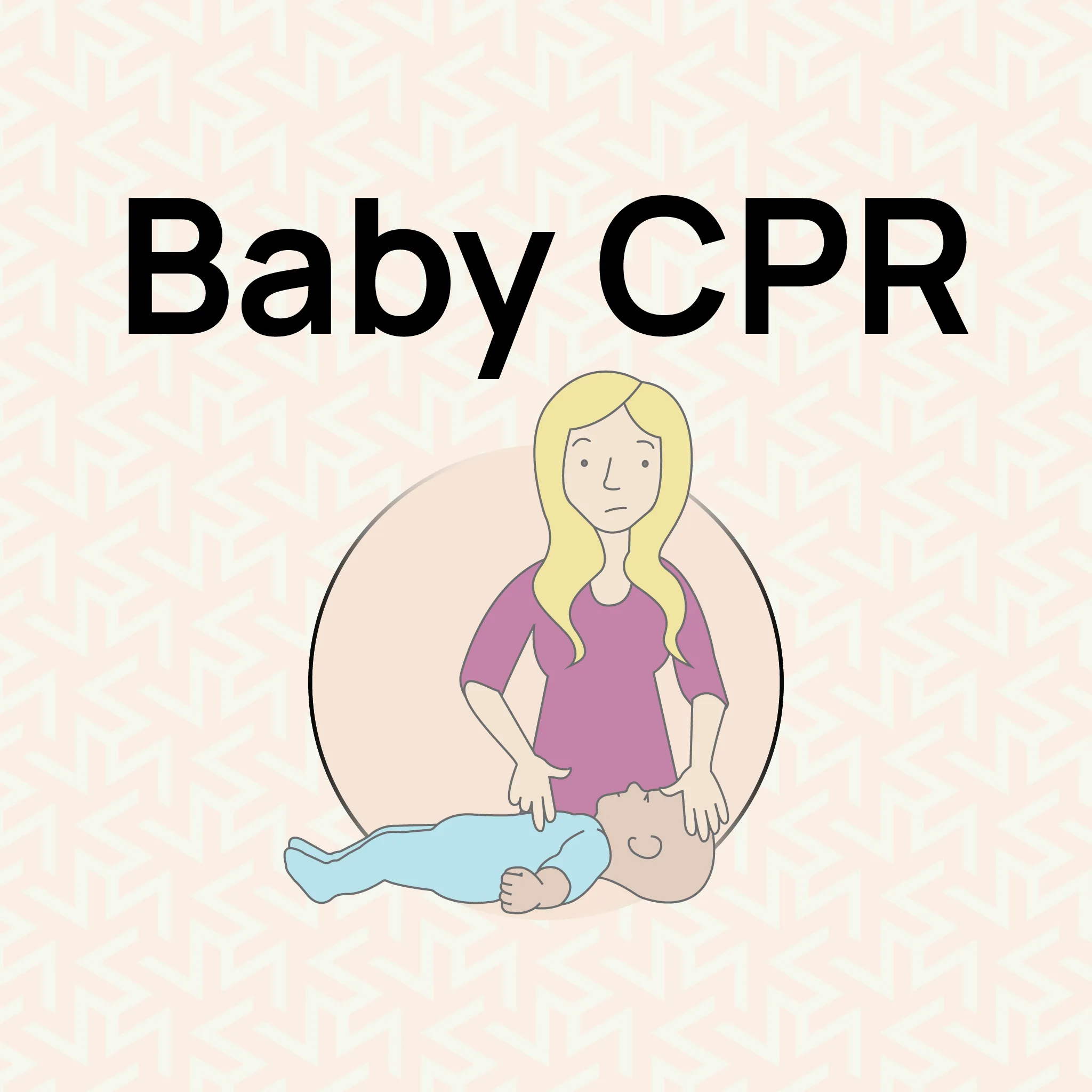
Baby CPR: Step-By-Step to Performing CPR on a Baby or Child
Read the full article for more details.
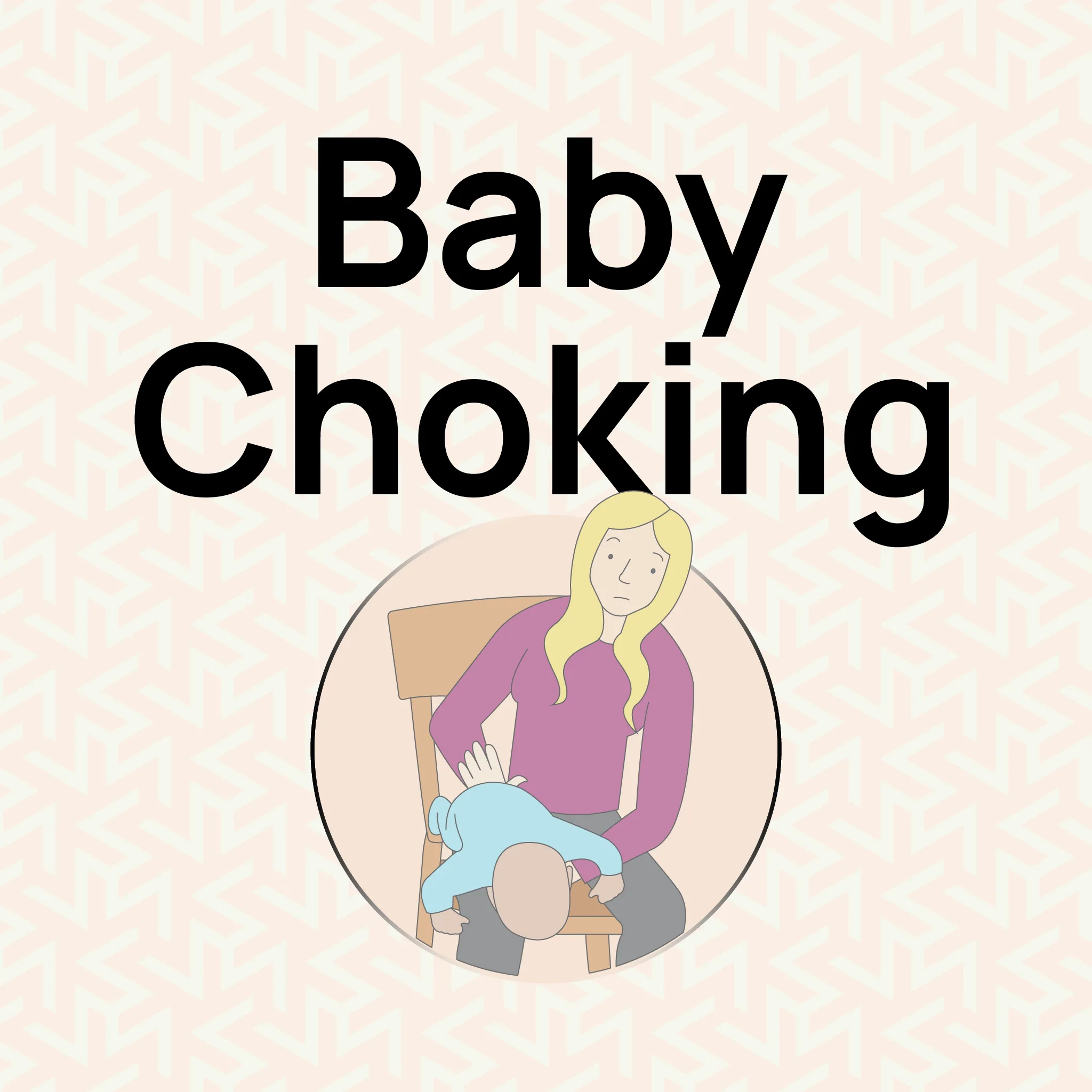
Baby Choking: What Every Parent and Caregiver Should Know About
A baby choking is every parent's worst nightmare. It happens suddenly, while playing, feeding, or even when the baby is lying down. Babies naturally put objects in their mouths as they explore and learn about the world. Choking accidents are more common than many people think. Understanding what to do if your baby is choking can make a life-saving difference. Whether it's a piece of food, a small object or milk going the wrong way, knowing the proper first aid steps and how to position your baby correctly can help clear their airway quickly and safely. In this step-by-step guide, you will learn everything parents and caregivers need to know about baby choking first aid, from spotting the signs of choking to what to do when a newborn chokes on milk and how to stop a baby choking safely and confidently. Understanding Baby Choking Choking occurs when something blocks a baby's airway, making it difficult or impossible for them to breathe. It can happen suddenly during feeding, while playing or even when the baby is lying down. Babies explore the world with their mouths, which makes them especially vulnerable. Difference Between Gagging and Choking It's essential to understand the difference between gagging and choking. Gagging is the baby's natural reflex to clear the throat. The baby may cough or make noises and can usually breathe. Choking, however, is a more serious issue. The airway is either wholly or partially blocked, and the baby may be unable to cry, cough, or breathe. Why babies are more prone to choking Babies are naturally at a higher risk of choking because their bodies and reflexes are still developing. Understanding the reasons can help parents take simple precautions to keep their little ones safe during feeding and playtime. Small airways: A baby’s airway is very narrow, so even a tiny piece of food, a toy, or an object can block it. This makes them more vulnerable to choking compared to older children or adults. Exploring with their mouths: Babies learn about the world by putting things in their mouths. It’s part of how they explore. Unfortunately, this curiosity often leads to them mouthing objects that are unsafe or too small to chew. Newborn feeding: During feeding, especially in newborns, milk can sometimes flow into the airway instead of the stomach. This can happen due to improper feeding positions or fast-flow nipples. Due to their small airways and natural curiosity, babies require constant supervision when eating or playing. Being alert and prepared can significantly reduce the risk of choking. Everyone should know basic life-saving skills. You can also enhance your knowledge by enrolling in a course today! Our first aid courses provide comprehensive training to help you handle critical situations effectively. Whether you are a parent or childcare professional, these courses help build confidence and expertise. View our Paediatric First Aid Training (2 days) and Online First Aid at Work course. Signs of Baby Choking Recognising choking in a baby as soon as it happens can make all the difference in how effectively you respond. Babies can’t always signal distress clearly, so parents and carers need to know what to look for to recognise it. Understanding the warning signs early helps you act fast and potentially save a life. Inability to make sounds or cry If your baby suddenly stops making any noise while feeding or playing, it may indicate that their airway is completely blocked. If the baby cannot cry, cough, or make any sound, this is a clear indication that air is not passing adequately, and you need to act quickly. Weak or no cough Coughing is the body's natural defence mechanism for clearing the airway. If the baby is attempting to cough but is unable to, it may indicate a severe obstruction. If the baby has only minimal cough attempts or has completely stopped coughing, you need to help the baby open the airway rather than waiting for it to open on its own. Skin or lips turning blue or pale A change in skin tone, especially around the lips or face, is a late and serious sign of choking. It indicates that the baby isn’t getting enough oxygen. This symptom requires urgent attention. Begin first aid immediately and call for emergency help if necessary. Difficulty breathing or noisy breathing If your baby is struggling to breathe, gasping, or making high-pitched noises, it suggests a partial airway obstruction. Even if the baby can still draw some breath, this situation can worsen quickly, so it’s essential to stay alert and ready to act. Panic or flailing arms A choking baby may look scared or begin waving their arms in panic. This physical distress is often an instinctive reaction to the sudden inability to breathe correctly. It’s crucial to stay calm, as a quick and composed response can help your baby recover more quickly. Recognising these signs early allows you to respond immediately with the correct first aid techniques, such as back blows and chest thrusts, before professional help arrives. The faster you act, the better the chances of clearing the blockage and preventing serious complications. Common Causes of Baby Choking Choking can occur in various situations, and some are more common than others. Understanding the potential causes can help parents, carers, and childcare professionals reduce the risk. Below are some of the most common choking hazards for babies and young children: Cause Description Choking on milk Newborns and infants can choke on milk, especially if they feed too quickly or lie flat while feeding. Small food items Foods like grapes, nuts, chunks of meat, and hard candies can block the airway if not prepared correctly. Toys and household objects Small items like coins, buttons, beads, and toy parts can easily become choking hazards for babies and toddlers. Improper feeding techniques Overfilled bottles or fast-flow nipples cause babies to swallow too much at once, increasing choking risks. Feeding in a lying-down position Feeding in this position increases the risk of choking as milk can flow into the wrong airway. Lack of supervision Choking often happens when babies are left alone, even for a short time, while eating or playing. Sticky or chewy foods Foods like peanut butter, marshmallows, and certain candies can get stuck in the airway, particularly for younger children. Playing with small toys Babies and toddlers often put small toys or toy parts in their mouths, creating choking hazards. Poorly cut food Large chunks of food or food that’s not appropriately cut can block a baby’s airway, leading to choking. Sudden distractions Distractions during feeding or play can cause babies to accidentally swallow or put objects in their mouths too quickly, leading to choking. What to Do If Your Baby is Choking: A Step-by-Step Guide When a baby chokes, acting quickly and calmly can save their life. The following steps are based on NHS guidelines and are designed to be clear and actionable for all carers. 1. Assess the situation: If the baby can still cough or cry, allow him/her to continue what he/she was doing, as this helps dislodge the obstruction. If the baby cannot make any sounds (cries or coughs) or is turning blue from lack of breath, you need to act immediately 2. Call for Help: Call 999 or 112 for emergency assistance. If you are busy helping your baby, ask someone nearby to call for you. 3. Position the Baby: For infants under 1 year old, lay the baby face down along your forearm, supporting the head and neck. Ensure the head is lower than the chest. 4. Administer Back Blows: Using the heel of your hand, give up to five sharp back blows between the baby’s shoulder blades. Check after each blow to see if the object has been dislodged. 5. Perform Chest Thrusts: If the blockage remains, turn the baby face-up, keeping the head lower than the chest. Place two fingers in the centre of the chest, just below the nipple line. Give up to five sharp chest thrusts. 6. Repeat if Necessary: Continue alternating back blows and chest thrusts until the object is expelled or emergency help arrives. If at any point the baby becomes unresponsive and is not breathing, begin infant CPR. Below is a visual checklist of the essential do's and don'ts to follow when handling a choking baby or infant: Prevent Choking in Infants Prevention is always better than dealing with a choking emergency. Here are simple steps to reduce the risk of your baby choking: Supervise feeding and play: Always supervise the baby while they eat or play. Don't leave an infant or toddler alone and unattended with small objects or food. Feed in the correct position: When feeding your baby, you should hold them slightly upright. Whether the baby is bottle-fed or breastfed, you want to make sure you burp them often to prevent milk from coming back up quickly. Offer age-appropriate foods: Don't give babies under 4 years anything small, complex, or round like nuts, grapes, popcorn, or hard candies. For soft foods, cut them into tiny, manageable pieces. Offer age-appropriate foods: Store small items such as coins, buttons, and small toy pieces on high surfaces so babies cannot reach them, and check your floors and the surfaces below them for potential choking hazards regularly. Stay up-to-date with first aid for baby choking: It is essential for parents, caregivers, and childcare providers to stay up to date with first-aid training pertaining to infants who are choking. Take a first-aid certification course to be confident and knowledgeable about how to respond in an emergency. Conclusion Choking can happen suddenly, and every second counts when a baby’s airway is blocked. Understanding the signs of choking, knowing what to do if your baby is choking, and learning the correct positioning for back blows and chest thrusts can save a life. Parents, carers and childcare professionals choosing the best first aid training qualification play vital roles in keeping babies safe. While emergency first aid is vital, prevention is equally important; supervising feeding, offering age-appropriate foods and keeping small objects out of reach can significantly reduce risks Frequently Asked Questions How should you position a choking infant when you begin to treat them? Hold the baby face down along your forearm, supporting the head and neck. Keep the head lower than the chest for a back blow. If chest thrusts are needed, turn the baby face-up while still supporting the head and neck. How to stop a baby choking? Back-to-back five blows and five chest thrusts for infants under 1 year. Call emergency services if the baby cannot breathe or becomes unresponsive. Avoid finger sweeps unless the object is clearly visible. What to do if a newborn chokes on milk? Sit the baby slightly upright during feeding and burp regularly. If choking occurs, follow the back blows and chest thrust sequence. Call emergency services if the baby cannot clear the milk and shows signs of distress When should you seek medical help after a choking incident? Seek medical attention even if the baby seems fine afterwards. Call emergency services immediately if the baby cannot breathe or coughs or turns blue. Newborns choking on milk or other fluids should always be assessed by a healthcare professional. Explore Other First Aid Courses at Hurak Looking to boost your skills? Explore our range of first aid courses to find the right one for you. Here are some of our most popular first aid courses to help you stay prepared: Emergency First Aid at Work (1 Day): A one-day course covering essential life-saving skills, including CPR, choking, bleeding control, and managing emergencies. Ideal for low-risk workplaces. First Aid at Work (3 Days): A comprehensive three-day training that prepares you to respond to a wide range of injuries and illnesses in the workplace. Meets HSE requirements for high-risk environments. Paediatric First Aid (2 Days): Designed for those working with infants and children. Covers child-specific emergencies like choking, febrile seizures, allergic reactions, and more. Basic First Aid Course: Perfect for general awareness. It covers basic skills like dealing with minor wounds, burns, shock, and fainting and is suitable for non-workplace settings. Advanced First Aid Training: Intended for those needing higher-level skills. Includes oxygen administration, advanced trauma management, and secondary assessments. First Aid for Mental Health: Focuses on identifying, understanding, and supporting individuals with mental health conditions. Covers stress, anxiety, depression, and early intervention strategies.
Self-Harm: Understanding the Reasons, Types and How to Stop
Read the full article for more details.

Is It More Than Mood Swings? Understanding Bipolar Disorder
Read the full article for more details.
Exploring Self-Esteem: Signs, Causes, and Ways to Strengthen It
Self-esteem refers to your overall sense of self-worth and how much you value and believe in yourself. It plays a significant role in your confidence, decision-making, and emotional well-being. When self-esteem is low, it can lead to self-doubt, anxiety, and a negative self-image.In today�s world, where social comparison is constant, it�s essential to understand the meaning of self-esteem. Strengthening your self-esteem can enhance both mental health and quality of life.�Understanding Self-Esteem�Self-esteem is our internal sense of worth that influences how we think and feel about ourselves. It is not about being perfect or having pride; instead, it involves self-acceptance and the belief that we deserve respect and happiness.Experts view self-esteem as a fundamental part of emotional well-being. High self-esteem fosters motivation and resilience, while low self-esteem can lead to social withdrawal or excessive compensatory behaviour. The good news is that self-esteem can always be rebuilt with patience and self-awareness.What Is Low Self-Esteem?Low self-esteem is more than occasional doubt; it�s an ongoing belief that you�re not capable, deserving, or valuable. People with low self-esteem often doubt their decisions, feel inadequate compared to others, and struggle to accept compliments or acknowledge their achievements. This mindset can manifest in many ways, such as harsh self-criticism, excessive worry about making mistakes, fear of failure, or avoidance of new challenges. It can also affect relationships, as individuals may struggle to express their needs, set boundaries, or trust others.Recognising the signs of low self-esteem is a crucial first step toward positive change. Awareness allows individuals to identify patterns of negative thinking and self-sabotaging behaviours. Over time, consistently applying these strategies can lead to a healthier self-image, improved decision-making, and more fulfilling personal and professional relationships.Signs and Symptoms of Low Self-EsteemLow self-esteem can affect thoughts, emotions, and behaviour. Common signs include:Self-doubt: Constantly questioning your abilities or decisions.Negative self-talk: Criticising yourself or focusing on weaknesses.Fear of failure: Avoiding challenges due to worry about making mistakes.Difficulty accepting praise: Downplaying achievements or feeling undeserving.Perfectionism: Feeling anything less than perfect is a failure.Social anxiety: Feeling nervous in social situations or avoiding interactions.People-pleasing: Putting others� needs first to gain approval.What Causes Low Self-Esteem?Low self-esteem develops from a combination of personal experiences, emotions, and environmental factors. Common causes include:Childhood experiencesNeglect, harsh criticism, or a lack of emotional support can cause children to internalise feelings of unworthiness.Bullying and peer rejectionRidicule or social exclusion reinforces self-doubt.TraumaAbuse, loss, or other traumatic events can create lasting feelings of guilt, shame, or helplessness.Social comparisonComparing oneself to others, especially on social media, can intensify feelings of inadequacy.Environmental and emotional factorsToxic relationships, high-pressure environments, anxiety, or perfectionism can reinforce negative self-beliefs.Negative self-talkPersistent self-critical thoughts shape behaviour and hinder confidence.How To Improve Self-EsteemImproving self-esteem starts with recognising and understanding your inherent value as a person. One practical approach is to challenge negative thoughts and self-criticism, replacing them with balanced and positive perspectives.�Celebrating achievements, whether big or small, reinforces a sense of accomplishment and reminds you of your abilities. Taking small risks and stepping out of your comfort zone can gradually build your confidence, demonstrating that you are capable of handling challenges.Equally important is surrounding yourself with supportive and encouraging people who uplift you, rather than bring you down. Strengthening self-esteem also involves building healthy attachment and independence.When To Seek Professional Help�Low self-esteem can significantly impact various aspects of life, including personal confidence, relationships, and overall mental health. When persistent feelings of self-doubt or inadequacy begin to interfere with daily functioning, consulting a mental health professional can be highly beneficial. Therapy and counselling provide a structured and supportive environment to explore these feelings, identify their underlying causes, and develop evidence-based strategies to enhance self-esteem.�Such interventions often focus on cultivating emotional resilience, challenging negative thought patterns, and increasing self-awareness. Techniques include practising self-compassion, developing assertiveness skills, and learning adaptive coping mechanisms to manage criticism or setbacks effectively. Approaching self-esteem in this proactive manner aligns with the principles of mental health first aid:Recognising signs of psychological distressUnderstanding their impactImplementing strategies to support mental well-beingOver time, these approaches contribute to improved confidence, healthier interpersonal relationships, and a more stable and positive sense of self.Conclusion�Low self-esteem can impact various aspects of your daily life, including personal relationships, professional performance, and overall mental well-being. However, with awareness, consistent effort, and supportive guidance, it is possible to improve and nurture a stronger sense of self-worth. Understanding what self-esteem is and how it develops is the first step toward meaningful change.�By practising strategies like challenging negative thoughts, celebrating achievements, setting realistic goals, and surrounding yourself with positive influences, you can reshape your self-perception. Seeking professional support can also provide valuable tools to enhance your emotional resilience.These efforts lead to greater confidence, better decision-making, healthier relationships, and overall life satisfaction. Building self-esteem is an ongoing process that, with persistence and support, empowers you to face challenges confidently and embrace a more fulfilling life.FAQsWhat is self-esteem, and why is it important?Self-esteem is the overall sense of how much you value and believe in yourself. It affects your confidence, decision-making, and emotional health. Healthy self-esteem helps you handle challenges, form strong relationships, and maintain a positive outlook on life.What are the common signs of low self-esteem?People with low self-esteem may experience self-doubt, negative self-talk, fear of failure, difficulty accepting praise, perfectionism, social anxiety, or people-pleasing behaviour. Recognising these signs is the first step toward improving self-worth.What causes low self-esteem?Low self-esteem often develops from adverse childhood experiences, bullying, trauma, or constant comparison to others. It can also result from perfectionism, toxic relationships, or prolonged stress.How can I improve my self-esteem?You can improve self-esteem by challenging negative thoughts, celebrating achievements, setting realistic goals, and surrounding yourself with supportive people. Practising self-compassion and seeking therapy when needed can also help.How long does it take to build self-esteem?Improving self-esteem is a gradual process that varies from person to person. With consistent effort, positive thinking, and professional support, many people begin to notice changes within weeks or months.