

Workplace Regulations 1992: A Clear Guide to Health, Safety and Welfare Compliance
Understanding the Workplace Regulations 1992 is key for any business committed to health, safety, and compliance. These regulations define what�s expected in areas such as workplace design, safety measures, and staff welfare, ensuring that legal standards are met. Yet, many employers and managers struggle to interpret the legal text. This guide simplifies the rules, providing clear and practical explanations to help you stay compliant, protect your workforce, and foster a culture of safety.What Are the Workplace Regulations 1992?The Workplace (Health, Safety and Welfare) Regulations 1992 are a set of legal requirements designed to ensure that working environments across the UK meet basic standards of health, safety, and welfare. Introduced under the Health and Safety at Work 1974 Act, they were developed to bring UK law in line with European Directive 89/654/EEC, which established minimum safety requirements for workplaces.These regulations outline the conditions that every employer must provide, including adequate ventilation, proper lighting, reasonable workplace temperatures, and access to welfare facilities. They apply to almost all types of workplaces, from offices and factories to shops and warehouses, making them one of the most widely relevant pieces of UK health and safety legislation.At their core, the regulations aim to create a safe, comfortable, and supportive work environment for employees, while providing employers with a clear legal framework to follow. They remain a cornerstone of workplace compliance and continue to shape how health and safety are managed across industries today.Who Do the Workplace Regulations 1992 Apply To?The Workplace Regulations 1992 apply to the majority of workplaces in the UK, setting minimum standards that employers must meet to protect their staff. Whether it�s an office, warehouse, factory, retail store, or school, most working environments fall under these rules.However, there are some key exceptions. The regulations do not apply to:Construction sites are covered by separate legislation.Workplaces inside means of transport, such as ships or aircraft.Mines, quarries, and other extractive industries have their own safety regulations.Domestic premises where people are employed.For most employers, this means the 1992 regulations are highly relevant and legally binding. Every business owner, manager, and supervisor has a duty to ensure their workplace meets the required health, safety, and welfare standards. For employees, it provides reassurance that their working environment must legally be kept safe, clean, and supportive.Main Requirements of the RegulationsThe Workplace Regulations 1992 outline a series of minimum standards that employers must maintain to keep staff safe, healthy, and supported at work. These requirements cover both the physical conditions of the workplace and the welfare facilities provided.Key areas include: Ventilation, Temperature, and Lighting: Employers must ensure that workplaces have fresh air or mechanical ventilation, maintain a reasonable indoor temperature, and provide adequate lighting that is suitable for the work being carried out. Cleanliness and Space Standards: Workrooms should be kept clean and free from waste, with sufficient floor space, adequate height, and a suitable room layout to allow staff to move and work safely without overcrowding. Safety of Doors, Windows, and Traffic Routes: Entrances, exits, windows, and internal traffic routes must be safe to use. This includes providing clear passageways, ensuring doors and gates open safely, and making windows or skylights easy to open, clean, and maintain. Welfare Facilities: Employers are required to provide essential welfare facilities, including clean toilets, washing facilities, access to drinking water, and suitable rest areas. These facilities must be adequate for the number of employees and kept in good condition.Together, these requirements ensure that workplaces are not only legally compliant but also comfortable and safe for employees to carry out their duties effectively.Why the Workplace Regulations 1992 MatterThe Workplace (Health, Safety and Welfare) Regulations 1992 are more than just a set of rules; they form the foundation of modern workplace standards in the UK. Their importance lies in the way they safeguard employees while giving employers a clear legal framework to follow.For employers, the regulations matter because they:Provide a structured approach to maintaining safe and healthy workplaces.Help prevent accidents, injuries, and illnesses that could disrupt operations.Reduce the risk of enforcement action, financial penalties, and reputational damage.Support a culture of compliance that enhances efficiency and productivity.For employees, these regulations matter because they:Guarantee access to safe, clean, and supportive working conditions.Protect their right to welfare facilities such as toilets, rest areas, and drinking water.Ensure that the workplace environment does not compromise their health or well-being.Reinforce confidence that their employer has a legal duty to safeguard them.In practice, the 1992 regulations help strike a balance between business responsibilities and employee rights. They are designed to create work environments where people can perform effectively without unnecessary risks to their health or safety. By shaping both the physical conditions and the welfare provisions of a workplace, these regulations remain central to building safer, fairer, and more productive organisations across the UK.Employer Duties Under the RegulationsThe Workplace (Health, Safety and Welfare) Regulations 1992 place the primary responsibility for compliance with health, safety, and welfare regulations on employers. Every business, regardless of size, has a legal duty to ensure that its workplace meets the minimum standards for health, safety, and welfare.Key employer duties include: Providing a safe and suitable working environment: Employers must maintain workplaces that are adequately ventilated, well-lit, at a reasonable temperature, and kept clean to protect the health of their employees. Ensuring adequate space and safe access: Workrooms must allow sufficient space for movement, and doors, windows, and traffic routes must be designed and maintained to minimise risks. Maintaining welfare facilities: Employers are required to provide suitable facilities, including toilets, washing areas, drinking water, and rest areas. These must be adequate for the number of staff and kept in good working order. Conducting risk assessments and regular checks: Employers must regularly inspect the workplace to identify hazards and take steps to eliminate or mitigate them. Maintenance routines should be scheduled to ensure continued compliance. Training and informing employees: Staff should be made aware of workplace safety standards and trained on how to use facilities and equipment safely. Clear policies and guidance help ensure compliance at all levels of the organisation.Failing to meet these duties can lead to enforcement action by the Health and Safety Executive (HSE) or local authorities, including fines or prosecution. Beyond legal requirements, fulfilling these duties helps employers protect their workforce, maintain productivity, and build a positive safety culture within the organisation.Employee Rights and ExpectationsWhile employers carry the primary responsibility under the Workplace (Health, Safety and Welfare) Regulations 1992, employees also benefit from clear rights and are expected to play a role in maintaining safe working conditions.Employee rights under the regulations include:Working in an environment that is clean, well-ventilated, adequately lit, and maintained at a reasonable temperature.Access to welfare facilities such as toilets, washing areas, drinking water, and suitable rest spaces.Safe access to and from their workplace, with doors, windows, and traffic routes designed to minimise risks.The right to raise concerns if workplace conditions do not meet the required standards, without fear of unfair treatment.Employee expectations include:Following workplace safety rules and policies put in place by their employer.Using equipment, facilities, and protective measures responsibly.Reporting hazards, defects, or unsafe practices to supervisors or managers.Cooperating with employer-led training and instructions to ensure compliance with the regulations.By outlining both rights and expectations, the regulations aim to create a balanced approach where employers provide safe and supportive conditions, and employees contribute to maintaining them. This shared responsibility helps build safer, healthier, and more productive workplaces.Consequences of Non-ComplianceFailing to meet the standards set out in the Workplace (Health, Safety and Welfare) Regulations 1992 can have serious implications for employers. Non-compliance is not just a minor oversight; it is a legal offence that can lead to enforcement action by the Health and Safety Executive (HSE) or local authorities.Enforcement notices: Inspectors may issue Improvement or Prohibition Notices requiring employers to correct unsafe conditions or stop dangerous activities immediately.Financial penalties: Businesses found to be in breach of the regulations may face unlimited fines, depending on the severity of the offence.Prosecution: In severe cases, employers can be prosecuted in court, with potential custodial sentences for individuals held personally responsible.Reputational damage: Beyond legal sanctions, failing to meet basic health and safety standards can harm a company�s reputation, affecting employee trust and client relationships.Increased costs: Workplace accidents or poor welfare standards can lead to higher staff turnover, sickness absence, and compensation claims.By complying with the 1992 regulations, employers not only avoid these consequences but also create a safer and healthier workplace that benefits both staff and business performance.How to Stay CompliantMeeting the requirements of the Workplace (Health, Safety and Welfare) Regulations 1992 is not only a legal duty but also an investment in the well-being and productivity of your workforce. Employers can take practical steps to make sure their workplace consistently meets the standards set out in the regulations.For employers, staying compliant with the Workplace Regulations 1992 means protecting both people and business operations. Compliance involves more than meeting minimum requirements; it�s about creating a workplace where staff feel safe and supported. Risk assessments, proper maintenance, and welfare provisions are essential, but so is training employees to understand and follow safety policies. A compliant workplace reduces accidents, improves staff morale, and avoids costly penalties, making compliance a smart business strategy as well as a legal obligation.FAQsWhat are the Workplace (Health, Safety and Welfare) Regulations 1992?The Workplace Regulations 1992 are a set of UK laws that define minimum standards for health, safety, and welfare in most workplaces. They cover essentials such as ventilation, lighting, cleanliness, workspace, and welfare facilities.Who do the Workplace Regulations 1992 apply to?They apply to the majority of UK workplaces, including offices, shops, factories, and schools. Exceptions include construction sites, mines, quarries, domestic premises, and means of transport, which are governed by separate legislation.What are the main requirements of the Workplace Regulations 1992?The regulations require employers to maintain safe and clean workplaces with adequate ventilation, reasonable temperatures, sufficient lighting, safe traffic routes, and proper welfare facilities such as toilets, washing areas, and drinking water.What are employers� duties under the Workplace Regulations 1992?Employers must ensure the workplace is safe, clean, and properly maintained, carry out regular risk assessments, provide adequate welfare facilities, and train staff on health and safety practices. Failure to do so can lead to fines or legal action.What rights do employees have under the Workplace Regulations 1992?Employees have the right to work in clean, safe, and supportive conditions, access welfare facilities, and raise concerns about unsafe practices without fear of retaliation. They are also expected to follow safety policies and report hazards.What happens if an employer does not comply with the Workplace Regulations 1992?Non-compliance can result in enforcement notices, unlimited fines, prosecution, business disruption, reputational damage, and increased costs due to accidents or staff absence.How can employers stay compliant with the Workplace Regulations 1992?Employers can stay compliant by conducting regular risk assessments, maintaining safe working conditions, ensuring welfare facilities are available, training staff, and keeping up to date with health and safety standards through accredited training.ConclusionThe Workplace (Health, Safety and Welfare) Regulations 1992 remain a cornerstone of UK health and safety law, shaping the conditions in which millions of employees work every day. By setting minimum standards for ventilation, lighting, welfare facilities, and overall workplace safety, the regulations ensure that employees are protected while giving employers a clear framework to follow.For businesses, compliance is not just about avoiding fines or legal action; it is also about maintaining a strong reputation. It�s about creating a safe and supportive environment where employees can perform at their best. For staff, it reinforces the right to work in conditions that promote health, well-being, and dignity.In essence, these regulations strike a balance between legal responsibility and human need. Employers who prioritise compliance not only safeguard their workforce but also benefit from improved morale, higher productivity, and a stronger reputation. Investing in health and safety training and conducting regular workplace assessments are among the most effective ways to maintain compliance and foster a positive work environment.Stay Compliant with Workplace Regulations � Learn with HurakThe Workplace (Health, Safety and Welfare) Regulations 1992 set clear standards for employers and employees. Training is the most effective way to meet compliance, protect your workforce, and create a safer environment.Explore Hurak�s Range of Health & Safety Courses:Core Health & Safety Compliance CoursesThese are directly tied to the regulations and employer/employee duties:Level 2 Health and Safety in the WorkplaceLevel 3 Health and Safety in the WorkplaceNEBOSH Certificate in Fire Safety�Workplace Welfare & Safety Support CoursesGood fits for sections like welfare facilities, cleanliness, and safe environments:Manual Handling TrainingIOSH Working Safely Course�First Aid at Work Training�Specialised Workplace Safety CoursesThese reinforce areas linked to employer duties and compliance under workplace regs:Asbestos Awareness TrainingWorking at Height TrainingIOSH Managing Safely CourseIOSH Working Safely CourseExplore Hurak�s Health and Safety Courses to keep your business compliant and your employees protected.
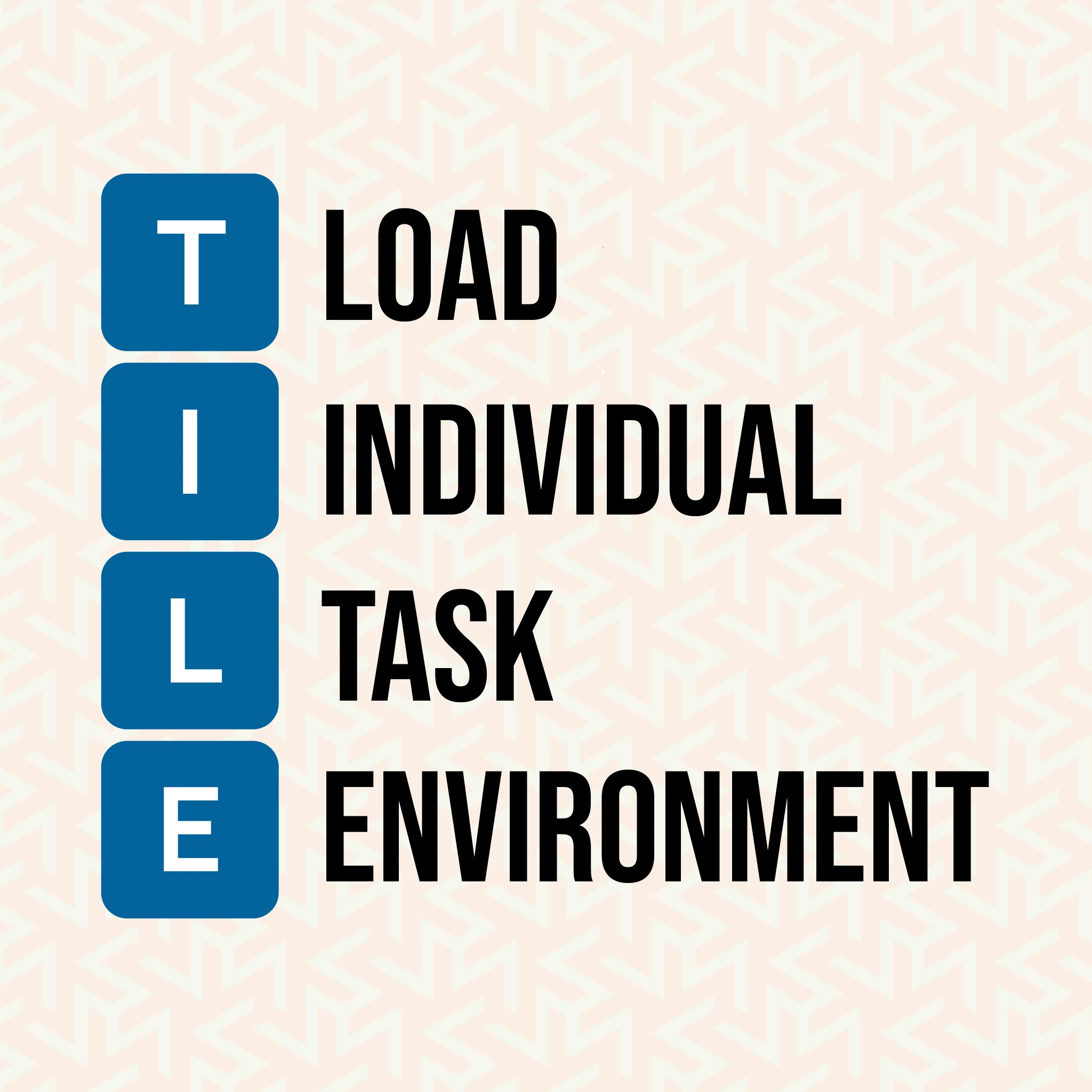
What Does TILE Stand For in Manual Handling? A Complete Guide to the TILE Framework
If a person in the home has developed swollen cheeks or is experiencing pain after chewing, you may be concerned that it is just a virus, such as a cold. However, it could be a much more serious issue, so check for mumps. Mumps is a viral infection that primarily affects the salivary glands, causing swelling in the cheeks and jaw on either or both sides of the face. While the MMR vaccination (measles, mumps, and rubella) has led to a decrease in MMR cases compared to years past, mumps still occurs today, particularly among unvaccinated individuals or those living in areas with low vaccination rates. You can be prepared to act calmly and protect your family from others by understanding how the virus spreads, identifying symptoms, and learning how to care for someone with mumps. Although mumps is highly contagious, it is usually mild. Therefore, with appropriate treatment, most individuals will recover without complication. Let's take an in-depth look at mumps, including what causes it, its symptoms, how to treat it, and how to prevent its spread. What Is Mumps? Mumps is a contagious viral infection caused by the mumps virus. It primarily affects the parotid glands, located near the ears and responsible for saliva production. When infected, these glands become swollen and tender, leading to the tell-tale �puffy cheeks� appearance. Mumps can affect children, teenagers, and adults, although vaccination has significantly reduced its occurrence in recent years. The infection spreads easily through respiratory droplets, such as by coughing, sneezing, or even sharing utensils and drinks with an infected person. While mumps is usually not life-threatening, in rare cases, it can lead to complications such as inflammation of the brain, testicles, or ovaries. What Causes Mumps & How It Spreads Mumps is caused by the mumps virus, a member of the paramyxovirus family. It primarily affects the salivary glands, particularly the parotid glands, which are located near the angle of the jaw. It can be transmitted to others around the infected individual, including those in close proximity, either when the infected person expels saliva into the air (through coughing, sneezing, or talking) or by sharing utensils that have been in direct contact with Saliva. How It Spreads from Person to Person Mumps is highly contagious. The mumps virus is transmitted from one person to another, and the recipient can become infected. Therefore, unvaccinated people are more susceptible to mumps in crowded settings, such as schools, student hostels, or universities. When an individual is infectious, they can transmit the Mumps Virus for approximately 3 to 5 days after symptoms appear. To help prevent spreading mumps: Stay home and avoid close contact with your family or friends for at least 5 days after the swelling begins. Cough or sneeze into a tissue; cover your mouth and nose with a tissue. Wash your hands frequently and don't share personal Items like towels, cups, utensils, etc. Mumps Symptoms Mumps symptoms usually appear two to three weeks after exposure to the virus. In the early stages, it may resemble the flu, characterised by mild fever and fatigue. As the infection progresses, one of the most recognisable signs is swelling in the cheeks or jaw due to inflamed salivary glands (parotid glands). Common Symptoms The most typical signs and symptoms of mumps include: Swelling in one or both cheeks or the jaw (parotid glands): The hallmark symptom is puffiness and tenderness near the ears. Pain while chewing, swallowing, or talking: This is caused by the swollen glands pressing on nearby muscles and nerves. Fever and chills: Often appear before or alongside swelling. Headache and fatigue: Common as your body fights off the viral infection. Muscle aches and joint pain: Indicating your immune system�s response. Loss of appetite: Due to discomfort and fever. Less Common but Serious Complications In some cases, mumps can lead to more serious complications, particularly in adults or those who aren�t vaccinated: Orchitis: Swelling and pain in one or both testicles (in males). This may cause tenderness and discomfort but rarely leads to infertility. Oophoritis: Ovarian inflammation (in females), which can cause abdominal pain and tenderness. Meningitis or encephalitis: Inflammation of the brain or its lining, leading to severe headache, neck stiffness, or confusion. Hearing loss: A rare but possible complication due to nerve inflammation. Most people recover completely within a few weeks, but complications are more likely in adults than in children. If you experience severe pain, persistent fever, neck stiffness, or confusion, seek medical help immediately. Mumps in Babies and Young Children Mumps is rare in babies under one year old because they often carry temporary antibodies passed from their mothers. However, if exposed to the virus, infants may develop symptoms such as fever, irritability, loss of appetite, or mild facial swelling near the jaw or ears. These signs can be harder to detect in younger children. Since babies cannot receive the MMR vaccine before 12 months, preventing infection depends on limiting exposure and ensuring all family members are fully vaccinated. Maintaining good hygiene, avoiding contact with infected individuals, and disinfecting shared surfaces also help protect infants. If a baby shows swelling, high fever, or unusual fussiness, parents should consult a doctor immediately to confirm the cause and prevent complications. Early medical attention ensures safe care and peace of mind for families. How Long Does Mumps Last? The duration of mumps can vary from person to person, but in most cases, symptoms last between 7 to 10 days. The facial swelling and pain usually start to improve after the first week, though tiredness and mild discomfort may linger for a short while. With plenty of rest, hydration, and supportive care, most people make a full recovery without complications. However, it�s essential to monitor symptoms, especially in young children, adults, or individuals with weakened immunity, and seek medical attention if the illness appears to worsen or last longer than expected. When to See a Doctor Contact a healthcare professional if you or your child experiences any of the following warning signs: Persistent high fever or severe pain Swelling in the testicles, abdomen, or face that worsens Stiff neck, confusion, or severe headache, which could indicate meningitis Symptoms lasting longer than 10 days without improvement Existing health issues or a weak immune system that increase complication risk Mumps Treatment There is no specific antiviral medicine for mumps. Treatment focuses on relieving symptoms and supporting the body's recovery. Most people can manage the illness at home with supportive care and treatment. Home Care Tips: Get plenty of rest: avoid strenuous activities until you feel better. Ease discomfort: Use over-the-counter pain relief. Apply warm or cold compresses to reduce facial swelling. Stay hydrated: drink water, soups, and juices to prevent dehydration. Eat soft foods: Smoothies, soups, and mashed foods are easier to chew when jaw pain is present. If you notice severe pain, swelling in the testicles or abdomen, or prolonged fever, seek medical advice immediately. Doctors can provide guidance and rule out complications. Prevention of Mumps The best protection against mumps is the MMR vaccine, which is recommended by the World Health Organisation and guards against measles, mumps, and rubella. Two doses are recommended: Age Group Recommended Dose Notes 12- 15 months � � � � � First dose Start protection early 4-6� years � � � � Second dose Ensures long-term immunity Adults (unvaccinated or unsure) � � � � Catch-up dose Consult a healthcare provider Adults who haven�t received both doses or are unsure of their vaccination status should also consider getting vaccinated. Mumps Prevention in Babies (Before 12 Months) Babies younger than 12 months are too young to receive the MMR vaccine, so their protection depends on herd immunity and caregivers' careful precautions. Parents and family members should ensure they are fully vaccinated, especially before contact with infants. To lower the risk of infection in babies and young children: Wash your hands frequently with soap and water. Avoid sharing bottles, spoons, or towels. Keep sick individuals away from infants. Disinfect toys and common surfaces regularly. Cover your mouth and nose when coughing or sneezing. Keep children at home if they show any symptoms of illness. These preventive steps reduce the risk of mumps spreading within families and childcare settings. Staying informed and maintaining vaccinations ensures that both babies and older children remain protected from this contagious infection, with different levels of first aid training and how each equips you to handle various health emergencies. Is Mumps Contagious? Yes, mumps is highly contagious. It can spread from three days before the swelling begins to about five days after it appears. During this period, infected individuals can easily pass the virus to others through droplets or direct contact. To prevent spreading mumps: Stay home and avoid close contact with others for at least five days after swelling begins. Cover your mouth and nose when coughing or sneezing. Wash your hands frequently and avoid sharing personal items. Conclusion Mumps is a contagious but usually mild viral illness that can affect anyone, especially those who are unvaccinated. Recognising symptoms early, staying isolated during the contagious phase, and focusing on rest and hydration can help ensure a smooth recovery. The MMR vaccine is the best defence against mumps, keeping not just individuals but entire families and communities safe. If symptoms appear, always consult a healthcare professional for proper guidance and care. Discover the benefits of first aid training and why every parent or carer should know how to manage sudden illnesses like mumps Frequently Asked Questions� What is mumps? Mumps is a viral infection that causes swelling in the salivary glands, leading to puffy cheeks and jaw pain. What causes mumps? It�s caused by the mumps virus, which spreads through respiratory droplets or saliva. What are the main symptoms of mumps? Swelling in the cheeks or jaw, fever, fatigue, headache, and pain while chewing. How long does mumps last? Symptoms typically last 7�10 days, tho
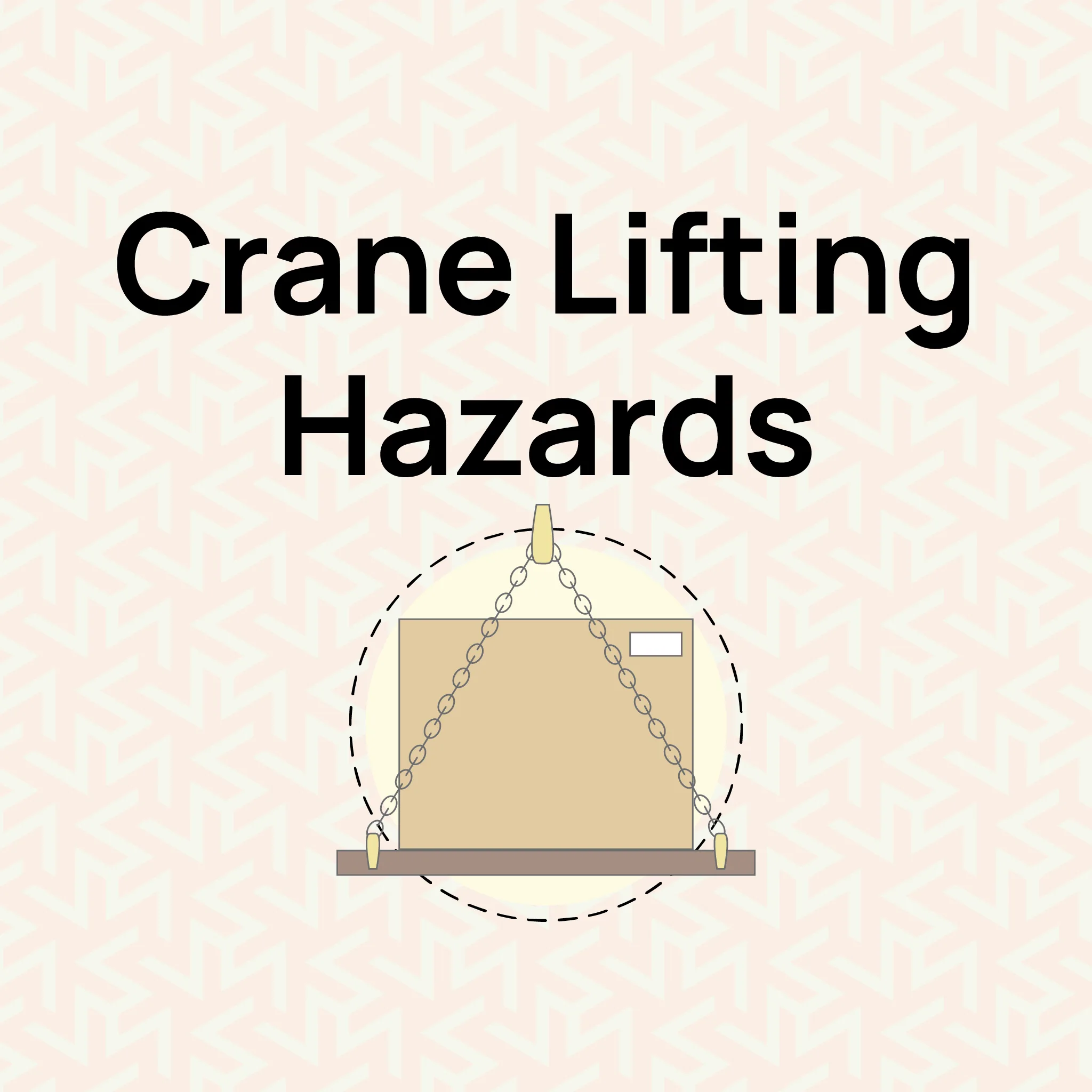
Crane Lifting Hazards and Control Measures: A Practical Safety Guide
Crane operations are a common sight on construction sites, manufacturing yards, and industrial projects across the UK. While they make it possible to move heavy materials with ease, cranes also present serious risks. Accidents involving cranes can cause severe injuries, property damage, and in some cases, even loss of life. That�s why understanding crane lifting hazards and how to control them is crucial for anyone working around lifting equipment, from site operatives to supervisors and managers.This article examines the most common crane lifting hazards, the control measures that mitigate them, and the crucial role of training in creating a safer workplace. It�s written in plain English and is intended for anyone looking to improve their knowledge, whether you�re a beginner or a seasoned professional.Why Is Crane Lifting Safety So Important?Crane-related incidents often result from predictable causes, including a poorly secured load, unclear communication, or failure to identify a hazard before a lift. According to the UK�s Health and Safety Executive (HSE), lifting operations continue to account for serious injuries and fatalities each year.Crane lifting doesn�t just involve the operator; it�s a coordinated task between supervisors, slingers, signalers, and ground workers. When a single part of that team breaks down or fails to follow procedure, the risks escalate quickly. From crushing injuries to electrocution or crane collapse, the potential consequences of poor planning or oversight are too significant to ignore.?? New to Site Work? Start HereThe Health and Safety Awareness (HSA) course covers the basics every site worker should know, including lifting zones, PPE, and hazard spotting.Explore the Health and Safety Awareness course.Common Hazards in Crane Lifting OperationsFalling Loads One of the most dangerous hazards during crane operations is a load becoming detached mid-lift. This can happen due to improper rigging, overloading, or worn lifting equipment. The weight and momentum of a falling load can be fatal to anyone beneath or nearby. Ensuring secure attachment and regular inspection of lifting gear is vital.Overloading and Equipment Failure Every crane is designed with a maximum Safe Working Load (SWL). When this limit is exceeded, structural failure is likely to occur. Even if the crane appears to handle the weight, stress damage can accumulate, compromising future safety. Equipment failures also occur when slings, hooks, or shackles are damaged or have exceeded their usable lifespan.Unstable Ground and Crane Tipping Cranes rely on a stable base. Soft ground, uneven surfaces, or working too close to open trenches can cause a crane to become unbalanced and tip. Weather conditions, such as rain or high winds, can exacerbate this instability. A site that�s poorly assessed or prepared becomes a serious risk for crane operations.Electrocution from Overhead Power Lines Cranes often operate near overhead electrical lines, particularly on urban or infrastructure sites. If a crane comes into contact with live wires, the risk of electrocution is high, not only to the operator but also to anyone in contact with the crane or the ground in the area. Planning safe distances and monitoring boom heights are essential precautions.Poor Communication Among Team MembersEffective crane lifts require a well-informed and briefed team. If communication breaks down between the crane operator, signaler, or slinger, mistakes can occur, such as lifting before the load is secured or swinging the load into an unsafe area. Hand signals, radios, and a clear chain of command help prevent these issues.Control Measures That Reduce RiskThorough Planning and Risk AssessmentBefore any lifting operation begins, a risk assessment should be carried out by a competent person. This includes identifying the type of lift, load weight, ground conditions, weather forecasts, and potential obstacles. Every lift should be treated as a unique task, even when it is routine because conditions can vary from day to day.In the UK, this planning falls under the Lifting Operations and Lifting Equipment Regulations (LOLER). Supervisors responsible for implementing these plans must also ensure all team members are aware of their roles. If you�re stepping into such a role, the�SSSTS course offers targeted training on how to supervise lifting activities safely and legally.Equipment Checks and Regular InspectionsLifting equipment should be checked visually before each use and formally inspected on a scheduled basis. Defective gear, whether it�s a frayed sling or a misaligned hook, must be removed from service immediately. A competent person with knowledge of LOLER requirements should carry out formal inspections.Neglecting inspections doesn�t just increase the risk of accidents; it may also result in legal penalties and fines. A deeper understanding of risk and hazard control can help workers spot potential dangers before they escalate.Thorough Planning and Risk AssessmentBefore any lifting operation begins, a risk assessment should be carried out by a competent person. This includes identifying the type of lift, load weight, ground conditions, weather forecasts, and potential obstacles. Every lift should be treated as a unique task, even when it is routine because conditions can vary from day to day.? Protect Your Back and TeamFrom rigging to load preparation, poor technique can lead to injury. The Manual Handling Training course teaches safer and smarter lifting on-site.Explore Manual Handling TrainingCreating a Controlled Lifting Zone During crane operations, the lift area should be clearly marked and access restricted. Barriers, cones, or signage can be used to prevent unauthorised entry. The lifting zone should never be crossed while a load is suspended. Extra care should be taken when visibility is poor or ground conditions are unpredictable. Managers also have a duty to stop lifting operations if conditions become unsafe, for example, due to strong winds or poor visibility. This responsibility underscores the importance of effective leadership on-site and a thorough understanding of health and safety legal frameworks.Training and Competence Proper training underpins every successful lifting operation. Everyone involved, from crane operators to ground workers, must be adequately trained and competent in their respective roles. Supervisors must not only understand the lifting process but also how to identify if team members are fit for duty. For those in a leadership position, courses like IOSH Managing Safely are valuable for understanding broader health and safety principles across the site.Clear, Unambiguous CommunicationWhether via hand signals, radios, or verbal instructions, communication during a lift must be consistent and understood by all parties. Misunderstood instructions can cause the crane to move at the wrong time or position the load in a dangerous manner. Everyone should be briefed beforehand, and only designated personnel should give instructions to the crane operator.Legal Duties and Your RoleUK law requires that lifting operations by:Planned adequately by a competent personSupervised and carried out safelyConducted using suitable and well-maintained equipmentThese legal duties fall under the Health and Safety at Work Act 1974, LOLER (Lifting Operations and Lifting Equipment Regulations), and PUWER (Provision and Use of Work Equipment Regulations). Non-compliance can result in prosecution, substantial fines, and reputational damage for companies, as well as severe injuries for workers.Understanding your legal responsibilities is part of being a responsible professional. The more informed you are, the better equipped you�ll be to protect both your team and yourself.?? Lead Safer SitesManaging crane lifts or high-risk tasks? The CITB SMSTS course equips you with the tools to plan, lead, and remain compliant on-site.Explore the SMSTS course�The Value of Professional TrainingTraining is more than a compliance requirement; it builds competence and confidence on-site. Whether you're learning how to rig loads correctly, supervise a lifting team, or enforce safe working practices, training sharpens your ability to recognise and control risks.It also supports career development. Supervisors and site managers with accredited safety training are not only safer but also more employable. Those new to construction can start with a foundation course, such as Health and Safety Awareness, while experienced professionals can expand their knowledge through advanced options.FAQsWhat are the most common hazards during crane lifting operations?Some of the most common crane lifting hazards include falling loads, overloading, unstable ground, contact with overhead power lines, and poor communication among the lifting team. Each of these can result in serious injuries or fatalities if not appropriately managed. Understanding these lifting hazards and control measures is essential for safe crane operation, especially on busy construction sites.Who is responsible for crane lifting safety on site?The responsibility for crane lifting safety is shared between several roles, including the crane operator, slinger/signaller, lifting supervisor, and site manager. However, under UK law, employers must ensure that lifting operations are properly planned and supervised by competent individuals. Supervisors trained in lifting operation safety are better equipped to identify and control risks before a lift takes place.What legal regulations apply to crane operations in the UK?Crane operations fall under multiple UK regulations, most notably:LOLER (Lifting Operations and Lifting Equipment Regulations 1998)PUWER (Provision and Use of Work Equipment Regulations 1998)Health and Safety at Work Act 1974These regulations require employers to plan lifts properly, use suitable equipment, and ensure all operators are competent. Non-compliance with these laws can result in prosecution or serious harm.How can I make sure a crane lift is safe before it begins?Safe crane lifting begins with a clear lift plan, prepared by a qualified person. This plan should cover the load weight, crane type, lifting method, ground conditions, and environmental factors such as wind speed. Daily visual checks of the crane and lifting gear should be conducted, and all personnel involved should receive a briefing before the lift. These steps form part of standard lifting operation safety procedures.Do I need formal training to be involved in crane lifting operations?Yes. While roles vary, anyone involved in crane operations, whether as an operator, signaler, or supervisor, should undergo appropriate safety training. Courses like CITB SSSTS or SMSTS are specifically designed to teach site personnel how to manage risks associated with crane operations and comply with relevant legislation. Even general safety awareness or manual handling courses are helpful for operatives working near lifting zones.What should I do if the lifting equipment looks worn or damaged?If any lifting equipment, such as slings, hooks, or shackles, appears worn or defective, it should be removed from use immediately and reported to a supervisor. Using damaged equipment significantly increases the risk of failure during a lift. Regular inspections and maintenance are key elements of crane lifting safety, and they are required by law under LOLER.How often should cranes and lifting accessories be inspected?In general, lifting accessories (such as slings or chains) should be formally inspected every 6 months, and cranes or lifting appliances should be inspected every 12 months or more frequently if specified by a risk assessment. Pre-use checks should be conducted daily before commencing crane operations. These inspections must be performed by a competent person and documented.What role does communication play in safe crane lifting?Communication is vital in any lifting operation safety strategy. Operators must receive precise instructions from a designated signaler using agreed-upon hand signals or radios. Miscommunication is one of the leading causes of lifting accidents, especially on busy construction sites. Toolbox talks and lift team briefings are simple but effective ways to reduce this risk.Can weather conditions affect lifting operations?Yes, weather plays a critical role in crane safety. High winds, rain, and poor visibility can all affect load stability and crane control. Lifts should be postponed or cancelled if conditions are unsafe. This is why every lift plan should include environmental monitoring as part of its risk controls.What�s the best course to take if I want to supervise lifting operations?If you�re looking to move into a supervisory role and oversee crane activities on-site, the CITB SSSTS (Site Supervisor Safety Training Scheme) is highly recommended. It covers how to plan safe lifting operations, understand site hazards, and ensure compliance with legal duties. For those managing more complex or high-risk projects, the SMSTS (Site Management Safety Training Scheme) provides a broader foundation in health and safety management.