

Ombrophobia: Understanding Rain Anxiety in Adults
Ombrophobia is a specific phobia characterised by an intense fear of rain. Ombrophobes may feel anxious or panicked even at the thought of rain. Though the term is not widely known, the condition is relatively common in the UK.Exploring OmbrophobiaOmbrophobia is marked by an overwhelming and irrational fear of rain. Although the condition is rarely diagnosed, it is relatively common among people in the UK, where rain is frequent. An ombrophobe may experience anxiety or panic attacks simply at the thought of rain. While rain can be unpleasant due to the discomfort it causes, individuals with ombrophobia are significantly affected, often disrupting their daily lives.Signs and Symptoms of OmbrophobiaPeople with ombrophobia often experience a combination of physical and behavioural symptoms when confronted with rain or even the thought of it. These reactions can range from mild discomfort to severe anxiety, and they may interfere with daily functioning.Physiological symptomsBehavioural symptomsDizzinessAvoiding outdoor activities due to rainy weather.NauseaConstantly checking weather forecastsTrembling�Skipping appointments or travel due to rainRapid breathingExcessive worry about loved ones being exposed to rainProfuse sweatingSocial withdrawal to avoid rain-related stressorsWhat Causes Ombrophobia? Key Factors Behind the Fear of RainOmbrophobia can stem from a range of psychological and environmental influences. While every individual�s experience is unique, the following are some of the most common contributing factors:Traumatic ExperiencesA direct or indirect traumatic event involving rain, such as being caught in a thunderstorm, a flooding incident, or even a frightening weather-related news story, can leave a lasting emotional imprint. This trauma may lead the brain to associate rain with danger, triggering a persistent fear response.Learned BehaviourFear can be learned through observation. Children who see parents or caregivers reacting anxiously to rain or storms may internalise this fear themselves. Over time, this behaviour can evolve into a deep-seated phobia, especially if left unaddressed.Sensory SensitivitiesFor individuals with heightened sensory processing, such as those on the autism spectrum or with sensory processing disorder, the sound, feel, or even smell of rain can be overwhelming or distressing. This discomfort may contribute to developing ombrophobia over time.Underlying Anxiety or Mental Health ConditionsPeople with generalised anxiety disorder (GAD), panic disorder, or other mental health conditions may be more prone to developing specific phobias like ombrophobia. In such cases, the fear of rain may be a symptom of broader emotional distress or hypervigilance.How to Cure Ombrophobia: Effective Treatment OptionsIf you're struggling with ombrophobia, there are several ways to manage the fear and regain control. These strategies combine education, therapy, self-help techniques, and social support to guide you on your recovery journey:Education And AwarenessUnderstanding what ombrophobia is and why it happens can make it feel less overwhelming. Learning about its causes and triggers gives you the tools to face the fear with more confidence and control.Cognitive Behavioural Therapy (CBT)CBT is one of the most effective ways to treat phobias. It helps you spot and challenge the negative thoughts you have about rain. With the help of a therapist, you�ll learn how to replace these thoughts with more balanced, realistic ones, making rainy days feel less threatening.Exposure TherapyExposure therapy is a powerful CBT technique. It works by gradually exposing you to rain-related situations in a safe and controlled way. You might start by listening to rain sounds or looking at images of rain, and slowly progress to being outside in light rain. This step-by-step process, known as systematic desensitisation, teaches your brain that rain isn�t something to fear.Medication SupportIn more serious cases, when therapy on its own isn�t enough, short-term medication might be an option. Always speak to your GP or a mental health professional first. Medication is usually most effective when used alongside therapy, not as a standalone solution.Relaxation and Mindfulness TechniquesThese techniques help reduce anxiety and calm your body during stressful moments:Deep Breathing Exercises: Slow, steady breathing activates your body�s natural relaxation response and helps ease panic.Progressive Muscle Relaxation: Tensing and relaxing your muscles one group at a time can release physical tension and reduce stress.Mindfulness Meditation: Staying present helps you feel more grounded and less reactive to rain-related triggers.Join a Community or Support GroupTalking to others who share the same fear can be incredibly comforting. Whether online or in person, support groups give you a space to share experiences, gain encouragement, and learn practical tips from people who genuinely understand what you're going through. Coping Strategies for OmbrophobiaCheck out these practical coping strategies for managing ombrophobia, presented in an easy-to-follow image:Frequently Asked QuestionsWhat is ombrophobia, and how is it related to rain anxiety?Ombrophobia is an intense fear of rain, often leading to anxiety, avoidance behaviours, and distress during rainy conditions. It�s also commonly referred to as rain anxiety.What causes ombrophobia to develop?Ombrophobia may be caused by past traumatic experiences related to storms or heavy rain, learned behaviours from others, or underlying anxiety disorders.What are the symptoms of ombrophobia?Symptoms can include rapid heartbeat, sweating, nausea, panic attacks, and a strong desire to avoid rain or stay indoors during wet weather.How can you treat or cure ombrophobia?Treatment options include cognitive behavioural therapy (CBT), exposure therapy, medication for anxiety, and relaxation techniques to manage symptoms.Explore Our Range of First Aid and Mental Health Training Courses Looking to broaden your first aid knowledge? Here are more expert-led courses we offer at Hurak: Emergency First Aid at Work (EFAW) � A one-day Level 3 course suitable for low-risk workplaces, covering essential first aid skills. Basic Life Support (BLS) Course � Learn critical life-saving procedures including CPR, AED usage, and choking response. Mental Health First Aid (MHFA) � Equip yourself with the skills to support mental well-being and manage mental health crises in both workplace and community environments. Looking for more information on Mental Health First Aid? Visit our Mental Health First Aid courses to explore available training options.
Musophobia: Understanding the Fear of Mice and Rats
Musophobia is a specific phobia that involves irrational fear of mice and rats. It is a common phobia in the UK and can cause significant anxiety and distress, impacting daily life activities. It�s often said that the fear started because rats were linked to the terrible sickness of the Great Plague.Defining musophobia: The fear of mice and ratsMusophobia, also known as Murophobia or Suriphobia, is a persistent or overwhelming fear of mice or rats. We often worry about rats for practical reasons like food and sickness, but for those with musophobia, the fear causes severe anxiety and problems in their daily lives.How common is musophobia?Accurate figures for an actual phobia are challenging to obtain, but it is estimated that thousands of people across the UK experience musophobia. Some studies suggest that as many as 1 in 6 people in the UK are affected by musophobia. The phobia is reportedly more common in females than males.Musophobia vs Fear of Rats: What's the difference?It�s important to distinguish between a general dislike or unease around rodents and a phobia. Musophobia involves an intense and irrational fear that can lead to significant distress and impact daily life, potentially causing avoidance behaviours and even panic attacks. To be classified as musophobia according to the DSM-5-TR (Diagnostic and Statistical Manual of Mental Disorders, Text Revision), the fear of rats must meet the following criteria:Marked fear or anxiety about rats or miceMice or rats almost always provoke immediate fear or anxietyMice and rats are actively avoidedThe fear of mice is out of proportion to the actual dangerThe fear, anxiety or avoidance is persistent, typically lasting for 6 months or moreThe fear or anxiety causes clinically significant distressThe disturbances are not better explained by the symptoms of another mental disorderHow musophobia affects you: key symptomsThe symptoms of musophobia vary from person to person. However, they often involve psychological, physical, and behavioural responses.Psychological symptomsPhysical symptomsBehavioural symptomsFeeling of panicIncreased heart rate and palpitationsScreaming or cryingSignificant nervousness or worryProfuse sweating, especially on the palms, forehead, or underarms.Trying to escape the situation.A sense of losing controlTrembling of the hands, legs, or entire body.Seeking reassurance from other people.Persistent images of rats or mice.Shortness of breathConstantly looking for signs of mice.Actively trying to avoid places where mice or rats might be presentFeeling of nausea.Avoiding conversations or pictures of mice,Spending an excessive amount of time worrying about encountering mice or rats.Feeling dizzy or unsteady.Sleeping difficulty due to fear of encountering mice during the night.Looking for more information on Mental Health First Aid? Visit our Mental Health First Aid courses to explore available training options.How to overcome musophobia effectivelyThe most effective way to deal with musophobia is to learn about the symptoms and develop coping strategies. You can learn to deal with the feelings and manage the symptoms through different therapies available both online and offline. Let�s have a quick look at some of them.Cognitive behavioural therapy Cognitive behavioural therapy offers a practical and structured path to tackling the fear of rodents.The therapy focuses on the powerful connection between thoughts, feelings, and actions.CBT helps to identify the negative automatic thoughts about rodents and replace them with more balanced and practical thoughts. Graded exposure is a key element for CBT, where you learn to confront your fear of mice slowly and safely in a controlled environment.CounsellingCounselling provides a supportive and confidential space to explore the emotional roots of your musophobia.It offers valuable insights and coping mechanisms.HypnotherapyHypnotherapy offers a quick approach by harnessing the power of focused attention and deep relaxation to access your subconscious mind.Through suggestion and guided imagery, hypnotherapy can help to reframe your negative associations with mice and rats, replacing fear with feelings of calm and neutrality. Frequently Asked QuestionsWhat is musophobia, and what causes it?Musophobia is the intense fear of mice and rats, which can stem from past traumatic experiences, genetic predisposition, or learned behaviours. This phobia often causes significant anxiety when confronted with rodents or even thoughts of them.What are the symptoms of musophobia?Symptoms include rapid heartbeat, sweating, shortness of breath, dizziness, and an overwhelming desire to flee when encountering mice or rats. These physical reactions can severely impact daily life, especially in environments where rodents are common.How can I overcome musophobia?Overcoming musophobia typically involves cognitive behavioural therapy (CBT), exposure therapy, and relaxation techniques like deep breathing and mindfulness. Seeking professional help is crucial to develop a plan tailored to your needs, helping you manage fear more effectively.How common is musophobia in the UK?Musophobia is relatively common, especially in urban areas where encounters with rodents are more frequent. The severity of the phobia can vary, with some individuals experiencing only mild anxiety, while others may suffer from intense fear and panic attacks.Is it possible to have musophobia and a fear of saliva together?Yes, it�s possible to experience both musophobia and sialophobia (fear of saliva) simultaneously. These two phobias can exacerbate each other, leading to heightened anxiety in situations where both fears are triggered. Explore our expert-led first aid and mental health training coursesInterested in building the skills to help in both physical and emotional emergencies? At Hurak, we offer a range of accredited, expert-led courses designed to equip you with essential life-saving and mental health support knowledge.Emergency First Aid at Work (EFAW) � A one-day Level 3 course ideal for low-risk environments. Learn how to handle common workplace emergencies with confidence.Basic Life Support (BLS) Course � Master critical procedures like CPR, how to use an AED, and how to respond to choking�skills that save lives.Mental Health First Aid (MHFA) � Learn to recognise signs of mental distress, offer initial support, and guide people toward professional help, whether at work or in everyday life.If you or someone you know is struggling with a fear like musophobia, our Mental Health First Aid courses can help you better understand and support those affected.
Understanding hydrophobia: how Rabies causes fear of water
Hydrophobia, meaning "fear of water," is most commonly associated with rabies, a viral disease that attacks the central nervous system. It arises from involuntary throat spasms that make swallowing liquids extremely painful. In severe cases, even the sight, sound, or thought of water can provoke intense anxiety and distress.Hydrophobia vs aquaphobia: what�s the difference?Aquaphobia is an intense, irrational fear of water that stems from psychological factors like trauma or anxiety. In contrast, hydrophobia is a symptom of end-stage rabies infection. It involves painful throat spasms that make swallowing liquids extremely difficult. As the condition progresses, even seeing or thinking about water can trigger distress, leading to an intense fear of drinking. To get a better understanding, refer to the table below:Identifying the symptoms of hydrophobiaHydrophobia is a significant symptom of rabies that appears in the later stages of infection. It causes severe reactions in the body. Below are the key symptoms associated with hydrophobia and rabies:FeverMuscle painAgitationIrritabilityNausea and vomitingExcessive drooling: As the rabies virus spreads through saliva, it triggers increased saliva production, leading to difficulty swallowing and constant drooling.Throat spasmsAn intense fear of swallowing water, even though the person may feel extremely thirsty.Interested in mental health training? Our Mental Health First Aid (MHFA) course provides essential knowledge and practical skills to promote well-being in everyday situations.How rabies leads to hydrophobiaRabies is a viral infection that typically spreads through the bite or scratch of an infected animal. Once inside the body, the virus travels through the nervous system and multiplies. In the final stages of the illness, it causes painful throat spasms that make swallowing difficult. This leads to a fear of drinking liquids, even when the person is extremely thirsty, resulting in a condition known as hydrophobia.Common animal sources of rabiesRabies is most commonly transmitted by warm-blooded animals that carry the virus in their saliva. While wild animals are a frequent source, domestic pets can also pose a risk if they are not vaccinated. The animals most often associated with rabies include:BatsFoxesDogsRaccoonsCatsMonkeysDiagnosing hydrophobiaIf you�ve been bitten or scratched by a potentially rabid animal, it�s crucial to seek medical attention immediately, even if no symptoms have appeared. Early diagnosis and timely post-exposure treatment can prevent the virus from progressing. Healthcare professionals may perform several tests to detect rabies, including saliva analysis, skin biopsies, and cerebrospinal fluid testing. Several diagnostic methods are available to confirm rabies infection, particularly in suspected hydrophobia cases. The table below outlines the key tests and what each one involves.TestsDescriptionDirect fluorescent antibody testDetects the antigen of the virus in brain tissueA skin biopsyExamines a sample of skin tissue for signs of the virusA blood testChecks for the presence of rabies antibodies in the blood�A lumbar punctureTests cerebrospinal fluid for the presence of rabies antibodiesHow is hydrophobia treated?There�s no cure once rabies symptoms appear, so acting fast is crucial. Post-Exposure Prophylaxis (PEP) can stop the virus before it takes hold. Here�s what you need to do:Clean the wound immediately: Rinse the area with soap and running water for at least 15 minutes. Apply an antiseptic like povidone-iodine at the entry point to kill the virus.Get rabies immunoglobulin (RIG): If you haven�t had a rabies vaccine before, it gives you instant protection while your body builds immunity.Start the rabies vaccine course: You�ll need four injections on days 0, 3, 7, and 14. If your immune system is weakened, you�ll need a fifth dose on day 28. If you�ve been vaccinated before, just two booster shots (days 0 and 3) are enough, and you can skip the RIG Frequently Asked QuestionsAre hydrophobia and aquaphobia the same?No, they are different. Hydrophobia is a symptom of rabies infection, while aquaphobia is an irrational fear of water.Does rabies make you afraid of water?In the advanced stages of rabies, painful throat spasms can make it extremely difficult to swallow water or any liquid, which may result in a fear of drinking.Can I get infected by any wild animal?Rabies can only be transmitted by infected warm-blooded animals such as dogs, bats, and monkeys.Is hydrophobia curable?Hydrophobia is not curable once it reaches its advanced stage.How can hydrophobia be prevented?It can be prevented by receiving a rabies vaccination and an immunoglobulin injection immediately after exposure to an infected animal.Explore our range of first aid and mental health training coursesLooking to broaden your first aid knowledge? Here are more expert-led courses we offer at Hurak:First Aid at Work: In-depth training for workplace first aiders.Emergency First Aid at Work: 1-day course covering basic life-saving techniques.Paediatric First Aid: Focused on child and infant emergencies.Mental Health First Aid: Learn to support mental health in crises.Looking for more information on Mental Health First Aid? Visit our Mental Health First Aid courses to explore available training options.
SSSTS vs SMSTS: Which Qualification Is Right for You?
As part of its Site Safety Plus Scheme, the CITB offers both the SSSTS and SMSTS courses to raise health and safety standards across UK construction sites. While the SSSTS course is designed for site supervisors, the SMSTS course is aimed at site managers and those progressing into management roles. In this guide, we�ll break down the key differences between the two and help you decide which qualification best suits your role and career goals.What Is the SSSTS Course?SSSTS stands for Site Supervisors� Safety Training Scheme. It�s a recognised health and safety qualification designed for individuals who have, or are about to take on, supervisory responsibilities within the construction industry. Completing the SSSTS course shows that a supervisor understands their legal duties, can effectively manage health and safety on-site, and can ensure their team follows safe working practices.Want to explore more advantages of the SSSTS course? Read our full guide on the benefits of SSSTS training. div.wpforms-container-full .wpforms-form label.wpforms-error{ display: none; } /* The Modal (background) */ .ebook-modal { display: none; position: fixed; z-index: 9999; left: 0; top: 0; width: 100%; height: 100%; overflow: auto; background-color: rgba(0,0,0,0.6); } /* Modal Content */ .ebook-modal-content { background-color: #fff; margin: 80px auto; padding: 30px; border-radius: 8px; width: 80%; /* Large screen width */ max-width: 800px; position: relative; display: flex; flex-direction: column; align-items: stretch; box-sizing: border-box; } /* Modal Header */ .ebookModal-header{ color: #0f7c90; font-size: 28px; margin-bottom: 20px; text-align: center; } /* Close button */ .ebookModal-close{ color: #aaaaaa; font-size: 24px; font-weight: bold; cursor: pointer; position: absolute; top: 15px; right: 20px; } .ebookModal-close:hover{ color: #000; } /* WPForms Submit Button inside modal */ div.wpforms-container-full .wpforms-form input[type=submit], div.wpforms-container-full .wpforms-form button[type=submit], div.wpforms-container-full .wpforms-form .wpforms-page-button { width: 100% ; border-radius: 8px; border: 1px solid #ddd; font-size: 1em; font-family: inherit; padding: 10px 25px; background: #0f7c90; color: #fff; margin-top: 20px; align-self: center; position: relative; /* inside modal content */ } /* Responsive */ @media (max-width: 768px){ .ebook-modal-content { width: 70%; padding: 20px; } .ebookModal-header { font-size: 22px; } } × Download our SSSTS Test Prep Book for free! [wpforms id="32386" title="false"] #myImgSSSTS{ cursor: pointer; } Who is the SSSTS qualification for?Site supervisorsTeam leadersForemenGangersWorkers preparing to move into a supervisory roleWhat topics are covered in SSSTS?The Health and Safety at Work ActSpecific site issues that challenge supervisors on a daily basisEffective toolbox talksSupervision of occupational healthBehavioural safetySSSTS RefresherThe SSSTS qualification is valid for five years. To maintain your certification and continue supervising on construction sites, you must complete a one-day SSSTS Refresher course before your certificate expires. What Is the SMSTS Course?SMSTS stands for Site Management Safety Training Scheme. It�s a recognised qualification for site managers, project leads, and senior supervisors who are responsible for planning, organising, monitoring, and managing teams on construction sites. The SMSTS course demonstrates that an individual understands their legal responsibilities and is capable of managing site-wide health and safety to industry standards. div.wpforms-container-full .wpforms-form label.wpforms-error{ display: none; } /* The Modal (background) */ .ebook-modal { display: none; position: fixed; z-index: 9999; left: 0; top: 0; width: 100%; height: 100%; overflow: auto; background-color: rgba(0,0,0,0.6); } /* Modal Content */ .ebook-modal-content { background-color: #fff; margin: 80px auto; padding: 30px; border-radius: 8px; width: 80%; /* Large screen width */ max-width: 800px; position: relative; display: flex; flex-direction: column; align-items: stretch; box-sizing: border-box; } /* Modal Header */ .ebookModal-header{ color: #0f7c90; font-size: 28px; margin-bottom: 20px; text-align: center; } /* Close button */ .ebookModal-close{ color: #aaaaaa; font-size: 24px; font-weight: bold; cursor: pointer; position: absolute; top: 15px; right: 20px; } .ebookModal-close:hover{ color: #000; } /* WPForms Submit Button inside modal */ div.wpforms-container-full .wpforms-form input[type=submit], div.wpforms-container-full .wpforms-form button[type=submit], div.wpforms-container-full .wpforms-form .wpforms-page-button { width: 100%; border: 1px solid #ddd; border-radius: 8px; font-size: 1em; font-family: inherit; padding: 10px 25px; background: #0f7c90; color: #fff; margin-top: 20px; align-self: center; position: relative; /* inside modal content */ } /* Responsive */ @media (max-width: 768px){ .ebook-modal-content { width: 70%; padding: 20px; } .ebookModal-header { font-size: 22px; } } × Download our SMSTS Test Prep Book for free! [wpforms id="32373" title="false"] #myImgSMSTS{ cursor: pointer; } Who is the SMSTS qualification for?Site managersAssistant or trainee site managersProject leads and site agentsExperienced supervisors moving into management rolesHealth and safety managers within constructionWhat topics are covered in SMSTS?The Health and Safety at Work ActCDM (Construction Design and Management) RegulationsRisk assessments and method statementsSite set-up, management, and environmental controlsWorking at height and demolition safetyToolbox talks and effective communicationOccupational health and behavioural safetyRoles and legal duties of managersSMSTS RefresherLike the SSSTS, the SMSTS qualification is also valid for five years. You�ll need to complete a two-day SMSTS refresher course before it expires to stay certified. SSSTS vs SMSTS: What Are the Key Differences?Not sure which course is right for your role? The table below breaks down the key differences between SSSTS and SMSTS, so you can quickly compare their purpose, duration, content, assessment, and more.FeatureSSSTSSMSTSTarget AudienceSite supervisors, team leaders, foremenSite managers, project leads, senior supervisorsPurposeTo provide health & safety training for those supervising site activitiesTo equip managers with tools to plan, monitor, and manage site safetyDuration2 days5 days (or spread out over weekends/5 weeks)Content FocusSupervisory responsibilities, site inductions, toolbox talksCDM regulations, site set-up, demolition, risk management, communicationAssessment25-question exam (22 multiple choice, 3 written) � 30 mins, 80% pass mark25-question exam (18 multiple choice, 7 written) � 35 mins, 81% pass markValidity5 years5 yearsRefresher Requirement1-day SSSTS Refresher before expiry2-day SMSTS Refresher before expiryPriceStarts from �249 (1-day refresher: ~�195)Starts from �449 (2-day refresher: ~�289)* Prices are correct at the time of writing and may vary depending on location, delivery method, or promotional offers. Check our course pages for the most up-to-date pricing information.Which Qualification Do I Need - SSSTS or SMSTS?Choosing between SSSTS or SMSTS depends on your current role, the level of responsibility you hold on-site, and where you want to take your career. Below is a quick guide to help you make the right decision based on your day-to-day responsibilities.Choose SSSTS if you�Work as a site supervisor, foreman, team leader, or gang leaderAre responsible for ensuring others follow health and safety rulesDeliver toolbox talks or conduct site inductionsMonitor small teams or sections of the siteNeed a qualification that proves your supervisory-level health and safety knowledgeWant a more affordable, shorter option that won�t require taking five full days off workChoose SMSTS if you�Are a site manager, project lead, site agent, or moving into a management rolePlan and organise work for multiple teams or subcontractorsOversee site-wide safety, documentation, and legal complianceNeed to understand CDM regulations, risk management, and site set-upWant a qualification that�s widely required for managerial roles in constructionIf you�re still unsure which course is the best fit for you, feel free to contact us � our team can help you choose the right option based on your current role and goals.? Get Ready with Free SMSTS and SSSTS Mock TestsPractising before your exam can make a big difference. You can use our free SMSTS & SMSTS Refresher mock test and SSSTS & SSSTS Refresher mock test to get familiar with the format, build confidence, and improve your chances of passing on the first try.Book Your SSSTS or SMSTS Course With HurakWhether you�re ready to take the next step or still deciding, we offer flexible options to suit your role, schedule, and learning style. All of our courses are CITB-approved, taught by qualified tutors, and available both online and in-person.Explore Our CITB SSP Courses:SSSTS Course � For supervisors, team leaders, and foremenSMSTS Course � For site managers and project leadsSSSTS Refresher � 1-day renewal course for supervisorsSMSTS Refresher � 2-day renewal course for managersAll courses come with weekday, weekend, and fast-track options, so you can train on your terms.Frequently Asked Questions (FAQS)What does SMSTS stand for?SMSTS stands for Site Management Safety Training Scheme. It�s a CITB-recognised qualification designed for site managers, project leads, and those responsible for overseeing health and safety on construction sites.What does SSSTS stand for?SSSTS stands for Site Supervisor Safety Training Scheme. It�s aimed at site supervisors and team leaders who are responsibleHow long does SSSTS last?The SSSTS certificate is valid for five years from the date you complete the course. To stay certified, you�ll need to pass the 1-day SSSTS Refresher course before it expires.How long does SMSTS last?Your SMSTS certificate lasts for five years. To renew it, you�ll need to complete the SMSTS Refresher course before it expires.What is better � SSSTS or SMSTS?It depends on your role. SMSTS is considered a higher-level qualification than SSSTS, as it�s designed for site managers and covers broader responsibilities, legal duties, and project-level planning. SSSTS, on the other hand, is aimed at site supervisors who oversee teams day-to-day. If you're wondering what is better � SSSTS or SMSTS � the right choice comes down to your current position and career goals.Can I upgrade from SSSTS to SMSTS?Yes, you can take the SMSTS course even if you�ve previously completed SSSTS. However, they are separate qualifications � SSSTS is not a prerequisite, and SMSTS does not count as a refresher or extension of SSSTS.Can I take SSSTS or SMSTS online?Yes � both SSSTS and SMSTS are available as live online courses via Zoom or similar platforms. These are delivered by approved CITB providers and follow the same structure as classroom sessions.Do I need SSSTS or SMSTS to work on a construction site?It depends on your role. While not legally required for all jobs, many employers now expect supervisors to hold SSSTS and managers to hold SMSTS for compliance and site access.Do I need to take a refresher for SSSTS or SMSTS?Yes � both SSSTS and SMSTS certificates are valid for five years, and you�ll need to complete a refresher course before your certificate expires in order to stay certified.The SSSTS Refresher is a 1-day courseThe SMSTS Refresher is a 2-day courseIf your certificate expires before you take the refresher, you�ll need to complete the full course again.Explore Other Popular Construction CoursesIf you're looking to expand your skills beyond SSSTS and SMSTS, we offer a range of CITB-recognised and industry-approved qualifications. These courses are ideal for construction professionals at various stages of their careers.CSCS Green Card Course (Level 1 Health and Safety in Construction) � For labourers and entry-level site workersNVQ Level 4 in Construction Site Supervision � For site supervisors who want to earn a CSCS Gold CardNVQ Level 6 in Construction Site Management � Ideal for experienced site managers looking to gain a CSCS Black CardTemporary Works Coordinator Course � For those managing or supervising temporary worksFirst Aid at Work � For designated workplace first aiders in constructionFire Marshal (Fire Warden) Training � For those responsible for fire safety on-site
What Is OCD? Understanding the Disorder
IntroductionObsessive-Compulsive Disorder (OCD) is a long-term mental health condition where individuals experience uncontrollable, recurring thoughts (obsessions) and repetitive behaviours (compulsions). Often misunderstood or misused in everyday language, OCD is far more than a preference for cleanliness or organisation. This article explores the true meaning of OCD, its symptoms, causes, and the most effective treatments available, including how to stop OCD from interfering with daily life.What is the meaning of OCD?When someone experiences obsessions, they often feel an intense urge to carry out specific behaviours (compulsions) to reduce the discomfort. Even if they try to resist, the intrusive thoughts tend to return and interfere with whatever they�re doing. Eventually, the person gives in to the compulsion, which brings short-term relief. But this relief is temporary; before long, the obsessions return, and the cycle starts all over again.OCD behaviour: symptoms of obsessions and compulsionsIt is essential to understand that OCD includes both obsessions and compulsions. However, sometimes a person may experience only obsessive symptoms. Learn more about the symptoms below.Symptoms of obsessionsObsessions are uncontrollable and unwanted thoughts, images, or impulses that appear repeatedly. These can be disturbing, frightening and leave you feeling anxious and uncomfortable. Obsessions often follow common themes.Types of obsessionsExamplesFear of contaminationFeeling that you might get infected by germs, someone else is spreading germs, or everything around you is contaminatedIntrusive thoughts, images and impulsesViolent images, persistent doubt about a relationship, or fear of harming someoneFear related to symmetryThe need for everything to be perfectly aligned or something bad might happenFear of failing to prevent harmWorrying that someone might hurt your loved ones or yourself due to your inattentionSymptoms of compulsionsCompulsions are behaviours or rituals you feel the urge to perform to deal with the anxiety caused by obsessions. These actions are time-consuming, and any relief is usually temporary. Common compulsions include:Compulsions�ExamplesCheckingChecking your body for contamination or repeatedly checking doors and windows to ensure safetyRitualsArranging items to maintain symmetryConnecting thoughtsCounting to a specific number before starting tasks, or repeating words or phrases.ReassuranceFrequently seeking confirmation from others that everything is fineWhat causes OCD?The causes of OCD have not been fully understood yet, but research suggests some factors contributing to the development of the condition:Biological factorsOCD can run in families, suggesting a genetic linkAbnormalities in different brain areas can contribute to the conditionAn imbalance in neurotransmitters can cause OCDSome other neurological conditions can increase the risk.�Psychosocial factorsObsessions and compulsions may develop as a way to cope with stress.Being very self-critical or sensitive to judgment may make someone more likely to develop OCD.Events like job loss or significant changes can trigger symptoms.Difficult or traumatic experiences in early life may increase the risk. Interested in mental health training? Our Mental Health First Aid (MHFA) course provides essential knowledge and practical skills to promote well-being in everyday situations.How to manage OCD: Effective strategiesMany people with OCD hesitate to seek help due to embarrassment or fear of being judged. But OCD is a recognised mental health condition � and getting support is not only okay, it�s essential.Therapy and medicationOne of the most effective ways to manage OCD is through Cognitive Behavioural Therapy (CBT) � a type of therapy that helps individuals recognise and change negative patterns in thinking and behaviour. Within CBT, the most important technique used to treat OCD is called Exposure and Response Prevention (ERP). ERP works by gradually exposing individuals to the thoughts or situations that trigger their obsessions while helping them resist the urge to carry out compulsive behaviours. Medications, often in combination with ERP, can significantly reduce symptoms.Self-helpYou can refer yourself directly to the NHS talking therapies.You can contact NHS 111 directly and find mental health support.You can contact your local GP in case of an emergency.Peer supportYou can find local support through organisations like:OCD ActionOCD UK. Frequently Asked QuestionsWhat is the complete form of OCD?The complete form of OCD is Obsessive-Compulsive Disorder.Is OCD a disability?It can be considered a disability when it significantly impairs the ability to perform daily activities.How can I treat OCD?Therapy, along with medication, is helpful. Consider taking professional help if needed.What are the types of OCD?Common themes in OCD include contamination, checking, symmetry/order, and intrusive thoughts.Can workplaces help people with OCD?Yes. With proper accommodations and MHFA-trained staff, employees with OCD can thrive.Explore Our Range of First Aid and Mental Health Training CoursesLooking to broaden your first aid knowledge? Here are more expert-led courses we offer at Hurak:Emergency First Aid at Work (EFAW) � A one-day Level 3 course suitable for low-risk workplaces, covering essential first aid skills.Basic Life Support (BLS) Course � Learn critical life-saving procedures including CPR, AED usage, and choking response.Mental Health First Aid (MHFA) � Equip yourself with the skills to support mental well-being and manage mental health crises in both workplace and community environments.Looking for more information on Mental Health First Aid? Visit our Mental Health First Aid courses to explore available training options.
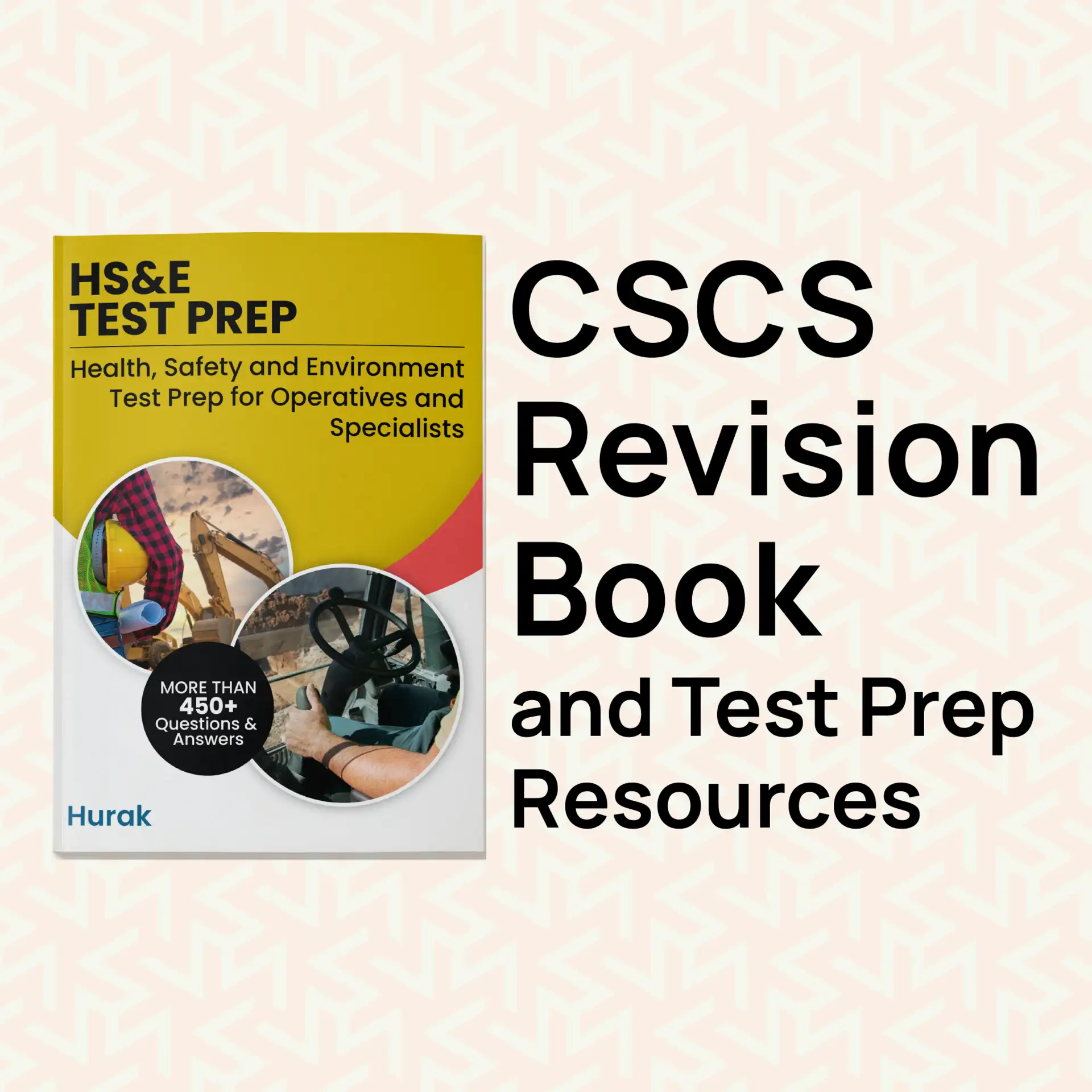
CSCS Revision Book And Resources To Pass the HSE Test
If you're planning to work on a construction site in the UK, obtaining a CSCS card is essential. To get the card, you need to pass the CSCS test, which evaluates your knowledge of health and safety regulations.Passing your CITB Health, Safety & Environment Test on the first attempt is crucial, especially if you're aiming to secure your CSCS card quickly. One of the most effective ways to prepare is by using the CSCS Revision Books, published by CITB. This essential resource gives you the tools to confidently prepare for the exam and increase your chances of passing the exam in the first attempt. Here�s how it can help you succeed and where to find useful study materials like PDFs and online practice tests.What is the CSCS Test?The CSCS test is a multiple-choice exam designed to ensure that workers understand the health and safety requirements of construction sites. It consists of 50 questions. You need to correctly answer at least 45 out of the 50 questions to pass the exam.What Book Do I Need to Revise My CSCS Test?The type of book you need for CSCS test revision depends on the CSCS card type you�re pursuing. Different cards are designed for various roles, each with its own requirements. Below are some of the most popular CSCS cards and the corresponding exam:Labourer Card:For workers performing general tasks on-site.Test Required: CITB Health, Safety & Environment Test for OperativesBook Needed: CITB Health, Safety and Environment Test for Operatives and Specialists Revision Book.Specialist Cards:For skilled trades such as electricians, plumbers, or steelworkers.Test Required: CITB Health, Safety & Environment Test for Specialists.Book Needed: CITB Health, Safety and Environment Test for Operatives and Specialists Revision Book.Manager and Professional (MAP) Card:For managers overseeing teams and site safety or for professionals like architects and engineers.Test Required:CITB Health, Safety & Environment Test for Managers and Professionals (MAP).Book Needed: CITB Health, Safety and Environment Test for Managers and Professionals Revision Book.Check Out Our FREE Mock Test Resources:CITB Mock Test for Operatives and SpecialistsCITB Mock Test for Managers and ProfessionalsWhy Use the CSCS Revision Book PDF Download ?The CSCS Revision Book is tailored to help you:Comprehensive Coverage: The book includes all the topics covered in the test, such as:Health and safety laws.Hazard identification.Safe working practices.Environmental issues.Practice Questions:It contains hundreds of multiple-choice questions that mirror the format of the real test.Category-Specific Questions: It includes sections for both operatives and specialists, so you can focus on the areas most relevant to your role.Understand the Exam Format: Get familiar with the types of questions you'll face in your actual exam.Topic Breakdowns: Clear sections covering every area of health, safety, and environmental knowledge needed.Answers and Explanations: Detailed answers help you understand the reasoning behind correct responses.Using the revision book allows you to study at your own pace and focus on areas where you feel less confident.Take HSE OR CSCS Mock Test Prep Online�While the book is a great foundation, But using it with online practice exams gives you an extra edge. The CITB Mock Test is a multiple-choice exam designed to ensure that workers understand the health and safety requirements of construction sites.�Moreover, using a reliable question ai tool can further improve your preparation by providing smart practice, instant feedback, and personalized learning support. It also generate more accurate and authentic answers which makes it more superior than others tools. The exam consists of 50 questions, which cover the following key areas:Health and safety practices on construction sitesSafe working practices (such as using equipment and handling hazardous materials)Environmental safety concernsYou need to correctly answer at least 45 out of the 50 questions to pass the exam. /* The Modal */ .ebook-modal { display: none; /* Hidden by default */ position: fixed; z-index: 1050; left: 0; top: 0; width: 100%; height: 100%; overflow: auto; background-color: rgba(0,0,0,0.5); justify-content: center; align-items: flex-start; /* Align to top */ padding-top: 20px; /* 20px from top */ } /* Modal Content */ .ebook-modal-content { background-color: #fefefe; padding: 30px; border: 1px solid #888; border-radius: 8px; width: 70%; max-width: 700px; position: relative; display: flex; flex-direction: column; align-items: stretch; box-sizing: border-box; margin: 0 auto; /* Center horizontally */ } /* Header */ .ebookModal-header { color: #0f7c90; font-size: 26px; margin-bottom: 20px; text-align: center; } /* Close Button */ .ebookModal-close { color: #aaaaaa; font-size: 24px; font-weight: bold; cursor: pointer; position: absolute; top: 15px; right: 20px; } .ebookModal-close:hover, .ebookModal-close:focus { color: #000; text-decoration: none; } /* WPForms submit button */ div.wpforms-container-full .wpforms-form input[type=submit], div.wpforms-container-full .wpforms-form button[type=submit], div.wpforms-container-full .wpforms-form .wpforms-page-button { border: 1px solid #ddd; font-size: 1em; font-family: inherit; padding: 10px 20px; background: #0f7c90; color: white; border-radius: 8px; width: 100%; box-sizing: border-box; margin-top: 15px; } /* Hide WPForms errors */ div.wpforms-container-full .wpforms-form label.wpforms-error { display: none; } /* Responsive */ @media (max-width: 576px) { .ebook-modal-content { width: 90%; padding: 20px; max-height: 80vh; } .ebookModal-header { font-size: 20px; } } @media (min-width: 577px) and (max-width: 1024px) { .ebook-modal-content { width: 80%; max-height: 75vh; } .ebookModal-header { font-size: 22px; } } Download our CITB Operatives and Specialists Test Prep Book for free! × [wpforms id="14869" title="false"] #myImg{ cursor: pointer; } Benefits of Taking Online Mock ExamsPractice Timing: Online mock exams help you get used to answering questions within the time limit.Immediate Feedback: See your strengths and weaknesses instantly.Build Confidence: The more you practice, the better prepared you�ll feel.This combination of revision book and digital resources ensures you�re ready for any question the exam might throw at you.Additional Revision ResourcesCSCS Revision App:If you prefer a digital option, the official CSCS revision app offers interactive practice questions and explanations.�PDF Versions:Free or paid PDF downloads of the book are also available, allowing you to revise on your phone, tablet, or computer.�CITB also offering DVD�s downloading option as well.Where to Get the Revision BookYou can purchase the official CITB Health, Safety and Environment Revision Book:Directly from the CITB website ( CITB Shop )Online retailers like Amazon or eBay.Some training centers may also provide the book as part of their courses.Why It�s ImportantUsing the correct book ensures you�re studying relevant content and practicing questions that closely match the exam format. This preparation increases your confidence and chances of passing on the first attempt.

More About CSCS Blue Card
In this blog post, we'll explore the CSCS Blue Card, why it's important, and what you need to get it. Whether you're new to construction or have been in the industry for a while, understanding the CSCS Blue Card can help you in your job. So, let's explore everything you need about this key certification for construction workers.What is a Blue CSCS Card?A Blue CSCS Card validates a construction worker's expertise and competence in their specific trade within the construction industry. It proves they have undergone training and demonstrated proficiency in plumbing, bricklaying, or other specialised tasks. This card holds significant importance as it assures employers that the holder possesses the necessary skills and knowledge to perform their job effectively and safely.Getting a Blue CSCS Card typically involves completing relevant training programmes and passing assessments tailored to the specific trade. Overall, the Blue CSCS Card is a valuable asset, enhancing employability and credibility within the construction sector.What does a Blue Card mean in construction?In construction, a Blue Card means the person holding it is skilled in a specific trade. It's a sign that they have the right training and knowledge to do their job properly. For example, someone with a Blue Card for carpentry is good at building and fixing things with wood.Employers look for workers with Blue Cards because they know they can rely on them to do quality work. So, having a Blue Card can open up more job opportunities in the construction industry.What is the benefit of a Blue CSCS Card?Holding a Blue CSCS Card in construction validates a worker's skills and knowledge in a specific trade, such as plumbing, carpentry, or bricklaying. This certification enhances employability by demonstrating to employers that the cardholder has met industry standards and can perform tasks safely and effectively.With a Blue CSCS Card, workers can access more job opportunities and earn higher wages due to their recognised expertise. Additionally, having this card may be required by employers or site managers to ensure compliance with health and safety regulations on construction sites.What qualifications do I need for a Blue CSCS Card?To get a Blue CSCS Card, you must demonstrate that you have the necessary qualifications and skills in a specific trade within the construction industry. The qualifications required can vary depending on the trade but generally include completing a recognised apprenticeship programme, vocational qualification, or a construction-related Level 2 NVQ/SVQ or SVQ at SCQF Level 5 specific to your trade.To understand essential safety practices on construction sites, you must also pass the CITB Health, Safety & Environment Test for Operatives. Once you have met these requirements, you can apply for the card through the Construction Skills Certification Scheme (CSCS) or an affiliated certification provider.How much does a Blue CSCS Card cost?The application fee for a CSCS card remains consistent across types of CSCS cards, standing at �36.However, getting a CSCS Blue Card involves additional expenses. These include the fee for obtaining a Level 2 NVQ/SVQ or SVQ at SCQF Level 5 qualification, which ranges from �300 to �1,000. Another cost is the CITB test, which costs �23.50. Combined with the CSCS Blue Card application fee (�36), these expenses estimate the overall cost of getting a CSCS card.What is the difference between a Red and Blue CSCS Card?The main difference between a Red and Blue CSCS Card lies in the level of qualification and expertise they represent. A Red CSCS Card is typically issued to individuals still undergoing training or working towards achieving a recognised construction-related qualification, such as an apprenticeship. It indicates that the holder is gaining the necessary skills and knowledge to work safely on construction sites but may still need to complete all the required training.On the other hand, a Blue CSCS Card is granted to individuals who have attained a certain level of competence in a specific trade within the construction industry. This card signifies that the holder has completed the necessary training, achieved relevant qualifications (such as a Level 2 NVQ/SVQ or equivalent), and demonstrated proficiency in their chosen trade.While a Red CSCS Card is more temporary and indicative of a learner or trainee status, a Blue CSCS Card represents a higher level of skill and readiness to work independently in construction.Is a Blue CSCS Card good?Yes, having a Blue CSCS Card is generally considered beneficial in the construction industry. Employers often prefer workers with a Blue CSCS Card because it assures them that the individual has undergone the necessary training and assessments to perform their job safely and effectively.With a Blue CSCS Card, workers can access more job opportunities, earn higher wages, and demonstrate their credibility within the construction sector. Overall, getting a Blue CSCS Card is a positive achievement and can enhance one's employability and prospects for career advancement in the construction industry.Can I get a Blue CSCS Card without an NVQ?The commonly preferred method to get a Blue CSCS Card without an NVQ is initially applying for a CSCS Red Card. Alongside this option, there are three alternative routes available:Obtaining a City & Guilds of London Institute Craft Certificate.Completing a Trailblazer Apprenticeship with CSCS Approval.Undertaking the Experienced Worker Practical Assessment (EWPA) or the On-Site Assessment (OSAT) route.How to obtain a CSCS Blue Card?There are three steps to obtain a CSCS Blue Card. However, you must have a valid CSCS Labourer Card before you apply for it.Step 1: Complete Level 2 NVQ/SVQYou must complete a construction-related Level 2 NVQ/SVQ or SVQ at SCQF Level 5. Alternatively, you can undergo an apprenticeship sponsored by an employer.Step 2: Pass a CITB HS&E Test for OperativesYou must also pass the CITB Health, Safety & Environment Test for Operatives. At Hurak Learning, we help you reserve your CITB test. It�s recommended to take a CSCS Blue Card mock test for practice before attempting a CITB test. div.wpforms-container-full .wpforms-form label.wpforms-error{ display: none; } /* The Modal (background) */ .ebook-modal { display: none; /* Hidden by default */ position: fixed; /* Stay in place */ z-index: 1; /* Sit on top */ padding-top: 100px; /* Location of the box */ left: 0; top: 0; width: 100%; /* Full width */ height: 100%; /* Full height */ overflow: auto; /* Enable scroll if needed */ background-color: rgb(0,0,0); /* Fallback color */ background-color: rgba(0,0,0,0.4); /* Black w/ opacity */ } div.wpforms-container-full .wpforms-form input[type=submit], div.wpforms-container-full .wpforms-form button[type=submit], div.wpforms-container-full .wpforms-form .wpforms-page-button { border: 1px solid #ddd; font-size: 1em; font-family: inherit; padding: 9px 31px; background: #0f7c90; color: white; /* display: flex; */ /* width: 100%; */ position: absolute; bottom: -418px; right: -150px; /* margin: auto; */ justify-content: center; align-items: center; } /* Modal Content */ .ebook-modal-content { display: flex; flex-direction: column; justify-content: space-between; align-items: baseline; background-color: #fefefe; margin: auto; padding: 31px; border: 1px solid #888; width: 30%; position: relative; } /* The Close Button */ .ebookModal-close { color: #aaaaaa; float: right; font-size: 20px; font-weight: bold; cursor: pointer; position: absolute; right: 21px; top: 10px; } .ebookModal-close:hover, .ebookModal-close:focus { color: #000; text-decoration: none; cursor: pointer; } div.wpforms-container-full { margin: 0px auto 20px;!important } .ebookModal-header{ color:#0f7c90;font-size:30px;margin:0 30px } @media (max-width:576.888px){ .ebook-modal-content { width: 90%; } } @media (max-width:768.888px){ .ebook-modal-content { width: 70%; } .ebookModal-header{ font-size:20px!important; margin:0 } } @media (min-width:768.888px){ .ebook-modal-content { width: 50%; } } @media (max-width:1024.888px){ div.wpforms-container-full .wpforms-form input[type=submit], div.wpforms-container-full .wpforms-form button[type=submit], div.wpforms-container-full .wpforms-form .wpforms-page-button { width: 100%; position: static; } .ebookModal-header{ margin:0; font-size: 25px; } } @media (max-width:1280.888px){ .ebookModal-header{ margin:0; font-size: 30px; } } @media (min-width:992px){ .wpforms-submit-spinner{ max-width: 100%!important; position: absolute!important; top:250px!important; left:150px!important; transform: translate(-50%,-50%)!important; } @media (min-width:1280.888px){ div.wpforms-container-full .wpforms-form input[type=submit], div.wpforms-container-full .wpforms-form button[type=submit], div.wpforms-container-full .wpforms-form .wpforms-page-button { border: 1px solid #ddd; font-size: 1em; font-family: inherit; padding: 9px 31px; background: #0f7c90; color: white; /* display: flex; */ /* width: 100%; */ position: absolute; bottom: -380px; right: -150px; /* margin: auto; */ justify-content: center; align-items: center; } } Download our CITB Operatives and Specialists Test Prep Book for free! × [wpforms id="14869" title="false"] #myImg{ cursor: pointer; } Step 3: Apply for a CSCS Blue CardThe final step is to apply for the card. You can do this by going to the CSCS online portal or by calling CSCS on 0344 994 4777 (8 am to 6 pm, Monday to Friday).How do I change my Green CSCS Card to Blue?To upgrade your CSCS Green Card to a Blue one, you typically need to meet the requirements for the Blue card and provide the necessary documentation. The main requirements include completing a construction-related Level 2 NVQ/SVQ or SVQ at SCQF Level 5 and passing a CITB Test for Operatives. After that, you can apply for a Blue CSCS Card. Remember, you must have a valid CSCS Green Card while applying for the Blue Card.How long does the CSCS Blue Card last?This CSCS card is valid for five years and costs �36. It requires renewal after that. To renew your CSCS Blue Card, you must have a valid CITB HS&E Test for Operatives.How to get a CPCS Blue Card?Getting a CPCS Blue card is simple. Simply follow these steps.Step 1: Already Have a Red CPCS Trained Operator CardIf you want to get a Blue CPCS Card, you must already have a CPCS Red card.Step 2: Pass the Relevant SVQ or NVQ for the Desired CategoryYou must pass the SVQ or NVQ for the category you want to apply for your Blue CPCS Card. You can choose either of the following two qualifications:Level 2 NVQ Diploma in Plant Operations (Construction)Level 2 NVQ Certificate in Plant Operations (Construction)Step 3: Pass the CITB HS&E TestPass the relevant CITB HS&E test.Step 4: Pass the CPCS Theory TestYou must pass the CPCS theory test within two years of the CITB HS&E Test.Step 5: Pass the CPCS Practical TestPass the CPCS practical test within six months of the CPCS theory test and within two years of the CITB Test.

More About CSCS Gold Card
If you wish to get a CSCS Gold Card, you must have some questions. In this blog post, I�ll answer your most-asked questions related to this card. I hope this will help you learn more about it.Who is eligible for a Gold CSCS Card?The Gold CSCS Card is typically reserved for those working in managerial or supervisory roles within the construction industry. Eligibility for the Gold CSCS card usually requires possessing relevant qualifications and experience and passing the relevant CITB HS&E Test.Once an individual meets these criteria, they can apply for the card through the CSCS official website or by contacting CSCS directly. All necessary documentation and evidence of qualifications and experience must be provided to support the application. Meeting these requirements demonstrates high competence and readiness for managerial or supervisory roles within the construction industry.What is the easiest way to get a Gold CSCS Card?The easiest way to obtain a Gold CSCS Card is by meeting the eligibility criteria, including the necessary qualifications and experience. Once you meet the requirements, you can apply for the card through the CSCS website or by contacting them directly. It's important to ensure you have all the required documentation and certifications before applying.CSCS Blue vs Gold?CSCS Blue and Gold cards represent different skill levels and responsibilities within the construction industry. The Blue CSCS Card is typically for skilled workers who have completed their apprenticeships or equivalent training.On the other hand, the Gold CSCS Card is for individuals in managerial or supervisory roles with higher-level qualifications and more experience. The Gold Card signifies higher competence and responsibility than the Blue Card.Can I renew my Gold CSCS Card?Yes, you can renew your Gold CSCS card. Renewal typically involves demonstrating that you still meet the eligibility criteria for the Gold card, including having relevant qualifications and experience and passing the required CITB Test.The renewal process is similar to the initial application process, where you must provide updated documentation and evidence of your qualifications and experience. You can renew your Gold CSCS card through the CSCS website or by contacting CSCS directly.How do you qualify for Gold CSCS?There are two main requirements to qualify for the CSCS Gold Course.Requirement 1: Complete the Relevant Level 3 NVQThe first step is to complete a relevant CSCS Gold Card Course, a level 3 NVQ qualification. The following are the popular NVQs for this card.Level 4 NVQ Diploma in Construction Site Supervision (Building and Civil Engineering)Level 3 NVQ Certificate in Wall and Floor TilingNVQ Level 3 Diploma in Roofing OccupationsLevel 3 NVQ Diploma in PlasteringNVQ Level 3 Diploma in Decorative Finishing - Painting & Decorating (Construction)Requirement 2: Pass the CITB HS&E Test (Operatives & Specialists)After completing the relevant NVQ, you pass the CITB Health, Safety, and Environment test (Operatives & Specialists). Before you take the test, it�s recommended that you take a free CSCS Gold Card mock test to test your knowledge. You can take unlimited free attempts until you�re fully prepared for the real test.Please go to the CSCS online portal and apply for the card. You can also apply for the card over the phone by calling the CSCS (Construction Skills Certification Scheme) on 0344 994 4777 (8 am to 6 pm, Monday to Friday).How long does it take to get a Gold CSCS Card?Once you've applied for your Gold CSCS Card, you'll usually receive it within 3 to 5 working days. However, there's an additional step now�a Level 3 NVQ qualification, proving your construction management or supervision skills. This qualification can take longer, even if you undergo an on-site assessment. Planning for this extra time when applying for your Gold CSCS card is good.Can you get a Gold Card without an NVQ Level 3?You cannot get a Gold CSCS Card without an NVQ Level 3 or equivalent. A Gold CSCS Card typically necessitates holding an NVQ Level 3 qualification or equivalent in the relevant construction field.NVQ Level 3 certifications validate a person's competence in practical skills acquired through on-the-job experience and training. This qualification demonstrates proficiency and readiness for managerial or supervisory roles within the construction industryHow much does the Gold Card cost?The application fee for a CSCS card remains consistent across all card types at �36. Obtaining a CSCS Gold Card entails covering the expenses for the relevant NVQ or SVQ qualification, the CITB test, and the CSCS Gold Card application.Typically, enrolling on a Level 3 or 4 NVQ in construction could range from �300 to �1,000. Booking a CITB test incurs a cost of �23.50. Considering all these expenses provides an estimate of the total cost of obtaining a CSCS card.Is the Gold Card free?As mentioned above, obtaining the card typically involves a fee. However, some organisations or employers may cover the cost of obtaining or renewing CSCS cards for their employees as part of their commitment to health and safety standards within the construction industry.It's best to check with your employer or relevant authority to see if they provide assistance with CSCS card fees.Are Gold Cards hard to get?The difficulty of getting a Gold CSCS card can vary depending on individual circumstances, such as experience level, qualifications, and the availability of required training or assessments.Generally, meeting the eligibility criteria, including having the necessary qualifications and passing relevant health and safety tests, is essential for obtaining the Gold card. The process may be relatively easy for individuals with the required experience and qualifications, but it does require diligence and preparation.Is the Gold Card worth having?Whether the Gold Card is worth having depends on your specific career goals and industry requirements. The Gold CSCS card typically signifies a higher level of competency and responsibility within the construction sector, which can open up opportunities for higher-paying jobs and advancement into managerial or supervisory roles.Additionally, a Gold card demonstrates a commitment to health and safety standards, which employers and clients value. However, it may be optional if you're content with your current role and don't anticipate needing the additional privileges and responsibilities associated with the Gold card.Ultimately, it's essential to weigh the potential benefits against the time, effort, and cost involved in obtaining the Gold CSCS card to determine if it's worth pursuing for your career objectives.�ConclusionGetting a CSCS Gold Card is a significant achievement in the construction industry, indicating high competence and readiness for managerial or supervisory roles. While the process may involve expenses for the relevant NVQ or SVQ qualification and CITB test, the benefits of holding a Gold Card, such as increased job opportunities and higher pay grades, make it a worthwhile investment in one's career.
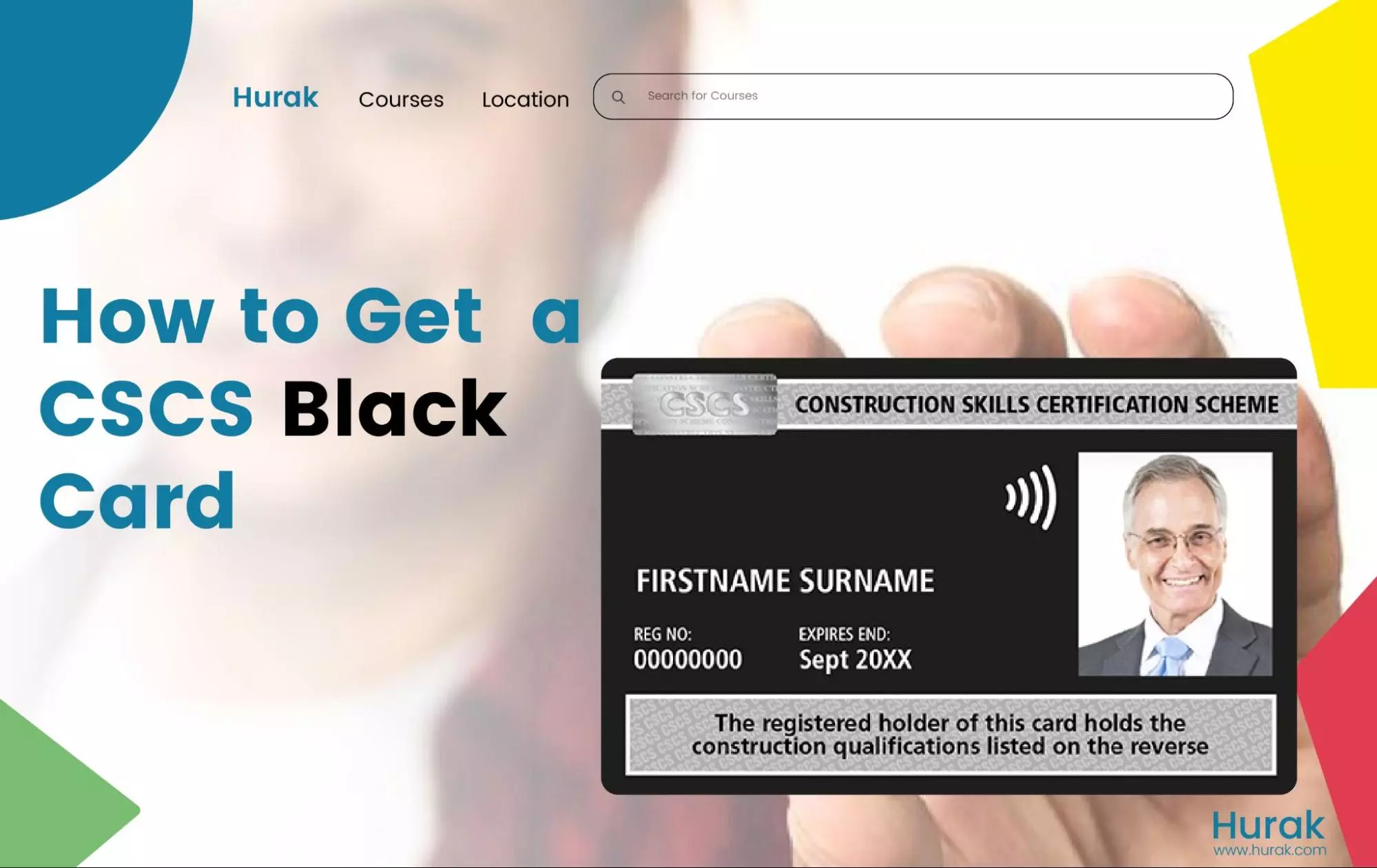
Know More About CSCS Black Card: What it Means and How to Get it
This blog will discuss the most common questions about the CSCS Black Card in construction. If you've ever wondered what it takes to get this prestigious card, how it compares to the White CSCS Card, or if it's worth the investment, you're in the right place.I'll explain the key details and help you understand why the CSCS Black Card is important in the construction industry.What qualification is a Black CSCS Card?The Black CSCS Card is not just another card in the Construction Skills Certification Scheme (CSCS) in the UK. It is a symbol of the highest level of qualification and competence within the construction industry. The path to obtaining a Black CSCS Card may differ based on the role and specialization, but the prestige it brings remains the same.To earn a Black CSCS Card, it's not just about ticking off a checklist. It's about proving your advanced skills, showcasing your extensive experience, and possibly presenting additional qualifications that are relevant to your specific role in the construction sector. This could mean achieving NVQ/SVQ qualifications of level 5 or above, completing advanced training courses, obtaining professional memberships or certifications, or demonstrating significant managerial or technical expertise in your field.What is better a White or Black CSCS CardWhether a White or Black CSCS Card is better depends on your career stage, qualifications, and the level of responsibility you hold within the construction industry.White CSCS Card: Typically associated with entry-level positions or individuals still in training. It signifies that the holder has basic construction skills and knowledge, often acquired through completing a relevant training course or apprenticeship program.Black CSCS Card: This card represents the highest level of qualification and competence within the CSCS scheme. It's usually associated with managerial or professional roles within the construction industry. Holders of a Black CSCS Card have demonstrated advanced skills, extensive experience, and possibly higher-level qualifications relevant to their specific role.If you're just starting in the industry or working in a position that doesn't require advanced qualifications or managerial responsibilities, a White CSCS Card may be sufficient. However, if you aspire to progress in your career, take on more senior roles, or work in specialised construction areas, obtaining a Black CSCS Card could be beneficial as it reflects a higher level of expertise and competence.Choosing between a White and Black CSCS Card depends on your career goals, qualifications, and the level of responsibility you hold or aspire to within the construction sector.How do I get a Gold or Black CSCS Card?Step 1: Complete NVQ/SVQ Level 4, 5, 6, or 7Complete a relevant Construction Management/Technical related NVQ/SVQ Level 4, 5, 6, or 7 or an SVQ at SCQF Level 10 or 11 in a Construction Management/Technical related qualificationStep 2: Pass the CITB (MAP) TestPass a CITB Health Safety and Environment Test for Managers and Professionals (MAP). This assessment evaluates your ability to respond to situations involving the chance of loss or injury as a manager on the site.At Hurak, we handle all the arrangements to ensure your CITB test reservation is secured effortlessly. Reserve your test today!Before you attempt the CITB test, you should take a free mock test exam.Step 3: Apply for the CSCS Black CardCreate an account on the CSCS online portal, enter the required details, and apply for the card.How much does a Black CSCS Card cost?The application fee for a CSCS card remains consistent across all card types at �36. Obtaining a CSCS Black Card covers the relevant NVQ or SVQ qualification expenses, the CITB test, and the CSCS Gold Card application.Enrolling on Levels 4, 5, 6, or 7 of the relevant NVQ/SVQ could cost between � 300 and �1,000. Booking a CITB HS&E Test costs �23.50. Considering all these expenses provides an estimate of the total cost of obtaining a CSCS card.Can I get a Black CSCS Card without NVQ?Obtaining a CSCS Black Card without a relevant NVQ/SVQ is not possible. Even extensive managerial experience in the industry does not suffice. CSCS has enforced a mandatory requirement for individuals seeking the CSCS Black Card to have completed a construction management/technical-related NVQ level 4 or higher.One option for meeting the criteria for a CSCS Black Card is enrolling in the Level 6 NVQ in Construction Site Management. This qualification involves on-site assessment, allowing individuals to continue working without interruption. Typically completed within 4 to 6 months, this course enhances job prospects for those holding the card.Can I get a Black CSCS Card with an NVQ level 4?You can obtain a Black CSCS Card with an NVQ level 4 qualification. While a higher-level NVQ/SVQ qualification (such as level 5 or above) is typically required for the Black CSCS Card, an NVQ level 4 can still meet the eligibility criteria in certain circumstances. Alongside the NVQ level 4, you would need to demonstrate additional qualifications, extensive experience, and competence relevant to your specific role within the construction industry. Meeting these requirements would qualify you for the prestigious Black CSCS Card, signifying your advanced skills and expertise in the field.Is a White CSCS Card better than a Black Card?A Black CSCS Card generally indicates a higher qualification, expertise, and responsibility level within the construction industry than a White CSCS Card. While a White CSCS Card is often associated with entry-level positions or basic skills, a Black CSCS Card is typically held by individuals in managerial or professional roles who have demonstrated advanced skills, extensive experience, and possibly higher-level qualifications relevant to their specific job roles. Therefore, regarding career progression and opportunities within the construction sector, a Black CSCS Card is generally considered more advantageous than a White CSCS Card.What do you need for a Black CSCS Card?To obtain a Black CSCS Card, you must demonstrate advanced qualifications, extensive experience, and competence relevant to your specific role within the construction industry. This may include achieving higher-level NVQ/SVQ qualifications (such as level 5 or above), completing advanced training courses, obtaining professional memberships or certifications, or demonstrating significant managerial or technical expertise.Is a White CSCS Card higher than a Black Card?No, a White CSCS Card is not higher than a Black CSCS Card. It's the opposite. A Black CSCS Card typically signifies a higher qualification, expertise, and responsibility within the construction industry than a White CSCS Card. While a White CSCS Card is often associated with entry-level positions or basic skills, a Black CSCS Card is held by individuals in managerial or professional roles who have demonstrated advanced skills, extensive experience, and possibly higher-level qualifications relevant to their specific job roles.ConclusionTo sum up, the CSCS Black Card is a big deal in construction. It shows you're good at what you do. While the White CSCS Card is for beginners, the Black Card is for pros. Getting it can open up lots of doors for you in your career.