

What is a CSCS Card and How to Get One?
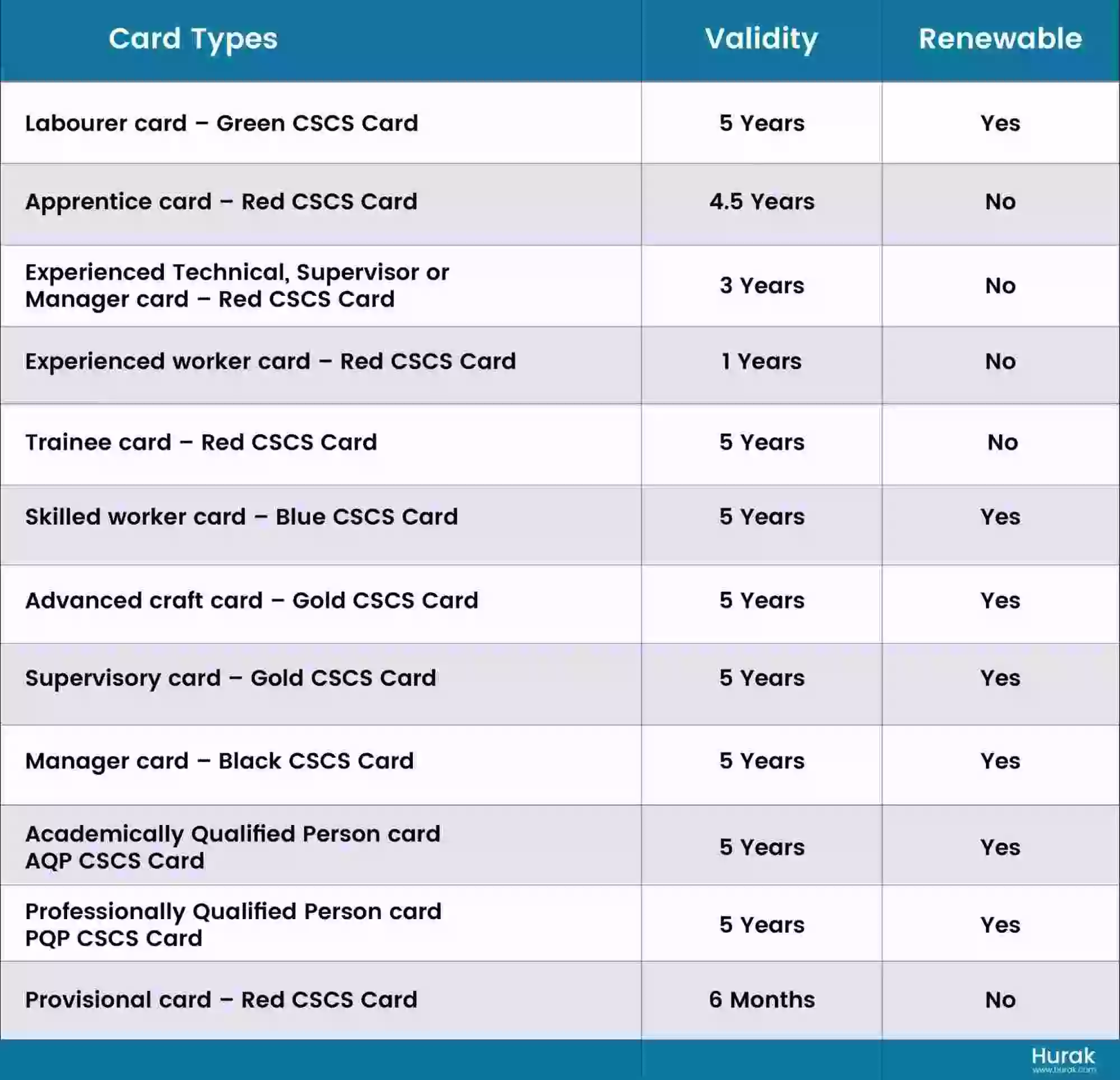
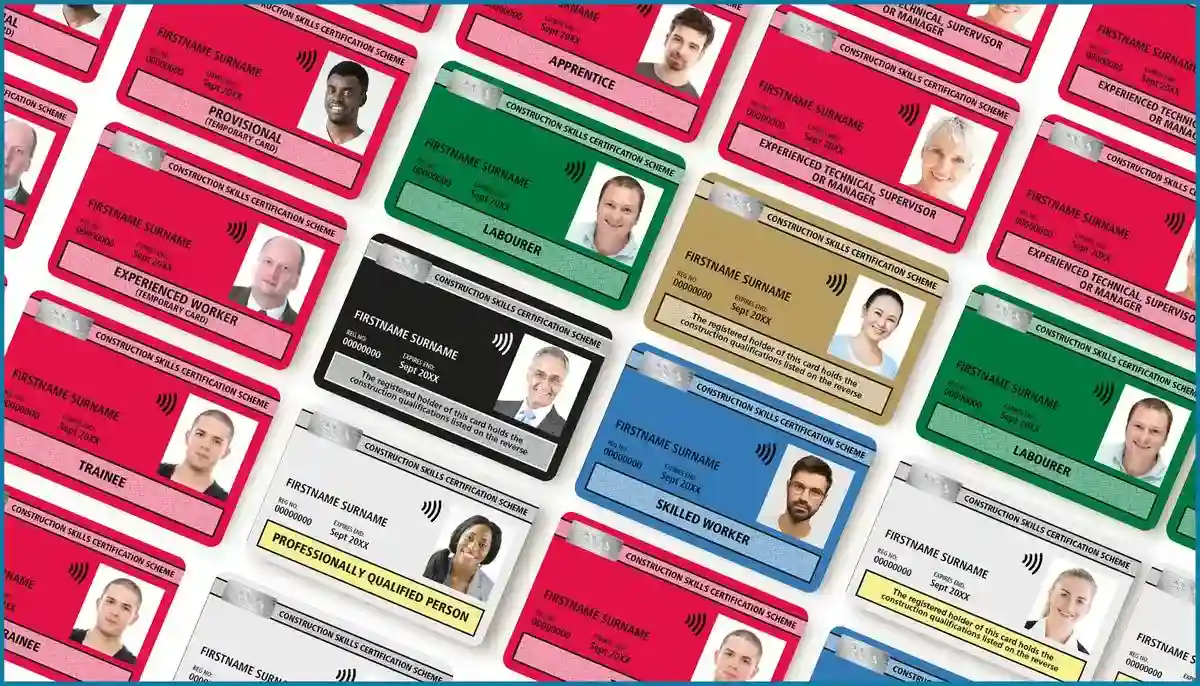
If you work in construction or related industries in the UK, you've probably heard of the CSCS card. However, it can all seem overwhelming at first with so many different types and application processes. This blog will provide all the information about this highly in-demand card.What is a CSCS Card?A CSCS card is issued by the Construction Skills Certification Scheme (CSCS) and is considered a valuable asset for anyone working within the construction industry. It demonstrates the holder's commitment to safety and professionalism.It proves that the holder has gained the knowledge, qualifications, and training to perform their role on the construction site safely and efficiently.What is CSCS?The Construction Skills Certification Scheme (CSCS) is a widely recognised certification scheme within the UK�s construction industry. It aims to ensure that all workers have the appropriate qualifications, skills, and knowledge to do their jobs safely on construction sites.CSCS also issues different types of CSCS cards, widely acknowledged across the UK construction industry. Contractors or employers commonly require these cards when hiring workers for construction projects.Is a CSCS Card a Legal Requirement?A CSCS card is not a legal requirement for employees to gain access to construction sites. However, major contractors are increasingly making it a common requirement, as it proves their proficiency as construction workers.That�s why it�s often listed as a key requirement in construction-related job advertisements.If you intend to work in the construction industry, having a CSCS card is beneficial, as it will improve your job prospects.Why is a CSCS Card Important?As the construction industry has become more regulated, many contractors and employers require employees to hold a CSCS card. It helps enhance your professional profile, making you more eligible for a job. With this card, you may have unlimited job opportunities available.Furthermore, a CSCS card is designed to promote safety on construction sites. It helps employers ensure that every worker on the site has gained knowledge and training in health and safety.Types of CSCS CardsThere are numerous types of CSCS cards, each designed to certify different skill levels and competence in the construction industry. Each card represents a specific occupation or role within the construction sector. These roles can vary from labourers and apprentices to supervisors and managers.The type of card you should get depends greatly on your job role and level of experience.CSCS Green CardA CSCS green card is specifically for those working in labouring occupations within the construction industry, such as general labourers, bricklayers, cleaners, carpenters, and plumbers. You must complete a CSCS Green Card Course for Labourers to get this card. .second-cta-block .main-heading { font-weight: bold; font-size: 22px; } .second-cta-block .book-now { background: #DF3D52; color: #FFFFFF !important; border-radius: 8px; } .second-cta-block .second-heading { font-size: 17px; } .second-cta-block .card { border: 0 !important; } .second-cta-block .card-body { border: 1px solid #909090; box-shadow: rgba(0, 0, 0, 0.16) 0px 1px 4px; border-top-right-radius: 100px; border-bottom-right-radius: 100px; background: #ECECEC; } .second-cta-block .image-wrapper { height: 134px; position: absolute; right: -100px; top: calc(50% - 67px); /* Center the image vertically */ } .second-cta-block .image-wrapper img { height: 100%; } .second-cta-block .trustpilot-widget { width: 256px; } .cta-heading-section { width: 75%; } @media screen and (max-width:991px) { .second-cta-block { padding-top: 100px; } .second-cta-block .card-body { border: 1px solid #909090; box-shadow: rgba(0, 0, 0, 0.16) 0px 1px 4px; border-radius: 19px; border-radius: 14px; background: #ECECEC; } .cta-heading-section { width: 100%; padding-top: 50px; } .second-cta-block .image-wrapper { height: 134px; right: 0; position: absolute; left: calc(50% - 108px); top: calc(50% - 203px); } } RQF LEVEL 1 COURSE for CSCS GREEN CARD Check the Course Rated Excellent on major review sites CSCS Red CardA CSCS red card is a temporary card assigned to a construction site worker. Each Red Card has a different validity ranging from 6 months to 5 years. With this card, you can start working on-site while working towards getting a skilled CSCS card.CSCS Blue CardThe CSCS blue card is specifically for construction workers who are experts in skilled work such as insulation, roofing, road building, etc.CSCS Gold CardThe CSCS gold card is an advanced-level card intended for Advanced Crafts and supervisors within the construction industry. This CSCS Card is designed for experienced professionals to acknowledge their ability to supervise construction personnel.CSCS Black CardThe CSCS black card is for experienced professionals indicating that the cardholder has gained the knowledge, skills, capability, and experience to manage high-level tasks in a construction environment.CSCS White CardThe CSCS white card is the highest level among all the CSCS Cards. There are two types of white CSCS cards: one for the Academically Qualified Person and the other for the Professionally Qualified Person.How to get a CSCS Card?Getting a CSCS card is a simple process. Check out the following steps.Step 1: Select a Card Relevant to Your RoleSelect a card relevant to your role within the construction industry. Use the card finder to discover the card best suited for your role.Step 2: Complete the Required QualificationComplete the required CSCS qualification corresponding to the chosen card. For example, if you want to get a Labourer Card, you must complete a CSCS green card course.Step 3: Pass the CITB Health, Safety and Environment TestThe next step is to pass the relevant CITB Health, Safety and Environment (HSE) test.Step 4: Apply for the CardApplying for the card is simple. You can apply through an online application, over the phone, or through Hurak.Your card will be sent to you by post. It's important to note that CSCS does not accept postal applications anymore.CSCS Card RequirementsDifferent CSCS cards have different requirements. However, some common requirements are:Getting the required training.Passing the CITB HS&E Test.Relevant experienceSeveral steps are necessary to get a CSCS card. Firstly, it's essential to undergo training to acquire the knowledge and skills required for your desired card, which can be accomplished by taking a suitable course for the desired card.Another requirement is to pass the CITB Health, Safety, and Environment Test. Furthermore, relevant qualifications and experience are necessary to get your desired card. For instance, getting a CSCS blue card requires an apprenticeship and an SVQ/NVQ qualification.Price of CSCS CardThe price of a CSCS card is �36 for all types. However, before applying for the card, you must pay extra for the required qualifications and the CITB test.What CSCS Card Do I Need?There are many CSCS cards, each represented by a different colour, such as green, red, blue, black, gold, and white, making it difficult to find the right one. However, using a tool like a CSCS card finder can be useful.How Long Does It Take To Get a CSCS Card?When your application has been approved, your CSCS card will be posted to you the next working day. Most cards arrive at their requested destination within 3-5 days of application approval. If your card does not arrive within ten days, please contact CSCS.The processing time for a CSCS card depends on the type of card you have applied for and the volume of applications being processed at the time of your application. Make sure you keep track of your application.You can contact CSCS via phone or a website regarding your application status.Free CSCS CardThere are several ways to get a free CSCS Card. You could contact Local Bodies (LEPs), get support from B&CE trust, apply for the Grant, and more.How to Check the Validity of a CSCS CardThere are several ways to check the validity of your CSCS card.CSCS Smart Check AppThe CSCS card checker app aims to improve the card-checking process and combat fraudulent activity related to card ownership in the construction industry.Access Your CSCS Online AccountThe most convenient method for individuals or employers is to use their CSCS Online account.Call the Contact CentreYou can also call CSCS on 0344 994 4777 any weekday (excluding bank holidays) from 8 a.m. to 6 p.m.Virtual CSCS CardsOnce your application is approved and payment has been taken, your virtual card will appear in the �My CSCS� app. The virtual card is similar to your physical card.CSCS Smart Check AppSite managers can use the CSCS Smart Check app on their smartphones or tablets to digitally verify the information stored on the virtual card.CITB Test / CSCS Card TestOnce you have your desired CSCS qualification, you must pass the relevant CITB Health, Safety, and Environment (HSE) test. There are different types of CITB tests, and you must pass the relevant test for the card you are applying for.What is the CITB Health, Safety and Environment Test?The CITB Health, Safety, and Environment Test is a computer-based test with multiple-choice questions that evaluate the candidate�s knowledge of construction health, safety, and environmental concerns.It�s valid for two years and costs �23.50. Its primary objective is to assess a candidate�s understanding of critical safety measures in a construction setting while improving their comprehension of the essential elements contributing to an efficient and successful construction site.Get your CITB test booked with Hurak for a hassle-free experience.How Long Does a CSCS Card Last?Most CSCS cards are only valid for five years. However, some have different validity periods based on their type. It's important to note that while some cards cannot be renewed after expiration, others can.For instance, the CSCS Red Card for experienced technical or supervisor cards is only good for three years, while the Green CSCS Labourer Card is valid for five years.Renewal ProcessHaving an up-to-date CSCS card is important to staying compliant and continuing to work in the construction industry. Therefore, you must apply for renewal before it expires.If you want to apply online, there is a five-step CSCS card renewal process. First, create a CSCS online account and apply for a card.Enter your details and preview your completed application before submission. Finally, pay the application fee to complete the process.Lost CSCS CardIt can be annoying and worrisome to lose your card since it is necessary to be able to work on construction sites. Getting a replacement CSCS card is the solution to this issue.To apply for a replacement card, visit the "Card Application" page on the CSCS website and select the appropriate card type. Enter your details and information about your previous card.Provide a reason for the replacement and upload the necessary documents, including a passport-style photo. Pay the �36 fee and review your application before submitting it.Fake CSCS CardA fake CSCS card is a fraudulent representation of a valid card. This card is made illegally by people willing to work in the construction industry. Recognising a fake card is critical because employing someone with one could have major consequences in the future. I've compiled a list of essential checks, which you need to ensure the cards have.To verify a card, ensure the name matches the ID and check formatting, validate the expiry date, confirm the unique registration number with CITB, check for the smart card microchip symbol, verify the passport-style photo, look for the hologram, and use the CITB card checker for validation.CSCS Card Availability in the UKCSCS Card Availability in the UK varies slightly between regions due to differing regulations and certification bodies.CSCS Card in England & WalesIn England and Wales, the Construction Skills Certification Scheme (CSCS) issues cards to individuals who have demonstrated their competence in the construction industry through training and assessment. These cards are widely recognised across the UK construction sector.CSCS Card in IrelandIn Ireland, the equivalent certification scheme is Safe Pass. While the CSCS card is not directly applicable in Ireland, Safe Pass serves a similar purpose: providing proof of health and safety awareness for construction workers.CSCS Card in ScotlandThe Construction Skills Certification Scheme (CSCS) also operates in Scotland. It offers CSCS cards in Scotland to those who have completed the necessary training and assessment to work safely in the construction industry. These cards align with Scottish regulations and standards.Wrapping Up: All About CSCS CardHopefully, this blog has provided valuable information about CSCS Cards and getting one. Whether you're a construction worker, contractor, or employer, possessing a CSCS Card ensures a safe and productive working environment.If you don�t have a CSCS card yet and are considering working in the construction industry, I encourage you to get one as soon as possible. By doing so, you'll be better equipped to advance your career and contribute to a safer and more efficient construction industry.Thank you for reading, and we wish you all the best in your career in the construction industry.
CSCS Card Types: Figure Out Which One Is Right For You
If you're looking to work in the construction industry in the UK, you may have heard of a CSCS card. There are many types of CSCS cards and it might be daunting at first to understand which one is right for you.In this blog post, we'll take a closer look at the different types of CSCS cards available. So whether you're just starting out in the industry or looking to progress your career, keep reading to find out more about this essential certification.Before moving on to discussing the CSCS card types, let�s first learn about CSCS.What is CSCS? CSCS stands for�Construction Skills Certification Scheme. It�s a recognised certification body in the UK, that approves its holders for their occupational competence in the construction sector. CSCS has made it easier for employers to employ construction workers, who have undergone appropriate training and relevant qualifications to work on a site.To learn more about CSCS, check out our blog or visit their official site.What is a CSCS Card?A CSCS (Construction Skills Certification Scheme) card is a type of certification that confirms an individual's qualifications and training required to work in the UK�s construction industry. The card acts as evidence that the holder has obtained the required knowledge, skills, and understanding to carry out their job safely and competently on a construction site.Despite the fact that holding a CSCS card is not a legal requirement, the demand for CSCS cards is very high in the UK�s construction industry. In fact, many construction and building sites won�t even hire workers without a CSCS card. This fosters a safety culture in a construction site, minimising the chances of accidents and injuries.CSCS Card Types: All You Need to Know About the Different CSCS CardsThere are different CSCS cards, each reflecting the different levels of skill and competence in the construction industry. Each card represents a different occupation or role within the sector, ranging from labourers and apprentices to supervisors and managers.These cards are categorised based on their colours (Green, Blue, Gold, White, Black, and Red). Some cards have been withdrawn by CSCS, they can still be used as long as they are valid, but cannot be renewed.Deciding on which card specifically aligns with your career objectives might be tough for you. Hopefully, the table below can help you to decide which card to go for.CSCS Green CardA CSCS Green Card is designed for individuals working in labouring occupations within the construction industry, such as general labourers, cleaners, plumbers, carpenters and bricklayers. Having this card shows that the individual has a basic level of knowledge and understanding of health and safety in the workplace. It�s one of the most popular cards amongst the list of CSCS Card types.It is not a legal requirement, but many construction employers require it as proof of a worker�s competence and commitment to health and safety in the workplace. So, if you hold a Green Card, you have an advantage over others and you�re more likely to get employed.Eligibility Criteria to Get a CSCS Green CardTo be eligible for a CSCS Green Card, you must:Achieve an RQF Level 1 Award in Health and Safety in a Construction Environment (or recognised alternative)Pass the CITB Operatives HS&E TestApply for a CSCS Green CardThe first step to getting a CSCS Green Card is to enrol on a relevant qualification. At Hurak Learning, we offer the CSCS Green Card (Labourers Card) Course that prepares you well for the next step, the CITB Operatives HS&E Test. It�s a multiple-choice test, valid for two years. After having completed the relevant qualification and having passed your CITB Operatives HS&E test, you can then apply for a CSCS Green Card on the official website with proof of your qualification and a CITB test ID number.Taking a free CSCS mock test is recommended before you attempt a real CITB HS&E test. It will help you test your knowledge and evaluate if you�re fully prepared to attempt the real test.Validity of a CSCS Green CardThe CSCS Green Card is valid for five years and must be renewed before it expires. To renew the card, the individual must retake the CITB Operatives HS&E Test and provide evidence of any additional qualifications they have obtained since their last application.Note, some qualifications, like the Level 1 Award in Health and Safety in a Construction Environment do not expire. So to renew your CSCS card if you have completed the Level 1 H&S course in the past you just need to pass the CITB Operatives HS&E Test and apply for the card. .second-cta-block .main-heading { font-weight: bold; font-size: 22px; } .second-cta-block .book-now { background: #DF3D52; color: #FFFFFF !important; border-radius: 8px; } .second-cta-block .second-heading { font-size: 17px; } .second-cta-block .card { border: 0 !important; } .second-cta-block .card-body { border: 1px solid #909090; box-shadow: rgba(0, 0, 0, 0.16) 0px 1px 4px; border-top-right-radius: 100px; border-bottom-right-radius: 100px; background: #ECECEC; } .second-cta-block .image-wrapper { height: 134px; position: absolute; right: -100px; top: calc(50% - 67px); /* Center the image vertically */ } .second-cta-block .image-wrapper img { height: 100%; } .second-cta-block .trustpilot-widget { width: 256px; } .cta-heading-section { width: 75%; } @media screen and (max-width:991px) { .second-cta-block { padding-top: 100px; } .second-cta-block .card-body { border: 1px solid #909090; box-shadow: rgba(0, 0, 0, 0.16) 0px 1px 4px; border-radius: 19px; border-radius: 14px; background: #ECECEC; } .cta-heading-section { width: 100%; padding-top: 50px; } .second-cta-block .image-wrapper { height: 134px; right: 0; position: absolute; left: calc(50% - 108px); top: calc(50% - 203px); } } RQF LEVEL 1 COURSE for CSCS GREEN CARD Check the Course Rated Excellent on major review sites CSCS Blue Card The CSCS Blue Card is designed specifically for skilled construction workers who have experience in services such as roofing, insulation, road-building, etc. Eligibility Criteria to Get a CSCS Blue Card To be eligible for a CSCS Blue Card, you must: Achieve an NVQ Level 2 or equivalent qualification Pass the CITB Operatives or Specialists HS&E Test Apply for a CSCS Blue Card The first step to getting a CSCS Blue Card is to obtain NVQ Level 2 or equivalent qualification relevant to the job you aim to do at a construction site. Next, you must pass the CITB Operatives or Specialists HS&E Test, which is valid for two years. Validity of a CSCS Blue Card The CSCS Blue Card is valid for five years and must be renewed before it expires. An individual must retake the CITB Operatives or Specialists HS&E Test before applying for the card.CSCS Gold CardThe CSCS Gold Card is for experienced professionals. It�s an advanced-level card intended for Advanced Crafts and supervisors within the construction industry. This card is proof that the holder of this card has the capability to supervise personnel in a construction environment.Eligibility Criteria to Get a CSCS Gold CardTo be eligible for a CSCS Gold Card, you must:Achieve an NVQ Level 3 or 4 qualificationPass the CITB Health Safety & Environment TestApply for a CSCS Gold CardThe first step to getting a CSCS Gold Card is to obtain an NVQ Level 3 or 4 qualification. After that, you must pass the relevant CITB Health, Safety & Environment Test. This test is valid for two years so you must apply for CSCS Gold Card before the test expires, or you will have to pass the exam again.Validity of a CSCS Gold CardThe CSCS Gold Card is valid for five years. To renew the card, you will have to pass the CITB Health Safety & Environment Test again before applying for it.CSCS Black CardThe CSCS Black Card is for experienced professionals. It indicates that the holder of this card has the knowledge, skills, capability, and experience to manage high-level tasks in a construction environment. It�s given to individuals who have achieved an advanced level qualification in the field of construction and also have managerial experience.Eligibility Criteria to Get a CSCS BlackTo be eligible for a CSCS Black Card, you must:Achieve a minimum of an NVQ Level 4 qualificationPass the CITB Managers and Professionals HS&E testApply for a CSCS Black CardTo obtain the CSCS Black Card, it is mandatory to pass the CITB Managers and Professionals HS&E test. This particular test requires a higher level of knowledge compared to others, as it�s meant for people who intend to lead others on a site. Therefore, a more comprehensive understanding of health and safety regulations and procedures is required.Validity of a CSCS Black CardThe validity of a CSCS Black Card is five years, after which it will need to be renewed. It is important to keep the Black Card valid, as it�s often a requirement by employers, and failure to renew the card can result in loss of work opportunities.CSCS White CardThe CSCS White Card is the highest level among all the CSCS Card types. There are two types of white CSCS cards: one for the Academically Qualified Person and the other for the Professionally Qualified Person.An Academically Qualified Person is someone who has obtained a higher level qualification in their area of expertise, such as HNDs, HNCs, CIOB Certificates, a NEBOSH diploma, or a degree. Examples of professionals who fall under this category are electrical and civil engineers.The second type is a Professionally Qualified Person, whose job role may require occasional visits to a construction site, but they are not restricted to a particular construction site. Professionals who fall under this category include architects, surveyors, and structural engineers.Eligibility Criteria to Get a CSCS White Card (Academically Qualified Person & Professionally Qualified Person)To be eligible for both types of CSCS White Cards, you must:Achieve a minimum of an NVQ Level 7 qualificationPass the CITB Managers and Professionals HS&E Test or an approved alternativeApply for a CSCS White CardApplicants of a Professionally Qualified Person White CSCS Card must also provide evidence of their current membership with a professional organisation at a level that CSCS accepts. They can submit any of the following documents:A membership cardA receipt of payment for membershipA membership certificateAn up-to-date letter or email from the professional bodyA clearly dated screenshot showing your current membershipValidity of a CSCS White CardThe White CSCS Card expires after five years. However, the Professionally Qualified Person card cannot be renewed and when expires, you have to apply for a new card just like you applied for the first time.CSCS Red CardsThere are a few different types of Red CSCS Cards. The following table will help you understand the different typesTypes of CSCS Red Card�Suitable ForValidityTraineeTrainees registered to complete a construction-related qualification.5 yearsApprenticeIndividuals who have started a CSCS-recognised apprenticeship framework4 years and 6 monthsProvisionalWorkers serving their probationary period.6 monthsExperienced WorkerWorkers enrolled on a Level 2 NVQ or higher qualification and have on-the-job experience.1 yearExperienced Technical, supervisor or ManagerExperienced technical, supervisor or managers enrolled on a Level 3 NVQ or higher qualification and have on-the-job experience.3 yearsTypes of CSCS Red CardsA CSCS Red Card is a temporary card assigned to a construction site worker. Each Red Card has a different validity ranging from 6 months to 5 years. One of the benefits of having this card is that you can still start working on site while working towards getting a skilled CSCS card.�The CSCS Red Cards cannot be renewed. Once you complete the required qualification, you can progress to a skilled Blue Card or Black Card.There are 5 types of Red Cards, and you can check out each type in detail below and figure out which one is best suited to you.Trainee CardThe CSCS Trainee Card allows you to temporarily join a construction site and continue your academic qualification in parallel. It�s valid for 5 years, and you must complete the course during this time period and progress to a CSCS skilled card.�To apply for this card, you must enrol in a recognised qualification and pass the CITB HS&E test.�Apprentice CardThe CSCS Apprentice Card is for workers who have started a CSCS-recognised apprenticeship framework. It�s valid for 4 years and 6 months.To apply for this card, you must complete an apprenticeship in a construction setting and pass a CITB test within the last two years.Provisional CardThe CSCS Provisional Card is for individuals who are new on a job and serving their probationary period. For this reason, this card is valid only for 6 months and you cannot renew it once it expires.To apply for this card, you must not have obtained any other CSCS card.Experienced Technical, Manager or Supervisor CardAs the name suggests, this card approves your skill level to be employed as an experienced technical, manager, or supervisor on the construction site. It�s valid for 3 years.To apply for this card, you must have an NVQ Level 3 or higher qualification and at least one year of on-job experience in the last three years.�Experienced Worker CardThis card is for experienced workers with at least a year of experience at the construction site. The Red Experienced Worker Card is often confused with the Experienced Technical, Manager or Supervisor Card. However, there�s a difference between the two as this card is only valid for a year and requires an NVQ Level 2 or higher qualification.To apply for this card, you must have an NVQ Level 2 or higher qualification and at least a year of experience at the construction site.How Much Does a CSCS Card Cost?The cost of getting a CSCS card is �36, which is the same for all the CSCS cards. This fee is paid to CSCS (Construction Skills Certification Scheme). The CITB health, safety, and environment test is a mandatory requirement for getting a CSCS card and it costs �23.50. Together, the total cost of your CSCS card application and CITB test is �58.50.Checkout our blog on CSCS card price to learn more about cost breakdown.Frequently Asked QuestionsHow long does it take for a CSCS card to be approved?The time it takes for a CSCS card to be approved can vary depending on the type of card being applied for and the application method used. Typically, once your application is approved, your CSCS card will be dispatched to you on the following working day. Most cards are delivered to their specified location within 3-5 working days after the approval of the application.How do I apply for a CSCS card?You can apply for a CSCS card in different ways, such as online, by post, or over the phone. The application process for a CSCS card involves providing evidence of your qualifications and passing a required health and safety test. We recommend applying online, as this is the quickest way.Is it mandatory to have a CSCS card to work in a construction company?While having a CSCS card to work on-site is not legally required, many construction companies and sites require their workers to obtain a valid CSCS card as a measure of competence and safety.Can I get a CSCS card without any qualifications?You cannot obtain a CSCS card without any qualifications, as the application process for all the cards requires evidence of your skills, qualifications, and health and safety knowledge.Are there any exemptions or discounts available for CSCS card fees?To know about the exemptions or discounts on the CSCS card fee, check the CSCS website.Can I use my valid CSCS card in other countries?CSCS cards are only recognized in the UK construction industry. However, some international construction companies may accept CSCS cards as evidence of knowledge, competence, and experience.What happens if I lose my CSCS card?In that case, you can apply for a replacement card online or by post. There is a fee for replacement cards, and it may take several days to get a new CSCS card.

Shortage of Labour in the UK Construction Industry
Nowadays, it is nearly difficult to read the news without learning about a shortage of products and workers. According to recent statistics, the number of open positions in the UK has surpassed 1 million for the first time in history, illustrating how difficult it is for some industries to fill such positions with competent candidates.Construction is a sector where labour shortages are causing significant project delays. It has never been easier to get work if you want to start a career in construction. This blog examines how to find the training for this profession.Why is there a labour shortage in the construction industry?The Office for National Statistics reports over 33,000 open positions in the construction industry, which is a 20-year high. Several reasons, including Brexit, the Covid-19 pandemic, and an ageing workforce, have been cited as the causes.Nearly every business and every nation have been influenced by Covid-19. Even though it continued for the bulk of the pandemic in the UK, construction work has suffered significantly over the past 18 months. Due to the virus and national restrictions, many projects have been difficult to finish, and workers have had trouble getting the training they need to work legally on sites. The so-called �pingdemic� and COVID-related illnesses have raised absenteeism rates, leaving businesses understaffed.Brexit has significantly impacted the industry. EU nationals working in the UK construction business have decreased by 42% since 2017. This is partly related to tougher immigration regulations that hinder workers from remaining in the nation and from immigrating. This has caused a considerable imbalance in the number of workers and industry knowledge.Half a million construction employees are anticipated to retire in the following 10 to 15 years, contributing to the industry�s ageing workforce. This results in fewer personnel and the loss of a great deal of expertise and knowledge. To help the business deal with the loss of experienced personnel when they retire, it is crucial for both new and existing employees to receive on-the-job upskilling.What are the effects of the skill shortage in the construction industry?Cost is the main impact of the skills gap in construction. Recruitment costs increase when it is challenging to locate employees because construction companies must put more money and effort into the search. Using Free Recruiting Software can help streamline this process, but in its absence, businesses may be forced to pay over market rates to acquire scarce skills, which may increase inflated compensation.Another problem with temporary staffing is paying excessive salaries to employees. While waiting for a long-term solution, corporations frequently have little alternative but to pay a substantially higher fee for temporary personnel as a stop-gap. Organisations in the UK paid an additional �2.2 billion in 2020 compared to 2019 due to short-term deficits. There is also the added expense of retraining employees with lower qualifications to the appropriate level.For construction companies, declining employment has serious ramifications, but accepting contracts is later unable to fulfil an impact on their standing in the sector. Both projects and construction businesses are impacted by the skills gap in the industry, which can lead to projects running over schedule and budget.How do I acquire a job in construction?There has not been a better moment to start a career in construction, so if you are interested in the field, these worker shortages may work to your benefit. The ideal place to start is an entry-level position, such as a construction labourer.On building sites, construction labourers perform a variety of fundamental tasks. These might involve bricklaying, excavation work, laying foundations, etc.You must possess a CSCS Green Card to enter the job site and perform the duties of a construction labourer. .second-cta-block .main-heading { font-weight: bold; font-size: 22px; } .second-cta-block .book-now { background: #DF3D52; color: #FFFFFF !important; border-radius: 8px; } .second-cta-block .second-heading { font-size: 17px; } .second-cta-block .card { border: 0 !important; } .second-cta-block .card-body { border: 1px solid #909090; box-shadow: rgba(0, 0, 0, 0.16) 0px 1px 4px; border-top-right-radius: 100px; border-bottom-right-radius: 100px; background: #ECECEC; } .second-cta-block .image-wrapper { height: 134px; position: absolute; right: -100px; top: calc(50% - 67px); /* Center the image vertically */ } .second-cta-block .image-wrapper img { height: 100%; } .second-cta-block .trustpilot-widget { width: 256px; } .cta-heading-section { width: 75%; } @media screen and (max-width:991px) { .second-cta-block { padding-top: 100px; } .second-cta-block .card-body { border: 1px solid #909090; box-shadow: rgba(0, 0, 0, 0.16) 0px 1px 4px; border-radius: 19px; border-radius: 14px; background: #ECECEC; } .cta-heading-section { width: 100%; padding-top: 50px; } .second-cta-block .image-wrapper { height: 134px; right: 0; position: absolute; left: calc(50% - 108px); top: calc(50% - 203px); } } RQF LEVEL 1 COURSE for CSCS GREEN CARD Check the Course Rated Excellent on major review sites What is a Green CSCS card?Workers must present the CSCS Green Card, also known as the CSCS Labourer Card, to enter the worksite and carry out their responsibilities. It demonstrates that the bearer possesses the necessary health and safety knowledge to work safely in a construction setting. Even though it�s not strictly necessary, most construction companies will insist employees have this card to enter the site and perform their duties. Read our guide on the Labourer Card for more information.Do I need an NVQ to obtain a CSCS Green Card?No, an NVQ is not necessary to get a CSCS Green Card. But you need to complete our Level 1 Award in Health and Safety in a construction environment course, to obtain the CSCS green card in the most straightforward possible manner. This one-day session will give participants all the essential information they need to keep safe on the job site. After completing the course, apply for the CSCS Green Card.
Challenges in Construction Projects
There are many different approaches to handling difficulties in the construction industry. For instance, the sluggish adoption of technology is sometimes addressed as a single significant barrier and several specific problems, such as communication, scheduling, documentation, etc.Now, we will move on to the most pressing issues affecting the construction industry. The first is compliance in a setting where laws and regulations are constantly changing. Other subjects will also be covered.Compliance RegulationsRules and regulations must change and evolve to keep up with the rapid advancement of technology. Maintaining compliance with that is challenging, particularly given that numerous layers of rules impact numerous businesses. This covers international compliance standards, nation-specific laws and ordinances, or even incredibly local and particular to one state or city.Regulation update communications frequently get lost and ignored in the daily deluge of work-related correspondence. Nevertheless, compliance violations brought on by unforeseen changes can quickly become catastrophic for most businesses.Inadequate Risk ManagementProject managers frequently implement precautions for long-term risk. But frequently, short-term problems are not taken into consideration. These problems have the potential to grow quickly and seriously affect the bottom line.Any seemingly little problem, such as unreliable subcontractors, scheduling difficulties, or shifting stakeholder preferences, has the potential to sabotage a project. Therefore, it�s necessary to have contingency preparations. Schedule some flexibility, and invest in safety training initiatives to prevent potential problems.Poor CommunicationCommunication is a critical skill in any job, but it becomes much more crucial when work is divided among several people. Without efficient communication, crucial activities may be overlooked, and problems could go unnoticed until it is too late to fix them. As a result, project managers must establish precise rules.At the end of each day, there should be communication up a distinct ladder informing the team of any advancements or challenges. Problems can be proactively solved in this way. Using various software could be a great alternative if face-to-face meetings are not an option.Shortage of Skilled WorkforceThis could be one of the major issues being faced by the construction sector right now. And this problem also gets worse every year, as fewer and fewer young people are interested in working in the construction industry and as more and more elderly workers are getting ready to retire.The problem is essentially global, and the need keeps steadily rising. It is conceivable for genuine building companies to try and lessen the effects of this issue for themselves, even though specific initiatives are made to address it on that level.If workers enrol in the CSCS Green Card (Labourers Card) Course, the first step in obtaining your CSCS Labourers Card, the skilled labour shortage can be resolved. It shows that the worker who has it is aware of the dangers and threats to their health and safety that are common at construction sites. You can also enrol in an online CSCS labourers card course and study from the comfort of your home. .second-cta-block .main-heading { font-weight: bold; font-size: 22px; } .second-cta-block .book-now { background: #DF3D52; color: #FFFFFF !important; border-radius: 8px; } .second-cta-block .second-heading { font-size: 17px; } .second-cta-block .card { border: 0 !important; } .second-cta-block .card-body { border: 1px solid #909090; box-shadow: rgba(0, 0, 0, 0.16) 0px 1px 4px; border-top-right-radius: 100px; border-bottom-right-radius: 100px; background: #ECECEC; } .second-cta-block .image-wrapper { height: 134px; position: absolute; right: -100px; top: calc(50% - 67px); /* Center the image vertically */ } .second-cta-block .image-wrapper img { height: 100%; } .second-cta-block .trustpilot-widget { width: 256px; } .cta-heading-section { width: 75%; } @media screen and (max-width:991px) { .second-cta-block { padding-top: 100px; } .second-cta-block .card-body { border: 1px solid #909090; box-shadow: rgba(0, 0, 0, 0.16) 0px 1px 4px; border-radius: 19px; border-radius: 14px; background: #ECECEC; } .cta-heading-section { width: 100%; padding-top: 50px; } .second-cta-block .image-wrapper { height: 134px; right: 0; position: absolute; left: calc(50% - 108px); top: calc(50% - 203px); } } RQF LEVEL 1 COURSE for CSCS GREEN CARD Check the Course Rated Excellent on major review sites Reliable Contractors�This construction issue needs to be resolved primarily through networking and referrals. It could be challenging to select a subcontractor for the work based just on looks, given the abundance of possible subcontractors. Asking for recommendations from your vendors or material suppliers is a great way to steer clear of hiring a shady contractor. Asking subcontractors you�ve dealt with in the past could be an excellent strategy to find reliable communications.It is advisable to confirm the subcontractors� licences, general liability insurance, and your inclusion as an additional insured on their policy before engaging them.Managing DocumentsIt should be no surprise that the construction industry generates a significant amount of paperwork, including contracts, material orders, certificates, invoices, insurance, etc. Dealing with all that often causes the document management process sluggish and raises the possibility of human error.Getting your entire company to operate primarily paperlessly should have been done long ago. Regarding categorization, due dates, project deadlines, and other aspects of document management, a wide range of methods and solutions can be helpful. To improve visibility and streamline operations, many firms adopt digital reporting tools, such as dashboards for Sage 300 CRE, which provide real-time insights into project documents, financials, and workflows.Unrealistic ExpectationsWhile a competent project manager can accomplish some tasks, others are impossible. Some clients and stakeholders may make significant requests. There may be difficulties associated with their expectations, whether they want a project finished quickly or on a tight budget. Spending toward impossible goals can reduce productivity; why put yourself through unnecessary stress by working extra hours when you still fail?The foundation for a successful project can be laid by managing expectations upfront. Some of these expectations were created as a result of poor forecasting. It�s possible that this forecasting, like risk management, places more emphasis on the long term than the short term. To determine whether those predictions are attainable, break them down into monthly, weekly, and daily objectives. Then, if necessary, inform the parties involved of the problems. Give them a backup strategy so they can see your ambitious but realistic timeframe or budget.Lack of StructureIt�s tough to complete tasks effectively without defined goals. Holding people responsible for contributing to a project without objectives is also challenging. If they don�t have a clear goal they are trying to achieve, a construction project can quickly go over budget, fall behind schedule, or even both.A crucial component of project management is performance management. They all need to have specific tasks to complete to accomplish this and keep everyone focused. Break down larger, project-wide goals into more manageable daily objectives for people to complete. If something isn�t done today, it will just get worse tomorrow. Ensure accountability by using predetermined procedures. Doing this can prevent the project as a whole from collapsing beneath you.Delayed Cash FlowInvoicing is a common but occasionally archaic practice in the construction industry. As a result, funding sources for other projects may run dry, and there may be delays. Also, late payments could negatively affect a company�s financial flow.As a result, invoicing procedures must change. Construction businesses may ensure that cash flow does not adversely influence other projects by using enhanced software and sufficient follow-through.Equipment Maintenance and ReplacementBuilding equipment is typically expensive, which can easily lead to decreased project earnings. Many firms usually forget the expenditures connected with construction equipment, particularly the maintenance and replacement prices. The additional expenditures involved with upgrading your equipment in the middle of construction are also one of the principal reasons for project cost overruns.You can address this issue by keeping an eye on equipment that suddenly starts to malfunction and acting quickly if your equipment malfunctions in the middle of a project.
Challenges Faced by Managers on Construction Sites
AnalysisTaking charge of a building project is no easy task. A construction project might run into a lot of difficulties. Project managers face numerous difficulties because of the project�s broad scope, many participants, and inherent hazards. It is the responsibility of project managers to maintain a site�s efficiency, safety, timeliness, and budget. This request can be very challenging at times. Here are a few challenges project managers regularly deal with in the building industry.One survey claims that 77% of construction projects have severe delays and that 98% of projects come in over budget.Shortage of Skilled LabourDespite advancements in technology, manual labour still dominates the construction sector. However, several factors are exerting pressure on construction firms as they try to recruit competent labour. These are most frequently:As workers retire, the ageing workforce depletes the sector�s present skills.Younger generations don�t find the construction industry to be particularly appealing. Brexit is making it more difficult for construction companies to hire people from the EU.City & Guilds reported in 2018 to Open Access Government that 87% of firms in the UK construction sector were having trouble obtaining skilled workers for construction employment.The shortage of skilled labour can be resolved if labourers enrol in CSCS Green Card (Labourers Card) Course, which is the first step towards getting your CSCS Labourers Card. It serves as evidence that the worker in possession of it is aware of the health and safety risks and hazards prevalent at a construction site.Lack of Well-Defined GoalsPoorly stated project objectives are one of the first difficulties that project managers encounter in the construction industry. Project managers� primary objective is to see a project through to completion; however, fulfilling this goal can be challenging. Every project has inherent constraints that make it distinct when creating goals for the timetable, work distribution, and final delivery. Multiple people may be involved in a single construction project, and their lack of coordination will result from a lack of a defined purpose.This problem is simple to solve. To ensure everyone is on the same page, project managers should exercise due diligence and ask the customers and contractors the necessary questions.Budget LimitationsThe management of funds is a challenge for projects in the construction industry, just like it is for any other project. It can be simple to go over the authorised budget due to the size of building projects and the time it takes to accomplish them.You can overcome this project management difficulty by lowering stakeholder expectations. Project managers should ensure that deliverables are correctly recognised to have accurate cost estimates. The budget should also account for circumstances beyond the project manager�s control, such as issues with the supply chain, labour shortages, and, more recently, the possibility that the COVID-19 epidemic will have an adverse effect on the operations of numerous project partners. The budget should constantly be reviewed, but more so if there are change orders or scope creep because those things might cause costs to spiral out of hand.Minimising DelaysDealing with time restrictions is one of the major difficulties project managers in the construction industry encounter. Delays brought on by incomplete work, scheduling difficulties, and workplace accidents can snowball into additional delays and costs.Unfortunately, construction projects include a lot of risk and uncertainty, making delays unavoidable. Project managers should set up processes for project scheduling and tracking to ensure everything is moving forward. Project managers can also spot flaws, errors, and workflow problems that could cause delays by watching the job through construction cameras.Unreasonable RequestsSpeaking about managing expectations, many project managers in the construction industry occasionally have to deal with unreasonable timelines and demands from clients and stakeholders. Even though this is not as serious of an issue as project delays and cost overruns, it nevertheless impacts a construction team�s productivity and morale. Construction is a highly competitive market; thus, it is a sense that stakeholders would defend their commercial interests.However, project managers should use their communication abilities to control their superiors� expectations and provide feedback when they believe a client�s request is unreasonable. They ought to be able to adequately justify why and offer more logical options that everyone can accept.Time ManagementMany stakeholders believe that one of the major problems that contribute to poor designs, high accident rates, and income loss is time restrictions. Contractors may cut corners to make up for missed deadlines and scheduling issues. This might further snowball into greater delays and higher costs as they try to uncover and remedy flaws or risk contractual penalties.Due to these factors, building project managers must address various delay-causing factors and create procedures that guarantee that requirements are always satisfied. Tracking suppliers and subcontractors allow you to account for lead times, labour, and paperwork, and using an effective time tracking system can help ensure every task stays on schedule. Additionally, unforeseen events like weather changes should be taken into account. Project scheduling and tracking techniques can address all of these time management challenges.Project managers� difficulties differ depending on the type of building project. They do; however, they all share a characteristic. To achieve successful delivery, all of these tasks necessitate tactical knowledge, strategic insight, and effective communication on the side of project managers.
A Workplace Guide for Traffic Banksmen
�Crane lifts, traffic management, traffic flow, and directing vehicular operations are just a few of the operations that a traffic banksman, also known as traffic marshal, is crucial in making sure happen safely on the job site. The functions and responsibilities of the banksmen, their role in safeguarding the health and safety of people present, and the various duties and work environment they employ will all be covered in as a workplace guide for Traffic Banksman.Job Description of a Traffic BanksmanDirecting Vehicle MovementA traffic banksman is responsible for controlling traffic and ensuring accidents don�t occur at the work sites. They aid operators and drivers in their manoeuvres with hand gestures and communication tools. For instance, they can signal a vehicle to stop and move just in time when they reverse or make a turn. By monitoring their movements on the main road, banksmen direct cranes and trucks onto the site and ensure that heavy vehicles leave the area safely.Managing TrafficTraffic marshals manage the flow of traffic within a workspace as a banksman. They direct the drivers to the truck parking areas on the site. The traffic control system should ensure no other trucks are blocking the entries or exits. Additionally, large vehicles should have enough room to leave the site or travel to the loading zones. The roadways must be designed and laid out for particular vehicles to ensure efficient operation.Identifying Unsafe AreasA banksman should be aware of potential accident-causing difficulty spots in construction zones. To prevent damage to cars or equipment during manoeuvres, they also clear away impediments and clutter from the routes.Taking Care of Signalling EquipmentA traffic banksman should frequently examine the radio gear and other communication tools as a banksman to ensure they are operating as intended. A driver cannot hear them in a busy workplace, and giving directions is challenging without a communication line.Teaching Hand Signals to DriversTo prevent misunderstandings, it�s crucial to ensure drivers can comprehend the hand gestures of a banksman. They should meet with novice drivers to discuss traffic signals and communication techniques.Assisting in Loading and UnloadingA banksman typically works alongside other employees to do loading and unloading tasks. They may occasionally use the loading equipment to reduce traffic jams brought on by delayed loading.Work Environment of a Traffic BanksmanA traffic banksman works on building sites, loading and unloading ports, and factories. Trucks, cranes, lorries, cement mixers, bulldozers, and trucks are frequently seen in these situations. They spend most of their time working outside in all types of weather, so they must dress appropriately and have the necessary safety gear. Most banksmen dress in high-visibility clothing so that cars can see them both during the day and at night. The noise level at work is quite high on construction sites. For this reason, they require radio communication equipment to direct the drivers and alert the loading team when a truck arrives. Additionally, their responsibility is to maintain the office spotless and ensure efficient operation.Coworkers of a BanksmanDepending on the industry, a traffic banksman coworkers may include signallers, riggers, and warehousing workers. Workers in the warehouse help load and unload as riggers secure items to cranes. Additionally, banksmen might collaborate with project managers, civil engineers, ground labourers, truck drivers, and other specialists.Work Schedule of a BanksmanThe work schedule of a banksman differs depending on the employer and the conditions of their employment. For instance, delivery to building sites typically occurs in the early morning or late evening when there aren�t many people present. They will therefore start early and end late. On the other hand, warehouses are active during the day, when they finish most of their duties. A bankman typically puts in 35 to 40 hours a week, including weekends and evenings as needed when they work a full-time schedule. A traffic banksman can also work on temporary or part-time contracts.Traffic Marshal CourseWhen properly completed, a traffic banksman training course, also known as a traffic marshal course, entitles participants to serve as traffic marshals. By planning and setting out the roads that vehicles will use to pass through a location, they are able to safely govern the movement of vehicles there. To maintain safe segregation, a traffic marshal will make an effort to construct a one-way traffic system that will facilitate the flow of a vehicle at work through the site. They will also aim to avoid pedestrian crossings.When traffic is high, they may personally direct cars to prevent excessive queuing.
Health and Safety Risks on Construction Sites
It is quite difficult to manage health and safety in the construction industry. Anyone who enters a construction site runs the danger of getting hurt, making it one of the riskiest locations to work. That�s why most contractors in the UK ask for the CSCS Labourers Card, which is a physical testament that the workers have the entry-level skills and knowledge to work on the site. To get a Labourers Card, you need to complete the CSCS Green Card (Labourers Card) Course. Hurak offers the CSCS Labourers Card Course online as well as in classroom mode.Health and safety should be a top consideration on any construction site, whether residential or commercial. The potential health and safety risks include working at heights, using large equipment, and moving goods about the building site.In the UK, 80,000 construction workers experience work-related ill health each year, and 64,000 sustain non-fatal injuries, according to HSE. The 2016�2017 year saw 30 fatalities related to construction. This blog lists a few of the major ailments, accidents, and fatalities that occur in construction.Air-Borne Fibres and ToxinsAccording to HSE, 18,000 new cases of breathing issues1 are self-reported yearly, and there are 12,000 deaths from work-related lung diseases. Even though our sector is not entirely to blame for these issues, it is a major one. Many of these disorders take years to manifest, giving people a false sense of security and making it difficult for workers and their managers to enforce PPE properly.The atmosphere of construction has many potential sources of lung harm. These consist of:Stone masonry-related dust, debris removal, and general site cleanupWhen installing carpet, toxic fibres can become air-borne. Isocyanates can also be inhaled as an ingredient in paints, varnishes, glues, flooring, and building insulation materials.A variety of wood dustBreathing in these particles can cause various illnesses, including lung cancer, silicosis, COPD (chronic obstructive pulmonary disease), occupational asthma, and silicosis.AsbestosAsbestos is a significant contributor to deadly respiratory diseases. When annual lung disease deaths are broken down, asbestos-related lung cancer accounts for 20% of the total. In the UK, there are almost 500,000 public buildings that contain asbestos. Older buildings have hazards for the unwary, especially electricians, including ceiling tiles, thermal paper and wall plaster, insulation, cement siding, switchgears and circuit breakers.It is important to emphasise that asbestos poses a unique risk because a worker�s family may be at risk if they bring the dust home. When a family member is exposed to asbestos dust, a condition known as para-occupational or secondary exposure, they are also at risk of respiratory problems.According to legal requirements for duty holders, the occupants of buildings or sites must be adequately protected from asbestos-related risks. Providing asbestos awareness training to those who might come into contact with asbestos is one way to uphold your duty of care.Collapse10 of the 137 workers who died at work in 2016�2017 did so due to an object collapsing. People who labour around or excavate are in danger since there are several potential outcomes. These consist of:entering an excavationthe vicinity of an excavation becoming unstable and collapsing as a result of additional weights (like scaffolding or vehicles)compromising the stability of neighbouring buildings, resulting in their collapseInjury from falling objects when the excavation�s structural integrity failsManual HandlingLifting, carrying, lowering, pushing, and pulling items and material loads are manual handling tasks. Although many other types of injuries are connected to material handling (bruises, punctures, fractured bones), soft tissue damage�damage to muscles, ligaments, tendons, discs, cartilage, and nerves�is the most frequent.Soft tissue injuries typically impact the lower back, hips, legs, knees, ankles, and feet in addition to the neck, shoulders, elbows, arms, wrists, and hands. They may occur instantly or develop over time as a minor ache that gets worse with time. The degree of pain associated with the injury can range from mild to moderate discomfort to severe pain and the possibility of long-term disability. Enrol in a manual handling course to learn the correct way to handle things and prevent further damage. To further prevent manual handling injuries, follow the construction site signage to ensure clear safety signage in high-risk areas.�NoiseIn the UK, there were 1,505 new claims for work-related deafness between 2007 and 2017; according to HSE, 1495 men and 10 women were among them. Potentially dangerous noise levels on construction sites provide challenges. The issue is that workers frequently neglect to use the recommended hearing protection since site noise levels can change. The inappropriate hearing protectors may also be provided, making people less willing to wear them and providing additional risks such as the inability to hear a warning call or an improper fit with other PPE.Slips and TripsAccording to HSE, several thousand people are hurt on the job each year in the construction sector, and about 1,000 of those suffer a dislocated joint or a broken bone. With around 40% of all reported injuries being slips and trips, they are the most prevalent non-fatal workplace injury. Slips and trips are important because, in most cases, dangers may be readily avoided with good work area management.Working From HeightWith approximately 50% of all fatal injuries in the construction profession occurring from working from heights in 2016�2017, this practice remains one of the leading causes of fatalities. Working from heights can present several risks, including:apertures without guards and a lack of guardrailsinsufficient edge protectionUnsecured scaffolding or laddersOn roofs and high pathways, loose tools and/or carelessly stored materialsUpon successfully completing the course, you will instantly receive a digital certificate in spectator safety accredited by CPD and Highfield. You can print the certificate and keep it for future recordExhaustionConstruction work can be very taxing and frequently necessitates long shifts of physically demanding work in occasionally inclement weather. Although it isn�t frequently mentioned as a severe concern, tiredness plays a role in many accidents on construction sites. A worker�s level of attentiveness declines when they are physically or psychologically worn out, leading to careless choices and expensive errors.SuicideSuicide is the leading cause of death, surpassing falling from heights. The UK outnumbers all other nations. The suicide rate for low-skilled male construction workers is over four times greater than the national average, according to the Office for National Statistics, making suicide 63% more likely in the construction sector than in any other reporting group. According to the statistics, 1,047 of the 10,688 �people in-work� suicides documented between 2011 and 2015 involved the construction business, making up a little over 13% of the total. Unexpectedly, mental health is the biggest concern in the construction sector rather than physical health.Why do people commit suicide more frequently than in other industries working in the construction sector? According to some, the job�s precariousness�combined with its low pay, exploitation, and bullying�is to blame.Moving ObjectsConstruction sites are frequently bustling with activity, and without proper workplace management, being struck by a moving object can become dangerous, similar to slips and trips.Several factors can cause a worker to be struck by a moving object. These consist of:crowded and disorganised workspaces that prevent safe manoeuvringlack of beepers or warning lights on moving carsunlit workspacesconcentrating while near moving itemsstumbling into moving objects like machinery, pallets, or boxesthe absence of warning signs at crossroads with trafficHand and Vibration SyndromeA worker will get hand and vibration syndrome (HAVS) if they always utilise handheld power equipment. HAVS is easily avoidable, but once it�s there, the damage is irreversible. Tingling in the hands, fingers, and/or numbness are among the earliest signs of HAVS. If untreated, dexterity deteriorates, and touch receptor function is compromised. This makes it difficult for workers to grasp objects properly, which leads to a variety of issues, such as making it difficult to hold onto a tool or even to pour a drink of water.ElectricityExposure to electrically live parts is dangerous. Direct contact with live parts can cause harm, as can indirectly contact with a conducting object or material. Each year, 1,000 electrical accidents at work are reported, according to HSE. The majority of these mishaps are caused by coming into contact with overhead or underground power cables, as well as electrical apparatus. Ladders, scaffolds, and other work platform falls are frequently brought on by electric shocks. Additionally, there are an increasing number of electrocutions involving people performing electrical work on building sites who are not licenced electricians.
Do's & Don'ts of Construction Safety
One of the most dangerous workplaces in the world is the construction site, but it is also one of the most neglected. In addition to the high number of accidents and injuries that occur there, these situations could endanger the lives of those concerned. For this reason, construction workers should be more cautious than those in any other profession.�We�ll go into the do�s and don�ts in construction to decrease workplace accidents and ensure your safety and, more importantly, the lives of your team to assist you in avoiding the unpleasant risks that might arise on-site. Construction sites will no longer be frightening if these rules are carefully followed.DO's1. Wear Safety Equipment At All TimesNo matter how high or low a worker�s platform is, there will always be a chance of rubble or other things falling on them. Workers could suffer an injury or pass away if anything fell on their heads. To protect your head from any debris that might fall from above, you should, at the very least, wear a hard hat the entire shift. Wearing gloves and high-visibility clothing, like any other safety equipment, protects your hands and improves your ability to see while you are in a potentially dangerous environment. Safety glasses are advised to protect your eyes from dust or sparks, and boots are encouraged owing to their endurance.2. Learn Site SafetyAlthough most of a construction worker�s abilities can be gained on the site, it is preferable to acquire safety knowledge before entering the site. The majority of the contractors in the UK require the labourers to have a CSCS Labourer Card, which is a testament that the worker has qualifications to work on a site. To apply for a CSCS Labourer Card, the workers need to complete the CSCS Green Card (Labourers Card) Course, also known as the CSCS Labourer Card Course, through which they will learn safety regulations and health-related topics like manual handling, hazardous substances, welfare facilities, etc. Experienced personnel should also enrol in the CSCS Labourer Card Course once every five years to increase/refresh their understanding of building standards for safety. These training sessions will cover anything from basic safety precautions to techniques that could save lives, like how to use a ladder safely. The main objective is to ensure that everyone is thoroughly trained. The employees ought to be aware of the safety precautions that must be taken in the event of an occurrence after these training sessions. .second-cta-block .main-heading { font-weight: bold; font-size: 22px; } .second-cta-block .book-now { background: #DF3D52; color: #FFFFFF !important; border-radius: 8px; } .second-cta-block .second-heading { font-size: 17px; } .second-cta-block .card { border: 0 !important; } .second-cta-block .card-body { border: 1px solid #909090; box-shadow: rgba(0, 0, 0, 0.16) 0px 1px 4px; border-top-right-radius: 100px; border-bottom-right-radius: 100px; background: #ECECEC; } .second-cta-block .image-wrapper { height: 134px; position: absolute; right: -100px; top: calc(50% - 67px); /* Center the image vertically */ } .second-cta-block .image-wrapper img { height: 100%; } .second-cta-block .trustpilot-widget { width: 256px; } .cta-heading-section { width: 75%; } @media screen and (max-width:991px) { .second-cta-block { padding-top: 100px; } .second-cta-block .card-body { border: 1px solid #909090; box-shadow: rgba(0, 0, 0, 0.16) 0px 1px 4px; border-radius: 19px; border-radius: 14px; background: #ECECEC; } .cta-heading-section { width: 100%; padding-top: 50px; } .second-cta-block .image-wrapper { height: 134px; right: 0; position: absolute; left: calc(50% - 108px); top: calc(50% - 203px); } } RQF LEVEL 1 COURSE for CSCS GREEN CARD Check the Course Rated Excellent on major review sites 3. Keep An Eye on Your Surroundings At All TimesAnyone entering a building site should always keep an eye out for potential dangers because there are nearly always many activities occurring at once. It would be best if you always kept an eye out for them wherever you travel because doing so will prevent catastrophic injuries. Examples include:Pits.Construction equipment.Beams moving about the region.Other risky parts of an incomplete building.Additionally, you must never talk on the phone or interact with others while operating machinery that needs close attention.4. Stay Close to The ForemanTo work effectively, supervisors should always ensure the safety of their construction crews. The foreman�s responsibility is to direct the personnel performing duties across the site. A foreman�s knowledge of construction safety places them in a leadership position that cannot be disregarded. Even if a safety issue isn�t immediately obvious, always pay attention to what they say about what is safe and what isn�t.5. Inform the Workers About Site HazardsEvery worker must be properly informed and aware of the potential risks before entering any construction job site, regardless of their position or degree of expertise. Unskilled or ignorant workers may pose the greatest risks to any company since they may unintentionally endanger those around them. The best method to avoid injuries or accidents is probably to fully comprehend the dangers around you and to maintain a constant level of attention.Essential safety training is required in workplaces where accidents and fatalities are more likely; doing so will help you avoid terrible events that will harm your reputation and finances. Even though training sessions are held all year long, construction workers would enforce safety regulations more effectively if they applied and practised the skills they learned there. Without the proper training, employees risk severe or even fatal injuries.6. Use Proper EquipmentYou need to provide your employees with the appropriate tools and a suitable workspace for the task at hand if you want to foster a culture that prioritises construction safety. Construction site safety is impossible without the right tools because there is always a danger of getting hurt when using the incorrect ones. With the wrong equipment, construction workers are sure to make serious, even fatal, mistakes. In addition to ensuring that every piece of equipment on the job site is appropriate for the task at hand, construction companies also need to ensure that all equipment is kept in good working order.7. Take a Break When NeededWhile putting in a lot of effort should always be viewed as rewarding, it�s okay to take a break occasionally. Taking a break before returning to work helps employees maintain their vitality. Make sure breaks don�t go any longer than they have to.DON�T1. Wear Anything Unsuitable on a Construction SiteCasual attire won�t keep workers safe while at work; baggy pants or skirts are more likely to cause injury than work pants, and steel-toed boots will always provide more protection against heavy objects than trendy running shoes.2. Wandering Into Unsafe AreasIt�s not always safe to enter a building site just because it�s large and has numerous places. Significant liabilities may result for the contractor and other parties. The dangerous spots should be suitably designated with cones and signage to deter workers or anyone from entering risky areas.3. Use Equipment You Are Not Familiar WithSome employees are better than others at using specific pieces of equipment. Although it could appear simple initially, employees shouldn�t utilise any new tools without supervision. Commercial real estate work is expensive enough as it is, and untrained workers run the risk of harming or destroying site property.
Differences between a Banksman and Slinger Signaller
Who is a Banksman?A banksman, also known as a traffic marshal, directs and supervises vehicles like excavators, bulldozers, cranes, and dump trucks used on construction sites to carry personnel and building materials. Modern sites may use software for dump trucks to help banksmen monitor movement and improve efficiency. Marshals ensure the safe guidance of the vehicles and the people as it drives around the building site.On a construction site, a banksman works with plant operators and vehicle drivers to design safe traffic arrangements, communicate correctly to guide vehicle movement and manage traffic flow. The banksman should be aware of the hazards and risks associated with on-site cars and conduct their tasks to minimise risk.To get a comprehensive overview of banksman, read our blog.Who is a Slinger Signaller?A slinger signaller is a specific type of banksman. A slinger signaller�s main job is supervising and directing crane operators� instructions during lifting operations. Their job entails working with the lifting team and crane operators.A crane operator has a limited view of what is happening on the ground when seated in the cab. The slinger signaller provides clear instructions in the form of prescribed hand signals to assist them in safely lifting, moving, and setting down the crane�s load.SimilaritiesBoth banksman and slinger signaller must be aware of the risks and hazards in lifting operations.They tend to the people and equipment and make the site safer by minimising risks.They communicate using hand signals and radio equipment as instructed in Health and Safety (Signs and Signals) Regulations 1996.Both of them direct crane operations.The uniforms they wear are the same.DifferencesA banksman directs traffic and vehicles around a workplace.A signaller works in the lifting department only.Production of modular buildings is also a part of a slinger�s job description.How to become a Signaller?Enrol and complete Hurak�s Traffic Banksman course.Pass the multiple-choice question exam at the end of the course.Receive a 3-year valid certificate and ID card after passing the exam..How to become a Signaller?1. Must have accomplished the Health, Safety and Environment (HSE) exam for Operators within two years of enrolling for an accredited Slinger Signaller course.2. Enrol and complete an accredited training course on Slinger Signaller. The two most popular and demanded courses are:Construction Plant Competence Scheme (CPCS)National Plant Operator Registration Scheme (NPORS)Offers accredited training courseOffers accredited training courseWidely recognisedBecoming an alternative to CPCSExpensiveCost EffectiveIt takes a longer duration to completeCompletes within ten daysCertified centresFlexible learning3. Apply for a Red Trained Operator Card.