


Everything to Know About CITB
AnalysisWhat is CITB?The Construction Industry Training Board is known by its initials �CITB�. They are responsible for enhancing industry training and assisting skill development to boost the UK�s construction sector. Despite its strong collaboration with the government and the education department, they remain an independent organisation.To achieve this goal, CITB has developed some essential courses for various jobs in the construction sector. The majority of construction employees benefit greatly from�CITB courses, particularly when it comes to workplace health and safety.Is CITB the same as CSCS?Construction Skills Certification Scheme, or CSCS, is the organisation that grants employees the certification they need to demonstrate their employment readiness. The most popular way to accomplish this is by giving employees CSCS cards. Although it is not required by law, most construction employees must possess the appropriate CSCS card for their job function to enter the site.CITB and CSCS are two distinct organisations, sharing several well-known names in construction health and safety training. However, the two organisations are connected; for instance, candidates for a Labourer�s Green Card must have successfully completed the CITB Health and Safety Awareness course and the CITB Health, Safety & Environment (HS&E) test within the previous two years. Any CSCS card application must include the HS&E test. Later, we shall discuss this test in further depth.Check out last week�s blog, �What is CSCS?� for a detailed explanation of the various card kinds and the eligibility requirements.�How do I get a CITB card?Due to the affiliation between the two organisations, CSCS cards may occasionally be referred to as �CITB cards.� Do not be concerned; they are the same.Applicants must have fulfilled the appropriate requirements to obtain a CSCS card. These often include the individual finishing an applicable NVQ. This is not true for CSCS red cards, which are given to learners who have experience but have not finished their certifications. As a temporary remedy, red cards are given out to staff on-site so they can finish their training.Workers must have passed the�CITB Health, Safety & Environment test�within the last two years to receive a CSCS card of any colour. Later, we shall discuss this test in further depth.�Visit the CSCS page�on our website for a more thorough overview of the requirements accepted for CSCS cards.�How long does a CITB card last?The length of time a red card is valid varies based on the issued type. Most CSCS cards have a 5-year expiration date. The card must be renewed when this period has ended.Please remember that it cannot be renewed after a red card has expired. Once their training is complete, employees must apply for a change of colour card.What is the CITB test?Any construction worker�s training must include the CITB Health, Safety & Environment (HS&E) test to guarantee their safety while working on the job site. When applying for any CSCS card, it is a requirement that you have passed this test within the last two years.A series of questions about their fundamental construction health and safety standards make up the test. Each exam allows applicants 45 minutes to respond to 50 questions that gauge their knowledge of environmental, health, and safety issues.Operatives, Specialists, and Managers & Professionals tests are the three categories of CITB assessments. All three examinations cover much of the same material; however, the tougher tests will have more challenging questions pertinent to the position. Candidates may request questions on specialised tests relevant to the position they are applying for. For instance, questions tailored specifically to the field of demolition workers are possible.By going to the CITB website, you can register for your test online. The tests are $21 each.What to bring for a CITB test?Before taking the test, candidates must present a legitimate form of identification with their photo and signature. Passports and licences that are no older than six months will be accepted.The student will need to present two kinds of alternative identification if they don�t have either of these forms of identity. There are two categories of acceptable forms of identification: A and B.�ABNon-UK Driving LicenceMarkWork ID CardDebit CardStudent ID CardPaper Driving LicencePassport without signatureNational Insurance Card / HMRC LetterCitizen�s CardCheque Guarantee CardEU Country ID CardBank StatementCITB Scheme CardInland Revenue CardTrade Union CardUK Travel DocumentBritish Armed Forces CardB79 Notification of Discharge LetterYoung Scots CardBuilding Society PassbookProof of Age Card�The candidate must present both category A and B forms of identification if they cannot present a current passport or photo driver�s licence. They won�t be able to take their exam and get a refund if they don�t comply. For a complete explanation of their ID requirements, visit the CITB website. div.wpforms-container-full .wpforms-form label.wpforms-error{ display: none; } /* The Modal (background) */ .ebook-modal { display: none; /* Hidden by default */ position: fixed; /* Stay in place */ z-index: 1; /* Sit on top */ padding-top: 100px; /* Location of the box */ left: 0; top: 0; width: 100%; /* Full width */ height: 100%; /* Full height */ overflow: auto; /* Enable scroll if needed */ background-color: rgb(0,0,0); /* Fallback color */ background-color: rgba(0,0,0,0.4); /* Black w/ opacity */ } div.wpforms-container-full .wpforms-form input[type=submit], div.wpforms-container-full .wpforms-form button[type=submit], div.wpforms-container-full .wpforms-form .wpforms-page-button { border: 1px solid #ddd; font-size: 1em; font-family: inherit; padding: 9px 31px; background: #0f7c90; color: white; /* display: flex; */ /* width: 100%; */ position: absolute; bottom: -418px; right: -150px; /* margin: auto; */ justify-content: center; align-items: center; } /* Modal Content */ .ebook-modal-content { display: flex; flex-direction: column; justify-content: space-between; align-items: baseline; background-color: #fefefe; margin: auto; padding: 31px; border: 1px solid #888; width: 30%; position: relative; } /* The Close Button */ .ebookModal-close { color: #aaaaaa; float: right; font-size: 20px; font-weight: bold; cursor: pointer; position: absolute; right: 21px; top: 10px; } .ebookModal-close:hover, .ebookModal-close:focus { color: #000; text-decoration: none; cursor: pointer; } div.wpforms-container-full { margin: 0px auto 20px;!important } .ebookModal-header{ color:#0f7c90;font-size:30px;margin:0 30px } @media (max-width:576.888px){ .ebook-modal-content { width: 90%; } } @media (max-width:768.888px){ .ebook-modal-content { width: 70%; } .ebookModal-header{ font-size:20px!important; margin:0 } } @media (min-width:768.888px){ .ebook-modal-content { width: 50%; } } @media (max-width:1024.888px){ div.wpforms-container-full .wpforms-form input[type=submit], div.wpforms-container-full .wpforms-form button[type=submit], div.wpforms-container-full .wpforms-form .wpforms-page-button { width: 100%; position: static; } .ebookModal-header{ margin:0; font-size: 25px; } } @media (max-width:1280.888px){ .ebookModal-header{ margin:0; font-size: 30px; } } @media (min-width:992px){ .wpforms-submit-spinner{ max-width: 100%!important; position: absolute!important; top:250px!important; left:150px!important; transform: translate(-50%,-50%)!important; } @media (min-width:1280.888px){ div.wpforms-container-full .wpforms-form input[type=submit], div.wpforms-container-full .wpforms-form button[type=submit], div.wpforms-container-full .wpforms-form .wpforms-page-button { border: 1px solid #ddd; font-size: 1em; font-family: inherit; padding: 9px 31px; background: #0f7c90; color: white; /* display: flex; */ /* width: 100%; */ position: absolute; bottom: -380px; right: -150px; /* margin: auto; */ justify-content: center; align-items: center; } } Download our CITB Operatives and Specialists Test Prep Book for free! × [wpforms id="14869" title="false"] #myImg{ cursor: pointer; } Site Safety Plus CoursesHurak offers a variety of CITB courses from the Site Safety Plus catalogue. Specifically for the building, civil engineering, and related industries, Site Safety Plus courses have been developed. The construction industry�s training programmes are offered in a variety of disciplines and career levels:Site Supervision Safety Training Scheme (SSSTS)�� This course examines health and safety, employee welfare, and expanding environmental concerns within the construction industry in addition to covering the legal obligations that all supervisors need to be aware of when it comes to managing a construction site.Site Management Safety Training Scheme (SMSTS)���The CITB SMSTS course is designed for managers working in the construction industry and takes a comprehensive look at health and safety regulations and documentation. Participants will leave this 5-day training with a practical understanding of how to correctly document health and safety requirements.Site Management Safety Training Scheme � Refresher (SMSTS-R)�� The CITB SMSTS Refresher Course enables delegates to renew their initial qualification when it is about to expire by going over all of the material that was covered in the initial course. To make sure that all delegates are completely aware of their responsibilities, any recently enacted amendments to health and safety regulations will be covered.Site Supervision Safety Training Scheme � Refresher (SSSTS-R)���This course will update your knowledge of health and safety issues and provide you with insight into recent legislative developments and how they may affect the day-to-day operations of your company.
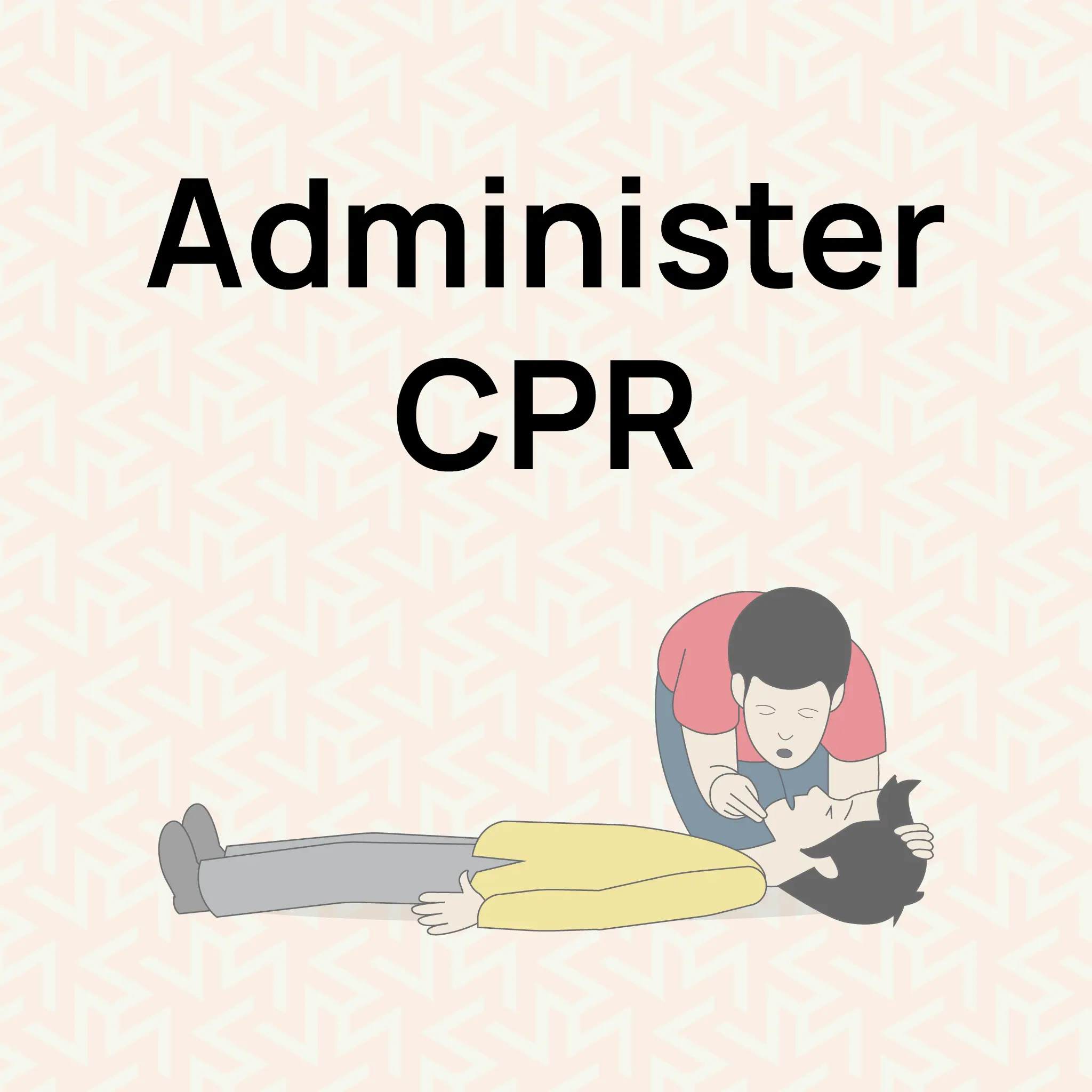
How To Administer CPR
Medical emergencies that require CPR can occur unexpectedly in any location. According to the Resuscitation Council UK, most cardiac arrests (72%) occur in the home or workplace (15%). Everyone needs basic CPR knowledge, as this skill could save someone's life.What is Cardiopulmonary Resuscitation (CPR)?Cardiopulmonary Resuscitation (CPR) is a critical procedure in first aid. It involves artificial respiration, which supplies oxygen to the lungs, and artificial circulation, which maintains blood flow throughout the body.CPR's primary objective is to provide an appropriate supply of oxygenated blood to reach the brain and other organs.This prevents tissue damage until the heart can resume normal function or professional medical assistance arrives. It is important to note that CPR is most effective when chest compressions are performed continuously.Why Perform CPR: Understanding Cardiac ArrestWhen someone experiences cardiac arrest, their heart stops beating properly, blocking blood flow to the brain. The person becomes unresponsive and stops breathing.Although a cardiac arrest marks a state of clinical death, applying CPR on time and a defibrillator presents a chance to restore a regular heartbeat.Common causes of cardiac arrest include:heart attackssevere injurieselectrical shockdrug overdosedrowningsuffocationWhen administering CPR, you are responsible for the casualty's cardiovascular and respiratory function. This procedure slows down the progression of their life-threatening condition till professional medical help arrives to take control of the situation.When to Use CPRCPR is needed when someone is unresponsive and not breathing normally. It is also required when a person is not breathing at all. For instance, if someone is rescued from drowning, they may need CPR to help them start breathing again. Similarly, if someone is severely choking, bleeding heavily, or in shock, CPR may be necessary.If you encounter an unresponsive person who has collapsed, you should perform a primary survey using the DRABC steps. This involves checking if the person is breathing by placing your cheek near their mouth.Observe their chest for any movement for about 10 seconds. If the person is unconscious but breathing normally, you should put them in the recovery position. However, if they are unconscious and not breathing properly, you should be prepared to administer CPR. .main{ border:3px solid #0f7c90; border-radius:20px; position: relative; font-family:roboto; font-weight: 400; color: #000; } .main-two{ position: absolute; top:-25px; left:45px; background-color:white; } .img-div{ border-radius : 100%; padding:2px 7px; background-color:#0f7c90; margin-right:5px; width: 50px; height: 50px; } .img{ width:30px; object-fit:contain; height:auto; border-radius : 100%; } @media only screen and (max-width: 600px) { .heading{ font-size:20px; } .img{ width:20px; object-fit:contain; height:auto; border-radius : 100%; } .img-div{ width: 40px; height: 40px; } .main-two{ left:25px; } } Ready to Learn More? Knowing CPR is important in emergencies, but there's more to first aid. Our First Aid courses offer complete training to help you handle critical situations. Whether you want to improve your skills or workplace safety, these courses help build confidence and expertise. View our Emergency First Aid at Work (EFAW) and Level 3 First Aid at Work courses. These courses meet the UK legal requirements and help you keep people safe. How to Administer CPR on an AdultFirst, assess the safety of the scene. Then, check the person's responsiveness by tapping and asking if they are okay. Conduct a primary survey by gently tilting the head back to make sure the airway is clear.Check for breathing for 5 to 10 seconds by looking, listening, and feeling for breaths.How To Do a CPR Compression on an AdultIf the person is not breathing or their breaths are weak (known as agonal breaths), place your hands in the middle of their chest with your shoulders directly above your hands. Keep your elbows straight.Agonal Breathing:Agonal breathing occurs when someone's breathing is irregular and gasping, often making odd sounds. It can sometimes occur during a cardiac arrest. Bystanders may think the person is breathing normally. Treating someone with agonal breathing as if they are not breathing at all is essential.Give 30 chest compressions - press down firmly and quickly!Use the heels of your hands to push straight down on the breastbone, about 5-6 cm (2-2.4 inches) deep.Release pressure entirely after each compression to let the chest come back up. Keep a steady rhythm, aiming for 100 to 120 compressions per minute. Count out loud to keep track.How To Breathe into an Adult�s Mouth During CPRNext, if you are trained, tilt the person's head back and lift their chin to open the airway. Pinch the soft part of their nose closed. If you have a barrier device, use it. Then, give two breaths into the person's mouth, each lasting about one second, enough to raise the chest.This makes one cycle of 30 compressions followed by 2 breaths.�Keep doing CPR until an AED arrives, the person starts responding, or you are too tired to continue. When the defibrillator arrives, apply it to the person immediately.How to Administer CPR on a ChildLook around the area where the casualty has occurred.Check to see if the child responds. If not, get medical help and an AED if possible.If you are alone and do not have a phone, do CPR for 5 cycles (around 2 minutes), then go for help. If you can, bring the child with you.Next, check the airway and breathing for between 5 and 10 seconds. .banner { border-radius: 10px; overflow: hidden; border: 2px solid #ccc; box-shadow: 0 4px 8px rgba(0, 0, 0, 0.2); background-color: #fdf9ee; } .book-now { color: white; background-color: #DF3D52; border: none; padding: 15px 60px; border-radius: 5px; cursor: pointer; font-size: 20px; text-decoration: none; } .book-now:hover { /*text-decoration: none;*/ color: white; background-color: #c33f50; } Get Trained in All First-Aid Skills First Aid Courses Book Now Rated Excellent on major review sites How To Do a CPR Compression on a ChildIf the child is not breathing or breathing well, place your hands in the middle of their chest and press down firmly. Keep your elbows straight. Depending on the child's size, you can use one or two hands.Give 30 chest compressions: Push firmly and quickly!Use the heels of your hands to press straight down on the breastbone. Each compression should be about a third of the chest depth or 5 cm (2 inches) deep.�After each compression, release pressure completely to let the chest back up. Keep a steady rhythm, aiming for 100 to 120 compressions per minute. Count out loud to keep track.How To Breathe into a Child�s Mouth During CPROnce you have performed compressions, open the airway by tilting the head back and lifting the chin. Use a barrier device if you have one. Then, give two breaths into the child�s mouth, just enough air to raise their chest.This makes one cycle of 30 compressions followed by 2 breaths.Keep doing CPR until an AED arrives, the person starts responding, or someone else takes over. If you get too tired, stop. Apply the AED as soon as it comes.How To Administer CPR for Babies - Infant Casualty Perform a scene survey of where the casualty occurred. Check if the baby responds. Gently tap their feet. If there is no response, get medical help and an AED if possible. If you are alone and do not have a phone, do CPR for 1 minute, then get help. If you can, carry the baby with you. Next, open their airway by touching their forehead and gently tilting their head back. Use the fingertips of your other hand to lift their chin. Put your lips around the infant�s mouth and nose and blow gently for one second until their chest rises. Remove your mouth and wait for your chest to fall back to normal. Repeat this for a total of five rescue breaths.How To Do a CPR Compression on an InfantPlace two fingers just below the nipple line on the baby's chest.Press down on the breastbone about 4 cm (1 1/2 inches), around one-third of the chest depth.Do 30 chest compressions followed by 2 breaths (30:2)Keep doing CPR until an AED is used, someone else takes over, or you are too tired. Use the AED as soon as it arrives.How To Breathe into an Infant�s Mouth During CPRBabies have big heads compared to their bodies, which can cause their airways to close. When babies lie on their backs, their heads tilt forward, closing their airway further.When performing CPR, you might find putting a thin pad under the patient's shoulders useful to help keep the airway open. But do not spend time looking for one.Types of CPRDepending on the circumstances and the number of people involved, CPR can be of different types:Chest compression-only CPRDispatcher-assisted CPRHow to take over CPR from another rescuerTwo-rescuer CPRChest Compression-Only CPRCPR guidelines emphasise recognising emergencies early and the importance of calling 9-1-1 if you find someone collapsed and unresponsive.Compression-only CPR means doing chest compressions without mouth-to-mouth breaths. Give solid and quick compressions at the centre of the chest, aiming for 100 to 120 compressions per minute. Although this does not give the person oxygen, it is an option for people not trained in traditional CPR or those unsure of their ability.Dispatcher-assisted CPRIn some areas, when you call 9-1-1, the dispatcher can guide you through the emergency until medical help arrives. Put your phone on speaker and place it near the person's head. Keep talking to the dispatcher while you help the person.Hand-Over CPR: Taking Over CPR from Another RescuerOffer your assistance and let the rescuer know you are trained in CPR. Make sure medical help has been called.Do 30 chest compressions followed by 2 breaths. Use your barrier device if you have one.Two-Rescuer CPRIf two trained rescuers are available, they can work together to do CPR on someone who needs it. There are three good reasons why it is better for two people to do CPR:Doing CPR can be tiring. As the first aider gets tired, their chest compression quality might worsen. If two people share the job of compressing the chest, they can keep doing good compressions for longer.With two people doing CPR, they can take turns doing chest compressions and giving breaths. This means the compressions do not have to stop as often.When two people work together, they can encourage and help each other during a difficult situation. One person stays by the casualty's head to do CPR with two rescuers. He keeps the airway open and breathes after every 30 compressions. The other person does the chest compressions.To keep the compressions effective, they should switch roles every 5 cycles of compressions and breaths, about every 2 minutes.ConclusionIf someone is not responding and breathing normally, CPR can help them survive until paramedics arrive. So, everyone needs to know how to do CPR, even if you still need to be formally trained in first aid. If you are not qualified, you should do chest compressions only for adults. But for children and babies, it is best to call for help first and then do CPR. Either way, doing CPR increases the chances of the person surviving.
Protecting Construction Workers From Asbestos Dust
What is asbestos?Asbestos is a naturally found fibrous rock. Up until 1999, it was frequently utilised in residences and other constructions. The 3 main categories of asbestos are:Crocidolite (also known as blue asbestos)Amosite (also known as brown asbestos)Chrysotile (also known as white asbestos)Asbestos provides high fire protection qualities, inhibits corrosion, and functions as an insulator (to keep heat in and cold out). It was widely utilised from the 1950s to the middle of the 1980s. As a result, it can be found in various building fixtures and construction materials, including ceiling tiles, pipe insulation, boilers, and sprayed coatings. However, it can still be found in structures constructed before 2000.When asbestos fibres become airborne, the materials threaten your health. This occurs when asbestos-containing materials are cut, drilled, or otherwise damaged while being used in construction. High levels of asbestos fibres may be inhaled while working on or near damaged asbestos. The total amount of these fibres you breathe is a major risk factor for asbestos-related disease. Regularly completing simple tasks can put you at risk. The Control of Asbestos Regulations 2012 established guidelines for safeguarding workers and others from the dangers of asbestos exposure.What is the risk to construction workers?The most significant occupational illness risk for construction workers is asbestos. According to data the HSE commissioned, the industry�s cancer mortality accounted for more than two-thirds of the over 2,500 deaths of construction workers in 2005. There are two types of cancers that asbestos can cause:Mesothelioma � a lining-related lung cancer. It almost usually results in death and is brought on by asbestos exposure.Asbestos-related lung cancer � Almost always, this is lethal.The other diseases caused by asbestos are:Asbestosis Diffuse Pleural ThickeningThe cumulative effect of asbestos exposure makes you more likely to develop diseases linked to asbestos in the future. However, these illnesses won�t harm you right away because it might take anywhere between 15 and 60 years for symptoms to appear. It is also significant to keep in mind that smoking greatly increases your risk of lung cancer caused by asbestos.How to Prevent this risk?You can take several actions, starting with always keeping in mind the chance that the building you are working on might contain asbestos.Employers are required to do a risk assessment before beginning any maintenance, renovation, demolition, or other construction work to determine the presence of asbestos.It is the responsibility of non-domestic property owners or managers to manage asbestos. This entails locating and documenting any asbestos location and state. Anyone working must access this information to help them manage exposure risks to themselves, their employees, and others.�5 Ways for Construction Workers to Avoid Asbestos ExposureTake an Asbestos Safety CourseAll personnel working on job sites with asbestos are expected to receive asbestos awareness training. These training sessions cover the following topics and instruct participants on how to prevent asbestos exposure:How to spot asbestos-containing itemsContributing factors to asbestos exposureUse of respiratorsWorkplace asbestos prevention measures Potential health implications of asbestos exposureRequirements for medical surveillance programmesasbestos exposure increases the risk of lung cancer in smokersInformation about how to reach smoking cessation programmesWhen it comes to asbestos exposure, knowledge is power. To safeguard yourself and your family from exposure, learn everything you can about prevention.Use a HEPA-Filter Mask and VacuumThe best defence against asbestos fibre inhalation is a HEPA-filter mask. High-efficiency particulate air (HEPA) filters can capture 99.97% fibres with a diameter of 0.3 micrometres or less. Most asbestos fibres are captured by these filters when they are utilised appropriately. Employees who work around asbestos must have access to these masks from their employers.Local exhaust ventilation with HEPA-filter dust collection devices is required to collect as many asbestos fibres as feasible during certain asbestos jobs. To remove asbestos dust and debris, vacuums with HEPA filters are necessary.Avoid Practices That Disturb DustOn projects involving asbestos, specific work techniques that cause the emission of asbestos fibres are forbidden.Some examples of these practices are:Use of saws lacking a HEPA-filtered exhaust or a point-of-cut ventilatorCompressed air is used to get rid of asbestos-containing materialsAny method of dry sweeping or shovelling that involves removing asbestos-related dust or debrisRequiring workers to put in extra time at asbestos construction sitesWet MethodApply water frequently while you work with asbestos-containing materials (ACM) and moisten it first to avoid the release of asbestos fibres. It�s crucial to keep dust and debris moist to keep asbestos material contained in one place.Know if the Workplace Contains AsbestosThese days, demolition and restoration projects account for most construction work that poses a risk of asbestos exposure. Besides roofing items, older construction materials are more likely to contain asbestos than new ones.When there is asbestos in a building, the only people to contact are the owners and homeowners. Owners shall identify ACM and provide notice to anyone who will perform work on the building. No databases keep track of which structures house asbestos. Make inquiries regarding ACM with the building owner to safeguard yourself against exposure.
Guide to Use Fire Extinguishers
Every workplace must have fire safety measures in place. The proper procedures and training can mean the difference between life and death. Over three years have passed since the Grenfell Tower catastrophe resulted in at least 72 fatalities. As a result of this tragedy, more building owners and businesses are reviewing their fire safety procedures.Fire extinguishers are among the most essential pieces of apparatus in the event of a fire. Extinguishers can help stop a fire from spreading farther and lessen the harm and damage it can do. Staff members must understand how, when, and where to utilise extinguishers for them to be helpful, though. and the various training alternatives, including Wikipedia page creation services, are covered in today's blog.Why do we need different types of fire extinguishers?We require several fire extinguishers to tackle the various causes of fire. Before selecting an extinguisher, evaluating the �kind� of fire is crucial because utilising the incorrect class could worsen the issue. For instance, employing water-based extinguishers on electrical fires may further damage the electronics, resulting in risky reactions like fire spread or even explosions.Each fire extinguisher serves a specific purpose and is usually employed to put out fires involving particular materials. When choosing fire extinguishers for your office, the environment and the sorts of fires that are most likely to occur, must be taken into account. For instance, if you live in a neighbourhood with plenty of automobiles, you should consider extinguishers that can put out fires caused by combustible liquids like oil or gasoline.Six classes of fireThe various fire classes can be divided into six distinct groupings, each of which responds differently to the various extinguisher types:Class A Ordinary combustiblesThese are flames caused by solid substances like wood, paper, and plastic. The majority of extinguishers work on this type of fire.Class B Flammable liquidsThis group includes fires caused by oil, grease, and gasoline.Class C Flammable gasesFlammable gases like methane or propane are particularly harmful because the fire and the gas can undergo strong chemical reactions.Class D Flammable metalsChemical reactions can result in flammable metals like titanium and magnesium, just like in Class C fires.Class E Electronic equipmentAny fire from electronic equipment falls under this category. Water-based extinguishers are not appropriate here because electricity and water are very reactive.Class F Cooking oilsThese most frequently happen when utilising deep fat fryers or chip pans in the kitchen.Types of fire extinguishersThere are five primary extinguisher kinds, and each one employs a different material to combat a particular class of fire:1. FoamIt is suitable for Class A and B fires. These extinguishers� foam creates a �seal� around flammable liquids to stop them from spreading further.2. WaterThe extinguisher that is used most frequently. Used only in Class A fires involving common combustibles.3. Carbon DioxideSuitable for Class A, B, and fires involving electrical equipment. To stop the fire from spreading, CO2 works against the oxygen fueling it.4. Dry powderThis extinguisher can be applied to all fires besides those involving cooking oils. The characteristics of the dry powder prevent chemical reactions from occurring when fighting metal and dangerous gas fires.5. Wet ChemicalsUsually used in kitchens for Class F fires, but also effective for Class A flames.ABC fire extinguisherABC fire extinguishers are usually used to refer to Class C or dry-powder extinguishers. ABC fire extinguishers are multi-purpose and can be used on class A, B, and C fires, as the name implies. Many organisations find that having multi-purpose extinguishers is helpful since it reduces the quantity of equipment they need to purchase and keep.Why do I need fire extinguisher training?According to the Regulatory Reform (Fire Safety) Order 2005, it is a legal necessity for workplaces to have suitable safeguards in place to cope with the risk of fire. According to this important government legislation, employers must undertake comprehensive fire risk reduction measures. Systems must be in place in workplaces to control a fire outbreak.All employees must get �adequate safety training at the time they are first employed,� according to Section 21 of the Fire Safety Act, which explicitly refers to the training that must be conducted at every business. A further requirement of the act is that training �must include suitable and sufficient instruction and training on the appropriate precautions and actions to be taken by the employee to safeguard�relevant persons on the premise.�Extinguishers are a helpful tool for fighting a fire, but they can do more harm than good if used improperly. As part of your workplace�s fire safety procedures, it�s essential to ensure that the designated staff members have received training on properly utilising extinguishers.Fire Marshal/ WardenLegally, an employer must make sure that someone is constantly monitoring fire safety in the workplace. Our Fire Marshal/Warden course is the best option for obtaining the education and credentials required to perform this function.Many of the themes from our extinguisher and safety awareness classes are included in our course, along with topics unique to the job of a fire warden, like:identifying workplace fire dangers and conducting fire risk assessmentsThe fundamentals of efficient safety exercises and fire evacuationsensuring that smoke and fire alarms are functionalconducting warden inspectionsWe are excited to offer this course through online video conference training to assist throughout the Coronavirus. With Zoom, a video conferencing programme, you can participate in these classes and receive all the same knowledge and credentials as before while training at home. Learn more about this novel approach to exercise here.Getting staff members up to speed on the ins and outs of using fire extinguishers is easy with the help of our fire marshal/warden course. Successful students will learn about the various extinguisher types, when to use them, and how to conduct inspections to ensure the equipment is fit.Both academic learning and practical, hands-on extinguisher experience are included in this half-day session. This includes a �live fire� scenario at the end of the training that serves as the final evaluation. Here, participants will be required to put everything they�ve learned in training into practice by fighting a real fire.Learn more about Wikipedia page creation�Wikipedia page creation services efficiently offered by Wiki Page Writers, comprise a skilled team of encyclopedists, writers, editors, and researchers dedicated to helping individuals and brands safeguard their legacy on the world's largest and most frequently visited online encyclopedia, Wikipedia.
6 Benefits of First-Aid Training And its Importance
First aid is the help you give to someone hurt or sick. This help happens before doctors or medical professionals arrive. It is very important because it can save lives and stop injuries from getting worse.Most First-Aid situations are minor, like cuts, burns, or bruises. These often happen in places like hospitals, hotels, and schools. Sometimes, more serious injuries can occur, so it is good to be ready to handle them if needed.What is the Importance of First-Aid Training?In First Aid training, you practise important skills to help in emergencies.CPR (Cardiopulmonary Resuscitation): You learn to perform chest compressions and rescue breaths. This helps restart someone's heart or breathing if they stop.Using a First Aid Kit: You practise using items in a first aid kit, such as bandages, antiseptics, and scissors. This helps you treat minor injuries and keep wounds clean.Primary Survey in First Aid Using DRABC: When helping someone in an emergency, always start with the primary survey. This means you quickly assess what is happening and the person's needs.Secondary Survey in First Aid: The secondary survey assesses the injuries of an awake, responsive person. It involves thoroughly examining the person's health history, assessing the four vital signs, and conducting a systematic head-to-toe examination.Basic Skills: You also learn other useful techniques, such as how to stop bleeding, how to treat burns, and how to handle broken bones.The main goal of first aid training is to provide immediate and effective help in an emergency. This help can make a big difference before doctors or other medical professionals arrive.Why is the Mental Health First Aid course important?The Mental Health First Aid Training course teaches how our mental well-being impacts our decision-making and progress in life. Particularly in the workplace, it is important to be aware of our certain triggers and how to stabilise them using emotional regulation. This is useful for employee productivity and overall job satisfaction.Six Key Benefits of First Aid Training at WorkEmployers must ensure their workplace has adequate and up-to-date first aid measures. The six important benefits of first-aid training for your staff are:Saving LivesFirst aid training can save lives. A British Red Cross study shows that up to 59% of injury-related deaths might have been prevented with immediate first aid. Training gives your staff the skills to act quickly in emergencies like choking, heart attacks, poisoning, or severe allergic reactions.Preventing the Situation from WorseningTrained first aiders can help prevent an injured person�s condition from worsening and stabilise the person until professional help arrives.Relieving PainFirst aid training helps staff relieve pain from injuries. They can use first aid kit items or cool burns with cold water. They also offer emotional support, which can ease anxiety and stress.Helping Communicate with Emergency ServicesTrained staff can provide accurate information to emergency services. This helps them give the right advice and decide on the next steps.Reducing Recovery TimeQuick first aid can save a life and speed up recovery, which means employees can return to work sooner.Helping with Legal ComplianceEmployers must follow health and safety laws, including providing first aid. Training helps meet these legal requirements and ensure a safe workplace. .main{ border:3px solid #0f7c90; border-radius:20px; position: relative; font-family:roboto; font-weight: 400; color: #000; } .main-two{ position: absolute; top:-25px; left:45px; background-color:white; } .img-div{ border-radius : 100%; padding:2px 7px; background-color:#0f7c90; margin-right:5px; width: 50px; height: 50px; } .img{ width:30px; object-fit:contain; height:auto; border-radius : 100%; } @media only screen and (max-width: 600px) { .heading{ font-size:20px; } .img{ width:20px; object-fit:contain; height:auto; border-radius : 100%; } .img-div{ width: 40px; height: 40px; } .main-two{ left:25px; } } Ready to Learn More? Put your knowledge of the benefits of first aid training into practice by enrolling in a course today! Our First Aid courses offer complete training to help you handle critical situations. Whether you want to improve your skills or workplace safety, these courses help build confidence and expertise. View our Emergency First Aid at Work (EFAW) and Level 3 First Aid at Work courses. These courses meet the UK legal requirements and help you keep people safe. Which First Aid Course is Right for Me?First aid training helps both employers and employees learn how to handle emergencies. To choose the right course, your organisation should assess its needs. This includes looking at the type of work, whether high-risk or low-risk, the number of employees, and the workplace size.Here are some guidelines from the HSE:For low-risk workplaces with 25 to 50 employees: At least one person should be trained in Emergency First Aid at Work (EFAW).For low-risk workplaces with more than 50 employees: One person should be trained in First Aid at Work (FAW) for every 100 staff members.In high-risk environments, the requirements are higher.Employers must provide first aid training in the UK to meet legal and ethical obligations. Having trained staff benefits the organisation and could be important in emergencies. .banner { border-radius: 10px; overflow: hidden; border: 2px solid #ccc; box-shadow: 0 4px 8px rgba(0, 0, 0, 0.2); background-color: #fdf9ee; } .book-now { color: white; background-color: #DF3D52; border: none; padding: 15px 60px; border-radius: 5px; cursor: pointer; font-size: 20px; text-decoration: none; } .book-now:hover { /*text-decoration: none;*/ color: white; background-color: #c33f50; } Get Trained in All First-Aid Skills First Aid Courses Book Now Trustpilot What Qualifications Does a First Aider Need at School?First aiders in schools need special qualifications. Schools and early years providers must have staff with first aid training. At least one person must have a current paediatric first aid certificate. This person must be present whenever children are at school or on trips.How often should first-aid training be refreshed?Most first-aiders should take refresher training every three years. This training is important for several reasons:Maintain Skills: Refresher courses help first aiders keep their skills sharp. Regular practice helps them effectively perform first aid when needed.Stay Updated: First aid guidelines and legal requirements can change. Refresher training helps first aiders stay informed about any new procedures or laws.