


EDI in Education: Building Equitable, Inclusive and Diverse School Communities
Equality, Diversity and Inclusion (EDI) are not just educational terms. They�re essential to creating fair and adequate school environments. A strong EDI approach ensures every student feels valued and supported, regardless of background. As classrooms grow more diverse, educators, staff, and leaders must promote inclusivity and actively address unconscious bias. This article examines the significance of EDI in education and how to integrate it into everyday school life.What Is EDI in Education?EDI stands for Equality, Diversity, and Inclusion, three interconnected values that guide how schools create supportive and fair environments for all students and staff.Equality: Providing all students equal access to learning, resources, and opportunities by identifying and removing barriers to success.Diversity: Acknowledging and valuing the differences in students' cultures, backgrounds, experiences, and perspectives.Inclusion: Creating an environment where every student feels welcome, safe, and fully able to participate, adapting the system to the pupil, not vice versa.While EDI is often outlined in policy documents, its real impact lies in how schools apply these values in everyday teaching, leadership, and support.EDI is no longer just a compliance measure. It�s a core part of creating effective and inclusive learning. It encourages educators and school leaders to reflect on their approaches and ensure that every pupil has a fair chance to thrive.�When EDI is embedded in everyday practice, it helps all students feel seen, safe, and supportedWhy EDI Matters in SchoolsIn today�s increasingly diverse society, EDI in schools is more than a policy requirement; it�s central to delivering quality education. Schools prioritising equality, diversity and inclusion provide all students with the opportunity to succeed, regardless of their background, identity, or learning needs. This has a direct and lasting impact on student outcomes, school culture, staff wellbeing and ethical responsibilities.Impact on Student OutcomesA diverse and inclusive school helps pupils develop a strong sense of identity, belonging, and confidence. When students see their backgrounds and experiences reflected and respected in school, they�re more likely to engage with learning and achieve their full potential. EDI practices also help reduce bullying, discrimination, and exclusion, contributing to better academic performance and emotional well-being.Positive School CultureSchools that embrace diversity foster open-mindedness, empathy, and respect across the entire community. This creates a more harmonious learning environment where differences are celebrated, not challenged. Inclusive classrooms promote collaboration and understanding, preparing pupils for life in a multicultural society.Enhancing Staff Wellbeing and Professional PracticeEDI isn�t just about students; it also plays a vital role in staff wellbeing and retention. When educators work in inclusive environments, they feel more valued, supported, and empowered to grow. Diverse leadership and staff teams also serve as role models for pupils and bring varied perspectives to curriculum delivery and decision-making.Meeting Legal and Ethical ResponsibilitiesSchools are legally required to comply with the Equality Act 2010, which protects against discrimination based on characteristics such as race, gender, disability, and religion. But effective EDI goes beyond legal compliance. It�s about creating ethical learning spaces that reflect the values of fairness, representation, and opportunity.When embedded effectively, EDI in schools helps create a learning environment where all pupils feel valued, safe, and supported.Benefits of EDI for teachers, learners, and the wider school communityWhen Equality, Diversity, and Inclusion are embedded into school culture, the benefits extend far beyond compliance; they impact teaching quality, learner outcomes, and community cohesion.For TeachersEDI enhances the classroom environment by promoting respectful interactions, inclusive teaching approaches, and stronger teacher-student relationships, which lead to job satisfaction and growth. Classroom management becomes more empathetic and practical. It supports professional development, helping educators build cultural awareness, address unconscious bias, and effectively manage diverse classrooms.For LearnersEDI creates a safe and supportive space where every pupil feels valued, regardless of background or ability. This boosts confidence, increases participation, and strengthens a sense of belonging. Students are more likely to stay engaged, collaborate with peers, and perform better academically.For the Wider School CommunityAn inclusive school promotes trust, open communication, and strong partnerships among all stakeholders, including staff, pupils, and families. When EDI principles are prioritised, relationships are strengthened, fostering a collaborative culture that values and respects diverse perspectives. This not only creates a more supportive environment within the school but also prepares young people to navigate and thrive in a diverse society, equipping them with the skills and understanding needed for life beyond the classroomHurak offers a range of certified courses to support your journey.�From foundational options like the Level 3 Award in Education and Training (AET) to advanced qualifications such as the Level 5 Diploma in Teaching (DiT), and enhance your ability to support diverse learners by enrolling in the Level 3 Certificate in Supporting Teaching and Learning in Schools (STLS), focusing on practical approaches to inclusion each course is designed to help you create a more inclusive, equitable, and supportive learning environment.�Explore all our teaching courses and take your next step towards inclusive practice today.How Schools Can Embed EDI into Policies and CultureEmbedding EDI in schools requires a holistic approach that involves leadership-driven strategies, policy development, and a shift in school culture. To ensure that EDI is not just a theoretical concept but a practical reality, schools need to focus on the following areas:Developing an EDI Policy�Leadership must start by creating a clear EDI policy that aligns with the school�s mission and values. This policy should be more than a set of guidelines; it must reflect the school�s ongoing commitment to diversity, inclusion, and equality, setting the foundation for a truly inclusive environment.Embedding EDI in School GovernanceEDI should be incorporated into the school�s governance framework, ensuring that decision-making at all levels reflects the principles of inclusion. Ensuring that governance bodies, including leadership and trustees, are diverse and inclusive, creating a leadership structure that champions EDI and models inclusivity for students and staff alike.Inclusive Recruitment and Retention PracticesSchools must ensure that their staff recruitment processes reflect a commitment to diversity. This involves reviewing recruitment procedures to ensure fair representation from different backgrounds. Creating an environment that supports the retention and professional growth of staff from diverse backgrounds, enabling educators to thrive and contribute fully to school lifeLeadership Training for EDIIncorporating EDI into the culture of the school begins with leadership. Leaders must undergo specific training in EDI principles, including unconscious bias and inclusive management techniques. School leaders should actively model inclusive practices to inspire both staff and students, ensuring the values of fairness and equality are visible in all aspects of school lifePromoting EDI at the Classroom LevelEDI isn�t just a policy; it is something that should be visible and lived out in daily classroom interactions. From the way lessons are planned to how students are supported, inclusive practices make a real difference.�The table below highlights practical classroom-level applications of EDI principles:EDI PracticeExampleSEND SupportTailored learning plans and classroom adaptations for pupils with special educational needs and disabilities.Diverse CurriculumStudy materials that represent a variety of authors, cultures, identities, and perspectives.Inclusive LanguageUsing respectful, gender-neutral, and culturally sensitive language in all communication and learning materials.Adapting Teaching MethodsDifferentiating instruction to suit varied learning styles, abilities, and backgrounds.Gender InclusionRespecting students' chosen names and pronouns, providing gender-neutral uniforms and facilities where possible.Religious InclusionProviding prayer rooms and allowing time for religious observance.Cultural Dietary OptionsOffering halal, vegetarian, and allergy-sensitive meals in the canteen.Challenging StereotypesUsing counter-stereotypical examples in lessons and discussions to break down bias and assumptions.Anti-Bullying CampaignsAddressing bullying based on race, sexuality, and disability.Staff TrainingRegular sessions on unconscious bias and inclusive teaching strategies.Pupil ParticipationDiversity councils allow students to help shape school policies.Key Challenges in Implementing EDIWhile many schools are committed to Equality, Diversity and Inclusion (EDI), putting it into practice often proves difficult. Unconscious bias, inconsistent training, and limited resources can prevent meaningful progress. Teachers may struggle to address sensitive issues confidently, and systemic inequalities like socio-economic disparity or cultural misunderstandings can impact how pupils experience education.Even where EDI policies exist, they are not always applied consistently across classrooms or departments. Without strong leadership and whole-school commitment, efforts can lose momentum.Addressing these barriers is essential for creating lasting, equitable change in school culture.Conclusion: Embedding EDI for Lasting ImpactEquality, Diversity and Inclusion are essential components of a thriving, modern educational environment. From policy to practice, EDI shapes how students learn, how teachers teach, and how schools operate as inclusive communities. By embedding EDI into governance, recruitment, classroom practices, and leadership, schools create safer, fairer and more empowering spaces for everyone.While challenges exist, they shouldn�t deter action. Meaningful change starts with awareness, is strengthened through training, and succeeds when inclusion becomes part of daily school life. Whether you�re a school leader, educator or support staff, embracing EDI is a shared responsibility that ultimately benefits students, staff and society as a whole.Investing in EDI today helps build schools where every individual feels seen, respected and able to thrive, because proper education includes everyoneFAQsWhat does EDI stand for in education?EDI stands for Equality, Diversity, and Inclusion. It refers to creating a fair and supportive learning environment where all students and staff are valued and treated equally.Why is EDI important in UK schools?EDI helps promote fairness, reduce discrimination, and improve student outcomes by recognising different backgrounds, needs, and identities in the classroom.How is EDI implemented in schools?Schools implement EDI through inclusive policies, staff training, curriculum development, and initiatives like celebrating cultural diversity or supporting SEND students.What are some examples of EDI in action?Examples include using inclusive language, offering learning support for students with disabilities, celebrating different cultures, and creating anti-bullying policies.What training can educators take to support EDI?Teachers can take Equality and Diversity, Safeguarding, and Mental Health Awareness courses to better understand and apply EDI practicesAdvance Your Teaching Career with Accredited Courses from HurakWhether you're beginning your journey in education or seeking to deepen your expertise, Hurak offers a range of accredited courses to support your professional growth:�Level 3 Award in Education and Training (AET): Start teaching with confidence using inclusive methods. Level 4 Certificate in Education and Training (CET): Enhance your planning, delivery, and assessment skills. �Level 5 Diploma in Teaching (DiT) � Further Education and Skills: Advance your career in further education teaching. Level 3 Certificate in Supporting Teaching and Learning in Schools (STLS): Support pupils and teachers effectively in schools. Level 2 Award in Support Work in Schools (RQF): Learn EDI, safeguarding, and classroom support basics.Explore our full range of Teaching and Academics Courses on Hurak
Qualified Teacher Learning and Skills (QTLS): Meaning, Requirements How to Apply
If you're looking to teach in further education or adult learning settings, Qualified Teacher Learning and Skills(QTLS) could be the stepping stone you need. This professional status is designed for those who want to establish a credible, long-term teaching career beyond the traditional school environment.�In this article, we�ll cover everything you need to know about QTLS, from its meaning and requirements to how it differs from QTS and the application process. Whether you're new to teaching or looking to elevate your qualifications, this guide will help you navigate your journey to QTLS status.What is QTLS?Qualified Teacher Learning and Skills is a nationally recognised status for individuals teaching learners aged 16 and above in further education, adult education, and workplace training environments.�QTLS is often a requirement for roles in:Further education collegesIndependent training providersSixth-form collegesAdult and community learningWork-based learning organisationsQTLS is awarded by the Society for Education and Training (SET) and is designed to demonstrate your ability to meet the professional standards required for teaching and learning in this specific area. QTLS provides a pathway to Qualified Teacher Status (QTS) for those working in further education, but it is distinct in focus.Holding QTLS demonstrates that you meet the national professional standards for teaching and learning, significantly boosting your employability, professional credibility, and access to better career opportunities within the education sector.Understanding Qualified Teacher Status: QTSQualified Teacher Status (QTS) is the qualification required to teach in state-maintained schools in the UK, including primary and secondary schools. It ensures that teachers meet professional standards and have the necessary knowledge and skills to teach effectively. Earning QTS is essential for becoming a fully qualified teacher and improving your chances of employment, higher pay, and career progression within the education sector.QTLS vs QTS: Key Differences You Should Know Understanding the difference between QTLS and QTS is key if you're considering a teaching role in the UK. While both are respected teaching qualifications, they serve different sectors and offer different pathways depending on your career goals. Here�s a clear comparison:Focus and Scope:QTS is required for those teaching in primary and secondary schools. It�s specifically designed for educators working within the school system.QTLS is for those working in further education (FE), adult education, and vocational training. This qualification caters to teachers who work in colleges, training providers, and adult learning centres.Educational Requirements:To achieve QTS, teachers typically must complete a teacher training programme, such as a PGCE or School Direct, which includes practical classroom experience and assessments.For QTLS, you need to have a Level 5 teaching qualification (such as a Level 5 Diploma in Education and Training) and prove your competency in teaching through a professional development route.Recognition and Career Pathways:QTS is mandatory for teaching in UK schools, and it�s the qualification you�ll need to pursue if your career goal is to teach in a school setting.QTLS recognises professionals working outside the school system and opens career pathways in the further education and vocational sectors. It also allows for equivalence to QTS in terms of teaching status.Status and Professional Development:QTS is often considered the gold standard for school teachers, and it�s recognised across the UK as the qualification for effective classroom teaching.QTLS is similarly regarded as a mark of professional competence, but it�s more specific to the further education sectorTransferability:QTS allows you to teach across all UK schools, whereas QTLS is typically valid in further education and training settings.�QTLS can sometimes be used as a route to gain QTS, depending on the career path and sector.QTLS Requirements and Benefits� To apply for Qualified Teacher Learning and Skills status, you must meet a set of eligibility criteria. These requirements ensure that applicants have the necessary skills, qualifications, and teaching experience to work effectively in the further education and training sectorQTLS Requirements:Level 5 teaching qualification such as:Diploma in Education and Training (DET)�Certificate in Education (CertEd)SET MembershipYou need to be a current member of the Society for Education and Training (SET). Only SET members are eligible to apply for QTLS and access the Professional Formation programme.English and Maths QualificationsLevel 2 English and Maths (equivalent to GCSE Grade C/4 or above)Professional Formation PortfolioApplicants must complete the Professional Formation process, which is a structured online portfolio and is then assessed by SET, which involves:Providing evidence of teaching practiceDemonstrating continued professional development (CPD)Meeting the professional standards for teachers and trainersImportant Note: The Professional Formation process typically takes around 4�6 months, and the application fee is approximately �500, though this may vary5. Current Teaching RoleYou must be actively teaching or have recent experience in a relevant post-16 or further education setting. This ensures your evidence and reflections are grounded in real practice.Key Benefits of QTLSProfessional Recognition: Gain a status equivalent to QTS, recognised by employers in both further education and maintained schools.Teacher Reference Number (TRN): Receive an official TRN from the Department for Education for easy qualification verification.Official DfE Listing: Your name is added to the DfE's list of qualified teachers, boosting your employability.Career Flexibility: Move between FE colleges, sixth forms, and schools with confidence and recognised credentials.Your First Step Towards QTLS Starts HereStart your teaching journey today with Hurak. Whether you're aiming for QTLS or QTS, your journey begins with the proper qualification.Enrol in the Level 5 Diploma in Education and Training- This course is the essential first step to gaining QTLS status and advancing your teaching career in the post-16 sectorQuick Overview of how to apply for QTLS�Meeting the above requirements is essential for progressing with your QTLS application. Applying for Qualified Teacher Learning and Skills status is a structured process managed by the Society for Education and Training (SET).Once awarded, QTLS not only validates your teaching practice but also opens the door to broader teaching opportunities, especially in further education and sometimes even in schools where QTLS is recognised as equivalent to QTS.How to apply for QTS� :� Three main routes depending on your background:Through Initial Teacher Training (ITT)Complete a course such as PGCE or School DirectThe course includes school placements and leads to QTSApply via the assessment-only route�For experienced teachers without formal trainingProvide classroom evidence and have your teaching assessedOverseas teachers applying for QTSApply if you're qualified and experienced abroadNew rules (2023 onwards) allow more countries to qualifyWhich is right for you: QTLS or QTS�Choosing between QTLS and QTS �depends on where, what, and who you want to teach. Here's a quick decision guide to help you identify the most suitable qualification for your teaching career goals:�Your Goal�QualificationWhy It�s Right for YouTeach children in UK schoolsQTSQTS is mandatory for teaching ages 5�16 in state-maintained schools in England and Wales.Teach adults or vocational learnersQTLSQTLS is designed for the post-16 sector, including FE, adult, and skills-based training.Already have experience but no QTSAssessment-only routeIdeal if you're experienced and want to fast-track your QTS without going back to training.Already teaching in FEQTLSBuild on your experience and gain a recognised professional status to grow your career.Want flexibility + legal parityQTLS (with school discretion)QTLS has legal parity with QTS and is accepted in many schools, offering broader options.Conclusion Both QTS and QTLS are highly regarded teaching qualifications, each serving distinct sectors of the education industry. If you aim to teach in the post-16 education or vocational training sectors, QTLS offers the credibility and flexibility you need. On the other hand, QTS remains the benchmark qualification for those pursuing a career in schools. By understanding the key differences, benefits, and requirements of each, you can make an informed decision that aligns with your career aspirations.FAQs:Can I teach in schools with QTLS?Yes, in maintained schools in England.Is QTLS equivalent to QTS?Yes. QTLS is legally recognised as equivalent to QTS in state-funded maintained schools in England.Do I need a degree to get QTLS?No, a degree isn�t required, but a Level 5 teaching qualification is.Is QTLS mandatory?It�s not legally required for all FE roles, but it is highly valued and often preferred.Explore all our popular Teaching and Academic coursesPopular Teaching and Academic courses at Hurak:Level 3 Award in Education and Training (AET or PTLLS)Level 3 Diploma in Specialist Support for Teaching and Learning in Schools RQF�HLTA Level 4 Certificate for Higher Level Teaching Assistants (RQF) QualificationLevel 4 Certificate in Education and Training
Can I Get a Black CSCS Card with SMSTS? Requirements Alternatives Explained
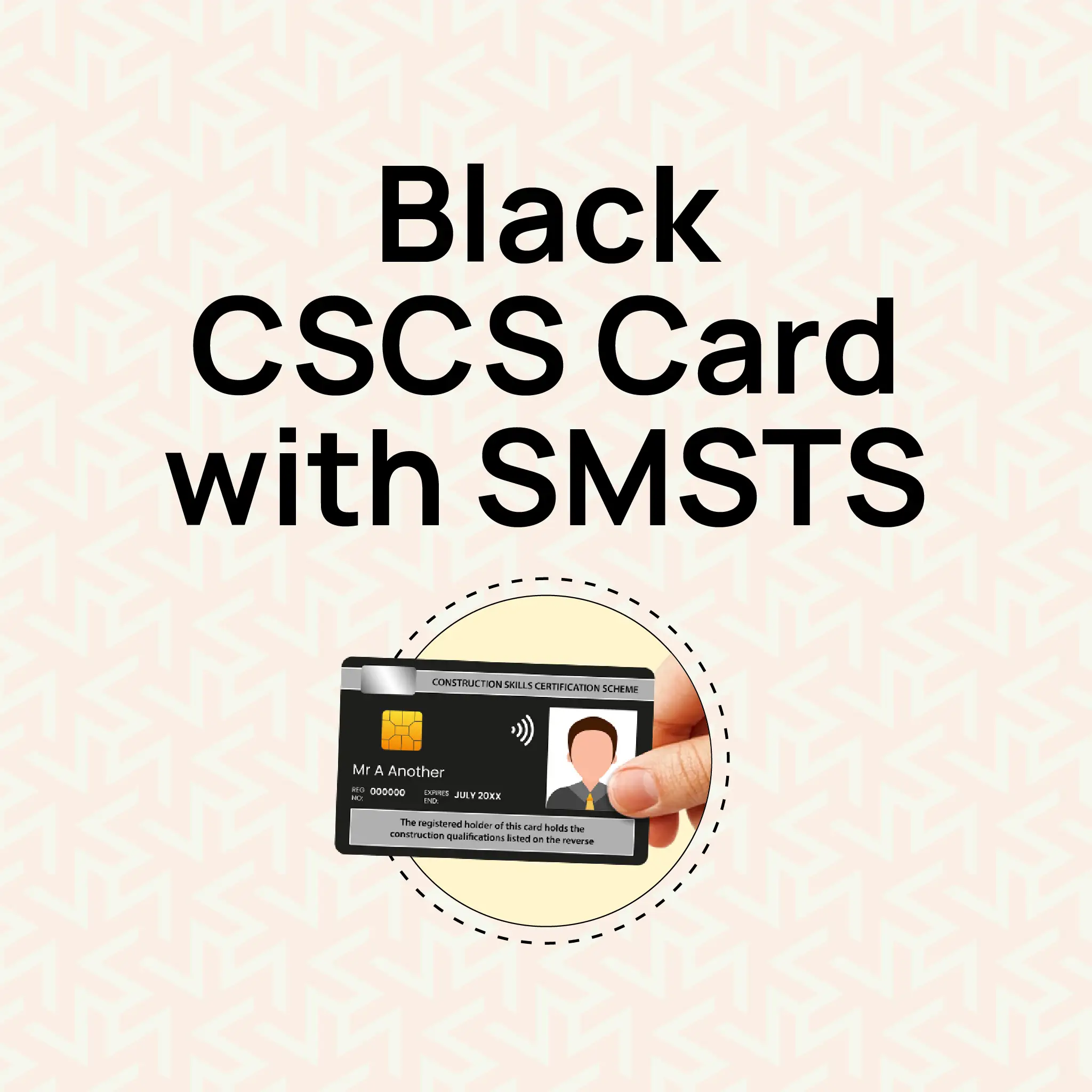
If you�ve completed the SMSTS course and now want a Black CSCS Card to get a managerial position on-site, the answer is simple: SMSTS will not give you everything you need. Although it is a good qualification, the Black CSCS Card, also referred to as the Manager Card, requires more than just health and safety training.This article breaks down what SMSTS does (and doesn�t) cover, the actual qualifications needed, and what alternatives you should consider if you're planning to apply for a Black CSCS Card.What Is a Black CSCS Card and Who Needs One?The Black CSCS Card, also known as the CSCS Manager Card, is not just another card in the Construction Skills Certification Scheme (CSCS);it is designed for individuals working in senior management roles within the construction industry. It represents the fact that the cardholder is competent and qualified enough to handle teams and manage massive projects, and ensure compliance with health and safety standards.�This card is mandatory for individuals working in high responsibility positions like Site Managers, Project Managers, Senior Construction Supervisors and Contract or Operations Managers. Holding the Black CSCS card not only enhances credibility but also fulfils the expectations of the majority of employers and principal contractors in assigning a person to a supervisory or managerial position.Get Your Black CSCS Card with HurakTo get your Black CSCS Card, you�ll need to complete the Level 6 NVQ Diploma in Construction Site Management and pass the CITB Managers and Professionals (MAP) Test. Hurak makes the whole process simple and supports you from start to finish.�Start the NVQ Level 6 Course | Take a Free CSCS Mock Test | Watch the CITB MAP Mock Exam Video | Learn How to Apply for the CSCS Card.Why SMSTS Isn�t Sufficient for a Black CSCS Card.��There�s a common misconception that completing the SMSTS course automatically qualifies you for a Black CSCS Card, but that�s not the case. Many construction professionals take the Site Management Safety Training Scheme (SMSTS) course to boost their site management skills and safety knowledge. It equips you with the knowledge needed to manage site safety, but it doesn�t assess on-the-job competence, which is what CSCS requires for a managerial card. While it's a respected qualification, SMSTS alone is not enough to obtain a Black CSCS Card.To be eligible for the Black Card, you must demonstrate occupational competence, which is typically done through completing an NVQ/SVQ Level 6 in Construction Site Management or an equivalent qualification. SMSTS is a supplementary training course, and while SMSTS is valuable and often preferred by employers, it�s not a substitute for the formal vocational qualifications required by CSCS.Tip: SMSTS is training. The Black Card is proof of competenceHow to Qualify for a Black CSCS Card: Key Criteria ExplainedTo apply for the Black CSCS Card, you'll need to provide specific qualifications and proof of managerial competence. Before applying, it is necessary to know the exact eligibility criteria. This card is typically intended for senior roles, such as site managers and project leaders.The primary qualifications include:NVQ Level 6 in Construction Site Management: This qualification assesses your practical, on-the-job competence and is the most recognised route to obtaining the Black CSCS Card. Equivalent qualifications may also be accepted, depending on the CSCS scheme rules.CITB Managers and Professionals (MAP) Test: You must pass the Health, Safety and Environment Test for Managers and Professionals, which is valid for 2 years at the time of application.Proof of Experience and Role: To qualify as an applicant, applicants usually have to be in, or have experience in, a managerial position in the construction industry.Explore some of our most in-demand NVQ courses and qualify for Other CSCS Cards.Hurak offers a range of accredited NVQ qualifications in Construction to help you progress confidently in your career.CSCS Blue CardLevel 2 NVQ Diploma in PlasteringLevel 2 NVQ Diploma in Roofing OccupationsLevel 2 NVQ Painting and DecoratingLevel 2 NVQ Certificate in Wall and Floor TilingCSCS Gold CardLevel 4 NVQ Diploma in Construction Site SupervisionLevel 3 NVQ Certificate in Wall and Floor TilingLevel 3 NVQ Diploma in Roofing OccupationsLevel 3 NVQ Diploma in PlasteringCSCS Black CardLevel 6 NVQ Diploma in Construction Site ManagementLevel 6 NVQ Diploma in Construction Contracting Operations ManagementWant more options?Browse All NVQ Courses at Hurak.Stuck with Only SMSTS? Here�s How to Move ForwardThe Site Management Safety Training Scheme (SMSTS) is one of the most reputable across the construction industry. While it doesn't meet the qualification criteria for the Black CSCS Card on its own, it still plays an essential role in developing your competence as a site or project manager.When you have finished SMSTS and are now wondering what to do next, you are not the only one. Most professionals get to this stage believing that a qualification could be sufficient in order to get a Black CSCS Card, only to discover that they are wrong.Why SMSTS Still Matters:Demonstrates Health & Safety Leadership: Employers appreciate the candidates who know the risk management and safety procedures in the workplace.Recognised by Employers: Many employers prefer or even require SMSTS as part of their internal training frameworks for site managers, even if it's not a CSCS qualification requirement.Lays the foundation for NVQ success: SMSTS content often overlaps with parts of the NVQ Level 6 in Construction Site Management, which is the main qualification required to obtain the Black Card.Moving Towards the Black Card:Once you have finished SMSTS but have not yet achieved an NVQ Level 6 or equivalent, then the following are your action steps:Enrol in a Level 6 NVQ: Combine your SMSTS with an NVQ Level 6 in Construction Site Management. This is the most direct and recognised route to becoming eligible for the Black CSCS Card.Gather Site Evidence: Maintain records of your on-site experience and responsibilities. Use your SMSTS knowledge that will benefit your NVQ learning and practical assessments.Consult an Approved Training Provider: Work with an accredited NVQ provider who can guide you through the NVQ assessment. They�ll help you align your work experience with NVQ evidence needs.Note: While courses like SMSTS are beneficial and often taken alongside the NVQ, they do not meet the formal qualification criteria required for the Black Card on their own.Black CSCS Card Application: What You Need to DoApplying for a Black CSCS Card involves meeting specific eligibility criteria and following a straightforward application process. Here�s what you need to do to secure your card:Check Your EligibilityMake sure you hold the required qualifications, such as an NVQ Level 6 in Construction or an approved equivalent. This card is designed for senior site managers and supervisors.Pass the CITB Managers and Professionals (MAP) TestYou must have passed the CITB Health, Safety, and Environment test for managers and professionals (MAP) within the last two years to demonstrate your current knowledgePrepare Your DocumentationGather all required documents, including:Proof of your NVQ or equivalent qualification.Confirmation of passing the CITB MAP test.Valid photographic ID, such as a passport or driving license.Submit Your ApplicationApply online via the official CSCS website or through an authorised training provider. Complete the application carefully and pay the current fee of �36.Receive Your CardOnce your application is approved, your Black CSCS Card will be sent to you by post. The card is valid for five years; after this period, renewal of the card involves retesting and updating your qualifications.Boost Your Site Safety Credentials with CITB CoursesLooking to enhance your knowledge of site safety and meet industry standards? Hurak�s CITB Site Safety Plus courses are designed to support construction professionals at every level, from operatives to senior managers.Popular CITB-accredited courses include:CITB Health and Safety Awareness (HSA)CITB SMSTS: Site Management Safety Training SchemeCITB SMSTS Refresher CourseCITB SSSTS: Site Supervisor Safety Training SchemeCITB SSSTS Refresher CourseFAQs1. Can I get a CSCS card with just an SMSTS qualification?No. SMSTS is a health and safety training course and not a recognised qualification by CSCS for card eligibility. You need an NVQ Level 6 (or SVQ Level 6 in Scotland) to qualify for a Black CSCS Card.2. What�s the difference between SMSTS and a Black CSCS Card?SMSTS��is a training certificate indicating that you have attended a safety course. A Black CSCS Card is evidence of competence, and it requires a management-level vocational qualification.3. Is the Black CSCS Card the highest level?Yes, it�s the highest CSCS card for site-based roles and is specifically designed for senior management positions, such as site or project managers.4. Do I still need SMSTS if I have a Black CSCS Card?However, not obligatory, it is much more advisable to have SMSTS in addition to your Black Card. Many employers prefer candidates with both safety training and formal qualifications5. How long does it take to get a Black CSCS Card?Once you�ve passed the required NVQ and CITB MAP test, the application process usually takes a few weeks. The timeline depends on how quickly you submit documents and pass assessments.6. Can I use an NVQ Level 4 or 5 to get a Black CSCS Card?No. The minimum accepted qualification is an NVQ/SVQ Level 6 in Construction Site Management or a closely related field.7. Can I apply for a Black CSCS Card while I�m completing my NVQ Level 6?No. You must have fully completed and received certification for your NVQ Level 6 before applying. Provisional cards may be available in some cases during training.8. Do I need to renew the Black CSCS Card after five years?Yes. Renewal requires you to retake the CITB Health, Safety & Environment (MAP) Test and provide proof that your qualifications remain valid and current.Final Thoughts: Can SMSTS Lead to a Black CSCS Card?The SMSTS course is a well-respected qualification that enhances your site management knowledge and health and safety awareness, but it does not meet the eligibility criteria for a Black CSCS Card on its own. To qualify, you�ll need a Level 6 NVQ in Construction Site Management alongside a valid CITB MAP Test pass.That said, completing SMSTS can still play a crucial role in your professional development. It demonstrates your commitment to site safety and leadership and can complement your progress as you work towards a formal management qualification.If you're aiming for a senior role in construction, understanding the whole route to the Black Card is essential. Use this guide to identify where you are in your journey and take informed steps towards achieving professional recognition and advancement.
Want a Black CSCS Card? Here�s How Construction Managers Can Qualify
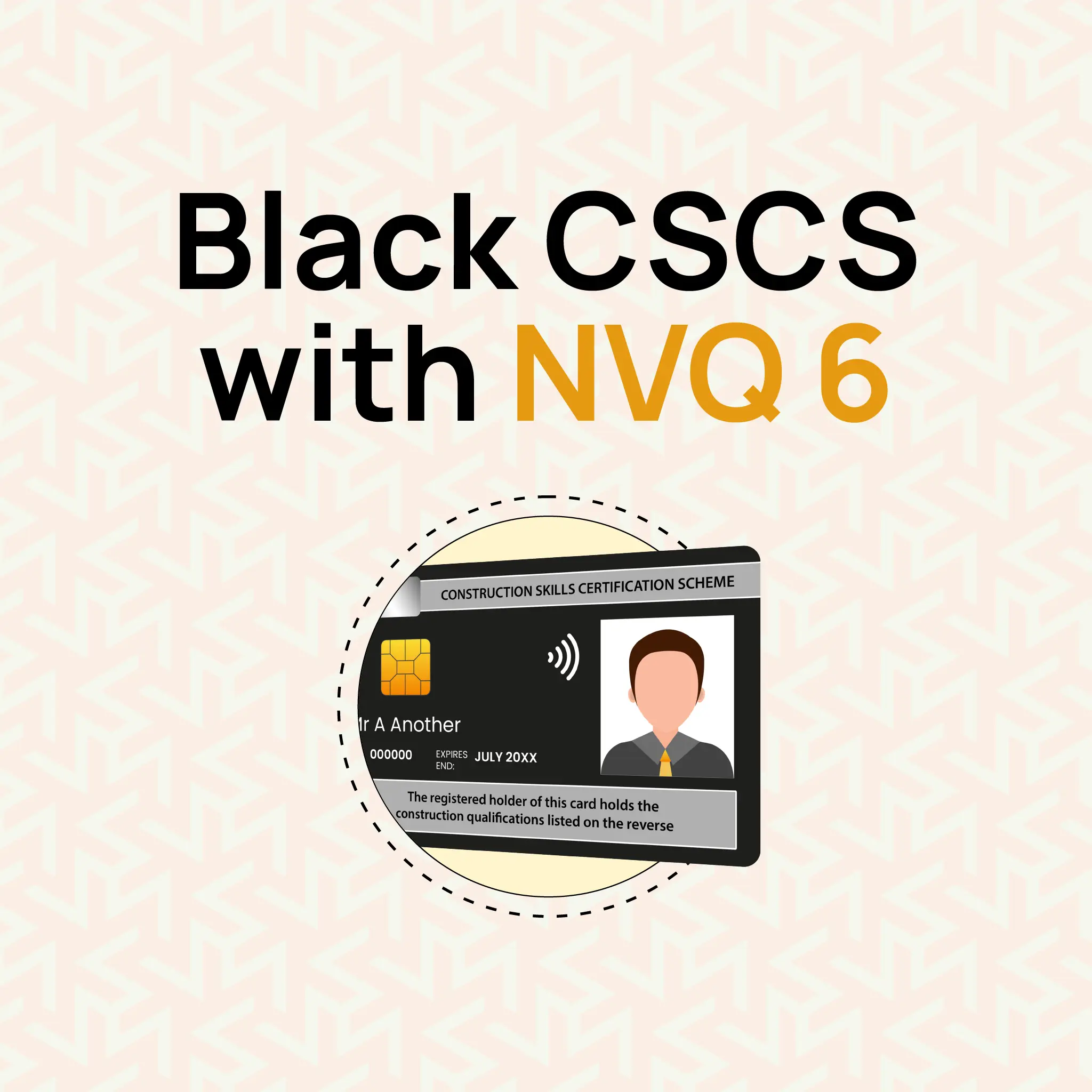
If you're a construction professional aiming for a leadership role, the Black CSCS Card is the qualification you need. It�s designed for site managers, project leaders, and senior construction staff who want to prove their competence in managing safety, teams, and site operations. To qualify, you�ll need to complete an NVQ Level 6 in Construction Site Management, pass the CITB Health, Safety and Environment Test, and apply through the official CSCS certification process. This guide walks you through each step clearly so you can get your Black CSCS Card and unlock new career opportunities with confidence.What Is a Black CSCS Card?The Black CSCS Card, also known as the Manager�s CSCS Card, is part of the Construction Skills Certification Scheme (CSCS). It�s designed for experienced professionals in managerial roles such as site managers, project managers, and senior supervisors. Holding this card proves that you�ve got the right qualifications and knowledge to manage construction sites safely and efficiently. It�s often a requirement for working on large-scale projects and can make a real difference to your career prospects in construction.Why Do You Need a Black CSCS Card?In today�s construction industry, more and more employers expect their site managers and supervisors to hold a CSCS certification. A Black CSCS Card indicates that you meet national standards and lends credibility to your work in front of clients, contractors, and employers. It also opens the door to better job opportunities, higher pay, and the chance to take on more responsibility on-site.Step-by-Step: How to Get a Black CSCS CardTo get your Black CSCS Card, there are three main steps you�ll need to follow:Step 1: Complete an NVQ Level 6 in Construction Site ManagementThe first step is to complete an NVQ Level 6 diploma in Construction Site Management. This qualification is tailored for individuals already working in the construction industry, particularly those with supervisory or management experience. The course is assessed through a mix of on-site observations, written work, and a portfolio that reflects your real-world responsibilities. At Hurak, we offer a flexible course delivery model that allows you to study around your job and complete the qualification at your own pace without needing to attend classroom sessions.Step 2: Pass the CITB Health, Safety and Environment Test (for Managers)Next, you�ll need to pass the CITB Health, Safety and Environment (HS&E) Test for Managers and Professionals. This is a multiple-choice exam that covers essential health and safety knowledge for working in management roles. It takes around 45 minutes and costs �23.50. This test must be passed within the two years before you apply for your CSCS card.Step 3: Apply for Your Black CSCS CardOnce you�ve successfully completed the NVQ and passed your CITB test, you can apply for your Black CSCS Card through the official CSCS website. You�ll need to provide a scanned copy of your NVQ certificate, proof that you passed the CITB test, a passport-style photo, and payment of the �36 application fee. Most cards are delivered within 7 to 10 working days.How Long Does It Take to Get a Black CSCS Card?The full process depends on your experience and availability, but many learners complete their NVQ Level 6 in as little as 12 to 16 weeks. The CITB test can be booked quickly, and once your documents are ready, the CSCS card usually arrives in about a week.Can You Get Help with Costs?Yes, in many cases you can. If you�re employed by a company registered with CITB, your employer may be able to claim grant funding to cover part or all of the course fee. At Hurak, we also offer flexible payment plans, allowing you to spread the cost over several months. If you�re self-employed, the course cost may be tax-deductible as a business expense.What if You Already Have Experience but No NVQ?If you�re already doing the work of a site manager but don�t hold formal qualifications, don�t worry, you can still get your NVQ Level 6. The course is designed to recognise and assess your existing skills. You�ll be supported by a qualified assessor who will help you build a portfolio of evidence based on what you already do on-site. There�s no need to attend college or take time off work.What Happens After You Get Your Black CSCS Card?Once you�ve received your Black CSCS Card, you�ll be recognised as a qualified site manager. This can lead to better job offers, higher salaries, and more trust from clients and contractors. It also makes you eligible for roles with greater responsibility, and can even count towards membership with professional bodies like the CIOB (Chartered Institute of Building).ConclusionThe Black CSCS Card is more than just a plastic card; it�s your proof that you�re qualified to manage construction projects in the UK. By completing the NVQ Level 6, passing the CITB test, and applying through CSCS, you�ll position yourself for better job opportunities, more responsibility, and stronger career progression. FAQsIs SMSTS enough to get a Black CSCS Card?No. While SMSTS is useful training, it�s not accepted by CSCS as a qualification for the Black Card. You must complete an NVQ Level 6 or higher.How long is the Black CSCS Card valid?The card is valid for 5 years. You�ll need to retake the CITB test and reapply to renew it.Can I do the NVQ while working full time?Yes. The NVQ is designed for professionals who are already working in the industry. All assessments are based on your current role and responsibilities.