

Health and Safety Signs: Meanings, Symbols UK Laws
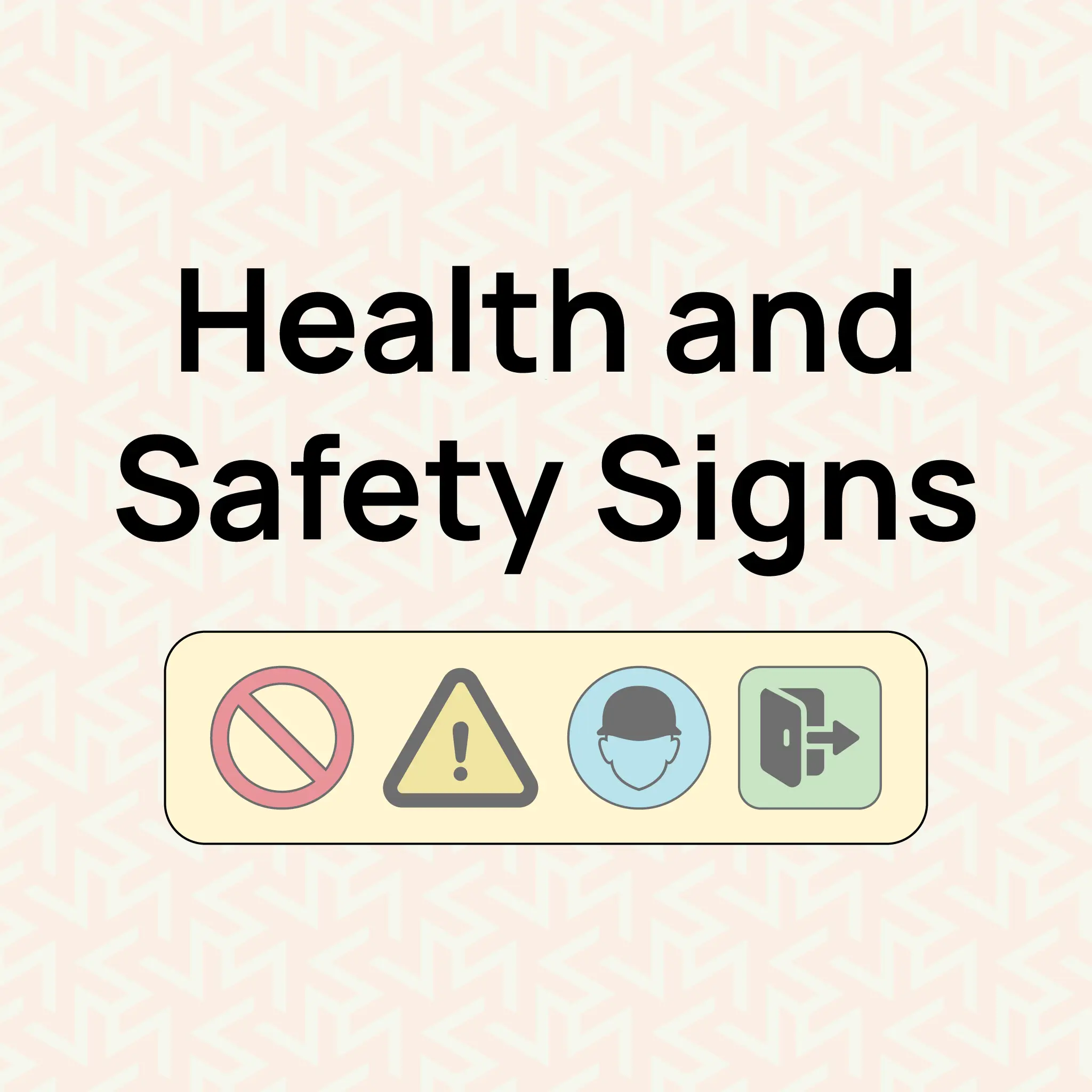
Health and safety signs are a part of everyday life, but in the workplace, they hold special importance. These signs are more than just symbols on walls or equipment; they�re a legal requirement, a safety tool, and in many cases, a life-saving measure. Whether you�re just starting out in your career or managing teams in high-risk industries, understanding what these signs mean and why they matter can make a real difference.From reminding workers to wear protective equipment to showing emergency exit routes, safety signs play a vital role in keeping people safe and operations compliant. But while they�re often overlooked, being able to recognise and respond to them is a skill every working adult should have.What Are Health and Safety Signs?Health and safety signs are visual indicators used to provide important messages about hazards, instructions, or safety procedures in a workplace. Their purpose is to help people avoid accidents, follow rules, and react correctly in emergency situations. These signs are standardised in the UK, which means the colours, shapes, and meanings are consistent across industries and work environments.For example, a yellow triangle always signals a warning, while a blue circle usually indicates something you must do, like wearing a hard hat. This consistency allows both experienced professionals and newcomers to understand the message quickly, even in high-pressure situations.Signs are required where there are risks that can't be completely removed, such as moving machinery, fire hazards, or dangerous substances. In these cases, signs serve as a critical last line of communication to ensure people are aware and prepared.Why Signs Are More Than Just VisualsAlthough health and safety signs are designed to be easily recognisable, their effectiveness depends on how well people understand and act on them. A warning sign near a chemical cabinet, for instance, is only helpful if staff know the dangers involved and follow proper handling procedures. That�s why safety signs are often supported by training, supervision, and risk assessments.This is especially important in environments like construction sites or industrial facilities, where fast decisions can prevent serious accidents. Understanding signage helps workers respond calmly and correctly to hazards, which protects not only themselves but everyone around them.If you work in or plan to enter sectors where safety is a priority, like construction, manufacturing, logistics, or facilities management, being familiar with workplace signage is both a legal and professional expectation.The Law Behind Safety SignageIn the UK, the use of safety signs is governed by the Health and Safety (Safety Signs and Signals) Regulations 1996. These regulations require employers to use safety signs wherever risks remain after other control measures are in place. The law is enforced by the Health and Safety Executive (HSE), which also provides guidance on how to use signs effectively.It�s not enough for an employer to simply hang a sign on a wall. The law requires that the sign be:Clearly visibleMaintained in good conditionSupported with training so that employees understand what it meansFor employees, understanding the message of a sign is a basic legal responsibility. Failing to do so can lead to injury, disciplinary action, or even legal consequences in severe cases.Understanding the Colours and Shapes of SignsTo make safety messages as clear as possible, UK regulations define five main types of signs based on colour and shape. This standardisation means people can quickly identify the type of information a sign is communicating, even from a distance.Red signs (often circular) indicate prohibited actions or mark fire equipment (e.g. No Smoking, Fire Extinguisher).Yellow signs (triangular) are warnings, alerting people to potential hazards (e.g. Caution: Wet Floor).Blue signs (circular) are mandatory, telling people what they must do (e.g. Wear Safety Boots).Green signs (square or rectangular) provide emergency information, like escape routes or first aid stations (e.g. Emergency Exit).?Be prepared to lead in an emergency.Learn how to respond to fire safety signs and carry out fire procedures with confidence.Become a certified Fire MarshalThis system helps ensure safety is accessible for everyone, regardless of their reading level, first language, or job title.When and Where These Signs Are UsedYou�ll find safety signs in almost every workplace, but especially in environments where risks are more likely. Construction sites, warehouses, kitchens, hospitals, workshops, and chemical labs all rely on signage to protect workers and visitors.Let�s take a construction site as an example. Signs such as No Entry, High Visibility Clothing Must Be Worn, and Danger: Overhead Work are not just suggestions; they�re mandatory precautions that workers must follow. Failing to recognise or obey these signs can lead to serious injury.If you�re in a supervisory role or aiming for one, learning how these signs fit into daily operations and site rules is a crucial part of your responsibility. Courses like SSSTS (Site Supervisor Safety Training Scheme) or SMSTS (Site Management Safety Training Scheme) include training on how to implement and monitor signage use effectively.Why Professionals and Job Seekers Should CareWhile signs are there to protect everyone, understanding them also demonstrates professionalism. Employers value staff who take safety seriously. Knowing what different signs mean and responding to them correctly shows you're not just aware, you�re responsible, alert, and a team player.For job seekers, especially those entering industries where safety is heavily regulated, basic knowledge of safety signage is often expected. It may be part of your induction training, and in some cases, required before you can even enter certain areas of a site.Understanding signage also boosts confidence. You�ll know how to navigate unfamiliar spaces, identify risks on your own, and act without waiting for instructions. In the long run, this makes you a safer, more reliable member of any team.?Step into site leadership with confidence.Understand how safety signage fits into your legal duties as a site supervisor.Join the SSSTS courseSigns Alone Aren�t Enough - Training MattersWhile safety signs do a great job of communicating risks visually, they work best when supported by proper training. A No Entry sign might prevent someone from walking into a dangerous area, but unless they know what�s behind the door or why it�s dangerous, they may not treat the sign seriously.Similarly, a sign that says Caution: Manual Handling Risk is only useful if workers understand how to lift properly and avoid injury. If you want to understand the connection between signage and physical safety, it's worth exploring how to avoid manual handling risks.In some workplaces, safety signs also work hand in hand with broader safety strategies, including fire drills, PPE policies, and COSHH (Control of Substances Hazardous to Health) procedures.A Practical First Step: Basic Safety TrainingFor professionals looking to improve their workplace awareness and for job seekers who want to stand out, a general health and safety course is a great place to start. One of the most relevant options is the Level 2 Health and Safety in the Workplace course. It introduces key safety principles, teaches how to identify risks, and explains the role of signs and symbols in everyday tasks.This course is suitable for all experience levels and is recognised across industries. It shows employers that you're serious about working safely and understanding your legal responsibilities.Final ThoughtsHealth and safety signs may seem like small details, but they represent a much bigger commitment to safety, responsibility, and professionalism. They keep workplaces running smoothly and help people avoid harm, but only if everyone understands and respects them.By learning how to recognise, interpret, and respond to these signs, you're not just protecting yourself; you�re contributing to a safer, more competent workforce. And in today's job market, that�s a quality every employer values.Whether you're applying for your first role, preparing for a new industry, or looking to brush up on compliance knowledge, taking health and safety seriously is always a smart move. Frequently Asked QuestionsWhat do health and safety signs indicate?They visually communicate rules, hazards, and required actions. A?no-smoking sign?bans smoking, while a?wet floor sign?warns of slipping risks. These signs help reduce accidents and ensure compliance with legal requirements.What are the 4 types of safety signs?UK safety signs fall into four categories:Prohibition (e.g.?no entry sign)Warning (e.g.?caution hot sign)Mandatory (e.g.?PPE sign)Emergency (e.g.?fire exit)Each uses specific colours and shapes to convey meaning.Are health and safety signs a legal requirement?Yes. Signs like?no food or drink signs?or?fire door keep shut signs?are required under UK regulations when risks cannot be eliminated otherwise.What are COSHH signs used for?COSHH signs identify chemical hazards. The corrosive symbol, for example, warns of substances that can cause burns or damage materials. These are vital in workshops and cleaning areas.What�s the difference between a warning and a mandatory sign?A?warning sign?(e.g.?, a hot surface warning sign) alerts you to a hazard. A?mandatory sign?(e.g.?wear PPE) tells you what safety action is required.Why use �Out of Order� or �Lift Out of Order� signs?They prevent the unsafe use of broken equipment. These signs help avoid accidents while repairs are underway.Explore Related CoursesContinue building your confidence in workplace safety with these expert-led courses:Level 2 Health & Safety in the Workplace: Get a solid grounding in safety signs, risk control, and workplace responsibility.Manual Handling Awareness: Learn safe lifting practices and understand signage related to manual handling risks.SSSTS (Site Supervisor Safety Training Scheme): Master how signage fits into site rules and contractor compliance.SMSTS (Site Management Safety Training Scheme): Deep dive into managerial safety responsibilities and sign-led coordination on larger sites.SMSTS Refresher: Stay up to date and compliant with the latest safety signage regulations and best practices.
Fire Extinguisher Types and Their Uses (With Colour Codes Explained)
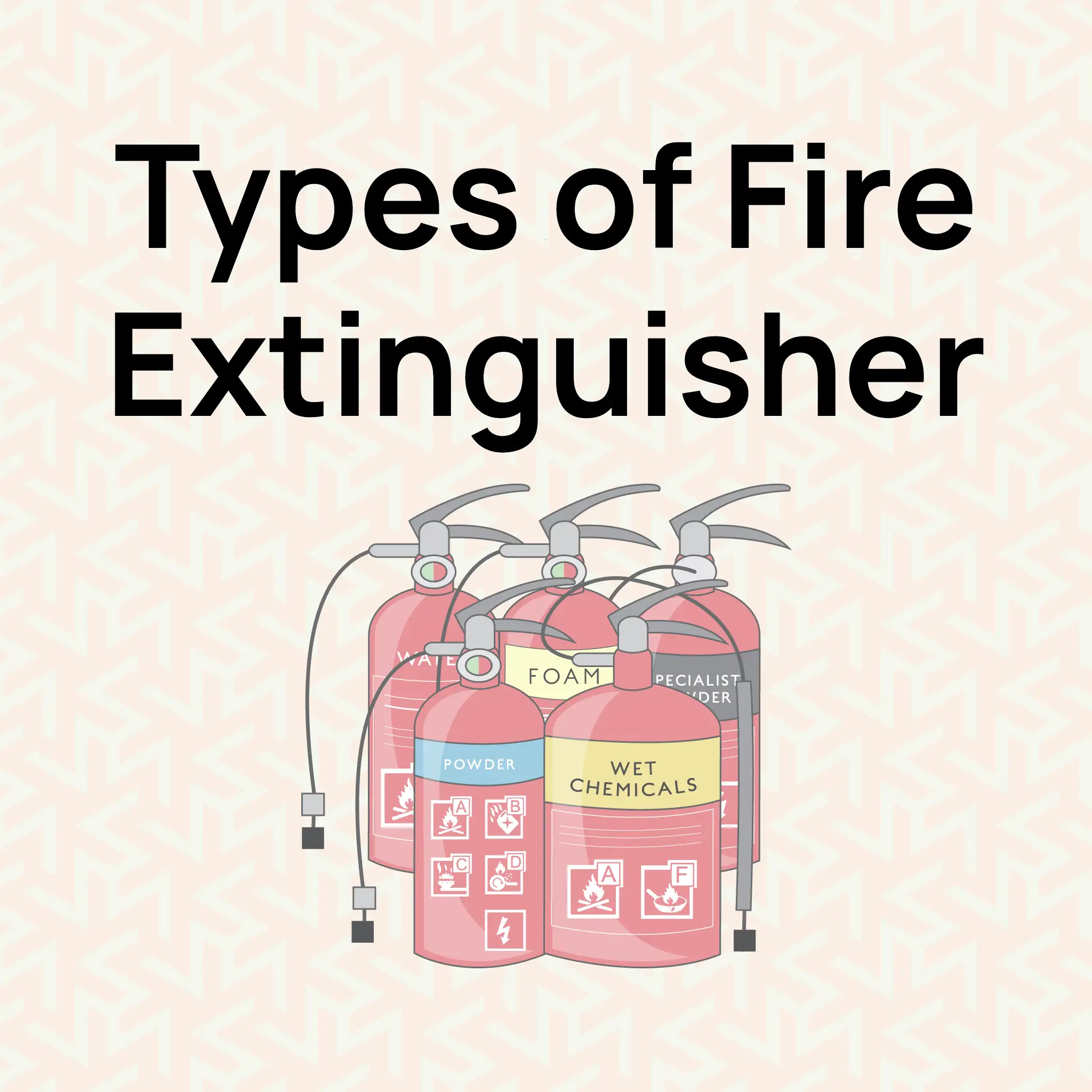
Fires are unpredictable, but your response to them doesn�t have to be. Whether you're working in construction, retail, hospitality, or an office, understanding fire extinguishers is essential. It�s not just about reacting in emergencies; it�s about being prepared, responsible, and compliant with UK workplace safety standards.This guide explains the various types of fire extinguishers, their relationship to fire classes, and how to use them safely, whether you�re new to the topic or a workplace supervisor managing health and safety.What Are Fire Classes and Why Do They Matter?In the UK, fires are grouped into classes based on the type of material that�s burning. This classification is important because each fire type requires a different extinguishing method. Using the wrong one can be dangerous or even fatal.Class A: Solid combustibles like wood, paper, fabricClass B: Flammable liquids such as petrol, oils, and solventsClass C: Flammable gases like propane or butaneClass D: Flammable metals (e.g. magnesium, aluminium)Class F: Cooking oils and fats (common in kitchens)Electrical Fires: Not a separate class, but a common and serious risk involving powered equipmentOnce you understand what�s burning, you can safely match the fire to the correct type of extinguisher.Want a deeper understanding of the dangers in the workplace? See our post on common health and safety risks on construction sites.Types of Fire Extinguishers (and What They�re Used For)Fire extinguishers in the UK are colour-coded and designed to fight specific fire classes. Here's a detailed look at the most common types you�ll see in the workplace:Water Extinguisher (Red Label)Water extinguishers are used for Class A fires, which involve materials such as wood, paper, or cloth. They work by cooling the burning material and reducing heat. However, they must never be used on electrical fires or flammable liquids, as this could spread the fire or result in electrocution.These are commonly found in schools, offices, and public buildings where solid materials are the main fire risk.Foam Extinguisher (Cream Label)Foam extinguishers are suitable for Class A and B fires, meaning they can handle solids and flammable liquids. They work by forming a film over the liquid�s surface, cutting off oxygen. Foam extinguishers are versatile but still unsafe on live electrical equipment.You�ll often see these in garages, workshops, and warehouses.Dry Powder Extinguisher (Blue Label)Also known as ABC extinguishers, dry powder models are suitable for Class A, B, and C fires and can also be used on electrical fires. They work by smothering the fire and interrupting the chemical reaction. However, they create a lot of residue and can make it hard to see or breathe indoors.Dry powder extinguishers are useful for outdoor settings, petrol stations, and sites with mixed fire risks.CO? Extinguisher (Black Label)CO? extinguishers are ideal for electrical fires and flammable liquids. They work by displacing oxygen, effectively suffocating the fire. Since CO? leaves no residue, it�s ideal for offices, IT rooms, and electrical cabinets.However, they�re ineffective on Class A fires and not suitable for outdoor use where wind can disperse the gas.Wet Chemical Extinguisher (Yellow Label)Designed explicitly for Class F fires, wet chemical extinguishers are essential in kitchens. They cool burning oil and chemically react to form a soapy layer that seals the surface and prevents re-ignition. While highly effective in kitchens, they should never be used on electrical fires.This extinguisher is a must-have in catering environments, canteens, and food production units.Curious about how these types apply in real settings? Read our guide to fire safety at your workplace.?Be the Person Who Knows What to DoFire Marshals are essential in every workplace. Get trained to lead evacuations, use extinguishers safely, and prevent fire risks.Explore the Fire Marshal Online CourseWhy Using the Correct Extinguisher Is CriticalUsing the wrong extinguisher can have serious consequences. For instance, spraying water on burning oil can cause the flames to spread violently. Similarly, using foam or water on an electrical fire could lead to electrocution.Employers and designated fire wardens must ensure that the correct extinguishers are not only present but also clearly labelled, accessible, and maintained. As part of their training, they must understand how to assess which extinguisher is appropriate based on the fire class.If you're assigned fire safety responsibilities at work, it�s worth knowing that Fire Marshal training prepares you to take charge in emergencies, from extinguisher use to evacuation leadership.Legal Responsibilities Under UK LawAccording to the Regulatory Reform (Fire Safety) Order 2005, all workplaces in the UK are required to:Conduct regular fire risk assessmentsInstall appropriate fire extinguishers based on identified risksEnsure that extinguishers are regularly servicedTrain staff in fire awareness and extinguisher useAssign responsible persons for managing fire safetyThese duties apply to all employers, building owners, and anyone in control of premises. Non-compliance can lead to enforcement notices, fines, or prosecution, especially if someone is harmed due to a lack of preparation.For supervisors, particularly in construction and high-risk settings, understanding these duties in depth is covered in formal training, such as the SSSTS course, which focuses on real-world responsibilities and safe working practices.If you�re unsure how roles and responsibilities are structured within an organisation, our article on the key responsibilities of a health and safety officer offers practical insights. Why Training Makes the DifferenceEven when the right extinguishers are in place, they�re only effective if people know how to use them. Training helps employees understand the types of fires they may face and equips them with the confidence to act safely.If you�re just starting your health and safety journey or looking to refresh your knowledge, the Level 2 Health and Safety in the Workplace course is a great foundation. It teaches you how to identify risks, handle equipment such as extinguishers, and understand the laws that govern workplace safety.For those in catering, retail, or hospitality roles where fire hazards are specific to the environment, such tailored training helps build long-term confidence and prevent incidents before they happen.For further risk reduction strategies, read about how to avoid manual handling risks and the differences between risk control and hazard control, key topics in creating a safer environment.?Take Your Fire Safety Skills to a Professional LevelA respected qualification for those managing fire risk or aiming for specialist roles.Discover the NEBOSH Fire Safety CertificateFinal ThoughtsWhether you're a site supervisor, office worker, or someone responsible for safety, understanding the types of fire extinguishers is a basic yet powerful skill. It can help protect not just your workplace, but your colleagues and your future.When matched with proper training and a commitment to compliance, even the most basic knowledge, like recognising extinguisher colours or fire classes, can save lives.Frequently Asked QuestionsWhat are the different fire extinguisher colours and what do they mean?In the UK, fire extinguisher colours help identify their contents and appropriate use. A red label indicates a water extinguisher, suitable for solid combustibles like paper and wood. A cream label marks a foam extinguisher, used on flammable liquids and solids. A blue label represents a dry powder extinguisher, which is versatile across multiple fire classes. A black label is used for CO? extinguishers, ideal for electrical fires. Finally, a yellow label is for wet chemical extinguishers, designed specifically for cooking oil fires (Class F). These fire extinguisher colours make it easier to act quickly and correctly during a fire emergency.What extinguisher should be used for electrical fires?For an electrical fire, the safest extinguishers to use are CO? extinguishers (black label) and dry powder extinguishers (blue label). These types are non-conductive and won�t cause electrocution, unlike water or foam. CO? is often preferred in offices and server rooms because it leaves no residue, while dry powder is more suitable in industrial or outdoor areas where electrical and flammable risks coexist. If you�re unsure, always look for extinguishers that explicitly state they are safe on Class E or electrical fires.What is a water extinguisher used for?A water extinguisher is primarily used for Class A fires, which involve solid materials like paper, wood, and textiles. They work by cooling the flames and lowering the temperature below the ignition point. However, they should never be used on flammable liquids or electrical fires, as this can spread the fire or create electrocution hazards. You�ll usually find water extinguishers in schools, office buildings, and public spaces with low electrical risk. Understanding the purpose of a water extinguisher helps prevent its misuse in hazardous situations.What are the 4 main types of fire extinguishers?The four main fire extinguisher types commonly used in workplaces are water (red), foam (cream), dry powder (blue), and CO? (black). Each is suited for different fire classes:Water: For solid materials (Class A)Foam: For solids and flammable liquids (Class A & B)Dry Powder: For solids, flammable liquids, gases, and electrical equipment (A, B, C & electrical)CO?: Primarily for electrical fires and flammable liquids (electrical & B)Wet chemical extinguishers (yellow label) are also widely used in kitchens, particularly in the hospitality sector, to handle Class F fires involving cooking oils.Which extinguisher should be used on flammable liquids?Fires involving flammable liquids like petrol or solvents are classified as Class B fires. The best extinguishers for these are foam extinguishers (cream label) and dry powder extinguishers (blue label). CO? extinguishers are also effective, particularly in indoor spaces where clean use is important. Never use water extinguishers on flammable liquids; it will likely spread the fire. Knowing the right fire extinguisher for flammable liquids can prevent disasters in fuel-handling or chemical workspaces.What are the different classes of fire in the UK?In the UK, fires are categorised into six main classes of fire:Class A � solids like wood and paperClass B � flammable liquids such as oils, fuels, or alcoholsClass C � flammable gases like butane or propaneClass D � combustible metals such as magnesium or lithiumClass F � cooking oils and fatsElectrical fires � involving powered appliances (not a formal class but treated uniquely)Each fire class demands a specific extinguisher, making it crucial to understand this system for safe fire management.What type of extinguisher should be used on different materials?Different materials ignite differently, and not all extinguishers can be used safely across them. Solid materials, such as paper and wood, require water or foam extinguishers. Flammable liquids are best handled with foam, CO?, or dry powder. For electrical equipment, CO? or dry powder is the safest option. Cooking oil fires need wet chemical extinguishers, and metal fires require specialist dry powder types (not to be confused with standard ABC powder). Understanding the kind of extinguisher suitable for a particular material reduces the risk of igniting the fire.What is the cream fire extinguisher used for?The cream fire extinguisher is a foam extinguisher. It�s used on Class A and B fires, which involve solids (such as paper and textiles) and flammable liquids (like petrol or paint). It works by creating a cooling foam barrier that suffocates the fire and prevents re-ignition. However, cream extinguishers should never be used on electrical fires, as foam conducts electricity. These are common in industrial and commercial environments where both solid and liquid fire risks are present.Explore Related CoursesLooking to boost your confidence in handling fire safety and workplace risks? These trusted courses can help:Level 2 Health and Safety in the Workplace � Covers core safety principles, including fire prevention and hazard awareness.Fire Marshal / Fire Warden Online � Learn how to respond to workplace fires and lead safe evacuations.SSSTS (Site Supervisor Safety Training Scheme) � Ideal for those supervising high-risk environments like construction sites.SMSTS (Site Management Safety Training Scheme) � A comprehensive course for managers overseeing fire and site safety.