On This Page

July 16, 202612 min read
Not sure where to start with an NVQ?
If you've heard of NVQs but aren't sure how they work, this article is for you. An NVQ (National Vocational Qualification) is a practical qualification that proves your skills and competence in a real working environment. These qualifications are based on real work and real evidence, making them a valuable demonstration of your abilities.
However, with so many levels, sectors, and card schemes linked to NVQs, it can sometimes feel overwhelming to know where to begin.
Don't worry, this guide is designed to make it simple. Well explain what an NVQ is, how to get your NVQ qualification and certification, the different levels available, how to choose the right course, and how the assessment process works in practice.
Along the way, well explore popular qualifications, such as NVQ Level 2 in Pharmacy Services and NVQ Level 3 in Electrical, and explain how your NVQ connects to essential industry cards like the CSCS and ECS.
An NVQ (National Vocational Qualification) is a practical qualification recognised in the UK that proves you have the skills and knowledge to do your job to a high standard. Unlike traditional qualifications, NVQs focus on real-world work and practical skills, showing that you can perform day-to-day tasks effectively in the workplace.
You demonstrate your competence by completing tasks in your role, which are then assessed by a qualified observer. NVQs are available across a wide range of sectors, from construction to healthcare, and are designed to help you advance in your career by proving you can meet industry standards.
NVQ qualifications are flexible, allowing you to complete them while working, and can be achieved at any stage of your career from starting out in your field to taking on more responsibility.
NVQs are divided into 8 levels. The higher the level, the higher the level of responsibility, knowledge, and skill required.
Let's take a closer look at the different NVQ levels below.
NVQs are available in eight levels, each designed to reflect the skills required for different roles within the workplace.
Below is a simple table to help you understand the levels and who they're suited for.
Level | What It Indicates | Who Is It For |
Level 1 | Basic skills for entry-level roles. Includes the ability to carry out tasks under supervision. | Beginners and those new to the workforce. |
Level 2 | For a fully skilled worker. Youll be expected to carry out tasks independently and competently. | Those in skilled trades or roles with responsibilities. |
Level 3 | Advanced skills for both technical expertise and supervisory roles. Demonstrates the ability to manage tasks and people. | Supervisors, team leaders, or experienced professionals seeking advancement. |
Level 4 | Highly specialised skills for those in managerial roles or overseeing projects. | Managers, senior professionals, or those leading teams or projects. |
Level 5 | Expert-level skills. Demonstrates strategic leadership and management capabilities. | Senior leaders, directors, and those at the top of their field. |
Level 6 | Skills for senior managers, combining operational expertise with strategic thinking. Equivalent to graduate-level qualifications. | Senior managers or those in roles requiring high-level organisational management. |
Level 7 | Advanced strategic management skills for senior leaders. Equivalent to postgraduate-level qualifications. | Executive managers, directors, or professionals seeking mastery in their field. |
Level 8 | Exceptional strategic and professional expertise at the highest level. Equivalent to doctoral-level qualifications. | Leaders, innovators, or Fellows recognised for exceptional achievement in their industry. |
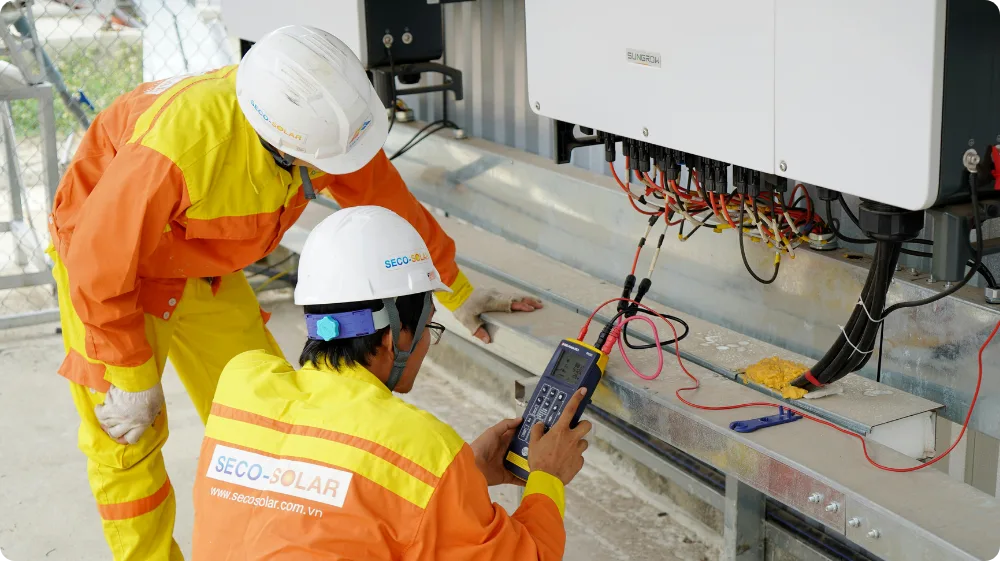
Have you ever wondered, How do I get an NVQ? Now that you understand what an NVQ is and the different levels involved, let's walk you through the complete guide on how to get an NVQ certificate.
Whether you're aiming for an NVQ Level 2 in Pharmacy Services or an NVQ Level 3 in Electrical, this guide will help you navigate the entire process. Well cover the steps involved, explain the requirements, show you how to enrol, and ensure you know exactly what you need to do to get your NVQ qualification successfully.
The first step in getting an NVQ certificate is choosing the appropriate level and sector that aligns with your career goals.
If you're aiming to get an NVQ Level 2 in Pharmacy Services, the focus will be on developing core skills such as dispensing and managing medication. However, if you plan to get an NVQ Level 3 in Electrical, you'll be working on more advanced tasks, such as installing electrical systems and troubleshooting.
Understanding which sector you want to specialise in, such as pharmacy or electrical, will help determine the exact requirements of your NVQ qualification. Each level has specific expectations, so choosing the right one is key to your success.
Once you've decided on the level and sector you need the NVQ certificate for, you'll need to find an accredited provider. Youll need to choose an appropriate provider recognised by an awarding body.
The question is, how do I get an NVQ?, becomes easy to answer once you find the right institution or employer that offers a suitable NVQ qualification based on your career goals and is highly recognised by awarding bodies.
For NVQ Level 2 in Pharmacy Services, look for a provider with strong links to pharmacies and healthcare settings. For NVQ Level 3 Electrical, ensure the provider offers comprehensive electrical industry training and assessment.
One of the most significant steps in getting an NVQ certificate is building your portfolio. This is where you will gather evidence of your work and tasks, such as photos, videos, and written descriptions of real tasks that demonstrate your ability to handle your job effectively.
For NVQ Level 2 in Pharmacy Services, this might include preparing medications and managing patient records. For Level 3 Electrical, you will likely be required to demonstrate skills like wiring, circuit testing, and meeting safety standards.
Whether you're aiming for NVQ Level 2 in Pharmacy Services or NVQ Level 3 Electrical, your assessor will review your portfolio to ensure it meets the required standards to get an NVQ certificate.
Once your portfolio is complete, your assessor will visit your workplace and observe you as you complete your tasks. This is an essential step in getting an NVQ qualification as it helps ensure you meet the required standards.
For those working on Level 3 Electrical, expect assessments that focus on more advanced tasks, such as complex installations. For those doing Level 2 in Pharmacy Services, the focus will be on demonstrating your ability to complete core tasks efficiently and safely.
Your assessor will provide you with feedback and guidance on areas that need improvement before they sign off on your work.
This is the final step in how to get an NVQ certificate. Once you've successfully completed all tasks and your assessment has been signed off by an assessor, you'll be awarded your NVQ certificate.
Whether youve achieved NVQ Level 2 in Pharmacy Services or NVQ Level 3 in Electrical, this NVQ qualification demonstrates your competence in your field.
Getting an NVQ certificate is a straightforward and simple process. By selecting the specific NVQ level and qualification you are aiming for, and following the steps outlined above, you can successfully achieve your NVQ qualification.
You can earn an NVQ qualification in almost any field, whether its NVQ Level 3 Bricklaying, NVQ Level 2 Painting & Decorating for Beginners, or even NVQ Level 6 Construction Site Management.
The only requirement to get an NVQ is that you must be working or employed in the relevant field, as the qualification relies on practical experience. Without actual work experience, achieving the NVQ certificate wouldn't be possible since it's all about proving your competence through hands-on tasks.
So, if you're ready to take the next step in your career, simply follow the steps and start your journey towards an NVQ today!
If you're ready to earn an NVQ qualification, Hurak offers a range of courses designed to help you achieve your career goals. Whether you're interested in carpentry, cladding occupations, or passive fire protection, we've got the right course for you.
Explore our NVQ courses:
Start your NVQ journey with Hurak today and take the first step towards earning your NVQ certificate!
Once you've earned your NVQ qualification, the next step is securing the right industry card to enhance your career and qualifications.
To further advance your career, you can secure industry-specific cards like the Blue CSCS card or ECS card. However, it's important to note that NVQs are not always necessary to obtain these cards.
If you're wondering how to get a Blue CSCS card and an ECS card without NVQ, here's how:
To get a Blue CSCS card without NVQ, you can apply via the Experienced Worker route if you have the necessary hands-on experience but havent completed an NVQ.
This route allows you to demonstrate competence without the need for an NVQ. To learn more about obtaining a Blue CSCS card without NVQ, explore our complete article on How to get a Blue CSCS card without NVQ.
Similarly, to obtain an ECS card without NVQ, you can apply for an Experienced Worker ECS card if you have significant hands-on experience in the electrical field. This allows you to apply for the ECS card without formal qualifications, provided you meet the required industry experience.
Note: Specific requirements for the ECS card may vary depending on the type of card you're applying for.
NVQ is an excellent choice if you're looking to advance your career without stepping away from your job. It's the perfect qualification for those who want to demonstrate their skills in the workplace without needing time away from work.
You can pursue an NVQ certification in your specific field, focusing on practical tasks and skills that you're already using. The best part? No high-level academic qualifications are required; the focus is on the skills you demonstrate in your job.
This approach enables you to build your career uninterrupted, utilising your strengths while earning a stable income.
If you're ready to advance in your career and earn a recognised qualification while working, Hurak offers a variety of NVQ courses to help you reach your career goals and grow in your field.
Whether you're just starting or looking to advance your career, discover the right course for you and begin your NVQ qualification journey with Hurak today.
Explore our range of courses and discover the one that best suits your career goals.
An NVQ (National Vocational Qualification) is a work-based qualification that assesses your skills and competencies in your job role. It focuses on real-world tasks and practical skills, and is recognised across various industries, such as construction, healthcare, and more.
To get an NVQ qualification, you need to choose the appropriate level and sector, find an accredited training provider, build your work portfolio, undergo assessments, and receive feedback from an assessor. The process is flexible and can often be completed while you work.
If you're looking to get an NVQ Level 3 in Electrical, youll need to have some experience in the electrical field. This level involves more advanced tasks, such as wiring, circuit testing, and ensuring compliance with electrical safety standards. You will demonstrate your skills through practical tasks, and the qualification can be achieved while working in your electrical role.
To get NVQ Level 2 in Pharmacy Services, you'll need to complete tasks such as dispensing medications, managing stock, and handling prescriptions. You can complete this qualification while working in a pharmacy, and it will help you develop the skills necessary for working independently in the field.
Yes, you can apply for a Blue CSCS card without an NVQ through the Experienced Worker route, which allows individuals with sufficient hands-on experience in the construction industry to demonstrate their competence without the NVQ qualification. For more details, read our article on how to get a Blue CSCS card without NVQ.
You can apply for an ECS card through the Experienced Worker route if you have enough hands-on experience in the electrical field. This allows you to demonstrate your competence without needing formal NVQ qualifications, provided you meet the required industry experience for the card.
NVQ Level 2 is for individuals with basic skills and some experience, allowing you to perform tasks independently. NVQ Level 3, on the other hand, is more advanced and is suited for those in supervisory or highly skilled technical roles that require more responsibility and expertise.
Yes, one of the main advantages of an NVQ is that you can complete the qualification while working. The qualification focuses on practical skills that are directly relevant to your job, and you demonstrate these skills through tasks completed in the workplace.
The length of time to complete an NVQ depends on the level and sector, as well as your personal pace. Generally, Level 2 qualifications can be completed in around 6 months to 1 year, while Level 3 qualifications may take longer. The process is flexible, allowing you to complete it alongside your work.
An NVQ qualification helps you gain industry-recognised credentials, demonstrating your competence in your field. It can help you advance in your career, earn higher wages, and provide greater job security. Additionally, completing an NVQ provides you with practical skills that can be applied immediately in the workplace.
Courses
Upskill with job-ready training.
Mock Tests
Measure your learning progress.
Create an online video course, reach students across the globe and earn money