
In the construction industry, plant operators play a vital role in every project. From operating cranes to moving materials, their work requires both skill and safety. However, pursuing a career as a plant operator in the construction industry requires more than just a desire to work with heavy machinery.
To ensure safety and competence on the job, proper training and certification are essential. The construction industry relies on highly skilled and well-trained plant operators to keep projects running smoothly and safely.
If you’re considering a career as a plant operator, you’ve probably come across the CPCS and NPORS schemes. These are two of the most widely recognised training programs for plant operators in the UK. But when it comes to choosing between CPCS and NPORS, many aspiring plant operators find themselves confused. While both schemes provide the necessary qualifications, choosing the right one can be difficult.
In this article, we’ll break down what CPCS and NPORS are, the key differences between the two, the types of courses under these schemes, and which one may be the best fit for your career growth
What is CPCS?
CPCS, or the Construction Plant Competence Scheme, is a qualification system designed to ensure that plant operators are properly trained and capable of operating heavy machinery safely.
This qualification is essential for anyone wanting to work as a plant operator in the construction industry. Whether you’re looking to operate a crane, forklift, or excavator, CPCS is the standard qualification in the UK to prove you’re competent and ready to work safely.
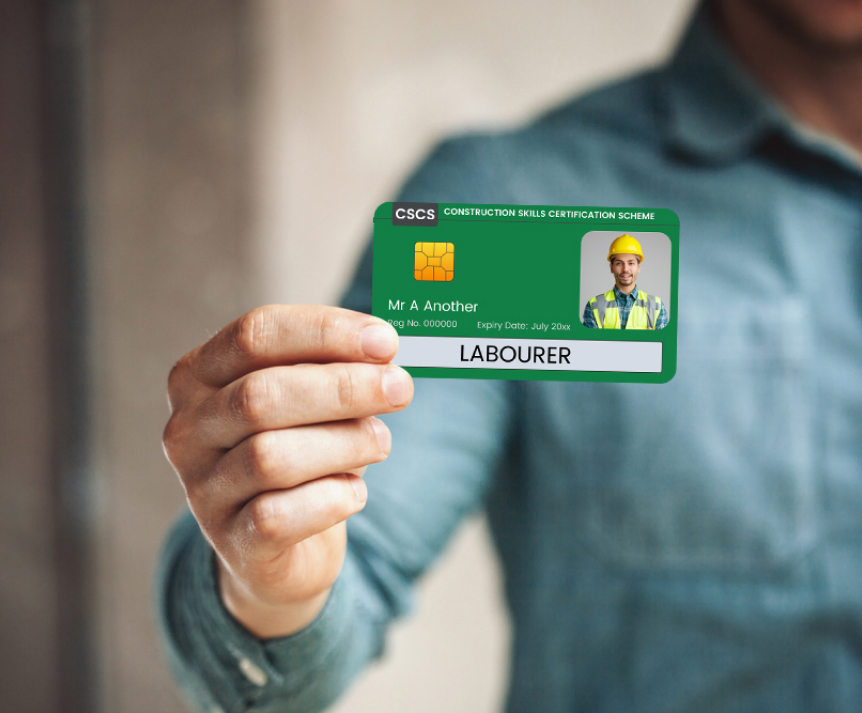
There are different types of CPCS cards that you can earn, depending on your experience and training. The first card you’ll receive is the CPCS Red Card, which is for beginners who have completed basic training and is valid for two years.
After that, you can apply for the CPCS Blue Card, which indicates that you’ve gained the necessary experience and completed further training to demonstrate a level of health, safety, and environmental awareness. The Blue Card is valid for five years; after this period, you will need to renew your qualification to remain current.
Start Your CPCS Training with Hurak
Explore our range of CPCS courses designed for anyone looking to start or enhance their career as a plant operator. Whether you’re a beginner or looking to advance your skills, our fully accredited courses will help you gain the qualifications that employers trust.
Here are some of our popular CPCS courses:
- CPCS Plant and Vehicle Marshaller (A73)
- CPCS Telescopic Handler (A17C)
- CPCS Slinger Signaller (A40)
- CPCS Crane Supervisor (A62)
- CPCS Appointed Persons – Lifting Operations (A61)
In addition to these, we offer a wide range of CPCS courses tailored to your career goals and requirements. Visit our site to discover more options and start your journey toward becoming a certified plant operator.
What is NPORS?
The National Plant Operators Registration Scheme (NPORS) is an accredited qualification system that ensures plant operators are trained and competent to operate heavy machinery on construction sites.
It’s an alternative to the CPCS scheme and is widely accepted across the UK construction industry. Whether you’re working with excavators, cranes, or forklifts, NPORS provides the qualification you need to prove your competence.
Like CPCS, NPORS also provides two key cards: the NPORS Red Card, intended for those new to plant operation, which is valid for two years, and the NPORS Blue Card, designed for more experienced operators, which is valid for five years.
Once the Blue Card expires, you’ll need to renew it by completing an update course.
Advance Your Career with NPORS Certification
Ready to take your plant operation skills to the next level? Hurak offers a wide range of NPORS courses, designed to provide you with hands-on experience and nationally recognised qualifications. Whether you’re new to plant operations or looking to boost your expertise, these courses will equip you to work confidently and safely on-site.
Check out some of our top NPORS courses:
Additionally, Hurak offers a comprehensive selection of NPORS courses, enabling you to select the training that perfectly aligns with your career goals and experience. Start your journey to becoming a certified plant operator today — explore all NPORS courses on our website.
Difference Between NPORS and CPCS: Which Qualification Scheme Is Right for You?
Deciding between NPORS and CPCS can be challenging because the two schemes appear similar at first glance. Understanding the key differences and selecting the right course to align with your career goals and needs can often be confusing.
In this section, we’ll explore the key differences between NPORS and CPCS to help you decide which qualification scheme best suits your needs. While both schemes provide accredited training, they differ in terms of cost, flexibility, and industry recognition.
Let’s break down their key differences below:
NPORS vs CPCS
Key Differences | NPORS | CPCS |
Cost | Cost-effective, as it allows for on-site training and testing. This reduces costs related to equipment hire and travel. | CPCS training and assessments are conducted at accredited CPCS centres, which can contribute to the overall cost. |
Testing Location | NPORS enables on-site testing, allowing operators to demonstrate their skills using the equipment they will actually be working with. This real-world testing environment is ideal for those who prefer a hands-on approach to learning. | CPCS tests are held at specific centres and require operators to travel to accredited test centres for their training and assessments. |
Industry Recognition | Has gained significant recognition in recent years. It is now accepted by major construction industry bodies, such as CSCS and CITB, making it a credible alternative to CPCS. | Has been the industry standard for many years and is widely recognised and accepted by employers. |
Flexibility | It offers flexibility in terms of training delivery. It allows businesses to train multiple employees on-site, meaning operators don’t have to travel or disrupt their ongoing projects. | Has a more centralised approach, requiring operators to attend designated CPCS training centres. |
Conclusion:
Although both NPORS and CPCS are widely recognised qualifications and play a significant role in the construction industry, it’s crucial to choose the right course based on your career goals, preferences, and specific needs.
As a plant operator, it’s essential to assess what fits best with your aspirations and what type of work you want to pursue. Additionally, if you’re planning to take one of these courses, it may be helpful to check with your employer to understand which certification they prefer or require.
While many major industry players accept NPORS, some companies still prioritise CPCS. Therefore, asking your employer about their preferred qualification can save you time and ensure your training aligns with industry expectations.
Ready to take your career to the next level? Hurak offers fully accredited CPCS and NPORS courses that employers trust.
Obtain your CPCS and NPORS cards through our recognised training programs, gain the skills, earn the qualifications, and unlock new opportunities in the construction industry.
Select the course that aligns with your career goals and begin building your future today with your
FAQs
What is the difference between CPCS and NPORS?
Both CPCS and NPORS are accredited qualification schemes for plant operators in the UK. The main difference lies in the cost and flexibility of training. CPCS generally requires training at accredited centres, while NPORS allows on-site training, making it more cost-effective. Both provide essential qualifications, but CPCS is more widely recognised across larger construction firms, while NPORS is becoming increasingly accepted across the industry.
Which qualification is better for a plant operator, CPCS or NPORS?
The choice between CPCS and NPORS depends on your career goals and the work environment you plan to be in. If you’re aiming to work for larger construction firms, CPCS may be the better choice due to its long-standing reputation. However, if you’re looking for more flexibility and cost-effective training, NPORS could be ideal. Both qualifications are recognised, but it’s always a good idea to check with your employer to see which certification they prefer.
How long is a CPCS card valid?
The CPCS Red Card is valid for two years, and the CPCS Blue Card is valid for five years. After the Blue Card expires, you will need to renew it by completing the necessary training and assessments.
What types of machinery can I operate with a CPCS or NPORS card?
With a CPCS, NPORS card, you can operate various types of machinery, including excavators, cranes, forklifts, and dumpers. The qualifications you achieve depend on the specific CPCS, NPORS courses you take, which are tailored to different machinery types and job roles.
Can I renew my NPORS card?
Yes, both CPCS and NPORS cards can be renewed. Similar to CPCS, NPORS Blue Cards are valid for five years, and operators must complete an update course to renew their card upon expiration.
Are CPCS and NPORS qualifications recognised across the UK?
Yes, both CPCS and NPORS are widely recognised and accepted across the UK construction industry. CPCS is the industry standard for many employers, while NPORS is increasingly recognised, with endorsements from major industry bodies like CSCS, CITB, and Build UK.
What are the costs of CPCS and NPORS courses?
Generally, NPORS courses tend to be more cost-effective because they can be conducted on-site, thereby reducing costs associated with equipment hire and travel. CPCS courses, however, usually require training at accredited centres, which can add to the overall cost. Prices vary depending on the course and location, so it’s best to check with your training provider for specific details.
How do I get a CPCS and NPORS card?
To obtain a CPCS and NPORS card, you must complete the relevant training course and pass both the practical and theory tests. After successfully completing the course, you will be issued a qualification card, either a CPCS Red Card or NPORS Red Card for beginners, which can be upgraded to the CPCS Blue Card or NPORS Blue Card after gaining more experience.
Can I take CPCS and NPORS training on-site?
NPORS enables on-site training, which is ideal for businesses that want to train employees without disrupting ongoing projects. However, CPCS requires training to be carried out at certified CPCS centres, which may not be as flexible as NPORS in terms of location.